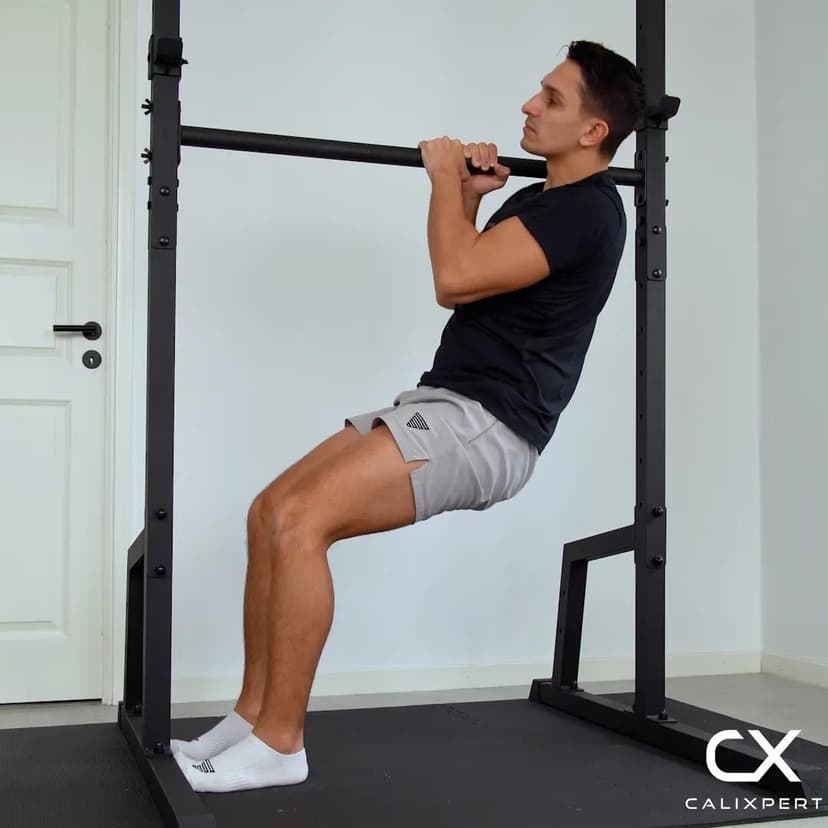
One Leg Pike Pulses
One Leg Pike Pulses are a seated core compression exercise that trains the hip flexors, abs, and quads by lifting one leg at a time from a pike position while keeping the upper body completely still. The movement demands active core compression and isolated leg control, which makes it one of the most effective drills for building the specific hip flexor strength needed in L-sits and pike holds. When performed with strict form and no momentum, this exercise develops the seated leg lift capacity that transfers directly into intermediate and advanced calisthenics skills.
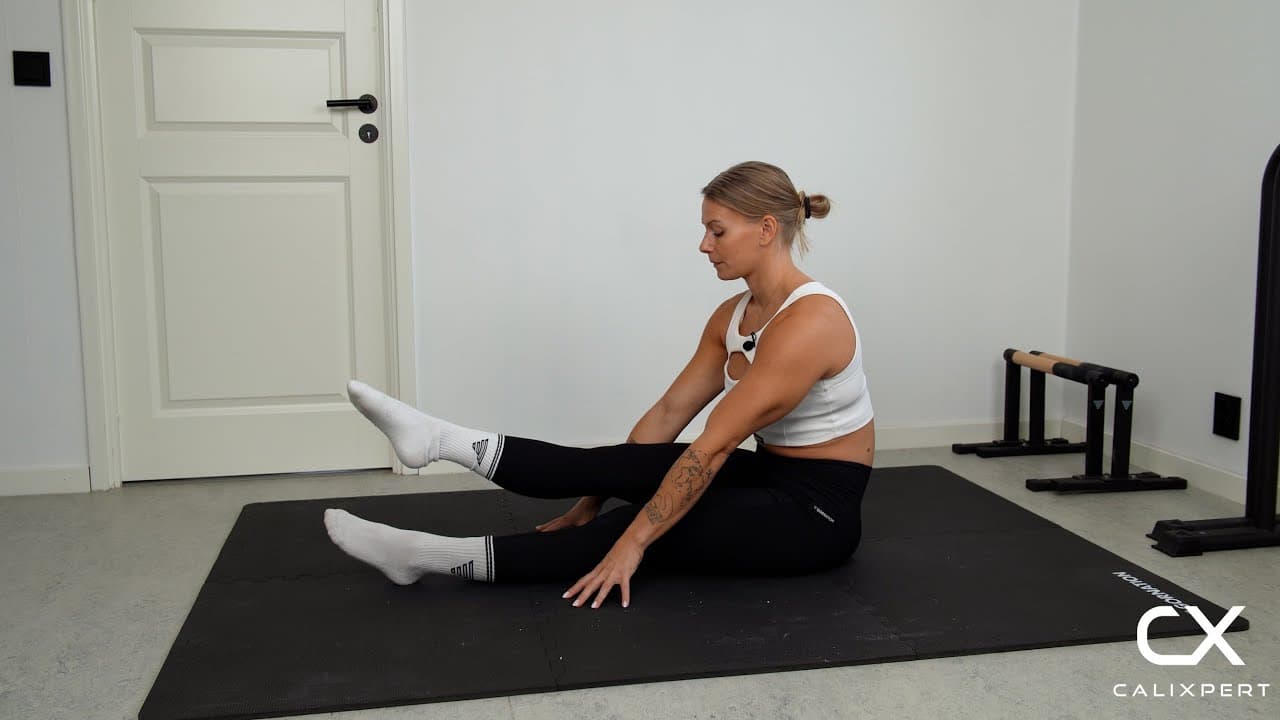
One Leg Pike Pulses are a seated core compression exercise that trains the hip flexors, abs, and quads by lifting one leg at a time from a pike position while keeping the upper body completely still. The movement demands active core compression and isolated leg control, which makes it one of the most effective drills for building the specific hip flexor strength needed in L-sits and pike holds. When performed with strict form and no momentum, this exercise develops the seated leg lift capacity that transfers directly into intermediate and advanced calisthenics skills.
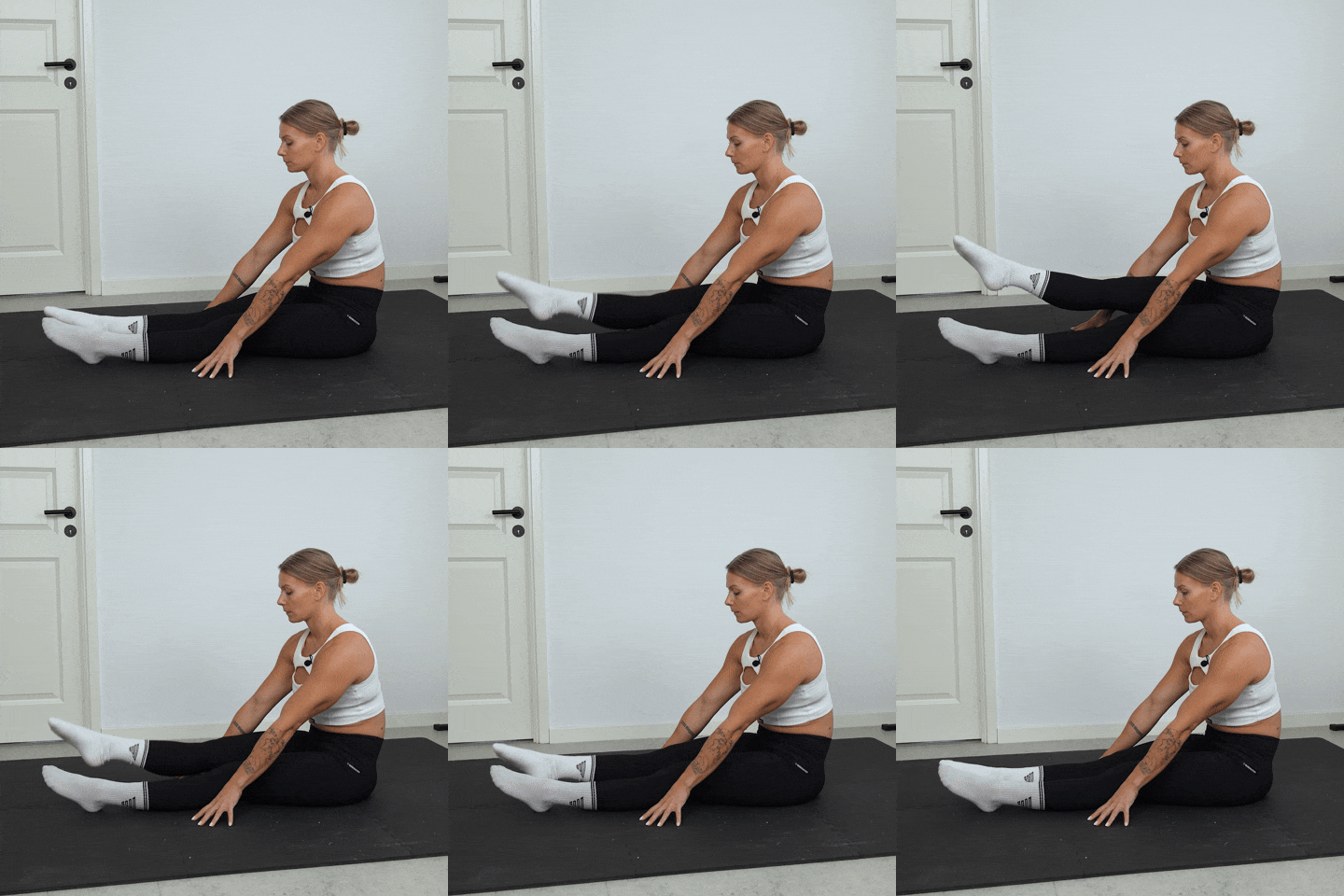
How to Do One Leg Pike Pulses
1. Sit in the Pike Position
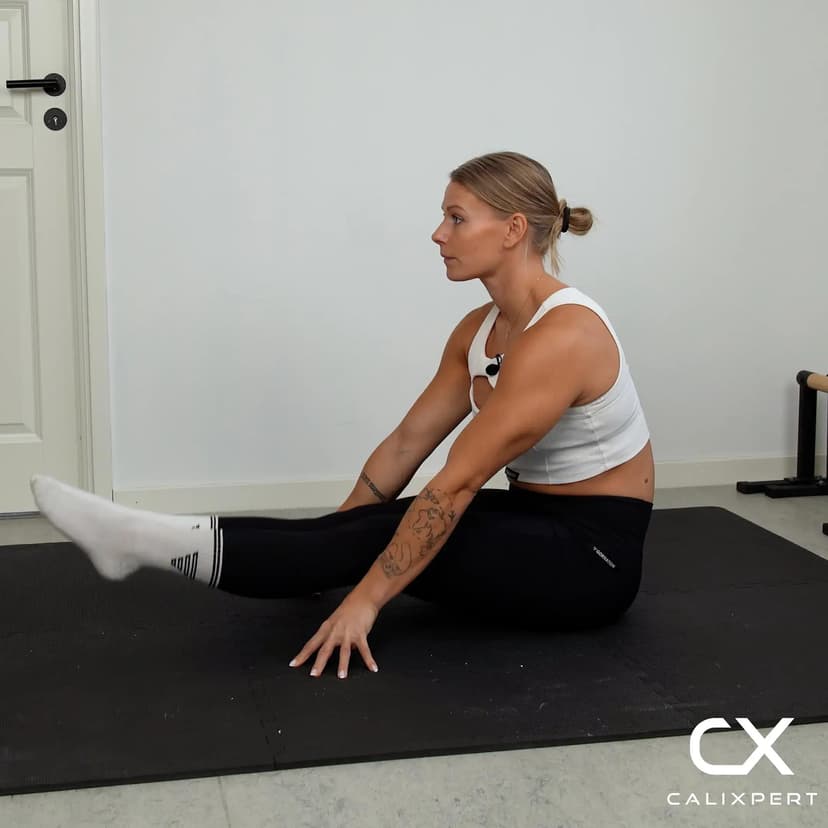
Sit on the floor with both legs extended straight in front of you and your feet together. Keep your back straight and your torso as upright as possible. Your hip angle should be at or slightly less than 90 degrees. Avoid leaning back past 90 degrees at the hips, as this removes the core demand from the exercise.
Sit tall, hips at 90 degrees
2. Place Your Hands on the Floor
Place your fingertips on the floor next to your legs at approximately knee height. The further forward you place your hands, the harder the exercise becomes. If you need to reduce difficulty, slide your hands slightly backward, but never behind your hips. Your hands provide light balance support, not a pushing surface.
Fingertips down, hands near the knees
3. Engage Core Compression
Before lifting either leg, actively suck your belly in toward your spine to create core compression. This braces the trunk and locks your upper body in place so the only movement comes from the working leg. Without this compression, the torso will rock backward as the leg lifts, and the hip flexors lose their training stimulus.
Suck belly to spine before lifting
4. Lift One Leg With Control
Keeping your upper body completely still, lift one leg off the floor as high as you can while maintaining a straight knee. The lift should be smooth and controlled with no bounce or swing. Your opposite leg stays flat on the ground and does not shift. If you cannot lift the leg very high, reduce the range and focus on keeping the torso motionless.
Leg moves, body stays frozen
5. Pulse at the Top
At the top of the lift, perform small controlled pulses by lowering the leg a few inches and lifting it back up. Each pulse should maintain constant tension in the hip flexors and abs. Do not let the leg drop between pulses or use a swinging motion to regain height.
Small pulses, constant tension
6. Lower and Switch Legs
Lower the working leg back to the floor under control and reset your core compression. Perform the same number of reps on the opposite leg before resting. Maintain the same hand position and torso posture on both sides to keep the training stimulus balanced.
Reset compression before switching
Most people fail this exercise because they treat it like a leg raise. It is not. The entire point is that your upper body stays frozen while only the leg moves. If your torso shifts even slightly, you are compensating. Move your hands back, reduce the height, and rebuild from a position where your body is actually still. The strength you build at a lower range with perfect form transfers far better than sloppy high reps.
Muscles Worked During One Leg Pike Pulses
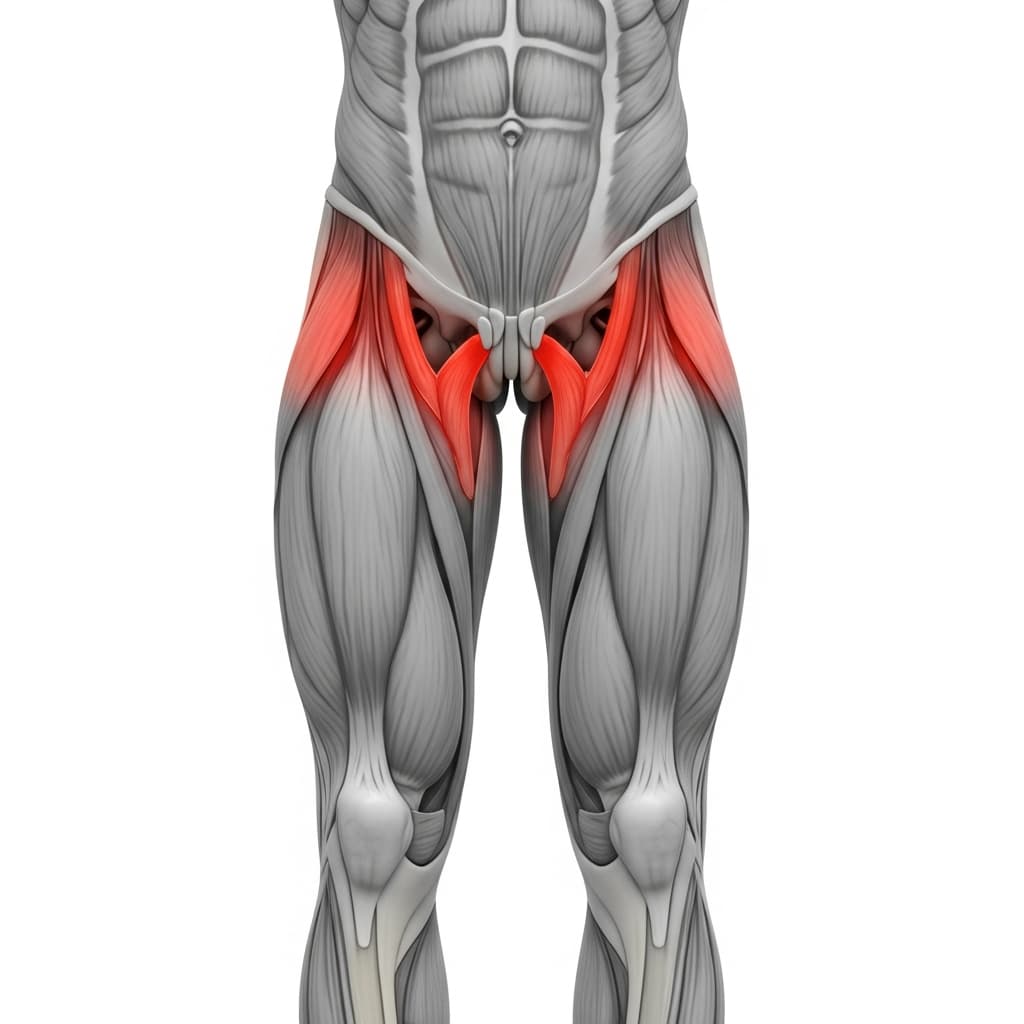
Primary Muscles:
Secondary Muscles:
Primary Muscles
Iliopsoas (Hip Flexors) - The hip flexors are the primary movers, contracting to lift the extended leg off the floor against gravity while the hip remains at or below 90 degrees.
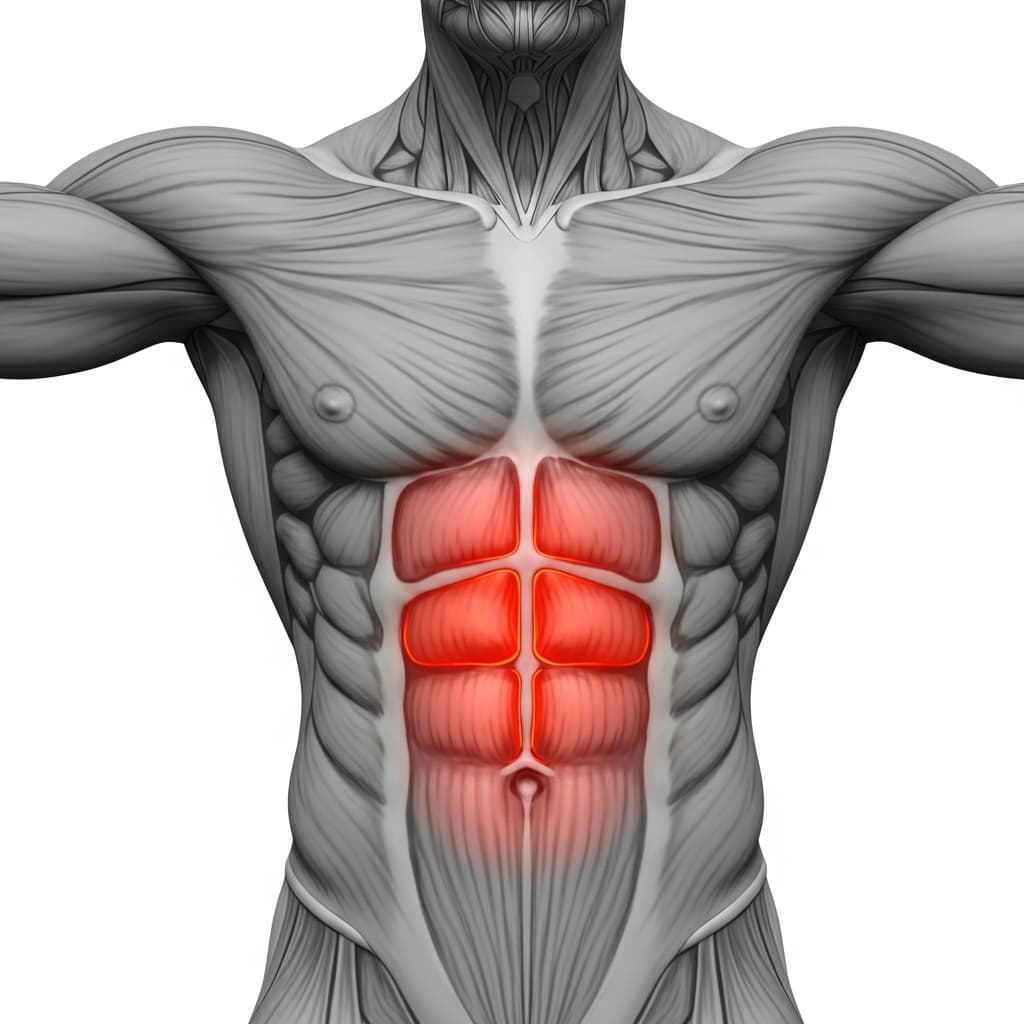
Rectus Abdominis (Abs) - The rectus abdominis and deep core muscles maintain trunk compression and prevent the torso from rocking backward as the leg lifts.
Secondary Muscles
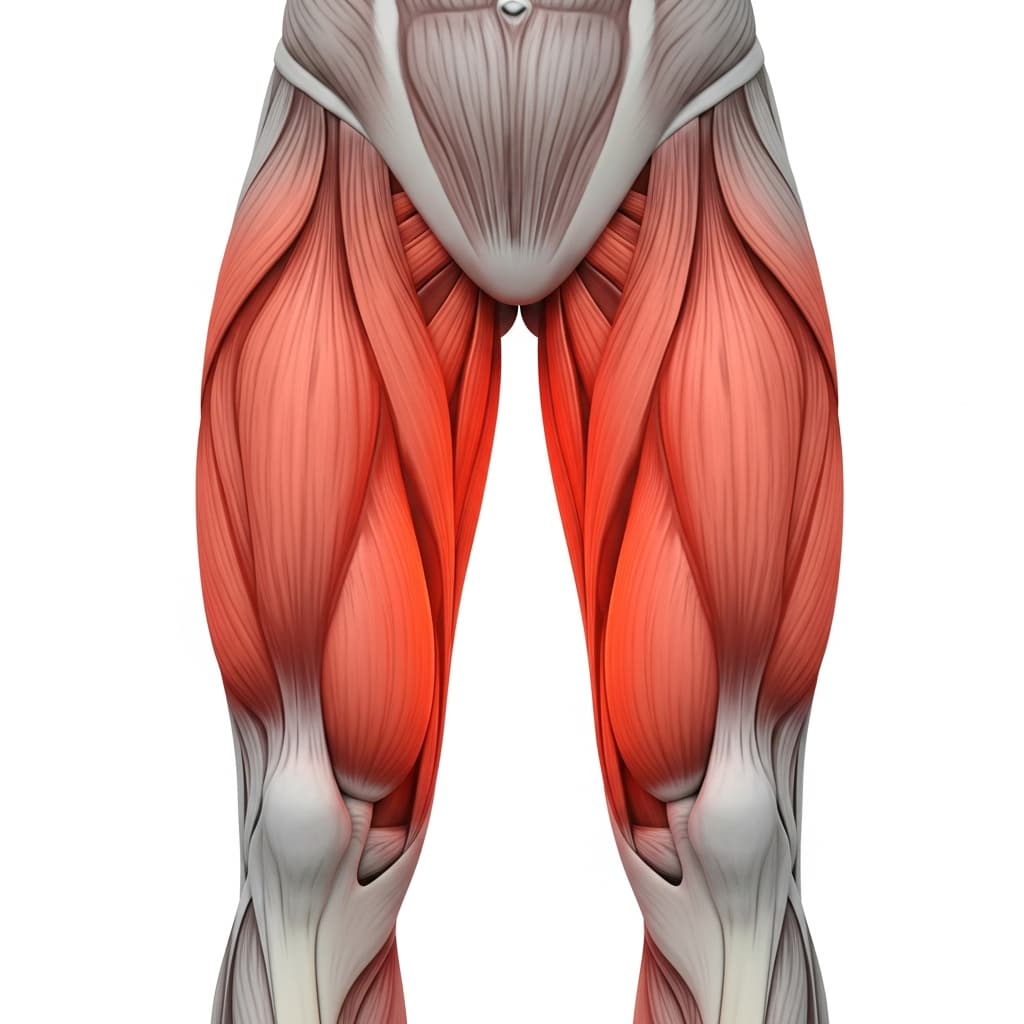
Quadriceps (Quads) - The quadriceps hold the knee in full extension throughout the lift, keeping the leg straight and increasing the lever demand on the hip flexors.
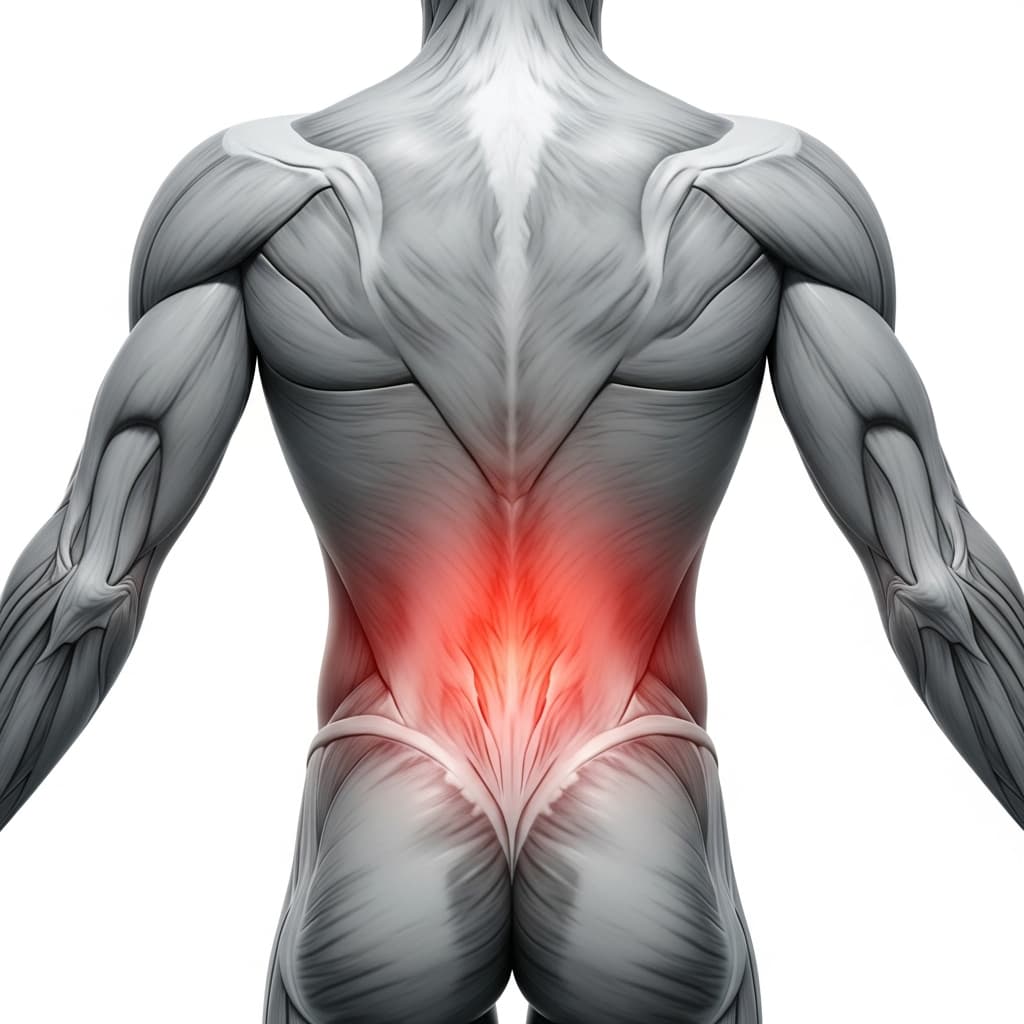
Erector Spinae (Lower Back) - The lower back muscles work isometrically to maintain an upright spinal position and prevent the pelvis from tucking under during each rep.
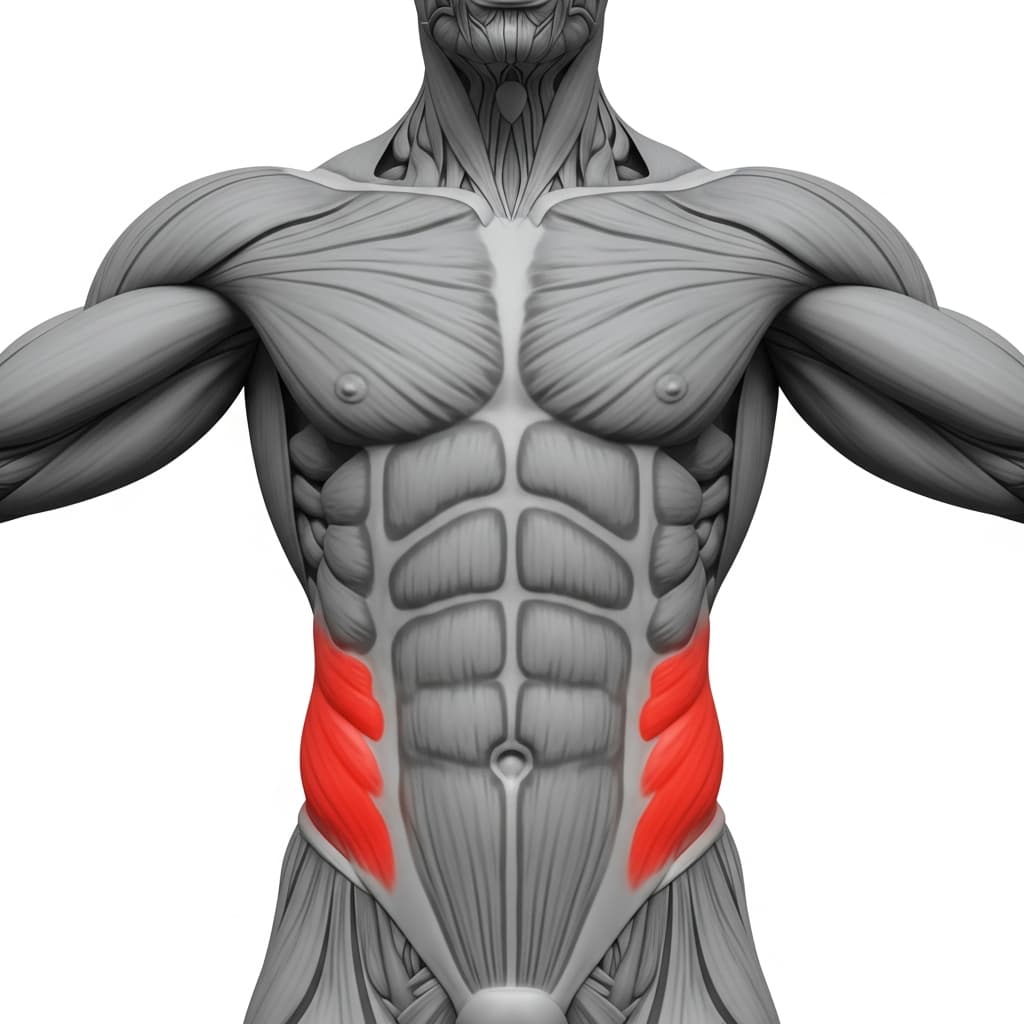
Obliques (Obliques) - The obliques fire to prevent lateral torso shift and rotation when only one leg is being lifted, keeping the trunk square and stable.
Benefits of One Leg Pike Pulses
- Builds the specific hip flexor strength required for L-sit progressions, pike presses, and V-sit holds in calisthenics
- Develops active core compression, the ability to brace the trunk while moving the legs independently, which is foundational for advanced bodyweight skills
- Improves seated leg lift height over time, directly increasing the active range of motion in pike and straddle positions
- Trains unilateral hip flexor control, exposing and correcting strength imbalances between the left and right sides
Who Is This Exercise For?
You should be able to sit upright in a pike position with your legs flat on the floor and your back straight for at least 30 seconds before attempting this exercise. If you cannot maintain an upright torso without rounding your lower back, work on seated pike stretches and basic core compression drills first. This exercise is not suitable for anyone who lacks the baseline hamstring flexibility to sit in a flat pike without significant posterior pelvic tilt.
Common Mistakes to Avoid
Rocking the upper body backward: Your torso must stay completely still throughout every rep. If your upper body rocks back as the leg lifts, you are compensating for weak hip flexors. Move your hands slightly backward to reduce difficulty and focus on isolating the leg movement.
Using momentum to lift the leg: Each lift should start from a dead stop with no swing or bounce. If you need momentum to get the leg up, reduce the target height and build strength at a lower range of motion first.
Skipping core compression: Actively suck your belly toward your spine before every rep. Without this core brace, the exercise becomes a sloppy leg swing instead of a targeted hip flexor and core drill.
Placing hands too far behind the hips: When your hands drift behind your hips, the hip angle opens past 90 degrees and the exercise shifts from a core compression drill into a passive lean. Keep your hands at or slightly in front of your knees.