Negative Leg Raises
Negative leg raises are an eccentric-focused core exercise performed from a dip support hold, targeting the abs and hip flexors through a controlled lowering phase. The movement begins with a knee raise, followed by extending the legs out and lowering them slowly, which loads the lower abdominals under stretch. This eccentric bias makes negative leg raises one of the most effective progressions for building the core control needed for L-sits, front levers, and strict hanging leg raises.
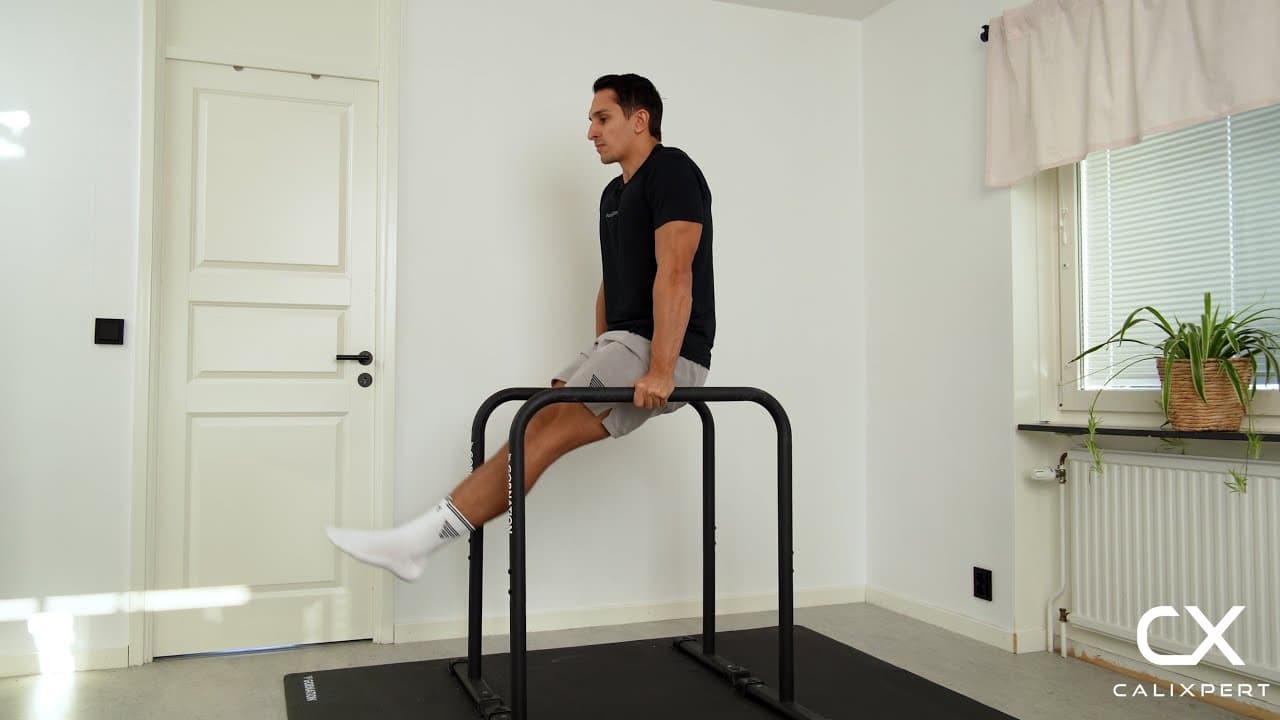
Negative leg raises are an eccentric-focused core exercise performed from a dip support hold, targeting the abs and hip flexors through a controlled lowering phase. The movement begins with a knee raise, followed by extending the legs out and lowering them slowly, which loads the lower abdominals under stretch. This eccentric bias makes negative leg raises one of the most effective progressions for building the core control needed for L-sits, front levers, and strict hanging leg raises.
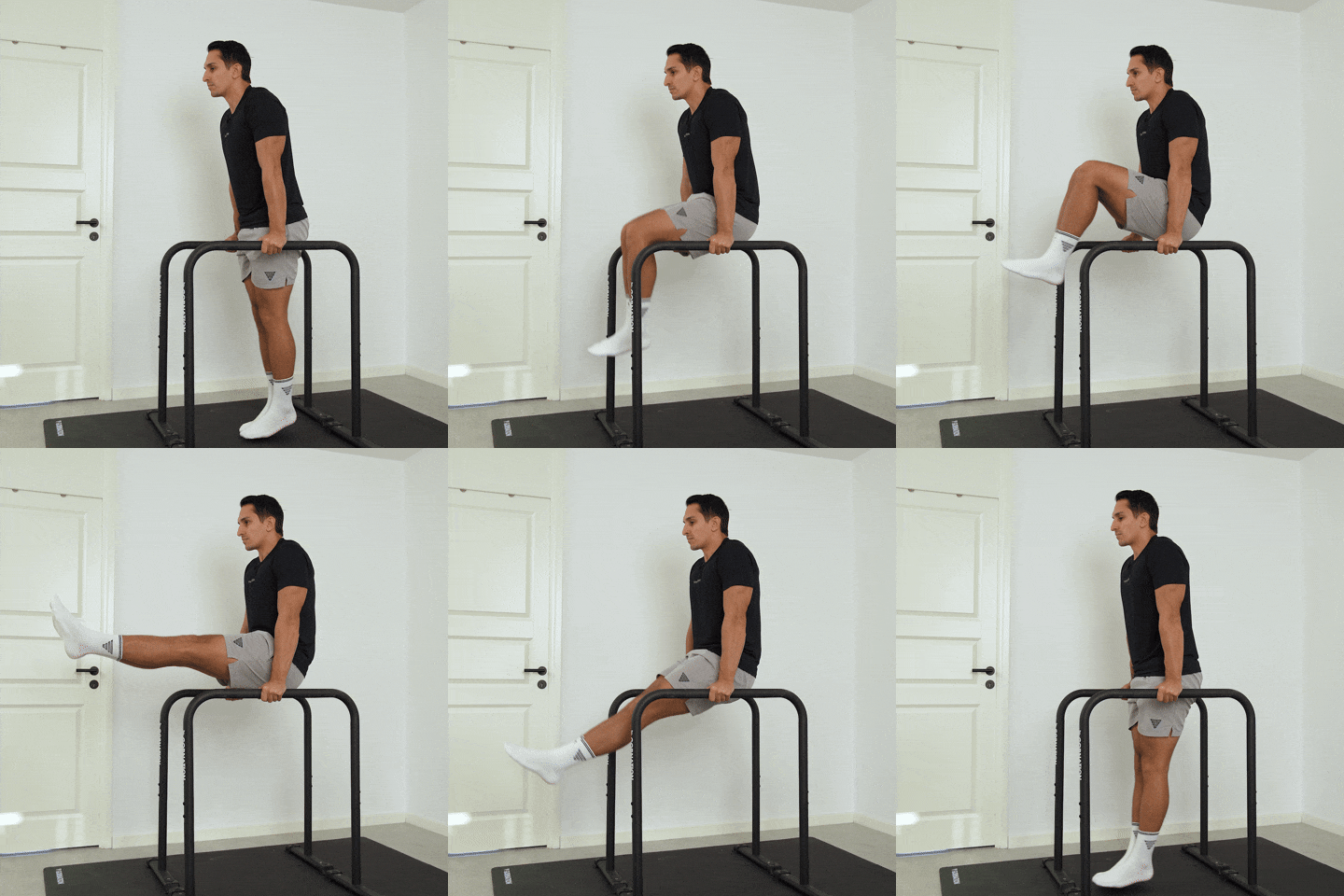
How to Do Negative Leg Raises
1. Set Up the Dip Support Hold
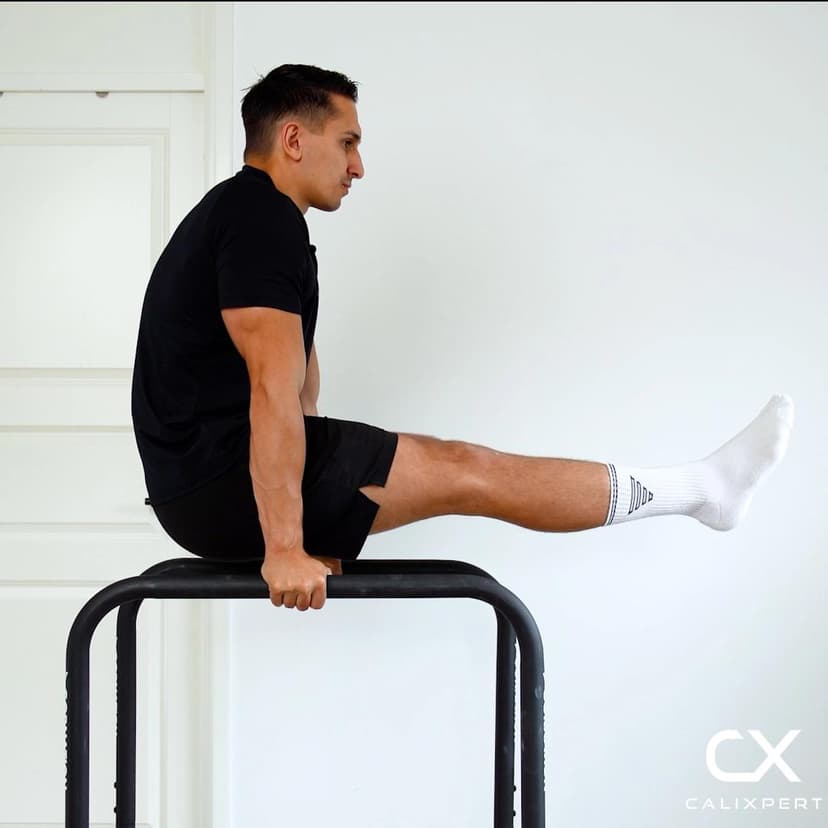
Grip the dip bars firmly with both hands and press yourself up into a full support hold with arms locked out. Keep your shoulders depressed and pulled slightly back, not shrugged toward your ears. Your body should hang straight with legs together and feet off the ground.
Shoulders down, arms locked
2. Raise Your Knees Forward
Engage your core and bring your knees up in front of you. Drive the knees forward, not toward your chest. This forward trajectory keeps the load on the lower abs rather than shifting it to the hip flexors alone. Avoid swinging or using momentum to lift the knees.
Knees forward, not toward your chest
3. Extend Your Legs Straight
From the tucked position, slowly extend both legs until they are straight and roughly parallel to the ground. Keep your toes pointed and legs pressed together throughout the extension. Your core should be braced hard to prevent your lower back from arching as the legs straighten.
Extend fully, toes pointed
4. Lower Legs Under Control
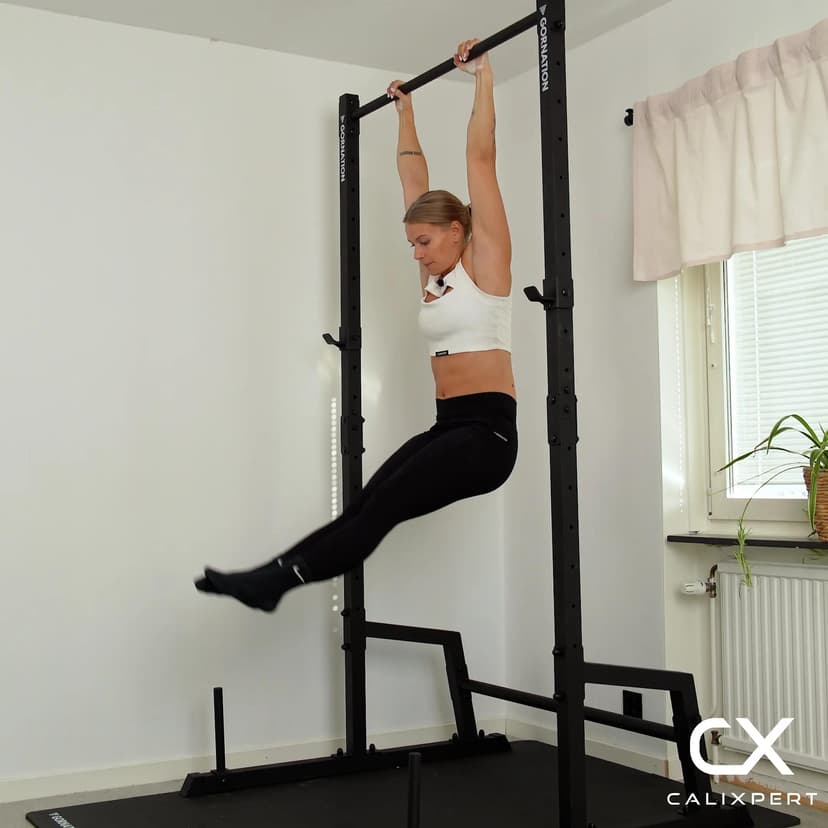
This is the negative phase and the most important part of the exercise. Slowly lower your straight legs back down to the starting position, resisting gravity the entire way. Aim for a 3 to 4 second descent. Your abs should be working hard against the pull of your legs throughout the lowering.
Fight gravity, never just drop
5. Reset and Repeat
Once your legs return to the bottom, re-establish your dip support hold with shoulders depressed and body stable before starting the next rep. Do not rush into the next knee raise while swinging. Each rep should begin from a controlled dead position.
Full reset before the next rep
Most people rush through the lowering phase because it is the hardest part, which is exactly why you should slow it down. Set a goal of 4 seconds from full extension to dead hang on every single rep. If you cannot hit 4 seconds with straight legs, bend the knees slightly and own that tempo first. The strength you build in the negative is what eventually lets you reverse the movement and do strict leg raises.
Muscles Worked During Negative Leg Raises
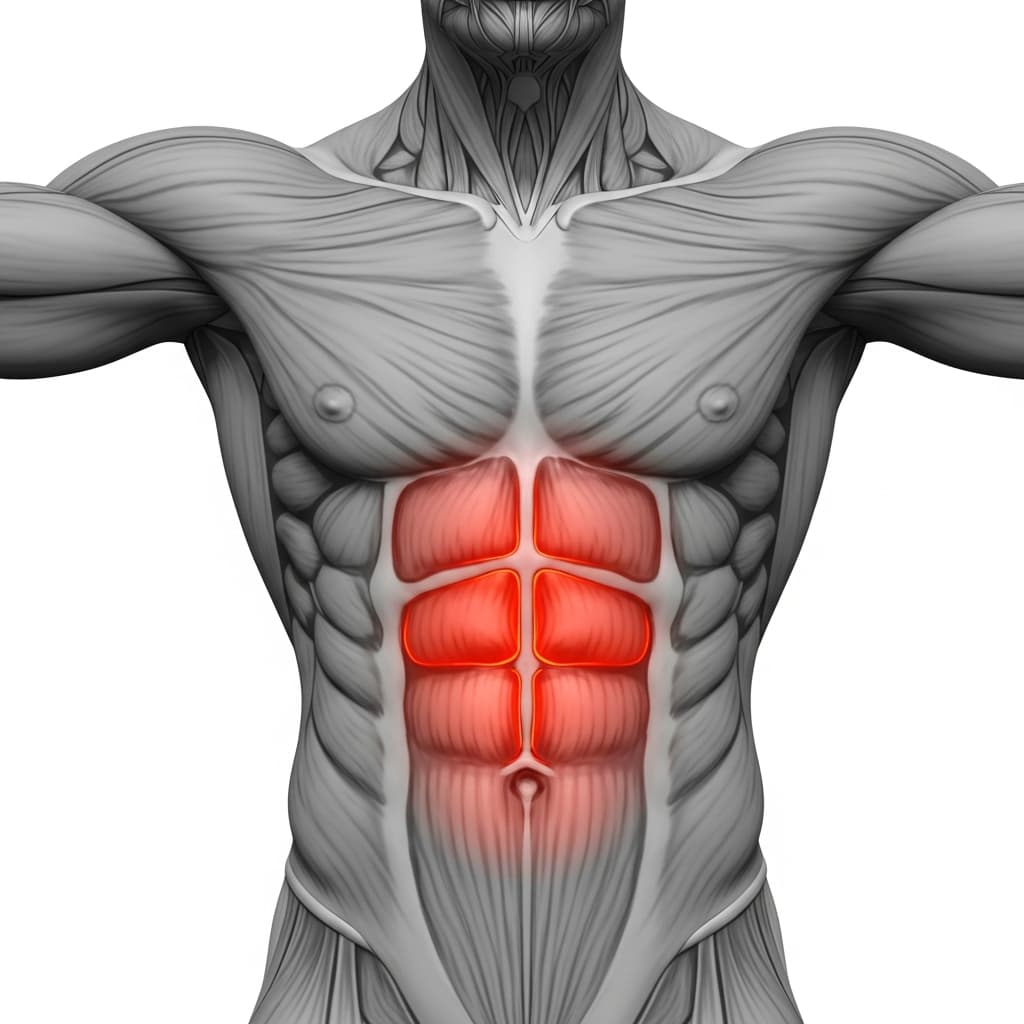
Primary Muscles:
Secondary Muscles:
Primary Muscles
Rectus Abdominis (Abs) - The rectus abdominis works eccentrically to control the lowering of the extended legs, resisting spinal extension as the lever arm increases during the descent.
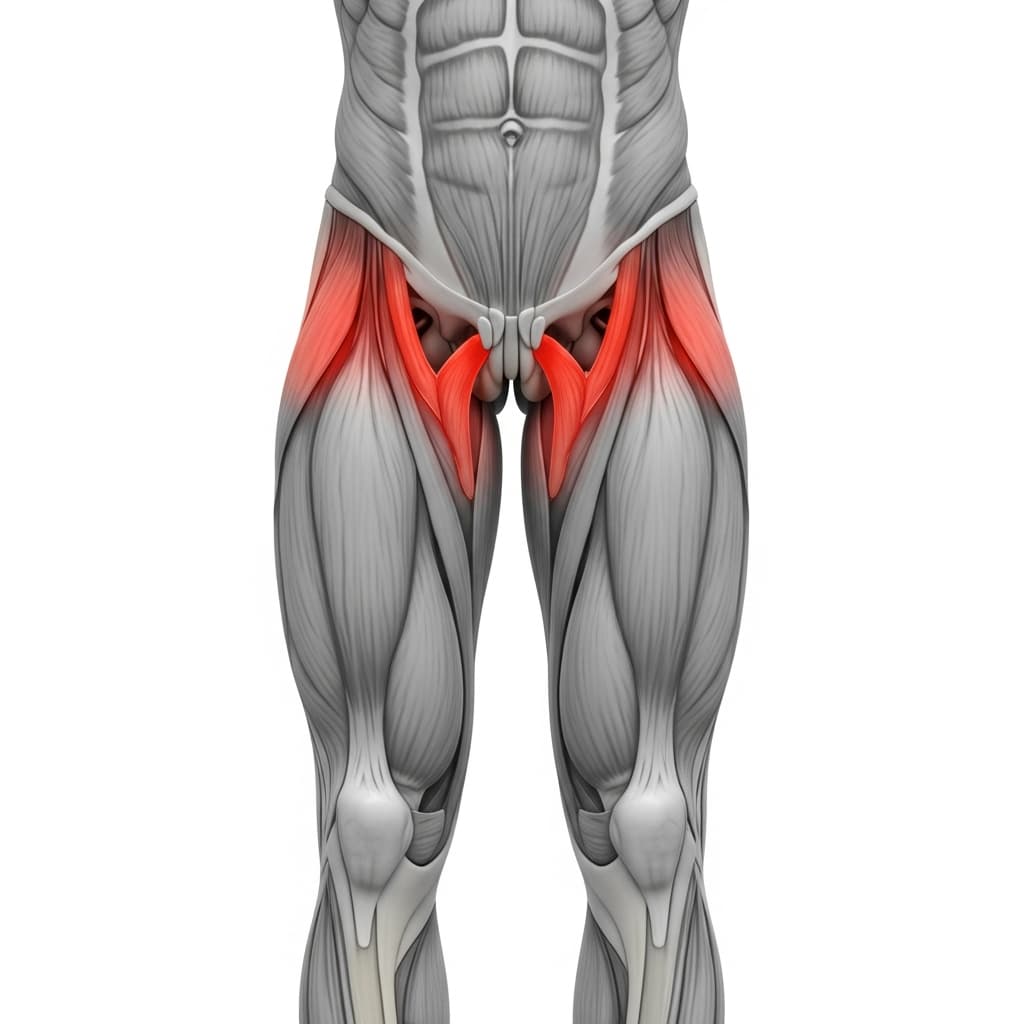
Iliopsoas (Hip Flexors) - The hip flexors drive the initial knee raise and work eccentrically alongside the abs to control hip extension speed as the legs lower back to the starting position.
Secondary Muscles
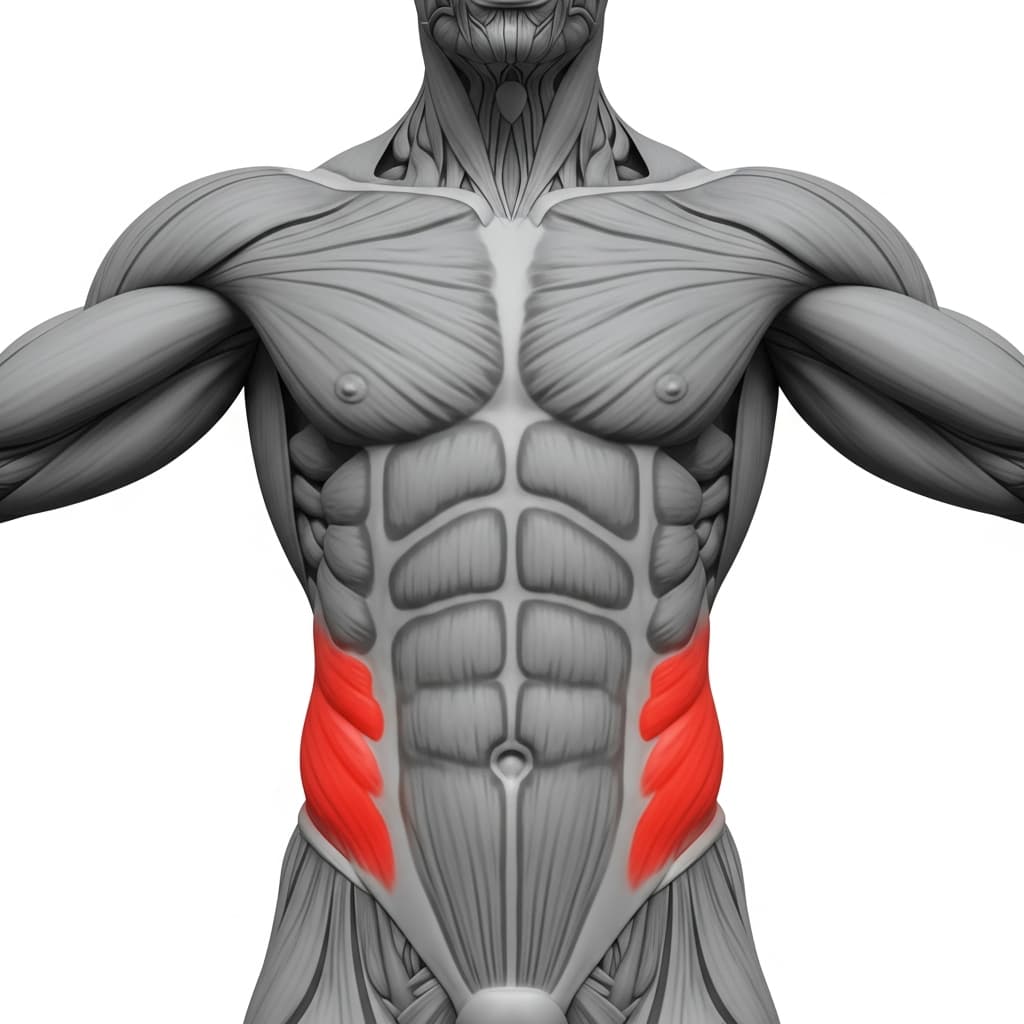
Obliques (Obliques) - The obliques stabilize the pelvis and prevent lateral rotation or shifting during the knee raise, extension, and negative phases.
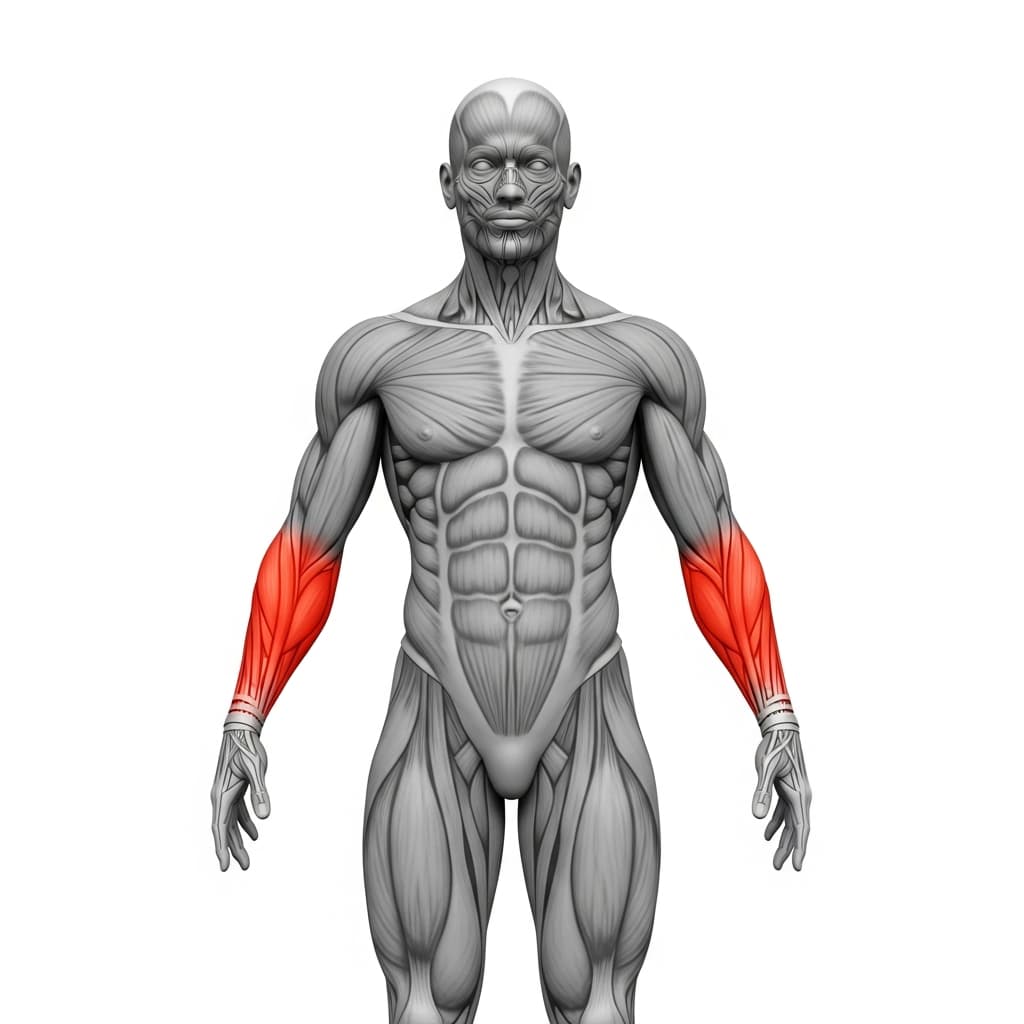
Forearm Flexors & Extensors (Forearms) - The forearm flexors maintain a secure grip on the dip bars throughout the set, sustaining isometric contraction under full bodyweight for the duration of every rep.
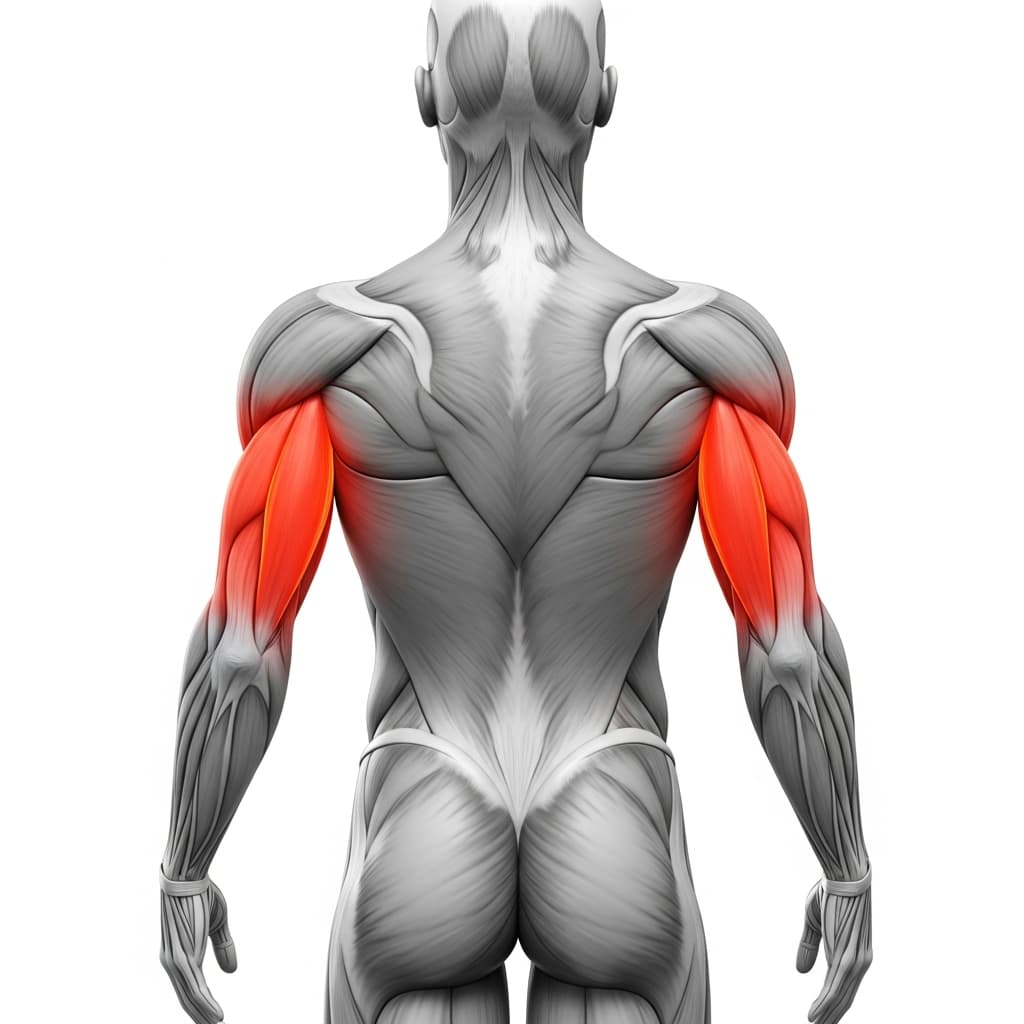
Triceps Brachii (Triceps) - The triceps hold the elbows locked in full extension during the dip support hold, keeping the body elevated and stable while the legs move.
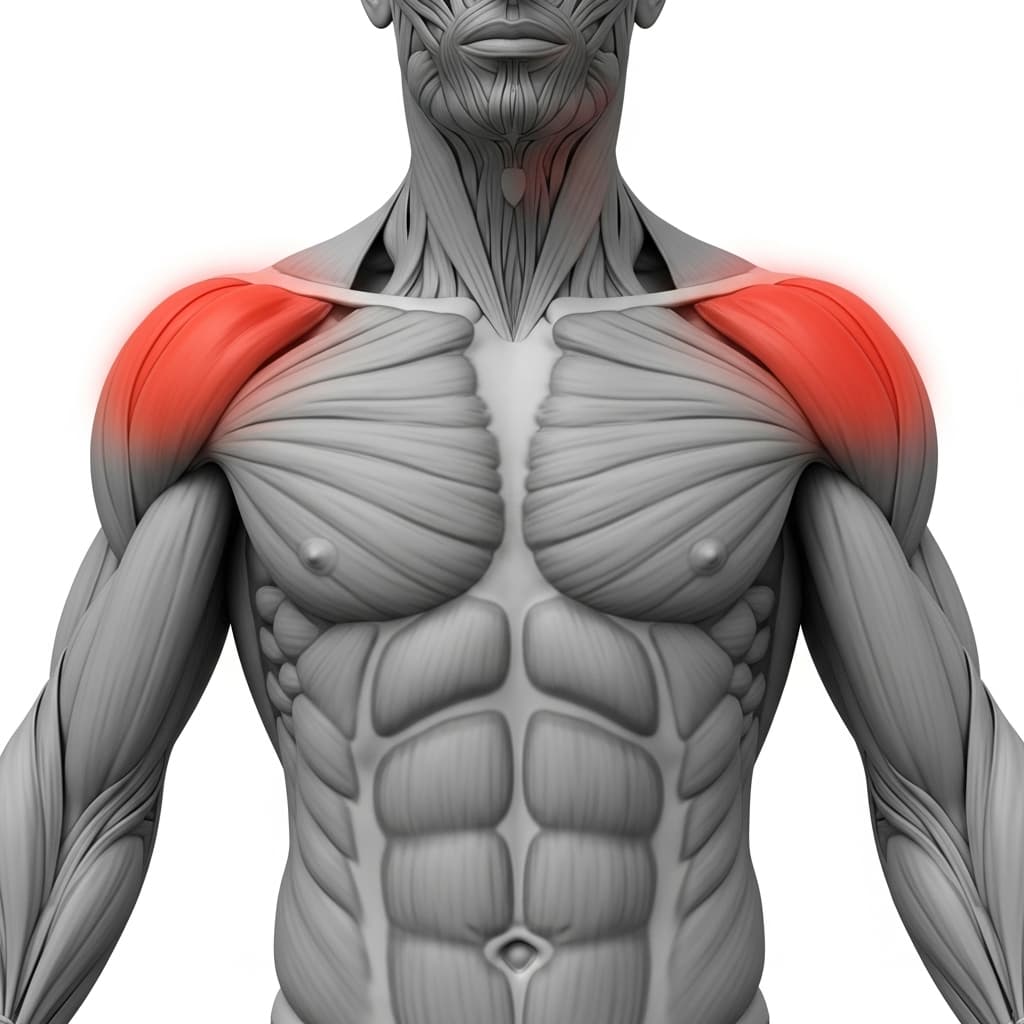
Anterior Deltoid (Front Deltoid) - The anterior deltoids stabilize the shoulder joint in the support position, counteracting the forward pull created by the shifting center of gravity as the legs raise.
Benefits of Negative Leg Raises
- Builds eccentric lower abdominal strength, which is the weakest link for most athletes progressing toward L-sits and front levers
- Develops hip flexor control and endurance in the shortened position, which directly transfers to hanging leg raises and compression movements
- Strengthens the dip support hold as a secondary effect, improving shoulder stability for dips, muscle-ups, and ring work
- Teaches pelvic control under load, training the ability to maintain a posterior tilt that prevents lower back compensation during advanced core movements
Who Is This Exercise For?
You should be able to hold a stable dip support hold for at least 15 seconds without your shoulders shrugging up or your body swaying. If maintaining the support position is a struggle, focus on dip support holds and knee raises before adding the extension and negative phase. You also need enough hamstring flexibility to extend your legs to at least parallel without rounding your lower back.
Common Mistakes to Avoid
Arching the lower back during the negative: Maintain a slight posterior pelvic tilt throughout the lowering phase by actively tucking your pelvis. If your back arches, it means your abs have disengaged and the load has shifted to the hip flexors and spine.
Bringing knees toward the chest instead of forward: Drive the knees straight out in front of you, not up toward your ribcage. Pulling knees to the chest shortens the lever arm and reduces the demand on the lower abs during the extension and negative.
Dropping the legs instead of lowering them: The entire point of the exercise is the controlled eccentric. If you cannot lower your legs over at least 3 seconds, reduce the range of motion or keep the knees slightly bent until you build enough strength.
Swinging or using momentum between reps: Pause at the bottom of each rep and eliminate any body swing before starting the next knee raise. Momentum removes the tension from your abs and turns the exercise into a hip flexor swing.
Variations & Progressions
Negative Tuck Leg Raises
Keep your knees bent throughout the entire lowering phase instead of extending the legs fully. The shorter lever arm reduces the load on the abs significantly, making it accessible for beginners who cannot yet control the full extension.