L-sit Support Hold With Leg Lift
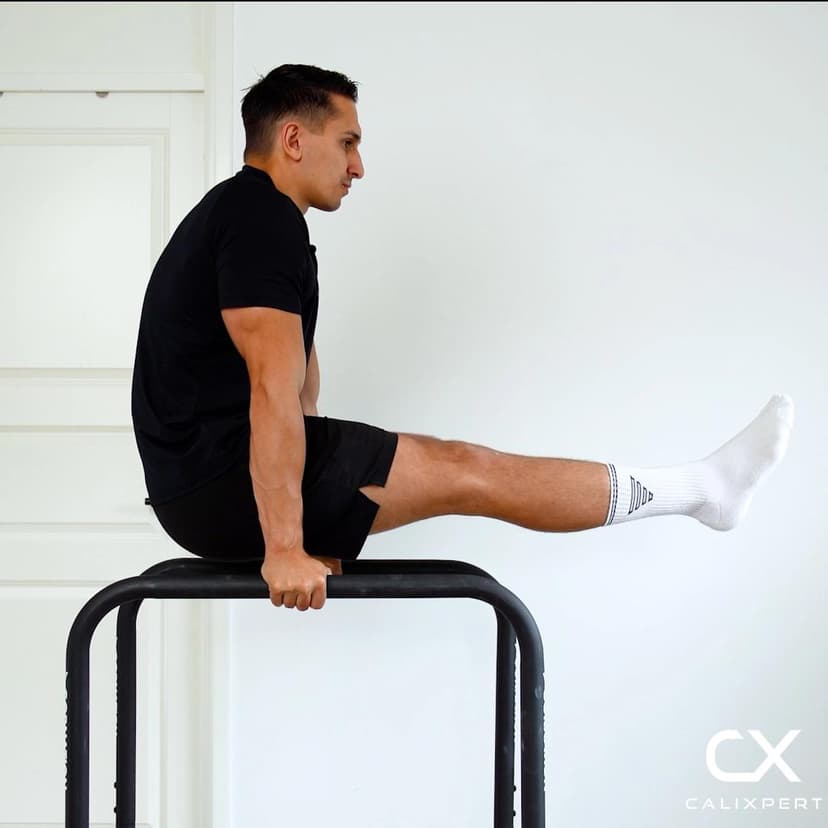
The L-sit support hold with leg lift is a parallette-based core exercise that trains the abs, hip flexors, and shoulder stabilizers through an isometric hold with active leg elevation. The movement begins in a locked-out support hold and progresses into a posterior pelvic tilt with the legs lifting as high as possible, demanding both compression strength and scapular control. This exercise builds the specific core and hip flexor endurance required for a full L-sit and transfers directly into tuck planche and press-to-handstand progressions.
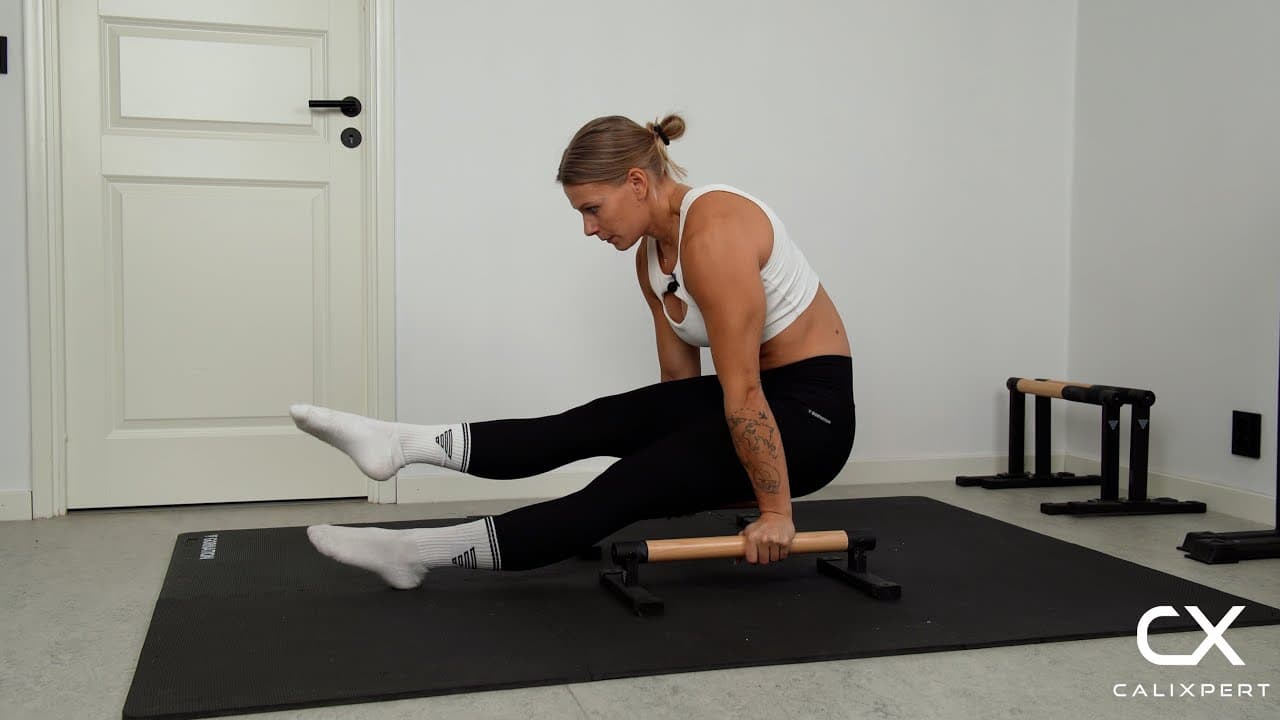
The L-sit support hold with leg lift is a parallette-based core exercise that trains the abs, hip flexors, and shoulder stabilizers through an isometric hold with active leg elevation. The movement begins in a locked-out support hold and progresses into a posterior pelvic tilt with the legs lifting as high as possible, demanding both compression strength and scapular control. This exercise builds the specific core and hip flexor endurance required for a full L-sit and transfers directly into tuck planche and press-to-handstand progressions.
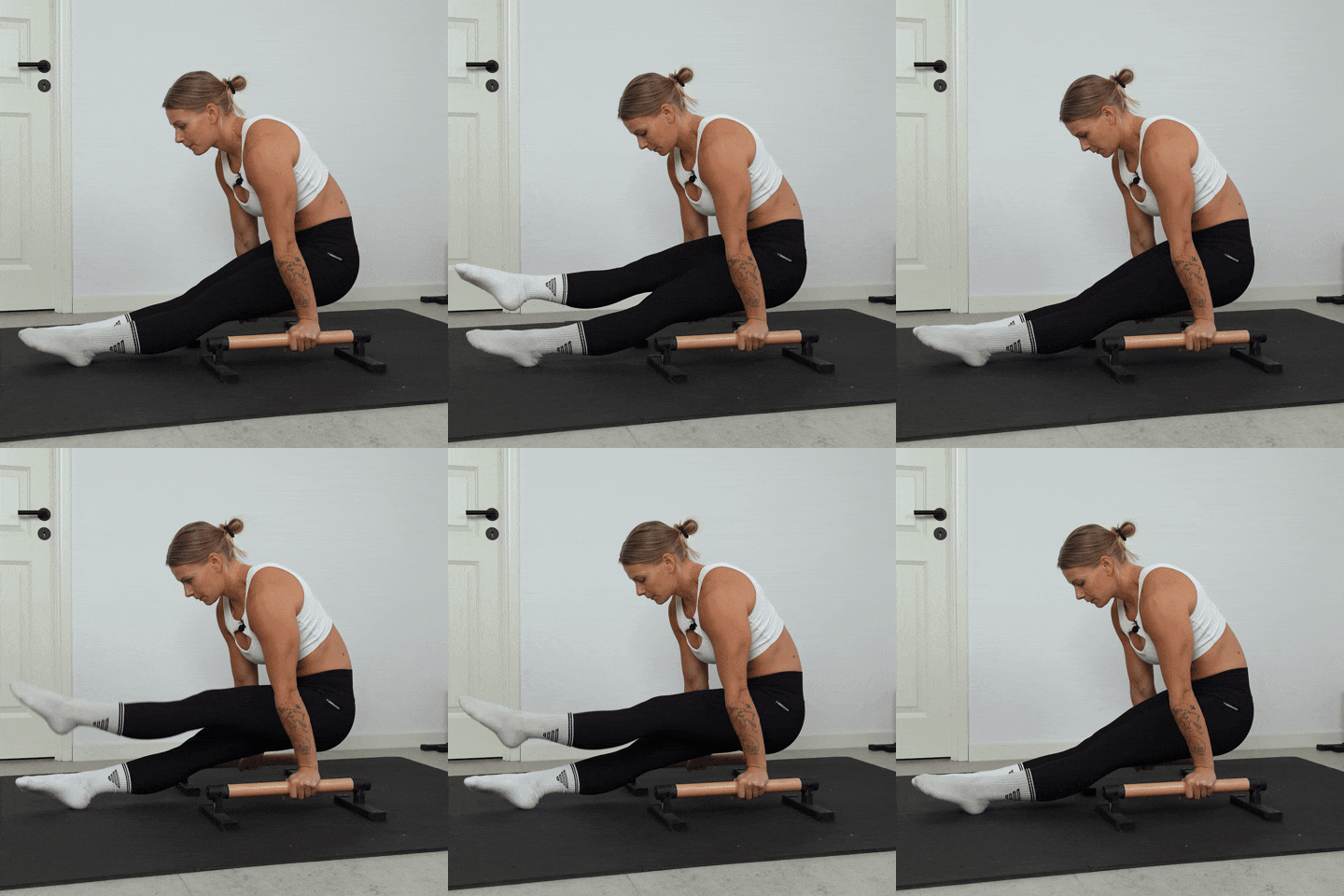
How to Do L-sit Support Hold With Leg Lift
1. Set Up on the Parallettes
Place the parallettes at hip height and grip them firmly with both hands, wrapping the thumbs fully around the handles. Position yourself between the bars with your legs extended in front of you on the floor. Your hands should be directly beside your hips, not forward or behind.
Grip tight, hands beside hips
2. Press Into the Support Hold
Push down through the parallettes to fully extend your arms and lift your body off the ground. Actively depress your shoulders by pushing them as far away from your ears as possible. This tall push position is the foundation of the entire exercise and must be locked in before adding any leg movement.
Push tall, shoulders away from ears
3. Engage the Core With a Pelvic Tilt
Draw your belly button in toward your spine to activate deep core compression. Tilt your pelvis posteriorly by tucking your hips slightly under you. This posterior pelvic tilt is what allows the legs to lift without collapsing the lower back or losing shoulder position.
Belly button in, hips tucked under
4. Lift the Legs Upward
With your core braced and pelvis tilted, lift your legs forward and upward as high as you can while keeping them straight. The lift should come from the hip flexors and lower abs, not from swinging or momentum. Keep pressing down through the parallettes throughout the lift to maintain shoulder depression.
Legs up, keep pressing down
5. Hold the Top Position
Once your legs reach their highest point, hold the position while maintaining active shoulder depression and core compression. Breathe steadily without releasing the tension in your abs. Focus on pushing the parallettes into the ground the entire time, as this prevents the shoulders from creeping upward under fatigue.
Hold and breathe, stay tall
6. Lower With Control
Slowly lower your legs back to the starting position without dropping them. Maintain the support hold with depressed shoulders throughout the descent. Re-engage the belly button draw and pelvic tilt before starting the next rep to ensure every repetition begins from a strong position.
Slow descent, reset before next rep
Most people try to muscle the legs up and wonder why they stall at 45 degrees. The real unlock is the belly button draw and pelvic tilt before you even think about lifting. Get the pelvis tucked under first, then the legs almost float up on their own because the hip flexors are finally in a position where they can actually produce force. Skip the pelvic tilt and you are fighting your own anatomy.
Muscles Worked During L-sit Support Hold With Leg Lift
Primary Muscles:
Secondary Muscles:
Primary Muscles
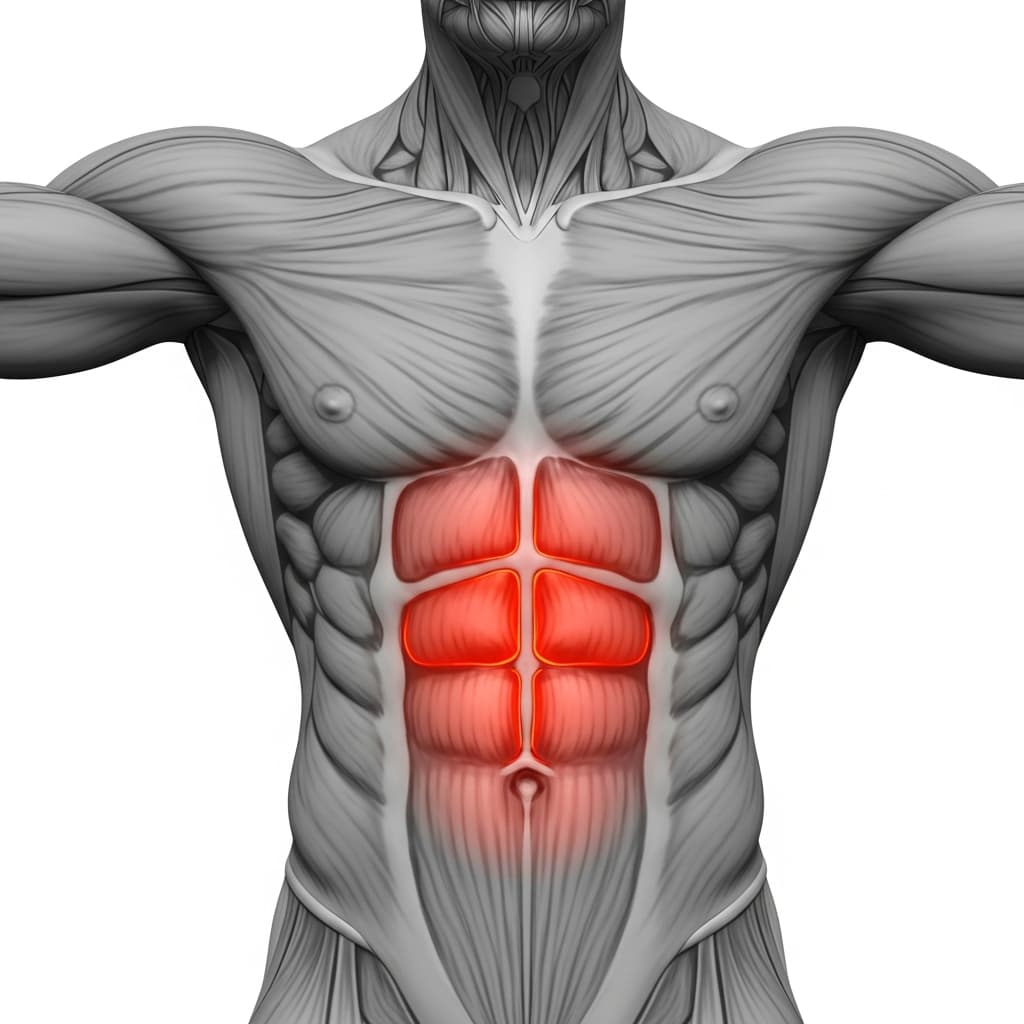
Rectus Abdominis (Abs) - The rectus abdominis holds the posterior pelvic tilt and resists the torso from collapsing backward as the legs lift, providing the compression force that keeps the body in position.
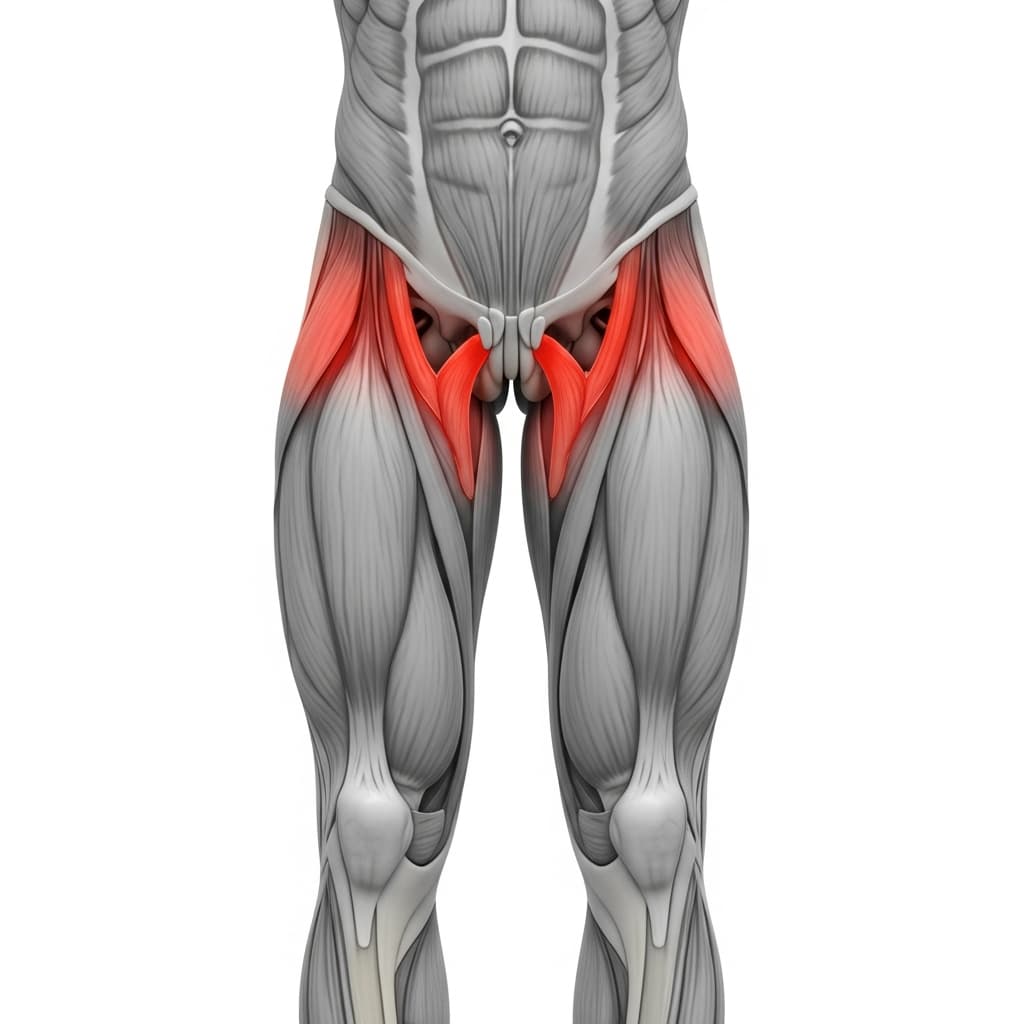
Iliopsoas (Hip Flexors) - The iliopsoas and rectus femoris generate the upward leg lift against gravity and sustain the isometric hold at the top of the movement.
Secondary Muscles
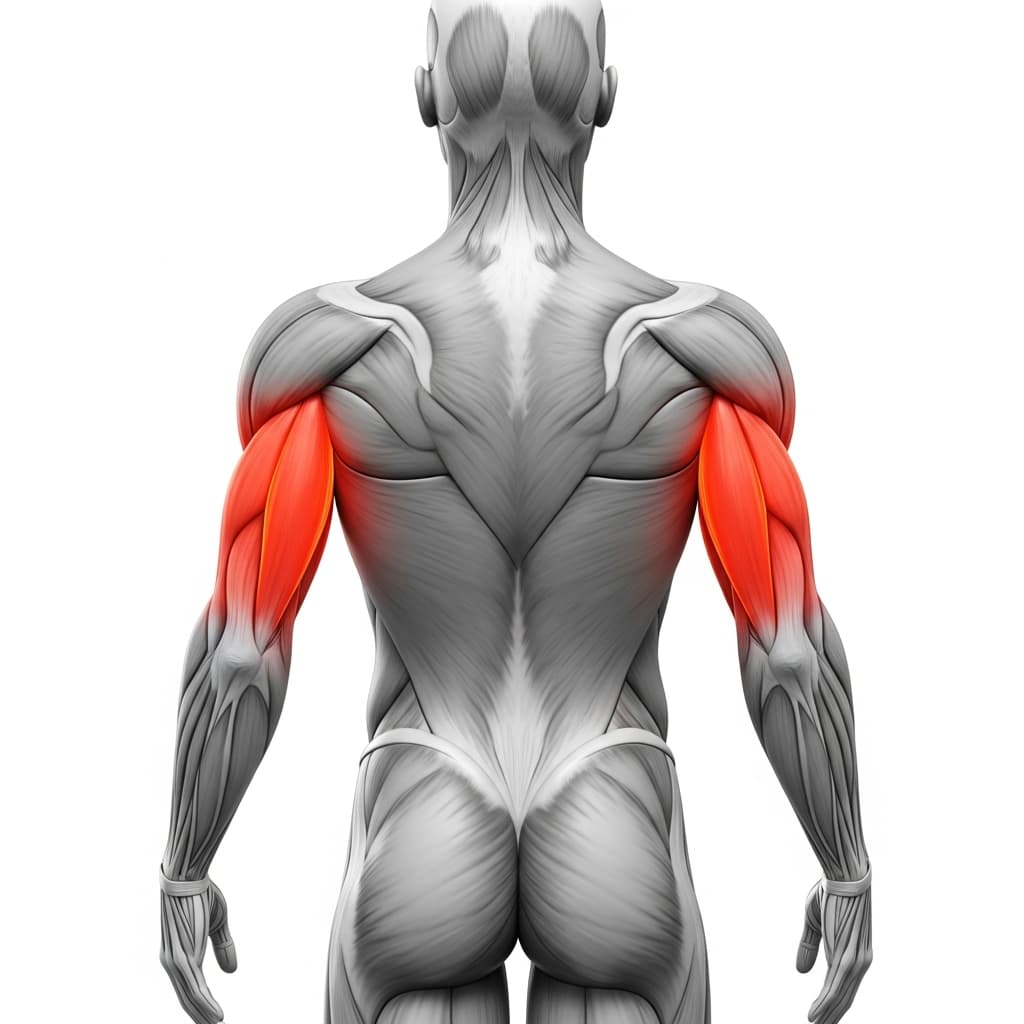
Triceps Brachii (Triceps) - The triceps lock out the elbows and maintain full arm extension throughout the support hold, preventing the arms from buckling under bodyweight.
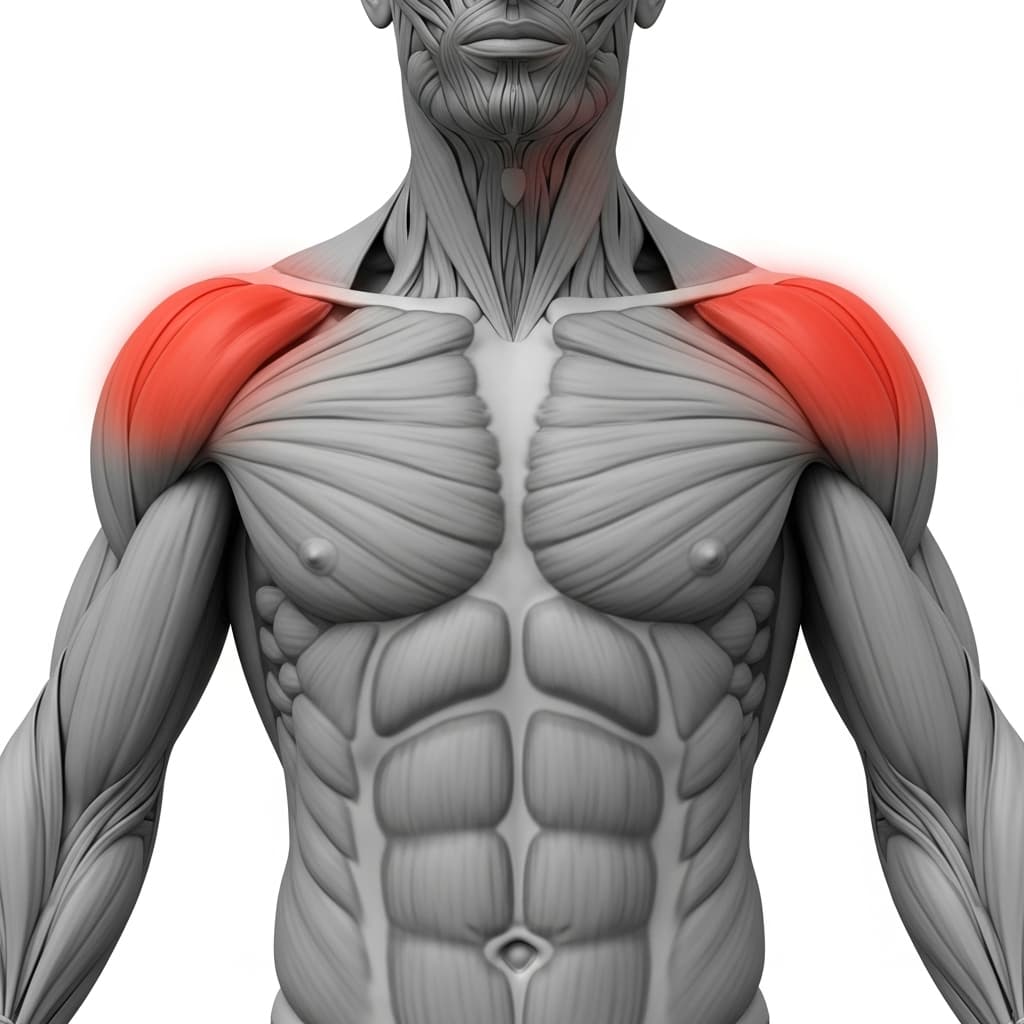
Anterior Deltoid (Front Deltoid) - The anterior deltoids stabilize the shoulder joint in the support position and resist the downward force of the body pressing through the parallettes.
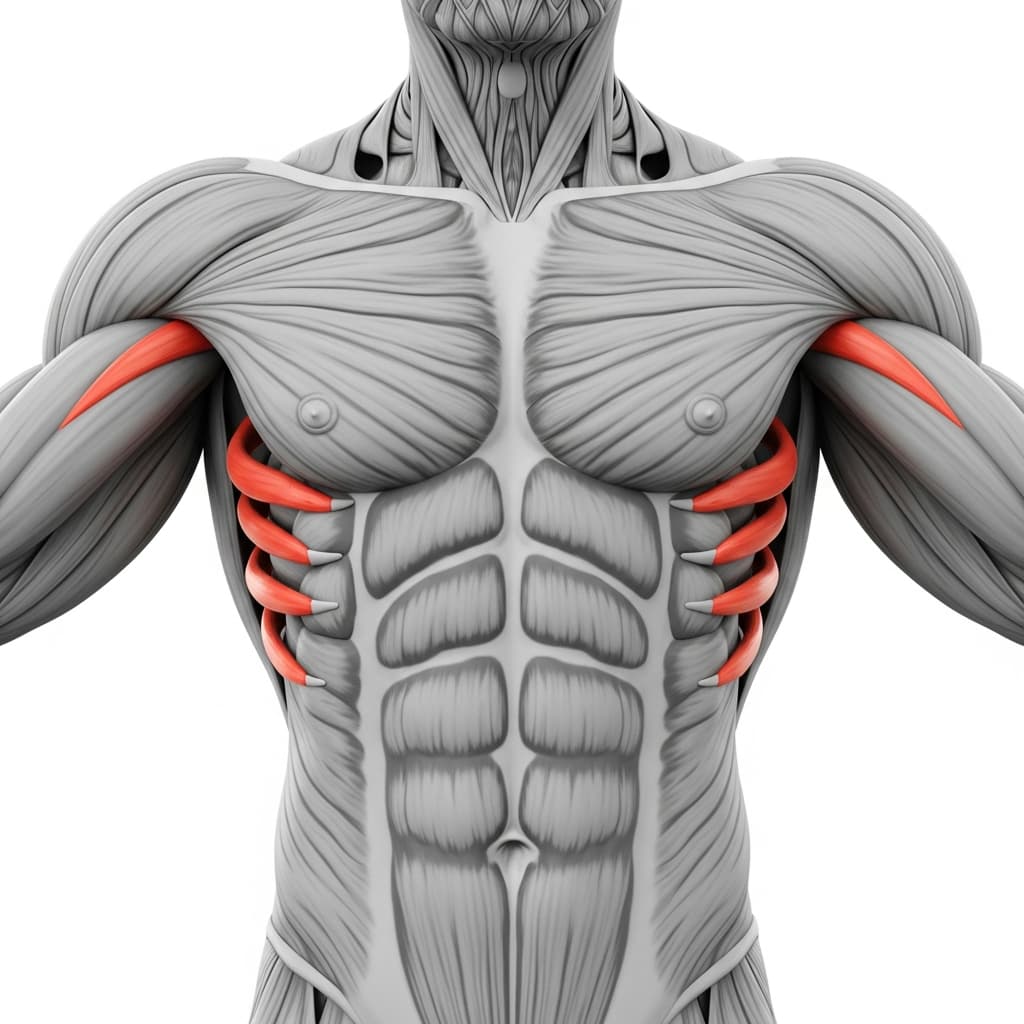
Serratus Anterior (Serratus Anterior) - The serratus anterior protracts and depresses the scapulae, keeping the shoulders pushed down and stable throughout the hold.
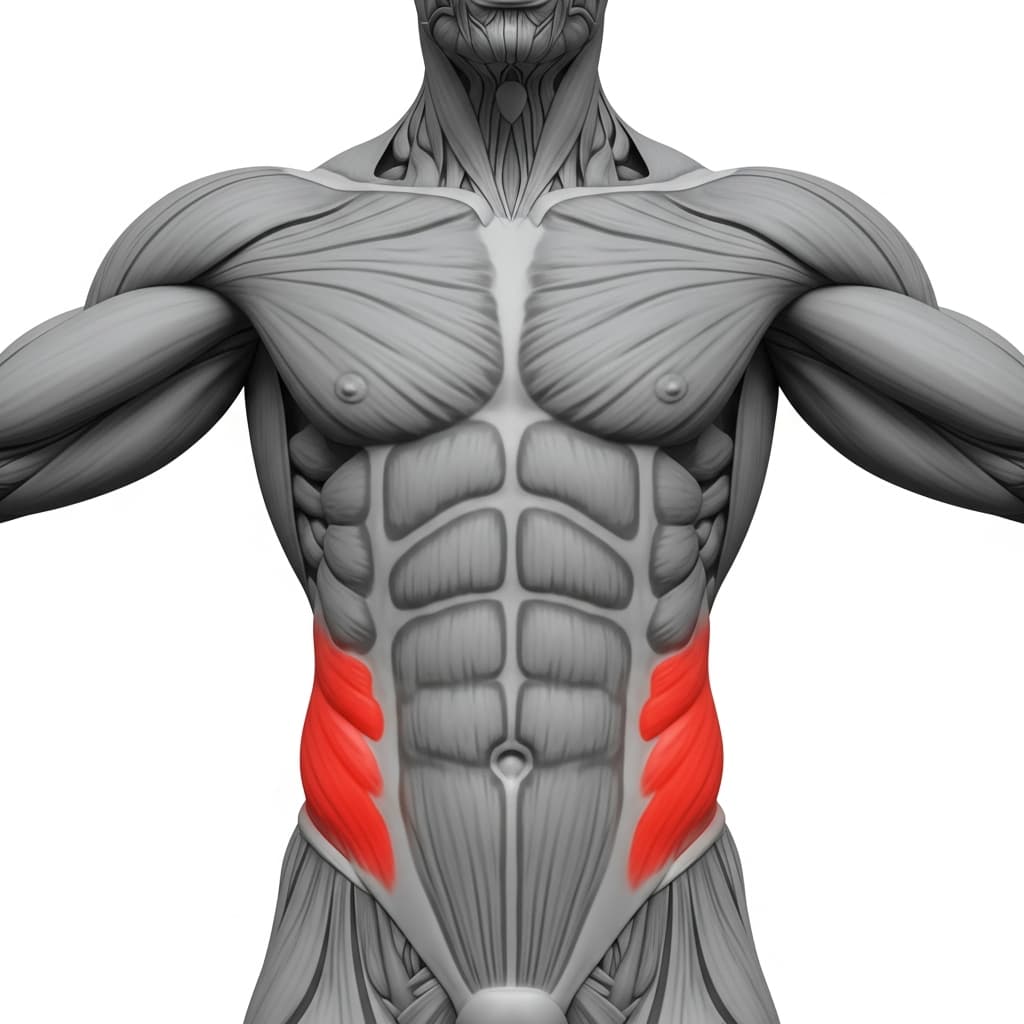
Obliques (Obliques) - The obliques assist the rectus abdominis in maintaining pelvic tilt and prevent lateral rotation or tipping during the leg lift phase.
Benefits of L-sit Support Hold With Leg Lift
- Develops the specific compression strength needed to hold an L-sit, which is a prerequisite for advanced calisthenics skills like press to handstand and manna
- Strengthens the hip flexors through a loaded, end-range contraction that builds the active flexibility required for leg lifts in all hanging and support positions
- Trains scapular depression endurance under load, which directly improves stability in dips, planche progressions, and handstand work
- Builds deep core control through the posterior pelvic tilt and belly-in engagement pattern, reducing lower back compensation in all pressing movements
Who Is This Exercise For?
You should be able to hold a basic support hold on parallettes for at least 15 seconds with fully extended arms and depressed shoulders before attempting this exercise. Comfortable scapular depression and a basic understanding of posterior pelvic tilt are essential prerequisites. If you cannot maintain a locked-out support hold without your shoulders shrugging up toward your ears, work on that foundation first.
Common Mistakes to Avoid
Shoulders shrugging up during the hold: Actively push the parallettes down into the ground throughout the entire exercise. If your shoulders start creeping toward your ears, you have lost the support hold. Reset and depress before continuing.
Skipping the posterior pelvic tilt: Draw the belly button toward the spine and tuck the hips under before lifting the legs. Without the pelvic tilt, the lower back arches and the hip flexors work in a weak position that limits how high the legs can travel.
Bending the arms under load: Lock out the elbows fully and keep them locked throughout. Bent arms shift the load from the shoulder stabilizers into the biceps and make the hold significantly harder to sustain.
Holding the breath: Breathe in short, controlled cycles while maintaining core tension. Holding the breath causes blood pressure spikes and forces you to release the hold prematurely.
Variations & Progressions
Tucked Support Hold
Bend the knees and hold them close to the chest instead of extending the legs. This shortens the lever arm and reduces the demand on the hip flexors and abs significantly.