Push Up With Knee Tocuh
The push up with knee touch is a push-up variation that adds a unilateral knee-to-hand contact at the top of each rep, forcing the core to stabilize against rotation while the body is supported on three points. It targets the chest, triceps, and front deltoids through the pressing phase, then shifts demand to the abs, obliques, and hip flexors during the knee touch. This combination builds pressing strength and anti-rotation stability in a single movement, making it a practical progression beyond standard push-ups for calisthenics athletes who want more core challenge in their pushing work.
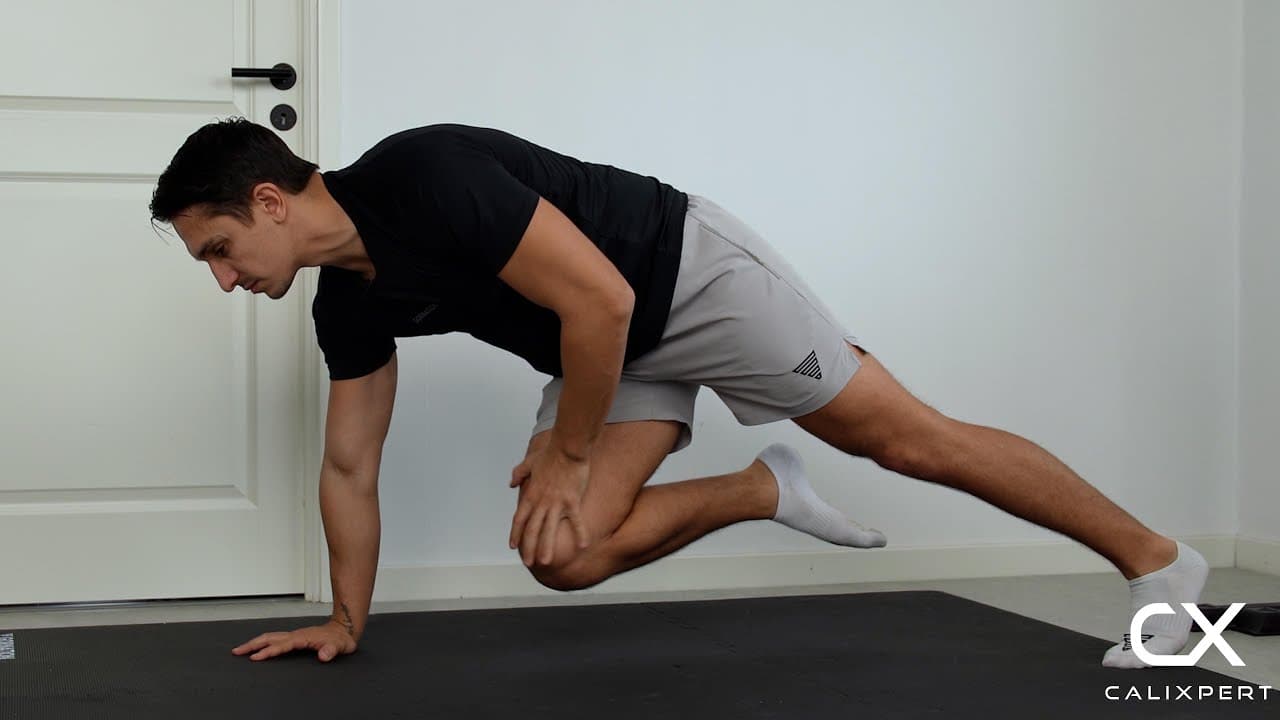
The push up with knee touch is a push-up variation that adds a unilateral knee-to-hand contact at the top of each rep, forcing the core to stabilize against rotation while the body is supported on three points. It targets the chest, triceps, and front deltoids through the pressing phase, then shifts demand to the abs, obliques, and hip flexors during the knee touch. This combination builds pressing strength and anti-rotation stability in a single movement, making it a practical progression beyond standard push-ups for calisthenics athletes who want more core challenge in their pushing work.
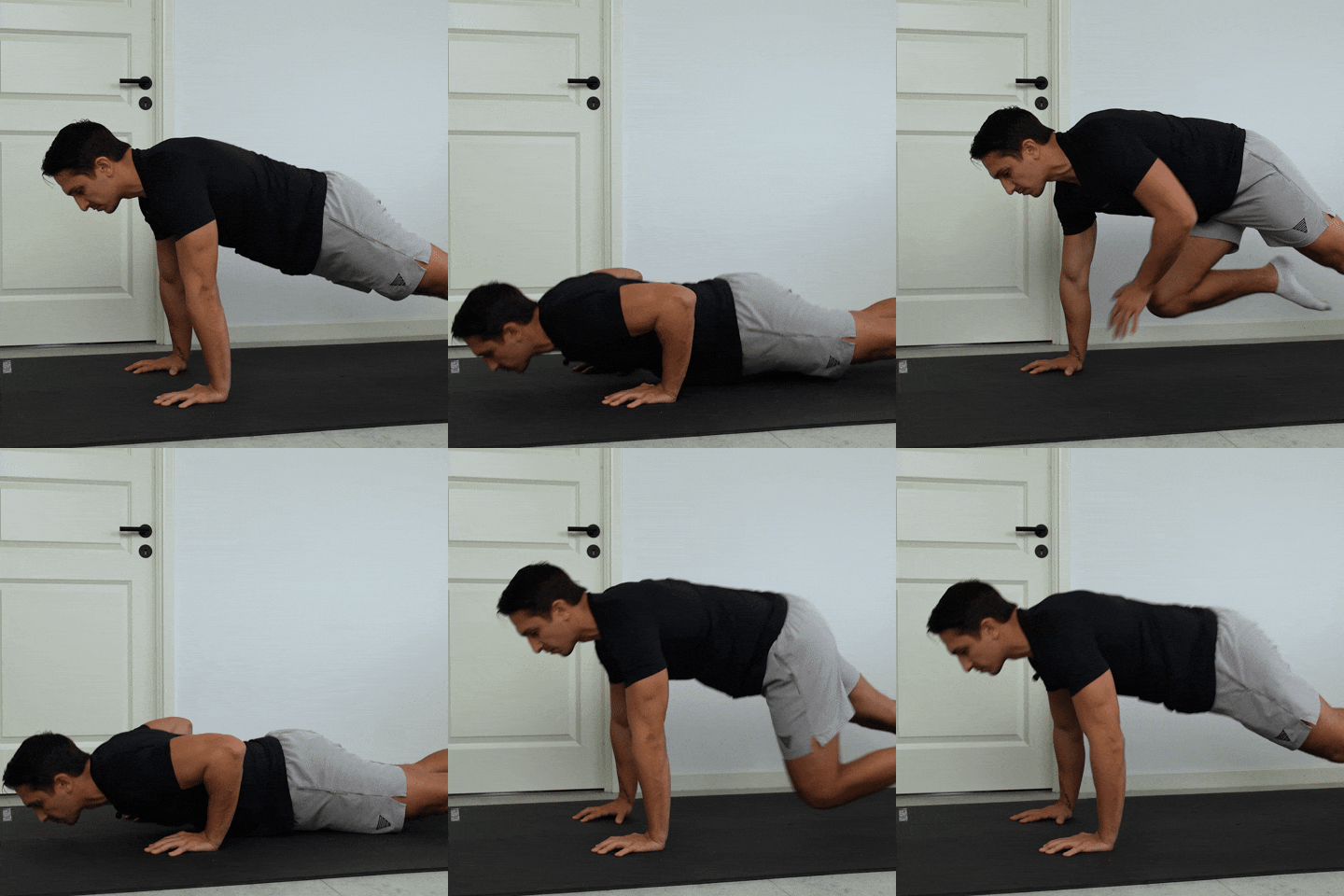
How to Do Push Up With Knee Tocuh
1. Set Up Your Push-Up Position
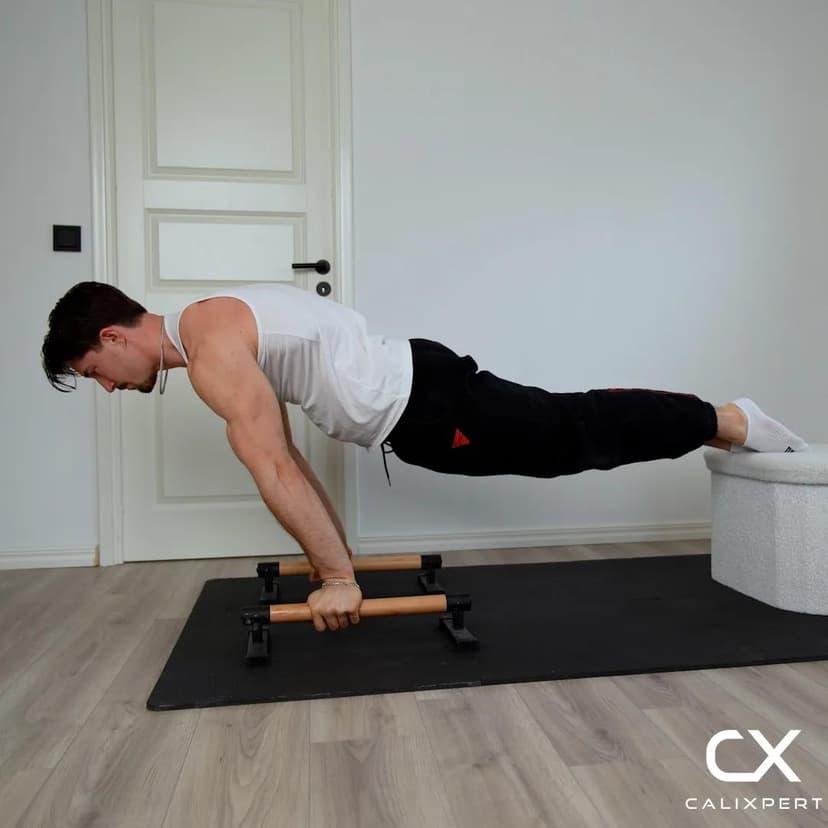
Place your hands on the floor slightly wider than shoulder width apart with fingers spread and pointing forward. Extend your legs behind you so your body forms a straight line from head to heels. Brace your core and squeeze your glutes to lock your hips in a neutral position.
Straight line from head to heels
2. Lower Your Chest to the Floor
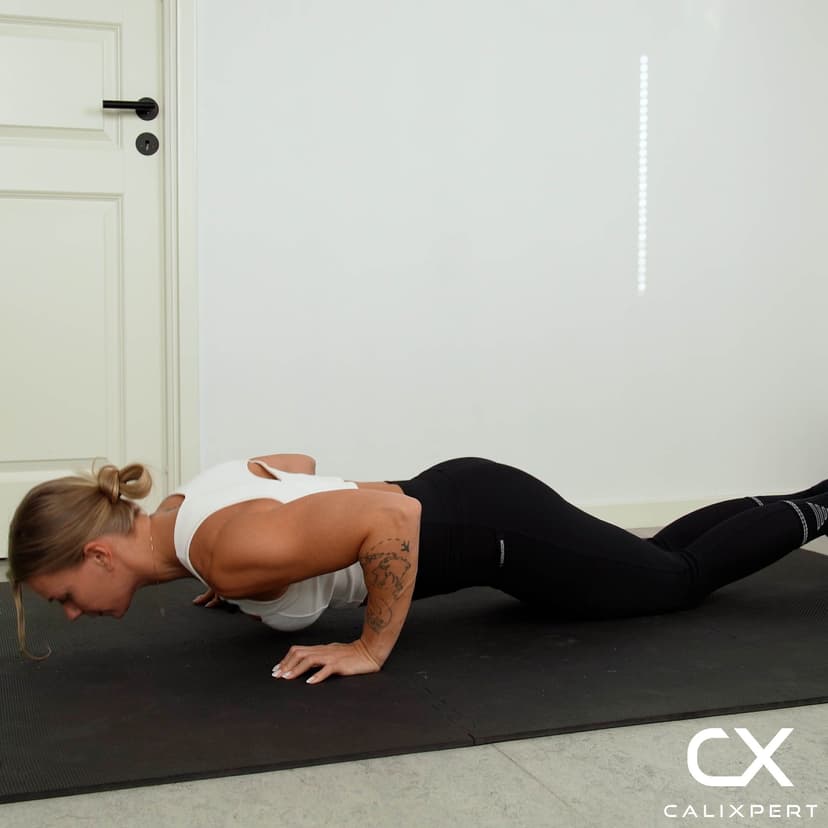
Bend your elbows and lower your body in a controlled descent until your chest is just above the ground. Keep your elbows at roughly a 45-degree angle to your torso rather than flaring them straight out to the sides. Maintain the rigid plank position throughout the entire lowering phase.
Elbows at 45 degrees, not flared wide
3. Push Back to the Top
Press through your palms and extend your arms fully to return to the starting plank position. Lock out your elbows completely at the top before initiating the knee touch. Rushing this phase will cost you the balance you need for the next step.
Full lockout before you touch
4. Touch Your Knee Without Shifting
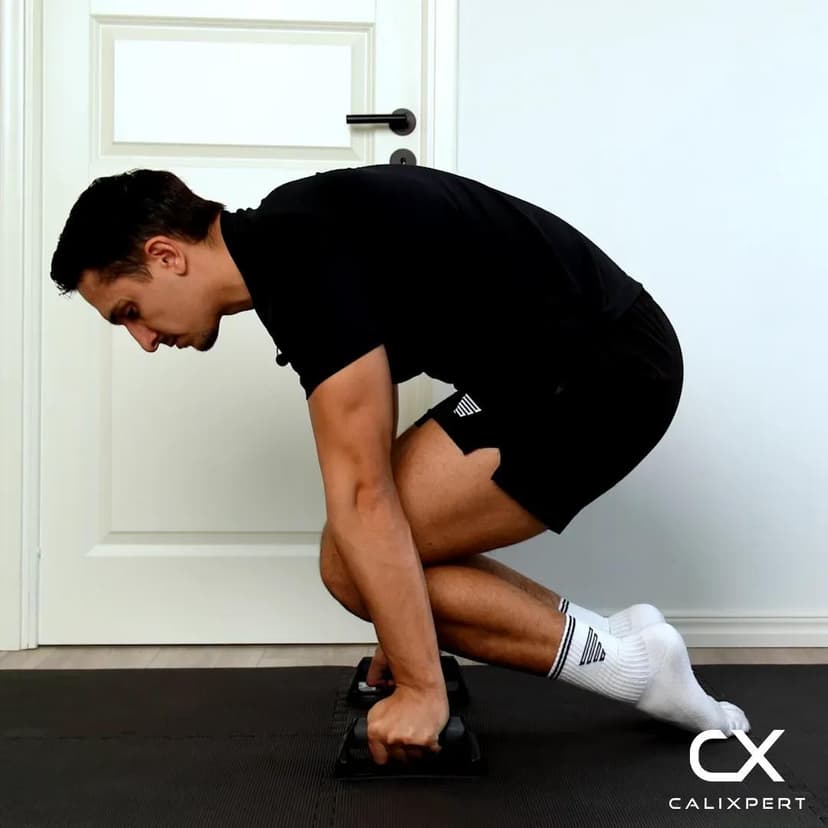
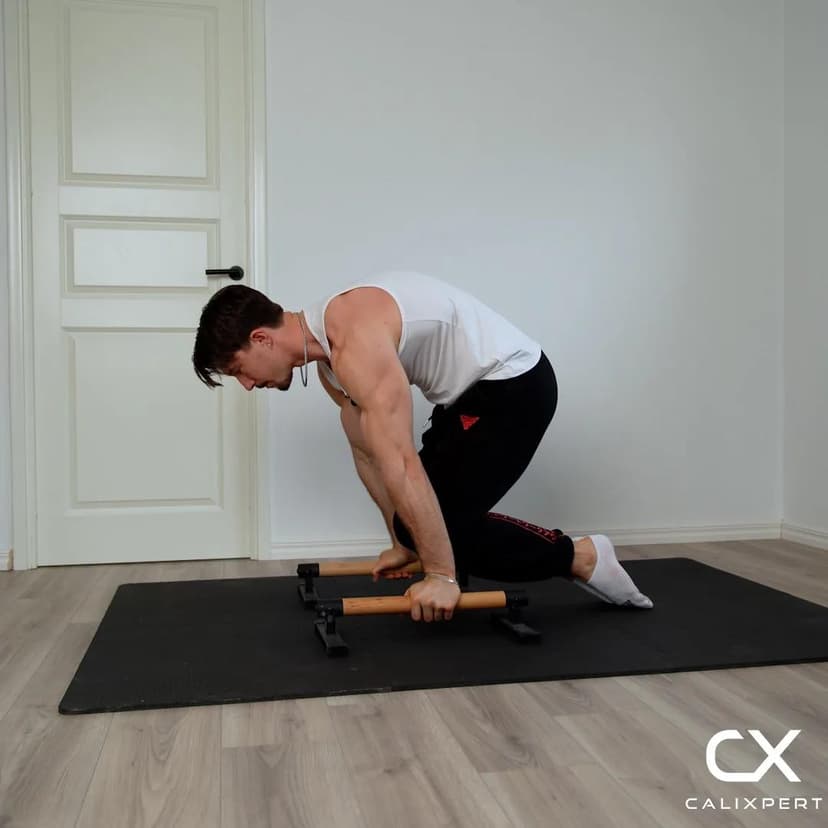
At the top of the push-up, release one hand from the floor and bring it to the opposite knee while simultaneously driving that knee forward. The critical point is keeping your hips level and your torso upright. Do not lean to the supporting side or hike your hips up to compensate for the reduced base of support.
Hips stay level, no leaning
5. Return and Alternate Sides
Place your hand back on the floor and reset your plank position before lowering into the next rep. Perform the next push-up and touch the opposite knee with the opposite hand. Continue alternating sides for each rep, treating every repetition as its own controlled sequence.
Reset your balance before going down
Most people fail this exercise at the knee touch, not the push-up. The fix is simple: widen your feet for a more stable base and focus on keeping your hips perfectly level when you lift your hand. Once you can hold that three-point position without any lateral shift, start narrowing your stance. That is where the real core work happens.
Muscles Worked During Push Up With Knee Tocuh
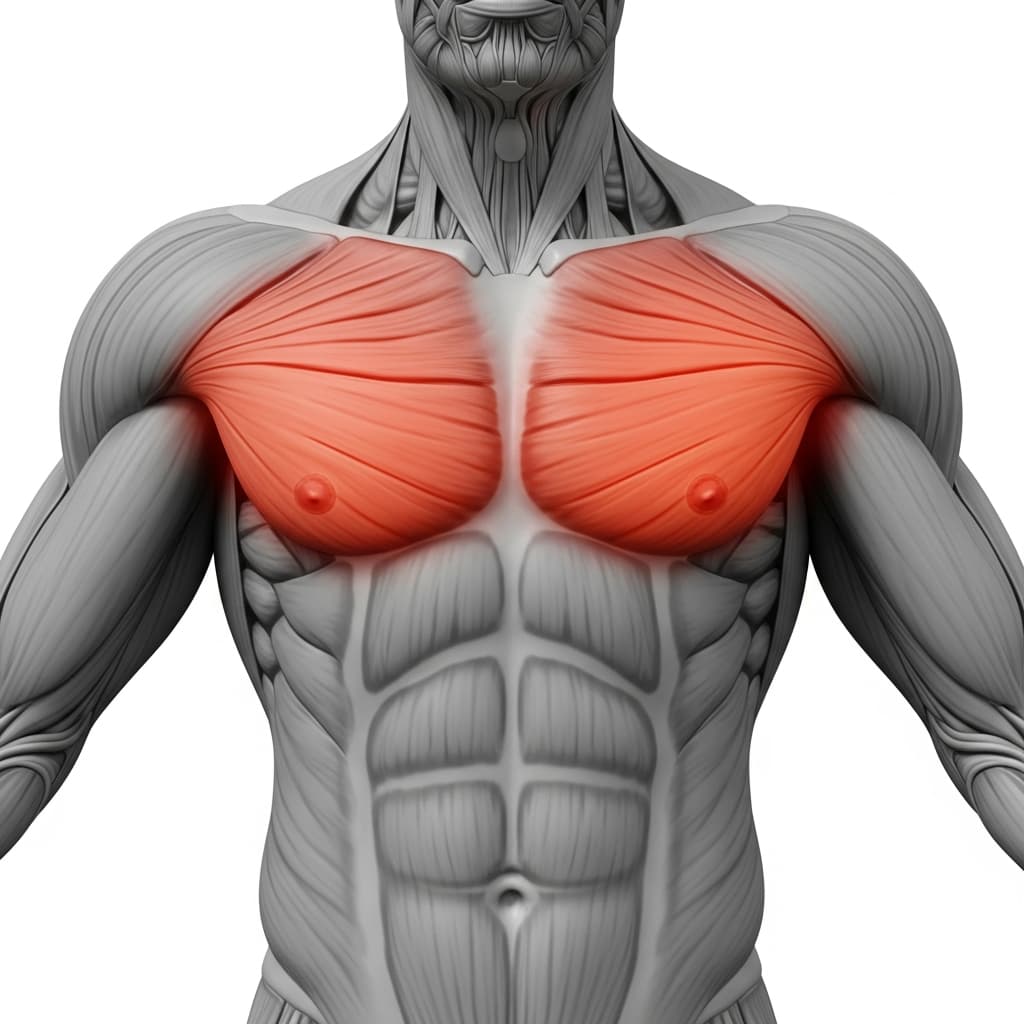
Primary Muscles:
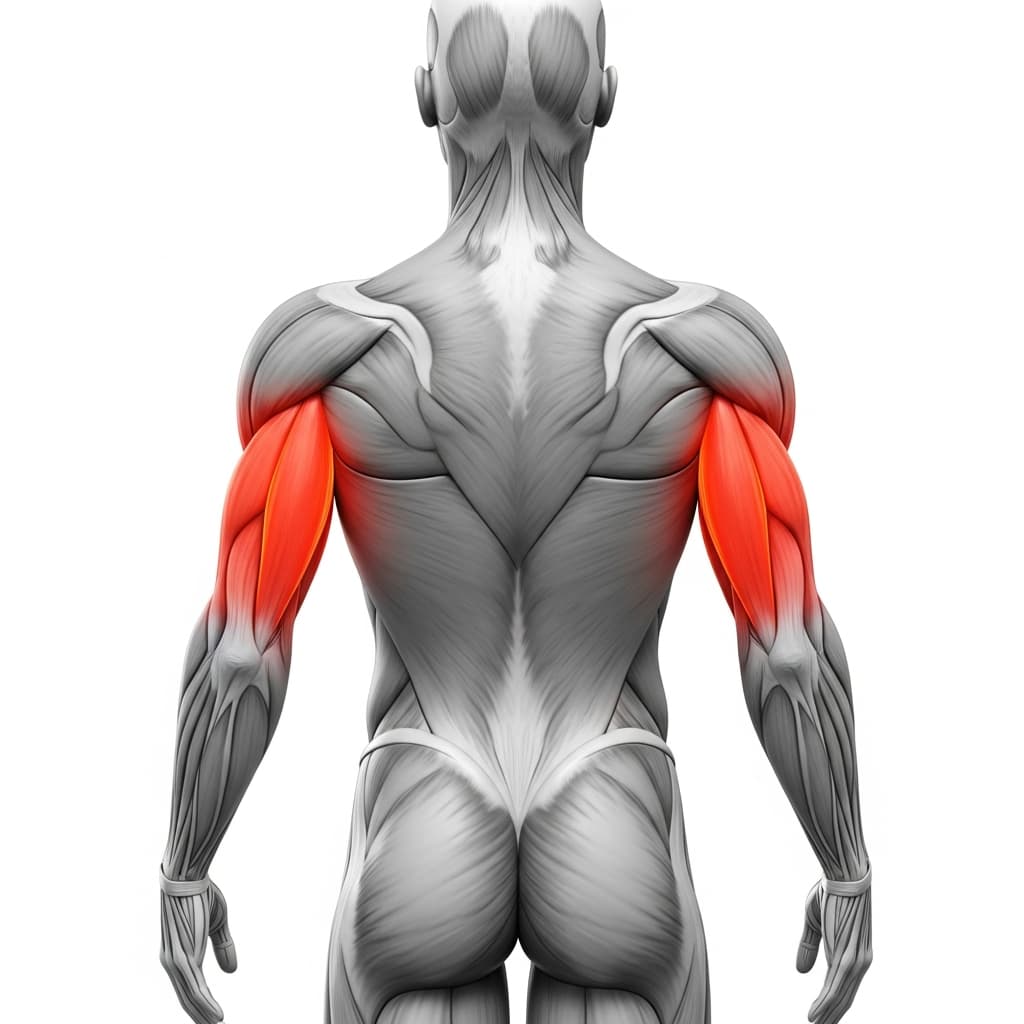
Secondary Muscles:
Primary Muscles
Pectoralis Major (Chest) - The pectoralis major drives the pressing phase by horizontally adducting and flexing the shoulder to push the body away from the floor on every rep.
Secondary Muscles
Triceps Brachii (Triceps) - The triceps extend the elbow during the upward pressing phase, working alongside the chest to lock out the arms at the top of each push-up.
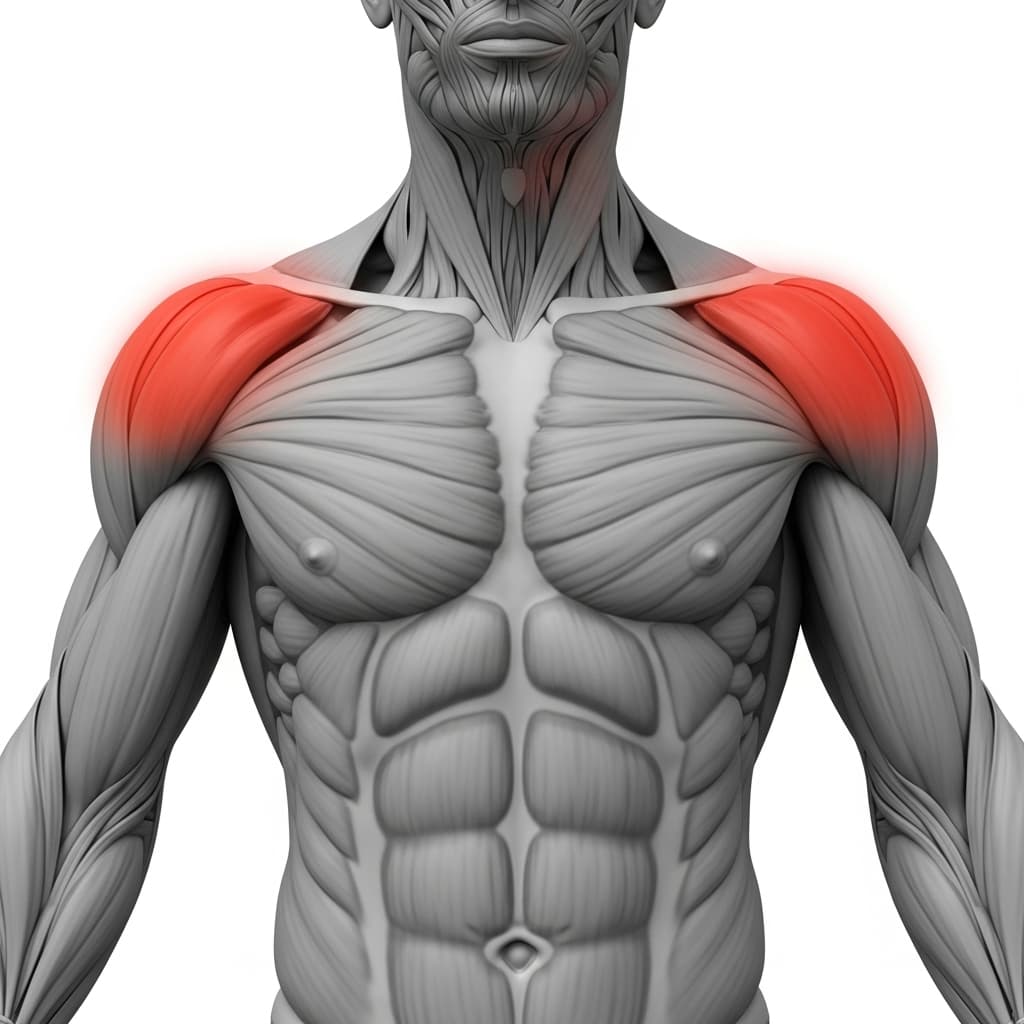
Anterior Deltoid (Front Deltoid) - The anterior deltoid assists shoulder flexion during the push-up and stabilizes the shoulder joint when one hand lifts off the floor for the knee touch.
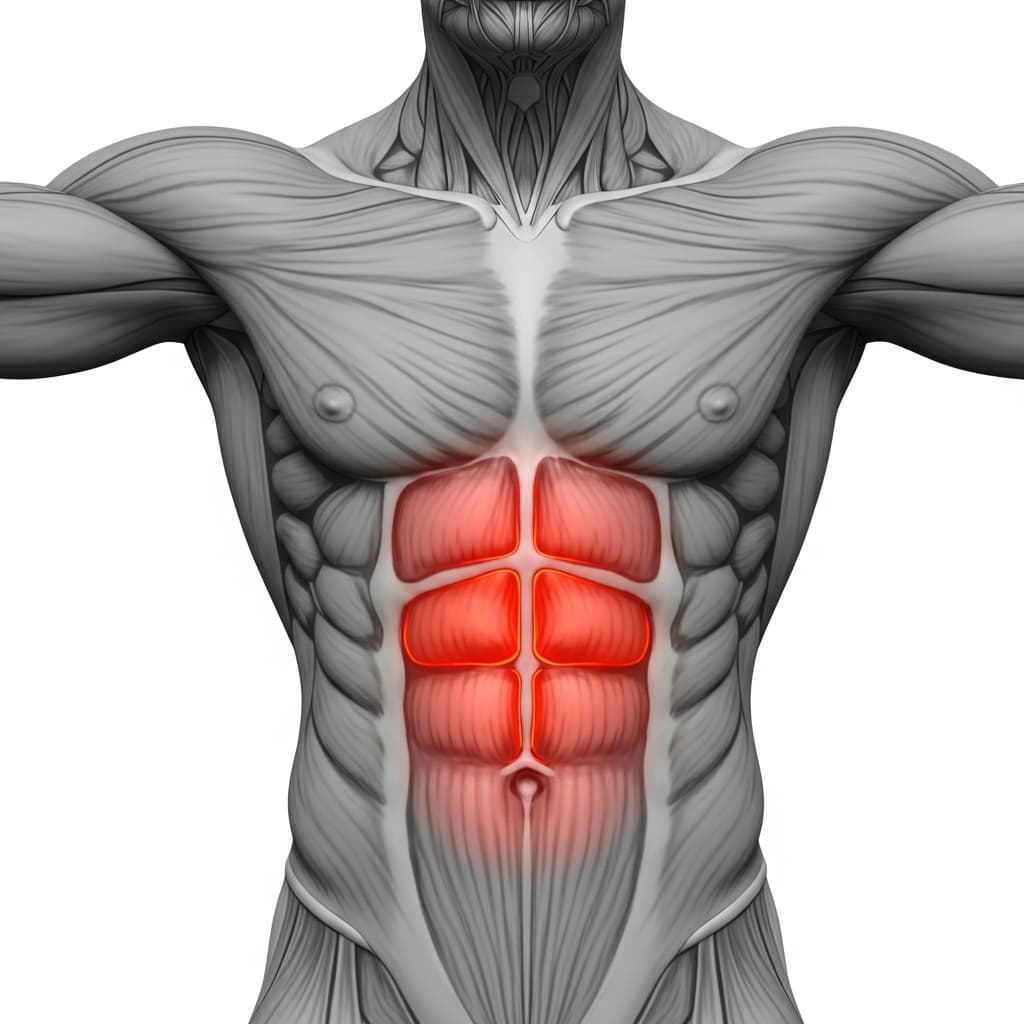
Rectus Abdominis (Abs) - The rectus abdominis maintains a rigid plank position throughout the movement and resists spinal extension when the body shifts to a three-point base during the knee touch.
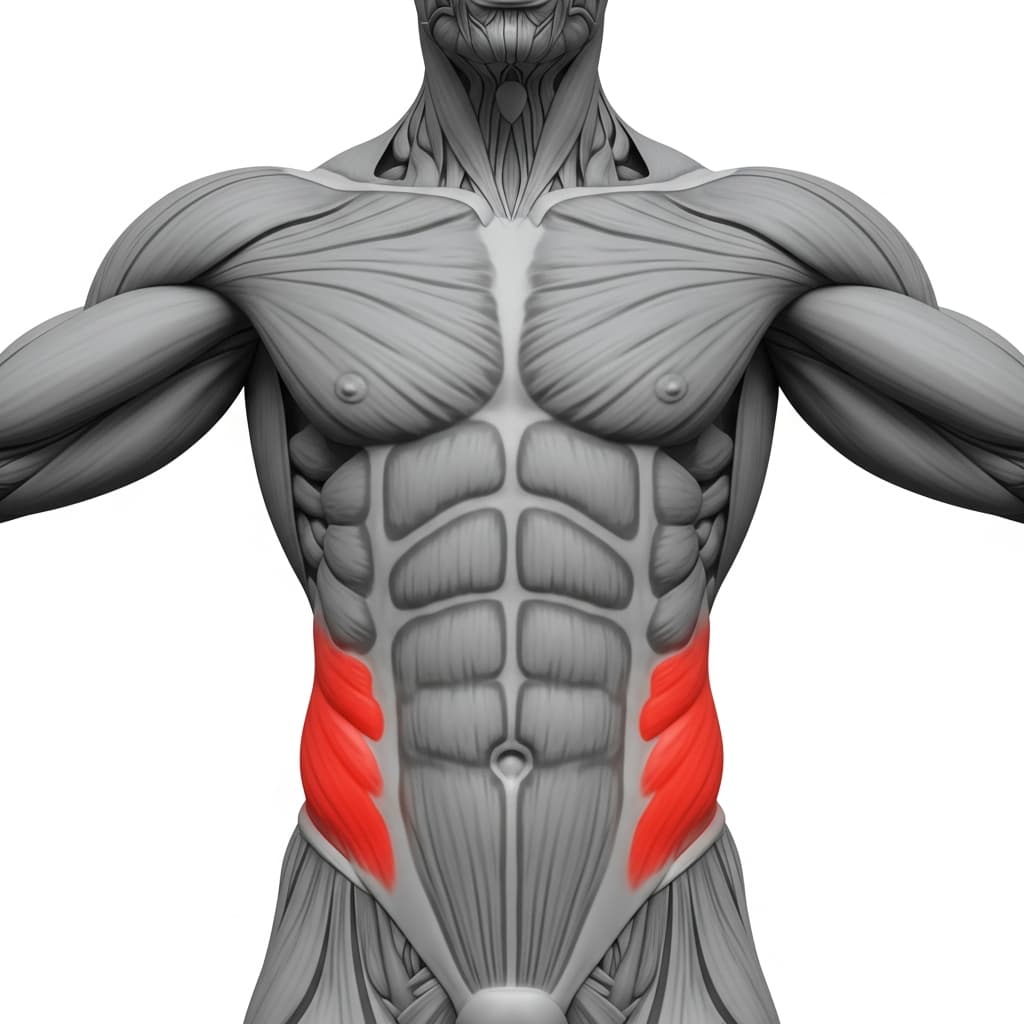
Obliques (Obliques) - The obliques resist lateral flexion and rotation of the torso when one hand leaves the floor, preventing the hips from dropping or twisting toward the unsupported side.
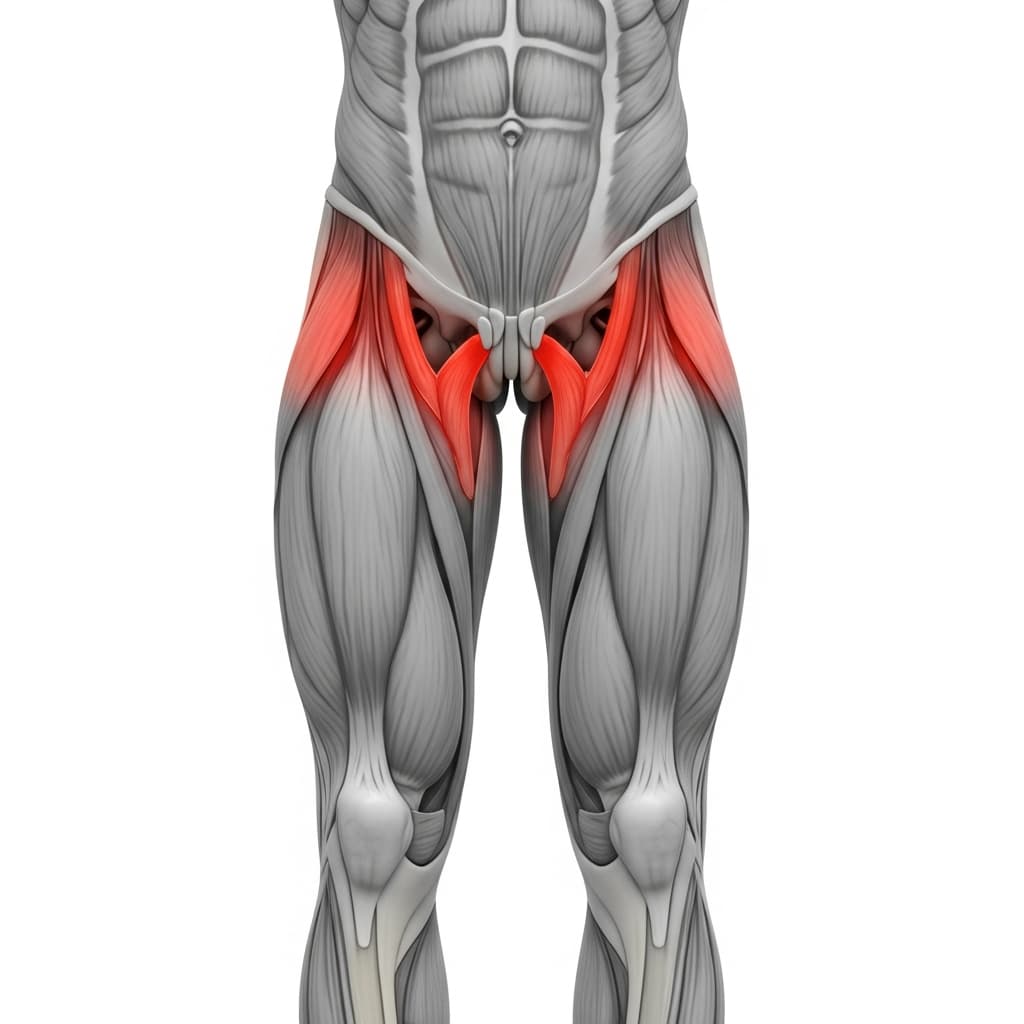
Iliopsoas (Hip Flexors) - The hip flexors drive the knee forward toward the hand during the touch phase, working against gravity to bring the thigh up while the torso remains stable.
Benefits of Push Up With Knee Tocuh
- Develops anti-rotation core stability by forcing the torso to resist twisting while supported on three points of contact
- Builds single-arm balance and shoulder stabilizer strength during the brief unilateral support phase of each rep
- Trains hip flexor activation and coordination within a pressing pattern, connecting upper and lower body control in one movement
- Adds a proprioceptive challenge to standard push-ups that transfers directly to more complex calisthenics movements requiring body awareness
Who Is This Exercise For?
You should be able to perform at least 10 clean standard push-ups with a straight body line and no hip sag before adding the knee touch. If you struggle to hold a high plank for 30 seconds without your hips dropping or shifting, work on plank endurance and basic push-up volume first. The balance demand during the knee touch phase will expose any instability in your pressing foundation.
Common Mistakes to Avoid
Leaning sideways during the knee touch: Keep your weight centered over both feet and the supporting hand. If you are shifting laterally, widen your foot stance slightly until you build enough stability to bring the feet closer together.
Hiking the hips up to reach the knee: Your torso should stay in a straight plank line when you touch your knee. If you need to pike your hips to make the contact, focus on driving the knee forward rather than reaching down with the hand.
Rushing through the transition: Pause at the top of the push-up for a full second before lifting your hand. The exercise loses its core training value when you rush through the knee touch without controlling the position.
Letting the hips sag during the push-up: Squeeze your glutes and brace your abs before every descent. If your lower back dips during the pressing phase, the knee touch will only amplify the instability.