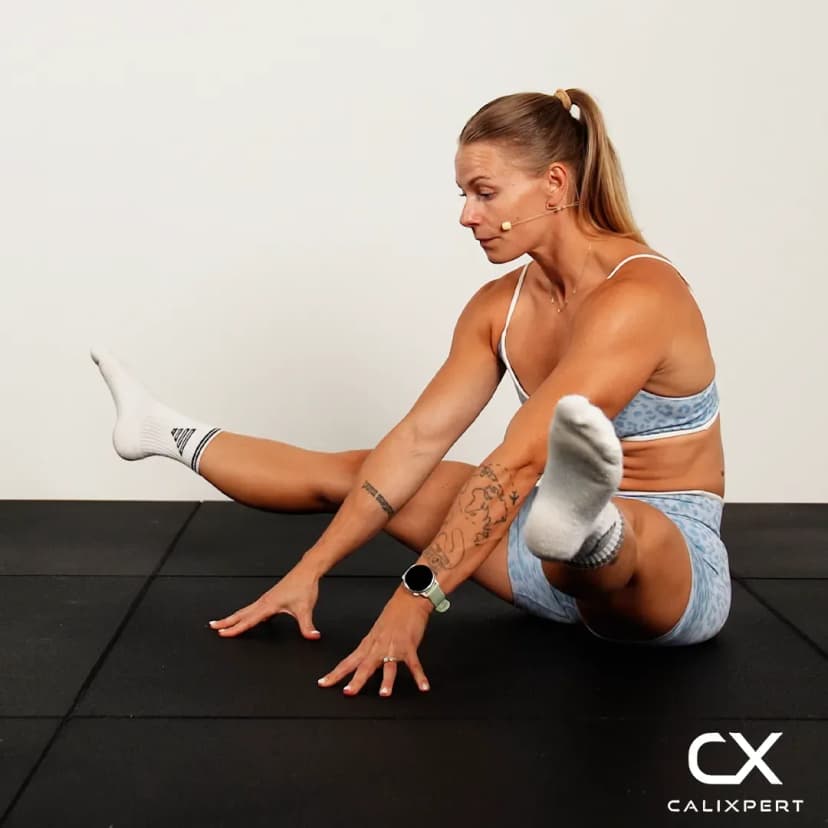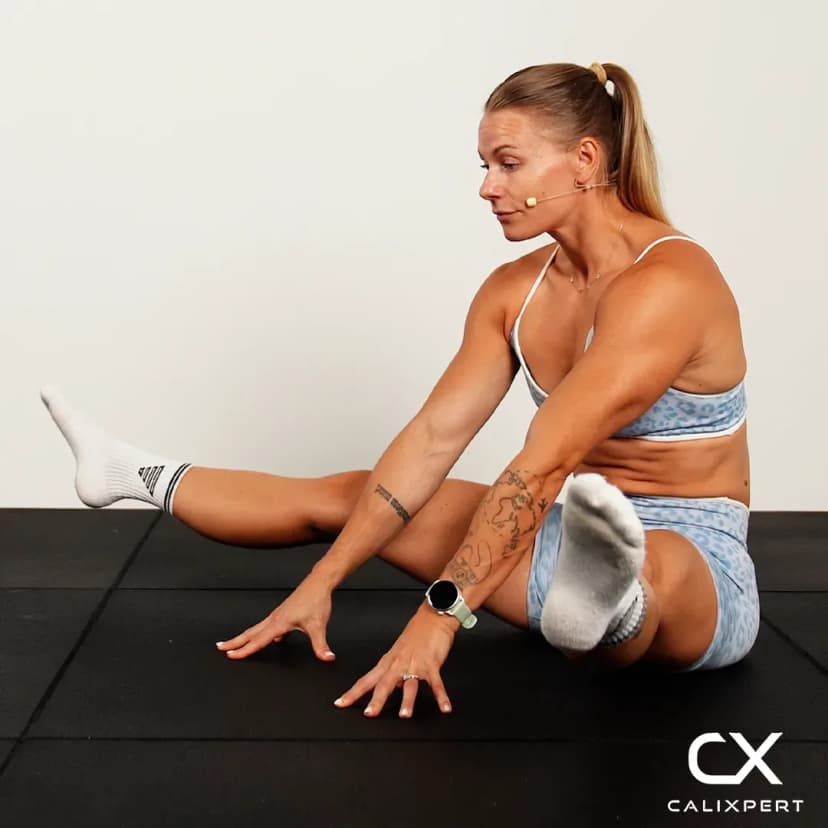
Narrow Push Ups
Narrow push-ups are a push-up variation that shifts the emphasis from the chest to the triceps by bringing the hands closer together, typically shoulder-width or narrower. The movement targets the triceps as the primary mover while still engaging the chest, front deltoids, and core throughout the full range of motion. When performed with strict form and elbows tucked close to the body, narrow push-ups build the pressing strength and arm development needed for dips, handstand push-ups, and other advanced calisthenics skills.
Narrow push-ups are a push-up variation that shifts the emphasis from the chest to the triceps by bringing the hands closer together, typically shoulder-width or narrower. The movement targets the triceps as the primary mover while still engaging the chest, front deltoids, and core throughout the full range of motion. When performed with strict form and elbows tucked close to the body, narrow push-ups build the pressing strength and arm development needed for dips, handstand push-ups, and other advanced calisthenics skills.
How to Do Narrow Push Ups
1. Measure Your Hand Placement
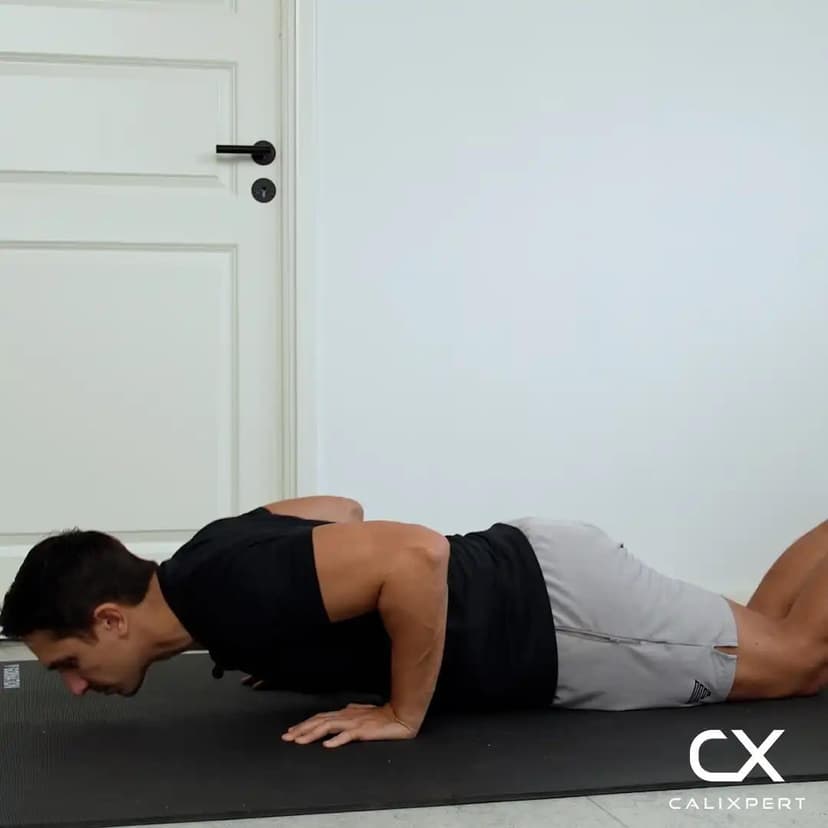
Lie face down on the floor and place your hands just underneath your chest, roughly shoulder-width apart. Use your thumbs to gauge the distance, ensuring both hands sit directly below the chest line, not out to the sides. This lying measurement gives you the exact bottom position of the movement before you start.
Lie down first, measure with your thumbs
2. Set the Top Position
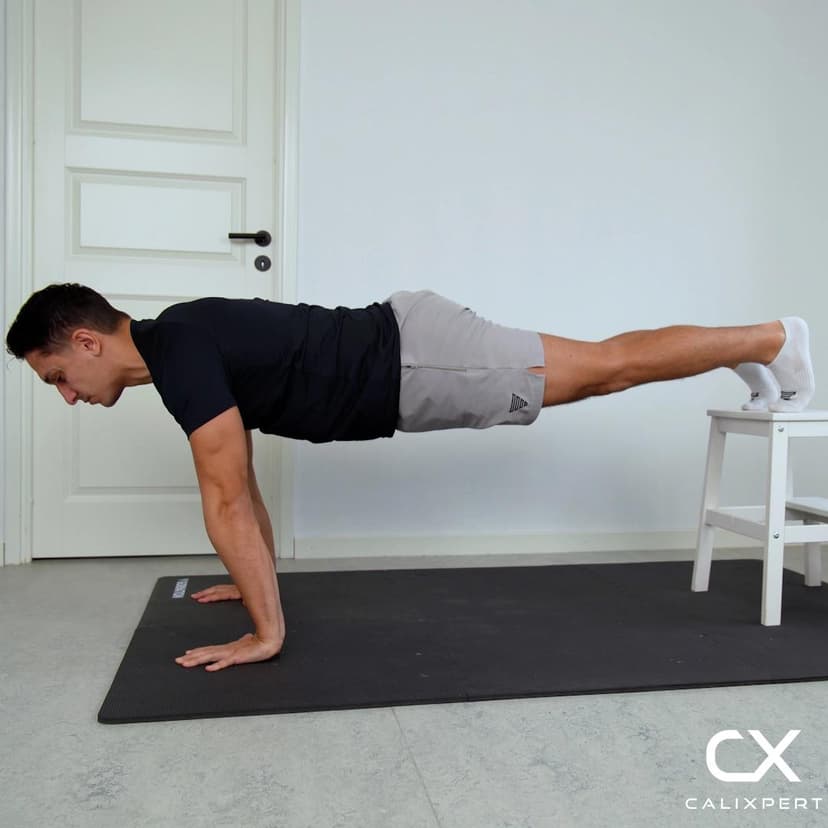
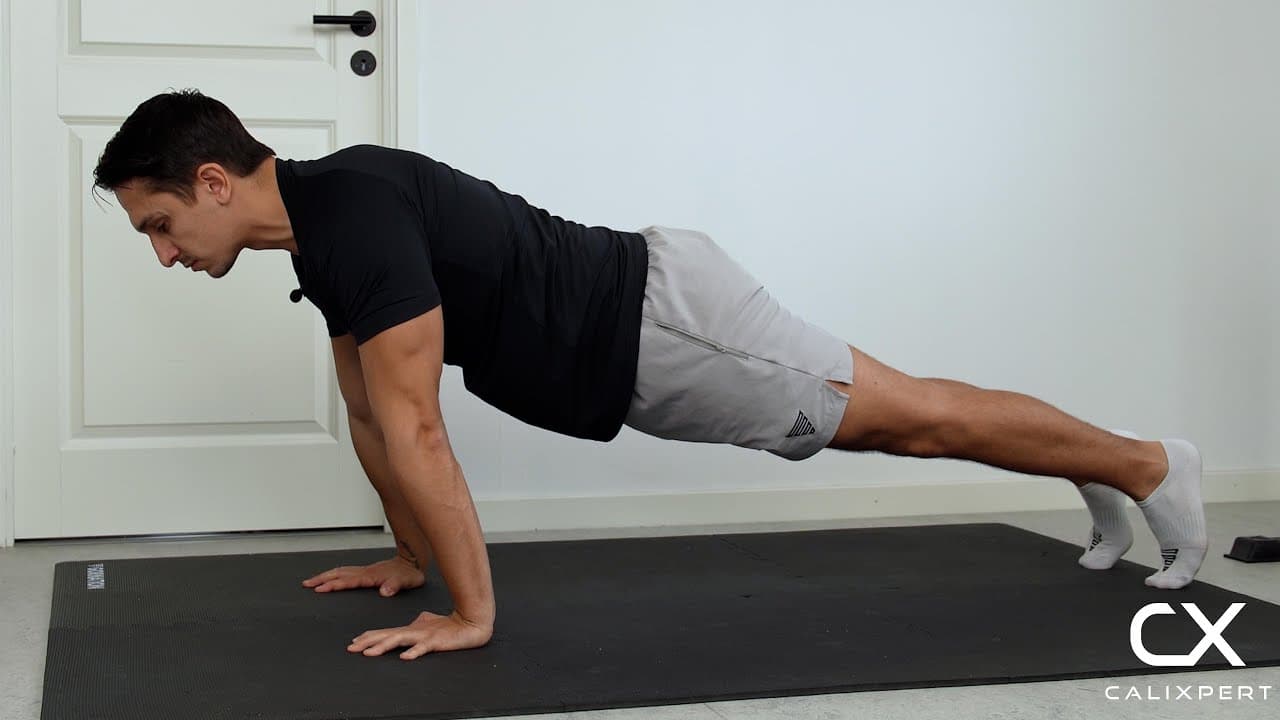
From the measured hand position, press yourself up into a full plank. Your arms should be fully extended with your shoulders stacked directly above your wrists. Squeeze your glutes, brace your core, and keep your body in one straight line from head to heels.
Straight line from head to heels
3. Lower With Elbows Tucked
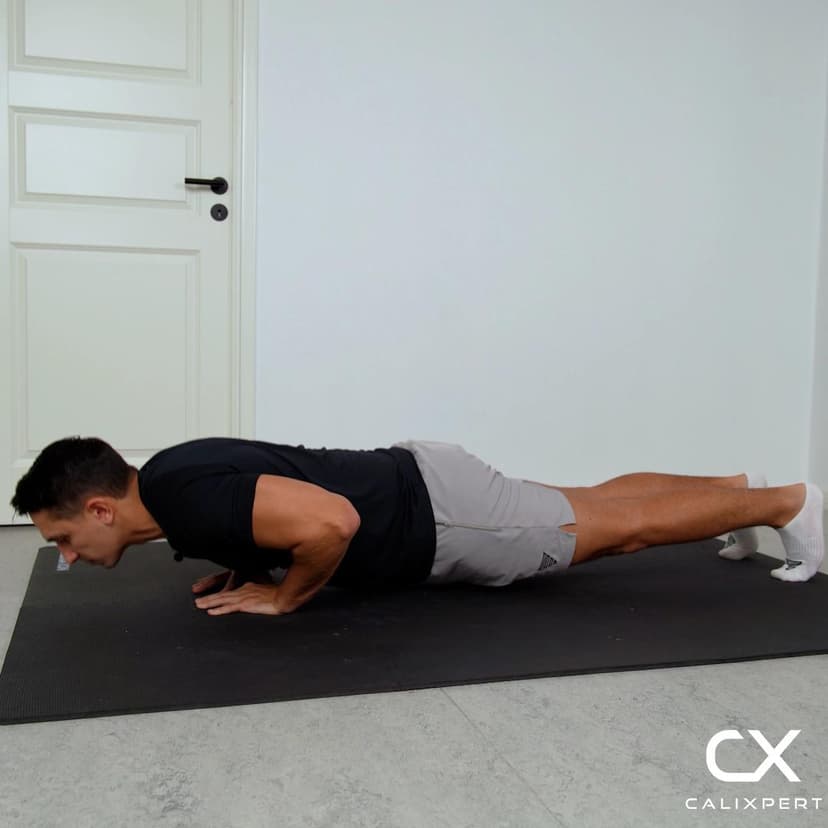
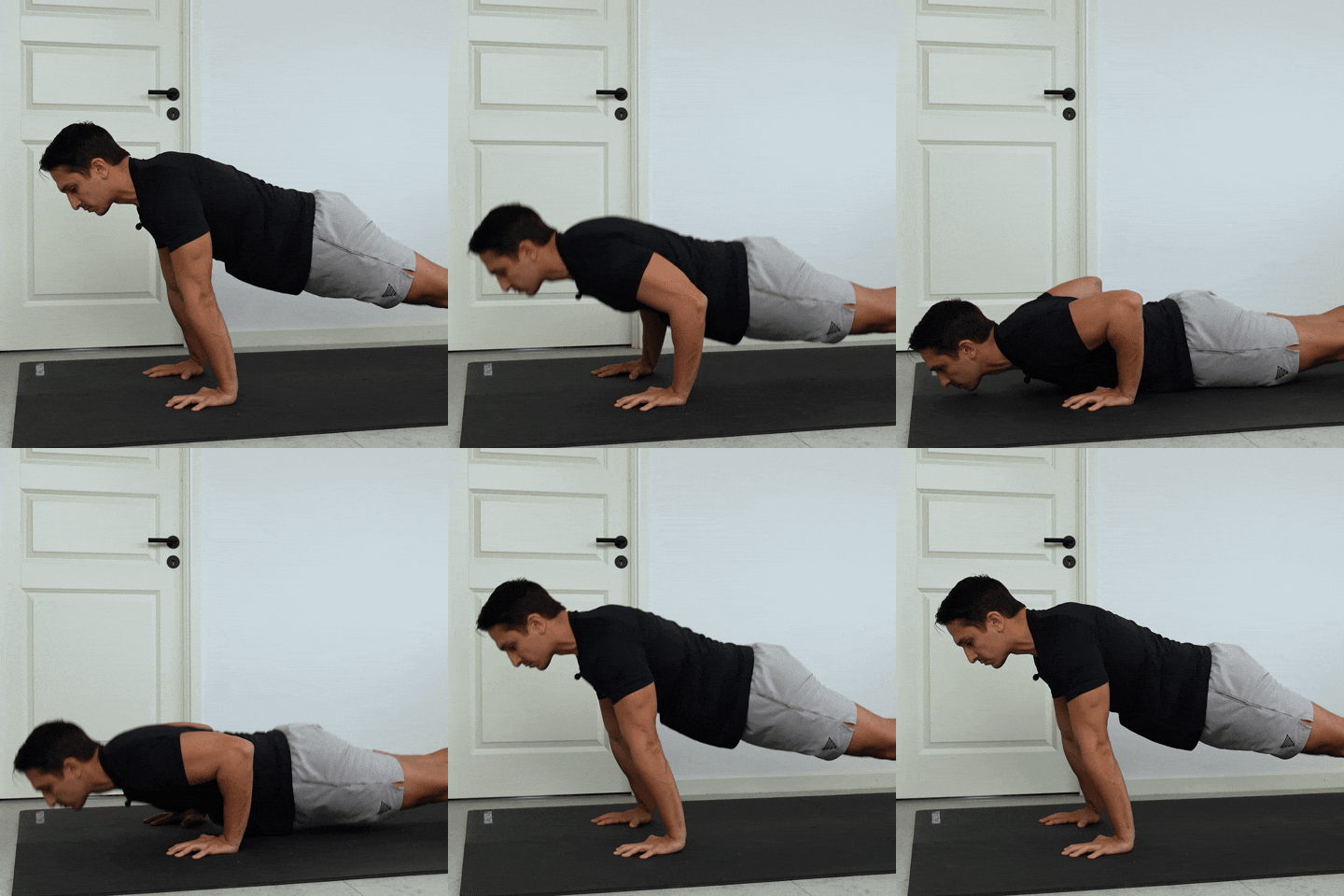
Bend your elbows and lower your chest toward your hands while keeping the elbows tight against your ribcage. Do not let them flare outward at any point during the descent. Maintain a neutral head position and look at the floor slightly in front of you, not straight down. Lower until your elbows reach at least 90 degrees or your chest nearly touches the floor.
Elbows glued to your sides
4. Press Back Up Forcefully
Drive through your palms and push your body back to the top position in one controlled motion. Keep your elbows tucked on the way up, exactly as they were on the way down. Fully extend your arms at the top and maintain tension in your legs and glutes throughout the press.
Push the floor away, stay tight
5. Reset Before the Next Rep
At the top of each rep, confirm your plank is solid before starting the next descent. Check that your hips have not sagged and your hands have not drifted wider. Each rep should start and end from the same locked-out plank position.
Reset your plank every rep
Most people place their hands way too narrow and wonder why their wrists hurt or their reps feel weak. Start by lying on the floor and letting your hands sit naturally just under your chest at shoulder width. That is your position. From there, the only thing you need to obsess over is keeping your elbows glued to your sides on every single rep, because that is what actually makes it a triceps exercise.
Muscles Worked During Narrow Push Ups
Secondary Muscles:
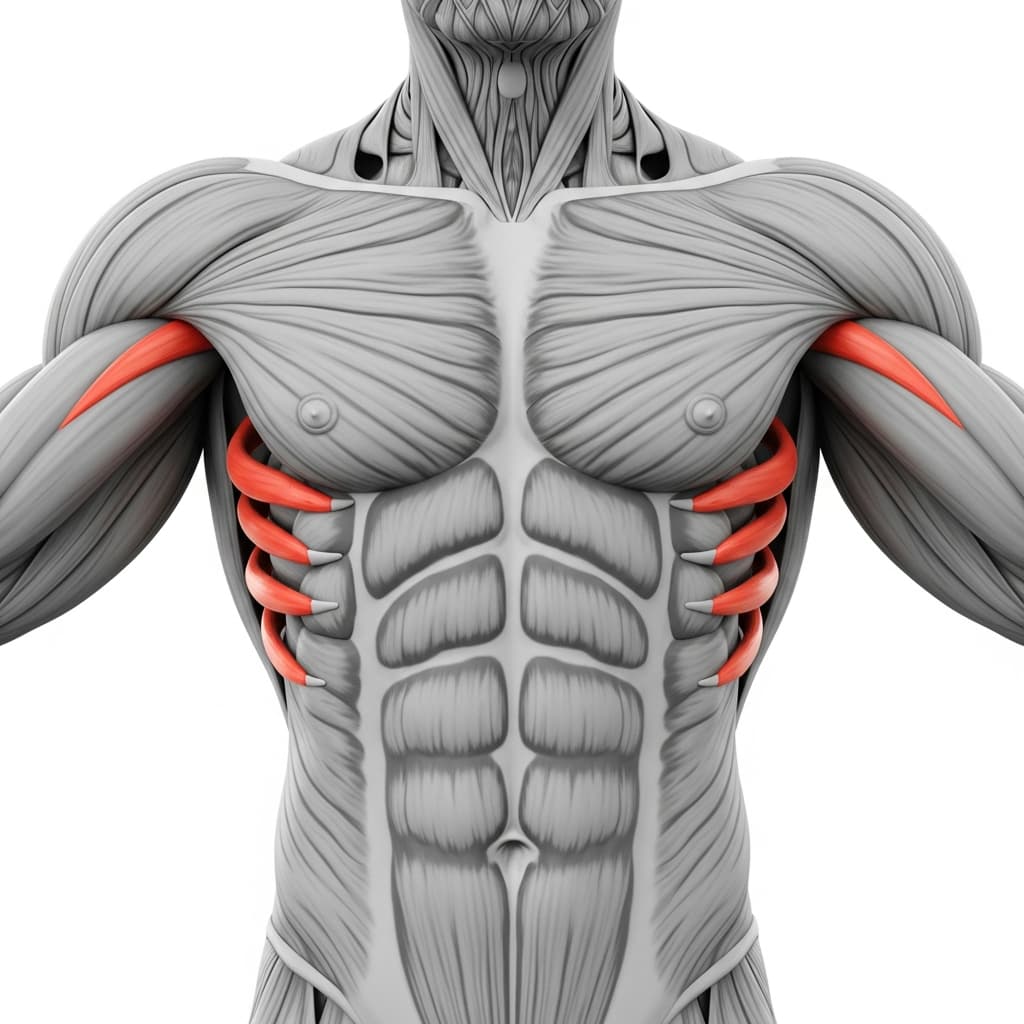
Primary Muscles
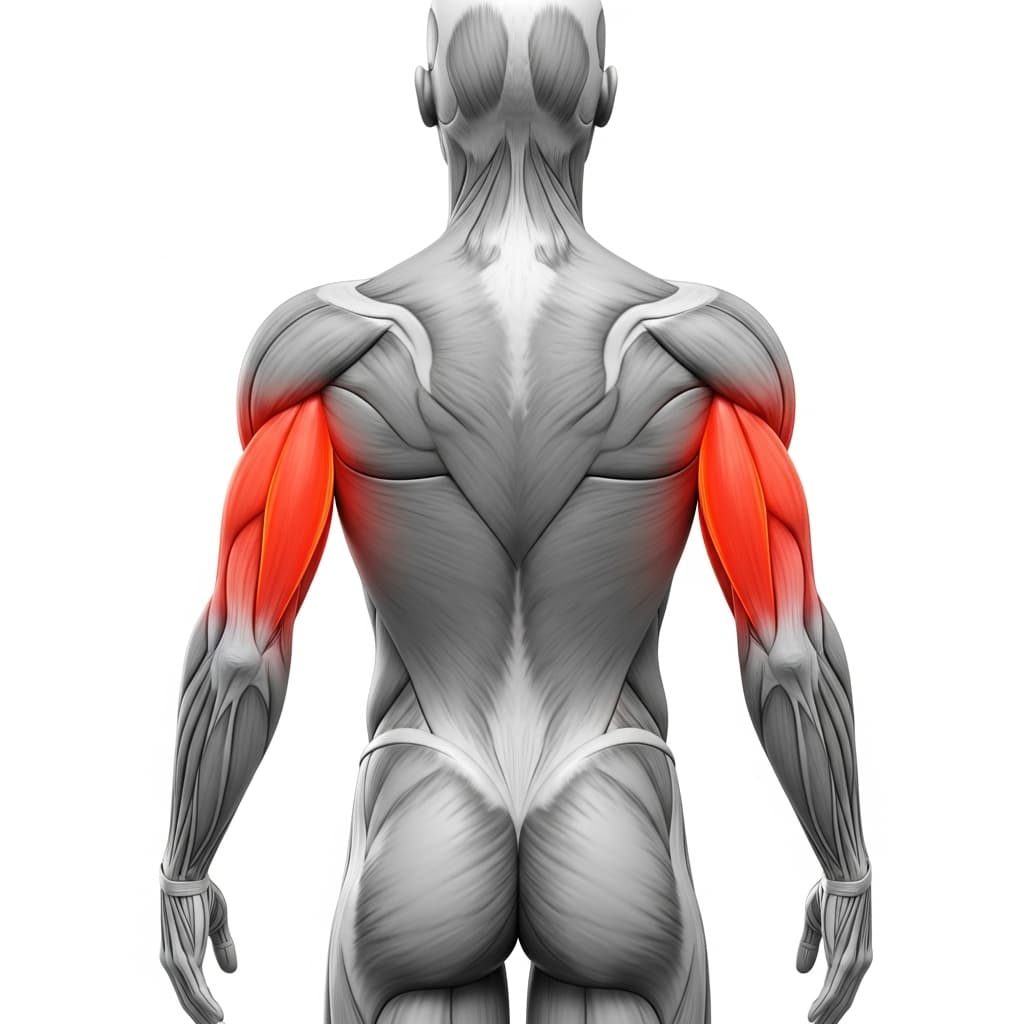
Triceps Brachii (Triceps) - The triceps extend the elbow during the pressing phase, and the narrow hand position increases their contribution by requiring more elbow extension force compared to a wider grip.
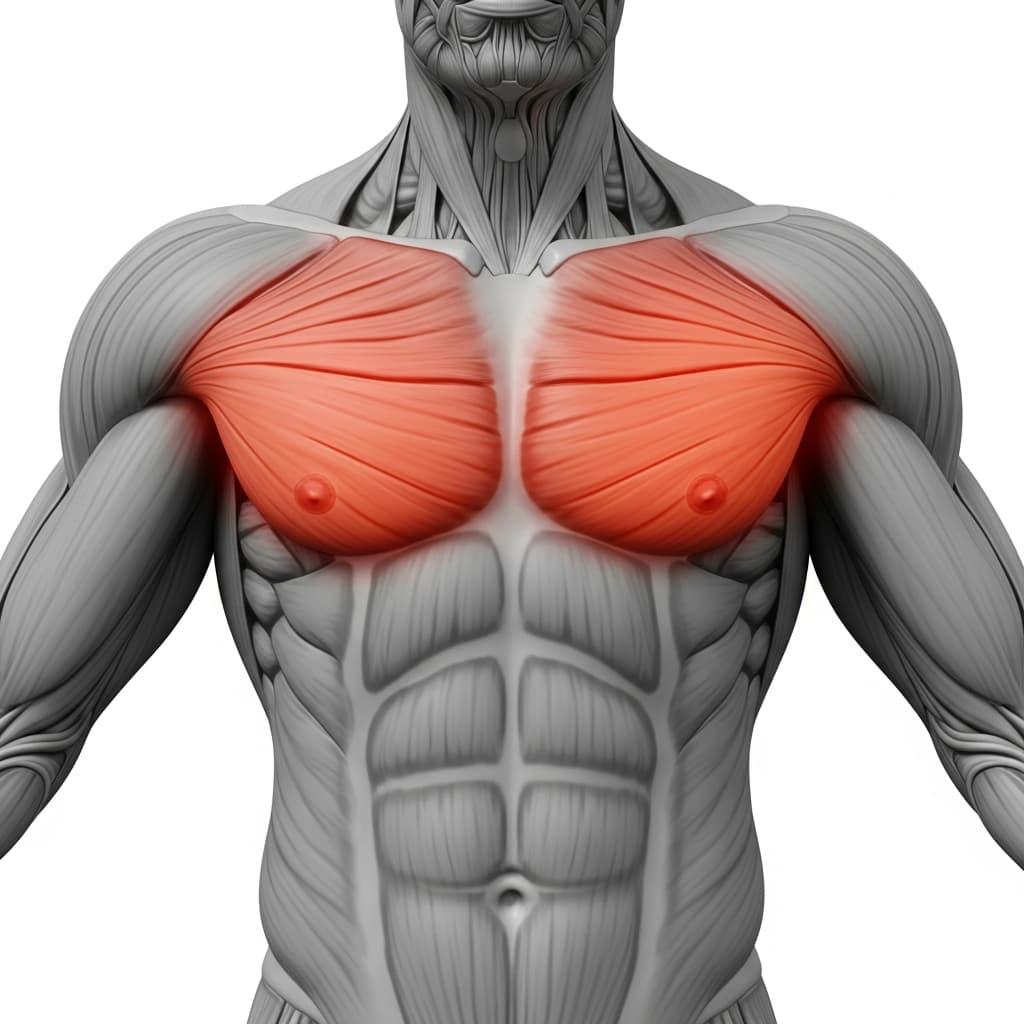
Pectoralis Major (Chest) - The chest assists with horizontal pressing by drawing the upper arm across the body, though the narrow grip reduces its mechanical advantage and shifts the primary load to the triceps.
Secondary Muscles
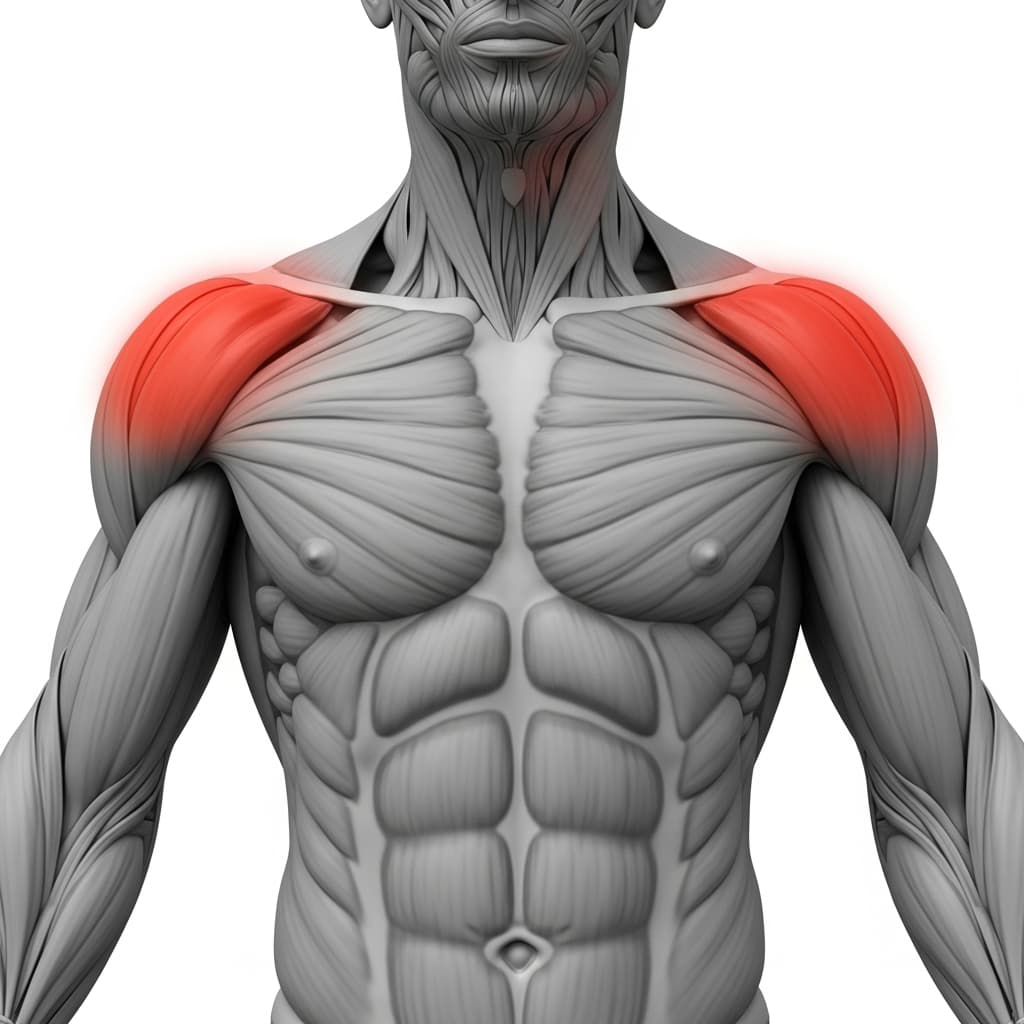
Anterior Deltoid (Front Deltoid) - The front deltoids stabilize the shoulder joint and assist with shoulder flexion as you press your body away from the floor.
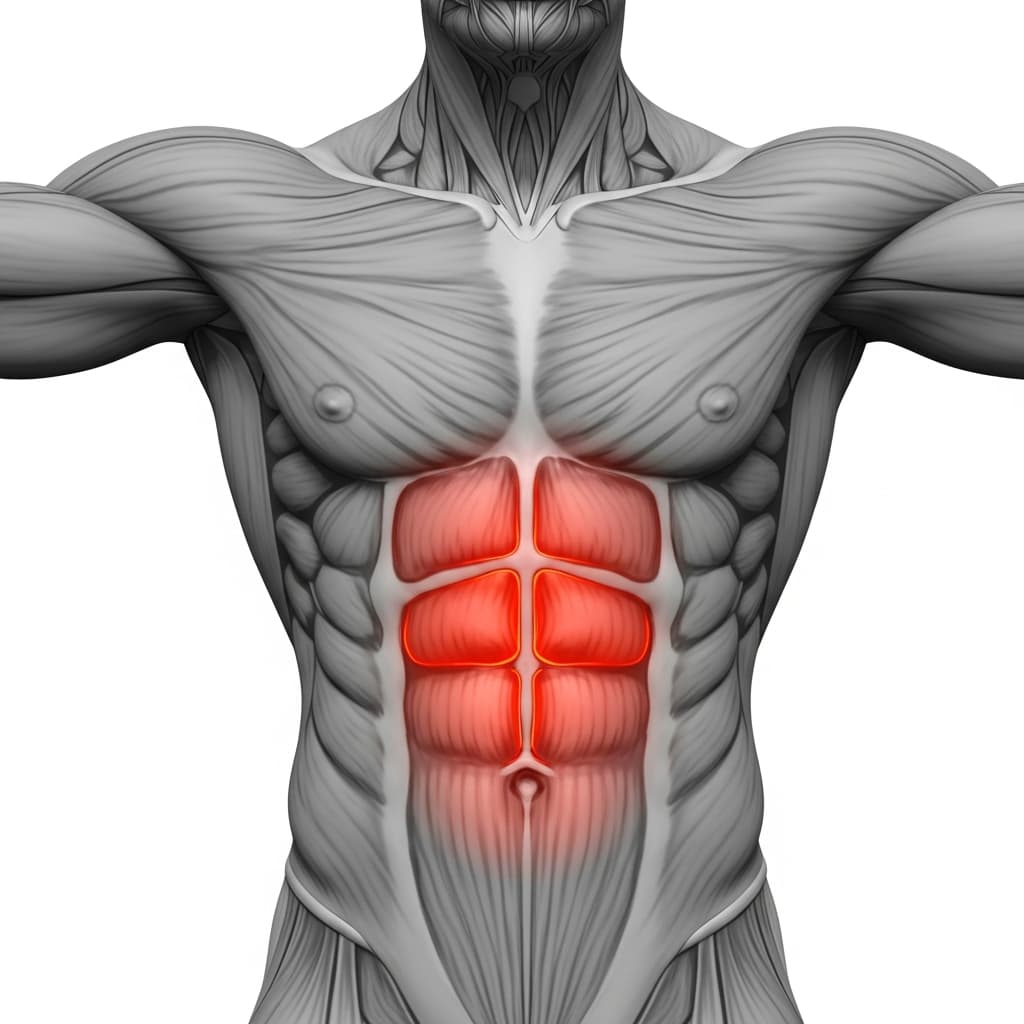
Rectus Abdominis (Abs) - The abdominals maintain a rigid plank position throughout the movement, preventing the hips from sagging under load and transferring force efficiently between the upper and lower body.
Serratus Anterior (Serratus Anterior) - The serratus anterior protracts the shoulder blades at the top of each rep, stabilizing the scapula against the ribcage during the pressing motion.
Benefits of Narrow Push Ups
- Develops triceps strength and size more effectively than standard push-ups due to the narrower hand position and increased elbow flexion demand
- Builds the pressing foundation needed for dips, handstand push-ups, and planche progressions by strengthening the lockout portion of the movement
- Trains core stability under an offset load, since the narrow base of support forces the abs and obliques to work harder to prevent rotation
- Strengthens the wrists and forearms through a more demanding pressing angle, which carries over to all hand-balancing and floor work in calisthenics
Who Is This Exercise For?
You should be able to perform at least 10 standard push-ups with clean form before attempting narrow push-ups, since the narrower hand position significantly increases the load on the triceps and wrists. If your elbows flare out or your hips sag during regular push-ups, fix those habits first because they will be amplified with a closer grip. Solid wrist mobility and a stable plank position are non-negotiable before narrowing your hand placement.
Common Mistakes to Avoid
Letting elbows flare out: Keep your elbows tracking close to your ribcage throughout the entire movement. When elbows flare, the load shifts to the shoulders and chest, which defeats the purpose of the narrow hand position and places unnecessary stress on the shoulder joint.
Placing hands too narrow or too far forward: Your hands should sit just underneath your chest at roughly shoulder width, not directly under your face or touching each other. Lying down and measuring before your set ensures consistent and safe placement every time.
Sagging hips or piking up: Squeeze your glutes and brace your abs to maintain a rigid plank throughout. If your hips drop, you lose core engagement and put strain on your lower back. If you pike up, you reduce the range of motion and cheat the rep.
Looking straight ahead or craning the neck: Keep a neutral neck position by looking at the floor slightly in front of your hands. Craning up puts your cervical spine into extension and breaks the alignment of your entire body.