Pseudo Push Ups
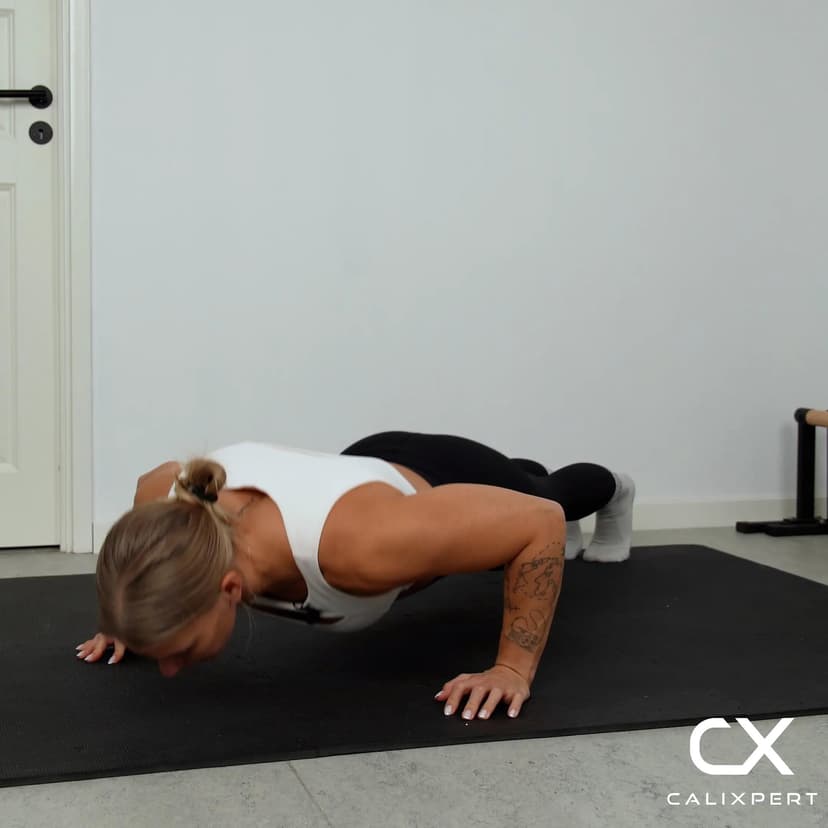
Pseudo push-ups are a push-up variation where the hands are placed near the hips instead of under the shoulders, creating a significant forward lean that shifts more load onto the chest, anterior deltoids, and wrists. The forward body position forces the shoulders and chest to work through a much larger range of motion than a standard push-up, while also demanding serious wrist flexibility and core control. Mastered with proper form, pseudo push-ups build the exact pushing strength and body positioning needed to progress toward planche lean work and eventually planche push-ups.
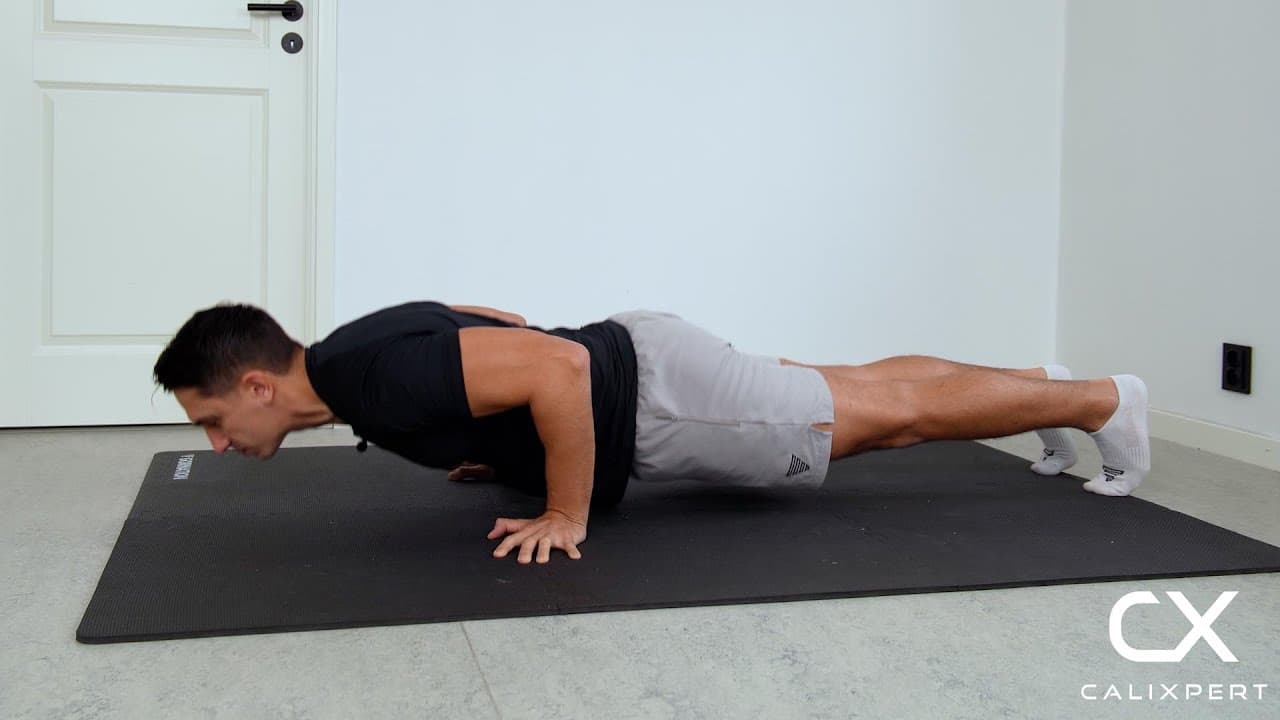
Pseudo push-ups are a push-up variation where the hands are placed near the hips instead of under the shoulders, creating a significant forward lean that shifts more load onto the chest, anterior deltoids, and wrists. The forward body position forces the shoulders and chest to work through a much larger range of motion than a standard push-up, while also demanding serious wrist flexibility and core control. Mastered with proper form, pseudo push-ups build the exact pushing strength and body positioning needed to progress toward planche lean work and eventually planche push-ups.
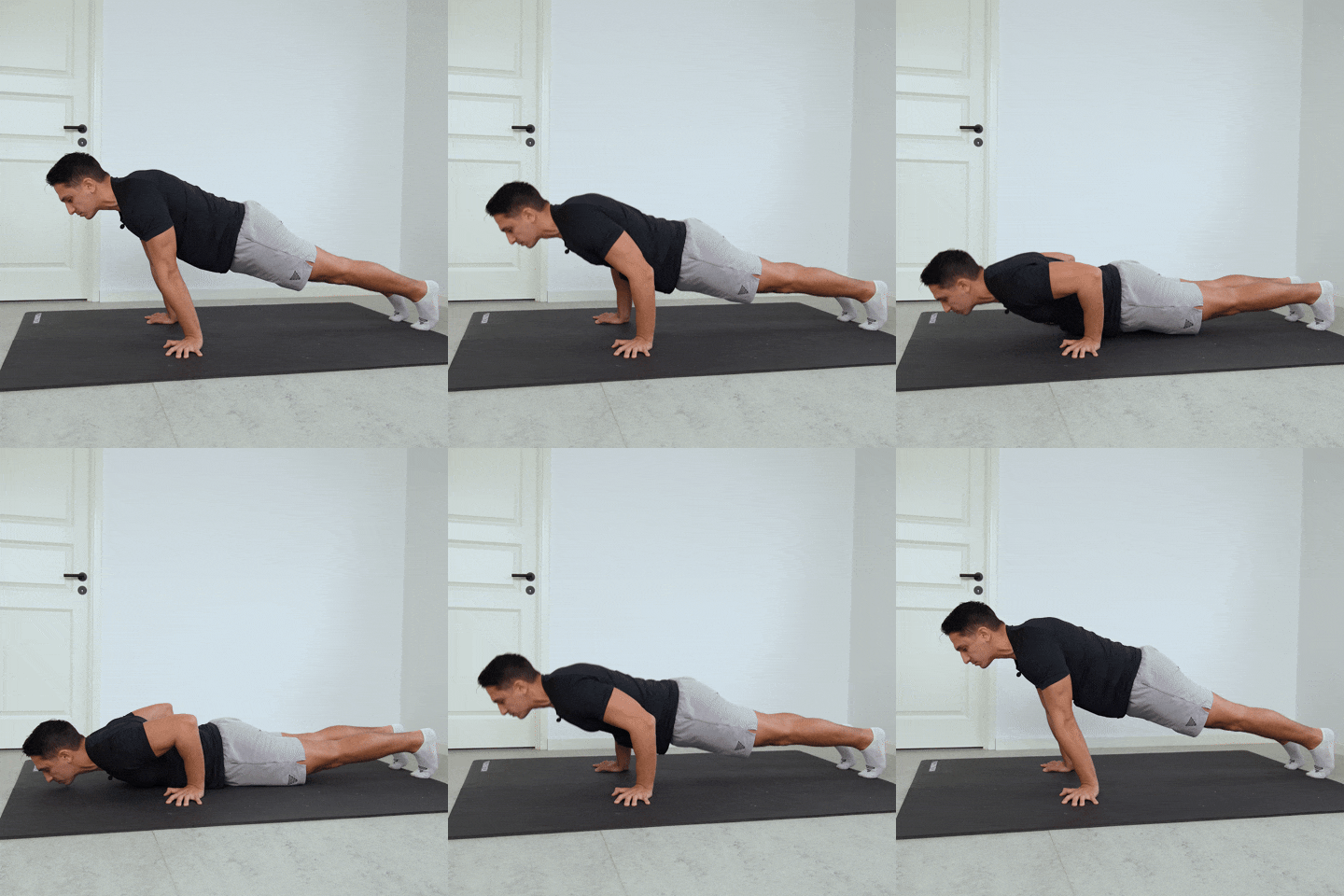
How to Do Pseudo Push Ups
1. Measure Your Hand Placement
Lie face down on the floor and place your hands flat on the ground at the level of your lower ribs or navel. The further down toward your hips you place them, the harder the exercise will be due to the increased forward lean. Point your fingers outward at roughly a 45-degree angle to reduce wrist strain. This lying measurement ensures consistent hand placement every time.
Hands at core level, fingers turned out
2. Set Up the Forward Lean
Push yourself up into a plank position while keeping your hands exactly where you placed them. Your shoulders should now be well ahead of your hands, creating a visible forward lean through your entire body. Keep your feet where they started and do not walk them forward. This leaning position is your start and end point for every rep.
Shoulders ahead of hands, always
3. Brace Your Entire Body
Squeeze your glutes, tighten your abs, and lock your legs straight before you begin the first rep. Your body should form one rigid line from head to heels with zero sag at the hips. This full-body tension prevents energy leaks and keeps the load where it belongs, on your chest and shoulders.
Tight from head to toes
4. Lower With the Lean
Bend your elbows and lower your chest toward the floor while maintaining the forward lean the entire way down. Your elbows should track at roughly 45 degrees from your torso, not flaring wide. Keep your head in a neutral position and lower until your chest is just above the ground. The lean should feel the same at the bottom as it did at the top.
Same lean angle down as up
5. Push Straight Up
Press through your palms to push your body straight up, not backward. This is the most common error in this exercise. If you push backward, you lose the forward lean and turn it into a regular push-up. Think about driving the floor away from you while keeping your shoulders locked in front of your hands.
Push the floor away, not your body back
6. Reset at the Top
At the top of each rep, confirm that your shoulders are still ahead of your hands and your body line is straight. Re-brace your core and glutes before starting the next rep. Rushing through reps without resetting is what causes form to break down over a set.
Check the lean before the next rep
Most people fail pseudo push-ups because they let the lean disappear the moment they start pushing. The fix is simple: before you press up, check that your shoulders are still in front of your hands. If you can see your hands beneath your chest at the bottom position, you have lost the lean and you are just doing a regular push-up with bad hand placement. Keep the lean constant from top to bottom, and you will feel the shoulders and chest light up in a way that regular push-ups never touch.
Muscles Worked During Pseudo Push Ups
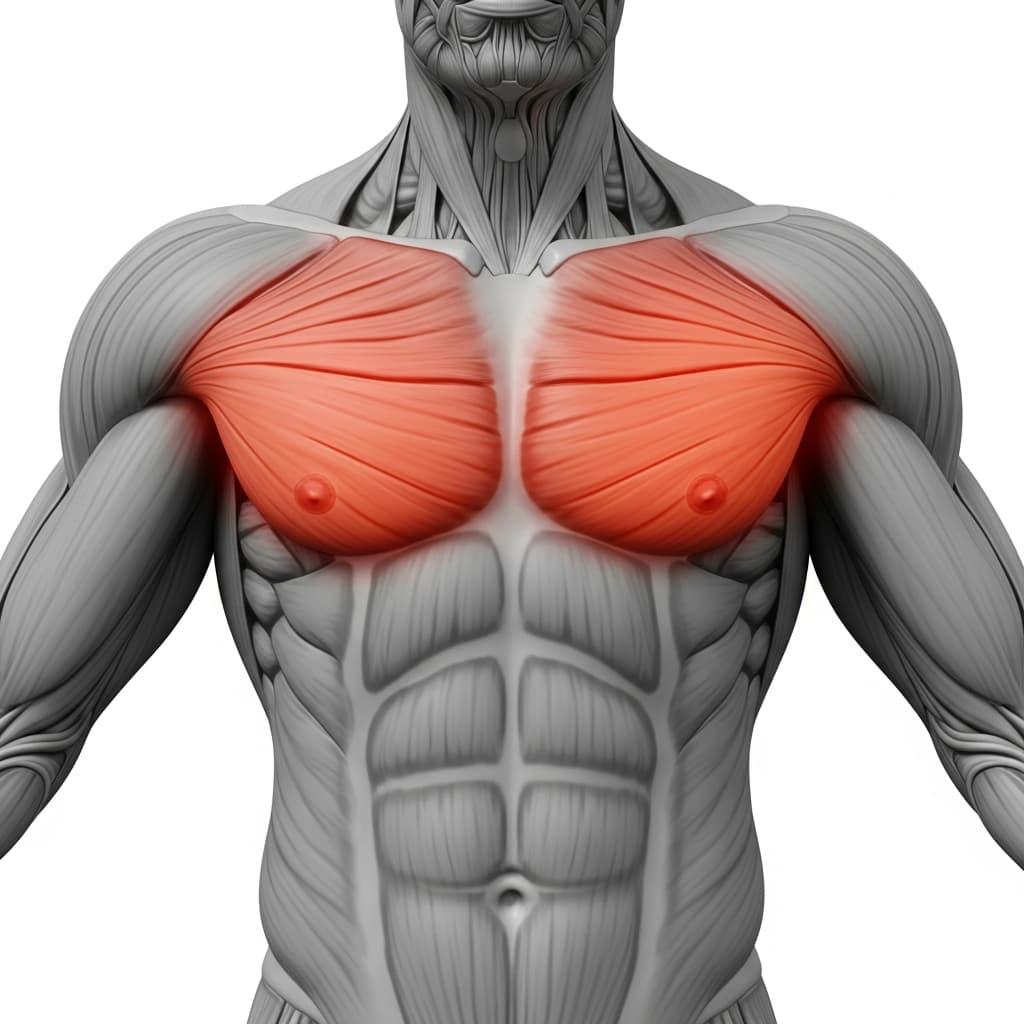
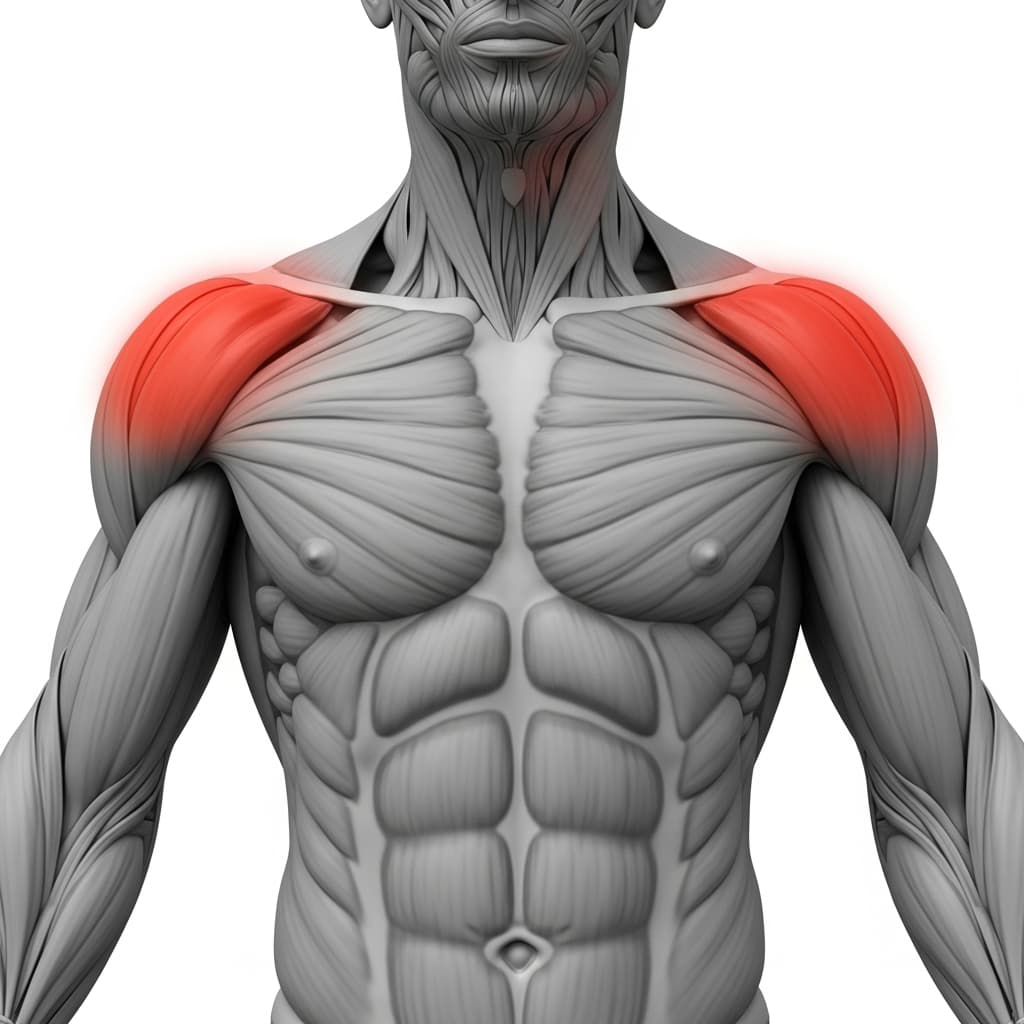
Primary Muscles:
Secondary Muscles:
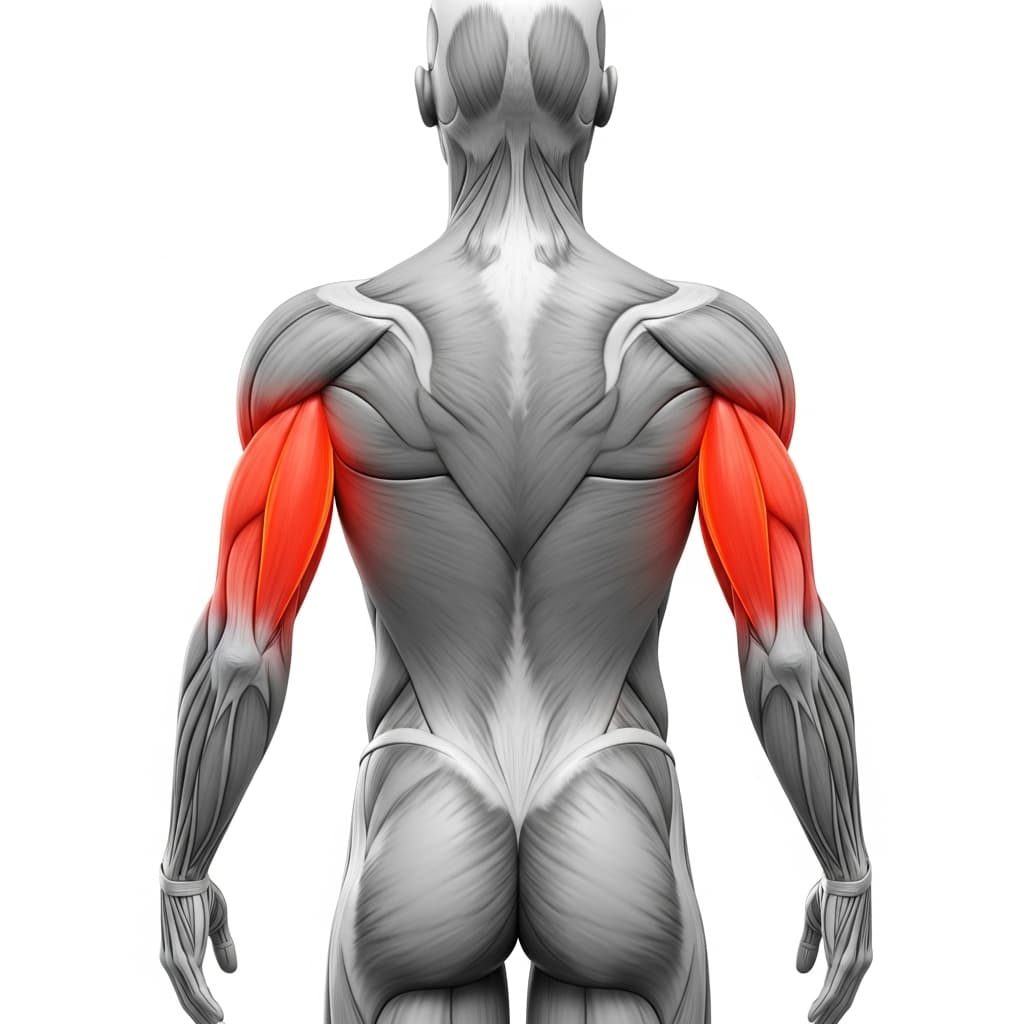
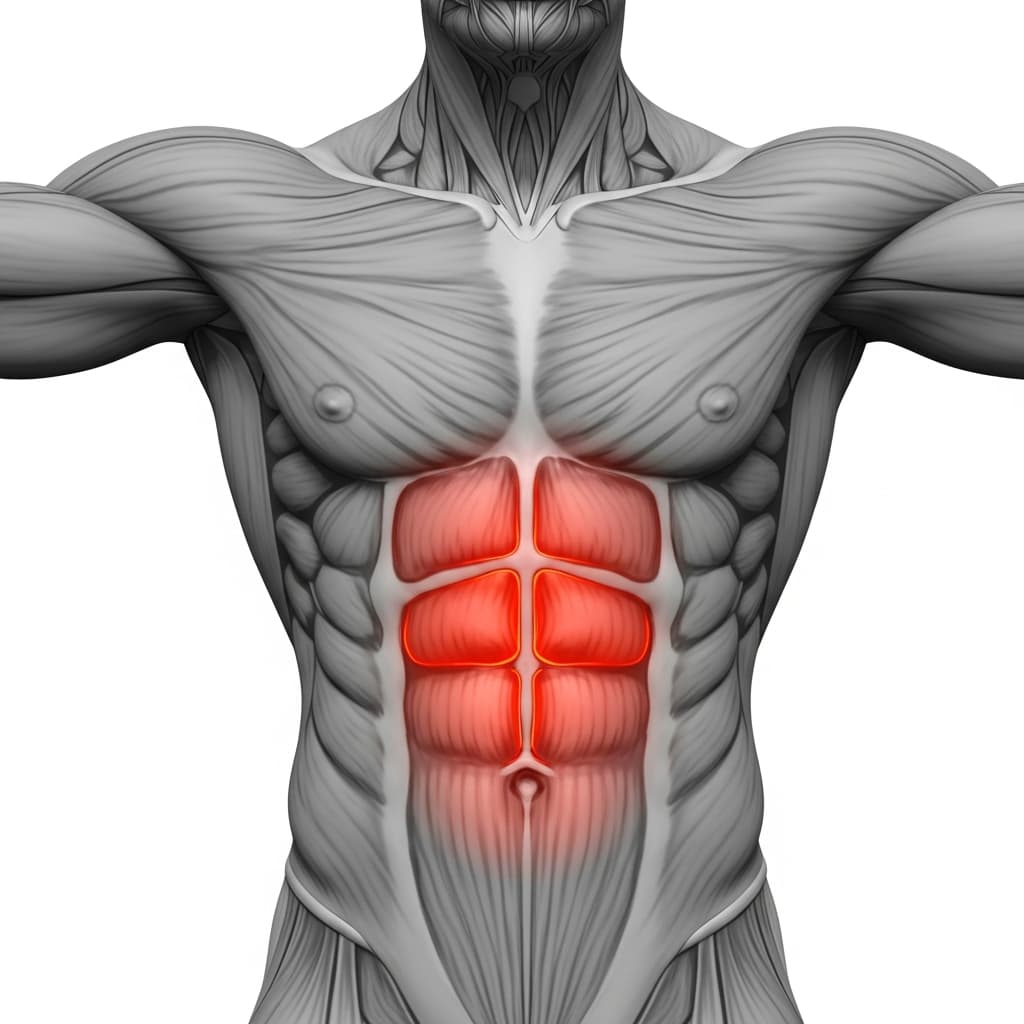
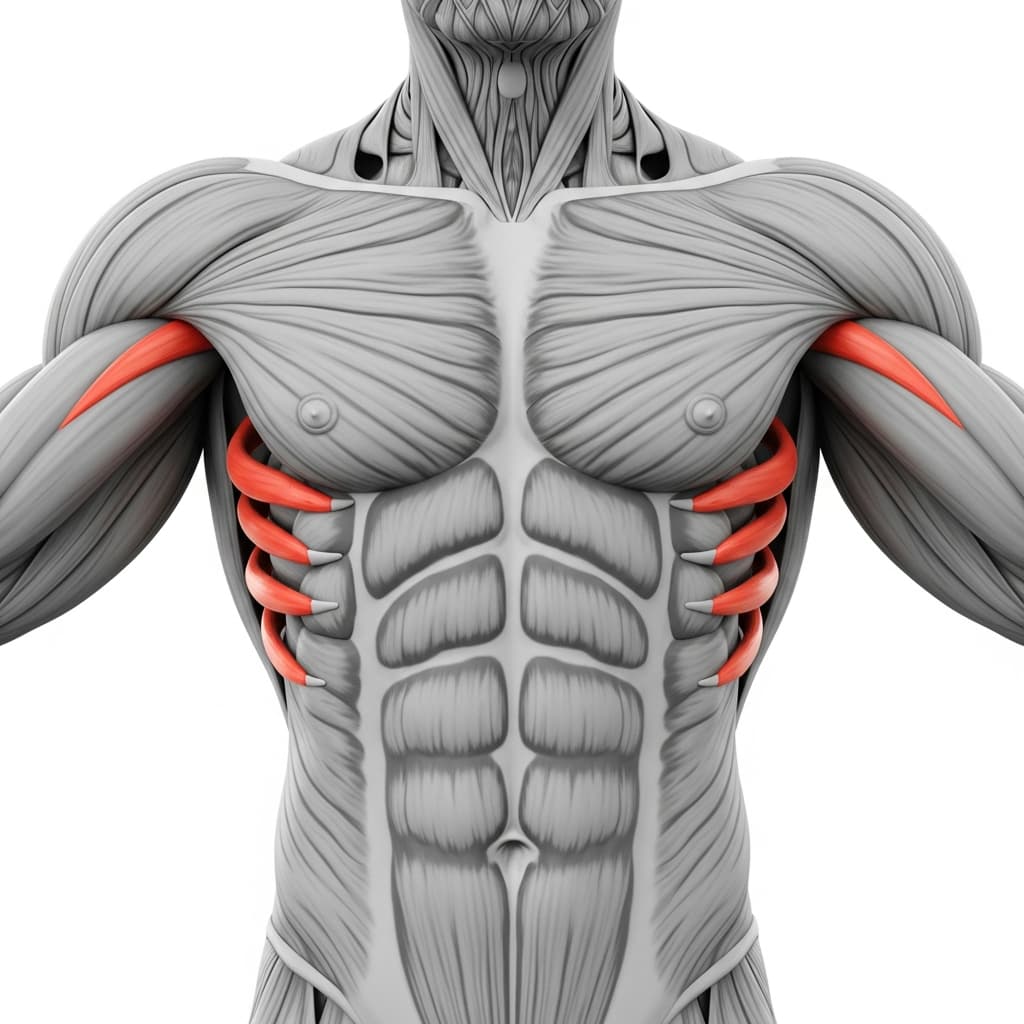
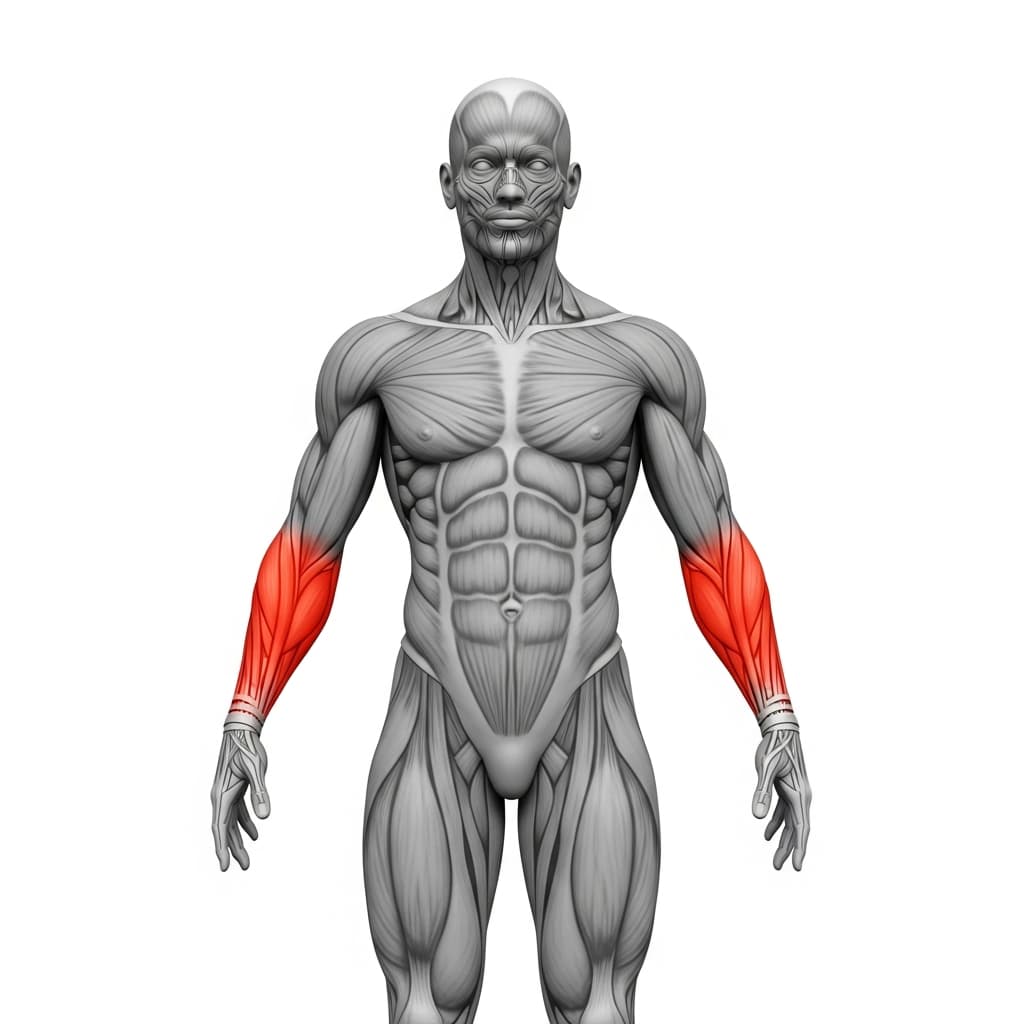
Primary Muscles
Pectoralis Major (Chest) - The pectoralis major drives horizontal adduction of the arms during the pressing phase, working through an extended range of motion due to the forward-leaning body angle.
Anterior Deltoid (Front Deltoid) - The anterior deltoid bears a significantly higher load than in a standard push-up because the forward lean shifts your center of gravity ahead of the hands, demanding shoulder flexion strength throughout the entire rep.
Secondary Muscles
Triceps Brachii (Triceps) - The triceps extend the elbow during the push phase, working as the primary elbow extensor to lock out each rep under the increased forward-leaning load.
Rectus Abdominis (Abs) - The rectus abdominis maintains a rigid straight body line against gravity, preventing the hips from sagging under the shifted center of mass.
Serratus Anterior (Serratus Anterior) - The serratus anterior protracts the shoulder blades at the top of each rep and stabilizes them against the rib cage throughout the forward-leaning position.
Forearm Flexors & Extensors (Forearms) - The forearm flexors and extensors work to stabilize the wrist joint under heavy load, since the forward lean places significantly more bodyweight through the hands than a standard push-up.
Benefits of Pseudo Push Ups
- Builds anterior deltoid and chest strength in a forward-leaning position that no standard push-up variation replicates
- Develops the wrist strength and flexibility required for planche training, handstands, and other advanced hand-balancing skills
- Strengthens the serratus anterior through protraction under load, which stabilizes the shoulder blade during all pressing movements
- Teaches full-body tension and straight body alignment under a shifted center of gravity, a skill that transfers directly to planche progressions
Who Is This Exercise For?
You should be able to perform at least 15 clean regular push-ups with a straight body line and full range of motion before attempting pseudo push-ups. Wrist mobility is equally important, so spend time warming up your wrists with extensions and circles, and make sure you can hold a plank with fingers pointed sideways without discomfort. If regular push-ups still break down at the hips or elbows, build that foundation first before adding the forward lean.
Common Mistakes to Avoid
Pushing backward instead of straight up: Focus on pressing the floor away from you vertically. If your body shifts backward on the way up, you are losing the forward lean and reducing the exercise to a standard push-up. Film yourself from the side to check.
Losing the forward lean during the descent: Your shoulders must stay ahead of your hands throughout the entire rep, including at the bottom. If the lean disappears as you lower, you likely placed your hands too far forward. Move them closer to your hips.
Hips sagging or piking up: Squeeze your glutes and abs hard before every rep. A broken body line means your core is not engaged, which shifts stress onto the lower back and removes load from the target muscles.
Wrists collapsing under load: Turn your fingers outward at 45 degrees and actively grip the floor with your fingertips. If wrist pain persists, your wrist mobility is not ready. Spend two weeks on daily wrist warm-ups before returning to this exercise.