Penguin Sit Up
Penguin sit-ups are a lateral core exercise that targets the obliques through a controlled side-to-side reaching motion while holding an elevated crunch position. The movement involves lying on your back with bent knees and alternating hand-to-ankle reaches, creating sustained tension across the entire midsection. When performed with control and proper shoulder elevation, penguin sit-ups build oblique endurance and lateral trunk stability that transfer directly to rotational calisthenics movements.
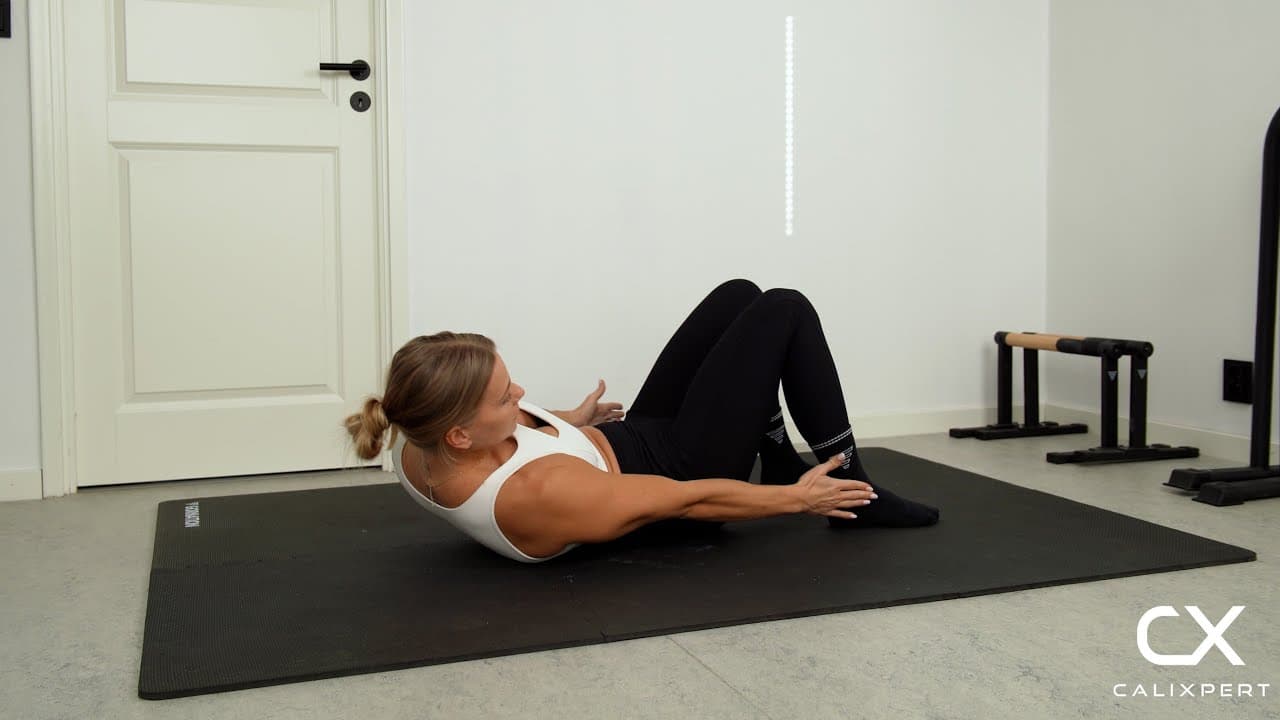
Penguin sit-ups are a lateral core exercise that targets the obliques through a controlled side-to-side reaching motion while holding an elevated crunch position. The movement involves lying on your back with bent knees and alternating hand-to-ankle reaches, creating sustained tension across the entire midsection. When performed with control and proper shoulder elevation, penguin sit-ups build oblique endurance and lateral trunk stability that transfer directly to rotational calisthenics movements.
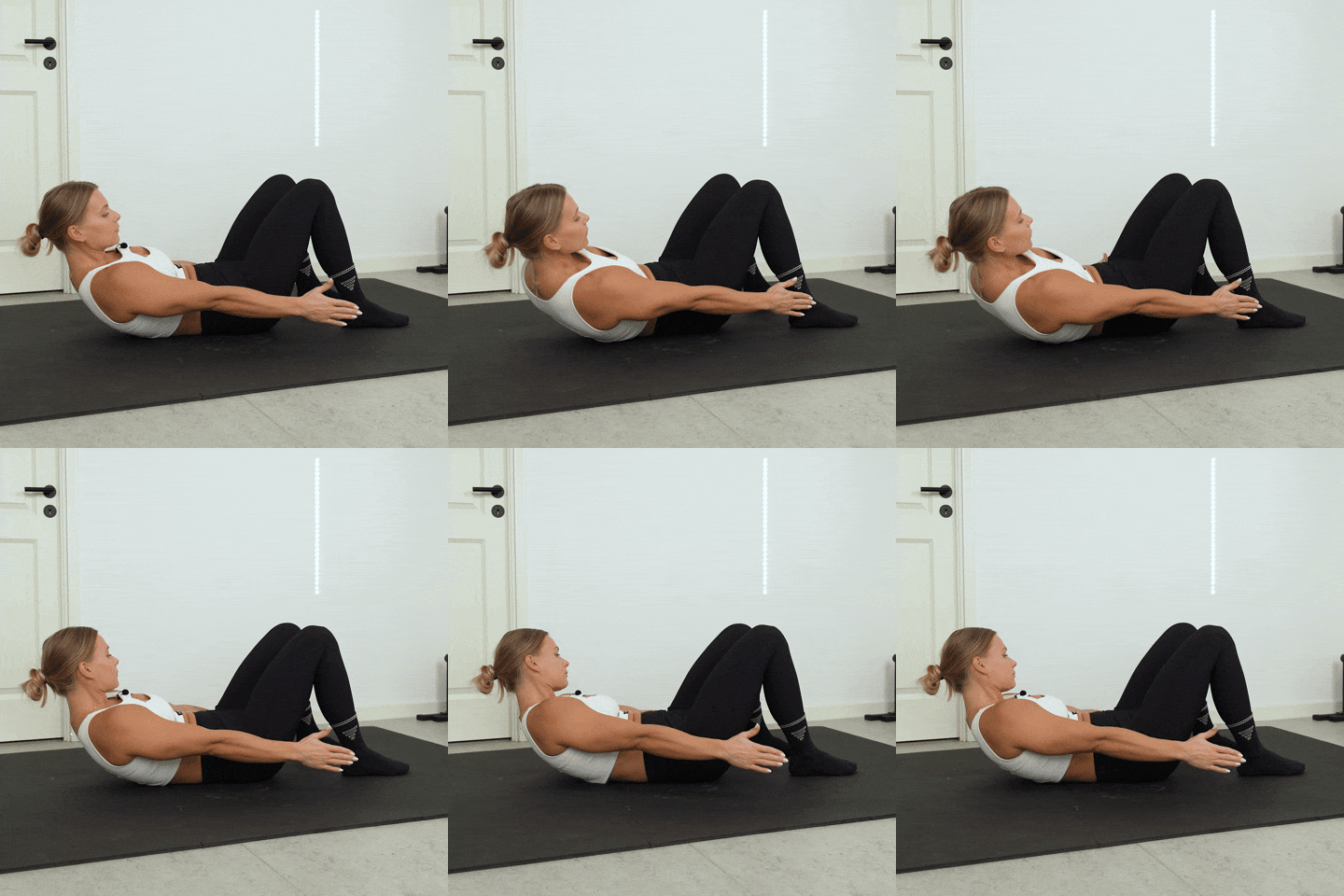
How to Do Penguin Sit Up
1. Set Up on Your Back
Lie flat on your back with your knees bent and feet flat on the floor. Pull your heels in close to your glutes, roughly 15 to 20 centimeters away. Keep your lower back pressed firmly into the ground throughout the entire set.
Heels close, lower back flat
2. Position Your Arms at Your Sides
Extend both arms straight along your sides with your palms facing inward toward your legs. Your fingertips should hover just above the floor, ready to reach toward your ankles. Do not clasp your hands behind your head.
Arms long, palms facing in
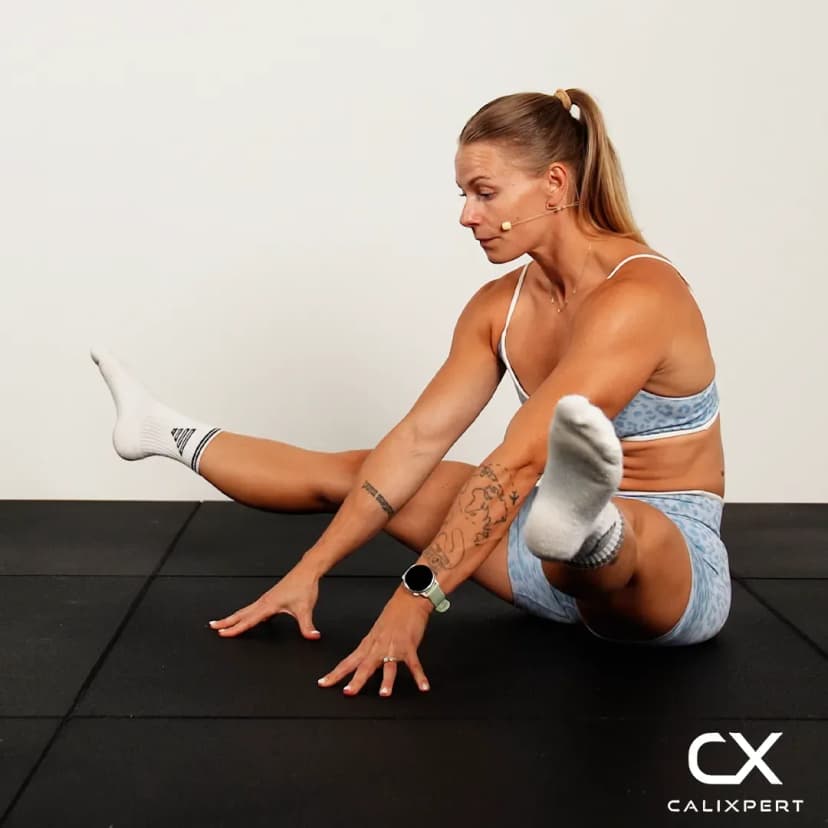
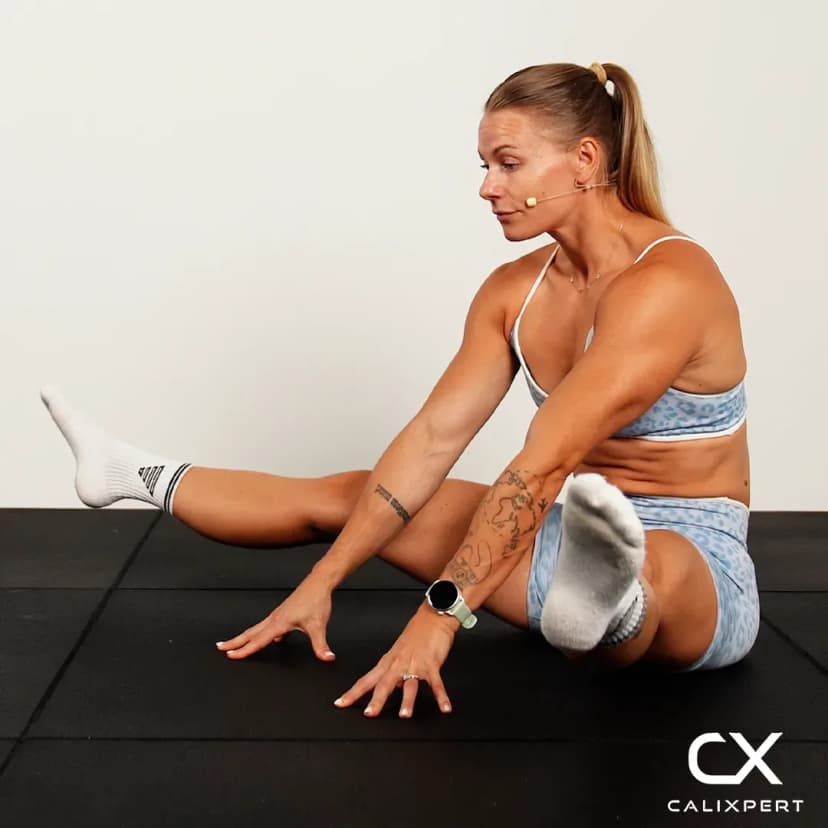
3. Lift Your Shoulders Off the Ground
Engage your core and lift your head, neck, and shoulder blades off the floor into a crunch position. This elevated position must be maintained for the entire set. Your upper abs lock in to hold this position while your obliques handle the side-to-side movement.
Shoulder blades off the ground, hold it
4. Reach Toward One Ankle
Laterally flex your torso to one side by reaching your hand down toward the same-side ankle. The movement comes from your ribcage shifting sideways, not from swinging your arm. You should feel a strong contraction in the oblique on the reaching side.
Ribs shift, hand follows
5. Alternate Side to Side
Return through center and immediately reach to the opposite ankle with your other hand. Maintain a smooth, controlled rhythm without dropping your shoulders back to the floor between reps. Each side-to-side reach counts as one rep.
Smooth alternation, shoulders stay up
6. Adjust Foot Distance for Intensity
If the movement feels too easy, slide your feet further away from your glutes. The increased distance forces a longer reach and greater oblique engagement. If you cannot touch your ankle, that is fine, just reach as far as you can with control.
Feet further out means harder work
Most people treat penguin sit-ups as a speed exercise and blast through 30 reps feeling nothing. Slow it down and focus on the ribcage shifting sideways, not the hand reaching. When you feel the oblique squeeze at the bottom of each reach, pause for half a second before switching sides. That small pause is where the real work happens.
Muscles Worked During Penguin Sit Up
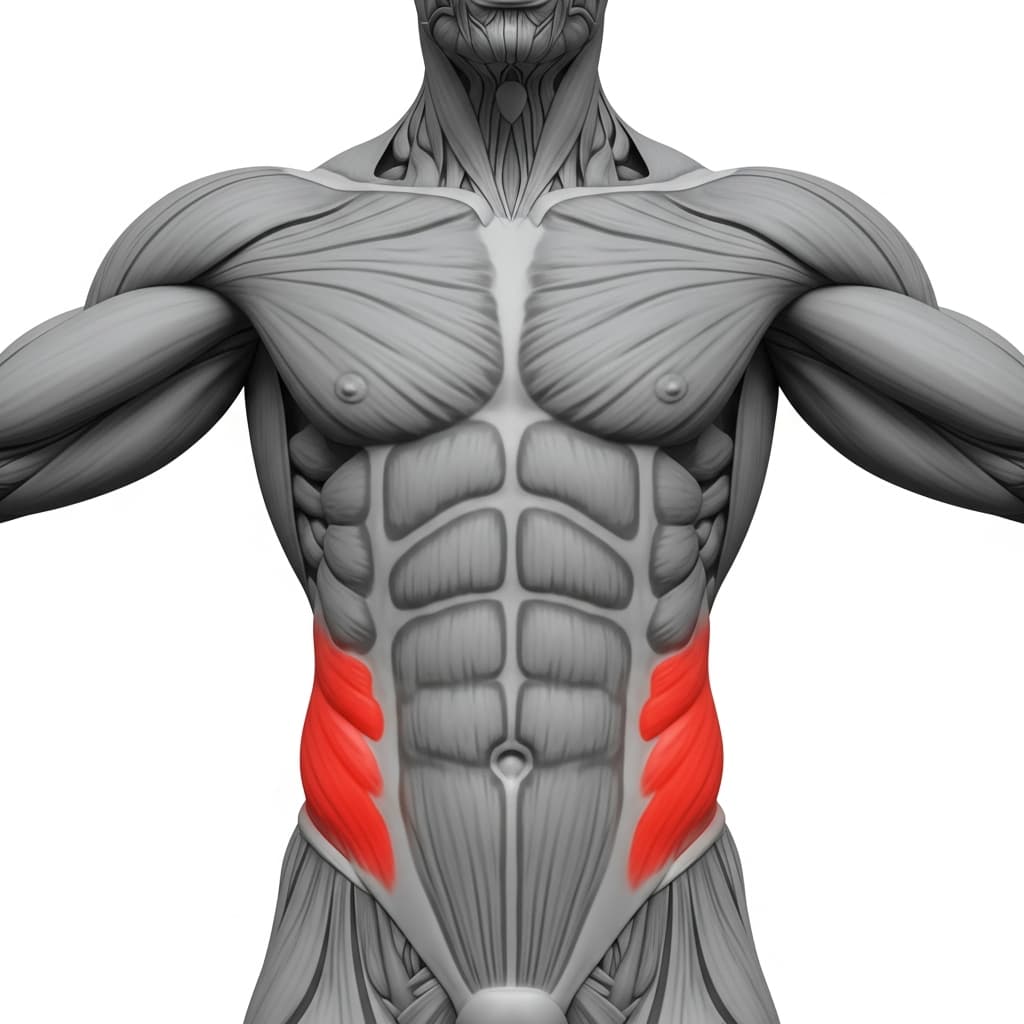
Primary Muscles:
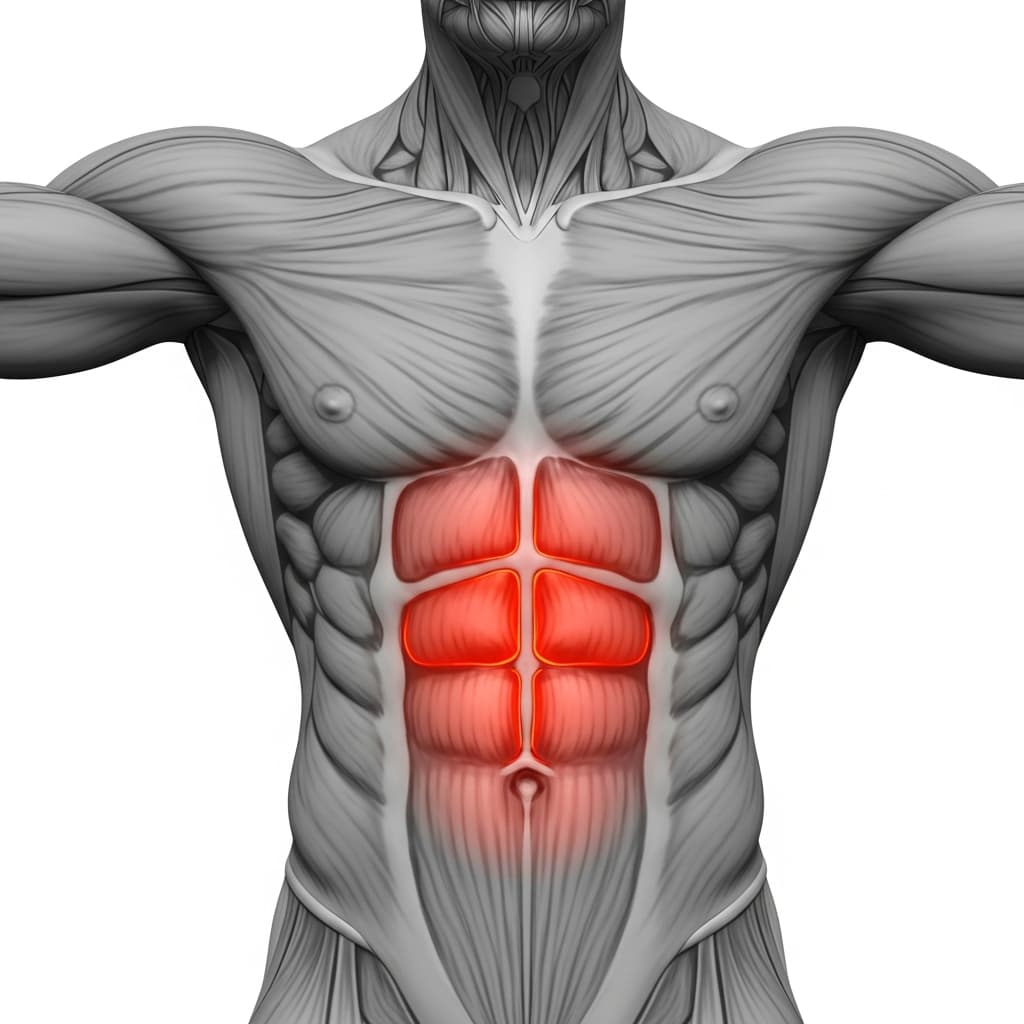
Secondary Muscles:
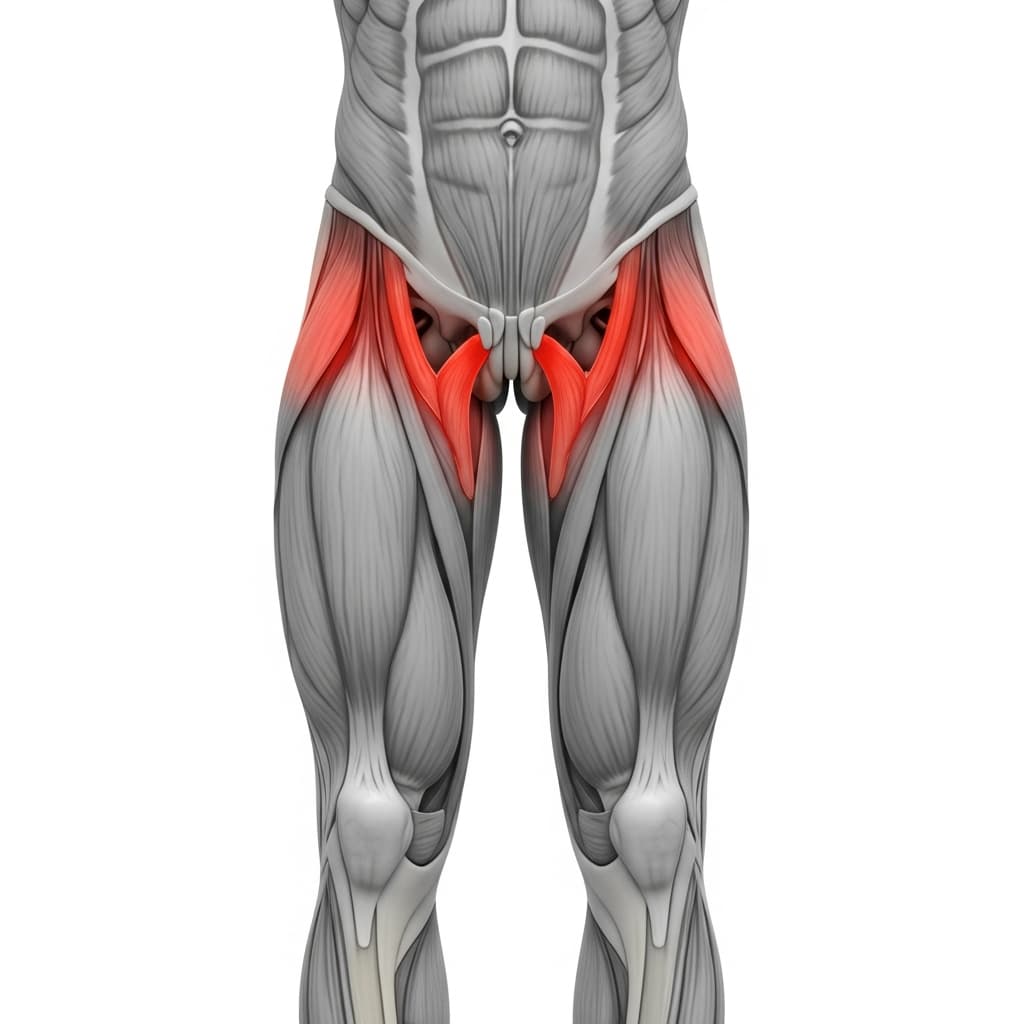
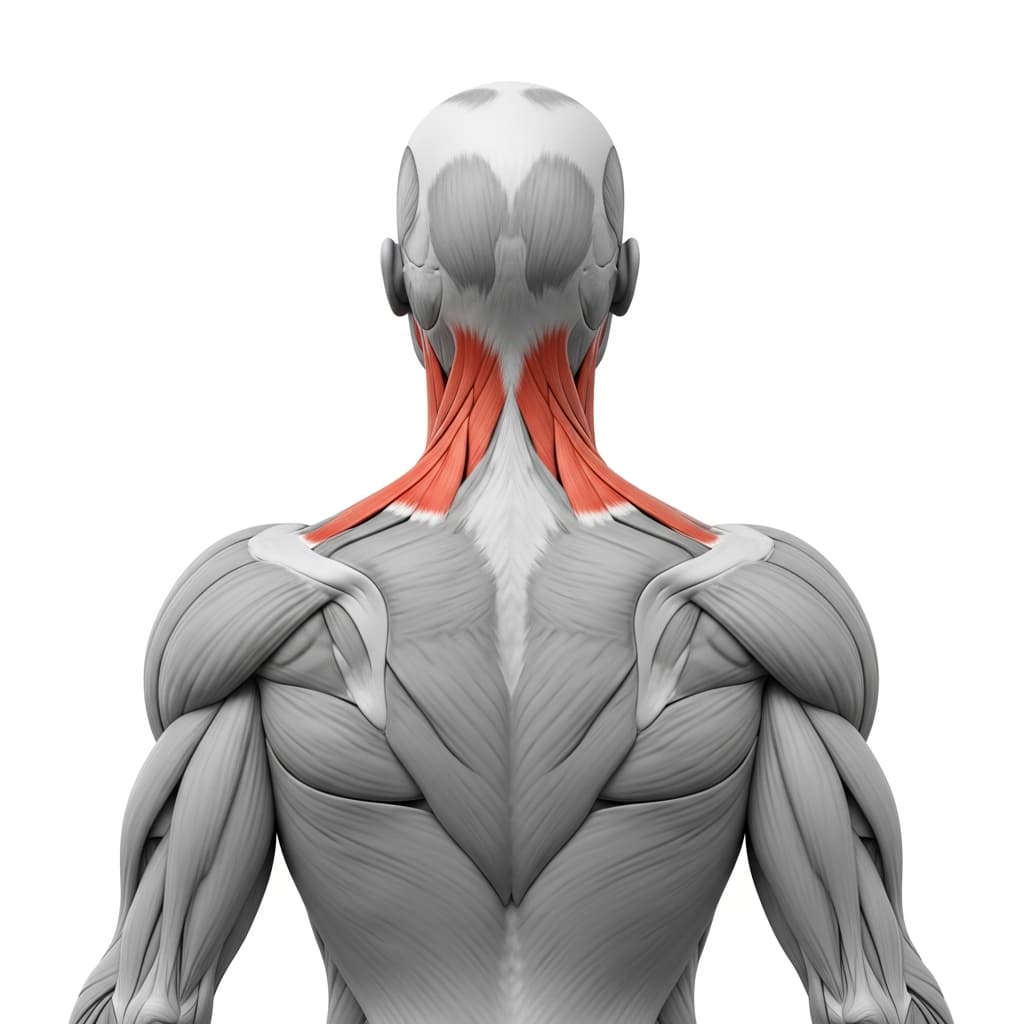
Primary Muscles
Obliques (Obliques) - The obliques drive the lateral flexion of the torso on every reach, contracting to pull the ribcage sideways toward the ankle on each rep.
Secondary Muscles
Rectus Abdominis (Abs) - The rectus abdominis holds the shoulders off the ground isometrically throughout the entire set, maintaining the crunch position while the obliques handle the side-to-side motion.
Iliopsoas (Hip Flexors) - The hip flexors stabilize the pelvis and keep the legs in their bent position, preventing the feet from sliding out as the upper body shifts laterally.
Sternocleidomastoid & Neck Extensors (Neck) - The neck flexors assist in keeping the head elevated and aligned with the shoulders throughout the sustained crunch position.
Benefits of Penguin Sit Up
- Builds oblique endurance through sustained lateral flexion under constant tension, which directly improves rotational control in calisthenics skills
- Develops the ability to maintain an elevated crunch position for extended periods, strengthening the upper abs isometrically while the obliques work dynamically
- Requires zero equipment and minimal space, making it one of the most accessible oblique exercises for any training environment
- Trains anti-rotation stability in the lower back by forcing you to keep the lumbar spine flat while the upper body moves laterally
Who Is This Exercise For?
You should be able to hold a standard crunch position with your shoulders off the ground for at least 15 seconds before attempting penguin sit-ups. If maintaining that elevated position causes your neck to strain or your lower back to lift off the floor, spend more time building basic crunch endurance and ab engagement first.
Common Mistakes to Avoid
Dropping shoulders between reps: Your shoulder blades must stay off the ground for the entire set. If you keep lowering back down between reaches, you lose the sustained ab engagement that makes this exercise effective. Reduce the rep count until you can maintain the elevated position throughout.
Swinging the arms instead of flexing the torso: The reach should come from lateral flexion of your ribcage, not from flailing your arm sideways. Keep your arm relatively straight and let the oblique contraction drive your hand toward your ankle.
Lifting the lower back off the floor: Press your lower back into the ground before you begin and maintain that contact throughout the set. If your lower back arches up, your hip flexors are compensating and your abs have disengaged.
Rushing through the reps: Moving too fast turns this into a momentum exercise and removes the tension from the obliques. Use a controlled 1-second reach to each side and feel the contraction at the end range before switching.
Variations & Progressions
Feet-Close Penguin Sit-Up
Pull your heels as close to your glutes as possible, reducing the distance your hand needs to travel. This shorter range of motion makes the reaching portion less demanding on the obliques.
Extended-Feet Penguin Sit-Up
Slide your feet further away from your body so your knees form a wider angle. The increased reach distance forces the obliques to work through a longer range of motion and makes maintaining the crunch position significantly harder.
Weighted Penguin Sit-Up
Hold a light dumbbell or weight plate against your chest while performing the movement. The added load increases the demand on both the obliques and the upper abs holding the crunch position.