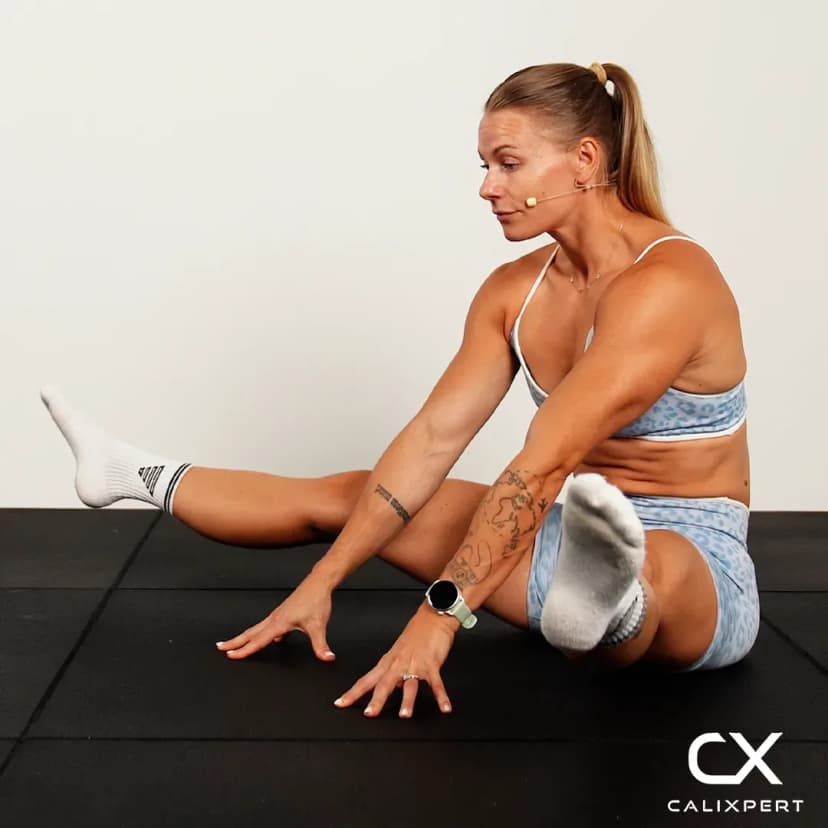
Negative Push Up
Negative push-ups isolate the lowering (eccentric) phase of the push-up, training the chest, triceps, and front deltoids under controlled tension through a full range of motion. The goal is to lower your body as slowly as possible from the top plank position to the floor, building the strength and motor control needed for full push-ups. This eccentric focus produces high muscular tension at longer muscle lengths, which accelerates strength gains faster than most beginner pushing exercises.
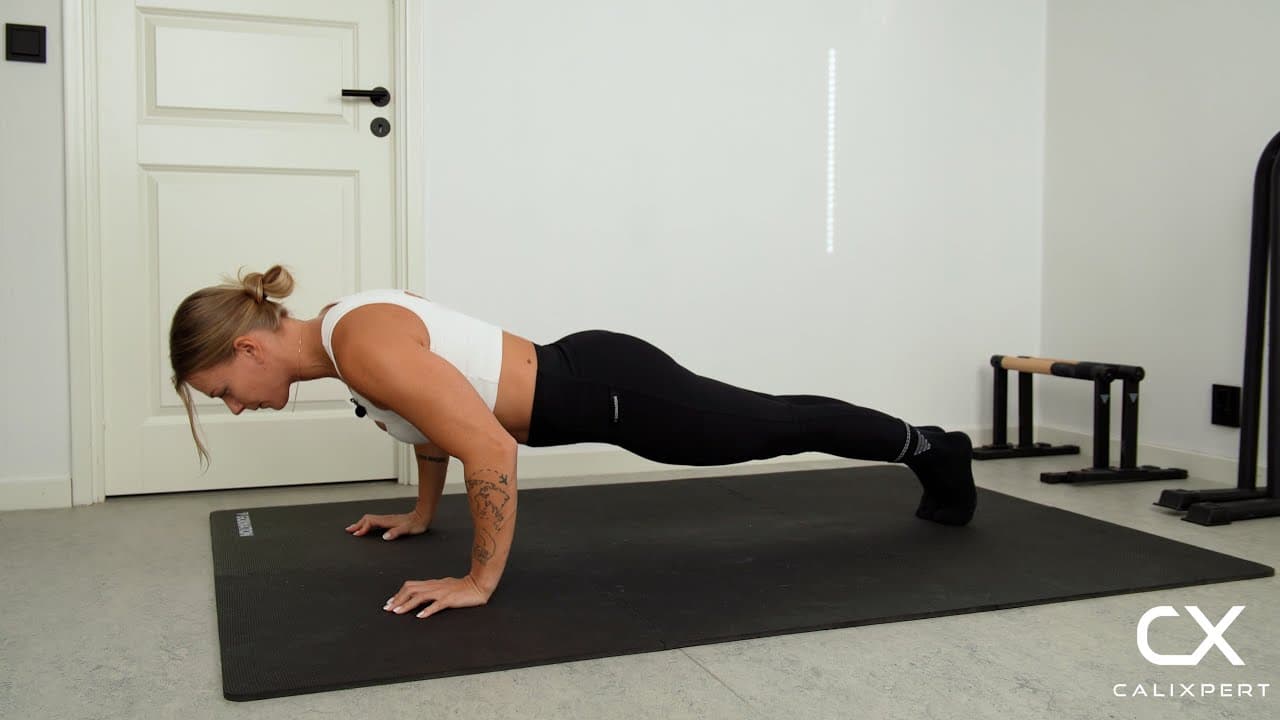
Negative push-ups isolate the lowering (eccentric) phase of the push-up, training the chest, triceps, and front deltoids under controlled tension through a full range of motion. The goal is to lower your body as slowly as possible from the top plank position to the floor, building the strength and motor control needed for full push-ups. This eccentric focus produces high muscular tension at longer muscle lengths, which accelerates strength gains faster than most beginner pushing exercises.
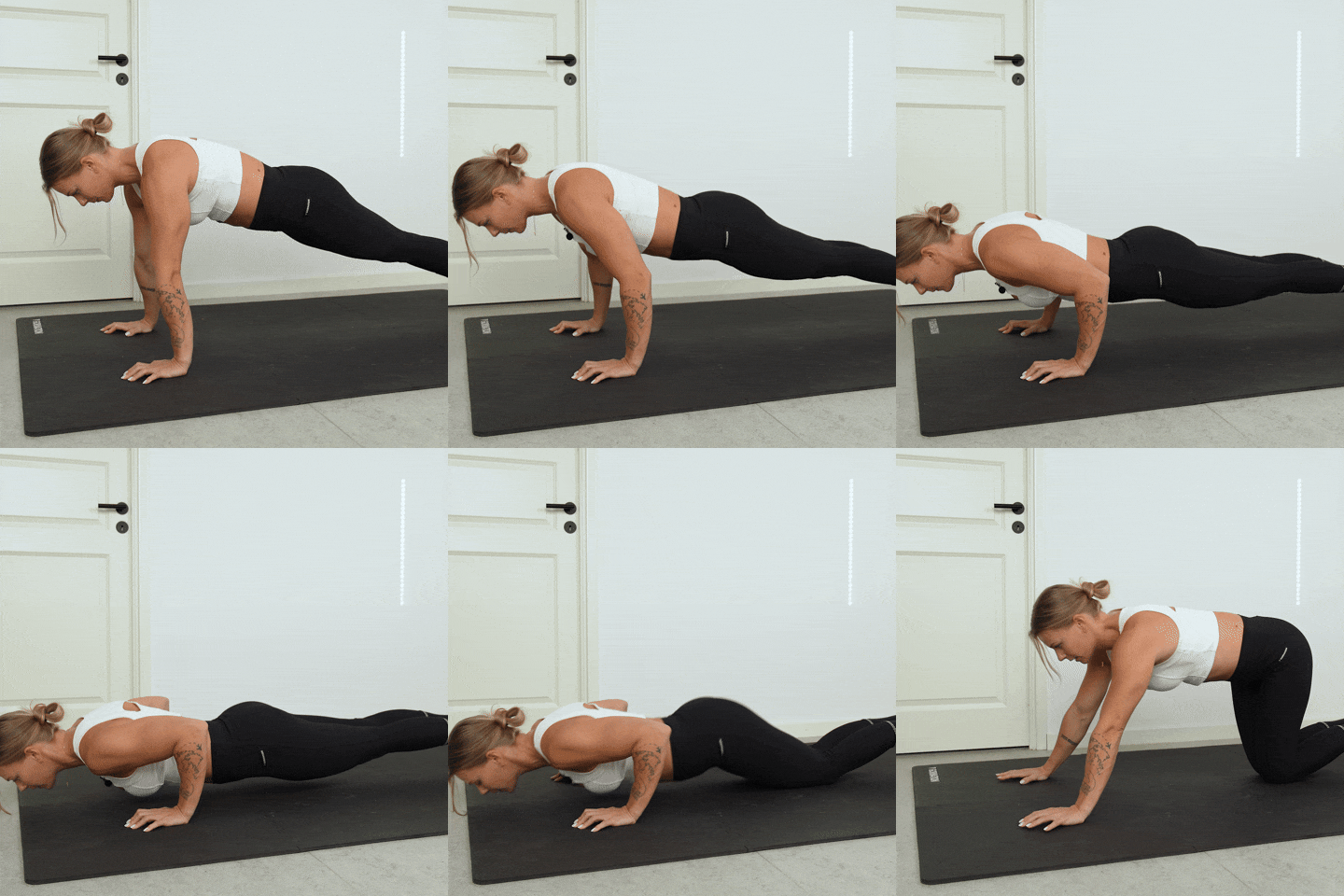
How to Do Negative Push Up
1. Set Up in High Plank
Place your hands slightly wider than shoulder width on the floor with your fingers spread and pointing forward. Stack your shoulders directly above your wrists. Get up on your toes with your feet hip-width apart and your body forming a straight line from head to heels.
Shoulders stacked directly over wrists
2. Brace Your Entire Body
Squeeze your glutes, tighten your quads, and engage your core as if bracing for a punch. This full-body tension prevents your hips from sagging or piking during the descent. Your body should feel like a single rigid plank from head to heels before you begin lowering.
Glutes and core locked tight
3. Lean Forward Slightly
Shift your weight forward so your shoulders move just past your wrists. This forward lean places the chest in a stronger mechanical position and prevents the elbows from flaring out behind you. The shift is subtle, roughly two to three centimeters forward.
Shoulders just past the wrists
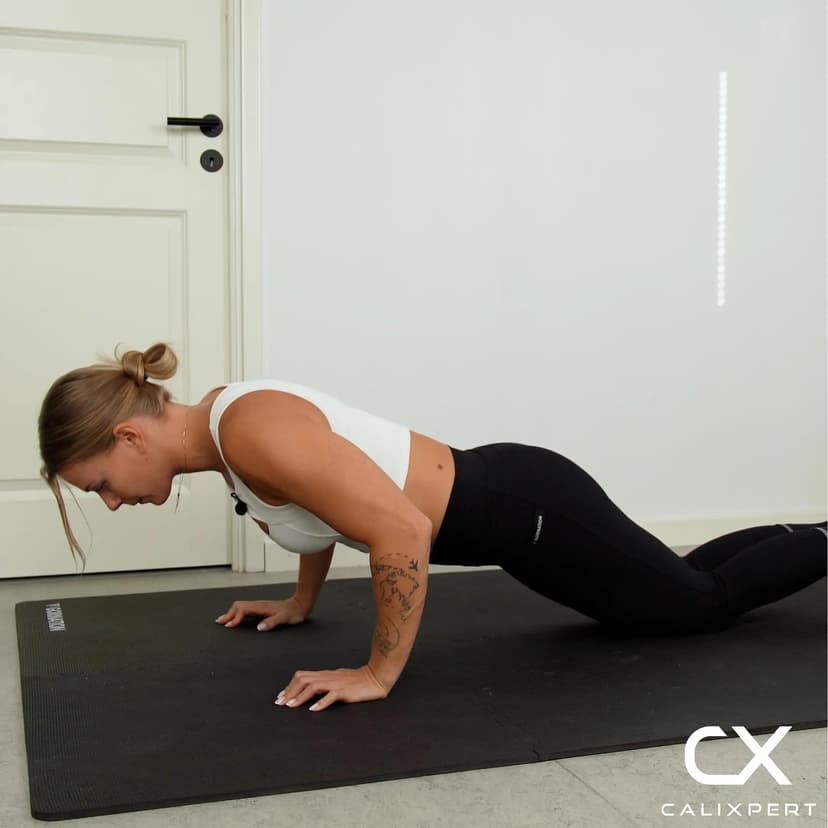
4. Lower Slowly With Elbows at 45 Degrees
Bend your elbows and lower your body toward the floor as slowly as you can control. Keep your elbows angled roughly 45 degrees from your torso, not flared wide and not pinned to your sides. Aim for a descent of at least 3 to 5 seconds. Maintain your rigid body line the entire way down.
Elbows at 45 degrees, not flared
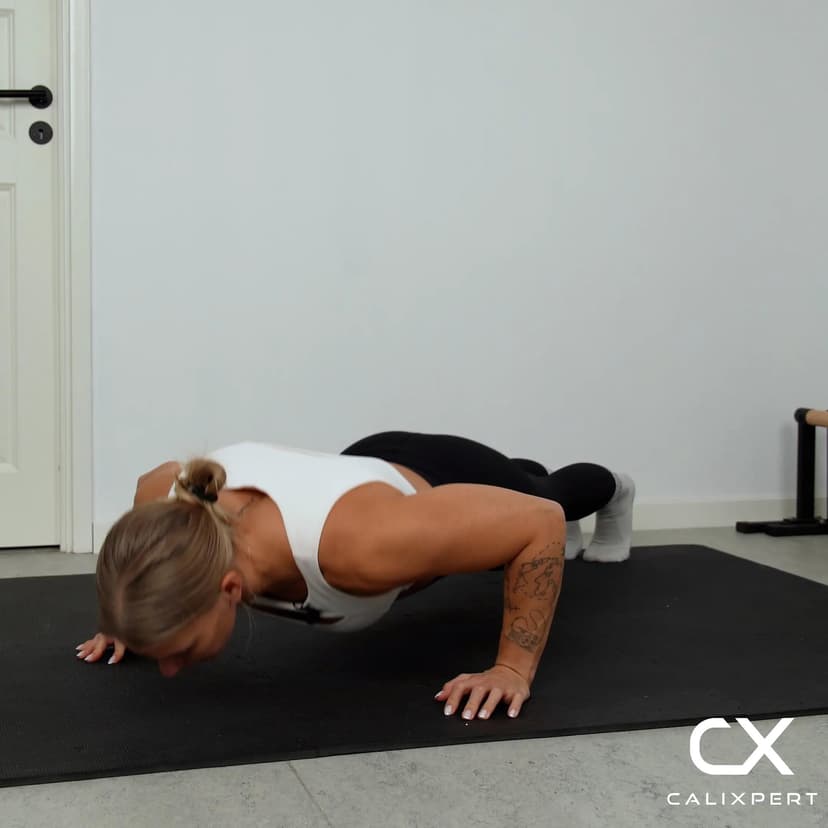
5. Lower All the Way to the Floor
Continue the descent until your chest touches the ground. Do not stop short or collapse the last few centimeters. The bottom portion of the movement is where the chest muscles are under the greatest stretch and tension, so controlling this range is where the most strength is built.
Chest to the floor, no dropping
6. Reset to the Top Position
Once your chest reaches the floor, place your knees down, push yourself back up to the starting high plank position, and reset your body tension. Each rep starts fresh from a fully braced plank. Do not try to push up from the bottom unless you can already perform full push-ups.
Knees down, reset, brace again
Most beginners rush the negative because the bottom position feels uncomfortable. That discomfort is exactly where the strength gets built. Set a target of 5 seconds on the way down and count it out loud. Once you can do 3 sets of 5 reps at a 5-second tempo, you are ready to attempt your first full push-up.
Muscles Worked During Negative Push Up
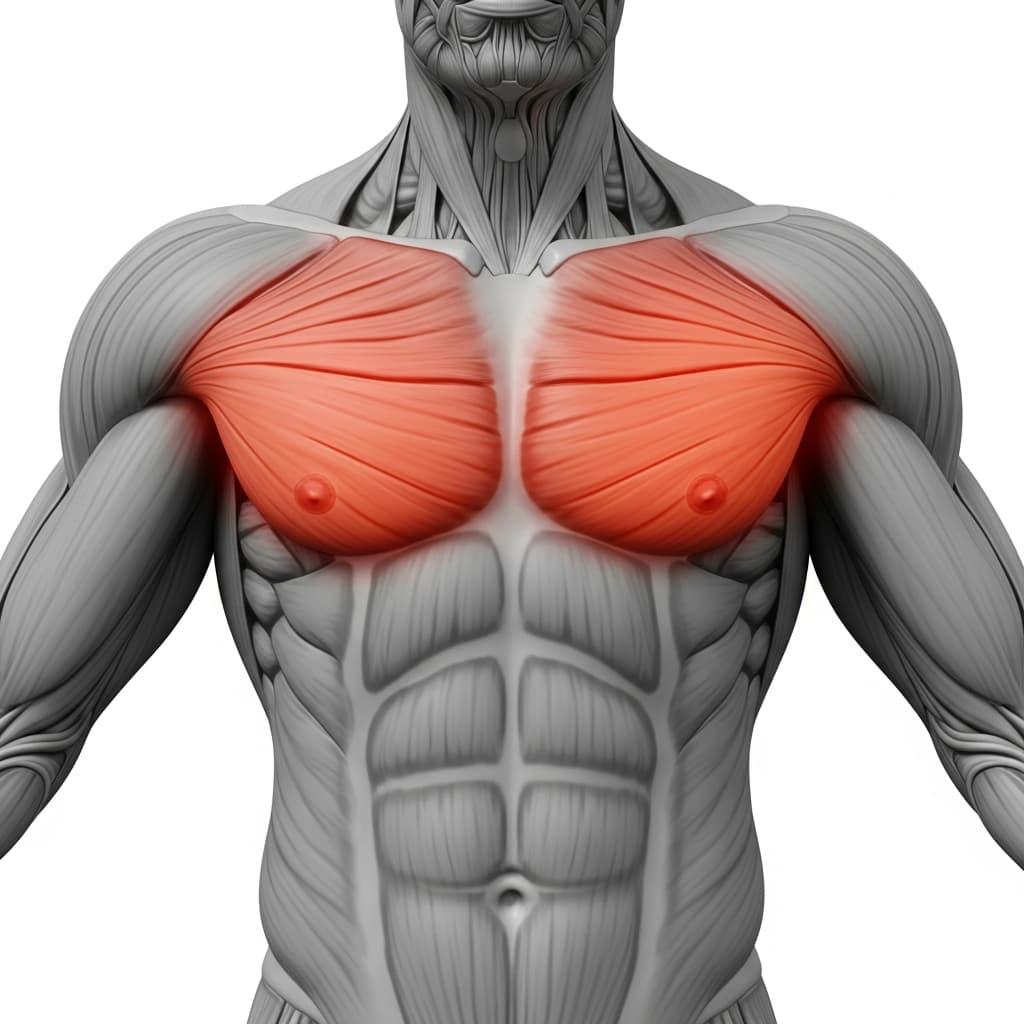
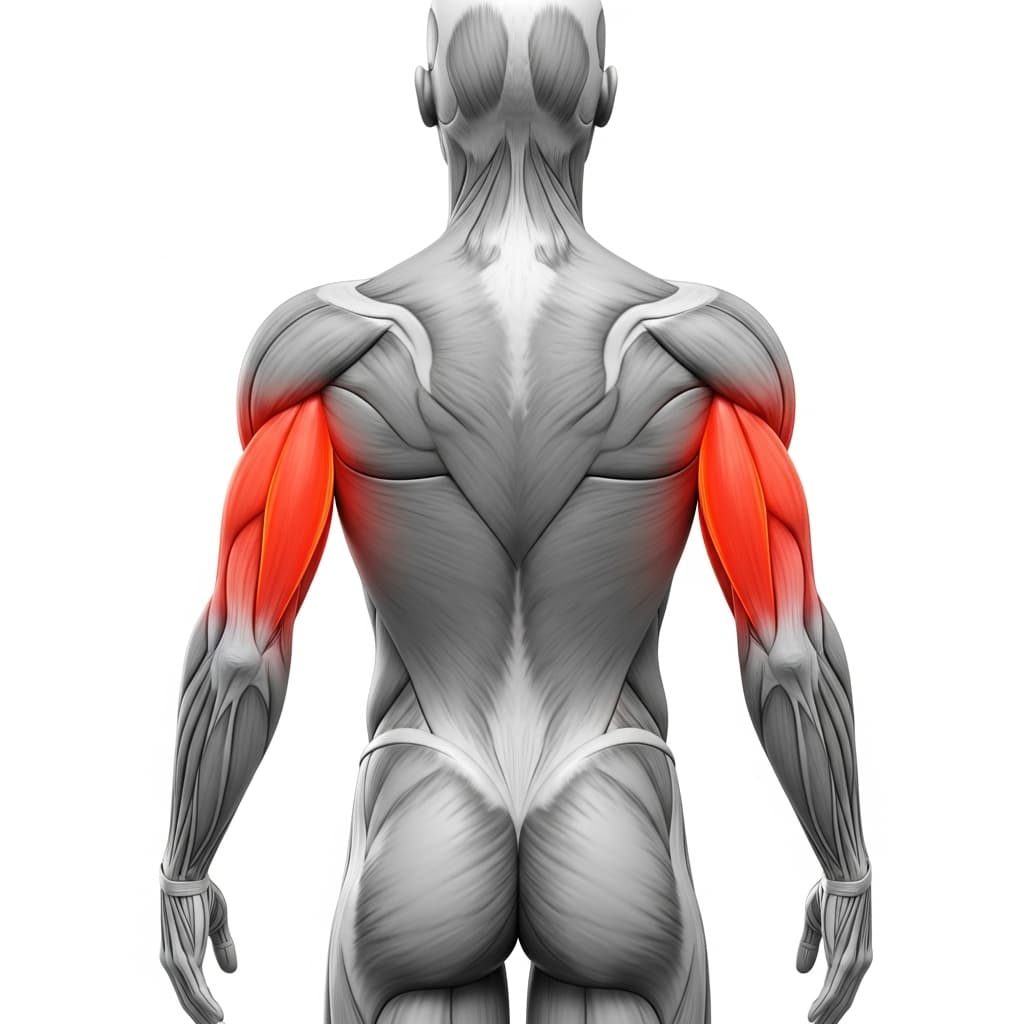
Secondary Muscles:
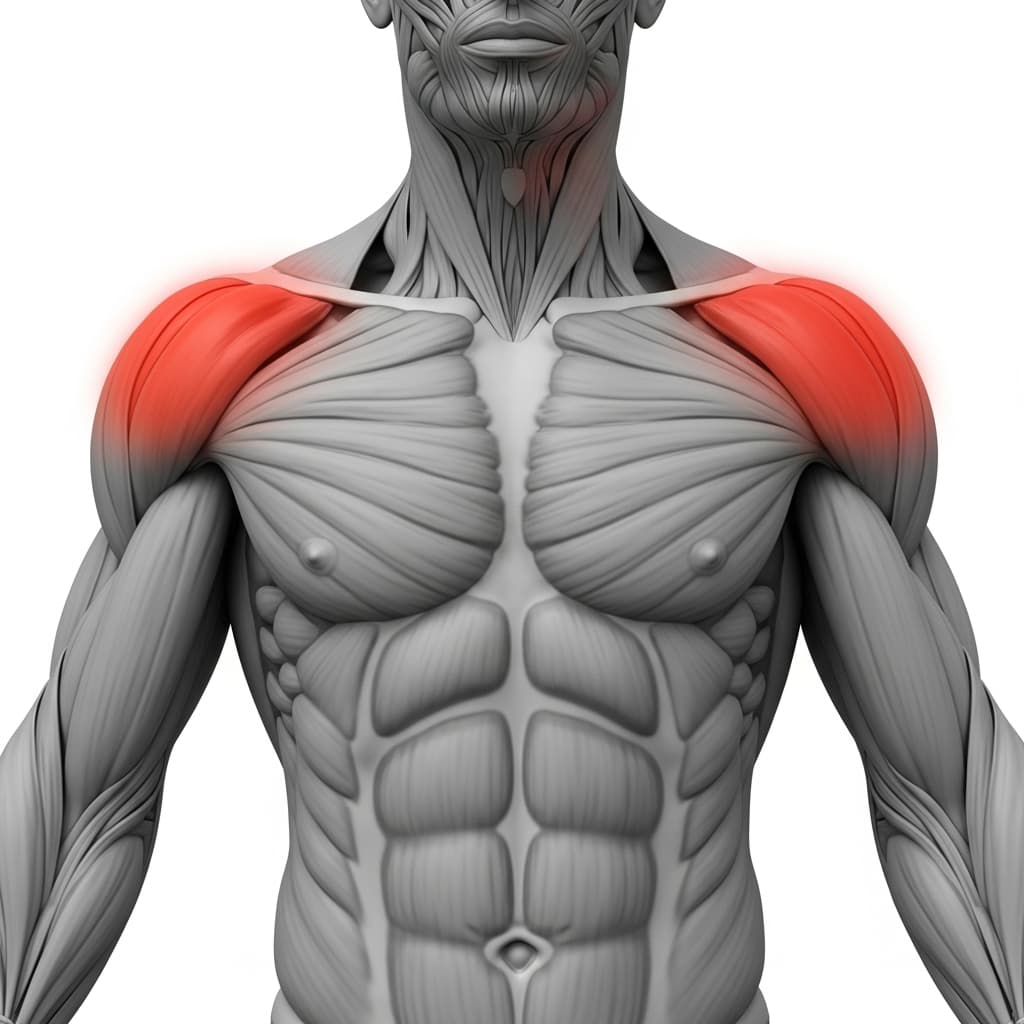
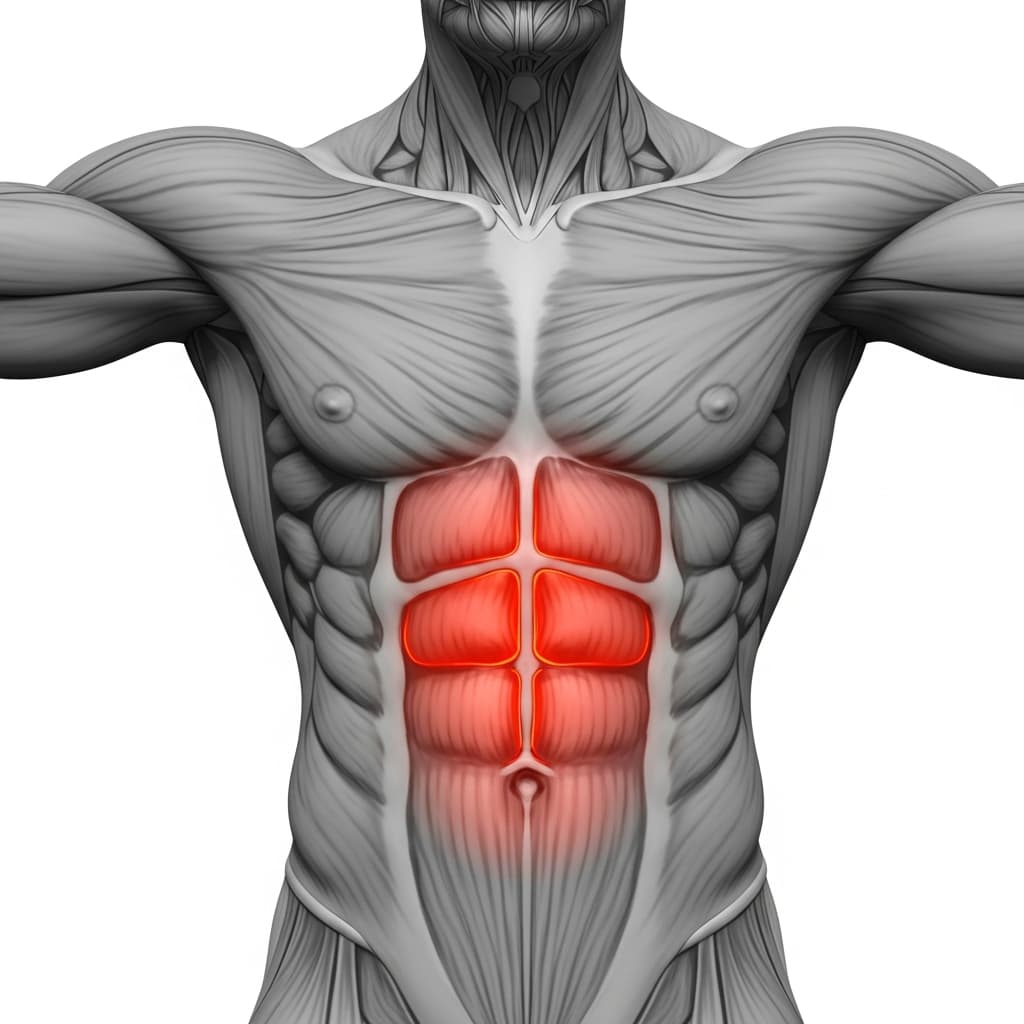
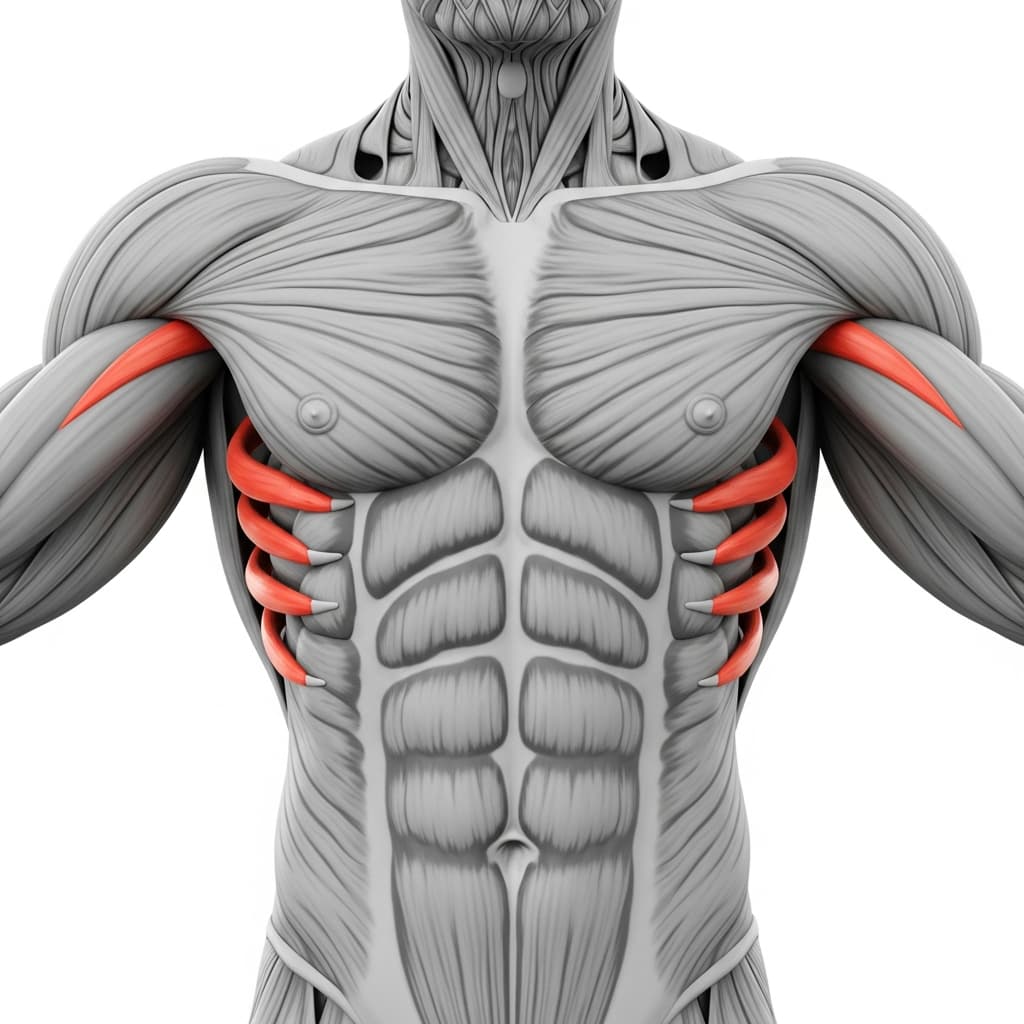
Primary Muscles
Pectoralis Major (Chest) - The pectoralis major eccentrically controls the descent by resisting horizontal adduction and shoulder flexion as the body lowers toward the floor.
Triceps Brachii (Triceps) - The triceps eccentrically control elbow extension, decelerating the bend at the elbow throughout the lowering phase.
Secondary Muscles
Anterior Deltoid (Front Deltoid) - The anterior deltoid stabilizes the shoulder joint and assists the chest in controlling shoulder flexion during the descent.
Rectus Abdominis (Abs) - The rectus abdominis and deep core muscles brace the torso to maintain a straight body line and prevent the hips from sagging under gravity.
Serratus Anterior (Serratus Anterior) - The serratus anterior protracts and stabilizes the scapula against the ribcage, keeping the shoulder blades from winging during the loaded descent.
Benefits of Negative Push Up
- Builds the eccentric pushing strength needed to unlock your first full push-up, making it the most direct progression exercise for beginners who cannot yet push up from the floor
- Develops chest and triceps muscle under high tension at long muscle lengths, which research shows produces greater strength and hypertrophy gains than concentric-only training
- Trains full-body tension and core bracing under load, reinforcing the rigid plank position that transfers to every other floor-based pushing exercise
- Strengthens the shoulder stabilizers through a controlled range of motion, reducing injury risk during more advanced pressing movements
Who Is This Exercise For?
You should be able to hold a high plank position with a straight body line for at least 20 seconds before attempting negative push-ups. If your hips sag or your shoulders collapse in a plank, work on plank holds and core bracing first. No prior push-up strength is required, as this exercise is specifically designed to build toward your first full push-up.
Common Mistakes to Avoid
Letting the hips sag during the descent: Squeeze your glutes and brace your core before you start lowering. If your hips drop, your lower back absorbs the load instead of your chest and triceps. Think about pulling your belt buckle toward your chin to maintain the straight line.
Flaring the elbows out to 90 degrees: Keep your elbows angled at roughly 45 degrees from your torso throughout the entire descent. Wide elbows shift stress onto the shoulder joint and reduce how much work the chest actually does.
Lowering too fast or collapsing at the bottom: The entire point of this exercise is the slow, controlled descent. If you cannot maintain at least a 3-second lowering phase, you are going too fast. Slow the tempo further or reduce the range by lowering onto a raised surface.
Stopping the descent before the chest reaches the floor: Cutting the range of motion short removes the hardest and most productive part of the exercise. Lower all the way until your chest contacts the ground on every rep.