L-sit Support Shrugs
L-sit support shrugs are a scapular depression and elevation drill performed on parallettes in an L-sit support position, targeting the traps and serratus anterior while building the shoulder stability required for a full L-sit hold. The movement trains you to actively push the shoulders down and control them through their full range, which is the single most important skill for maintaining height and control in any L-sit variation. Consistent work on this exercise develops the pressing endurance and scapular awareness that separate a shaky L-sit from a locked, solid hold.
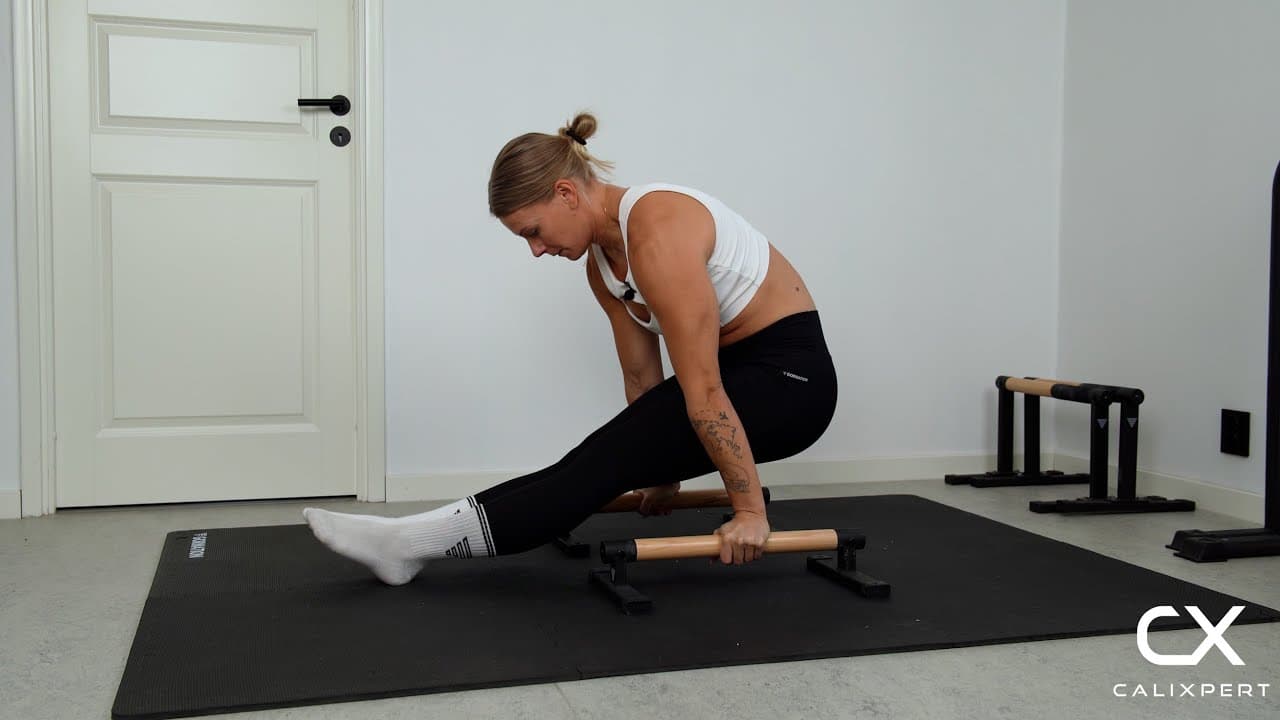
L-sit support shrugs are a scapular depression and elevation drill performed on parallettes in an L-sit support position, targeting the traps and serratus anterior while building the shoulder stability required for a full L-sit hold. The movement trains you to actively push the shoulders down and control them through their full range, which is the single most important skill for maintaining height and control in any L-sit variation. Consistent work on this exercise develops the pressing endurance and scapular awareness that separate a shaky L-sit from a locked, solid hold.
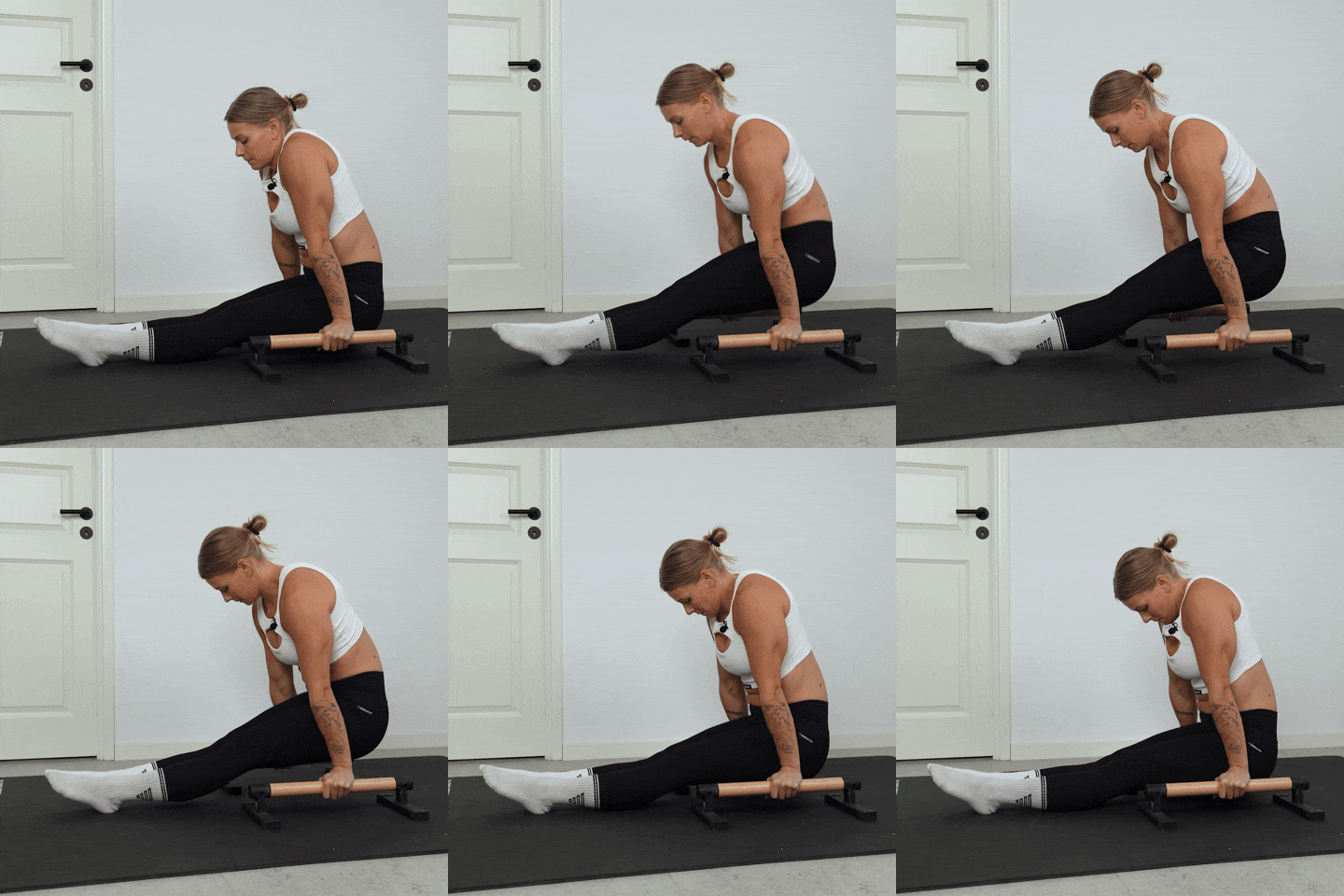
How to Do L-sit Support Shrugs
1. Set Up on the Parallettes
Place two parallettes on the ground just outside your hips. Sit between them with your legs extended straight in front of you and grab each parallette at hip height with a neutral grip. Wrap your thumbs fully around the bars for a secure hold.
Parallettes outside the hips, thumbs around
2. Press Into the Support Hold
Push down through the parallettes to lift your body off the ground with fully extended arms. Lock your elbows completely and shift your weight slightly into your heels. Your shoulders should be actively pushed down away from your ears in a depressed position.
Lock the elbows, push the floor away
3. Engage the Core and Shift Hips Back
Draw your belly in tightly and tilt your hips backward so they move behind your arms rather than sitting directly between them. This posterior hip shift loads the shoulders more and mimics the position needed for a full L-sit. Keep your legs extended and your weight pressing through the heels.
Hips behind the hands, belly tight
4. Elevate the Shoulders
From the depressed position, relax your shoulder blades and let your shoulders rise toward your ears. This is the top of the shrug. Allow the elevation to happen in a controlled manner rather than simply collapsing.
Let the shoulders rise slowly
5. Depress and Push Down Hard
Actively drive your shoulders back down by pushing through the parallettes as hard as you can. Focus on lengthening your neck and creating maximum distance between your ears and your shoulders. Hold the bottom position for a full second before the next rep.
Push down, long neck, hold one second
6. Repeat With Consistent Hip Position
Continue alternating between elevation and depression for the target rep count. Maintain the posterior hip tilt and locked elbows throughout. If your hips drift forward between the parallettes, reset before continuing.
Reset the hips if they drift forward
Most people fail the L-sit because their shoulders collapse, not because their abs are too weak. This exercise fixes that directly. Focus on pushing the parallettes into the ground as hard as possible at the bottom of every rep, and hold that depression for a full second. When you can do 3 sets of 12 with a one-second hold at the bottom, your L-sit will feel completely different.
Muscles Worked During L-sit Support Shrugs
Primary Muscles:
Secondary Muscles:
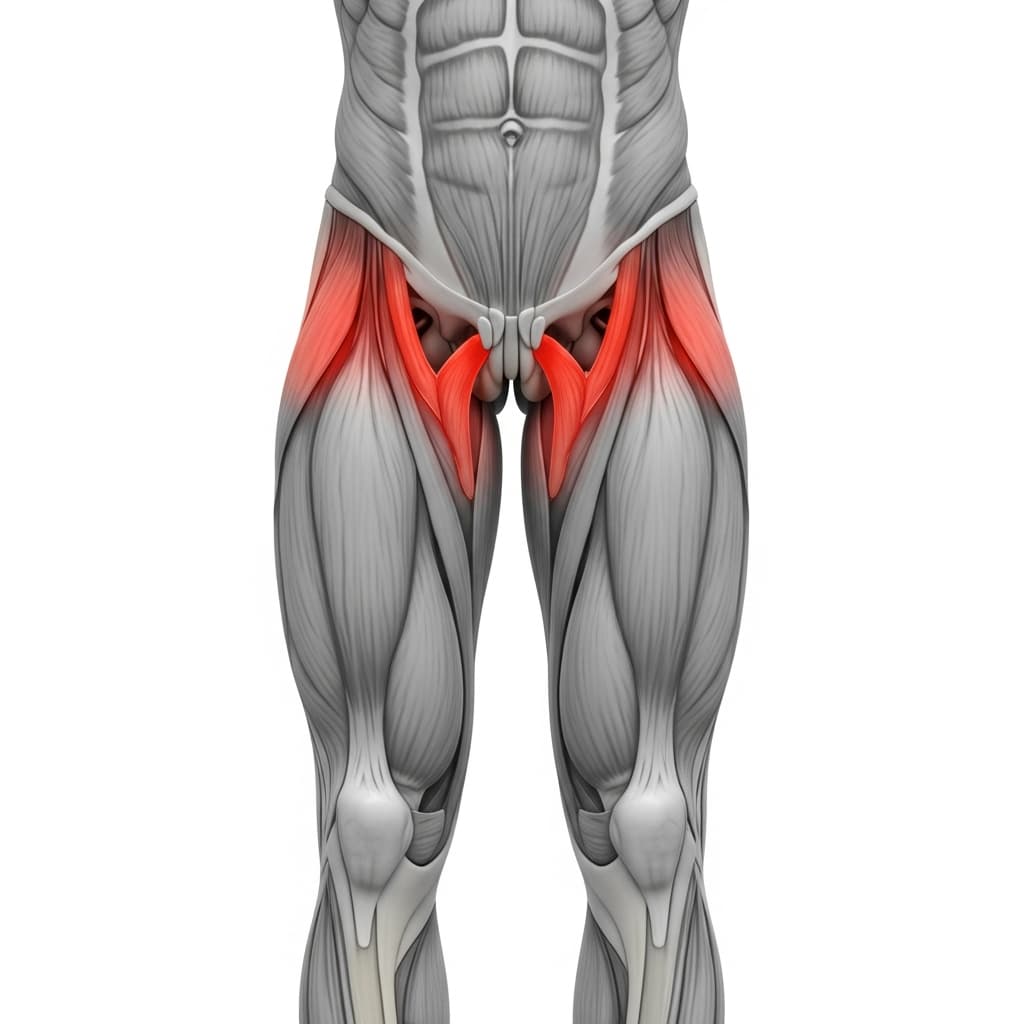
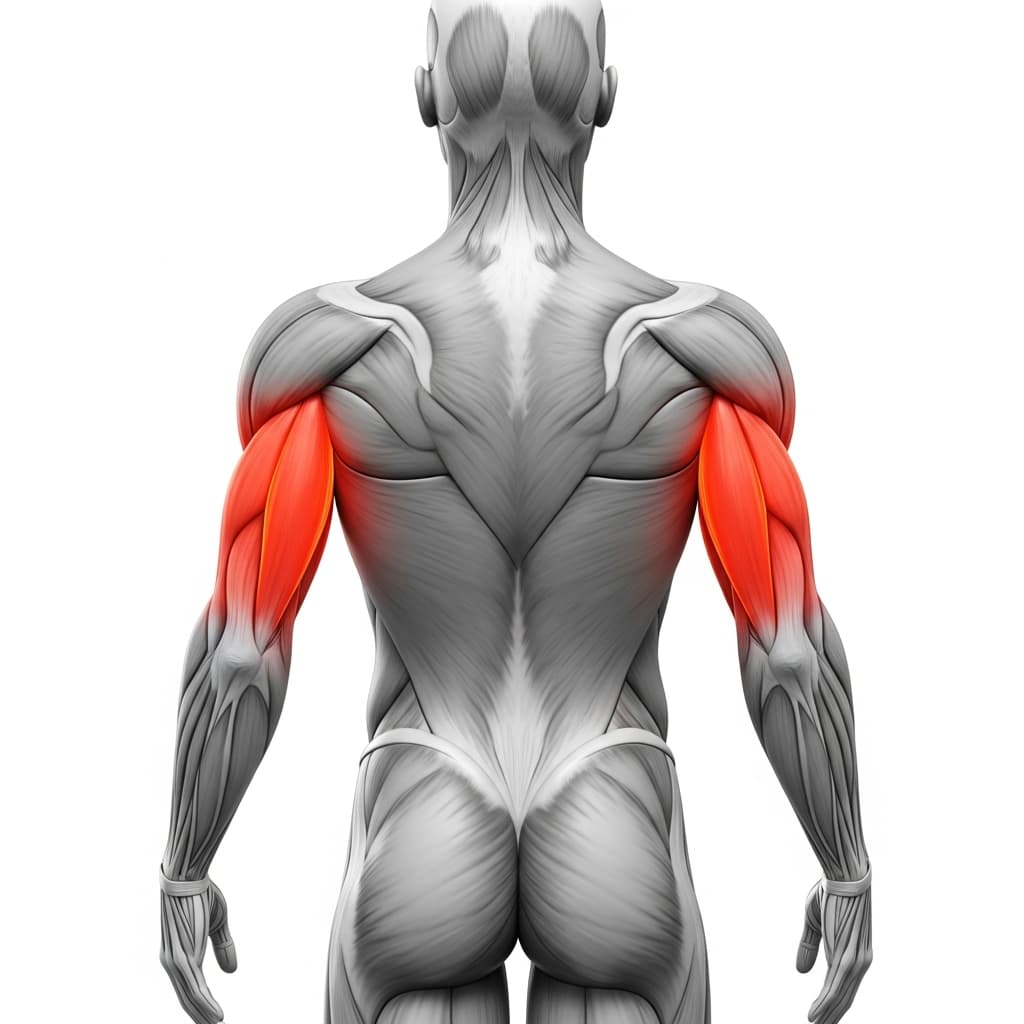
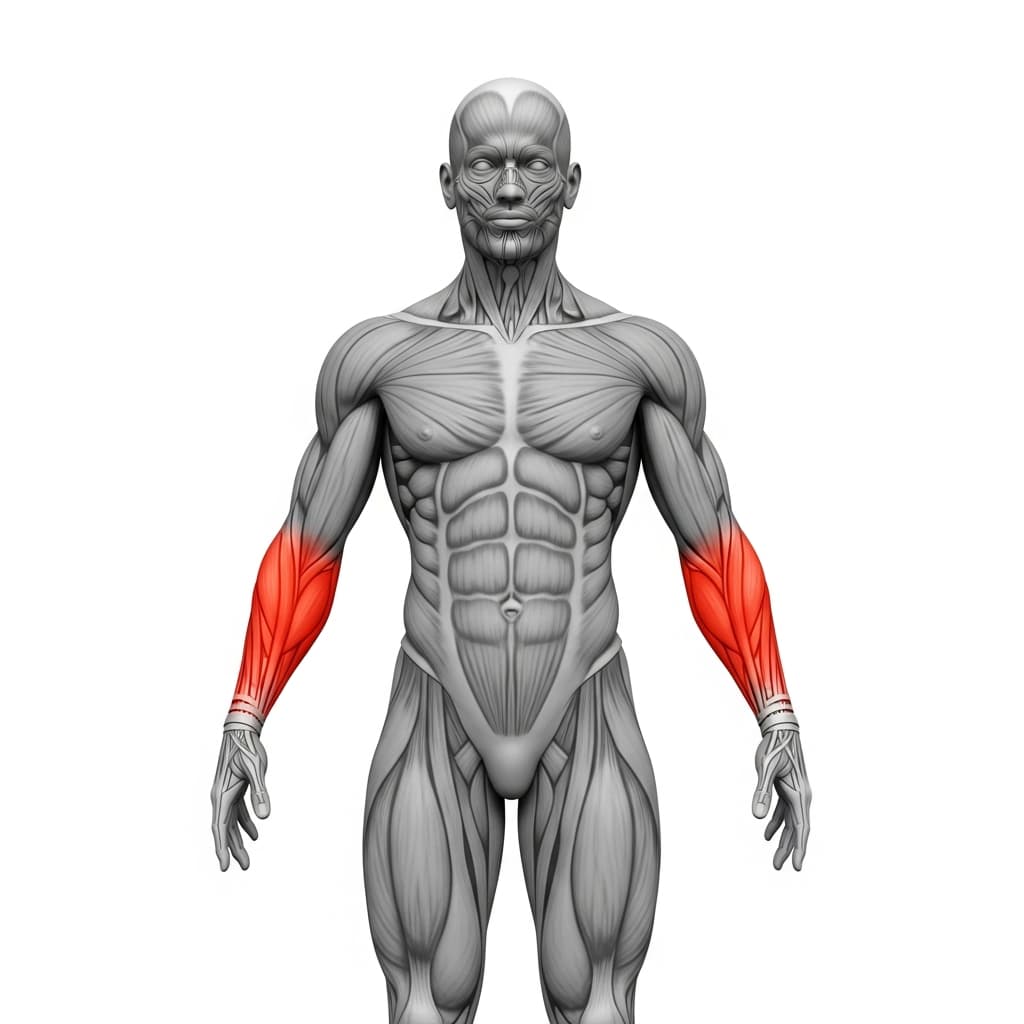
Primary Muscles
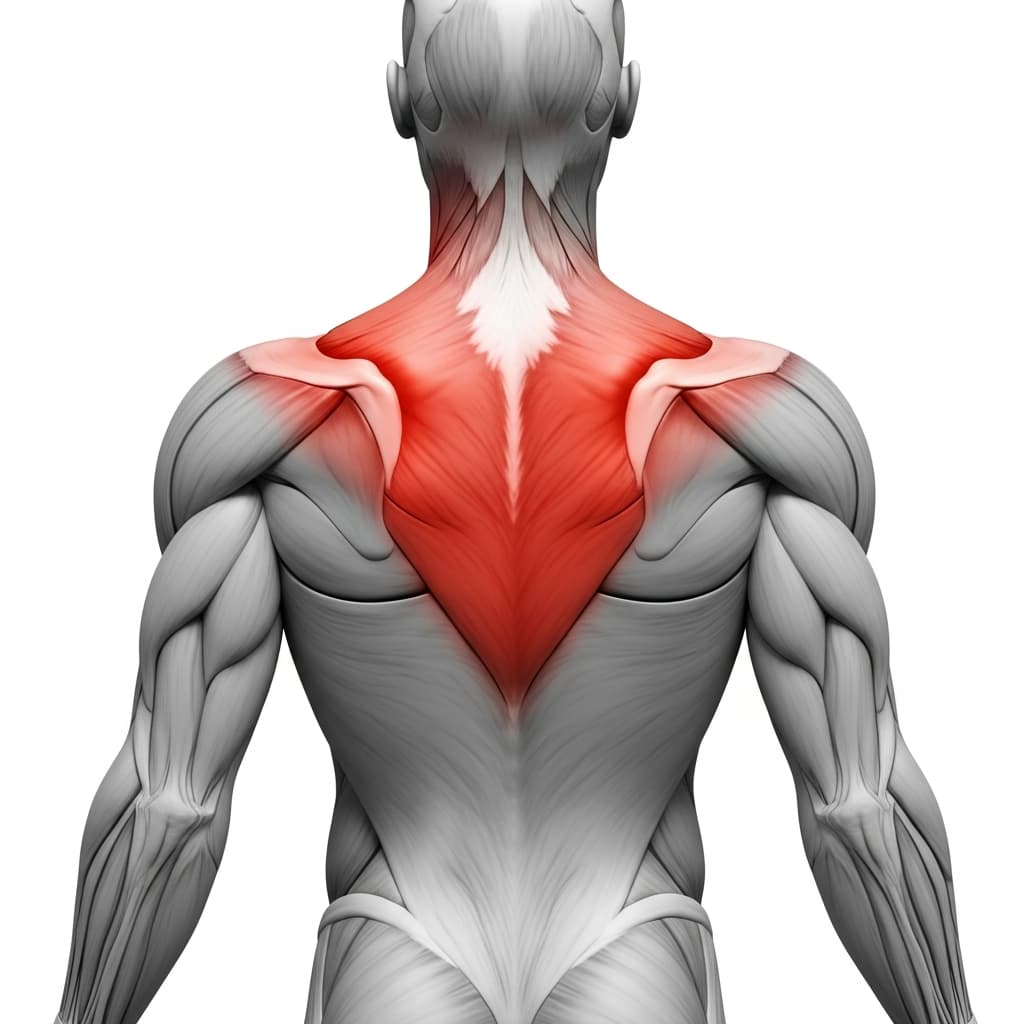
Trapezius (Trapezius) - The lower and upper trapezius fibers control the full range of scapular depression and elevation during each shrug rep, making them the primary driver of the movement.
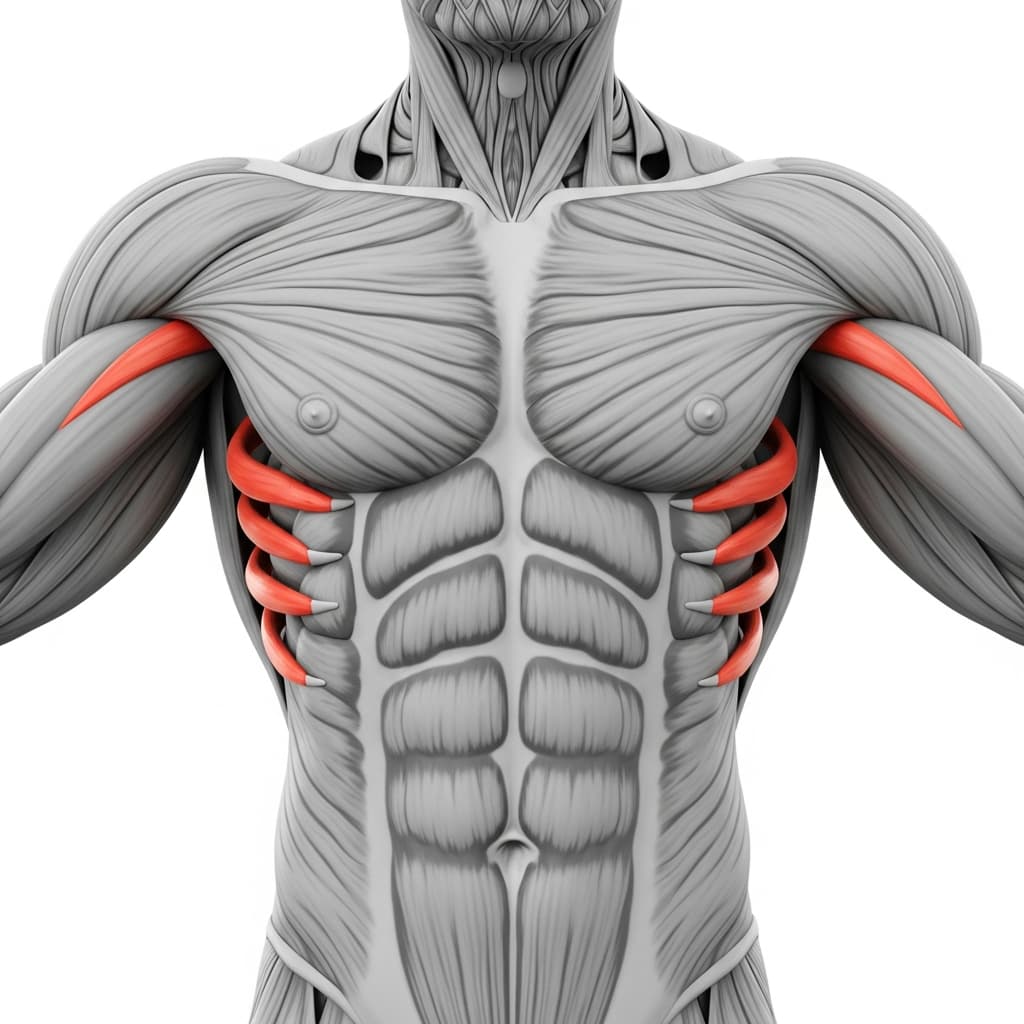
Serratus Anterior (Serratus Anterior) - The serratus anterior assists in pulling the scapulae down and forward against the ribcage during the depression phase, stabilizing the shoulder blade in the pressed-down position.
Secondary Muscles
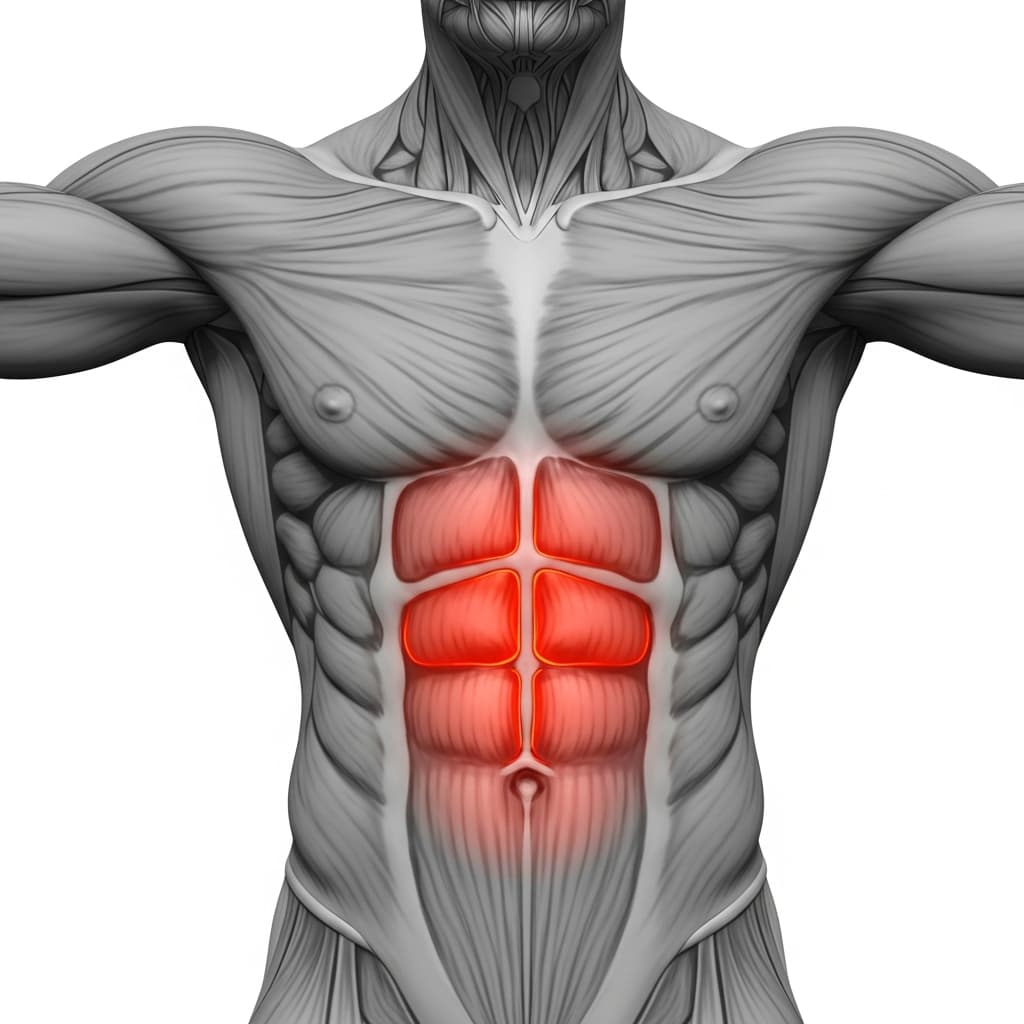
Rectus Abdominis (Abs) - The abdominals maintain a tight, hollow core position and prevent the hips from drifting forward during the posterior lean.
Iliopsoas (Hip Flexors) - The hip flexors hold the legs in the extended position in front of the body, working isometrically to maintain the L-sit shape throughout each set.
Triceps Brachii (Triceps) - The triceps lock the elbows in full extension to maintain the straight-arm support hold while the scapulae move through their range.
Forearm Flexors & Extensors (Forearms) - The forearm flexors maintain grip on the parallettes under sustained bodyweight loading throughout the entire set.
Benefits of L-sit Support Shrugs
- Builds the scapular depression strength required to hold a stable L-sit, which is the primary limiting factor for most people learning the skill
- Strengthens the lower traps and serratus anterior through their full working range, improving pressing endurance for handstands, dips, and planche progressions
- Develops active shoulder control and body awareness in the support position, which transfers directly to ring work and parallel bar skills
- Trains grip endurance and wrist stability on parallettes under loaded conditions, preparing the joints for longer isometric holds
Who Is This Exercise For?
You should be able to hold a basic support hold on parallettes for at least 15 seconds with locked elbows and stable shoulders before adding the shrug component. If maintaining straight arms while supporting your bodyweight is still a challenge, work on parallette support holds and straight-arm pressing drills first. Wrist mobility for a neutral grip on parallettes should also be pain-free.
Common Mistakes to Avoid
Bending the elbows during the shrug: Keep your arms fully locked throughout the entire movement. The shrug is a pure scapular motion, not an arm exercise. If you bend your elbows, you turn it into a dip and remove the scapular training effect entirely.
Letting the hips stay between the arms: Actively shift your hips backward so they sit behind your hands. When the hips stay directly between the parallettes, you lose the posterior lean that loads the shoulders correctly and prepares you for L-sit mechanics.
Rushing through the reps without control: Each depression should be a deliberate, maximal push held for at least one second at the bottom. Fast, bouncy reps bypass the end-range strength you are trying to build and reduce the training stimulus significantly.
Forgetting to engage the core: Draw your belly in before you begin each set and maintain that tension throughout. Without core engagement, the hip position drifts and the load shifts away from the target muscles.
Variations & Progressions
Feet-on-ground support shrugs
Keep your feet flat on the floor with knees bent to reduce the amount of bodyweight you need to support. This lets you focus purely on the scapular depression pattern without the core and grip demands of the full version.
Full L-sit shrugs
Perform the shrugs with legs fully lifted off the ground in a complete L-sit position. Holding the legs up dramatically increases the core and hip flexor demand while requiring stronger scapular depression to maintain height.