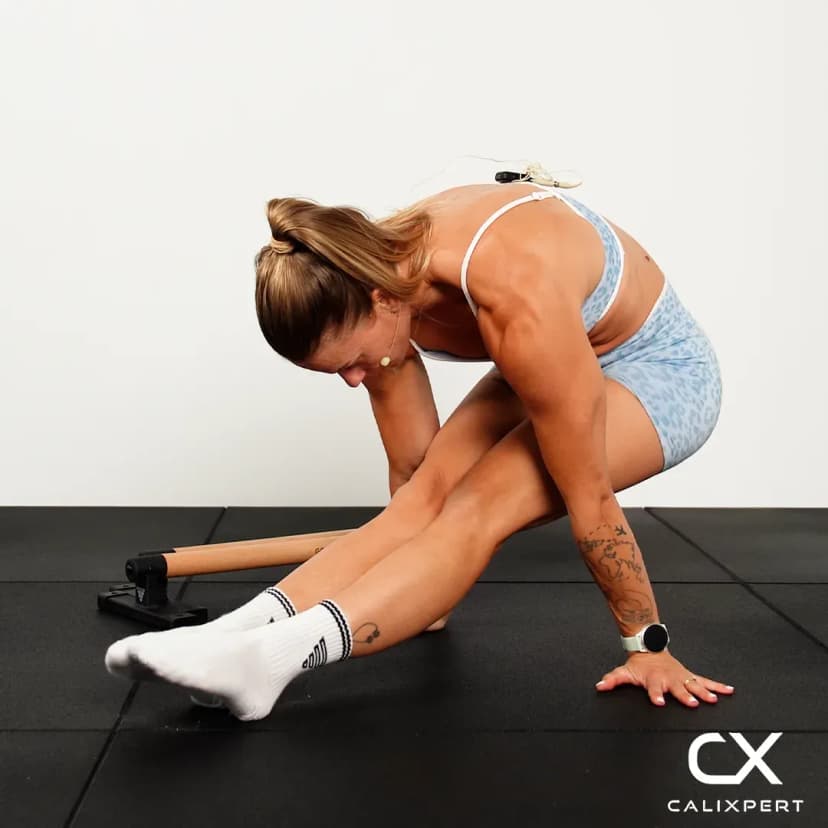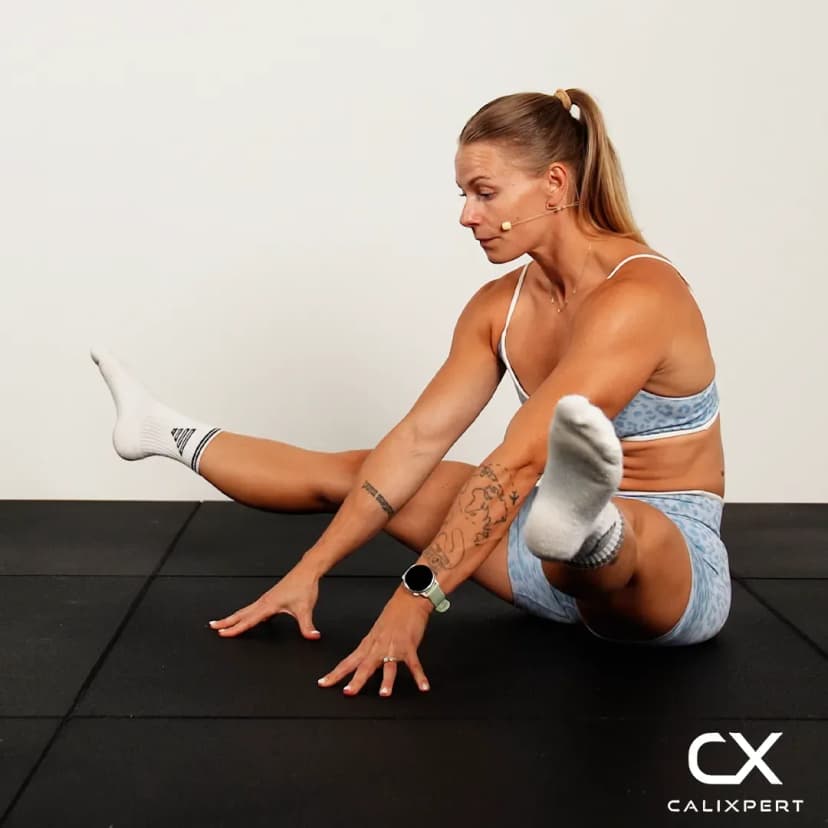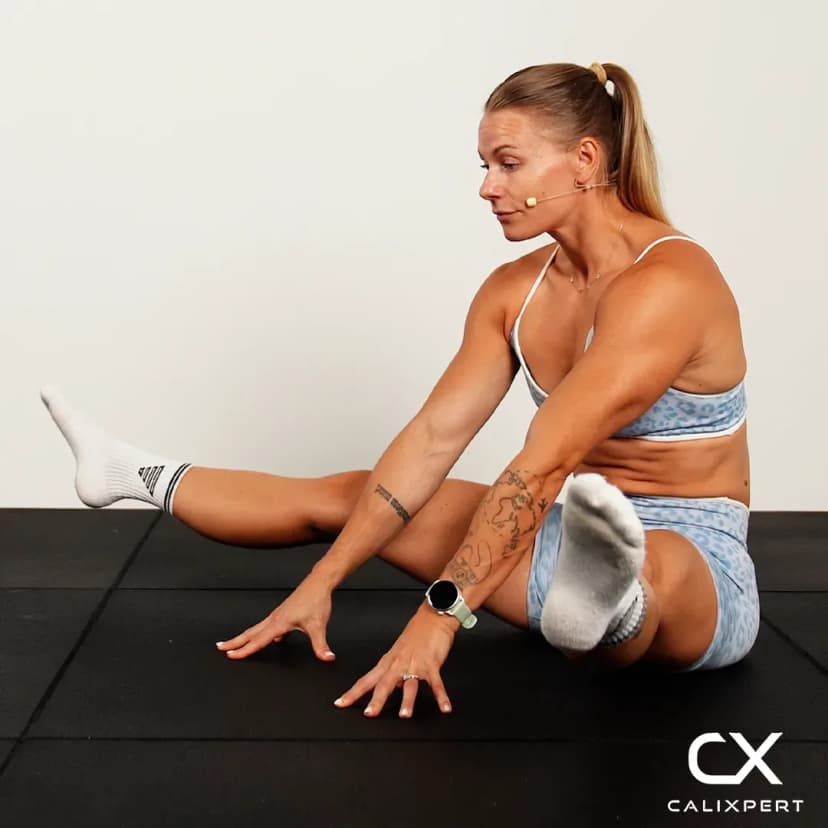
Knee To Elbow
Knee to elbow is a plank-based core exercise that targets the abs, obliques, and hip flexors through a controlled alternating knee drive. The movement challenges anti-extension stability and lateral trunk control simultaneously, forcing the core to resist rotation while the leg moves independently. When performed with strict form and no twisting, knee to elbow builds the kind of core strength and body control that transfers directly into planches, levers, and handstands.
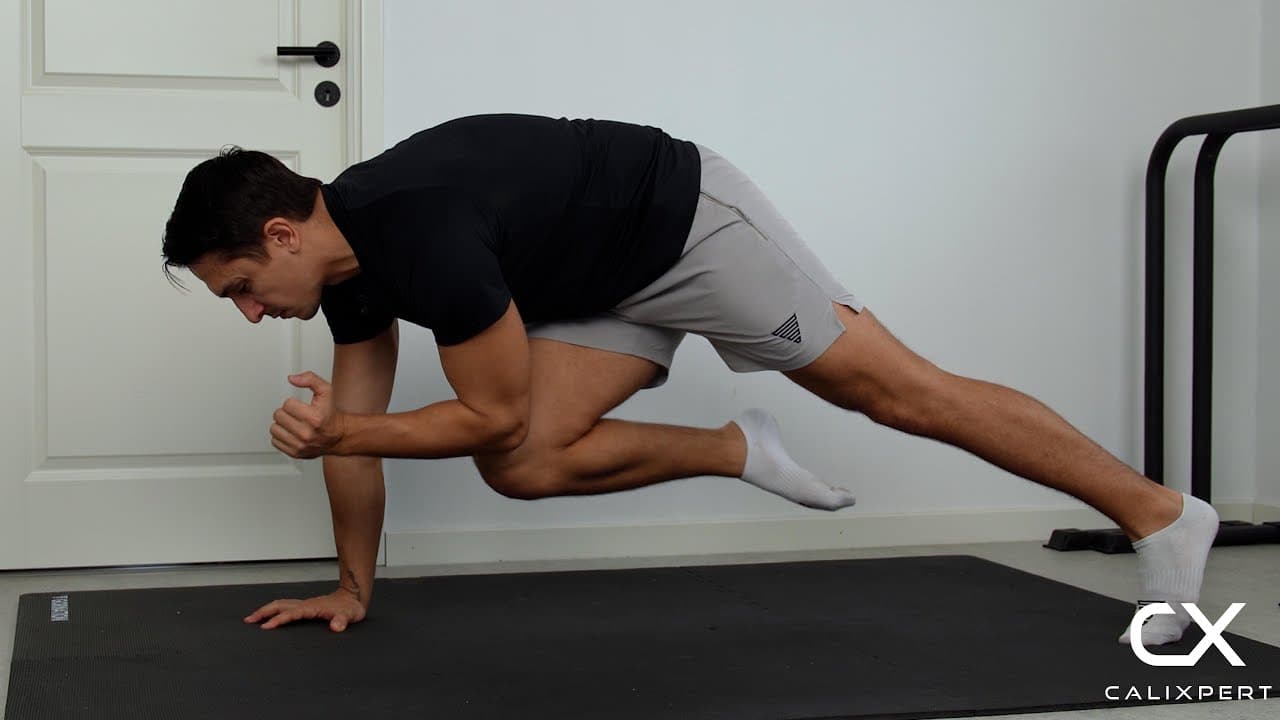
Knee to elbow is a plank-based core exercise that targets the abs, obliques, and hip flexors through a controlled alternating knee drive. The movement challenges anti-extension stability and lateral trunk control simultaneously, forcing the core to resist rotation while the leg moves independently. When performed with strict form and no twisting, knee to elbow builds the kind of core strength and body control that transfers directly into planches, levers, and handstands.
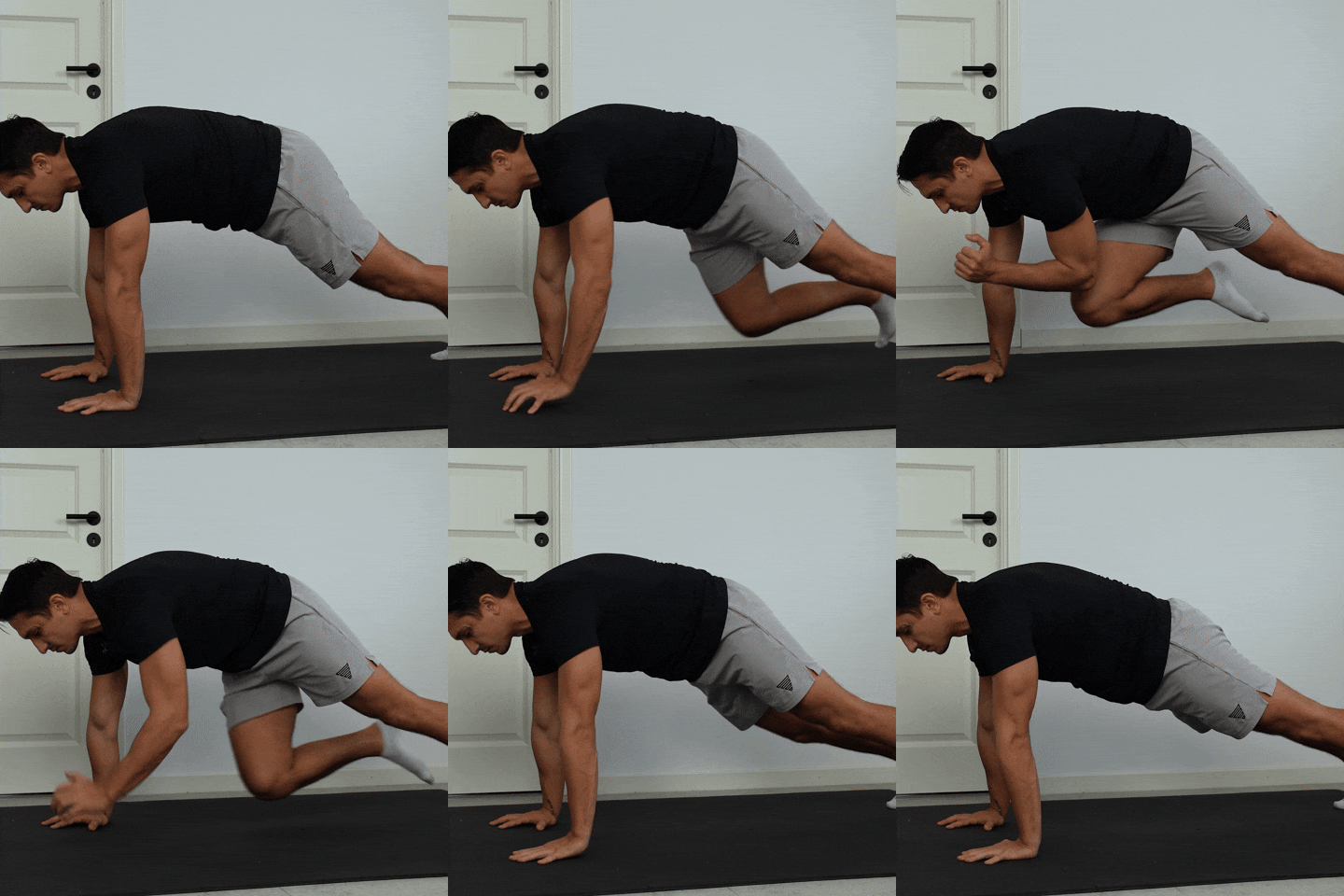
How to Do Knee To Elbow
1. Set Up in High Plank
Place your hands on the floor slightly wider than shoulder width with your fingers spread and pressing firmly into the ground. Extend your legs behind you with your feet slightly wider than hip width apart. Your body should form a straight line from head to heels with no sagging at the hips or piking at the waist.
Straight line from head to heels
2. Brace the Core and Set Head Position
Tighten your abs and glutes as if preparing to take a punch to the midsection. Keep your head in a neutral position, looking at the floor about a foot ahead of your hands. Do not let your head drop between your arms or crane upward. This full-body tension is what makes the exercise effective and must be maintained for every rep.
Brace hard, eyes on the floor
3. Drive Knee to Same-Side Elbow
Lift one foot off the floor and drive your knee forward and slightly outward toward the elbow on the same side. Focus on using your core to pull the knee in rather than just swinging the leg. Keep your hips level and resist the urge to rotate your torso or shift your weight to the opposite side.
Knee to elbow, hips stay level
4. Touch and Hold Briefly
Bring the knee as close to the elbow as possible, ideally making contact. Pause for a brief moment at the top of the movement to eliminate momentum and force the obliques and abs to work under peak contraction. Your supporting arm and shoulder should remain stacked and stable throughout.
Touch the elbow, pause, feel the squeeze
5. Return With Control and Alternate
Extend the leg back to the starting plank position in a controlled motion, resetting your body line before initiating the next rep on the opposite side. Do not rush the return or let your hips drop between reps. Alternate sides with a steady rhythm, prioritizing control over speed.
Reset the plank before switching sides
Most people turn knee to elbow into a fast cardio move and wonder why their core never gets stronger from it. The entire value of this exercise is in how slowly and how rigidly you can do it. If your hips are bouncing and your body is swaying side to side, you are just going through the motions. Lock the plank tight, drive the knee in with intent, and hold it at the elbow for a full second before returning.
Muscles Worked During Knee To Elbow
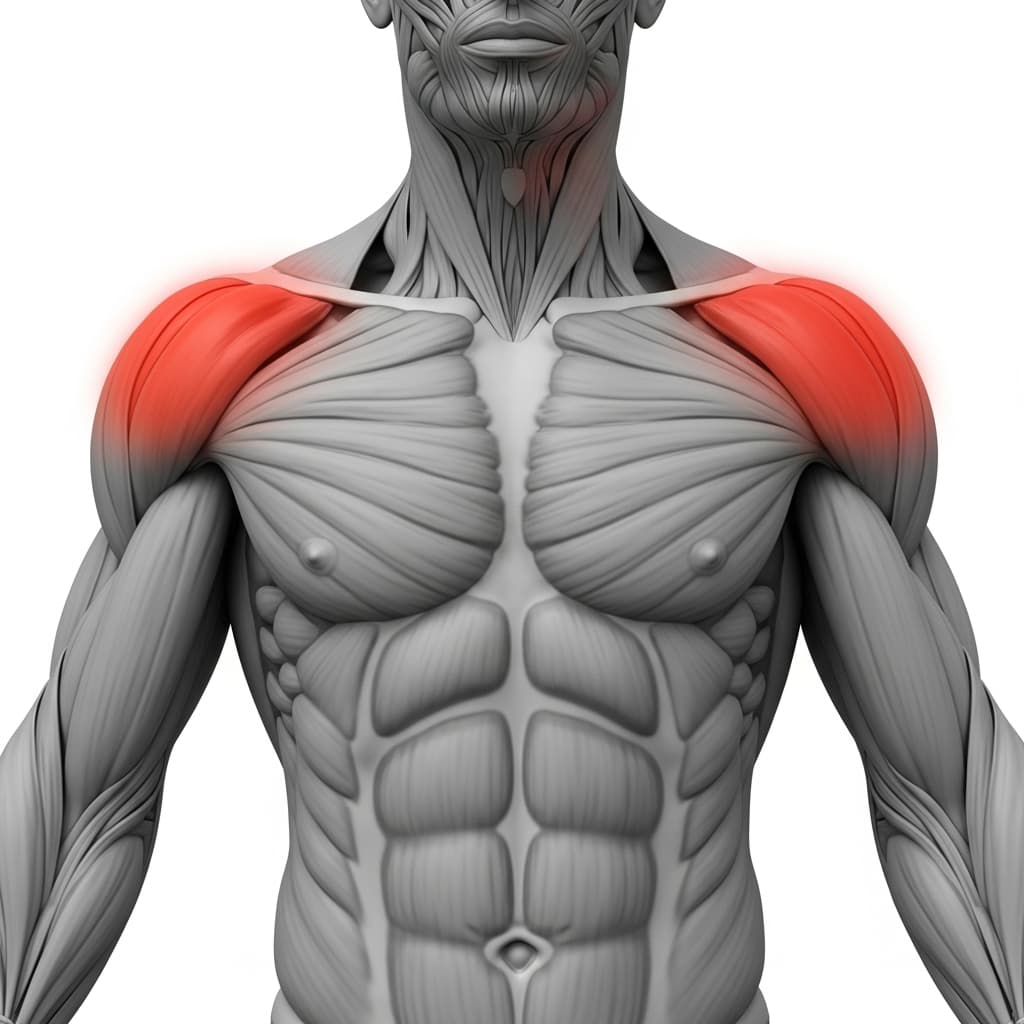
Secondary Muscles:
Primary Muscles
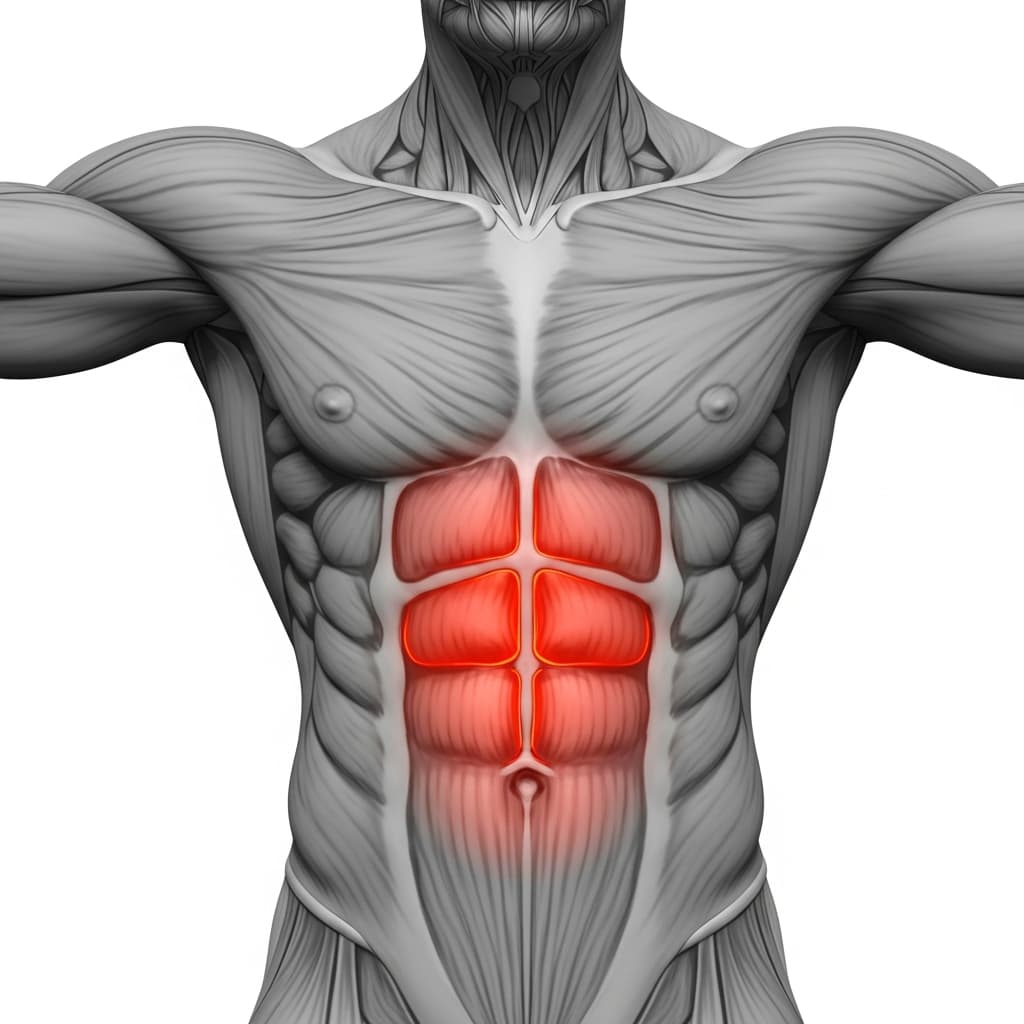
Rectus Abdominis (Abs) - The rectus abdominis maintains anti-extension throughout the plank hold and contracts to assist the knee drive toward the elbow on each rep.
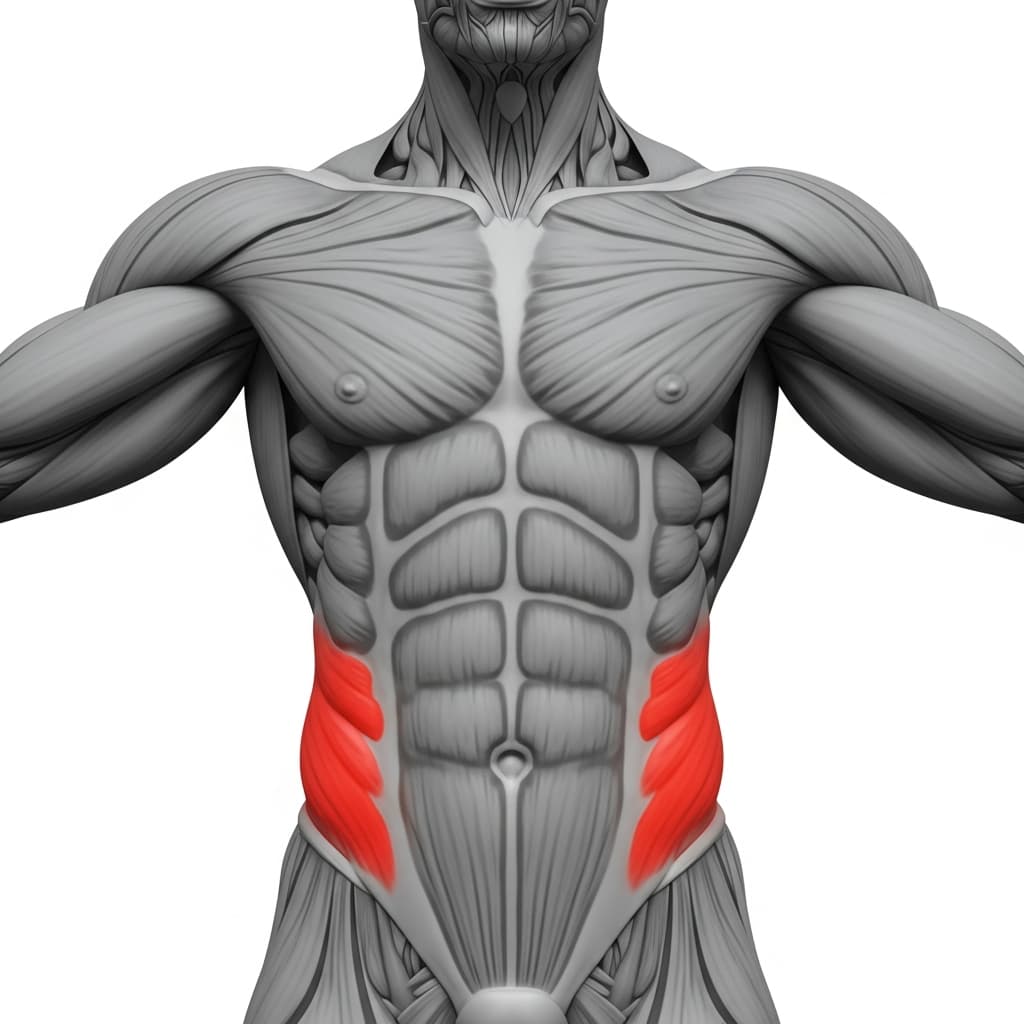
Obliques (Obliques) - The obliques perform lateral trunk flexion to pull the knee toward the same-side elbow and resist rotational forces as the leg moves independently.
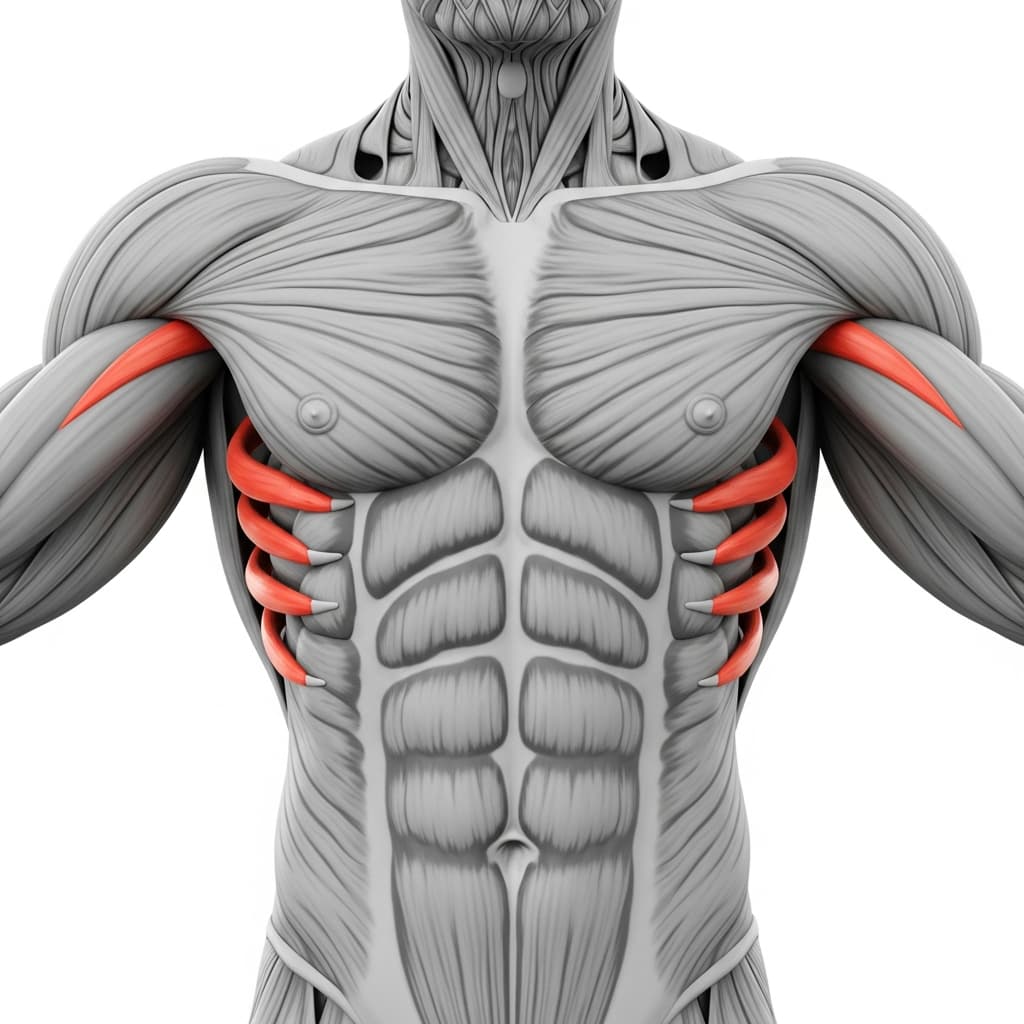
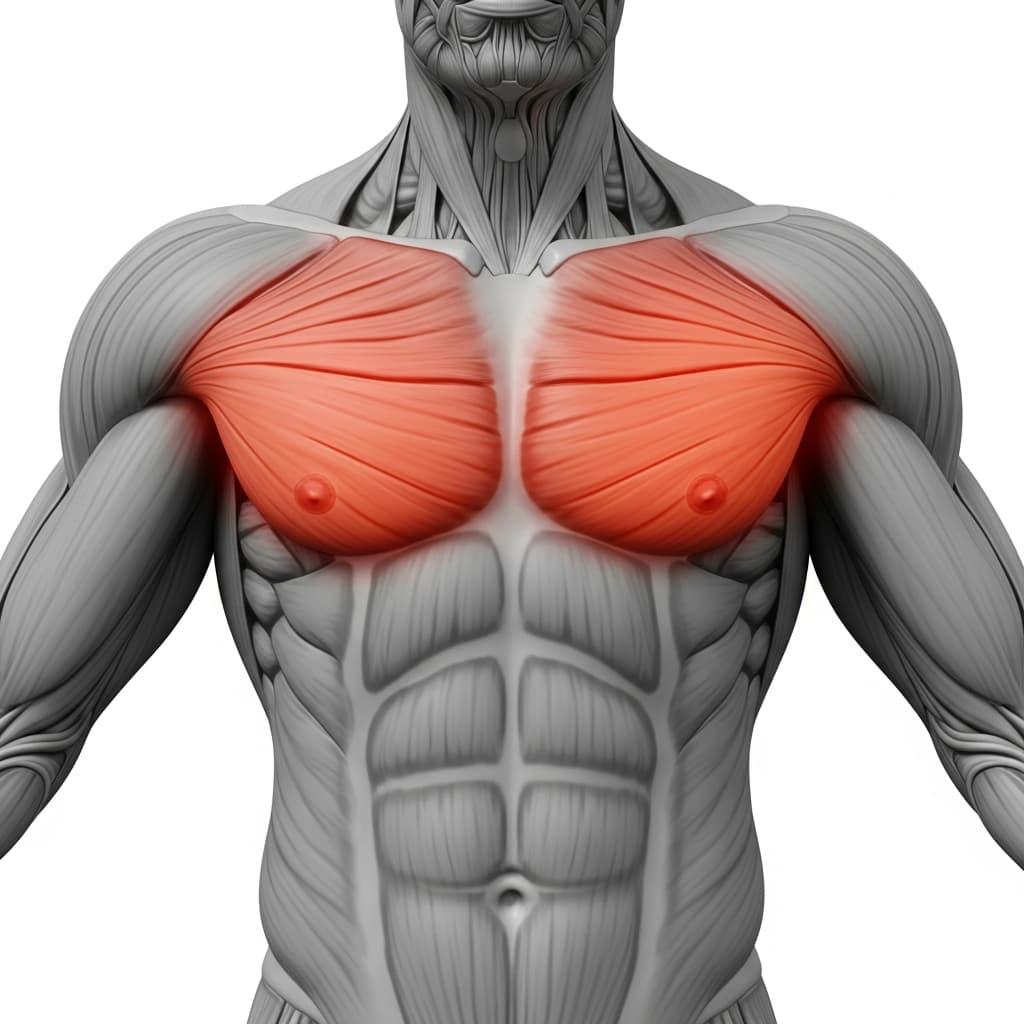
Secondary Muscles
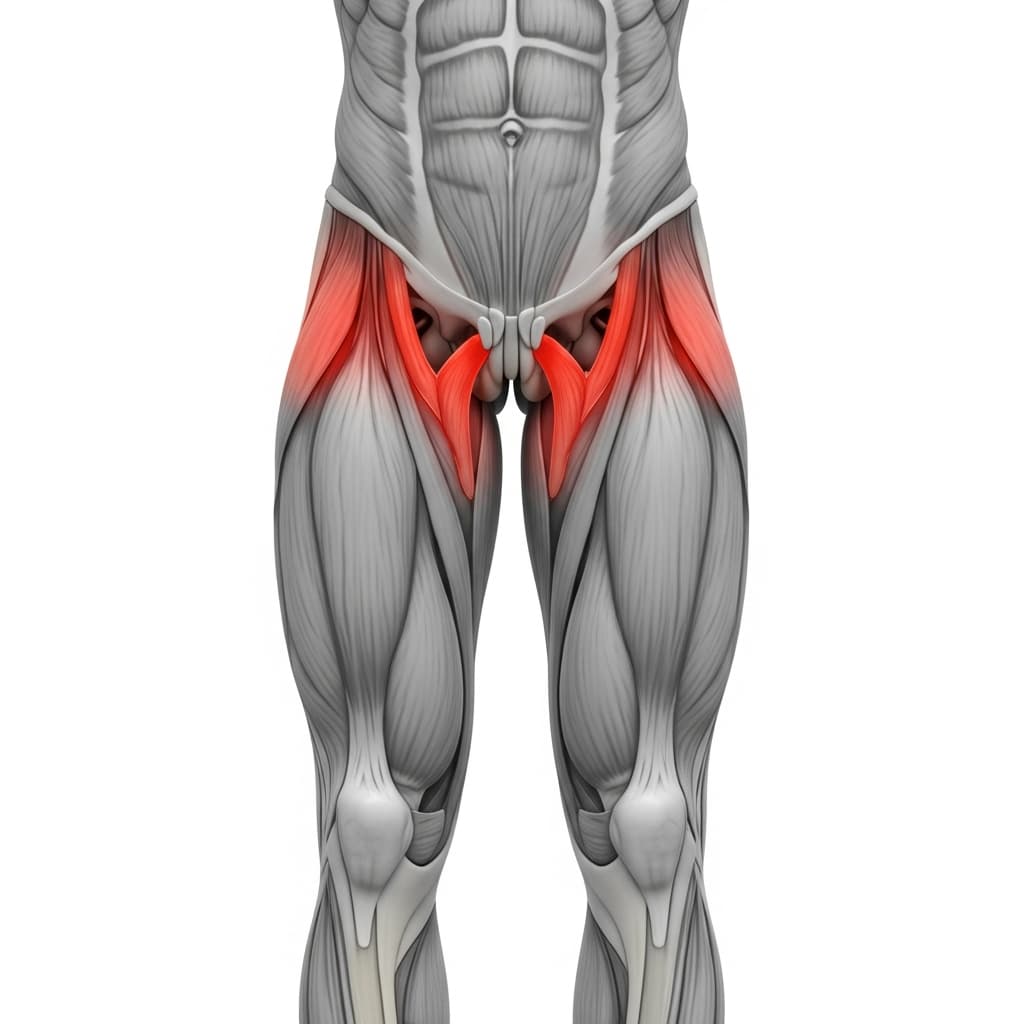
Iliopsoas (Hip Flexors) - The hip flexors drive the knee forward and upward toward the elbow, working through a shortened range under load from the plank position.
Anterior Deltoid (Front Deltoid) - The front deltoids stabilize the shoulder joint and support bodyweight throughout the plank while the opposite side absorbs shifting loads during each knee drive.
Serratus Anterior (Serratus Anterior) - The serratus anterior protracts and stabilizes the scapulae against the ribcage, preventing the shoulder blades from winging during the dynamic plank position.
Pectoralis Major (Chest) - The pectorals assist in stabilizing the shoulder girdle and maintaining the high plank position while bodyweight shifts during alternating knee drives.
Benefits of Knee To Elbow
- Strengthens the obliques and rectus abdominis through combined anti-rotation and anti-extension loading, which directly transfers to hollow body holds and lever progressions
- Develops shoulder stability under dynamic load by forcing the arms to support bodyweight while the legs move independently
- Builds hip flexor strength and mobility in a functional range that carries over to L-sits, toes-to-bar, and front lever training
- Improves coordination between the upper and lower body, training the nervous system to maintain trunk stability during limb movement
Who Is This Exercise For?
You should be able to hold a high plank for at least 30 seconds with a straight body line and engaged core before attempting knee to elbow. If your hips sag or your lower back arches during a standard plank hold, focus on building that baseline stability first. Comfort with mountain climbers at a slow, controlled pace is a good indicator you are ready.
Common Mistakes to Avoid
Hips rising into a pike: Keep your hips at the same height as your shoulders throughout the entire movement. If your hips rise every time you drive the knee forward, you are compensating for weak core bracing. Slow down and focus on maintaining a flat back.
Twisting the torso during the knee drive: The knee moves to the elbow, not the torso to the knee. Keep both shoulders square to the floor and resist any rotation. If you cannot avoid twisting, reduce your range of motion until your core is strong enough to stay stable.
Letting the hips sag between reps: Engage your glutes and lower abs to keep the hips in line with the shoulders. A sagging midsection puts pressure on the lower back and removes the core challenge entirely.
Rushing through repetitions: Perform each rep slowly and deliberately with a clear pause at both the knee-touch and the return to plank. Speed turns this into a cardio drill and reduces the core strengthening benefit.
Variations & Progressions
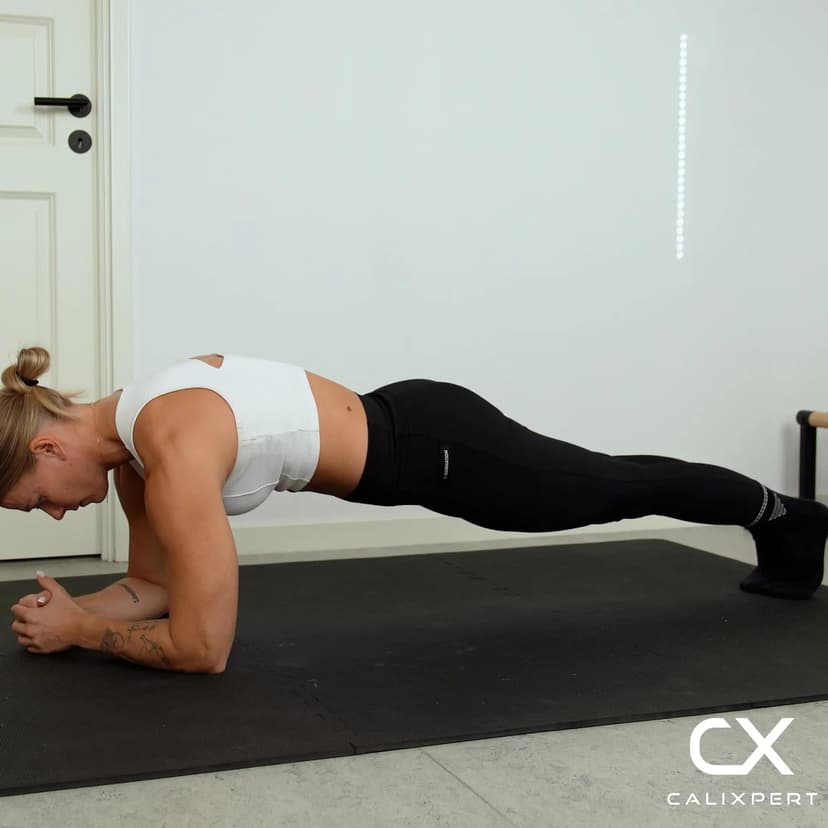
Cross-body knee to opposite elbow
Drive the knee across the body to the opposite elbow instead of the same side. This increases the rotational demand on the obliques and requires significantly more anti-rotation stability from the core.
Slow tempo knee to elbow
Use a 3-second count on both the knee drive and the return, with a 2-second hold at the elbow. The extended time under tension dramatically increases core activation and eliminates any momentum.