Laying Leg Raises With Toe Crunch
Laying leg raises with toe crunch is a compound core exercise that pairs a controlled leg lower with an upper-body crunch, targeting the abs and hip flexors through two distinct planes of motion in a single rep. The leg raise phase loads the lower abdominals and hip flexors as you resist gravity on the descent, while the toe crunch fires the upper abs and serratus as you reach toward your feet. This combination builds the kind of full-range core strength that transfers directly into L-sits, front levers, and every movement that demands a strong hollow body position.
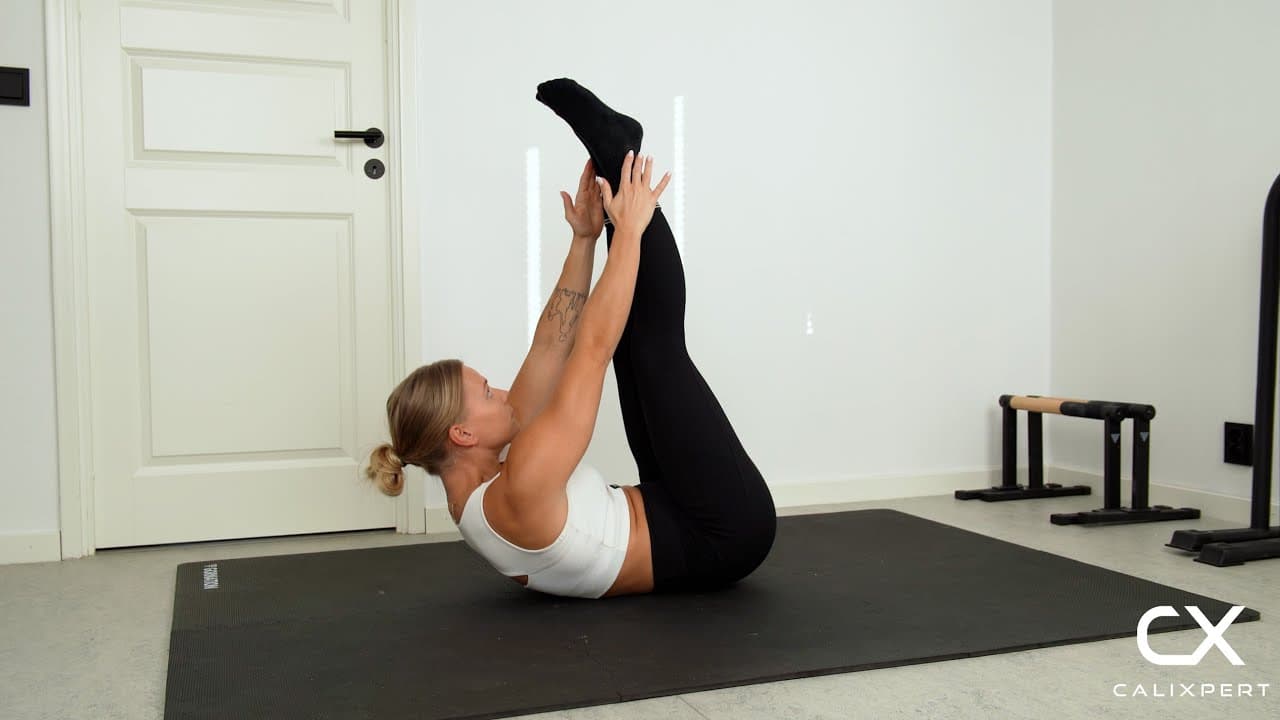
Laying leg raises with toe crunch is a compound core exercise that pairs a controlled leg lower with an upper-body crunch, targeting the abs and hip flexors through two distinct planes of motion in a single rep. The leg raise phase loads the lower abdominals and hip flexors as you resist gravity on the descent, while the toe crunch fires the upper abs and serratus as you reach toward your feet. This combination builds the kind of full-range core strength that transfers directly into L-sits, front levers, and every movement that demands a strong hollow body position.
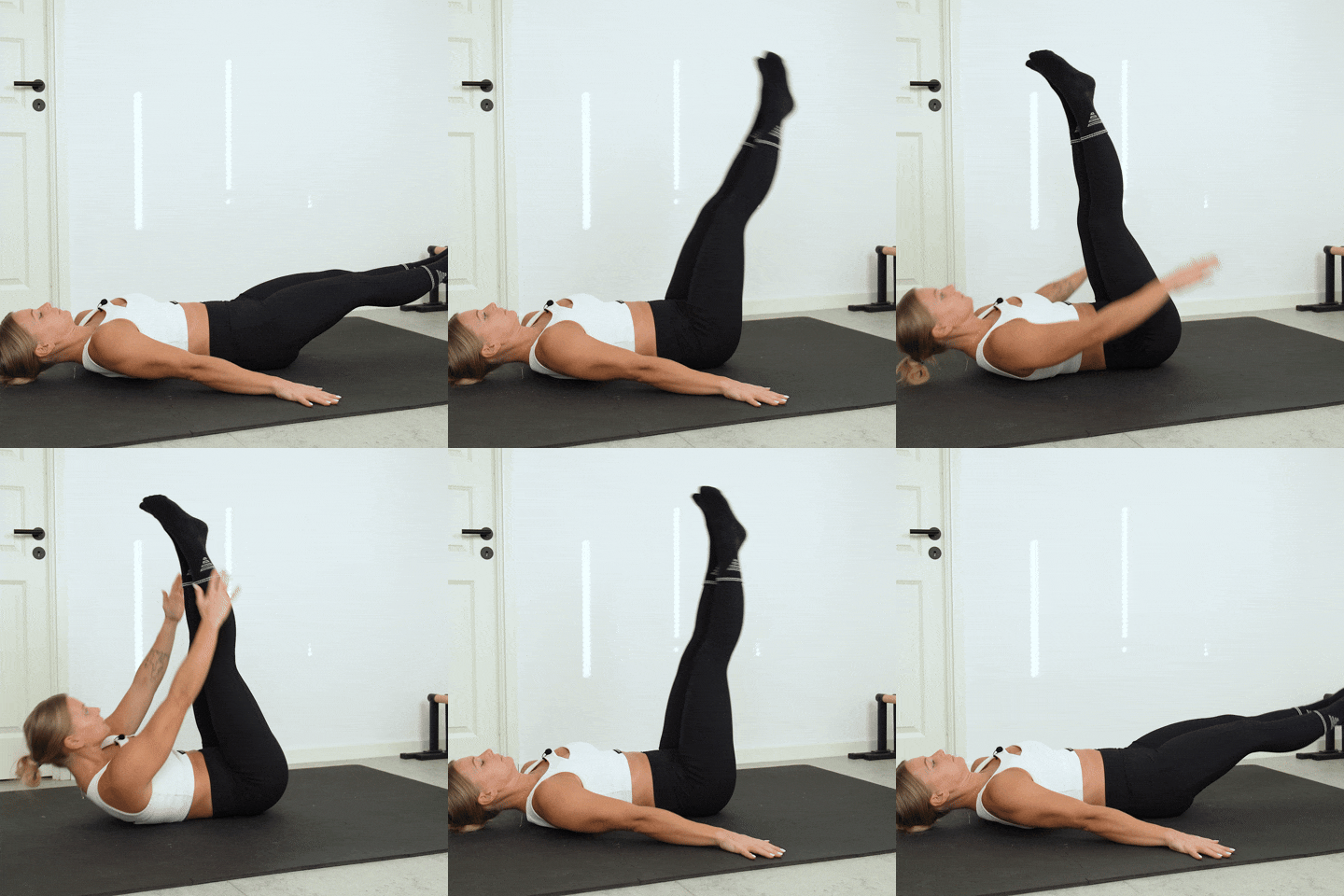
How to Do Laying Leg Raises With Toe Crunch
1. Lie Flat and Set Your Back
Lie on your back on a flat surface with your legs fully extended and arms resting at your sides. Press your lower back firmly into the floor by drawing your belly button toward your spine. This posterior pelvic tilt must stay locked for the entire set. If your lower back peels off the ground at any point, you have lost core engagement.
Lower back glued to the floor
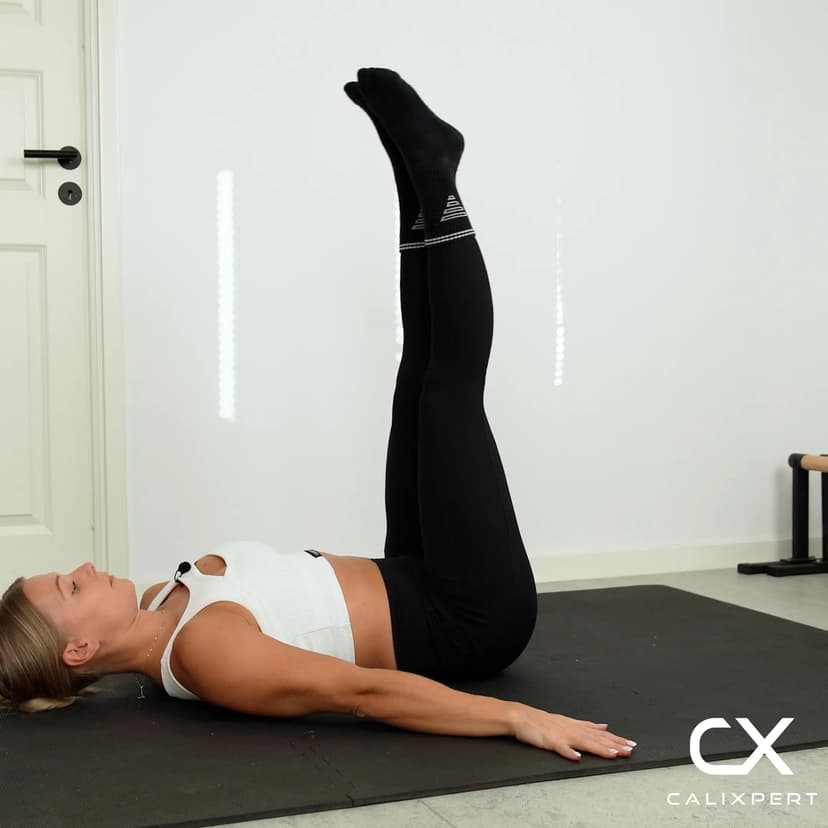
2. Raise Legs to Vertical
With your legs straight and feet together, lift both legs until they point directly at the ceiling. Keep your knees locked and toes pointed slightly forward. This is your starting position for each rep. Exhale as you raise the legs to engage the deep abdominals from the outset.
Straight legs, toes to the ceiling
3. Lower Legs With Control
Slowly lower your legs toward the floor while keeping them straight and together. Only go as low as you can without your lower back lifting off the ground. For most people this will be somewhere between 6 and 18 inches above the floor. The moment you feel your lower back start to arch, that is your current end range.
Stop before the back lifts
4. Return Legs to Vertical
Reverse the movement by contracting your lower abs and hip flexors to bring the legs back to the vertical position. Keep the tempo controlled and avoid using momentum from a leg swing. Your hips should stay flat on the floor throughout the ascent.
Pull with the abs, not momentum
5. Crunch Up and Reach for Your Toes
Once your legs are vertical, lift your arms and shoulders off the floor and reach your hands toward your toes or ankles. Drive the movement by curling your upper torso, not by jerking your neck forward. Exhale sharply at the top to maximize the contraction through the upper abs and serratus.
Shoulders off the floor, reach high
6. Lower Back to Start Position
Slowly lower your shoulders and arms back to the floor with control. Keep your legs vertical until your upper body is fully settled, then begin the next leg lower. Re-check that your lower back is pressed flat before starting the next rep.
Reset flat before every rep
Most people rush the leg lower and barely lift their shoulders on the crunch. Flip that. The leg lower should take a full 3 seconds, and the crunch at the top should be an aggressive reach where your shoulder blades fully clear the floor. If you treat both halves of this exercise with equal intent, you will feel a deep contraction through the entire abdominal wall that no standard crunch can match.
Muscles Worked During Laying Leg Raises With Toe Crunch
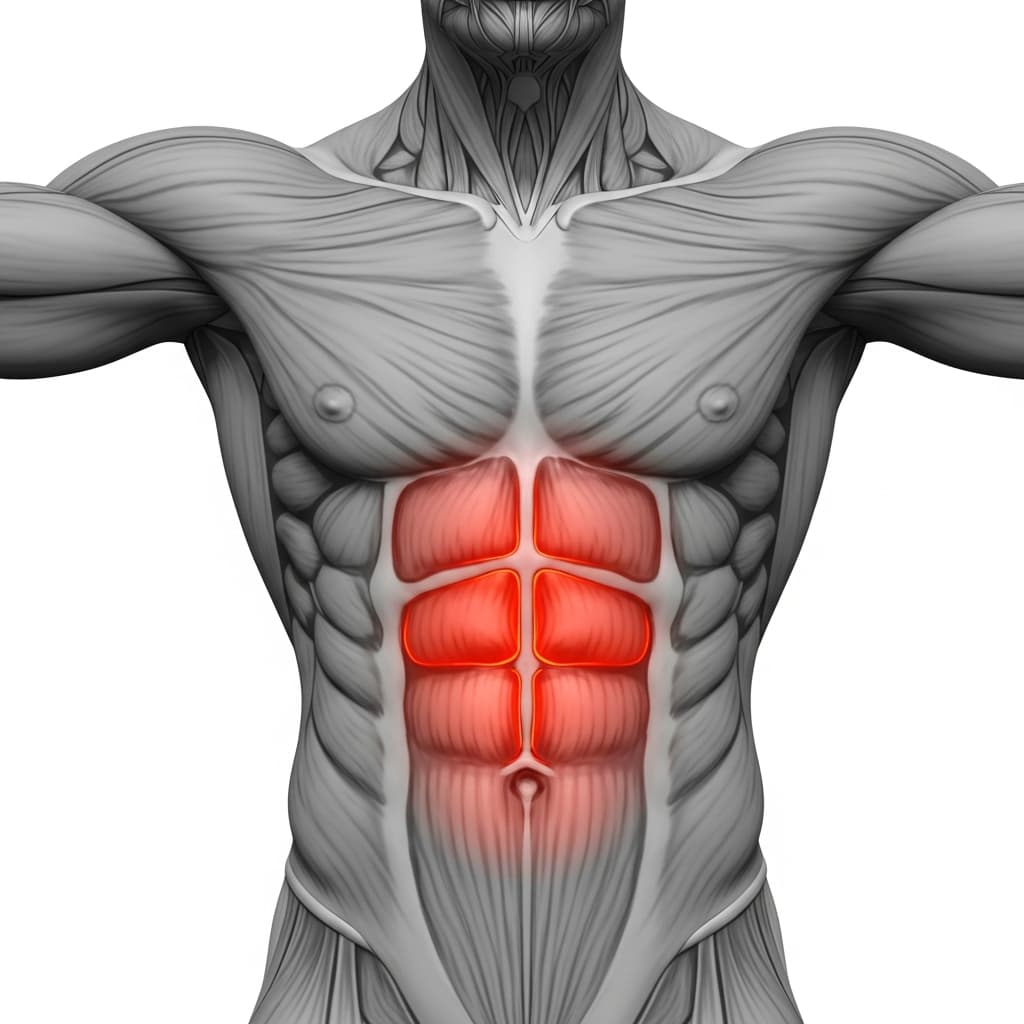
Primary Muscles:
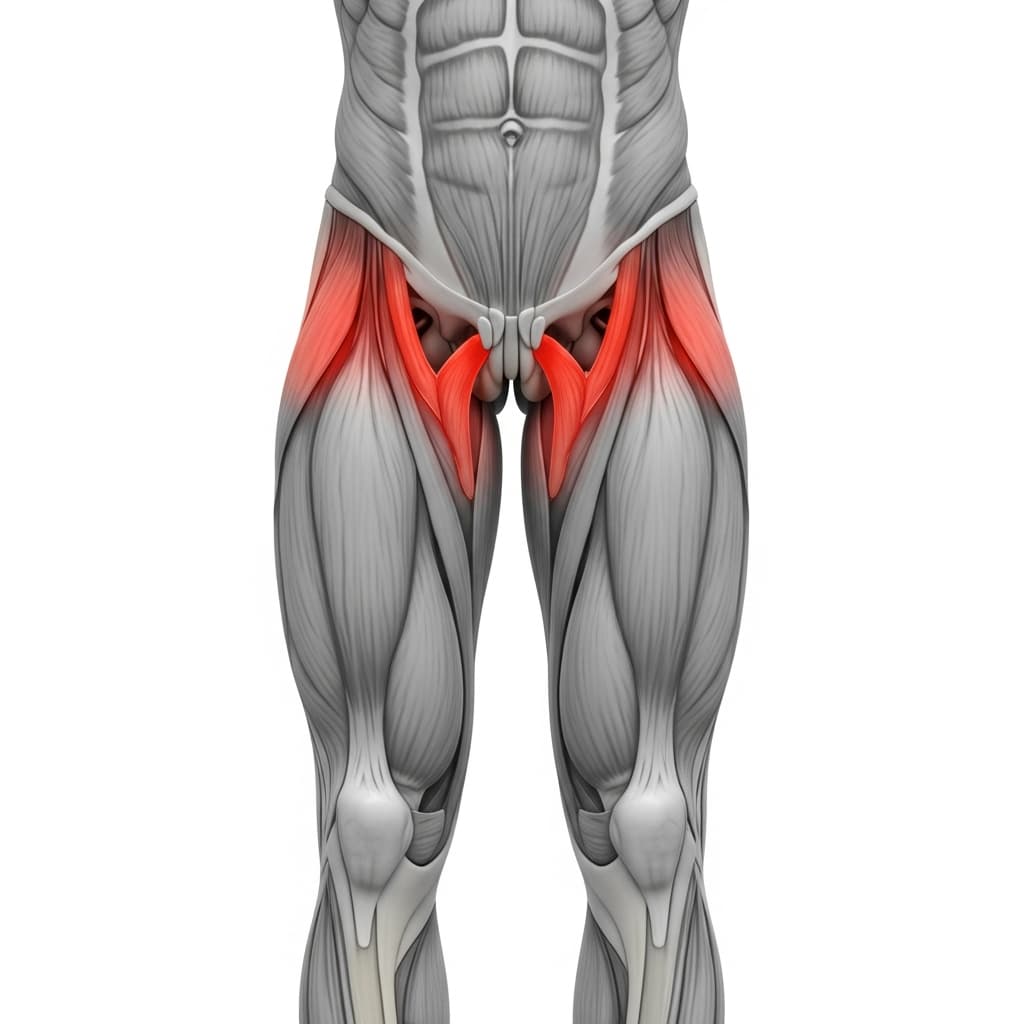
Secondary Muscles:
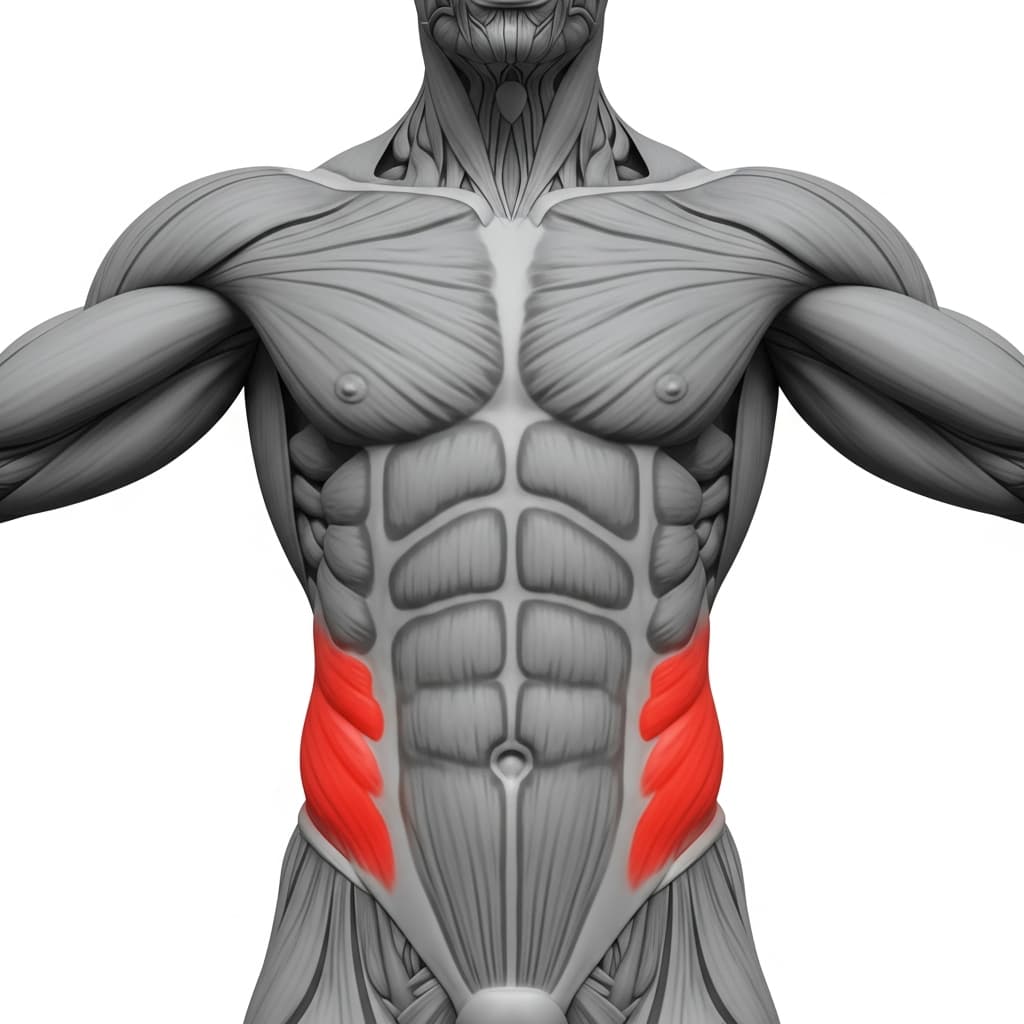
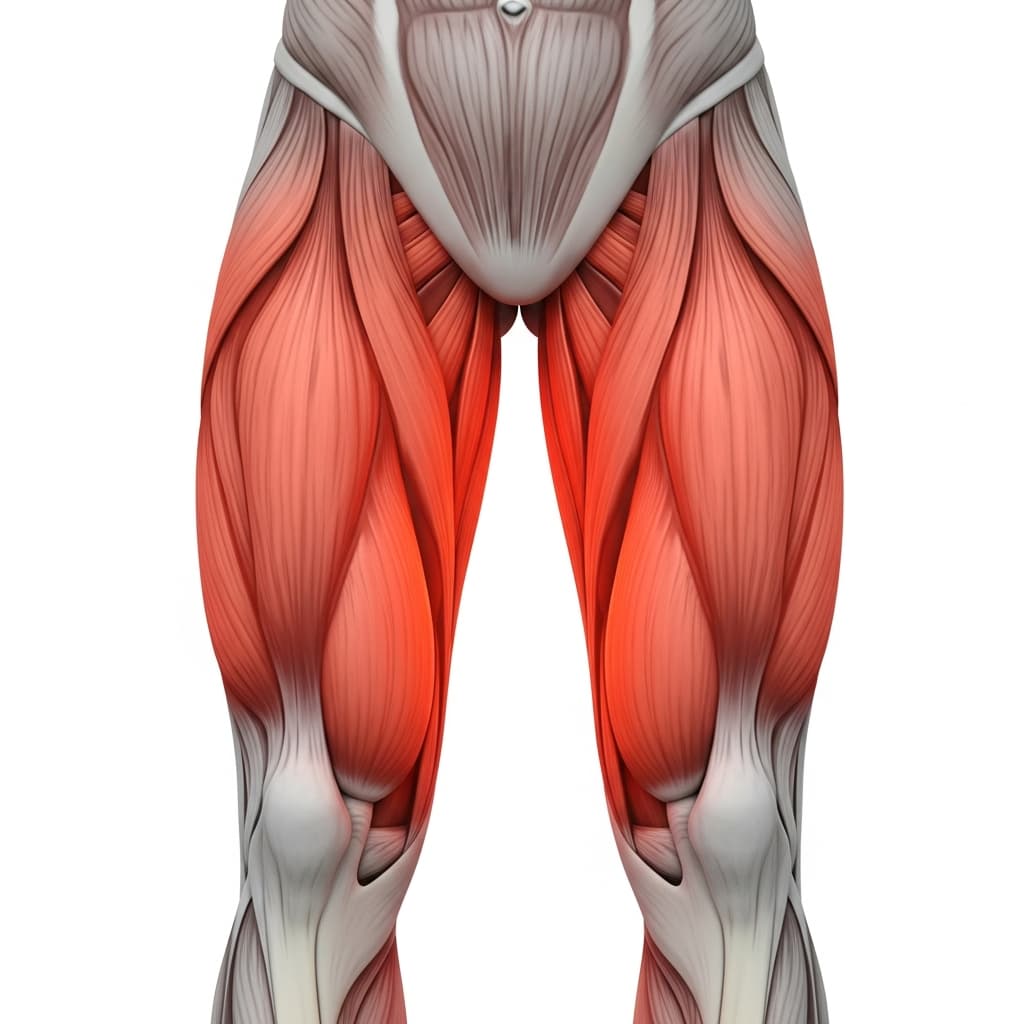
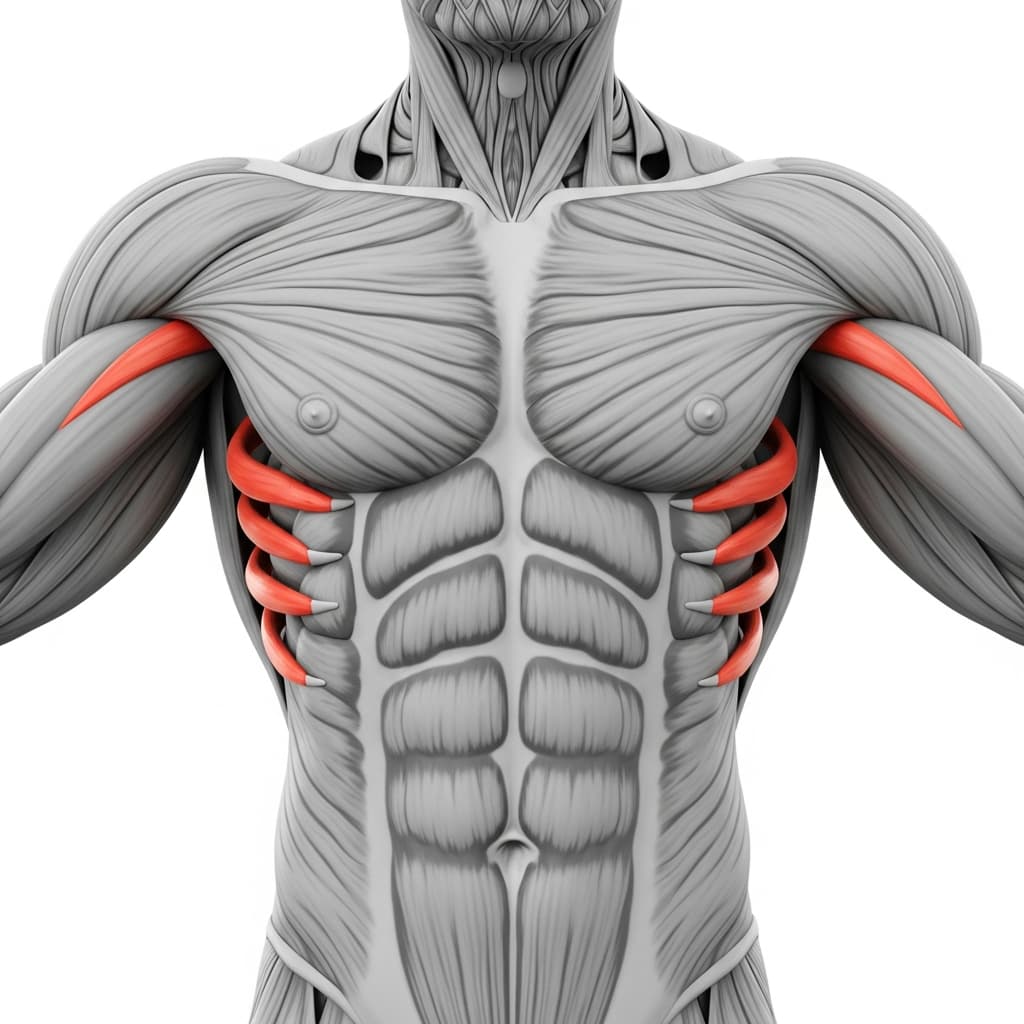
Primary Muscles
Rectus Abdominis (Abs) - The rectus abdominis works through its full length here, with the lower fibers controlling the leg descent against gravity and the upper fibers driving the toe crunch by flexing the thoracic spine.
Iliopsoas (Hip Flexors) - The iliopsoas and rectus femoris contract to raise the legs back to vertical and resist the eccentric pull of gravity during the controlled lowering phase.
Secondary Muscles
Obliques (Obliques) - The internal and external obliques co-contract isometrically to prevent lateral rotation and keep the torso stable as the legs move through the lowering and raising phases.
Quadriceps (Quads) - The quadriceps maintain full knee extension throughout the movement, keeping the legs straight to preserve the long lever arm that loads the abs.
Serratus Anterior (Serratus Anterior) - The serratus anterior protracts the scapulae during the upward reach of the toe crunch, allowing the hands to extend further toward the feet.
Benefits of Laying Leg Raises With Toe Crunch
- Trains the upper and lower abs in a single movement, eliminating the need for separate exercises to cover the full rectus abdominis
- Builds the hip flexor strength and control required for L-sits, hanging leg raises, and front lever progressions
- Develops the posterior pelvic tilt awareness that protects the lower back during all loaded core work and heavy compound lifts
- Strengthens the serratus anterior through the reaching crunch, which improves scapular stability for handstands and overhead pressing
Who Is This Exercise For?
You should be able to perform 10 standard laying leg raises with your lower back flat on the floor before adding the toe crunch component. If your lower back lifts off the ground when your legs drop below 45 degrees, you need more baseline core strength from bent-knee leg raises or dead bugs first. Master the two movements separately before combining them.
Common Mistakes to Avoid
Letting the lower back arch off the floor: If your lower back lifts during the leg lower, you are going too deep for your current strength. Reduce the range of motion and focus on keeping a strong posterior pelvic tilt by drawing the belly button in. Build depth gradually over weeks.
Using momentum to swing the legs: Each phase should take 2 to 3 seconds. If you need to swing your legs to get them back to vertical, the set is over. Reduce reps and prioritize slow, controlled movement on every single rep.
Jerking the neck forward on the crunch: The crunch comes from curling the ribcage toward the hips, not from pulling the chin to the chest. Keep your neck neutral and focus on lifting the shoulder blades off the ground by contracting the upper abs.
Bending the knees during the leg lower: Bent knees shorten the lever arm and reduce the load on the abs significantly. If you cannot keep the legs straight, switch to bent-knee leg raises until your core is strong enough for the full version.
Variations & Progressions
Bent-Knee Leg Raises With Crunch
Perform the same movement but with knees bent at 90 degrees during the lowering phase. The shorter lever arm reduces the load on the abs and hip flexors, making it accessible for beginners who cannot maintain a flat back with straight legs.
Weighted Toe Crunch With Leg Raise
Hold a light weight plate or dumbbell in your hands and reach it toward your toes during the crunch phase. The added resistance increases the demand on the upper abs and serratus at the top of each rep.