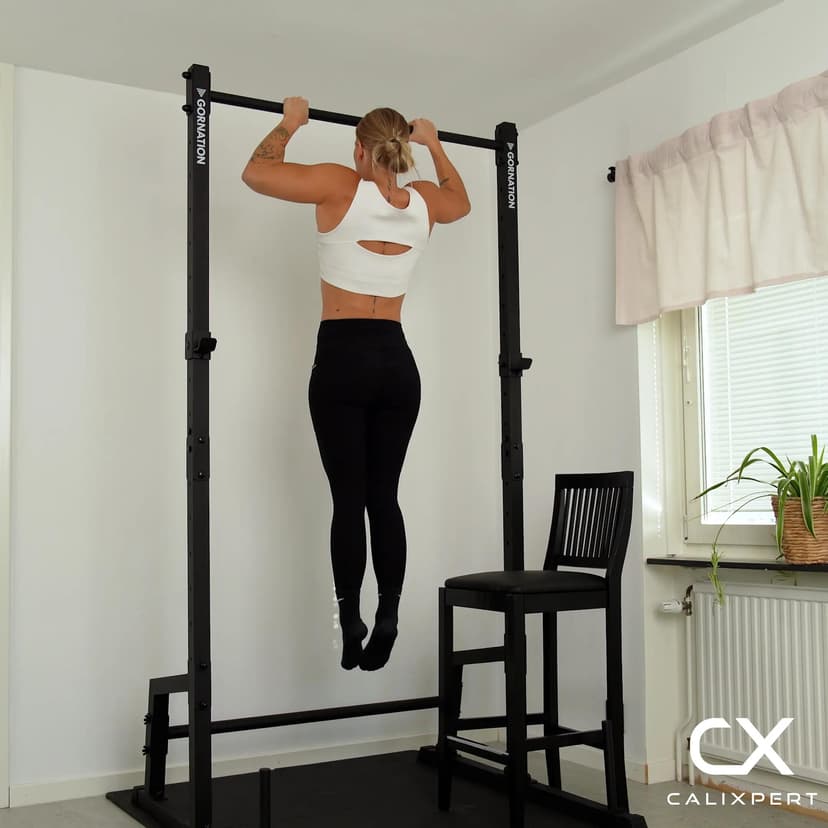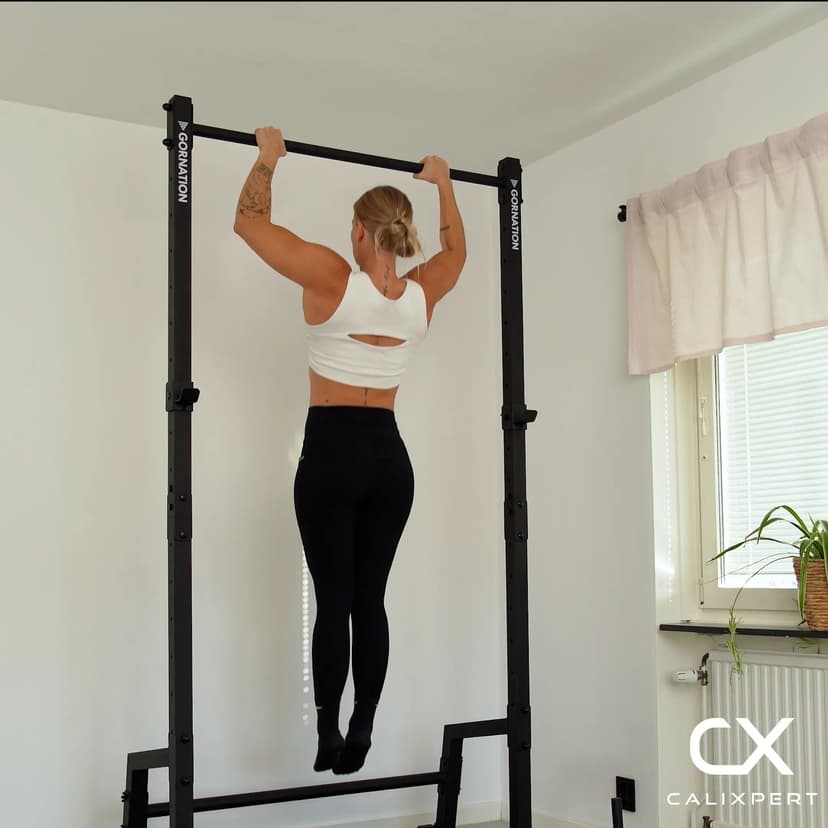
Jackknife Pull Ups
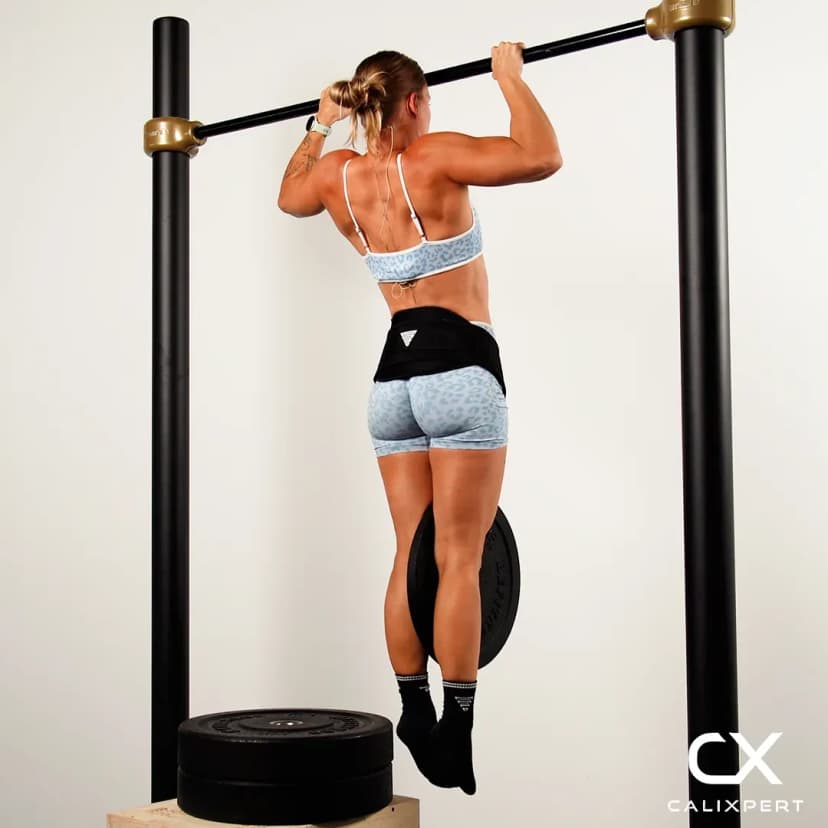
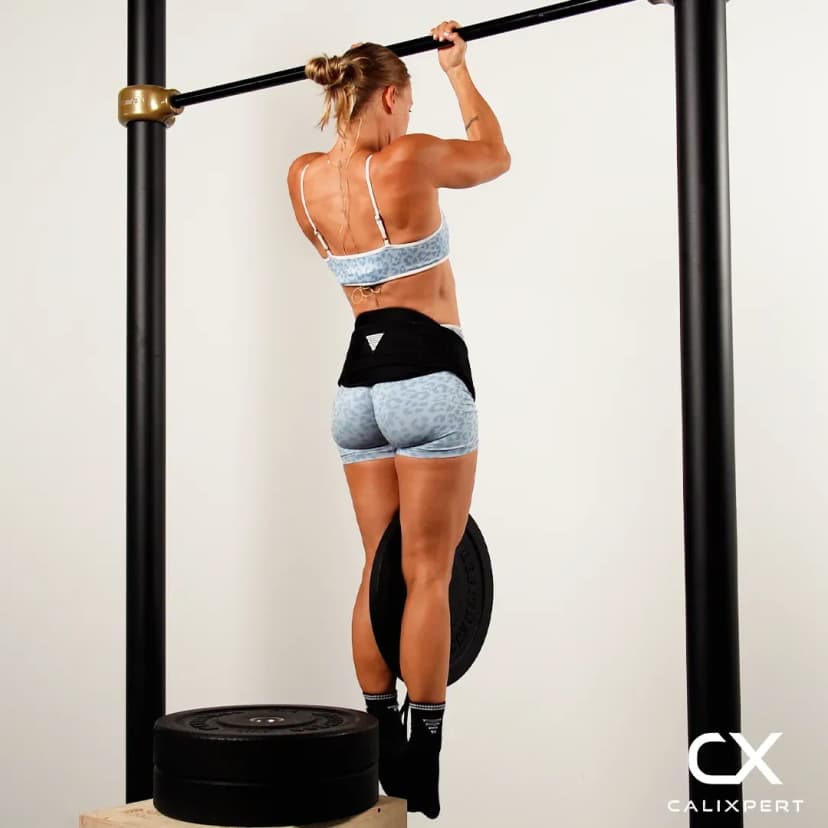
Jackknife pull-ups are a beginner-friendly pulling regression that trains the lats, biceps, and upper back using a low bar or rings with your feet planted on the ground for assistance. The movement follows the same scapula-first pulling pattern as a full pull-up, but your bent legs reduce the load so you can focus on building correct mechanics. This makes jackknife pull-ups one of the most effective progressions for anyone working toward their first strict pull-up.
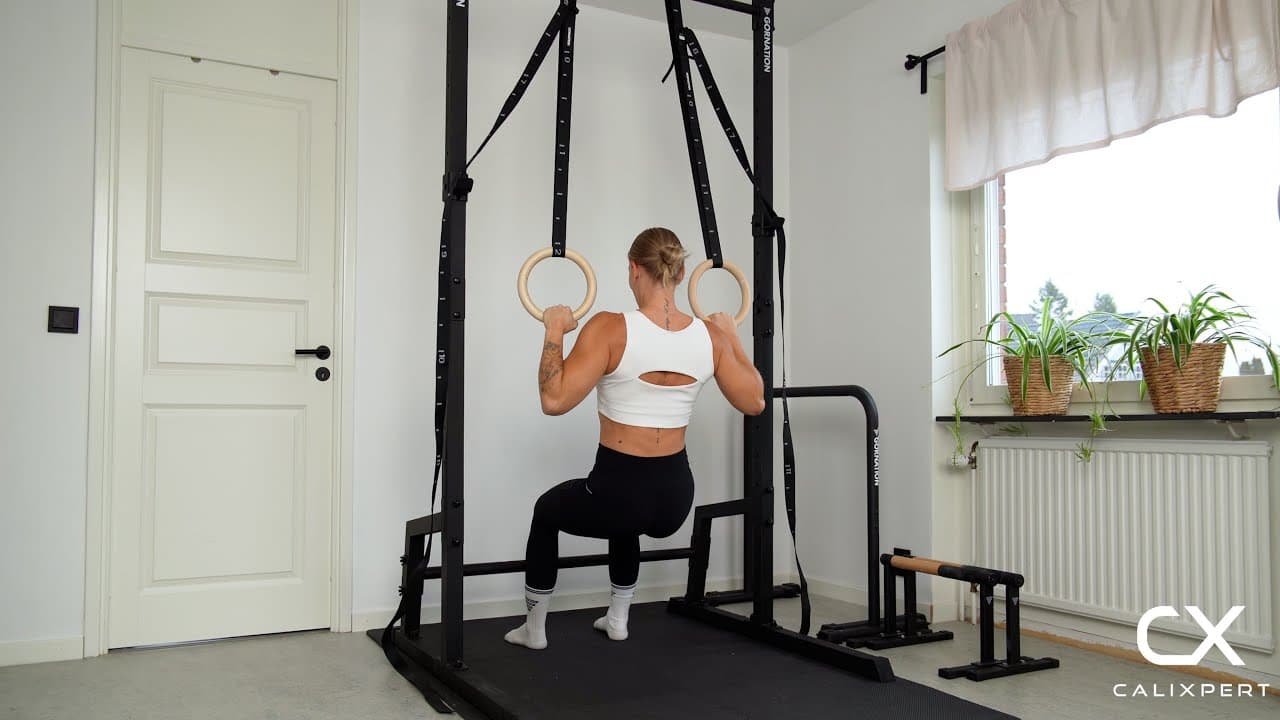
Jackknife pull-ups are a beginner-friendly pulling regression that trains the lats, biceps, and upper back using a low bar or rings with your feet planted on the ground for assistance. The movement follows the same scapula-first pulling pattern as a full pull-up, but your bent legs reduce the load so you can focus on building correct mechanics. This makes jackknife pull-ups one of the most effective progressions for anyone working toward their first strict pull-up.
How to Do Jackknife Pull Ups
1. Set the Bar or Rings
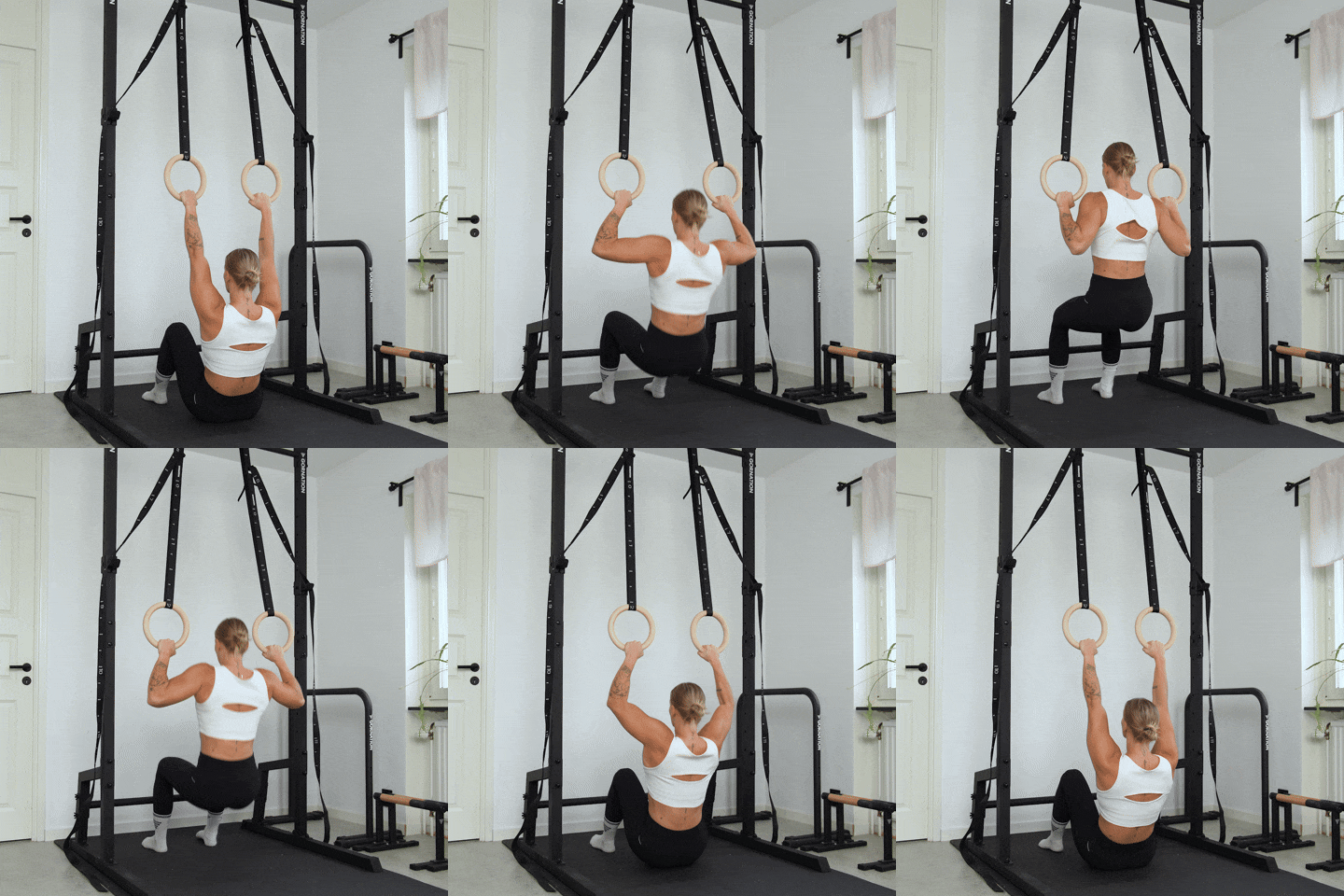
Position a straight bar or set of rings at roughly waist height. Sit on the ground directly underneath and reach up with straight arms to grip the bar or rings. If your arms are bent while sitting, the bar is too low. If you cannot reach it, the bar is too high.
Straight arms when sitting underneath
2. Set Your Starting Position
Sit beneath the bar with your knees bent and feet flat on the floor about hip-width apart. Grip the bar with an overhand grip slightly wider than shoulder width, thumbs wrapped around. Keep your arms fully extended and your torso upright.
Feet flat, knees bent, arms straight
3. Initiate With Scapula Depression
Before bending your elbows, pull your shoulders down away from your ears and retract your shoulder blades. This scapular activation is the same cue used in full pull-ups and must happen before any arm bending. Skipping this step turns the movement into a bicep curl instead of a back exercise.
Shoulders down before you pull
4. Pull and Stand Simultaneously
Drive your elbows backward and begin pulling your chest toward the bar while pressing through your feet to stand up slightly. Your legs provide assistance, but the upper body should do as much of the work as possible. Keep your elbows tracking outward and back, not straight down toward your hips.
Elbows back, legs assist
5. Squeeze at the Top
At the top of the movement, your chest should be close to the bar with your shoulder blades fully retracted and squeezed together. Hold this position for a brief moment to reinforce the contraction in your upper back and lats. Your legs should be partially extended but still supporting some of your weight.
Squeeze shoulder blades together at the top
6. Lower Under Control
Slowly extend your arms to lower yourself back to the seated starting position, resisting gravity the entire way down. Bend your knees as you descend and aim for a 2 to 3 second lowering phase. Re-set your scapula at the bottom before starting the next rep.
Slow descent, reset at the bottom
The biggest mistake people make with jackknife pull-ups is treating them as a leg exercise that happens to involve a bar. Your legs are there to take away just enough weight so your back can do real work. Every rep should start with a clean scapula set, and you should feel your lats firing before your feet even think about pushing. If you can do 3 sets of 8 without your back getting tired, you are using your legs too much.
Muscles Worked During Jackknife Pull Ups
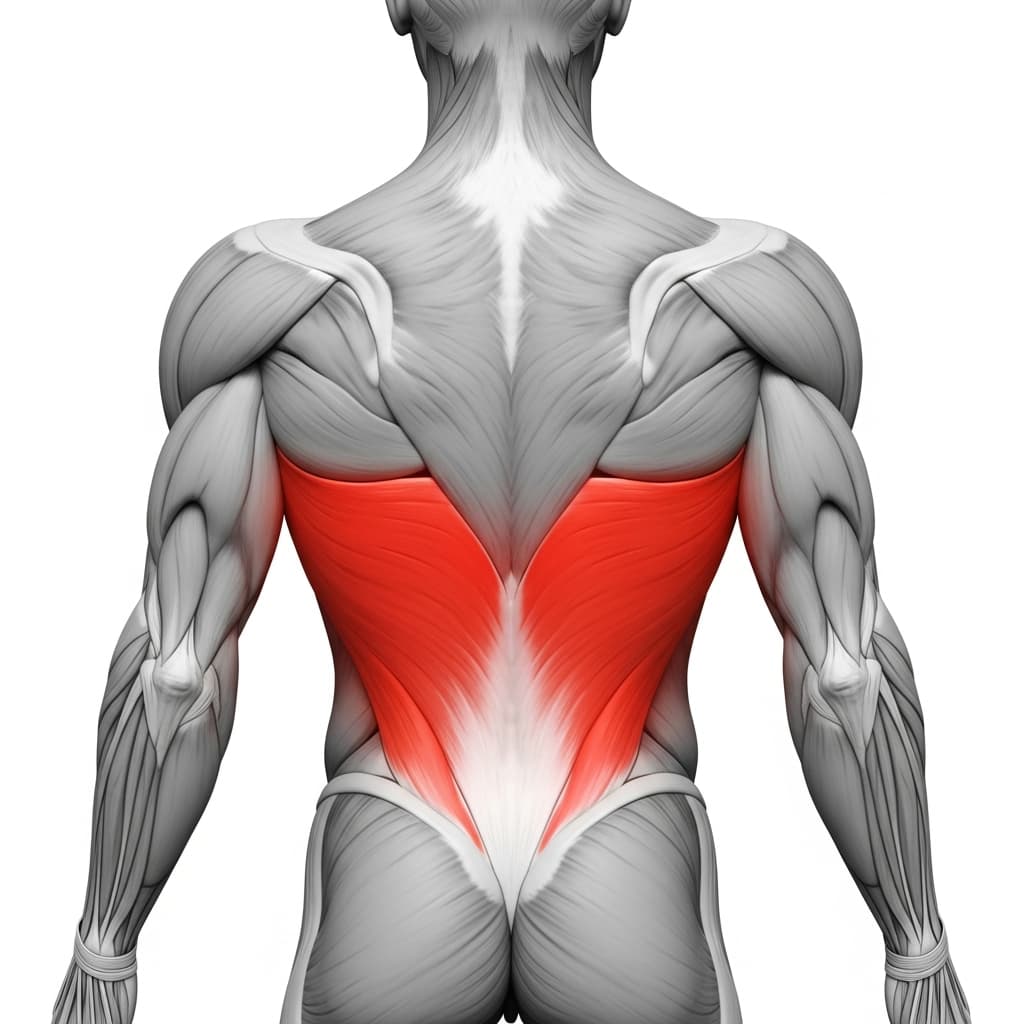
Primary Muscles:
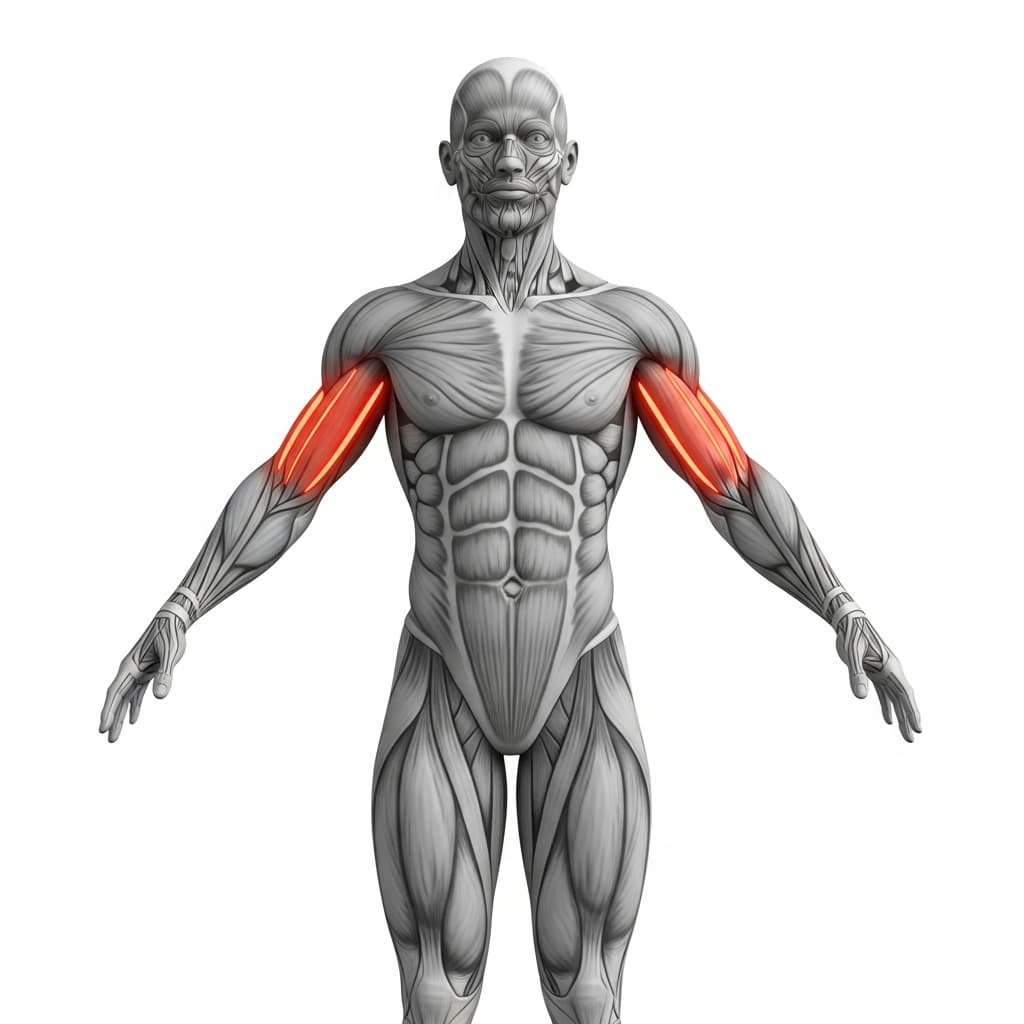
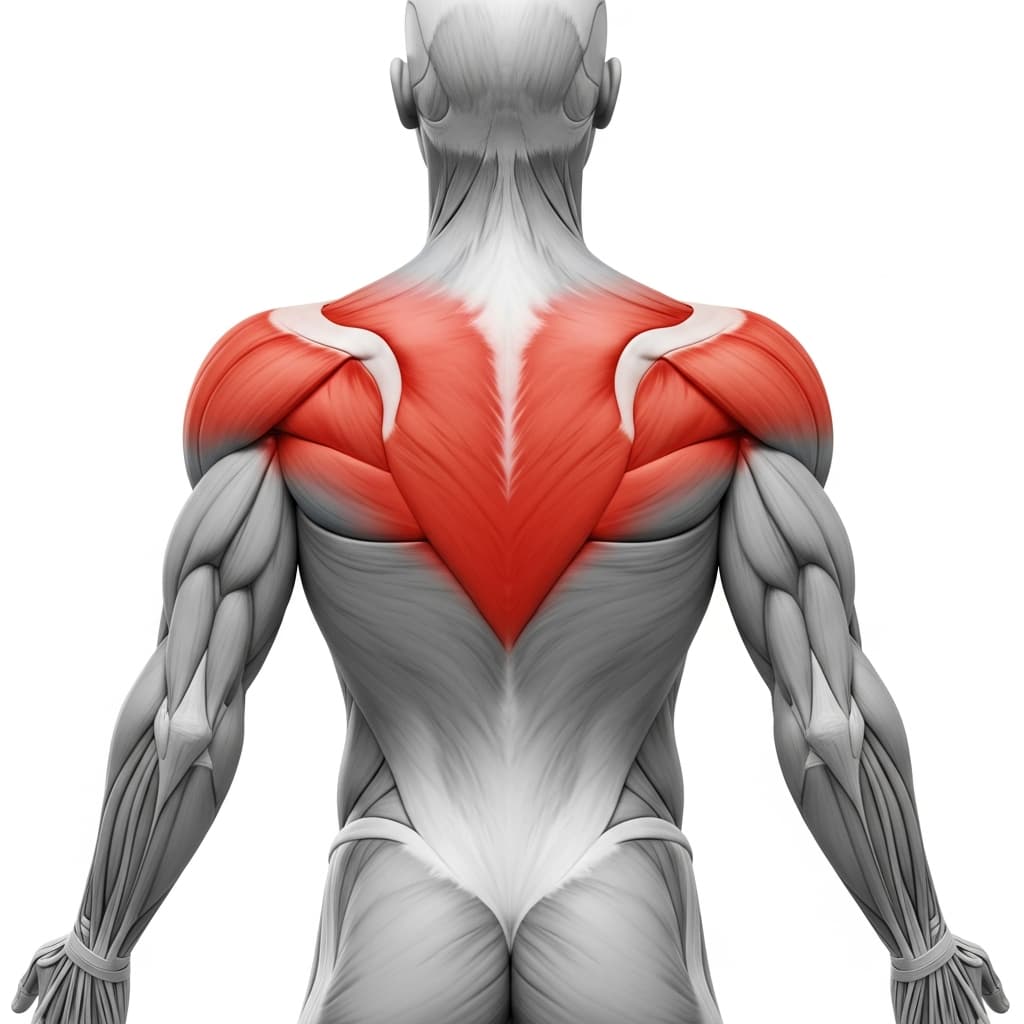
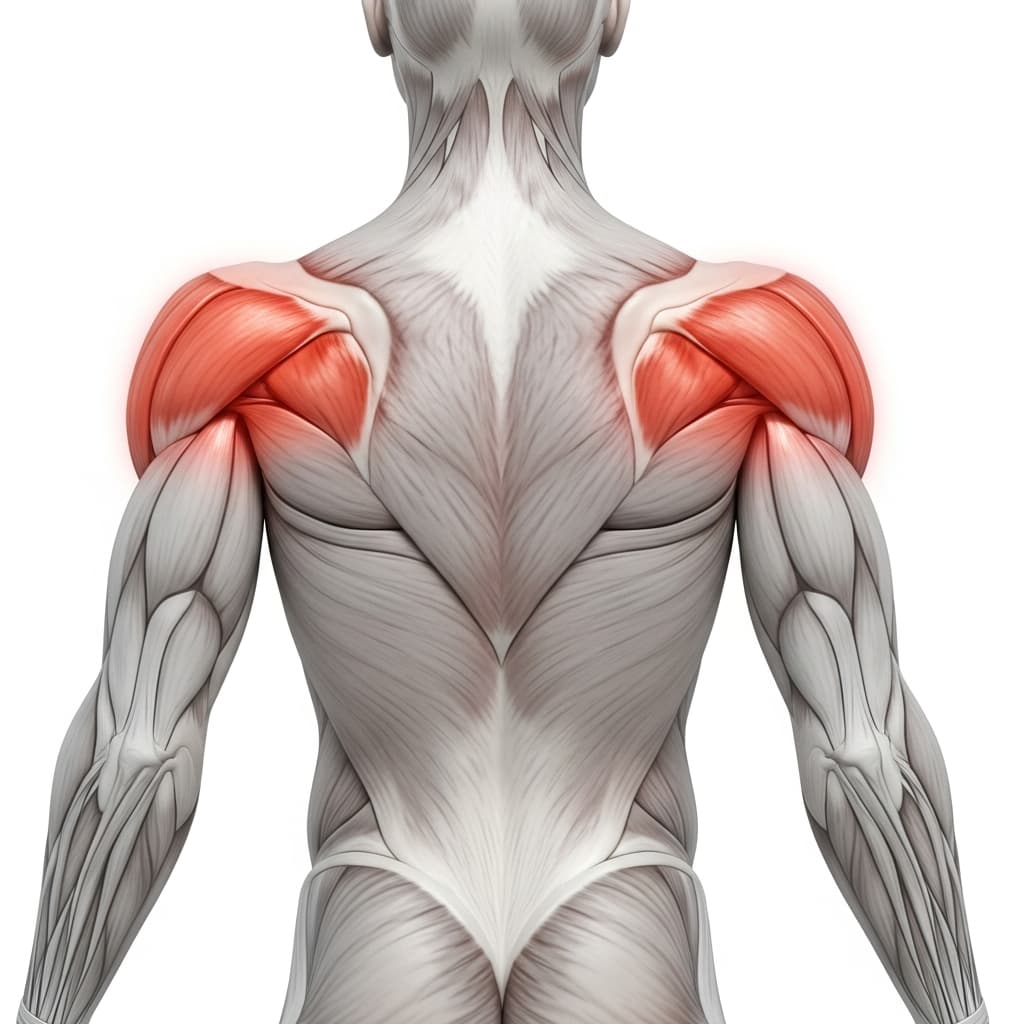
Secondary Muscles:
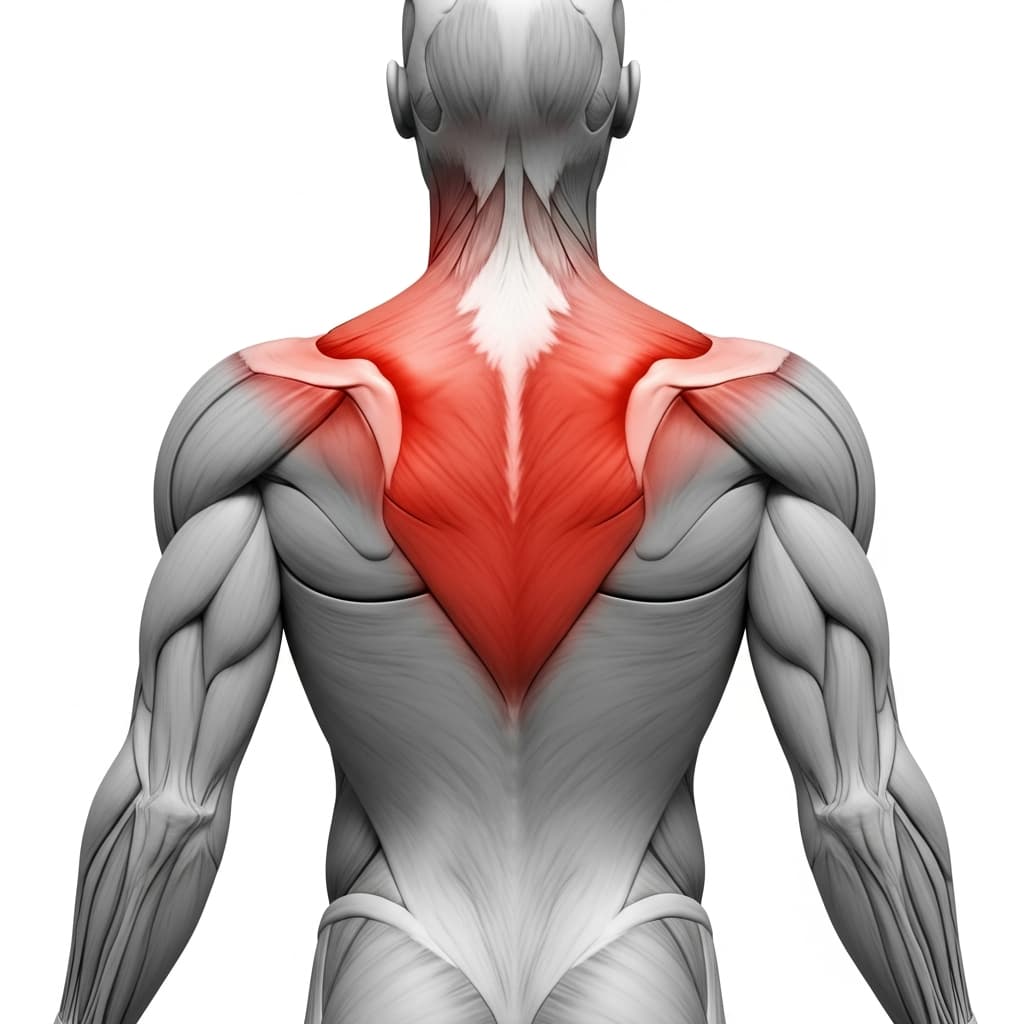
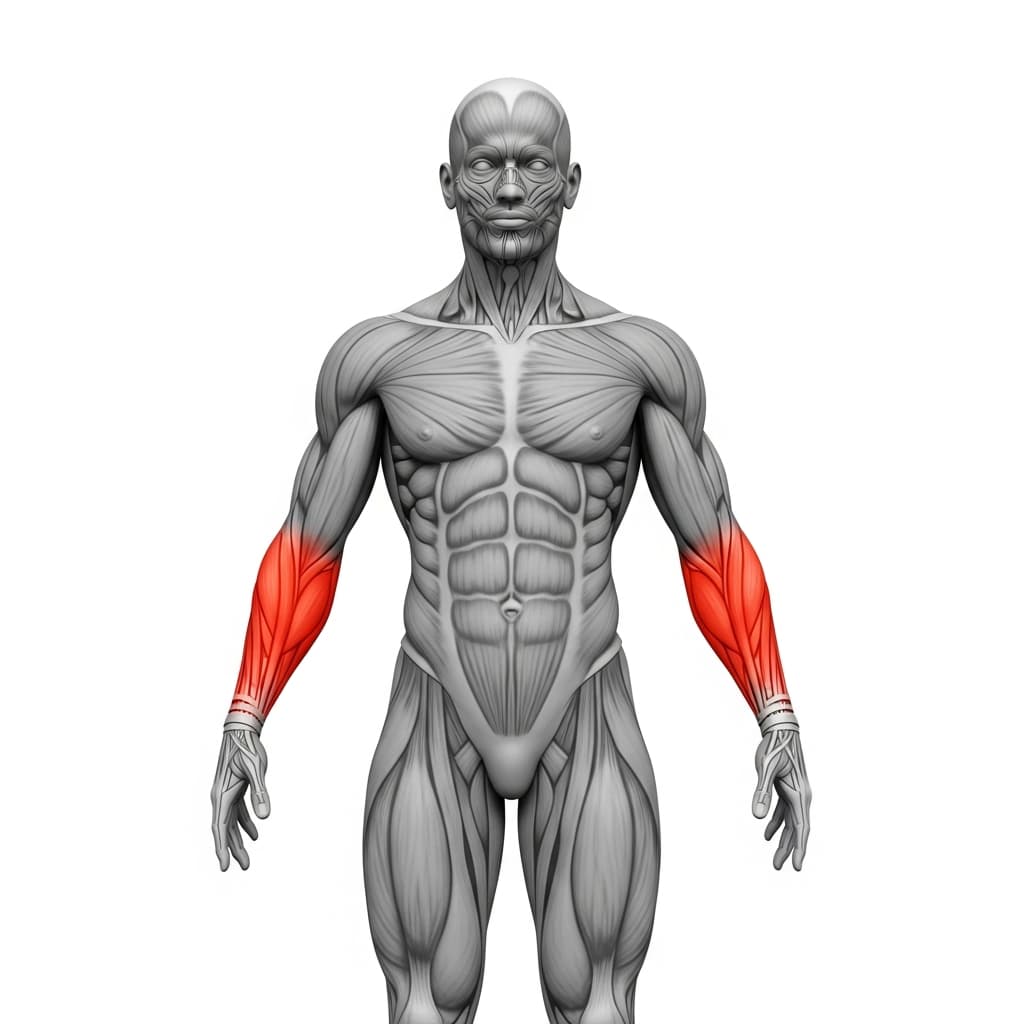
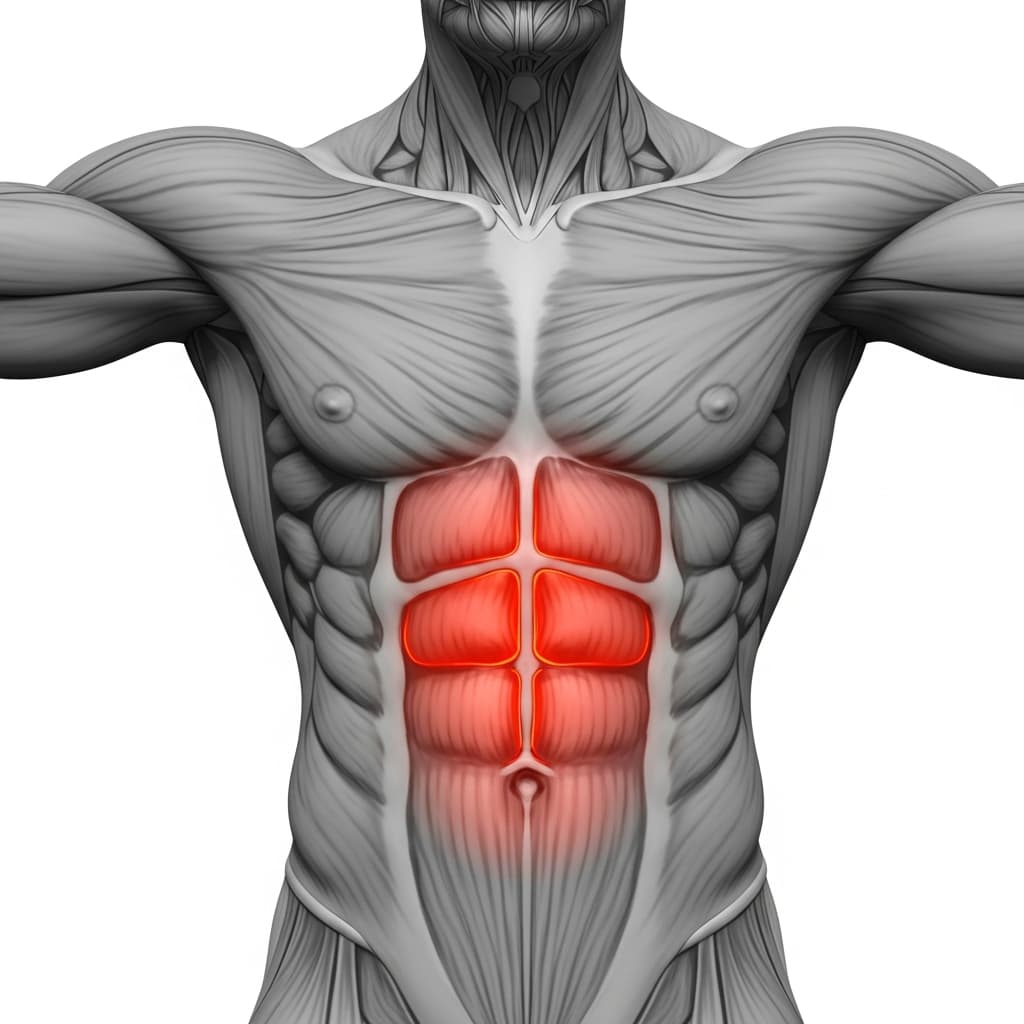
Primary Muscles
Latissimus Dorsi (Lats) - The lats drive the primary pulling force, pulling the elbows down and back to bring the chest toward the bar through the full range of motion.
Secondary Muscles
Biceps Brachii (Biceps) - The biceps assist elbow flexion throughout the pull, working alongside the lats to close the angle between the forearm and upper arm.
Rhomboids & Upper Trapezius (Upper Back) - The rhomboids and mid-traps retract the shoulder blades at the top of each rep, completing the pulling motion and stabilizing the scapulae.
Posterior Deltoid (Rear Deltoid) - The rear deltoids assist in pulling the upper arm backward during the horizontal component of the pull, supporting lat engagement.
Trapezius (Trapezius) - The lower traps depress the scapulae during the initial activation phase, and the mid-traps assist in scapular retraction at the top of each rep.
Forearm Flexors & Extensors (Forearms) - The forearm flexors maintain grip on the bar or rings throughout every rep, building grip endurance under a reduced bodyweight load.
Rectus Abdominis (Abs) - The abdominals brace the torso and prevent excessive arching during the pull, keeping the body stable and the force directed through the back.
Benefits of Jackknife Pull Ups
- Teaches the correct scapula-first pulling pattern that transfers directly to strict pull-ups and all advanced pulling skills
- Allows progressive overload by gradually reducing leg assistance, making the transition to full pull-ups measurable and systematic
- Builds lat activation and upper back strength at a manageable load for athletes who cannot yet perform a single full pull-up
- Strengthens grip endurance and forearm capacity under a reduced load, preparing the hands and wrists for full bodyweight hanging
Who Is This Exercise For?
You should be able to hold a dead hang from a high bar for at least 10 seconds and perform scapular depressions with control before starting jackknife pull-ups. If you cannot maintain a stable grip or retract your shoulder blades on command, work on passive and active hangs first.
Common Mistakes to Avoid
Relying too much on the legs: Your legs should assist the pull, not drive it. Focus on initiating with the scapula and pulling with the back first, then use only enough leg drive to complete the rep. Over time, reduce how hard you push through your feet.
Skipping scapular activation: Every rep must start with shoulders depressed and shoulder blades set before the elbows bend. Practice isolated scapular depressions on the low bar as a warm-up to build this habit.
Pulling elbows straight down: Drive your elbows outward and backward to engage the lats properly. When the elbows travel straight down, the biceps take over and the back does almost no work.
Using momentum or jerking upward: Start each rep from a controlled dead position with no bounce or swing. Momentum removes the training stimulus from the muscles that need it most and can strain the shoulder joint.