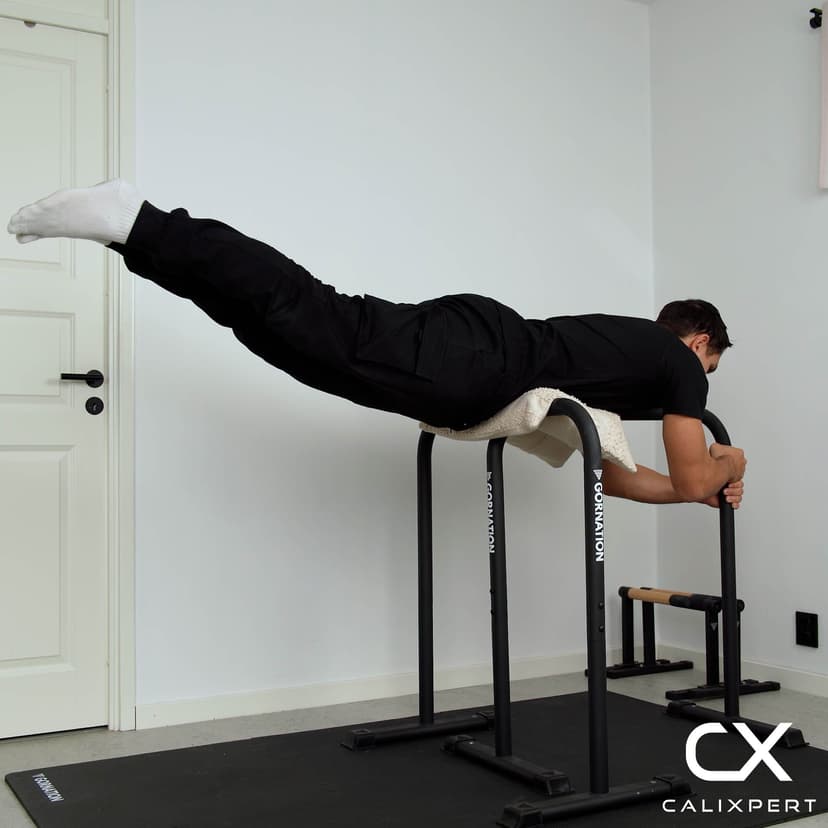
Hyperextension Hold
The hyperextension hold is a prone isometric exercise where you lie face down on a raised surface and hold your legs elevated behind you, training the lower back, glutes, and hamstrings under sustained tension. Unlike the standard back extension where you lift your torso, this variation keeps your upper body anchored and challenges the posterior chain by resisting gravity through the legs. Building time under tension in this position develops the spinal stability and hip extension endurance that calisthenics athletes need for levers, handstands, and every pulling movement.
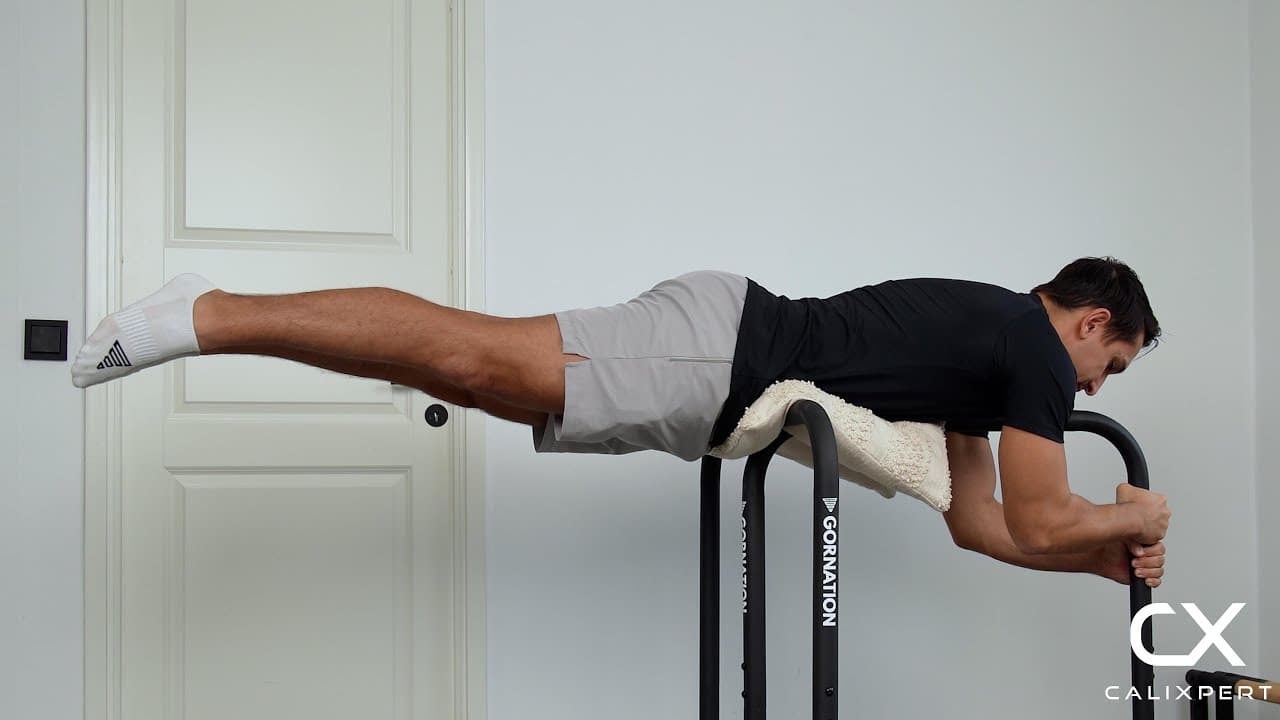
The hyperextension hold is a prone isometric exercise where you lie face down on a raised surface and hold your legs elevated behind you, training the lower back, glutes, and hamstrings under sustained tension. Unlike the standard back extension where you lift your torso, this variation keeps your upper body anchored and challenges the posterior chain by resisting gravity through the legs. Building time under tension in this position develops the spinal stability and hip extension endurance that calisthenics athletes need for levers, handstands, and every pulling movement.
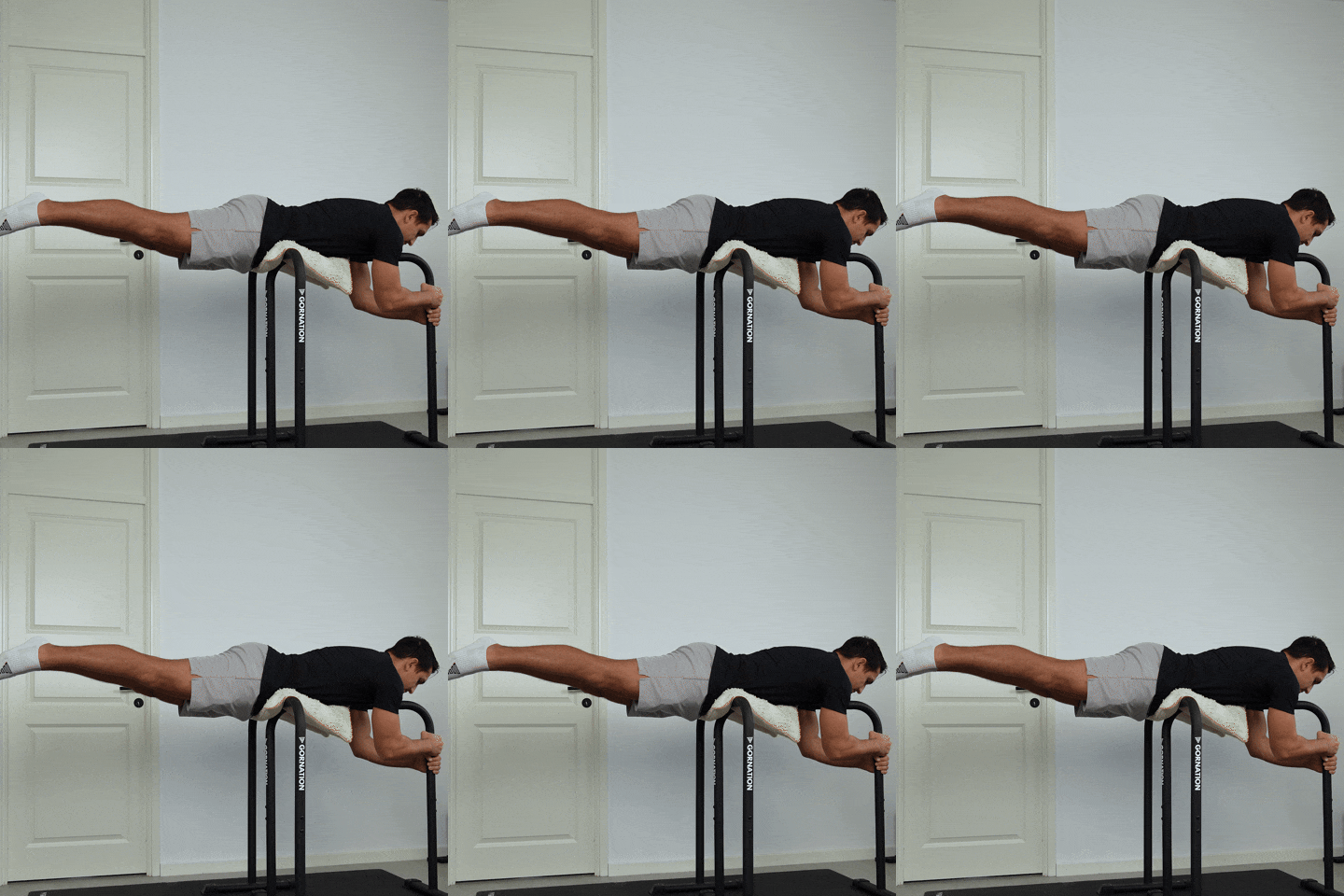
How to Do Hyperextension Hold
1. Set Up Your Support Surface
Position yourself on a bench, box, couch edge, or pair of dip bars so that your hips sit just past the edge of the support. Your upper body and hips should be firmly anchored on the surface with your legs hanging free behind you. If using dip bars, place a folded towel or mat underneath in case you need to bail. Grip the edges of the surface or the bars firmly with both hands for stability.
Hips on the edge, legs hanging free
2. Brace Your Upper Body
Before lifting your legs, tighten your grip and press your torso into the support surface. Engage your abdominals to stabilize the spine and prevent your upper body from rocking during the hold. Keep your head in a neutral position, looking straight down at the floor.
Grip tight, abs braced, eyes down
3. Lift Your Legs Together
With your legs closed and knees straight, raise both legs behind you by squeezing the glutes and lower back simultaneously. Lift until your legs are roughly in line with your torso or slightly above, creating a gentle arch through the lower back. Do not kick or swing into position. The lift should feel controlled from the first inch.
Squeeze glutes to lift, no swinging
4. Hold With Full Body Tension
Once your legs are elevated, tense everything from your toes through your legs into your glutes and lower back. Point your toes slightly and keep your legs pressed together throughout the hold. Breathe steadily through your nose and mouth without releasing tension in the posterior chain. Maintain the gentle arch in your lower back without hyperextending aggressively.
Toes to traps, everything tight
5. Lower Under Control
When the hold is complete or you feel your form breaking, lower your legs slowly back to the hanging start position. Resist gravity on the way down rather than just dropping. Release your grip and step off the surface carefully, especially if using dip bars.
Slow descent, never drop
Most people lose the hold because they only focus on the legs and forget to keep the whole body tight. The trick is to squeeze from your toes all the way up through your glutes and into your lower back as one connected unit. When everything fires together, the hold gets significantly easier and you will feel it in the right places instead of just the lower back screaming.
Muscles Worked During Hyperextension Hold
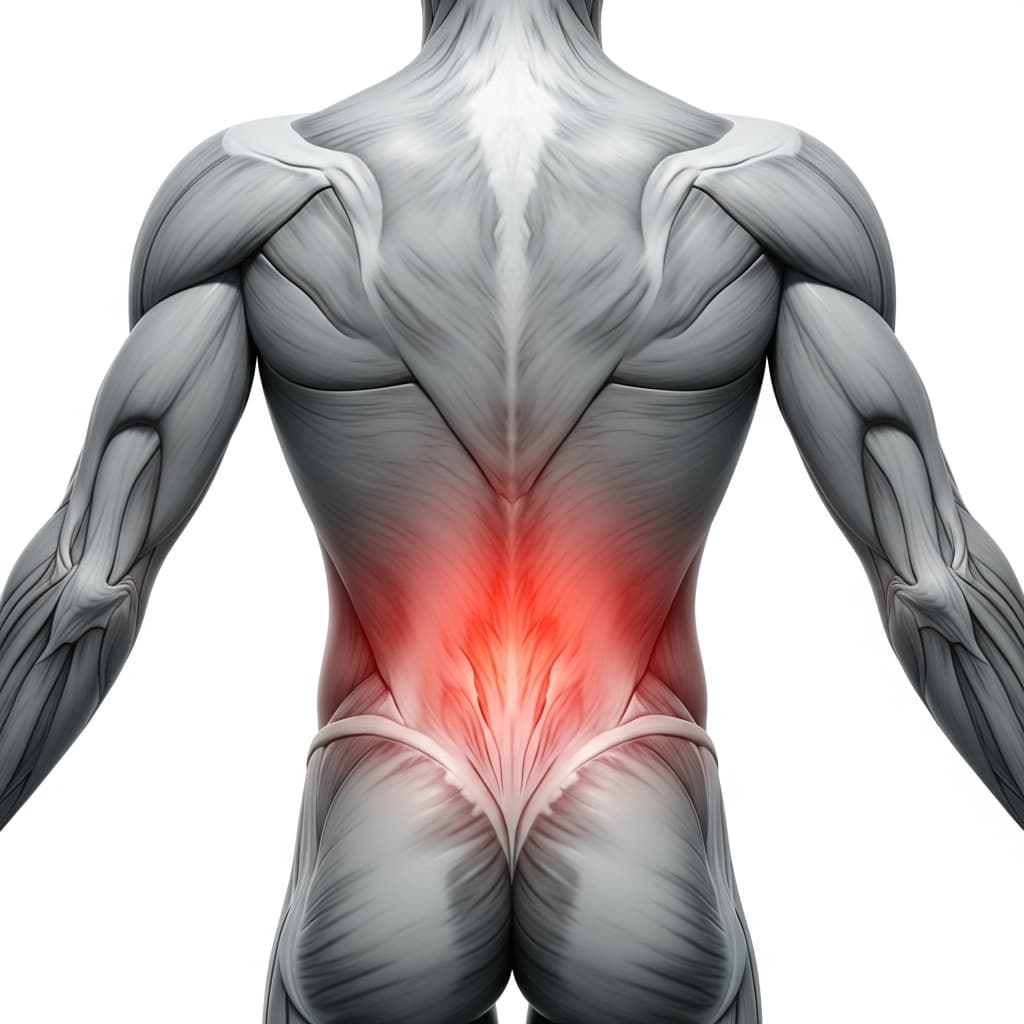
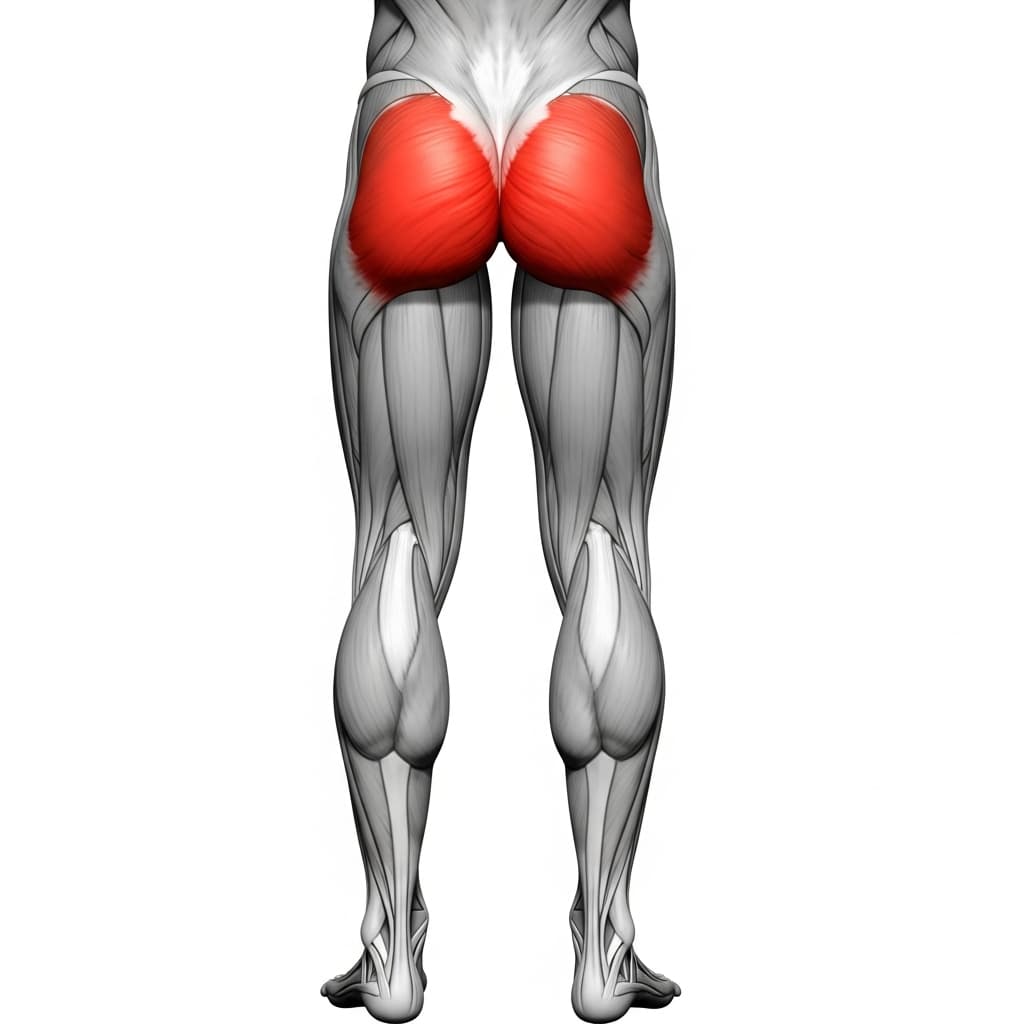
Primary Muscles:
Secondary Muscles:
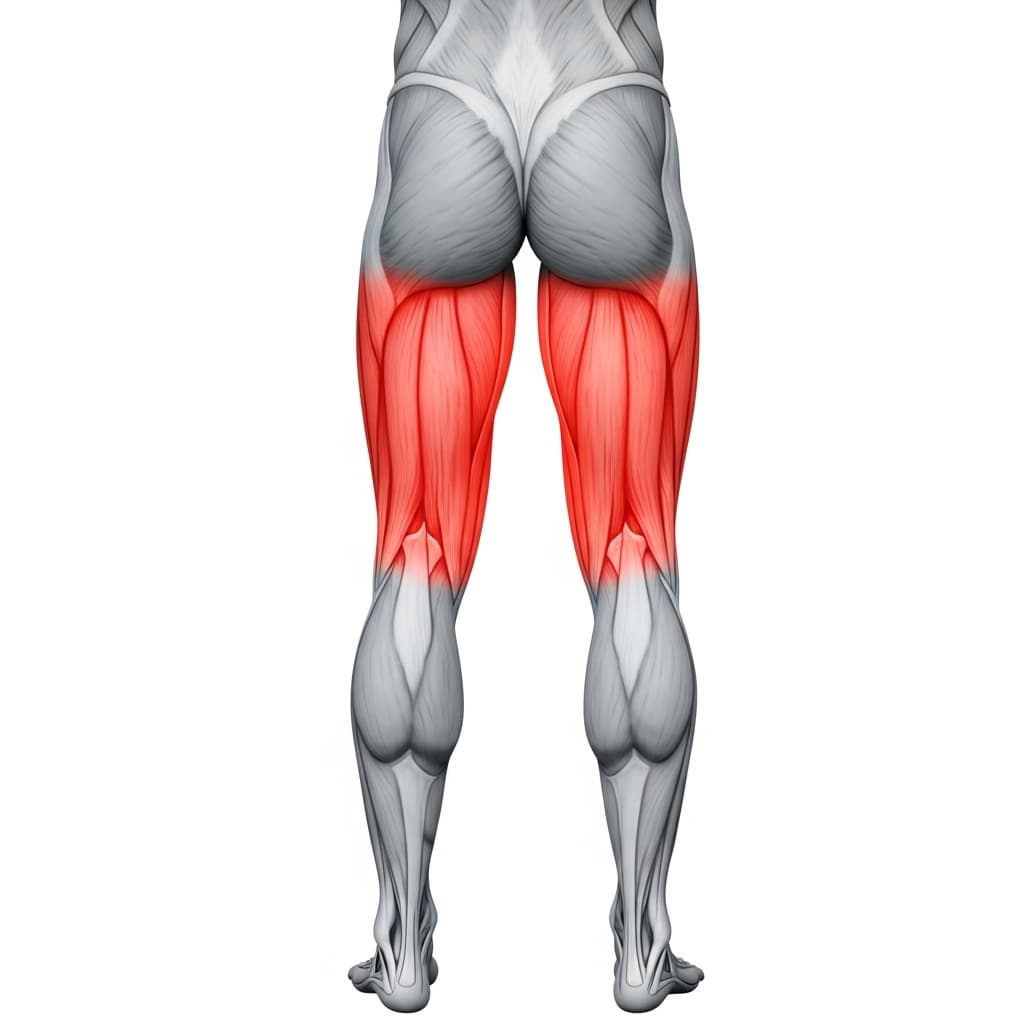
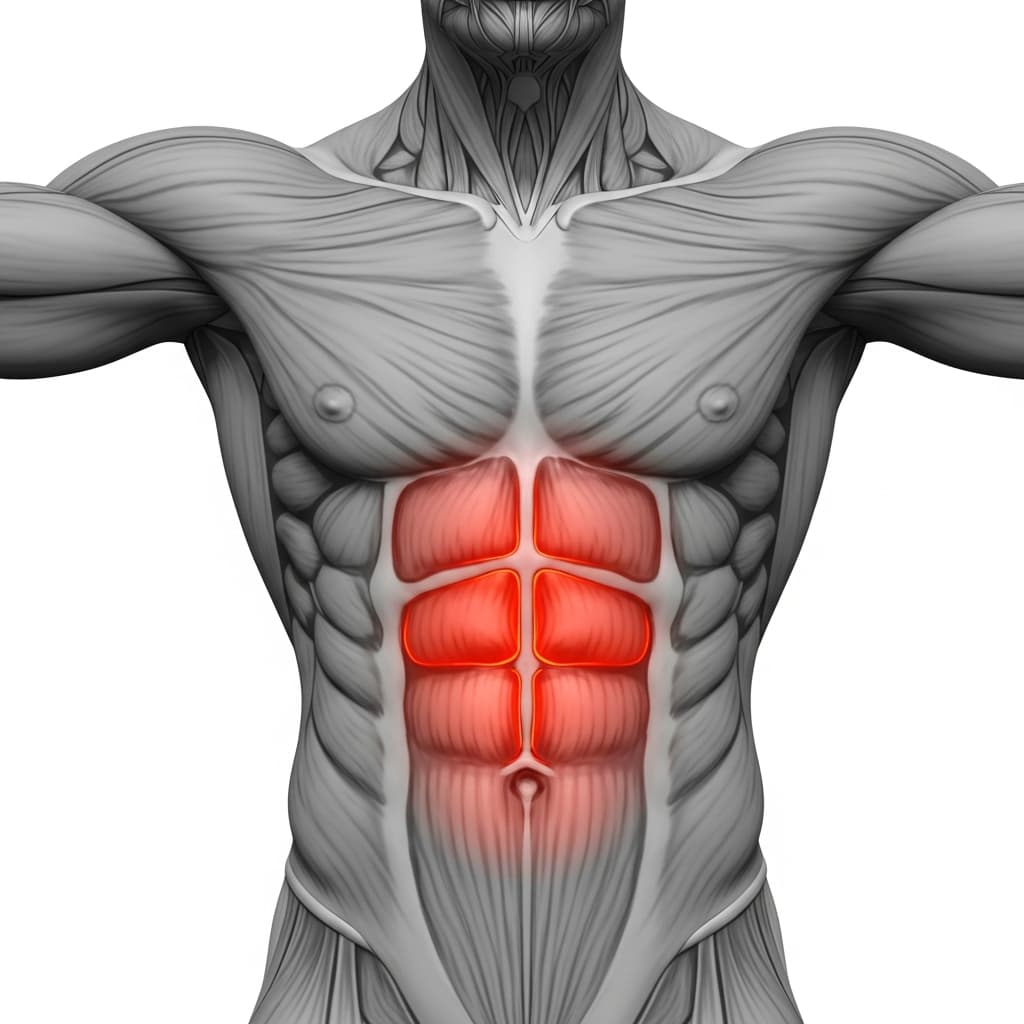
Primary Muscles
Erector Spinae (Lower Back) - The lower back muscles maintain the gentle spinal arch throughout the hold, resisting the pull of gravity on the elevated legs through sustained isometric contraction.
Gluteus Maximus (Glutes) - The glutes drive the initial hip extension that lifts the legs and sustain the elevated position by keeping the hips open against gravity.
Secondary Muscles
Hamstring Group (Hamstrings) - The hamstrings assist the glutes in hip extension and help maintain straight-leg positioning throughout the isometric hold.
Rectus Abdominis (Abs) - The abdominals brace the front of the torso to stabilize the spine and prevent excessive arching in the lumbar region during the hold.
Benefits of Hyperextension Hold
- Strengthens the spinal erectors and deep lower back muscles through sustained isometric contraction, building the endurance needed to maintain a neutral spine under load
- Develops glute and hamstring activation patterns that transfer directly to back levers, deadlifts, and hip extension in every calisthenics skill
- Builds posterior chain endurance without spinal compression, making it a safer alternative to heavy loaded back extensions for long-term joint health
- Improves body awareness and control in the prone position, which carries over to planche leans, front lever progressions, and handstand alignment
Who Is This Exercise For?
You should be able to hold a prone plank for at least 30 seconds and perform a basic glute bridge with controlled hip extension before attempting the hyperextension hold. If you experience any sharp lower back pain during simple hip hinge movements, address that limitation with a coach or physiotherapist first. Beginners who cannot hold their legs elevated for 10 seconds should start with shorter holds on a stable flat bench rather than dip bars.
Common Mistakes to Avoid
Hyperextending the lower back aggressively: Aim for a gentle arch, not a maximal one. Your legs should rise to roughly torso height. Cranking the back into extreme extension compresses the lumbar vertebrae and shifts the work away from the glutes.
Letting the legs separate or bend: Keep your legs pressed together with knees locked straight throughout the hold. Bent knees shorten the lever arm and reduce the training effect on the glutes and hamstrings significantly.
Holding your breath: Breathe steadily throughout the entire hold. Holding your breath causes blood pressure spikes and forces you to end the set earlier than your muscles actually need to.
Placing hips too far onto the support: Position your hips right at the edge of the bench or bars so the hip crease is free. If your hips are too far on the surface, your legs cannot move through full range and the glutes barely activate.