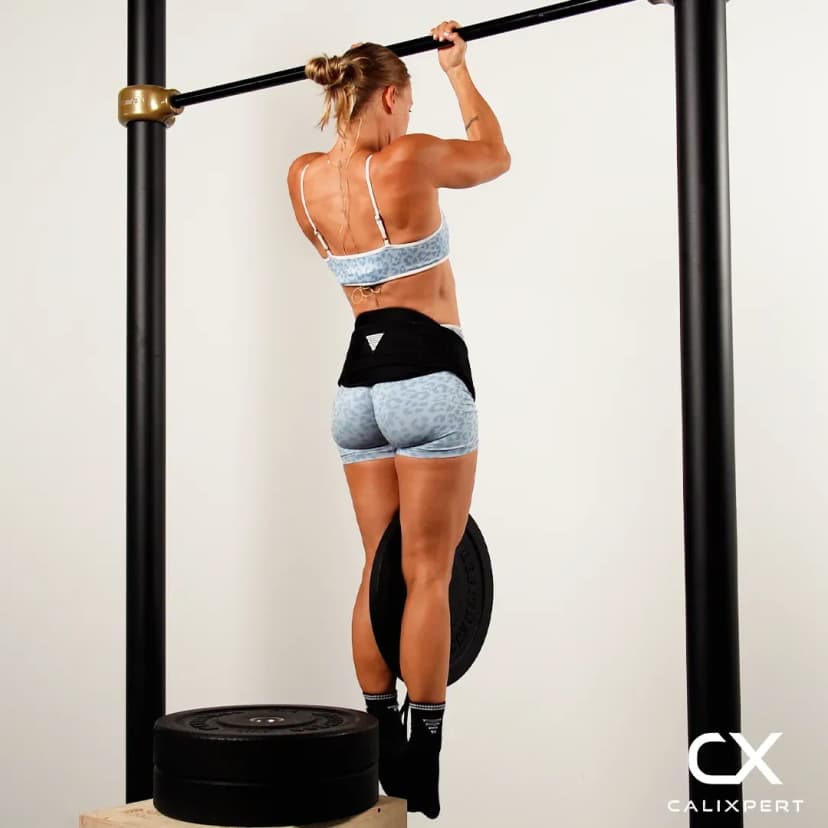
Negative Hanging Leg Raises
Negative hanging leg raises are an eccentric-focused core exercise where you lift your knees, extend the legs, and lower them under strict control while hanging from a bar. The slow descent hammers the rectus abdominis and hip flexors through their longest range of motion, building the deep abdominal strength that strict form demands. This exercise is one of the most effective ways to develop the eccentric control needed for full hanging leg raises and compression-based calisthenics skills.
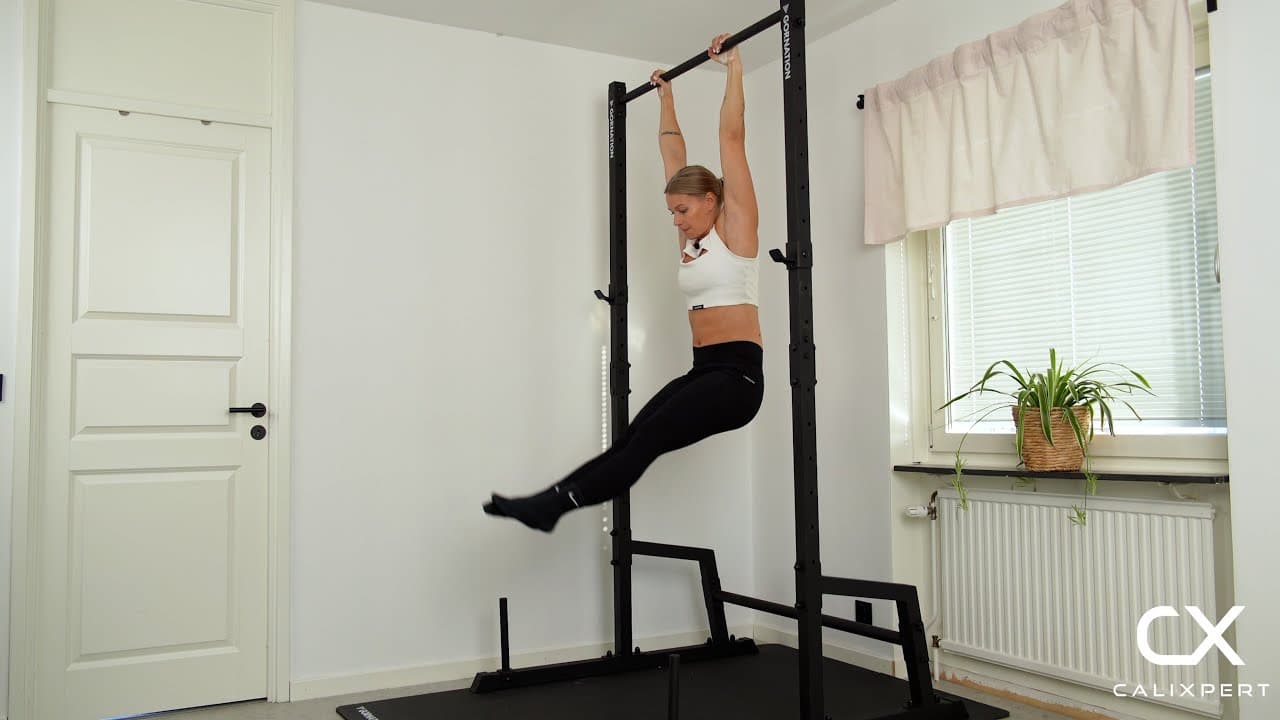
Negative hanging leg raises are an eccentric-focused core exercise where you lift your knees, extend the legs, and lower them under strict control while hanging from a bar. The slow descent hammers the rectus abdominis and hip flexors through their longest range of motion, building the deep abdominal strength that strict form demands. This exercise is one of the most effective ways to develop the eccentric control needed for full hanging leg raises and compression-based calisthenics skills.
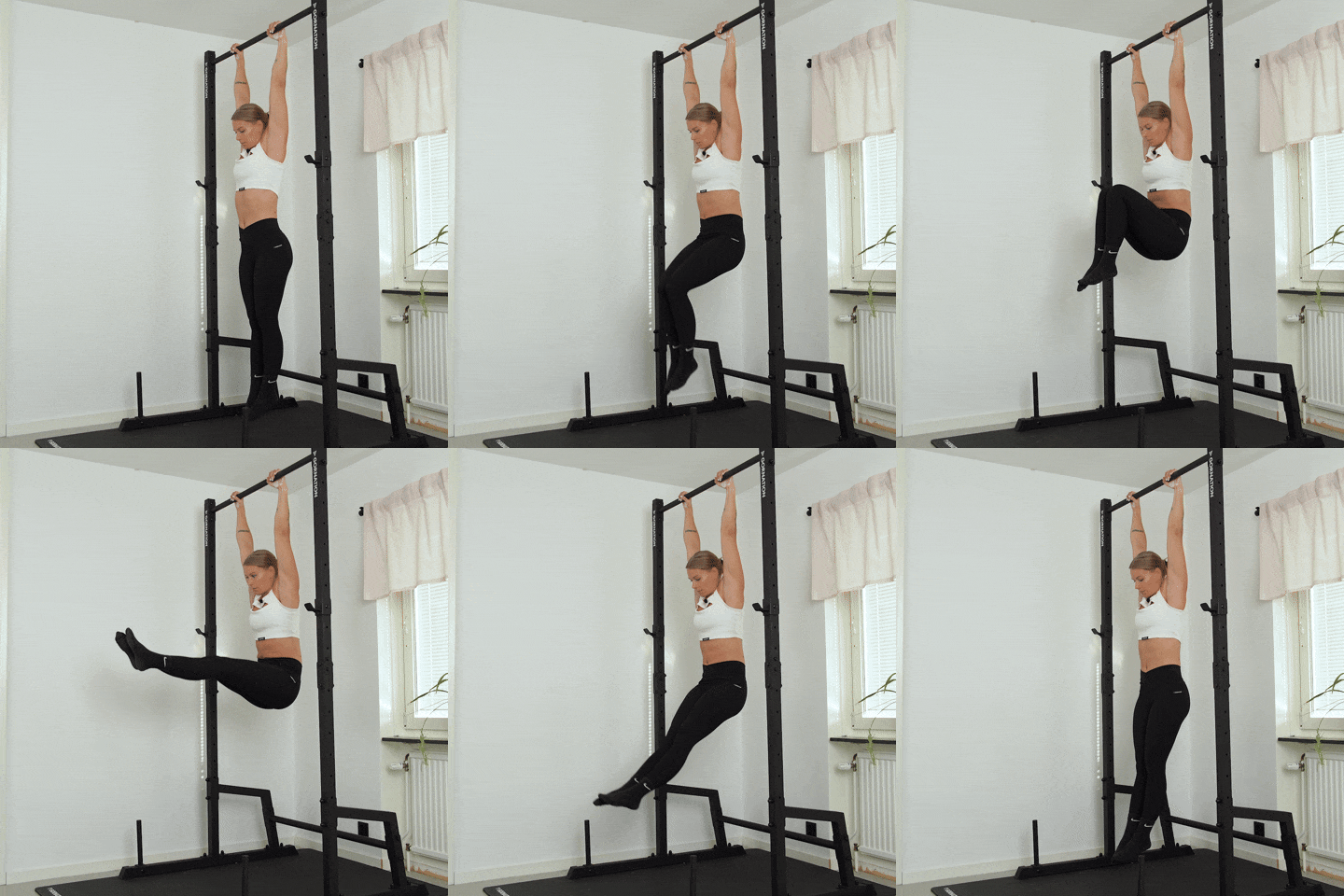
How to Do Negative Hanging Leg Raises
1. Grip the Bar and Hang
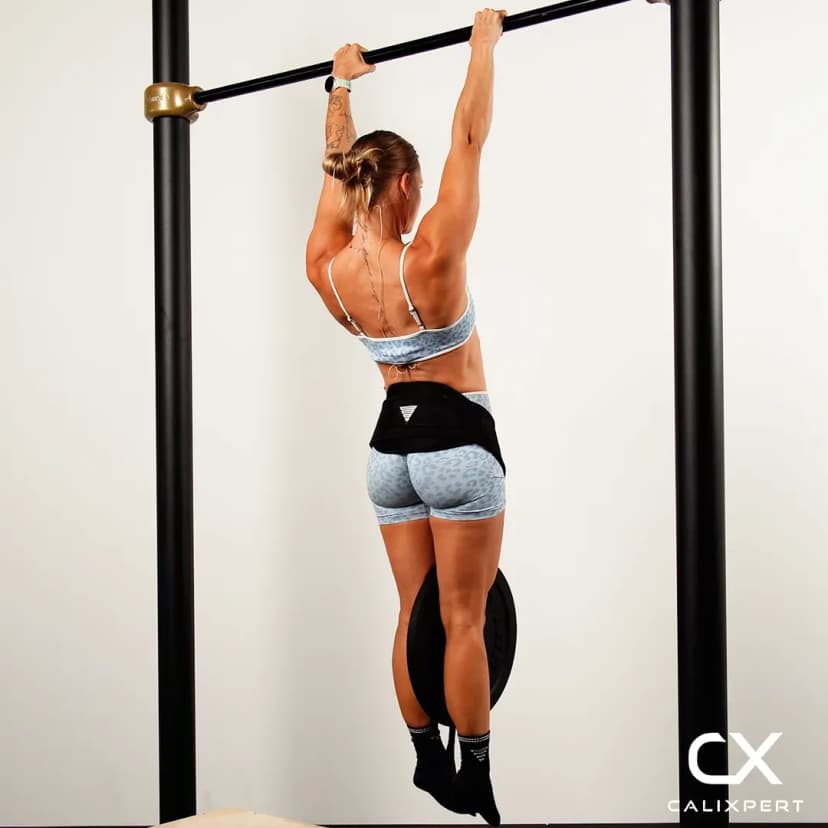
Grab a pull-up bar with an overhand grip at shoulder width. Wrap your thumbs fully around the bar and let your body hang with arms fully extended. Engage your shoulders by pulling them slightly down and away from your ears. Your body should be still with no swing before you begin.
Dead hang, no swing
2. Scoop the Knees Up
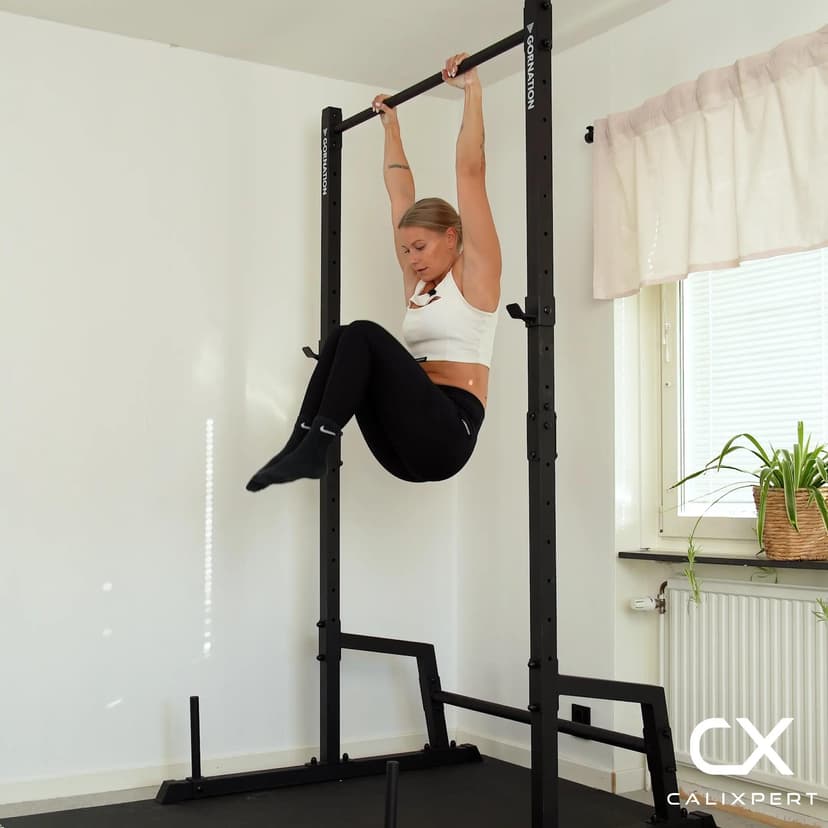
Lift your knees up toward your chest by tilting the pelvis forward, almost like scooping your hips underneath you. Do not arch your lower back to swing the legs up. The knees should travel in front of your body, not close to it, keeping the lower back slightly rounded throughout the lift.
Scoop the hips, do not arch
3. Extend the Legs Out
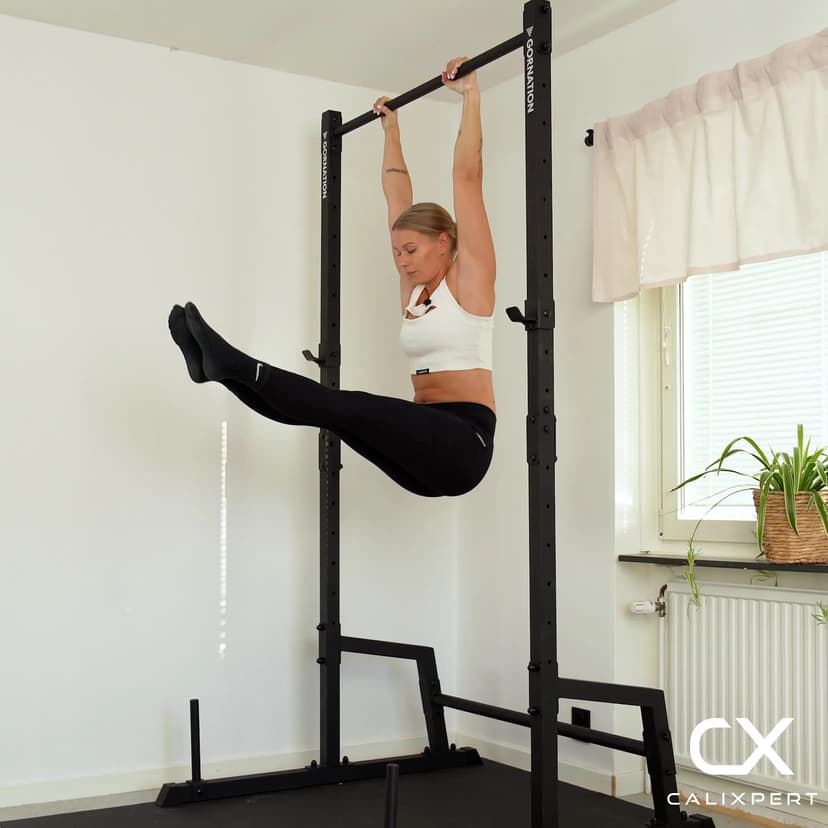
From the knees-up position, slowly straighten both legs until they are fully extended in front of you. Keep your core braced and your pelvis tilted forward as you extend. If you feel your lower back pulling into an arch, stop the extension at that point until you build more control.
Straighten from the knees, stay braced
4. Lower Legs Slowly With Control
This is the main working phase. Lower your straight legs toward the ground as slowly as you can, resisting gravity the entire way down. Aim for a 4 to 6 second descent on every rep. Keep your core tight and your body still, preventing any rocking or swinging as the legs descend.
Fight gravity, 5-second descent
5. Reset at the Bottom
Once your legs reach full extension below you, pause briefly in the dead hang position. Re-engage your shoulders and confirm your body is completely still before beginning the next rep. Never rush into the next rep with residual swing.
Full stop before the next rep
Most people treat the lowering phase as the part between reps instead of the actual exercise. Flip that mindset. The scoop and extension are just setup, the slow descent is where all the strength gets built. If you can lower your legs in under 3 seconds, the weight is too light for you, meaning you need to add a pause or slow down further. Control the negative and the full version of the exercise will come much faster.
Muscles Worked During Negative Hanging Leg Raises
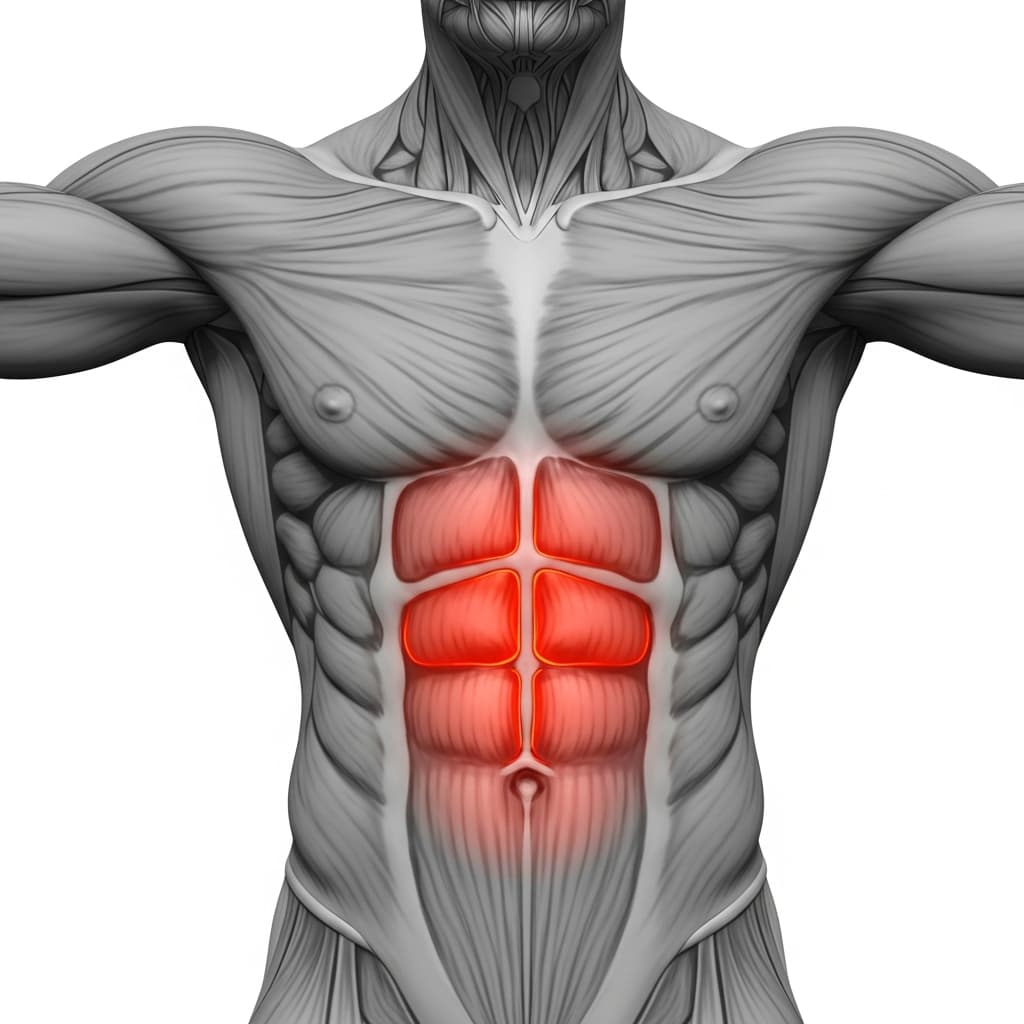
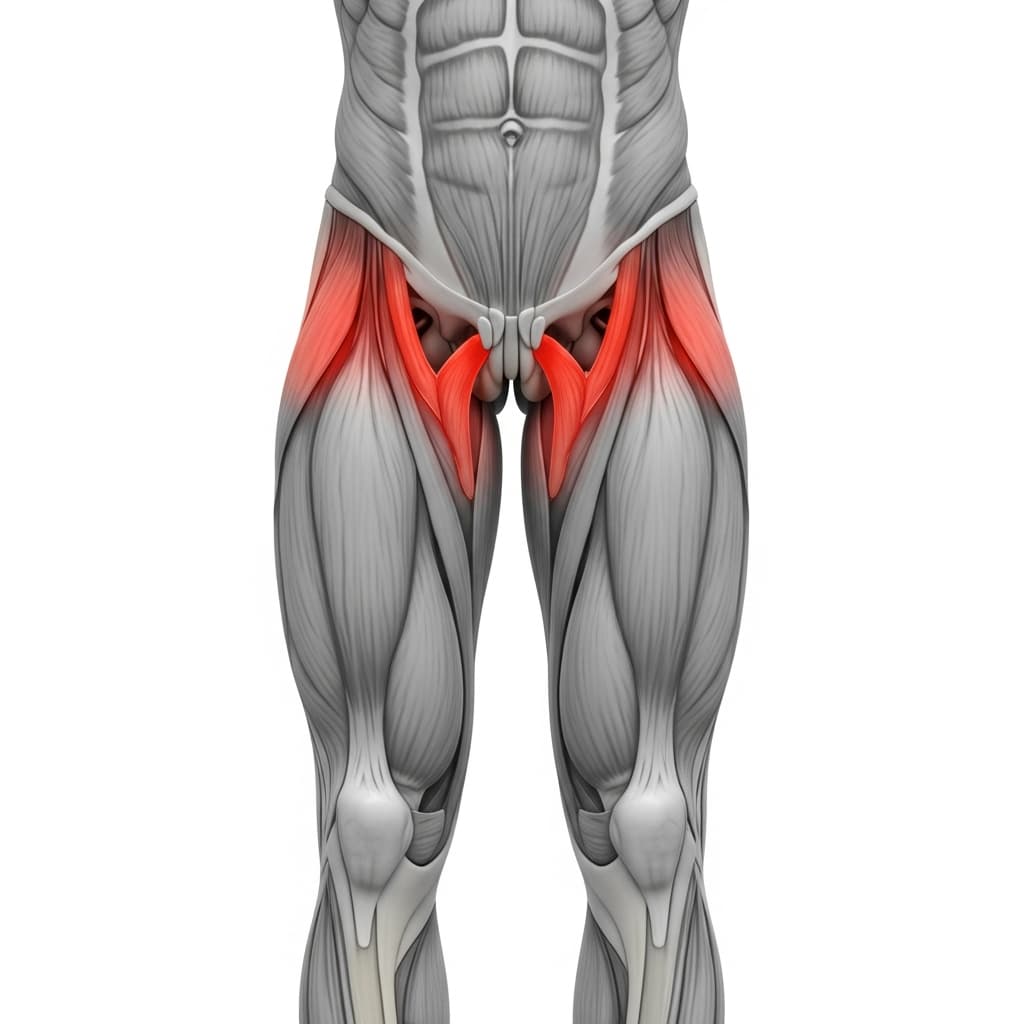
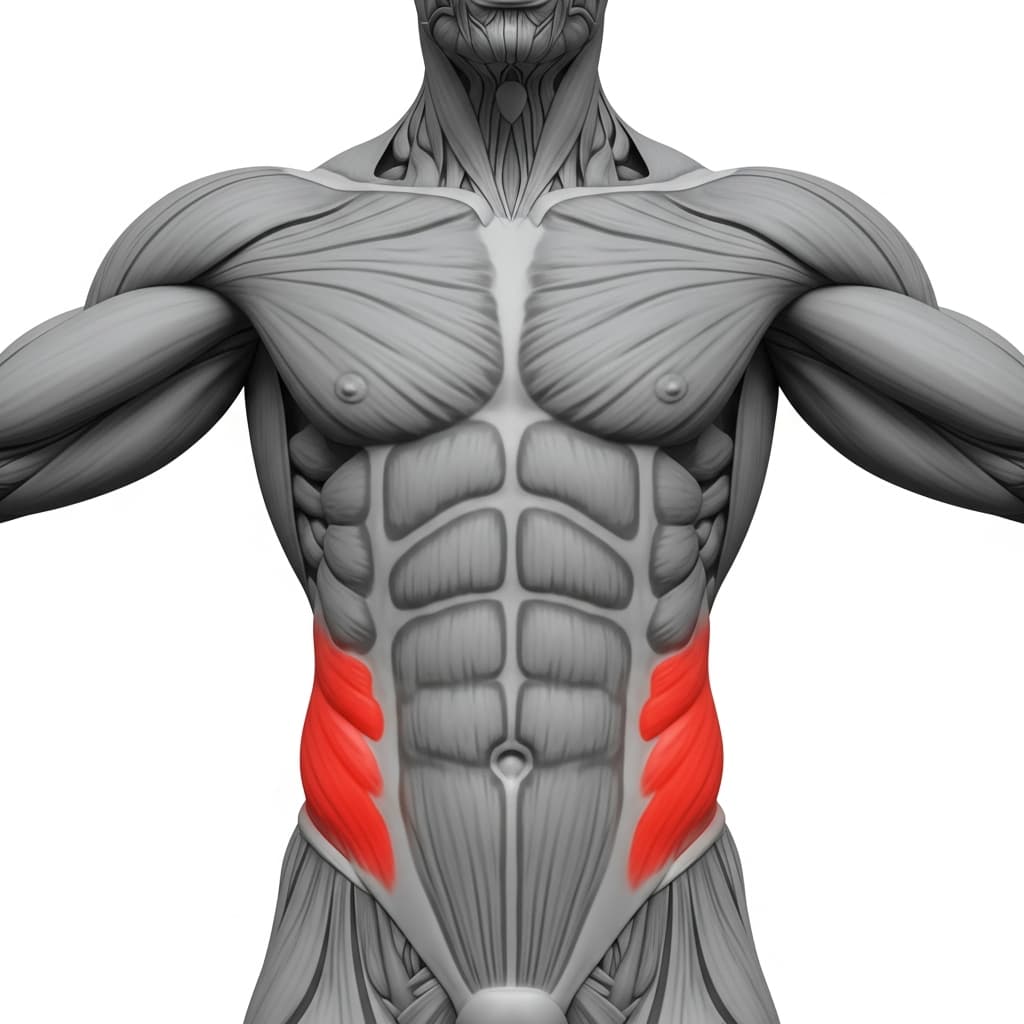
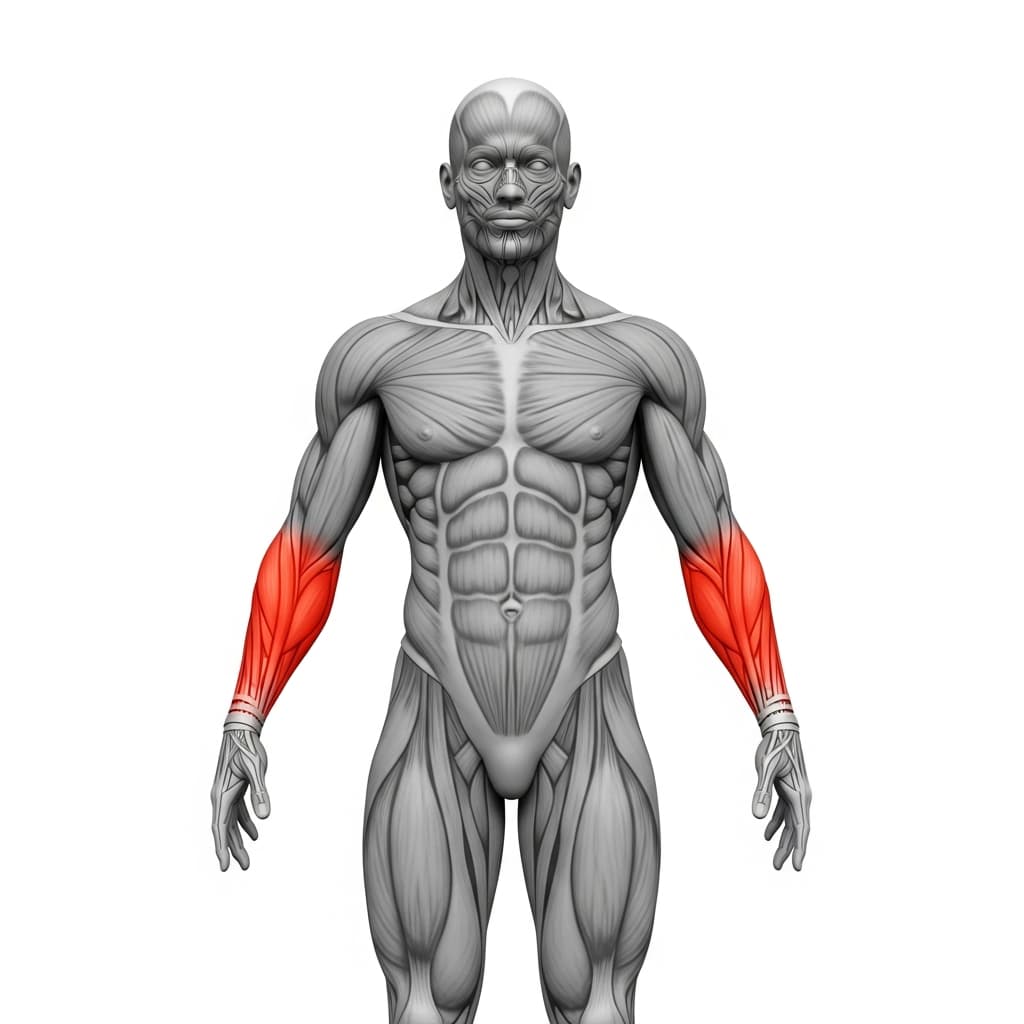
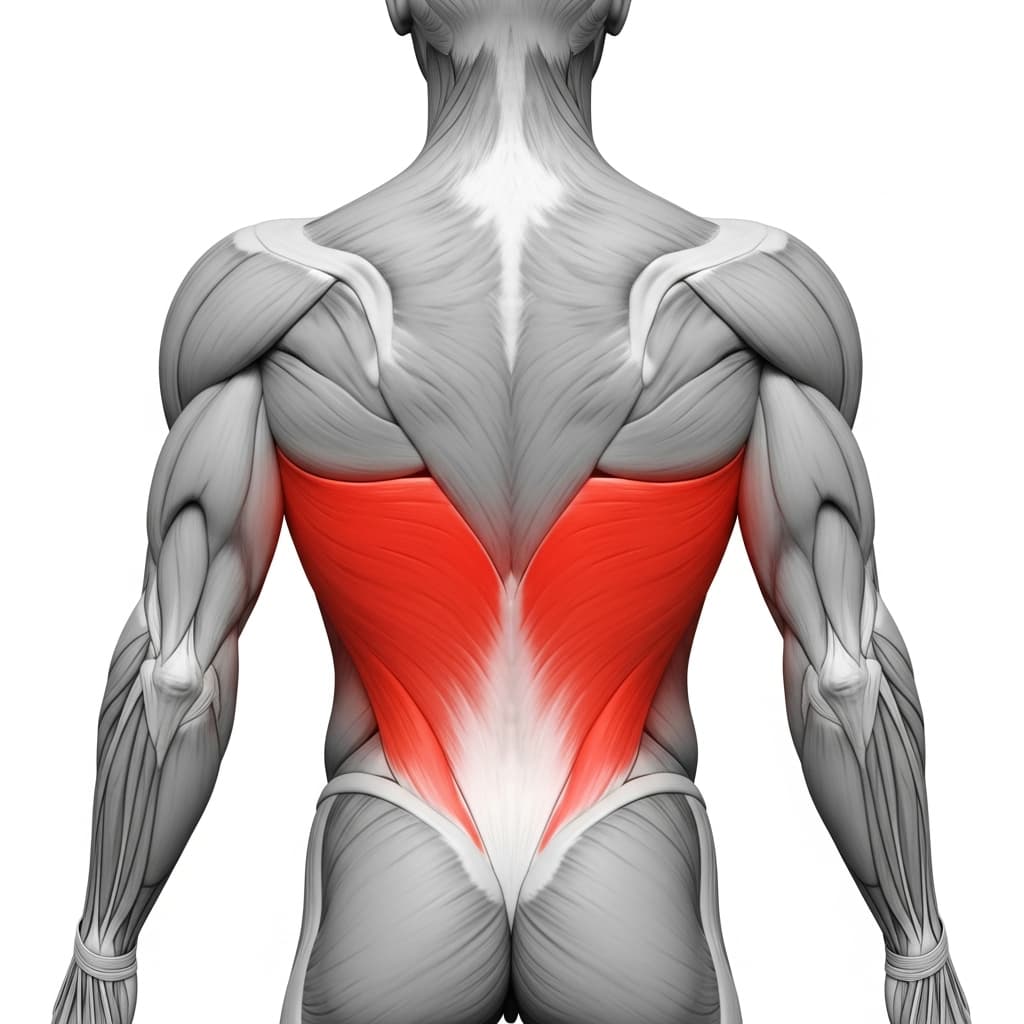
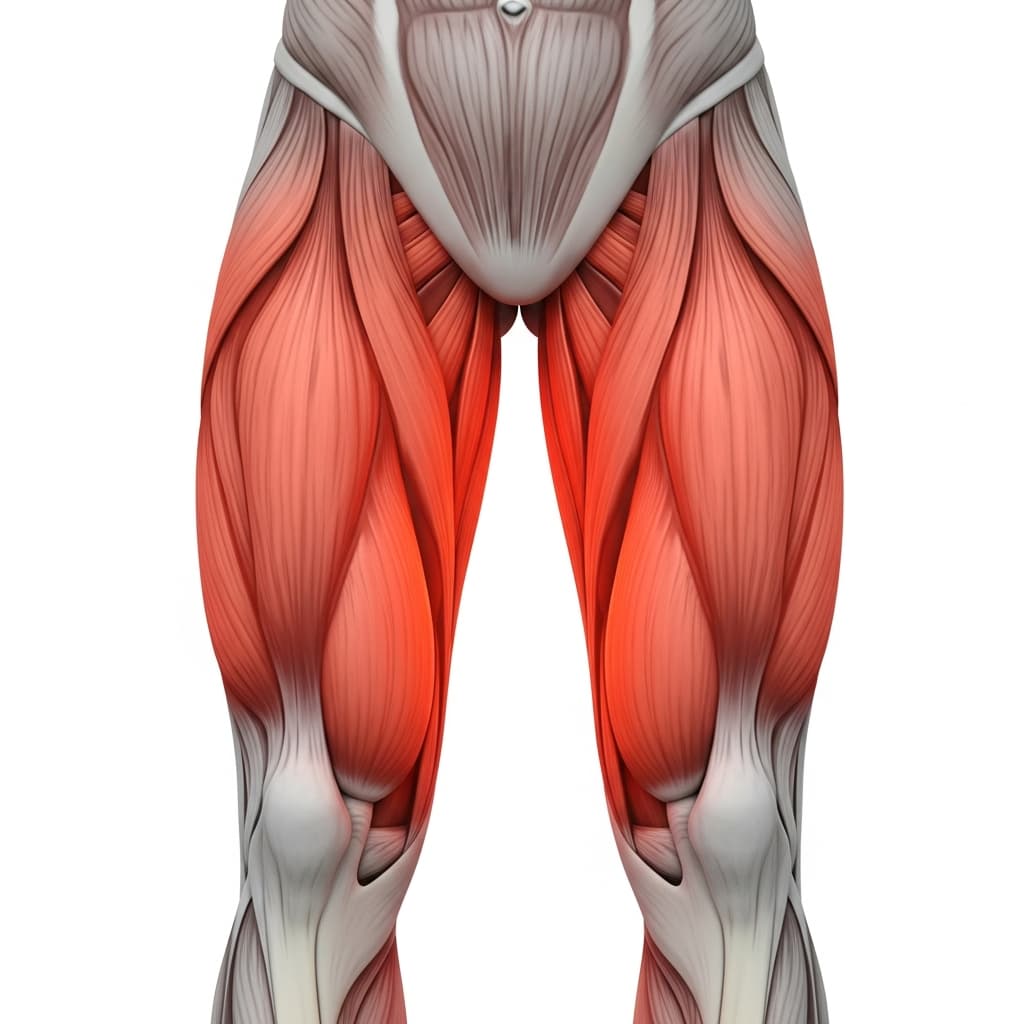
Primary Muscles
Rectus Abdominis (Abs) - The rectus abdominis contracts eccentrically to resist gravity and control the speed of the leg descent throughout the entire lowering phase.
Iliopsoas (Hip Flexors) - The hip flexors drive the initial knee lift and leg extension at the top, then work eccentrically alongside the abs to decelerate the legs on the way down.
Secondary Muscles
Obliques (Obliques) - The obliques stabilize the torso and prevent lateral rotation or tilting as the legs lower, keeping the movement in a straight vertical plane.
Forearm Flexors & Extensors (Forearms) - The forearm flexors maintain grip on the bar for the entire duration of each rep, working under sustained isometric load as time under tension accumulates.
Latissimus Dorsi (Lats) - The lats stabilize the shoulder joint and prevent the body from swinging forward as the legs move through their arc during the lift and descent.
Quadriceps (Quads) - The quadriceps hold the knees in full extension during the straight-leg lowering phase, maintaining the long lever arm that loads the core.
Benefits of Negative Hanging Leg Raises
- Builds eccentric abdominal strength through a full range of motion, which is harder to develop than concentric strength and critical for advanced core skills
- Develops the hip flexor control and compression strength needed for L-sits, front levers, and toes-to-bar progressions
- Strengthens grip endurance and shoulder stability under sustained load, since every rep adds time under tension on the bar
- Teaches the posterior pelvic tilt under load, a movement pattern that protects the lower back and transfers directly into strict hanging leg raises
Who Is This Exercise For?
You should be able to hold a dead hang for at least 20 seconds and perform 8 to 10 controlled hanging knee raises before attempting negative hanging leg raises. If your grip fails before your core does, or if you cannot raise your knees to chest height without swinging, spend more time building grip endurance and basic hanging knee raise control first.
Common Mistakes to Avoid
Arching the lower back on the knee lift: Tilt your pelvis forward and scoop the knees in front of your body, not close to your torso. If you feel your lower back pulling into extension, you are using momentum instead of your abs.
Dropping the legs instead of lowering them: The entire value of this exercise is in the slow, controlled descent. If you cannot maintain at least a 3-second lowering phase, reduce the range of motion or bend your knees during the negative until you build the eccentric strength.
Swinging the body to generate momentum: Start every rep from a completely still dead hang. If your body is swinging, pause and let the movement settle before lifting your knees again.
Losing grip before the core fatigues: If your hands give out first, your grip is the bottleneck. Use chalk or wrist straps temporarily while you build forearm endurance with separate dead hang holds.