Laying Leg Raises
Laying leg raises are a foundational core exercise in calisthenics that targets the abs and hip flexors by lowering and raising extended legs while lying flat on your back. The critical technique element is maintaining constant contact between the lower back and the floor, which forces the abdominals to work through their full anti-extension function rather than letting momentum take over. Performed with strict control, laying leg raises build the lower abdominal strength and body tension required for L-sits, front levers, and virtually every gymnastics hold in calisthenics.
Laying leg raises are a foundational core exercise in calisthenics that targets the abs and hip flexors by lowering and raising extended legs while lying flat on your back. The critical technique element is maintaining constant contact between the lower back and the floor, which forces the abdominals to work through their full anti-extension function rather than letting momentum take over. Performed with strict control, laying leg raises build the lower abdominal strength and body tension required for L-sits, front levers, and virtually every gymnastics hold in calisthenics.
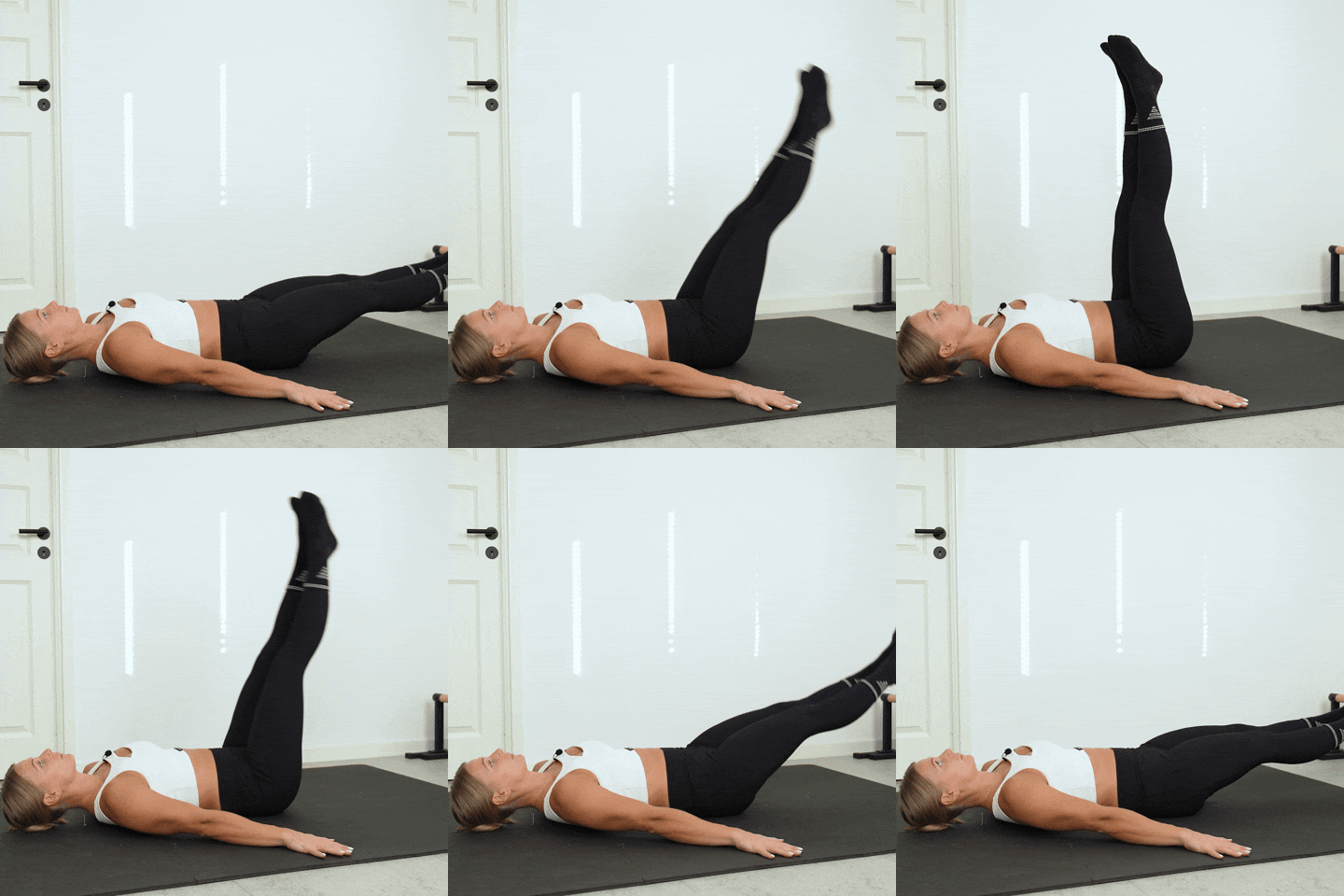
How to Do Laying Leg Raises
1. Lie Down and Set Your Base
Lie flat on your back on a mat with your arms at your sides and palms facing down. Press your lower back firmly into the floor by drawing your belly button toward your spine. This pelvic tilt is the foundation of the entire movement and must be maintained from the first rep to the last.
Lower back glued to the floor
2. Extend Legs to Start Position
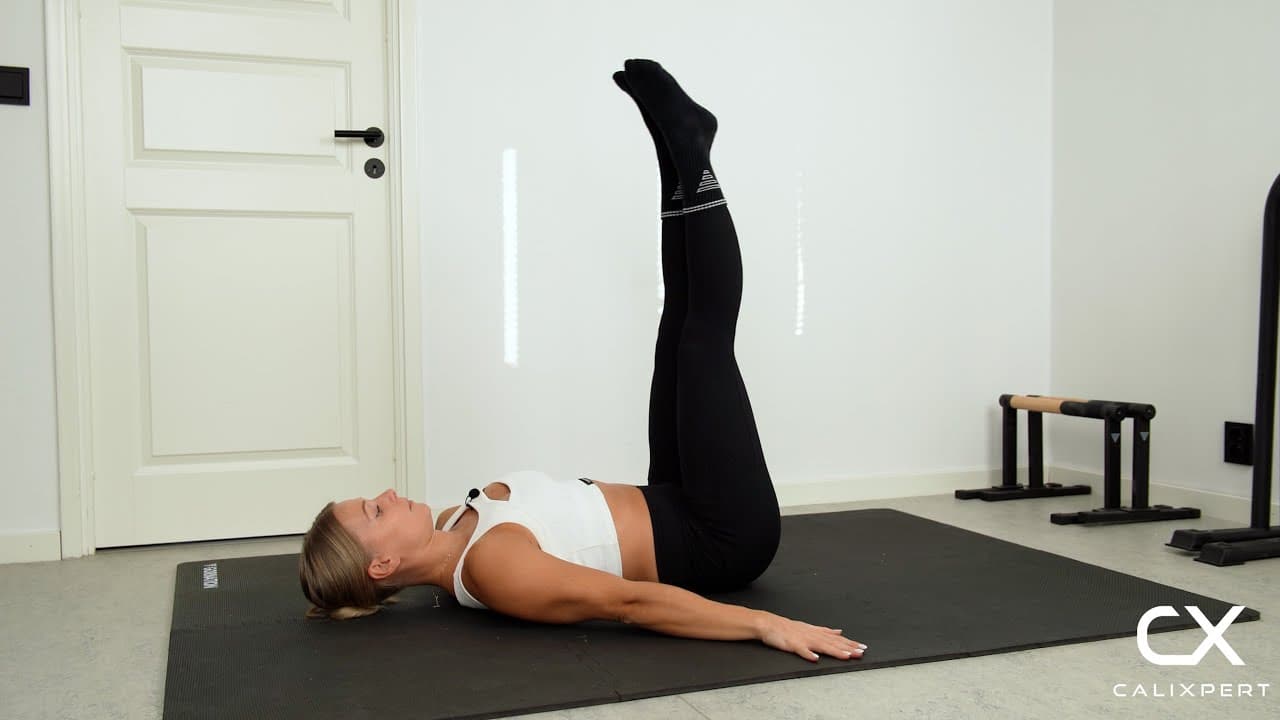
Raise both legs together until they point straight toward the ceiling, keeping your knees fully locked out. Your legs should be perpendicular to the floor with your toes pointed or pulled back, whichever feels more natural. Confirm your lower back is still pressed flat before beginning the descent.
Legs straight, knees locked, back flat
3. Lower Your Legs Under Control
Slowly lower both legs toward the floor in a controlled arc, keeping them straight and together. The tempo should take at least 3 seconds from top to bottom. Focus on resisting gravity with your abs rather than simply letting your legs fall.
Slow and controlled, never drop
4. Stop Before Your Back Lifts
Lower your legs only as far as you can while keeping your lower back in full contact with the floor. The moment you feel your lower back start to peel off the mat, that is your current end range. For some people this will be a few inches off the floor, for others it will be at a 30 or 45 degree angle. Both are correct as long as the back stays down.
Back lifts, you went too low
5. Drive Legs Back to the Top
Reverse the movement by contracting your abs and pulling your legs back to the vertical starting position. Suck your belly in as you lift to reinforce the lower back contact with the floor. Pause briefly at the top with your legs perpendicular before beginning the next rep.
Belly in, legs up, reset
Most people chase full range of motion on this exercise and end up training their hip flexors with a hyperextended back instead of their abs. The real skill is finding the exact depth where your lower back is about to lift and stopping right there. That is your honest working range. As your core gets stronger, that range will naturally increase, and your abs will actually be the muscles doing the work.
Muscles Worked During Laying Leg Raises
Primary Muscles:
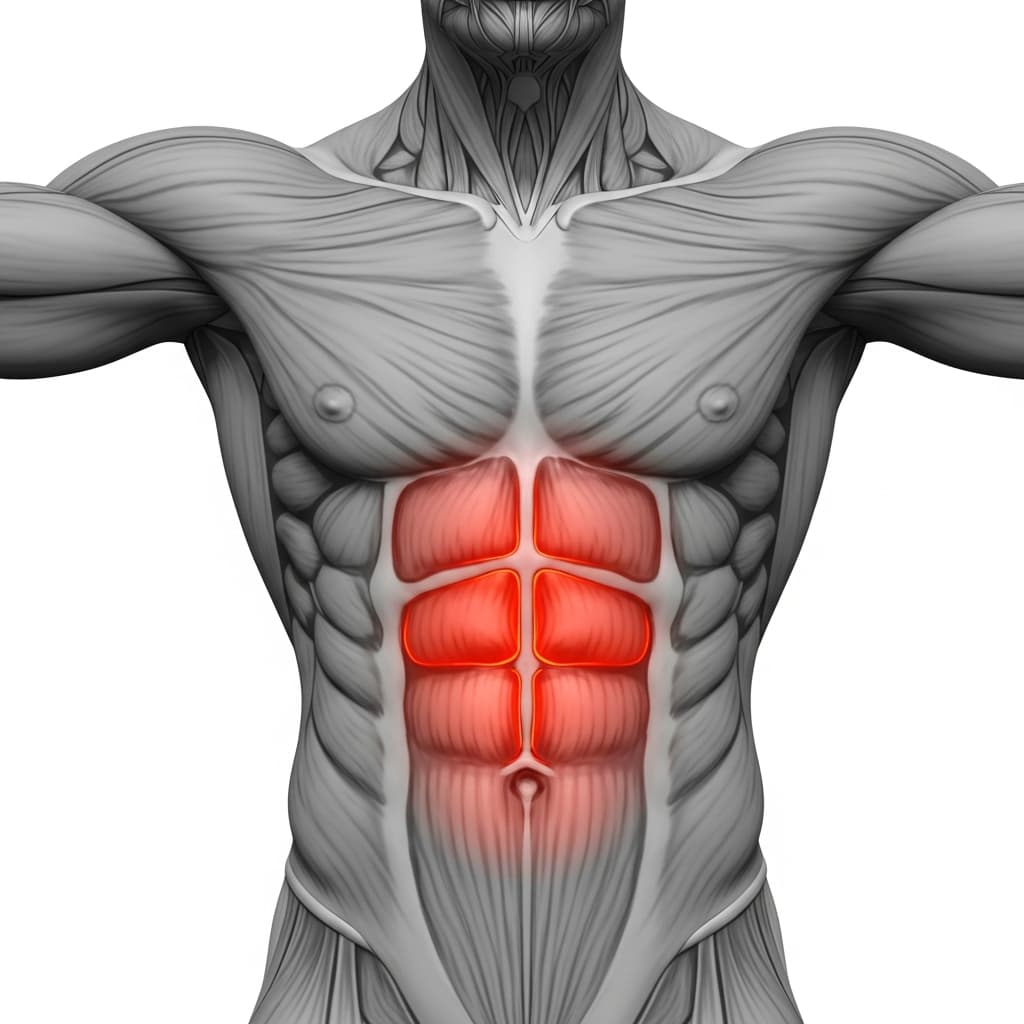
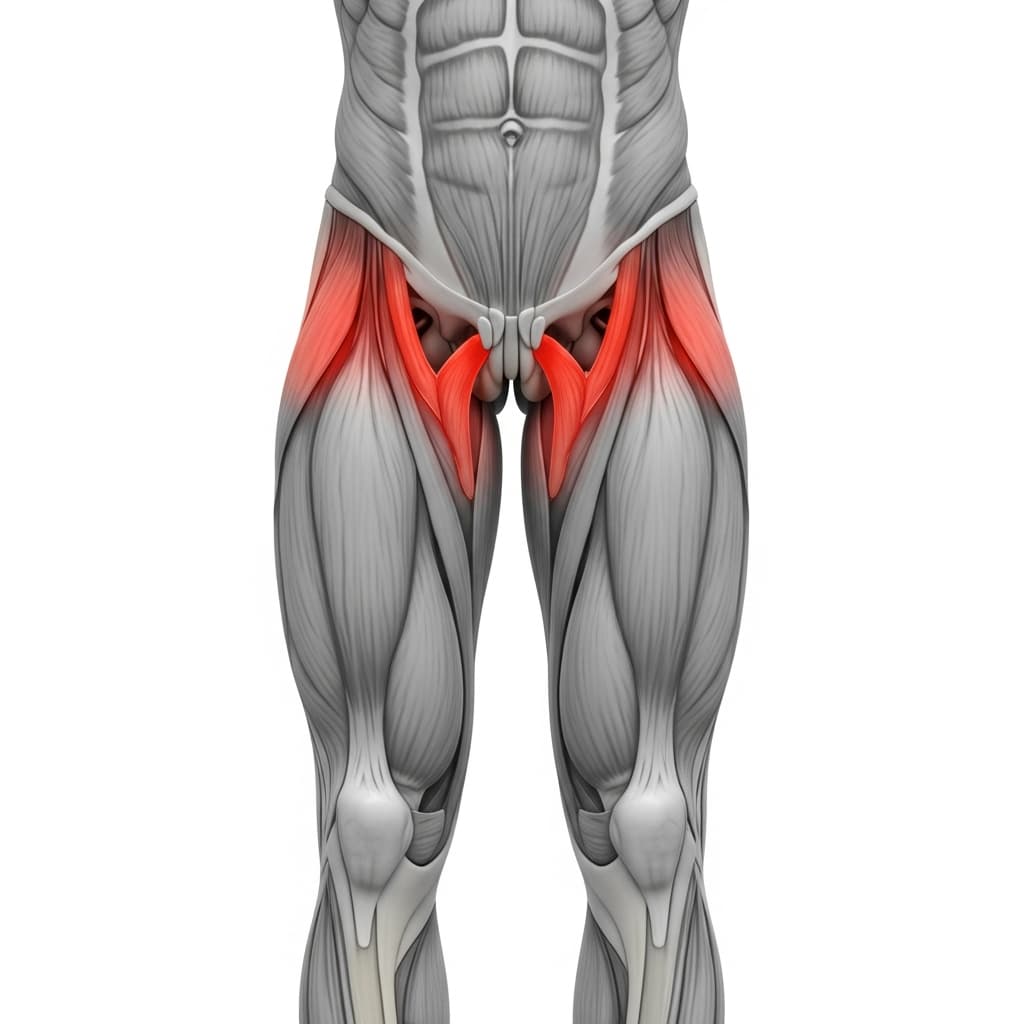
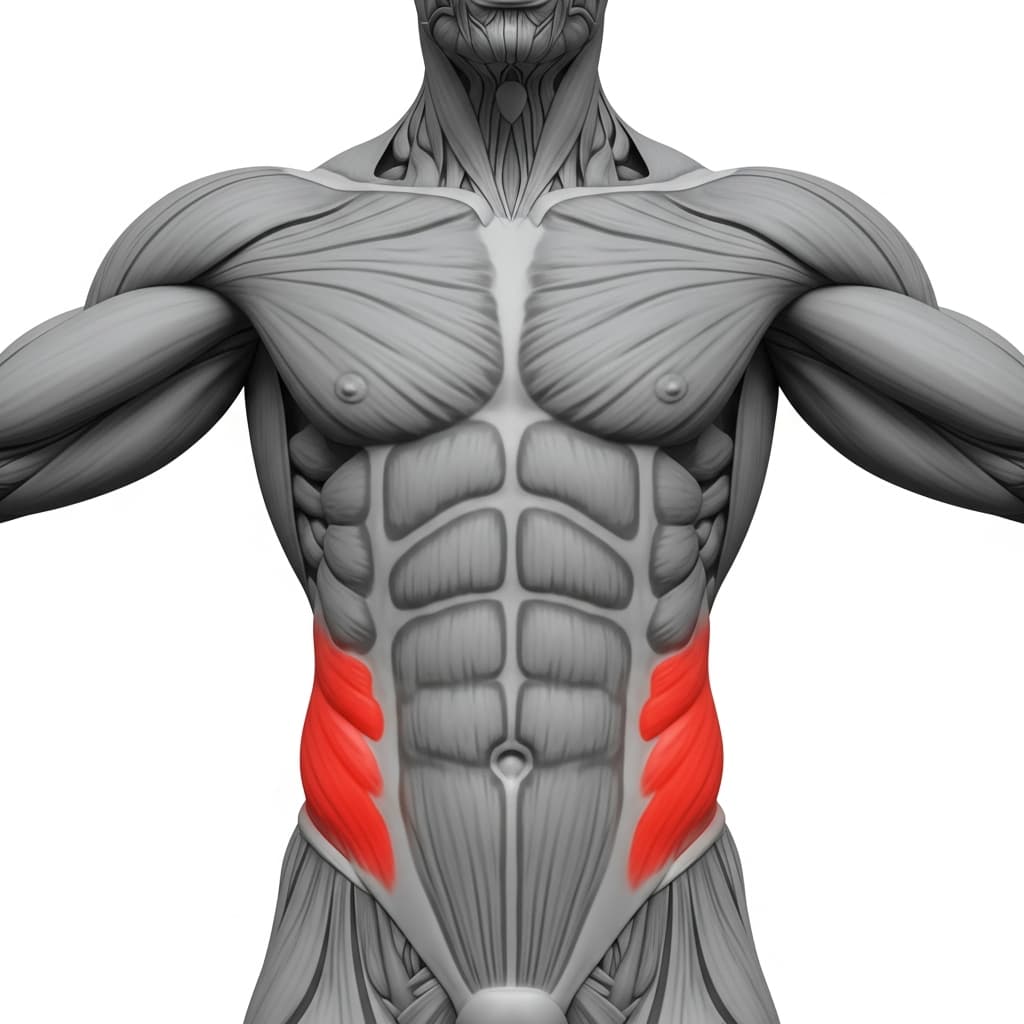
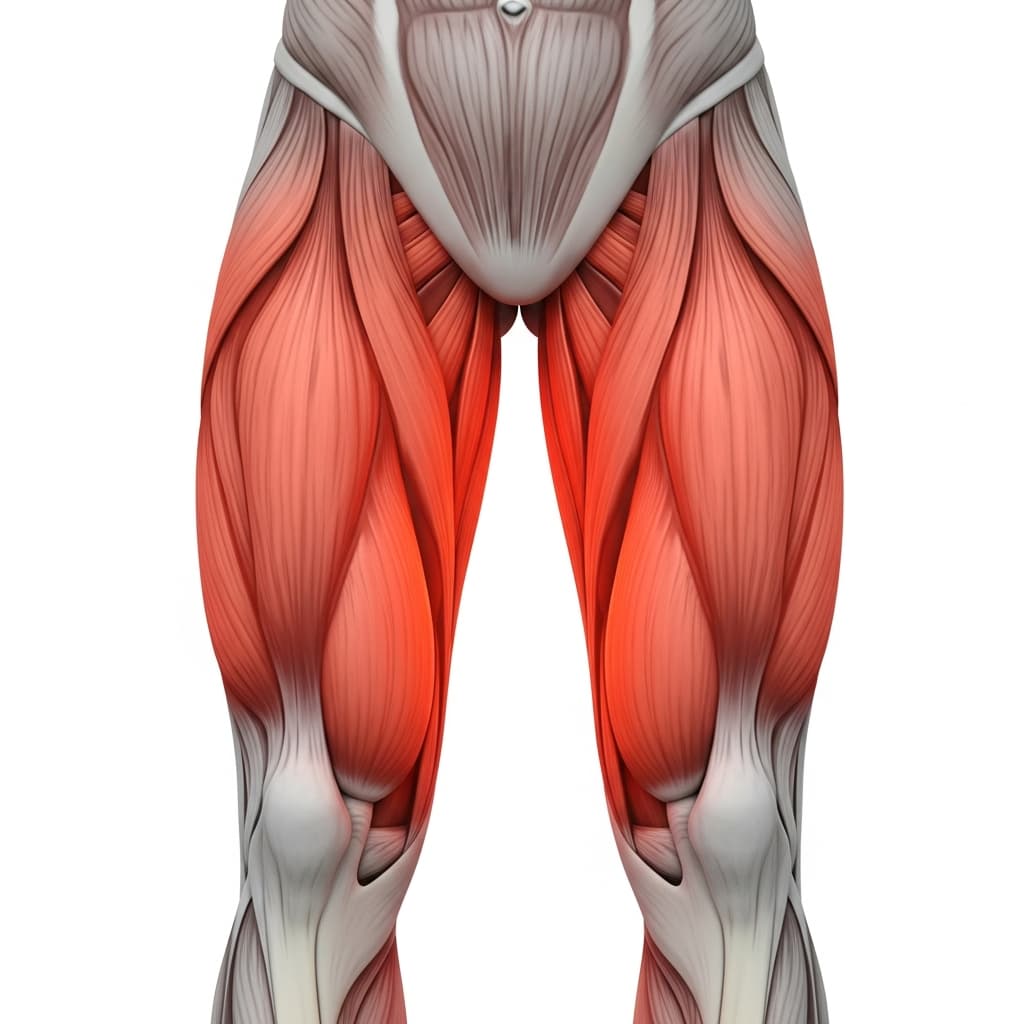
Primary Muscles
Rectus Abdominis (Abs) - The rectus abdominis works isometrically to keep the lower back pressed flat against the floor and contracts concentrically to curl the pelvis slightly as the legs rise back to the top position.
Iliopsoas (Hip Flexors) - The iliopsoas and rectus femoris generate the force to lift and control the legs through the full arc of the movement, working hardest in the bottom range where the lever arm is longest.
Secondary Muscles
Obliques (Obliques) - The internal and external obliques stabilize the pelvis and trunk laterally, preventing any rotation or side-to-side shift as both legs move together through the range of motion.
Quadriceps (Quads) - The quadriceps contract isometrically to maintain full knee extension, keeping the legs straight and maximizing the lever arm throughout the lowering and lifting phases.
Benefits of Laying Leg Raises
- Builds lower abdominal strength and control that transfers directly to L-sits, front levers, and hollow body holds in calisthenics
- Develops anti-extension endurance in the core, training the abs to resist spinal arching under load, which protects the lower back during heavy compound movements
- Strengthens the hip flexors through a full range of motion, improving active leg lift capacity for skills like V-sits and press to handstand
- Requires zero equipment and can be performed anywhere with a flat surface, making it one of the most accessible core exercises for any training environment
Who Is This Exercise For?
You should be able to hold a hollow body position on the floor for at least 15 seconds with your lower back fully pressed into the ground before attempting laying leg raises. If your lower back lifts off the floor when your legs drop below 45 degrees, work on dead bugs and bent-knee leg raises until you build enough core control to keep the back flat through a larger range of motion.
Common Mistakes to Avoid
Letting the lower back arch off the floor: Press your lower back into the mat before every set and maintain that contact throughout. If your back lifts, you are lowering your legs past your current ability. Reduce the range of motion until your core is strong enough to control the full descent.
Bending the knees during the descent: Lock your knees out completely and keep them straight through the entire range of motion. Bending the knees shortens the lever arm and reduces the demand on the abs, turning the exercise into a much easier movement than intended.
Using momentum to swing legs up: Start each rep from a dead stop and lift with abdominal contraction only. If you need to swing or jerk to get your legs back up, lower them to a shallower depth where you can still control the return under strict form.
Holding the breath throughout the rep: Exhale as you raise your legs and inhale during the lowering phase. Controlled breathing helps maintain intra-abdominal pressure and keeps the core engaged without creating unnecessary tension in the neck and shoulders.
Variations & Progressions
Bent-knee leg raises
Perform the same movement but with your knees bent at roughly 90 degrees. This shortens the lever arm and significantly reduces the load on the abs, making it ideal for building the baseline strength needed for the full straight-leg version.
Weighted laying leg raises
Hold a light dumbbell or ankle weights on your feet while performing the movement with straight legs. The added load increases time under tension for the abs and hip flexors, making each rep substantially harder without changing the technique.
Laying leg raises with hip lift
At the top of each rep, continue lifting your hips off the floor and pressing your feet toward the ceiling. This added hip lift increases the peak contraction of the lower abs and trains the reverse crunch pattern in the same movement.