Box Walks
Box walks are a shoulder-loading progression exercise in calisthenics where you walk your hands from a high plank position into an inverted L-shape with your feet elevated on a box, targeting the front deltoids, serratus anterior, upper traps, and core through increasing overhead load. The movement teaches you to stack your shoulders over your wrists while managing bodyweight in a partially inverted position, which is the exact demand of a handstand. Trained consistently with proper form, box walks build the pressing strength, shoulder stability, and body awareness that transfer directly into wall walks and freestanding handstand work.
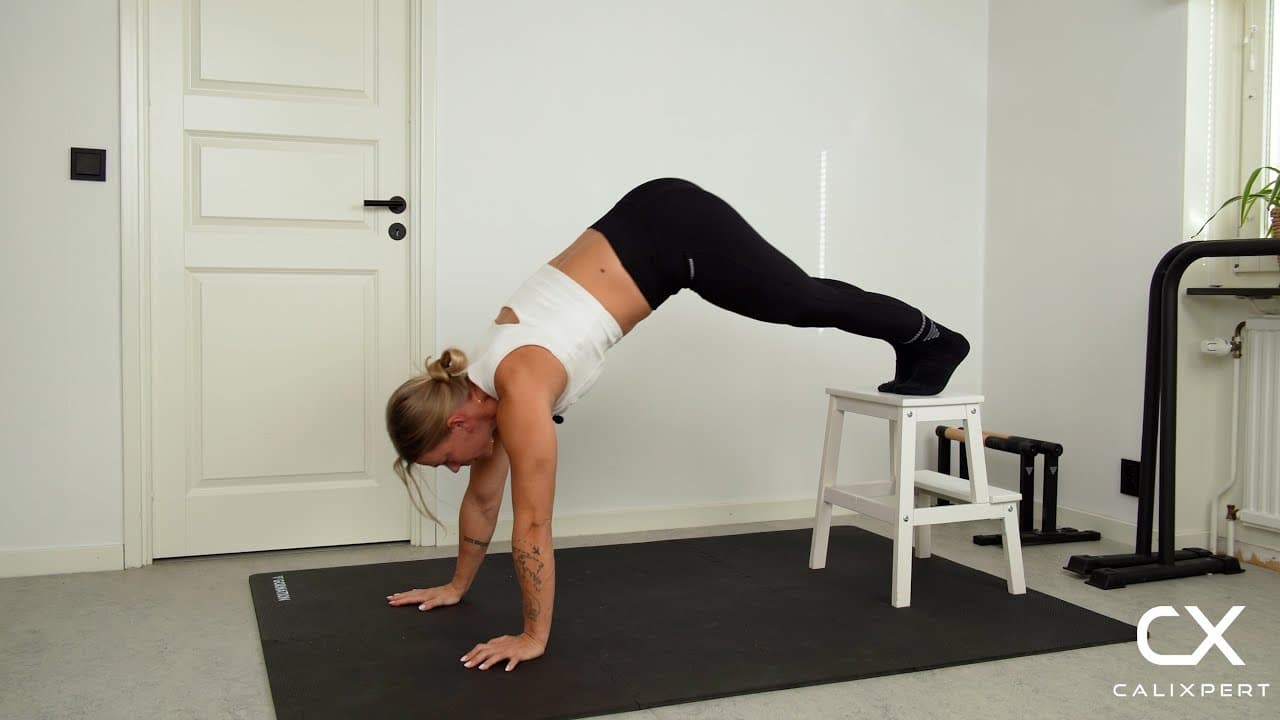
Box walks are a shoulder-loading progression exercise in calisthenics where you walk your hands from a high plank position into an inverted L-shape with your feet elevated on a box, targeting the front deltoids, serratus anterior, upper traps, and core through increasing overhead load. The movement teaches you to stack your shoulders over your wrists while managing bodyweight in a partially inverted position, which is the exact demand of a handstand. Trained consistently with proper form, box walks build the pressing strength, shoulder stability, and body awareness that transfer directly into wall walks and freestanding handstand work.
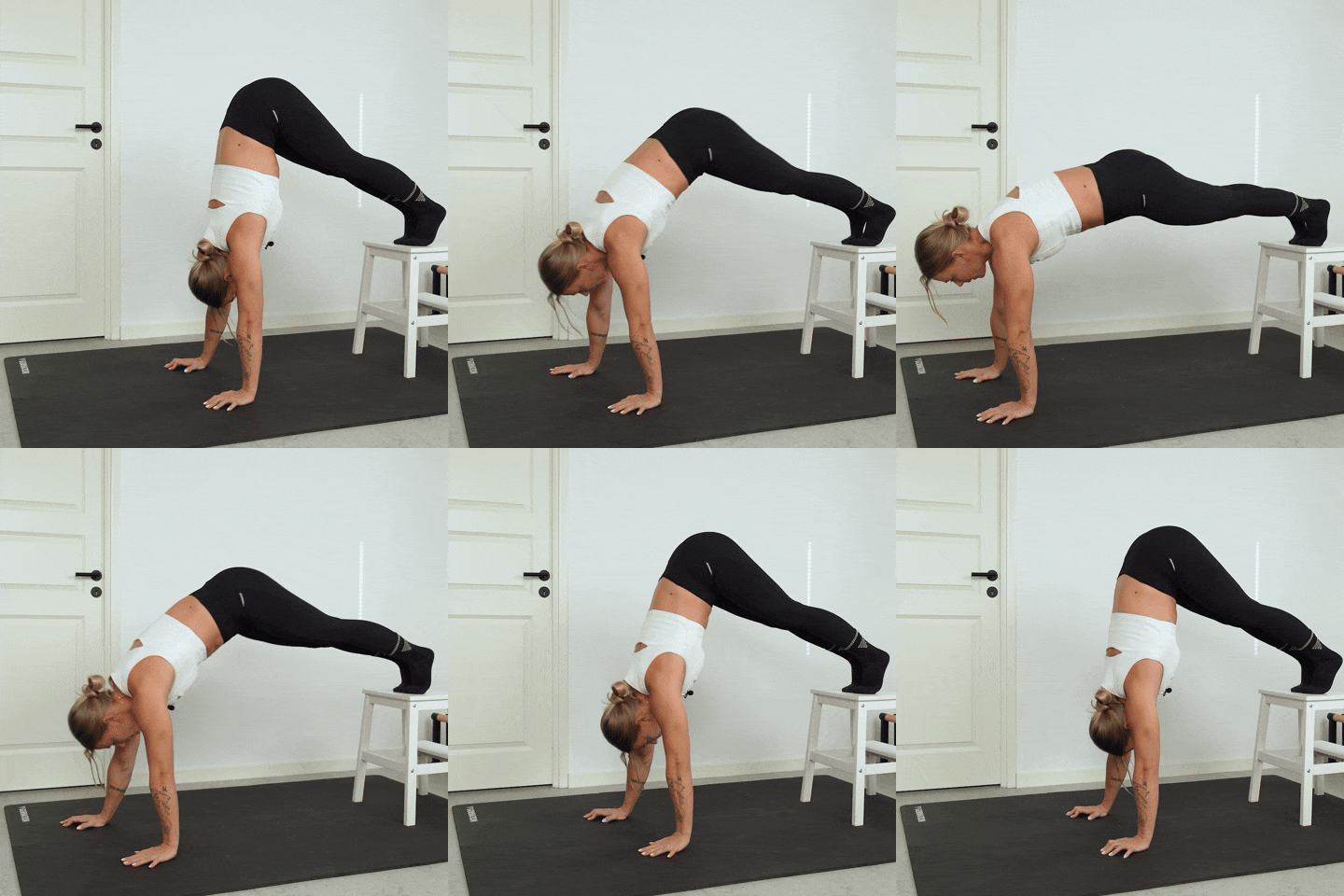
How to Do Box Walks
1. Set Up in High Plank
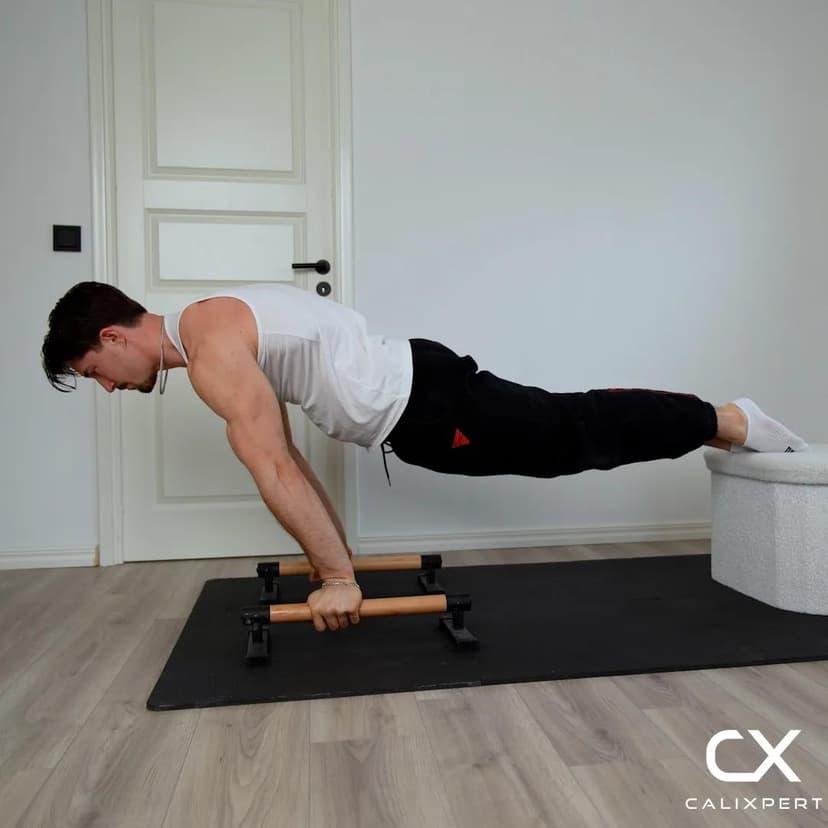
Place your feet on top of a sturdy box or stool and walk your hands out until your body forms a straight high plank. Your hands should be shoulder-width apart with fingers spread wide and pressing firmly into the floor. Engage your core, squeeze your glutes, and lock out your legs so there is full body tension from head to heels.
Tight plank, nothing sagging
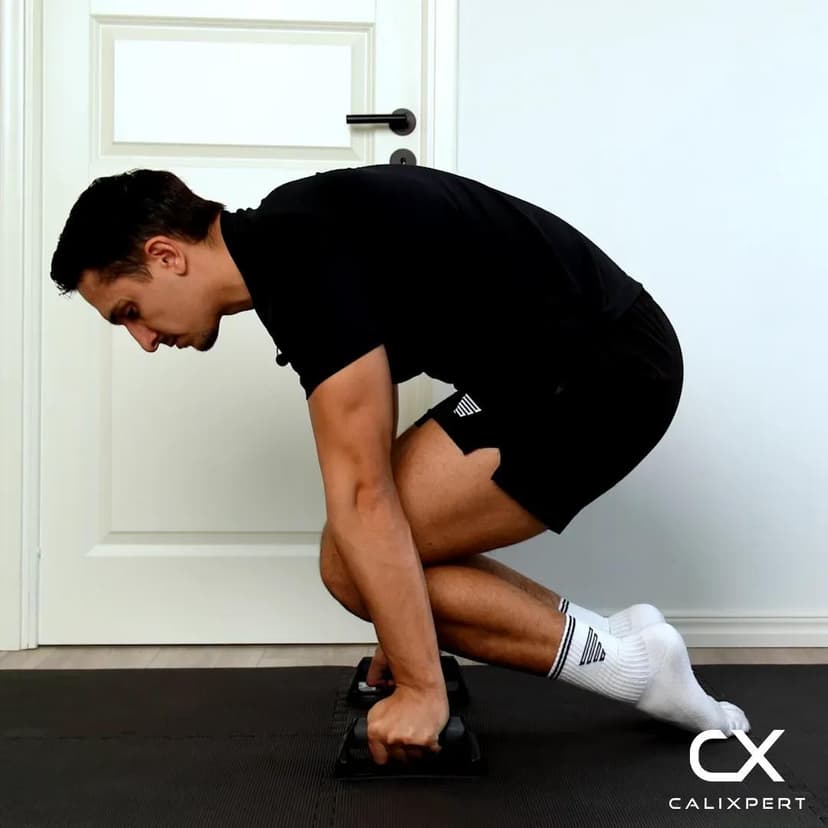
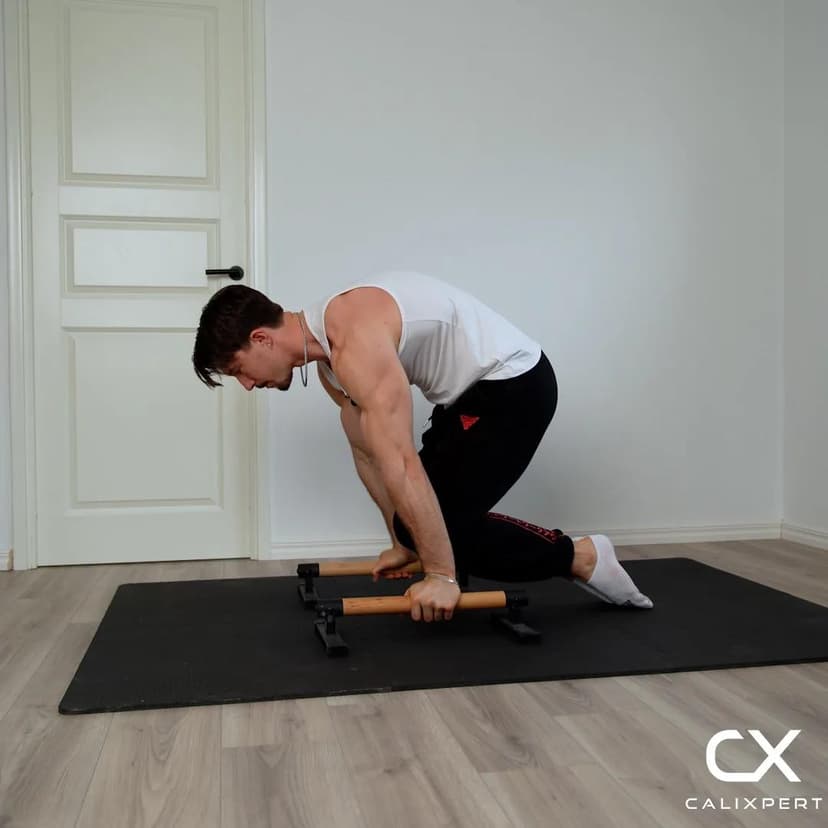
2. Walk Hands Toward the Box
Begin walking your hands backward toward the box in small, controlled steps. Keep your arms straight and your core braced as your hips begin to rise. Each hand step should be no more than a few inches, maintaining balance and control throughout the walk.
Small steps, stay controlled
3. Stack Hips Over Shoulders
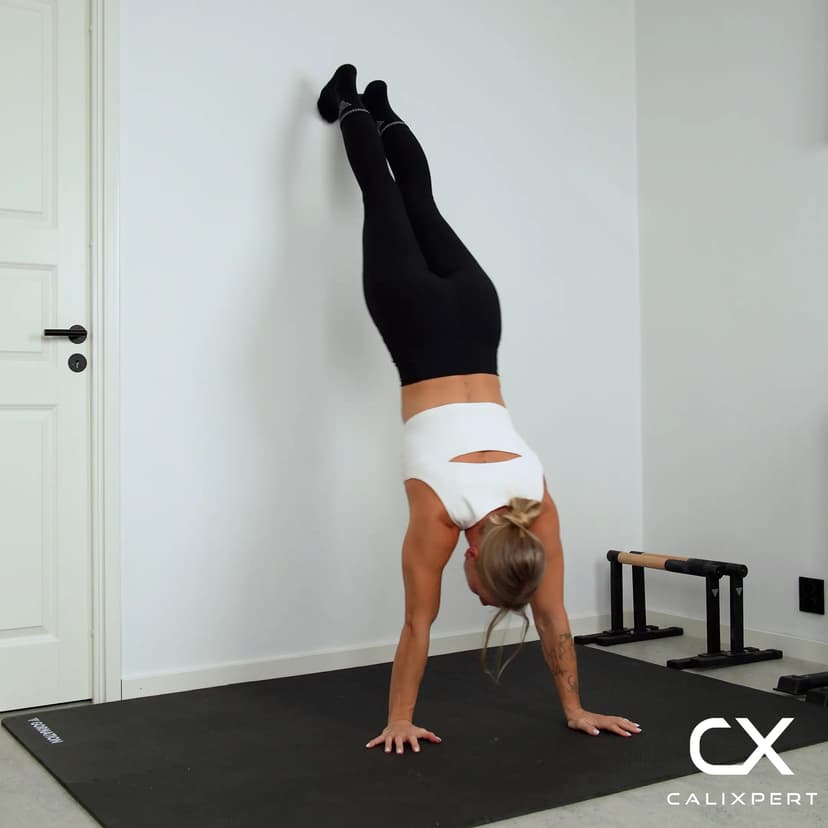
Continue walking in until your hips are directly above your shoulders and your torso is vertical, forming an inverted L-shape with your legs on the box. Push actively through your shoulders so your scapulae are fully protracted and elevated. Your head should be between your arms with your ears in line with your biceps.
Hips over shoulders, push the floor away
4. Hold the Top Position
Pause briefly at the top with your hips stacked and shoulders active. Maintain full body tension, keeping your core tight and your legs straight on the box. Breathe steadily and avoid letting your lower back arch or your ribs flare out.
Stay stacked, keep breathing
5. Walk Back Out to Plank
Reverse the movement by walking your hands forward in small, even steps. Lower your hips gradually back into the high plank position, maintaining the same level of tension and control you used on the way in. Do not let your hips drop suddenly or your shoulders collapse as you extend.
Same speed out as you walked in
Most people rush through box walks and miss the entire point of the exercise. The goal is not to get your hips overhead as fast as possible, it is to control every single hand step so your shoulders learn to stabilize under increasing load. Slow the walk down, push hard through the floor the entire time, and hold the top position for 2 to 3 seconds before walking back out.
Muscles Worked During Box Walks
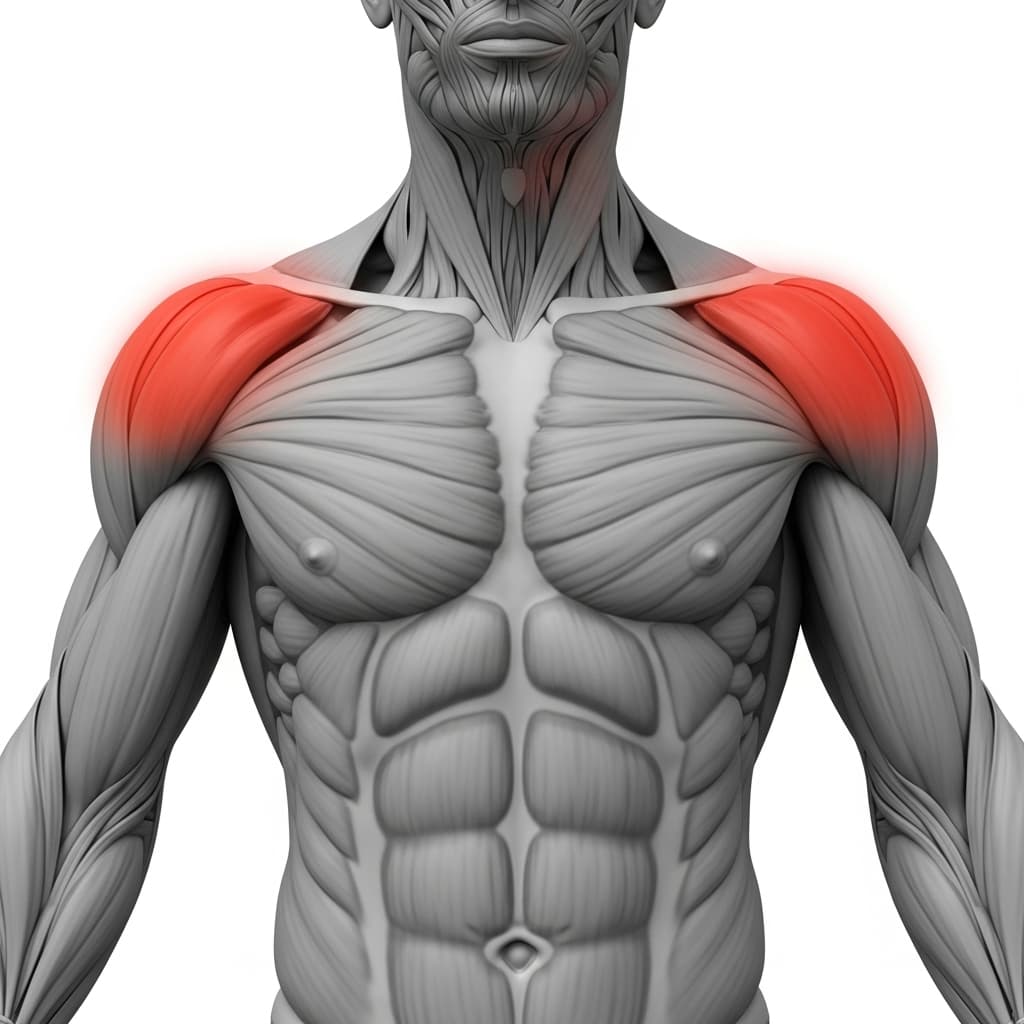
Primary Muscles:
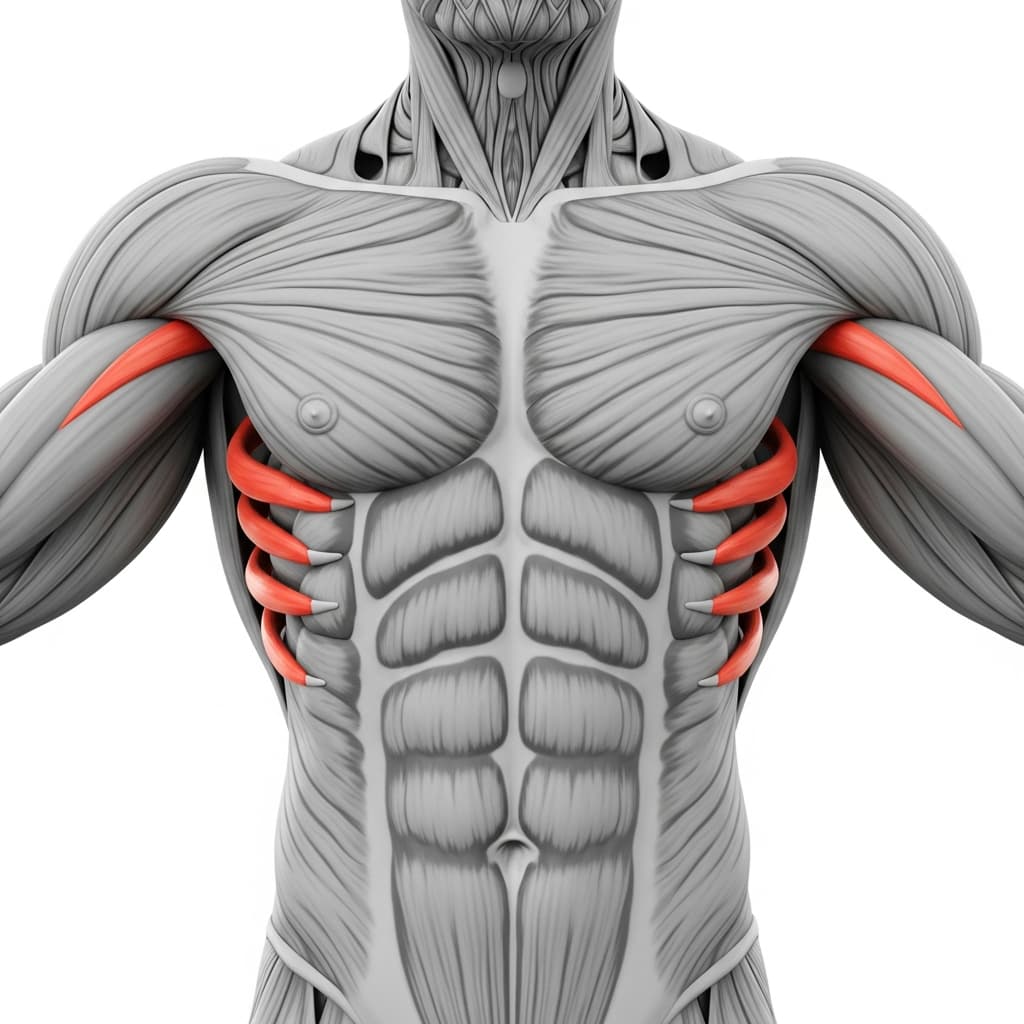
Secondary Muscles:
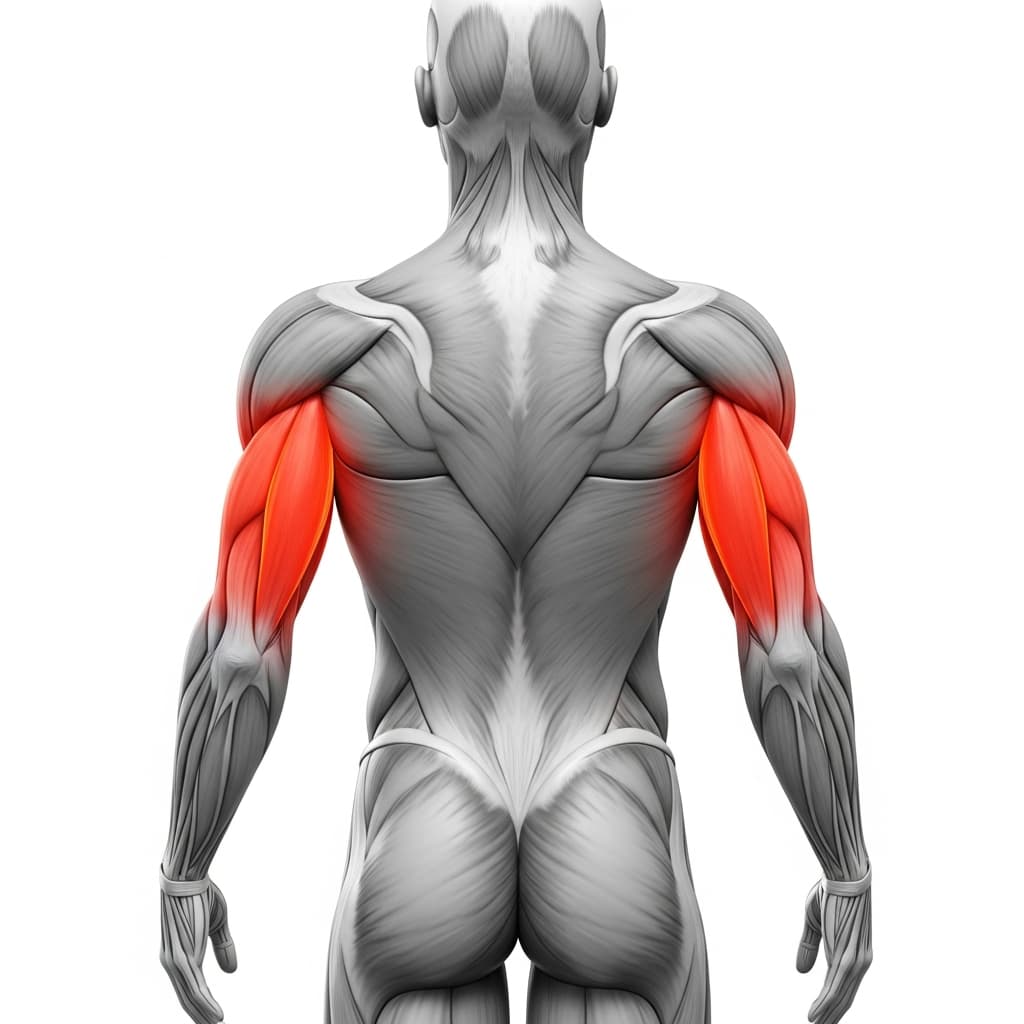
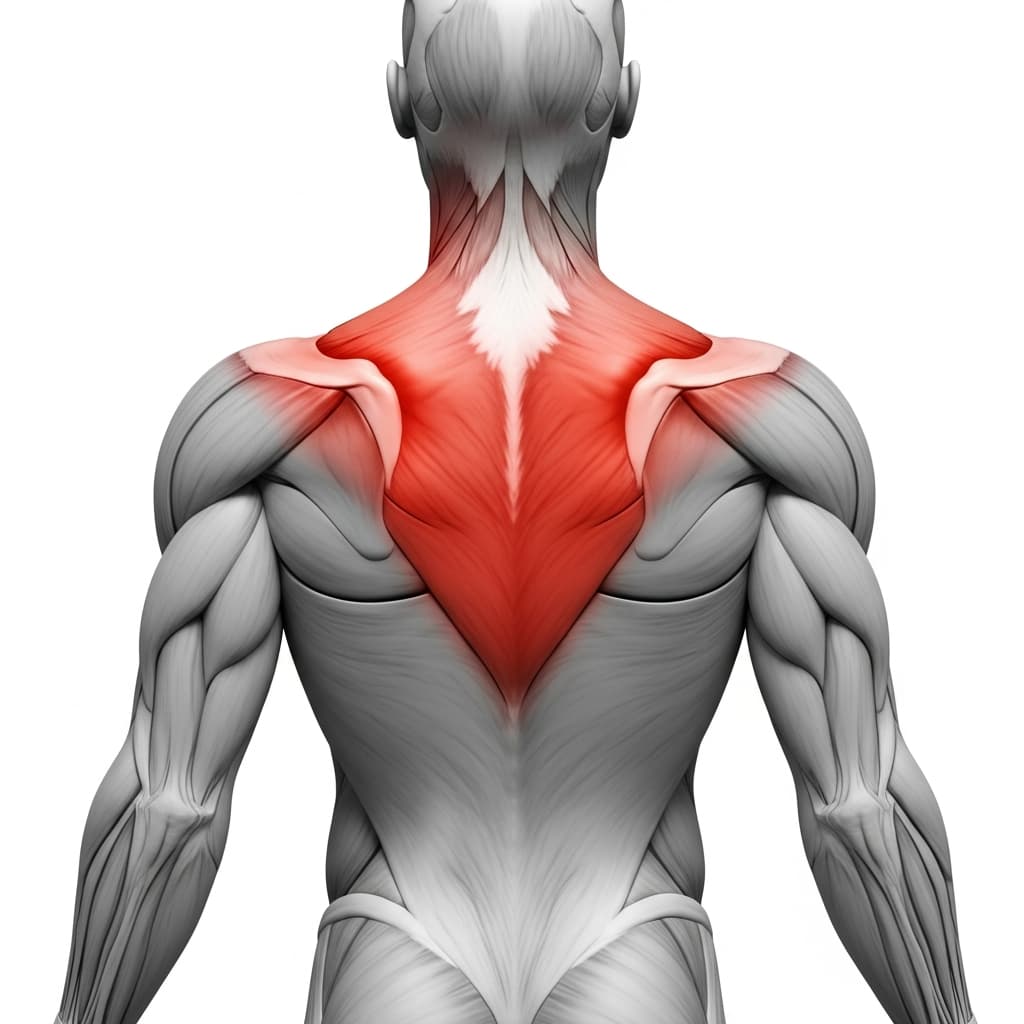
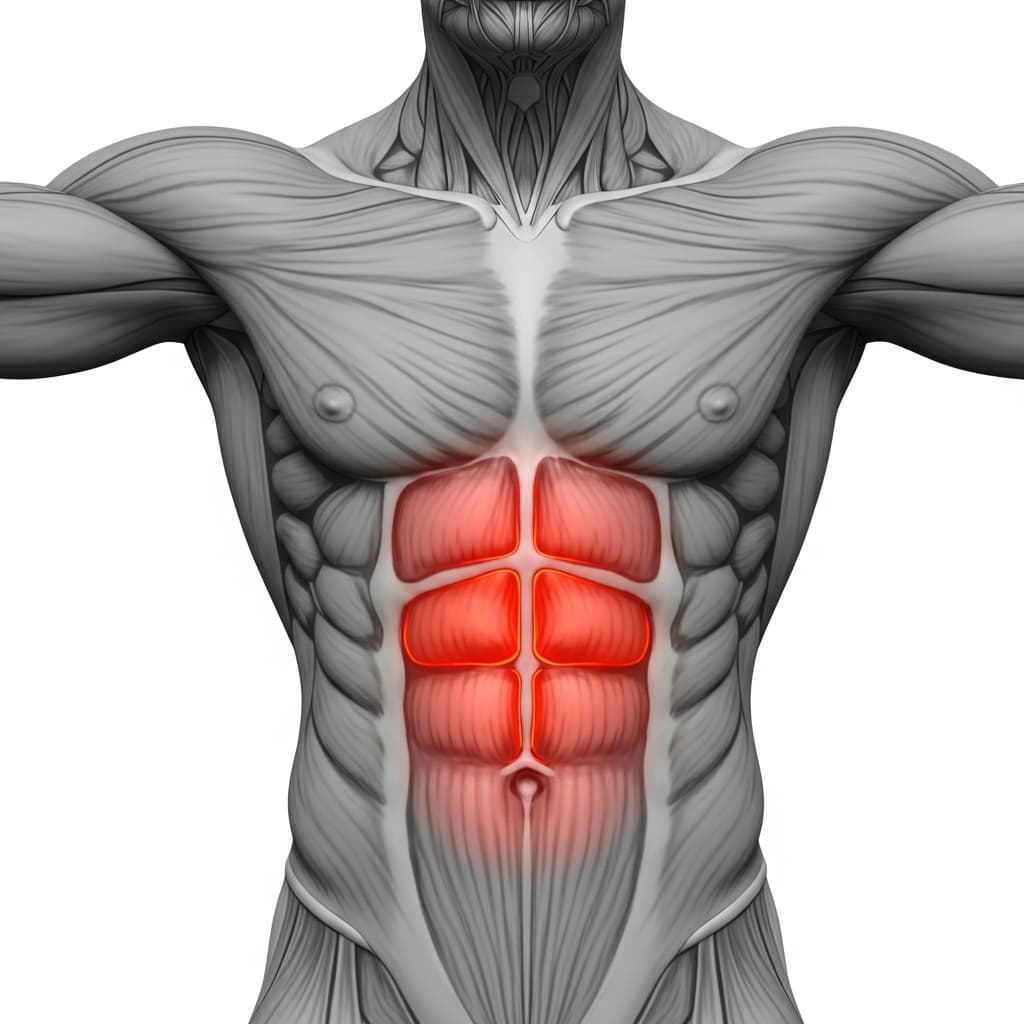
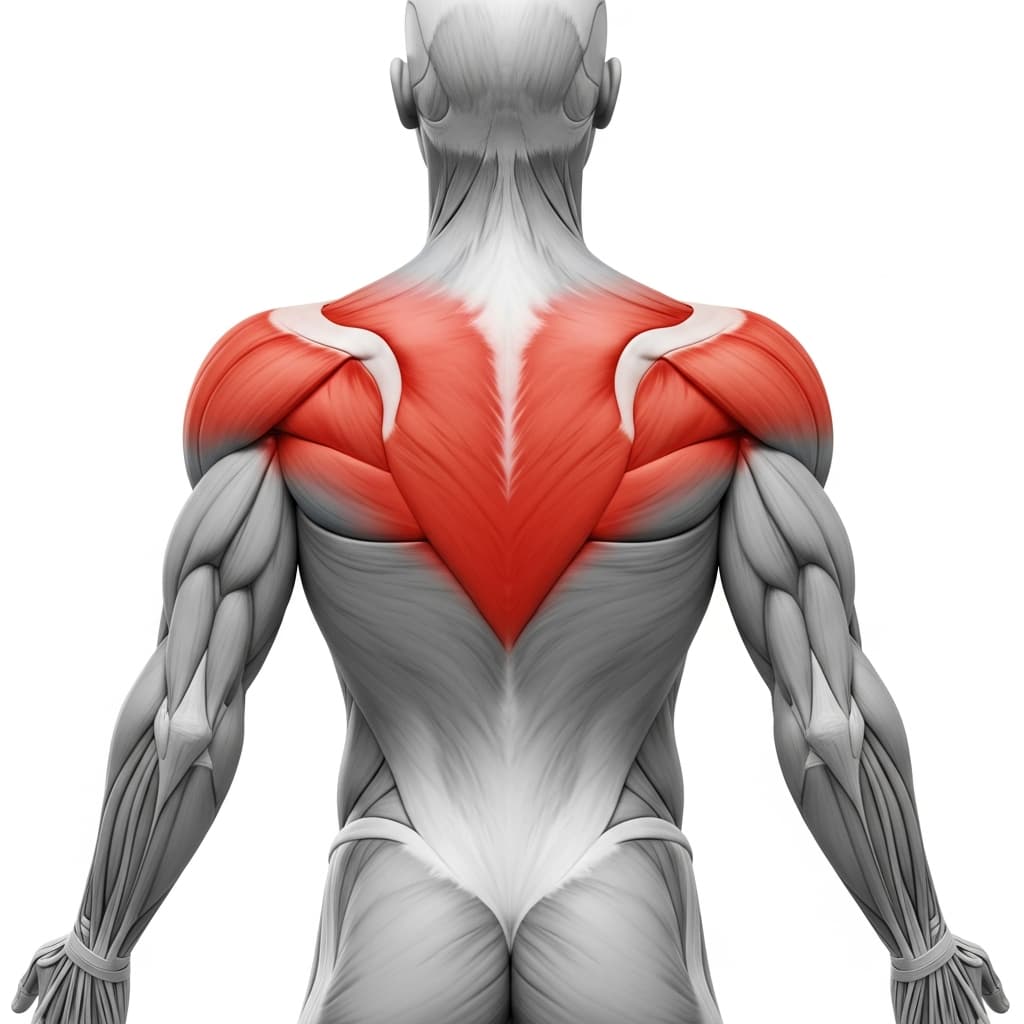
Primary Muscles
Anterior Deltoid (Front Deltoid) - The front deltoids bear the majority of the overhead pressing load as the hips stack above the shoulders, working to stabilize and support bodyweight through the hands.
Serratus Anterior (Serratus Anterior) - The serratus anterior protracts and upwardly rotates the scapulae, keeping the shoulder blades pressed flat against the ribcage as the body approaches the inverted position.
Secondary Muscles
Triceps Brachii (Triceps) - The triceps maintain elbow lockout throughout the walk, preventing the arms from collapsing under bodyweight as the shoulders take on increasing load.
Trapezius (Trapezius) - The upper traps elevate the shoulder girdle at the top position, helping to create the stable overhead base needed to support the hips above the hands.
Rectus Abdominis (Abs) - The abs resist lumbar extension and keep the ribcage pulled down as the body transitions from a horizontal plank to a vertical L-shape.
Rhomboids & Upper Trapezius (Upper Back) - The upper back muscles assist in stabilizing the scapulae and thoracic spine, preventing the shoulder blades from winging or collapsing during the walking phase.
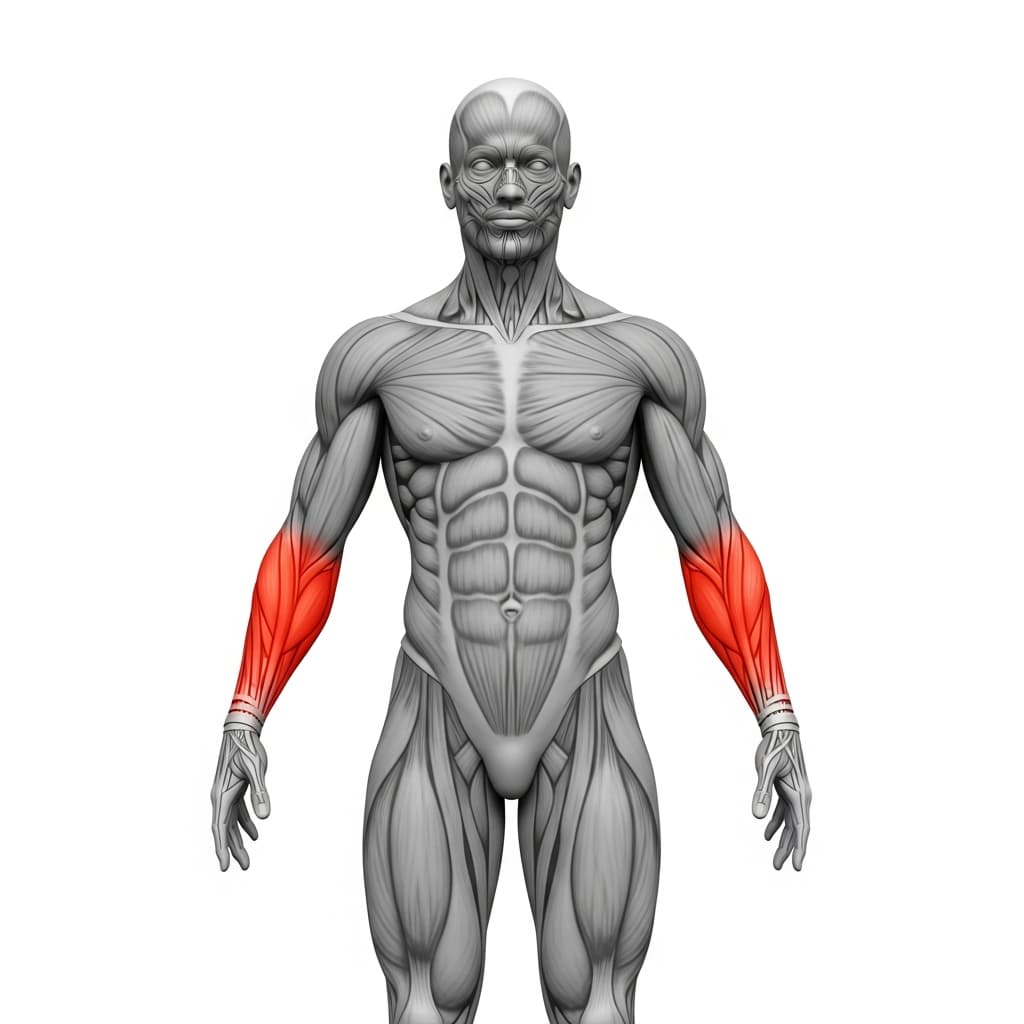
Forearm Flexors & Extensors (Forearms) - The forearms and wrist flexors work to stabilize the wrist joint under bodyweight, controlling balance through the hands as load shifts during each step.
Benefits of Box Walks
- Builds overhead pressing strength in the front deltoids and traps by progressively loading the shoulders as the hips rise above the hands
- Develops scapular protraction and elevation control, which are the two most critical shoulder mechanics for handstand stability
- Strengthens the core under changing angles of load, training the abs to resist extension as the body moves from horizontal to vertical
- Improves wrist conditioning and tolerance for weight-bearing in extension, preparing the joints for handstand and planche work
- Serves as the primary bridge exercise between floor planks and wall walks in the handstand progression chain
Who Is This Exercise For?
You should be able to hold a high plank with full body tension for at least 30 seconds and perform a pike push-up with controlled form before attempting box walks. Comfortable wrist mobility under load is also necessary, since the end position places significant weight on the hands with the wrists in full extension. If holding a plank causes your hips to sag or your shoulders to collapse, build plank endurance and scapular protraction strength first.
Common Mistakes to Avoid
Letting the hips sag during the plank phase: Squeeze your glutes and brace your abs before you start walking. If your hips drop at any point, reset the plank position and re-engage your core before continuing.
Walking too fast and losing control: Take small, deliberate hand steps and pause if you feel unstable. Rushing the walk removes the strength stimulus and increases the risk of collapsing at the shoulder.
Not pushing through the shoulders at the top: At the inverted L position, actively push the floor away so your shoulder blades protract and elevate fully. If your shoulders sink, you lose the overhead stability that makes this exercise valuable.
Arching the lower back in the top position: Tuck your ribs down and tighten your abs as your hips rise above your shoulders. A hollow body position at the top keeps the load on the shoulders and core instead of compressing the lumbar spine.
Variations & Progressions
Bent-Knee Box Walks
Bend your knees on the box instead of keeping your legs straight. This shortens the lever arm and reduces the amount of bodyweight loading your shoulders at the top position.
Lower Box Walks
Use a lower surface like a small step or low stool instead of a full-height box. The reduced height means your hips do not need to travel as far overhead, making the shoulder demand significantly lighter.