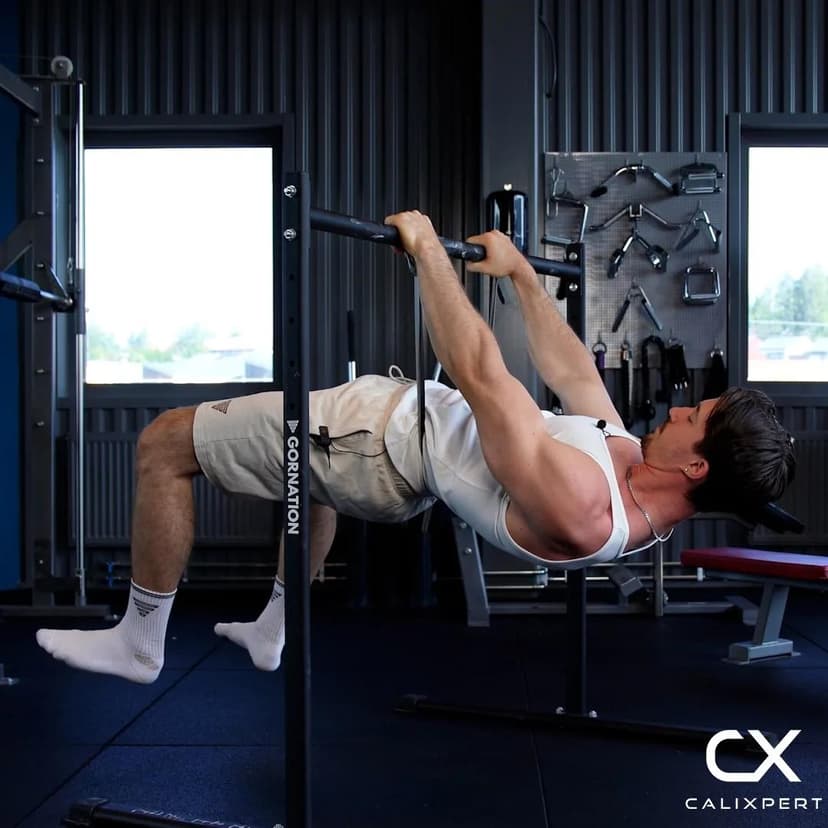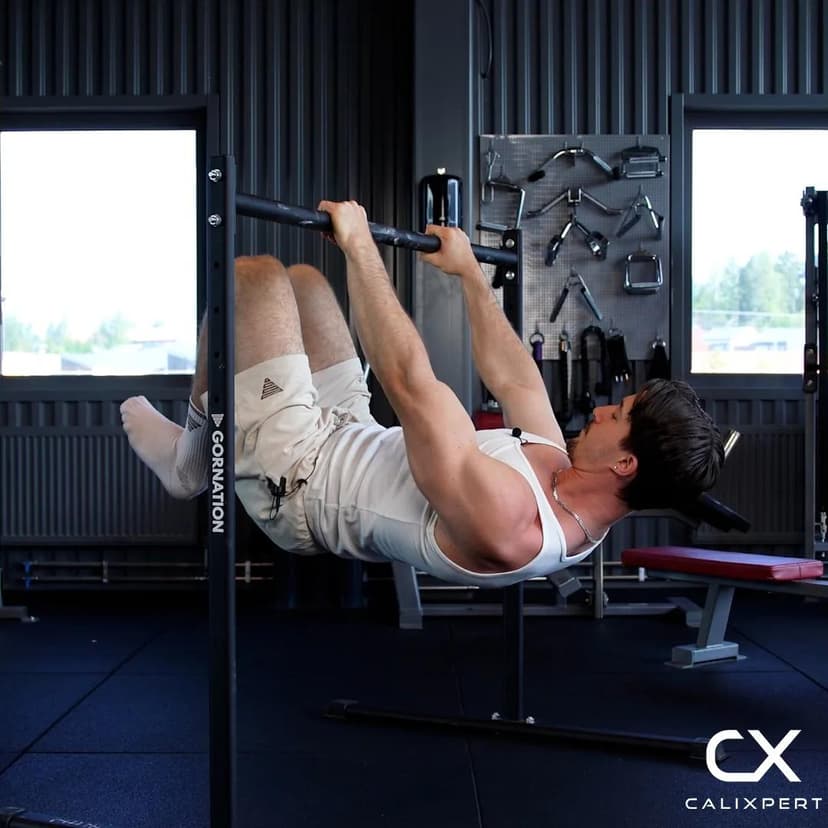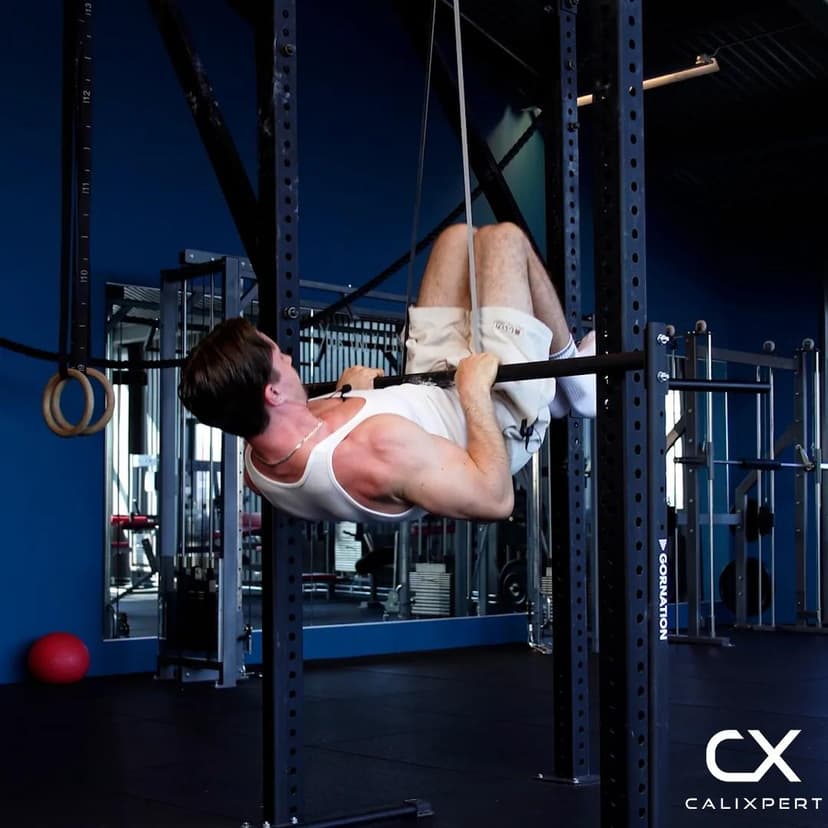
Face Pull In Rings
Face pulls in rings are a rear deltoid and upper back exercise that uses the instability of gymnastics rings to train scapular retraction, external rotation, and posterior shoulder strength through a natural pulling path. The rings allow your wrists to rotate freely during the pull, which loads the rotator cuff and rear deltoids more effectively than a fixed bar or cable. Consistent face pull training on rings builds the shoulder stability and postural strength that directly supports handstands, muscle-ups, and every pressing movement in calisthenics.
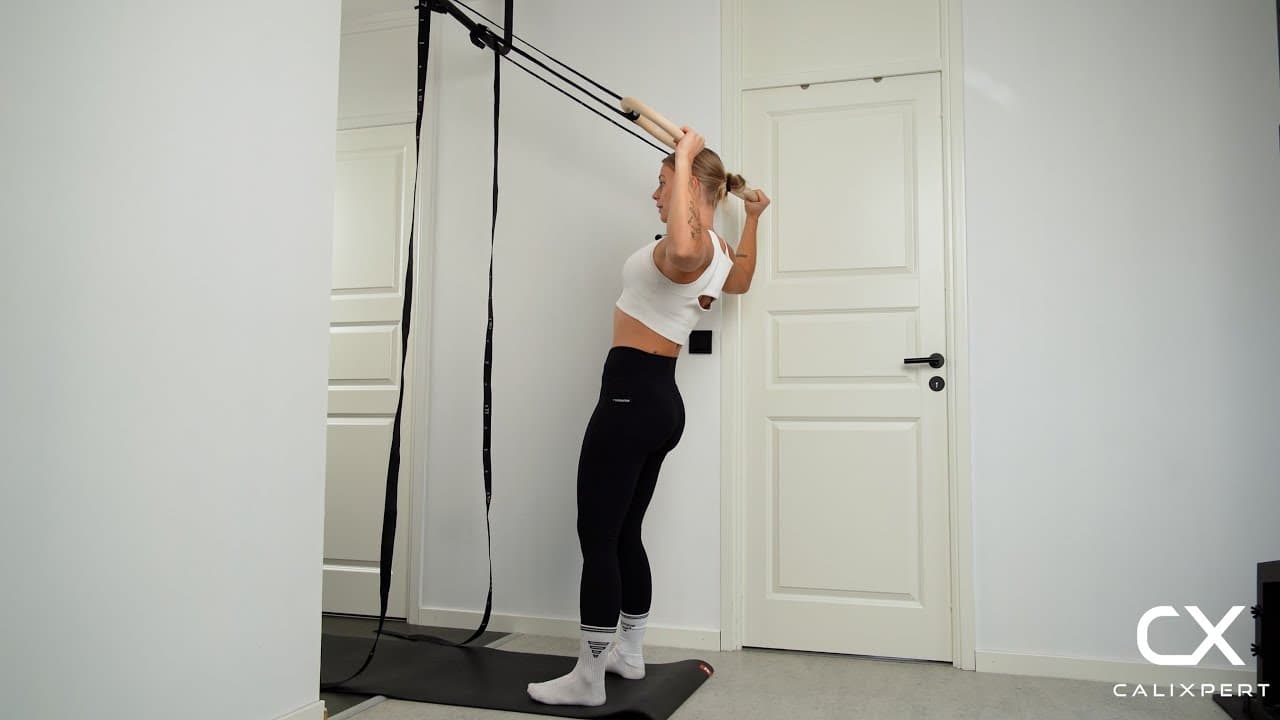
Face pulls in rings are a rear deltoid and upper back exercise that uses the instability of gymnastics rings to train scapular retraction, external rotation, and posterior shoulder strength through a natural pulling path. The rings allow your wrists to rotate freely during the pull, which loads the rotator cuff and rear deltoids more effectively than a fixed bar or cable. Consistent face pull training on rings builds the shoulder stability and postural strength that directly supports handstands, muscle-ups, and every pressing movement in calisthenics.
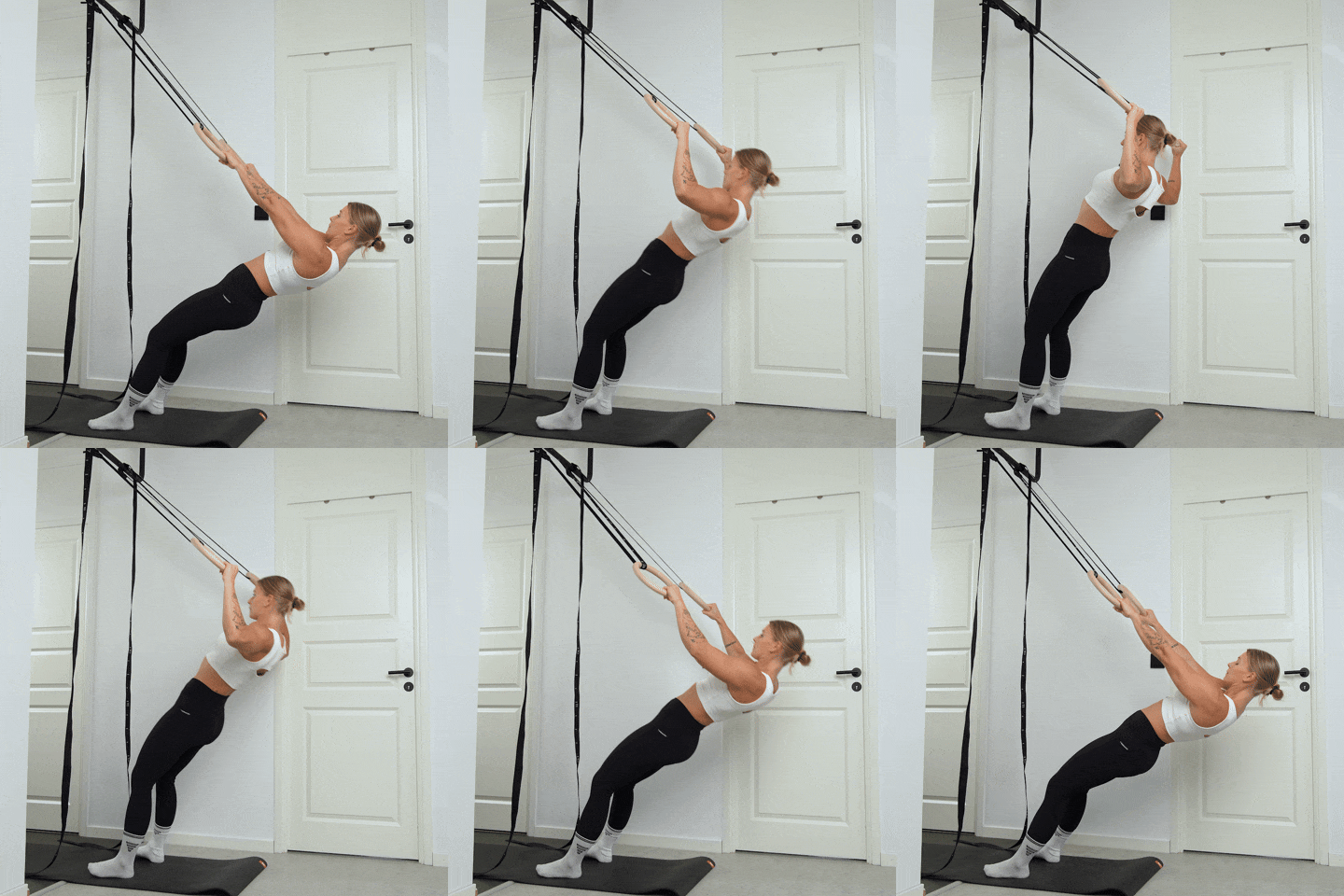
How to Do Face Pull In Rings
1. Set the Rings at Core Height
Adjust the rings so they hang at approximately navel height. Stand facing the anchor point and grip the rings with a neutral or loose overhand hold. Your grip needs to stay relaxed enough to allow the rings to rotate freely during the pull. Take one step behind the rings so your body leans back at a slight angle.
Loose grip, rings must rotate freely
2. Establish Your Body Position
Stand with your feet shoulder-width apart and bend your knees slightly. Extend your hips forward so your body forms a straight line from your knees through your hips to your shoulders. Brace your core and squeeze your glutes to lock in a neutral spine. Your arms should be fully extended in front of you with tension on the rings.
Hips forward, core tight, body straight
3. Pull and Rotate the Rings Back
Initiate the pull by driving your elbows outward and backward, not straight down. As you pull, rotate your grip so your palms face backward and your forearms end up vertical. Pull until your elbows reach a 90-degree angle and your hands are level with your face. This rotation is what separates a face pull from a standard row.
Elbows out and back, rotate the grip
4. Squeeze the Shoulder Blades Together
At the top of the movement, actively retract your shoulder blades and hold the squeeze for a full second. Your upper arms should be roughly parallel to the ground with your elbows bent at 90 degrees. You should feel a strong contraction across the rear deltoids and between the shoulder blades.
Pinch the shoulder blades, hold one second
5. Return Under Control
Slowly extend your arms and let the rings rotate back to the starting grip position. Lower yourself to full arm extension before initiating the next rep. Maintain core tension and body alignment throughout the descent. Do not let your shoulders round forward at the bottom.
Controlled descent, reset every rep
Most people treat face pulls like a fast, light burnout exercise and never get real results from them. Slow the movement down, hold the squeeze at the top for a full second, and focus on rotating the rings back until your forearms are vertical. That rotation is where all the rear deltoid and rotator cuff work happens, and rushing through it defeats the purpose of using rings in the first place.
Muscles Worked During Face Pull In Rings
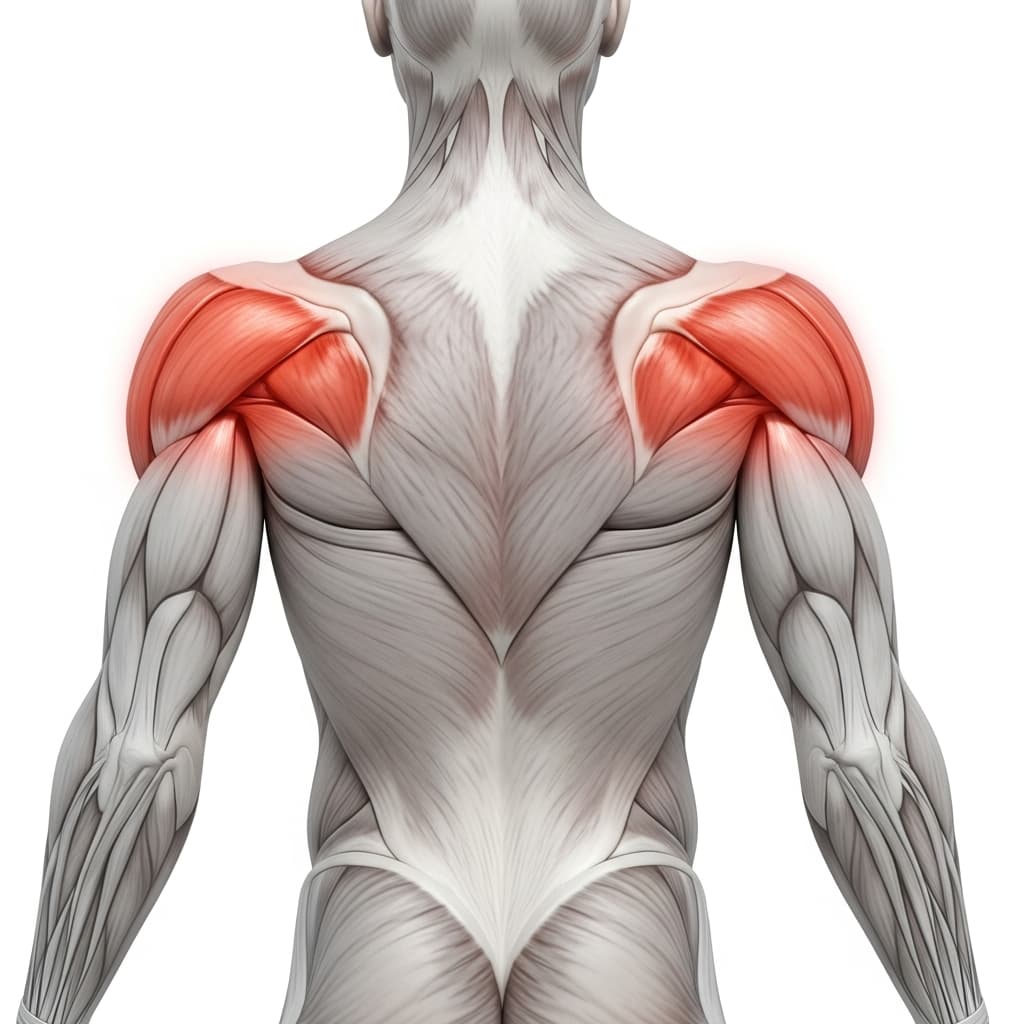
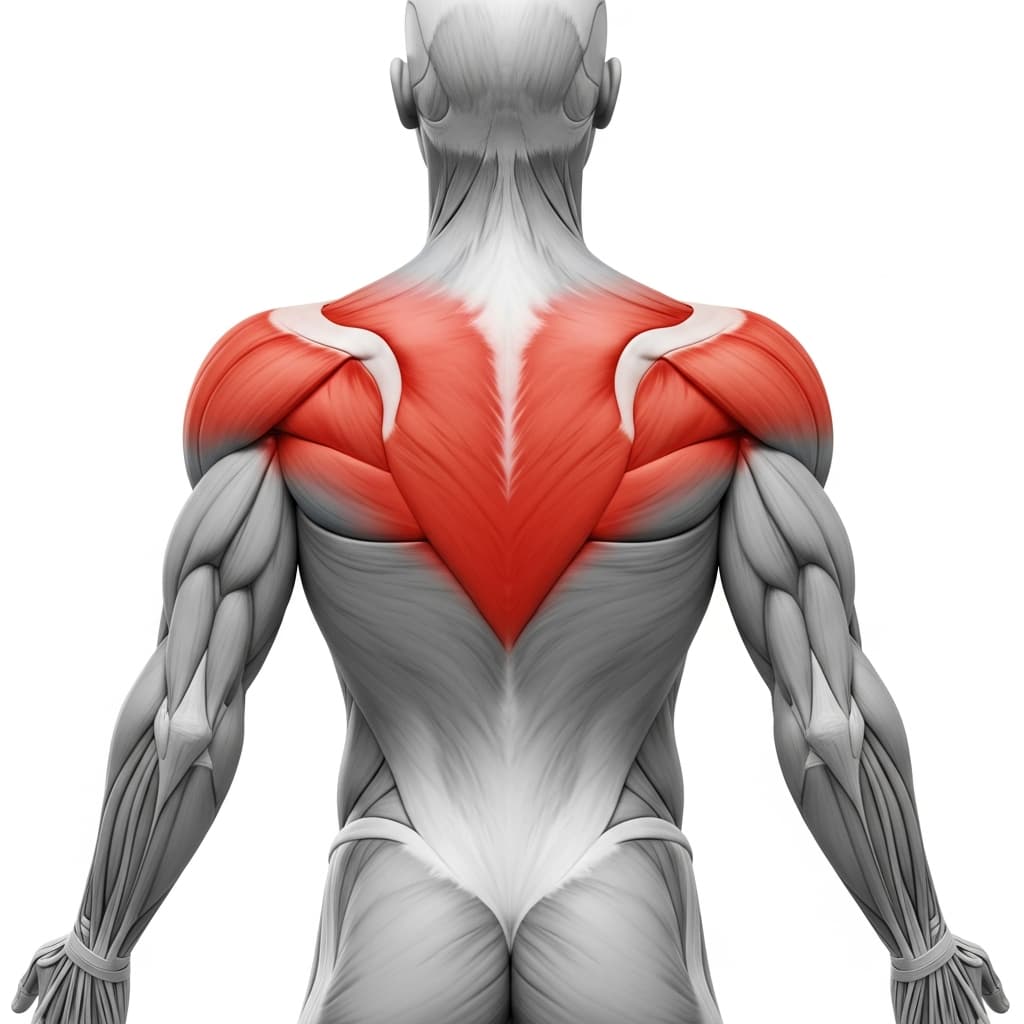
Primary Muscles:
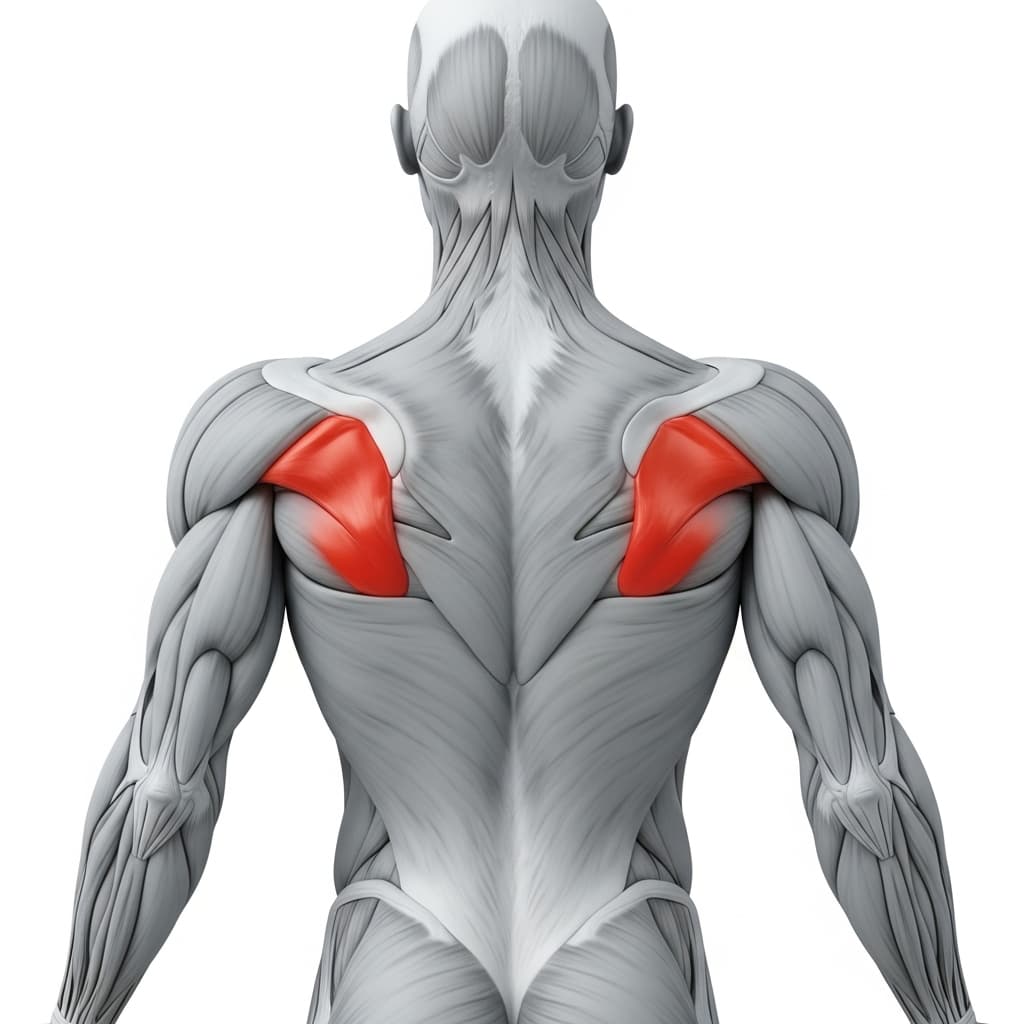
Secondary Muscles:
Primary Muscles
Posterior Deltoid (Rear Deltoid) - The rear deltoid drives horizontal abduction of the upper arm, pulling the elbows outward and backward against resistance as the rings travel toward the face.
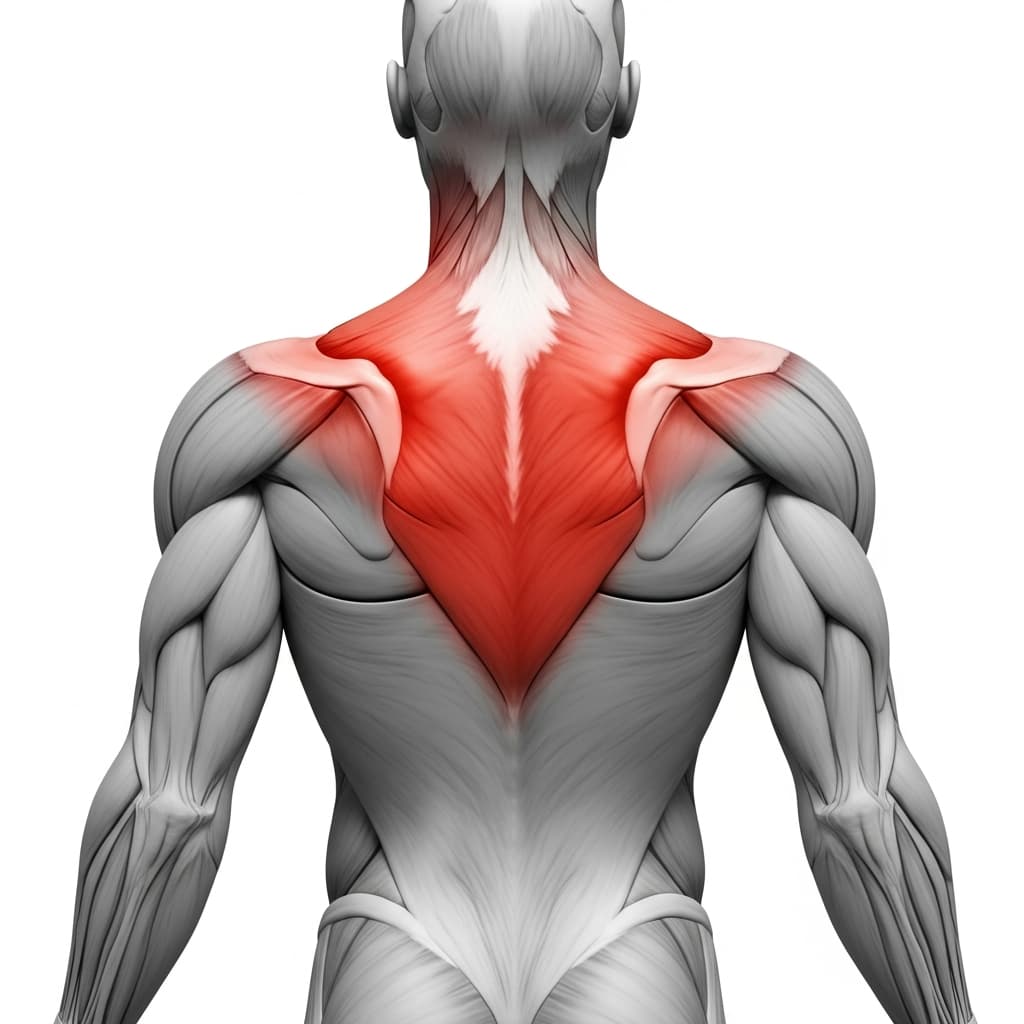
Rhomboids & Upper Trapezius (Upper Back) - The rhomboids and mid-trapezius retract the shoulder blades together at the top of each rep, completing the full range of motion and stabilizing the scapulae under load.
Secondary Muscles
Rotator Cuff (SITS) (Rotator Cuff) - The infraspinatus and teres minor externally rotate the shoulder as the grip turns backward on the rings, training the rotator cuff through its primary stabilizing function.
Trapezius (Trapezius) - The upper and middle trapezius assist with scapular elevation and retraction, supporting the shoulder blades as they squeeze together at the peak of the pull.
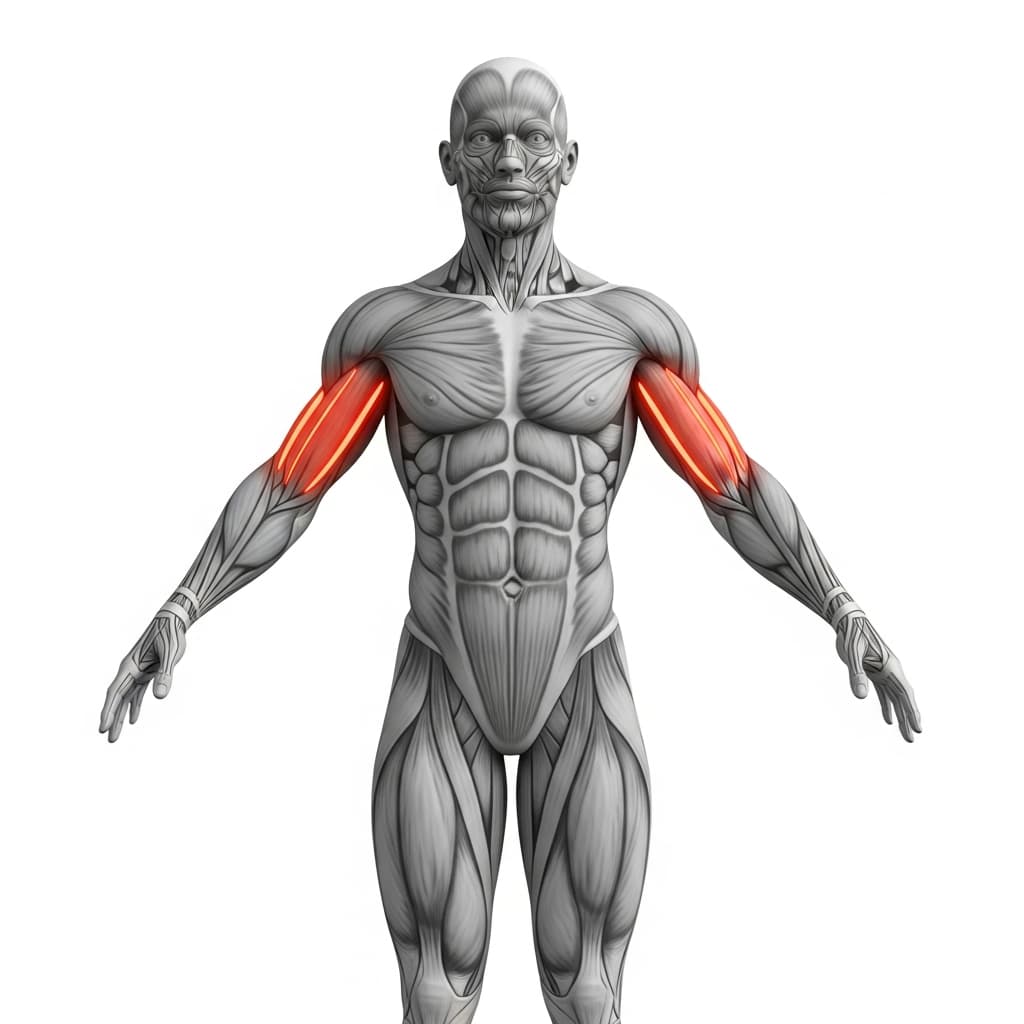
Biceps Brachii (Biceps) - The biceps flex the elbow to pull the body toward the rings, working as a secondary mover behind the rear deltoids and upper back.
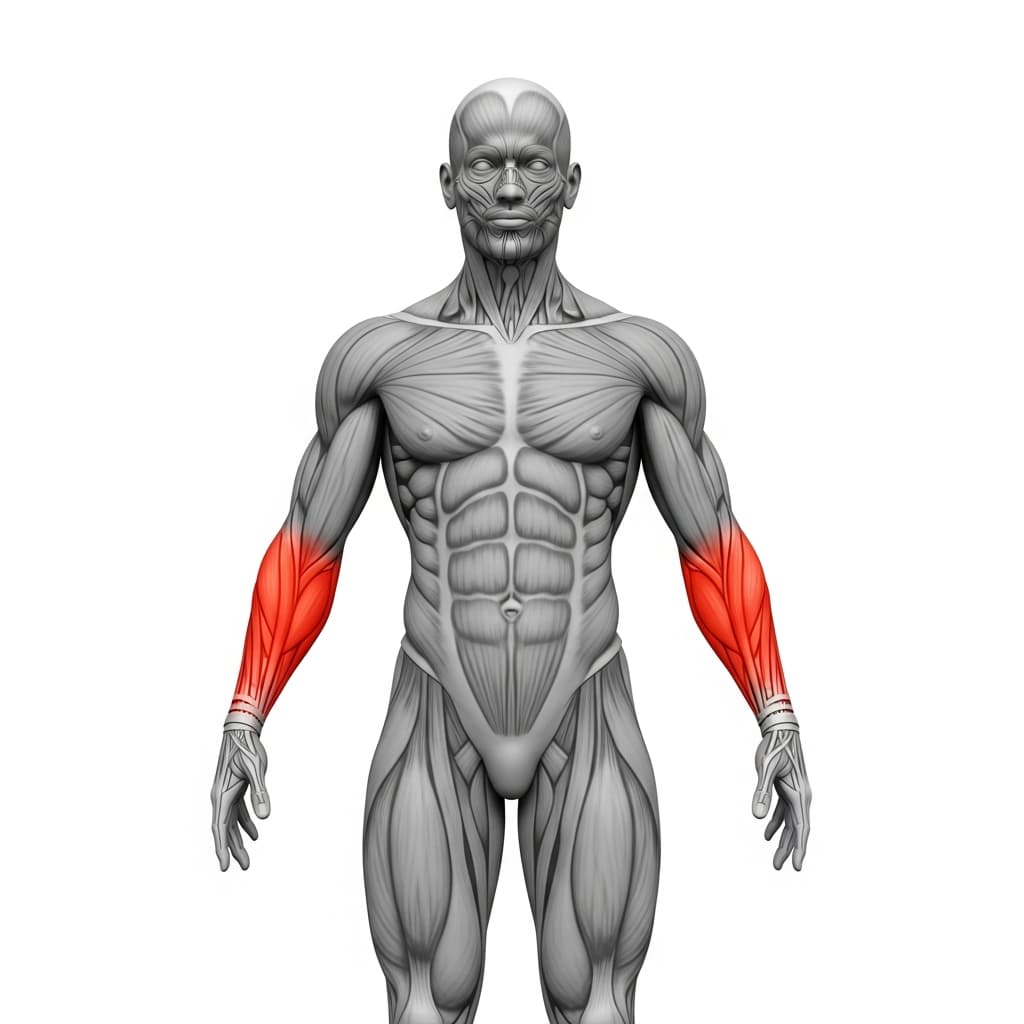
Forearm Flexors & Extensors (Forearms) - The forearm muscles maintain grip on the rings throughout the set while allowing the controlled wrist rotation required for proper face pull mechanics.
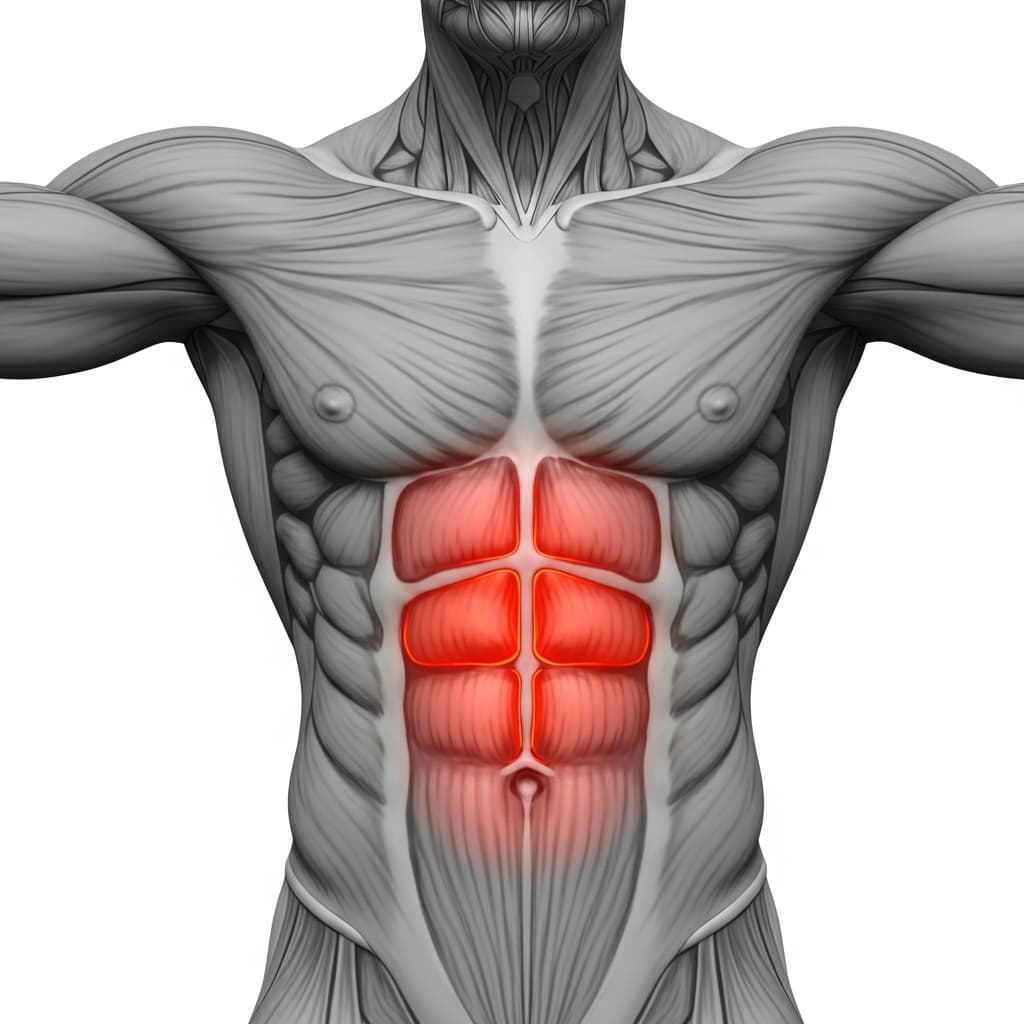
Rectus Abdominis (Abs) - The rectus abdominis and deep core muscles brace the torso to maintain a straight body line and prevent the hips from sagging under the pulling load.
Benefits of Face Pull In Rings
- Strengthens the rear deltoids and rotator cuff through a natural rotation path that fixed equipment cannot replicate
- Builds scapular retraction strength, which directly improves posture and protects the shoulder joint during pressing and overhead movements
- Develops external rotation capacity in the shoulders, reducing injury risk in muscle-ups, handstands, and ring dips
- Trains core stability under an unstable pulling load, reinforcing the straight body position used across all ring work
Who Is This Exercise For?
You should be able to hold a ring row at chest height for at least 5 controlled reps before adding the rotation component of face pulls. If maintaining a straight body position while leaning back on rings feels unstable, spend more time on standard ring rows first. Basic scapular retraction strength and comfortable ring grip are non-negotiable starting points.
Common Mistakes to Avoid
Gripping the rings too tightly: Keep your grip relaxed enough to allow the rings to rotate during the pull. A death grip locks your wrists and prevents the external rotation that makes this exercise effective for the rear deltoids and rotator cuff.
Pulling elbows straight down like a row: Drive your elbows outward and backward so your upper arms finish roughly parallel to the ground. Pulling straight down shifts the work to the lats and removes the rear deltoid emphasis entirely.
Letting the hips sag or pike: Brace your core and keep your hips extended throughout the movement. A sagging hip turns this into a partial pull with no consistent load on the target muscles.
Skipping the scapular squeeze at the top: Actively retract your shoulder blades at the top of every rep and hold briefly. Without this squeeze, the rear deltoids and mid-traps never reach full contraction.
Variations & Progressions
Standing upright face pull
Stand further behind the rings so your body is nearly vertical. The more upright you are, the less bodyweight you pull against, making this a good starting point for building the movement pattern.
Deep lean face pull
Step forward so your body is at a steep angle, almost horizontal under the rings. This dramatically increases the load on the rear deltoids and upper back and demands much stronger core stability.
Face pull with pause hold
Hold the top position with shoulder blades fully retracted for 3 to 5 seconds before lowering. The extended isometric hold builds endurance in the scapular stabilizers and increases time under tension for the rear deltoids.