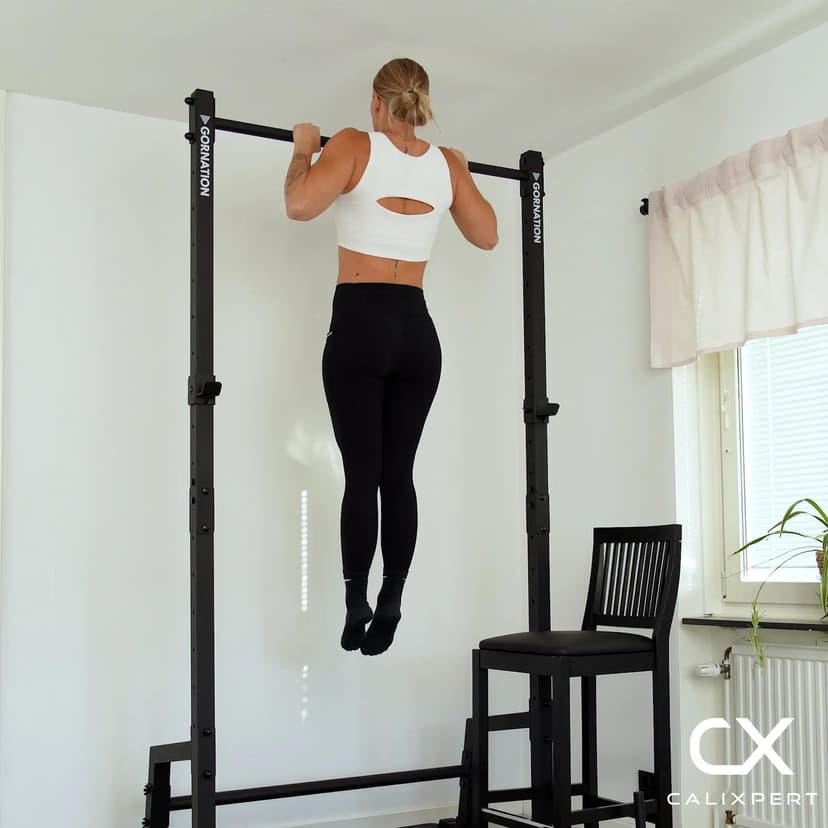
Assisted Pull Up Top Hold
The assisted pull-up top hold is an isometric exercise where you hold the top position of a pull-up with your chin above the bar while a resistance band provides partial support. It targets the lats, upper back, biceps, and rear deltoids by training the muscles to sustain contraction under load in the strongest pulling position. This hold builds the specific strength and scapular control needed to progress toward unassisted pull-ups and longer time under tension at the top of the movement.
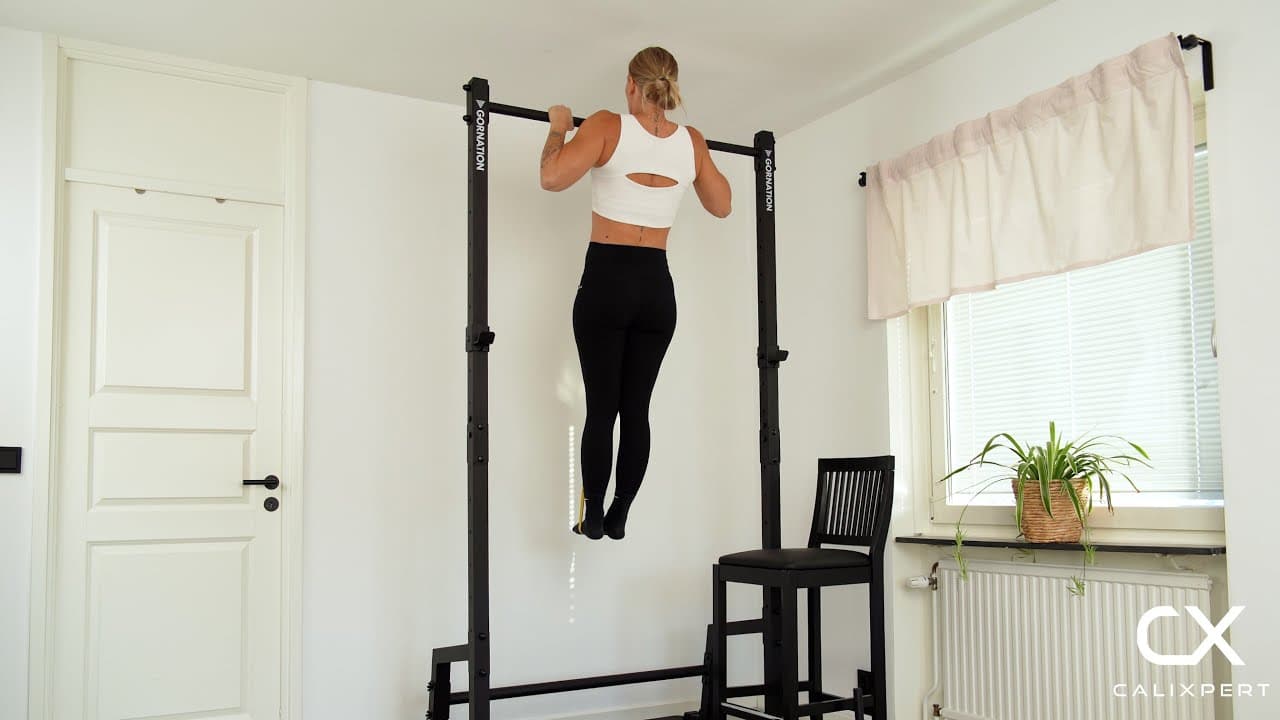
The assisted pull-up top hold is an isometric exercise where you hold the top position of a pull-up with your chin above the bar while a resistance band provides partial support. It targets the lats, upper back, biceps, and rear deltoids by training the muscles to sustain contraction under load in the strongest pulling position. This hold builds the specific strength and scapular control needed to progress toward unassisted pull-ups and longer time under tension at the top of the movement.
How to Do Assisted Pull Up Top Hold
1. Set Up the Band and Chair
Attach a resistance band to the pull-up bar so it hangs straight down. Place a sturdy chair or box directly underneath the bar so you can stand on it and reach the bar comfortably. The chair should be tall enough that you can step into the top hold position without needing to jump or pull yourself up.
Step up, never jump up
2. Step Into the Band First
While standing on the chair, place one foot into the loop of the resistance band. Make sure the band sits securely on the arch or ball of your foot, not just on your toes. The band will provide upward assistance once you lift off the chair, reducing the load your upper body has to hold.
Band on the foot before grabbing the bar
3. Grip the Bar Correctly
Grab the bar with a pronated grip slightly wider than shoulder width. Wrap your thumbs fully around the bar for a secure hold. Keep your wrists neutral and aligned with your forearms to avoid unnecessary strain during the hold.
Thumbs around, wrists straight
4. Activate Scapular Retraction on the Chair
Before stepping off the chair, squeeze your shoulder blades together and pull your shoulders down away from your ears. This scapular retraction must be set while you still have the chair supporting your weight. Establishing this position first ensures the correct muscles are loaded from the very start of the hold.
Shoulder blades together before you step off
5. Step Into the Top Hold
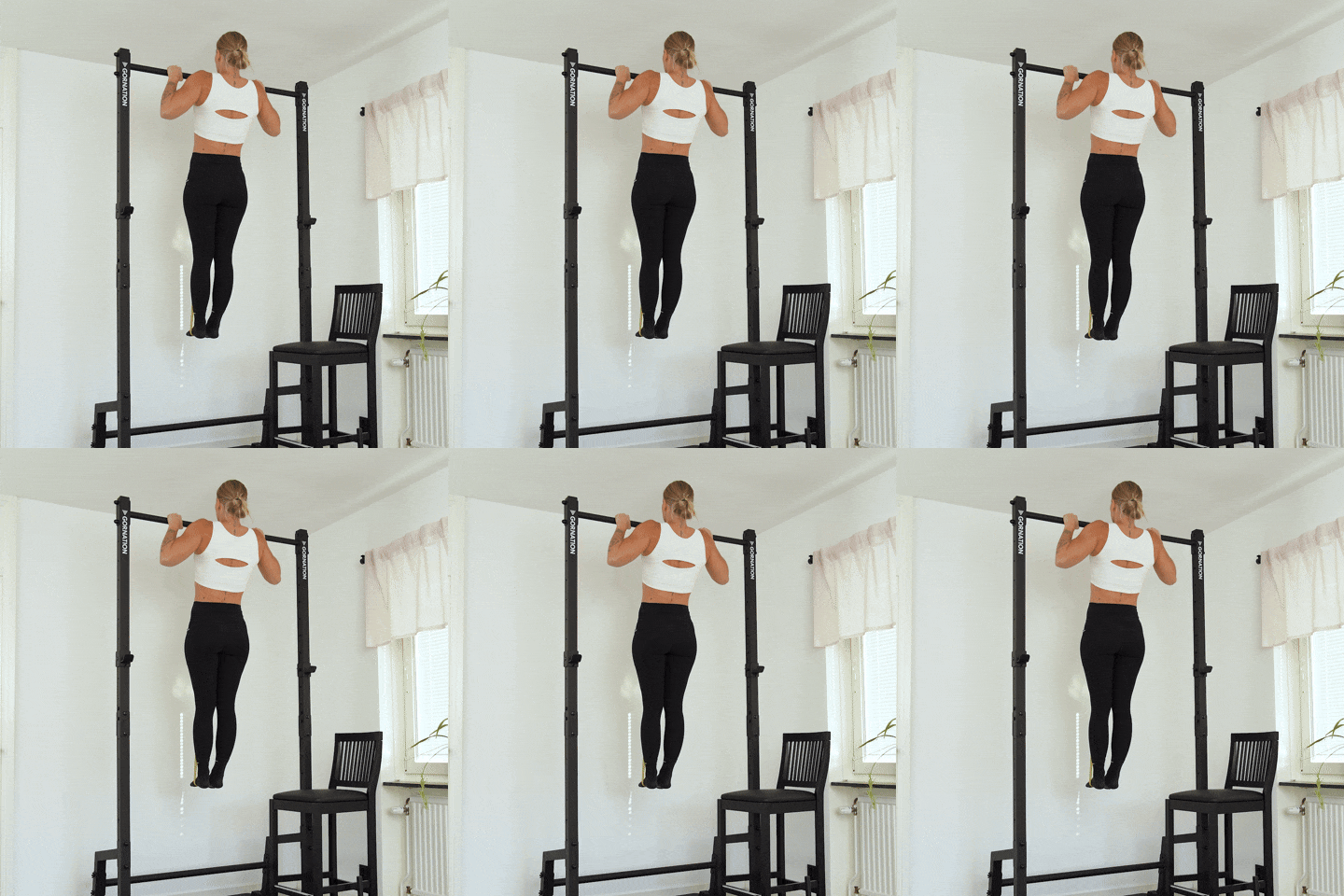
With your scapula retracted and chin already above the bar, carefully step off the chair so your bodyweight transfers into your arms and the band. Keep your chin above the bar, shoulders depressed, and elbows pointing backward as much as possible. Your chest should be slightly lifted toward the bar, not rounded forward.
Chin over bar, elbows back
6. Hold With Full Engagement
Maintain the top position for the prescribed hold time, keeping constant tension in the lats and upper back. Breathe steadily and avoid letting your shoulders creep up toward your ears as fatigue sets in. If you feel your chin dropping below the bar or your shoulders shrugging, step back onto the chair and reset before continuing.
Shoulders down, hold tight
Most people lose this hold because they forget to keep the shoulder blades squeezed together the entire time. The moment you feel your shoulders start to shrug or your chin start to drop, step back onto the chair and reset completely. Five seconds of a perfectly retracted hold does more for your pull-up progression than twenty seconds of hanging with shrugged shoulders.
Muscles Worked During Assisted Pull Up Top Hold
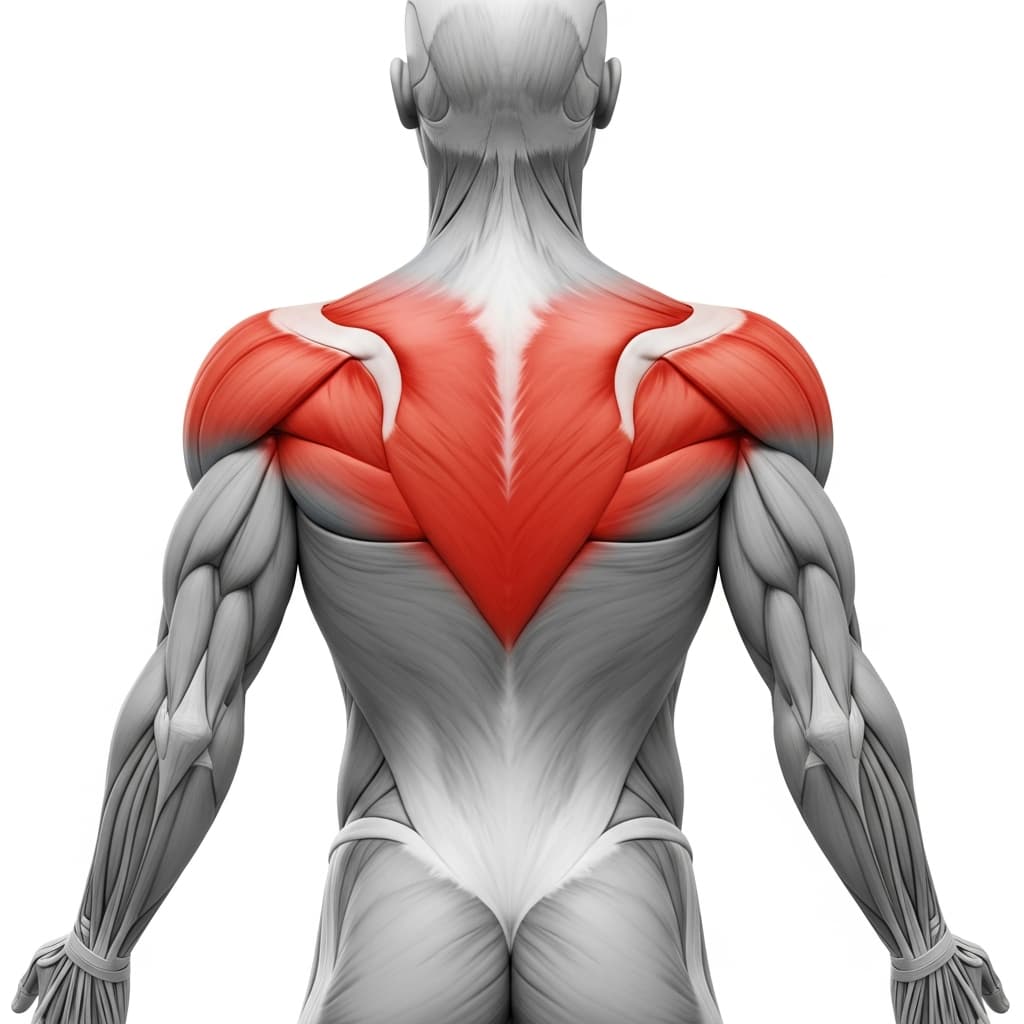
Primary Muscles:
Secondary Muscles:
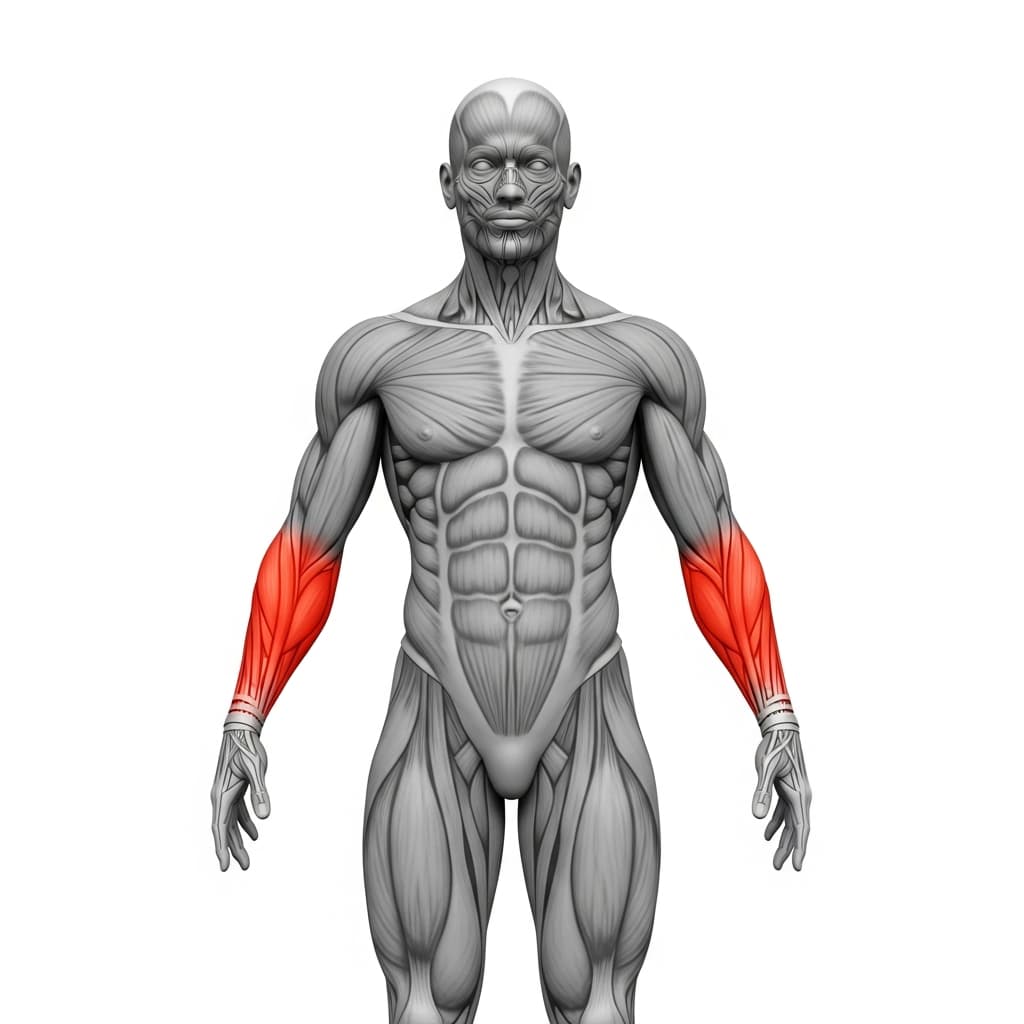
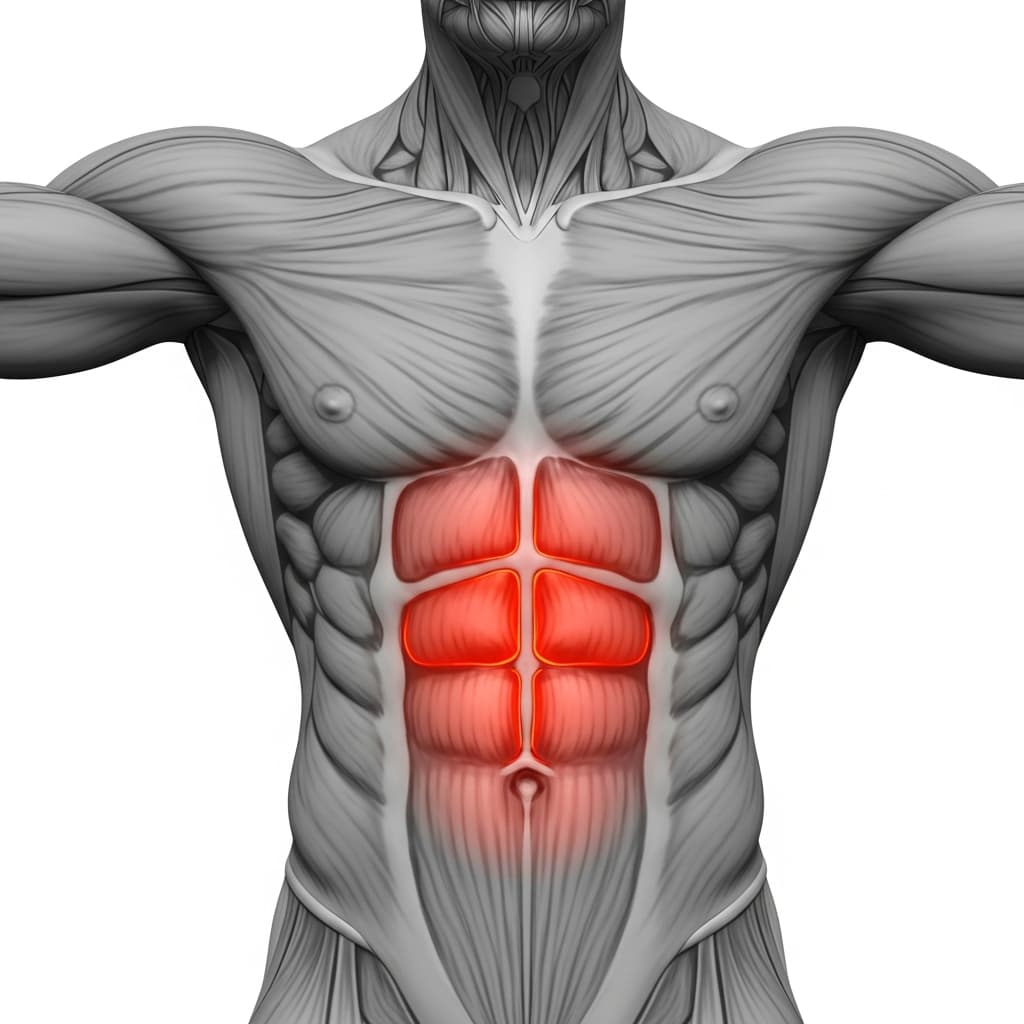
Primary Muscles
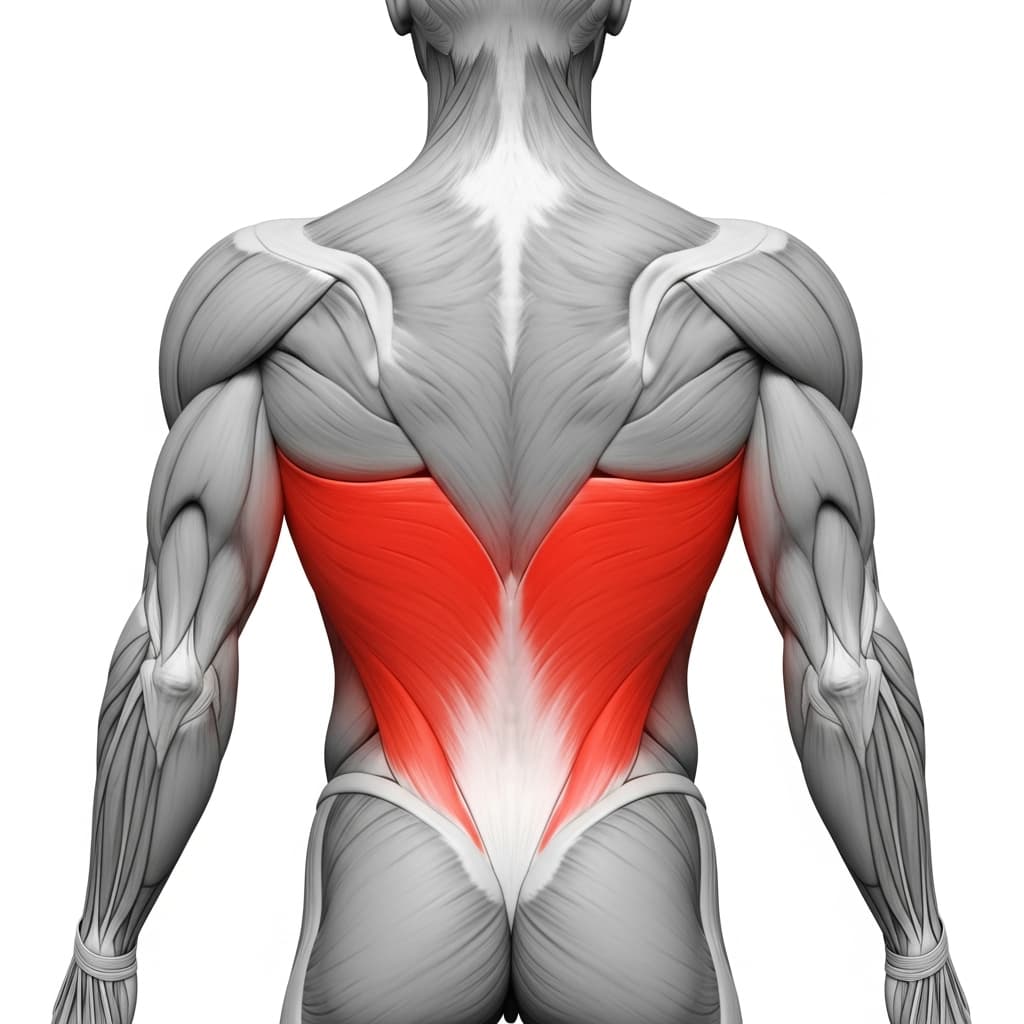
Latissimus Dorsi (Lats) - The lats sustain shoulder adduction and extension, keeping the elbows pulled back and the body elevated at the top of the hold.
Rhomboids & Upper Trapezius (Upper Back) - The rhomboids and mid-trapezius maintain scapular retraction throughout the hold, keeping the shoulder blades squeezed together against gravity.
Secondary Muscles
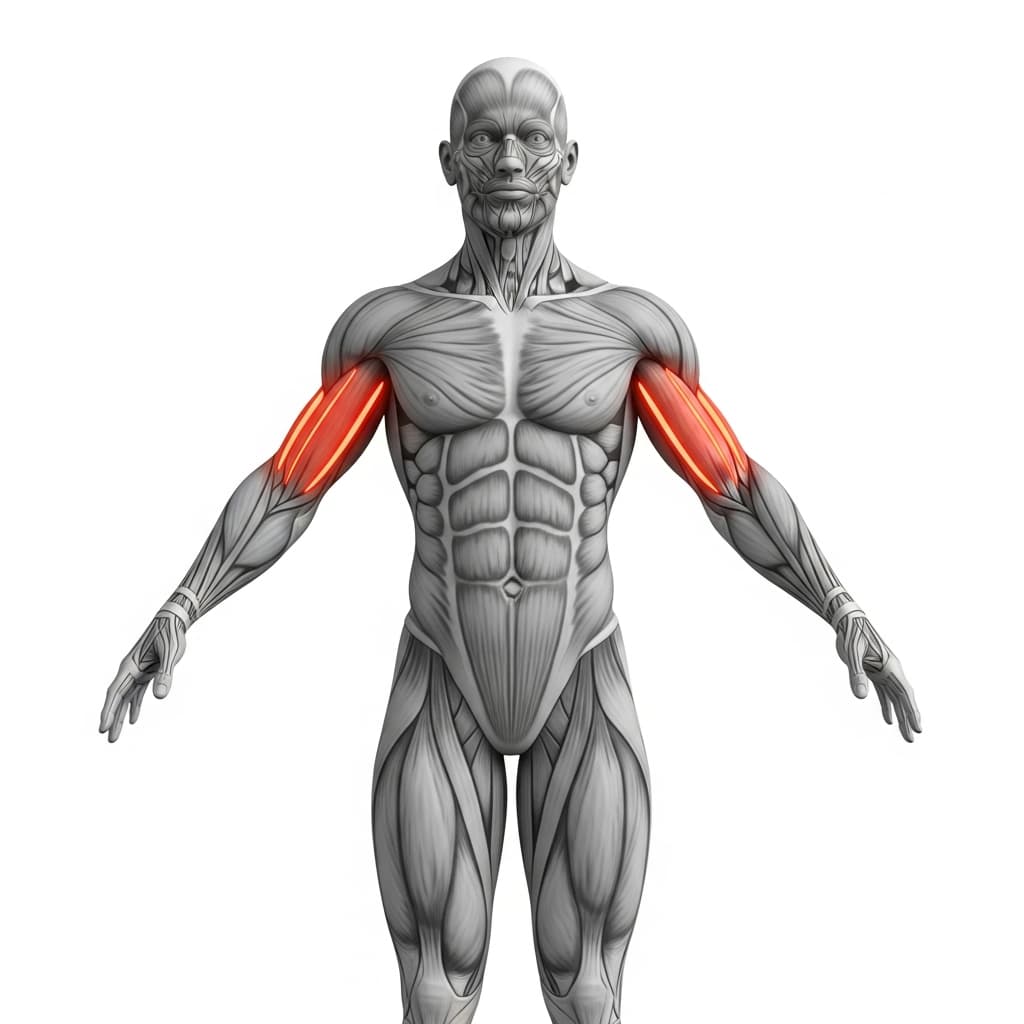
Biceps Brachii (Biceps) - The biceps hold the elbows in a fully flexed position, sustaining the isometric contraction that keeps the chin above the bar.
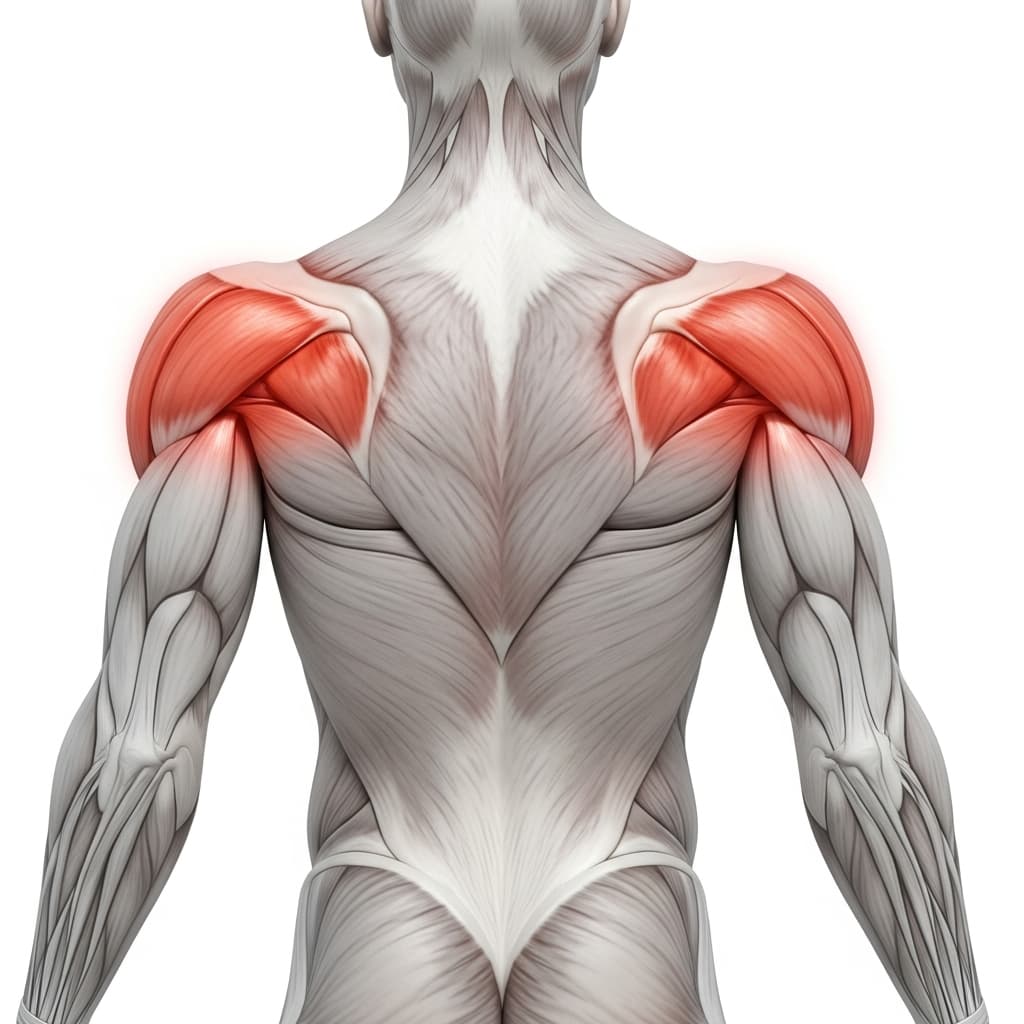
Posterior Deltoid (Rear Deltoid) - The rear deltoids assist in keeping the elbows pulled backward and stabilize the shoulder joint in the top position.
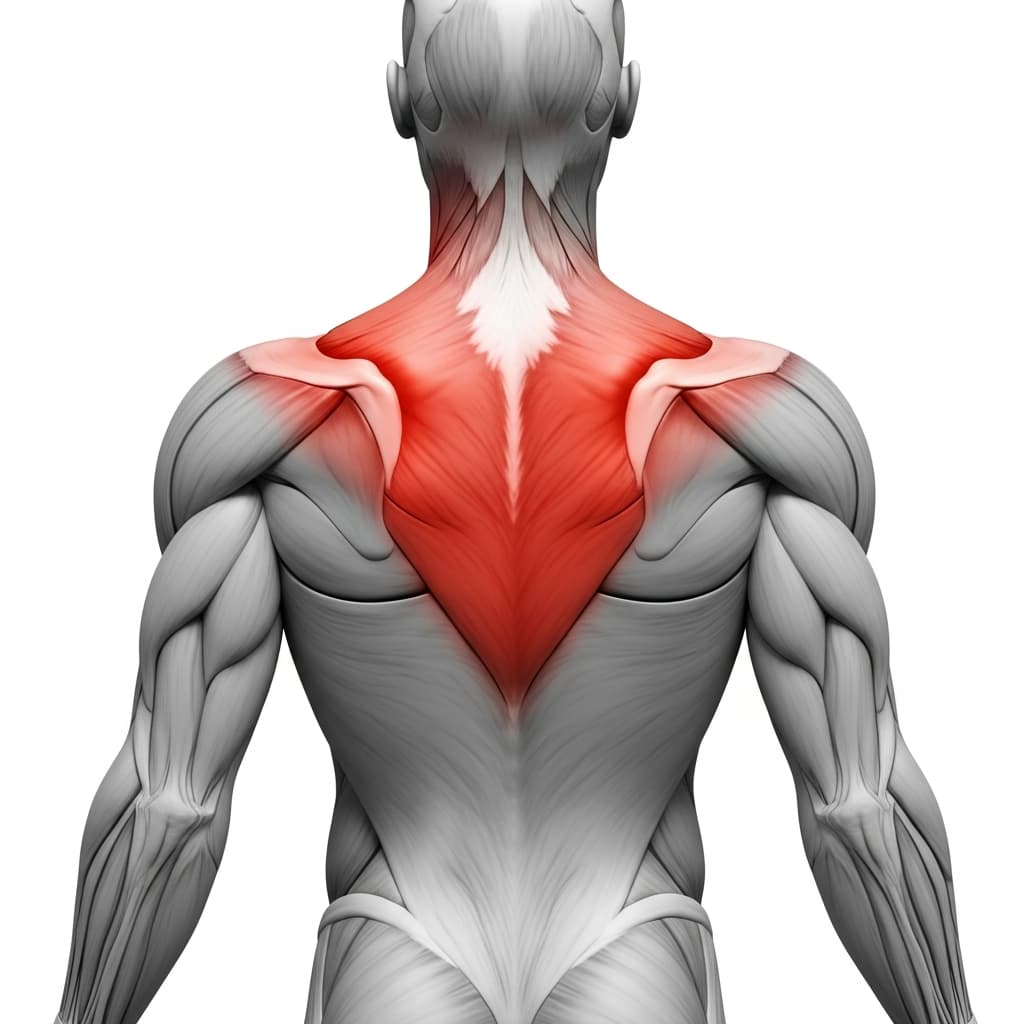
Trapezius (Trapezius) - The lower traps work to depress the scapulae and keep the shoulders pulled down away from the ears during the hold.
Forearm Flexors & Extensors (Forearms) - The forearm flexors maintain grip on the bar throughout the sustained hold, supporting bodyweight for the full duration.
Rectus Abdominis (Abs) - The abdominals brace the torso and prevent excessive swinging or arching, keeping the body stable and controlled under the bar.
Benefits of Assisted Pull Up Top Hold
- Builds isometric pulling strength at the top of the pull-up, the exact position where many beginners lose control during full reps
- Trains scapular retraction under load, reinforcing the upper back engagement pattern required for every pulling skill in calisthenics
- Develops grip endurance and forearm strength through sustained time under tension at the bar
- Provides a measurable progression step between band-assisted pull-ups and unassisted top holds, giving clear benchmarks for advancement
Who Is This Exercise For?
You should be able to hold a dead hang for at least 15 seconds and perform scapular pull-ups with controlled retraction before attempting this exercise. Familiarity with stepping into a resistance band safely and maintaining a neutral grip on the bar is essential. If you cannot retract your shoulder blades on command while hanging, work on scapular pull-ups and band-assisted dead hangs first.
Common Mistakes to Avoid
Letting the shoulders shrug up: Actively depress your shoulders throughout the entire hold by thinking about pulling your shoulder blades into your back pockets. The moment your shoulders rise toward your ears, the upper traps take over and the lats disengage.
Skipping scapular retraction before stepping off: Always set the shoulder blades together and down while you are still standing on the chair. If you step off without retraction, the hold turns into a passive hang at the top instead of an active upper back exercise.
Jutting the chin forward to stay above the bar: Your chin should clear the bar as a result of upper back engagement and depressed shoulders, not by craning your neck forward. Keep a neutral neck and lift the chest toward the bar instead.
Jumping into the hold instead of stepping: Use a chair or box tall enough to step calmly into position. Jumping creates momentum and prevents you from setting proper scapular retraction before the hold begins.
Variations & Progressions
Assisted top hold with heavier band
Use a thicker resistance band that provides more upward assistance. This reduces the load on your upper back and arms, making the hold accessible if you cannot yet sustain the position for more than a few seconds.