Assisted Chin Up
Assisted chin-ups are a band-supported vertical pulling exercise that trains the biceps, lats, and upper back through a full range of motion while reducing your effective bodyweight. The resistance band looped over the bar offsets a portion of gravity, letting you practice the exact scapular mechanics and pulling pattern of an unassisted chin-up before you have the strength for one. Trained consistently with strict form, assisted chin-ups build the muscle activation habits and pulling strength that lead directly to your first unassisted chin-up.
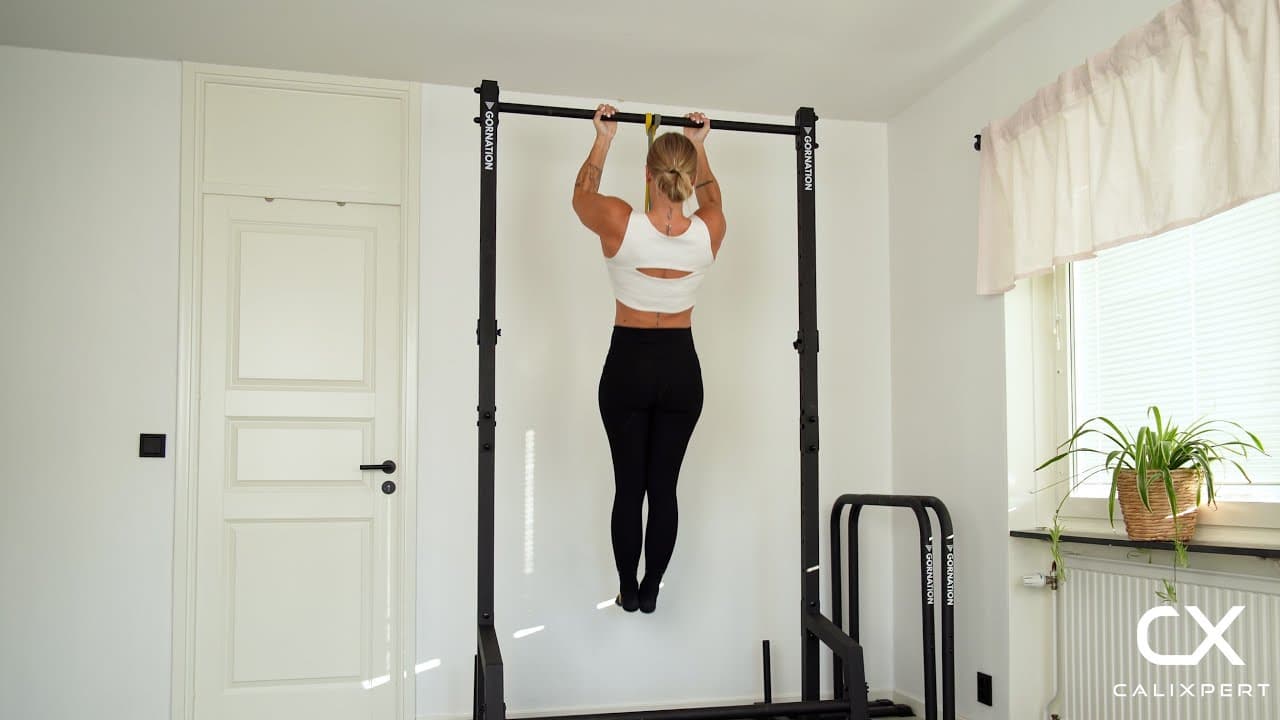
Assisted chin-ups are a band-supported vertical pulling exercise that trains the biceps, lats, and upper back through a full range of motion while reducing your effective bodyweight. The resistance band looped over the bar offsets a portion of gravity, letting you practice the exact scapular mechanics and pulling pattern of an unassisted chin-up before you have the strength for one. Trained consistently with strict form, assisted chin-ups build the muscle activation habits and pulling strength that lead directly to your first unassisted chin-up.
How to Do Assisted Chin Up
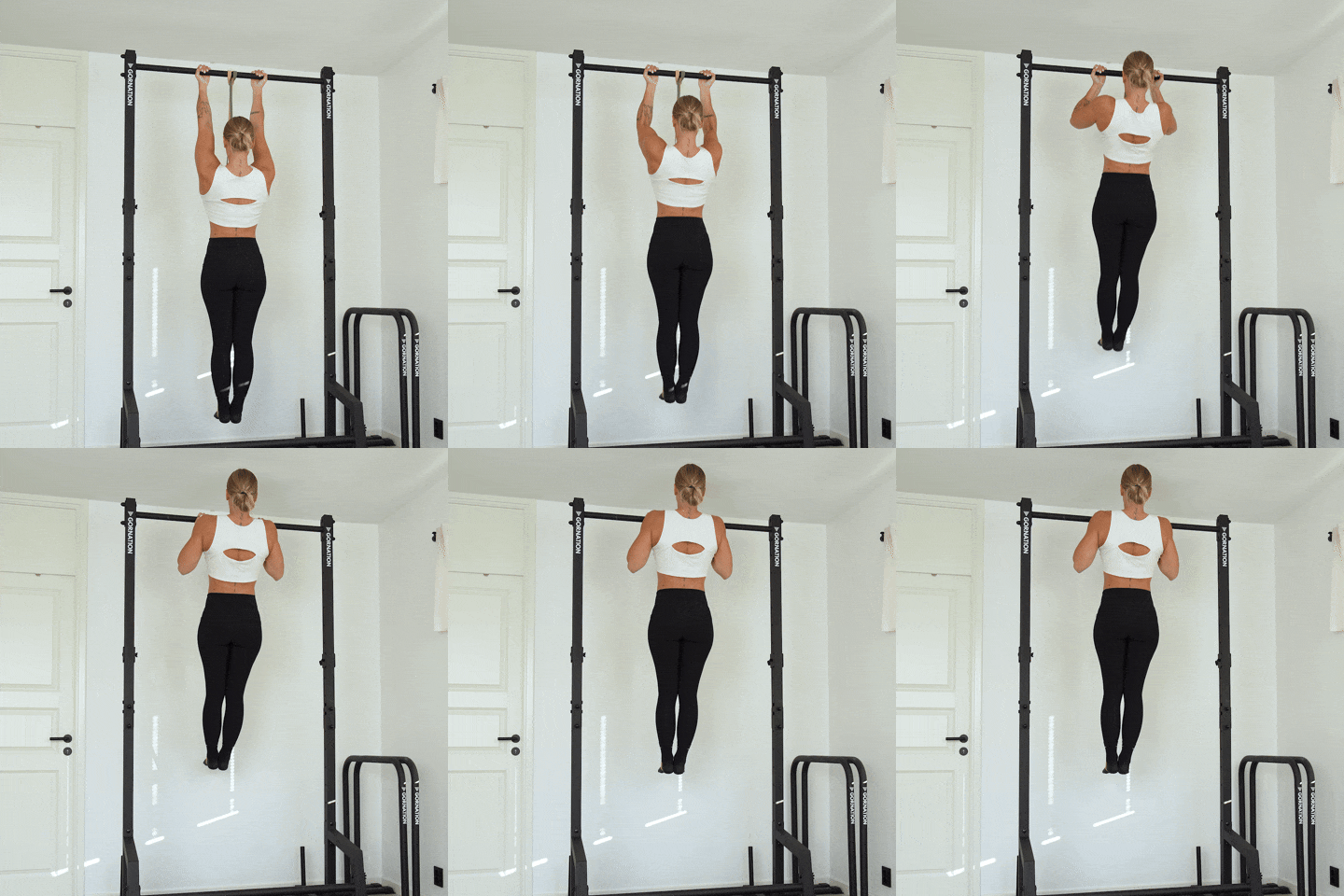
1. Attach and Step Into Band
Loop a resistance band over the center of the pull-up bar so it hangs straight down. Step both feet into the bottom of the band loop so it sits securely under your arches. Choose a band thickness that allows you to complete reps with control but still challenges you through the full range of motion.
Both feet in the band, centered
2. Set Your Supinated Grip
Grab the bar with a supinated grip, meaning palms facing toward you and thumbs pointing outward. Place your hands at roughly shoulder width or slightly narrower. Wrap your thumbs fully around the bar for a secure hold. Do not go wider than shoulder width, as this reduces the bicep involvement that makes the chin-up distinct.
Palms toward you, shoulder width
3. Initiate With a Scapular Pull
Before bending your elbows, pull your shoulder blades down and back to engage the lats and upper back stabilizers. This scapular depression is the first movement of every rep. Skipping it shifts the load entirely onto the arms and leaves the back underworked. Maintain full body tension through your core and legs as you set the scapula.
Shoulders down before you bend
4. Pull Chin Over the Bar
Drive your elbows down and slightly back as you pull your body upward. Continue pulling until your chin clears above the bar, keeping your chest lifted throughout. Your chin should clear the bar as a result of full pulling effort, not by craning your neck forward. Squeeze your shoulder blades together at the top to complete the full range of motion.
Chest up, chin clears the bar
5. Squeeze and Hold at the Top
At the top position, pause briefly and squeeze the shoulder blades together to ensure the upper back is fully engaged. This retraction at the top trains the exact motor pattern you need for an unassisted chin-up. Keep your core tight and avoid swinging or relaxing the legs.
Squeeze shoulder blades together
6. Lower Under Control
Slowly extend your arms on the way down, resisting the pull of gravity and the band for the entire descent. Aim for a 3-second lowering phase to maximize strength development in the eccentric portion. Return to a full dead hang with arms completely extended, then re-set your scapula before beginning the next rep.
Three seconds down, full extension
The biggest mistake people make with assisted chin-ups is picking a band that makes the exercise too easy and then cranking out sloppy reps. The band is there to let you practice perfect form, not to do the work for you. Drop to a thinner band as soon as you can manage 3 sets of 8 with clean scapular initiation and a controlled descent on every rep.
Muscles Worked During Assisted Chin Up
Secondary Muscles:
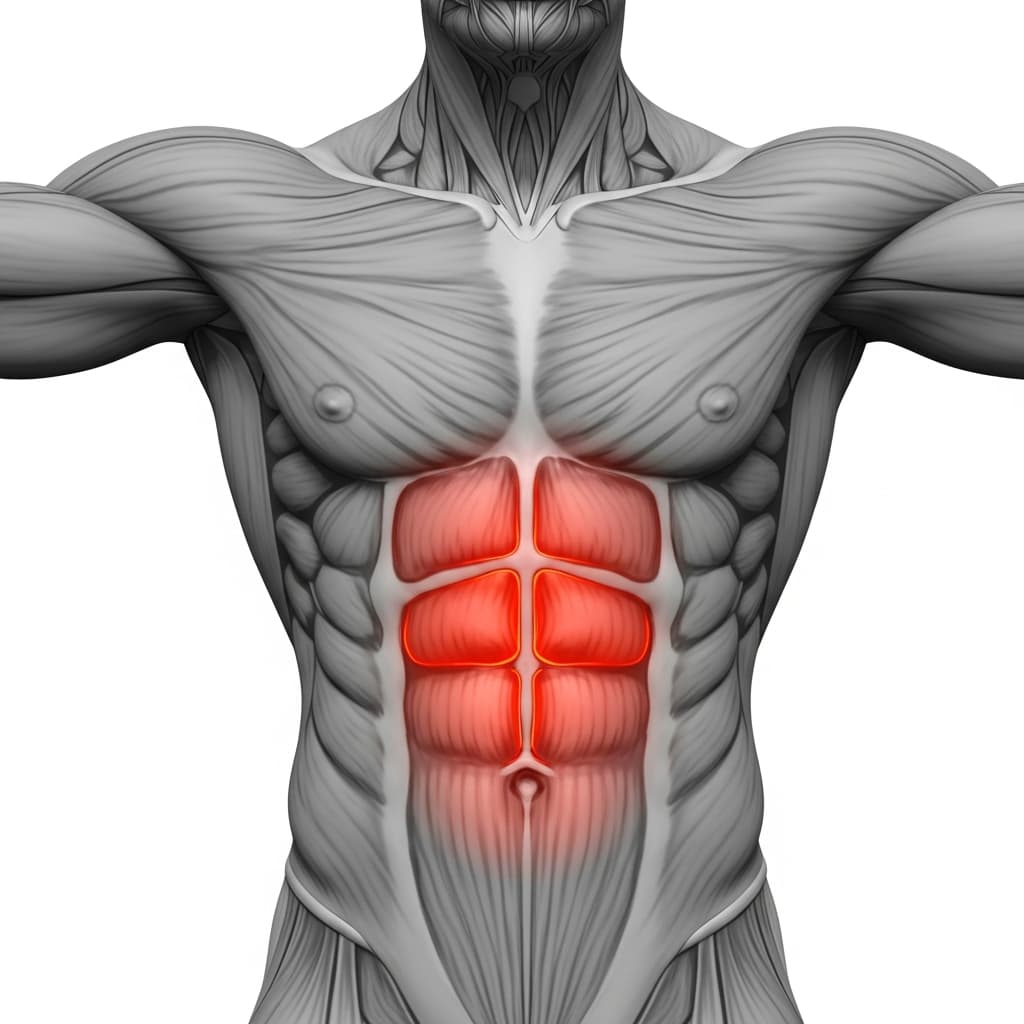
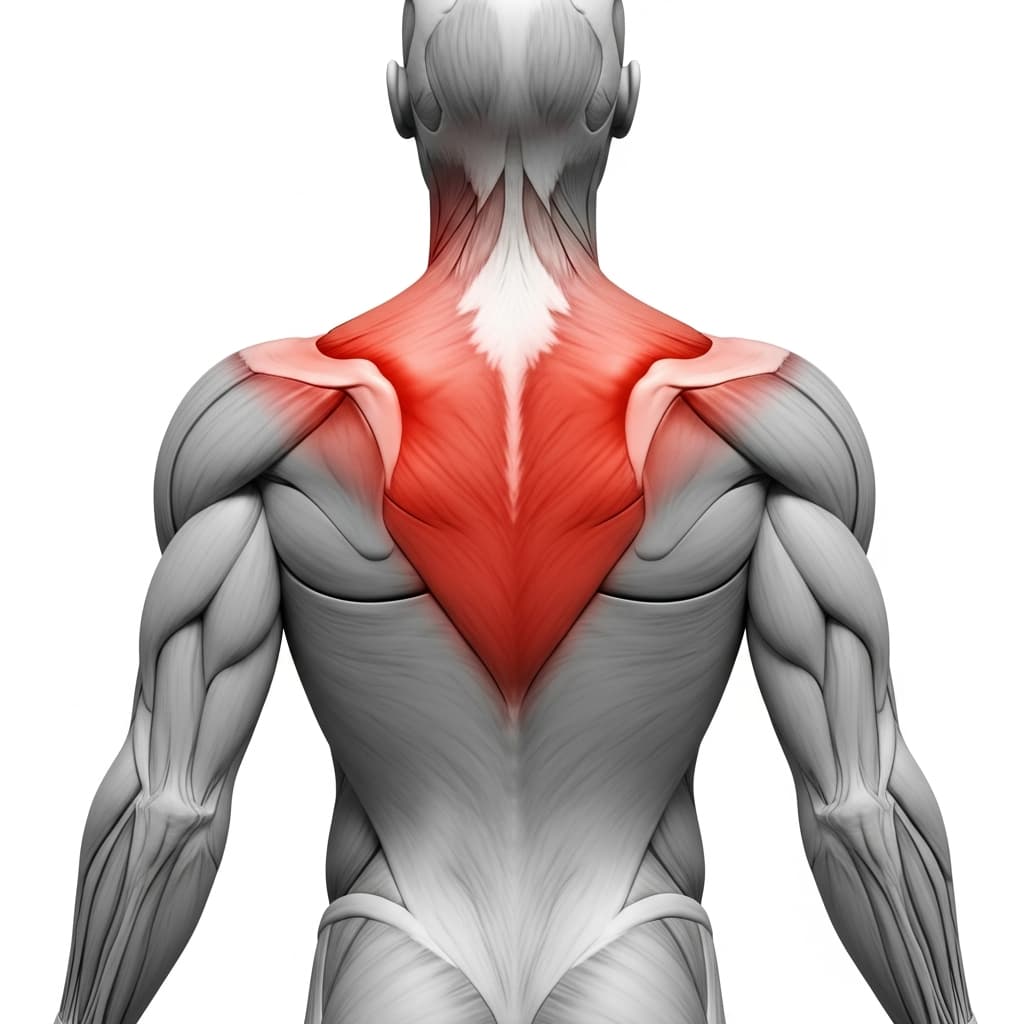
Primary Muscles
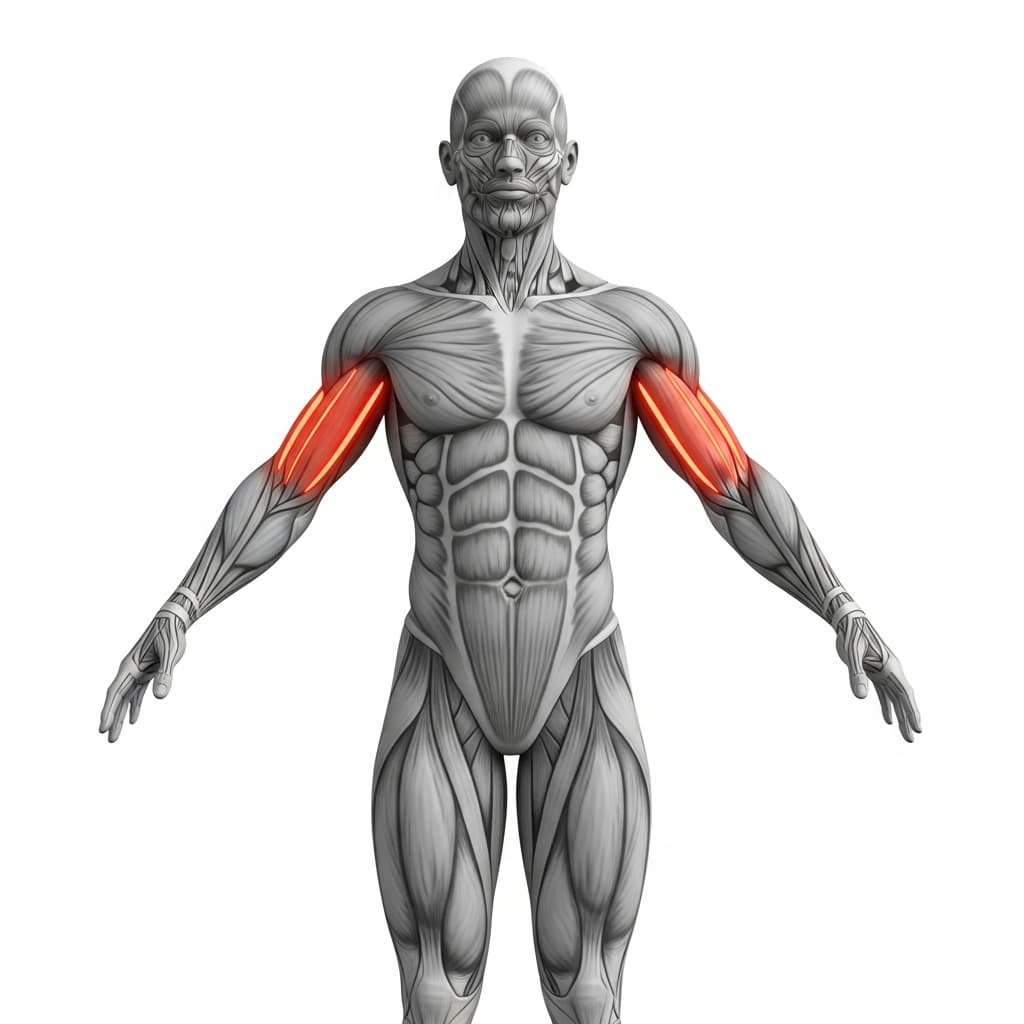
Biceps Brachii (Biceps) - The biceps flex the elbow throughout the pulling phase and receive extra emphasis due to the supinated grip position.
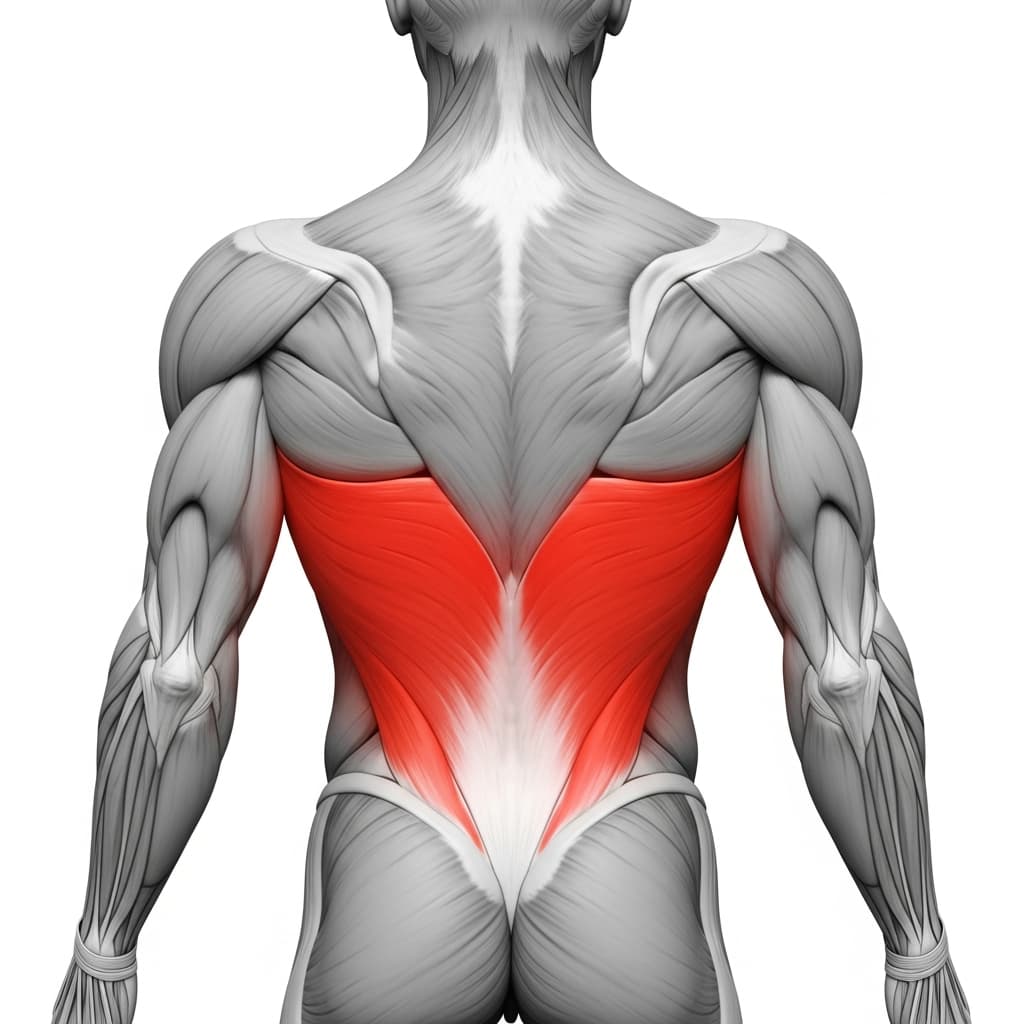
Latissimus Dorsi (Lats) - The lats drive shoulder extension and adduction, pulling the body upward toward the bar from the dead hang.
Secondary Muscles
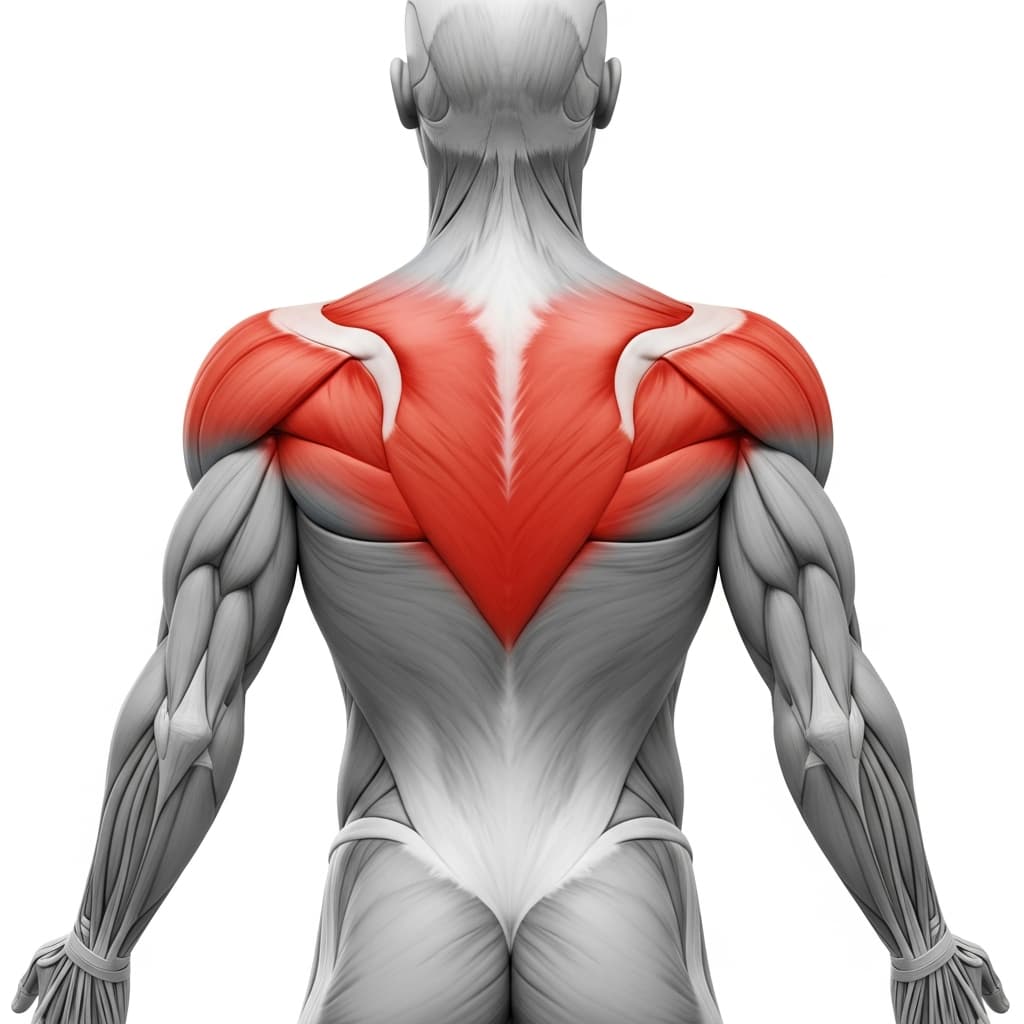
Rhomboids & Upper Trapezius (Upper Back) - The upper back muscles, including the rhomboids and mid-traps, retract the shoulder blades at the top of each rep to complete the full range of motion.
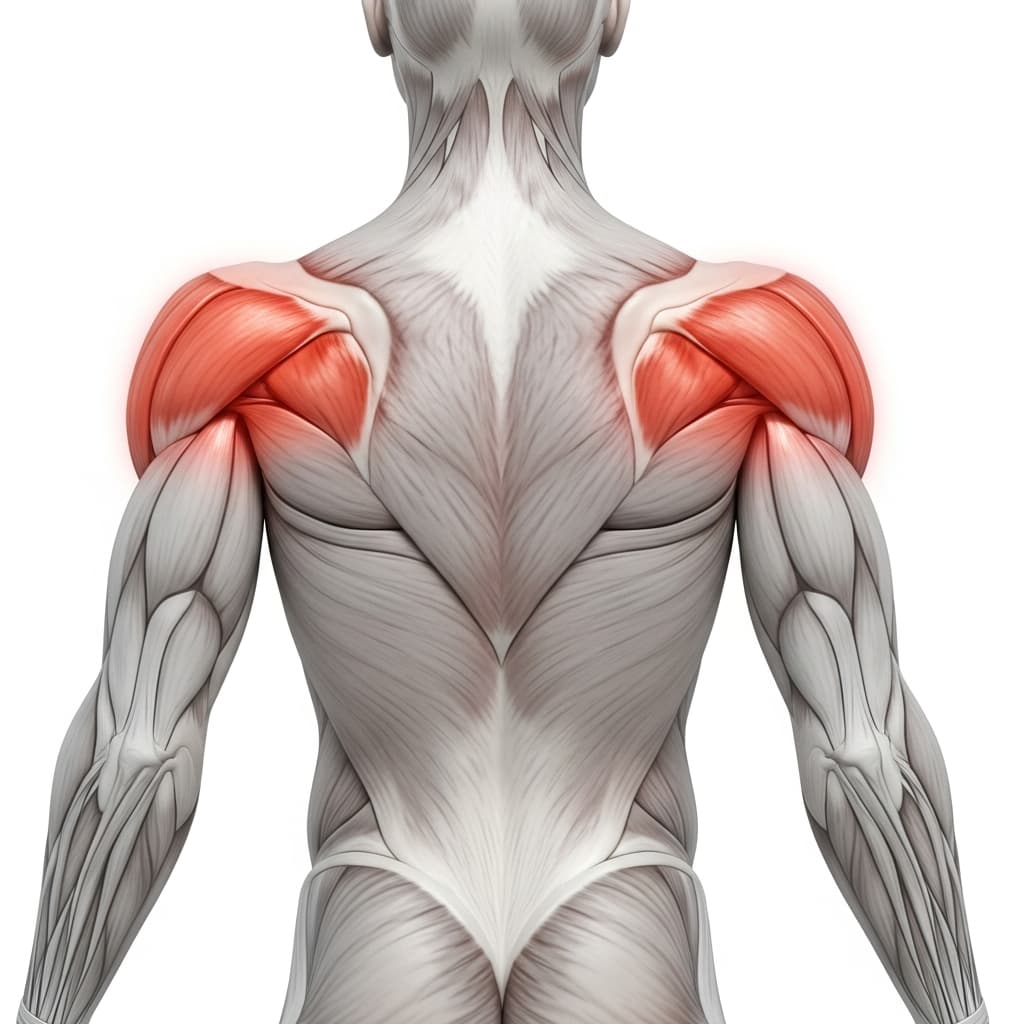
Posterior Deltoid (Rear Deltoid) - The rear deltoids assist with shoulder extension during the pull and help stabilize the shoulder joint throughout the movement.
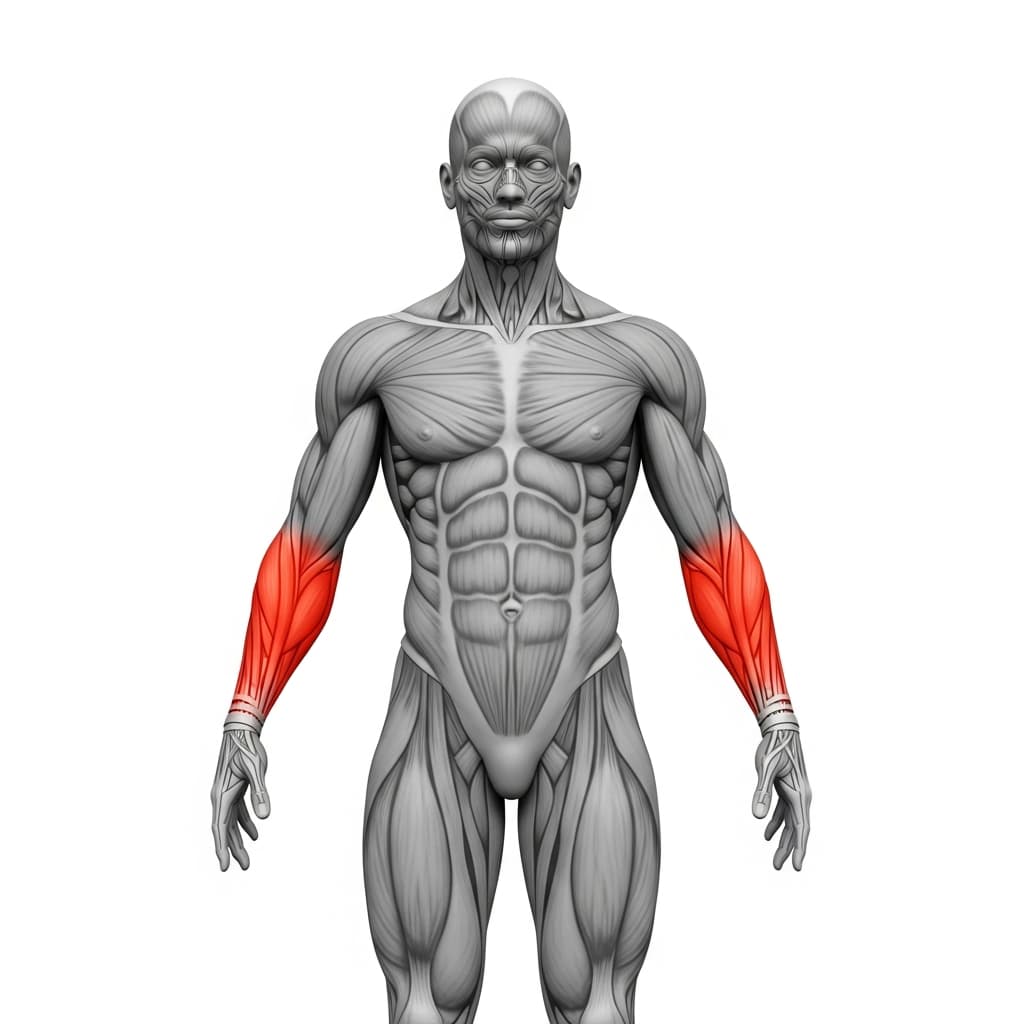
Forearm Flexors & Extensors (Forearms) - The forearm flexors maintain grip on the bar under load for the entire duration of each set.
Rectus Abdominis (Abs) - The abdominals brace the torso and prevent swinging, maintaining full body tension through each rep.
Trapezius (Trapezius) - The lower traps depress the scapula during the initiation phase, while the mid-traps assist with scapular retraction at the top.
Benefits of Assisted Chin Up
- Teaches the exact scapular mechanics and pulling pattern needed for unassisted chin-ups, making it the most direct progression tool for that goal
- Develops bicep and lat strength through a full range of motion under a load you can actually control with proper form
- Builds grip strength and forearm endurance through sustained loaded hanging at reduced bodyweight
- Strengthens scapular stabilizers and upper back muscles, which protects the shoulder joint during all overhead and pressing movements
- Allows volume accumulation for beginners who cannot yet perform enough unassisted reps to create a meaningful training stimulus
Who Is This Exercise For?
You should be able to hold a dead hang from the bar for at least 15 seconds and perform scapular pull-ups with controlled retraction and depression before attempting assisted chin-ups. Familiarity with band setup on a pull-up bar is important so you can step in and out safely. If you cannot maintain a stable grip on the bar for that duration, work on dead hangs and active hangs first.
Common Mistakes to Avoid
Skipping scapular initiation: Depress and retract your shoulder blades before bending the elbows on every single rep. Practice isolated scapular pull-ups as a warm-up to build this habit until it becomes automatic.
Using too thick a band: A band that is too heavy does most of the work for you, especially at the bottom of the rep where you need the most strength development. Choose a band that makes the last two reps of each set genuinely challenging.
Craning the neck to clear the bar: Your chin should pass the bar because you pulled hard enough, not because you jutted your head forward. Keep your neck neutral and focus on driving the elbows down and back.
Dropping on the descent: Letting gravity pull you down wastes the eccentric phase, which is responsible for a large portion of your strength gains. Control the lowering for at least 3 seconds on every rep.
Grip wider than shoulder width: A supinated grip wider than shoulder width places unnecessary stress on the wrists and reduces the bicep emphasis that defines a chin-up. Keep your hands at shoulder width or slightly narrower.