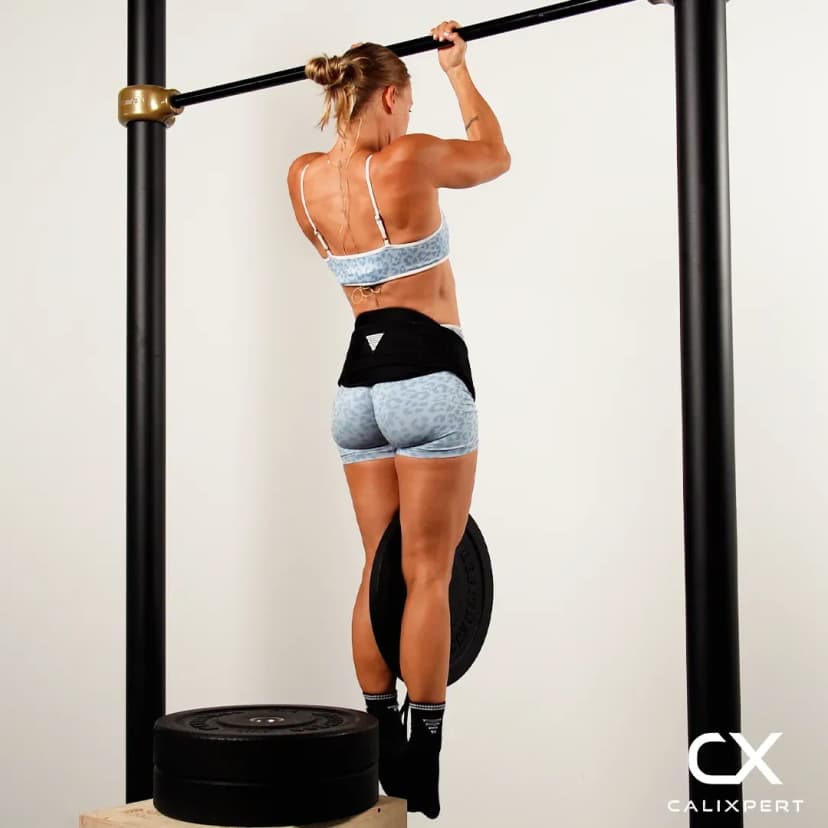
Chin Up Top Hold
The chin up top hold is an isometric exercise where you hold the top position of a chin-up with your chin above the bar, targeting the biceps, lats, and upper back under sustained tension. Unlike a full chin-up rep, the top hold isolates the contracted position and forces the muscles to maintain peak engagement without any momentum or rest. This makes it one of the most effective exercises for building pulling endurance, strengthening the scapular retractors, and preparing the body for longer sets of chin-ups and more advanced pulling skills.
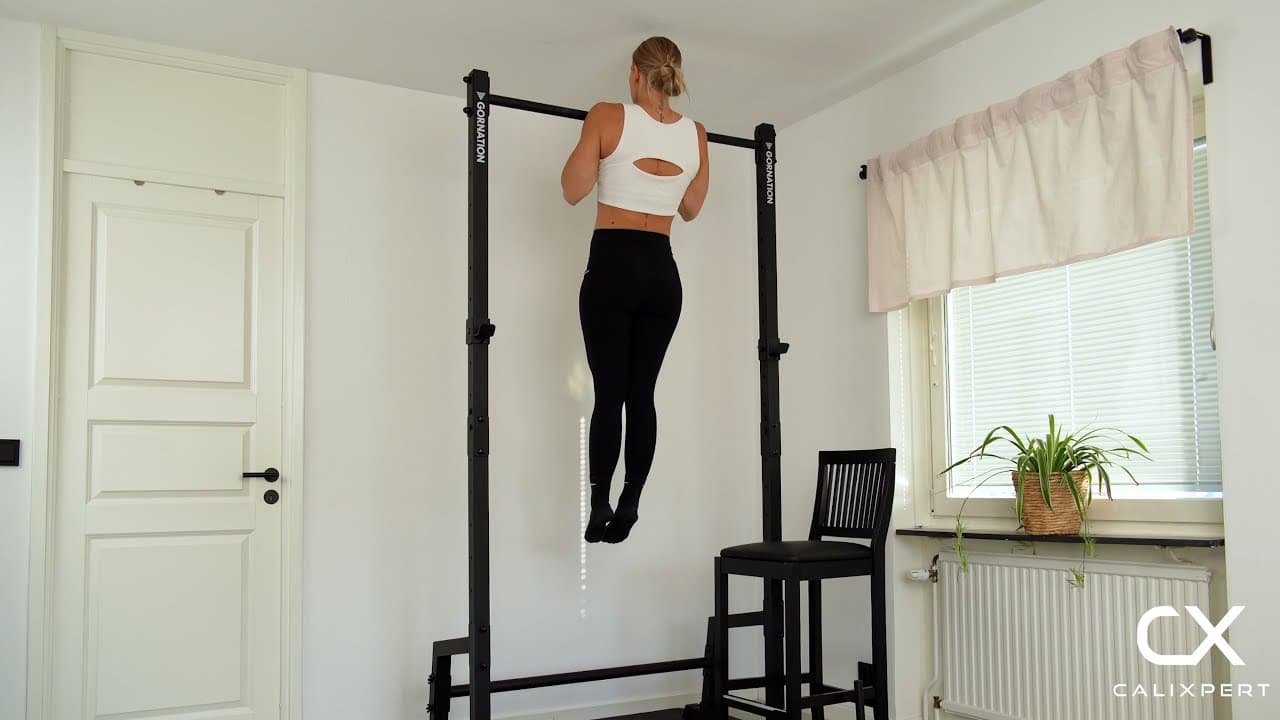
The chin up top hold is an isometric exercise where you hold the top position of a chin-up with your chin above the bar, targeting the biceps, lats, and upper back under sustained tension. Unlike a full chin-up rep, the top hold isolates the contracted position and forces the muscles to maintain peak engagement without any momentum or rest. This makes it one of the most effective exercises for building pulling endurance, strengthening the scapular retractors, and preparing the body for longer sets of chin-ups and more advanced pulling skills.
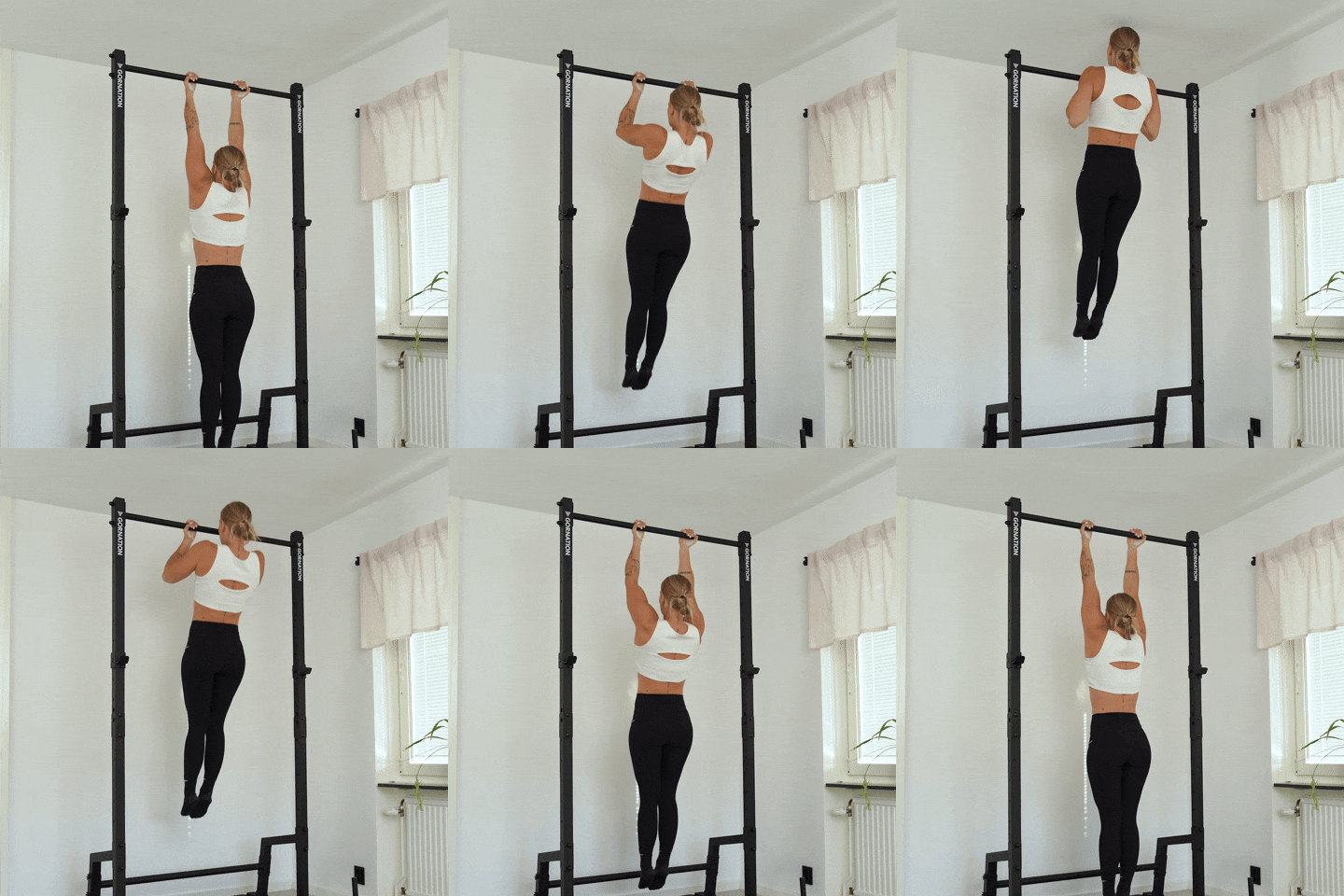
How to Do Chin Up Top Hold
1. Position a Chair or Box
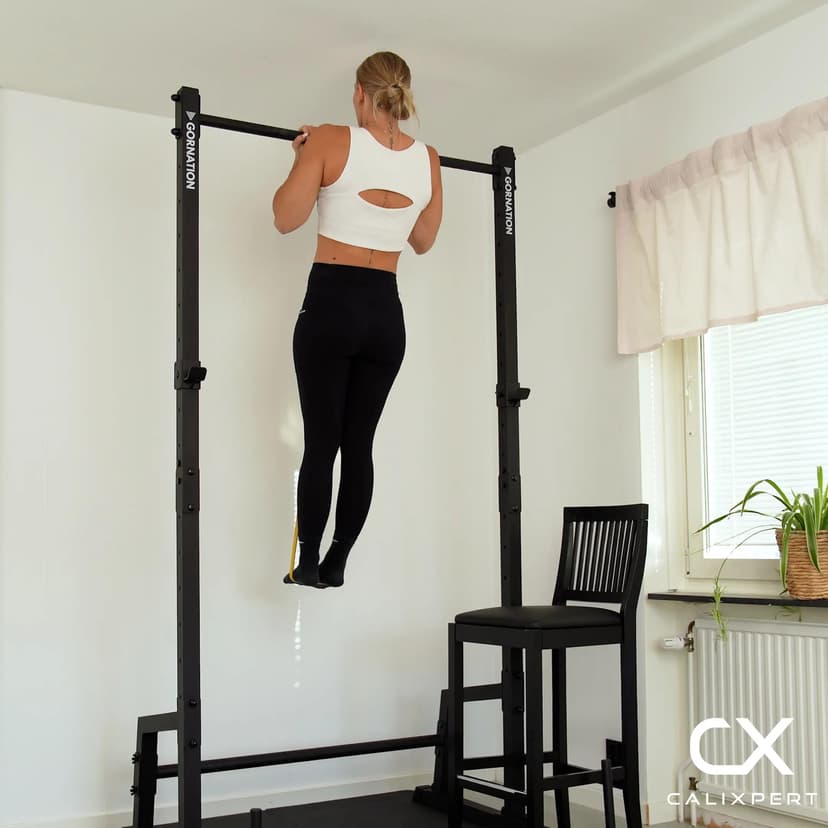
Place a sturdy chair, stool, or box directly beneath the pull-up bar so you can step up and reach the bar at chest height. You need to enter the top hold position by stepping into it, not by pulling up or jumping. This eliminates unnecessary fatigue before the hold even begins and lets you focus entirely on proper positioning.
Step into the hold, never jump
2. Grip the Bar Supinated
Grab the bar with a supinated grip, palms facing toward you and thumbs wrapped fully around the bar. Place your hands slightly narrower than shoulder width. A wider grip reduces bicep engagement and shifts the hold into more of a pull-up pattern, so keep the hands close. This underhand position maximizes bicep and lat involvement in the hold.
Palms toward you, narrower than shoulders
3. Set Scapular Retraction
Before lifting your feet off the chair, squeeze your shoulder blades together and pull your shoulders down away from your ears. This scapular retraction and depression must be locked in before any load transfers to your arms. Without this step, the hold becomes a passive hang on the joints rather than an active muscular contraction.
Shoulder blades squeezed and shoulders down
4. Drive Elbows Back and Hold
Point your elbows as far back behind you as possible, not flared out to the sides. This elbow position keeps the lats fully shortened and the upper back engaged throughout the hold. Your chin should be clearly above the bar, with your chest lifted slightly toward it. Maintain a tight, active position rather than simply hanging at the top.
Elbows back, chest to the bar
5. Engage Your Core and Hold
Brace your abs and maintain a slight hollow body position by tucking the ribs down and keeping the legs together. An active core prevents swinging and keeps the load distributed across the pulling muscles evenly. Breathe steadily throughout the hold, exhaling through pursed lips to maintain abdominal tension. Hold the position for the target duration without letting any part of your form break down.
Tight core, steady breathing
6. Lower Under Control to Exit
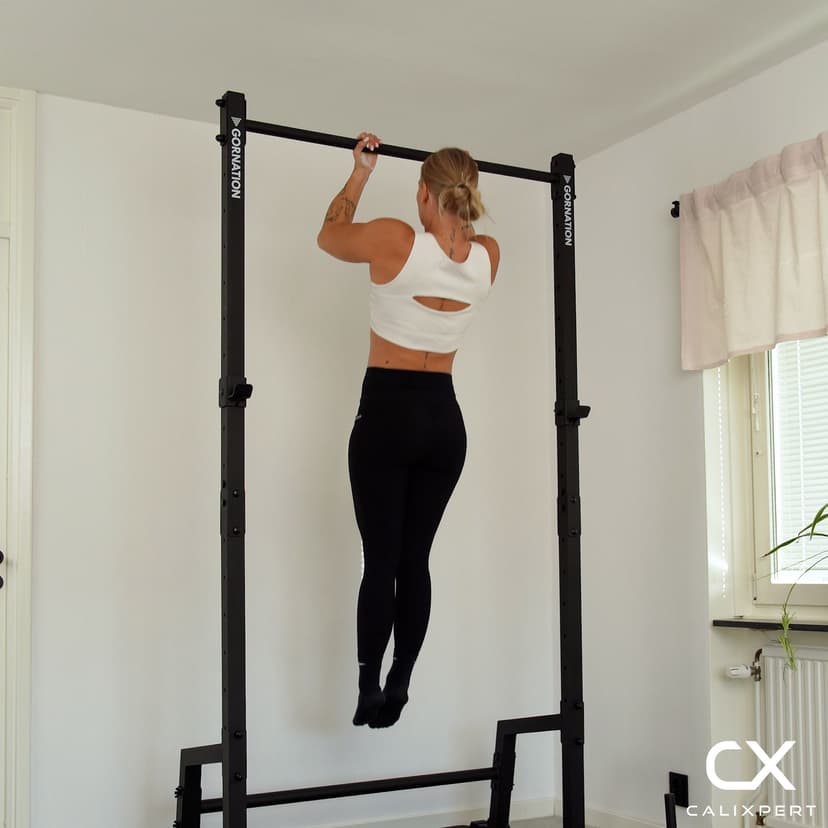
When the hold is complete, lower yourself slowly to full arm extension over 3 to 4 seconds. Do not drop suddenly or release the bar from the top position, as this places unnecessary stress on the elbows and shoulders. Step back onto the chair between sets to re-enter the hold without wasting energy on pulling up.
Slow descent, no dropping
Most people lose the hold because they forget the scapula, not because their arms give out. If your shoulders start creeping up toward your ears, the lats are disengaging and all the load shifts into the biceps and forearms. Set the shoulder blades down and back before you even lift your feet, then focus on keeping the elbows as far behind you as possible for the entire hold.
Muscles Worked During Chin Up Top Hold
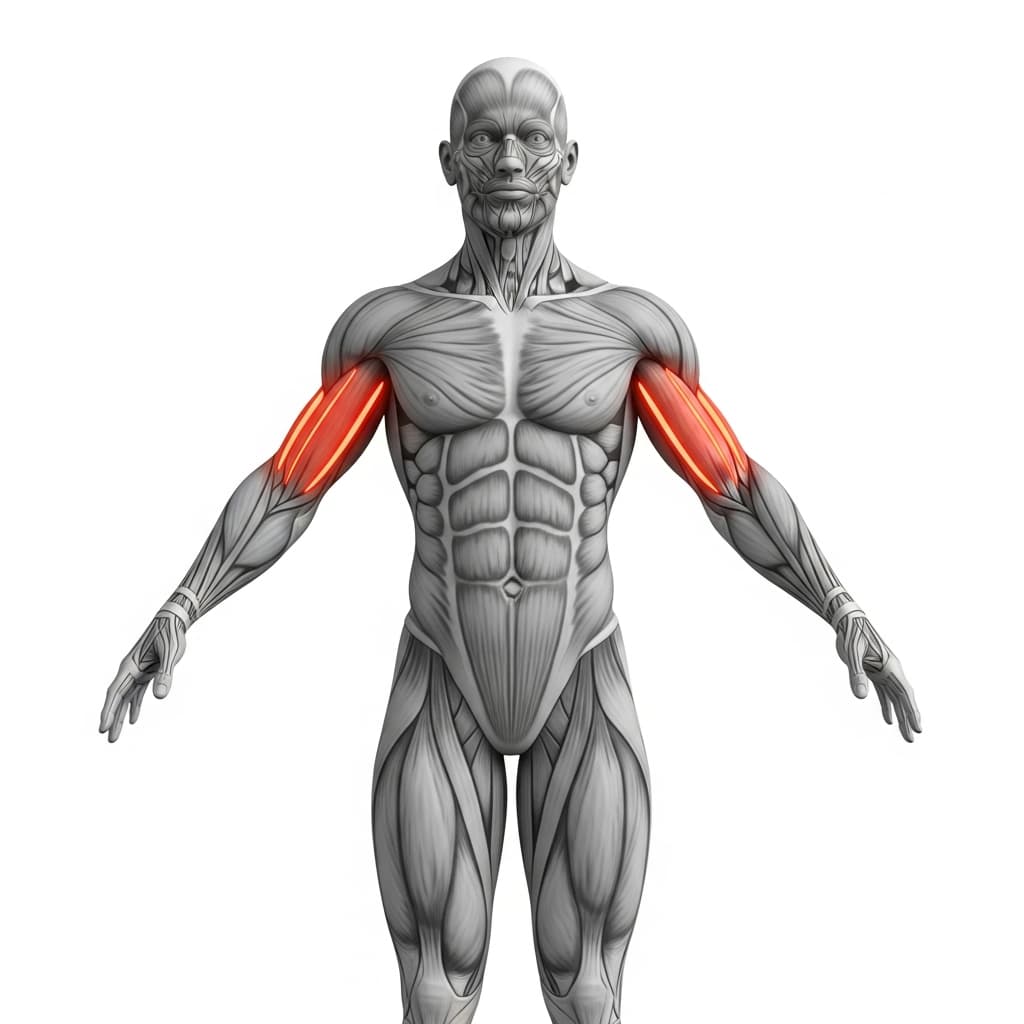
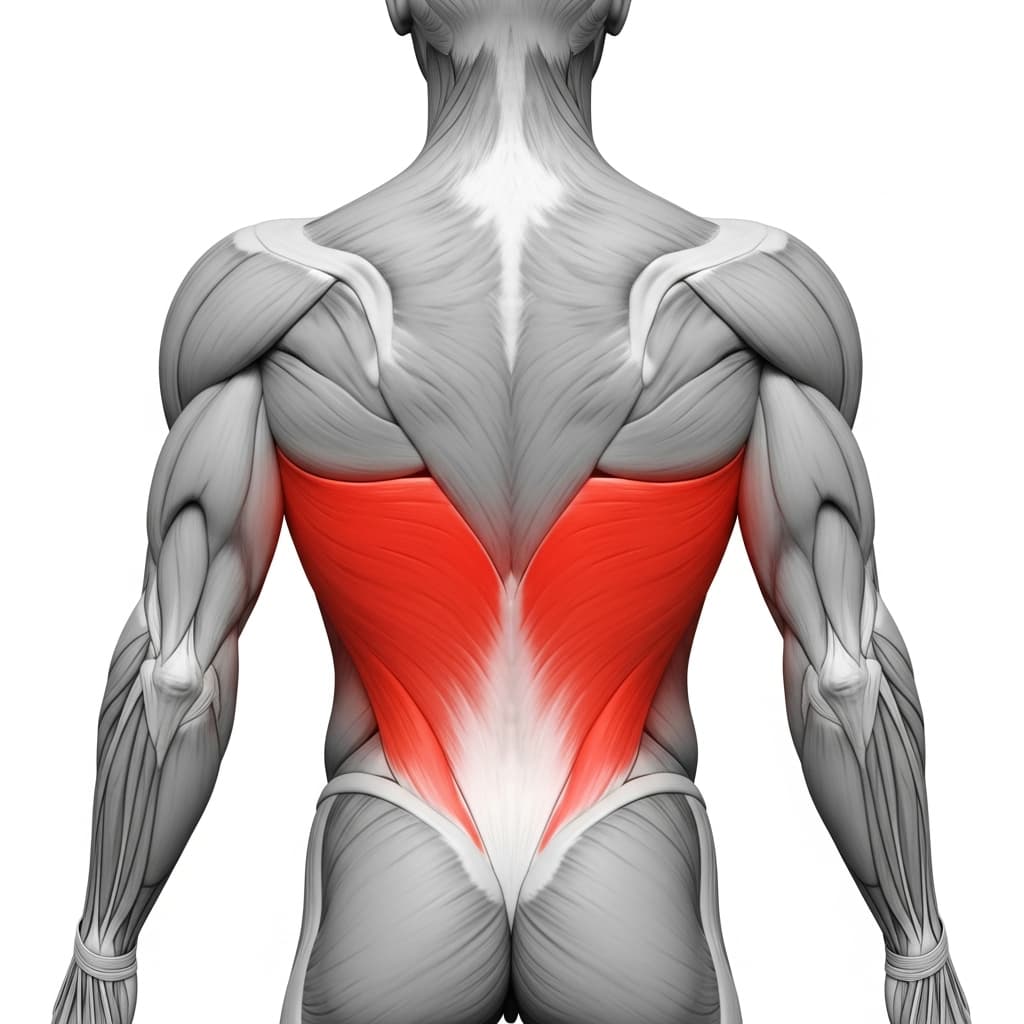
Secondary Muscles:
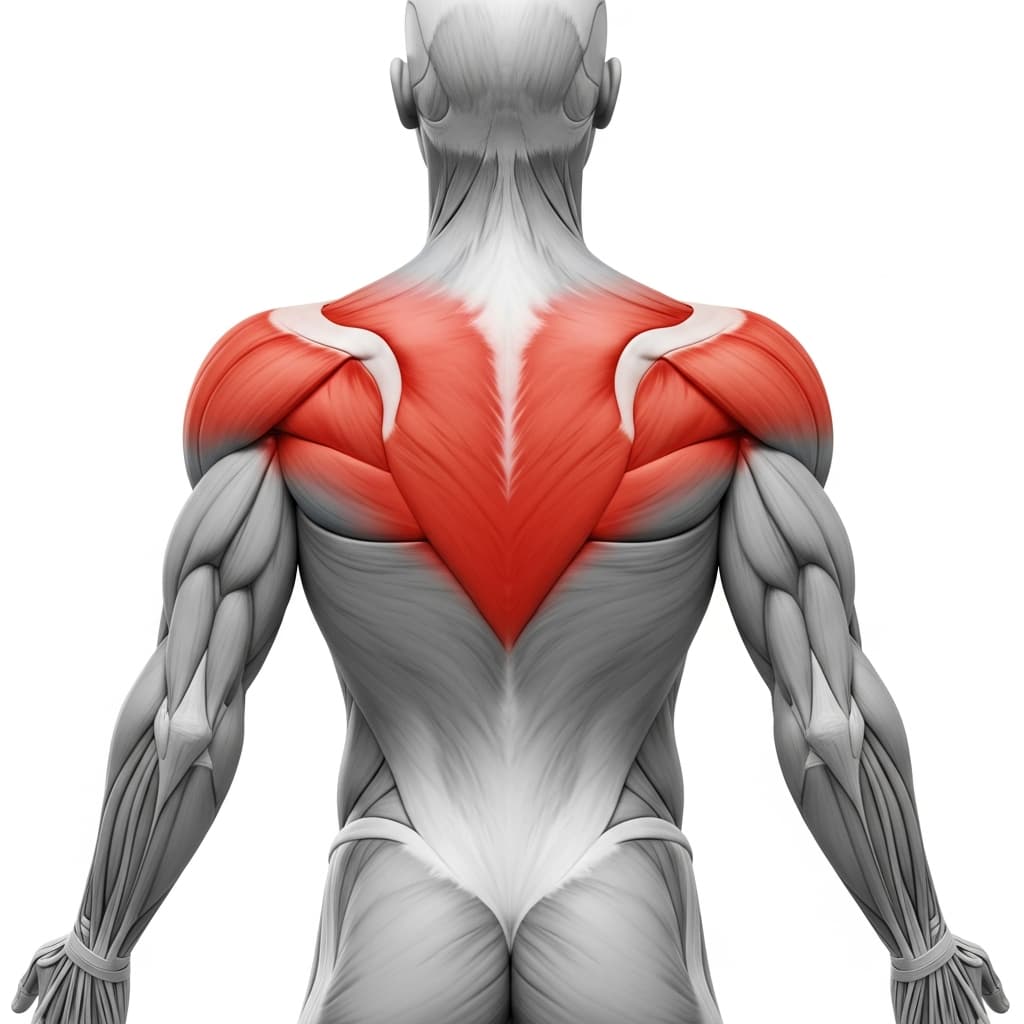
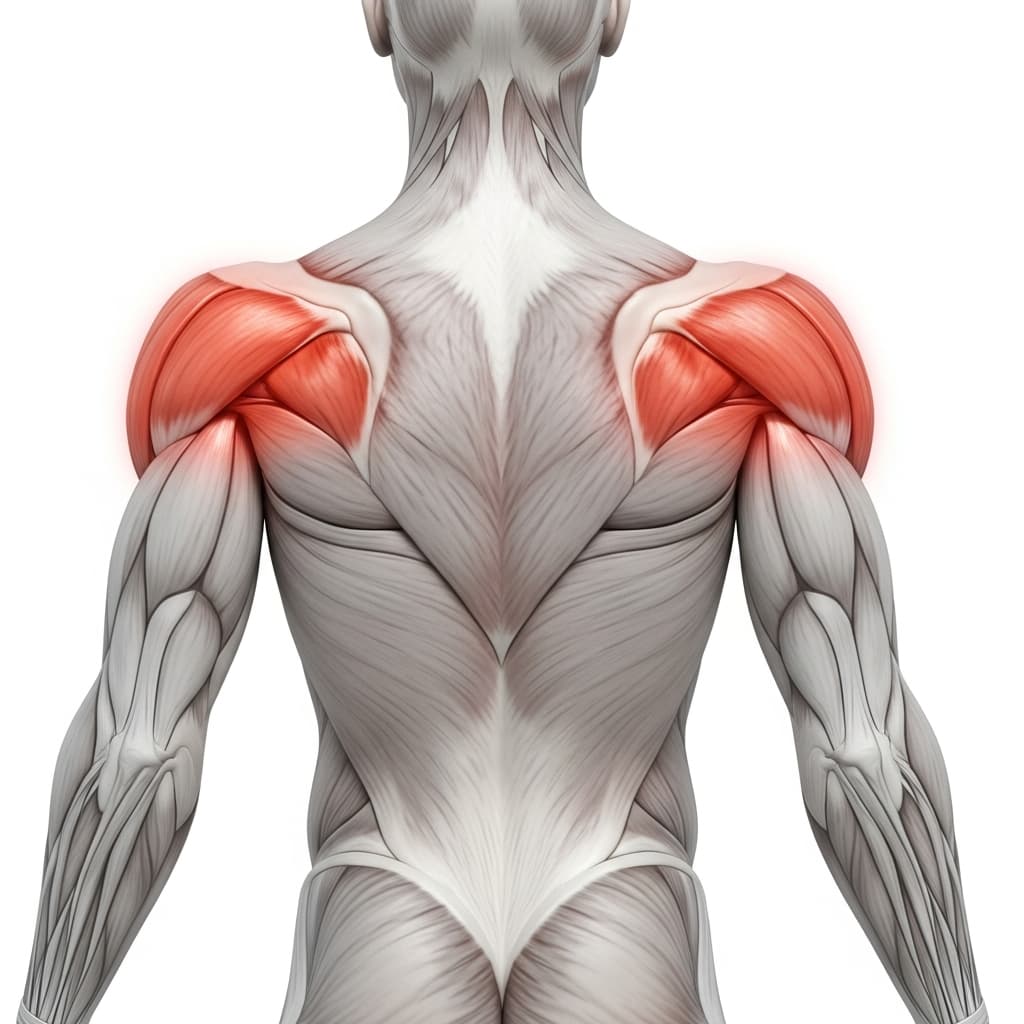
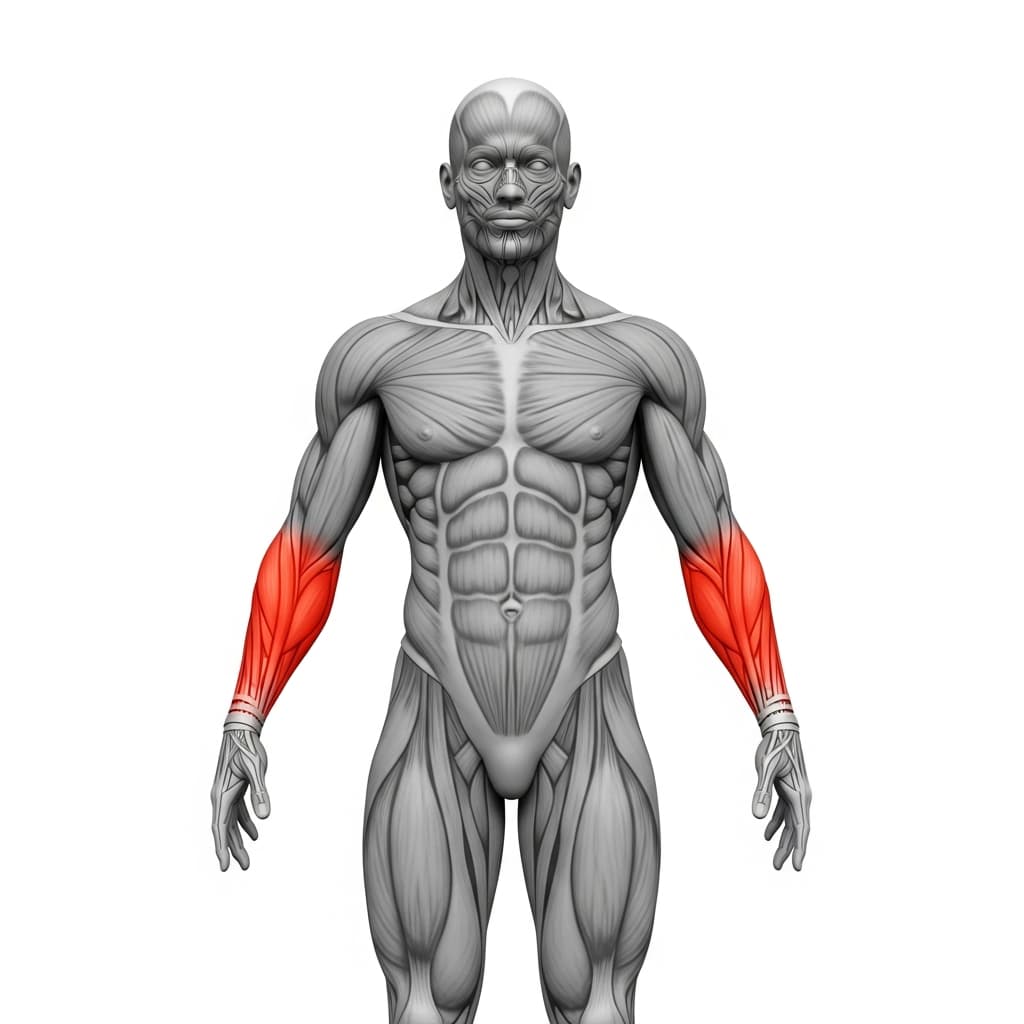
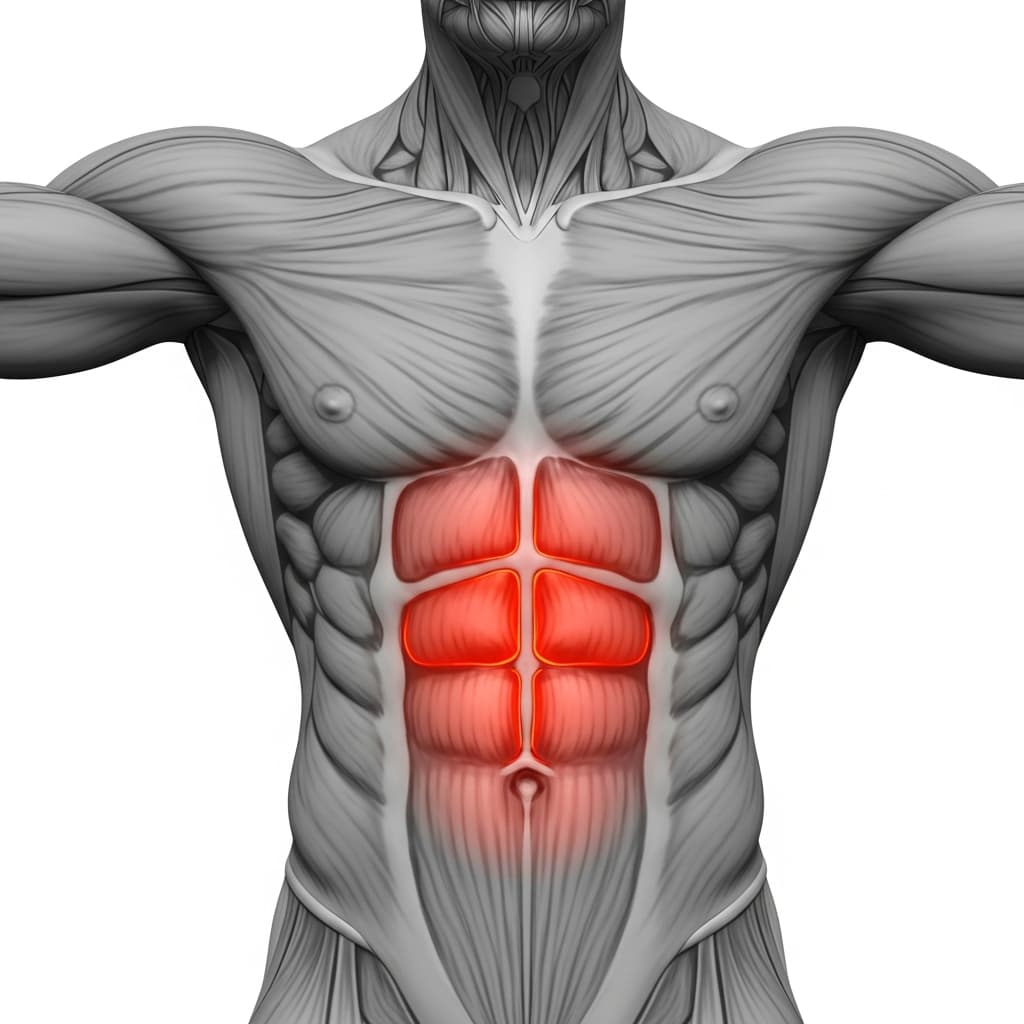
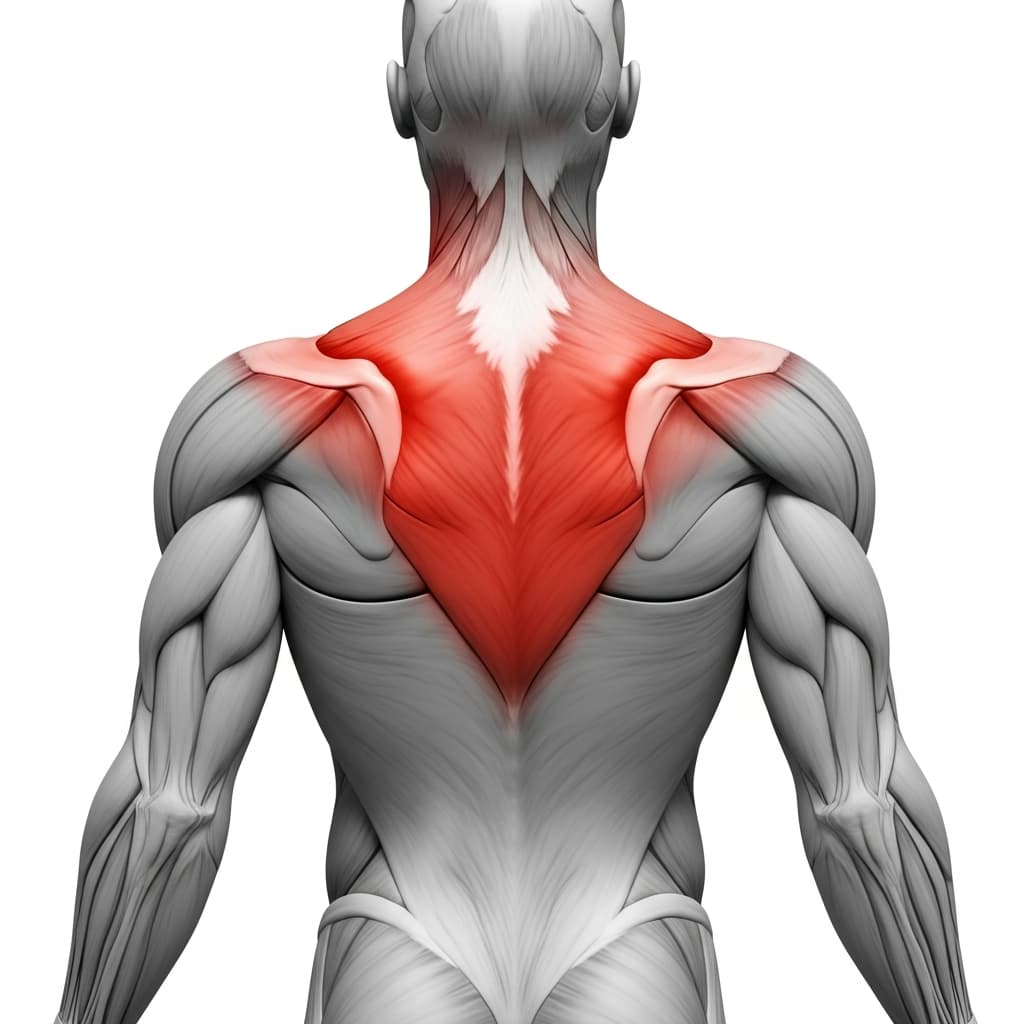
Primary Muscles
Biceps Brachii (Biceps) - The biceps maintain the fully flexed elbow position throughout the hold, resisting the pull of gravity on the body under sustained isometric contraction.
Latissimus Dorsi (Lats) - The lats hold the shoulders in adduction and extension, keeping the body pulled up to bar height by maintaining the shortened, contracted position of the upper arm relative to the torso.
Secondary Muscles
Rhomboids & Upper Trapezius (Upper Back) - The rhomboids and mid-trapezius retract the shoulder blades together, maintaining the active scapular position that keeps the chest lifted toward the bar.
Posterior Deltoid (Rear Deltoid) - The rear deltoids assist in holding the upper arm in a pulled-back position, supporting shoulder extension alongside the lats during the isometric hold.
Forearm Flexors & Extensors (Forearms) - The forearm flexors maintain grip on the bar under full bodyweight for the duration of the hold, making them a key endurance contributor.
Rectus Abdominis (Abs) - The abdominals brace the torso in a slight hollow body position, preventing swinging and keeping the body stable and compact throughout the hold.
Trapezius (Trapezius) - The lower traps work to depress the scapulae and keep the shoulders pulled down away from the ears, preventing the common shrugging fault during the hold.
Benefits of Chin Up Top Hold
- Builds isometric pulling strength at the most demanding point of the chin-up range of motion, directly improving full chin-up performance
- Strengthens the scapular retractors and depressors under load, which transfers to better shoulder stability in all overhead and pulling exercises
- Develops bicep endurance and peak contraction strength in a way that dynamic reps alone cannot replicate
- Improves grip endurance and forearm capacity by requiring sustained hanging time under full bodyweight
- Reinforces proper top-position mechanics, training the habit of pulling the chest to the bar with elbows back rather than craning the neck forward
Who Is This Exercise For?
You should be able to hold a dead hang for at least 15 seconds and perform 3 to 5 chin-up negatives with a controlled 3-second descent before attempting the chin up top hold. Scapular pull-ups with an underhand grip should feel stable and controlled, meaning you can depress and retract your shoulder blades on command. If you cannot yet pull yourself to the top of a chin-up or need to jump aggressively to get there, focus on band-assisted chin-ups and negatives first.
Common Mistakes to Avoid
Shrugging the shoulders up toward the ears: Actively depress the shoulders before lifting your feet and maintain that position throughout the hold. If your shoulders creep up during the hold, step back onto the chair, reset your scapula, and re-enter.
Chin barely clearing the bar by jutting the neck forward: Your chin should clear the bar as a result of pulling your chest up, not craning your neck. Keep a neutral neck and focus on driving the elbows back to lift the chest higher.
Jumping into the hold instead of stepping in: Jumping creates momentum and prevents you from setting up proper scapular retraction before loading the muscles. Always use a chair or box to step calmly into position.
Holding breath during the isometric: Breath-holding increases blood pressure and limits hold duration. Breathe in short, controlled cycles throughout the entire hold to keep oxygen flowing to the working muscles.
Using a grip wider than shoulder width: A chin-up top hold requires a narrower, supinated grip. Going too wide shifts the exercise toward a pull-up pattern and reduces the bicep and lat engagement the hold is designed to train.