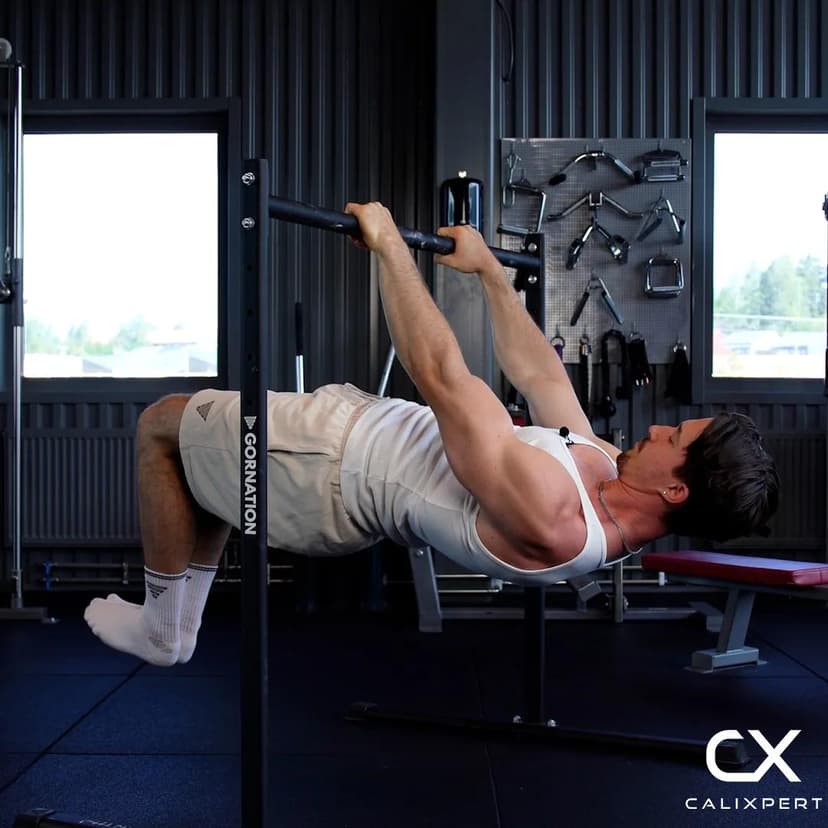
Commando Pull Ups
Commando pull-ups are a vertical pulling variation performed with a neutral, staggered grip while standing perpendicular to the bar, targeting the lats, biceps, and core through an asymmetrical pulling pattern. Unlike standard pull-ups where you face the bar, you position yourself sideways underneath it and alternate pulling your head to each side of the bar on every rep. This grip and body orientation demands serious anti-rotation core strength and builds the kind of unilateral pulling power that transfers directly into muscle-ups, typewriter pull-ups, and one-arm pull-up progressions.
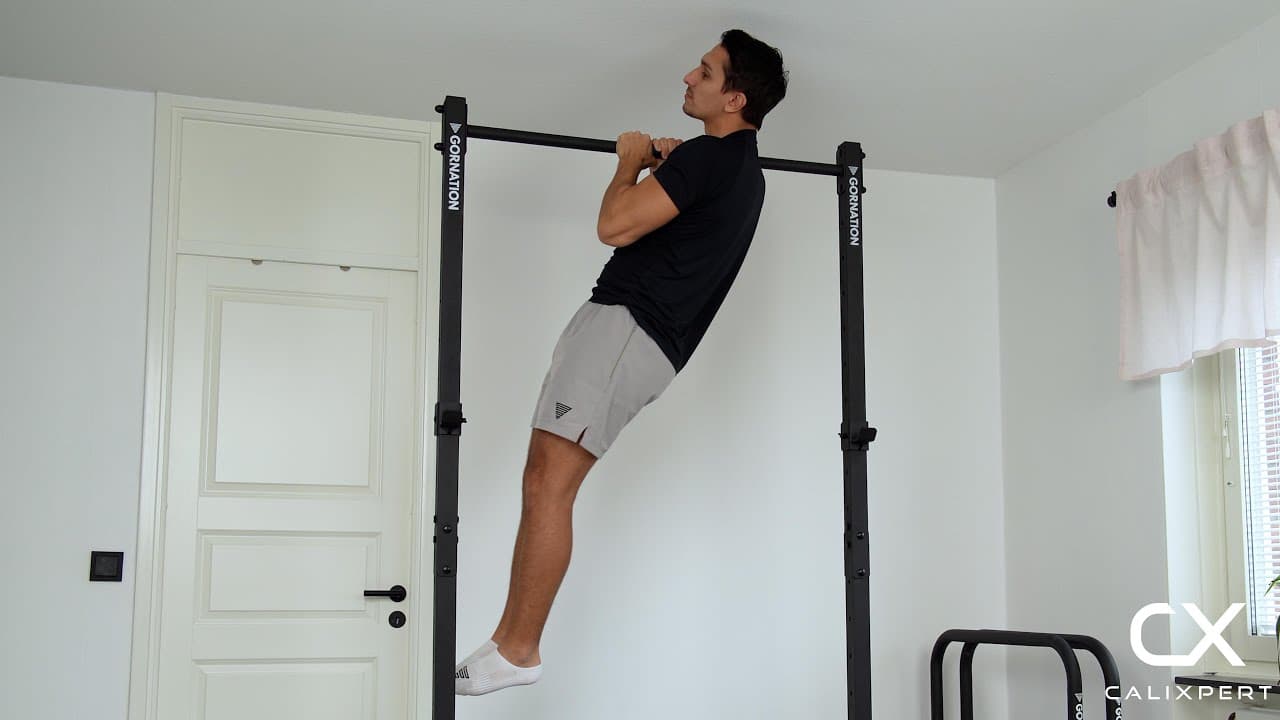
Commando pull-ups are a vertical pulling variation performed with a neutral, staggered grip while standing perpendicular to the bar, targeting the lats, biceps, and core through an asymmetrical pulling pattern. Unlike standard pull-ups where you face the bar, you position yourself sideways underneath it and alternate pulling your head to each side of the bar on every rep. This grip and body orientation demands serious anti-rotation core strength and builds the kind of unilateral pulling power that transfers directly into muscle-ups, typewriter pull-ups, and one-arm pull-up progressions.
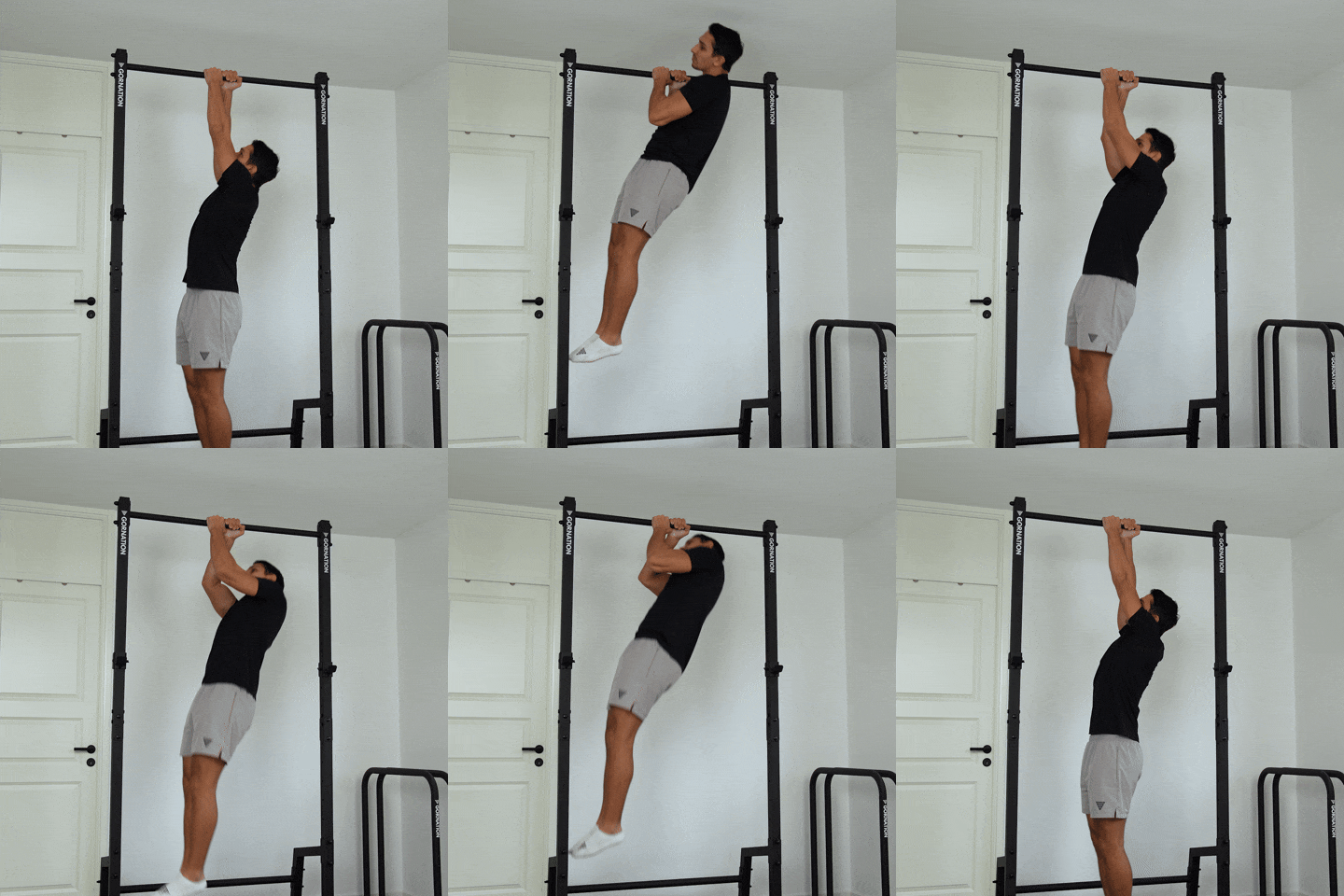
How to Do Commando Pull Ups
1. Position Yourself Under the Bar
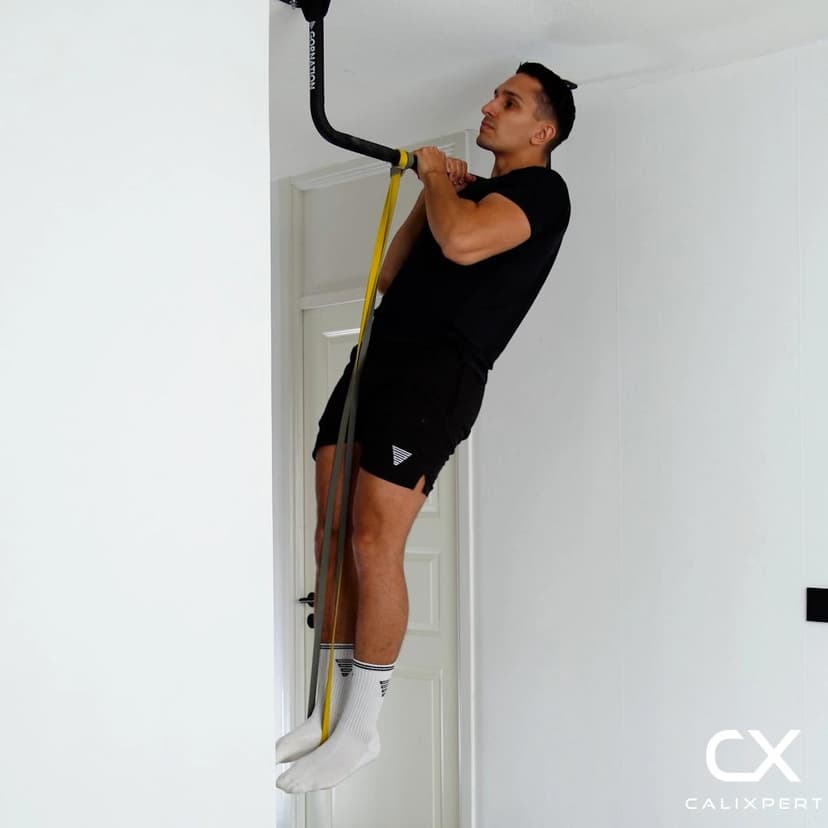
Stand perpendicular to the bar so that the bar runs directly above you from front to back, not left to right. Turn 90 degrees from the normal pull-up facing position so your body is lined up directly underneath the bar lengthwise. Your shoulders should be stacked directly below the bar with your chest facing to one side.
Stand sideways, bar runs over your head
2. Grip the Bar With Stacked Hands
Reach up and place one hand in front of the other on the bar using a neutral grip, with palms facing each other. Point your knuckles slightly upward toward the ceiling rather than wrapping the hands flat. Wrap your thumbs fully around the bar for a secure grip. Switch which hand is in front on every set to balance the training stimulus on each side.
Knuckles up, thumbs around the bar
3. Hang Straight and Brace Your Core
Let your body hang with arms fully extended and actively resist any rotation. Tense your legs and squeeze your core to keep your body facing straight forward and aligned with the bar. If you relax in the hang, your body will twist to one side and turn the movement into a different exercise entirely. Maintain this straight-line tension throughout every rep.
Squeeze tight, no twisting
4. Pull Up to One Side of the Bar
Initiate the pull by depressing your shoulder blades and then driving your elbows down close to your body. Pull your head to one side of the bar, aiming to bring your shoulder up to bar height. Keep your elbows tucked tight to your sides throughout the ascent rather than flaring them out.
Elbows tight, head to one side
5. Lower Under Control and Switch Sides
Slowly lower yourself back to the full dead hang position, resisting gravity on the way down with a 2 to 3 second descent. Re-establish your straight body alignment and core tension at the bottom. On the next rep, pull your head to the opposite side of the bar. Continue alternating sides for each repetition.
Slow descent, alternate every rep
6. Switch Hand Position Each Set
After completing a full set, switch which hand is in front for the next set. This ensures both sides of your back and both arms receive equal training volume. Failing to switch will create strength imbalances over time that limit your progress on advanced unilateral pulling skills.
Front hand switches every set
The biggest mistake people make with commando pull-ups is treating them like a fancy regular pull-up and letting their body swing freely. The real value of this movement comes from keeping your body perfectly straight and resisting rotation on every single rep. If you cannot stay straight, lighten the load with a band and focus on squeezing your core hard before you even start pulling.
Muscles Worked During Commando Pull Ups
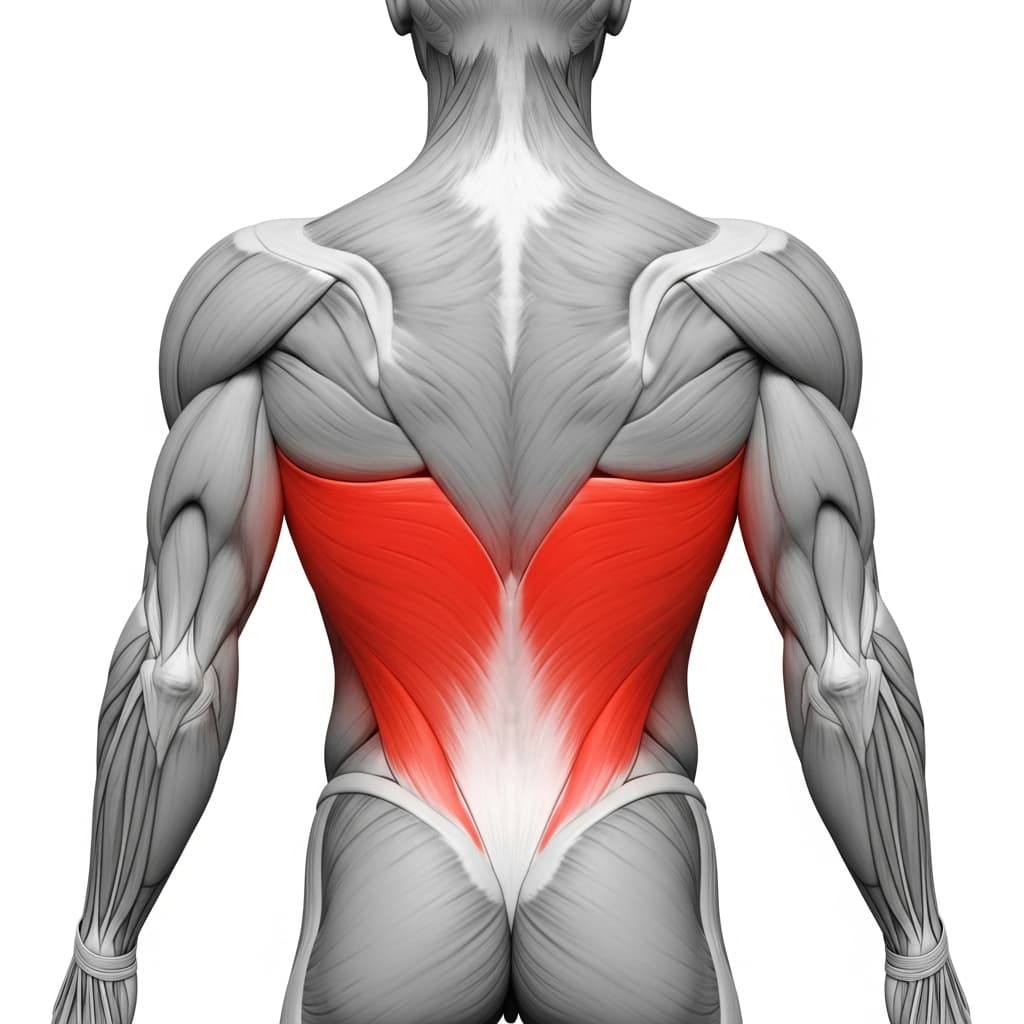
Secondary Muscles:
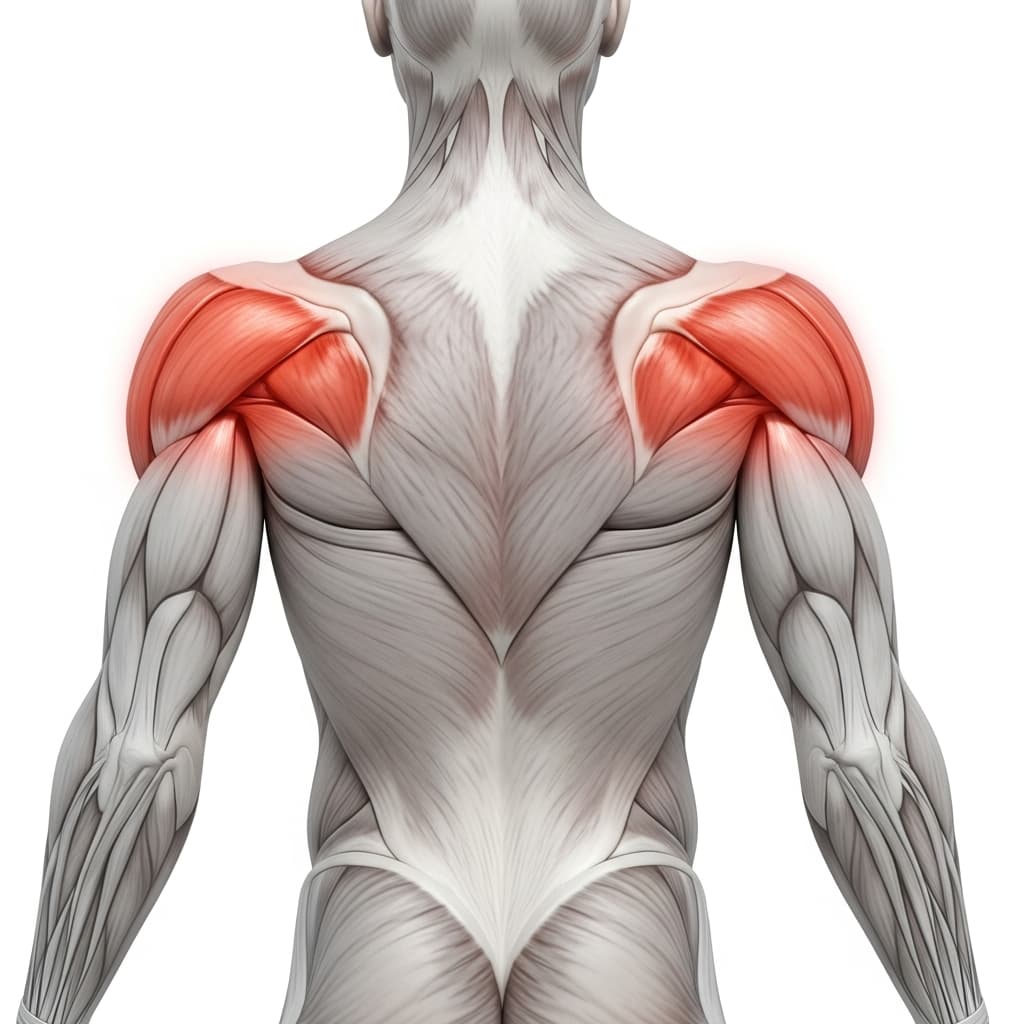
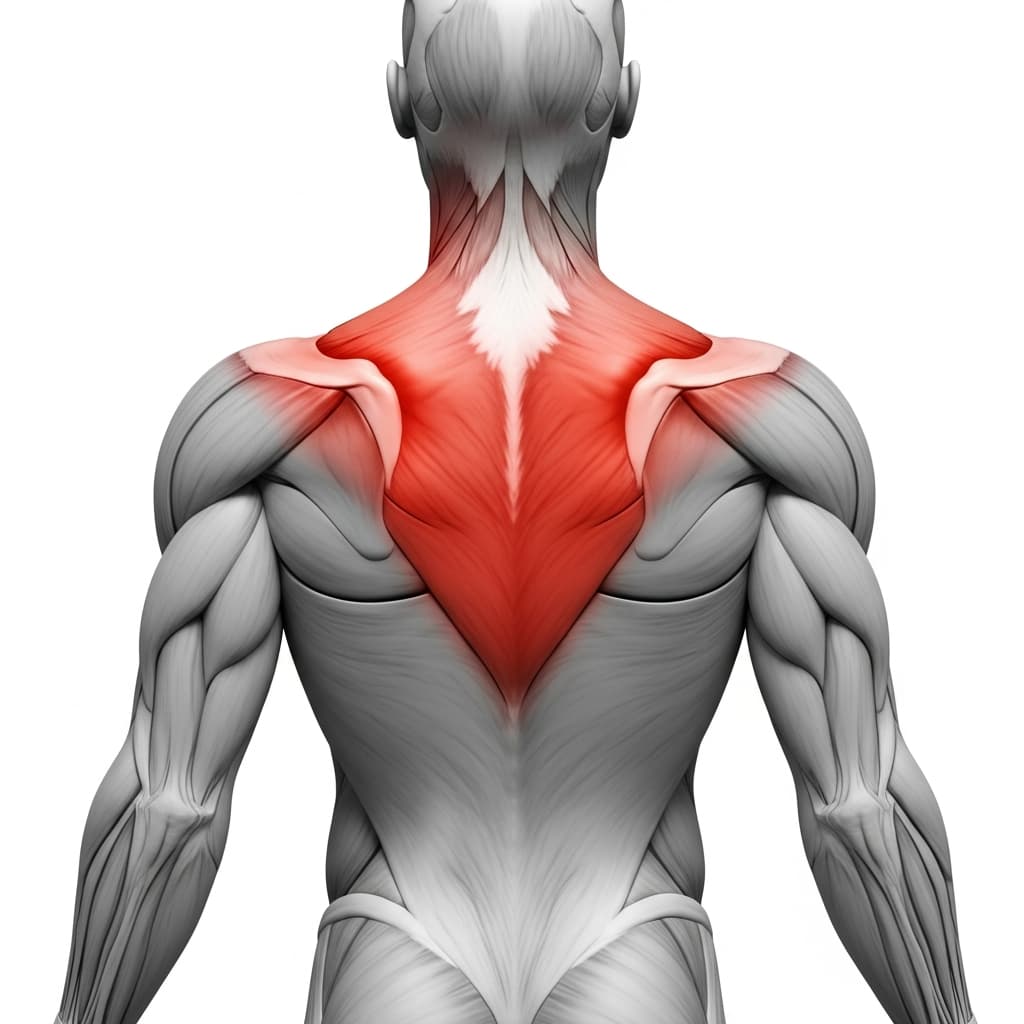
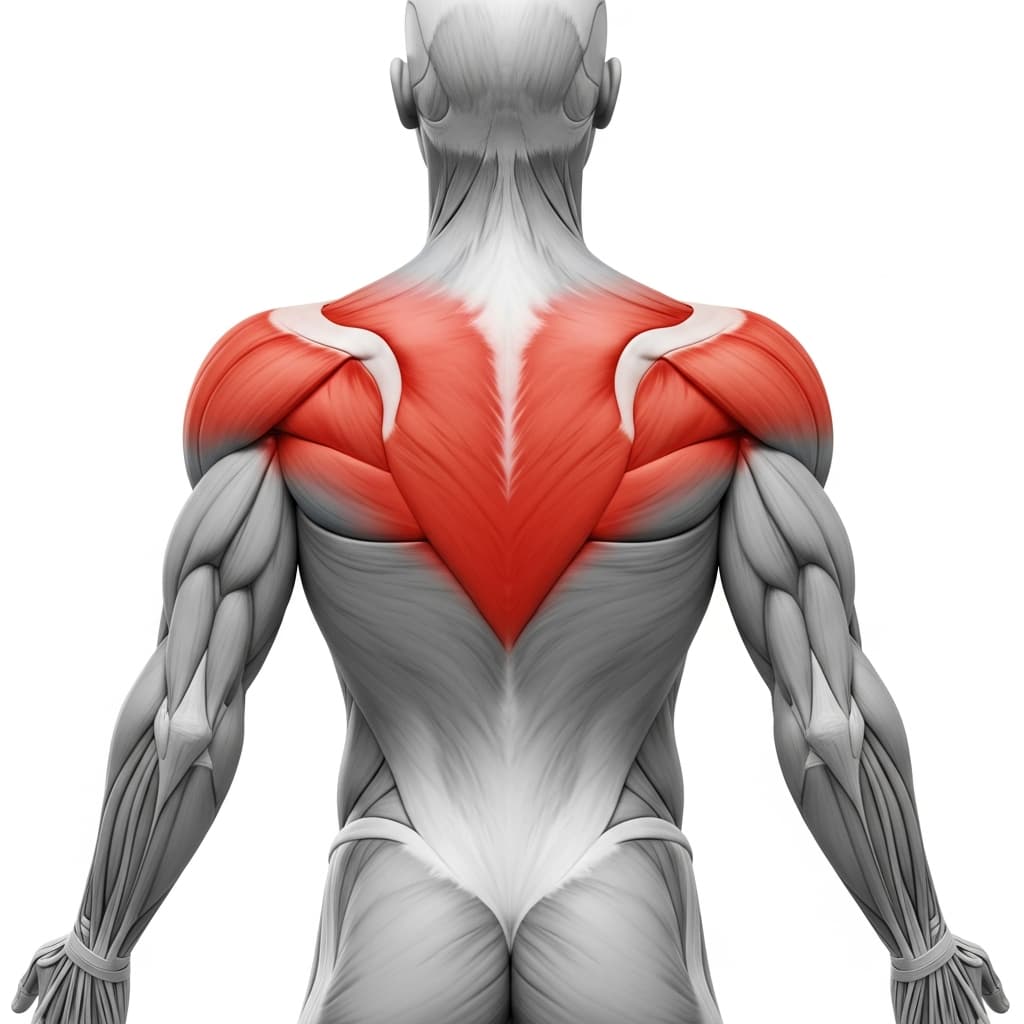
Primary Muscles
Latissimus Dorsi (Lats) - The lats drive the primary pulling force, adducting and extending the shoulder to lift the body toward the bar on each rep.
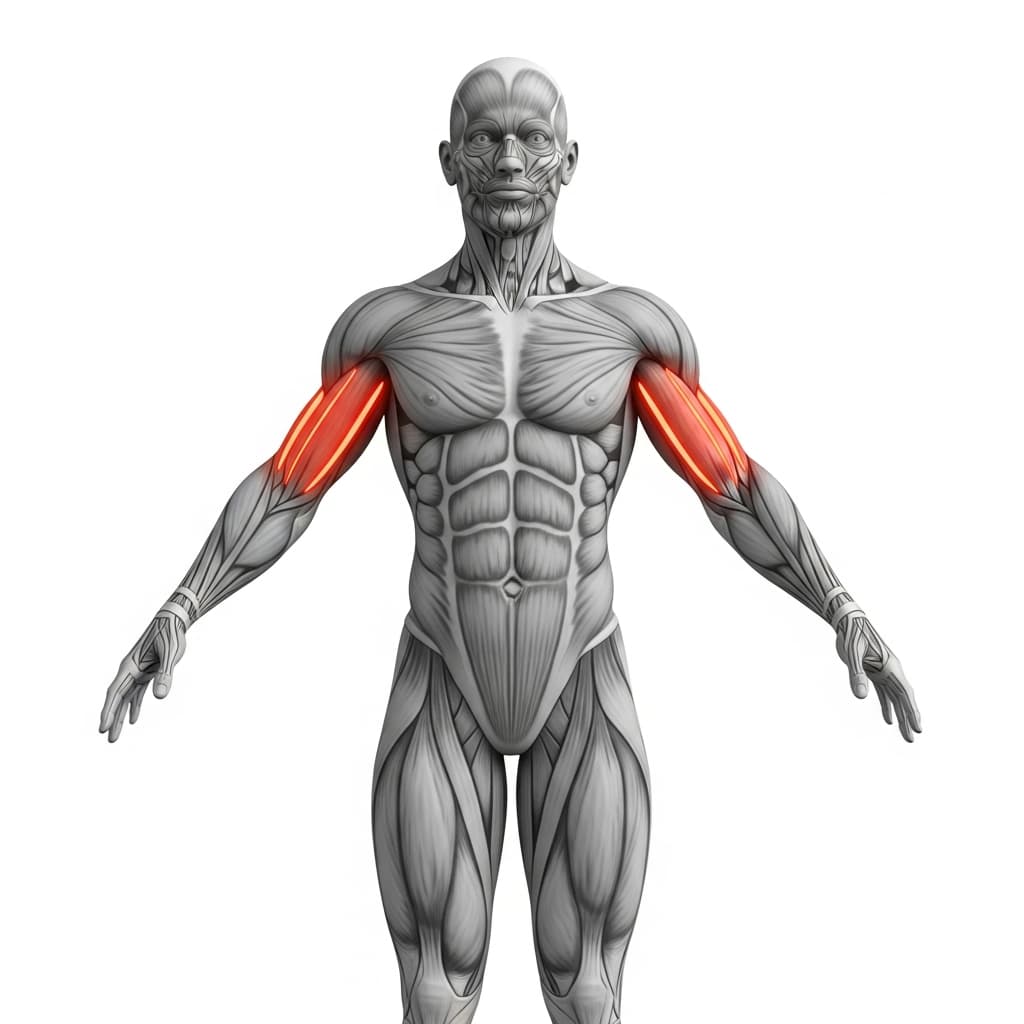
Biceps Brachii (Biceps) - The biceps flex the elbow through the pulling phase, working heavily due to the neutral grip and close-body elbow path.
Secondary Muscles
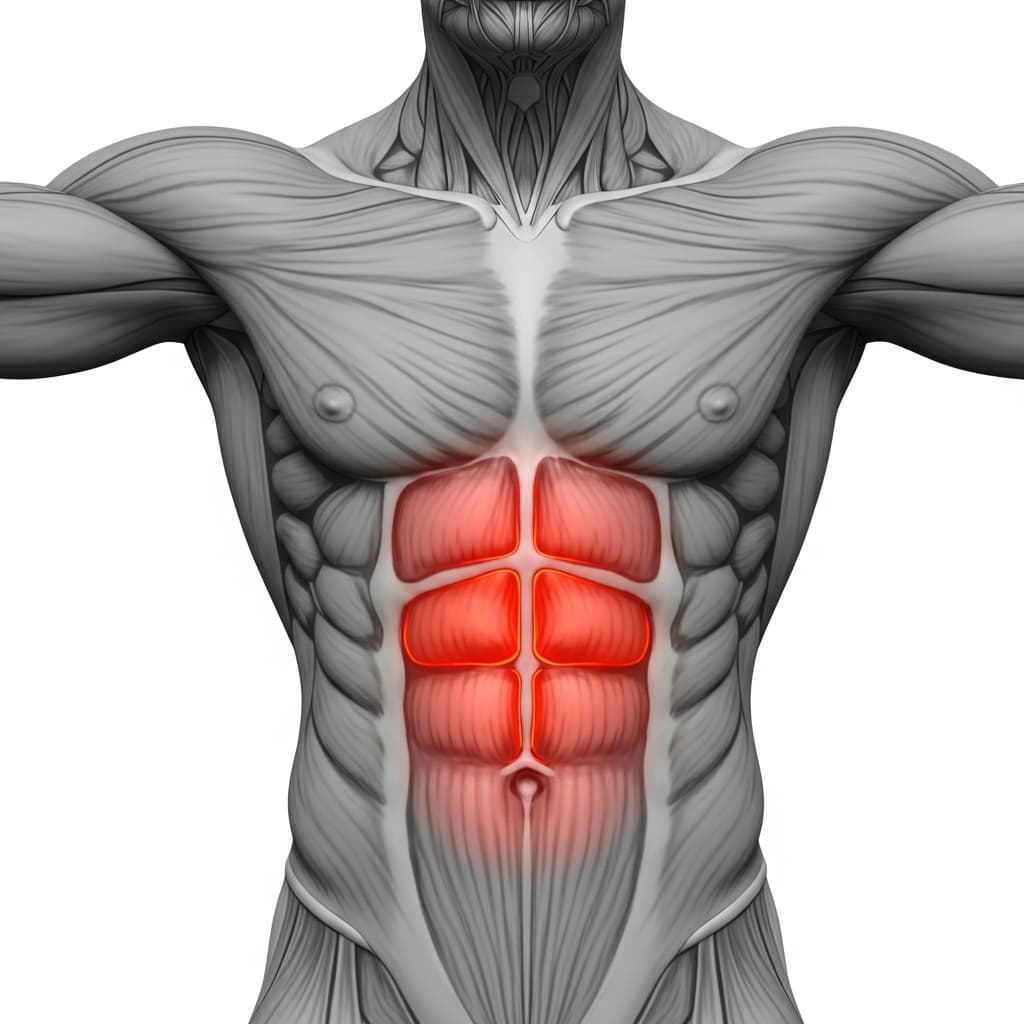
Rectus Abdominis (Abs) - The abs brace the torso and resist spinal extension to keep the body aligned and stable under the bar throughout the movement.
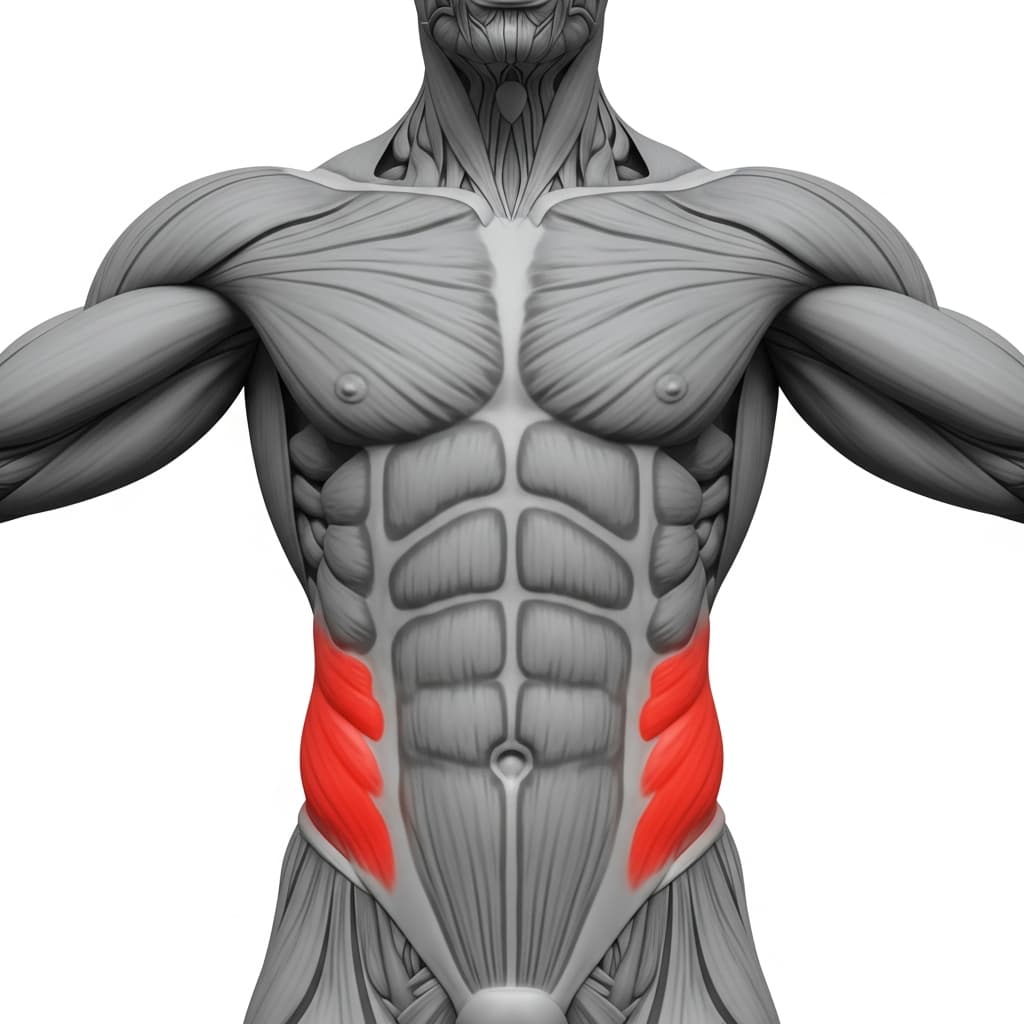
Obliques (Obliques) - The obliques resist the rotational forces created by the staggered hand position and asymmetrical pulling pattern on each rep.
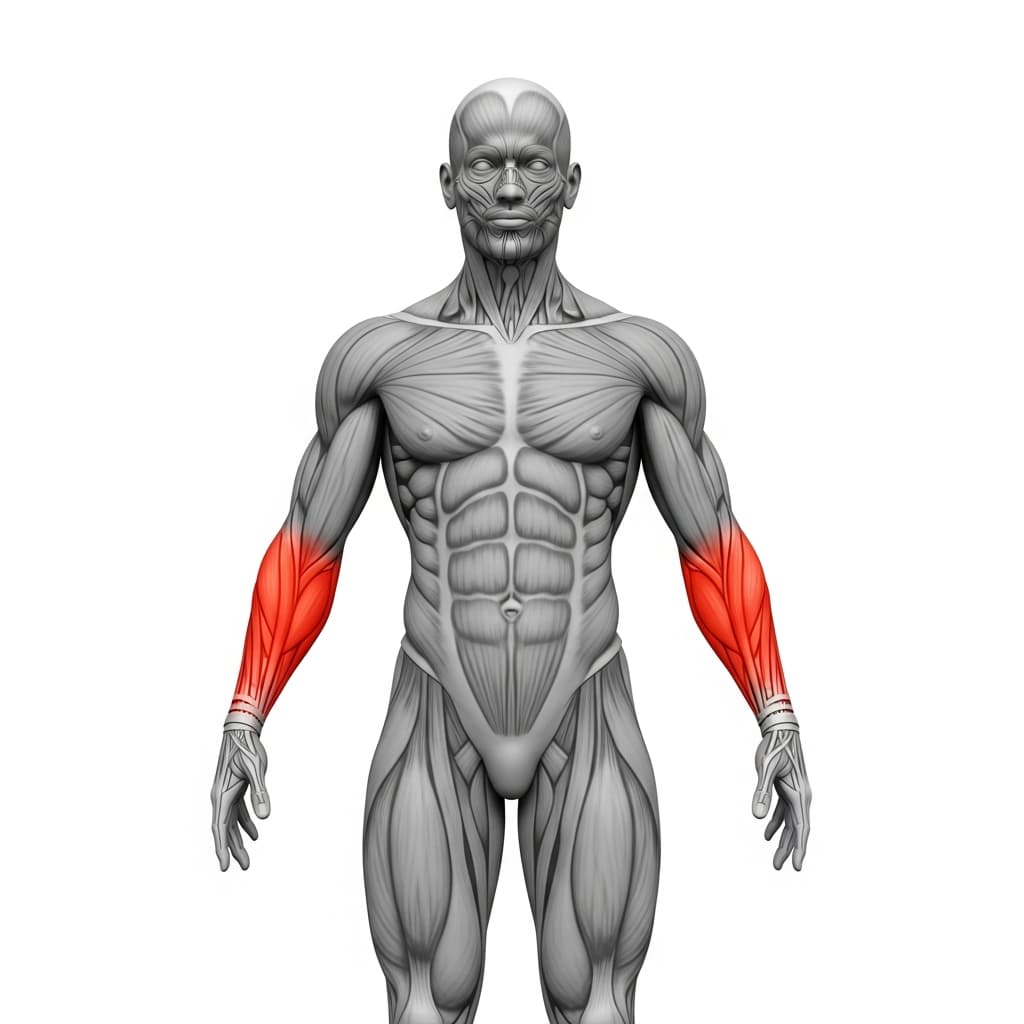
Forearm Flexors & Extensors (Forearms) - The forearms maintain grip on the bar under full bodyweight load with a unique stacked-hand neutral position that challenges grip endurance.
Posterior Deltoid (Rear Deltoid) - The rear deltoids assist in shoulder extension and horizontal pulling as the elbows drive down and back during the ascent.
Trapezius (Trapezius) - The traps retract and depress the scapulae to stabilize the shoulder blades against the ribcage throughout the pull.
Rhomboids & Upper Trapezius (Upper Back) - The upper back muscles, including the rhomboids, work to retract the scapulae and control shoulder blade position during the close-grip pull.
Benefits of Commando Pull Ups
- Develops anti-rotation core strength that directly transfers to one-arm pull-up progressions and advanced unilateral pulling skills
- Trains the lats and biceps through a neutral grip pulling angle that standard pull-ups and chin-ups do not provide
- Builds grip strength and forearm endurance through a unique stacked-hand bar position under full bodyweight load
- Exposes and corrects left-to-right strength imbalances by requiring each side to pull independently to the bar
- Strengthens the scapular stabilizers and rear deltoids through a close-body elbow path that demands precise shoulder control
Who Is This Exercise For?
You should be able to perform at least 8 clean pull-ups and 8 chin-ups with full range of motion before attempting commando pull-ups. The neutral staggered grip and anti-rotation demand require a strong baseline of grip endurance, lat strength, and core stability that standard pull-ups build. If you cannot hold a dead hang for 30 seconds or your body twists uncontrollably when you hang with hands stacked on the bar, you are not ready for this movement.
Common Mistakes to Avoid
Allowing the body to twist during the pull: Actively brace your core and squeeze your legs together before initiating the pull. If your body rotates, the load shifts unevenly and you lose the anti-rotation benefit that makes this exercise valuable.
Flaring elbows out wide: Keep your elbows tucked close to your body throughout the entire movement. The neutral grip is designed for a close-elbow pulling path, and flaring them changes the loading pattern and increases shoulder stress.
Only pulling to one side of the bar: Alternate which side of the bar your head passes on every single rep. Pulling only to your dominant side creates asymmetries in your lats and biceps that will hold you back on advanced skills.
Never switching the front hand: Switch which hand is in front at the start of every new set. The front hand and back hand are loaded differently, so keeping the same hand forward every time leads to uneven development.
Dropping on the descent instead of controlling it: Lower yourself over 2 to 3 seconds on every rep. Dropping from the top wastes the eccentric strength-building phase and increases the risk of shoulder and elbow injury over time.