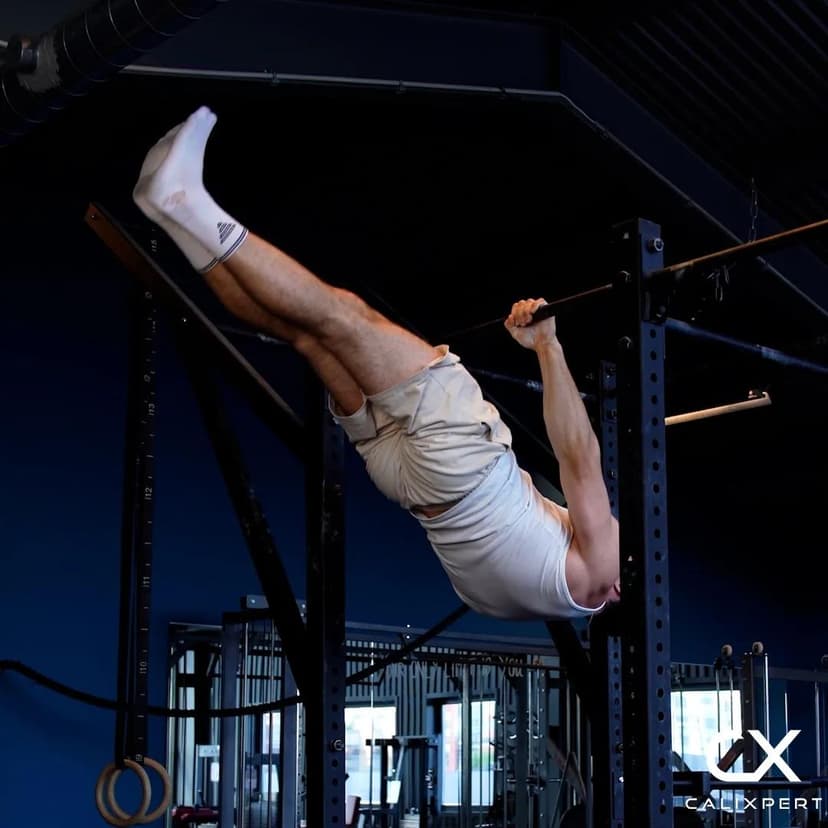
90 Degree Pull Up Hold
The 90 degree pull-up hold is an isometric pulling exercise where you pull yourself to the halfway point of a pull-up and hold with your elbows bent at 90 degrees, intensely loading the lats, biceps, and upper back under sustained tension. The hold demands full-body tightness, from squeezed glutes and pointed toes to active scapular depression, making it far more than a simple arm exercise. This position builds the mid-range pulling strength that most people lack, directly transferring to stronger pull-ups, muscle-ups, and front lever progressions.
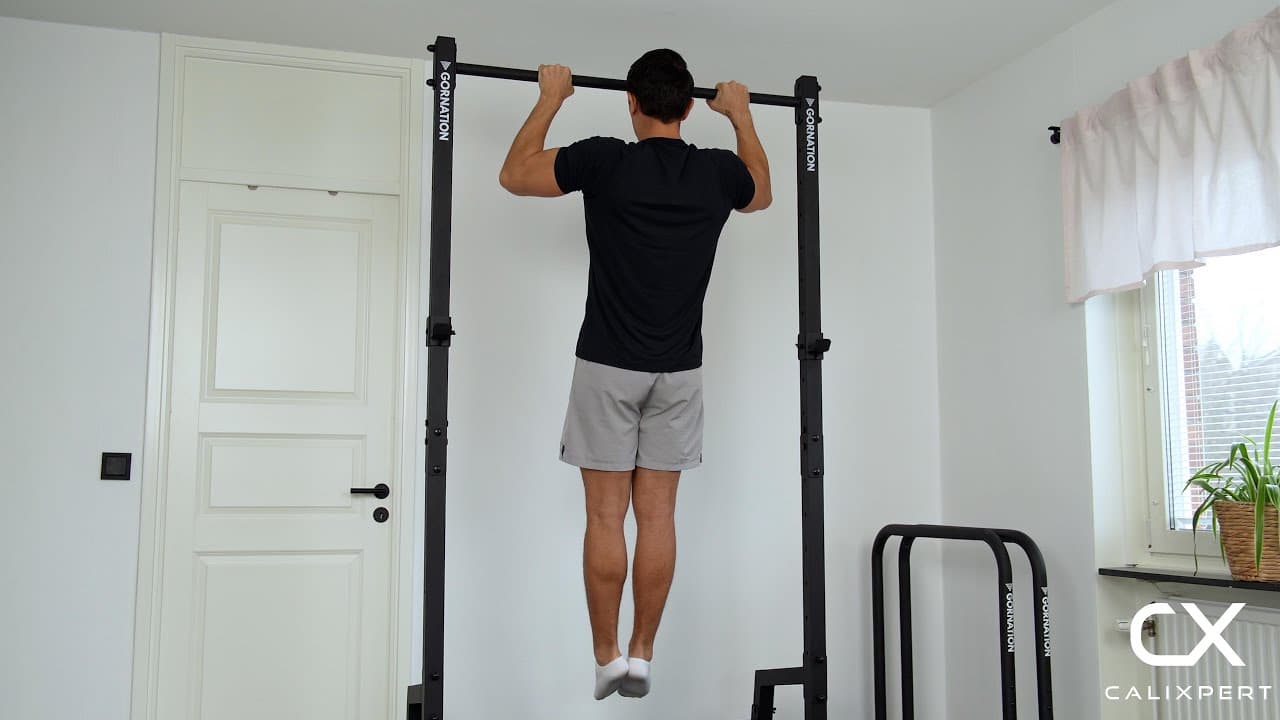
The 90 degree pull-up hold is an isometric pulling exercise where you pull yourself to the halfway point of a pull-up and hold with your elbows bent at 90 degrees, intensely loading the lats, biceps, and upper back under sustained tension. The hold demands full-body tightness, from squeezed glutes and pointed toes to active scapular depression, making it far more than a simple arm exercise. This position builds the mid-range pulling strength that most people lack, directly transferring to stronger pull-ups, muscle-ups, and front lever progressions.
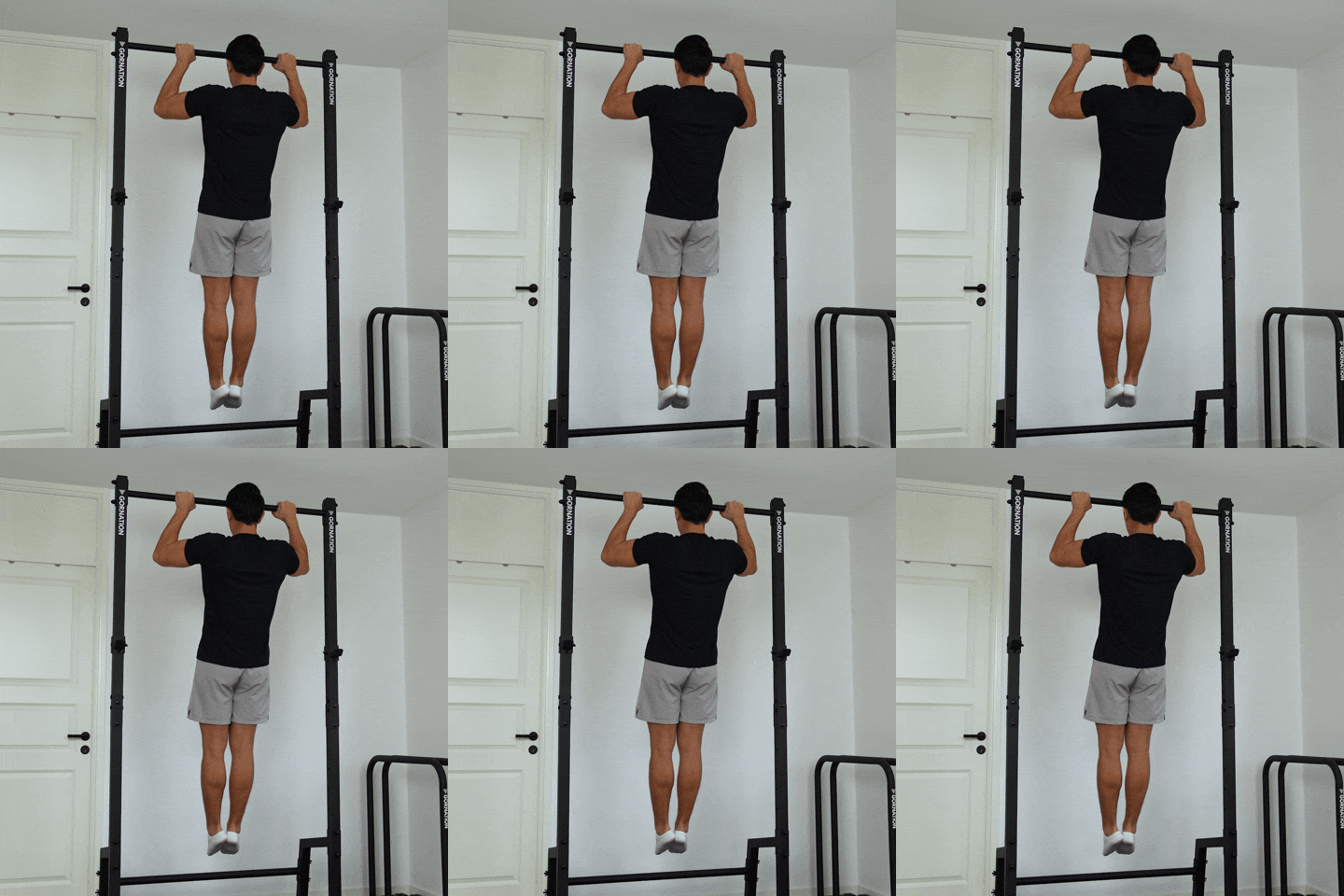
How to Do 90 Degree Pull Up Hold
1. Grip the Bar at Shoulder Width
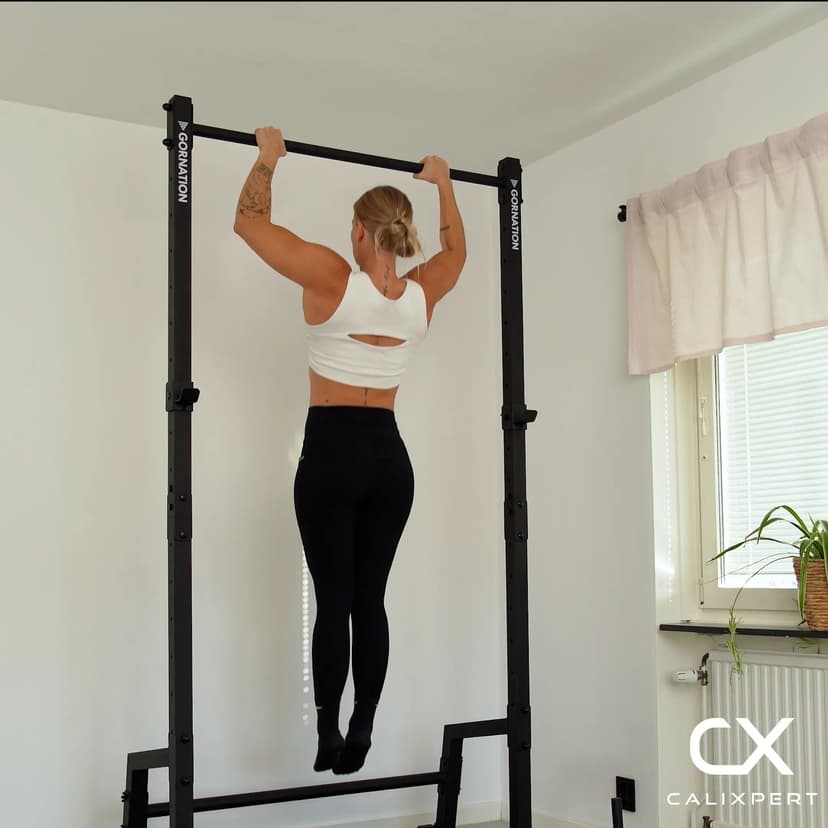
Grab a high pull-up bar with an overhand grip at approximately shoulder width apart. Wrap your thumbs fully around the bar for a secure hold. A high bar is preferred so your feet hang freely without touching the ground, which forces full-body tension throughout the hold.
Thumbs wrapped, shoulder-width grip
2. Start From a Dead Hang
Hang with arms fully extended and depress your shoulder blades down and away from your ears. Before you pull, squeeze your legs together, point your toes, and engage your glutes. This full-body tension must be established before you leave the bottom position.
Legs together, glutes tight, shoulders set
3. Pull to the 90 Degree Position
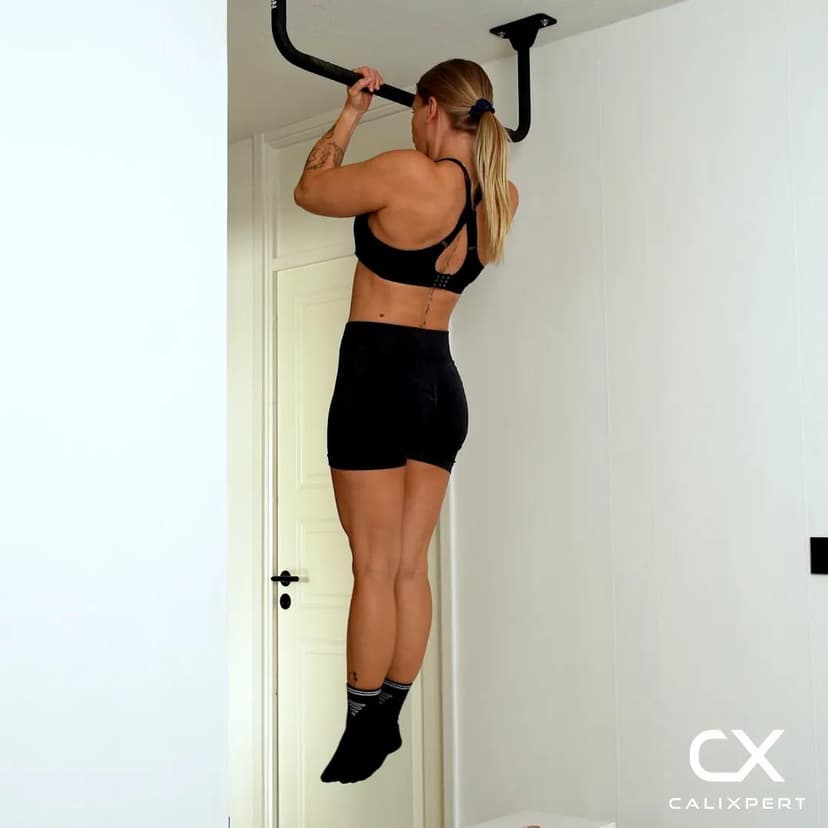
Pull yourself up by driving your elbows down toward your lower back, stopping when your elbows reach a 90 degree bend. Do not pull all the way to the top. The ascent should be smooth and controlled, not explosive or jerky.
Drive elbows down, stop at ninety
4. Set Your Elbow Position
Once at the 90 degree position, position your elbows at roughly 45 degrees from your body, not flared fully to the sides and not tucked directly in front of you. Elbows in front of the body makes the hold dramatically harder and shifts load away from the lats. Think of your elbows pointing slightly outward and behind you.
Elbows at forty-five, not in front
5. Maintain Full-Body Tension During the Hold
Keep your core braced, glutes squeezed, and legs locked together for the entire duration of the hold. Your body should form one tight, straight line from shoulders to toes. Breathe steadily through your nose and avoid letting your shoulders creep up toward your ears. The moment you relax your lower body, the hold falls apart.
Squeeze everything, breathe steady
6. Lower Down With Control
When you have completed the target hold time, lower yourself slowly back to a full dead hang over 3 to 4 seconds. Do not drop or release tension suddenly, as this stresses the shoulder joint under fatigue. Re-establish your dead hang position fully before releasing the bar.
Slow descent, never drop
Most people fail the 90 degree hold because they treat it like a passive hang at a bent angle. The hold only works when you are actively pulling the entire time, driving your elbows toward your lower back and keeping your lats fully contracted. If you feel it mostly in your arms, your elbows are too far forward and your lower body is too relaxed.
Muscles Worked During 90 Degree Pull Up Hold
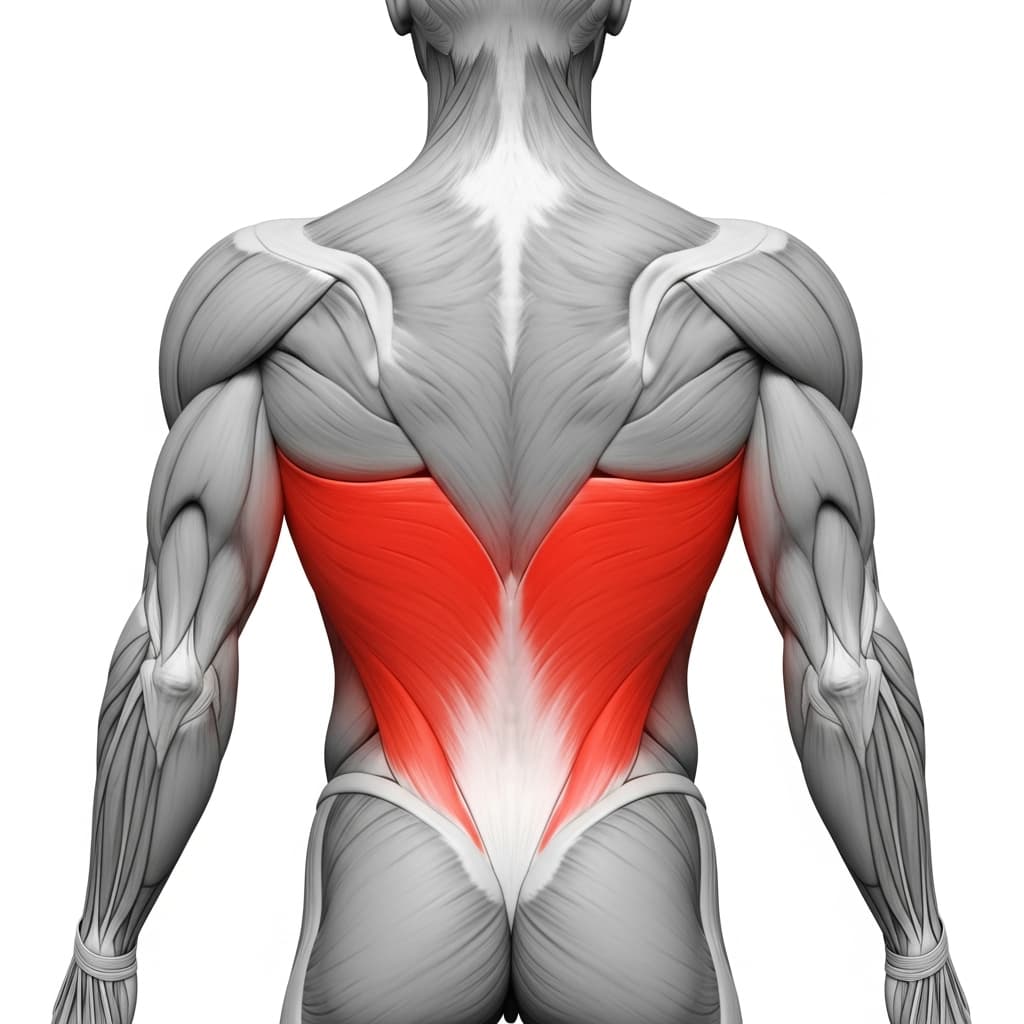
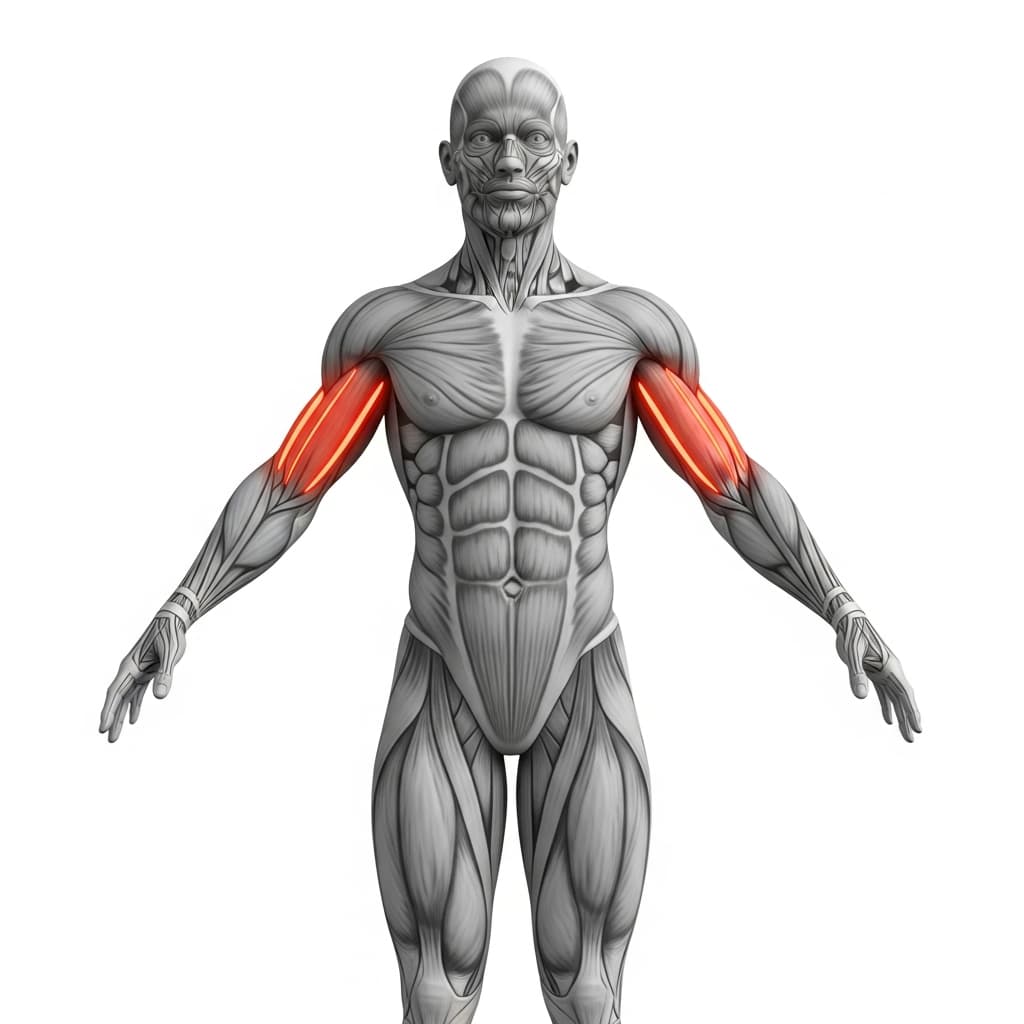
Secondary Muscles:
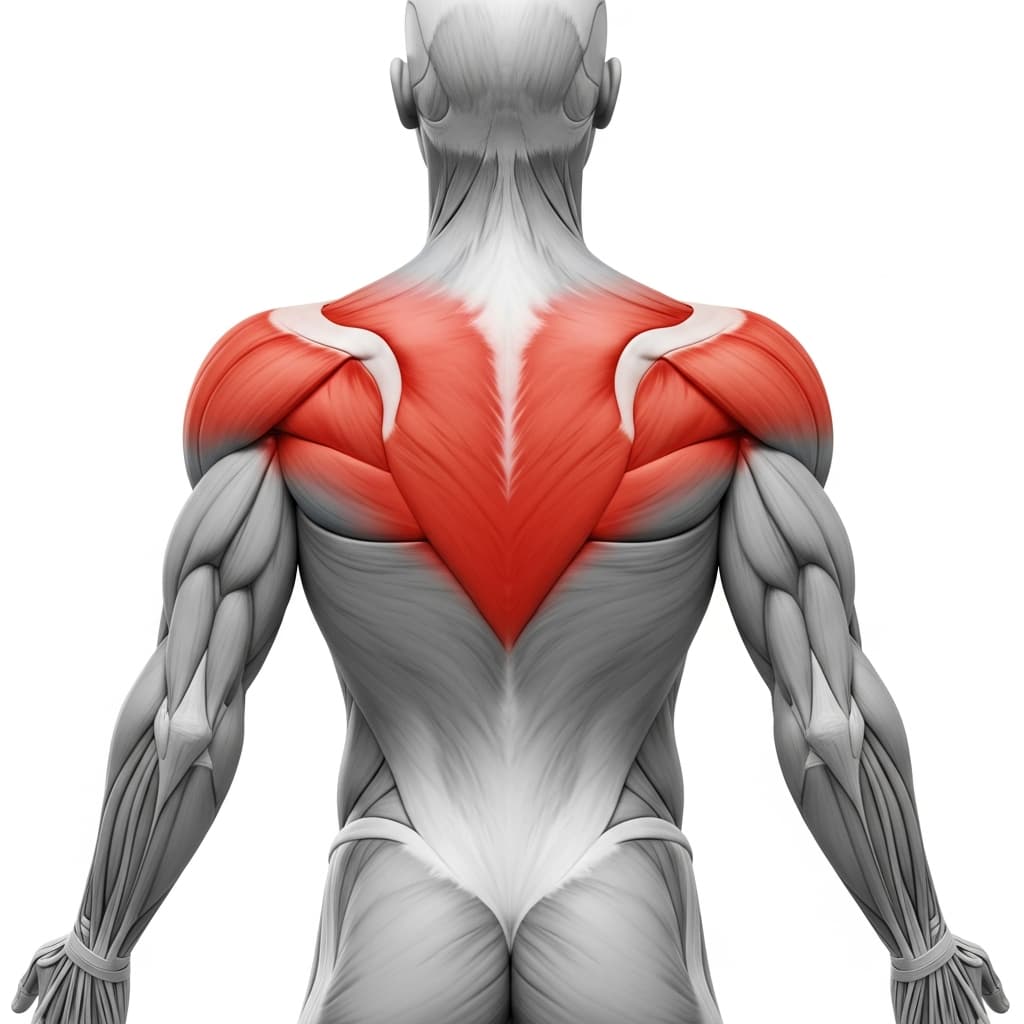
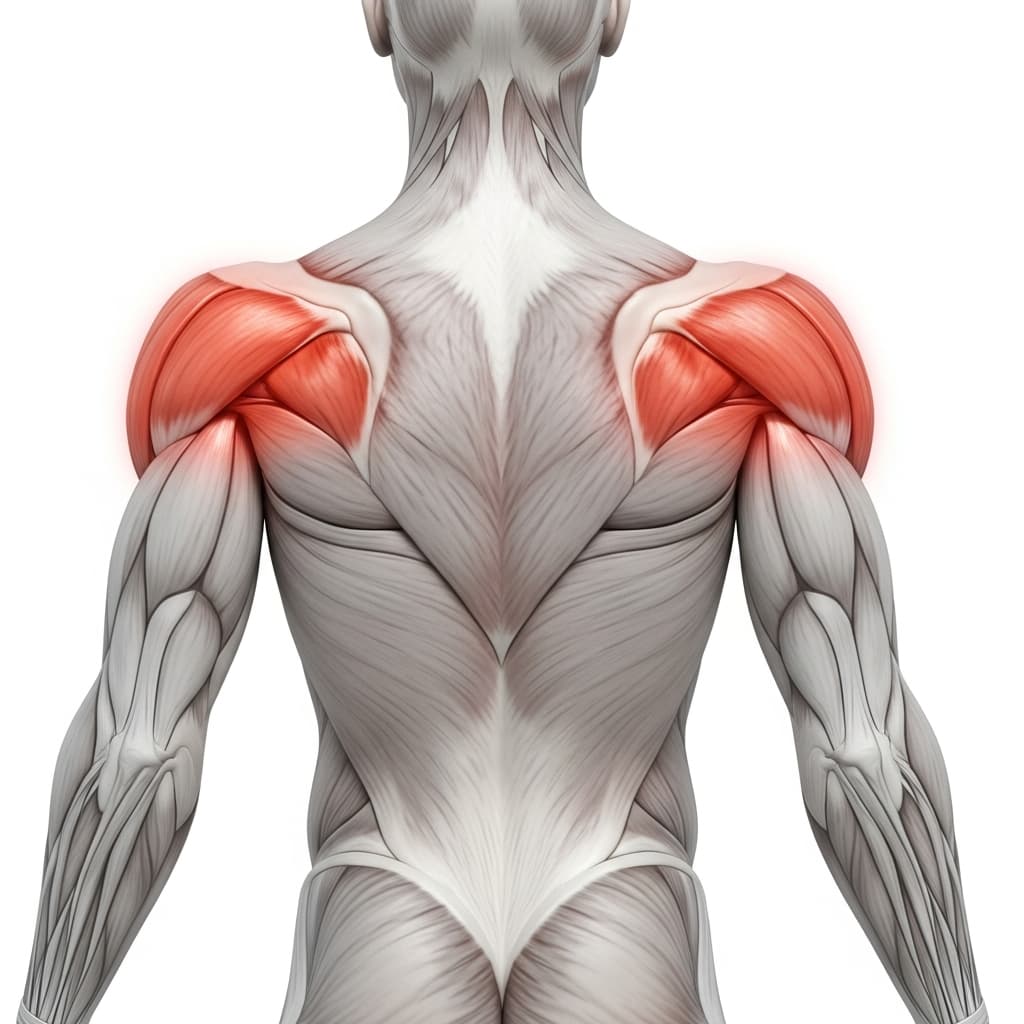
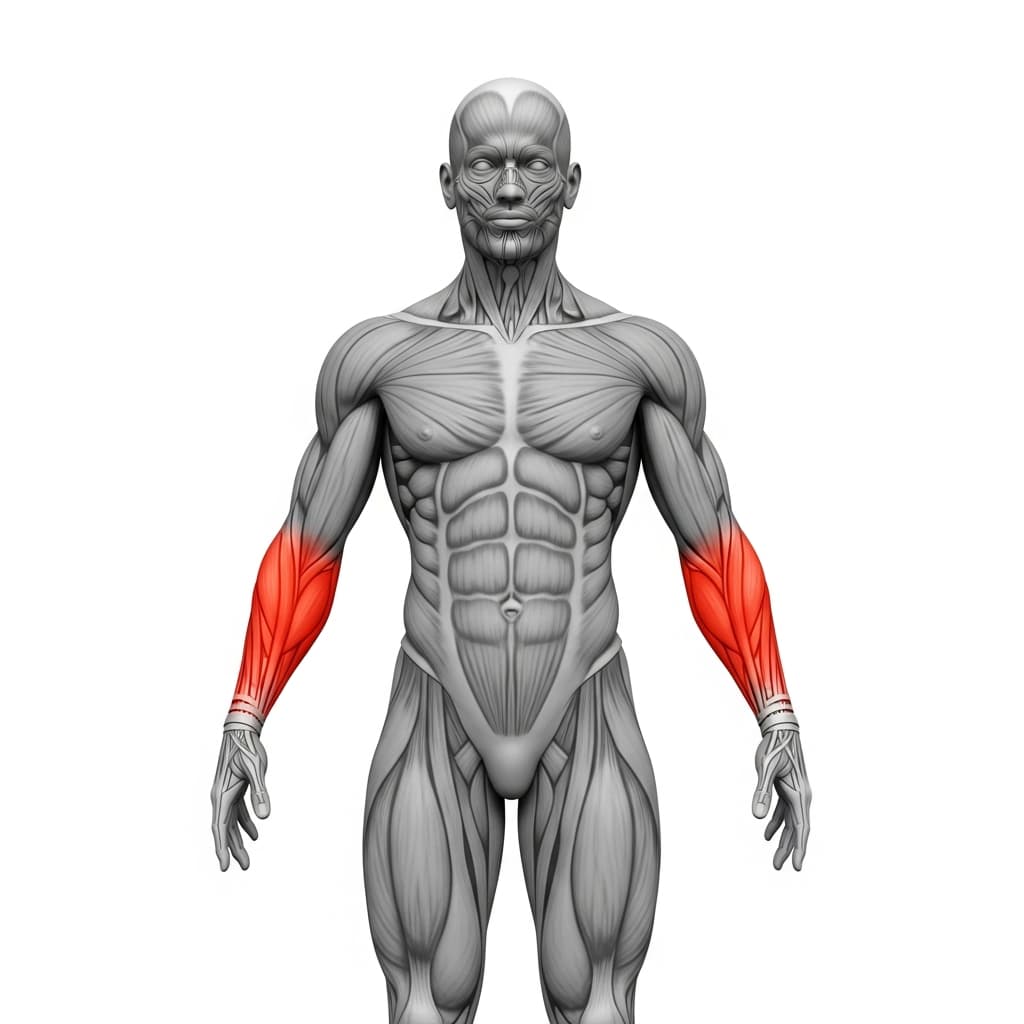
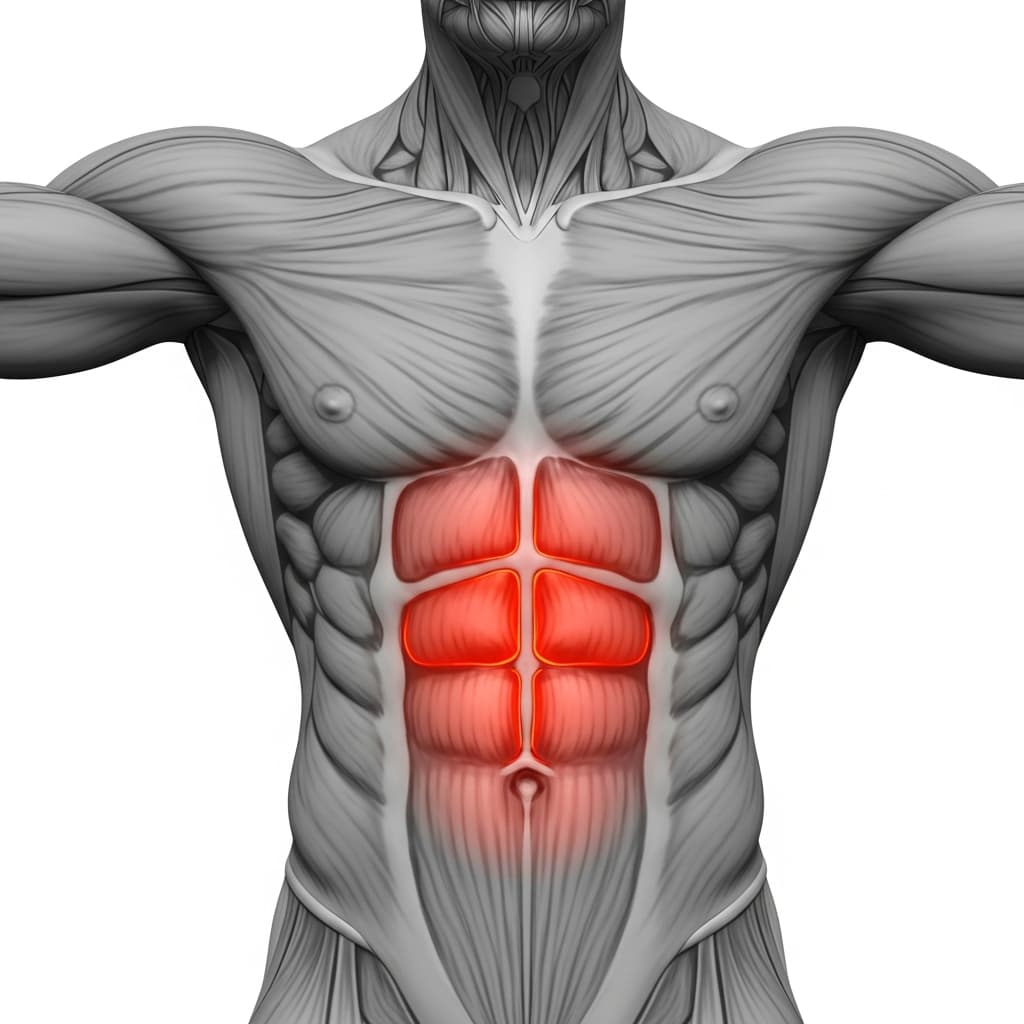
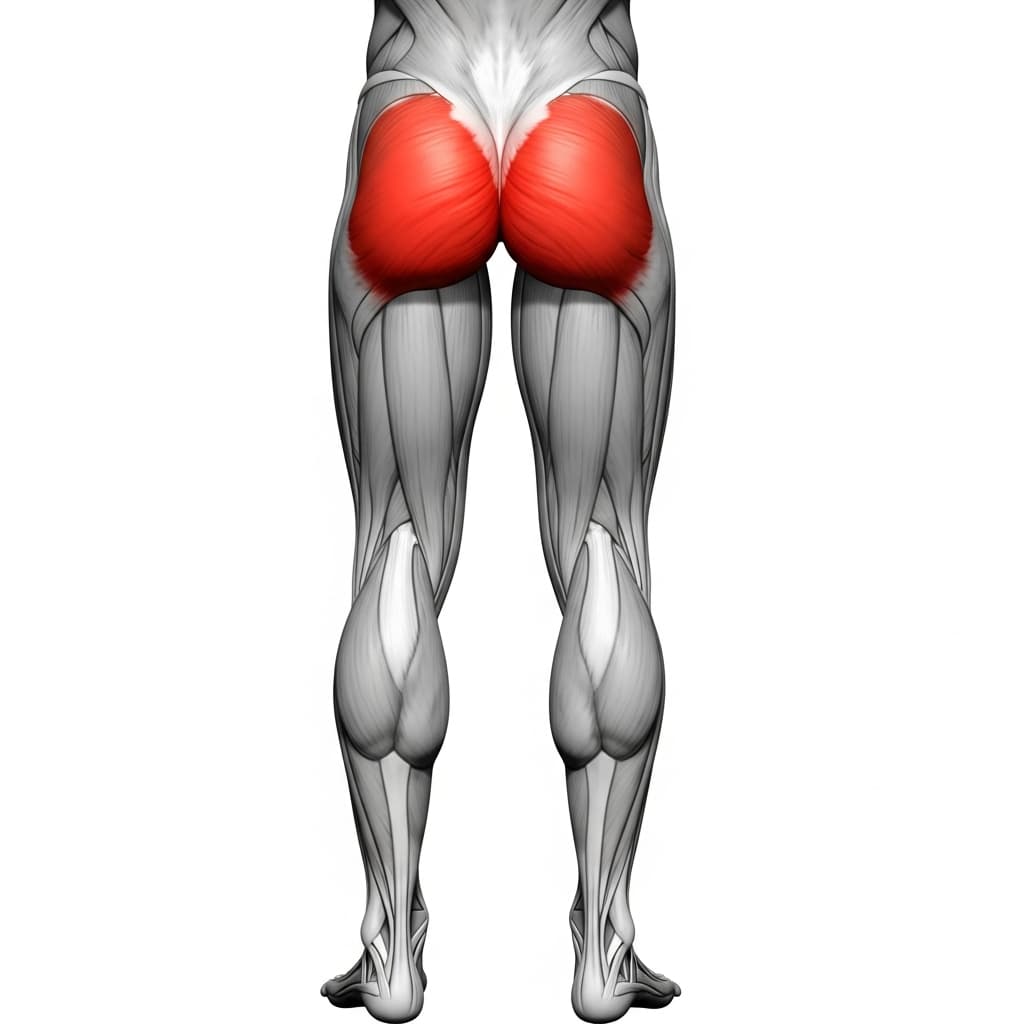
Primary Muscles
Latissimus Dorsi (Lats) - The lats maintain isometric contraction at the 90 degree position, resisting gravity and keeping the torso elevated by pulling the upper arms down and back toward the body.
Biceps Brachii (Biceps) - The biceps hold the elbow joint at 90 degrees of flexion under full bodyweight load, working isometrically throughout the entire hold duration.
Secondary Muscles
Rhomboids & Upper Trapezius (Upper Back) - The rhomboids and mid-traps maintain scapular retraction and depression, keeping the shoulder blades locked in position during the hold.
Posterior Deltoid (Rear Deltoid) - The rear deltoids assist in holding the upper arm in a retracted position, preventing the elbows from drifting forward under load.
Forearm Flexors & Extensors (Forearms) - The forearm flexors maintain grip on the bar under sustained bodyweight loading, working continuously throughout the hold.
Rectus Abdominis (Abs) - The abdominals brace the trunk and prevent the lower body from swinging or arching, maintaining a rigid body line during the isometric hold.
Gluteus Maximus (Glutes) - The glutes contract to posteriorly tilt the pelvis and lock the lower body into a stable, straight-line position alongside the core.
Benefits of 90 Degree Pull Up Hold
- Builds isometric strength at the mid-range of the pull-up, the exact position where most people stall or lose tension during pulling movements
- Develops sustained lat and biceps endurance under bodyweight, which transfers directly to longer sets of pull-ups and muscle-up transitions
- Strengthens the scapular depressors and retractors in a loaded, static position, improving shoulder stability for all overhead calisthenics skills
- Trains full-body tension and coordination, as maintaining the hold requires simultaneous activation of the core, glutes, and upper back
- Improves grip strength and forearm endurance through prolonged loaded hanging at a mechanically demanding angle
Who Is This Exercise For?
You should be able to perform at least 5 clean pull-ups with controlled eccentrics before attempting timed holds at the 90 degree position. Scapular pull-ups and dead hangs of 30 seconds or more should feel comfortable and stable. If you cannot pull yourself to the halfway point without swinging or kipping, you are not ready for this exercise yet.
Common Mistakes to Avoid
Letting the elbows drift forward: Keep your elbows at roughly 45 degrees from your torso, pointing slightly outward and behind you. When elbows drift forward, the biceps take the majority of the load and the lats disengage.
Relaxing the lower body: Squeeze your glutes, lock your legs together, and point your toes throughout the entire hold. A loose lower body creates instability and forces the arms to work harder than necessary.
Holding at the wrong angle: Your elbows should be bent at exactly 90 degrees, placing your forehead roughly at bar height. Holding too high or too low changes the muscular demand and misses the intended training stimulus.
Shrugging shoulders toward the ears: Actively depress your shoulder blades down before pulling and maintain that depression throughout the hold. If your shoulders ride up, you lose scapular stability and overload the upper traps.
Holding breath during the hold: Breathe steadily through your nose in short, controlled breaths. Holding your breath causes early fatigue and can spike blood pressure unnecessarily.
Variations & Progressions
Band-Assisted 90 Degree Hold
Loop a resistance band around the bar and place one foot in the band to reduce the load. This allows you to practice the correct position and build isometric endurance before handling full bodyweight.