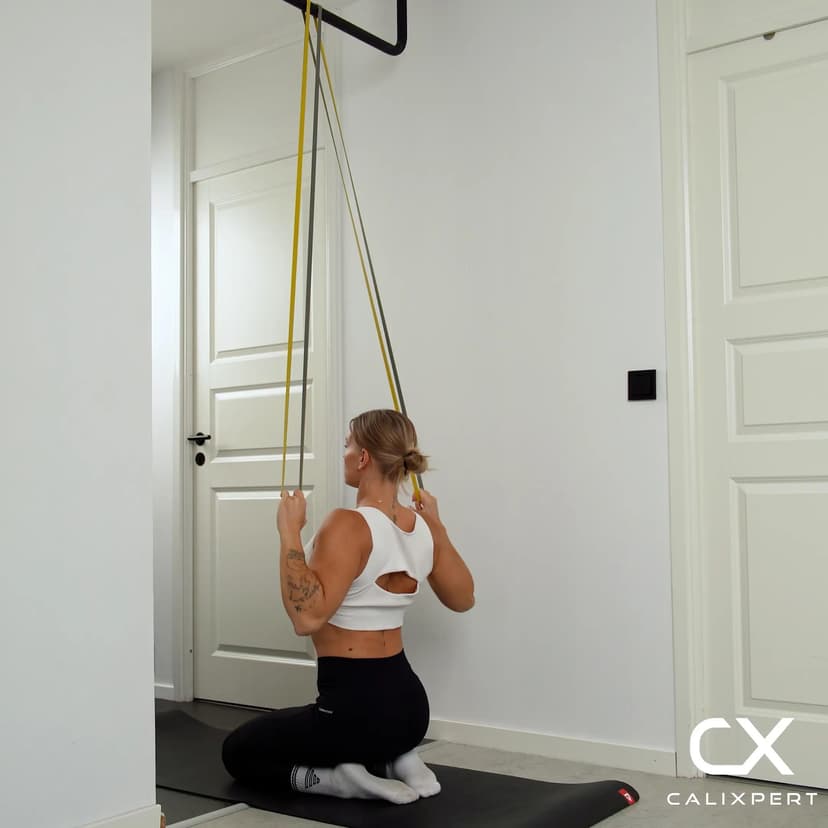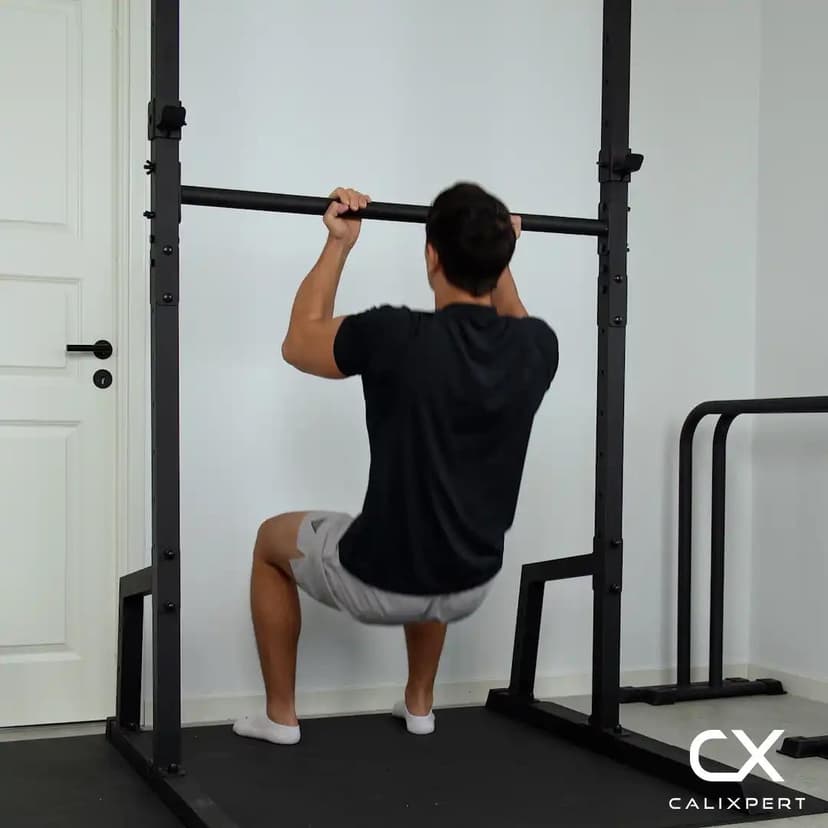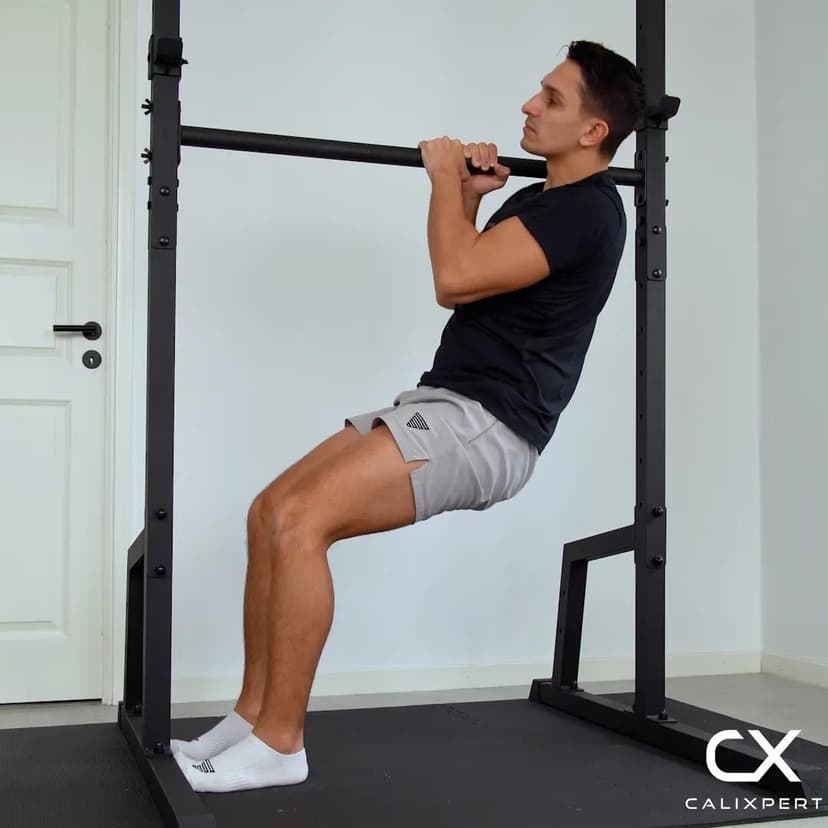
Bodyweight Incline Rows
Bodyweight incline rows are a horizontal pulling exercise performed on rings or a low bar that targets the upper back, rear deltoids, and biceps through a scalable range of motion. The incline angle lets you adjust difficulty instantly by stepping your feet closer to or farther from the anchor point, making this one of the most accessible pulling exercises in calisthenics. When performed with proper scapular retraction and a rigid body line, incline rows build the horizontal pulling strength and back thickness that directly carry over to inverted rows, front lever progressions, and muscle-ups.
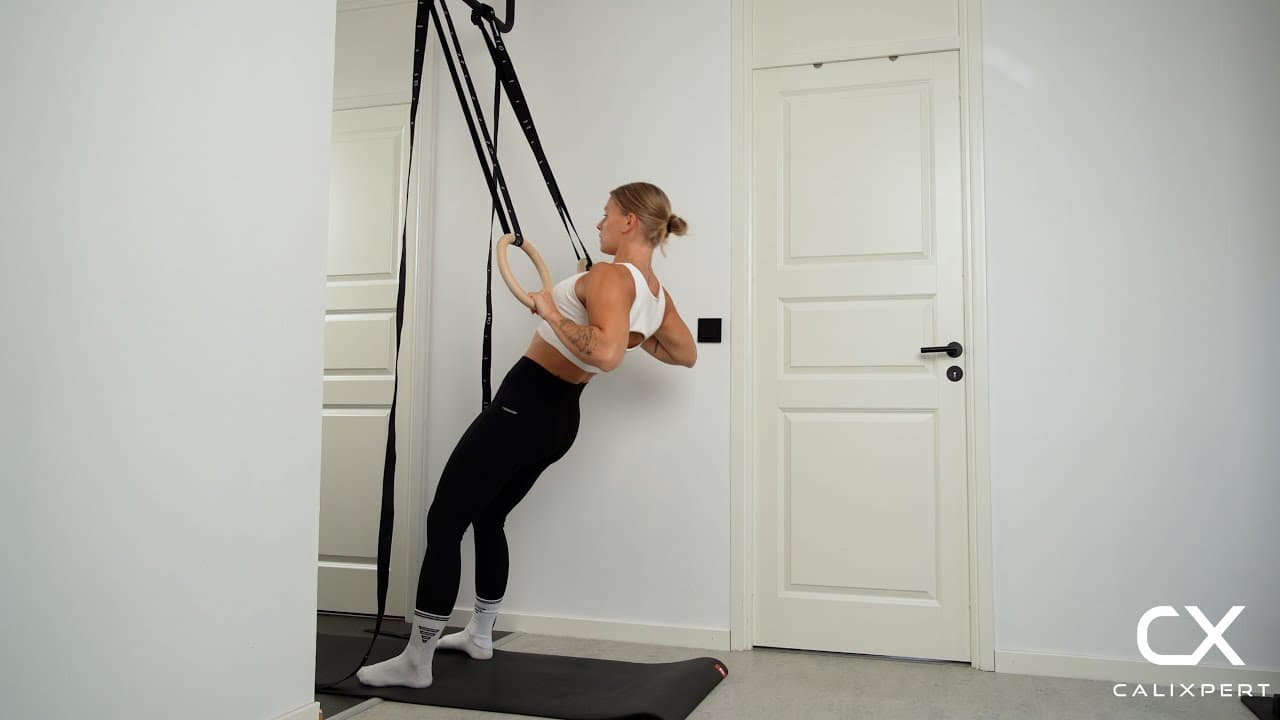
Bodyweight incline rows are a horizontal pulling exercise performed on rings or a low bar that targets the upper back, rear deltoids, and biceps through a scalable range of motion. The incline angle lets you adjust difficulty instantly by stepping your feet closer to or farther from the anchor point, making this one of the most accessible pulling exercises in calisthenics. When performed with proper scapular retraction and a rigid body line, incline rows build the horizontal pulling strength and back thickness that directly carry over to inverted rows, front lever progressions, and muscle-ups.
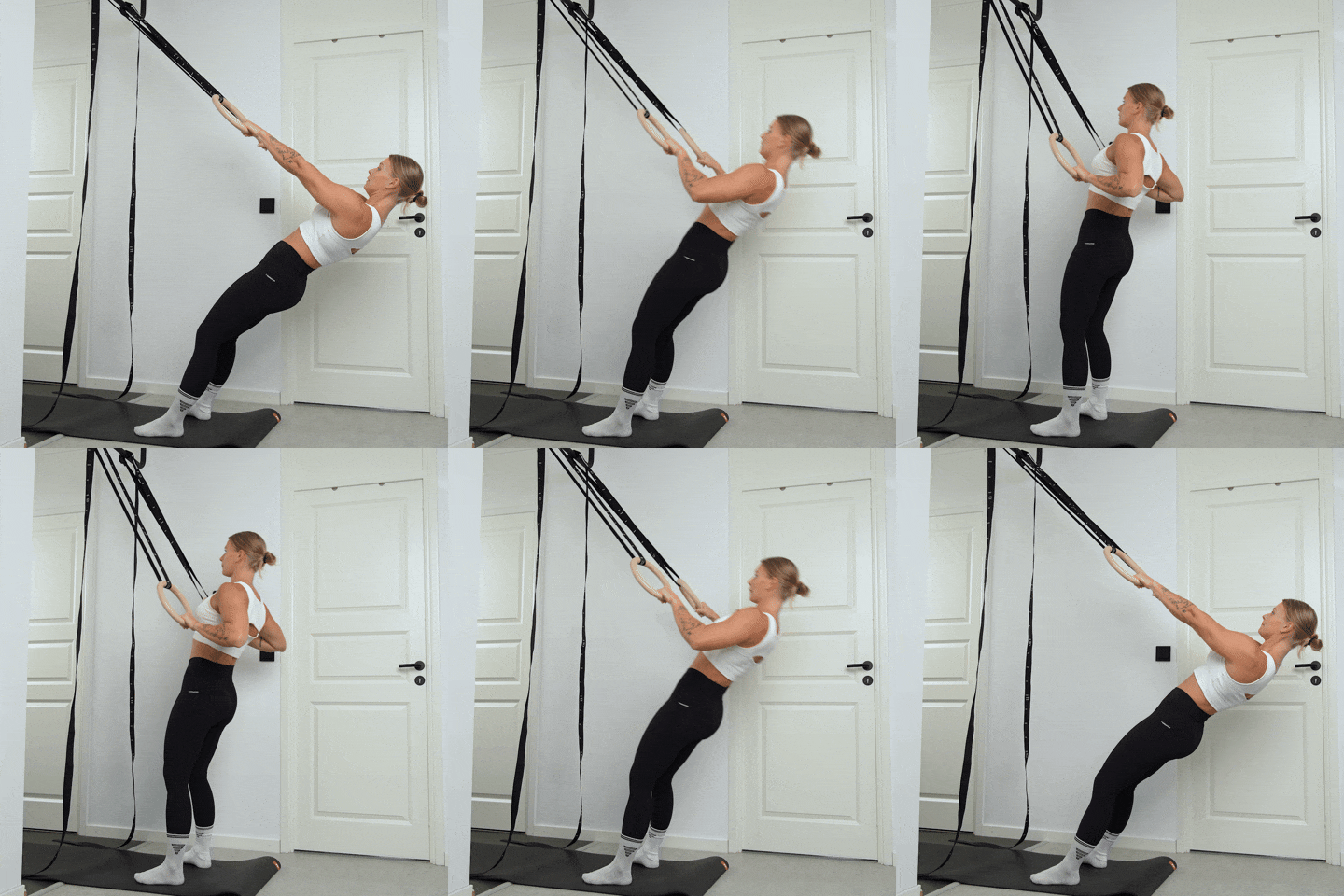
How to Do Bodyweight Incline Rows
1. Set the Rings or Bar
Hang a pair of gymnastics rings or position a straight bar at approximately core height, around the level of your navel. Rings are recommended because they allow quick height adjustments between sets and accommodate a natural wrist rotation during the pull. Make sure the anchor point is stable and the straps are even in length.
Rings at navel height, straps even
2. Grip and Set Your Position
Grab the rings with a neutral grip, palms facing each other, and wrap your thumbs fully around. Take a small step back from directly under the anchor point and lean your weight into the rings with arms fully extended. Keep your feet flat on the ground with a slight bend in the knees to maintain balance.
Thumbs wrapped, arms fully straight
3. Brace Your Body Line
Squeeze your glutes and tighten your abs so your body forms a straight line from your shoulders to your knees. Your hips should not sag or pike up at any point during the movement. Think of your body as a rigid plank that pivots only at the heels.
Tight core, hips neutral, no sag
4. Initiate With Scapular Retraction
Before bending your elbows, pull your shoulder blades together and down. This scapular retraction activates the rhomboids and mid-traps and ensures the upper back does the work from the very start. Skipping this step shifts the load almost entirely to the biceps.
Squeeze shoulder blades first
5. Pull to Chest Height
Drive your elbows backward at roughly 45 degrees from your torso, pulling the rings toward the lower chest. Continue pulling until the rings reach chest height and your elbows pass slightly behind your body. Keep your wrists neutral and your forearms aligned with the direction of pull throughout the entire movement.
Elbows back at 45 degrees, rings to chest
6. Lower Under Control
Slowly extend your arms to return to the starting position, resisting gravity on the way down. Aim for a 2 to 3 second descent on every rep. Fully straighten your arms at the bottom and reset your scapular position before initiating the next rep.
Slow descent, full arm extension
Most people make incline rows too easy by standing almost upright and never progressing the angle. Pick a body angle where you can get 8 clean reps with full scapular retraction at the top, then step your feet one inch forward every week. That small, consistent progression in angle is what turns this simple exercise into a serious back builder.
Muscles Worked During Bodyweight Incline Rows
Primary Muscles:
Secondary Muscles:
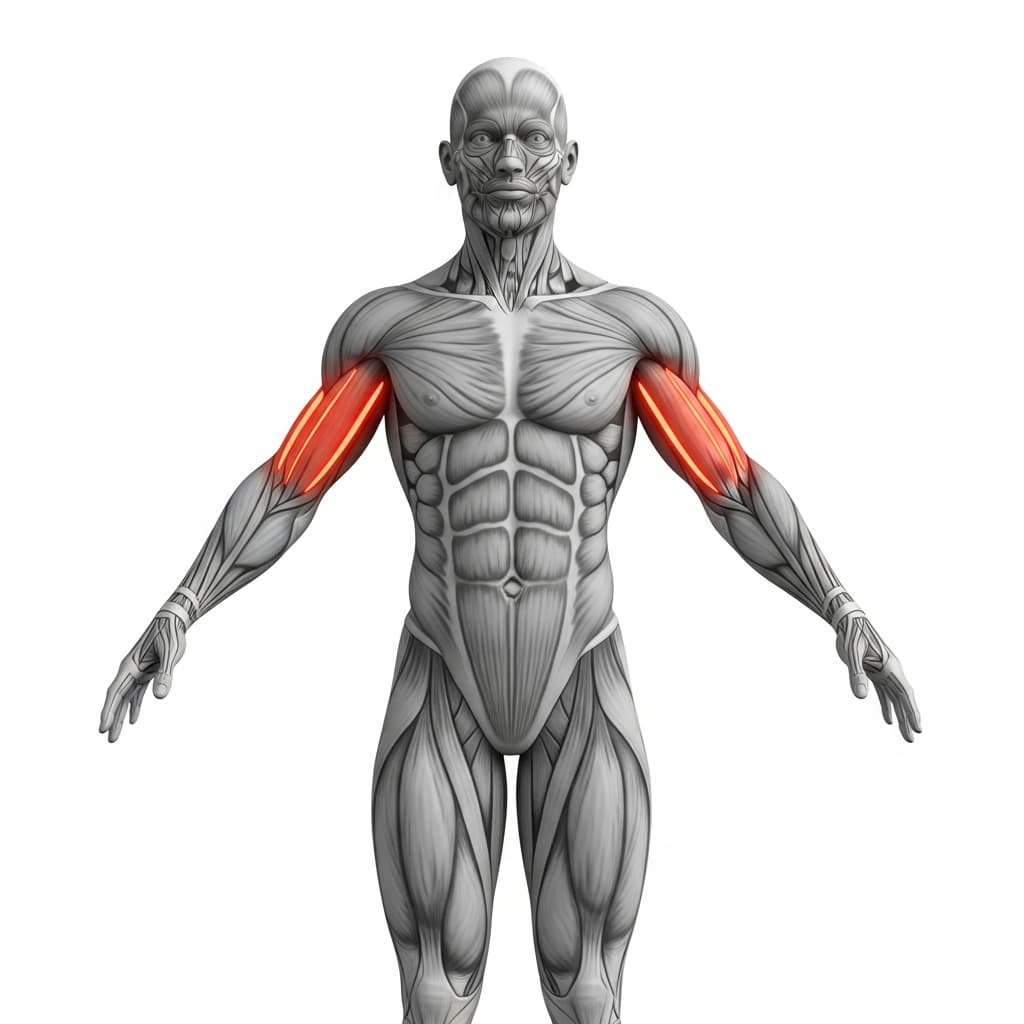
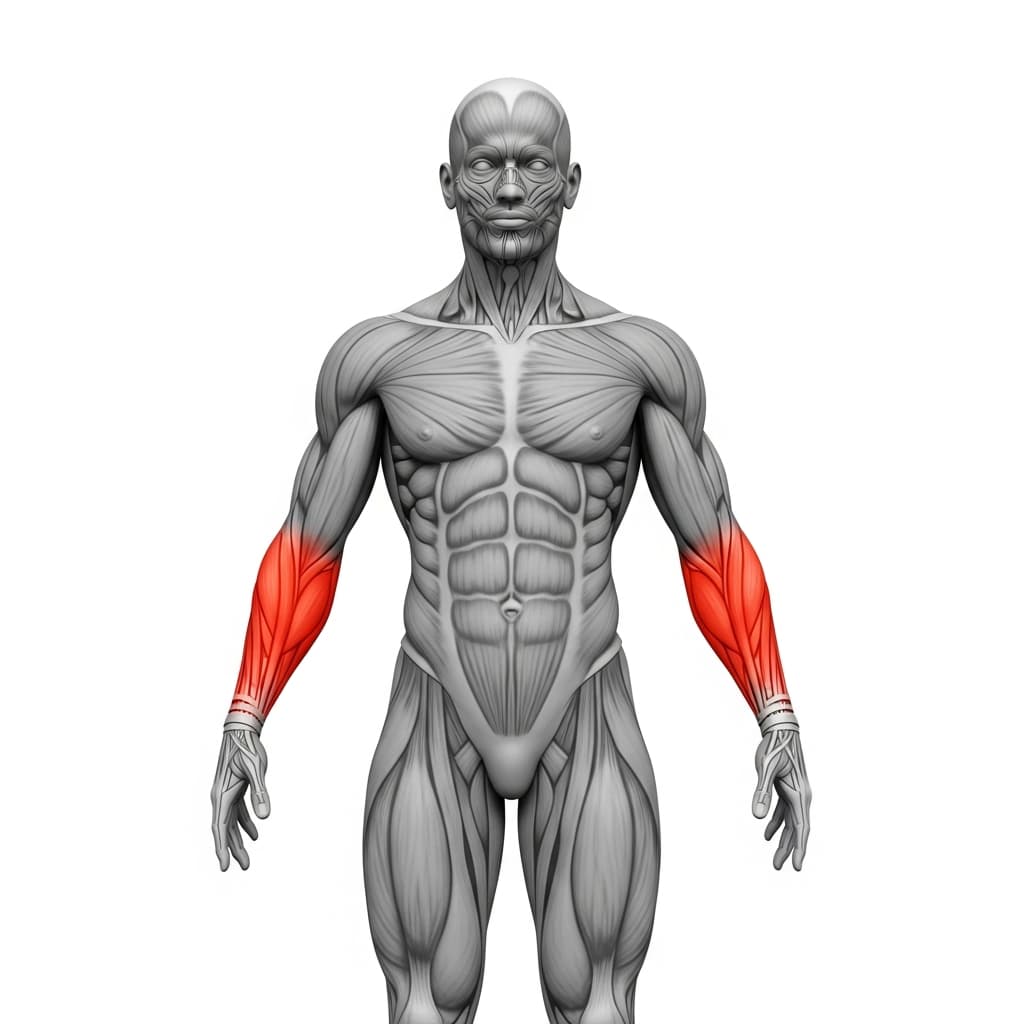
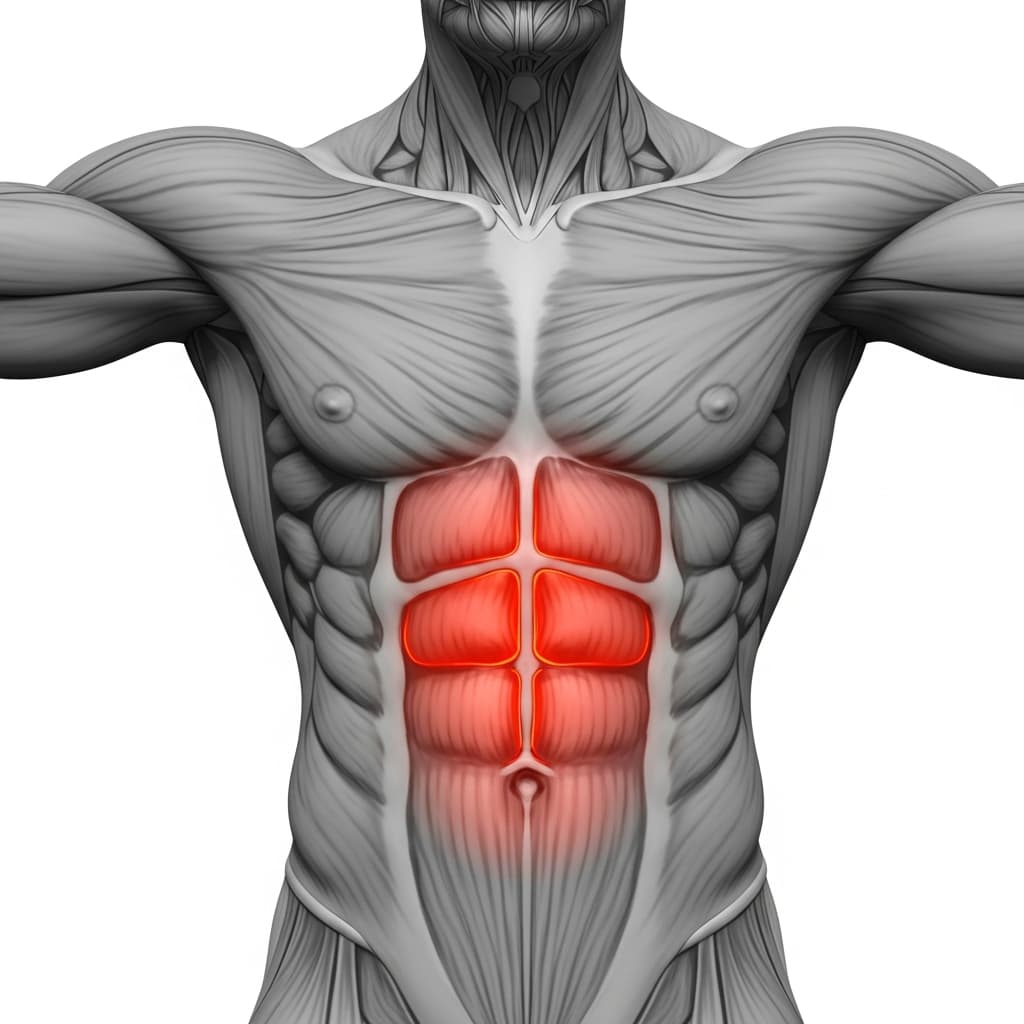
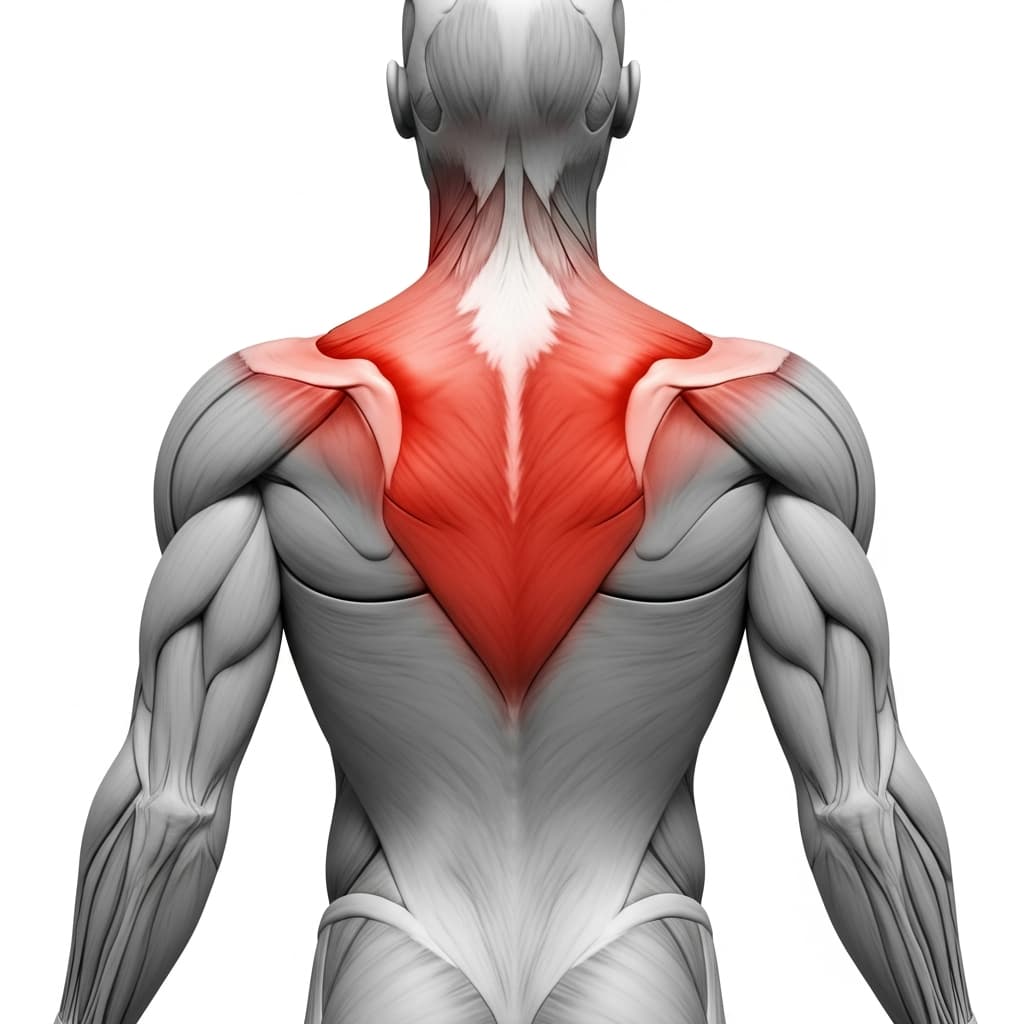
Primary Muscles
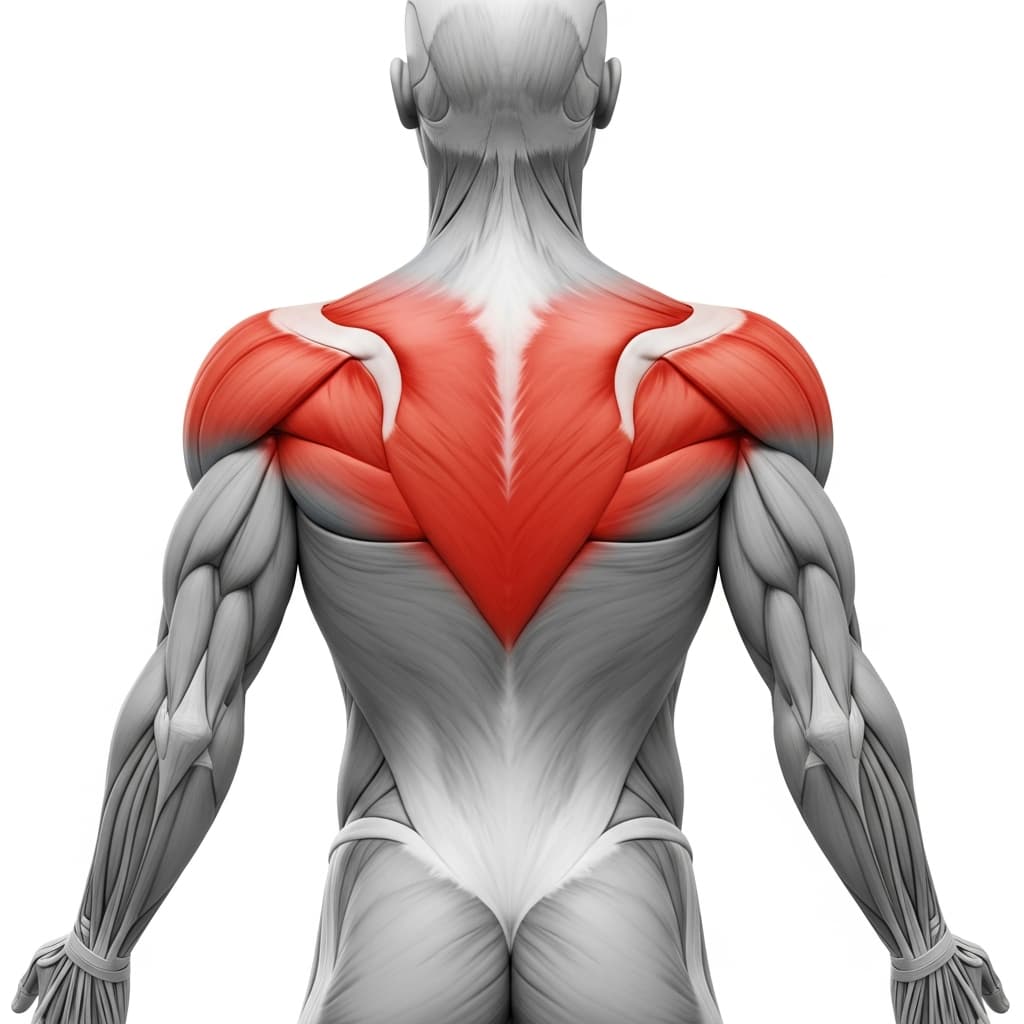
Rhomboids & Upper Trapezius (Upper Back) - The rhomboids and mid-trapezius retract the shoulder blades during the pull, driving the rings toward the chest and completing the full range of motion at the top.
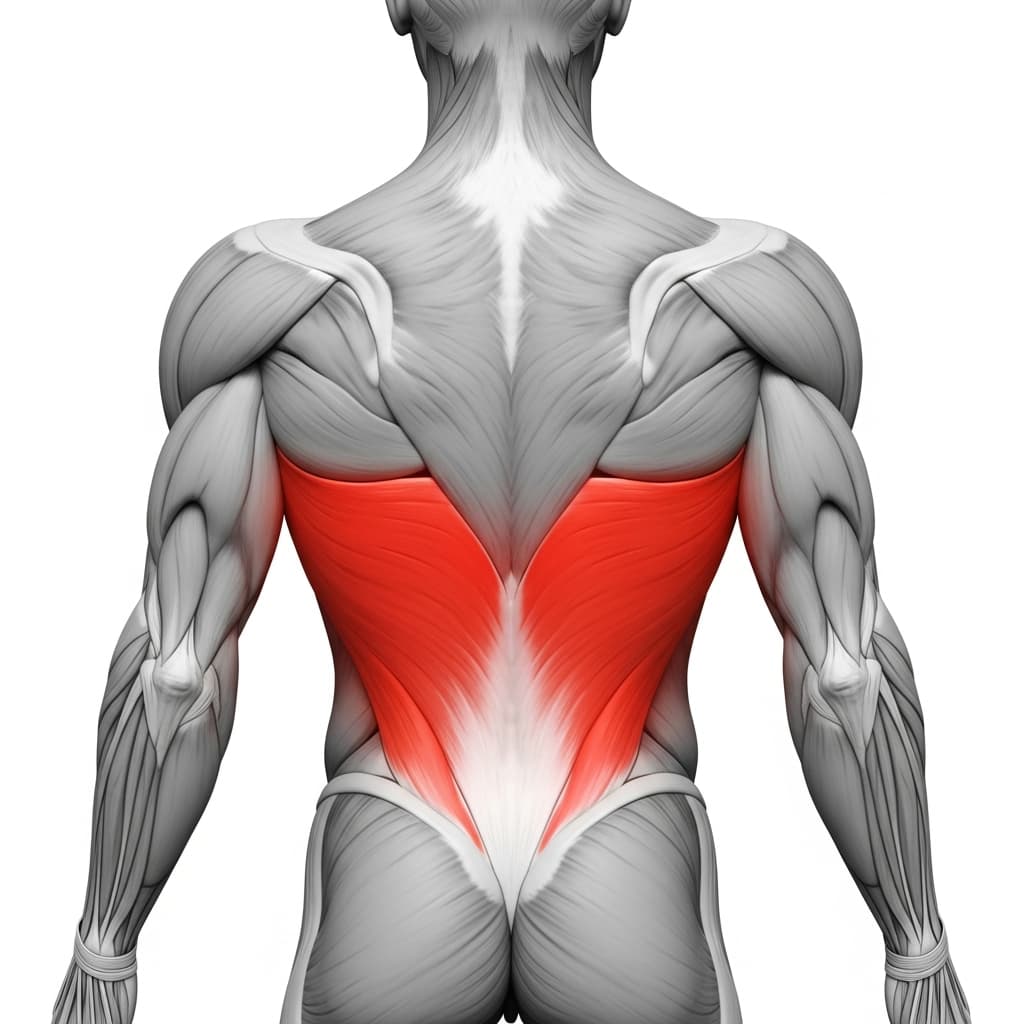
Latissimus Dorsi (Lats) - The latissimus dorsi extends and adducts the shoulder joint, producing the primary pulling force that moves the body toward the rings throughout the concentric phase.
Secondary Muscles
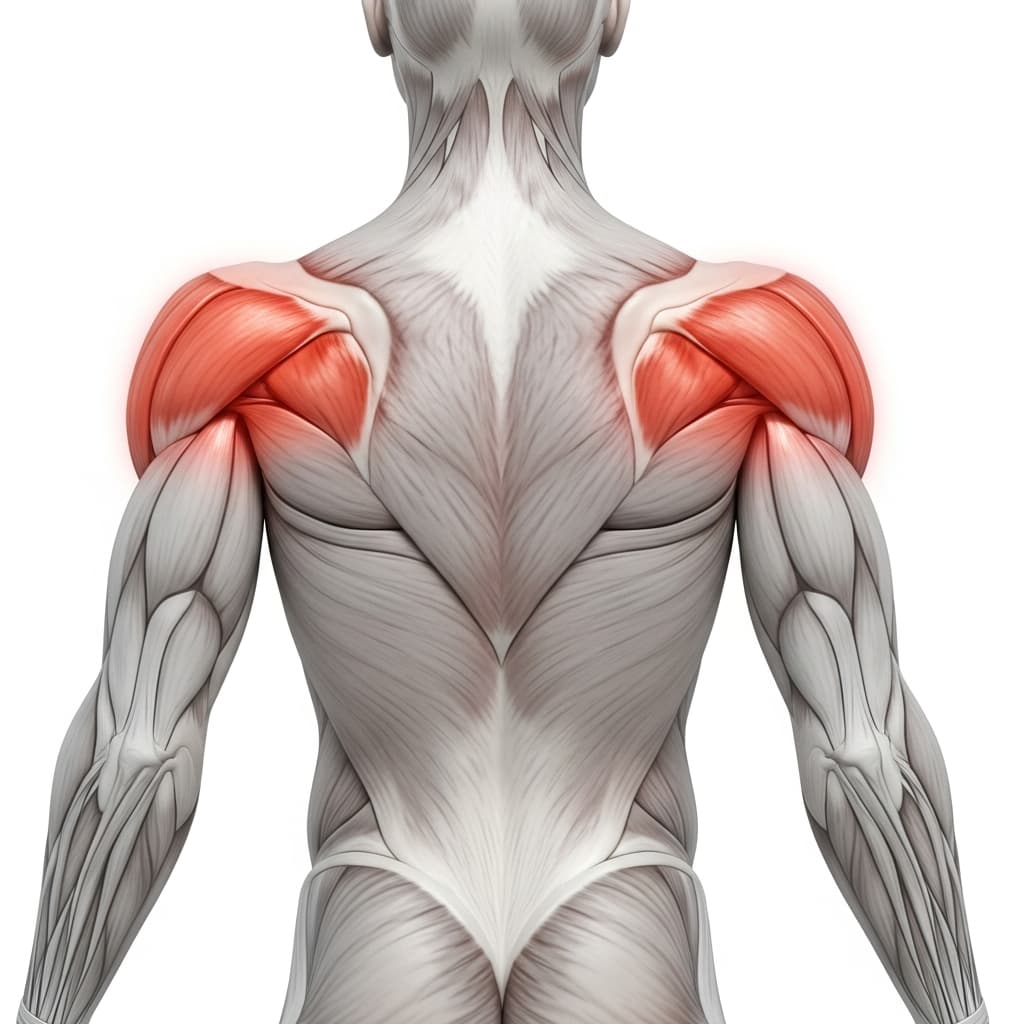
Posterior Deltoid (Rear Deltoid) - The rear deltoids assist horizontal shoulder extension, working alongside the lats and upper back to pull the elbows behind the torso at the top of each rep.
Biceps Brachii (Biceps) - The biceps flex the elbow joint during the pull, acting as secondary movers that assist the back muscles in closing the angle between the upper and lower arm.
Forearm Flexors & Extensors (Forearms) - The forearm flexors maintain grip on the rings or bar throughout every rep, sustaining isometric tension that builds grip endurance under load.
Rectus Abdominis (Abs) - The rectus abdominis and deep core muscles brace isometrically to prevent the hips from sagging, keeping the body in a rigid straight line during the entire movement.
Trapezius (Trapezius) - The lower and middle trapezius fibers depress and retract the scapulae, stabilizing the shoulder blades against the ribcage and enabling a strong pulling platform.
Benefits of Bodyweight Incline Rows
- Builds upper back thickness and rear deltoid strength through a full horizontal pulling pattern that directly transfers to inverted rows and front lever progressions
- Offers instant difficulty scaling by adjusting foot position, making it useful for absolute beginners through advanced athletes in the same session
- Strengthens the scapular retractors and mid-traps, improving posture and protecting the shoulder joint during overhead pressing and handstand work
- Develops grip strength and forearm endurance through sustained ring or bar gripping under bodyweight load
- Trains core stability as a secondary demand, reinforcing the rigid body line required for planches, levers, and other advanced calisthenics holds
Who Is This Exercise For?
You should be able to hold a standing plank position for at least 30 seconds with a braced core and neutral spine before attempting incline rows. If you cannot maintain a straight body line while leaning back into the rings or bar, spend time building core stability with hollow body holds and plank variations first. Anyone with active shoulder pain during pulling movements should address that limitation before loading this pattern.
Common Mistakes to Avoid
Hips sagging or piking up: Squeeze your glutes and brace your abs before every rep so your body stays in one straight line from shoulders to knees. If your hips drop or rise, reduce the difficulty by standing more upright until you can maintain a rigid position.
Skipping scapular retraction: Consciously pull your shoulder blades together before bending your elbows on every single rep. Practicing isolated scapular rows as a warm-up builds the habit and ensures your upper back engages before your biceps take over.
Elbows flaring out to 90 degrees: Keep your elbows at roughly 45 degrees from your torso throughout the pull. Flaring them wide shifts stress to the shoulder joint and reduces lat engagement.
Using momentum or swinging: Start each rep from a dead stop with arms fully extended and body rigid. If you need to swing or jerk to complete the rep, stand more upright to reduce the load until you can perform the movement under full control.
Not reaching full range of motion: Pull until the rings or bar reach your lower chest and your elbows pass behind your torso. Cutting the range short at the top leaves the mid-back and rear deltoids underworked.
Variations & Progressions
Standing upright incline row
Stand more upright so your body is closer to vertical, reducing the percentage of bodyweight you pull. This is the best starting point for beginners who cannot maintain a rigid body line at steeper angles.
Feet-forward horizontal row
Walk your feet forward until your body is nearly horizontal under the rings, significantly increasing the load on your back. This variation directly prepares you for fully horizontal inverted rows and front lever work.
Feet-elevated incline row
Place your feet on a box or bench so your body is below the anchor point at the bottom of each rep. The elevation increases the pulling angle past horizontal, demanding more strength from the lats and upper back.