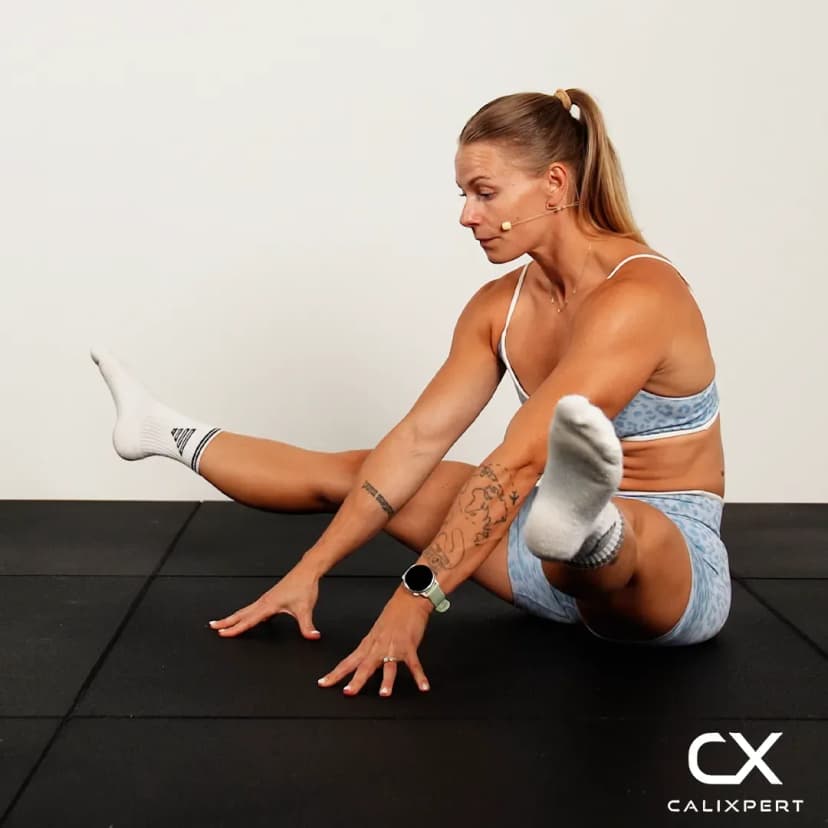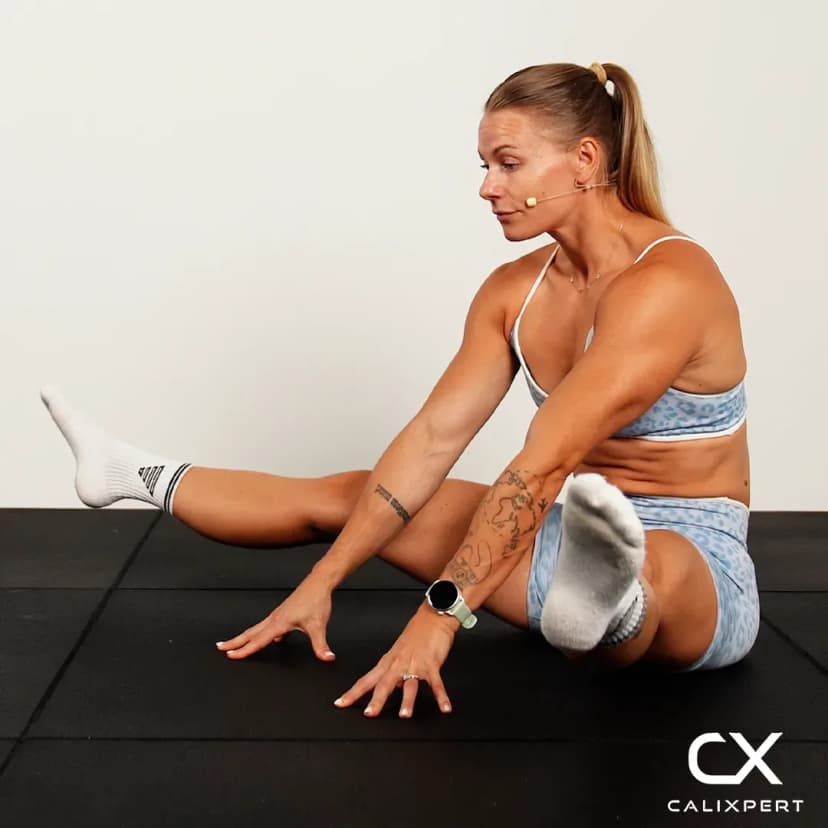
Elevated Jackknife pull up
Elevated jackknife pull-ups are an assisted vertical pulling exercise where your feet rest on a raised surface, allowing you to use leg drive to support the pull. This variation targets the lats, biceps, upper back, and traps while reducing the total bodyweight load, making it an effective bridge toward unassisted pull-ups. By adjusting how much you push through your legs, you can progressively shift more demand onto the pulling muscles and build real pulling strength with proper scapular mechanics.
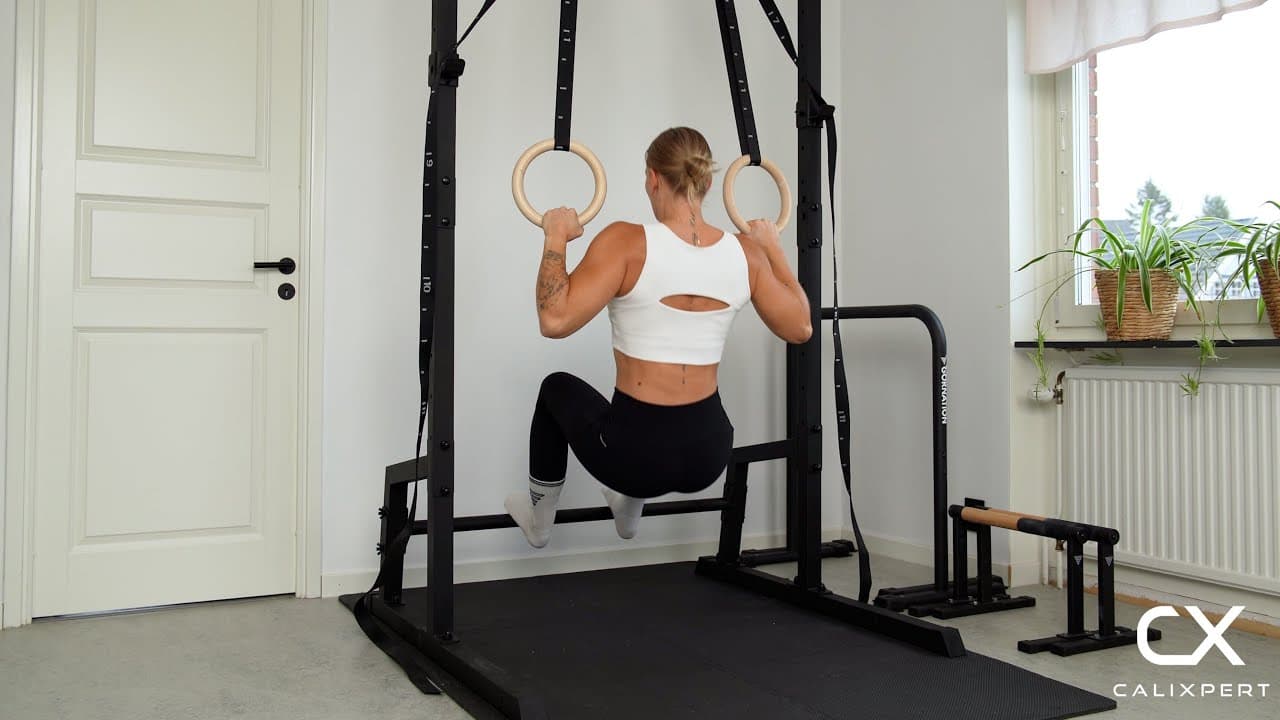
Elevated jackknife pull-ups are an assisted vertical pulling exercise where your feet rest on a raised surface, allowing you to use leg drive to support the pull. This variation targets the lats, biceps, upper back, and traps while reducing the total bodyweight load, making it an effective bridge toward unassisted pull-ups. By adjusting how much you push through your legs, you can progressively shift more demand onto the pulling muscles and build real pulling strength with proper scapular mechanics.
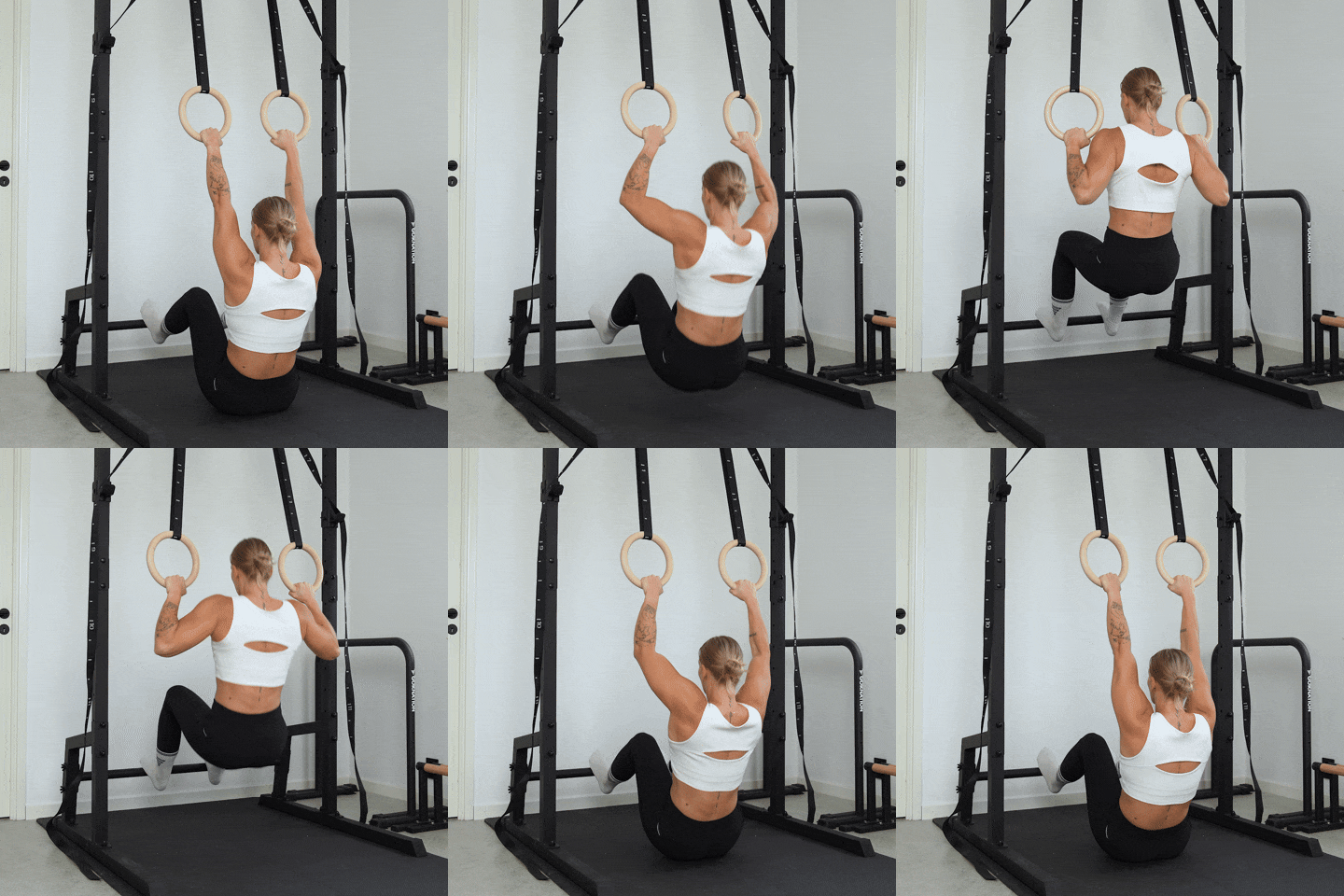
How to Do Elevated Jackknife pull up
1. Set Up the Rings or Bar
Use a pair of rings or a straight bar set at a height where you can reach it with straight arms while sitting on the floor directly underneath. The bar or rings should be low enough that your arms are fully extended without your hips lifting off the ground. Place a box, bench, or sturdy surface in front of you at roughly knee height to elevate your feet.
Sit under, reach up, arms fully straight
2. Position Your Feet and Grip
Place both feet flat on the elevated surface in front of you with your knees bent. Grip the bar or rings slightly wider than shoulder width with a full overhand grip, thumbs wrapped around. Your body should form an angled line from hands to feet, with your hips off the ground and arms fully extended.
Thumbs around, feet flat on the box
3. Initiate With Scapular Depression
Before bending your elbows, pull your shoulders down and away from your ears. This scapular depression activates the lower traps and lats, setting a stable foundation for the pull. Do not skip this step, as it prevents the biceps from taking over the movement.
Shoulders down before you pull
4. Pull Up While Pressing Through Your Feet
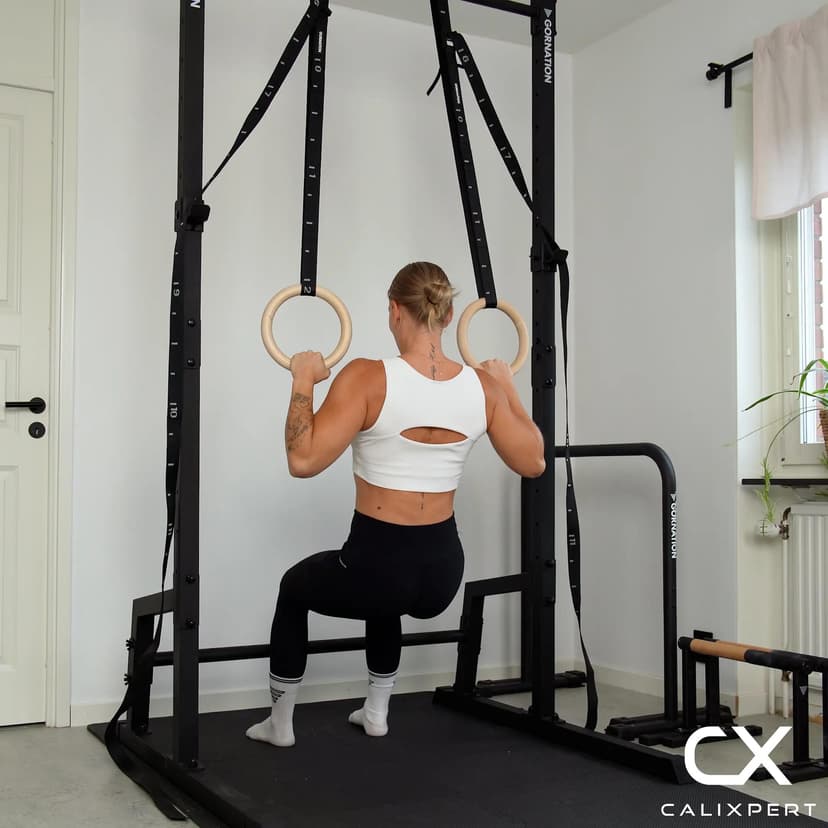
Begin pulling by driving your elbows backward and slightly outward while simultaneously pressing through your feet to stand up on the elevated surface. Your legs assist the pull, but the goal is to do as much work as possible with your upper body. Keep your chest lifted and maintain a controlled tempo throughout the ascent.
Elbows back, legs assist, do not rush
5. Squeeze at the Top
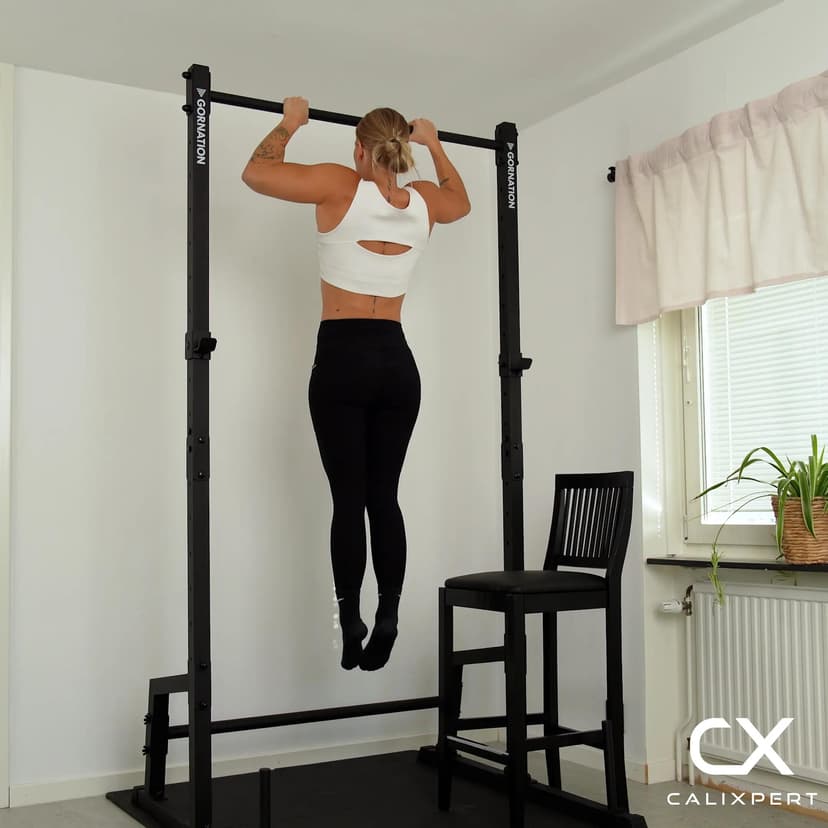
Pull until your chin clears above the rings or bar. At the top, squeeze your shoulder blades together firmly and hold for a brief moment. This retraction completes the full range of motion and ensures the upper back contributes to every rep.
Chin over, shoulder blades squeezed
6. Lower Under Control
Slowly extend your arms and lower yourself back to the starting position, resisting gravity the entire way down. Aim for a 2 to 3 second descent. Re-set your scapular depression at the bottom before beginning the next rep to maintain proper pulling mechanics throughout the set.
Slow descent, reset at the bottom
The biggest mistake people make with jackknife pull-ups is treating them as a leg exercise that happens to involve a bar. Your focus should be on pulling as hard as you can with your back and arms, using the legs only to fill the gap. Every week, try to push a little less through your feet. When you can do 3 sets of 8 with minimal leg drive, you are ready to test your first full pull-up.
Muscles Worked During Elevated Jackknife pull up
Secondary Muscles:
Primary Muscles
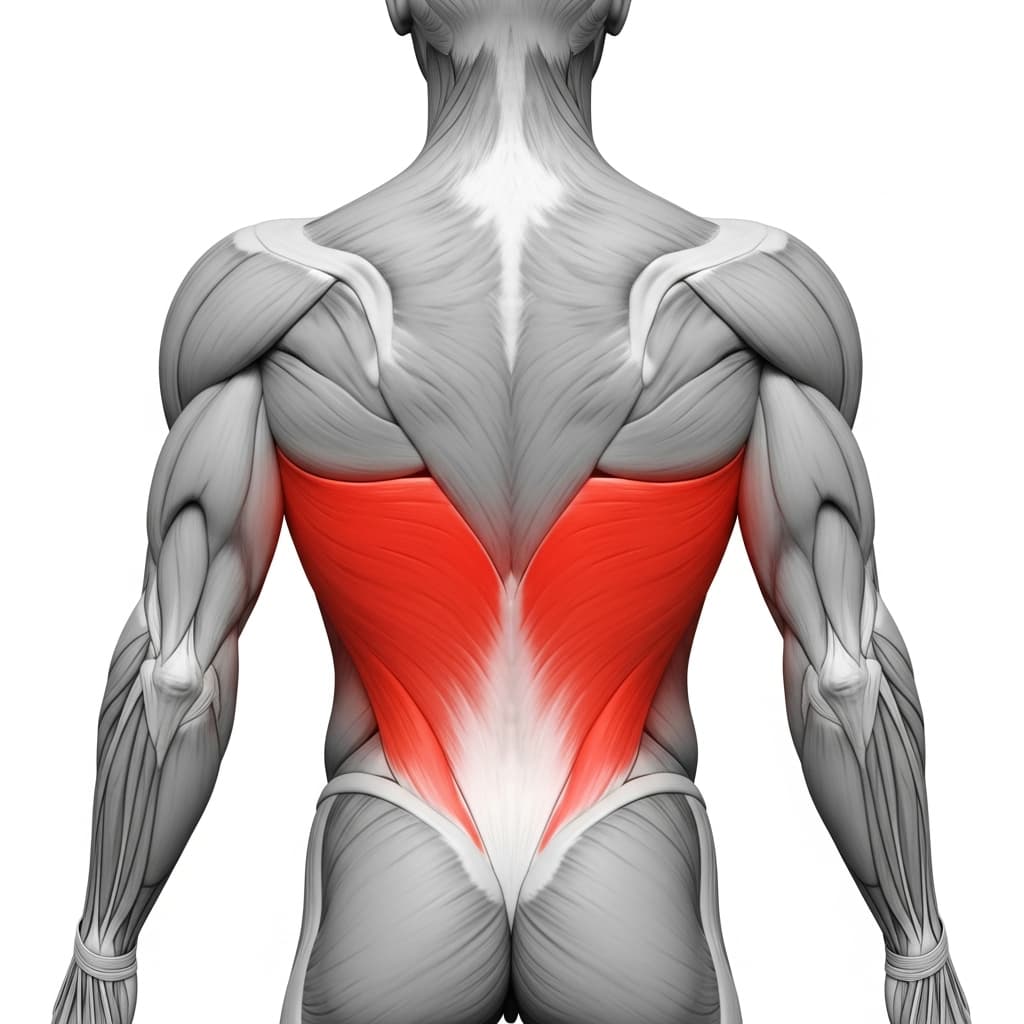
Latissimus Dorsi (Lats) - The lats drive the primary pulling motion by extending and adducting the shoulder, bringing your body upward toward the bar or rings.
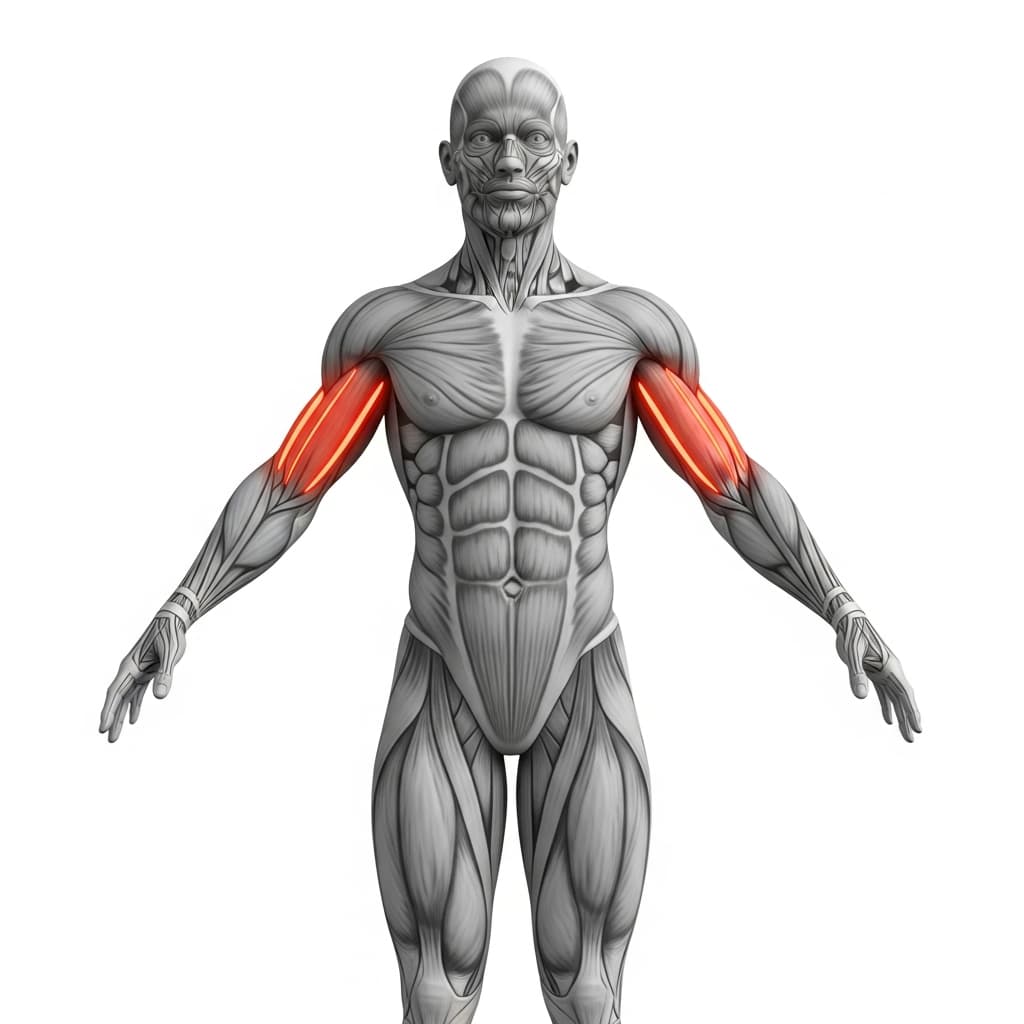
Biceps Brachii (Biceps) - The biceps flex the elbow throughout the pull, working alongside the lats to lift your bodyweight toward the bar.
Secondary Muscles
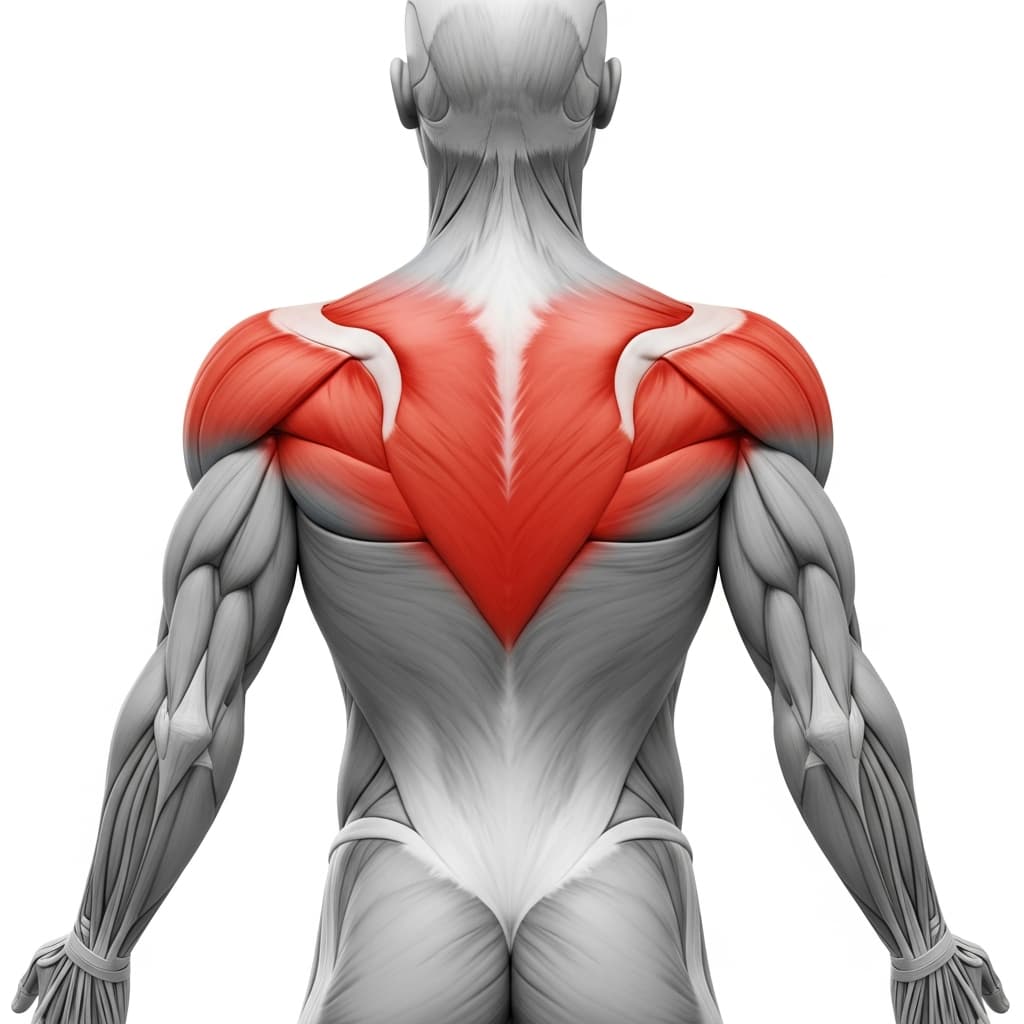
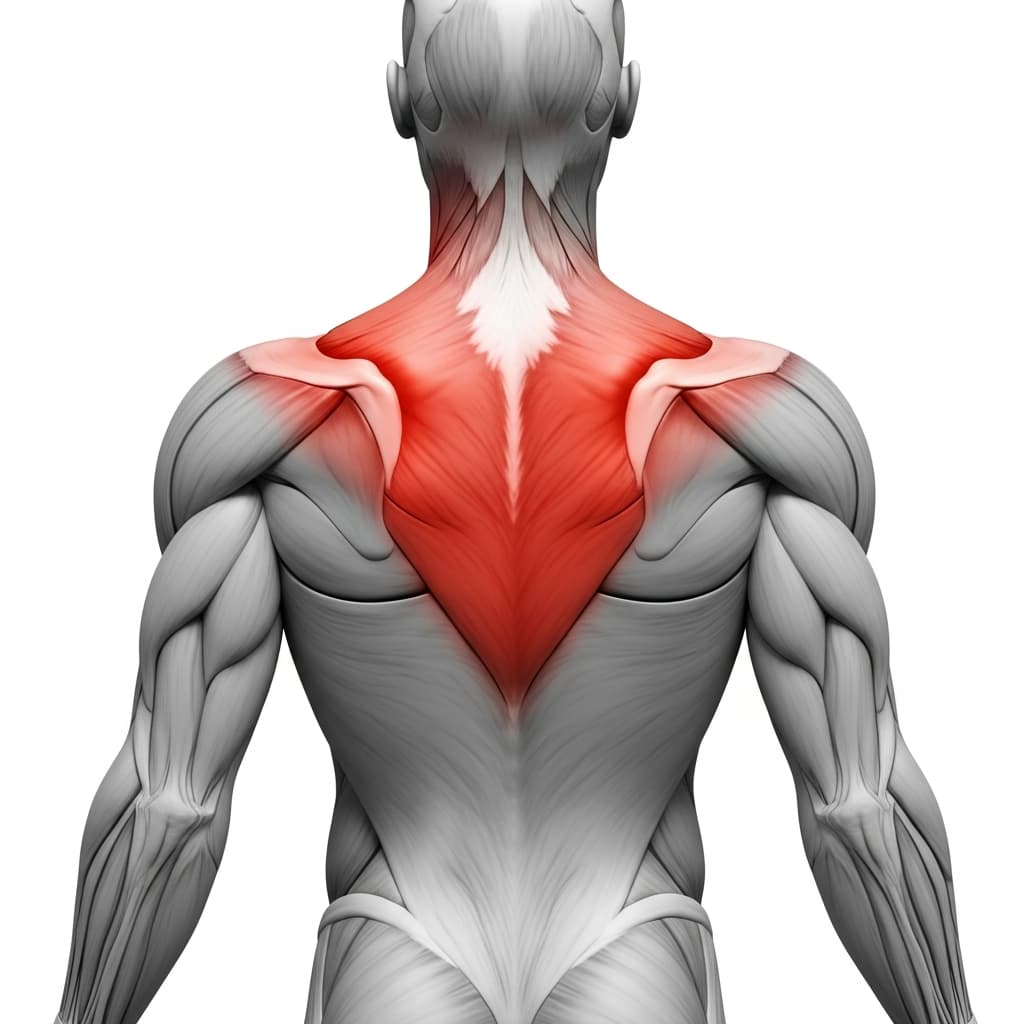
Rhomboids & Upper Trapezius (Upper Back) - The rhomboids and mid-traps retract the shoulder blades at the top of each rep, completing the full range of motion and stabilizing the scapulae.
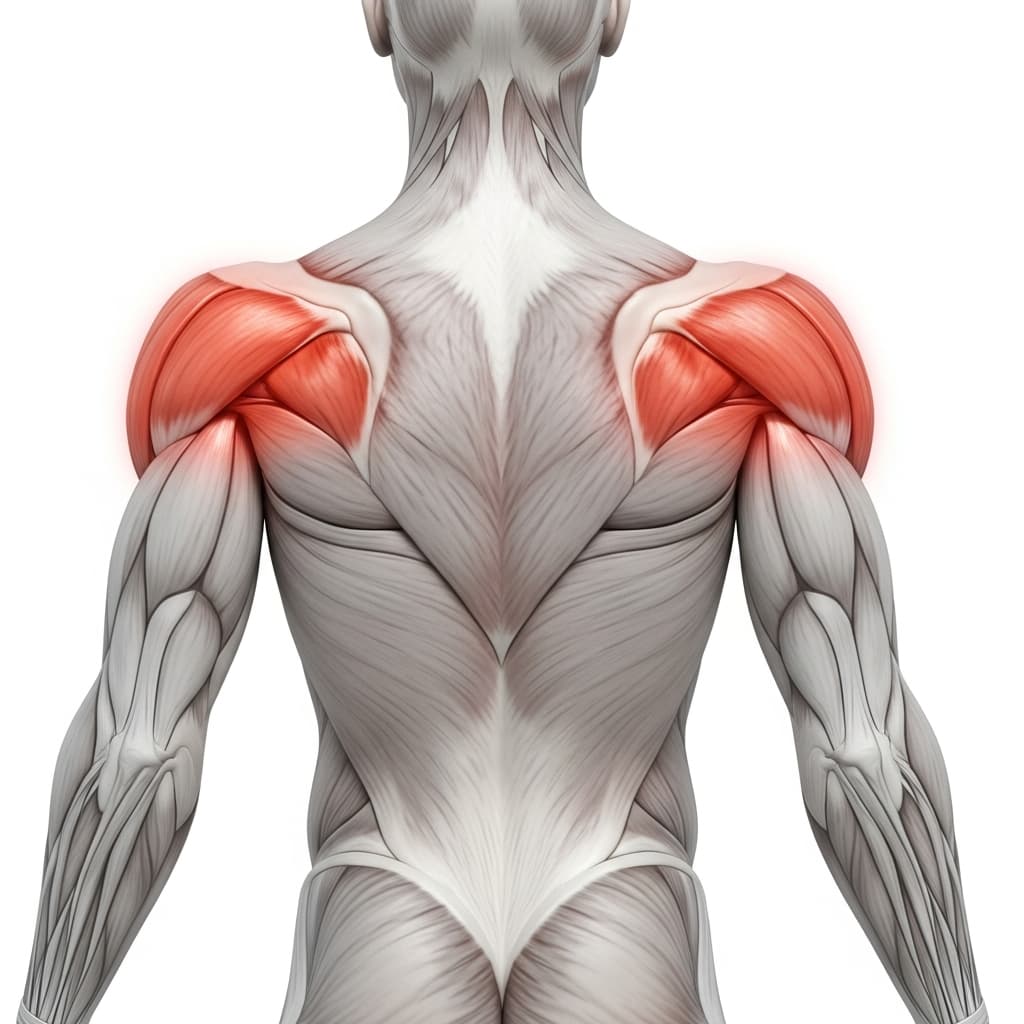
Posterior Deltoid (Rear Deltoid) - The rear deltoids assist shoulder extension during the pulling phase, contributing to the backward drive of the elbows.
Trapezius (Trapezius) - The lower and middle traps depress and retract the scapulae during the initial pull and the squeeze at the top, keeping the shoulders stable.
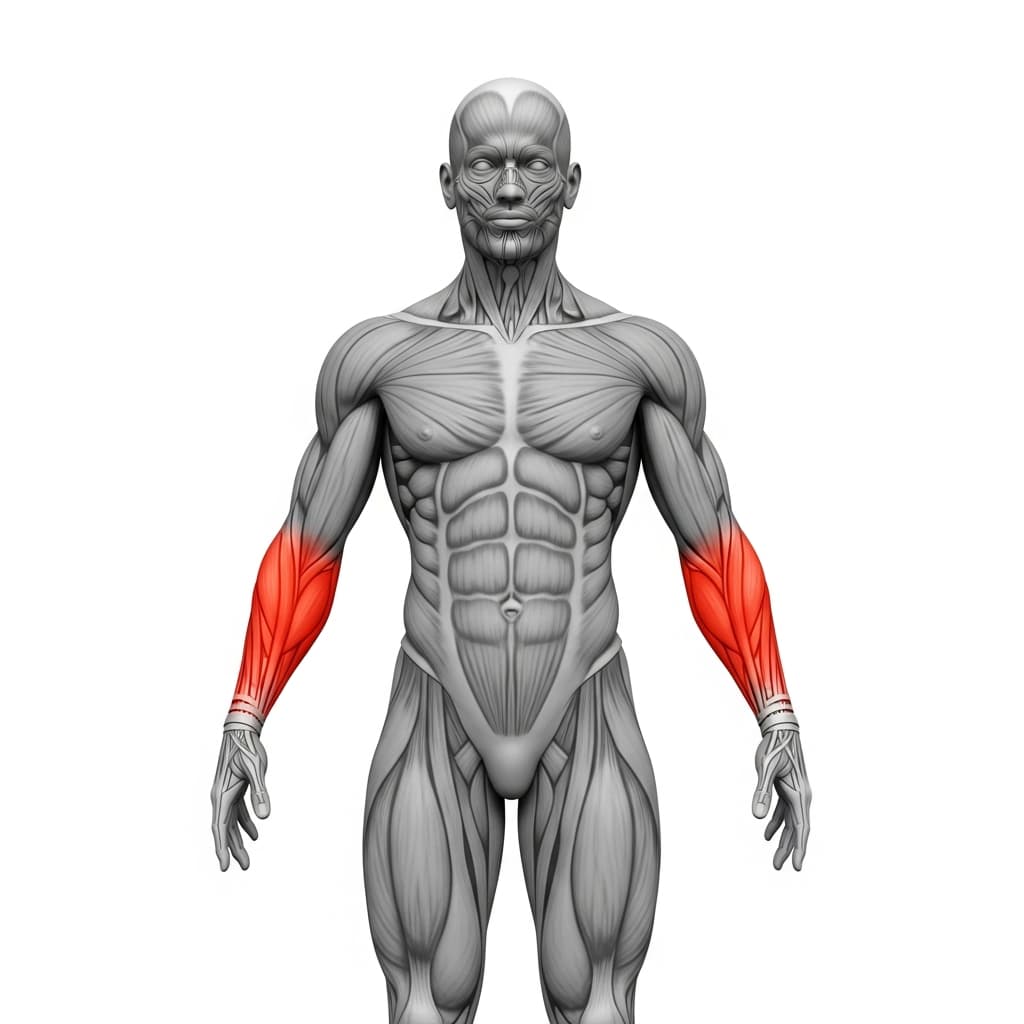
Forearm Flexors & Extensors (Forearms) - The forearm flexors maintain grip on the bar or rings throughout each rep, sustaining isometric tension under partial bodyweight load.
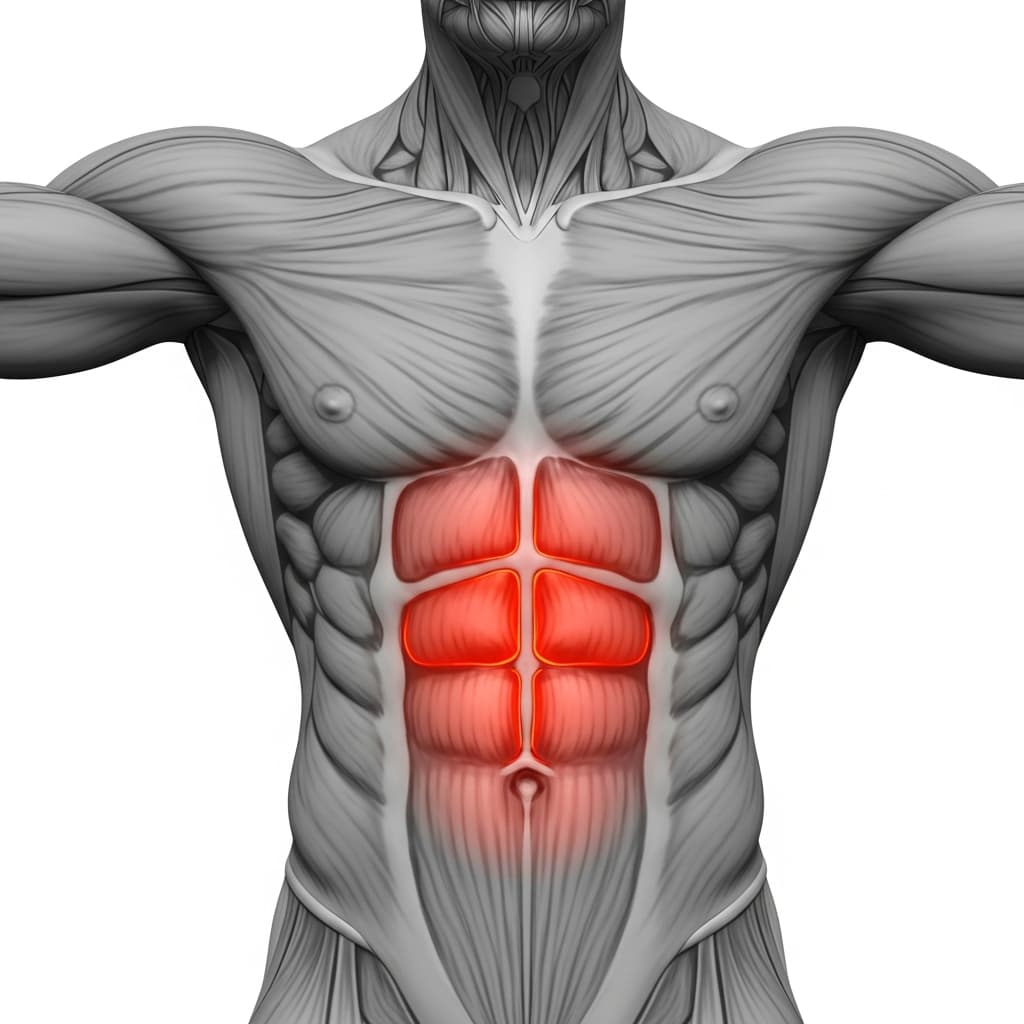
Rectus Abdominis (Abs) - The abdominals brace the torso and prevent excessive arching, keeping the body aligned between the bar and the elevated foot platform.
Benefits of Elevated Jackknife pull up
- Builds pulling strength in the lats and biceps with adjustable difficulty, allowing progressive overload by gradually reducing leg assistance over weeks
- Teaches proper scapular mechanics, including depression and retraction, that transfer directly to full pull-ups and every advanced pulling skill
- Develops grip endurance and forearm strength through sustained hanging under partial bodyweight load
- Allows high-volume pull training for beginners who cannot yet perform full pull-ups, accelerating strength adaptation in the upper back
Who Is This Exercise For?
You should be able to hold a dead hang for at least 10 seconds and perform scapular pull-ups with controlled shoulder depression before attempting elevated jackknife pull-ups. If you cannot retract and depress your shoulder blades while hanging, focus on dead hangs and scapular activation drills first. This variation is designed for anyone who cannot yet perform a full pull-up or needs to build volume with correct pulling mechanics.
Common Mistakes to Avoid
Relying too heavily on the legs: Your legs should assist the pull, not drive it. Consciously reduce how hard you push through your feet over time, forcing the lats and biceps to handle a greater share of the load on each rep.
Skipping scapular depression: Always pull your shoulders down before bending your elbows. Without this initial set, the biceps take over and the lats barely engage, which defeats the purpose of the exercise.
Pulling elbows straight down: Drive your elbows backward and slightly outward instead of straight toward your hips. This elbow path places the lats in their strongest mechanical position and prevents the arms from doing all the work.
Dropping on the descent: Control the lowering phase for at least 2 seconds. The eccentric portion builds strength and joint resilience, and dropping out of the top position wastes half the exercise's training effect.