Cobra Push Ups
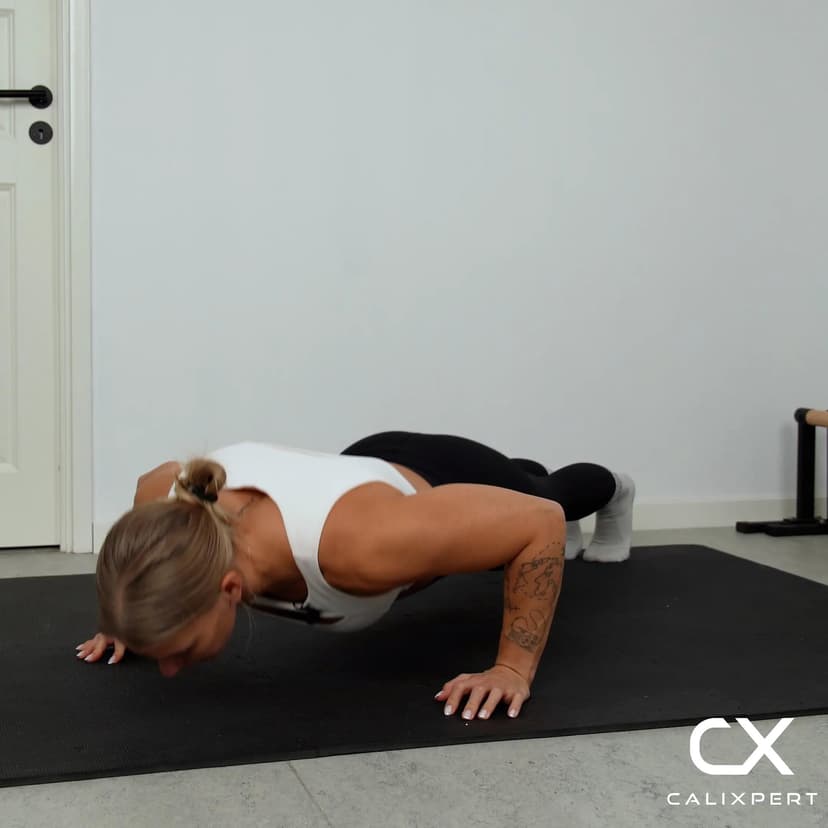
Cobra push-ups are a floor-based upper body pushing exercise where you lie face down and press your chest upward while keeping your hips pinned to the ground, targeting the chest, front deltoids, and triceps through a shortened but intense range of motion. The movement isolates the pressing muscles of the upper body by removing the lower body from the chain entirely, forcing the chest and shoulders to do all of the work without assistance from the legs or hips. Cobra push-ups also deliver a deep spinal extension stretch at the top of each rep, making them one of the best exercises in calisthenics for building pressing strength and thoracic spine mobility simultaneously.
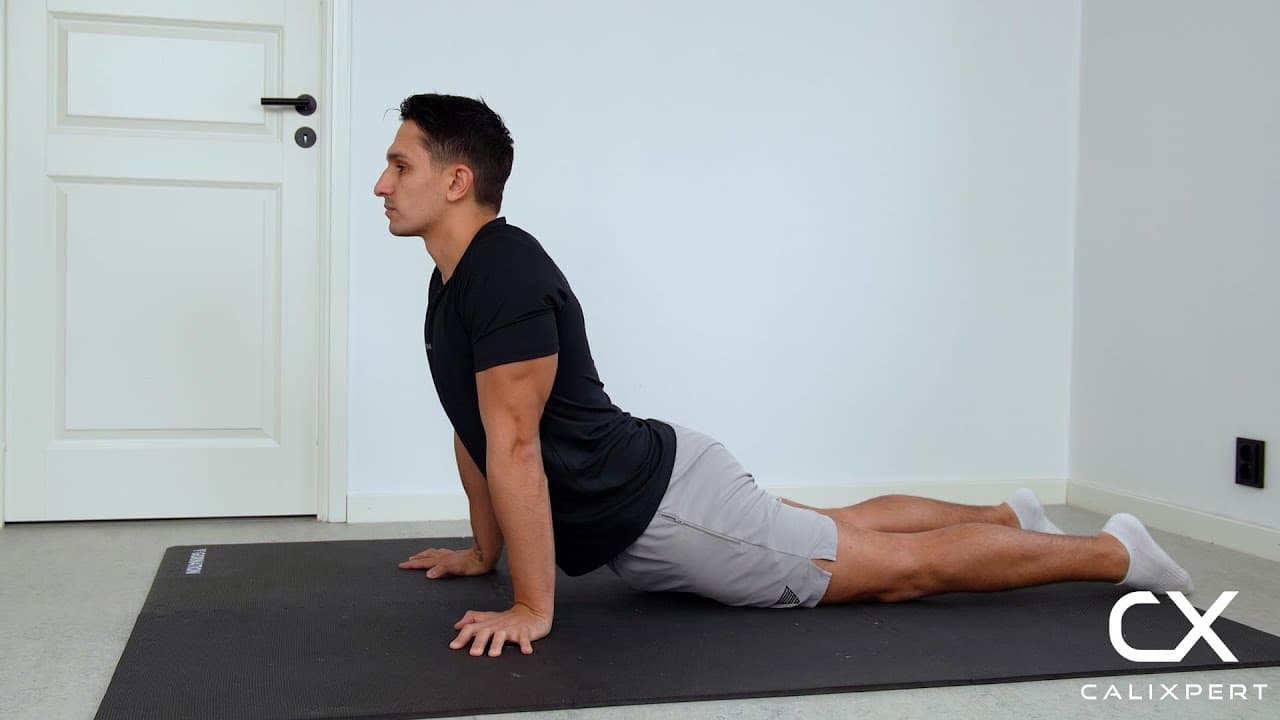
Cobra push-ups are a floor-based upper body pushing exercise where you lie face down and press your chest upward while keeping your hips pinned to the ground, targeting the chest, front deltoids, and triceps through a shortened but intense range of motion. The movement isolates the pressing muscles of the upper body by removing the lower body from the chain entirely, forcing the chest and shoulders to do all of the work without assistance from the legs or hips. Cobra push-ups also deliver a deep spinal extension stretch at the top of each rep, making them one of the best exercises in calisthenics for building pressing strength and thoracic spine mobility simultaneously.
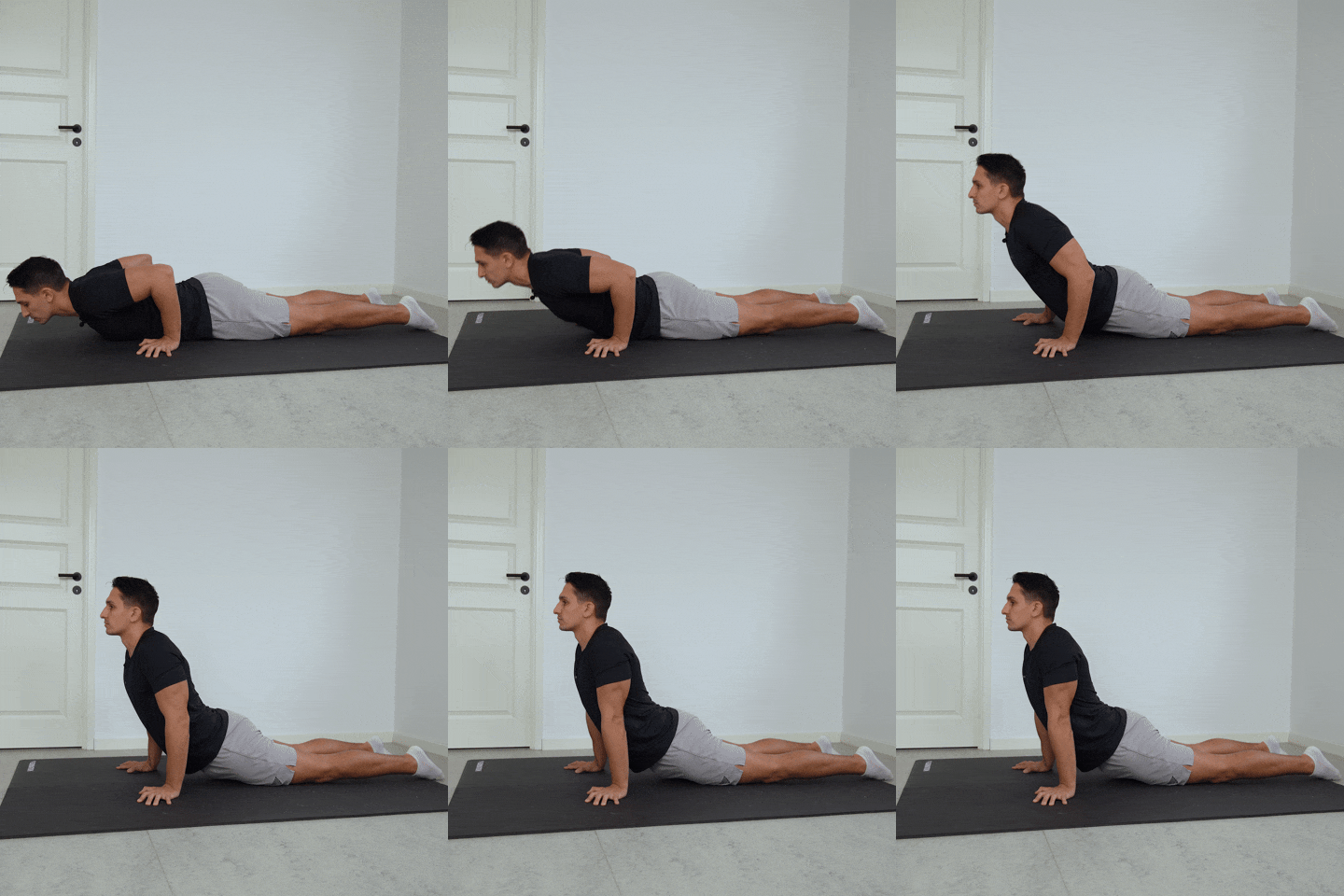
How to Do Cobra Push Ups
1. Lie Face Down on the Floor
Start by lying fully flat on the floor with your legs extended straight behind you and your feet roughly hip-width apart. Your forehead or chin should rest lightly on the mat. Keep your entire body in contact with the ground before setting your hand position.
Flat on the floor, legs straight
2. Place Hands Beside Your Core
Position your hands on the floor at roughly the level of your lower chest or upper abdomen, slightly wider than shoulder width. Your fingers should point forward and your elbows should be tucked close to your ribs. This hand placement ensures the pressing muscles drive the movement rather than the lower back.
Hands at lower chest, elbows tight
3. Squeeze Glutes and Lock Hips Down
Before pressing up, actively squeeze your glutes and push your hips into the floor. This glute tension is critical because it prevents the hips from lifting off the ground and keeps the load on the upper body pressing muscles. Maintain this contraction throughout every rep.
Squeeze glutes, pin hips to the floor
4. Press Upper Body Upward
Push through your palms to lift your chest and torso off the floor while keeping your hips and legs firmly on the ground. Only your upper body should rise. Extend your arms as far as your mobility allows without your hips leaving the mat. Keep your head in a neutral position, looking slightly forward rather than cranking the neck up.
Press up, hips stay glued down
5. Hold Briefly at the Top
At the top of the movement, your arms should be nearly straight with your chest open and your shoulders pulled slightly back and down. You should feel a stretch through the front of your torso and a strong contraction in the chest, triceps, and shoulders. Hold for a brief moment to reinforce the end-range position.
Chest open, shoulders down and back
6. Lower Under Control
Slowly bend your elbows and lower your chest and torso back to the floor in a controlled manner. Do not collapse or let gravity do the work. Your entire upper body should return to full contact with the ground before initiating the next rep. Aim for a 2 to 3 second descent on every rep.
Slow descent, chest to floor
Most people let their hips float off the floor because they are trying to get full arm extension at the top. That defeats the purpose of the exercise. Think about pressing your hip bones into the mat as hard as you can, then push only as high as you can while maintaining that contact. The range of motion will increase over time as your thoracic mobility improves, and your chest and triceps will work significantly harder in the process.
Muscles Worked During Cobra Push Ups
Secondary Muscles:
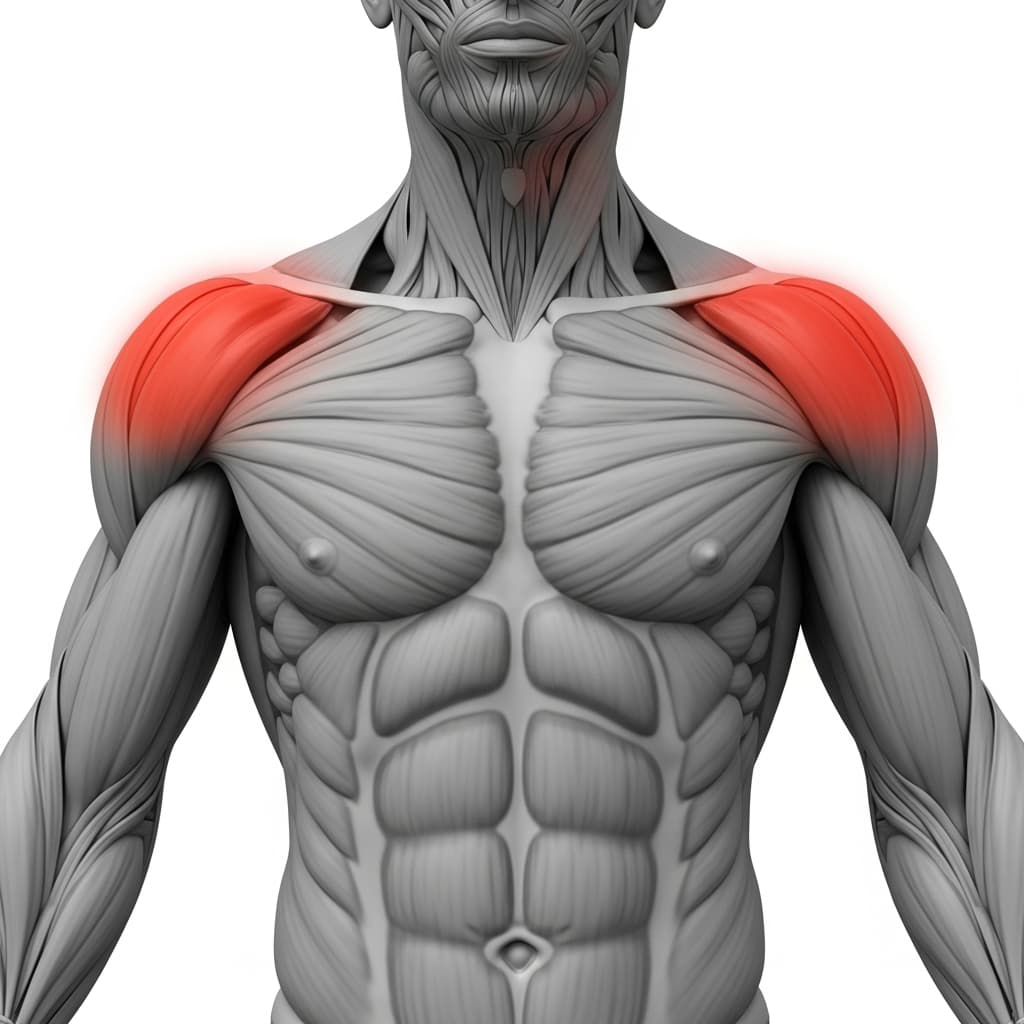
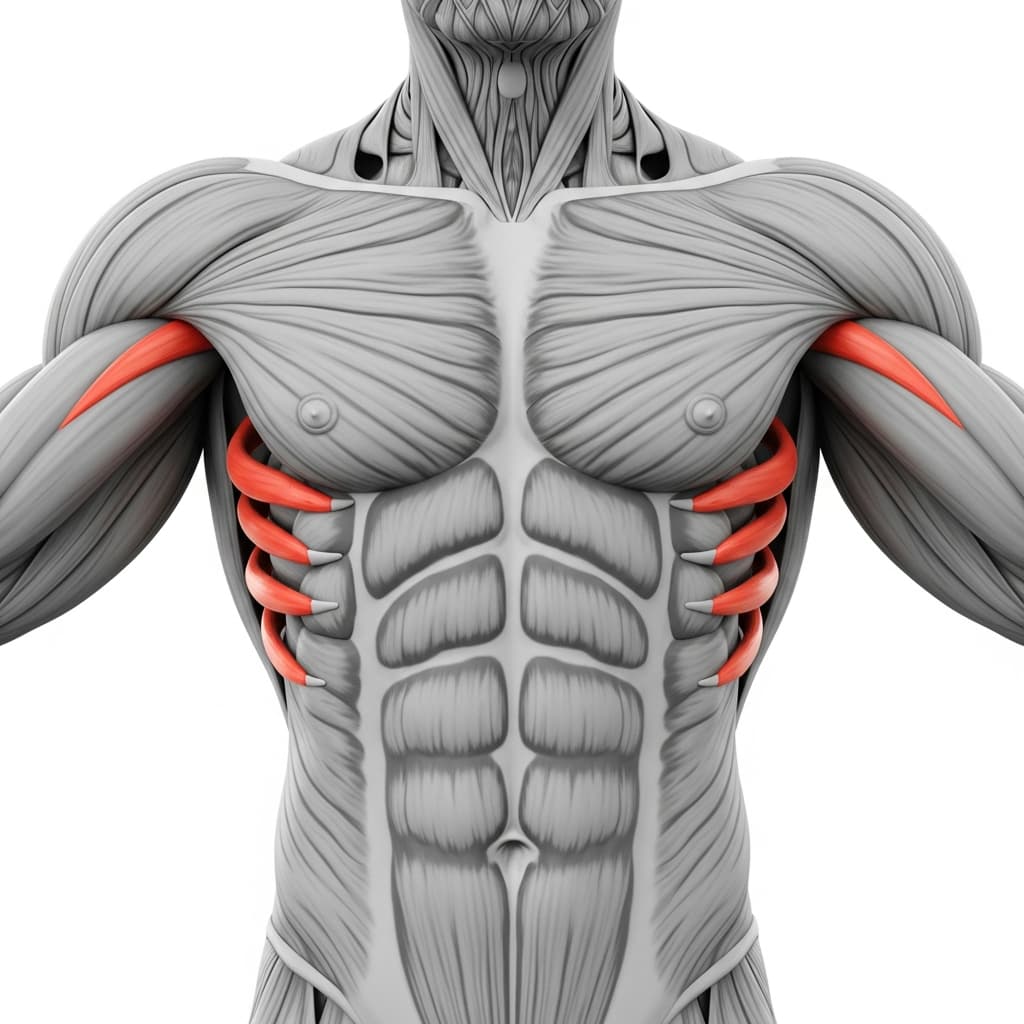
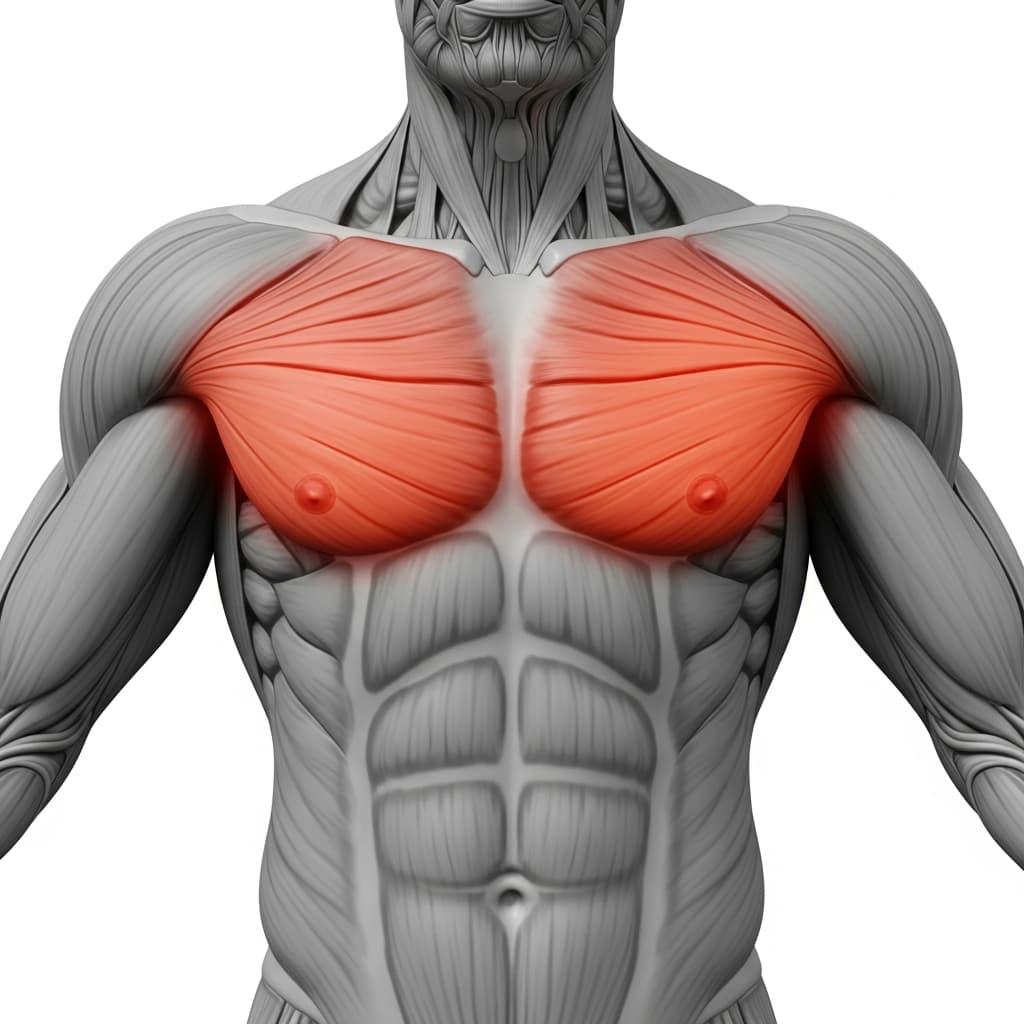
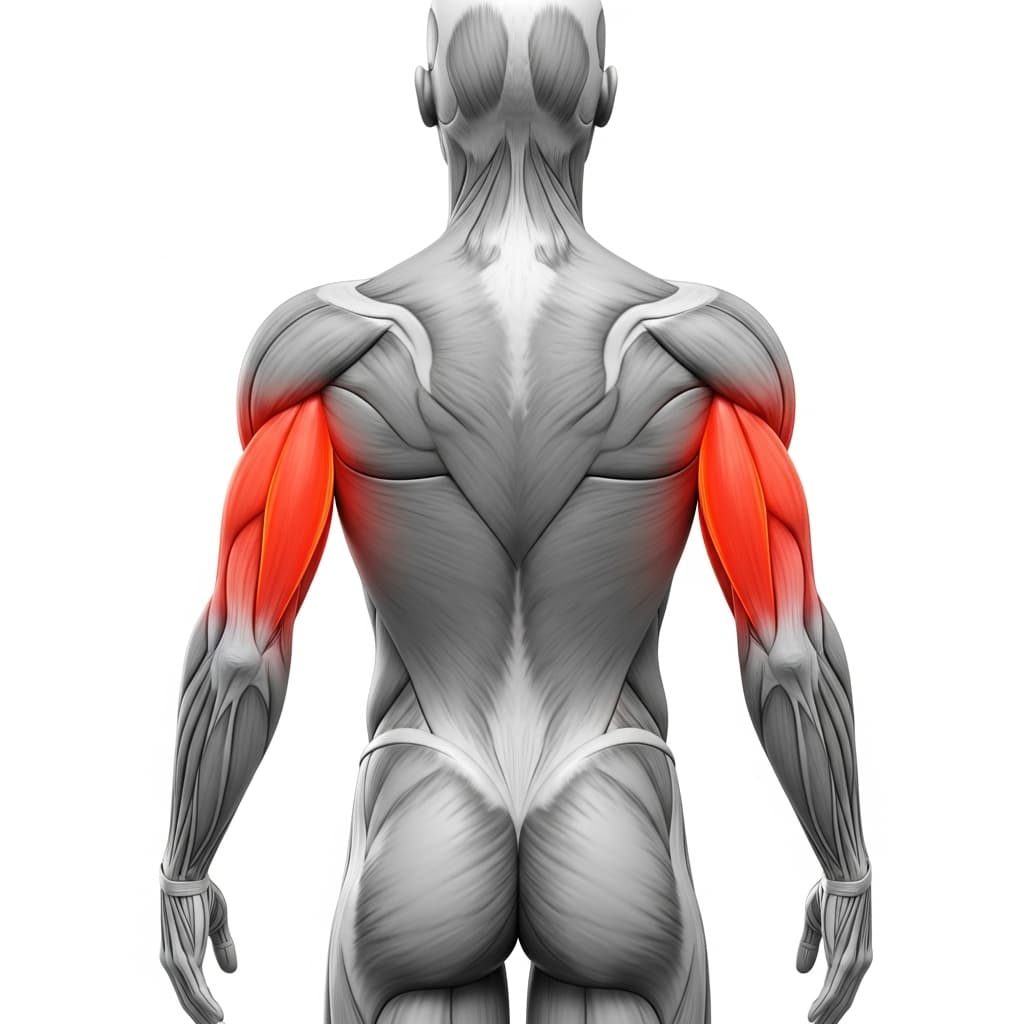
Primary Muscles
Pectoralis Major (Chest) - The pectoralis major drives the pressing action that lifts the upper torso off the floor against gravity while the hips remain fixed.
Triceps Brachii (Triceps) - The triceps extend the elbows to straighten the arms during the upward press and control the bend during the lowering phase.
Secondary Muscles
Anterior Deltoid (Front Deltoid) - The anterior deltoid assists the chest in shoulder flexion as the torso rises from the floor.
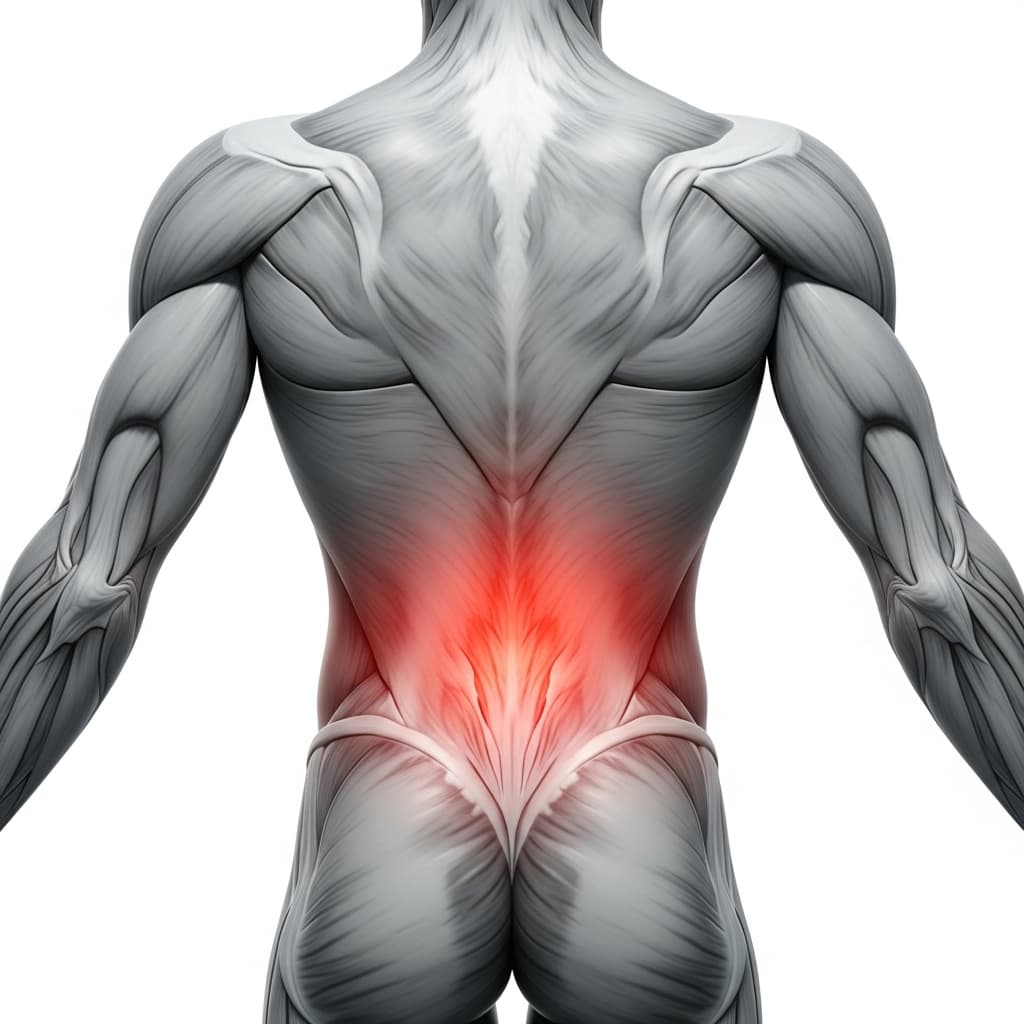
Erector Spinae (Spinal Erectors) - The spinal erectors work isometrically to support and control the thoracic and lumbar extension achieved at the top of the movement.
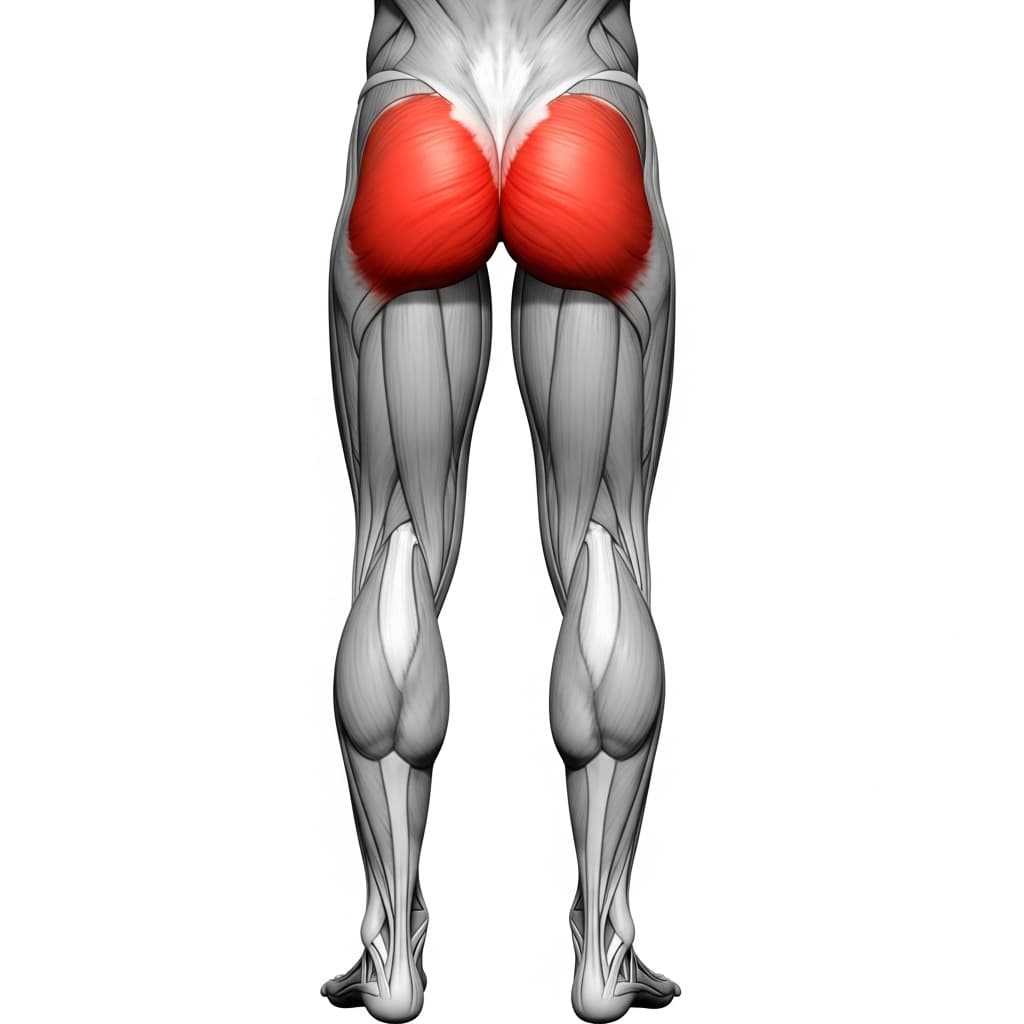
Gluteus Maximus (Glutes) - The glutes contract to pin the hips to the floor, preventing the pelvis from lifting and ensuring the upper body does all of the pressing work.
Erector Spinae (Lower Back) - The lower back muscles stabilize the lumbar spine throughout the spinal extension, working alongside the glutes to protect the vertebrae.
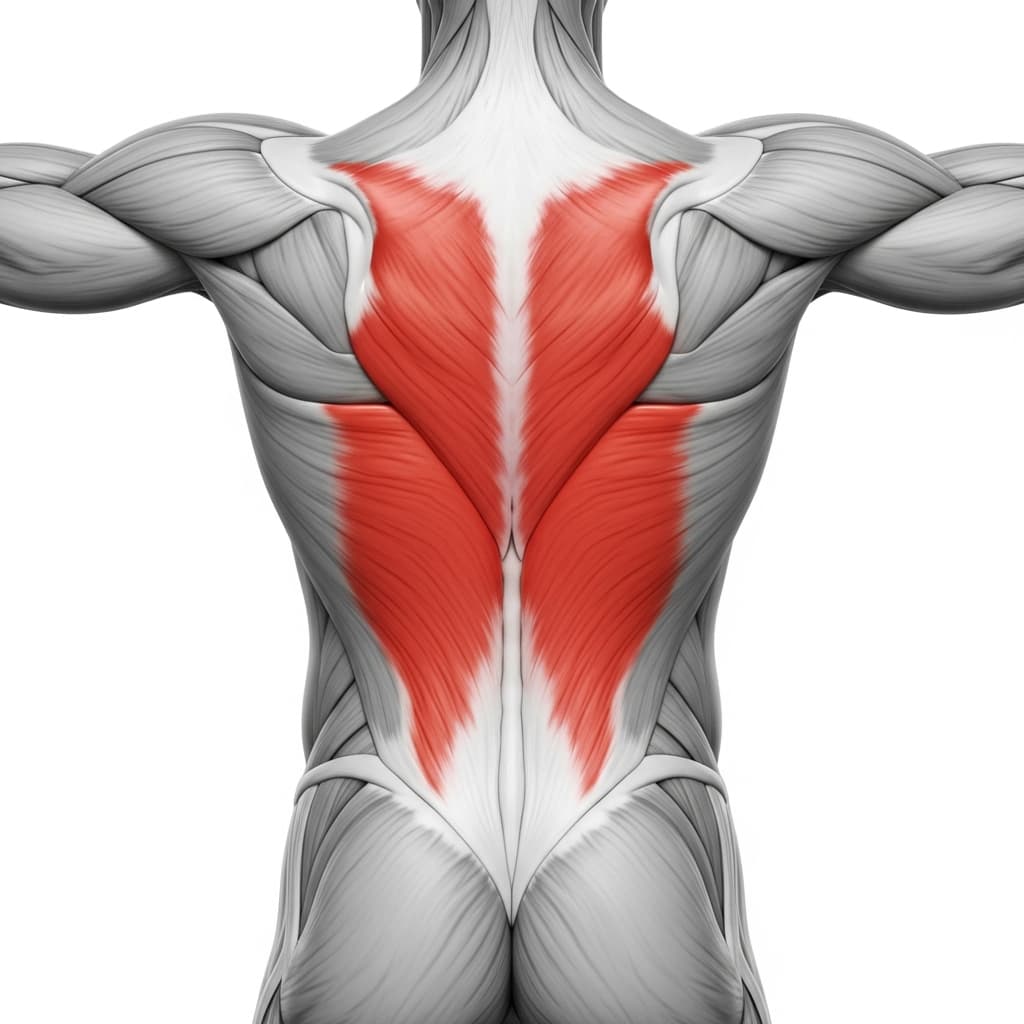
Serratus Anterior (Serratus Anterior) - The serratus anterior stabilizes the scapulae against the ribcage as the arms press the torso upward from the floor.
Benefits of Cobra Push Ups
- Strengthens the chest, triceps, and front deltoids through an isolated pressing pattern that removes momentum and lower body assistance
- Improves thoracic spine extension and front-body flexibility through the deep stretch achieved at the top of each rep
- Builds active glute endurance by requiring sustained hip-down tension throughout every set, which carries over to planche and handstand work
- Develops pressing strength from a dead-stop position on the floor, eliminating the stretch reflex that standard push-ups rely on
Who Is This Exercise For?
You should be able to hold a prone lying position with your glutes actively engaged for at least 15 seconds and perform a basic yoga cobra pose without lower back discomfort before attempting cobra push-ups. Practicing standard push-ups from the knees for sets of 8 to 10 reps will ensure you have enough pressing strength to control the movement. If extending your spine causes sharp pain or pinching in the lower back, address spinal mobility and core stability first.
Common Mistakes to Avoid
Lifting hips off the ground: Actively squeeze your glutes and drive your hips into the floor before and during every rep. If your hips rise, the exercise turns into a standard push-up and removes the isolation that makes cobra push-ups effective.
Cranking the neck upward: Keep your head in a neutral position with your gaze directed slightly forward, not straight up at the ceiling. Hyperextending the neck places unnecessary compression on the cervical spine.
Placing hands too far forward: Position your hands at lower chest or upper abdomen level, not up near your head. Hands too far forward shifts the load onto the shoulders and makes it nearly impossible to keep the hips on the ground.
Dropping to the floor on the descent: Control the lowering phase for at least 2 seconds. Collapsing removes the eccentric training stimulus and can strain the lower back if the spine snaps out of position.
Relaxing glutes throughout the movement: The glutes must stay active for the entire set to stabilize the pelvis and protect the lower back. If you cannot maintain glute tension, reduce the number of reps per set.