Hollow Body Hold
The hollow body hold is a foundational isometric core exercise used in calisthenics and gymnastics to build full-body tension through the abs, hip flexors, and serratus anterior. The goal is to maintain a curved, banana-shaped position with the lower back pressed firmly into the floor while extending the arms and legs as low as possible without breaking form. Mastering the hollow body hold directly transfers to handstands, planches, front levers, and every skill that demands a rigid, connected torso.
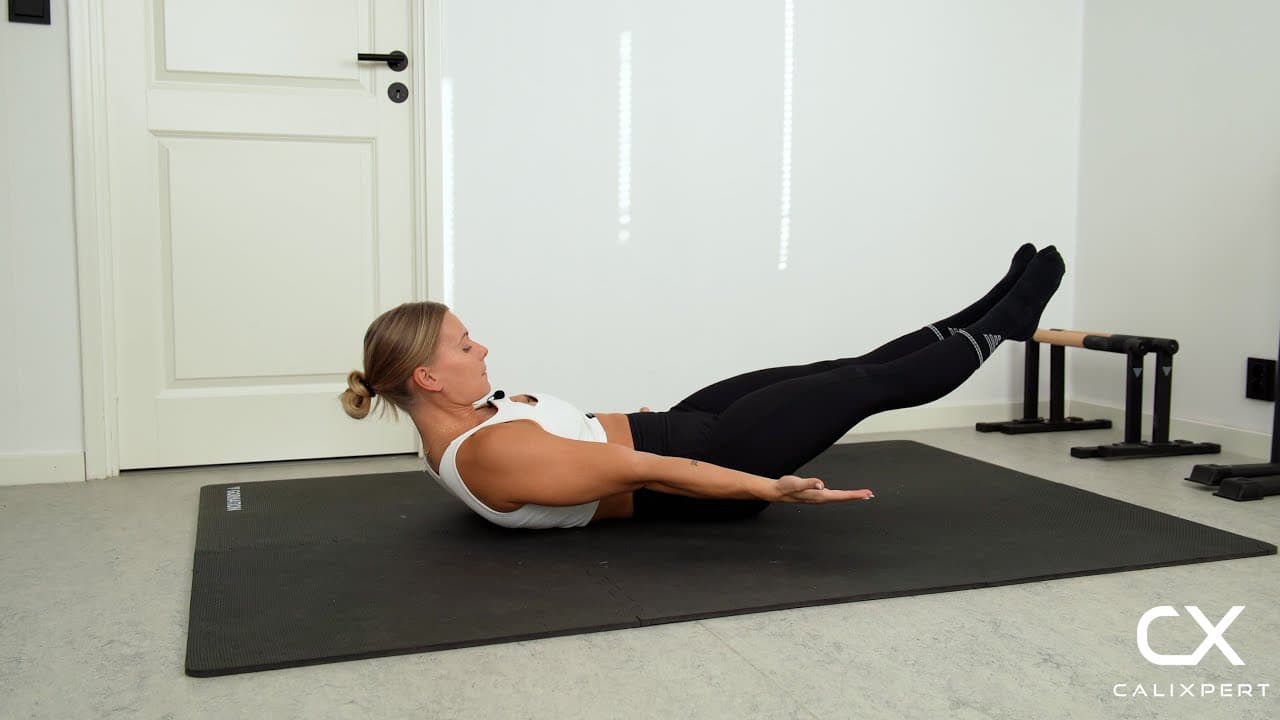
The hollow body hold is a foundational isometric core exercise used in calisthenics and gymnastics to build full-body tension through the abs, hip flexors, and serratus anterior. The goal is to maintain a curved, banana-shaped position with the lower back pressed firmly into the floor while extending the arms and legs as low as possible without breaking form. Mastering the hollow body hold directly transfers to handstands, planches, front levers, and every skill that demands a rigid, connected torso.
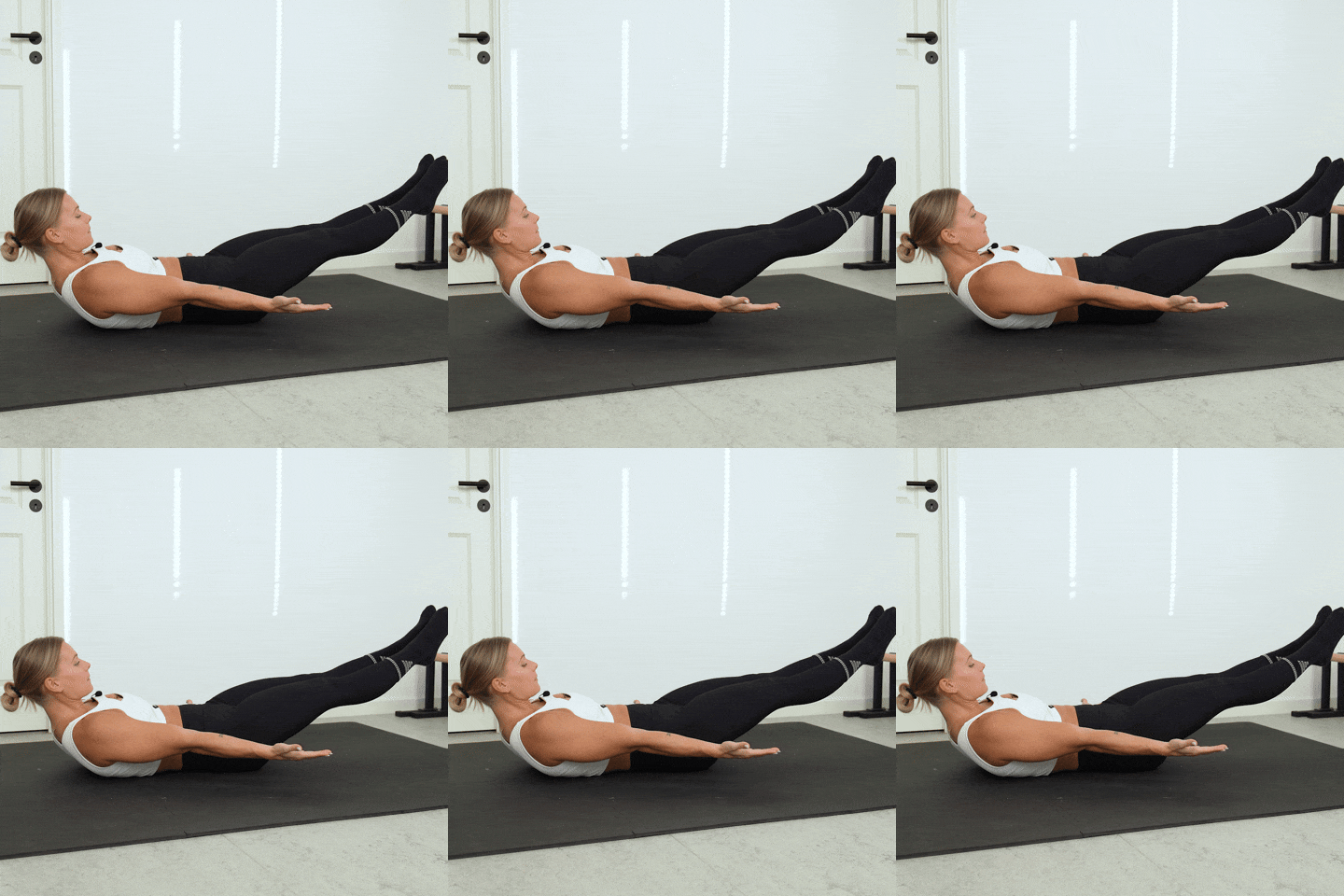
How to Do Hollow Body Hold
1. Lie Flat and Set Your Back
Lie on your back with your legs straight and arms by your sides. Push your lower back firmly into the floor by tucking your pelvis and drawing your belly button toward your spine. This posterior pelvic tilt is non-negotiable. If you lose contact between your lower back and the floor at any point during the hold, the exercise breaks down.
Lower back glued to the floor
2. Lift Shoulders Off the Ground
Raise your head and shoulders slightly off the floor until at least your scapulae clear the ground. Keep your chin in a neutral position, not tucked to your chest. The lift does not need to be dramatic. Focus on feeling your upper abs engage to hold this position.
Lift until your shoulder blades clear
3. Extend Legs and Find Your Level
Start with your legs raised at roughly 45 degrees and slowly lower them toward the floor. Stop lowering the moment you feel your lower back begin to peel away from the ground. This is your current working height. If you need to bend your knees slightly to maintain lower back contact, that is the correct regression for now.
Lower legs only as far as your back allows
4. Reach Arms Overhead
Once your legs are in position, extend your arms overhead in line with your ears, biceps close to your head. This increases the lever arm and makes the hold significantly harder. If this causes your lower back to arch, keep your arms by your sides or on your thighs until you build enough strength to extend them.
Arms by ears, not flared out wide
5. Hold and Breathe
Hold the position for the prescribed time while breathing continuously. Breathe in through the nose and out through the mouth in controlled cycles. Do not hold your breath. Many people instinctively brace and stop breathing, which limits endurance and causes unnecessary tension in the neck and jaw.
Breathe steady, never hold your breath
Most people fail the hollow body hold by trying to get their legs as low as possible on day one. The lower back is the judge. Start with your legs high enough that your lower back never leaves the floor, then spend weeks gradually lowering them an inch at a time. If your back peels up, you went too low. Patience with this progression is what separates people who build real core strength from those who just struggle through bad reps.
Muscles Worked During Hollow Body Hold
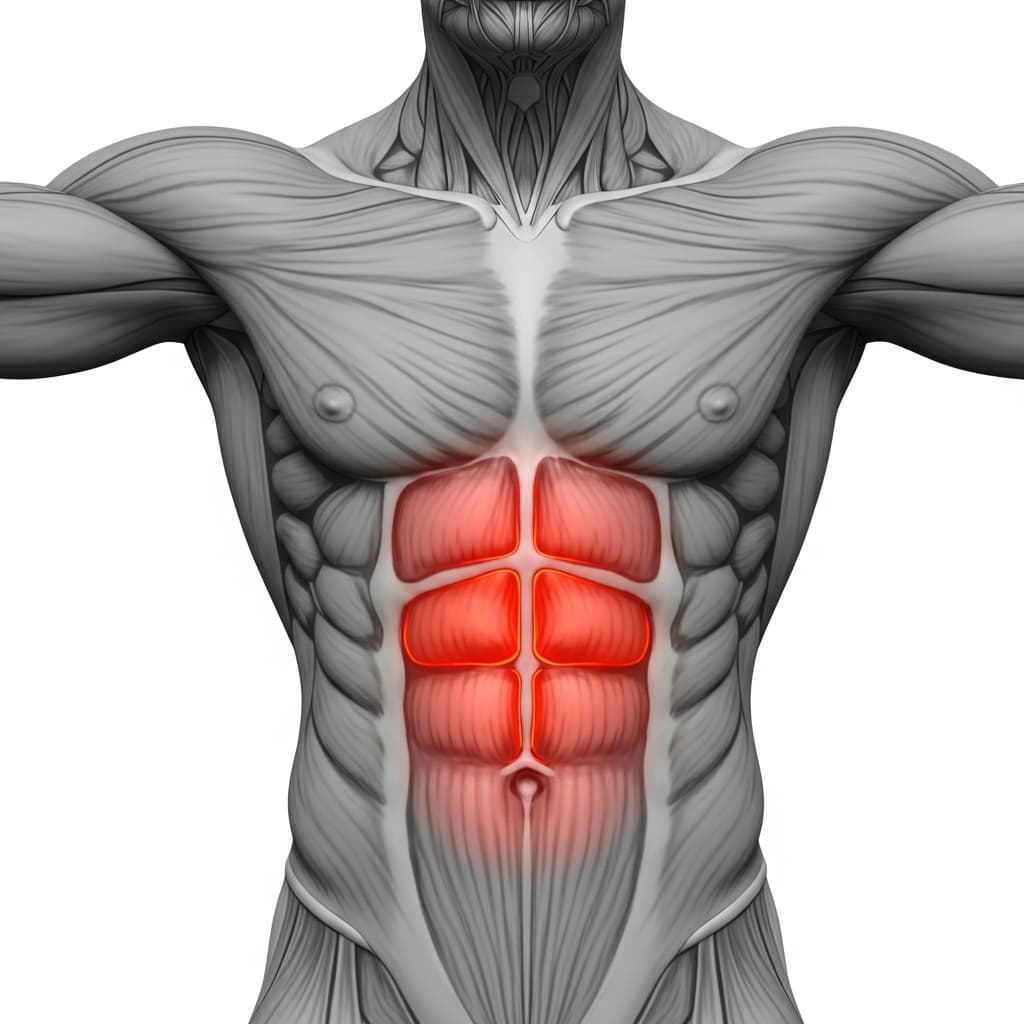
Primary Muscles:
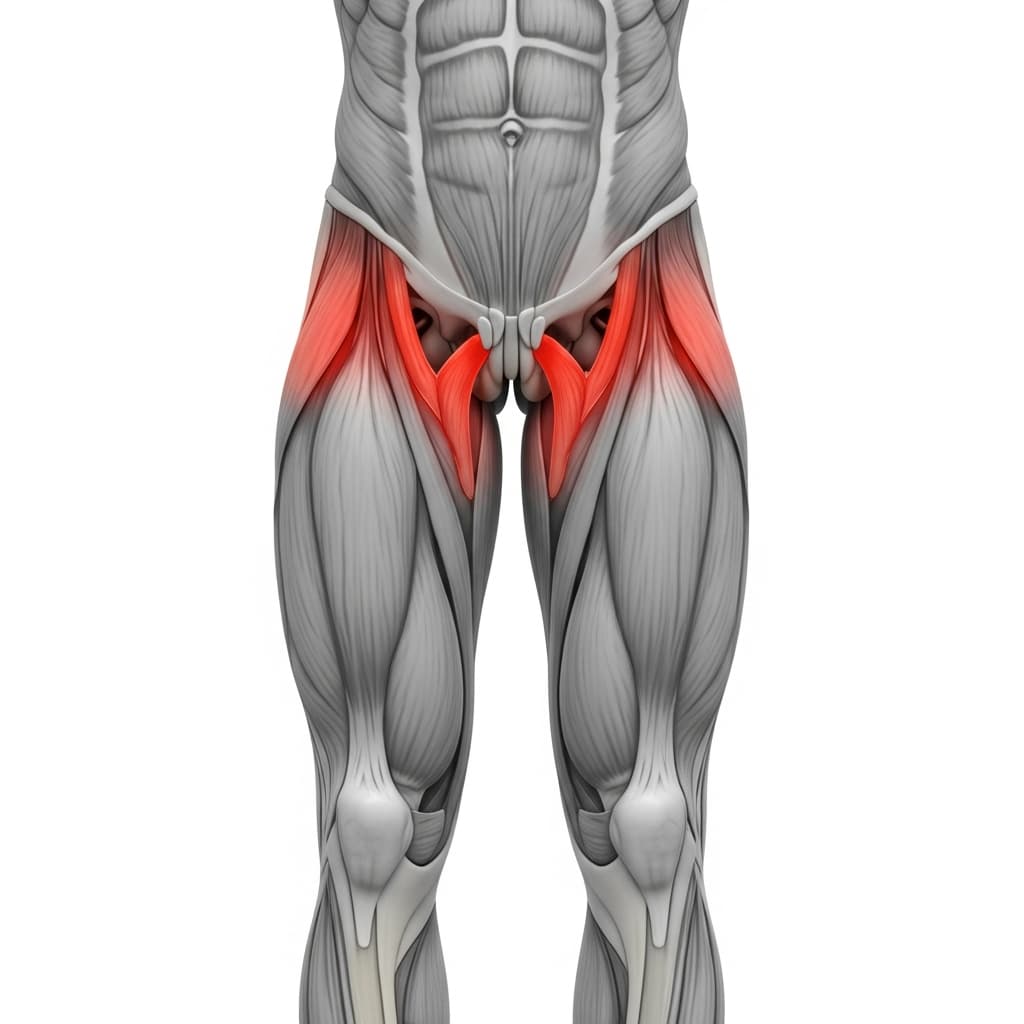
Secondary Muscles:
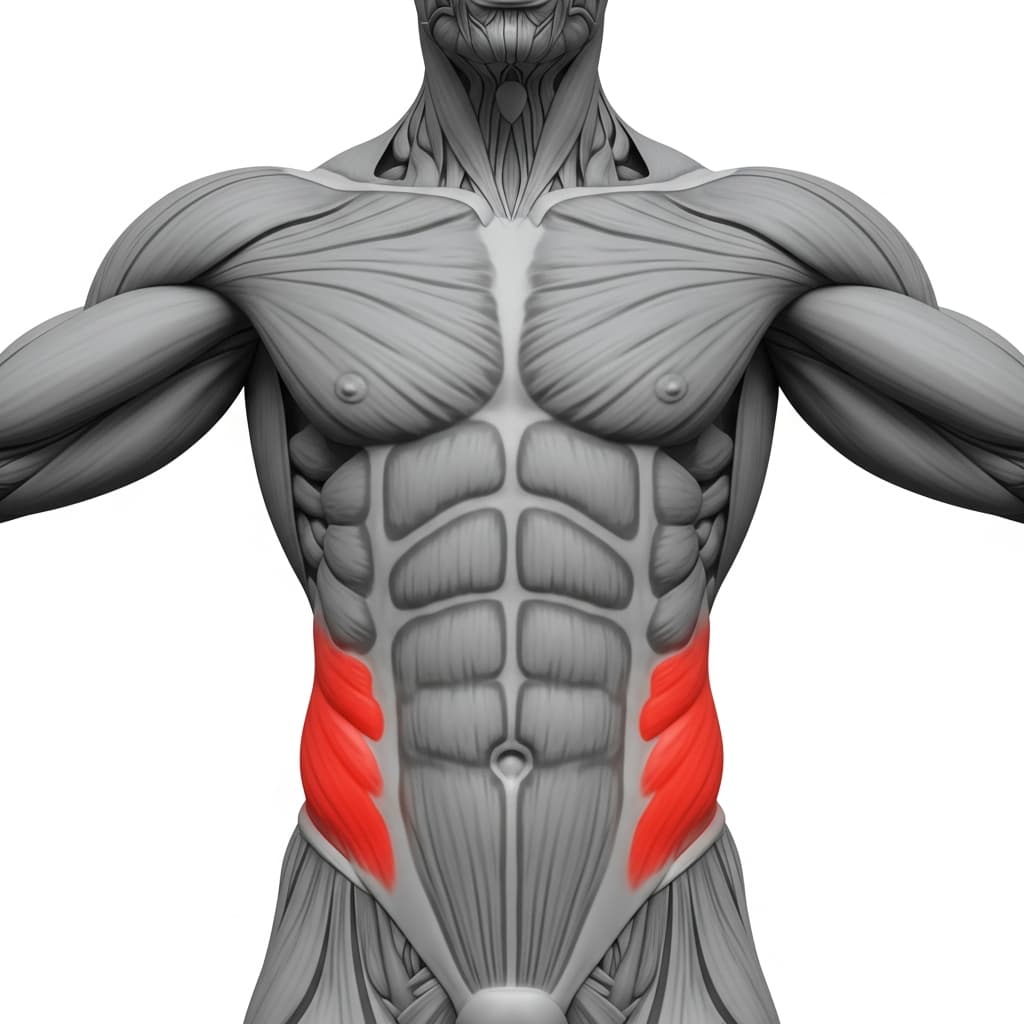
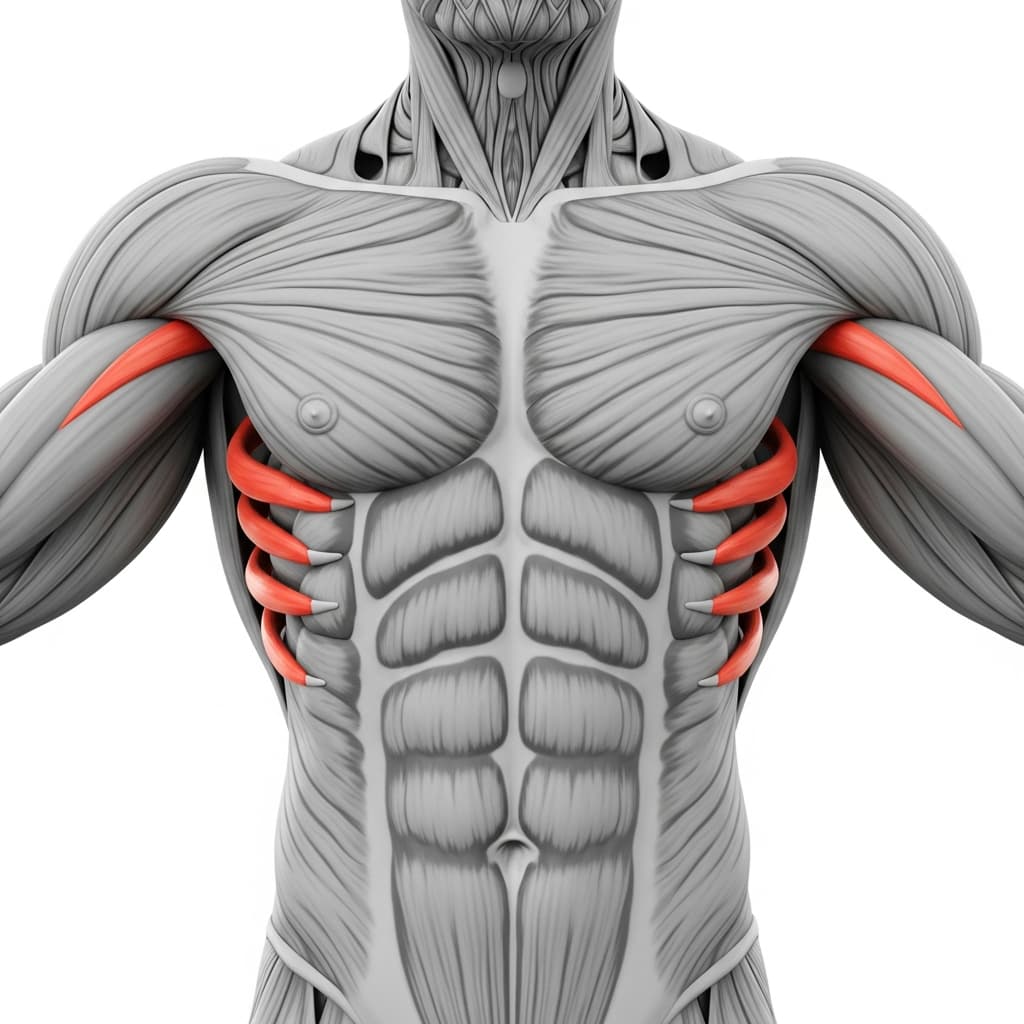
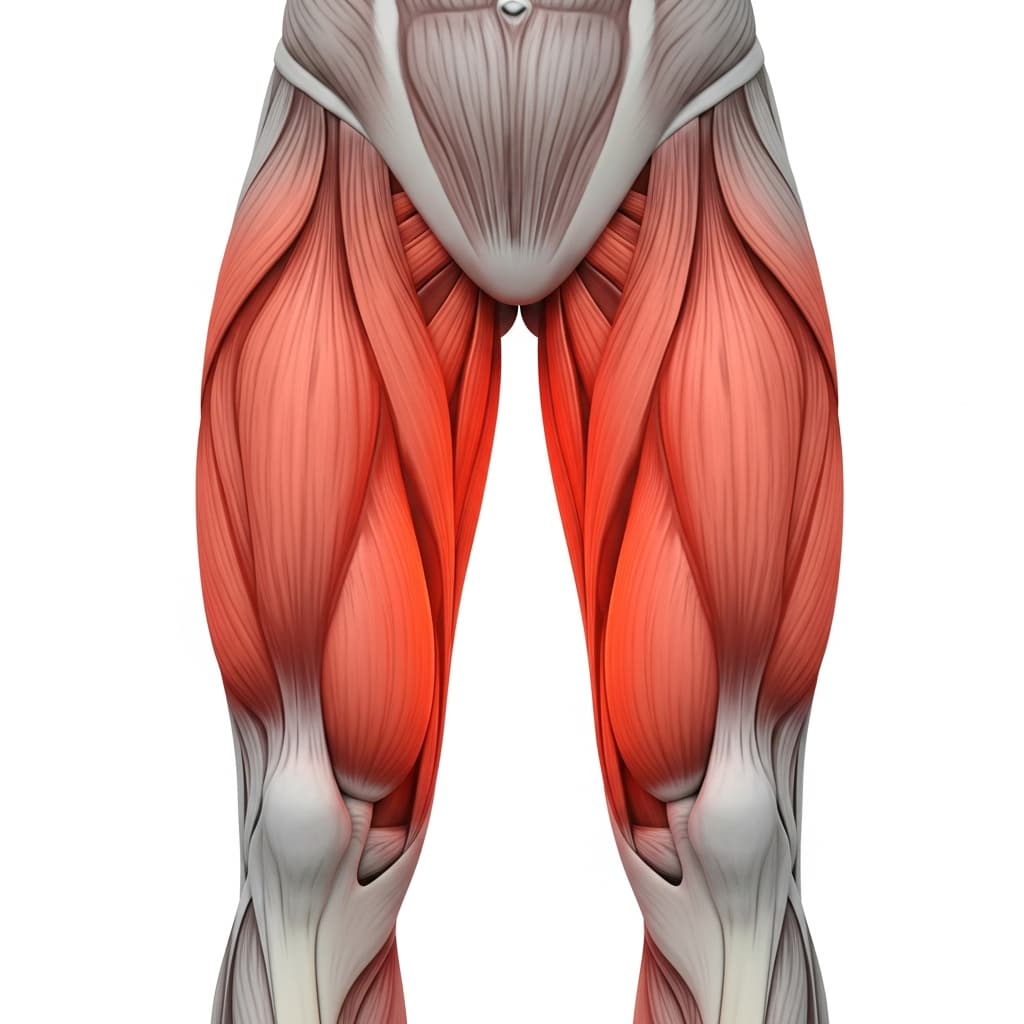
Primary Muscles
Rectus Abdominis (Abs) - The rectus abdominis contracts isometrically to hold the trunk in a posteriorly tilted position, preventing the lower back from arching and maintaining the hollow shape throughout the hold.
Secondary Muscles
Iliopsoas (Hip Flexors) - The hip flexors hold the legs elevated off the ground against gravity, and their demand increases as the legs are lowered closer to the floor.
Obliques (Obliques) - The obliques stabilize the ribcage and pelvis laterally, preventing any rotation or side-to-side shift while the body is held in the hollow position.
Serratus Anterior (Serratus Anterior) - The serratus anterior protracts the shoulder blades and stabilizes the arms when extended overhead, maintaining the upper body portion of the hollow shape.
Quadriceps (Quads) - The quadriceps keep the knees locked in full extension while the legs are held elevated, adding to the total-body tension required for the hold.
Benefits of Hollow Body Hold
- Builds the anti-extension core strength required for handstands, planches, front levers, and L-sits, making it the single most transferable core exercise in calisthenics
- Develops full-body tension, teaching the abs, hip flexors, quads, and serratus to fire simultaneously and maintain a rigid body line under load
- Strengthens the deep abdominal wall and hip flexors in a lengthened position, which directly reduces lower back compensation during overhead and hanging exercises
- Improves body awareness and positional control, training you to feel and correct pelvic tilt in real time during other movements
Who Is This Exercise For?
You should be able to hold a basic lying posterior pelvic tilt, pressing your lower back flat to the floor, for at least 15 seconds without your back arching. If maintaining that pelvic tilt with bent knees is still a challenge, work on dead bugs and supine pelvic tilts before progressing to the full hollow body hold.
Common Mistakes to Avoid
Lower back lifting off the floor: This is the most common error and it means your legs are too low for your current strength. Raise your legs higher or bend your knees slightly until you can maintain full lower back contact throughout the entire hold.
Holding the breath: Steady breathing is required for any sustained isometric hold. Practice breathing in through the nose and out through the mouth in a controlled rhythm while maintaining the hollow position.
Tucking the chin to the chest: Cranking the chin down creates neck tension and does not improve core activation. Keep your head in a neutral position with your gaze directed toward the ceiling or slightly forward.
Legs or arms too high: Keeping the limbs high reduces the difficulty and limits the training effect. Progressively lower your arms and legs over time, always stopping at the point where your lower back stays flat.
Variations & Progressions
Bent-Knee Hollow Hold
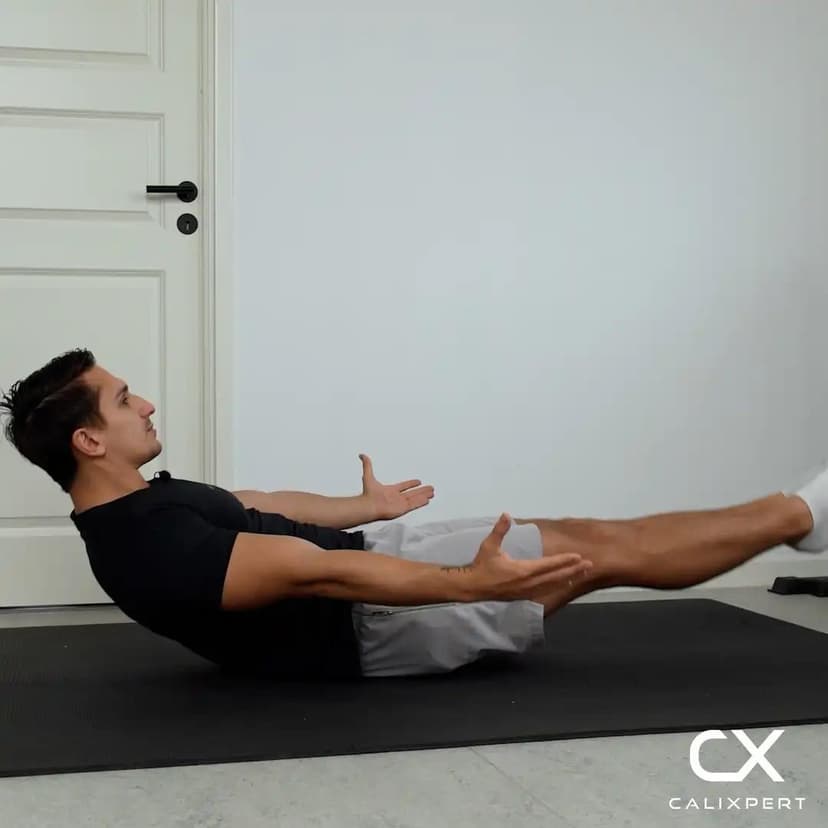
Bend your knees to 90 degrees while maintaining the same pelvic tilt and shoulder lift. Shortening the leg lever makes it significantly easier to keep your lower back flat on the floor.
Weighted Hollow Hold
Hold a light weight plate or dumbbell in your hands with arms extended overhead. The added load increases the demand on the abs and hip flexors and is appropriate once you can hold the standard position for 45 seconds or more.