Calf Raises
Calf raises are an isolation exercise that targets the gastrocnemius and soleus muscles through a full plantar flexion range of motion, performed on an elevated surface to allow a deep heel drop at the bottom. The key to an effective calf raise is using a controlled tempo with a full stretch at the bottom and a hard squeeze at the top, rather than bouncing through partial reps. Strong calves built through proper calf raises improve ankle stability, jumping power, and foot control, all of which are critical for calisthenics skills that demand balance and lower body explosiveness.
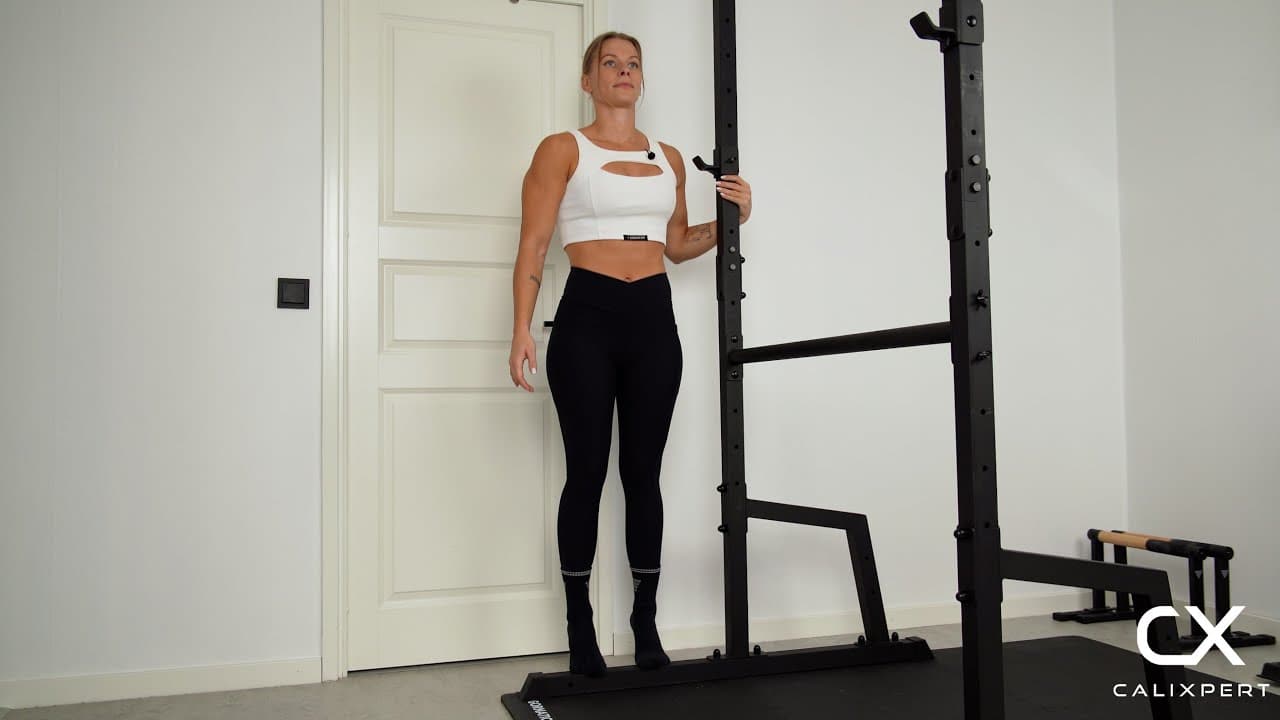
Calf raises are an isolation exercise that targets the gastrocnemius and soleus muscles through a full plantar flexion range of motion, performed on an elevated surface to allow a deep heel drop at the bottom. The key to an effective calf raise is using a controlled tempo with a full stretch at the bottom and a hard squeeze at the top, rather than bouncing through partial reps. Strong calves built through proper calf raises improve ankle stability, jumping power, and foot control, all of which are critical for calisthenics skills that demand balance and lower body explosiveness.
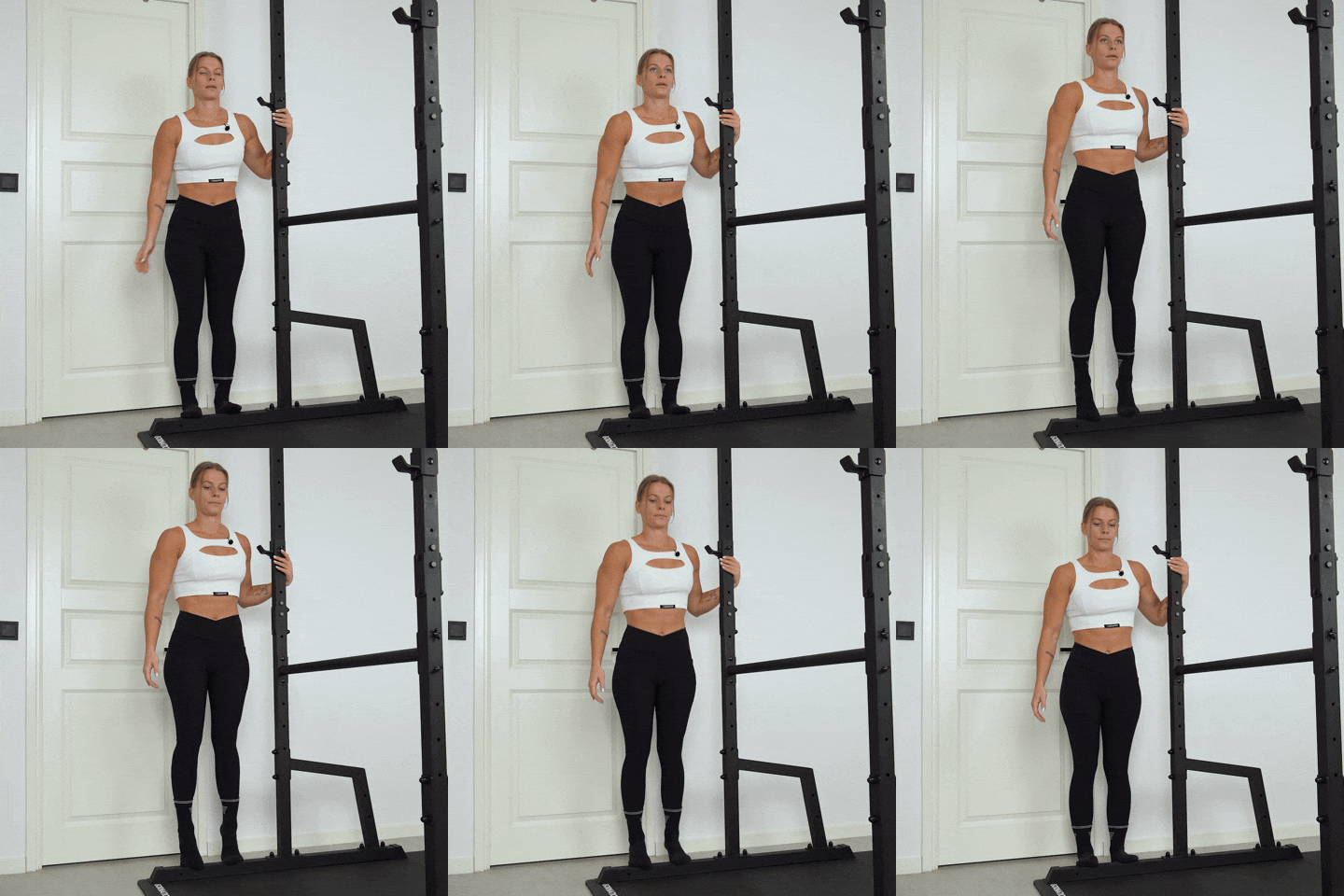
How to Do Calf Raises
1. Position Your Feet on the Edge
Stand on a low elevated surface such as a step, platform, or weight plate with only the balls of your feet on the edge. Your heels should hang freely off the back of the surface with nothing underneath them. Place your feet about hip-width apart with toes pointing straight forward. Hold onto a rack, wall, or sturdy object with one hand for balance.
Balls of feet on the edge, heels free
2. Lower Your Heels Into a Full Stretch
Let your heels drop as far below the platform as your ankle mobility allows. You should feel a deep stretch through the entire calf and Achilles tendon. Keep your legs straight but do not hyperextend the knees. This bottom position is where the full range of motion begins.
Sink the heels as deep as possible
3. Press Up Through the Balls of Your Feet
Drive through the balls of your feet and push your body straight up by contracting the calves. Keep your torso upright and avoid leaning forward or backward. The movement should come entirely from the ankle joint, not from bending the knees or shifting the hips.
Push straight up through the toes
4. Squeeze Hard at the Top
Rise as high as you can onto your toes and hold the top position for a full second. Squeeze the calf muscles as hard as possible at peak contraction. Your body should form a straight line from head to toe with the ankles in full plantar flexion.
Pause and squeeze at the top
5. Lower Under Control
Slowly lower your heels back down below the platform over 2 to 3 seconds, resisting gravity on the way down. Do not let your heels drop quickly or bounce at the bottom. Each rep should start from a complete dead stop at the bottom stretch position before pressing up again.
Slow descent, no bouncing
Most people do calf raises way too fast and never use the full range they have available. Slow the rep down, let your heels sink as deep as your ankles allow at the bottom, and hold a hard squeeze for a full second at the top. That tempo change alone will make bodyweight calf raises feel like a completely different exercise and finally produce real growth.
Muscles Worked During Calf Raises
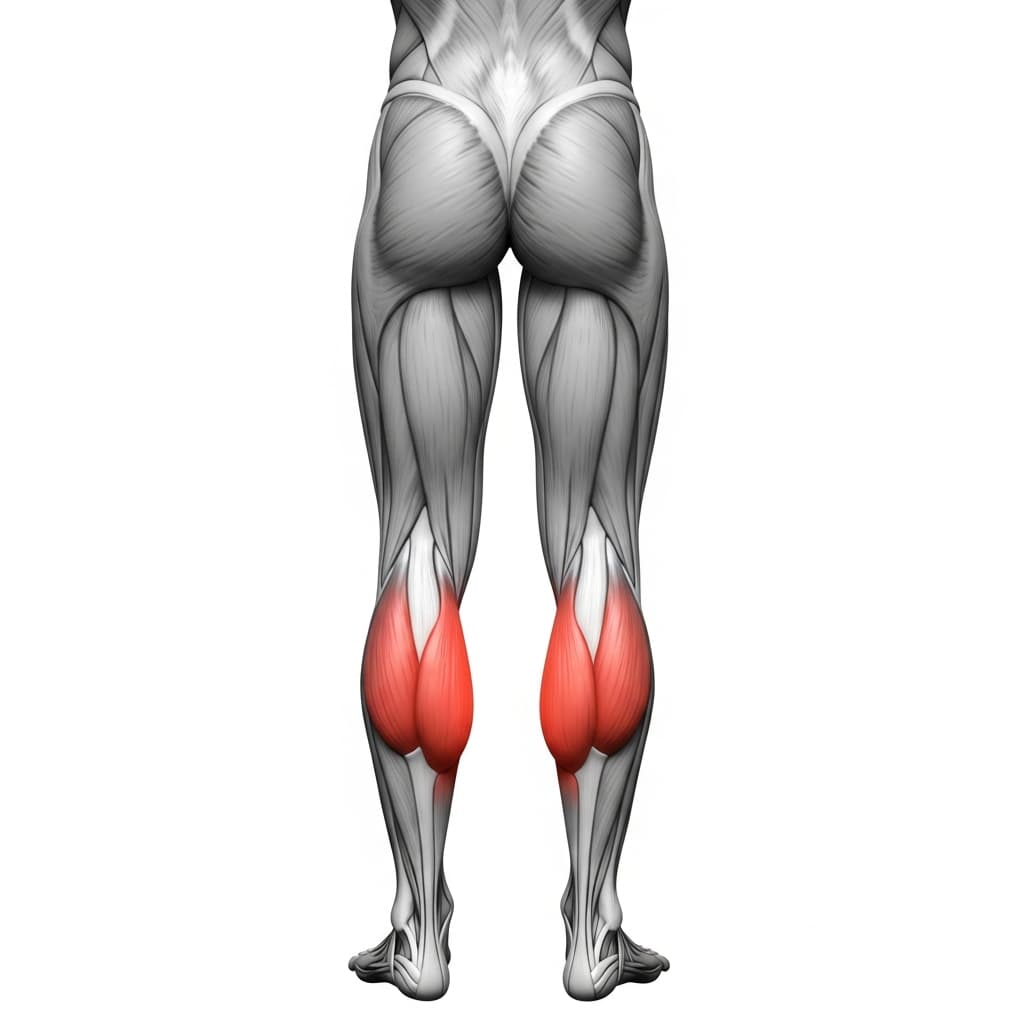
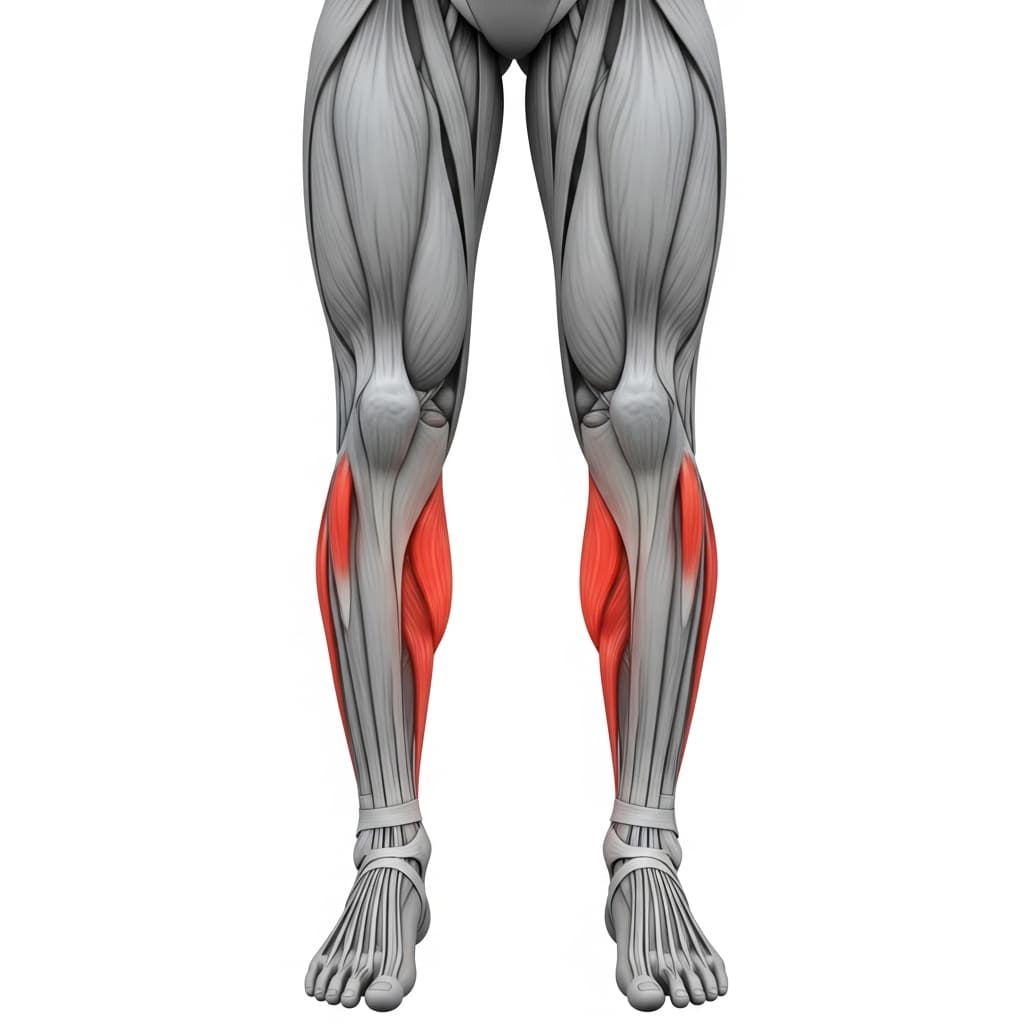
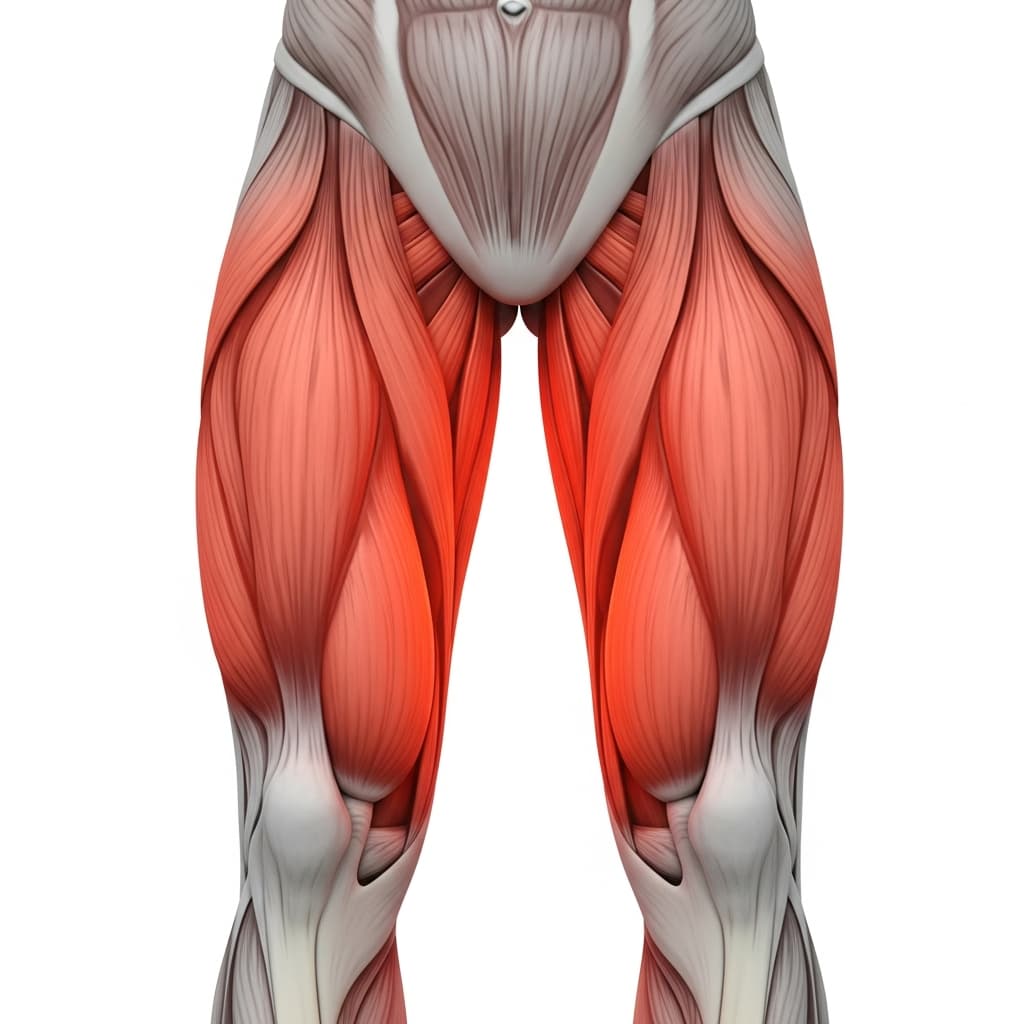
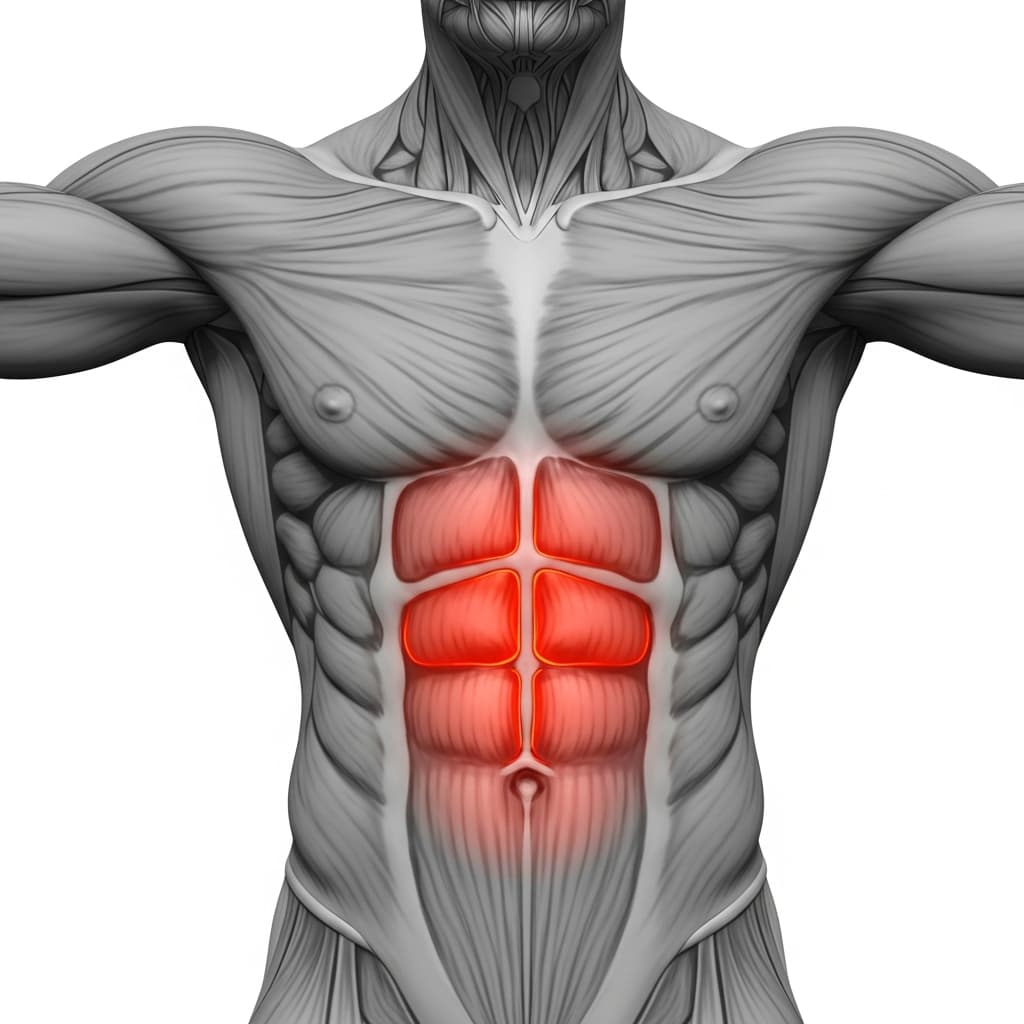
Primary Muscles
Gastrocnemius & Soleus (Calves) - The gastrocnemius and soleus drive plantar flexion, pushing the body upward as the heel rises and controlling the descent as the heel lowers below the platform.
Secondary Muscles
Tibialis Anterior (Calves) - The tibialis anterior works eccentrically to control the rate of plantar flexion and stabilizes the ankle joint throughout the full range of motion.
Quadriceps (Quads) - The quadriceps maintain knee extension throughout the movement, keeping the legs straight so the calves bear the full load.
Rectus Abdominis (Abs) - The abdominals brace the torso and prevent forward or backward lean, keeping the body aligned vertically over the platform.
Benefits of Calf Raises
- Builds gastrocnemius and soleus size and strength, directly improving the explosive ankle extension needed for jumps, sprints, and plyometric calisthenics movements
- Strengthens the Achilles tendon and surrounding connective tissue when performed through a full range of motion with controlled tempo, reducing injury risk during high-impact activities
- Improves ankle stability and proprioception, which transfers directly to balance-intensive calisthenics skills like handstands and pistol squats
- Corrects lower leg muscle imbalances that develop from training only compound movements, keeping the ankle joint healthy under heavy bodyweight loading
Who Is This Exercise For?
You should be able to stand on one leg for at least 15 seconds with stable balance before performing elevated calf raises. If your ankle mobility is limited or you experience pain in the Achilles tendon during the stretch at the bottom, start with flat-ground calf raises until the range of motion improves. Hold onto a sturdy object like a squat rack or wall for balance so you can focus entirely on the calf contraction.
Common Mistakes to Avoid
Bouncing at the bottom: Pause for a full second at the bottom of each rep to eliminate the stretch reflex. Bouncing robs the calves of time under tension and increases stress on the Achilles tendon.
Using a partial range of motion: Lower your heels as far below the platform as your mobility allows and rise fully onto your toes at the top. Half reps leave the majority of calf muscle fibers untrained.
Bending the knees during the movement: Keep your legs straight throughout the entire rep so the gastrocnemius does the work. Bending the knees shifts load to the soleus and reduces the training effect on the larger calf muscle.
Rushing through reps: Use a 2-second rise, 1-second hold, and 3-second descent to maximize time under tension. Fast, uncontrolled reps make it nearly impossible to fully activate the calf muscles.
Variations & Progressions
Flat-Ground Calf Raises
Perform calf raises standing on flat ground without an elevated surface. This reduces the range of motion and removes the deep stretch at the bottom, making it a good starting point for beginners or those with limited ankle mobility.
Single-Leg Calf Raises
Perform the full movement on one leg at a time while holding onto something for balance. This doubles the load on each calf and exposes any strength imbalances between legs.
Weighted Calf Raises
Hold a dumbbell or wear a weighted vest while performing elevated calf raises. Adding external load is the most direct way to continue progressive overload once bodyweight reps become easy beyond 20 per set.