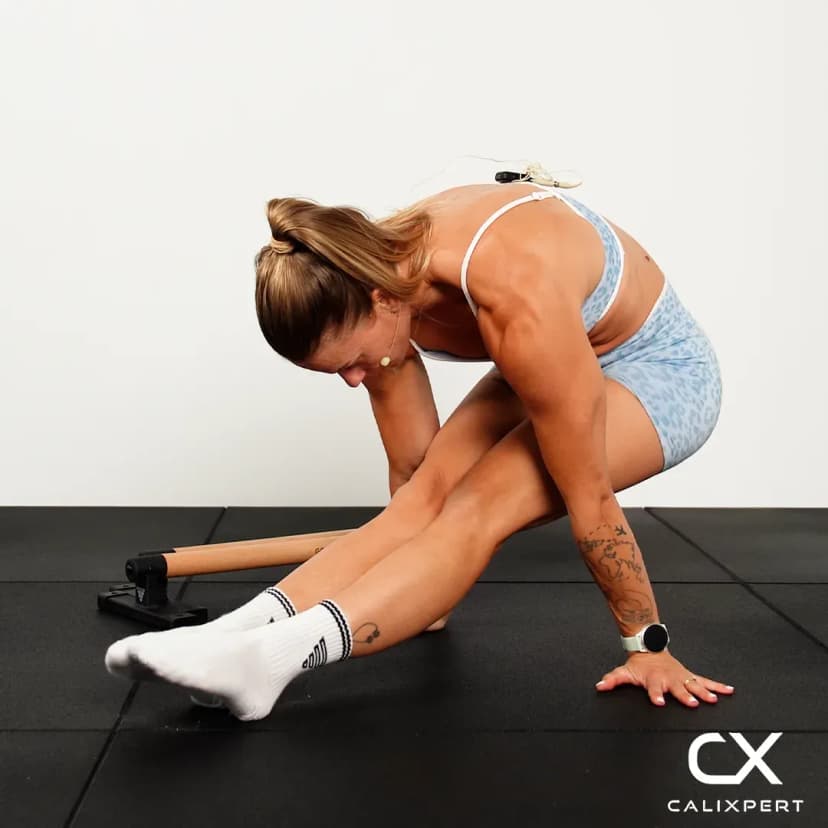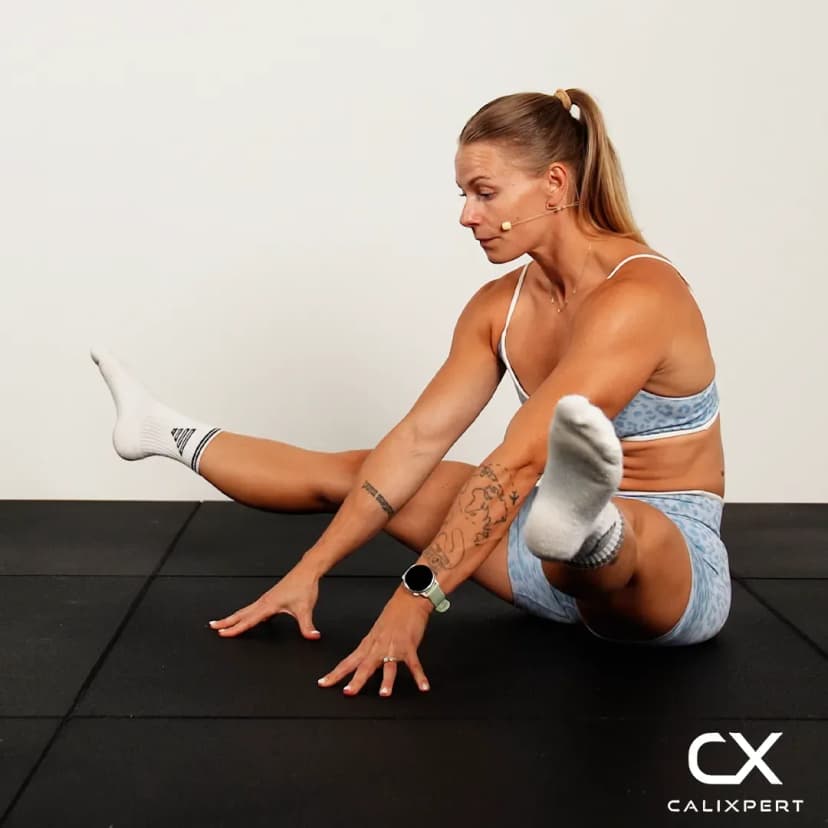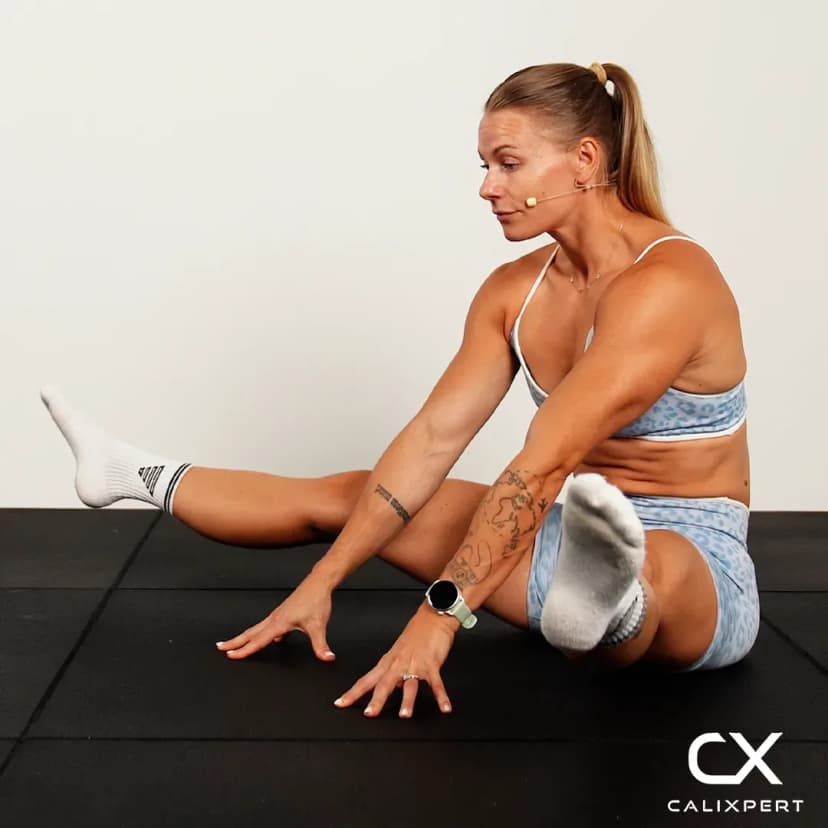
Elevated Planche Lean
The elevated planche lean is a planche lean with your feet up on a box, and that small change is what makes it work. With the feet raised you can push the shoulders much further in front of the hands without the hips dropping, so the front deltoids and serratus carry a bigger share of your bodyweight. It is the step between a floor planche lean and your first tuck planche, and it is where most people find out how much lean their shoulders can actually hold.
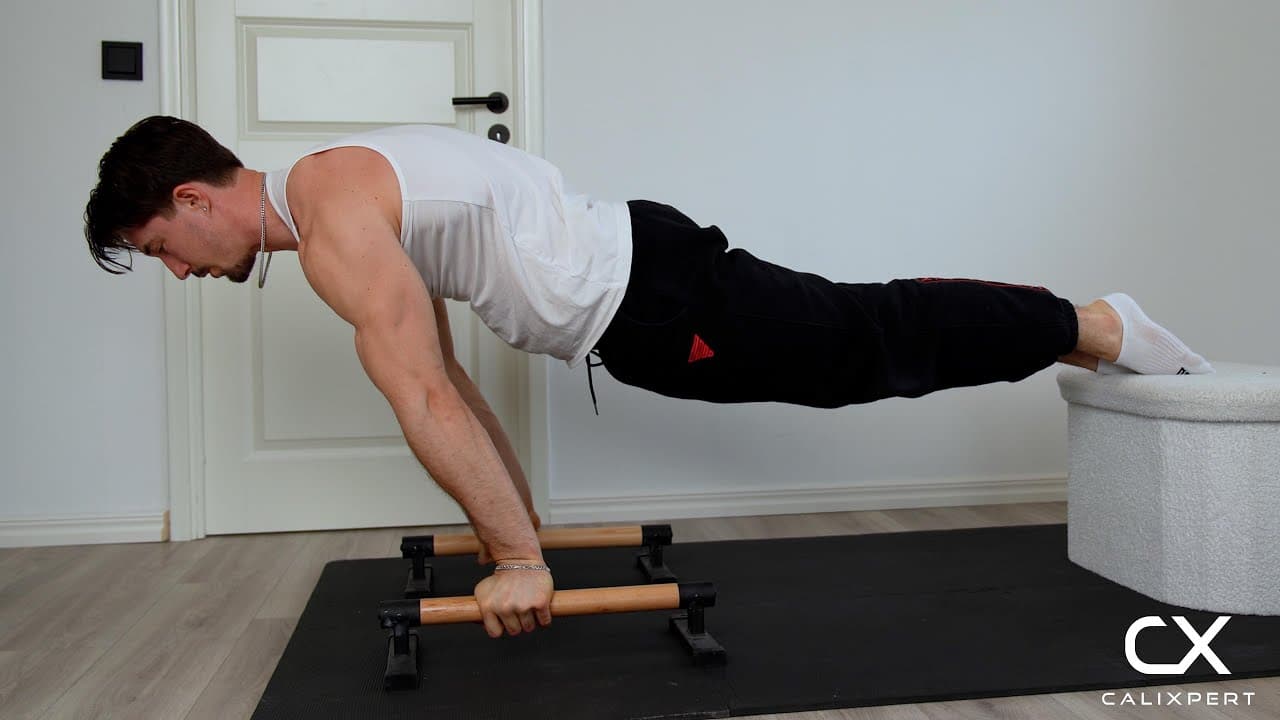
The elevated planche lean is a planche lean with your feet up on a box, and that small change is what makes it work. With the feet raised you can push the shoulders much further in front of the hands without the hips dropping, so the front deltoids and serratus carry a bigger share of your bodyweight. It is the step between a floor planche lean and your first tuck planche, and it is where most people find out how much lean their shoulders can actually hold.
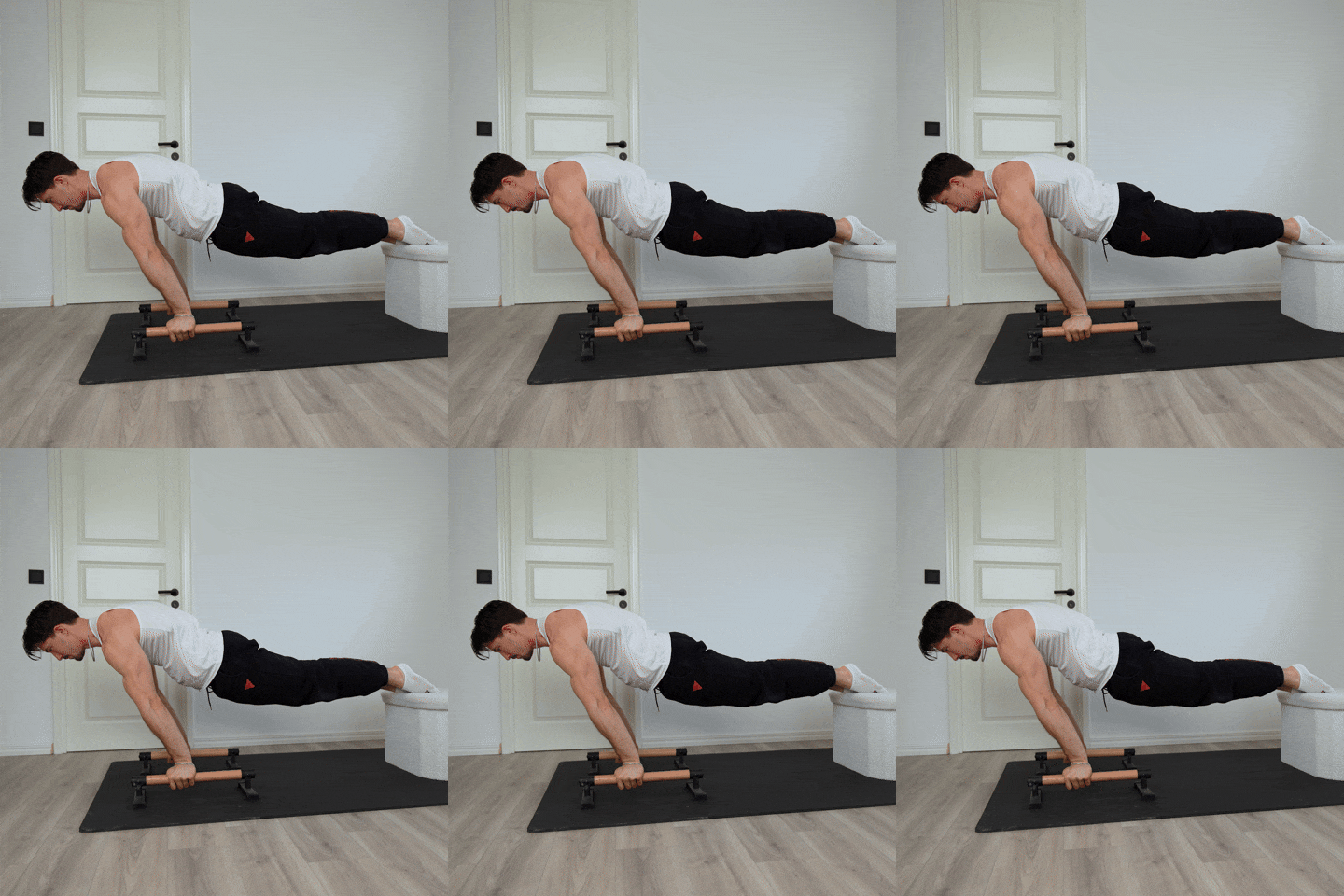
How to Do Elevated Planche Lean
1. Set The Box At Elbow Height
You need a box, bench or step to elevate the feet, and a height roughly around elbow level works great. Much higher and the hips ride up into a pike, much lower and you give away most of what the elevation was there to buy you.
Roughly elbow level.
2. Set The Hands Shoulder Width
Bring the hands shoulder width apart on a pair of parallettes. This is shown on parallettes, but it can of course also be performed on the floor. Parallettes keep the wrist in a neutral grip, which is often the difference between training the shoulders and ending the set because of the wrists.
Shoulder width, under the shoulders.
3. Bring The Feet Onto The Box
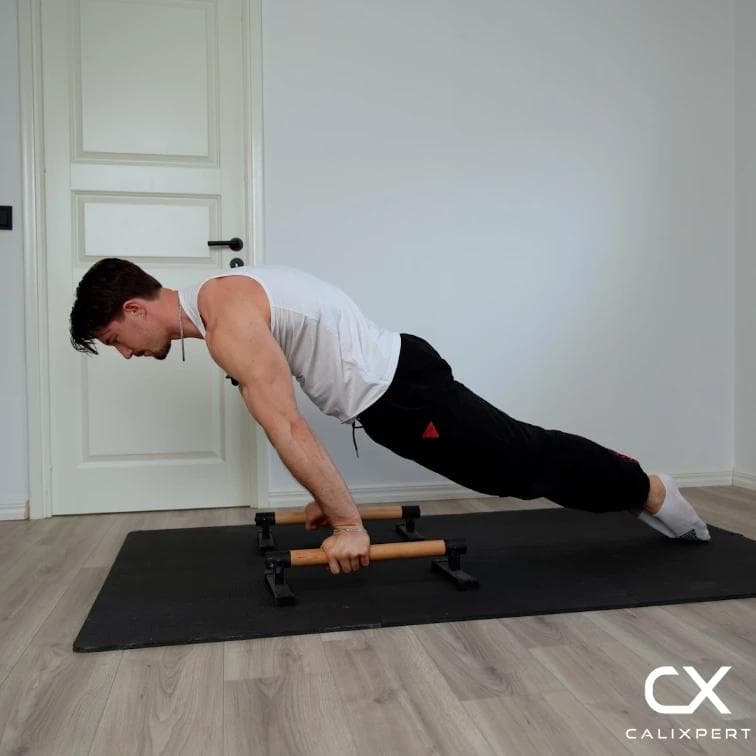
Step or walk the feet back onto the box so the body runs straight from shoulders to heels. Start with the shoulders stacked directly over the hands, before you add any lean at all.
Feet up, body long.
4. Squeeze The Glutes
Squeeze the glutes and brace the abs so the whole body holds a single line. Without that the hips either sag under the load or climb above the shoulders, and both of those quietly turn this into an easier exercise.
Glutes on, one straight line.
5. Protract And Depress The Shoulders
Press down through the hands and push the shoulders forward and downward, away from the spine, so the upper back rounds slightly and the shoulder blades wrap wide around your ribs. That is protraction, the shoulder position every rung of the planche ladder is built on. Set it before you lean, not after.
Push forward and down.
6. Lean Until The Shoulders Pass The Hands
Lean forward until your shoulders are in front of your hands, and from here you hold. Keep the protraction and the straight line for the whole hold, and end the set when either one of those goes rather than when the arms finally give out.
Shoulders in front of the hands, then hold.
The box height is what makes this exercise work, so get it roughly around elbow level. Much higher and the hips ride up, and then you are holding a pike instead of a lean. Set the hands shoulder width, squeeze the glutes hard so the body is one straight line, push the shoulders forward and down, then lean forward until the shoulders sit in front of the hands. That last part is the whole exercise. Hold there.
Muscles Worked During Elevated Planche Lean
Primary Muscles:
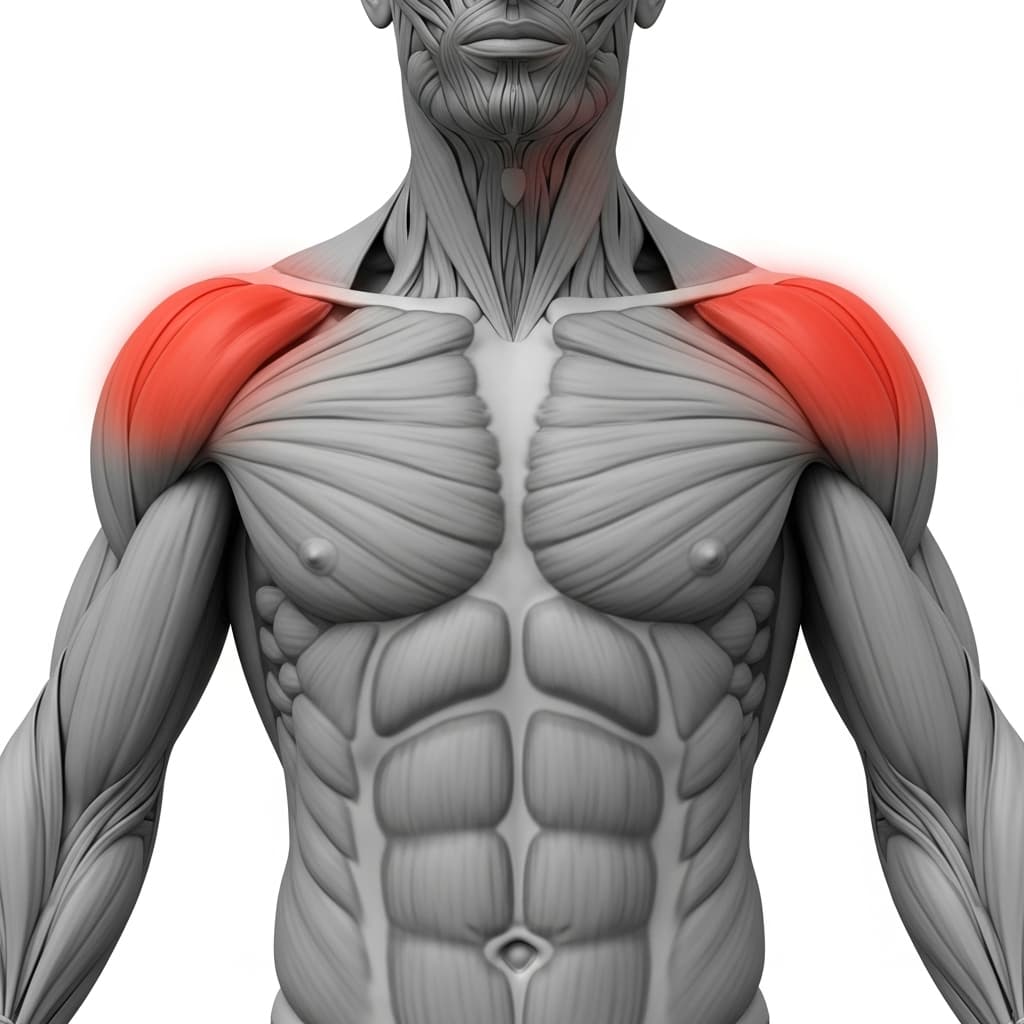
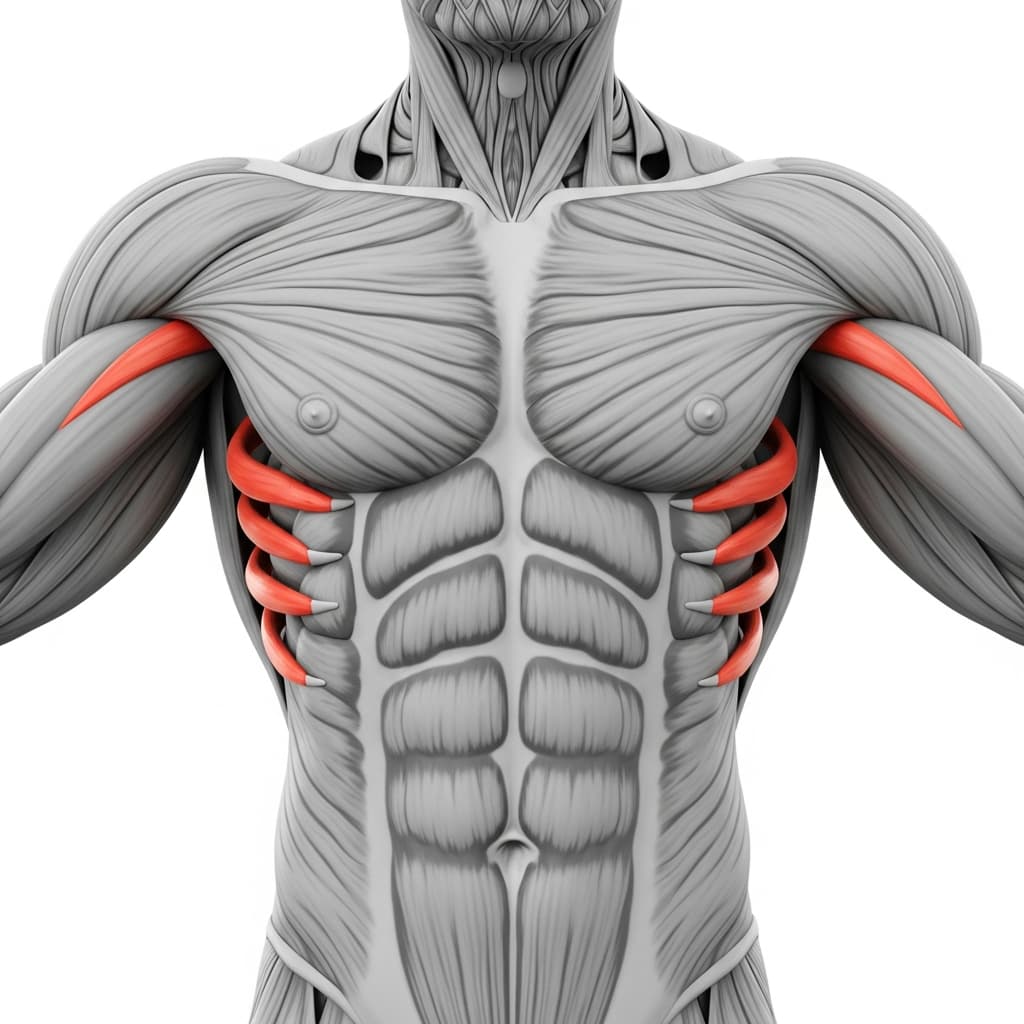
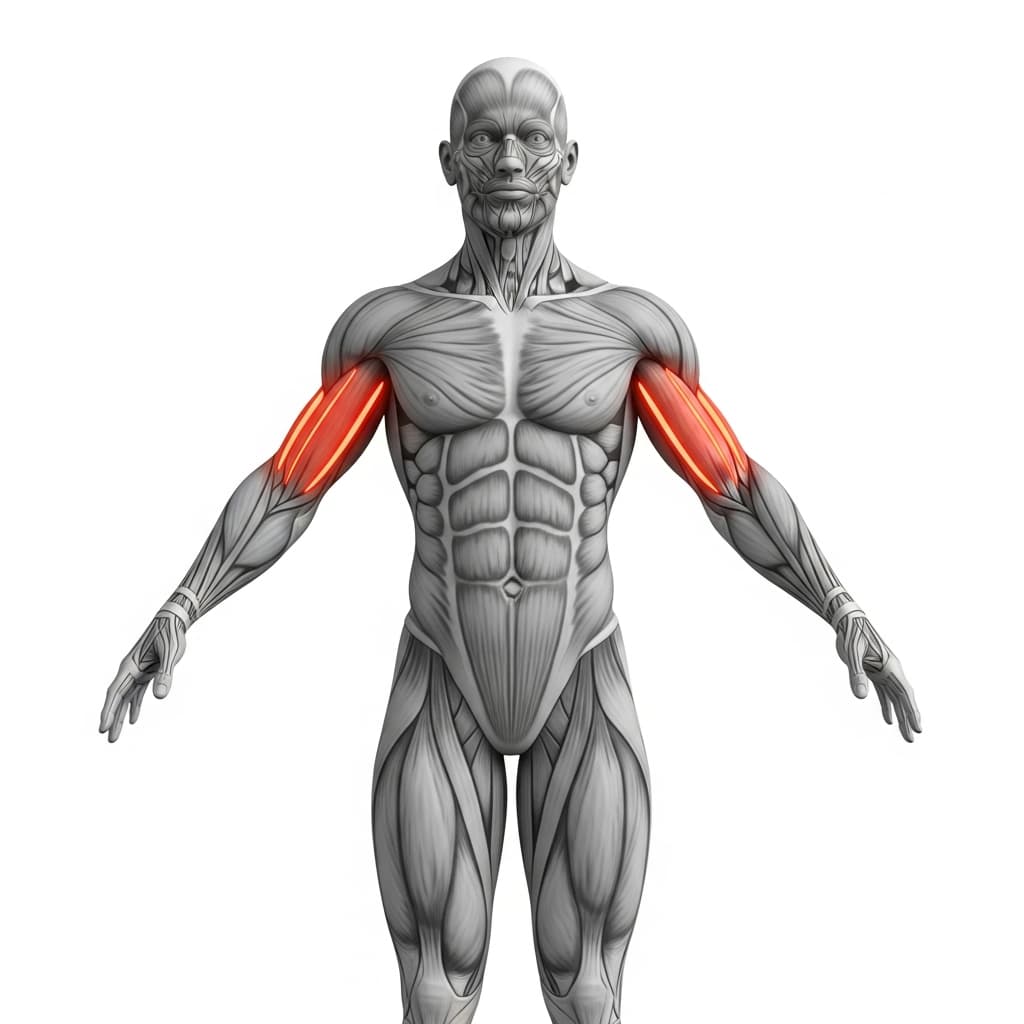
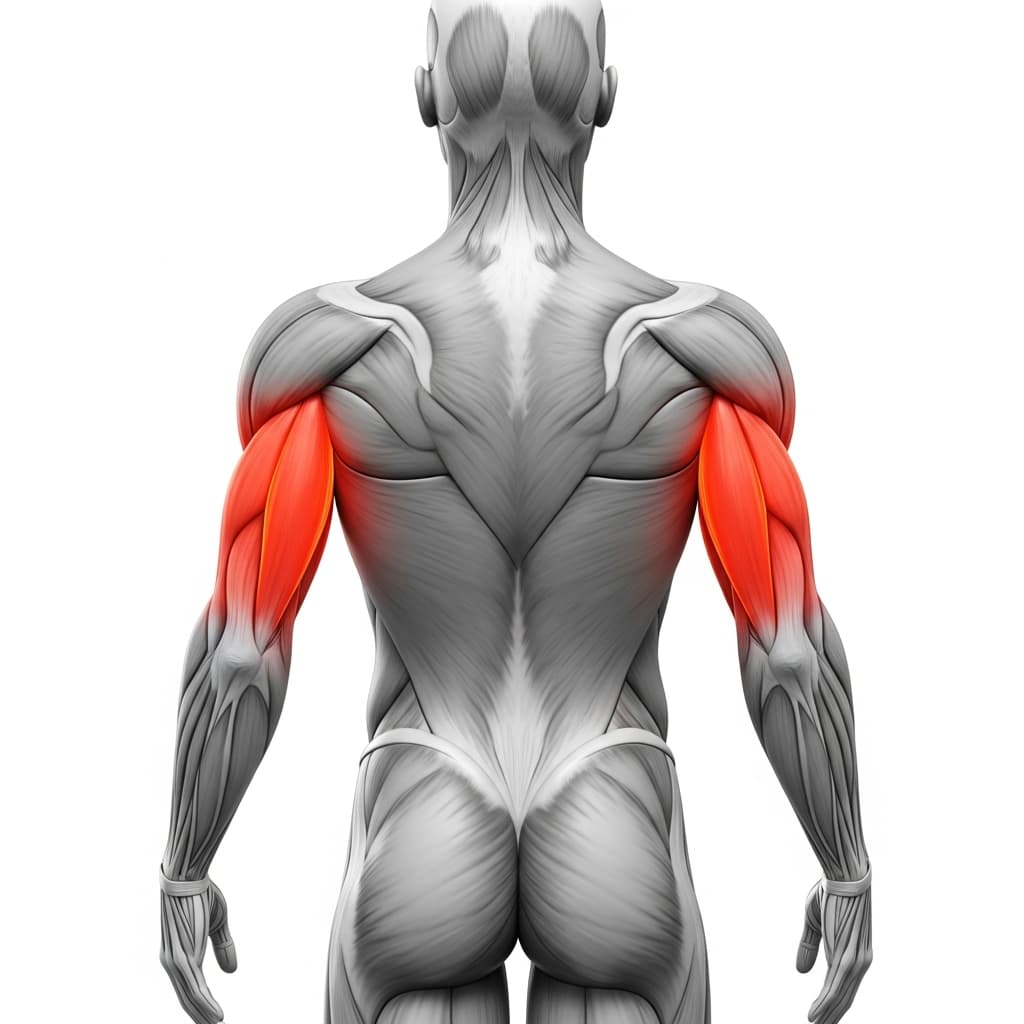
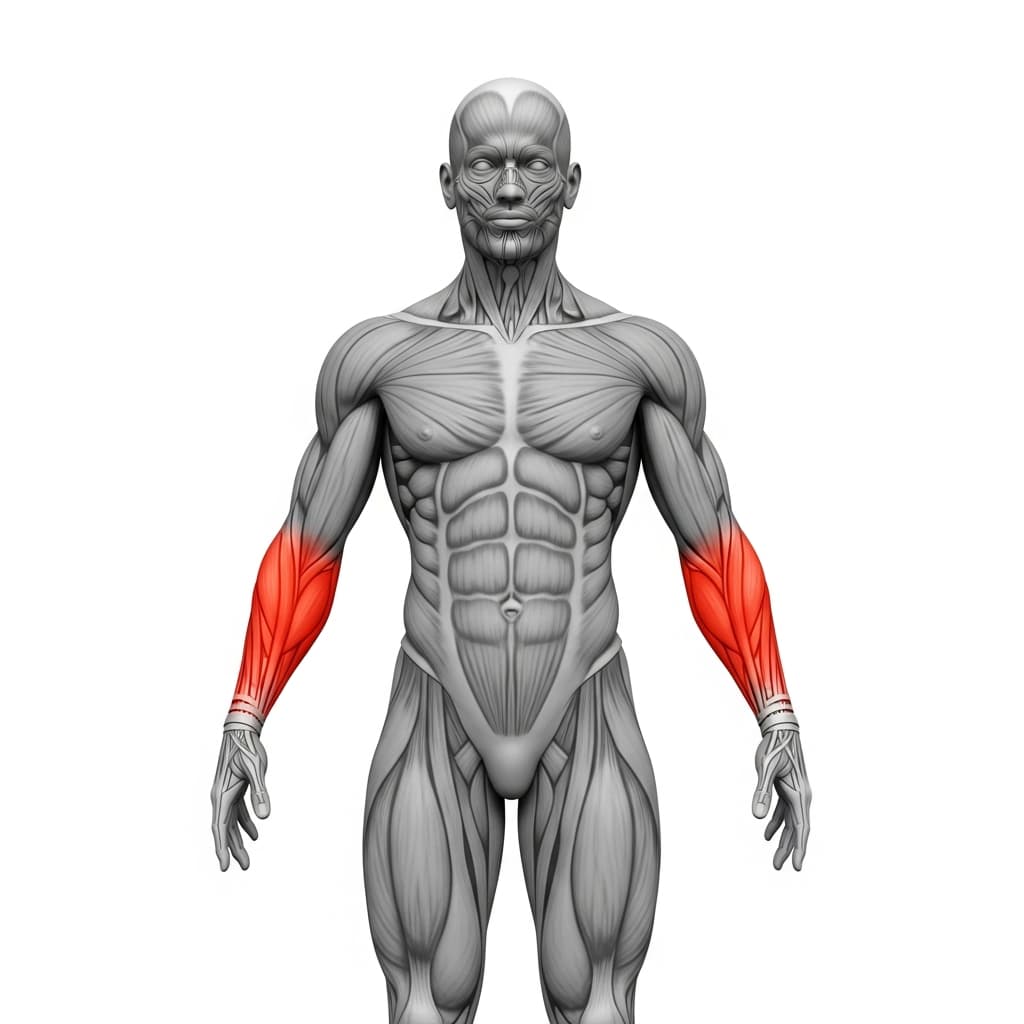
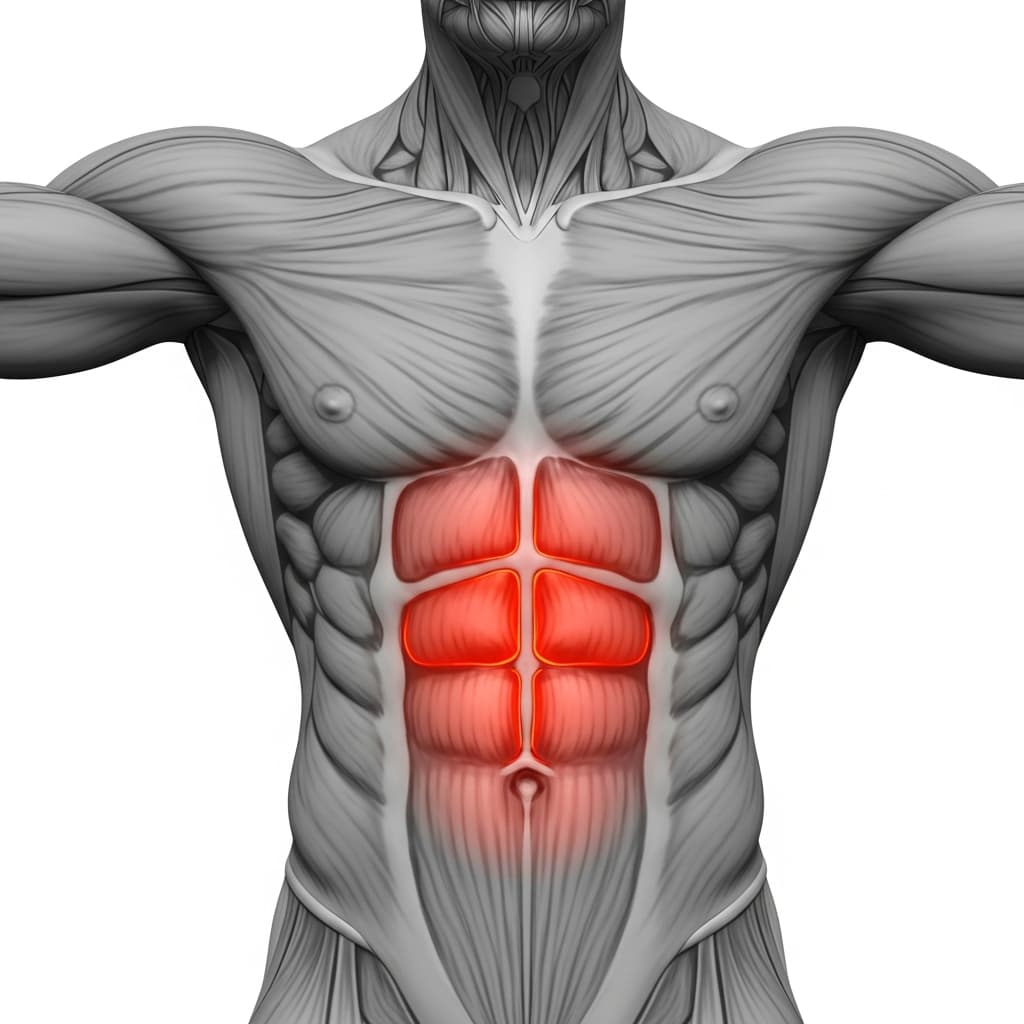
Primary Muscles
Anterior Deltoid (Front Deltoid) - The front deltoid carries most of the lean, holding the shoulder open while your bodyweight tries to drag it back behind the hands.
Serratus Anterior (Serratus Anterior) - The serratus anterior holds the shoulder blades spread flat against the ribs, which is what protraction actually is and what gives the shoulder a stable base to press from.
Secondary Muscles
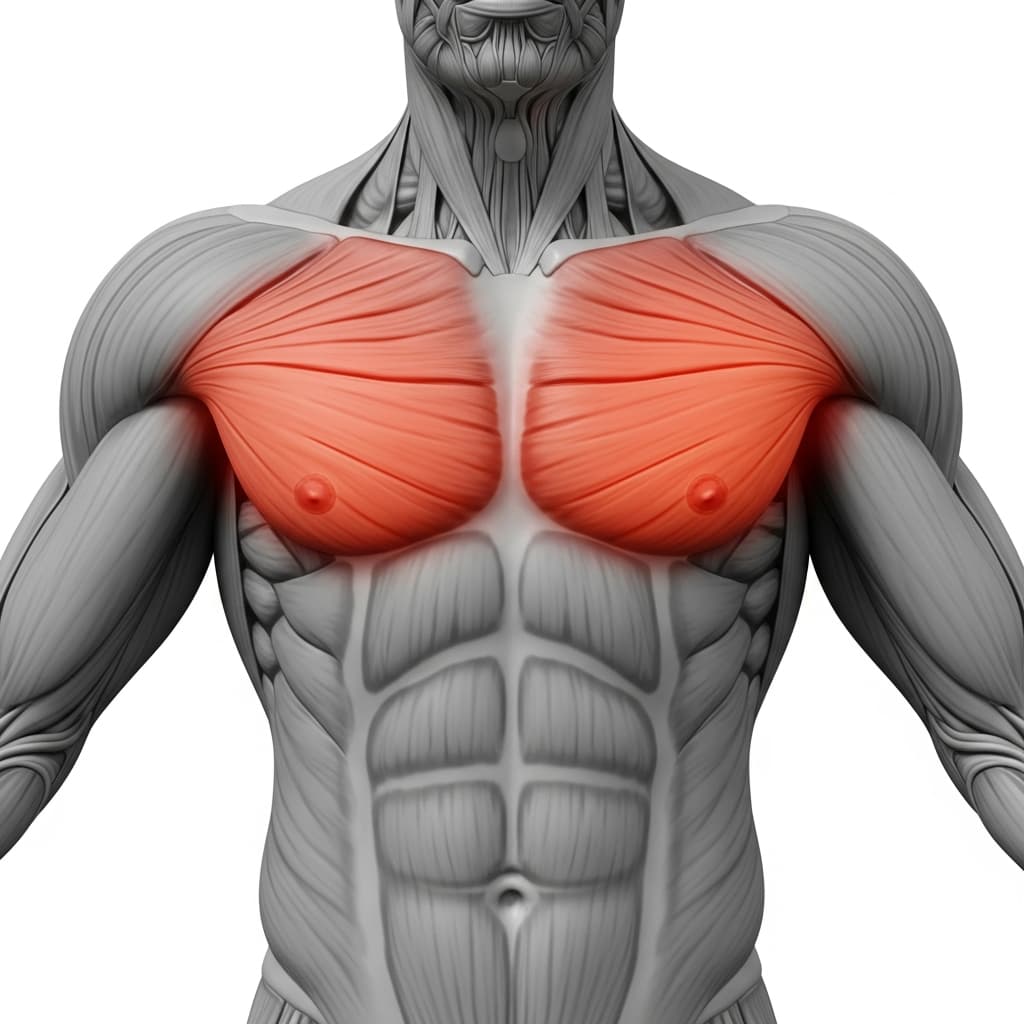
Pectoralis Major (Chest) - The chest works alongside the front deltoid to keep the arm pinned in place against a load that wants to fold you forward.
Biceps Brachii (Biceps) - The biceps and its tendon at the elbow take real tension in any straight-arm hold, which is why this position gets ramped up slowly rather than maxed out.
Triceps Brachii (Triceps) - The triceps keep the elbows locked straight for the whole hold, and the moment they give in the lever shortens and the exercise turns into something easier.
Forearm Flexors & Extensors (Forearms) - The forearms grip the parallettes and hold the wrist rigid, so the hands stay quiet while your weight travels forward over them.
Rectus Abdominis (Abs) - The abs stop the hips sagging below the shoulder line, so the body stays one straight bar instead of hinging in the middle.
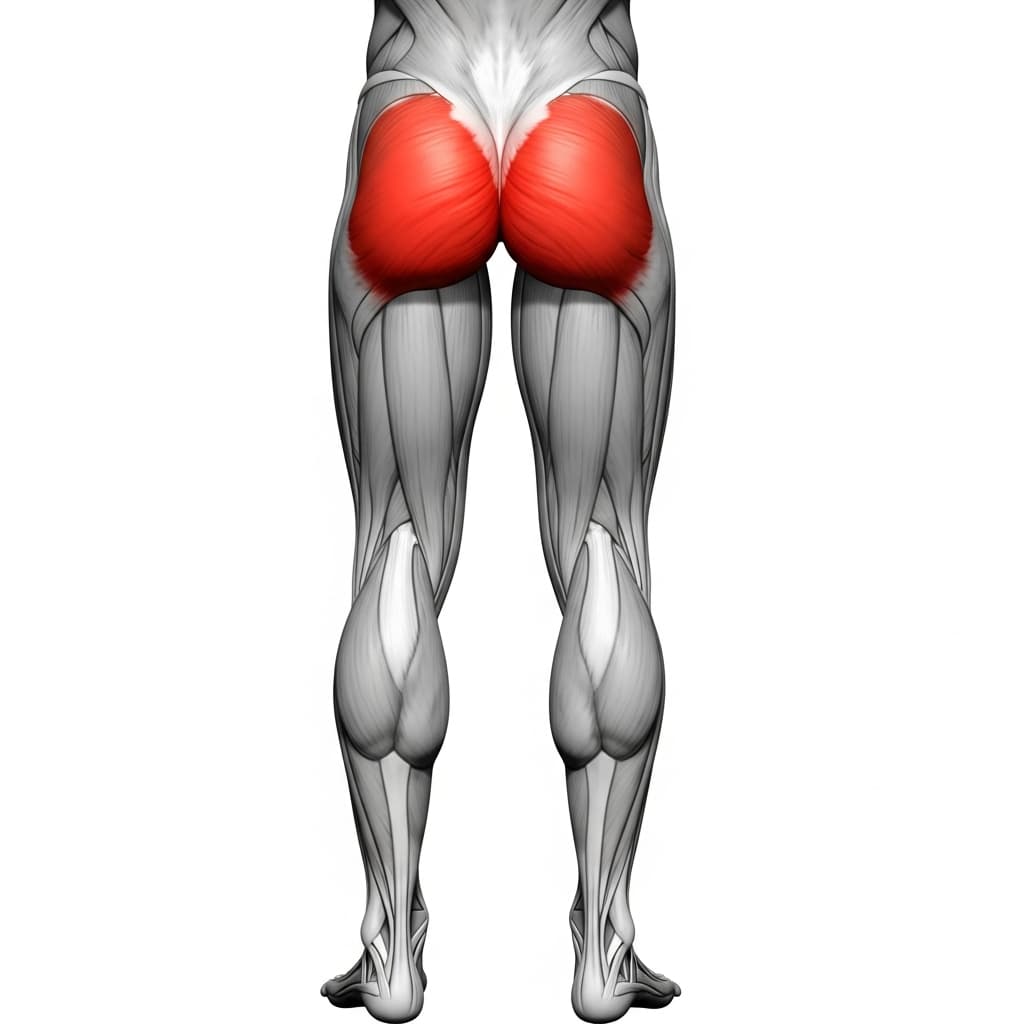
Gluteus Maximus (Glutes) - The glutes hold the hips extended, which is the first cue in this exercise and the reason the body stays flat instead of piking up.
Benefits of Elevated Planche Lean
- Builds straight-arm shoulder strength at a lean angle you simply cannot reach with the feet on the floor.
- Trains scapular protraction under real load, which is the shoulder position every planche rung is built on.
- Lets the shoulders, not the wrists, decide when the set ends, because the neutral grip on parallettes keeps the wrist out of deep extension.
- Teaches the horizontal body line, glutes and core included, so the hips do not sag or pike once the feet leave the box.
- Gives you a load dial you can turn in small steps, using box height and how far the hands sit behind the shoulders.
Who Is This Exercise For?
Own the floor planche lean first. Aim for a clean 15 second hold with the shoulders clearly past your wrists for three to four sets, plus a 10 second frog stand and a 30 second hollow body hold so your core can hold the body in one line under load. Wrists matter too, especially if you take this to the floor instead of parallettes: you should be able to spend five minutes on wrist prep and then hold a lean with no pain during it or the day after. If you cannot lock your elbows straight without discomfort, get that looked at before you add any lean.
Common Mistakes to Avoid
Not leaning far enough: This fault does not hurt, so nothing corrects it and people sit in it for months. Shoulders barely past the wrists is a hard plank hold, not a planche lean. Measure it instead of feeling it: mark where the hands sit under your deepest clean lean, then move the hands one to two centimetres closer to your hips at a time.
Hips riding above the shoulders: With the feet on a box the easy escape is letting the hips climb, because a piked body shortens the lever and takes load straight off the shoulders. At that point it stops being a planche lean and becomes a pike hold. Squeeze the glutes and keep shoulders, hips and heels in one line, and if you cannot hold that, lower the box.
Losing protraction: The shoulder blades pinch back together when the serratus tires before the deltoids do. Once they pinch, the shoulder loses its stable base and the load slides onto the elbow and the biceps tendon. End the set the moment the blades come together instead of squeezing out a few more seconds in a position you are no longer controlling.
Bending the elbows: Soft elbows shorten the lever and turn the hold into a push up position, which usually means the lean has gone further than your straight-arm strength currently reaches. Bring the hands forward slightly and rebuild the lean from there. A separate group cannot lock the elbows out at all, and that is a range of motion issue to get assessed rather than something to train through.