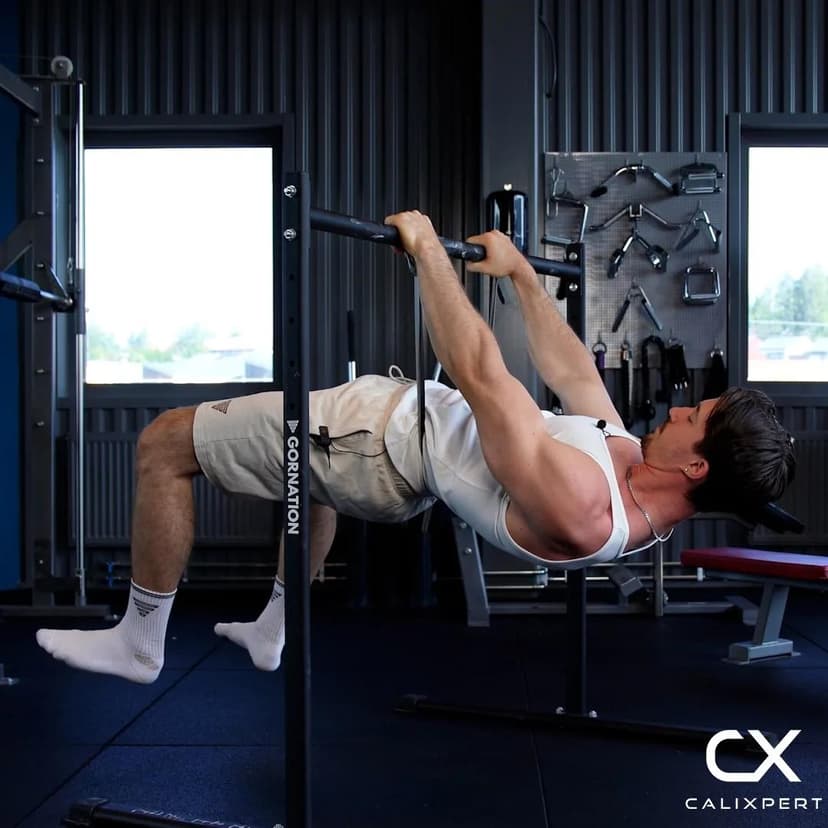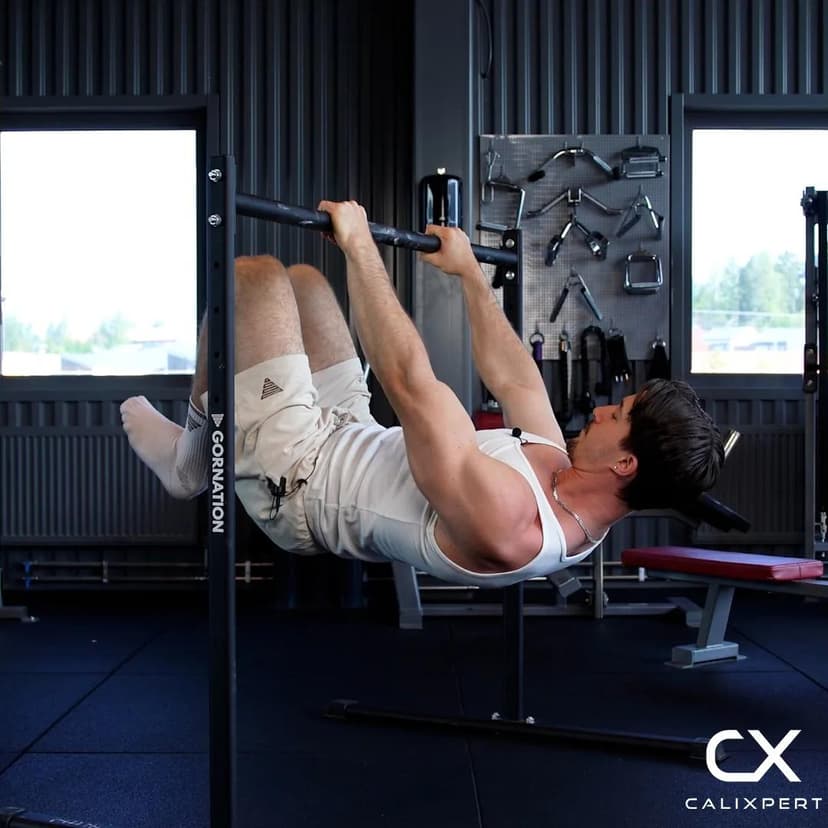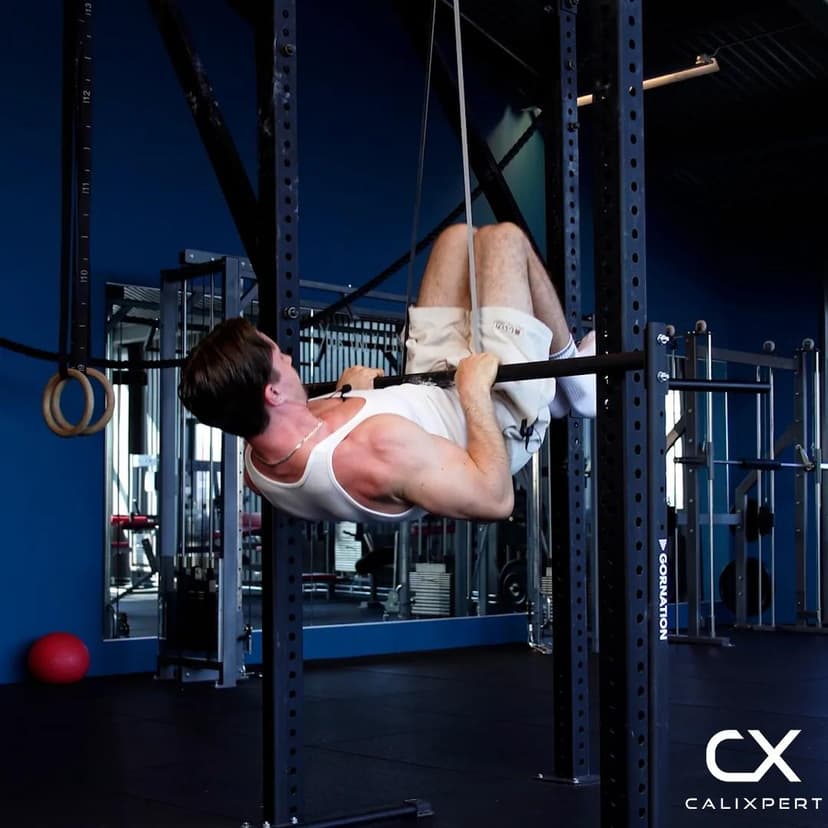
Downward Dog To Arch
The Downward Dog to Arch is a dynamic bodyweight flow that combines an overhead pressing position with controlled spinal extension, targeting the front deltoids, triceps, and spinal erectors through a continuous scooping and pressing pattern. The movement demands both pressing strength and thoracic mobility as you lower from an inverted pike position into a deep back arch, then drive your hips back to the start. Performed with control, it builds shoulder endurance, improves spinal flexibility, and reinforces the overhead pressing mechanics that carry directly into handstand work and advanced calisthenics skills.
The Downward Dog to Arch is a dynamic bodyweight flow that combines an overhead pressing position with controlled spinal extension, targeting the front deltoids, triceps, and spinal erectors through a continuous scooping and pressing pattern. The movement demands both pressing strength and thoracic mobility as you lower from an inverted pike position into a deep back arch, then drive your hips back to the start. Performed with control, it builds shoulder endurance, improves spinal flexibility, and reinforces the overhead pressing mechanics that carry directly into handstand work and advanced calisthenics skills.
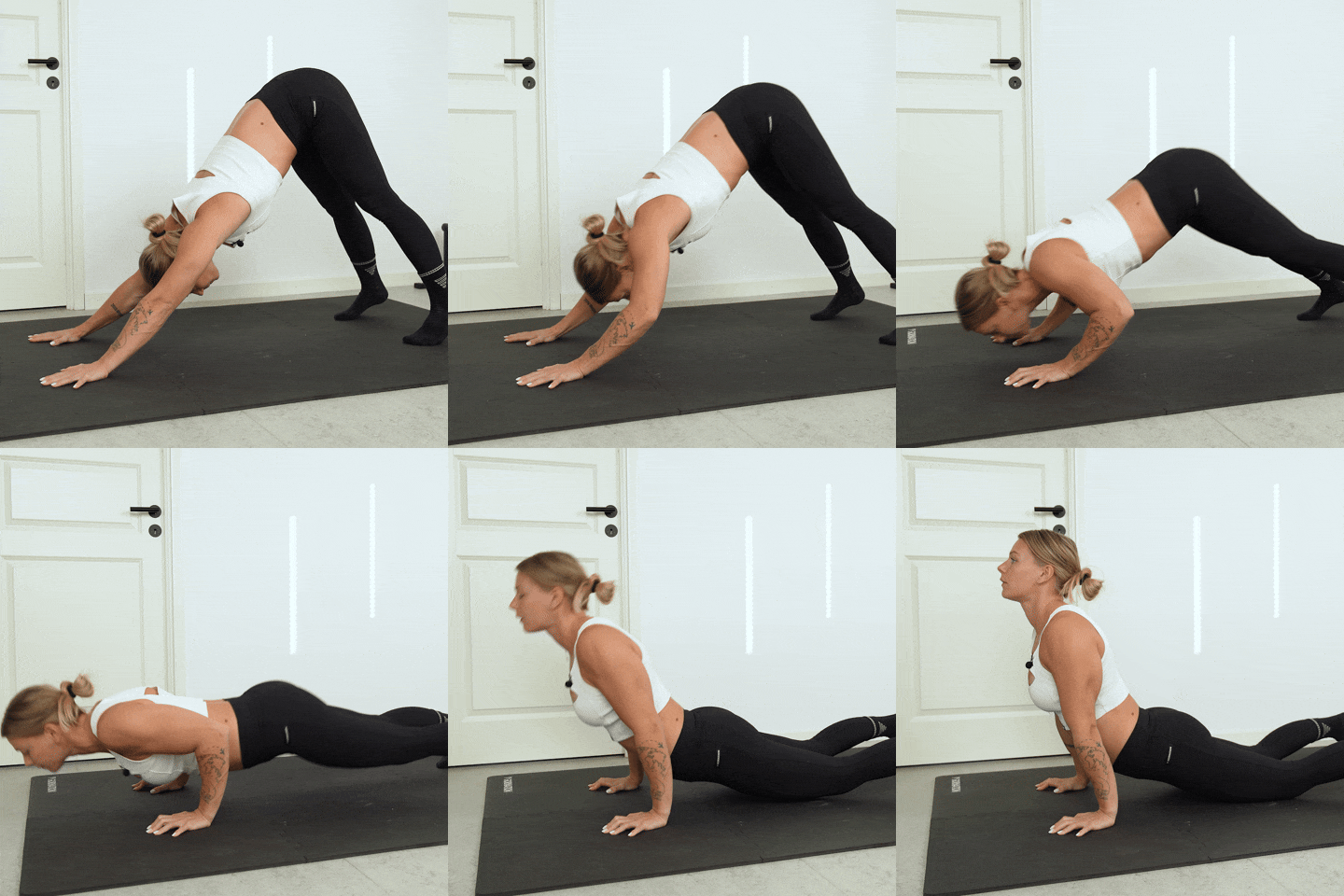
How to Do Downward Dog To Arch
1. Set Up the Downward Dog
Place your hands shoulder-width apart and your feet hip-width apart on the floor. Push your hips up toward the ceiling to form an inverted V-shape with your body. Press your shoulders away from the ground and drive your armpits back toward your thighs. Your arms should be fully straight with your weight distributed evenly between hands and feet.
Hips high, armpits pushed back
2. Initiate the Scooping Descent
Begin bending your elbows to lower your chest toward the floor in a forward scooping arc, not straight down like a push-up. Keep your elbows tracking inward rather than flaring wide. Let your body travel forward and down so your chest passes close to the ground between your hands.
Scoop forward, not straight down
3. Move Into the Arch Position
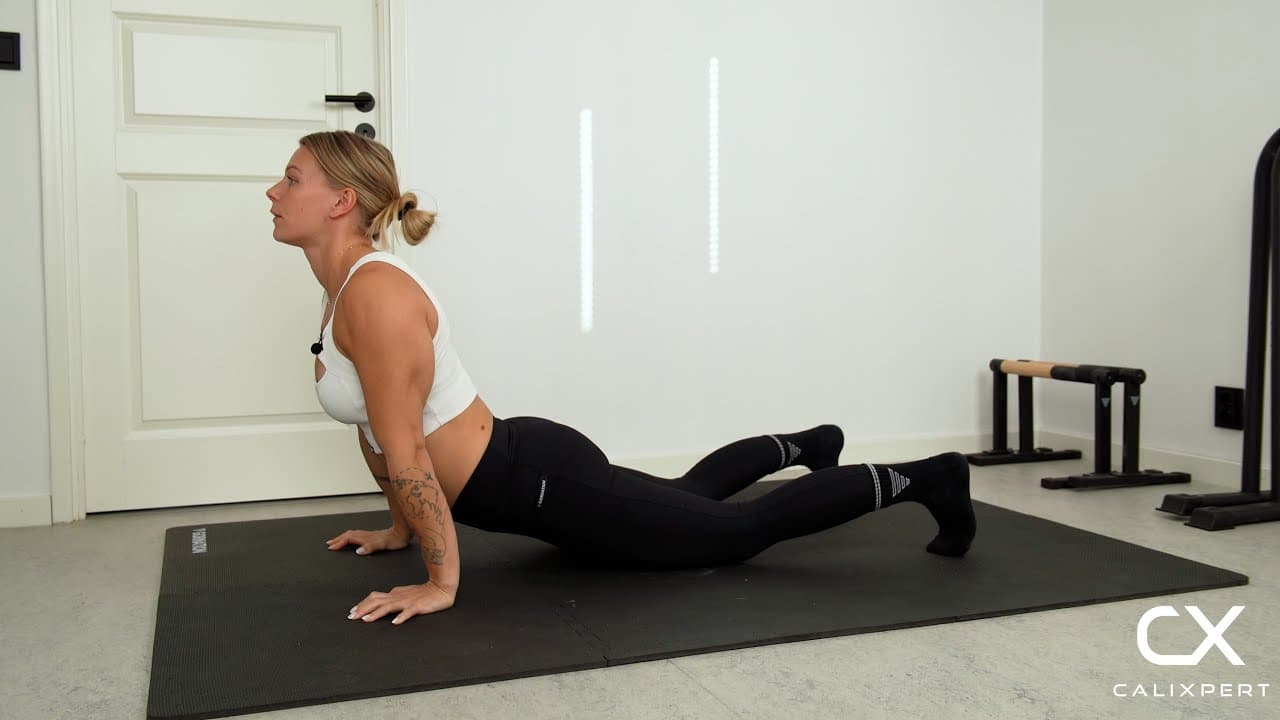
As your chest passes between your hands, extend your spine and lift your chest forward and up. Your hips drop toward the floor while your arms straighten into the arch. Press through your palms to open the chest fully and look slightly upward. Only go as deep into the arch as your current flexibility allows.
Chest through, hips low
4. Press Back to Downward Dog
From the arch, push through your hands with straight arms and drive your hips back up toward the ceiling. Reverse the movement smoothly, lifting the hips while the chest travels back between the arms. Return to the full downward dog position with straight arms and hips high before beginning the next rep.
Push hips back to the ceiling
Most people try to muscle through this exercise by bending their elbows straight down like a push-up. The key is the scooping arc. Think about drawing a U-shape with your chest as you lower and travel forward through your hands. When you get the path right, your shoulders stay in a strong position and the arch at the bottom happens naturally instead of feeling forced.
Muscles Worked During Downward Dog To Arch
Primary Muscles:
Secondary Muscles:
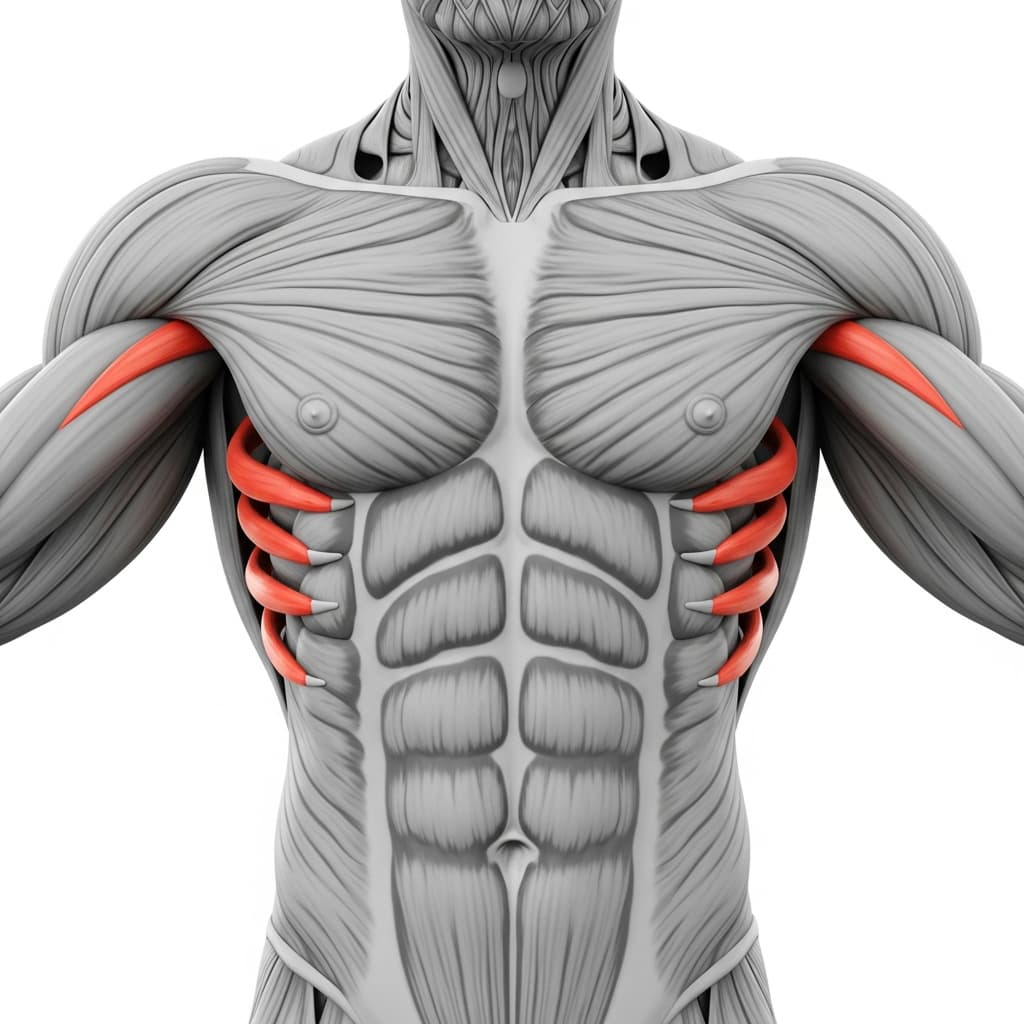
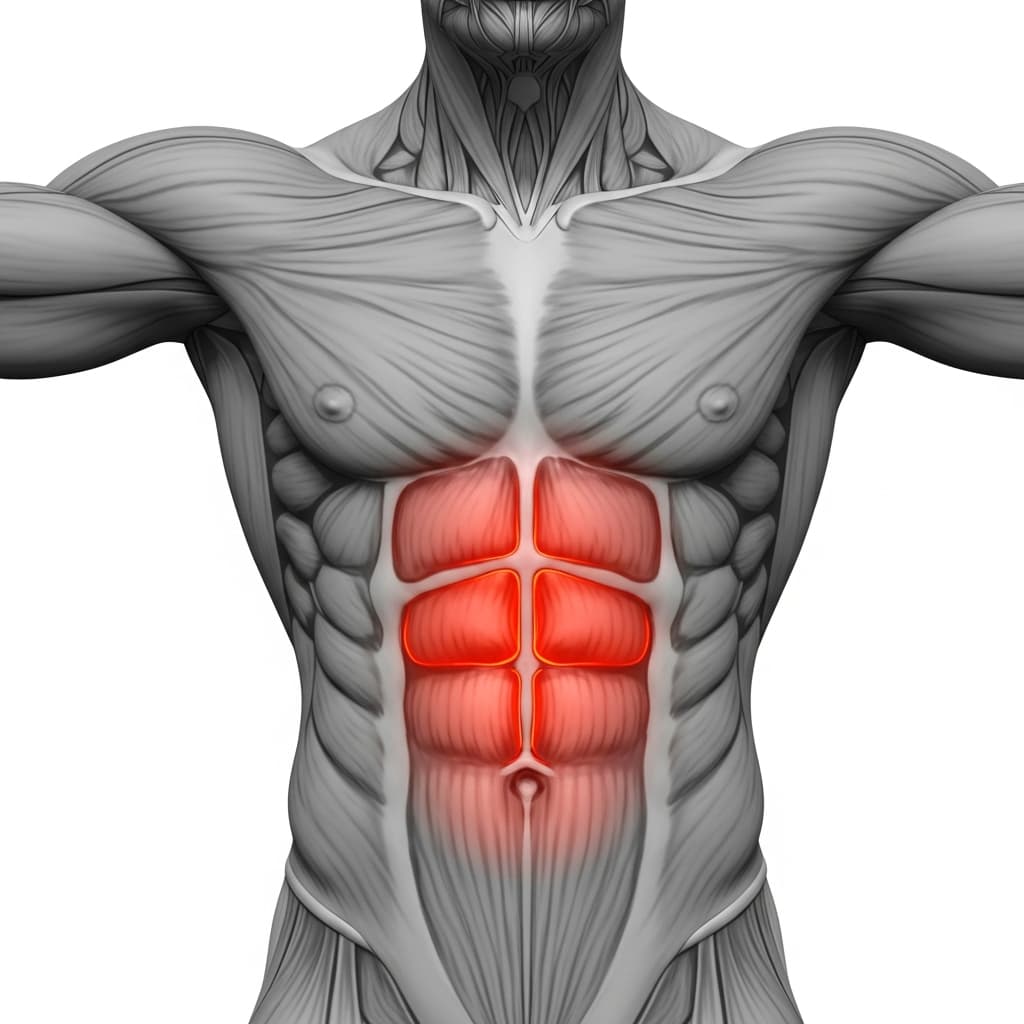
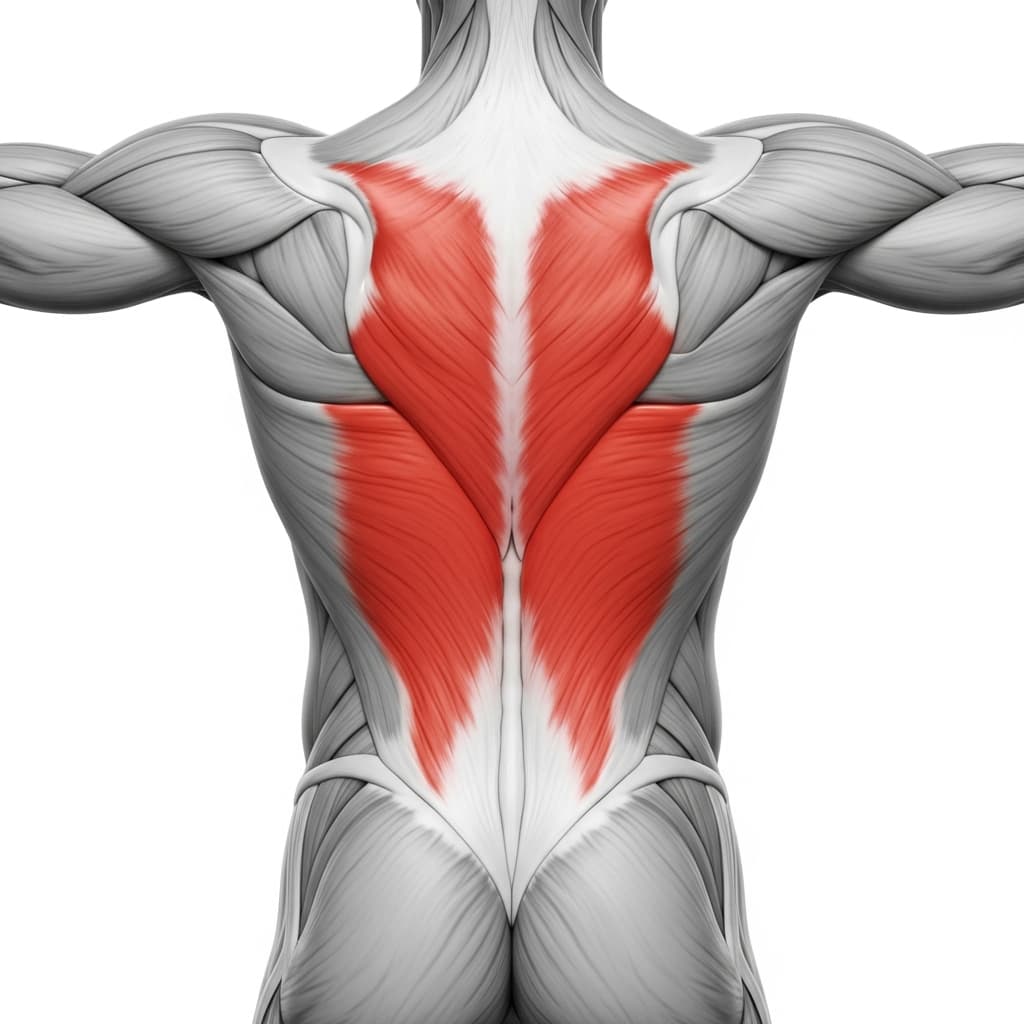
Primary Muscles
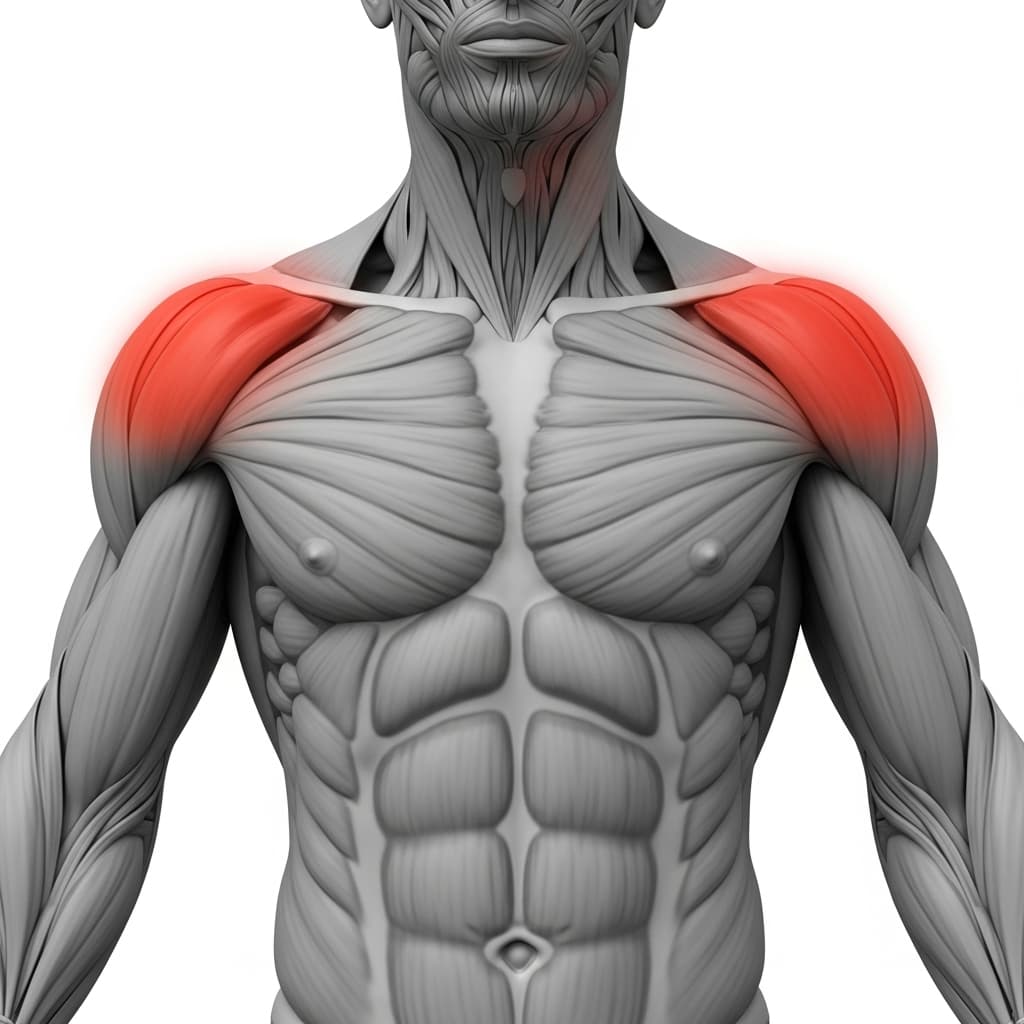
Anterior Deltoid (Front Deltoid) - Controls the overhead pressing angle throughout the movement and bears the majority of the load as you press from the arch back into downward dog.
Secondary Muscles
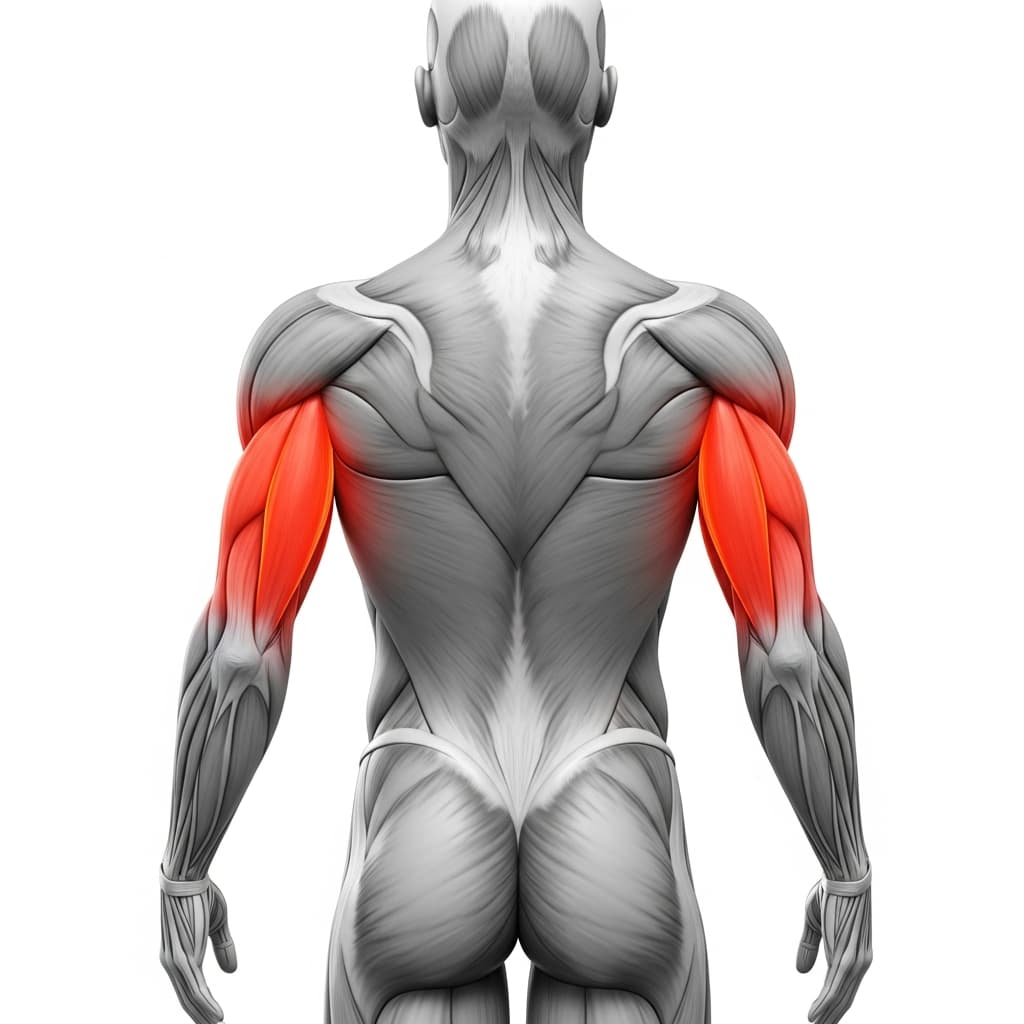
Triceps Brachii (Triceps) - Extends the elbows during the press back to downward dog and controls the bending of the arms during the scooping descent.
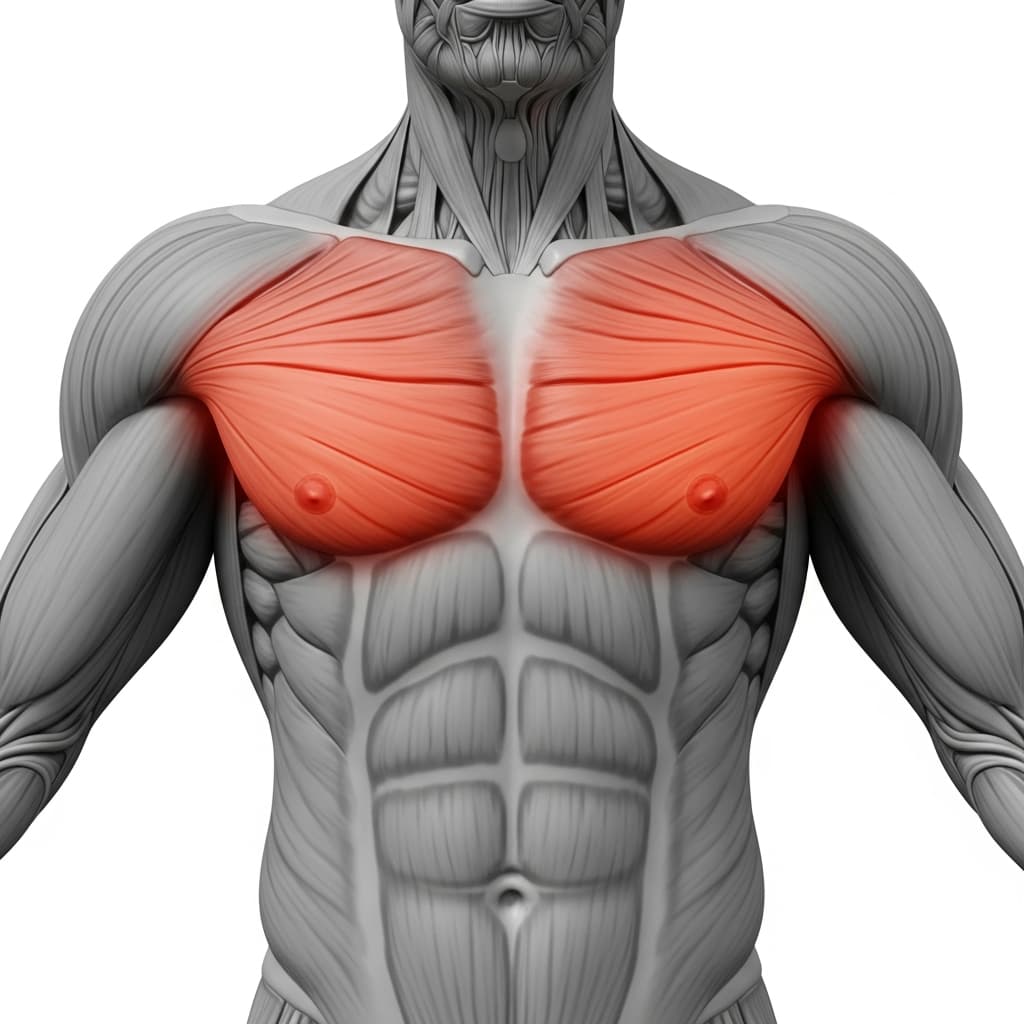
Pectoralis Major (Chest) - Engages during the lower portion of the scooping descent when the body passes close to the floor and the shoulder angle shifts from overhead toward horizontal.
Serratus Anterior (Serratus Anterior) - Protracts the scapulae and stabilizes them against the ribcage as you push the floor away in the downward dog position.
Rectus Abdominis (Abs) - Stabilizes the torso and controls pelvic position throughout the transition between the pike and arch positions.
Erector Spinae (Spinal Erectors) - Extends the thoracic and lumbar spine to create and hold the arch position at the bottom of the movement.
Benefits of Downward Dog To Arch
- Builds shoulder pressing endurance and stability in the overhead position, directly transferring to handstand and pike press progressions
- Develops thoracic spine extension and chest opening, counteracting the rounded posture caused by prolonged sitting and forward-leaning habits
- Strengthens the triceps through a full range pressing pattern under bodyweight load at varying shoulder angles
- Trains coordination between upper body pressing and spinal extension, a movement pattern required in many advanced calisthenics skills
Who Is This Exercise For?
You should be able to hold a downward dog position for at least 15 seconds with straight arms and hips lifted high, and perform at least 5 clean push-ups before attempting this exercise. If your shoulders round forward in downward dog or your lower back cramps during gentle back extension, work on shoulder flexibility and thoracic mobility drills first.
Common Mistakes to Avoid
Collapsing the shoulders in downward dog: Actively push the floor away and drive your armpits back before starting each rep. If your shoulders sag, the pressing angle shifts and the movement loses its overhead training effect.
Dropping straight down instead of scooping: The descent should follow a curved arc with your chest traveling forward and through your hands. Going straight down turns this into a pike push-up and eliminates the spinal extension component.
Rushing through the arch: Pause briefly in the arch position to achieve full spinal extension and chest opening. Speeding through it reduces the mobility benefit and places unnecessary stress on the lower back.
Flaring elbows wide during the descent: Keep your elbows tracking closer to your body throughout the lowering and pressing phases. Wide elbows shift stress onto the shoulder joint in a less stable position and reduce pressing power.
Variations & Progressions
Shortened Range Downward Dog to Arch
Bend only partway down instead of bringing your chest all the way to the floor. This reduces the strength and flexibility demand while still training the scooping movement pattern.
Slow Tempo Downward Dog to Arch
Perform a 3-second descent and 3-second press back with a 2-second hold in the arch. The extended time under tension significantly increases both the pressing strength and spinal mobility demands.