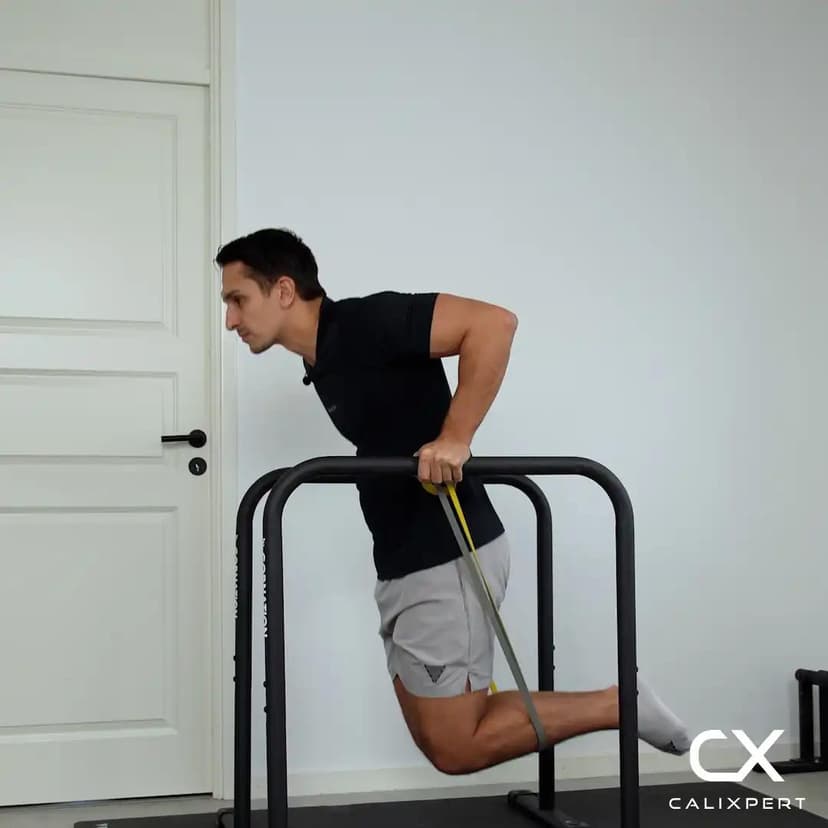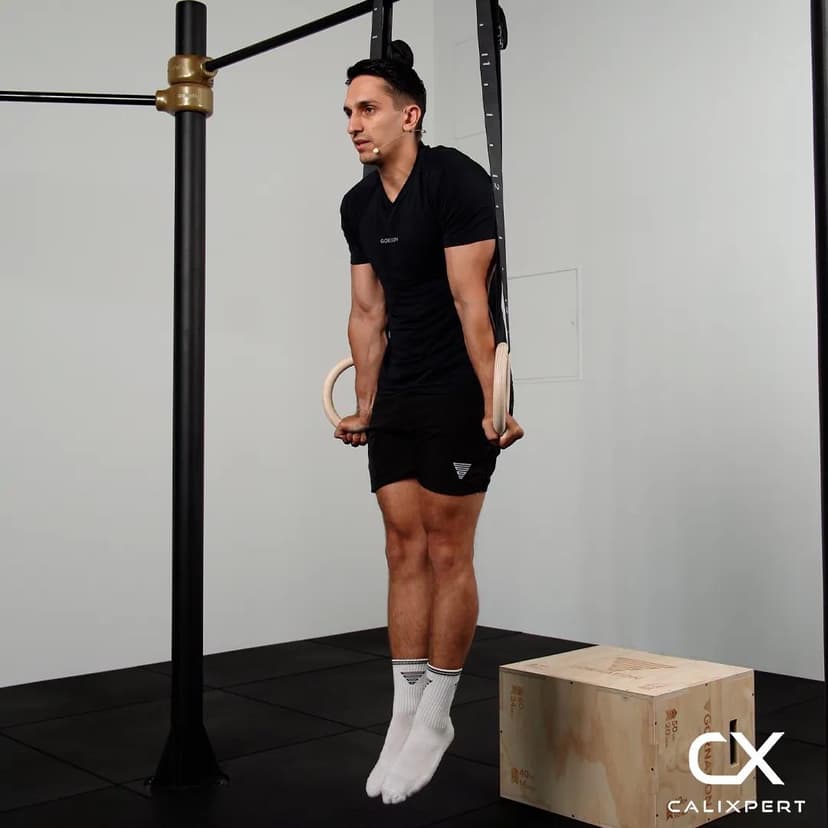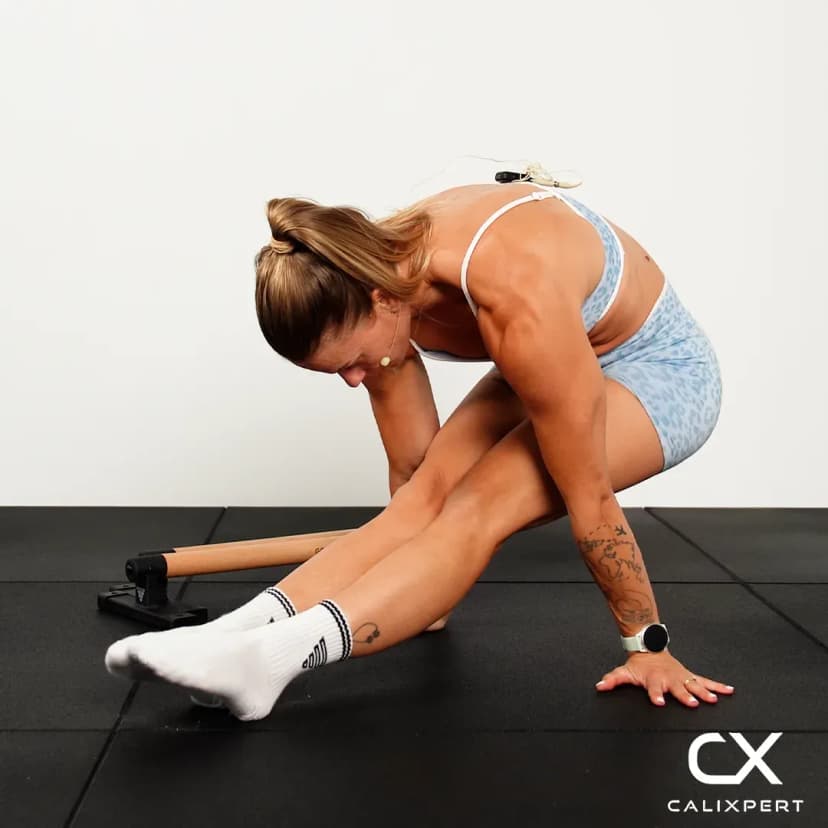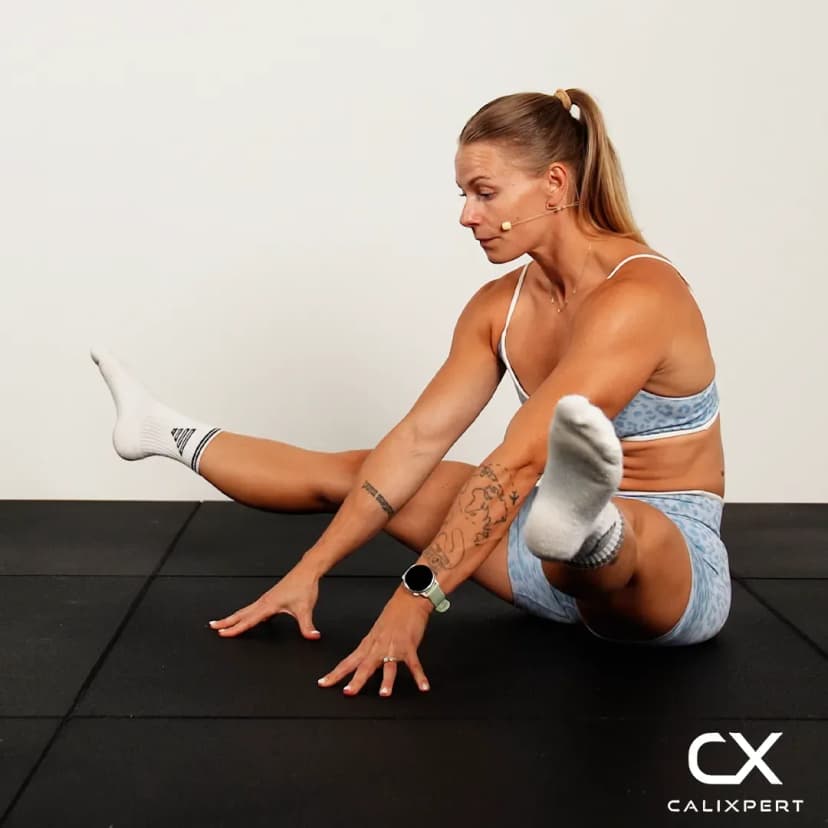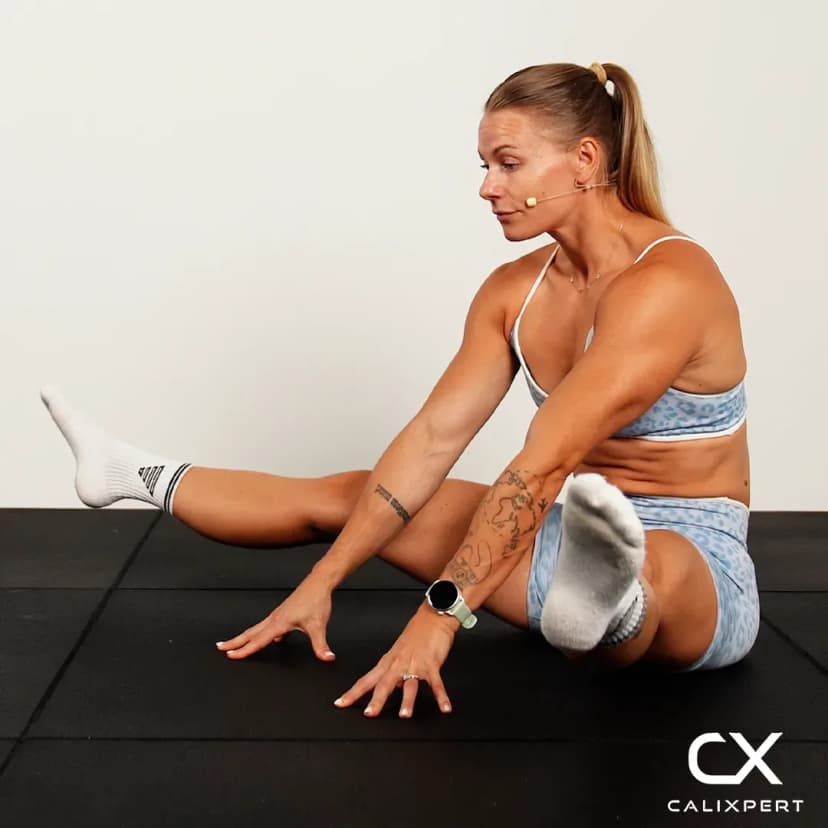
Dip Support Hold
The dip support hold is a foundational isometric exercise where you hold yourself above parallel bars with locked arms, training the triceps, front deltoids, and shoulder stabilizers under sustained tension. The key to an effective hold is active shoulder depression, driving the shoulders down and away from the ears while maintaining full-body tension from head to toe. This position builds the baseline stability and pressing endurance required for dips, muscle-ups, and every advanced calisthenics pushing skill on bars or rings.
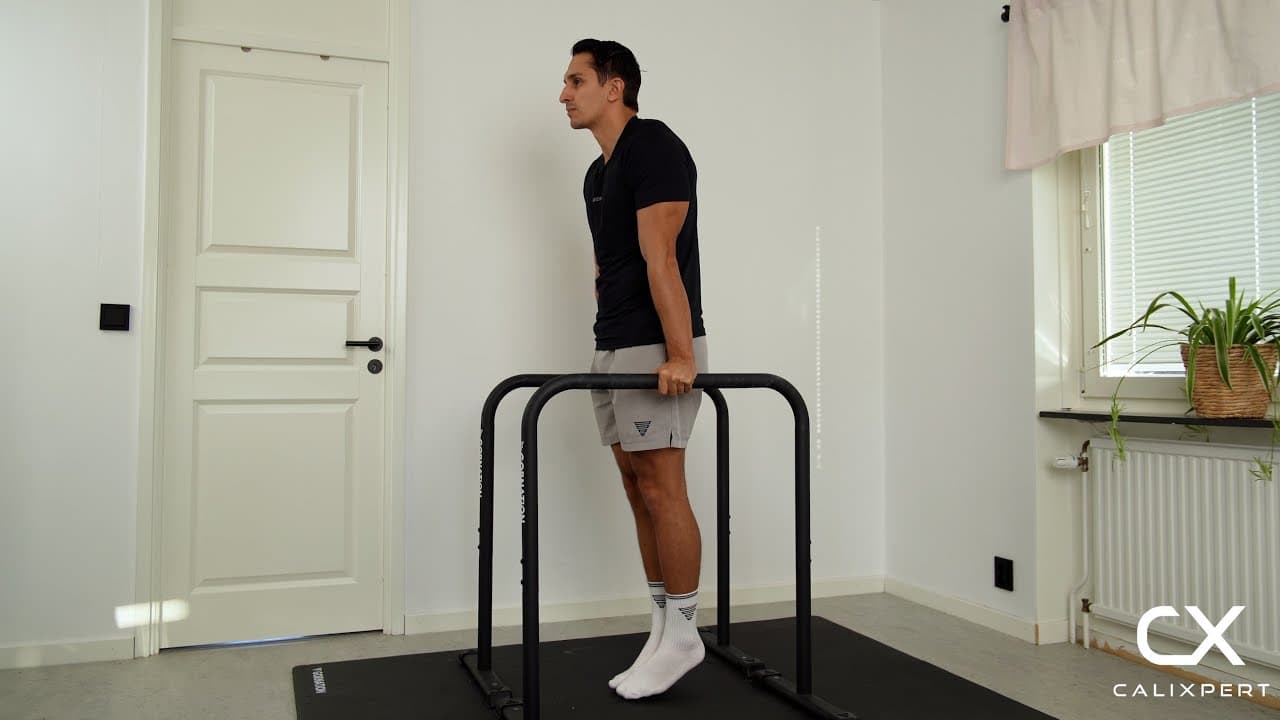
The dip support hold is a foundational isometric exercise where you hold yourself above parallel bars with locked arms, training the triceps, front deltoids, and shoulder stabilizers under sustained tension. The key to an effective hold is active shoulder depression, driving the shoulders down and away from the ears while maintaining full-body tension from head to toe. This position builds the baseline stability and pressing endurance required for dips, muscle-ups, and every advanced calisthenics pushing skill on bars or rings.
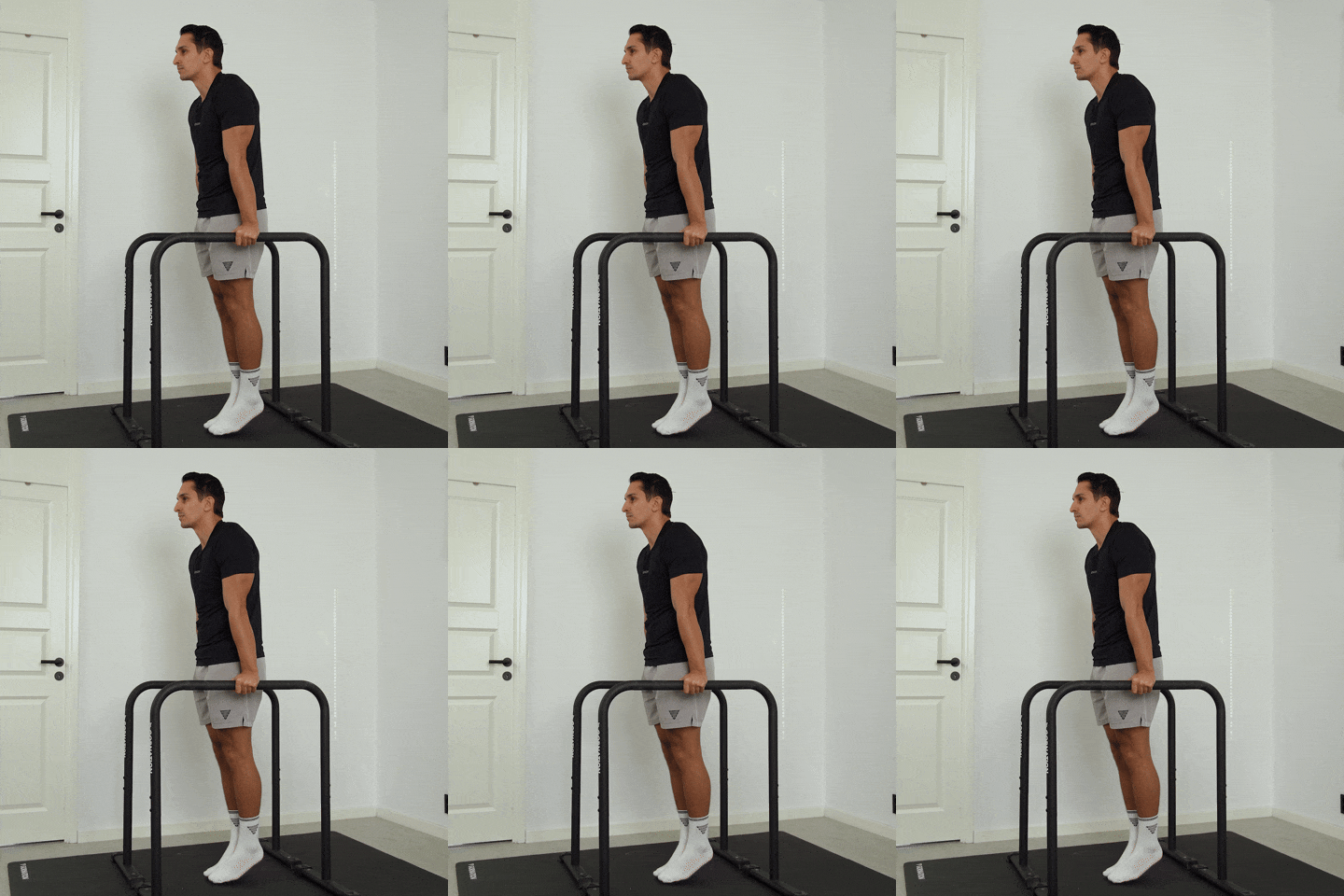
How to Do Dip Support Hold
1. Grip the Bars and Set Up
Stand between a set of parallel bars and grip each bar firmly with your full hand, thumbs wrapped around. Position your hands directly below your shoulders with your wrists stacked in a neutral line. Jump or press yourself up until your arms are fully locked out and your feet leave the ground.
Wrists stacked, thumbs wrapped
2. Depress Your Shoulders Hard
Once you are at the top with locked arms, actively push your shoulders down away from your ears. This is not a passive hang. You should feel your upper traps lengthen and your lower traps and serratus engage to hold the depression. Maintain this active push for the entire duration of the hold.
Push shoulders as far from ears as possible
3. Turn Your Biceps Forward
Externally rotate your arms slightly so that your biceps face forward rather than inward toward each other. This rotation stabilizes the shoulder joint and places the pressing muscles in a stronger mechanical position. Avoid letting your elbows flare out or your hands twist on the bars.
Biceps face forward, not inward
4. Lock Out and Tense Your Whole Body
Keep your elbows fully extended with no bend throughout the hold. Squeeze your glutes, brace your abs, and press your legs together to create full-body tension. Your body should form a straight vertical line from your head through your hips to your toes.
Squeeze everything, stay tight
5. Hold and Breathe Steadily
Maintain the position for the target duration while breathing in controlled, shallow breaths. Do not let your shoulders creep up toward your ears as fatigue builds. If your form breaks, step down and rest rather than holding with poor positioning. Quality of position matters more than time held.
Breathe steady, shoulders stay down
Most people treat the dip support hold as a passive position and wonder why their dips never feel stable. The hold only works when you are actively pushing down into the bars the entire time. Think about making yourself as tall as possible by driving the shoulders down, turning the biceps forward, and squeezing every muscle from your hands to your toes. That active tension is what builds real stability, not just hanging there and waiting for the clock to run out.
Muscles Worked During Dip Support Hold
Primary Muscles:
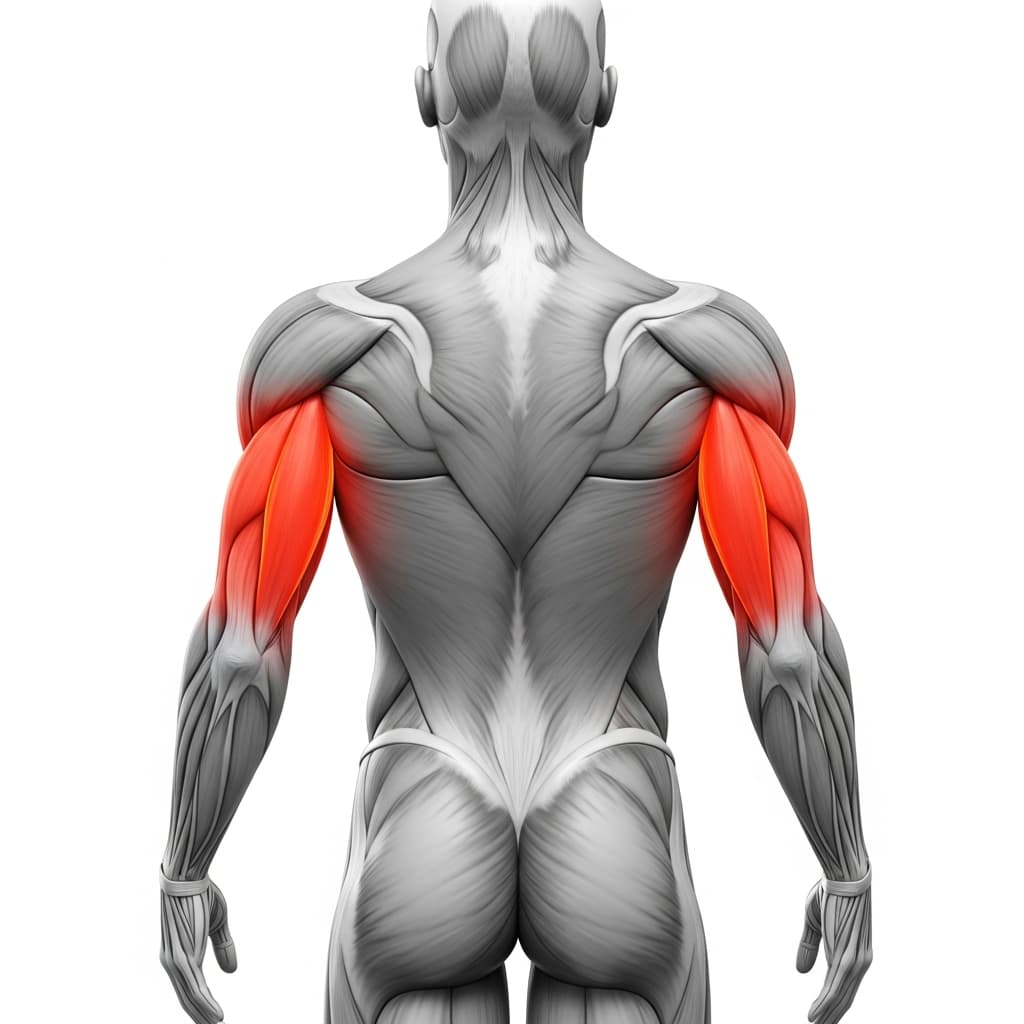
Secondary Muscles:
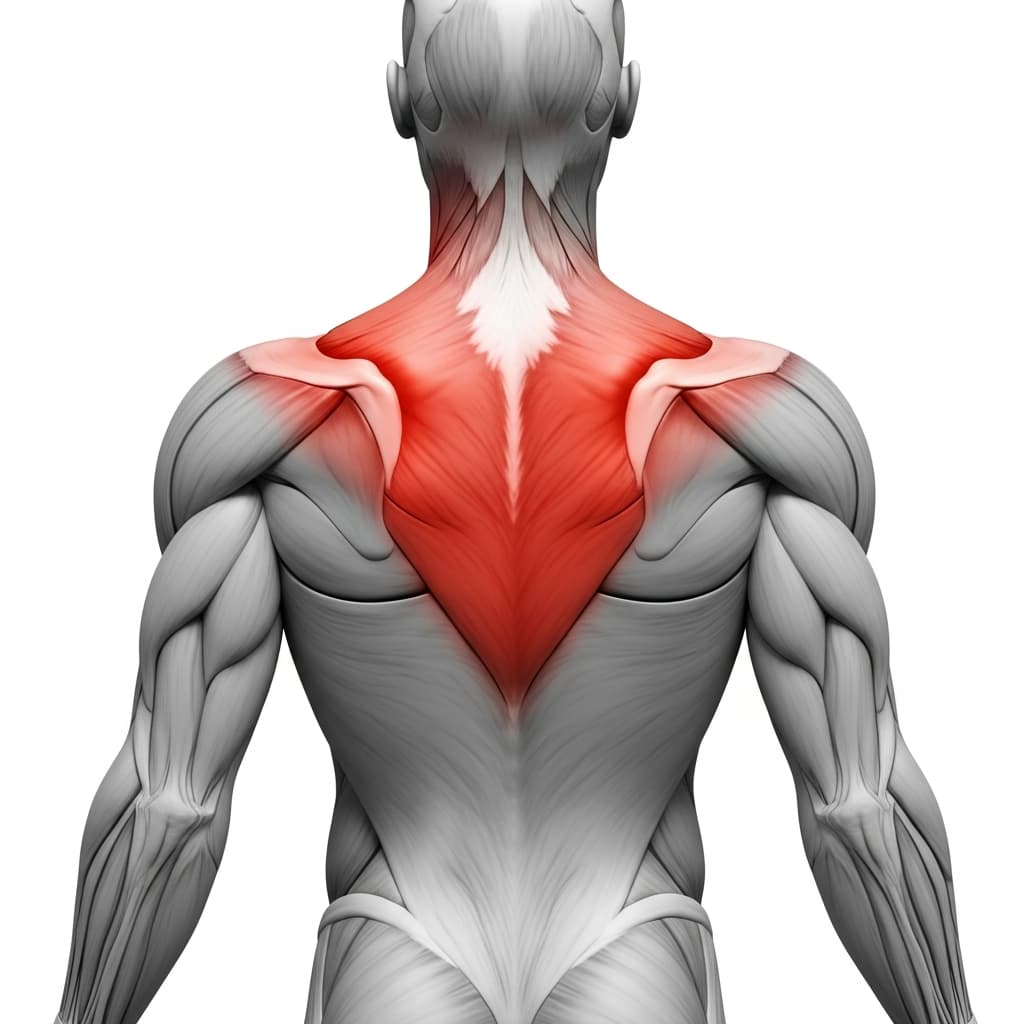
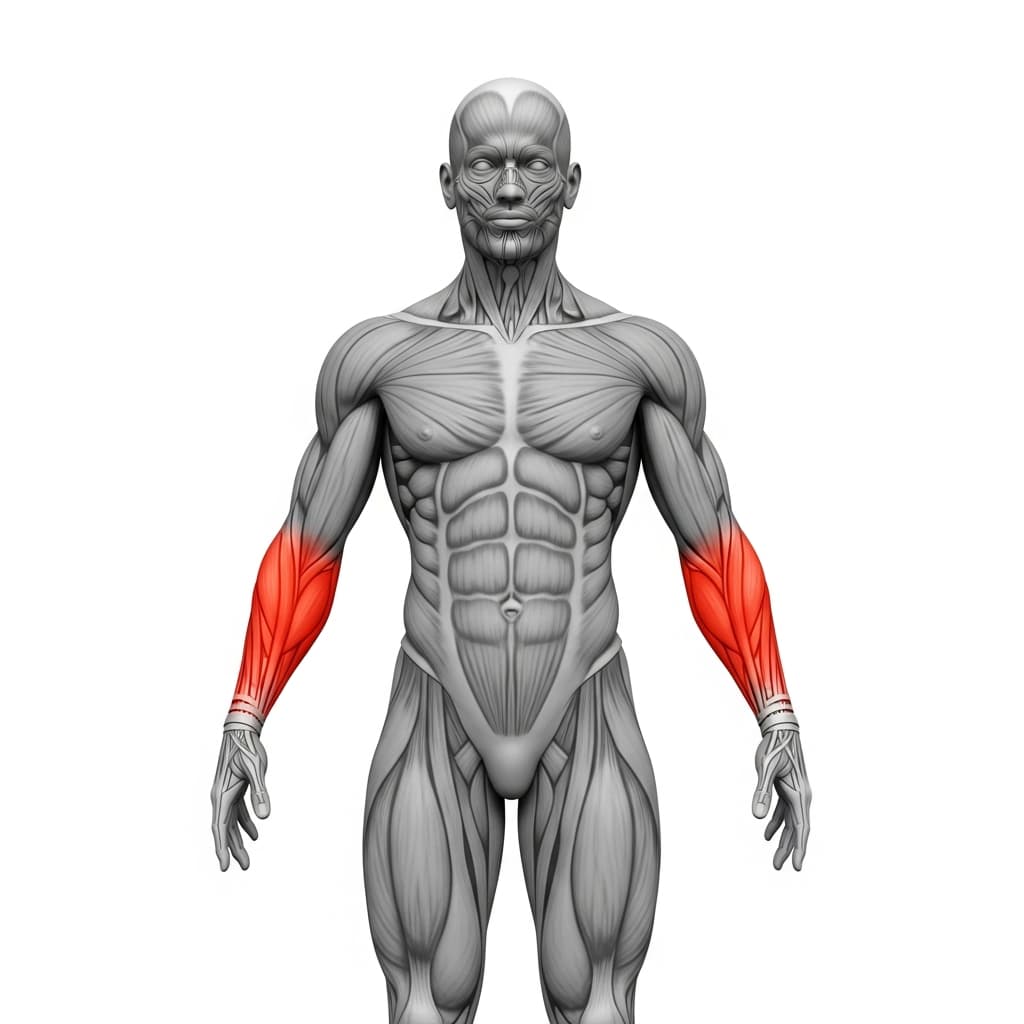
Primary Muscles
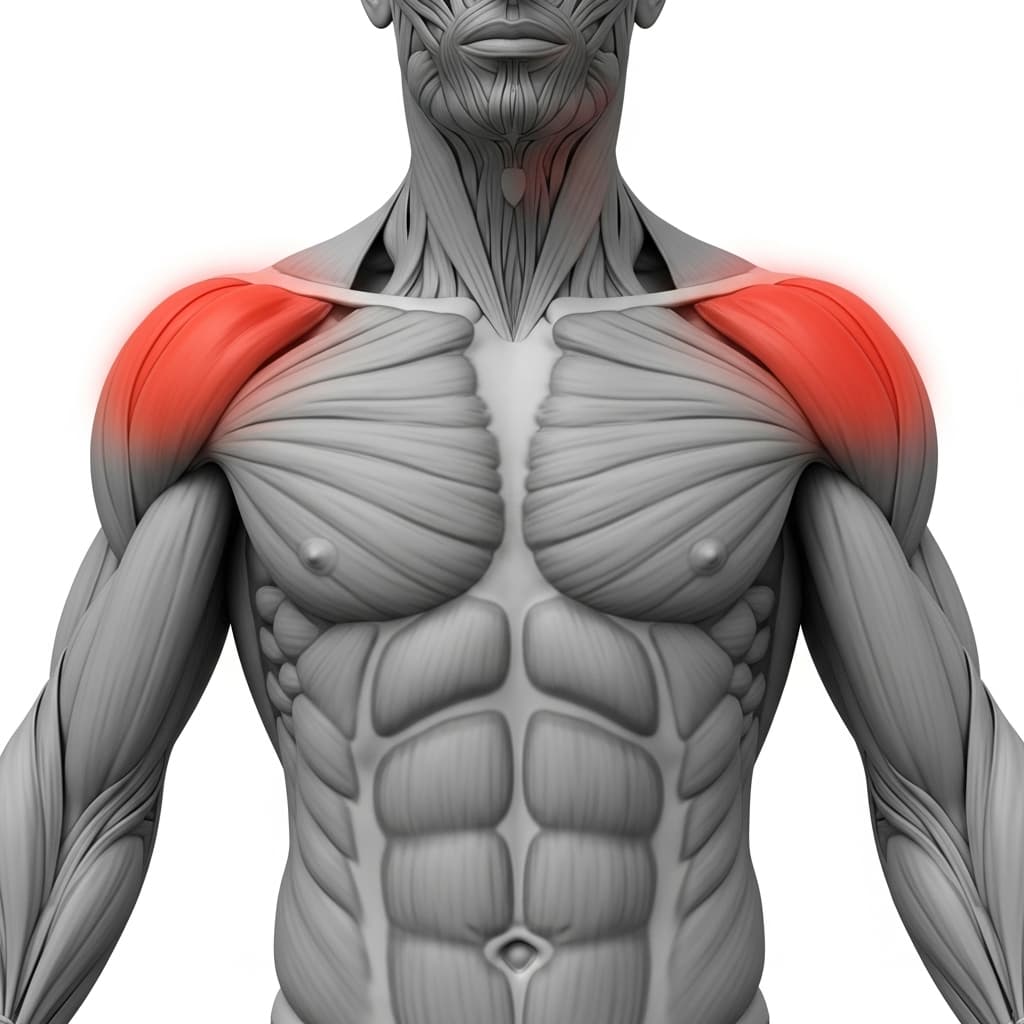
Triceps Brachii (Triceps) - The triceps maintain full elbow extension against bodyweight, keeping the arms locked out for the entire duration of the hold.
Anterior Deltoid (Front Deltoid) - The front deltoids stabilize the shoulder joint in a loaded pressing position, preventing the shoulders from collapsing forward or upward.
Secondary Muscles
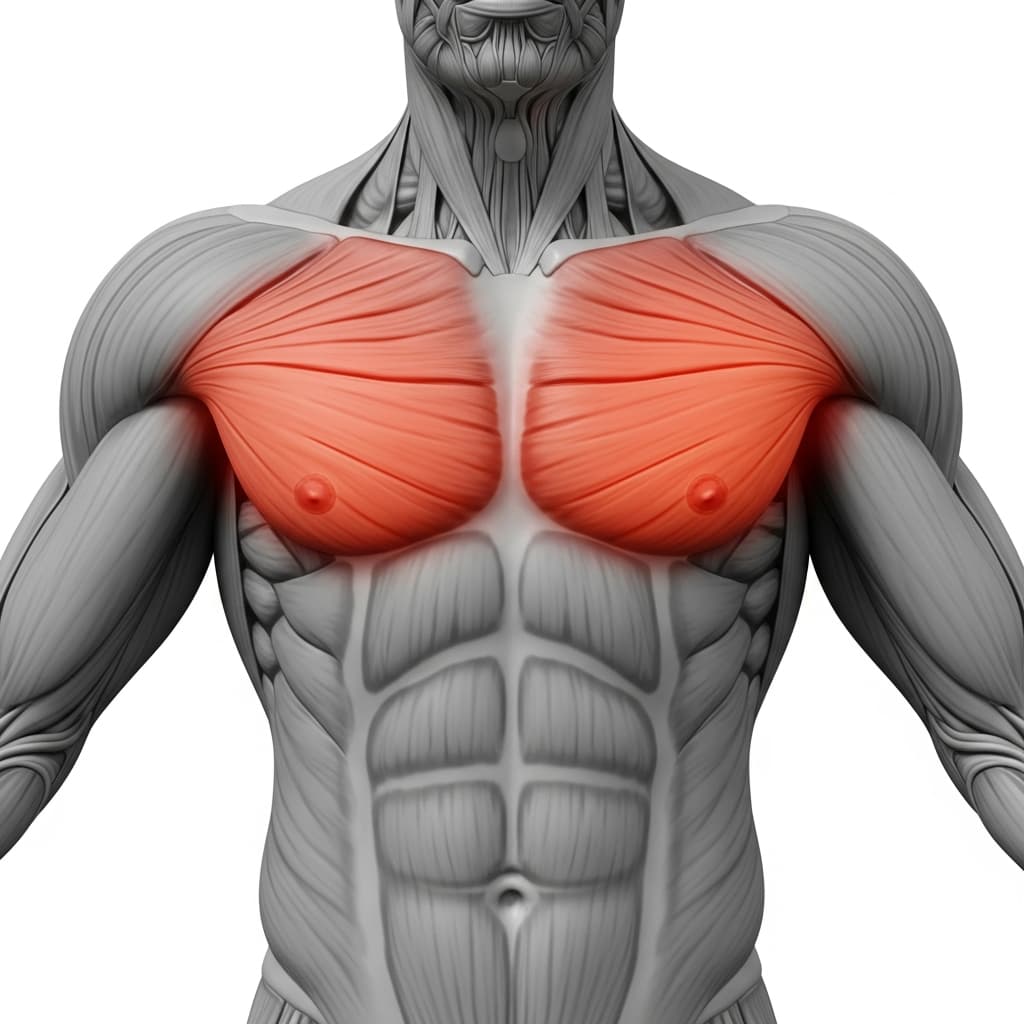
Pectoralis Major (Chest) - The chest muscles assist in stabilizing the shoulder joint and preventing the arms from drifting outward under load.
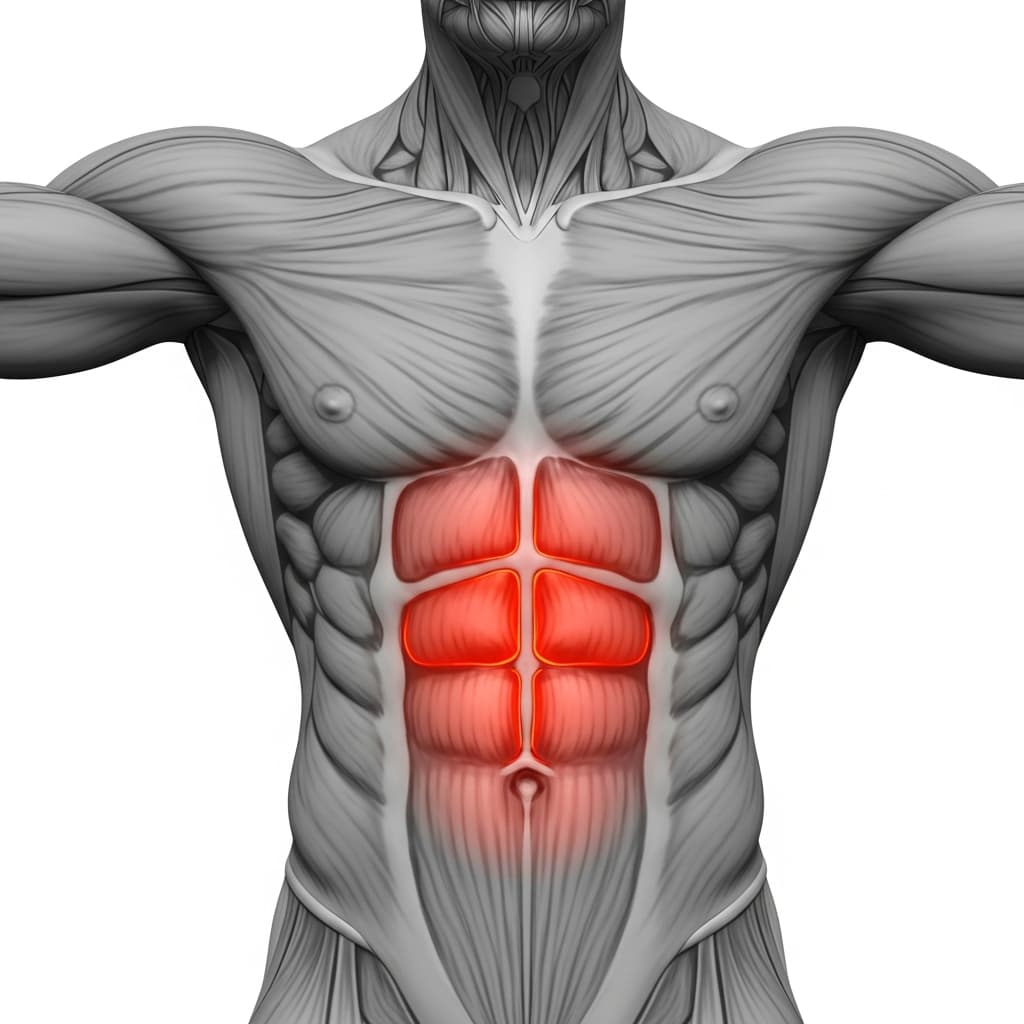
Rectus Abdominis (Abs) - The abdominals brace the torso to maintain a straight body line and prevent the hips from swinging or sagging during the hold.
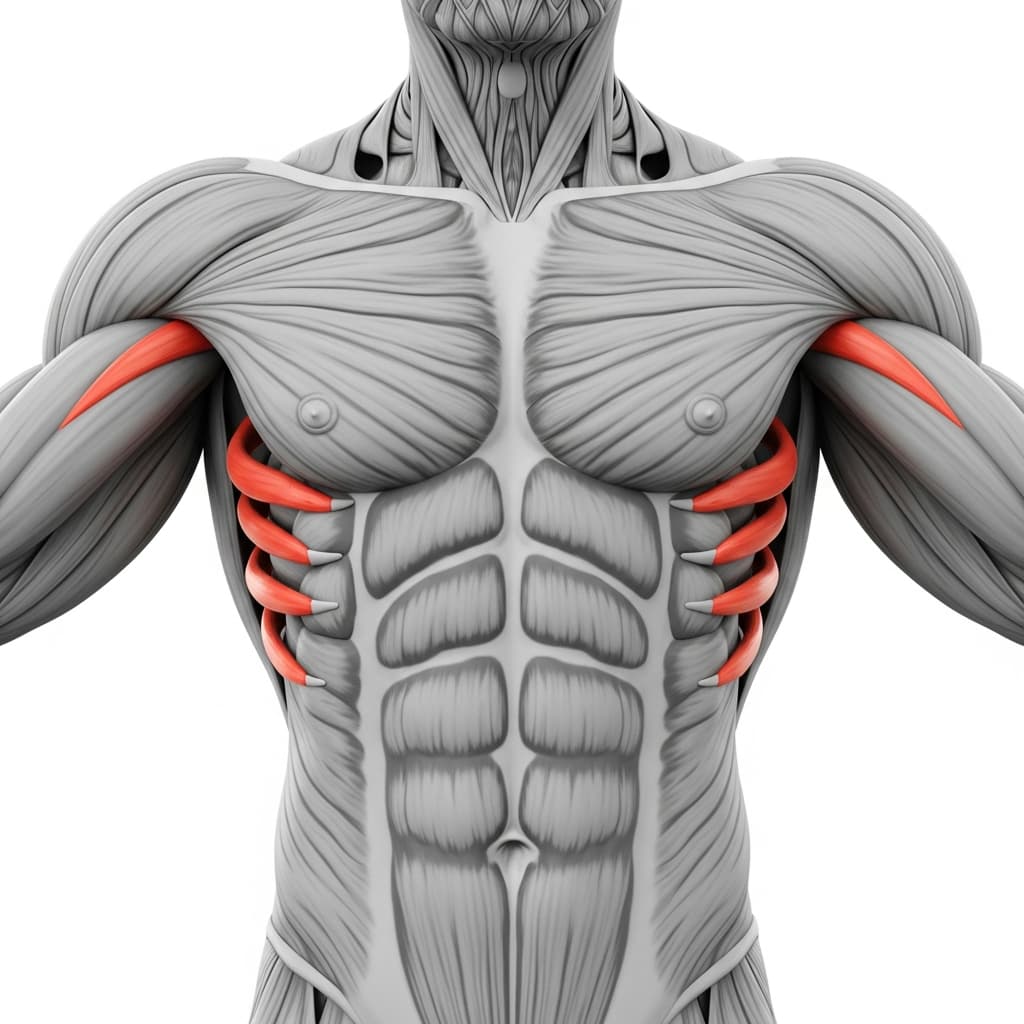
Serratus Anterior (Serratus Anterior) - The serratus anterior works with the lower traps to actively depress and stabilize the scapulae, keeping the shoulders pulled down away from the ears.
Trapezius (Trapezius) - The lower and middle trapezius fibers maintain scapular depression and retraction, countering the tendency of the shoulders to shrug under bodyweight.
Forearm Flexors & Extensors (Forearms) - The forearm flexors maintain a secure grip on the bars throughout the hold, preventing slipping as fatigue accumulates.
Benefits of Dip Support Hold
- Builds the shoulder stability and pressing endurance required as the direct foundation for full dips, ring dips, and muscle-ups
- Strengthens the scapular depressors and serratus anterior, which protect the shoulder joint during all overhead and pressing movements in calisthenics
- Develops straight-arm pressing strength and lockout control that transfers directly to L-sits, planche progressions, and handstand work
- Builds grip endurance and wrist conditioning specific to bar and ring support positions under sustained bodyweight loading
Who Is This Exercise For?
You should be able to support your bodyweight on your palms during a floor plank for at least 30 seconds without shoulder discomfort before attempting the dip support hold. If holding your shoulders in a stable, depressed position feels unfamiliar, practice scapular push-ups on the floor first to build awareness of the depression pattern.
Common Mistakes to Avoid
Letting shoulders shrug up: Actively depress your shoulders throughout the entire hold by pushing down into the bars. If your shoulders start creeping toward your ears, step down, reset, and start a new set with active depression from the first second.
Bending the elbows: Lock your elbows completely straight for the full duration. A slight bend shifts the load onto the biceps and removes the stabilization demand the exercise is designed to build.
Turning biceps inward: Rotate your arms so the biceps face forward. Internal rotation closes off the shoulder joint and places the rotator cuff in a weaker position under load.
Hanging passively without tension: The dip support hold is not a rest position. Engage your abs, glutes, and legs to create total body tension. Passive hanging teaches your body to rely on joint structures instead of the muscles that need strengthening.