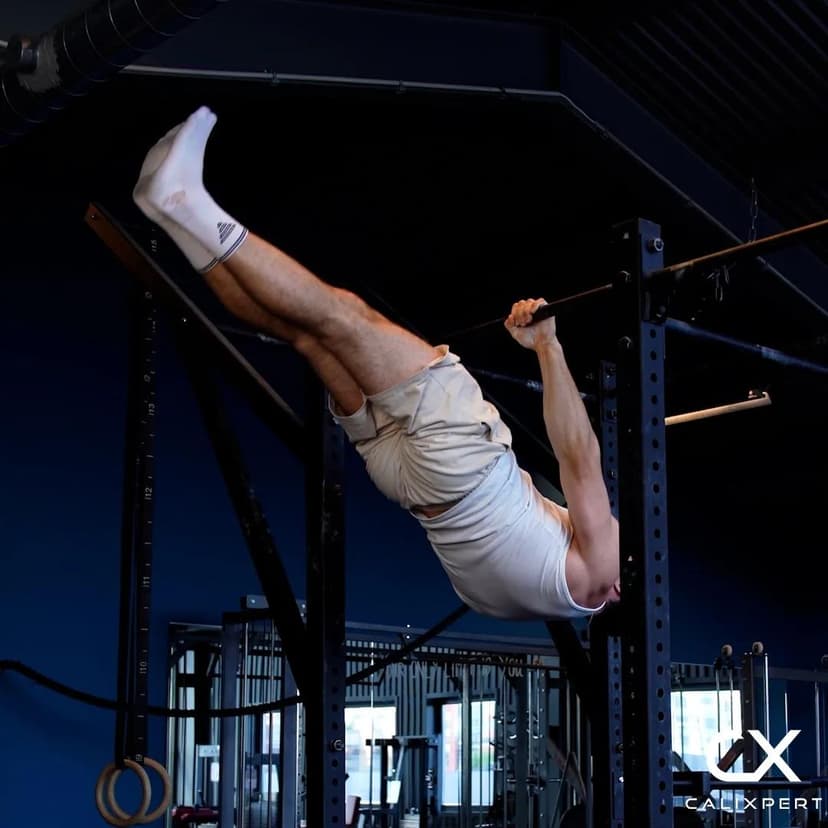
Clap Push Ups
Clap push-ups are an explosive plyometric variation of the standard push-up that trains the chest, triceps, and front deltoids through rapid force production and deceleration. The key difference from a regular push-up is the maximal effort on the concentric phase, generating enough force to launch your hands off the ground, clap, and land with control. Trained consistently, clap push-ups develop the kind of explosive pressing power that transfers directly into planche progressions, handstand push-ups, and every dynamic calisthenics skill.
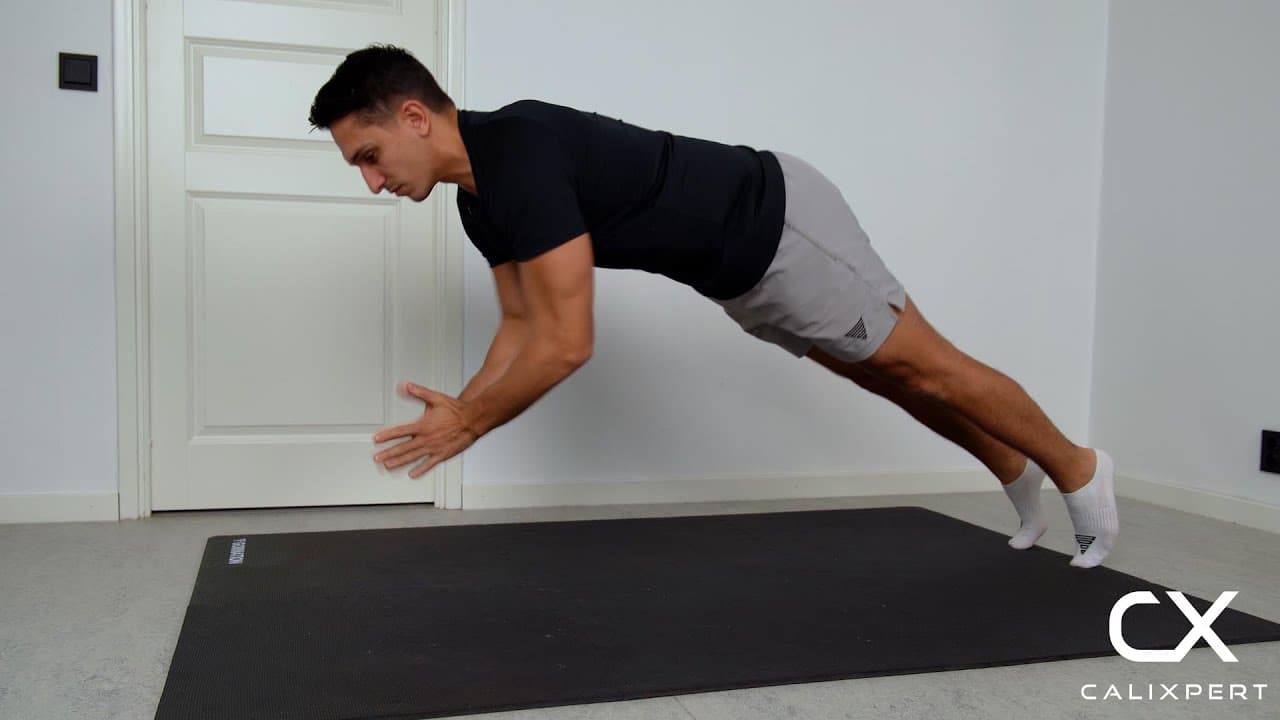
Clap push-ups are an explosive plyometric variation of the standard push-up that trains the chest, triceps, and front deltoids through rapid force production and deceleration. The key difference from a regular push-up is the maximal effort on the concentric phase, generating enough force to launch your hands off the ground, clap, and land with control. Trained consistently, clap push-ups develop the kind of explosive pressing power that transfers directly into planche progressions, handstand push-ups, and every dynamic calisthenics skill.
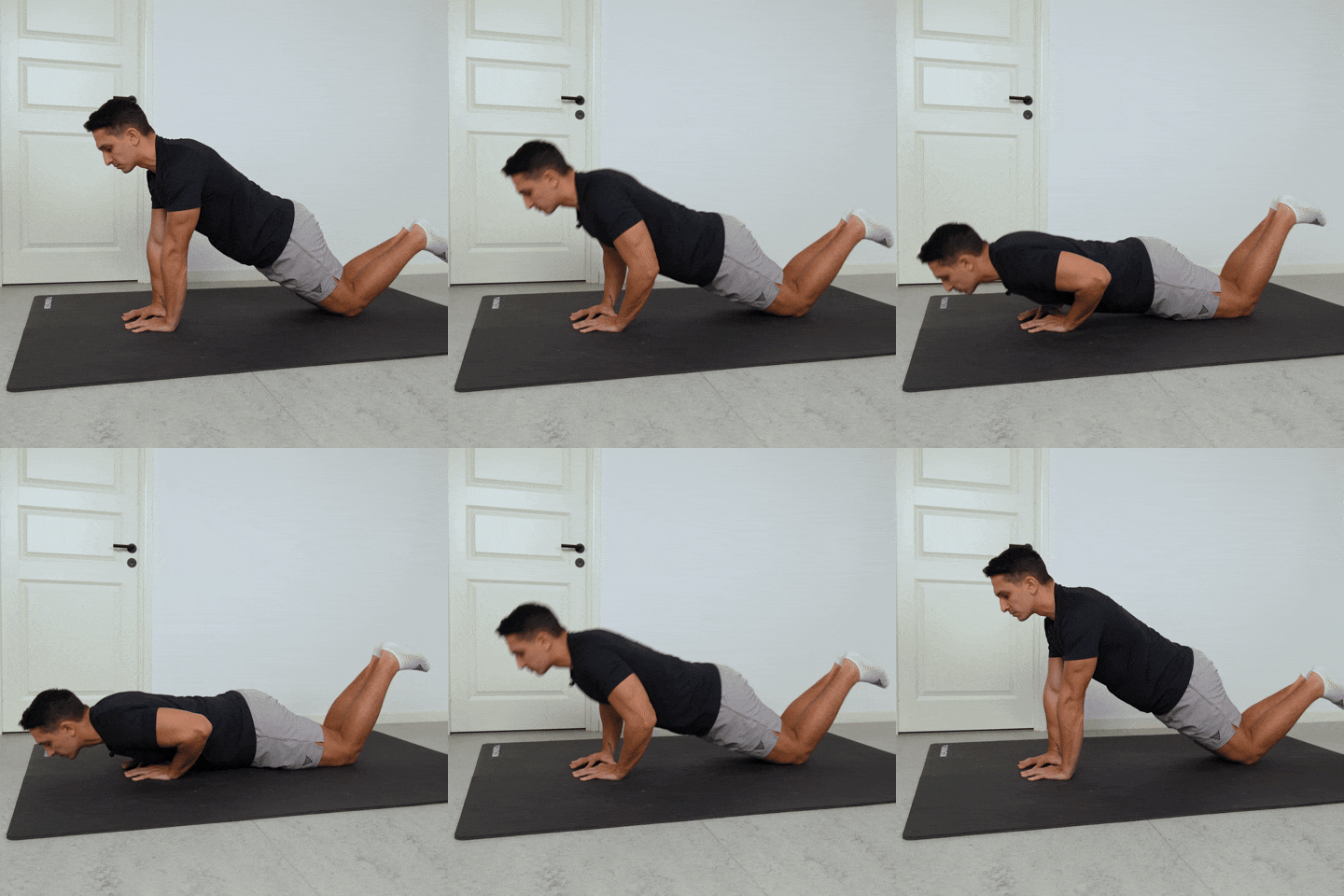
How to Do Clap Push Ups
1. Set Up Your Push-Up Position
Place your hands slightly wider than shoulder width on a flat, non-slip surface. Extend your legs fully behind you with your feet together or slightly apart. Your body should form a straight line from your head through your hips to your heels. Look slightly forward and diagonally at the ground, not straight down.
Straight line from head to heels
2. Brace Your Core Tight
Squeeze your glutes and tighten your abs before you begin the descent. This rigid torso position prevents your hips from sagging or piking during the explosive phase. A loose core leaks force and makes it harder to generate the height you need for the clap.
Lock your core before you move
3. Lower With Control
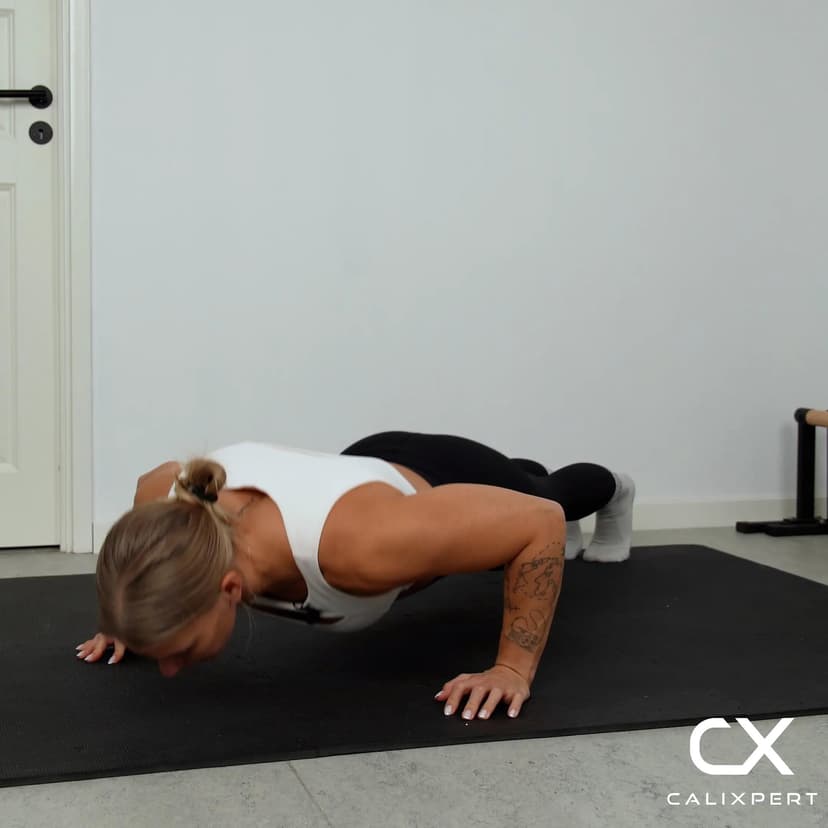
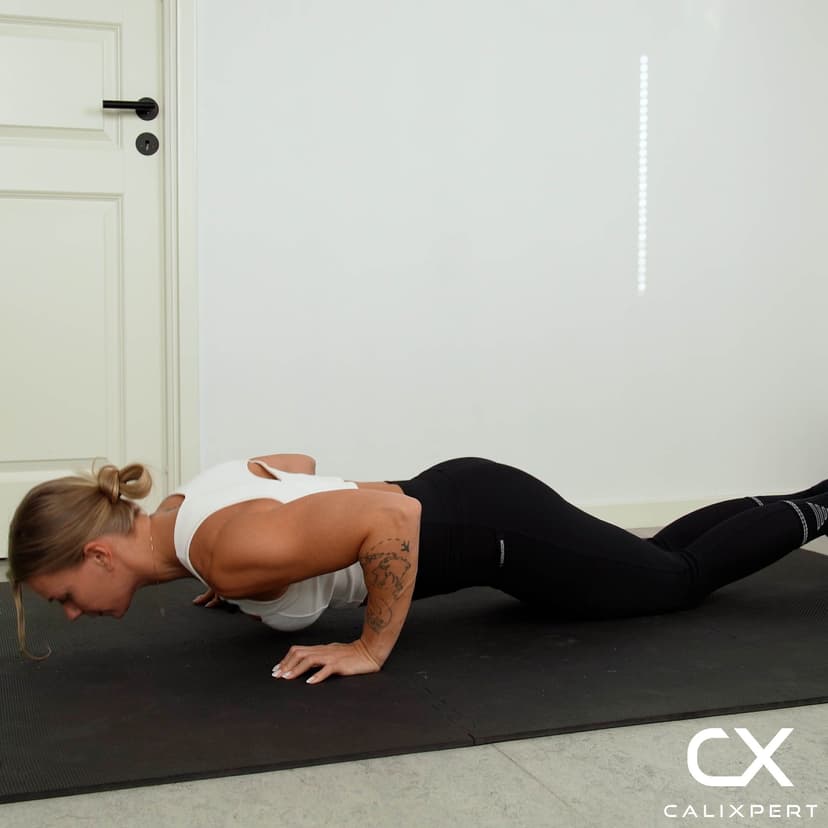
Bend your elbows and lower your chest toward the floor in a controlled manner, just like a standard push-up. Bring your chest as close to the ground as possible to maximize the range of motion and store elastic energy in the chest and shoulders. Keep your elbows at roughly a 45-degree angle from your body throughout the descent.
Chest to the floor, elbows at 45
4. Explode Off the Ground
From the bottom position, push through your palms as fast and as hard as you can. The goal is maximum force output so your entire upper body leaves the ground. Think about pressing the floor away from you with violent speed. Your hands should clear the ground with enough airtime to complete the clap comfortably.
Push the floor away, maximum speed
5. Clap and Prepare to Land
While airborne, bring your hands together quickly and clap once in front of your chest. Immediately spread your hands back out to shoulder width after the clap. Do not let your hands drift too far forward or too close together on the way back down.
Quick clap, hands back out fast
6. Land Softly and Absorb Impact
As your hands meet the ground, land with a slight bend in your elbows to absorb the impact. Do not land with locked arms, as this sends shock straight into the wrists and elbow joints. Allow your body to flow smoothly into the next descent rather than stopping stiff at the top. This soft landing protects your joints and sets up the next rep immediately.
Soft hands, bend the elbows on landing
Most people fail clap push-ups because they try to rush the descent instead of the ascent. Go down at a normal tempo, touch your chest near the floor, and then put everything you have into the push. The explosion only works if you load the bottom position properly. Think of it like compressing a spring, then releasing it all at once.
Muscles Worked During Clap Push Ups
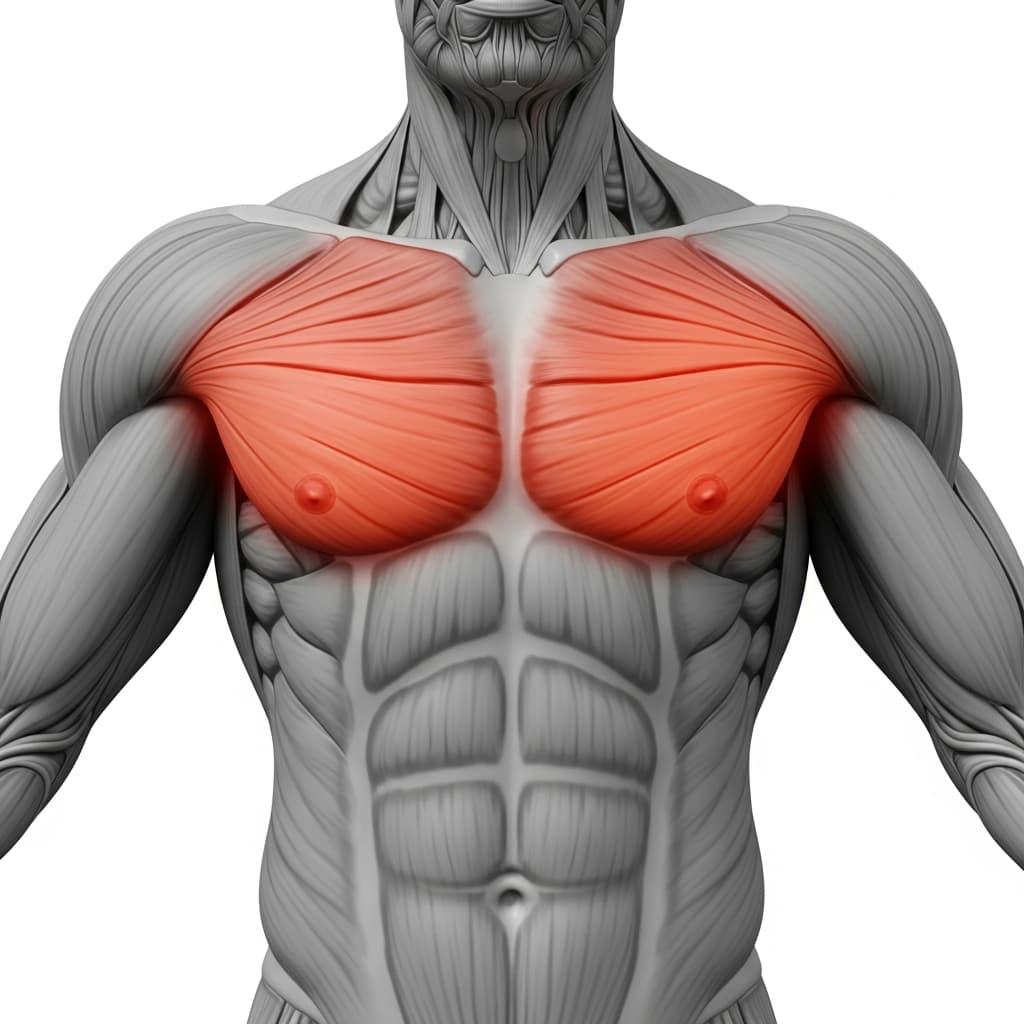
Secondary Muscles:
Primary Muscles
Pectoralis Major (Chest) - The pectoralis major produces the explosive horizontal pressing force that launches the body off the ground during the concentric phase.
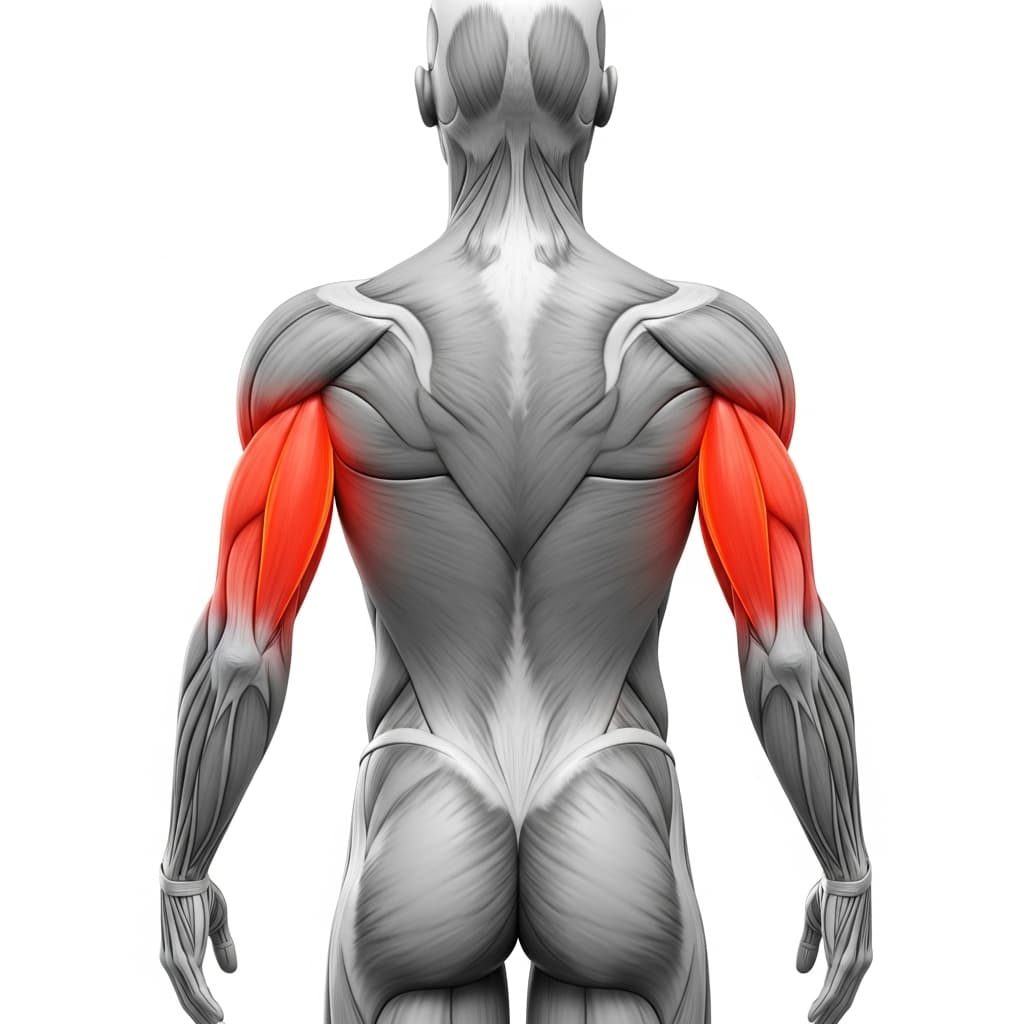
Triceps Brachii (Triceps) - The triceps extend the elbows rapidly during the push-off and absorb force by decelerating elbow flexion on landing.
Secondary Muscles
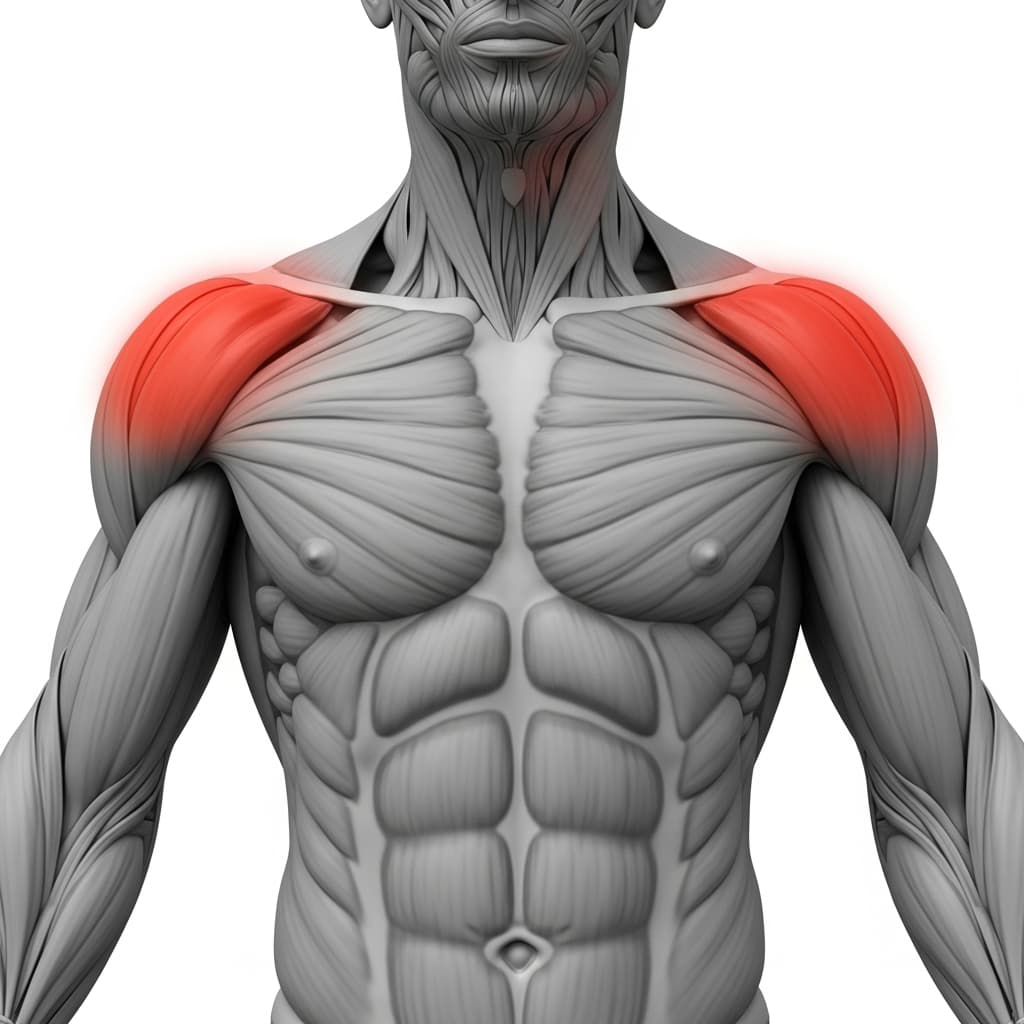
Anterior Deltoid (Front Deltoid) - The anterior deltoids assist the chest in driving the shoulders forward and upward during the explosive press.
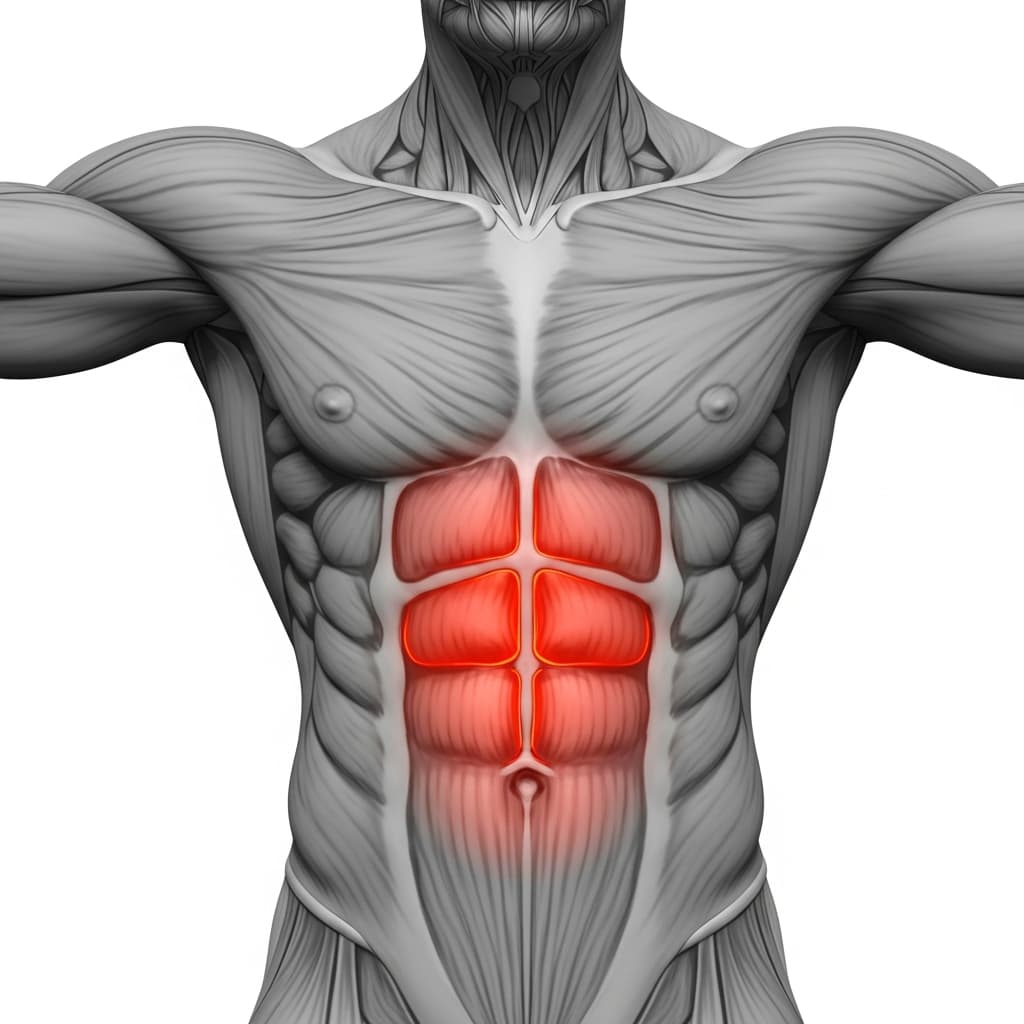
Rectus Abdominis (Abs) - The abdominals brace the torso into a rigid plank position, preventing energy leaks through the midline during both the push and landing phases.
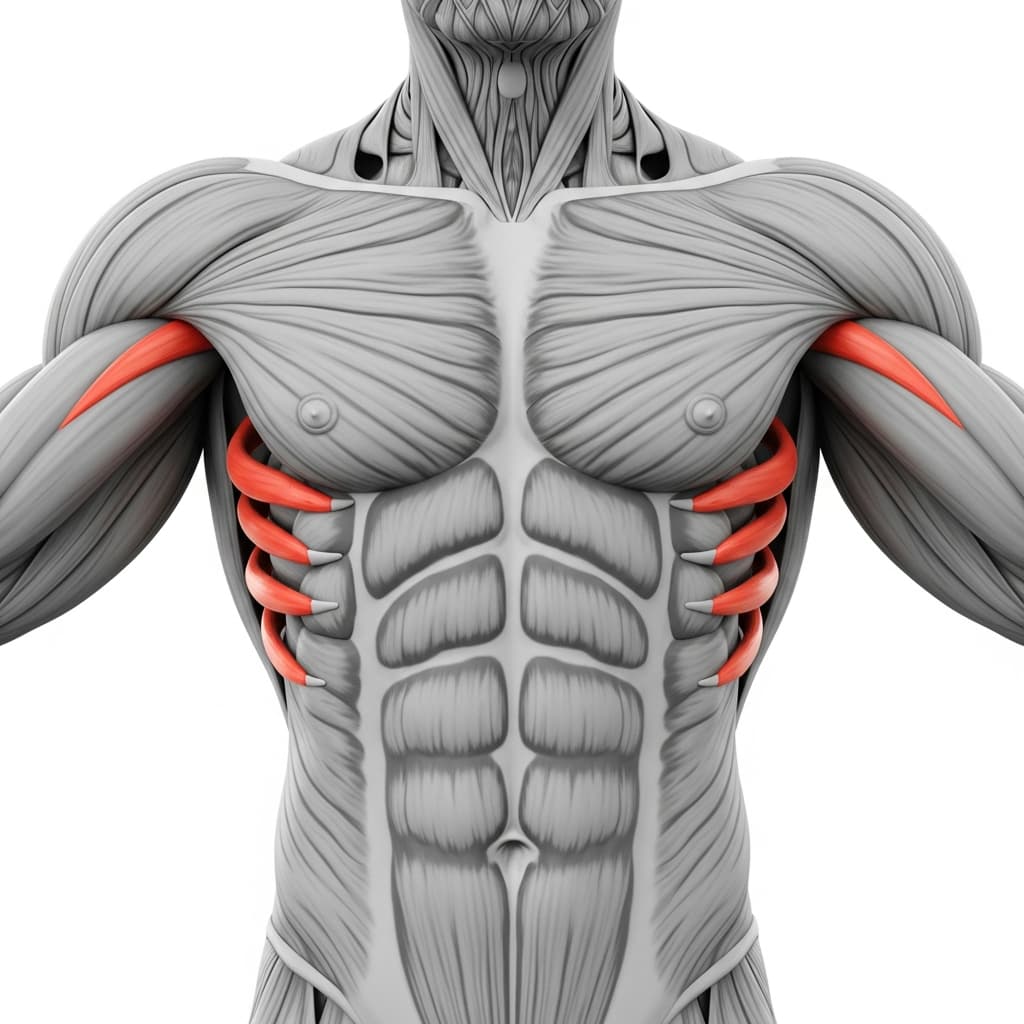
Serratus Anterior (Serratus Anterior) - The serratus anterior protracts and stabilizes the scapula during the explosive push, allowing full force transfer from the chest through the arms.
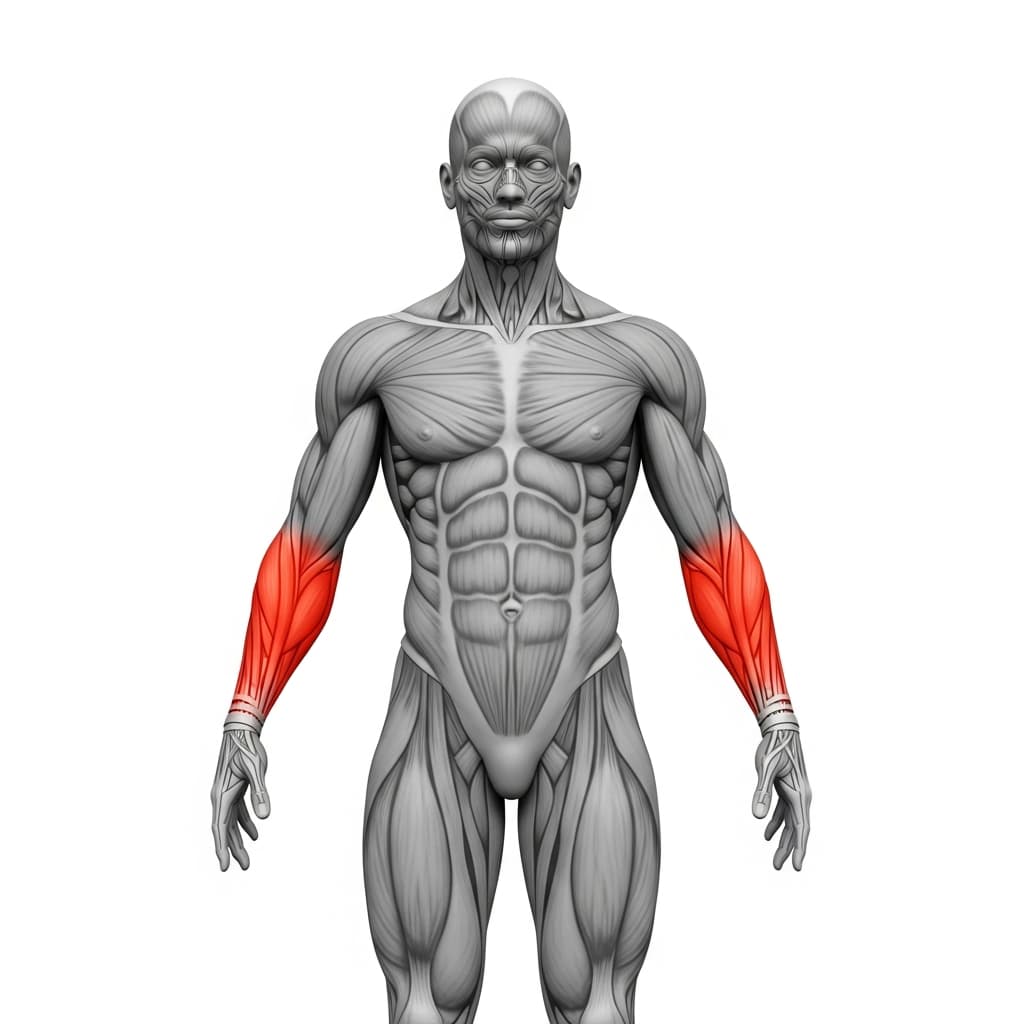
Forearm Flexors & Extensors (Forearms) - The forearm muscles stabilize the wrists on impact and maintain hand position during the rapid landing and re-gripping of the floor.
Benefits of Clap Push Ups
- Develops explosive pressing power in the chest, triceps, and front deltoids, which transfers directly to planche, handstand push-up, and muscle-up progressions
- Trains fast-twitch muscle fiber recruitment, improving the rate of force development that slow push-ups alone cannot build
- Strengthens the wrists and forearms through repeated impact absorption and rapid hand repositioning under bodyweight
- Builds reactive coordination between the upper body and core, teaching the body to produce and absorb force in rapid succession
Who Is This Exercise For?
You should be able to perform at least 20 clean, full-range push-ups with a tight core and controlled tempo before attempting clap push-ups. Explosive push-ups where your hands leave the ground without the clap are the best progression to master first. If you cannot push off the floor with enough height to comfortably release and replace your hands, you are not ready for this movement.
Common Mistakes to Avoid
Landing with stiff, locked arms: Always land with a slight bend in the elbows to absorb the impact. Landing stiff transfers all the force into the wrist and elbow joints and increases your risk of injury.
Not generating enough height: If you barely leave the ground, you do not have enough explosive push-up strength yet. Regress to explosive push-ups without the clap until you can consistently get your hands several inches off the floor.
Letting the hips sag during the push: Squeeze your glutes and brace your abs before every rep. A sagging midline leaks force from the push and puts unnecessary stress on the lower back.
Clapping too slowly or too wide: The clap should be quick and compact, directly in front of your chest. A slow or wide clap wastes airtime and makes it harder to get your hands back in position for a safe landing.
Looking straight down at the floor: Gaze slightly forward and diagonally. Looking straight down closes off the chest and limits your pressing mechanics during the explosive phase.