Pull Over
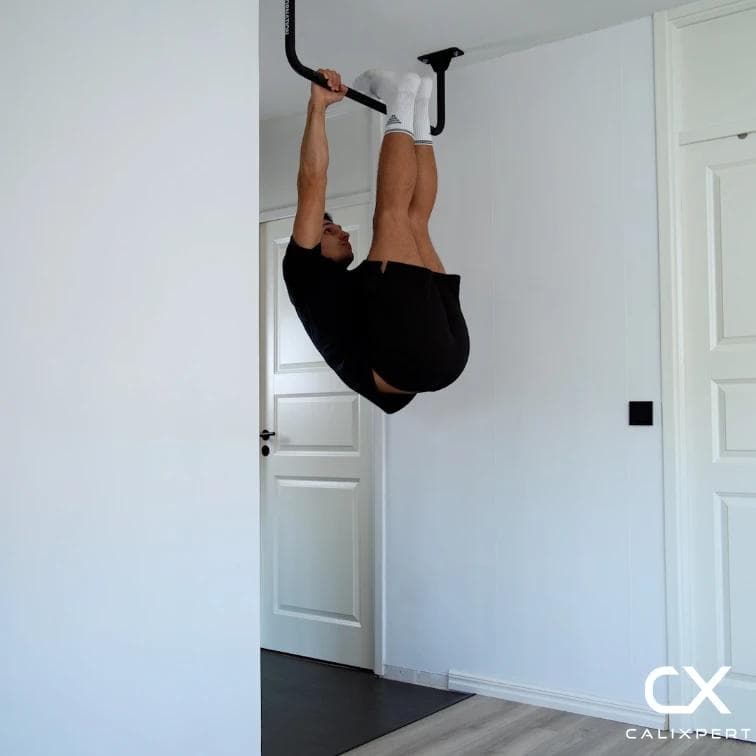
The pull over takes you from hanging under the bar to sitting supported on top of it, rotating your whole body around the bar in a single rep. It asks for a lot of coordination, real pulling strength, and pushing strength as well. The lats drive the pull, the abs and hip flexors lift the legs up and over, and the triceps finish the rep by pressing your upper body above the bar. It is the entry point to working on top of the bar and the rotation teaches body awareness that carries into other bar skills, but make no mistake, it is an advanced move and the first clean rep usually takes months of practice rather than weeks.
The pull over takes you from hanging under the bar to sitting supported on top of it, rotating your whole body around the bar in a single rep. It asks for a lot of coordination, real pulling strength, and pushing strength as well. The lats drive the pull, the abs and hip flexors lift the legs up and over, and the triceps finish the rep by pressing your upper body above the bar. It is the entry point to working on top of the bar and the rotation teaches body awareness that carries into other bar skills, but make no mistake, it is an advanced move and the first clean rep usually takes months of practice rather than weeks.
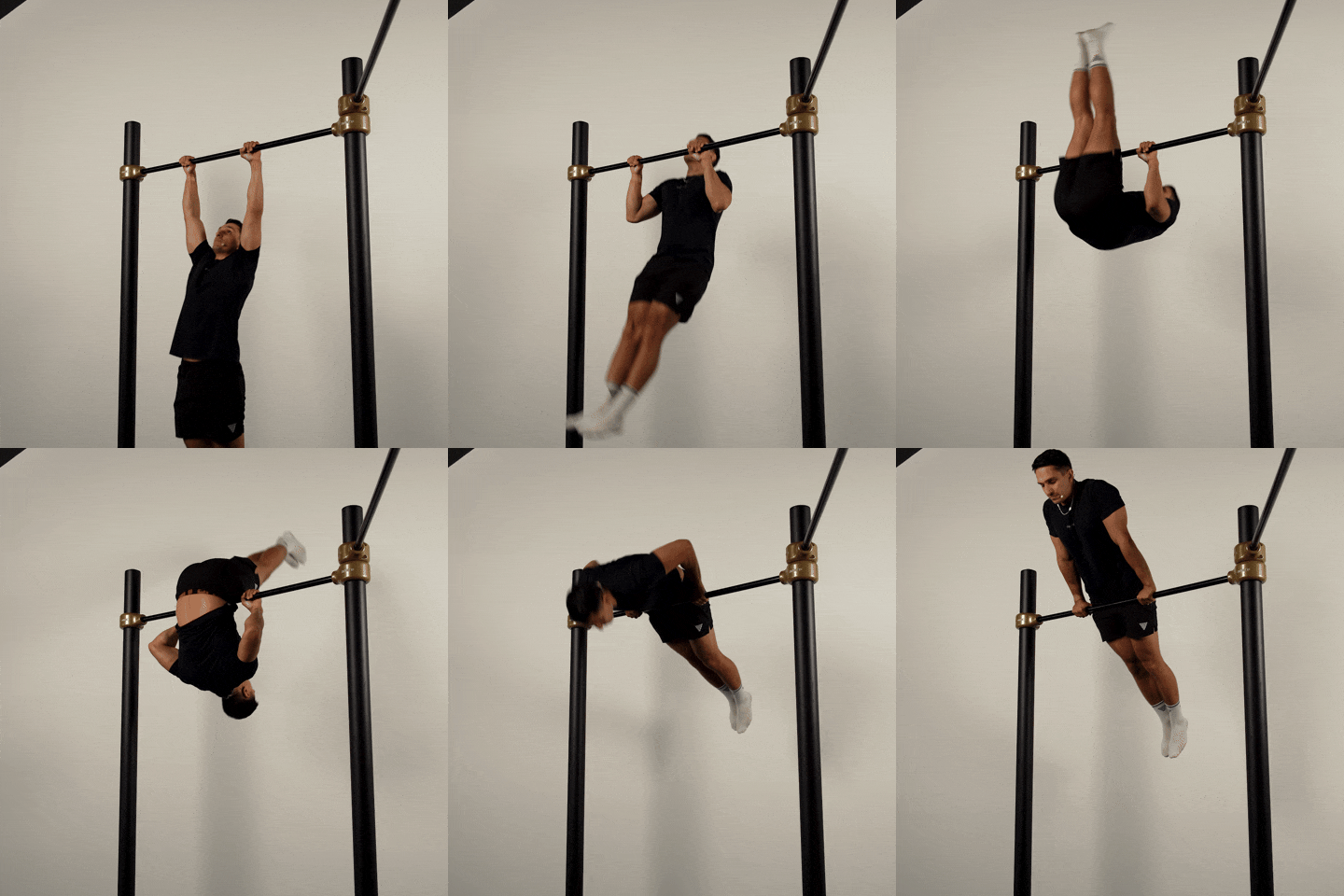
How to Do Pull Over
1. Set Your Grip Outside Your Hips
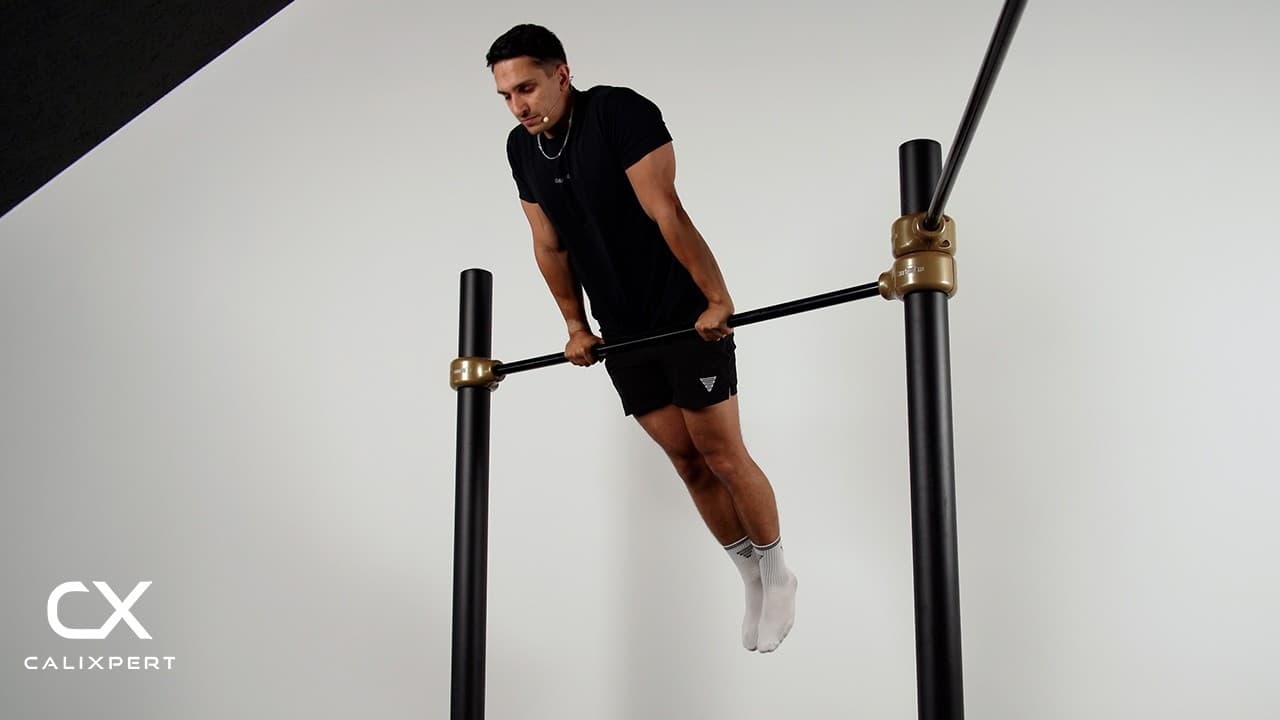
Take an overhand grip on a straight bar with your hands outside your hips, not stacked at shoulder width. This is the detail most people get wrong, and a grip that is too narrow leaves your body no room to pass between your arms.
Hands outside the hips, every rep
2. Pull Up First
From the hang, do a pull-up. Get your chest high toward the bar before anything else happens, because the height you gain here is what buys you the time to fold your legs over.
Pull first, fold second
3. Bring the Legs Up and Over
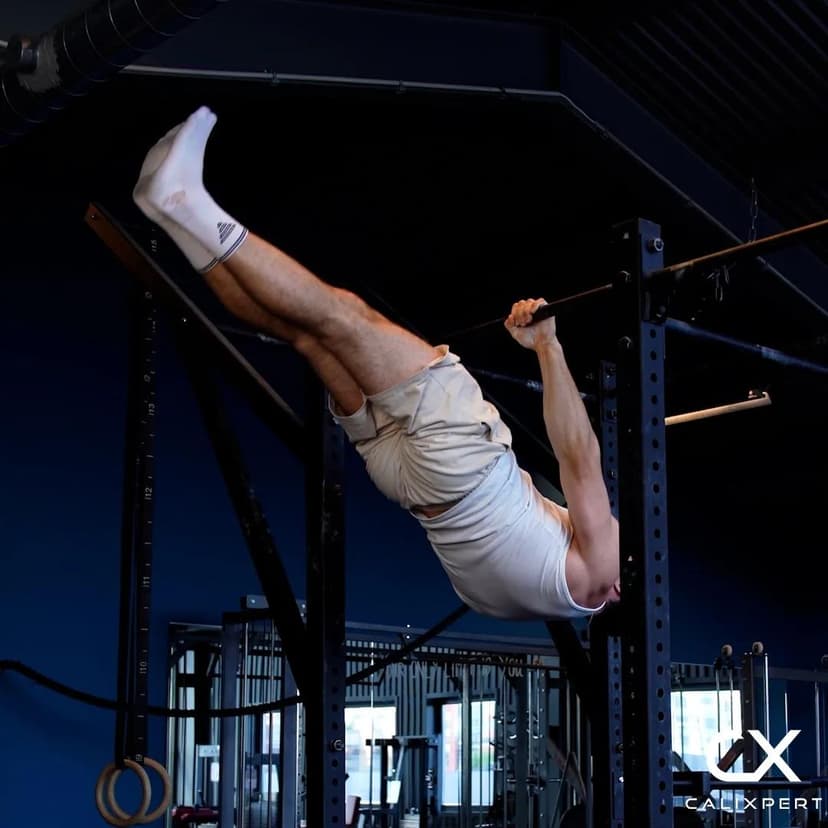
From the top of the pull, lift your legs the way you would in a toes to bar, then send them straight past the bar rather than stopping at it. Your feet lead and the rest of the body follows them around.
Toes to bar, then keep going
4. Get the Bar High on Your Body
As you fold, pull the bar in so it sits as high on your upper body as possible, a little above your hips. That is what carries your bodyweight across to the other side of the bar, and if the bar stays down at your hips the rotation stalls there.
Bar above the hips, not at them
5. Rotate the Grip
Once your weight has crossed the bar, turn your wrists over the top so your hands end up on top of the bar. Without that rotation there is nothing to press against and you slide back down.
Wrists over the top
6. Press Into the Top Position
Lift your upper body and neck up and press your arms straight to finish supported above the bar. Hold the top for a moment with your shoulders over your hands before you come back down.
Head up, arms locked, own the top
The whole rep is decided by how high the bar sits on your body when you fold over it. Get it a little above your hips instead of down at your hips, because that is what lets your weight get over to the other side. I know that judging it while you are upside down is very difficult, but with some practice it becomes easy.
Muscles Worked During Pull Over
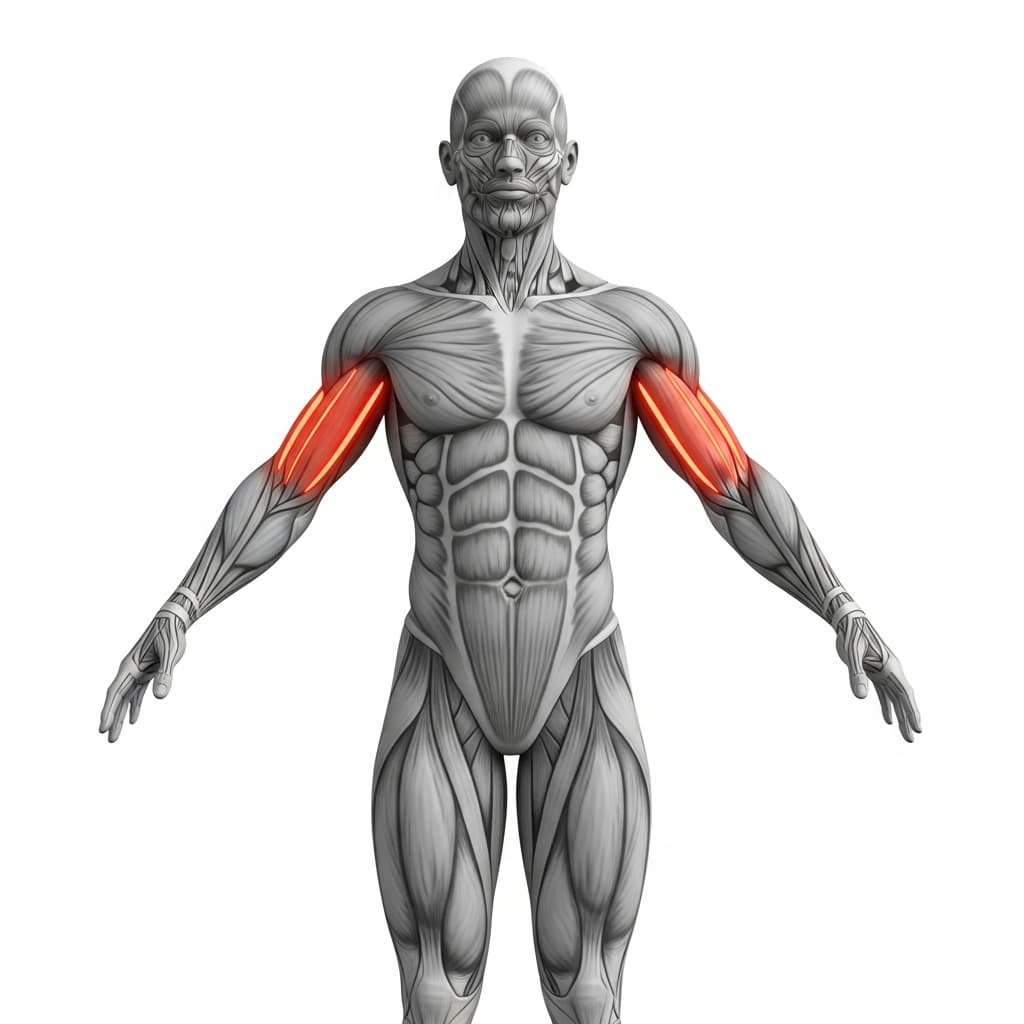
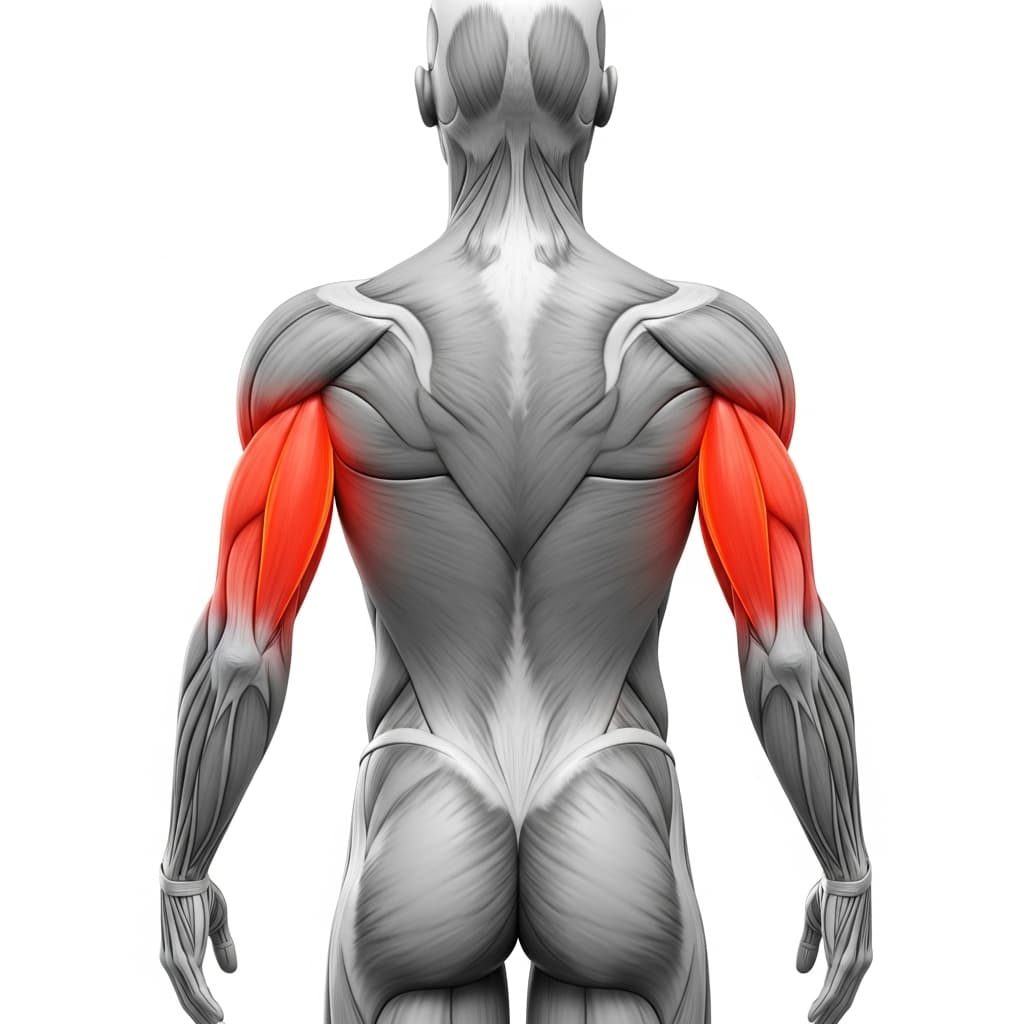
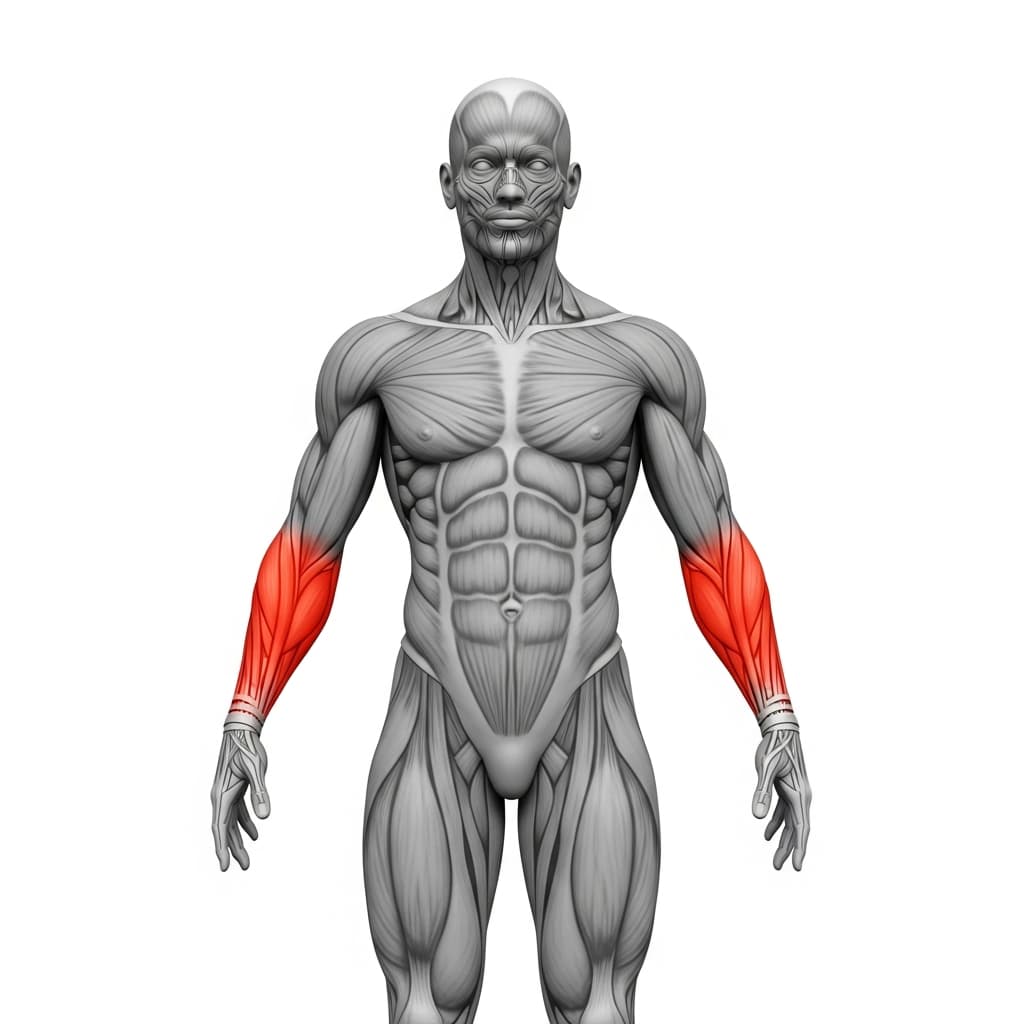
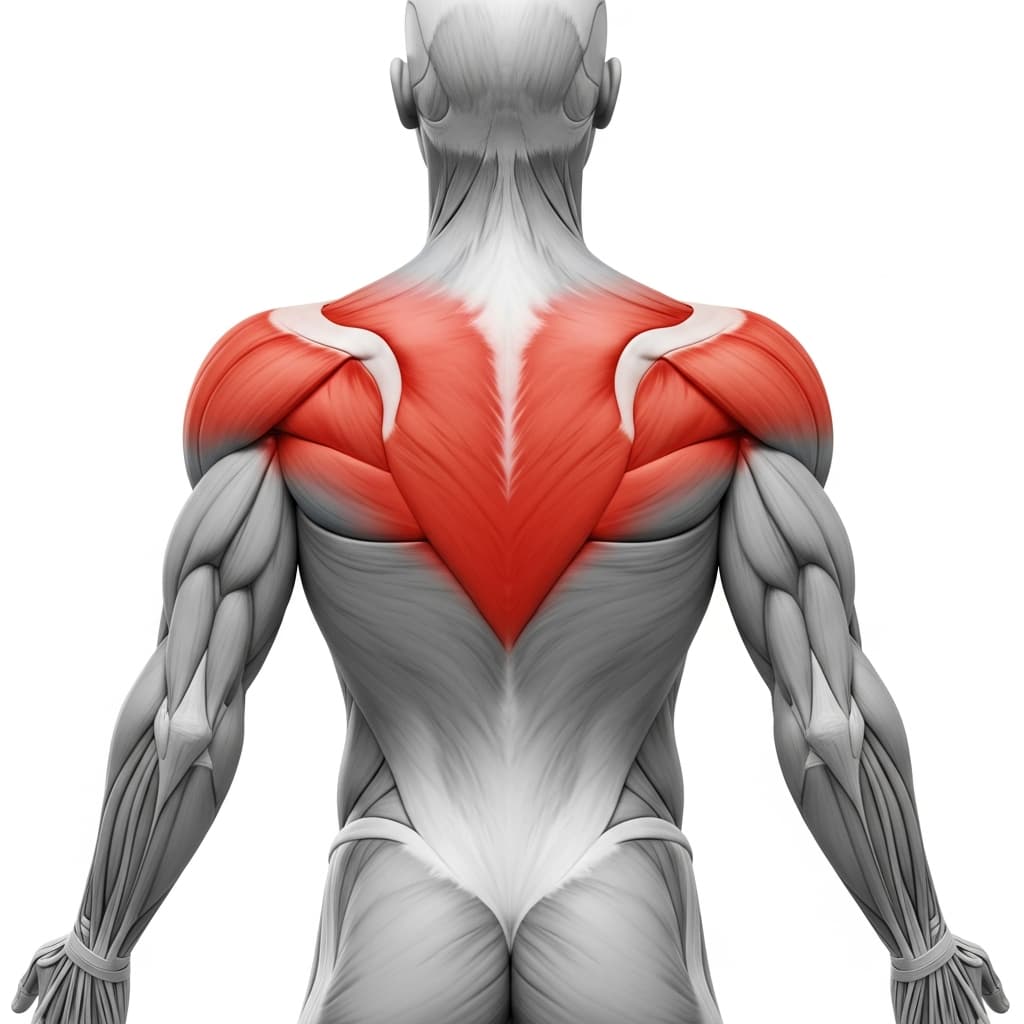
Secondary Muscles:
Primary Muscles
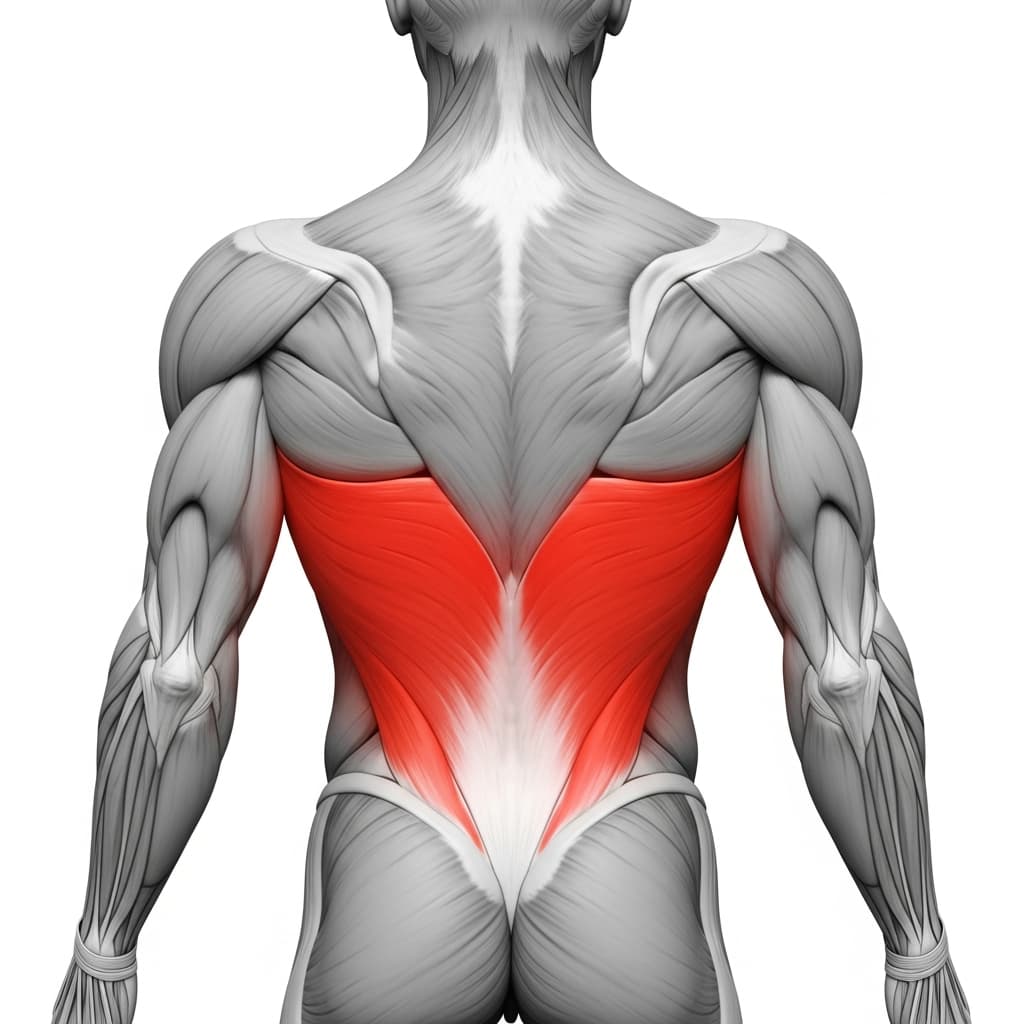
Latissimus Dorsi (Lats) - The lats drive the first half of the rep, pulling your chest toward the bar and then holding your upper body close as your hips travel over the top.
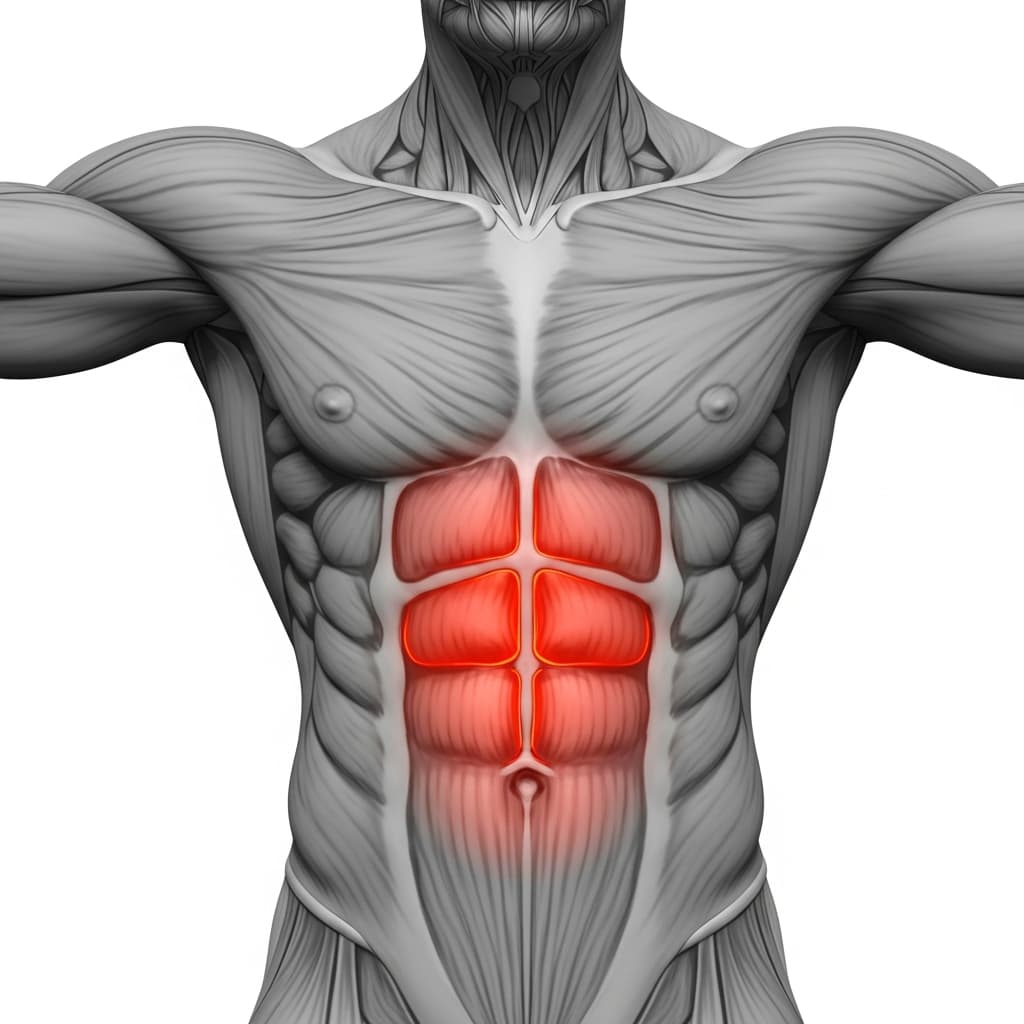
Rectus Abdominis (Abs) - The abs fold your body around the bar, closing the gap between your chest and your legs so the bar can sit high on your body instead of stalling at your hips.
Secondary Muscles
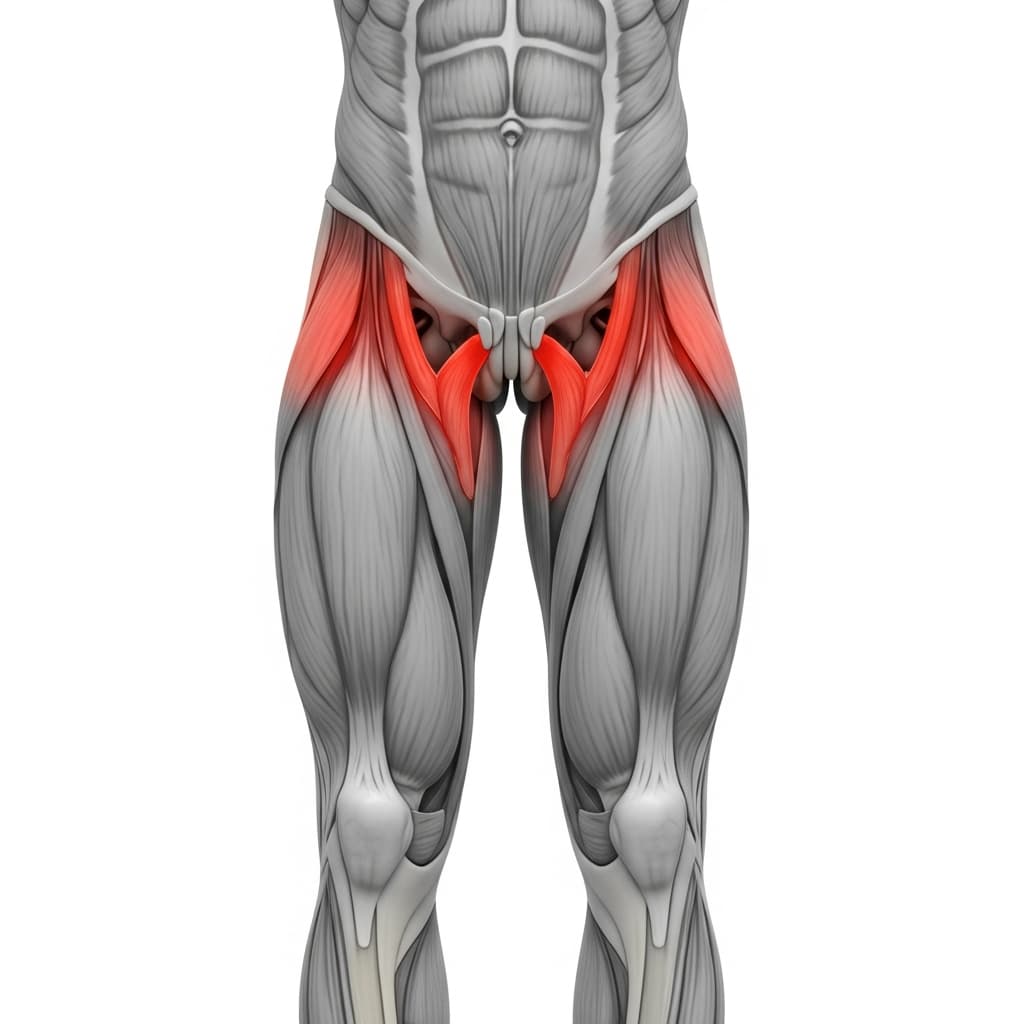
Iliopsoas (Hip Flexors) - The hip flexors lift the legs up and over the bar in the same action as a toes to bar, and they decide how far past the bar your weight gets.
Biceps Brachii (Biceps) - The biceps flex the elbows through the pull-up phase and help hold your chest close to the bar while your body folds over it.
Triceps Brachii (Triceps) - The triceps press you into the top position once your body has crossed over the bar, which is why a pull over trains pushing as well as pulling.
Forearm Flexors & Extensors (Forearms) - The forearms hold the grip through the pull, the fold and the wrist rotation on top, so grip is often the first thing that limits your reps.
Rhomboids & Upper Trapezius (Upper Back) - The upper back sets and stabilizes the shoulder blades as you pull, and controls the shoulder position while your body turns around the bar.
Benefits of Pull Over
- Puts you on top of the bar using rotation instead of the explosive pull a muscle up demands, so the support position opens up without that power requirement
- Trains pulling and pushing in the same rep, since the lats pull you up and the triceps press you into the top position
- Builds the compression strength through the abs and hip flexors that carries straight over to toes to bar, leg raises and front lever work
- Develops rotational body awareness and the ability to keep control while upside down, which transfers to almost every bar skill
- Opens up the support position on top of the bar, so straight bar dips and muscle up work become options
- Demands coordination rather than volume, so progress comes from short, frequent, high quality practice rather than long grinding sessions
Who Is This Exercise For?
You need a bar high enough to hang from with your legs fully extended and still rotate over the top without touching the floor. Before trying it you should already own strict pull-ups with your chin clearing the bar, and be able to bring your toes to the bar under control rather than swinging them up. Coordination is the real gate here, not raw strength, so if both of those are solid and the pull over still fails, keep drilling the rotation instead of adding more pulling volume. A common practice structure is 4 to 6 attempts per session, 2 or 3 sessions a week, stopping the session while the reps still look clean.
Common Mistakes to Avoid
Gripping too narrow: Hands at shoulder width leave your hips no room to pass through. Move your grip out so your hands sit wider than your hips before you pull, and the rotation gets noticeably easier without any extra strength.
The bar stays down at the hips: If the bar sits at your hips when you fold, your weight never crosses to the other side and you hang there. Pull the bar higher up your body, a little above the hips, and let the shift in weight do the work.
Going for the legs before the pull-up: The pull comes first, then the legs. Starting the leg lift from a dead hang leaves your whole body too low, so the fold has nowhere to go. Pull your chest up toward the bar, and only from that height send the legs up and over.
Never rotating the grip: Once your weight has crossed the bar your hands have to turn over the top of it. Leave the wrists where they were in the hang and there is nothing underneath you to press against, so you stall halfway and slide back down. Turn the grip, then lift the upper body and neck up into the support.
Variations & Progressions
Low Bar Pull Over
On a bar around chest height you can keep a foot on the floor to assist the rotation, which lets you learn the fold and the wrist turn before doing the whole thing from a hang.
Bar Muscle Up
The other way onto the bar, going from a hang straight into a support without the rotation. It needs a far more explosive pull and a transition through the elbows.