Weighted Chin Ups
Weighted chin-ups take the underhand pull-up and add external load through a dip belt, so your pulling keeps progressing after bodyweight reps stop being a real challenge. The supinated grip puts the lats and biceps in a strong line of pull, while the upper back, forearms, and core work to keep the hanging plate under control. It is one of the most direct ways to add strength and size to your back and arms in the same movement.
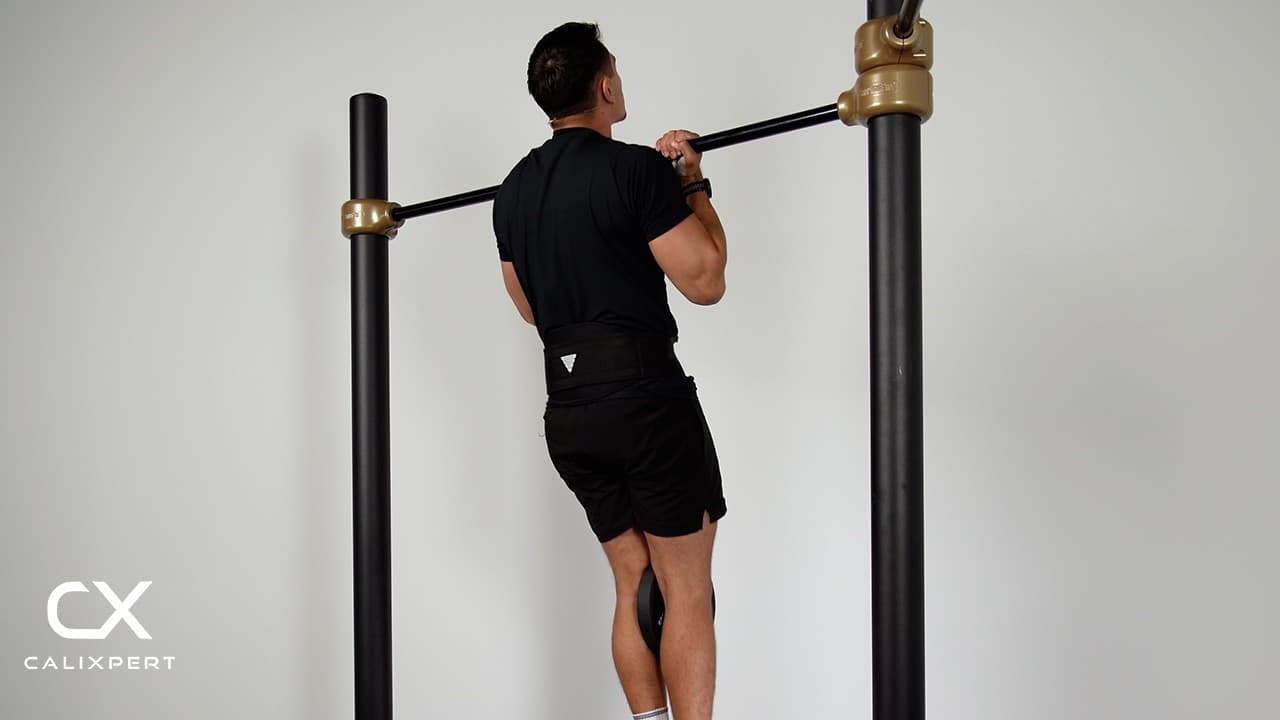
Weighted chin-ups take the underhand pull-up and add external load through a dip belt, so your pulling keeps progressing after bodyweight reps stop being a real challenge. The supinated grip puts the lats and biceps in a strong line of pull, while the upper back, forearms, and core work to keep the hanging plate under control. It is one of the most direct ways to add strength and size to your back and arms in the same movement.
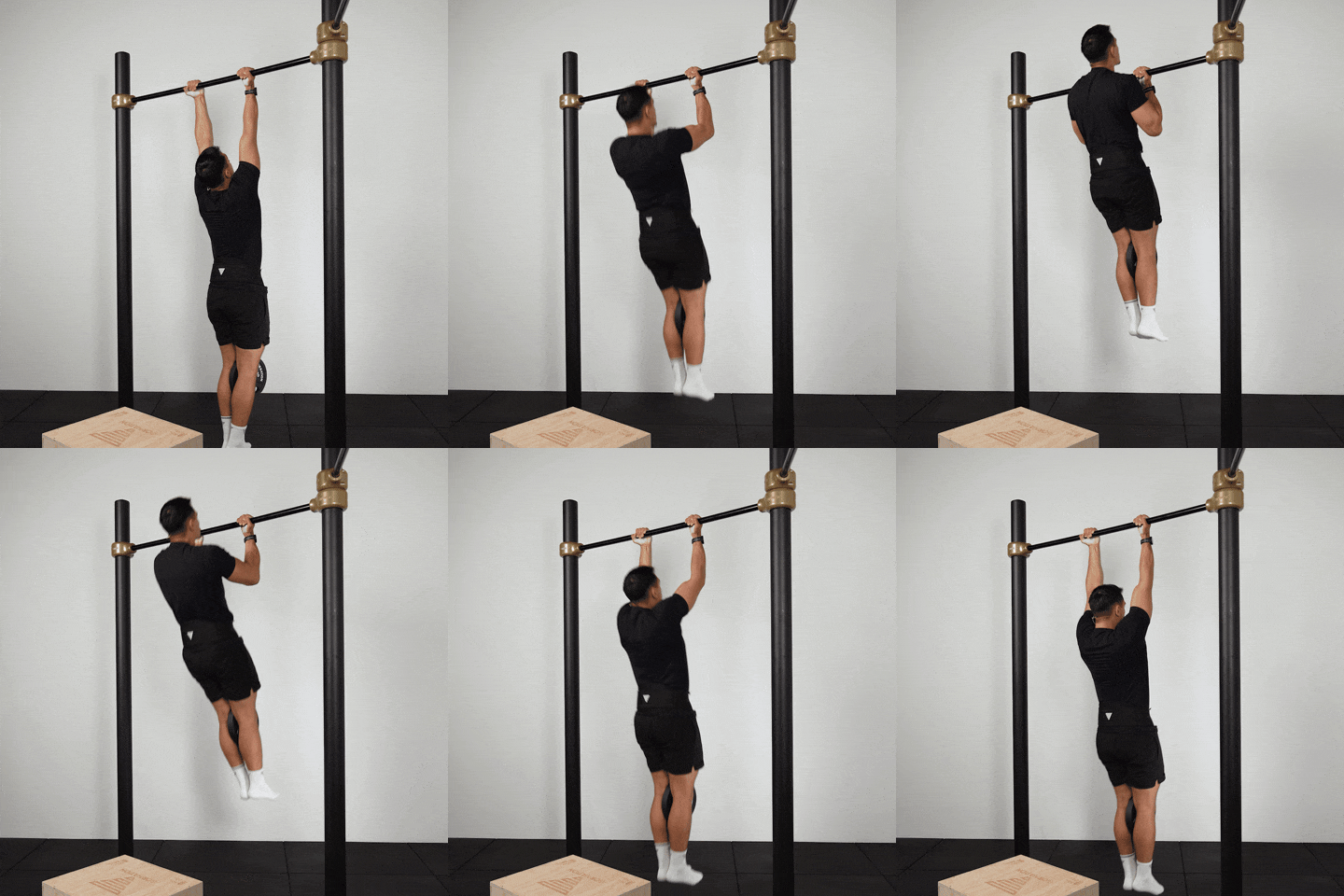
How to Do Weighted Chin Ups
1. Set Up the Belt and the Box
Fasten the dip belt around your hips and load the weight you want to use. A box or raised platform under a straight bar is preferable, because it lets you step up and take the best grip you can rather than jumping for the bar.
Step up into your grip from the box
2. Choose Your Grip Width
Take an underhand grip with your palms facing you. Some people are more comfortable slightly wider because of wrist and shoulder mobility, others feel stronger closer in, so try both with a light weight and keep the width that suits you.
Test wide and close with a light load first
3. Chalk Your Hands
Chalk up before the set so your hands do not slip on the bar. Grip is what carries the load, and without a really good grip your pulling power will not be there.
Secure the grip before you add power
4. Settle the Weight and Step Down
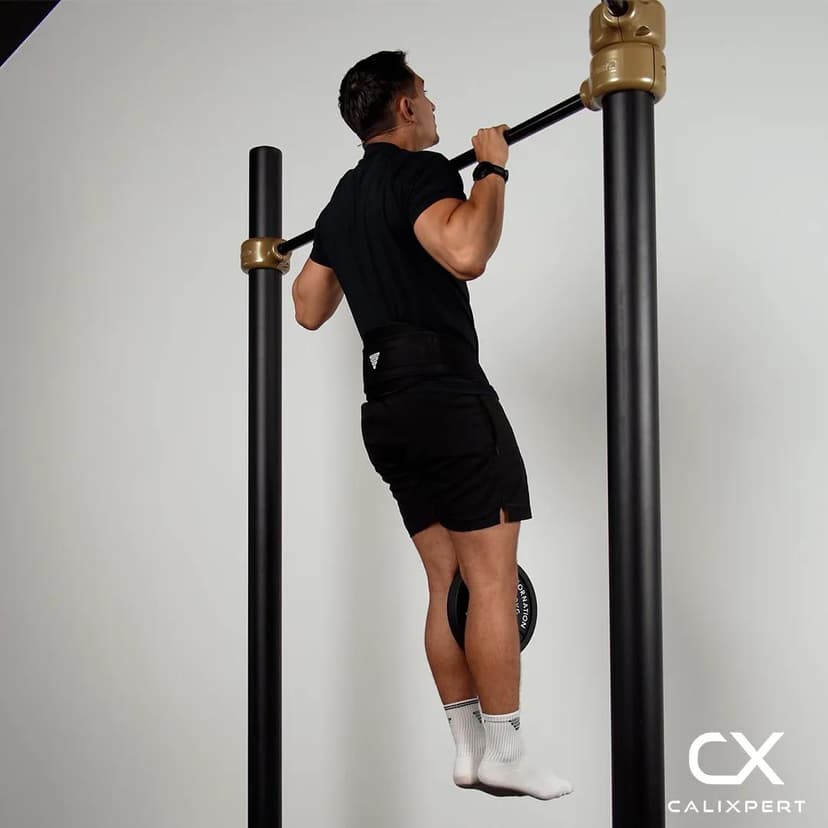
With both hands on the bar, bring the plate between your legs and squeeze it still so it is not swinging. Only then step down off the box and let the hang settle before your first rep.
Weight between the legs, stop the swing
5. Start From an Active Hang
Hang with your shoulders active rather than completely relaxed. A fully extended bottom position is not strictly necessary; if that end range feels uncomfortable, stop slightly short of it and pull from there, and work toward more extension over time.
Active hang, not a slack one
6. Pull Elbows Down and Back
Pull with your elbows close to your body and driving backwards, as if you are taking them behind your back and down toward your pockets. Keep pulling until your chin is over the bar.
Elbows to your pockets, chin over the bar
7. Lower to the Same Start Position
Come back down to exactly the hang position you started from, resisting the load the whole way instead of dropping into it. Let the plate settle between your legs again before the next rep.
Same bottom position on every rep
Grip decides how hard you can pull, so chalk up before every heavy set. Without a good grip the pulling power is just not as powerful, no matter how strong your back is. And find your own grip width first with a light weight. Some feel better a little wider because of wrist and shoulder mobility, others closer in. Once it feels right, keep it and add the weight slowly.
Muscles Worked During Weighted Chin Ups
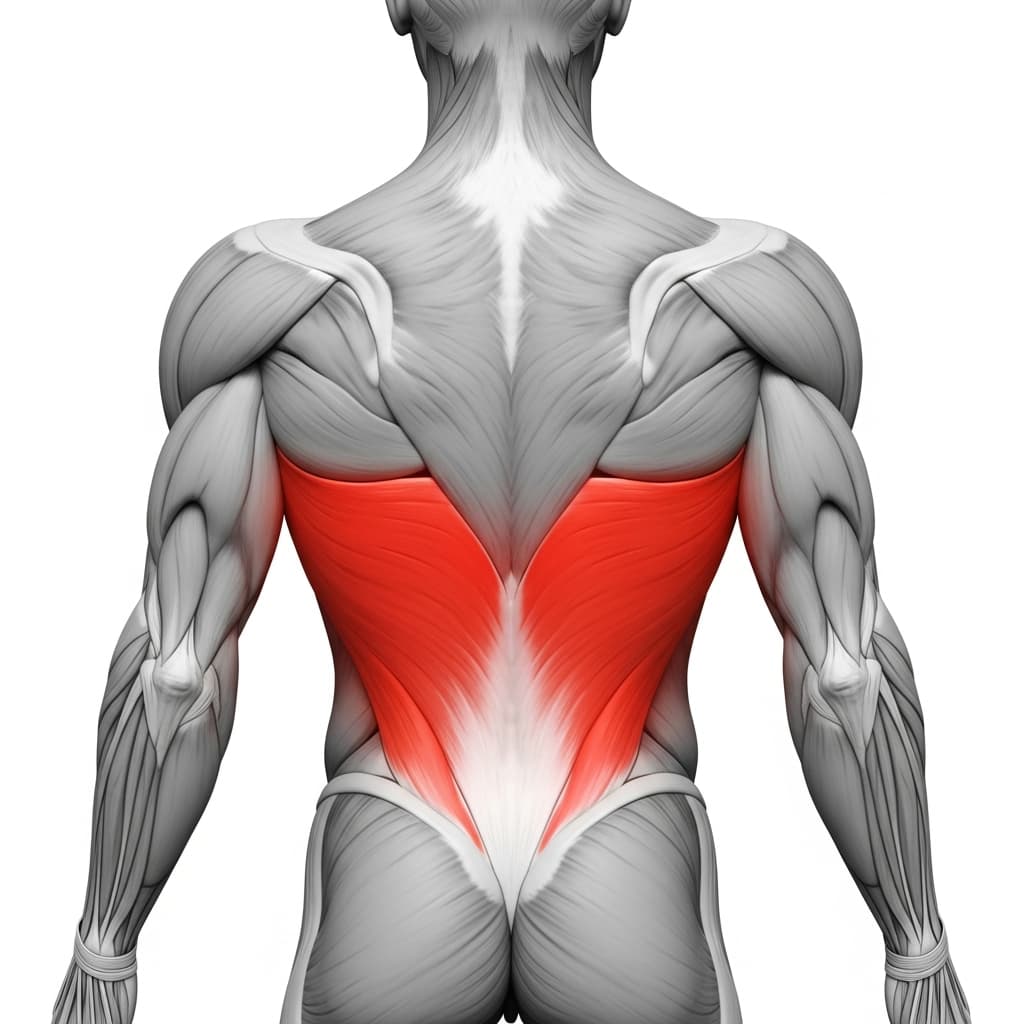
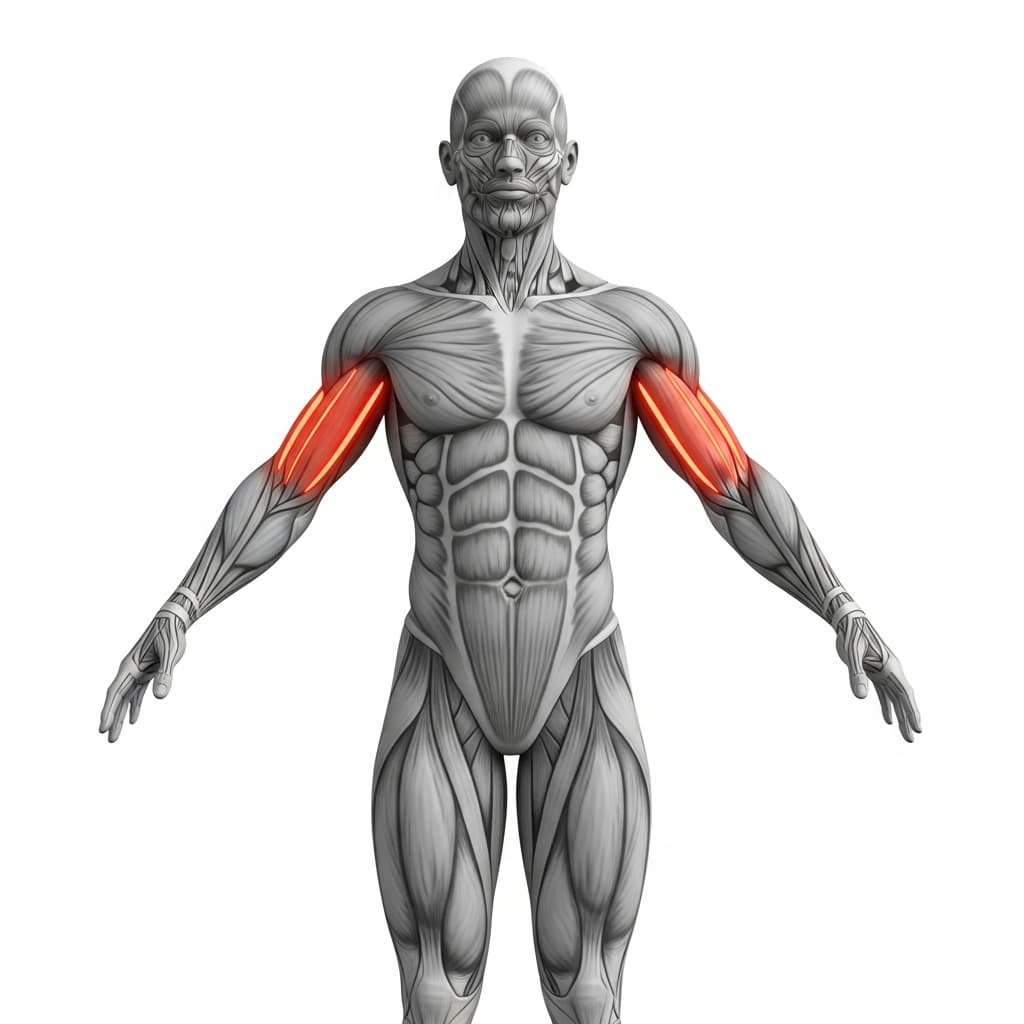
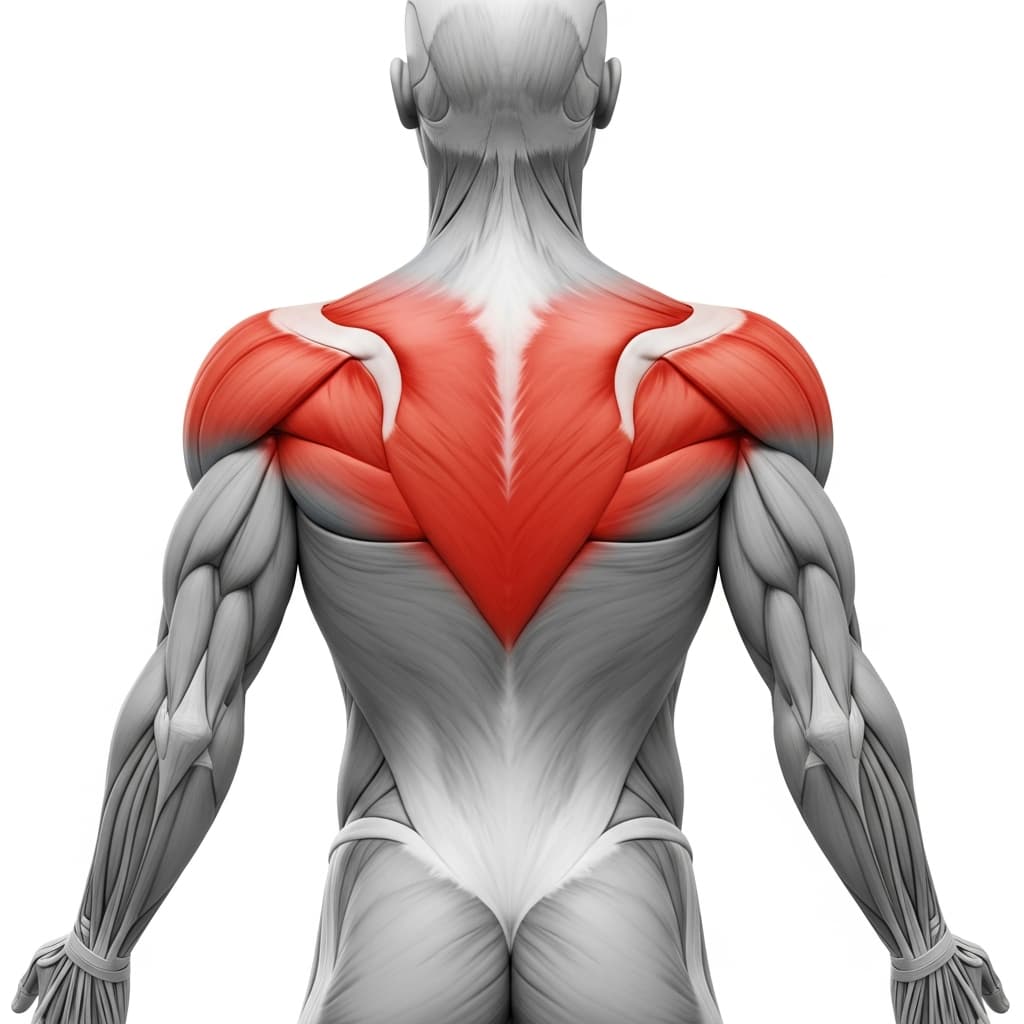
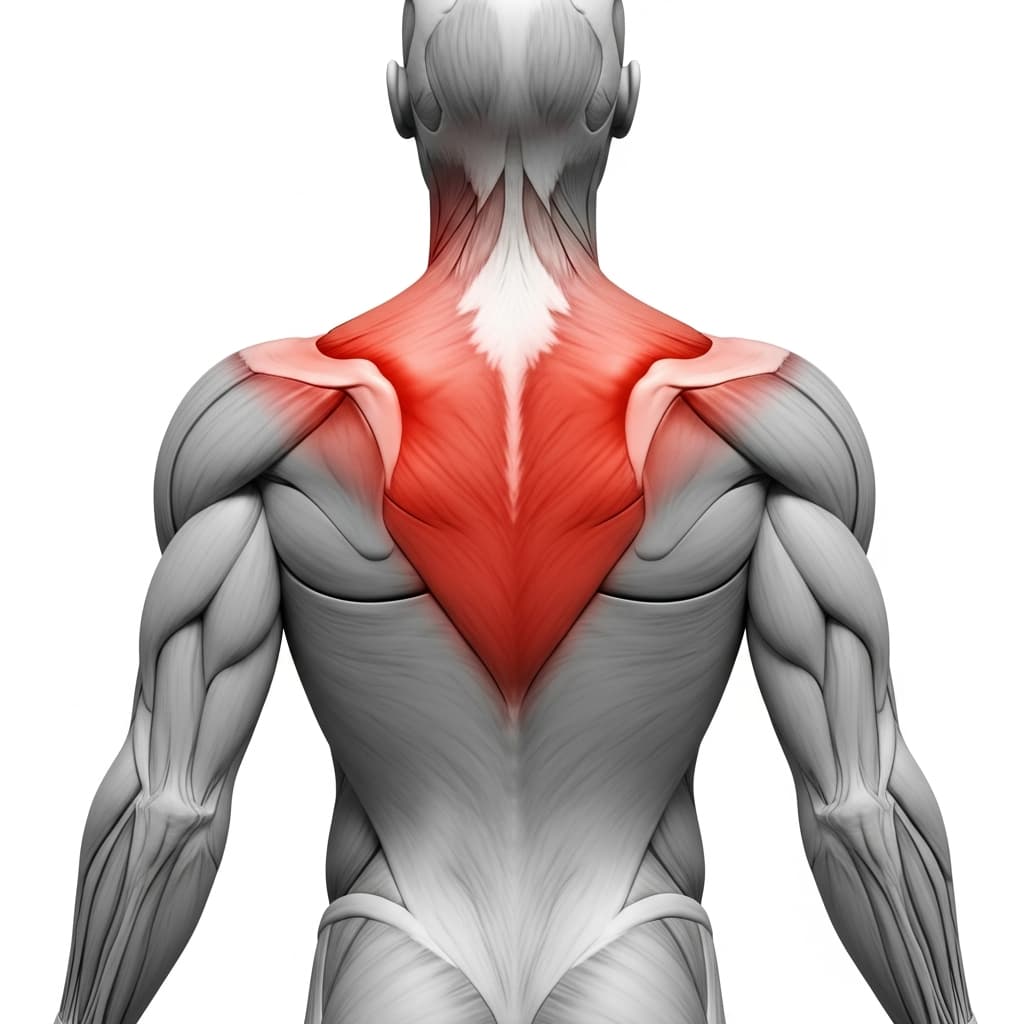
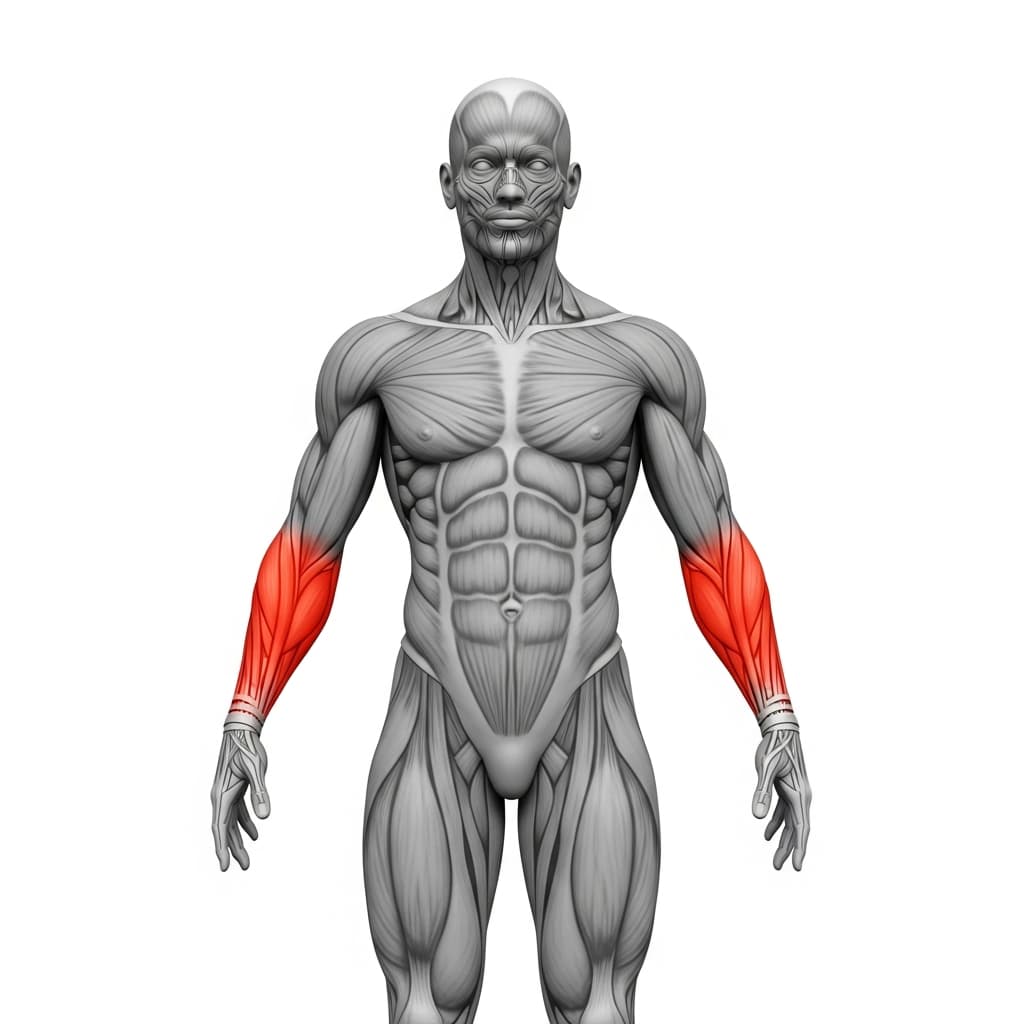
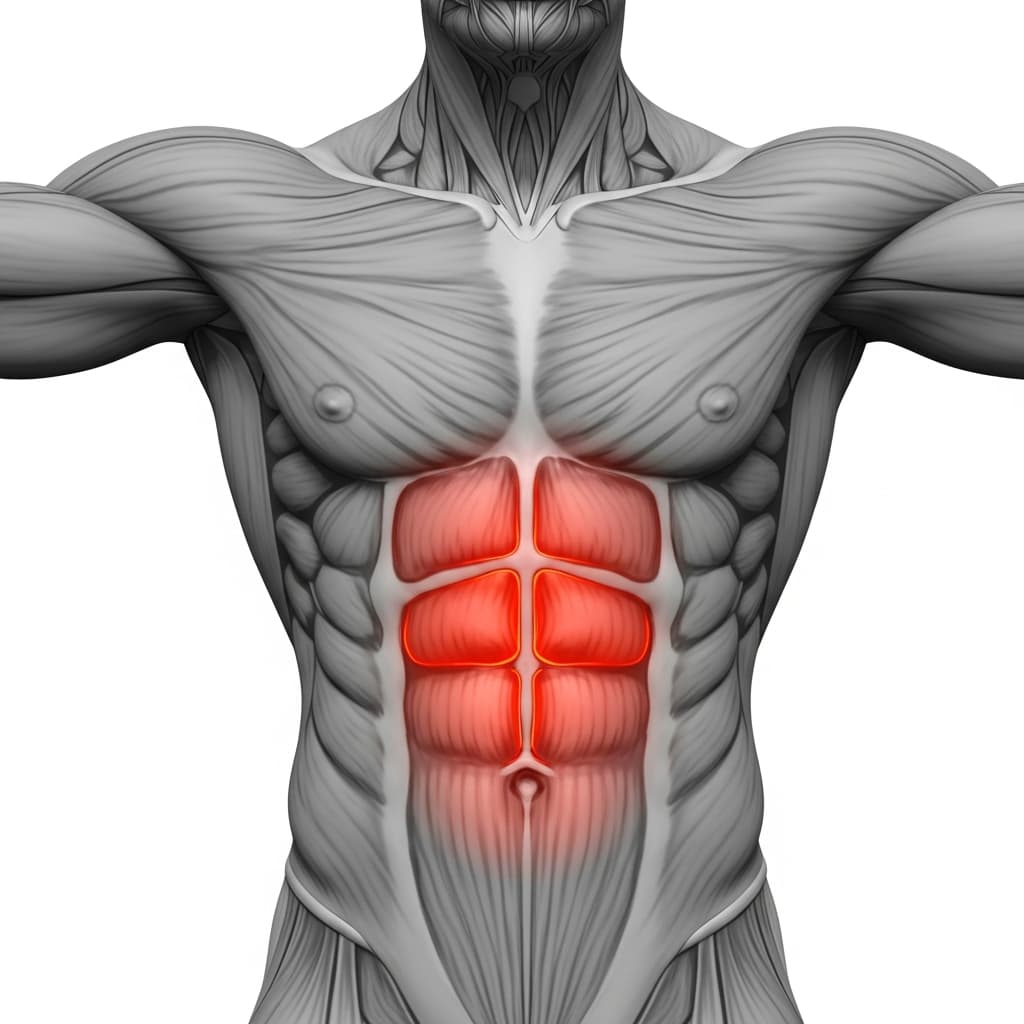
Primary Muscles
Latissimus Dorsi (Lats) - The lats are the prime mover, pulling the upper arms down and back to lift your bodyweight plus the added plate.
Biceps Brachii (Biceps) - The underhand grip puts the biceps in a strong position to flex the elbows, and they take a bigger share of the work here than in an overhand pull-up.
Secondary Muscles
Rhomboids & Upper Trapezius (Upper Back) - The rhomboids and mid-back muscles pull the shoulder blades together as the elbows travel back, keeping the chest open through the top of the rep.
Trapezius (Trapezius) - The traps set the shoulder blades down and back at the start of each rep so you pull from a stable shoulder position rather than a slack one.
Forearm Flexors & Extensors (Forearms) - The forearms hold your bodyweight plus the load for the full set, which is why chalk and grip quality decide how hard you can actually pull.
Rectus Abdominis (Abs) - The abs brace against the plate hanging between your legs, keeping the body still and the pull vertical instead of swinging.
Benefits of Weighted Chin Ups
- Keeps your pulling progressing once bodyweight chin-ups pass roughly 8 to 10 clean reps and stop being a real challenge on their own
- Loads the biceps hard inside a compound pull, since the underhand grip puts them in one of the strongest positions of any pulling exercise
- Builds lat and upper back thickness with a load you can increase in small, measurable steps instead of just chasing more reps
- Develops grip and forearm endurance from holding your bodyweight plus extra kilograms for a full working set
- Trains core control, because keeping the plate still between your legs is what stops the whole hang from swinging
Who Is This Exercise For?
Readiness for weighted chin-ups comes down to owning the strict bodyweight version first: full range, chin clearing the bar, no swing, for a solid set of reps. General coaching guidance puts that base at somewhere around 8 to 10 clean reps, which is a useful readiness marker rather than a fixed cut-off, and the load you choose matters more than hitting an exact rep count. If you have not trained chin-ups in a long time, start with a low amount of weight and build from there instead of loading up heavy straight away, and check that your grip holds for the whole set, because if your hands give out before your back does you want more strict bodyweight work and hangs first.
Common Mistakes to Avoid
Jumping up to the bar with the weight on: Jumping into the hang with a loaded belt starts the set with a swinging plate and whatever grip you happened to catch. A box or platform is preferable, so you can step up, place your hands exactly where you want them, and step down under control.
Letting the plate swing: A swinging weight pulls you out of a vertical line and burns energy you need for the pull. Bring the plate between your legs and squeeze it still before you step off the box, and keep it pinned there for the whole set.
Adding weight too quickly: Big jumps in load are usually paid for with shorter reps and a chin that never quite clears the bar. Move up in small steps of 1 to 2.5 kg, and only once every set at the current weight is clean.
Pulling with the elbows flaring forward: Letting the elbows drift out in front turns the movement into a short, arm-dominated tug. Keep them close to your sides and think about driving them back behind you so the lats lead the pull.
Variations & Progressions
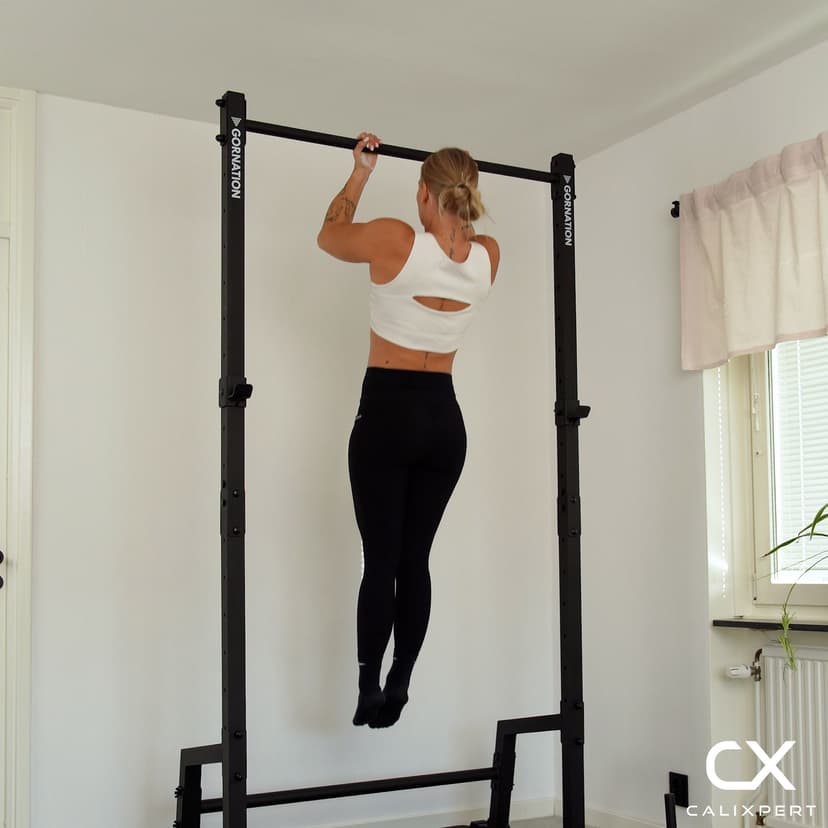
One Arm Chin Up
Pulling on a single arm asks for far more strength and body control than any belt load, and heavy weighted chin-ups are the usual way athletes build toward it.