Assisted Dips
Assisted dips are a band-supported vertical pressing exercise performed on parallel bars that targets the triceps, chest, and front deltoids through a full range of motion. The resistance band reduces bodyweight load at the bottom of the movement, allowing you to practice proper dip mechanics before you have the strength for unassisted reps. Trained consistently with strict form, assisted dips build the pressing foundation required for full dips, ring dips, and every advanced calisthenics push skill.
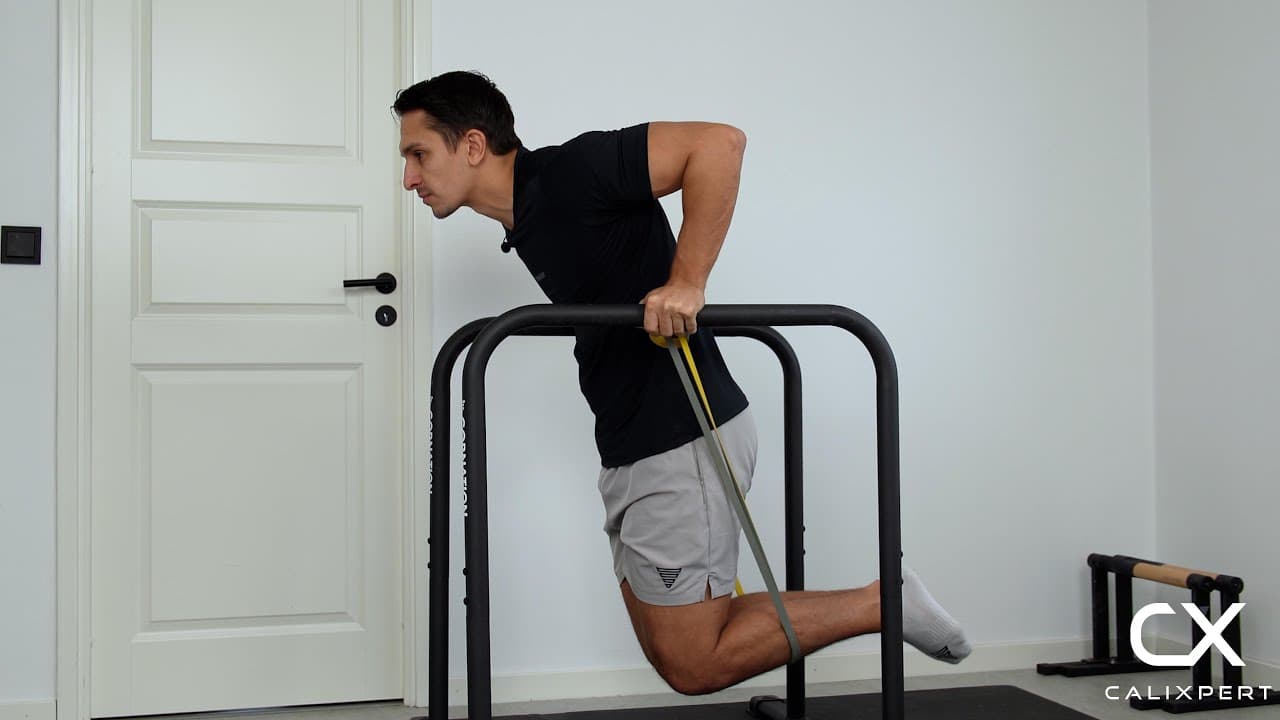
Assisted dips are a band-supported vertical pressing exercise performed on parallel bars that targets the triceps, chest, and front deltoids through a full range of motion. The resistance band reduces bodyweight load at the bottom of the movement, allowing you to practice proper dip mechanics before you have the strength for unassisted reps. Trained consistently with strict form, assisted dips build the pressing foundation required for full dips, ring dips, and every advanced calisthenics push skill.
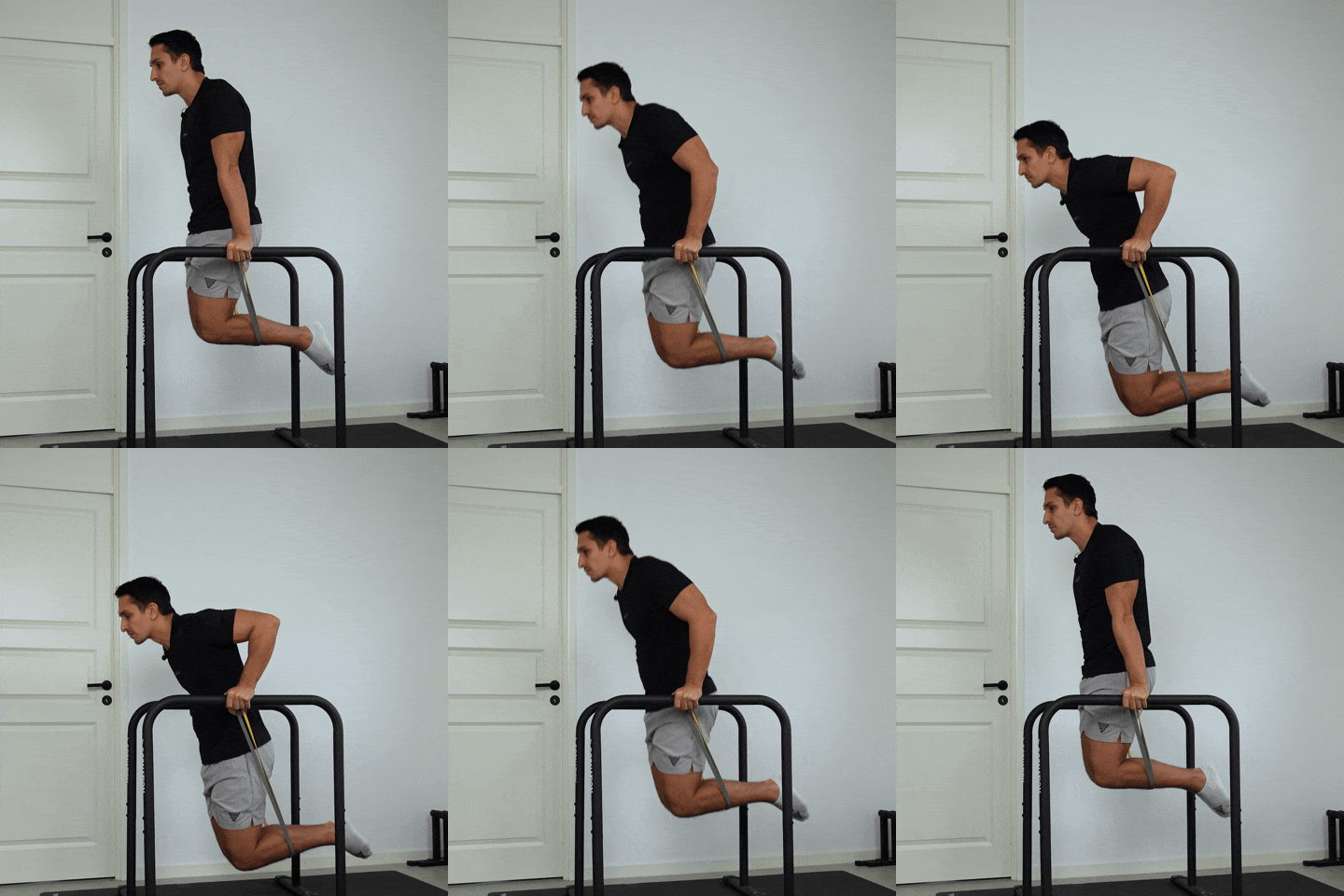
How to Do Assisted Dips
1. Attach the Resistance Band
Loop a resistance band around one side of the dip bar, then stretch it across and secure it on the opposite bar. Make sure the band sits flat and does not twist, as a twisted band will slip under load. Choose a band thickness that allows you to complete your target reps while still feeling challenged in the bottom position.
Band flat, no twists
2. Step Into the Band
Grip both bars firmly with your palms facing inward. Place the band just below both knees so it catches across the shins. Push your knees back behind you so your hips are straight and your body forms a strong, aligned line from shoulders to knees. Do not let your knees drift forward in front of you, as this loosens the core and changes the loading angle.
Knees back, hips straight
3. Set the Starting Position
Press up to full arm extension with your elbows locked out. Actively depress your shoulders by pushing them down away from your ears. Engage your core and maintain whole-body tension from your shoulders through to your toes. A slight forward lean of the torso is correct and necessary to load the chest properly.
Shoulders down, arms locked
4. Lower to 90 Degrees
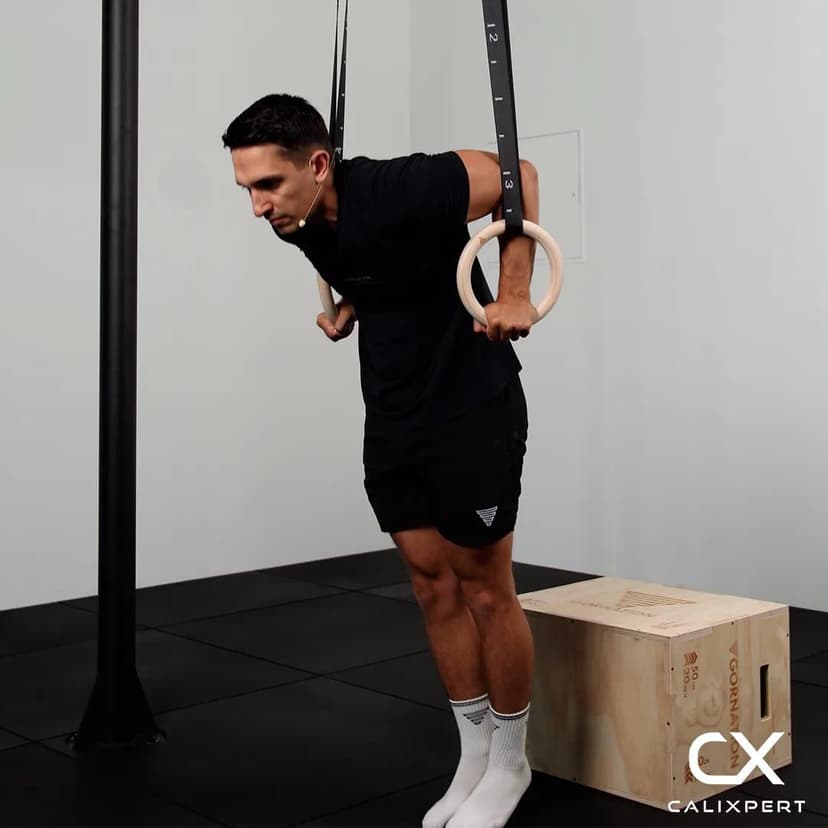
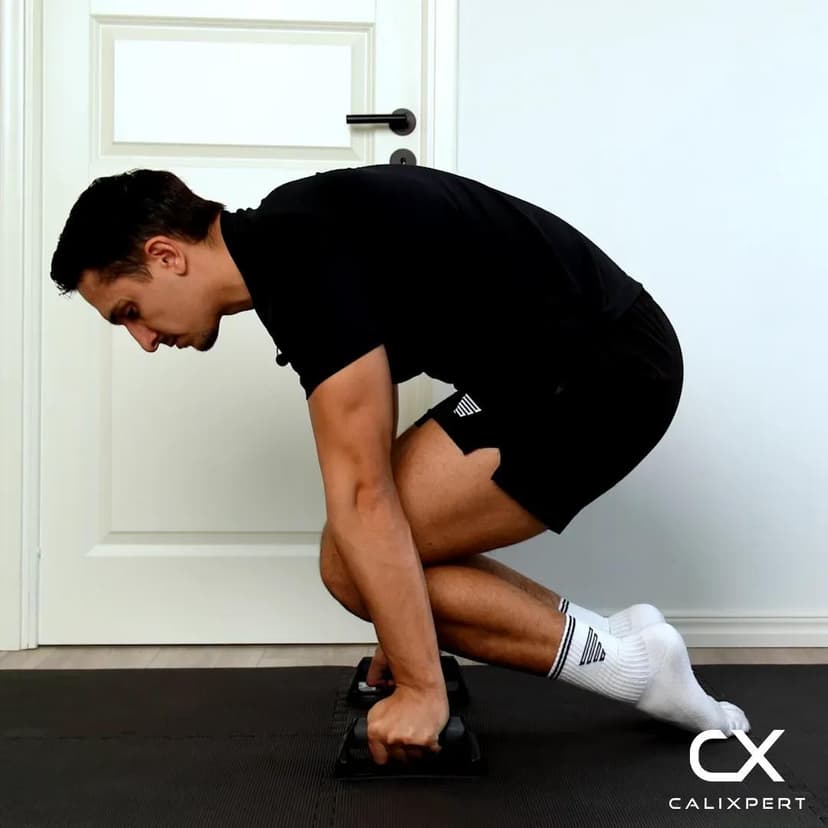
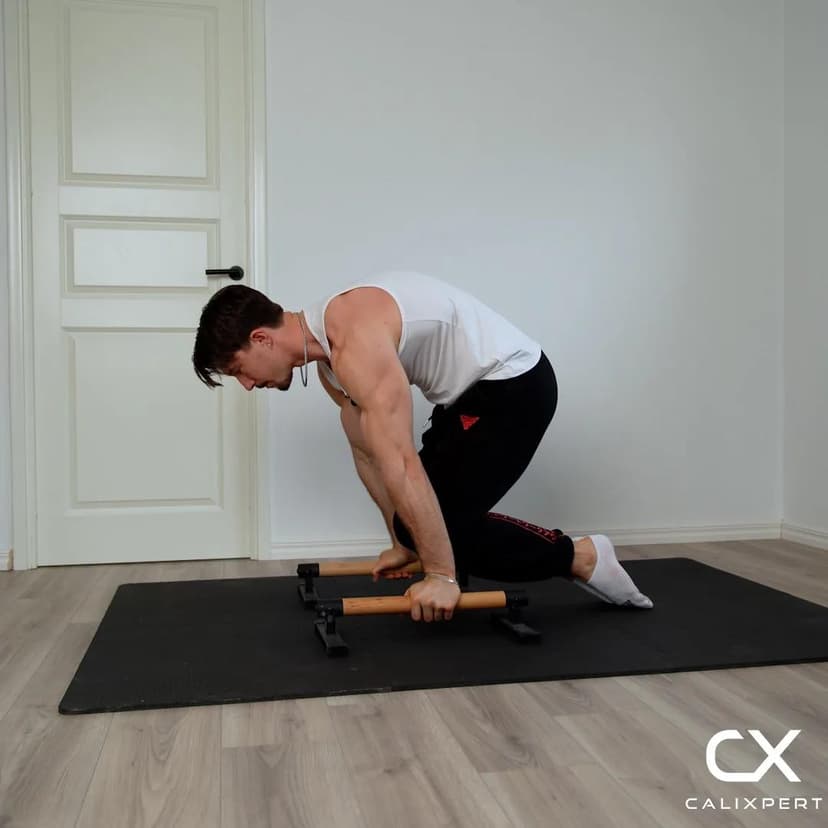
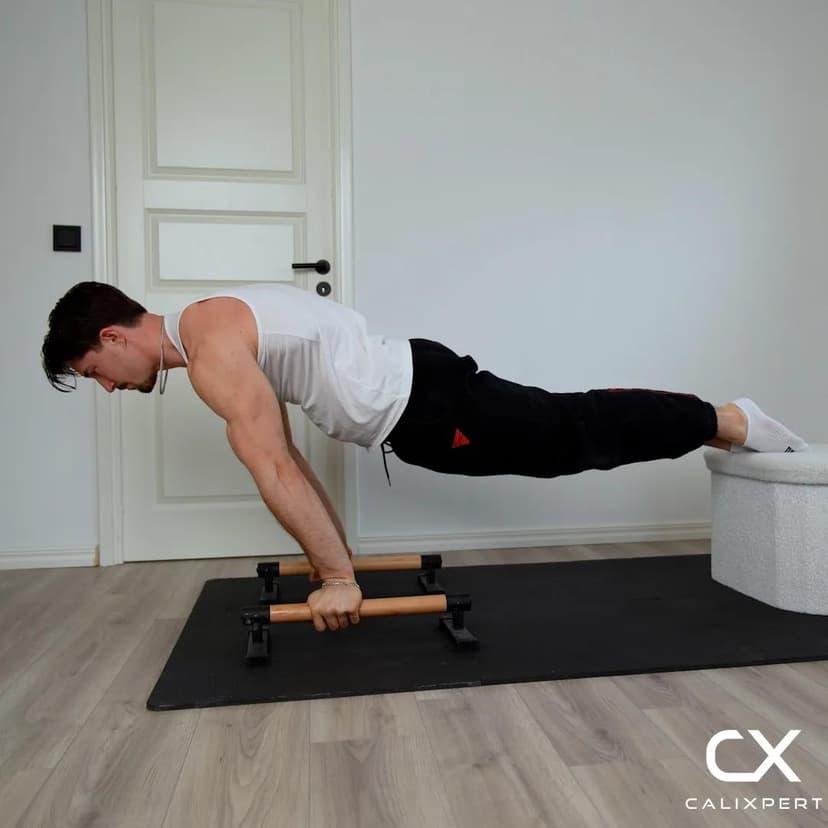
Bend your elbows and lower your body in a controlled descent until your elbows reach approximately 90 degrees. Keep your elbows angled at about 45 degrees from your torso, not flared straight out to the sides. Maintain the slight forward lean throughout the descent to keep the chest engaged. The band will provide the most assistance at the bottom, which is exactly where you need it most.
Elbows 45 degrees, lean forward
5. Press Back Up
Drive through your palms and extend your elbows to push back up to the starting position. Focus on pressing evenly through both arms and maintaining core tension throughout the push. Lock out your elbows fully at the top and re-set your shoulder depression before beginning the next rep.
Full lockout every rep
6. Control the Eccentric
On every rep, resist the urge to drop quickly into the bottom position. Aim for a 2 to 3 second descent on each rep to build strength through the full range of motion. The eccentric phase is where a large portion of the strength gains happen, especially for beginners working toward unassisted dips.
Slow down, earn every inch
Most people rush to drop the band before they actually own the movement. Stay with a given band thickness until you can hit 3 sets of 8 to 10 reps with a controlled 3-second descent and zero shoulder shrugging. That patience is what separates people who eventually get clean, strong unassisted dips from people who grind out ugly half reps for years.
Muscles Worked During Assisted Dips
Secondary Muscles:
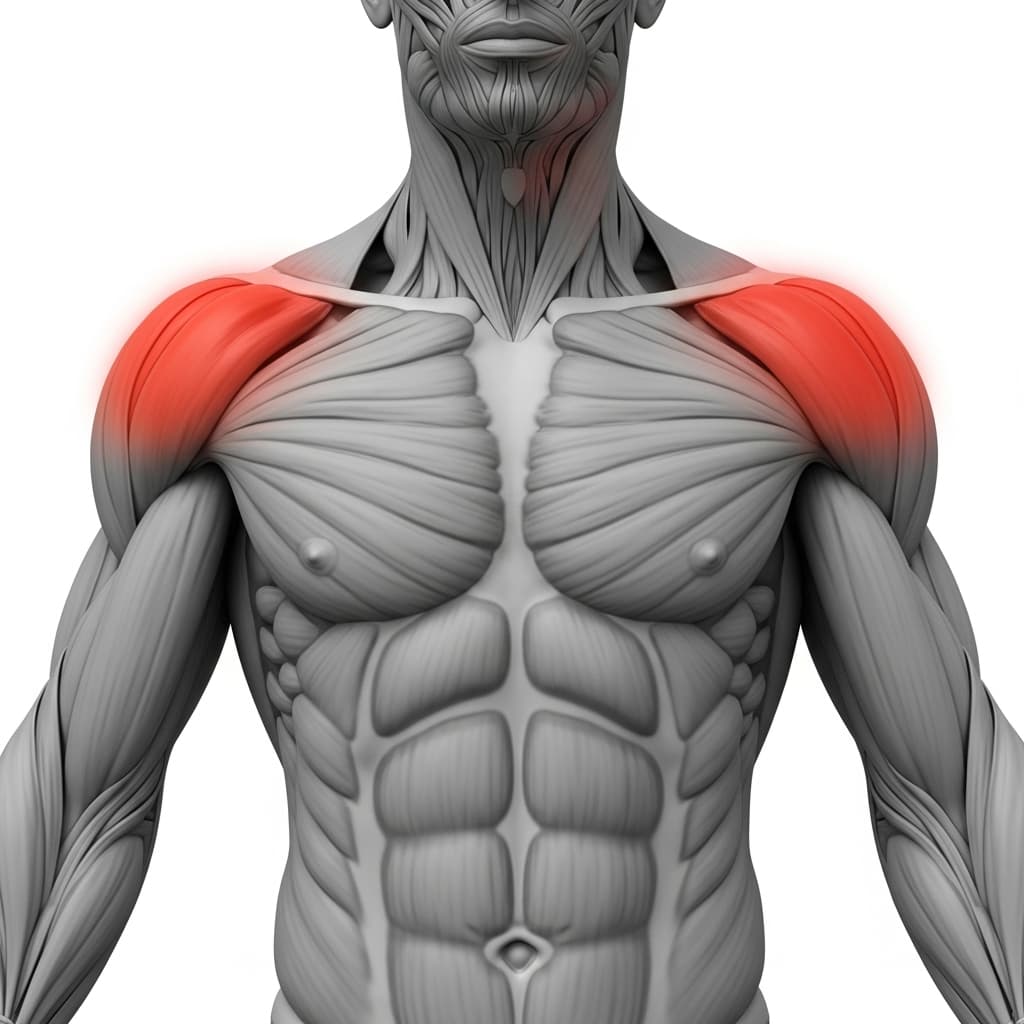
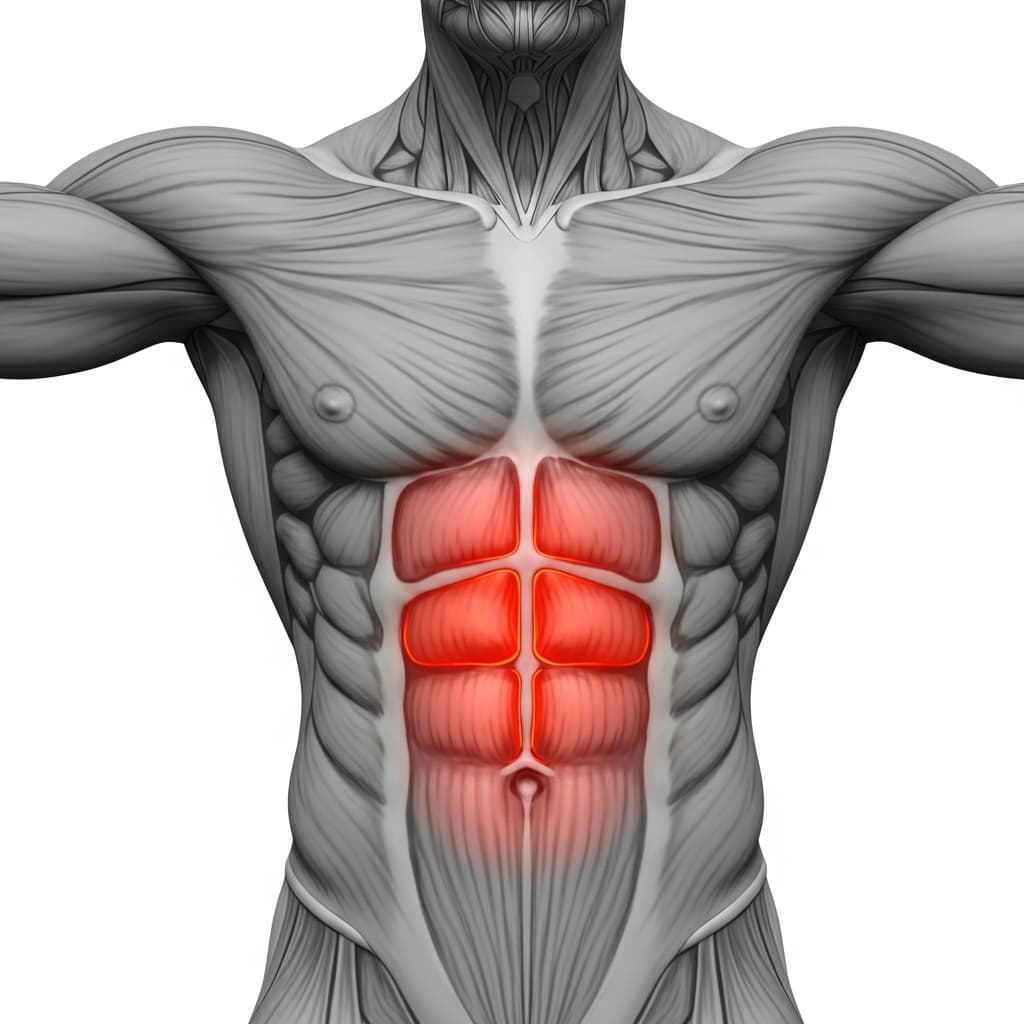
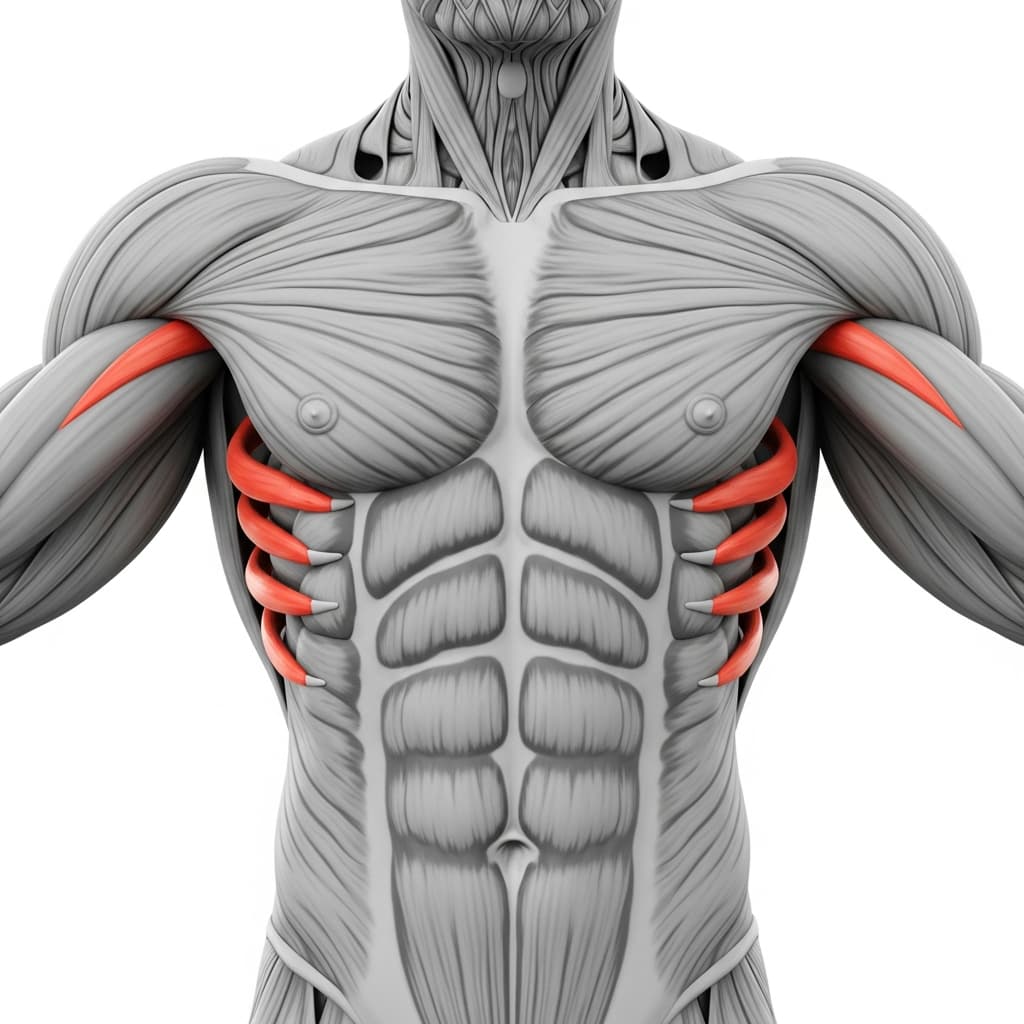
Primary Muscles
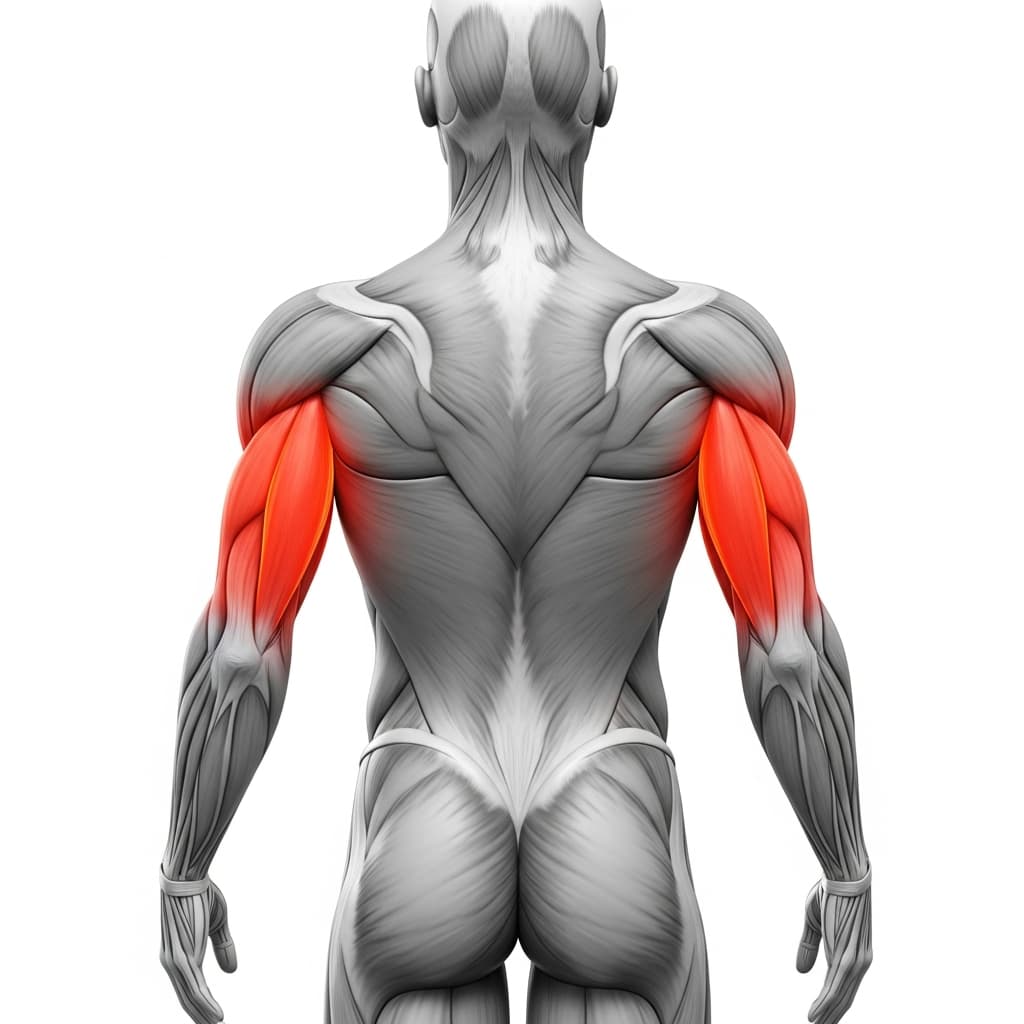
Triceps Brachii (Triceps) - The triceps extend the elbow during the pressing phase, driving the body upward from the bottom of the dip to full lockout.
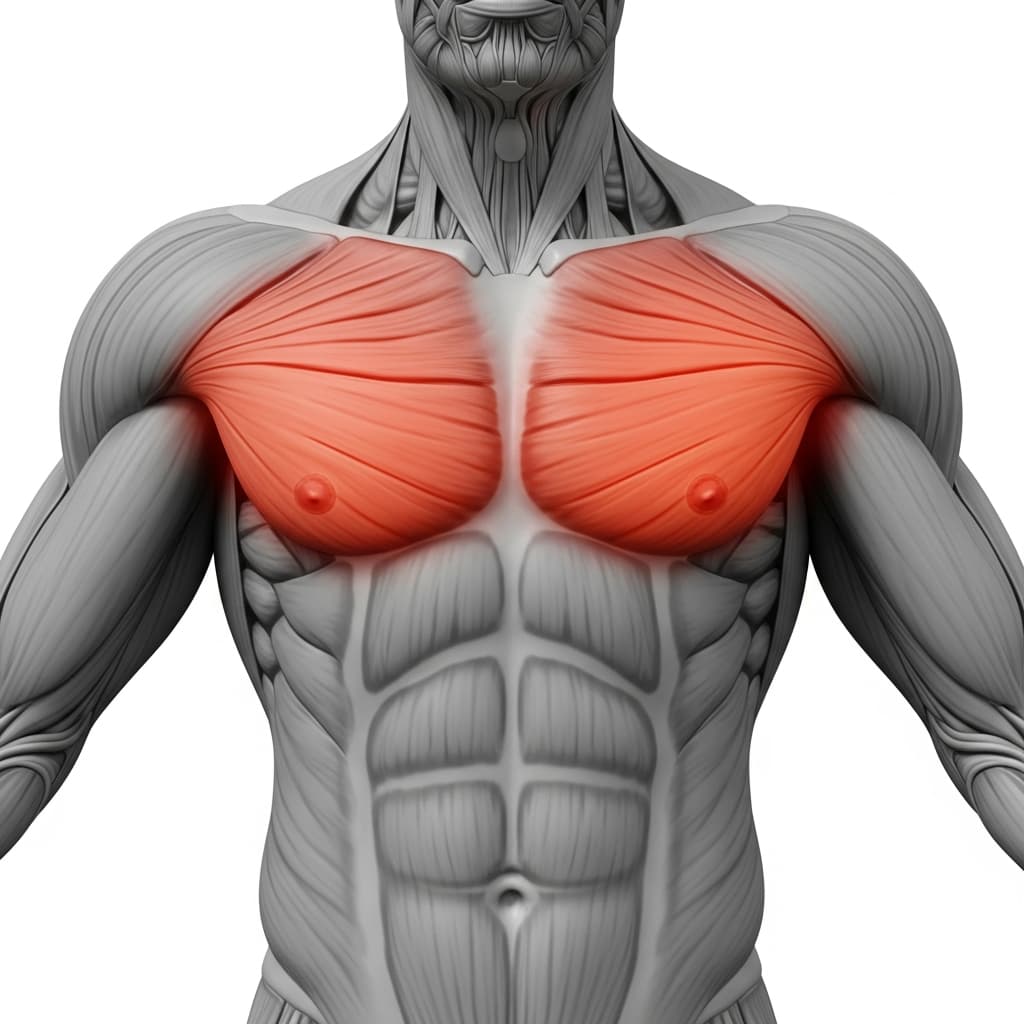
Pectoralis Major (Chest) - The chest works through horizontal adduction and shoulder flexion during the press, especially when the torso maintains a slight forward lean.
Secondary Muscles
Anterior Deltoid (Front Deltoid) - The front deltoids assist the press by flexing the shoulder joint, contributing to the upward drive from the bottom position.
Rectus Abdominis (Abs) - The abdominals maintain core rigidity and prevent the torso from swinging or losing tension throughout the dip.
Serratus Anterior (Serratus Anterior) - The serratus anterior protracts and stabilizes the scapula against the ribcage during the lockout phase at the top of each rep.
Benefits of Assisted Dips
- Builds triceps pressing strength through a full range of motion at a scalable difficulty, making it the most effective bridge to unassisted dips
- Develops chest and front deltoid strength in a vertical pressing pattern that transfers directly to advanced calisthenics skills like muscle-ups and ring dips
- Trains shoulder depression and scapular control under load, strengthening the stabilizers that protect the shoulder joint during all pressing movements
- Allows progressive overload by switching to thinner bands over time, giving a clear and measurable path from beginner to full bodyweight dips
Who Is This Exercise For?
You should be able to hold a static support hold on the dip bars with locked arms and depressed shoulders for at least 15 seconds before attempting assisted dips. If you cannot maintain that top position without your shoulders shrugging up toward your ears, focus on support hold practice and push-up strength first. Beginners who lack basic shoulder stability or experience sharp shoulder pain during pressing movements are not ready for this exercise.
Common Mistakes to Avoid
Flaring elbows straight out to the sides: Keep your elbows at roughly 45 degrees from your body throughout the movement. When elbows flare wide, the shoulder joint takes excessive stress and the triceps lose their mechanical advantage.
Shoulders shrugging up toward the ears: Actively depress your shoulders before every rep and maintain that position throughout. Shrugged shoulders place the joint in a weak, unstable position and reduce triceps and chest activation.
Knees drifting forward in front of the body: Push your knees back so your hips stay extended and your body forms a straight line. When the knees come forward, core tension drops and the band assistance changes unpredictably.
Dropping into the bottom position: Lower yourself with a controlled 2 to 3 second descent on every single rep. Dropping fast wastes the eccentric portion of the movement and puts sudden stress on the shoulder and elbow joints.
Not reaching full lockout at the top: Press until your elbows are completely straight at the top of each rep. Partial reps cut the triceps out of their strongest contraction point and leave strength on the table.
Variations & Progressions
Bench Dips
Place your hands on a bench behind you with feet on the ground and lower your body by bending the elbows. This removes the need for dip bars and significantly reduces the load, making it accessible for those who cannot yet perform band-assisted dips.
Unassisted Dips
Perform the same movement on parallel bars without any band support, using full bodyweight. This is the direct progression from assisted dips and requires significantly more pressing strength and shoulder stability.