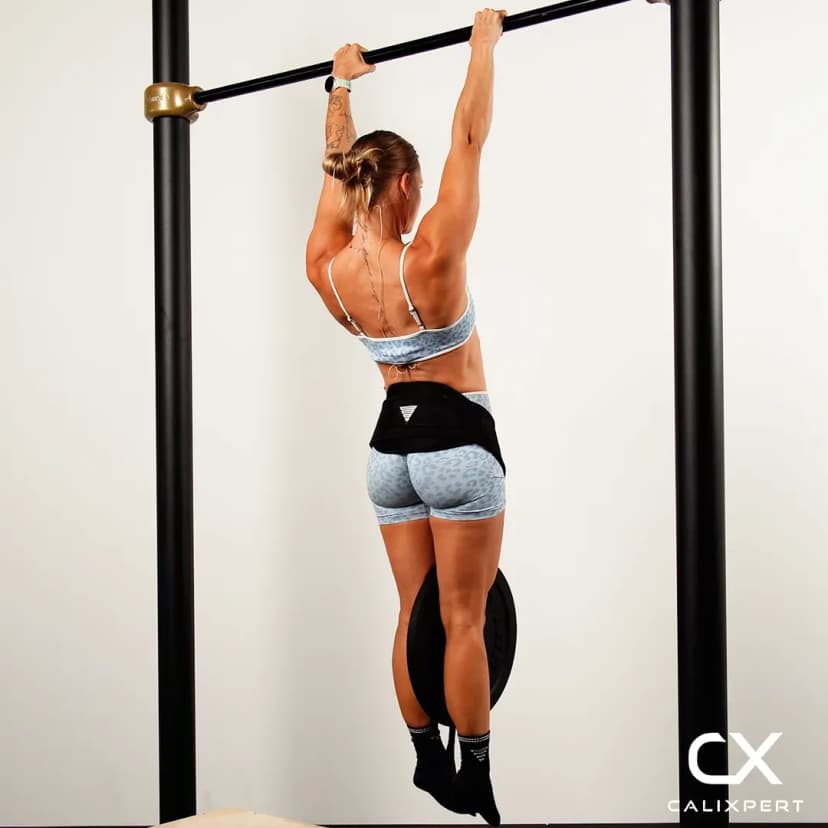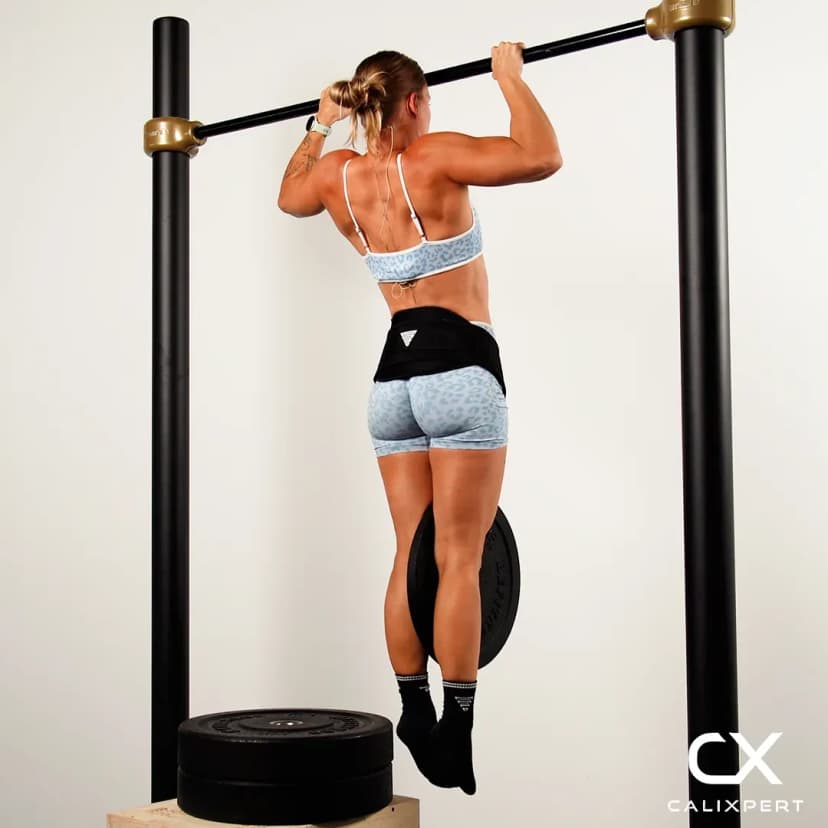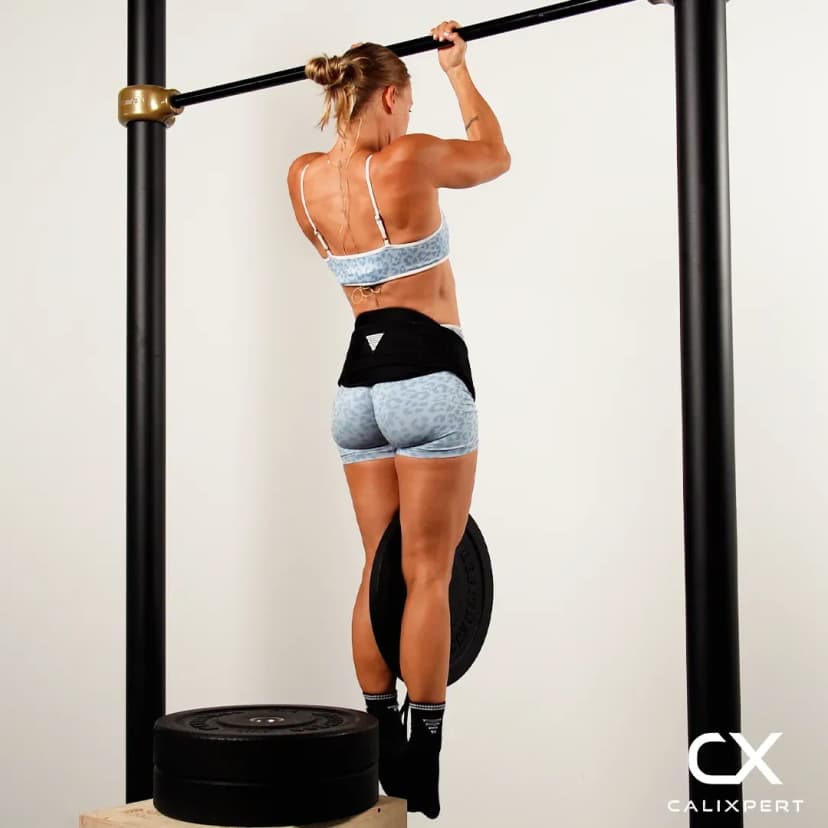
Dip Shrugs
Dip shrugs are a scapular depression exercise performed on parallel bars that isolates the lower trapezius and teaches shoulder control in the support position. The movement is simple but precise: you keep your arms completely straight and move only at the shoulder joint, sinking down into elevation and then pressing back up through full depression. Building strength in this pattern is critical for stable dips, muscle-ups, and every support hold in calisthenics.
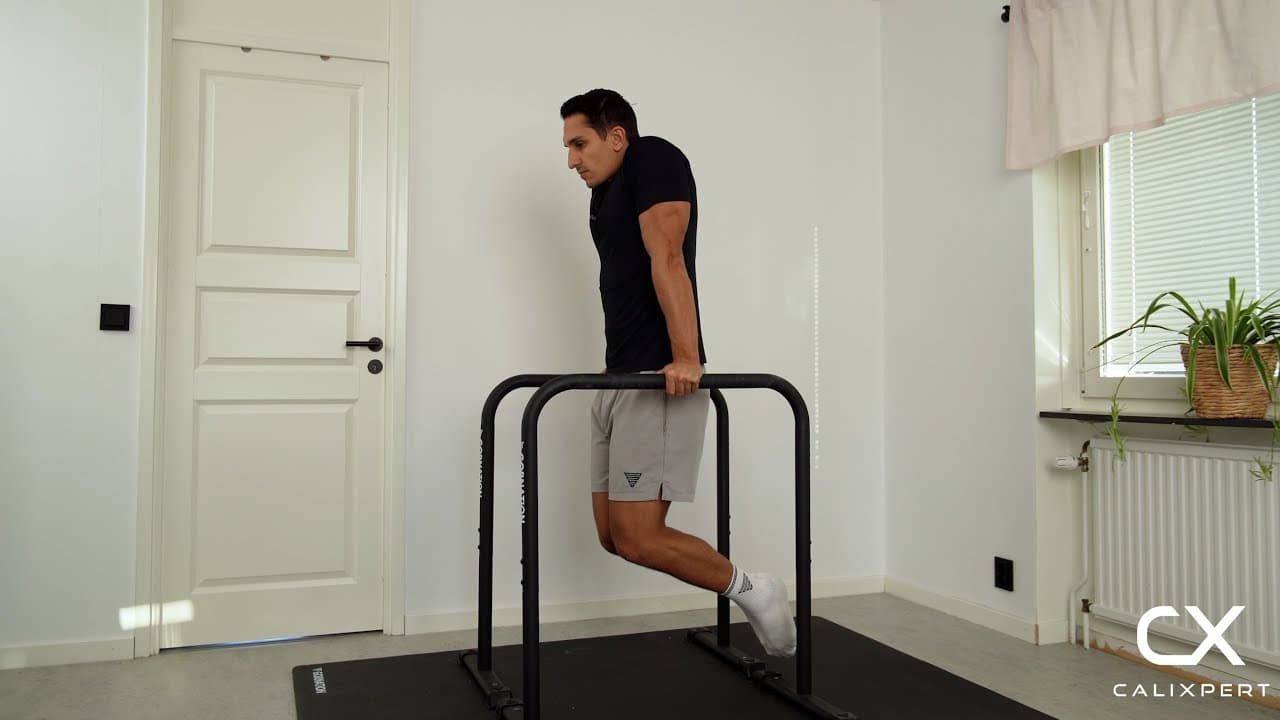
Dip shrugs are a scapular depression exercise performed on parallel bars that isolates the lower trapezius and teaches shoulder control in the support position. The movement is simple but precise: you keep your arms completely straight and move only at the shoulder joint, sinking down into elevation and then pressing back up through full depression. Building strength in this pattern is critical for stable dips, muscle-ups, and every support hold in calisthenics.
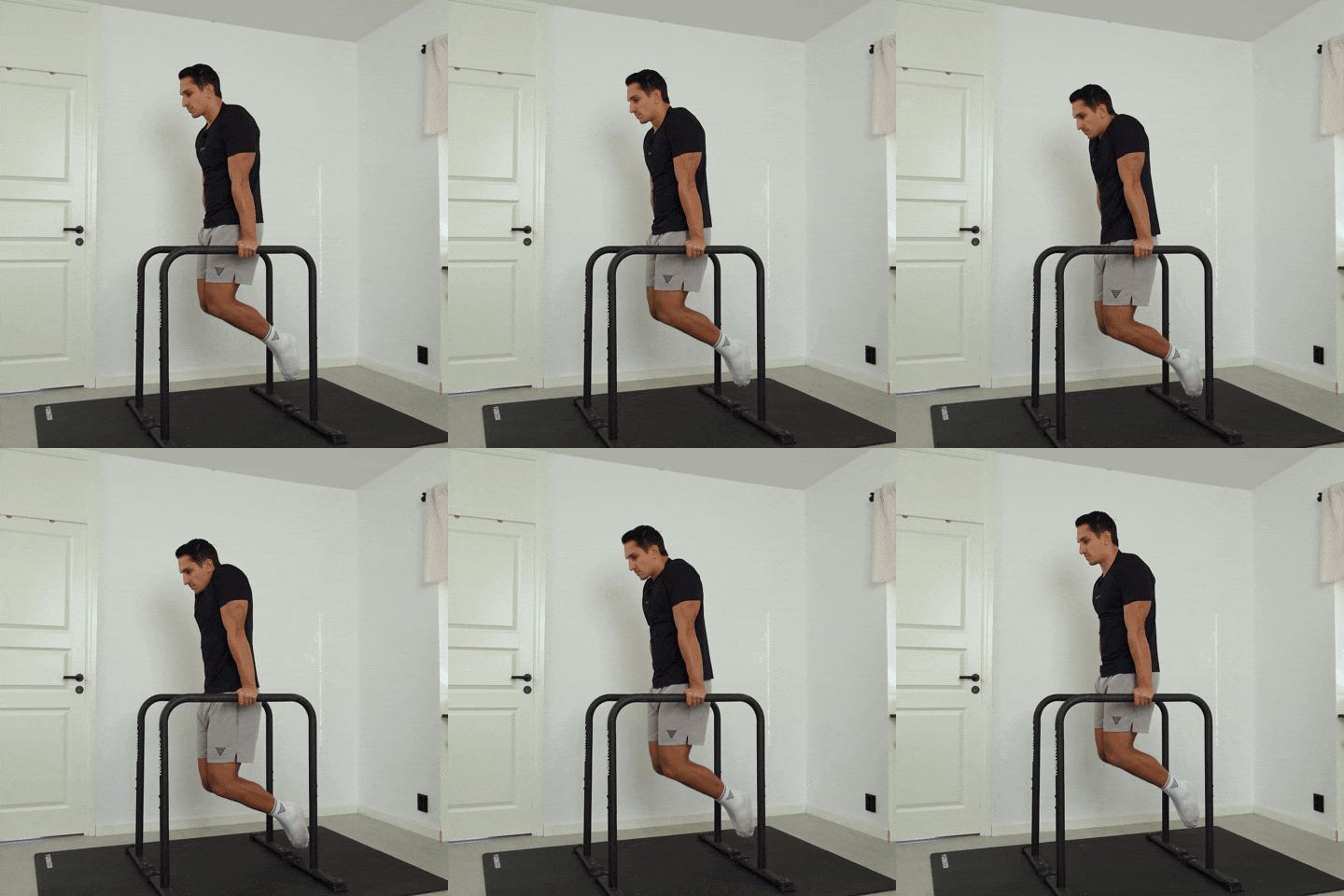
How to Do Dip Shrugs
1. Mount the Dip Bars
Grip a pair of parallel bars firmly with your palms facing inward and jump or press yourself up into a straight-arm support position. Lock your elbows completely and keep them locked for the entire exercise. If possible, keep your legs straight and together beneath you. If the bars are too low, bend your knees to clear the ground.
Lock the elbows and keep them locked
2. Set a Closed Chest Position
Round your upper back slightly forward so your chest stays closed rather than puffed out. This protracted position keeps the serratus anterior engaged and prevents you from turning the exercise into a chest opener. Maintain this closed chest throughout every rep.
Chest closed, not open
3. Sink Down Into Shoulder Elevation
Without bending your elbows, let your shoulders rise up toward your ears as your body sinks between the bars. This is the eccentric phase where you are lengthening the lower traps under load. Control the descent rather than dropping into it, and feel the stretch across the top of the shoulders.
Sink slow, shoulders to ears
4. Depress the Shoulders to Push Up
Press your body back up by actively driving your shoulders down and away from your ears. Focus on pushing the bars apart and down rather than thinking about moving your body upward. This depression is the working phase of the exercise and should feel like a strong contraction across the lower traps and the sides of your ribcage.
Push shoulders down, not body up
5. Hold and Reset at the Top
Pause briefly at the top with your shoulders fully depressed and your arms locked out. Confirm your chest is still closed and your core is braced before beginning the next rep. Each rep should start and end from this fully depressed position.
Pause at the top, shoulders down
Most people rush through dip shrugs like they are a warm-up throwaway, but this is where your dip lockout and support hold stability actually comes from. Slow the tempo down to 3 seconds up and 3 seconds down, keep your chest closed, and think about pushing the bars apart as you depress. When you feel the lower traps burning instead of your arms, you are doing it right.
Muscles Worked During Dip Shrugs
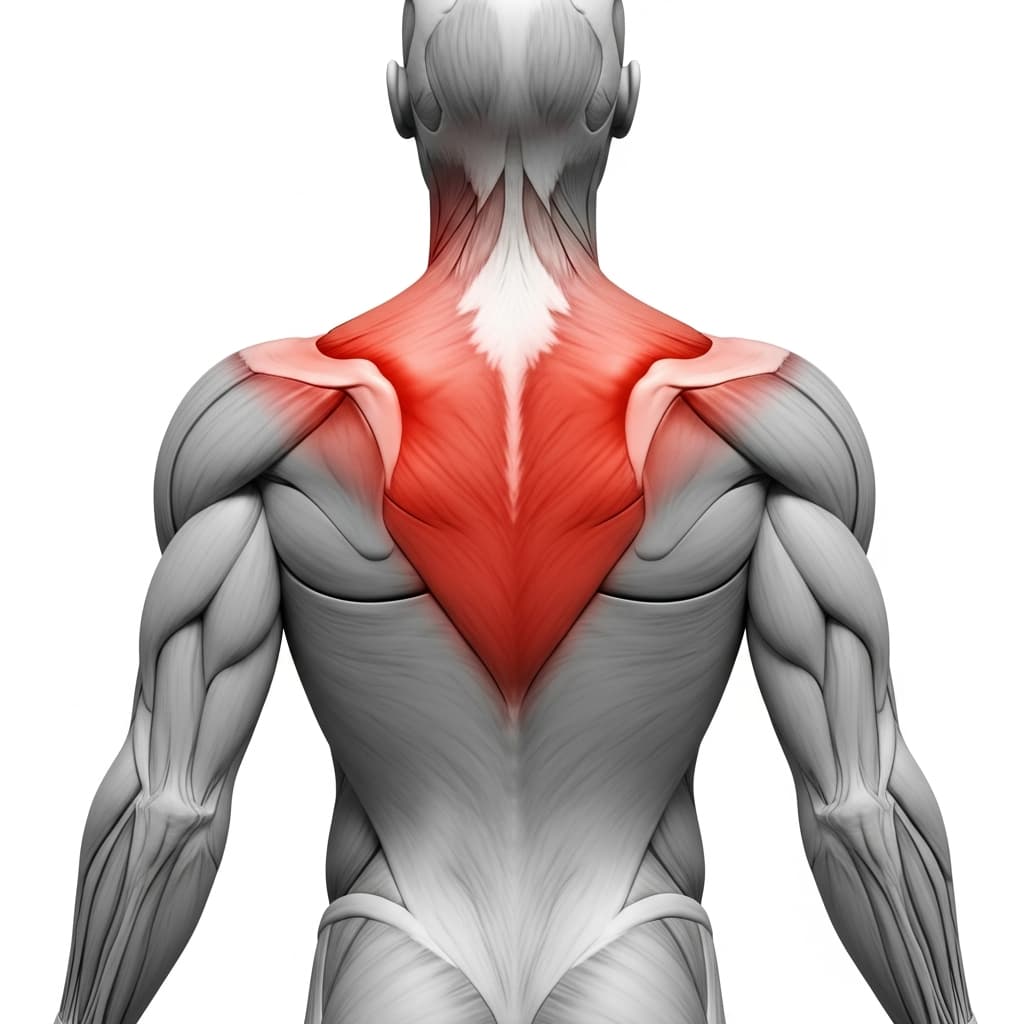
Primary Muscles:
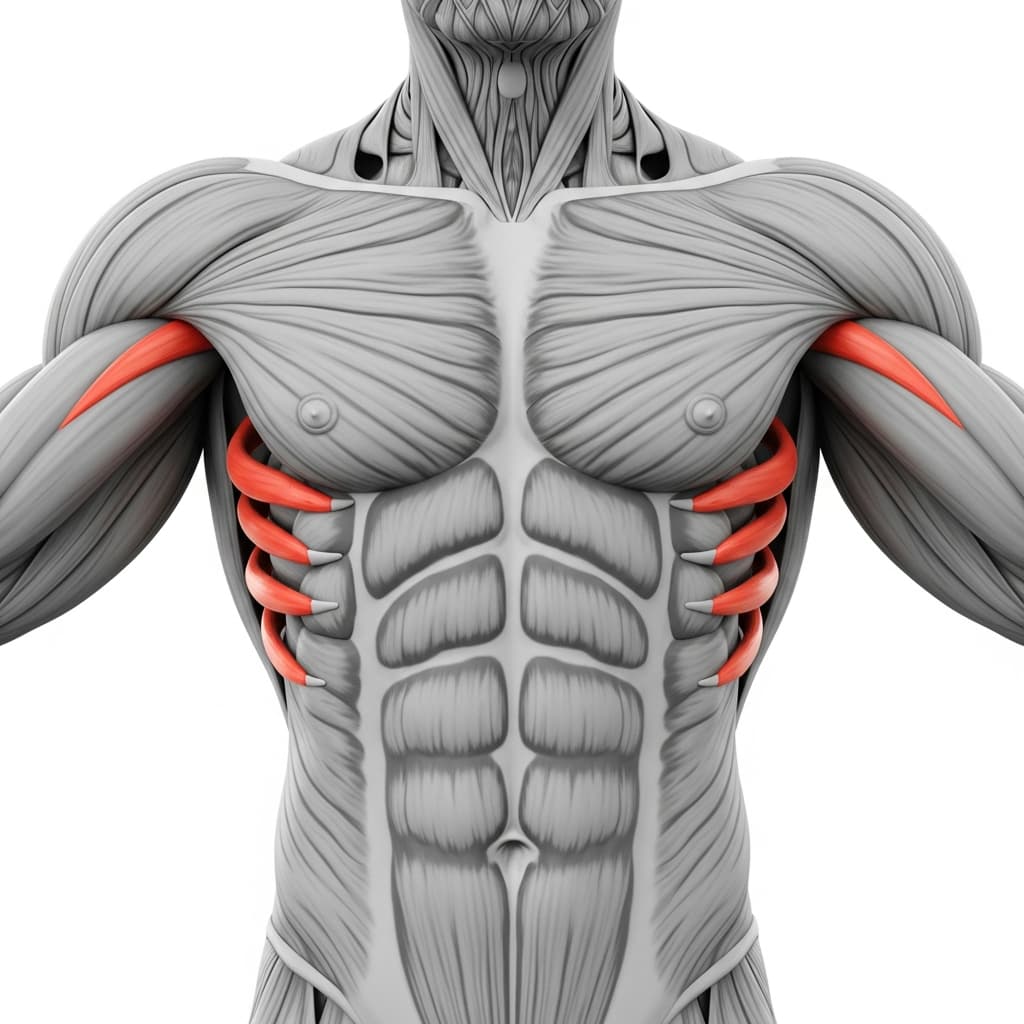
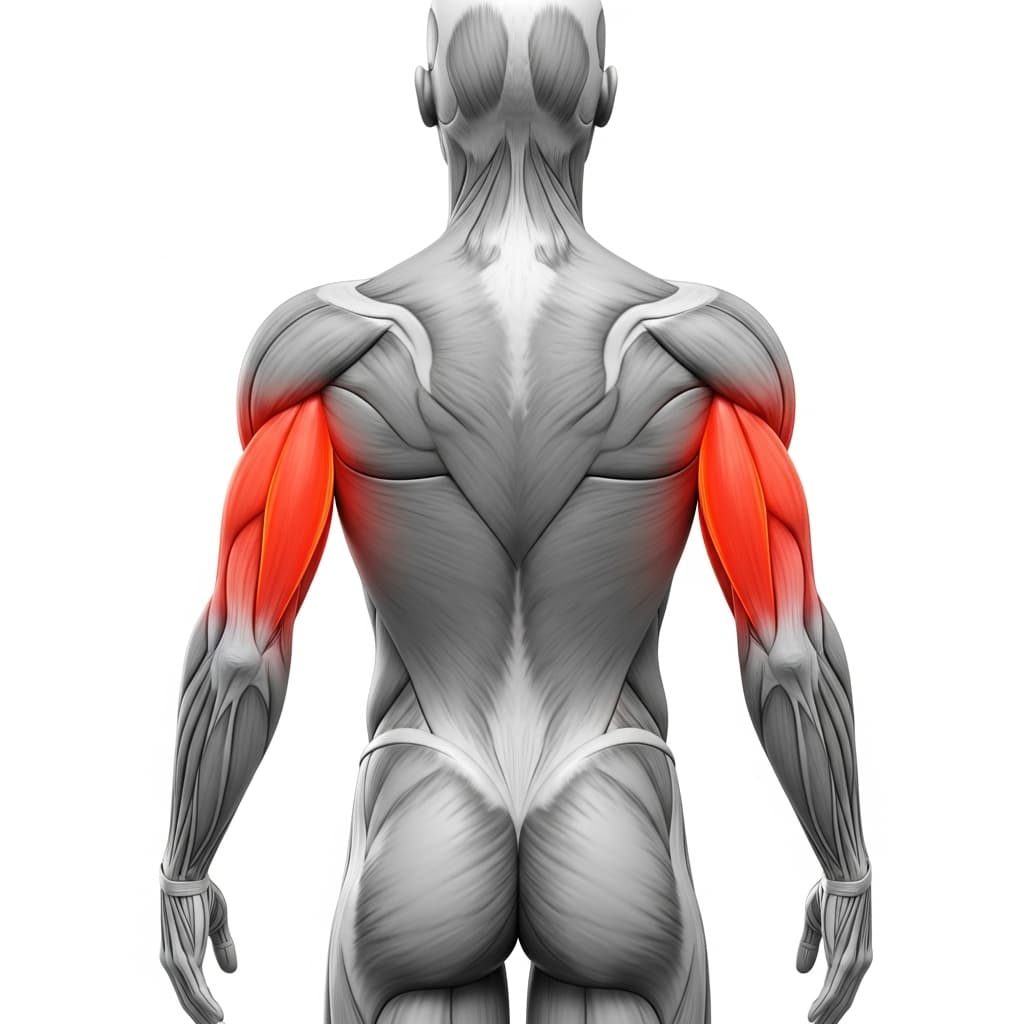
Secondary Muscles:
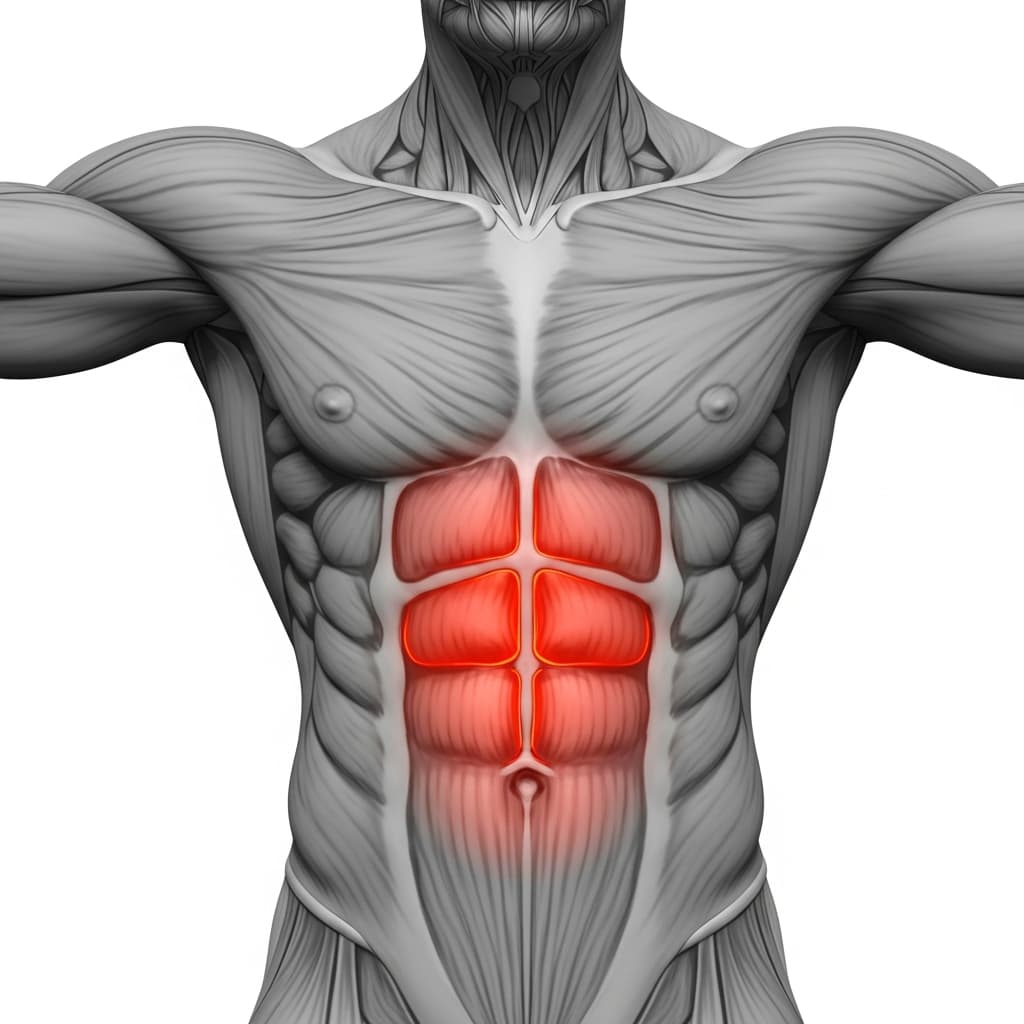
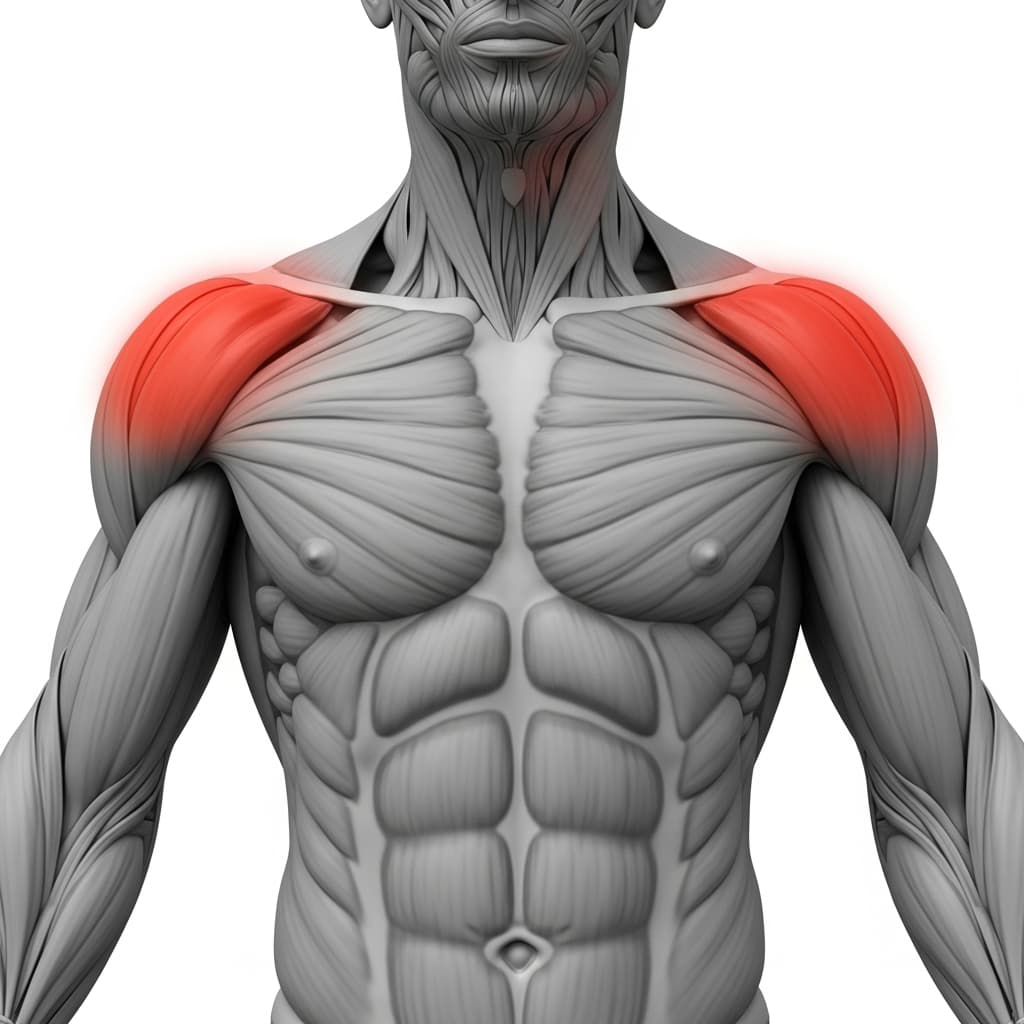
Primary Muscles
Trapezius (Trapezius) - The lower fibers of the trapezius are the primary drivers of scapular depression, pulling the shoulder blades down as you push yourself up from the dip bars.
Secondary Muscles
Serratus Anterior (Serratus Anterior) - The serratus anterior stabilizes the shoulder blades flat against the ribcage and assists in the protracted, closed-chest position throughout the movement.
Triceps Brachii (Triceps) - The triceps work isometrically to maintain a fully locked elbow position, preventing the exercise from turning into a partial dip.
Rectus Abdominis (Abs) - The abdominals brace the torso to prevent swinging and keep the body stable between the bars during each rep.
Anterior Deltoid (Front Deltoid) - The anterior deltoid stabilizes the shoulder joint in the support position, bearing a portion of the bodyweight load throughout the movement.
Benefits of Dip Shrugs
- Isolates the lower trapezius, the muscle responsible for keeping the shoulders packed and stable during dips, muscle-ups, and L-sits
- Builds the scapular depression strength required for a clean, controlled support hold on parallel bars and rings
- Trains the serratus anterior to stabilize the shoulder blades against the ribcage, reducing the risk of winging during pressing movements
- Develops body awareness in the dip support position, which directly improves rep quality on full dips and ring work
Who Is This Exercise For?
You should be able to hold a straight-arm support on dip bars for at least 10 seconds with stable shoulders before adding the shrug movement. If you cannot maintain locked elbows in the support position without shaking, focus on static support holds first. Scapular push-ups on the floor are a good preparatory drill to build the depression pattern before loading it vertically.
Common Mistakes to Avoid
Bending the elbows during the movement: Your arms must stay completely straight throughout every rep. The moment your elbows bend, the triceps take over and the exercise becomes a partial dip instead of a scapular isolation drill. If you cannot keep your arms locked, reduce the range of motion until you can.
Opening the chest at the bottom: Keep a closed, slightly rounded chest position throughout the exercise. Opening the chest shifts the load away from the lower traps and serratus and places the shoulder in a less stable position for depression work.
Dropping into the bottom position: Control the descent for 2 to 3 seconds on every rep. Letting gravity pull you down removes the eccentric loading that builds the most scapular strength and control.
Using momentum or swinging the legs: Keep your legs still and your core tight. Any swinging turns the exercise into a momentum-based movement and removes tension from the target muscles. If you find yourself swinging, pause at the top and reset before each rep.
Variations & Progressions
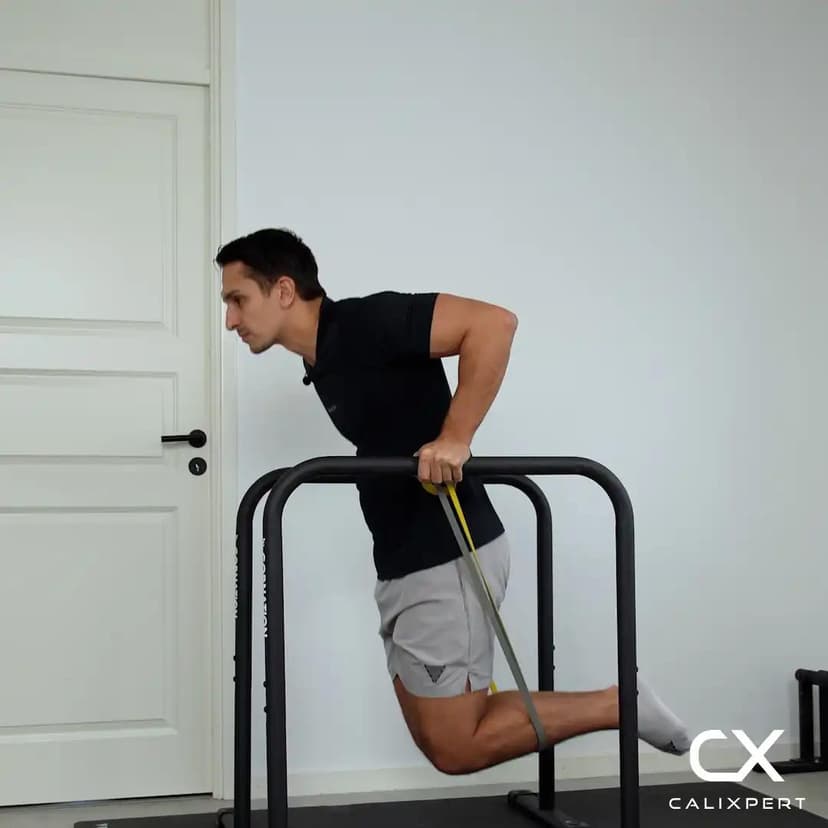
Weighted Dip Shrugs
Wear a dip belt with added weight to increase the load on the lower traps. Only add weight once you can perform 3 sets of 12 to 15 clean reps at bodyweight with a full pause at both top and bottom.