Hanging Leg raises
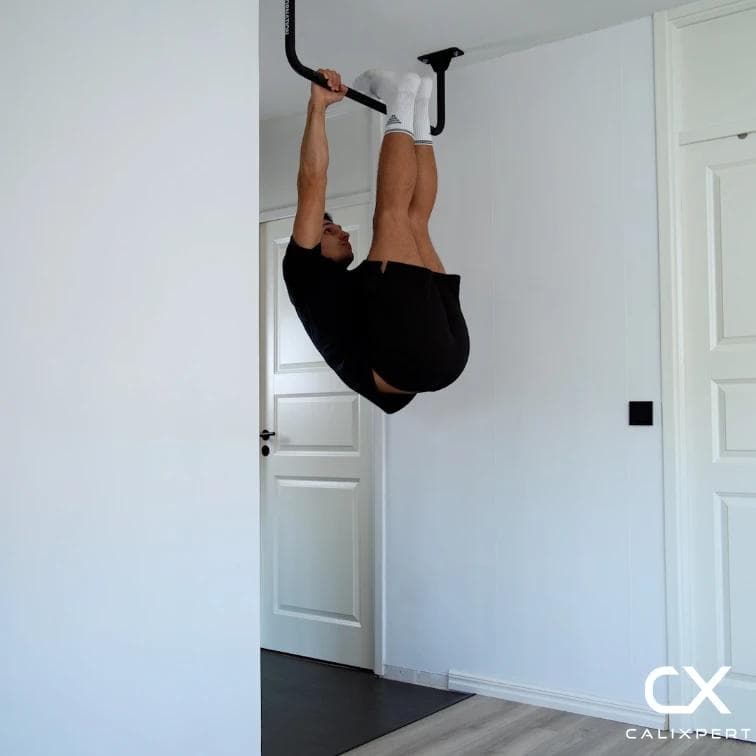
Hanging leg raises are one of the most effective core exercises in calisthenics, targeting the abs, hip flexors, and obliques through a loaded range of motion that no floor exercise can replicate. The key to an effective hanging leg raise is maintaining an active hang with depressed scapula and curling the pelvis upward, rather than simply swinging the legs. Performed with strict form, hanging leg raises build the deep core control and pelvic tilt strength that directly transfer to L-sits, front levers, and every advanced calisthenics skill.
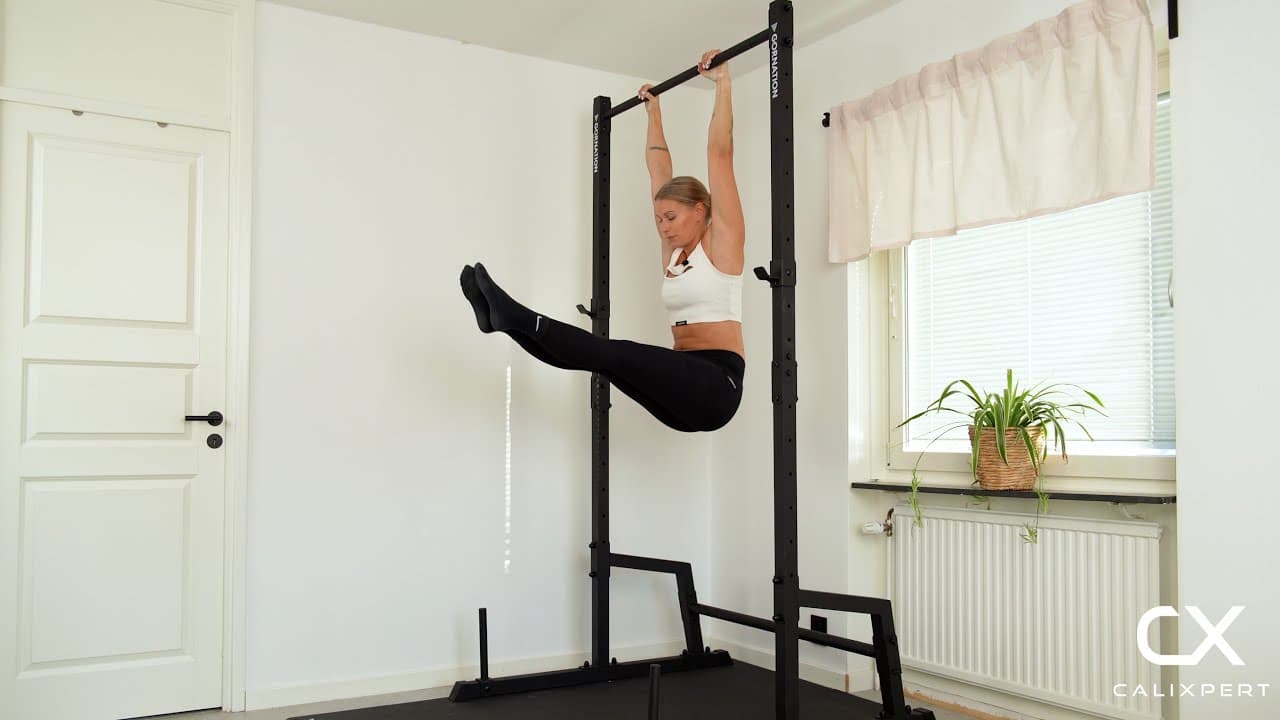
Hanging leg raises are one of the most effective core exercises in calisthenics, targeting the abs, hip flexors, and obliques through a loaded range of motion that no floor exercise can replicate. The key to an effective hanging leg raise is maintaining an active hang with depressed scapula and curling the pelvis upward, rather than simply swinging the legs. Performed with strict form, hanging leg raises build the deep core control and pelvic tilt strength that directly transfer to L-sits, front levers, and every advanced calisthenics skill.
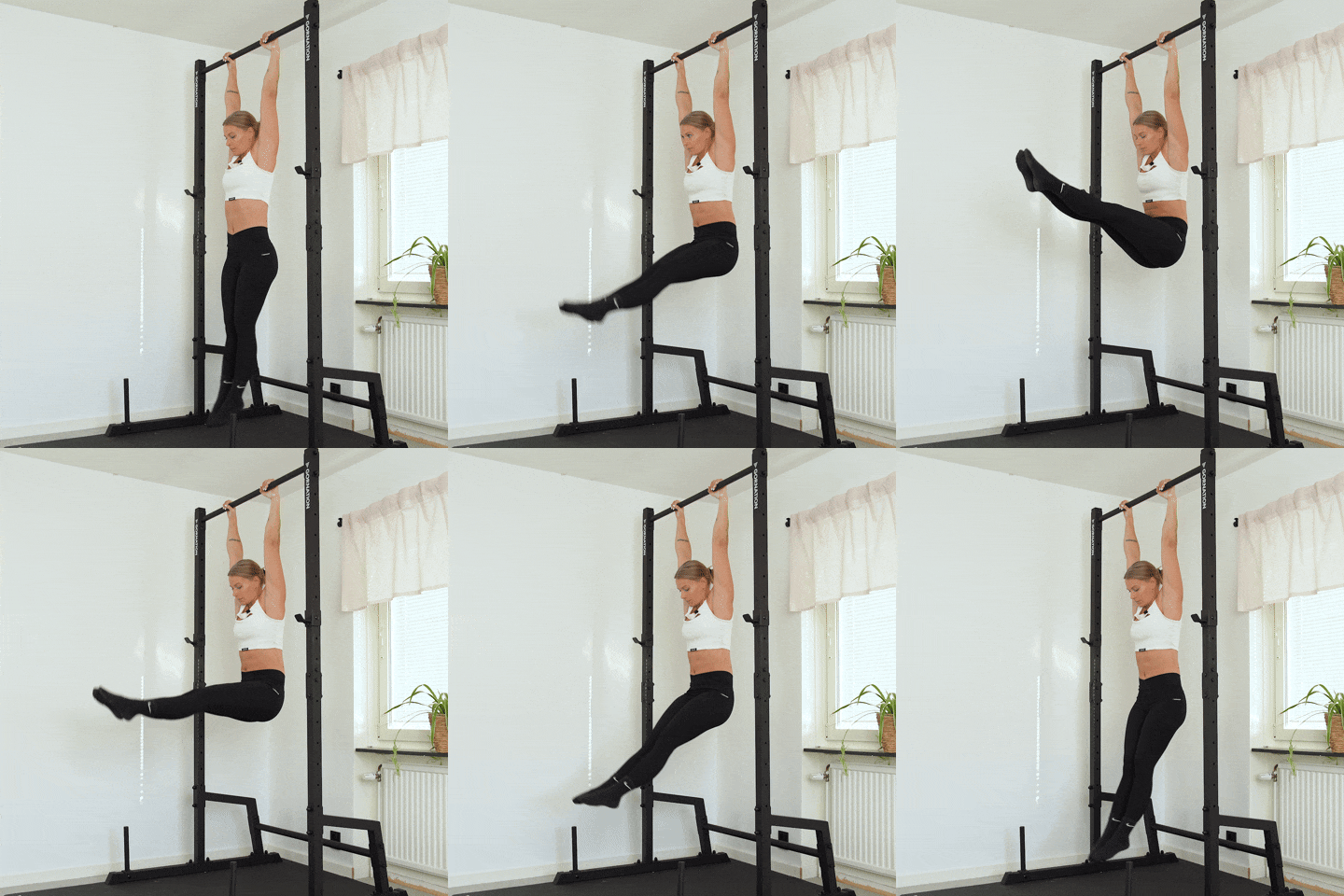
How to Do Hanging Leg raises
1. Grip the Bar at Shoulder Width
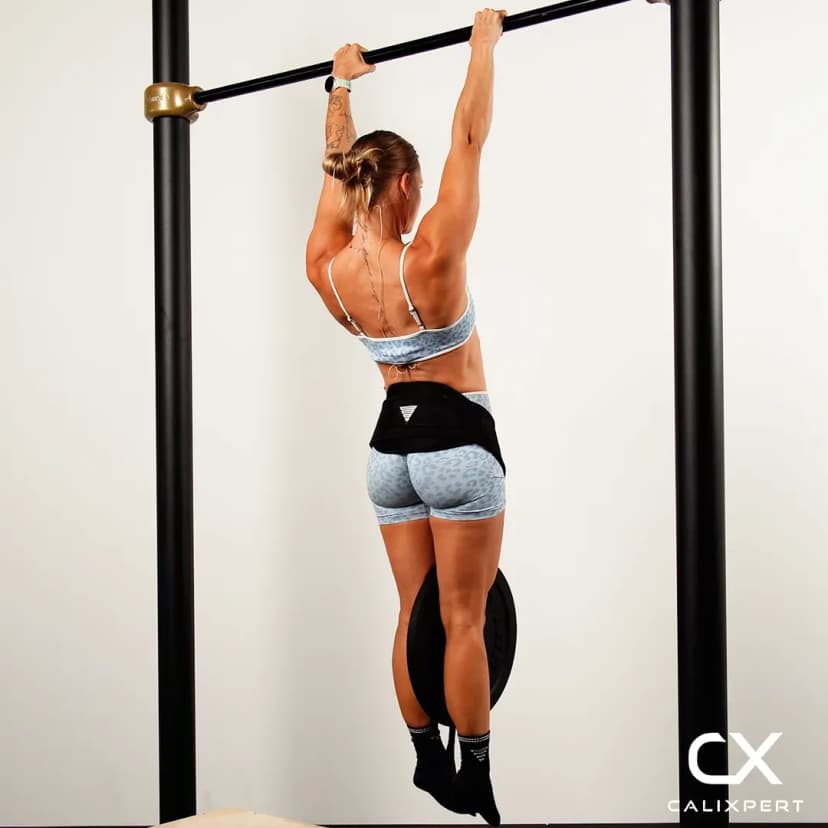
Grab a straight bar with an overhand grip roughly shoulder-width apart. Wrap your thumbs fully around the bar for a secure hold. Your arms should be fully extended with your feet off the ground and your body hanging freely.
Thumbs around, never on top
2. Activate Your Scapula From the Hang
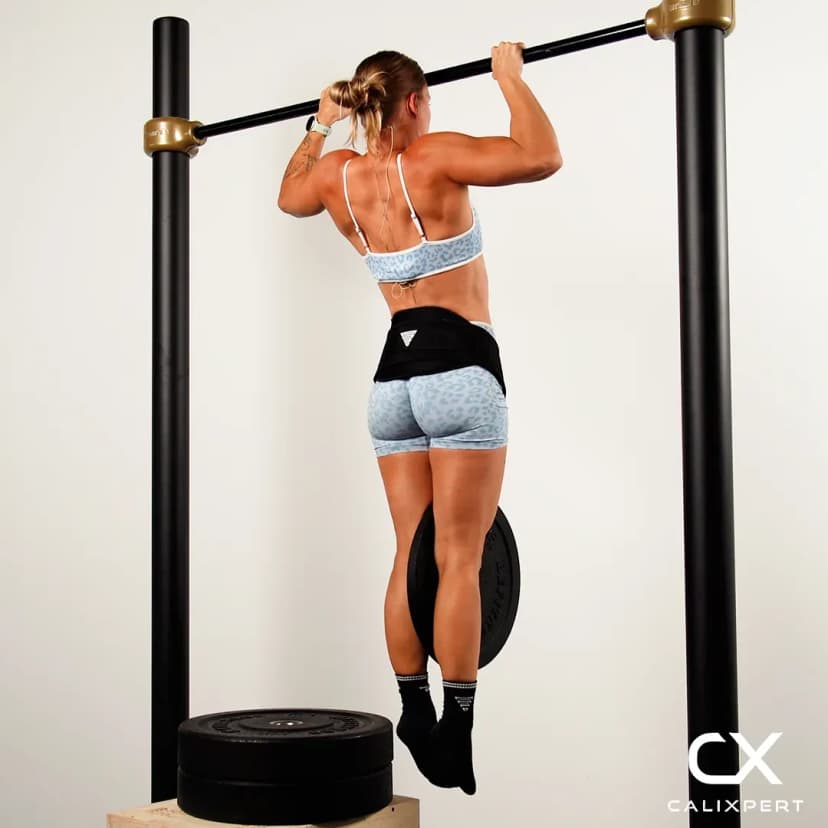
Before lifting your legs, perform a scapular pull-up by pulling your shoulders down and away from your ears. This engages the lats and stabilizes the shoulder joint, preventing you from swinging or hanging passively. Do not skip this step, as a relaxed hang puts unnecessary stress on the shoulders and removes the stability you need to control the leg raise.
Shoulders down and locked before you move
3. Position Your Legs Slightly Forward
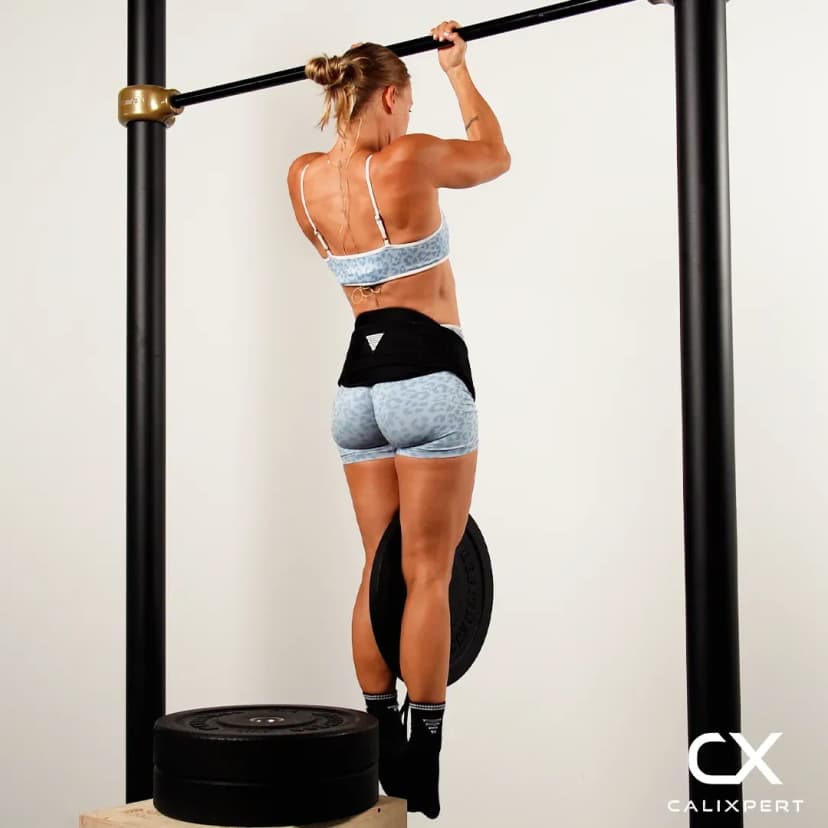
From the active hang, bring your legs slightly in front of your body rather than letting them hang straight down or drift behind you. This slight forward position engages the lower abs from the start and prevents your lower back from arching. Keep your legs straight and together throughout.
Legs slightly forward, never behind you
4. Raise Your Legs With Control
Lift your legs upward by contracting your abs and hip flexors, keeping them straight and together. Focus on curling your pelvis upward as your legs rise rather than simply hinging at the hips. Raise until your legs are at least parallel to the ground or higher if your mobility allows. Maintain the scapular activation throughout the entire ascent.
Curl the pelvis, do not just swing the legs
5. Lower Slowly and Reset
Slowly lower your legs back to the starting position, resisting gravity the entire way down. This controlled descent is where a large portion of the core strengthening happens. Return to the slight forward position before initiating the next rep. Do not allow momentum to carry your legs backward past vertical.
3-second descent, no swinging
Most people treat hanging leg raises as a hip flexor exercise because they just swing their legs up and let them drop. The real work happens when you focus on curling your pelvis upward at the top rather than just lifting your feet. Think about bringing your belt buckle toward the bar, and you will feel your abs engage in a completely different way.
Muscles Worked During Hanging Leg raises
Primary Muscles:
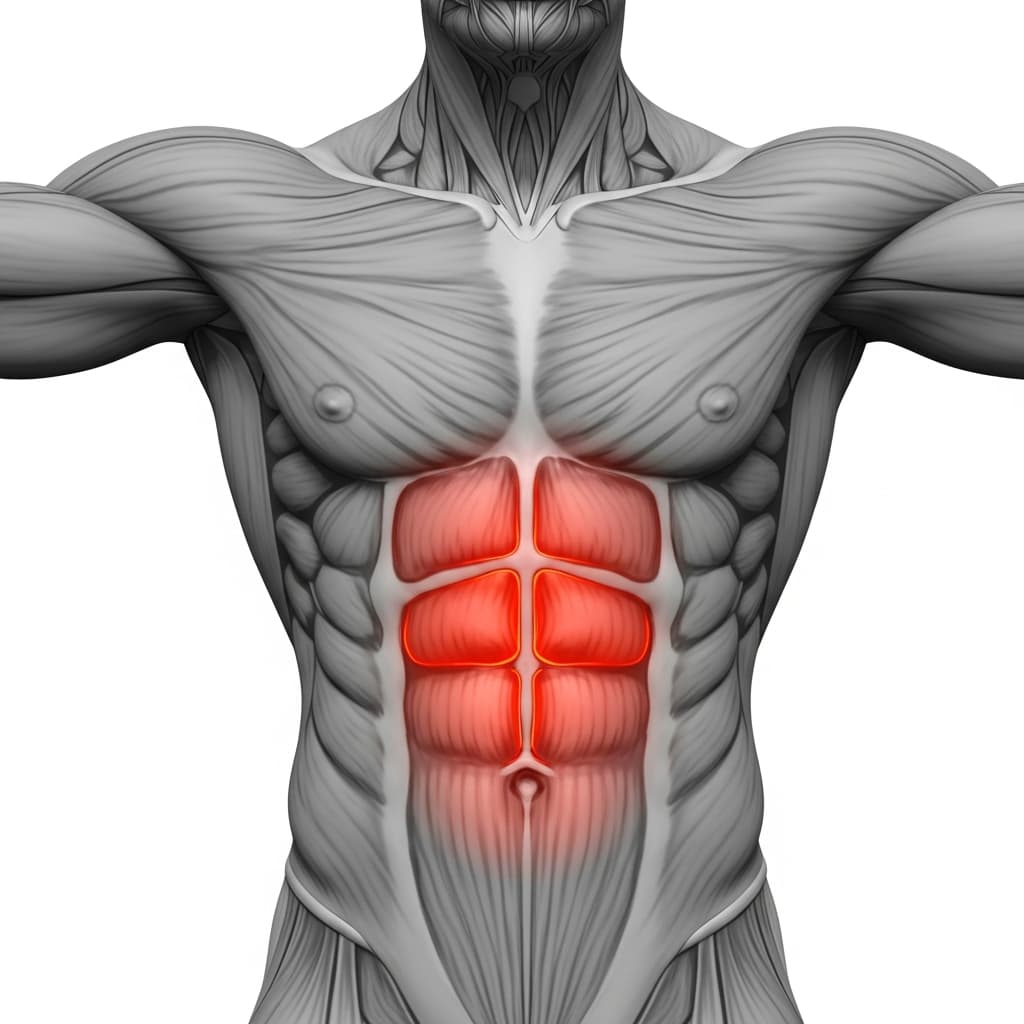
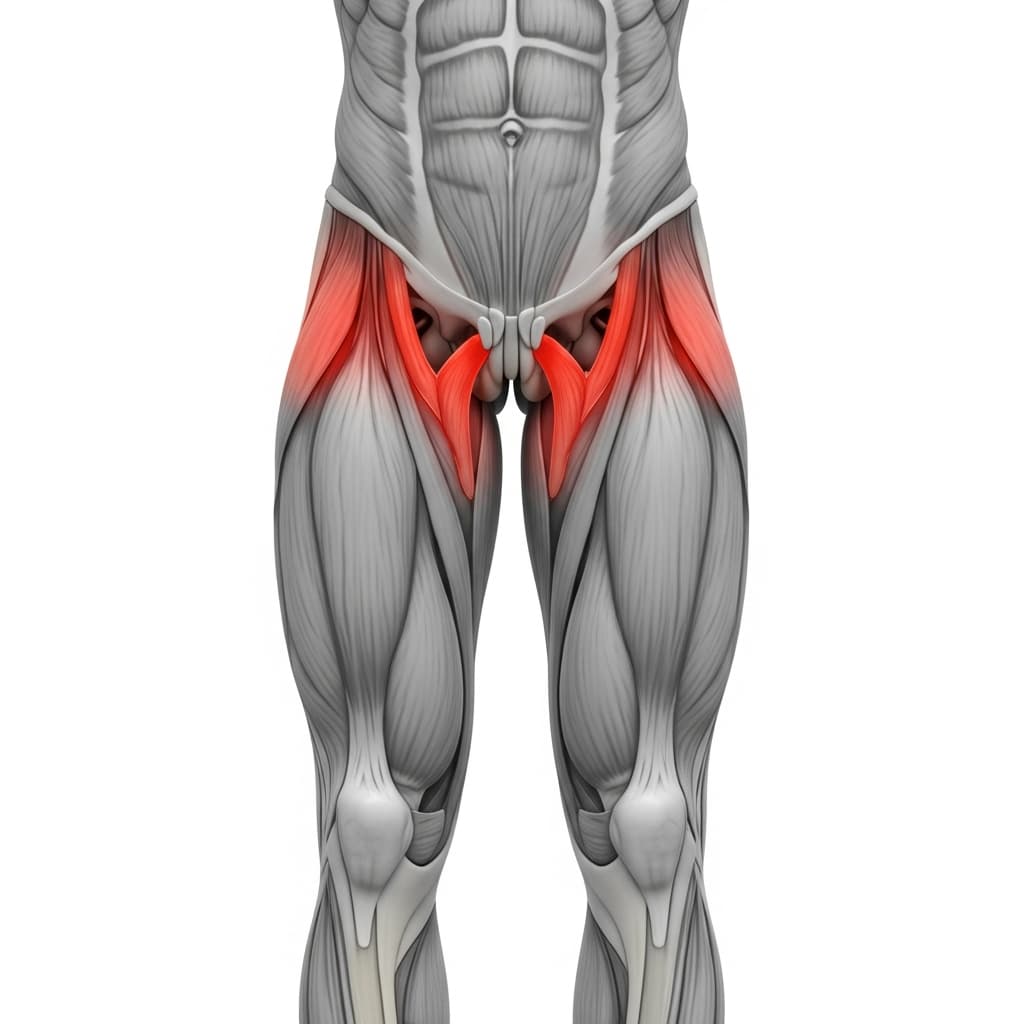
Primary Muscles
Rectus Abdominis (Abs) - The rectus abdominis contracts to flex the spine and curl the pelvis upward as the legs rise, providing the primary force that lifts the lower body against gravity.
Iliopsoas (Hip Flexors) - The iliopsoas and rectus femoris drive the initial leg lift by flexing the hip joint, working hardest through the first half of the range of motion before the abs take over.
Secondary Muscles
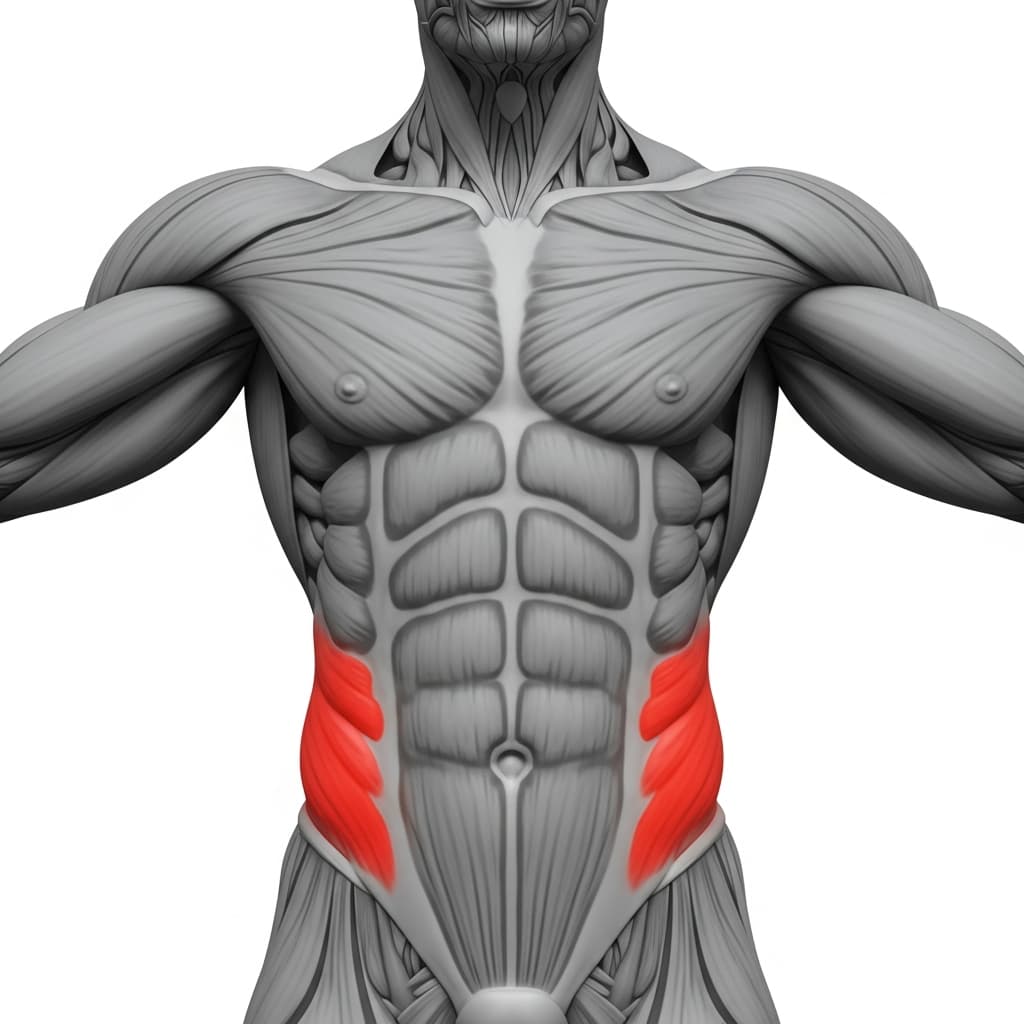
Obliques (Obliques) - The internal and external obliques co-contract to stabilize the torso and prevent lateral rotation or swinging during the controlled ascent and descent.
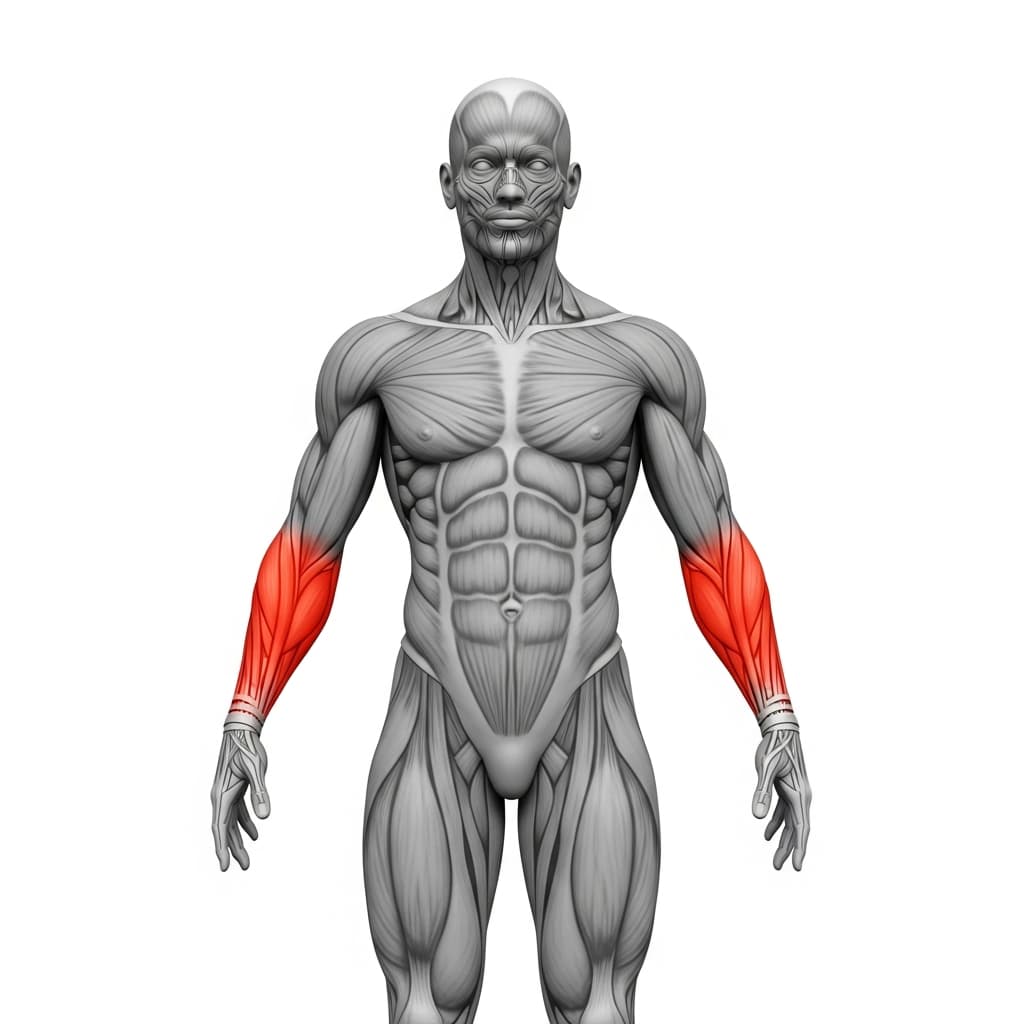
Forearm Flexors & Extensors (Forearms) - The forearm flexors maintain grip on the bar throughout the entire set, working under increasing fatigue as the dynamic movement of the legs challenges hang stability.
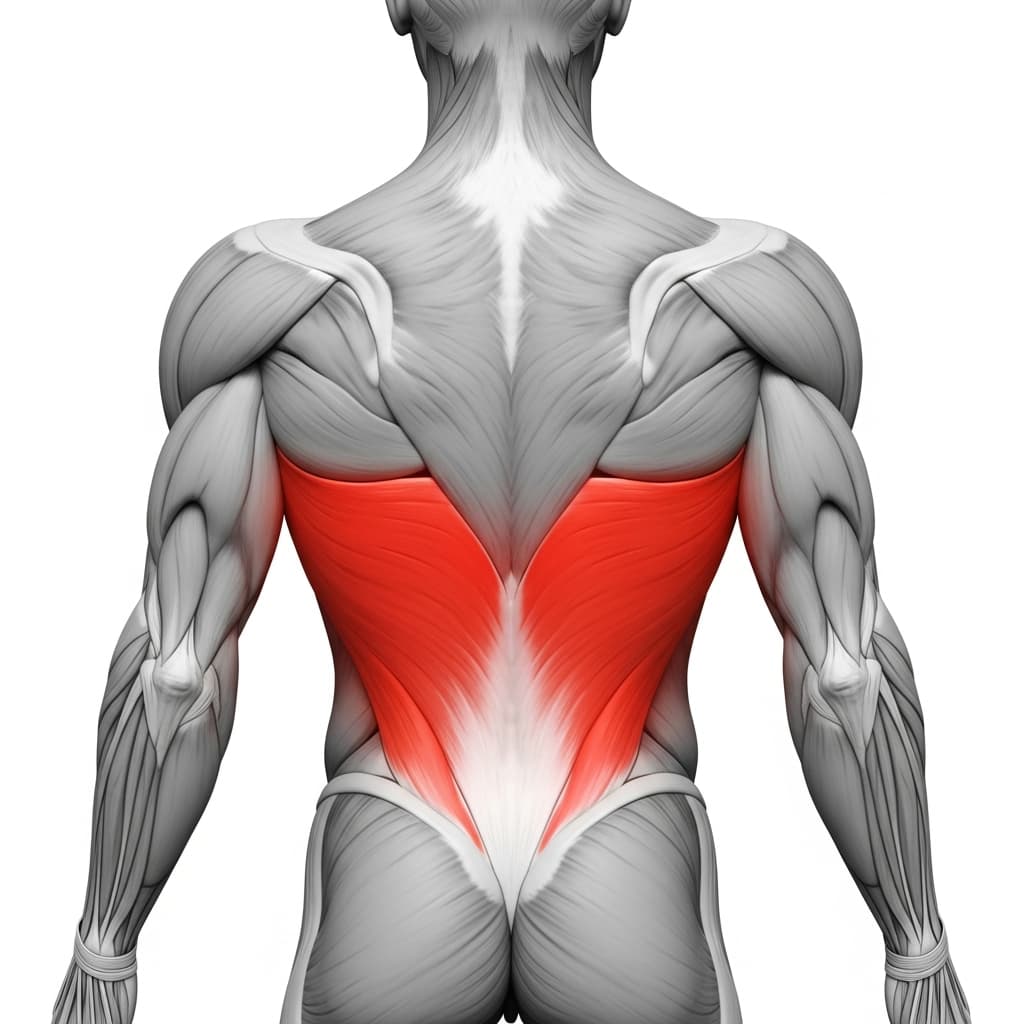
Latissimus Dorsi (Lats) - The latissimus dorsi contracts isometrically to maintain scapular depression and an active hang, preventing the shoulders from drifting up and keeping the upper body stable.
Benefits of Hanging Leg raises
- Develops lower abdominal and hip flexor strength through a loaded range of motion that no floor exercise can replicate
- Builds grip strength and forearm endurance from sustained hanging under the dynamic load of moving legs
- Strengthens the scapular stabilizers and lats through continuous isometric engagement during every rep
- Develops the posterior pelvic tilt control that directly transfers to L-sits, front levers, and handstand alignment
Who Is This Exercise For?
You should be able to hold a dead hang for at least 20 seconds with active shoulders and perform hanging knee raises with controlled form before attempting straight-leg hanging leg raises. If your grip gives out before your core does, prioritize dead hang endurance and forearm work first. Comfortable scapular pull-ups are also a prerequisite, as the shoulder stability they build is essential for maintaining a safe hanging position under load.
Common Mistakes to Avoid
Swinging and using momentum: Every rep should start and end from a controlled position with no swing. If you find yourself kipping, pause completely at the bottom and re-establish a dead hang before each rep. Reducing rep speed is more effective than adding sloppy reps.
Relaxing the shoulders in the hang: Keep your scapula actively depressed throughout the entire set. Hanging passively with your shoulders up by your ears puts the shoulder joint in a vulnerable position and removes the stability you need to control the movement.
Arching the lower back: An arched lower back shifts the load from the abs onto the hip flexors and compresses the lumbar spine. Maintain a slight posterior pelvic tilt by thinking about pulling your belt buckle toward your chin as you lift.
Bending the knees to compensate for fatigue: If you cannot keep your legs straight, switch to hanging knee raises and build strength there first. Bending the knees mid-set as fatigue sets in teaches sloppy motor patterns that are harder to correct later.
Variations & Progressions
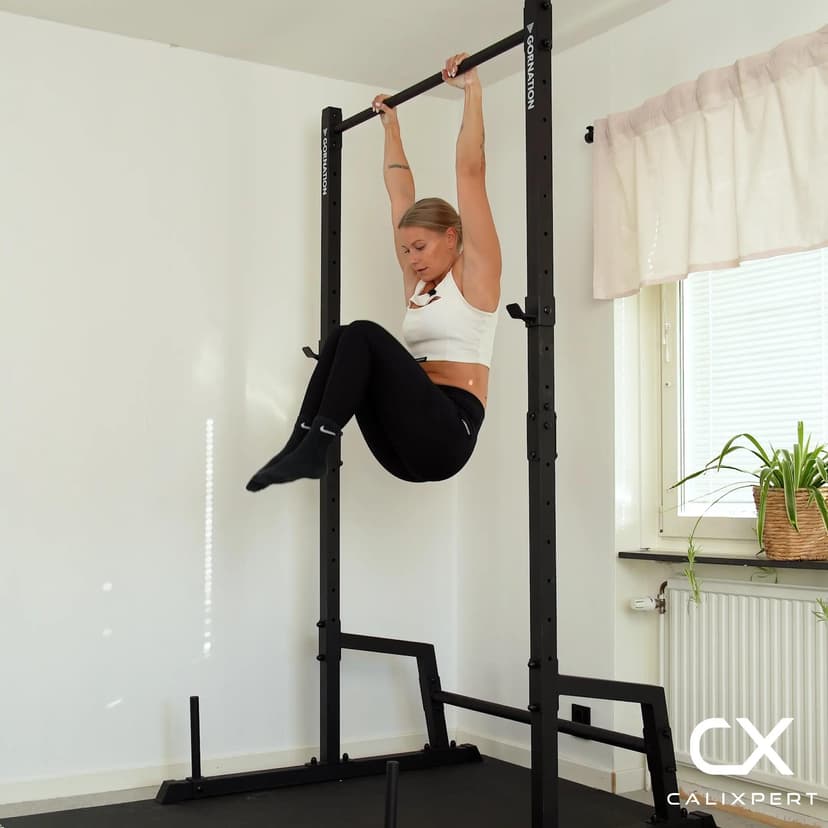
Hanging Windshield Wipers
Raise your legs to horizontal, then rotate them side to side in a controlled arc. This adds a rotational component that loads the obliques heavily while maintaining the same grip and shoulder demands.