Hanging High Knee Raises
Hanging high knee raises are a core compression exercise performed from a dead hang that targets the abs, obliques, and hip flexors through a full range of motion. Unlike standard hanging knee raises that stop at 90 degrees, the high variation demands that you drive your knees as close to your chest as possible, forcing a deeper abdominal contraction. This additional range of motion builds the compression strength that directly transfers to L-sits, front levers, and every tucked calisthenics skill.
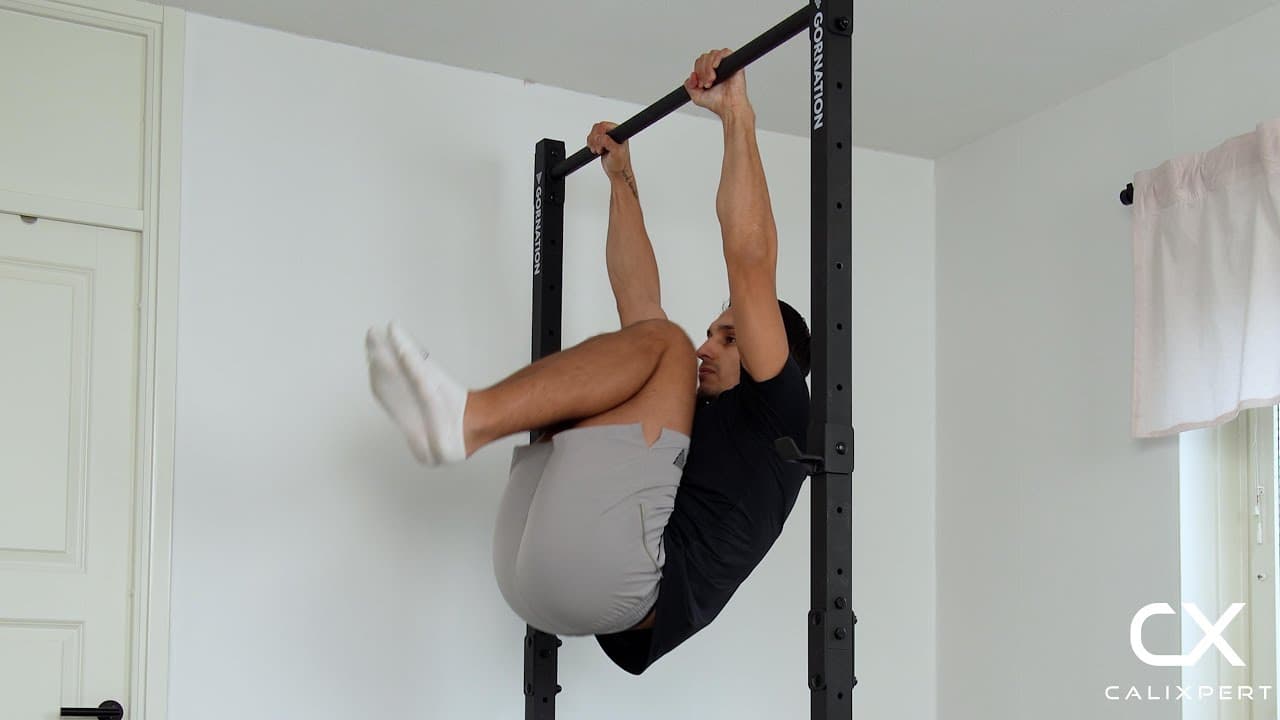
Hanging high knee raises are a core compression exercise performed from a dead hang that targets the abs, obliques, and hip flexors through a full range of motion. Unlike standard hanging knee raises that stop at 90 degrees, the high variation demands that you drive your knees as close to your chest as possible, forcing a deeper abdominal contraction. This additional range of motion builds the compression strength that directly transfers to L-sits, front levers, and every tucked calisthenics skill.
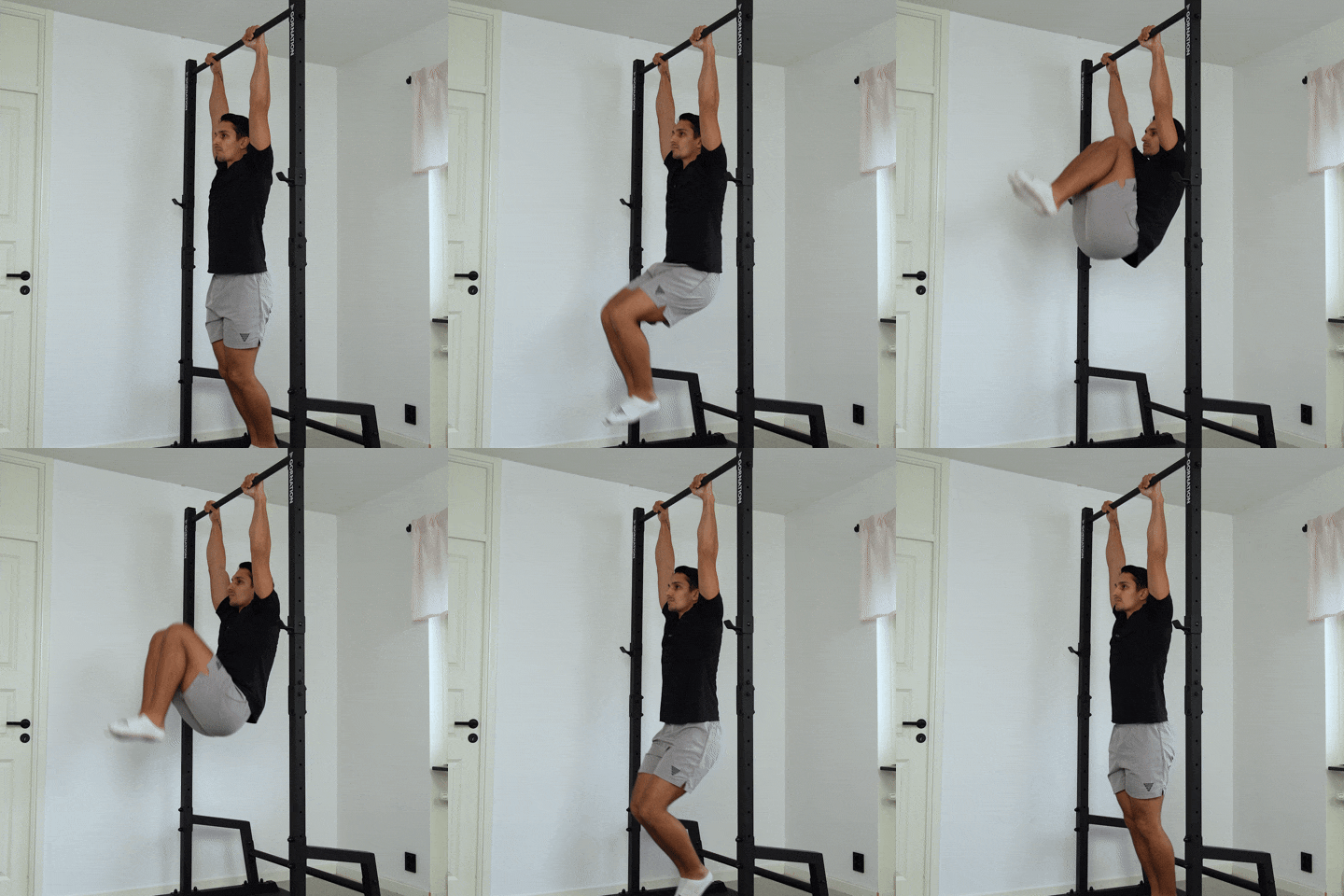
How to Do Hanging High Knee Raises
1. Grip the Bar and Hang
Grab a high straight bar with an overhand grip, hands shoulder-width apart. Wrap your thumbs fully around the bar for a secure hold. Hang with your arms fully extended and your legs together, letting your body settle into a still dead hang before you begin.
Hands shoulder-width, thumbs around the bar
2. Set Your Shoulders and Lats
Before lifting your knees, depress your shoulder blades by pulling them down and slightly back. Engage your lats so your torso feels solid and does not swing freely. This lat tension is what keeps you stable throughout the entire set and prevents the backward drift that kills your form.
Pull shoulders down, feel the lats engage
3. Drive Knees High Toward Your Chest
With your legs together, pull your knees up as high as possible toward your chest. Do not stop at 90 degrees. The goal is full core compression, which means your thighs should come close to touching your torso at the top. Exhale hard as you lift to help drive the contraction deeper.
Knees to chest, not just to hip level
4. Squeeze and Hold at the Top
At the top of the movement, hold the compressed position for a brief moment. You should feel a strong contraction through your entire abdominal wall. Keep your legs together and avoid letting your knees drift apart, which would release tension from the core.
Squeeze at the top, legs tight together
5. Lower Slowly Under Control
Lower your legs back to the dead hang position on a slow, controlled descent. A 2 to 3 second lowering phase is what prevents swinging and builds eccentric strength. If you drop your legs quickly, you will start swinging on the next rep and the set falls apart.
Slow descent, no dropping
6. Reset Before the Next Rep
Once your legs return to the bottom, let any residual swing settle before starting the next rep. Re-engage your lats and confirm your shoulders are depressed. Each rep should start from a controlled dead hang, not from momentum carried over from the previous rep.
Dead stop, then go again
Most people treat hanging knee raises as a fast, sloppy core exercise and wonder why they never progress to leg raises. The shift happens when you stop thinking about lifting your knees and start thinking about compressing your rib cage toward your pelvis. Keep your lats engaged the entire time, lower on a 3-second count, and you will feel your abs working in a completely different way.
Muscles Worked During Hanging High Knee Raises
Primary Muscles:
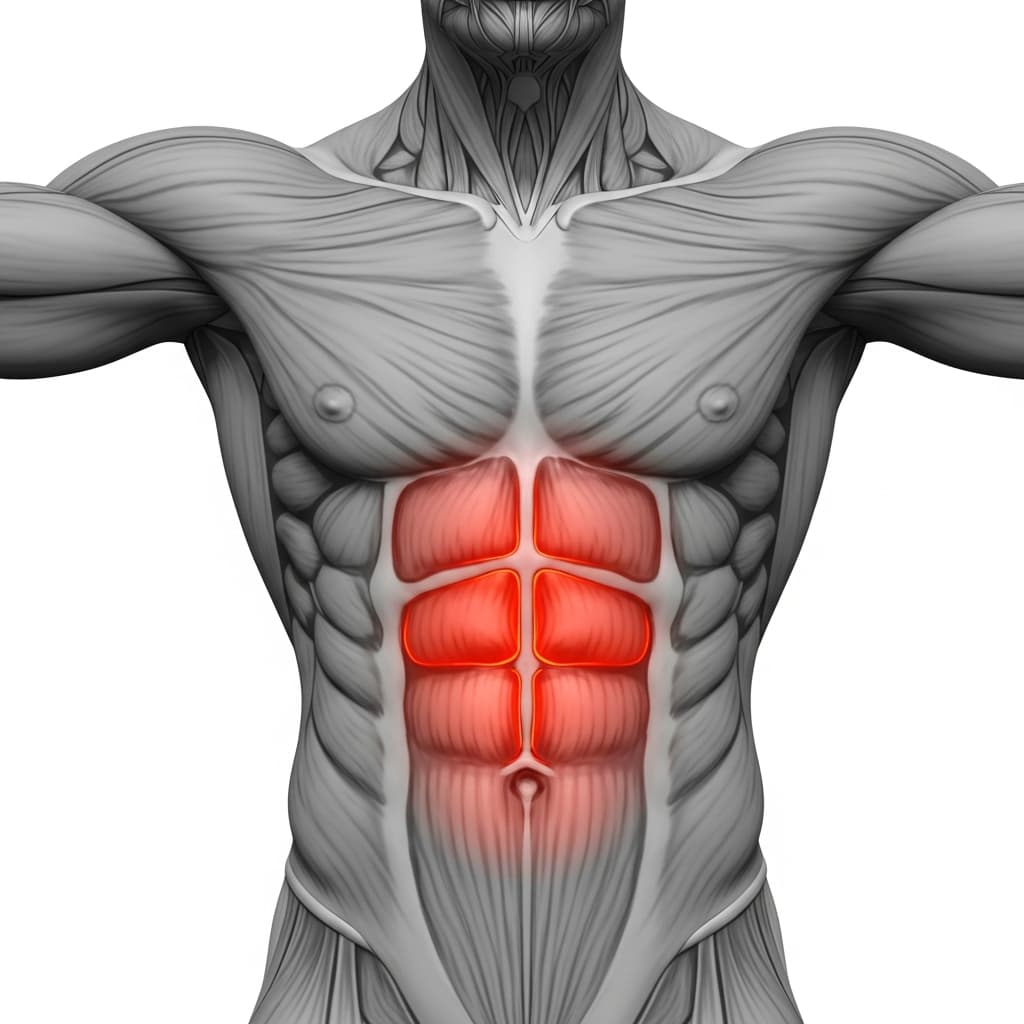
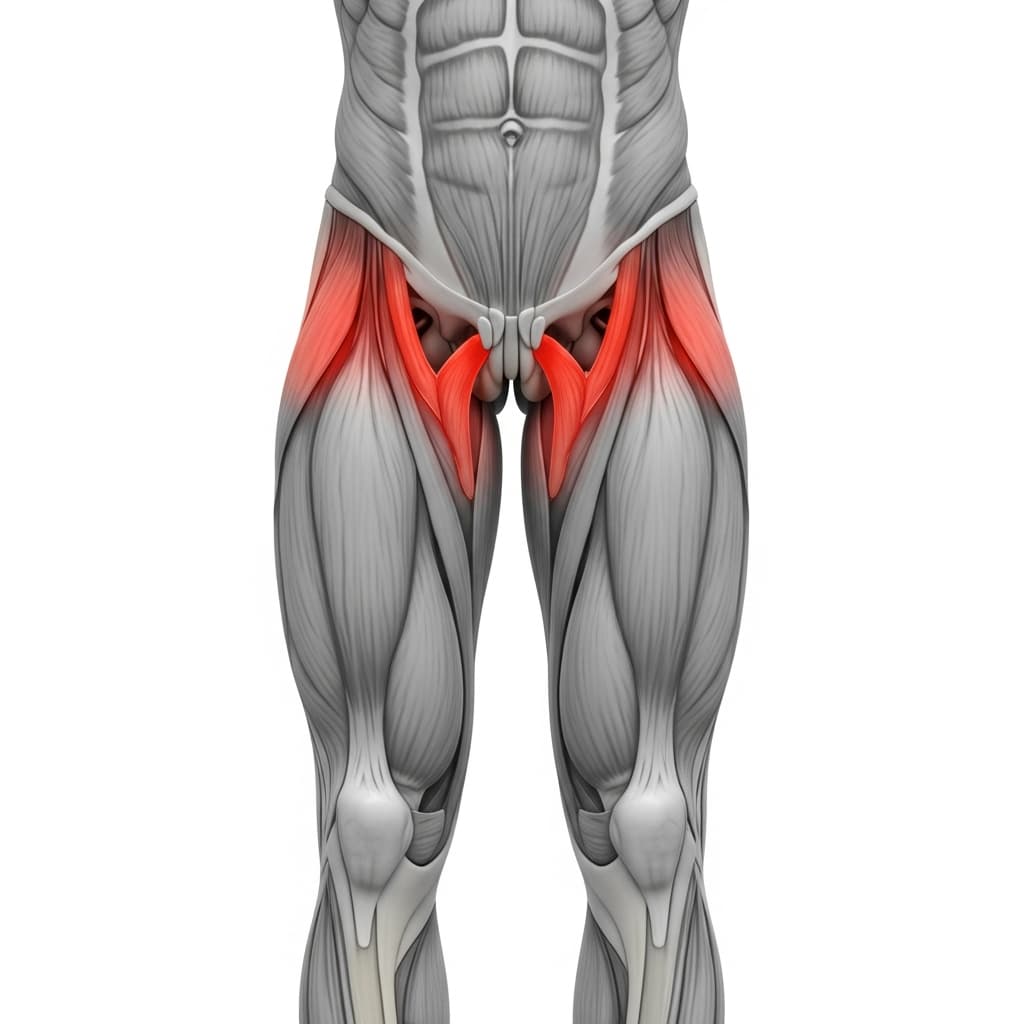
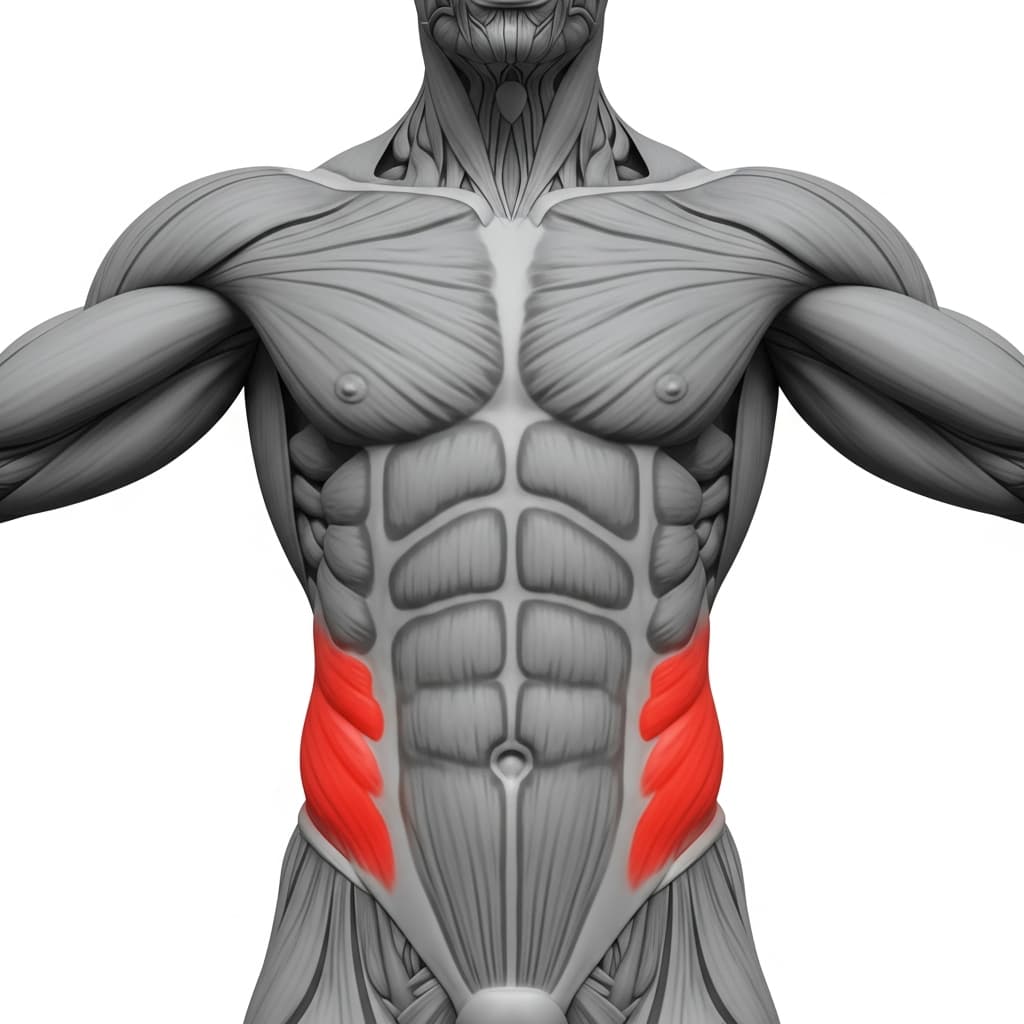
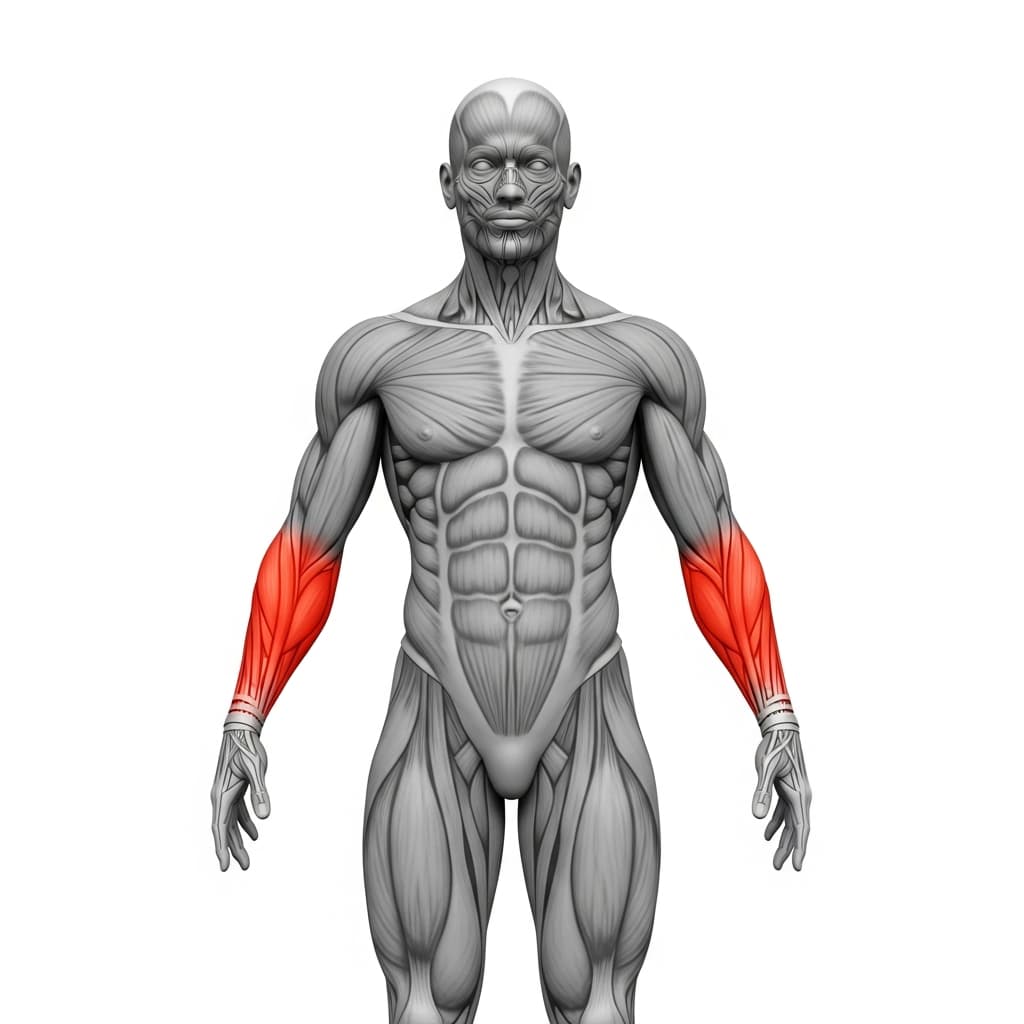
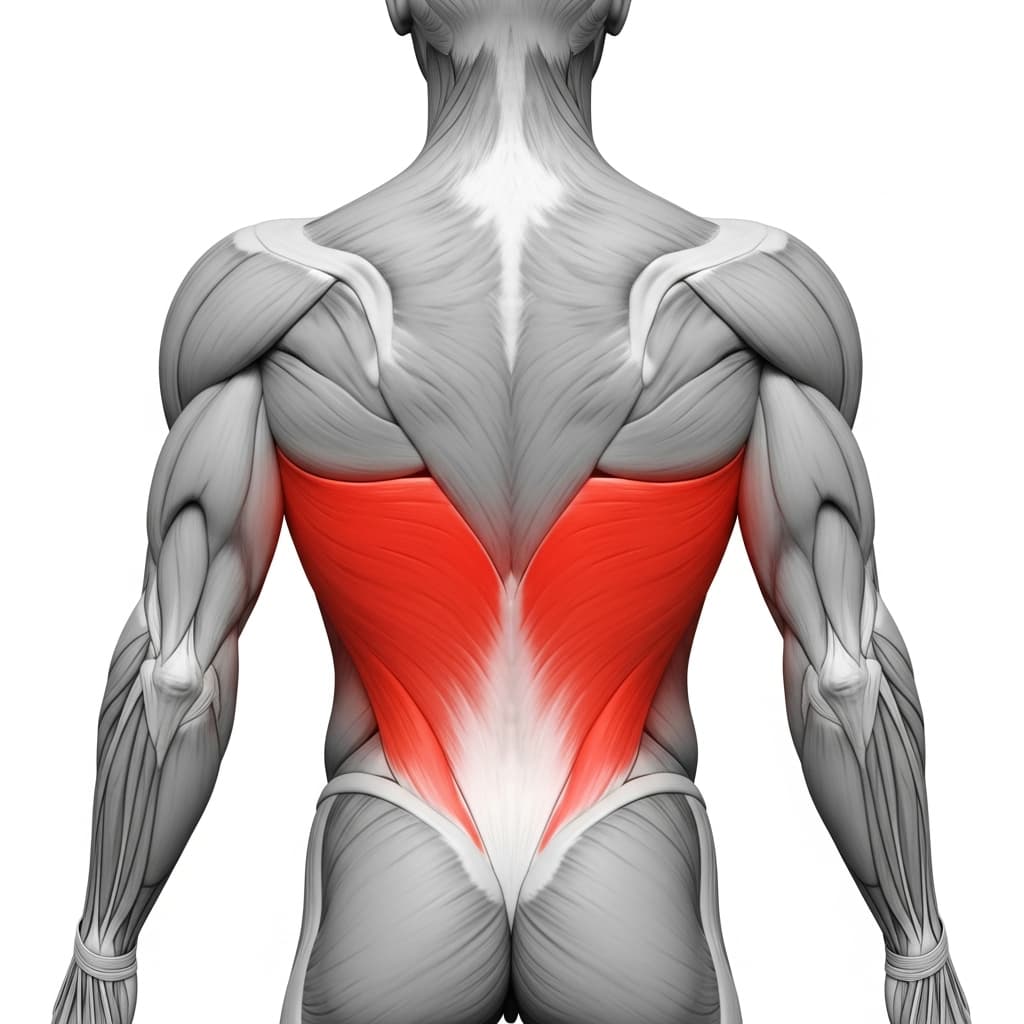
Primary Muscles
Rectus Abdominis (Abs) - The rectus abdominis drives the spinal flexion that pulls the pelvis toward the rib cage during the high knee raise, producing the deep core compression at the top of each rep.
Iliopsoas (Hip Flexors) - The hip flexors, primarily the iliopsoas, lift the thighs from a dead hang toward the chest and are under the highest load in the upper portion of the range where the knees travel past 90 degrees.
Secondary Muscles
Obliques (Obliques) - The obliques fire isometrically to prevent the torso from rotating or twisting during the knee raise, keeping the movement straight and symmetrical.
Forearm Flexors & Extensors (Forearms) - The forearm flexors maintain grip on the bar throughout every rep, working under increasing fatigue as the set progresses and dynamic forces from the leg movement pull on the hands.
Latissimus Dorsi (Lats) - The lats hold the shoulder blades depressed and stabilize the torso against backward swinging, providing the fixed anchor point that allows the core to generate force.
Benefits of Hanging High Knee Raises
- Develops deep abdominal compression strength that transfers directly to tucked L-sits, front levers, and every tucked calisthenics skill
- Builds grip endurance and forearm strength through sustained loaded hanging under dynamic movement
- Strengthens the hip flexors through a full range of motion, improving active flexibility for movements like pistol squats and high kicks
- Trains anti-swing control and lat stability, which carries over to every bar-based exercise in calisthenics
Who Is This Exercise For?
You should be able to hold a dead hang for at least 20 seconds with stable shoulders and perform 5 controlled scapular depressions before attempting hanging high knee raises. If you cannot hang without your shoulders creeping up toward your ears, prioritize dead hang endurance and scapular control first. Seated knee tucks on the floor are a good test of whether you have enough hip flexor strength and core compression to benefit from the hanging version.
Common Mistakes to Avoid
Stopping at 90 degrees: The entire point of the high knee raise is the additional range above parallel. If your knees only reach hip level, you are doing a standard knee raise and missing the deep abdominal compression that makes this variation effective.
Swinging between reps: Swinging happens when you drop your legs too fast on the descent. Lower your legs over 2 to 3 seconds and re-engage your lats at the bottom. If you cannot control the swing, reduce your reps and focus on the eccentric.
Relaxing the lats while hanging: When your lats disengage, your torso loses stability and you drift backward on every rep. Keep a slight lat tension throughout the set, as if you are doing a very gentle scapular depression the entire time.
Using a head or neck jerk to start the pull: Jutting the head forward creates the illusion of a higher knee position but removes load from the abs. Keep your head neutral and initiate movement from the core, not the upper body.
Variations & Progressions
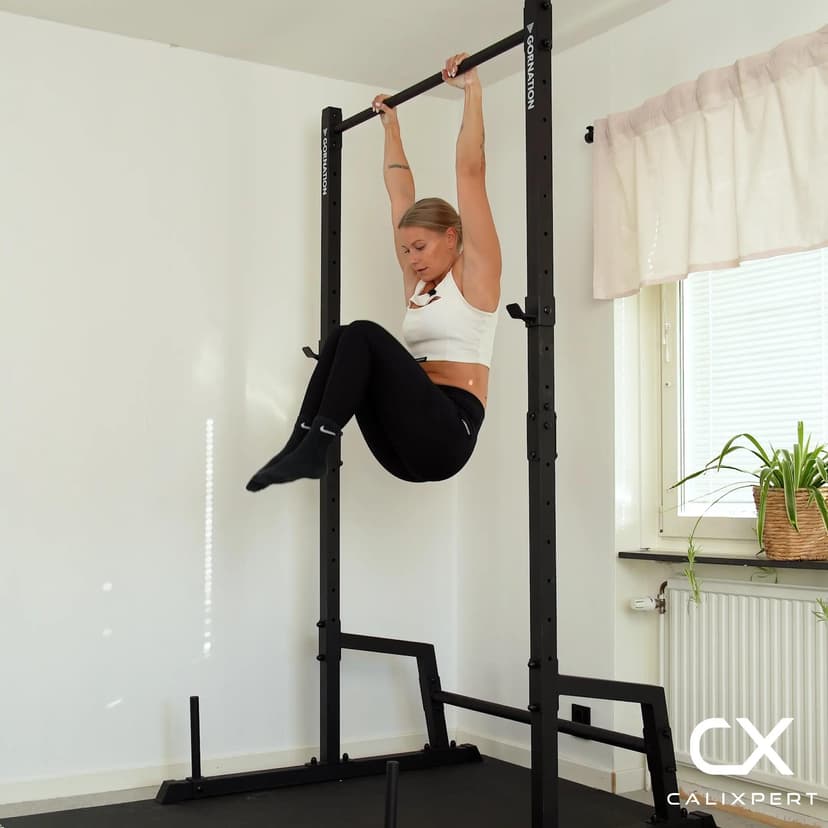
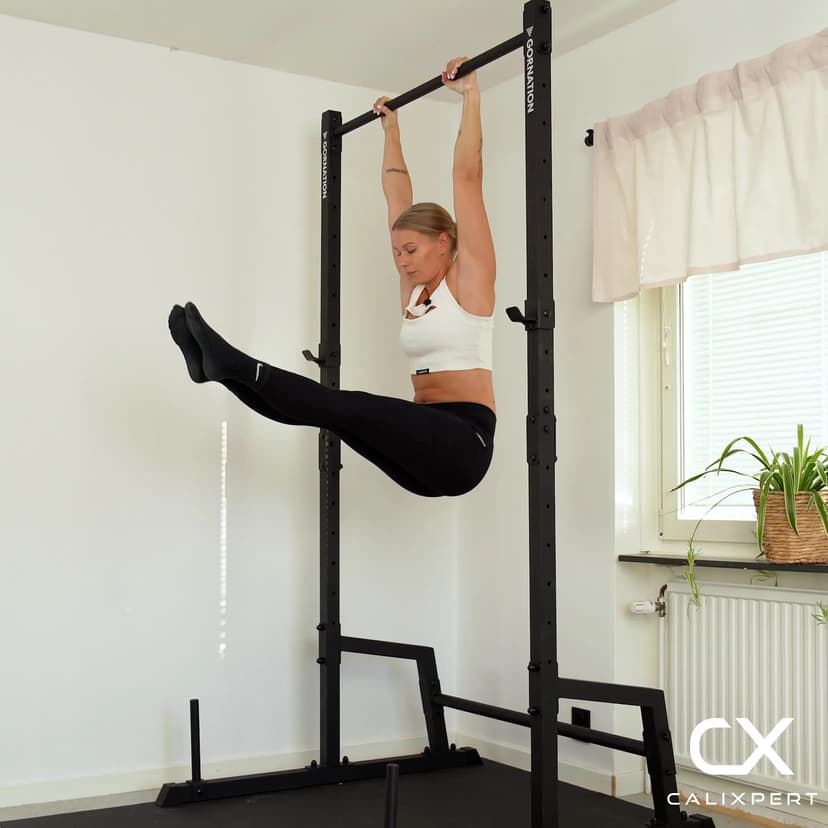
Hanging Toes to Bar
Raise straight legs all the way up until your toes touch the bar above you. This requires full hamstring flexibility, extreme hip flexor strength, and strong compression control through the entire range.