Active Hang
The active hang is a foundational isometric hold performed from a bar with fully engaged shoulders and core, targeting the lower traps, lats, and scapular stabilizers through sustained tension. Unlike a passive dead hang where the shoulders drift up toward the ears, the active hang requires you to depress and retract the scapulae while maintaining a slight hollow body position. This single exercise builds the shoulder stability and scapular control that directly underpin every pulling movement in calisthenics, from pull-ups to muscle-ups to front levers.
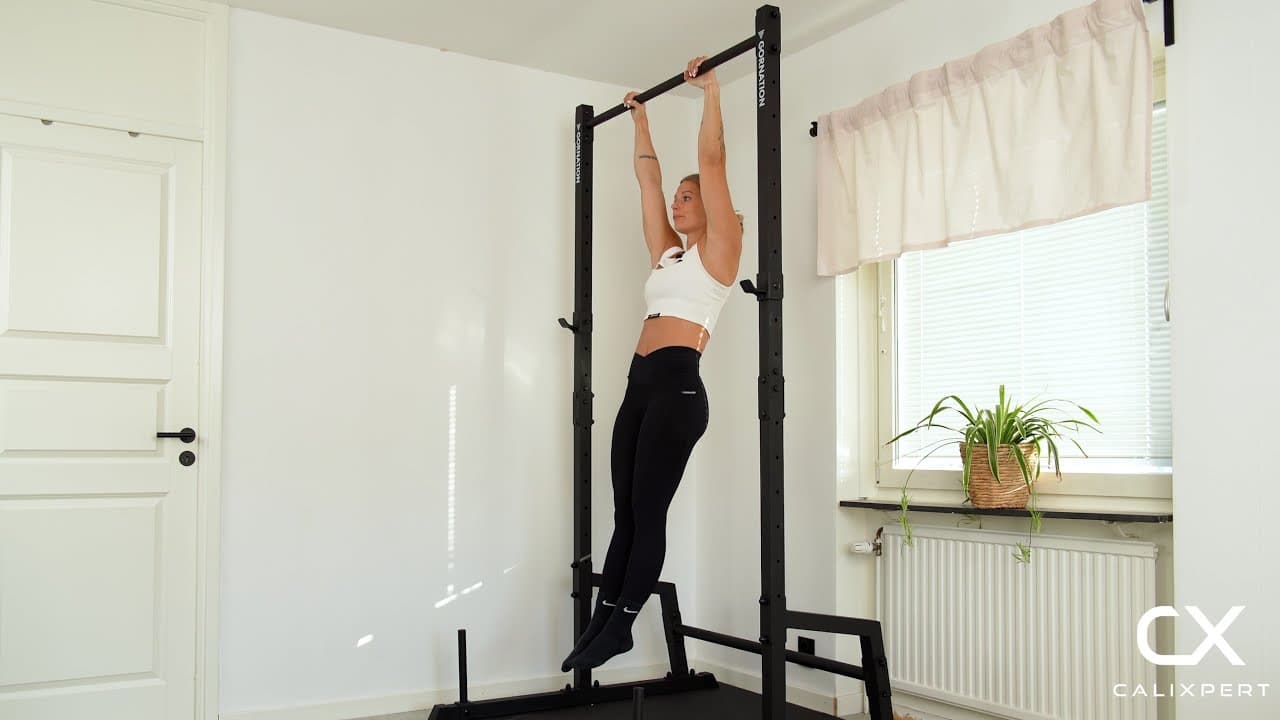
The active hang is a foundational isometric hold performed from a bar with fully engaged shoulders and core, targeting the lower traps, lats, and scapular stabilizers through sustained tension. Unlike a passive dead hang where the shoulders drift up toward the ears, the active hang requires you to depress and retract the scapulae while maintaining a slight hollow body position. This single exercise builds the shoulder stability and scapular control that directly underpin every pulling movement in calisthenics, from pull-ups to muscle-ups to front levers.
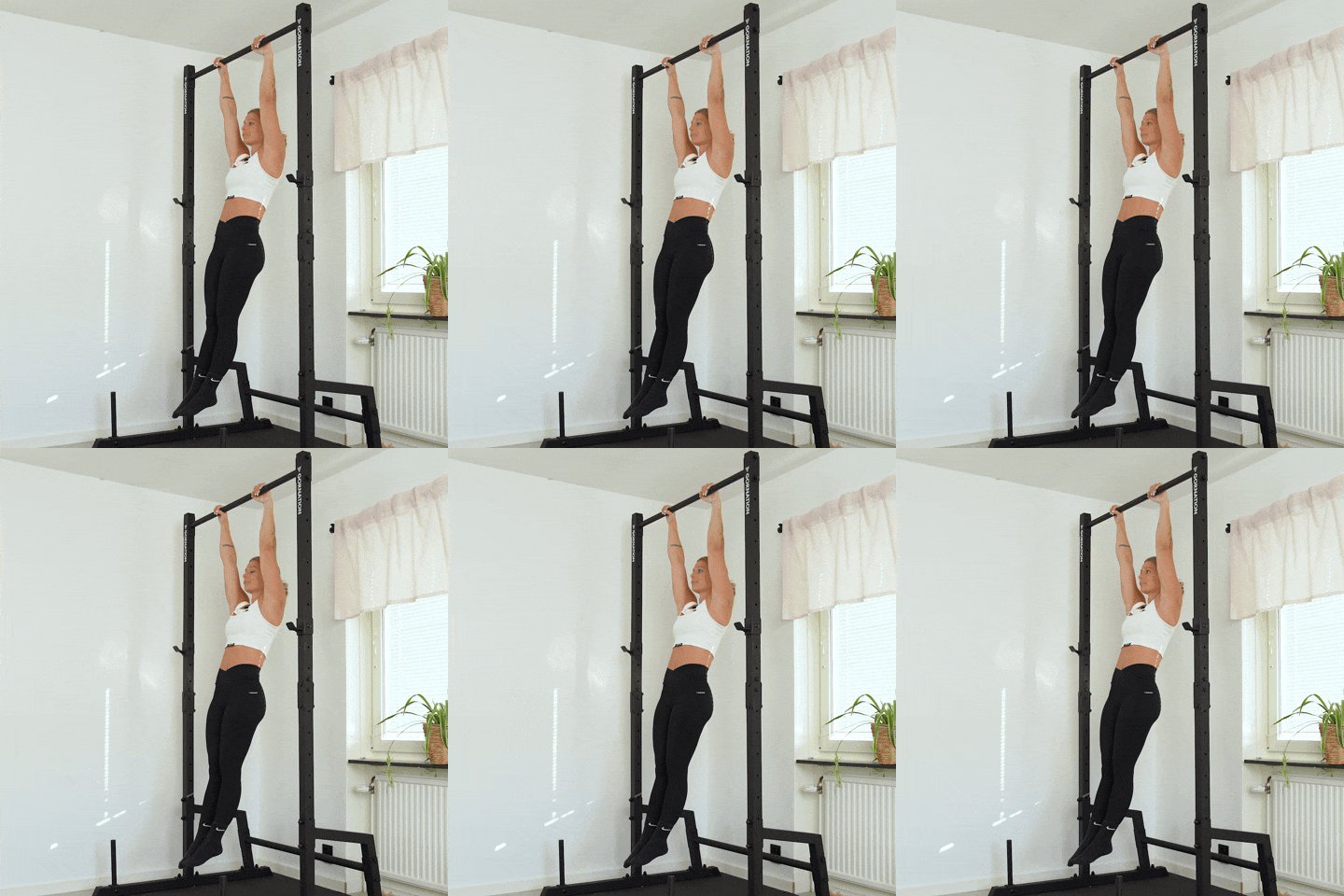
How to Do Active Hang
1. Grip the Bar at Shoulder Width
Grab a pull-up bar with an overhand grip, hands placed shoulder-width apart. Wrap your thumbs fully around the bar with your knuckles facing up and over the top. This full grip keeps your wrists stable and prevents your hands from slipping during the hold.
Thumbs wrapped, knuckles over the bar
2. Hang With Arms Fully Extended
Lift your feet off the ground and let your body settle into a full dead hang with arms completely straight. Allow your shoulders to rise toward your ears for a brief moment. This relaxed starting position gives you a clear reference point so you can feel the difference once you engage.
Arms straight, shoulders relaxed first
3. Depress the Shoulder Blades Down
Without bending your elbows, pull your shoulder blades down and slightly back, driving your shoulders away from your ears. You should feel your upper body rise a few centimeters as the scapulae depress. This is the same scapular pull-up motion that initiates every pulling exercise in calisthenics. Keep your arms completely straight throughout this activation.
Pull shoulders down, arms stay straight
4. Engage the Core Into Hollow Body
Tighten your abs and tilt your pelvis slightly forward to create a gentle hollow body position. Your legs should be together and slightly in front of your torso rather than hanging straight down or swinging behind you. This core engagement eliminates any arch in the lower back and creates full-body tension from hands to toes.
Tighten abs, legs slightly forward
5. Hold and Breathe Steadily
Maintain the active position with depressed scapulae and engaged core for the target duration. Breathe in a controlled rhythm, inhaling through the nose and exhaling through the mouth without releasing shoulder tension. If your shoulders start creeping back toward your ears, the set is over. Quality of position matters more than total time.
Breathe steady, shoulders stay down
Most people treat the active hang as something they already know how to do, then rush past it. The real test is whether you can hold perfect scapular depression for 30 seconds without your shoulders creeping up even once. If you cannot, this is the exercise that needs the most attention in your program, because every pulling skill you build on top of weak scapular control will eventually hit a ceiling.
Muscles Worked During Active Hang
Secondary Muscles:
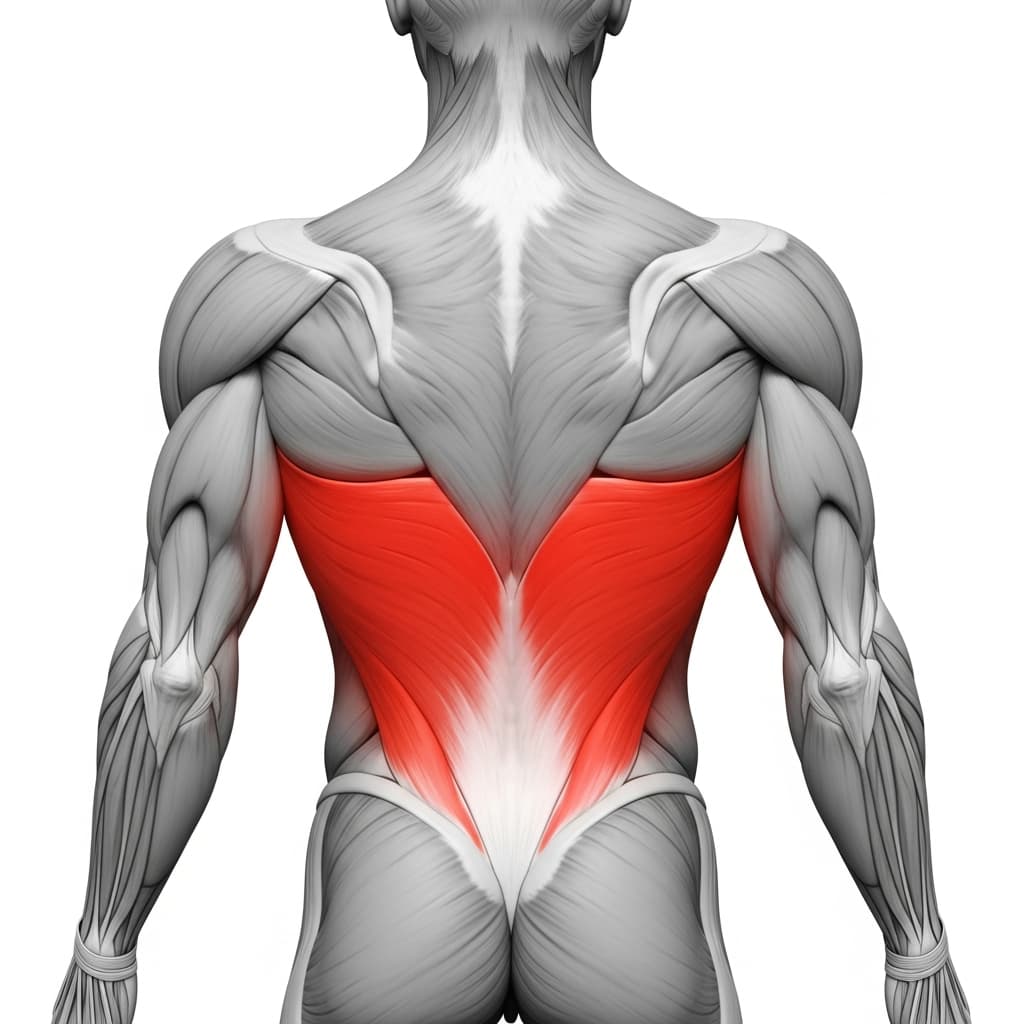
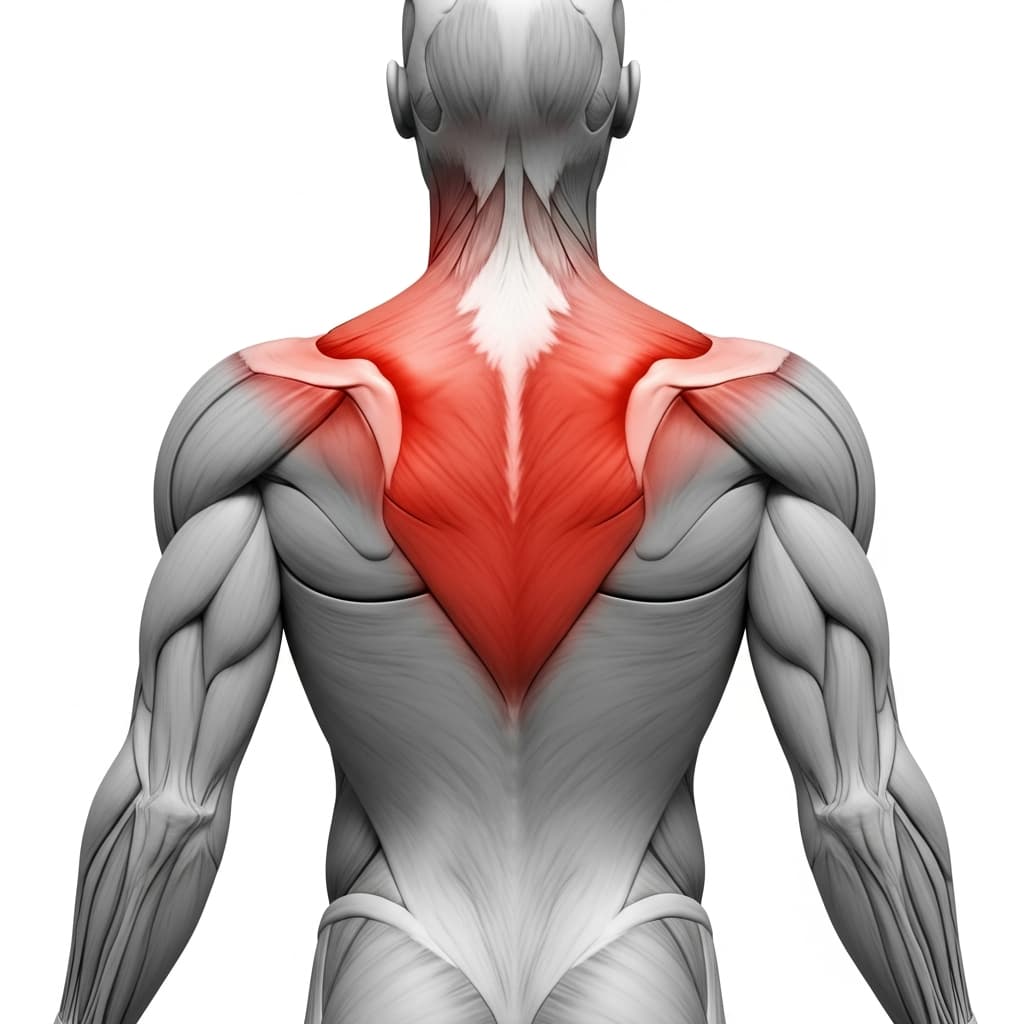
Primary Muscles
Latissimus Dorsi (Lats) - The lats drive scapular depression and provide the primary downward pulling force that moves the shoulders away from the ears during the active hang.
Trapezius (Trapezius) - The lower fibers of the traps work to depress and stabilize the scapulae against the pull of gravity throughout the hold.
Secondary Muscles
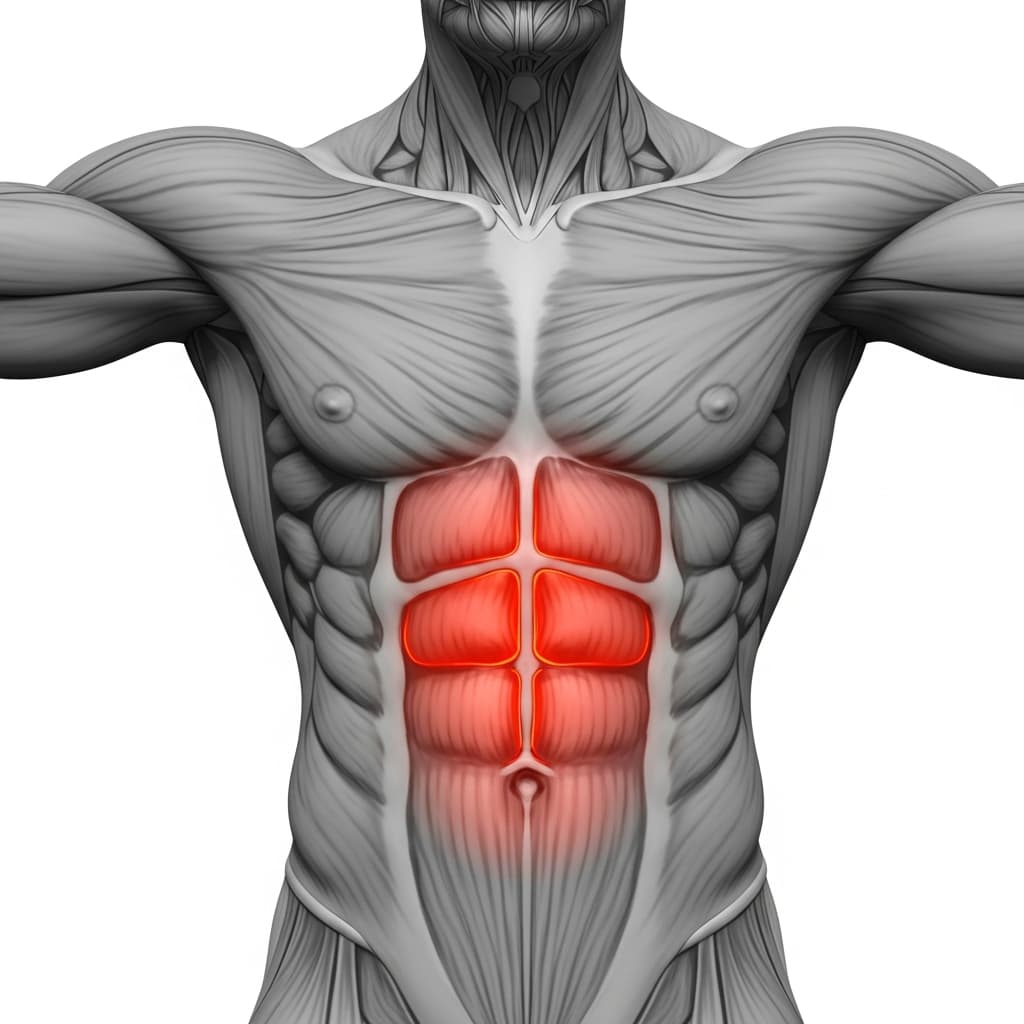
Rectus Abdominis (Abs) - The abdominals maintain the hollow body position by tilting the pelvis posteriorly and preventing the lower back from arching.
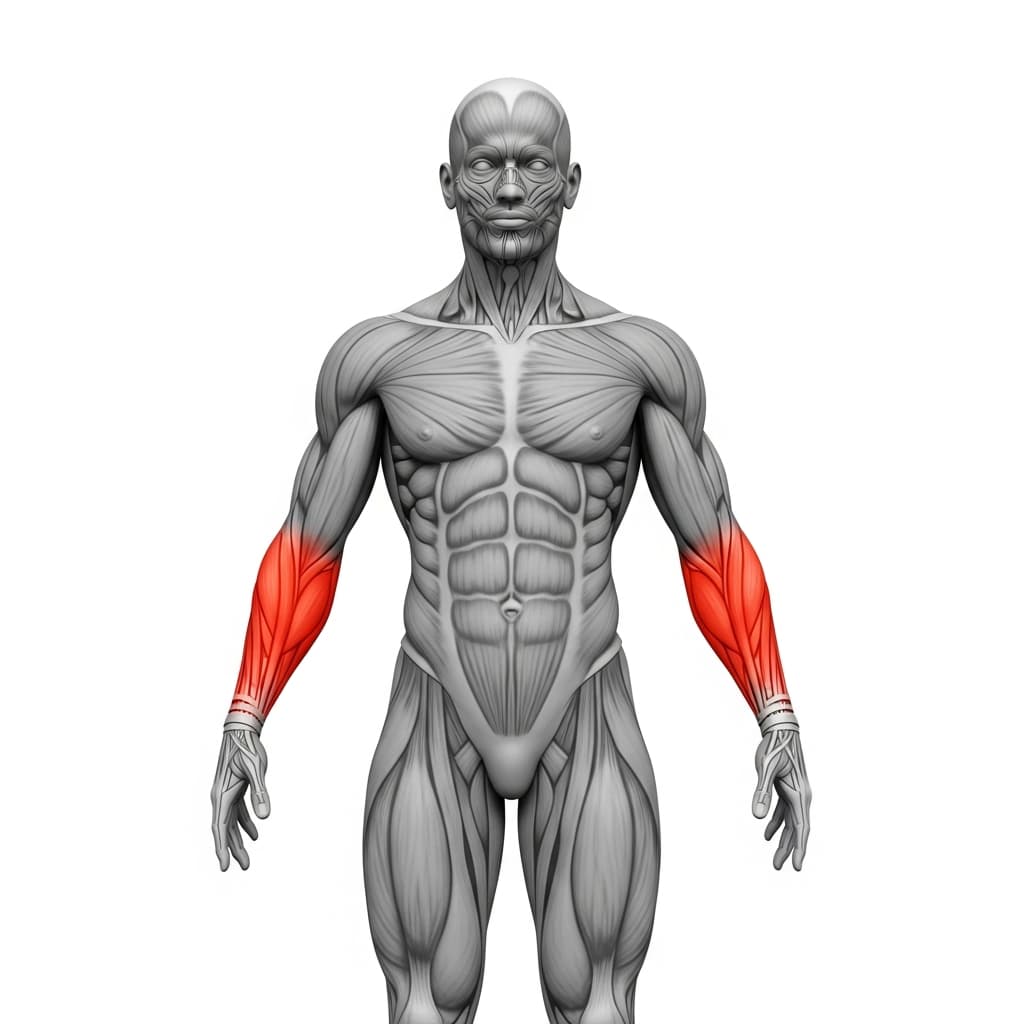
Forearm Flexors & Extensors (Forearms) - The forearm flexors sustain the grip on the bar for the entire duration of the hold, working isometrically against bodyweight.
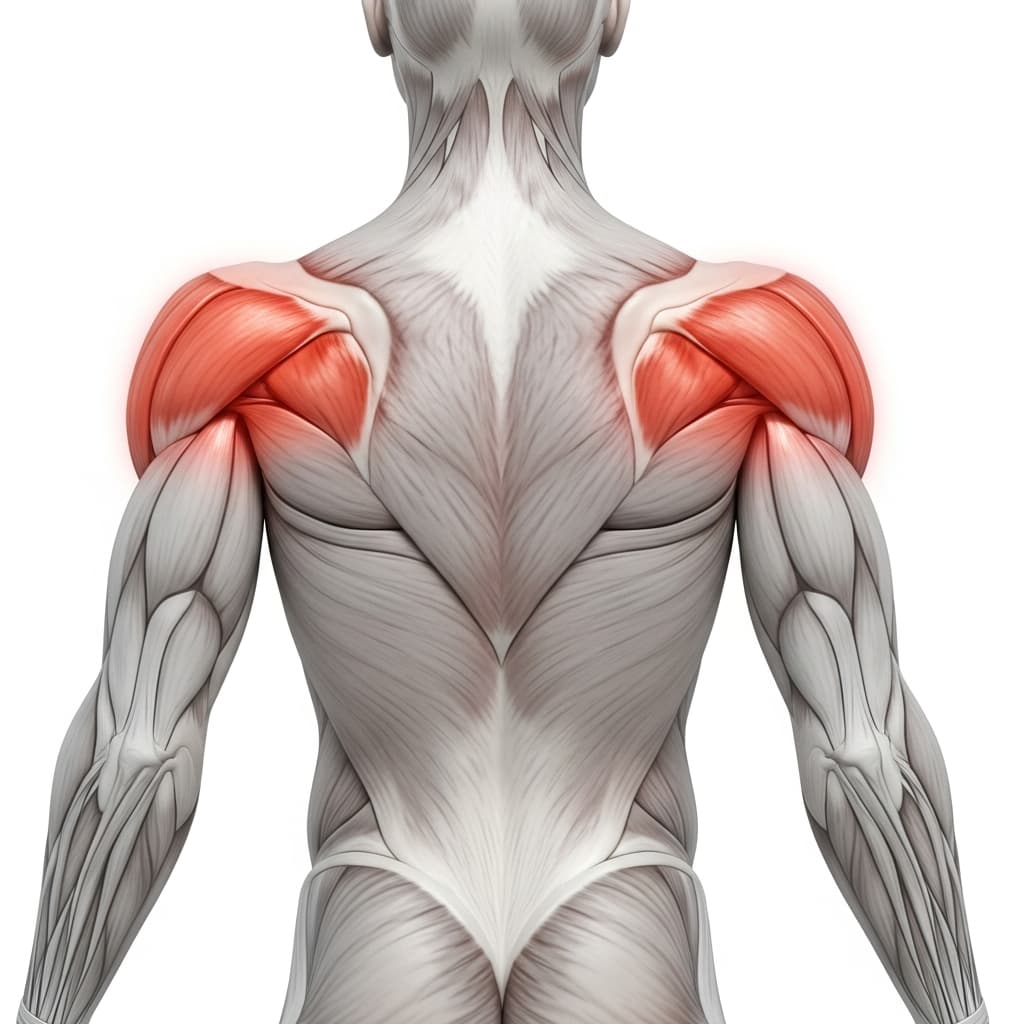
Posterior Deltoid (Rear Deltoid) - The rear deltoids assist in stabilizing the shoulder joint and supporting slight scapular retraction during the active position.
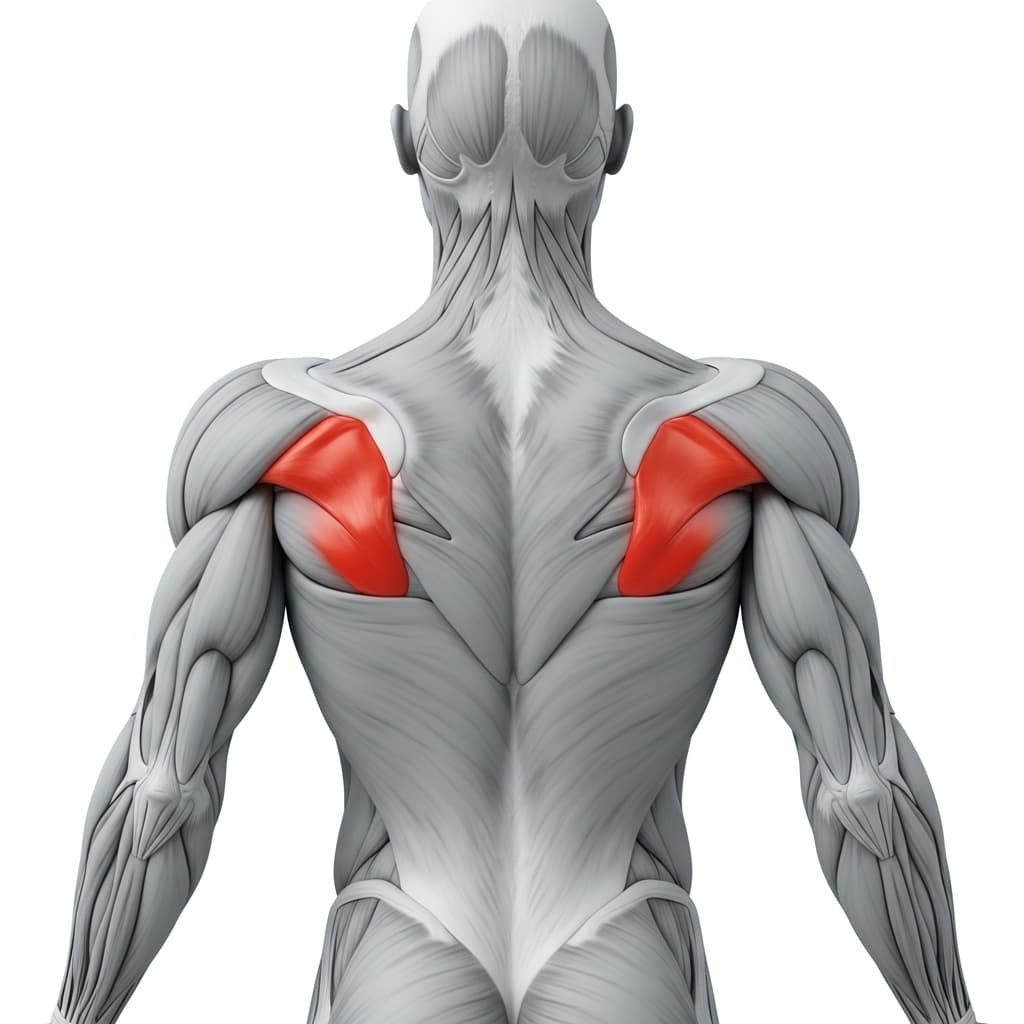
Rotator Cuff (SITS) (Rotator Cuff) - The rotator cuff muscles stabilize the humeral head in the shoulder socket, preventing excessive movement under the load of the hang.
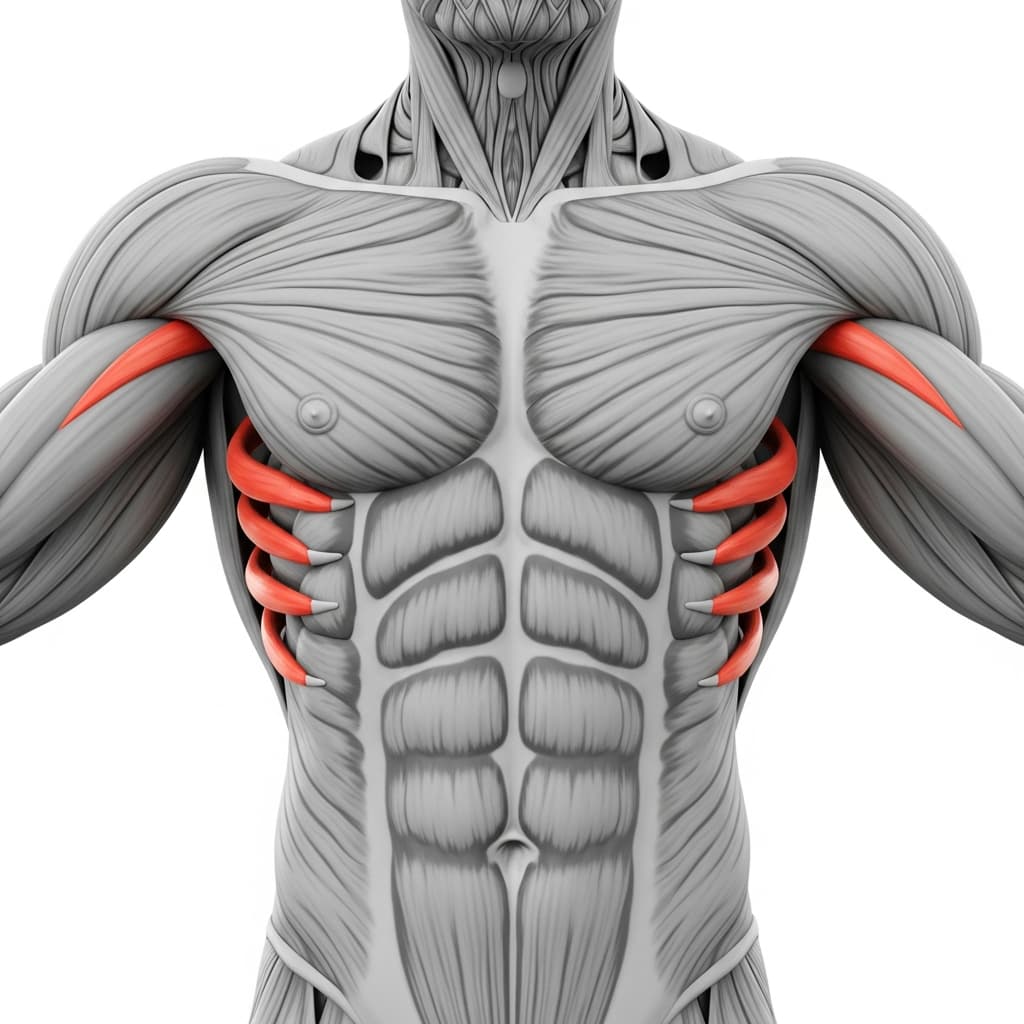
Serratus Anterior (Serratus Anterior) - The serratus anterior works with the lower traps to upwardly rotate and depress the scapula, keeping it firmly against the ribcage throughout the hold.
Benefits of Active Hang
- Develops scapular depression strength, which is the exact motor pattern required to initiate pull-ups, muscle-ups, and front levers correctly
- Builds grip strength and forearm endurance under sustained load, increasing your hang time for all bar-based exercises
- Strengthens the lower traps and serratus anterior, reducing the risk of shoulder impingement during overhead and pressing movements
- Teaches full-body tension and hollow body awareness that carries over to every static hold in calisthenics
- Decompresses the spine under controlled tension, which can improve overhead mobility and reduce stiffness from prolonged sitting
Who Is This Exercise For?
You should be able to hold a passive dead hang for at least 10 seconds with a secure grip before progressing to the active hang. If your hands slip off the bar or your shoulders feel unstable in a relaxed hang, focus on grip endurance and basic shoulder mobility work first. Mastering the dead hang ensures you have enough baseline grip strength and overhead range of motion to hold the active position without compensating.
Common Mistakes to Avoid
Letting the shoulders creep back up: Consciously check your scapular position every few seconds during the hold. If your shoulders rise toward your ears, you have lost the active component and are just doing a dead hang.
Bending the elbows to compensate: Keep your arms completely straight throughout. Bending the elbows turns the hold into a partial pull-up and removes the isolated scapular work that makes this exercise valuable.
Arching the lower back: Engage your abs and bring your legs slightly in front of your body to maintain a hollow body position. An arched back means the core is disengaged and the shoulders are taking unnecessary load in a compromised position.
Holding the breath: Breathe continuously with controlled inhales and exhales. Holding your breath creates unnecessary tension in the neck and chest, which makes it harder to maintain the scapular depression.
Variations & Progressions
Band-Assisted Active Hang
Loop a resistance band over the bar and place your feet or knees in the band. The band offloads a portion of your bodyweight, making it easier to focus on scapular depression without grip or shoulder fatigue cutting the set short.
Single-Arm Active Hang
Perform the active hang with one arm while the other hangs at your side. This doubles the grip demand and forces the working shoulder to stabilize against rotation, building unilateral scapular control that transfers directly to one-arm pull-up training.