

How to Do Negative Pull-Up
Negative pull-ups are an excellent exercise for building the strength needed to perform full pull-ups. They focus on the eccentric phase of the movement, helping to develop the muscles in your back, shoulders, and arms.
Step By Step Guide to Properly Execute Negative Pull-Up
- Starting Position
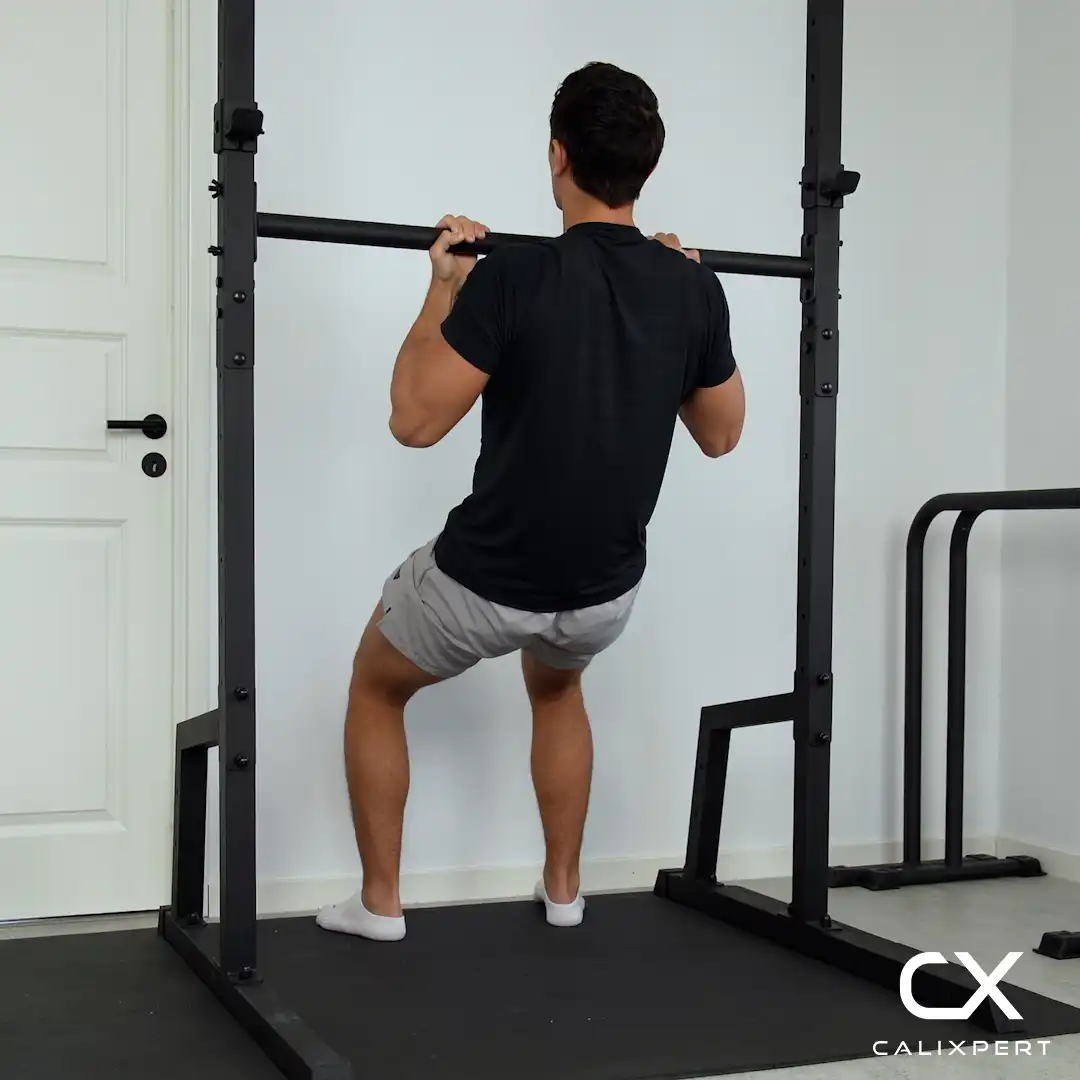
- Use a sturdy pull-up bar. Stand on a box or bench to reach the bar, and grip it with your palms facing away from you, hands shoulder-width apart.
- Execution
- Jump or step off the box to get your chin above the bar, holding yourself in the top position of a pull-up.
- Top Position
- Hold the top position briefly, ensuring your chin is above the bar and your body is stable.
- Lowering Phase
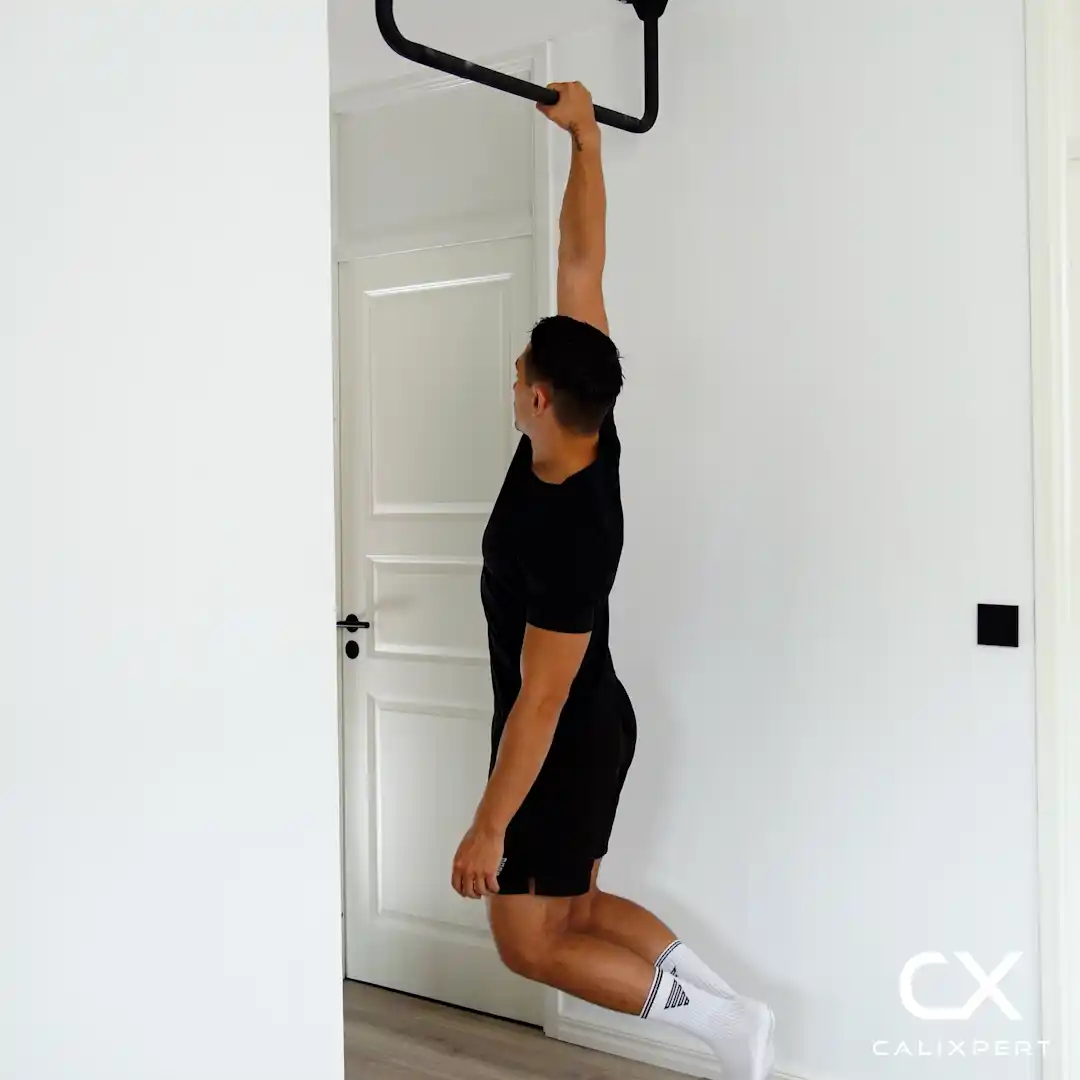
- Slowly lower yourself down in a controlled manner until your arms are fully extended. Aim for a 3-5 second descent.
Benefits of Negative Pull-Up
- Builds strength in the back, shoulders, and arms.
- Improves grip strength and endurance.
- Helps in progressing to full pull-ups.
- Enhances muscle control and coordination.
Common Mistakes to Avoid
- Dropping too quickly: Focus on a slow, controlled descent to maximize muscle engagement.
- Not using a full range of motion: Ensure your arms are fully extended at the bottom of the movement.
- Swinging or using momentum: Keep your body stable and avoid using momentum to lower yourself.
Follow these steps and tips to master Negative Pull-Ups with proper form and efficiency.

FAQ About Negative Pull-Ups
3-5 reps, 3-4 sets. Each rep should take 4-6 seconds on the way down. Jump or use a box to get your chin above the bar, then lower yourself as slowly as possible. When you drop faster than 3 seconds, the set is done.
The single best exercise for it. I've coached hundreds of beginners through their first pull-up using only negatives. 3 sessions per week, 4 sets of 4 slow negatives. Most people get their first full pull-up within 4-6 weeks. No bands, no machines needed.
Overhand (pronated), slightly wider than shoulder width. This targets the lats and upper back, which is what you need for a real pull-up. Keep your thumbs wrapped around the bar, not in a false grip. If your grip gives out before your lats, add dead hangs to your warmup.
3 times per week with at least one rest day between sessions. Your lats and biceps need recovery to get stronger. More than 3 sessions doesn't help, it just accumulates fatigue. I program them Monday-Wednesday-Friday for most beginners.
Other Exercises

.webp)
.webp)
.webp)
.webp)
.webp)
.webp)
.webp)
.webp)
.webp)
.webp)
.webp)
.webp)

.webp)
.webp)
.webp)
.webp)
.webp)
.webp)
.webp)
.webp)
.webp)
.webp)
.webp)
.webp)
.webp)
.webp)
.webp)
.webp)


%20(1).webp)


.webp)




.webp)


.webp)




.webp)

