False Grip Hang
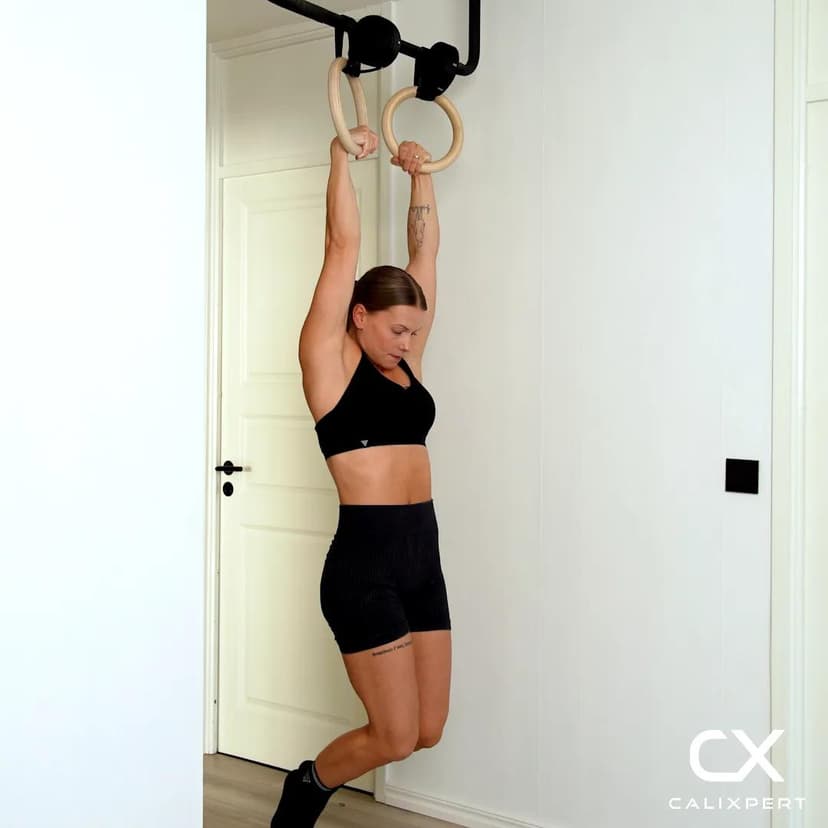
False Grip Hang är en calisthenicsövning som främst tränar underarmarna med stöd av latsen. Rörelsen används för att bygga dragstyrka, grepp och skulderbladskontroll och förbättra kroppskontroll genom hela rörelsebanan. En tydlig fördel är att utvecklar den specifika handleds- och underarmsstyrka som krävs för att utföra bar och ring muscle-ups med en ren transition. Fokusera på tempo, position och kvalitet i varje repetition för säkrare utveckling över tid.
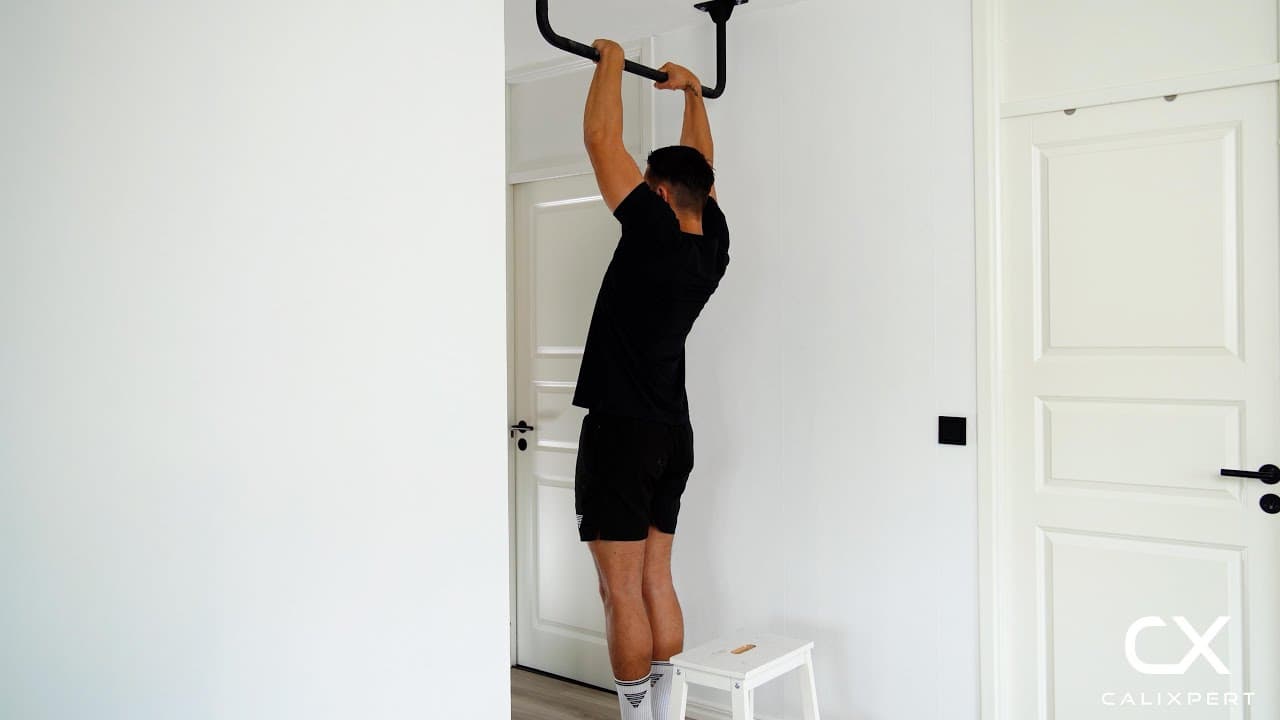
False Grip Hang är en calisthenicsövning som främst tränar underarmarna med stöd av latsen. Rörelsen används för att bygga dragstyrka, grepp och skulderbladskontroll och förbättra kroppskontroll genom hela rörelsebanan. En tydlig fördel är att utvecklar den specifika handleds- och underarmsstyrka som krävs för att utföra bar och ring muscle-ups med en ren transition. Fokusera på tempo, position och kvalitet i varje repetition för säkrare utveckling över tid.
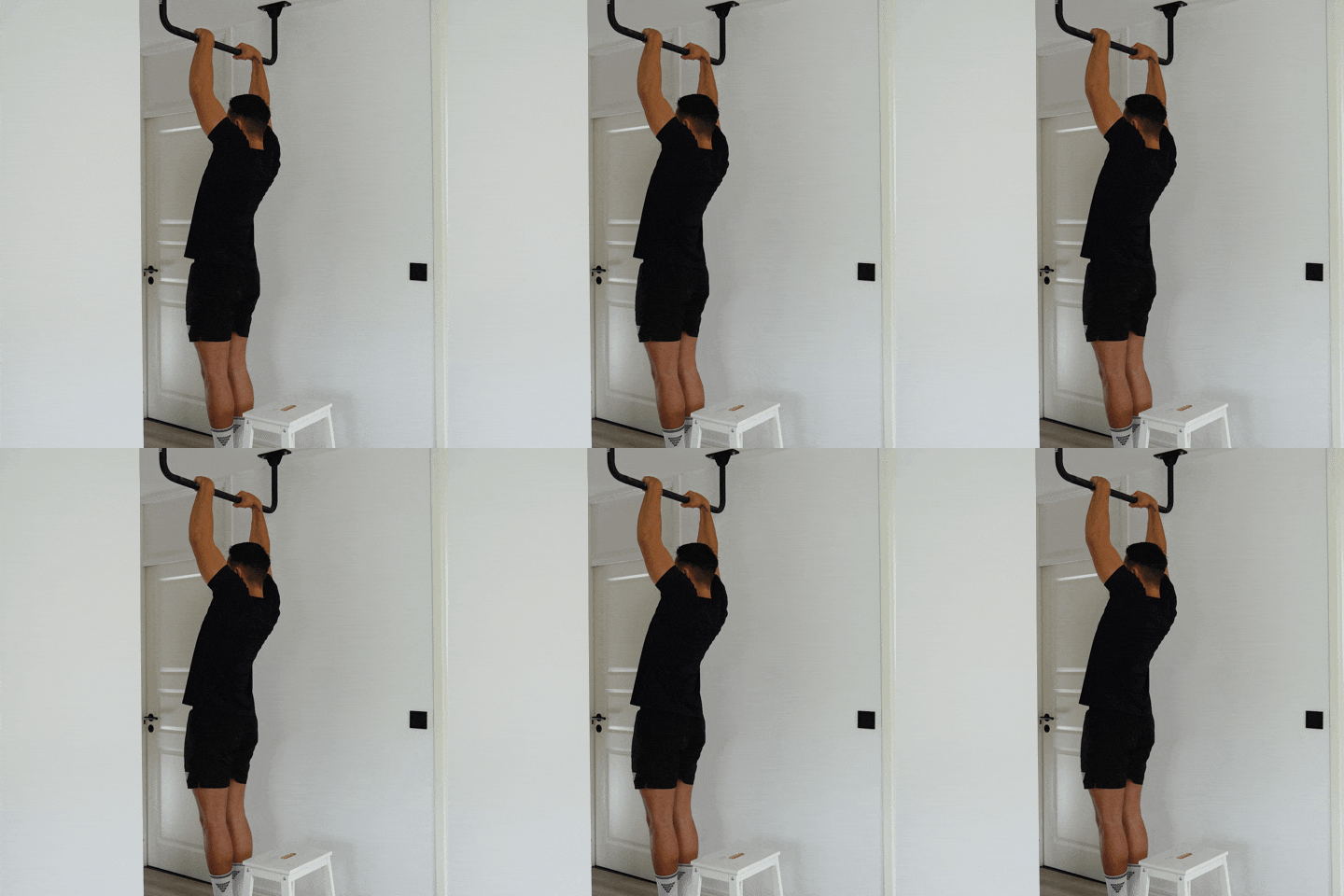
Så här gör du False Grip Hang
1. Positionera handleden över stången
Stå på en låda eller plattform så att du kan placera händerna mot stången i bröst-höjd. Istället för att ta ett vanligt overhand-grepp, placera handflatans bas ovanpå stången så att stången vilar mot handledsvecket. Rotera handen framåt över stången tills knogarna pekar nedåt snarare än uppåt. Detta djupa handledsläge definierar false grip.
Stången mot handledsvecket, inte fingrarna
2. Wrap och säkra båda händerna
När stången sitter i handledsvecket, krulla fingrarna runt stången för att låsa positionen. Upprepa samma handledsrotation med den andra handen. Båda handlederna ska vara böjda över stången med fingrarna säkert lindade undertill. Applicera krita på handflatorna och handlederna, eftersom detta grepp sätter betydande friktion mot huden runt handlovsbenet.
Krita på handlederna, inte bara handflatorna
3. Lyft fötterna och häng
Kliv av lådan och låt kroppsvikten laddas gradvis in i false grip. Håll axlarna aktivt nertryckta och bort från öronen istället för att kollapsa i ett passivt hängläge. Armarna behöver inte vara perfekt raka i början, eftersom handledsläget kräver avsevärd rörlighet som utvecklas med tid. Fokusera på att hålla handledsläget snarare än att tvinga full armsträckning.
Axlarna ner, handlederna låsta
4. Håll och andas jämnt
Håll false grip under målhålltiden medan du andas normalt. Håll core aktiverat och kroppen stilla utan svängning eller glidning. Om du känner att stången glider från handledsvecket mot fingrarna är greppet förlorat och setet är slut. Det är bättre att göra kortare rena håll än längre håll där greppet bryts halvvägs.
Avsluta setet när greppet glider
5. Sänk kontrollerat
När hållet är klart, kliv tillbaka upp på lådan eller sänk fötterna till marken kontrollerat. Hoppa inte bara av stången, eftersom att släppa ett false grip under belastning kan belasta handleden om det sker abrupt. Skaka ut händer och handleder mellan set för att återställa cirkulationen och minska trycket mot handlovsbenen.
Kliv ner, släpp aldrig bara taget
De flesta försöker gripa stången normalt och sedan rotera in i ett false grip under hängning. Det fungerar aldrig eftersom belastningen redan ligger på fingrarna och du inte kan ompositionera. Ställ alltid in false grip innan du lämnar lådan. Placera handleden över stången, lås in läget, kliv sedan av. Greppet ska kännas obekvämt mot handlovsbenet, och krita på handlederna gör verklig skillnad. Om det känns enkelt har handen förmodligen glidit in i ett vanligt grepp.
Tränade muskler under False Grip Hang
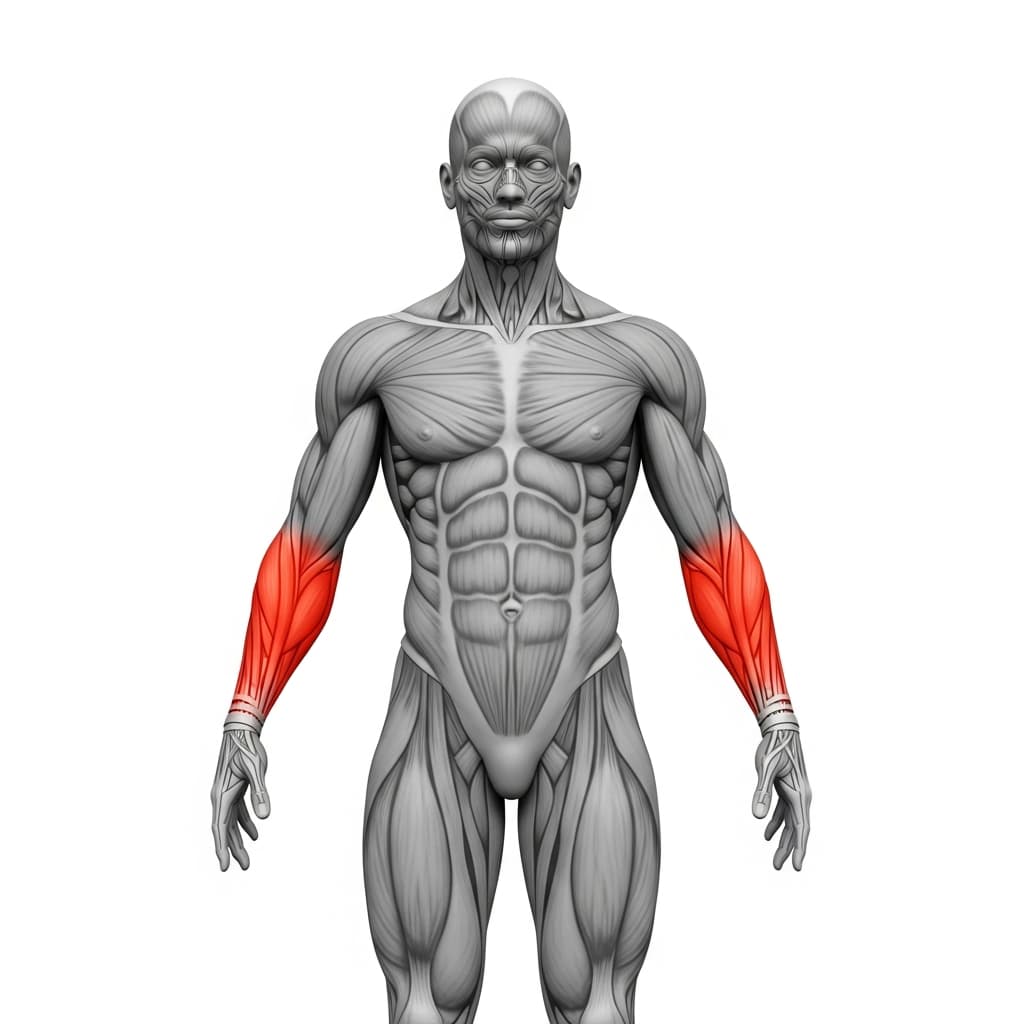
Primära muskler:
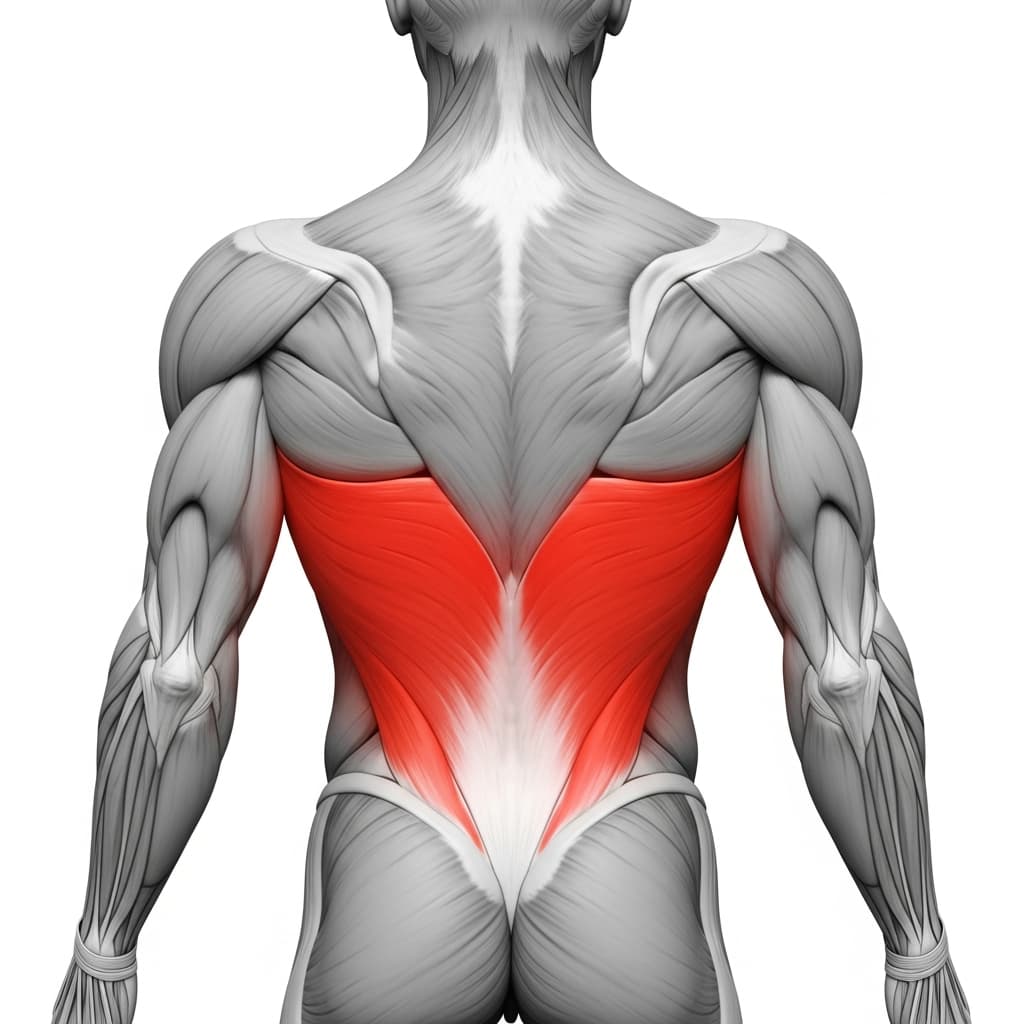
Sekundära muskler:
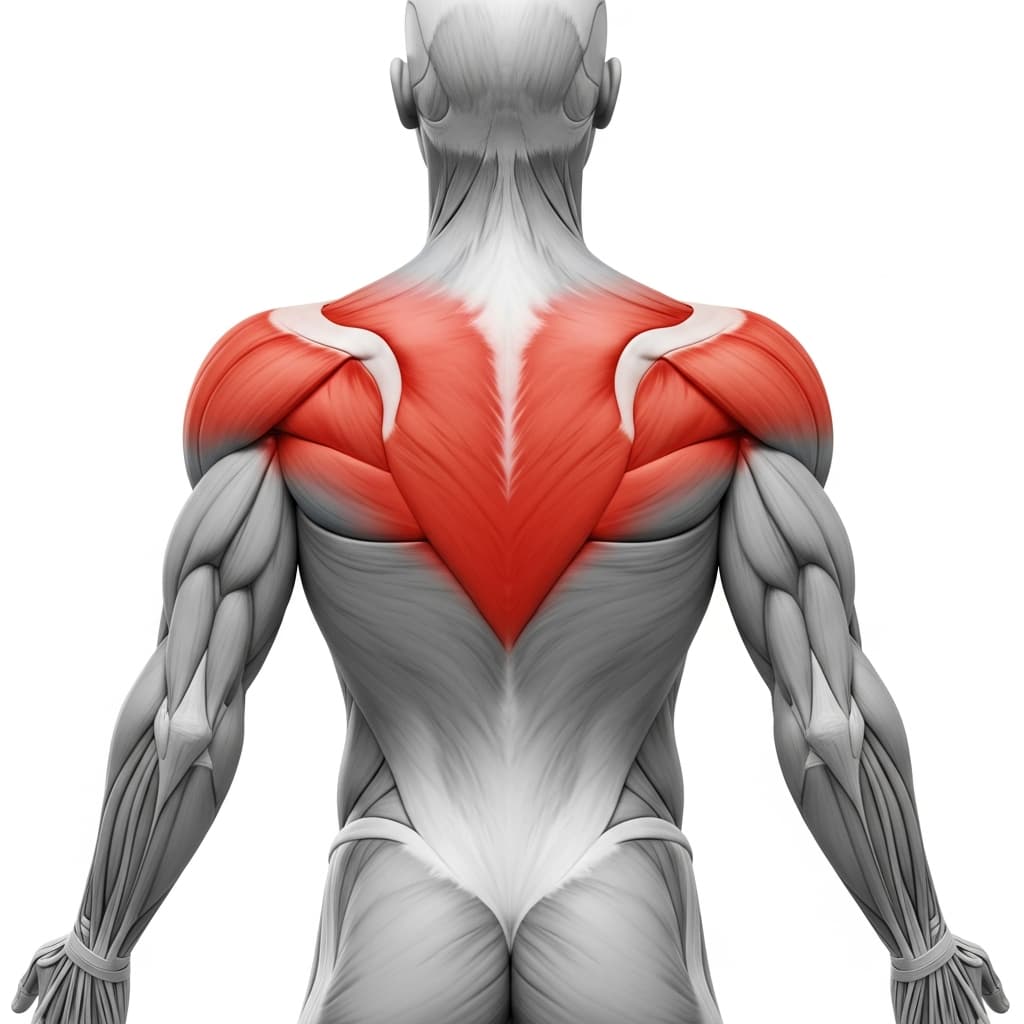
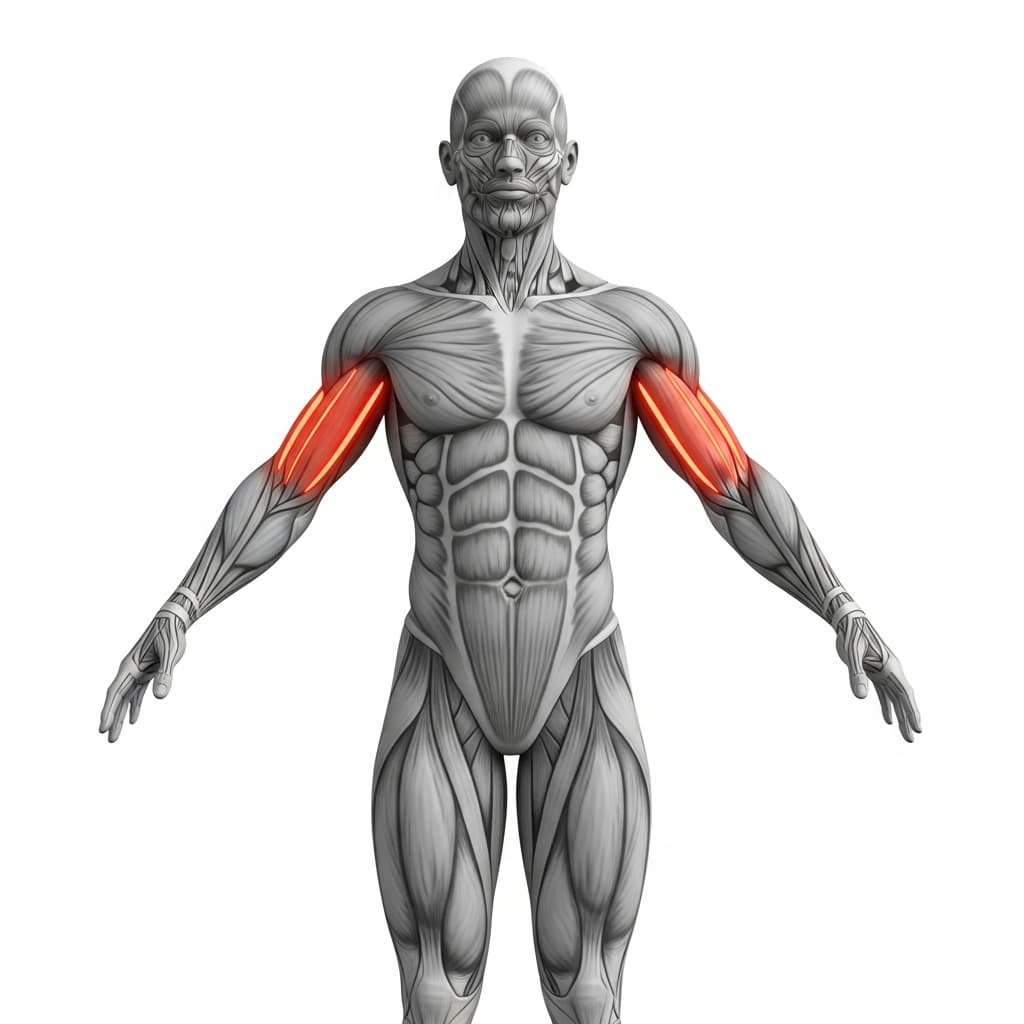
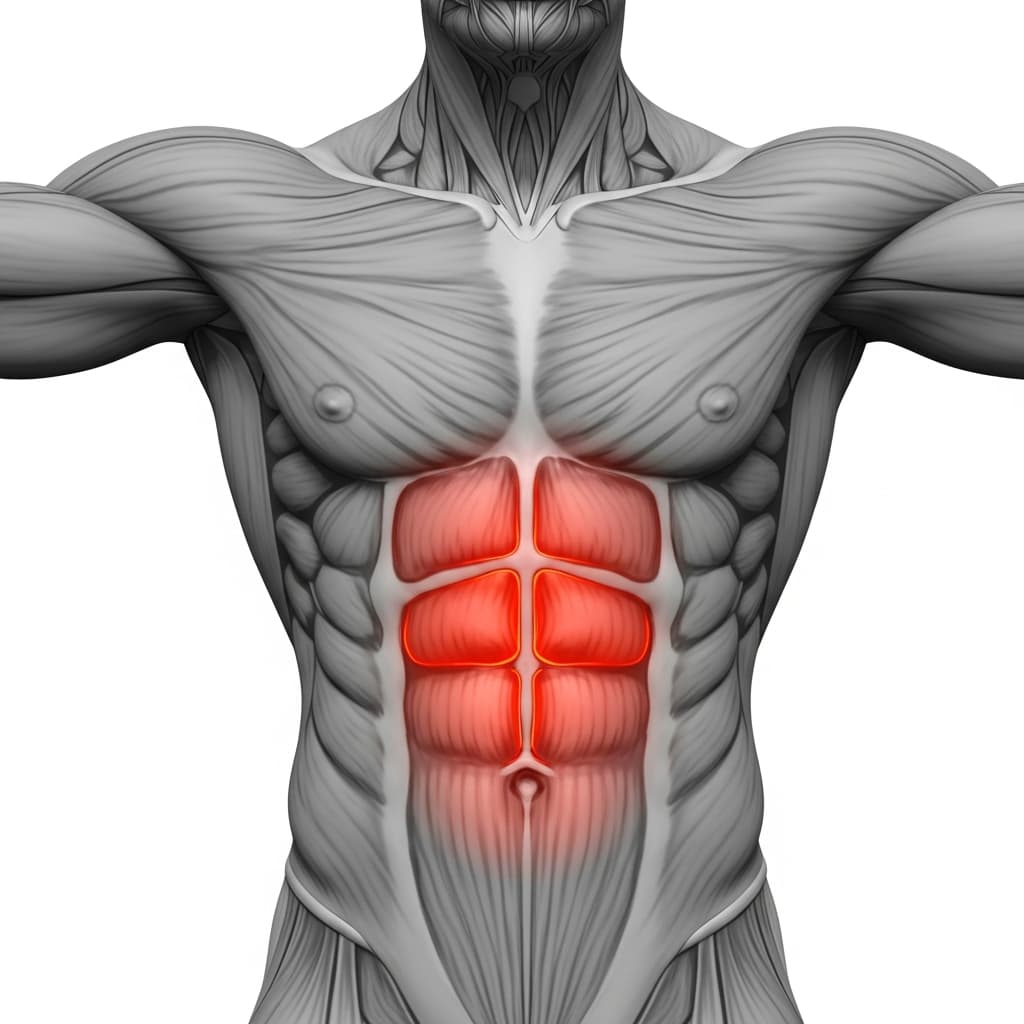
Primära muskler
Underarmar - Handledsflexorerna och fingerflexorerna i underarmen arbetar kontinuerligt för att upprätthålla den djupa false grip-positionen mot kroppsviktens drag som försöker öppna handen.
Sekundära muskler
Latissimus - Latsen kontraherar isometriskt för att hålla axlarna sänkta och stabila under hängningen, vilket förhindrar att kroppen kollapsar till en passiv position.
Övre rygg - Rhomboiderna och mellersta trapezius håller skulderbladen i en retraherad och sänkt position, vilket upprätthåller en aktiv hängning som skyddar axelleden.
Biceps - Biceps arbetar isometriskt för att motstå armbågssträckning under belastning, särskilt i de tidiga stadierna när full armsträckning begränsas av handledsrörlighet.
Mage - Magmusklerna spänner bålen för att förhindra svängning och hålla kroppen stilla, vilket gör att underarmarna och axlarna kan bibehålla greppositionen utan kompensation.
Fördelar med False Grip Hang
- Utvecklar den specifika handleds- och underarmsstyrka som krävs för att utföra bar och ring muscle-ups med en ren transition
- Ökar uthålligheten och toleransen hos handens böjmuskler mot tryck, vilket direkt bär över till ringarbete och avancerade transitioner
- Stärker axelstabilisatorerna i ett belastat hängläge och bygger ledresiliens för överhuvud- och dragrörelser
- Förbättrar grepputhållighet under en ovanlig handledsvinkel som vanliga hängövningar inte tränar
Vem passar den här övningen?
Du bör klara ett vanligt dead hang i minst 30 sekunder med stabila axlar innan du tränar false grip hang. Om din handledsrörlighet är begränsad eller du känner skarp smärta när du böjer handleden över stången, arbeta med handledsrörlighetsdrill och kortare håll med partiell vikt först. Det här är inte en nybörjarövning, den kräver en grundläggande grepputhållighet och axelstabilitet från regelbundet hängarbete.
Vanliga misstag att undvika
Att gripa med fingrarna istället för handleden: Stången måste sitta i vecket där handflatans bas möter handleden, inte tvärs över mitten av handflatan eller i fingrarna. Om knogarna pekar uppåt är du i ett vanligt overhand-grepp, inte ett false grip. Rotera handen framåt tills knogarna pekar ner och handleden krokar över stången.
Att kollapsa i ett passivt hängläge: Håll axlarna aktivt deprimerade under hela hållet. Ett passivt hängläge med avslappnade axlar sätter extra stress på axelkapseln och tar bort stabiliseringsarbetet som gör denna övning värdefull.
Att svänga eller använda momentum: All svängning lägger belastningen bort från handleden och underarmen och gör greppet svårare att hålla. Aktivera core och håll kroppen helt stilla från det ögonblick du lämnar lådan.
Att hålla för länge med ett brutet grepp: När stången glider från handledsvecket mot fingrarna är false grip-nyttan borta. Avsluta setet omedelbart och återställ istället för att slutföra extra sekunder i ett normalt hängläge.
Varianter och progressioner
Bandassisterat False Grip Hang
Trä ett motståndsgummiband över stången och placera fötterna i det för att avlasta en del av kroppsvikten. Detta minskar belastningen på handleder och underarmar, vilket låter dig öva rätt handledsläge för längre håll innan du progresserar till full kroppsvikt.