How To Do Assisted Hanging L-sit Hold
The Assisted Hanging L-sit Hold is a core and grip strength exercise performed while hanging from a bar with support from bands, a box, or light foot contact. It mainly targets the core, hip flexors, lats, shoulders, and forearms. This assisted version makes the movement more accessible while still building strength for a full hanging L-sit. Proper form is important to keep tension in the core and avoid swinging or shoulder strain.
Step-by-Step Guide to Properly Execute Assisted Hanging L-sit Hold
Starting Position
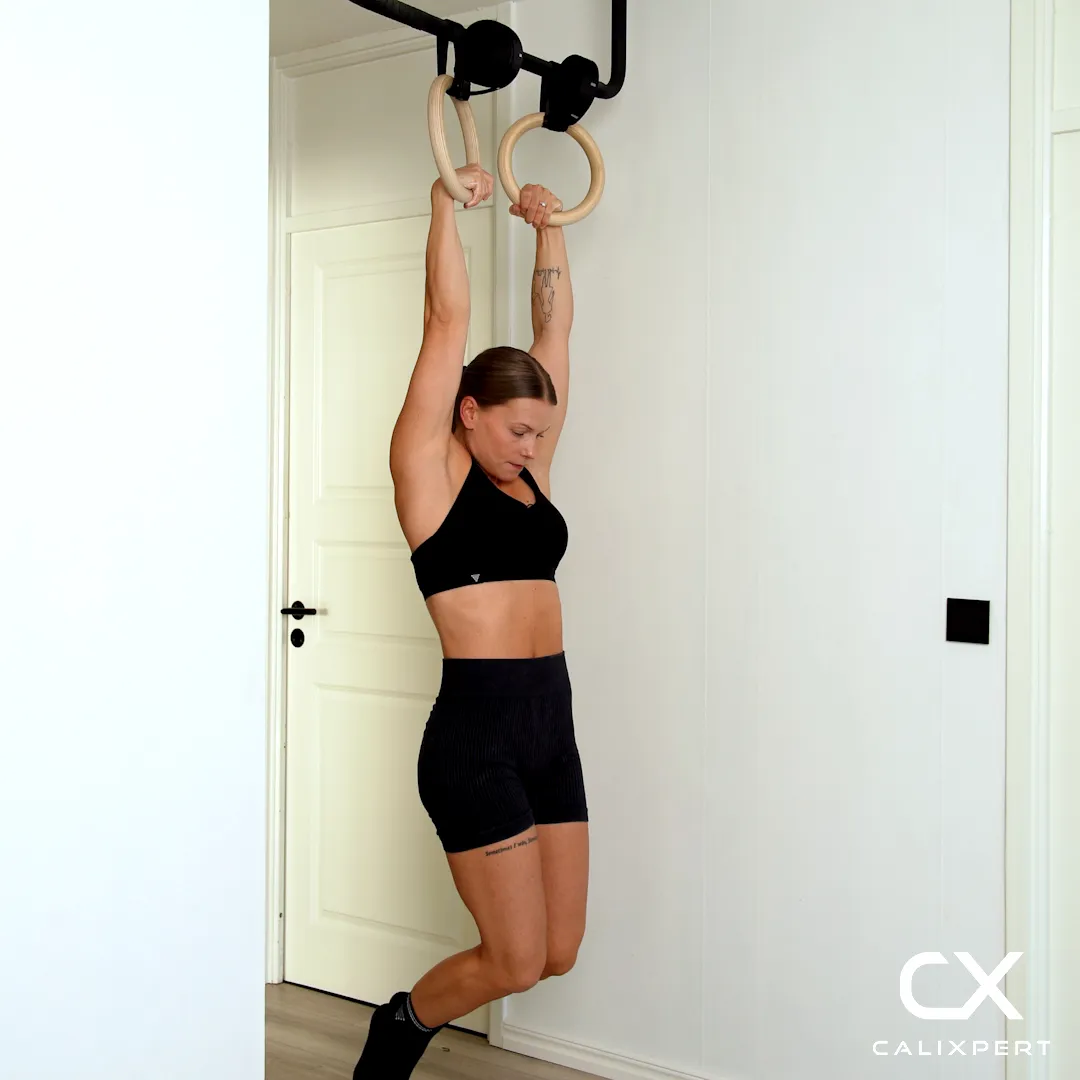
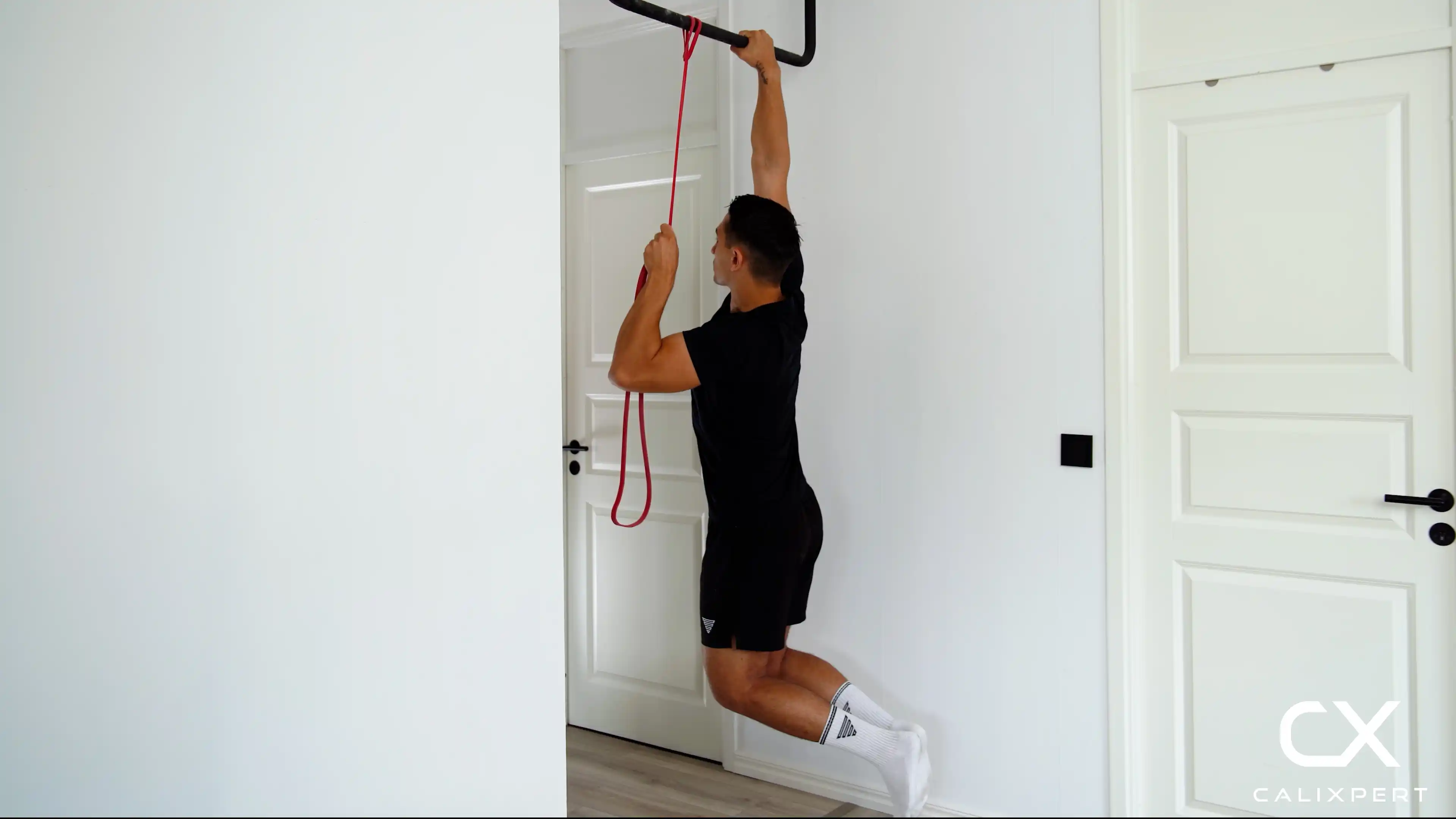
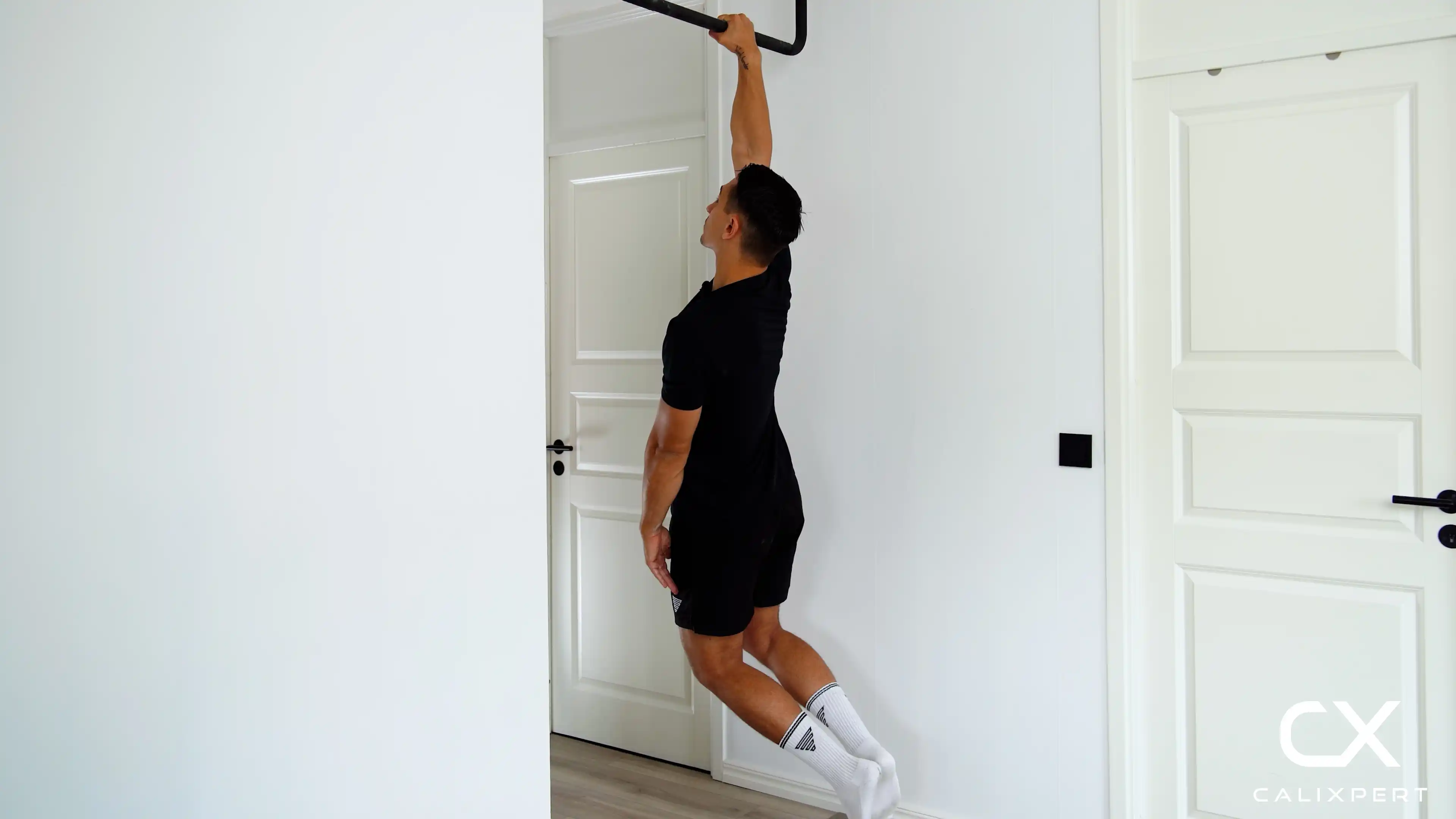
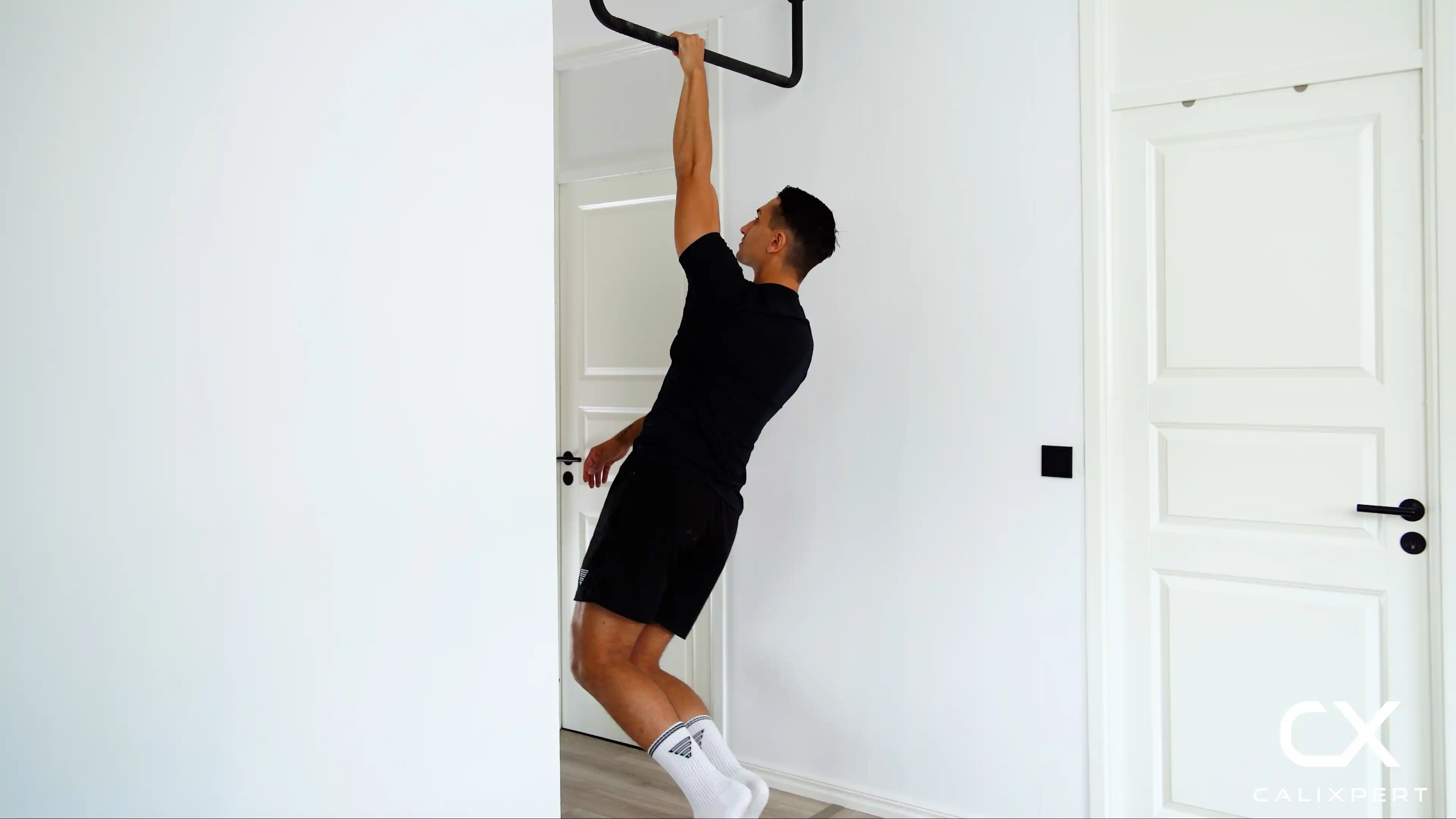
Grab a pull-up bar with an overhand grip, hands about shoulder-width apart. Hang with arms straight and shoulders active by slightly pulling them down and back. Place your feet on a box, band, or light support so part of your body weight is reduced.
Pulling Phase
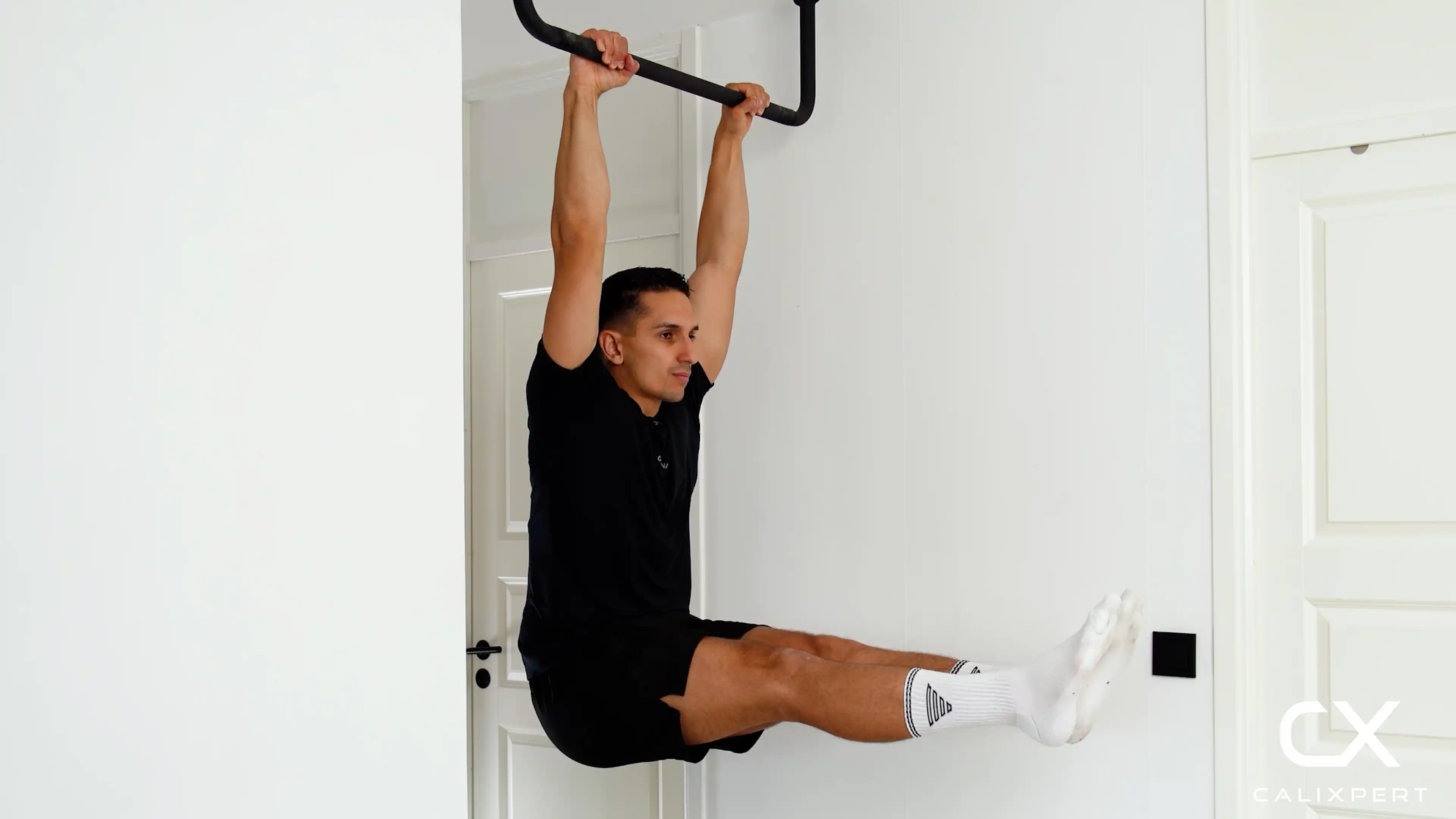
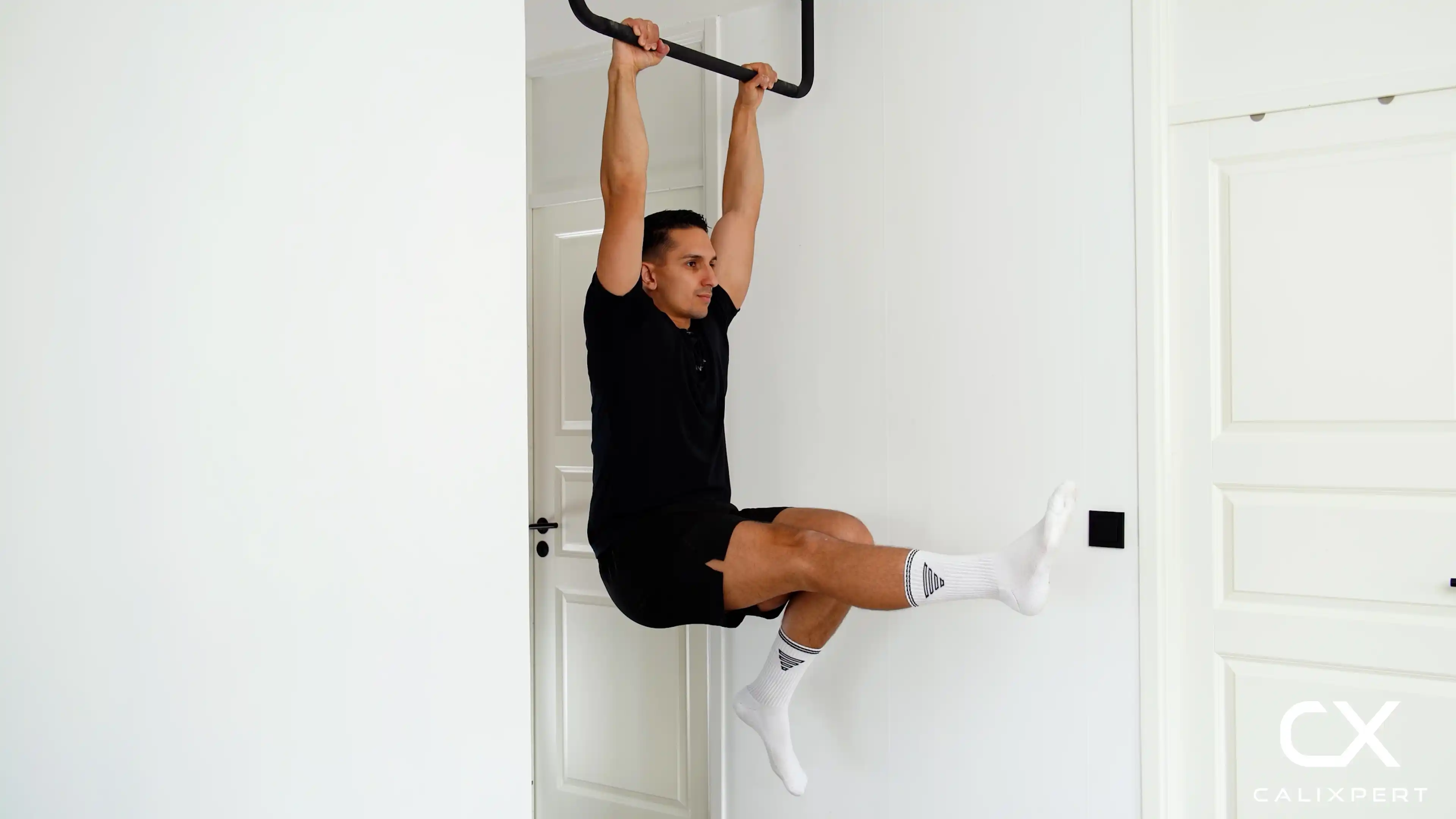
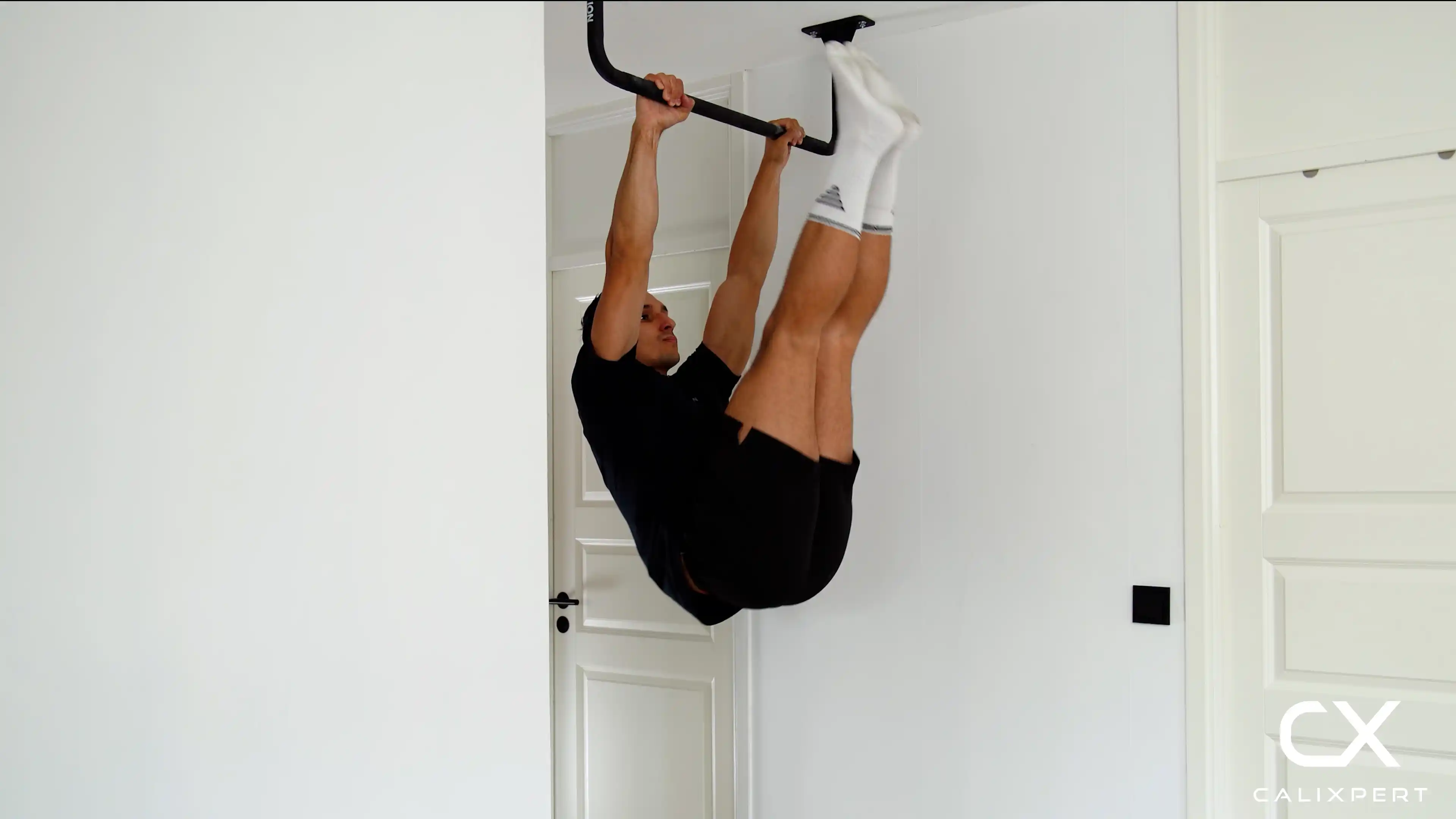
Engage your core and press your legs together. Slowly lift your legs forward until they are as straight as possible, aiming to form an L shape with your body. Keep your torso tall and avoid leaning back.
Holding Phase
Hold the L-sit position while maintaining tight core engagement. Keep your legs straight, toes pointed, and shoulders stable. Breathe steadily and avoid swinging.
Finishing Position
Lower your legs under control back to the starting hanging position. Reset your grip and posture before starting the next hold.
Assisted Hanging L-sit Hold Workout Plan for All Levels
Beginner: 2 sets of 10–20 second holds, 2–3 minutes rest, 2 times per week
Intermediate: 3 sets of 20–30 second holds, 2–3 minutes rest, 3 times per week
Advanced: 4 sets of 30–45 second holds, 2–3 minutes rest, 4 times per week
What Are The Benefits Of Assisted Hanging L-sit Hold
• Builds strong core control and tension
• Improves grip and forearm strength
• Develops shoulder stability while hanging
• Strengthens hip flexors for advanced calisthenics
• Helps prepare for full hanging L-sits and toes-to-bar
Common Mistakes to Avoid
• Bending the knees: Reduces core demand and shifts work away from the hip flexors
• Swinging the body: Uses momentum instead of controlled strength
Similar Exercises To Try For Your Workout
• Hanging Knee Raises
• Hanging Leg Raises
• Parallel Bar L-sit Hold

FAQ About “Assisted Hanging L-sit Hold”
Yes, this exercise is good for beginners. The assistance makes it easier to hold your body up while hanging. This helps you learn the position without needing a lot of strength right away. Beginners can build control and confidence slowly.
Yes, you can modify it if it feels too hard. You can bend your knees instead of keeping your legs straight. You can also use more assistance or hold the position for a shorter time. These changes make the exercise easier and safer.
You may start to feel small changes in a few weeks. Your core and grip can feel stronger with regular practice. Bigger strength changes take more time and steady effort. Doing it often will help you improve faster.
Yes, you should feel it mostly in your stomach muscles. You may also feel it in your shoulders, arms, and hips. These muscles work together to hold your body steady. If you feel sharp pain, you should stop and rest.
Andra övningar

.webp)



%20(1).webp)

.webp)


.webp)


.webp)



.webp)