

Övningar för baksida lår
Biceps Femoris and Semimembranosus
Alla övningar för baksida lår (36)
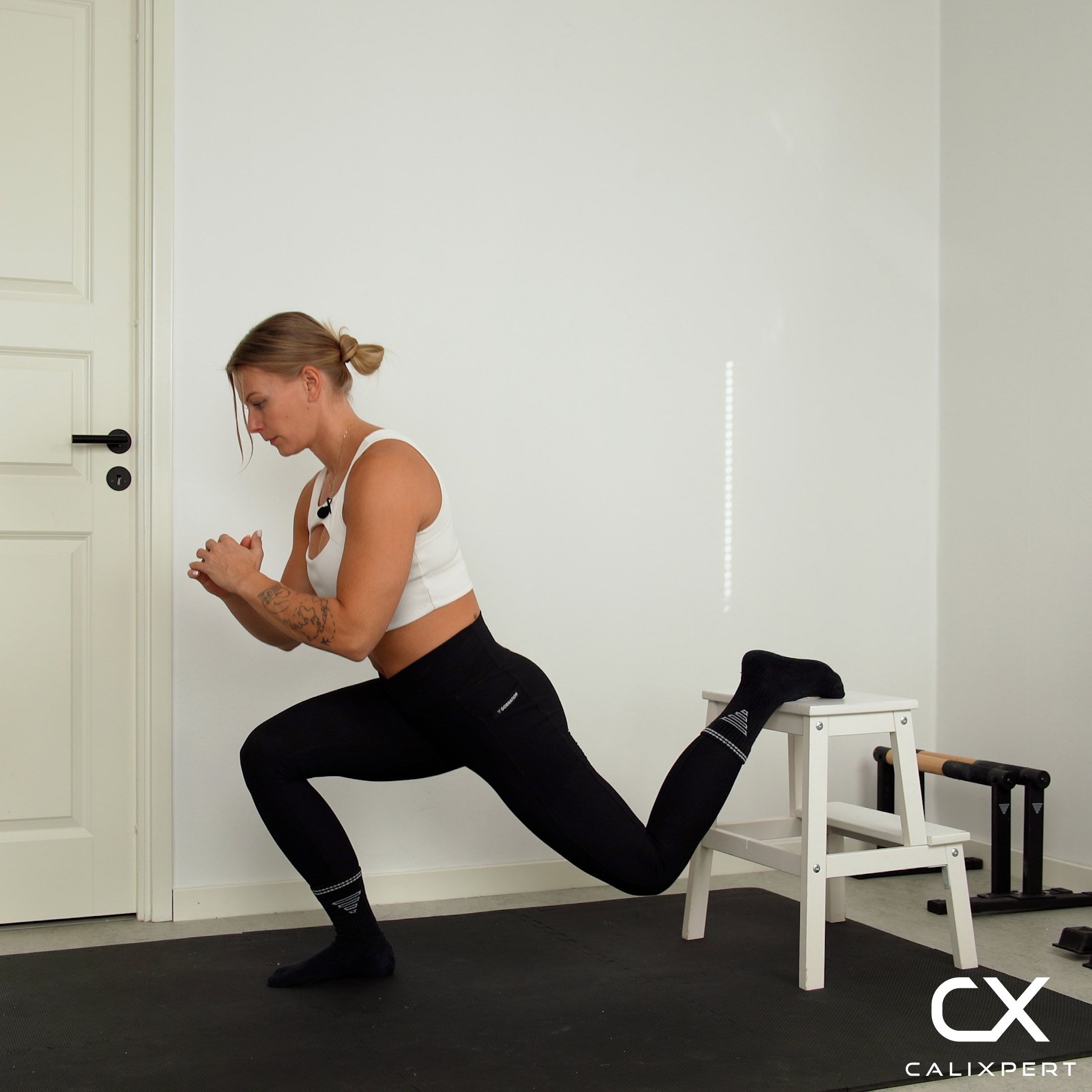
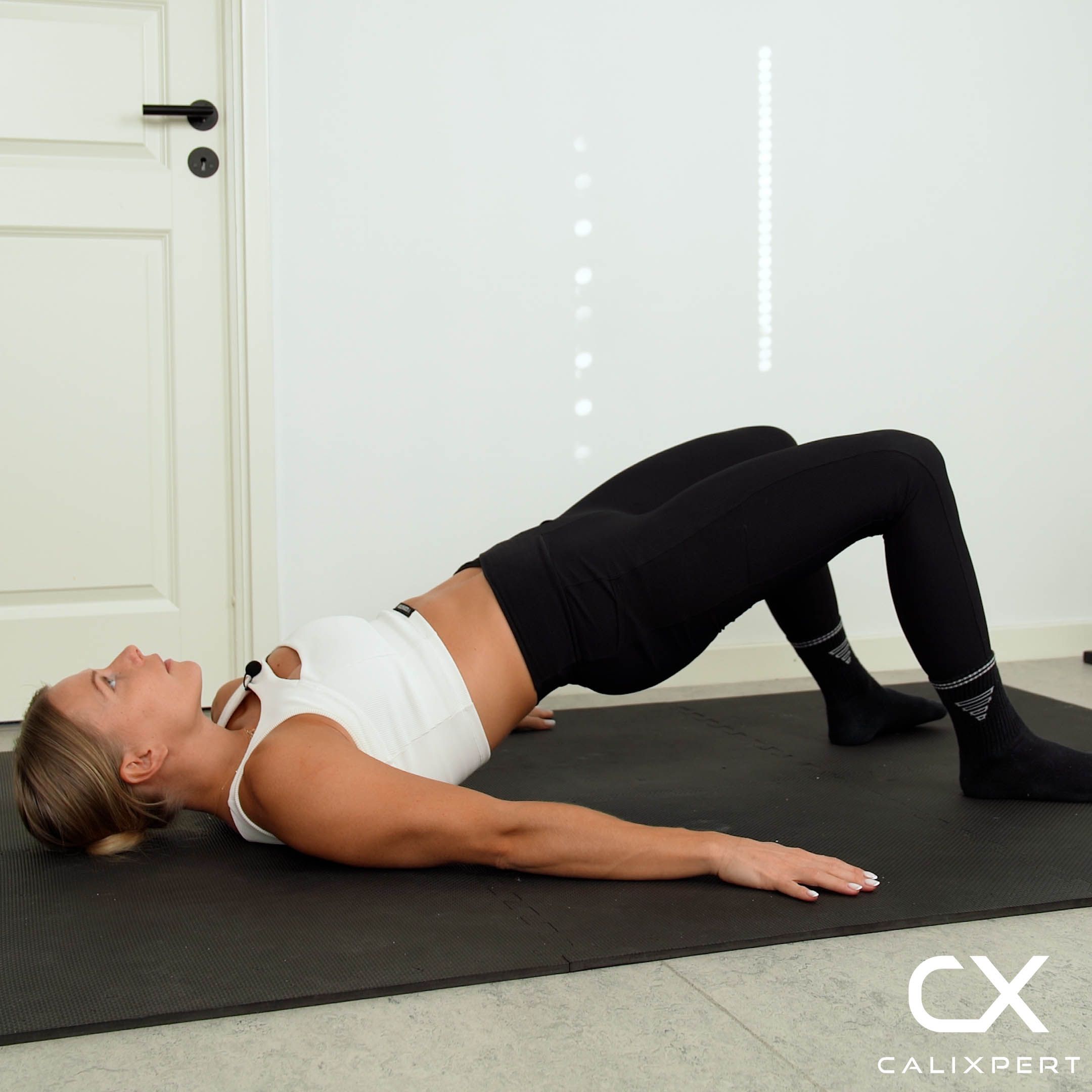
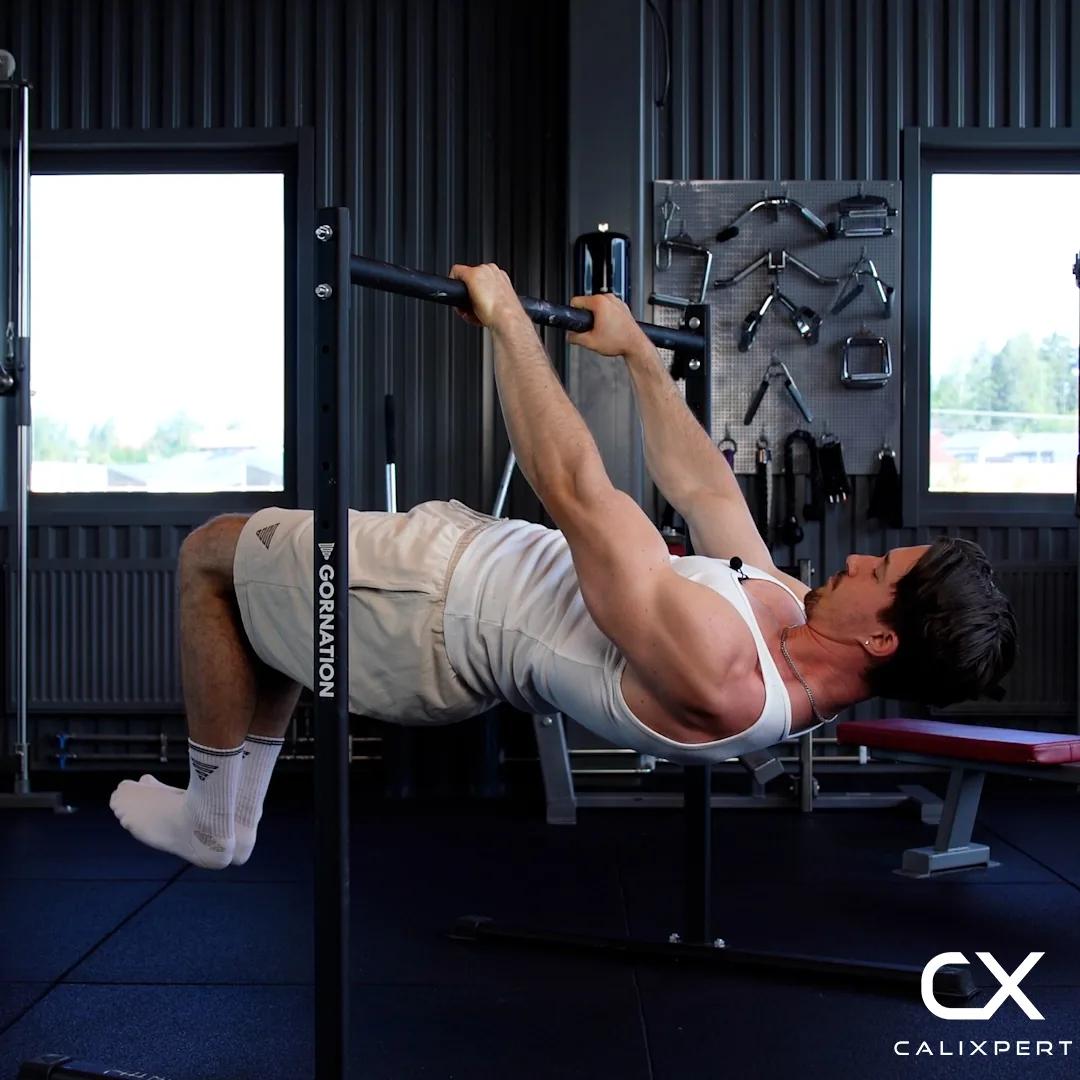
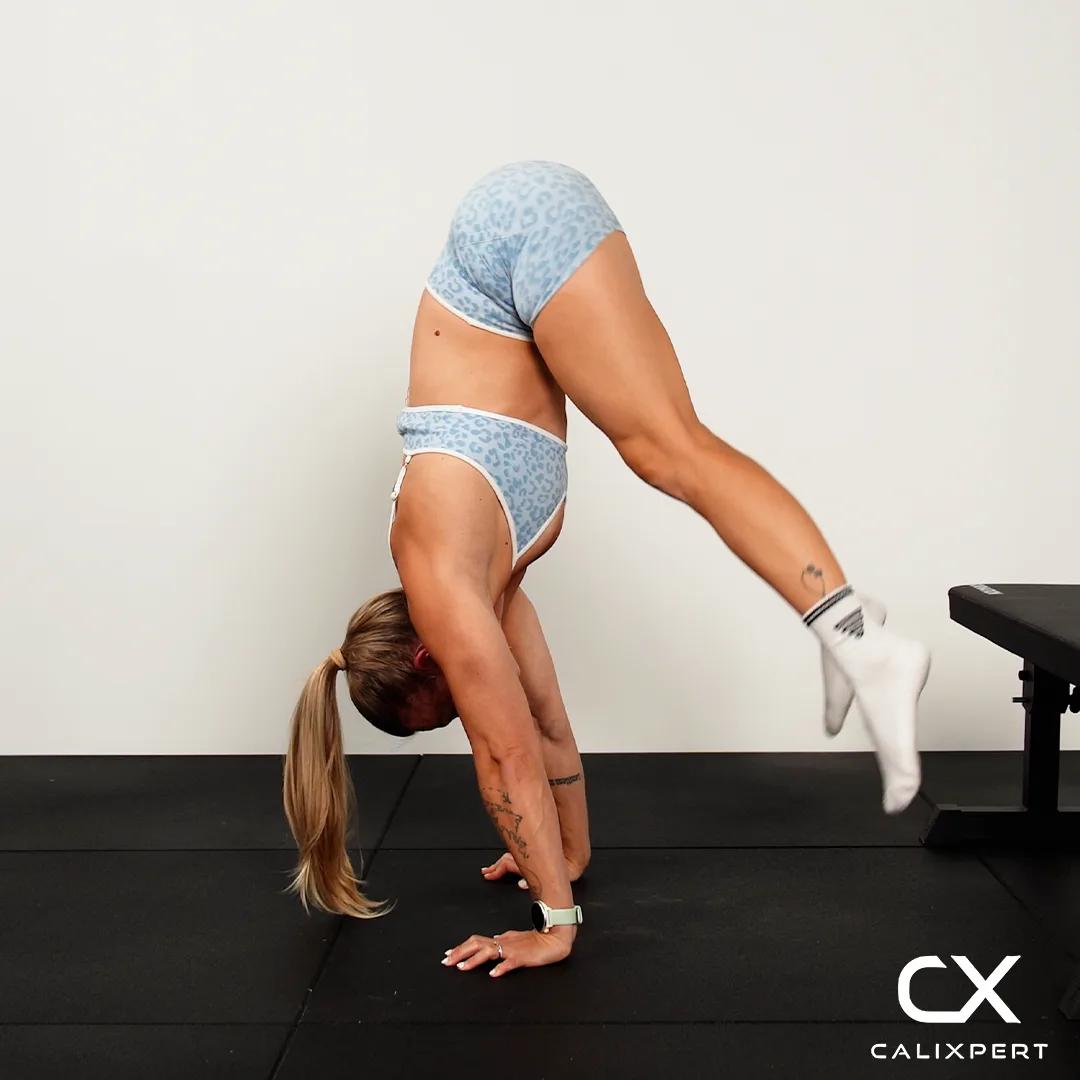
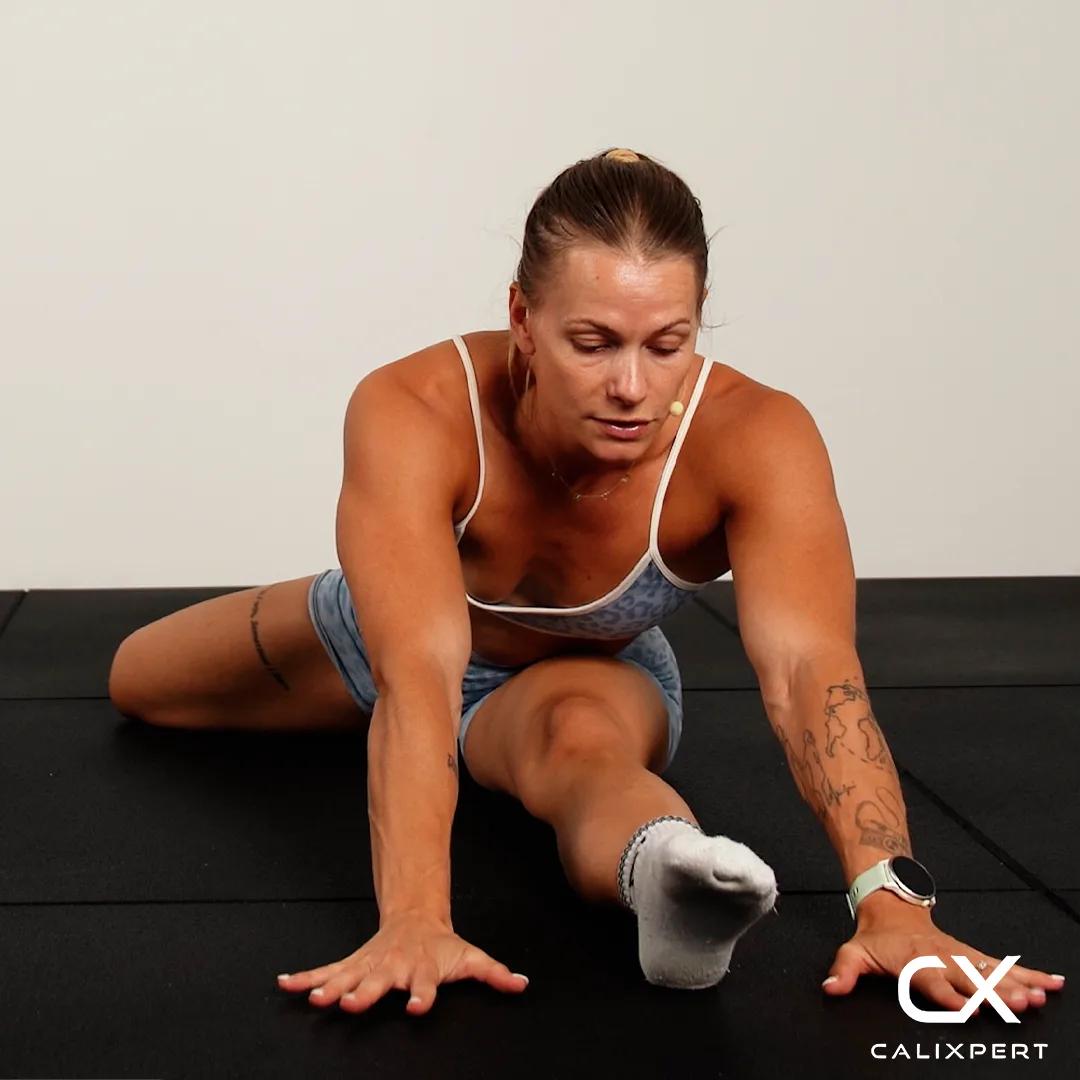
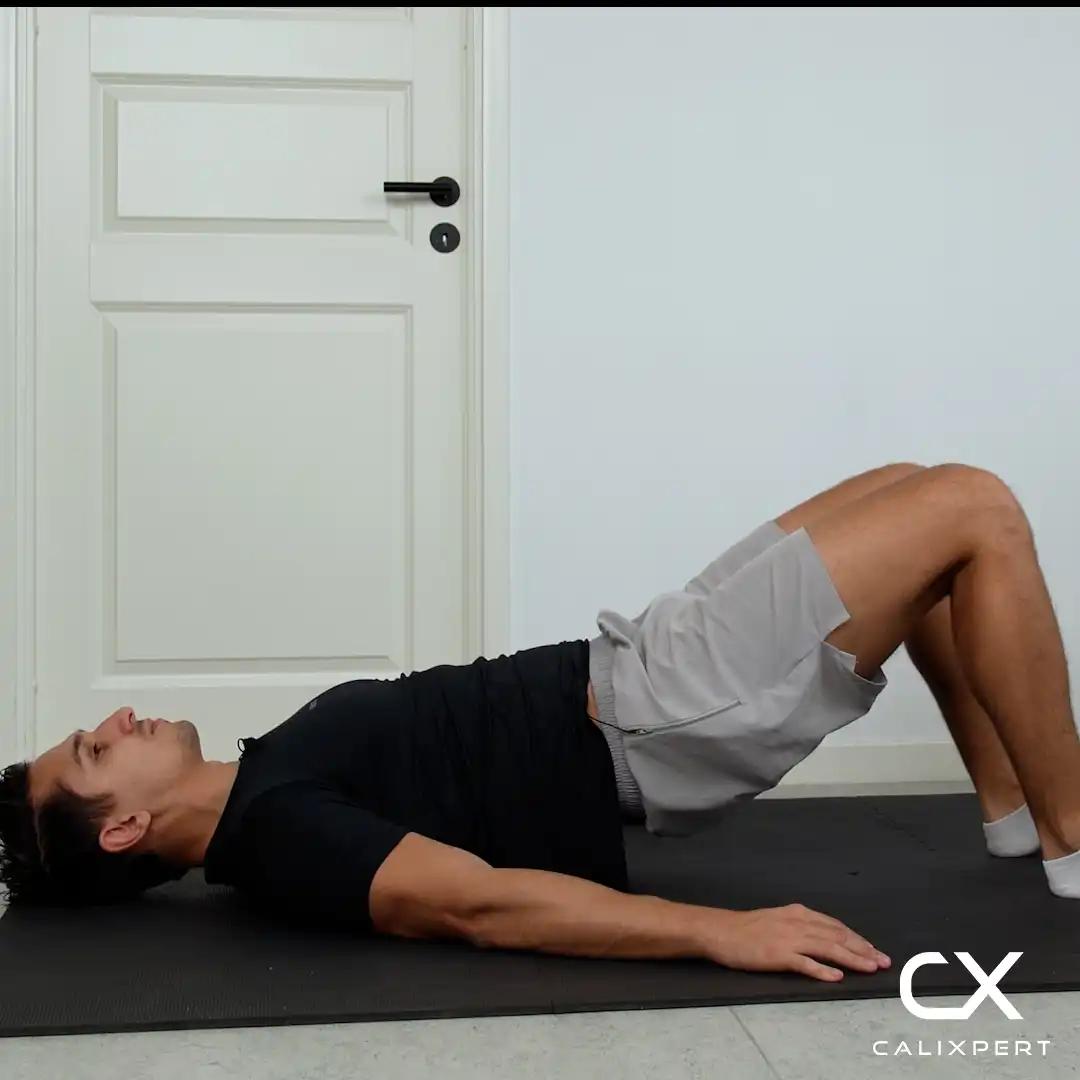
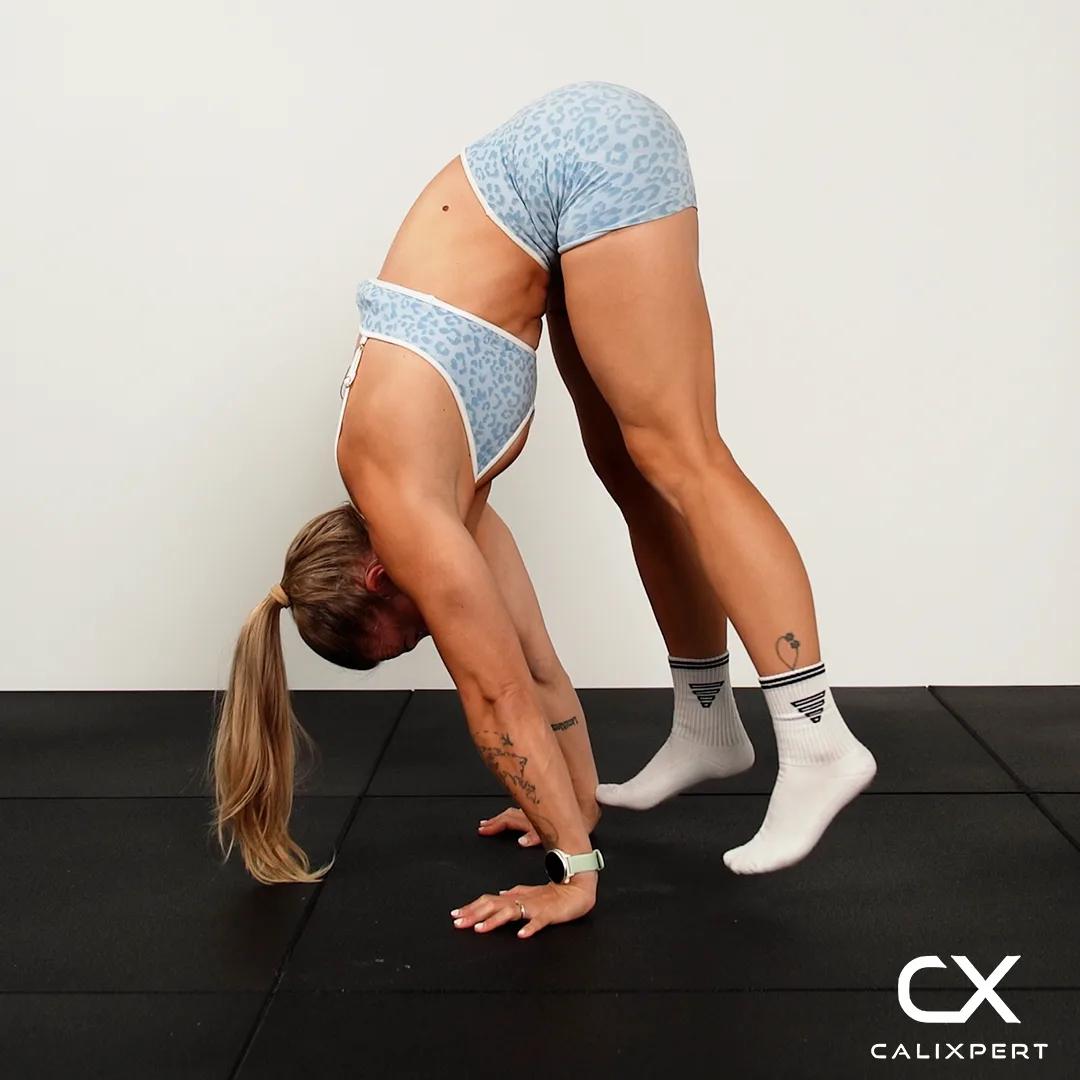
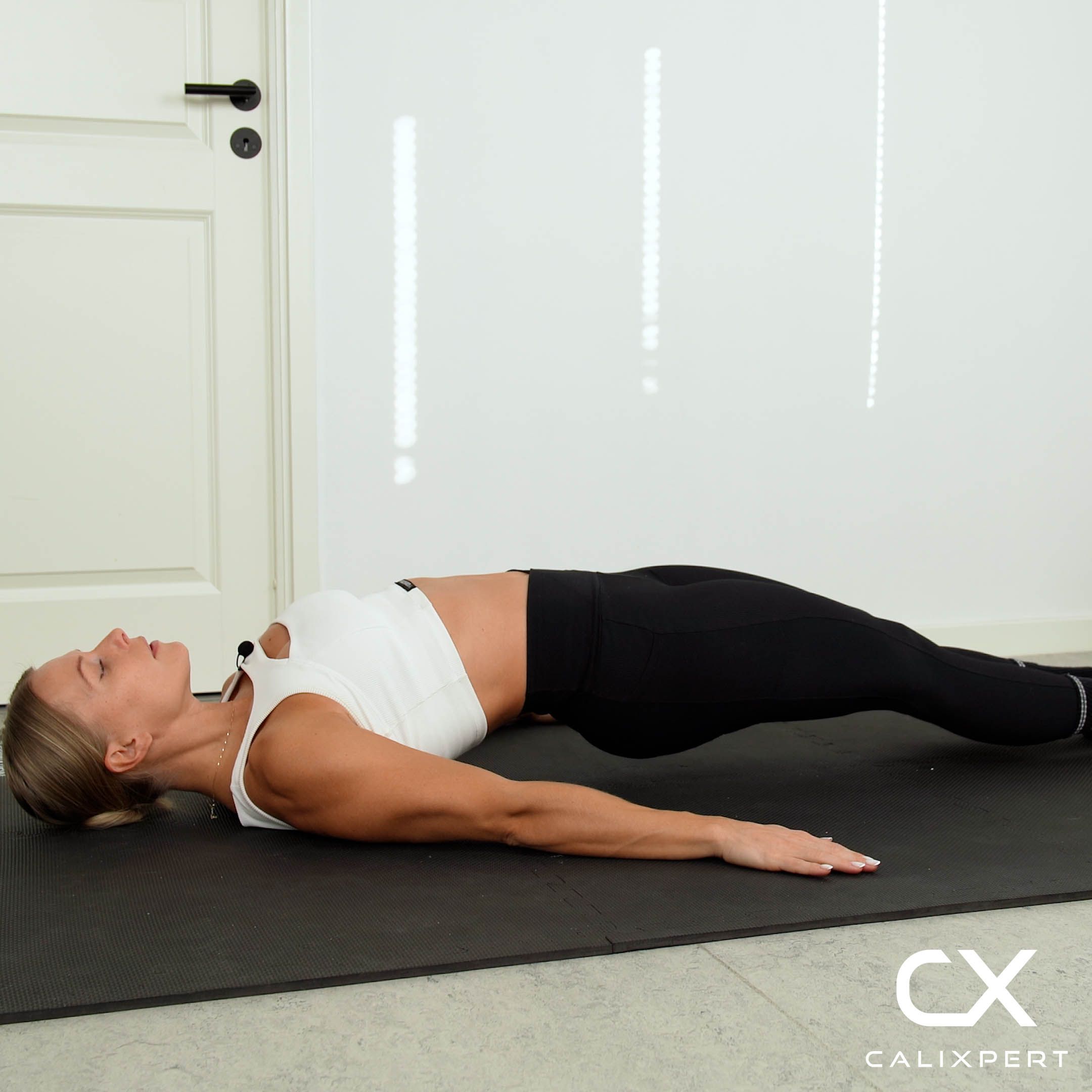
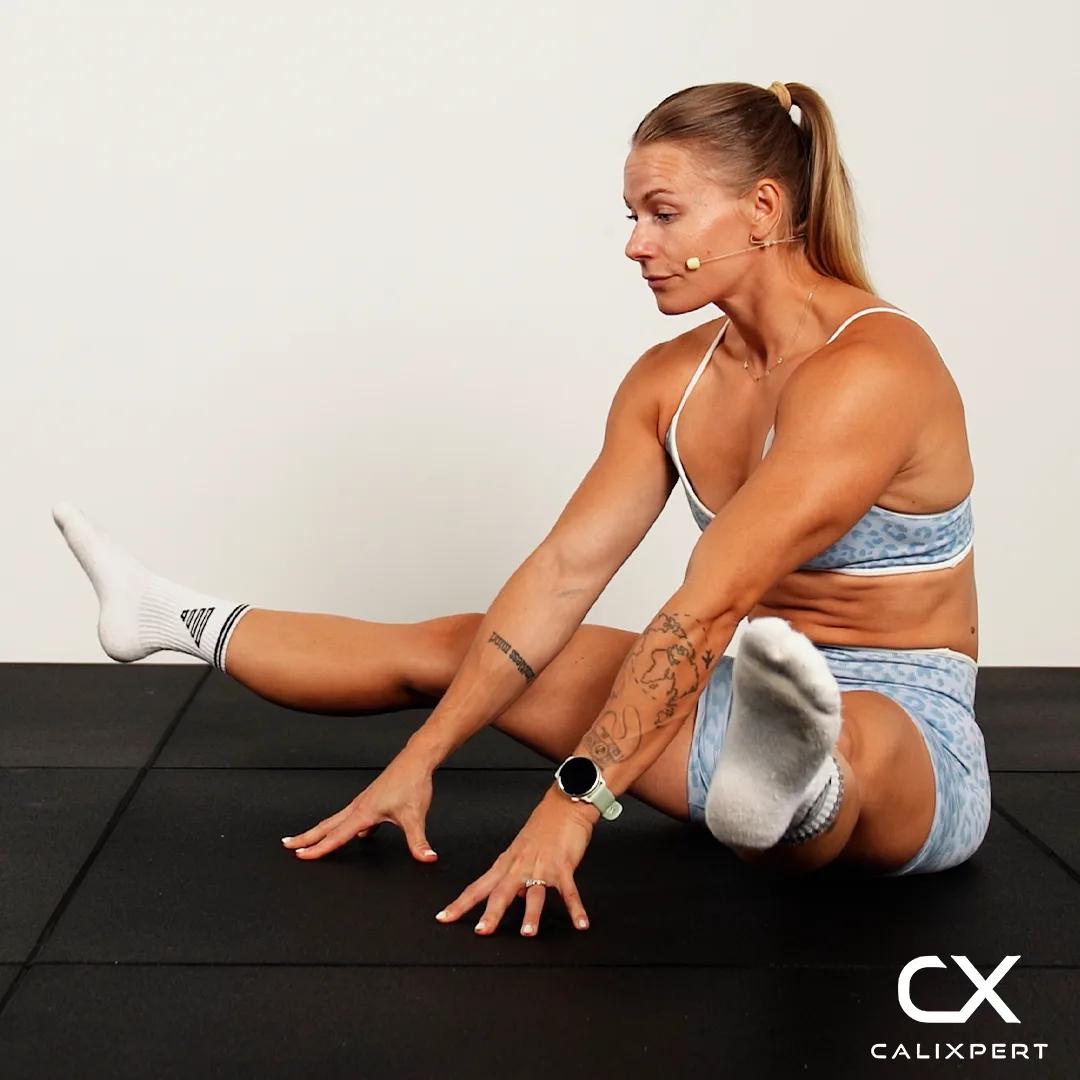
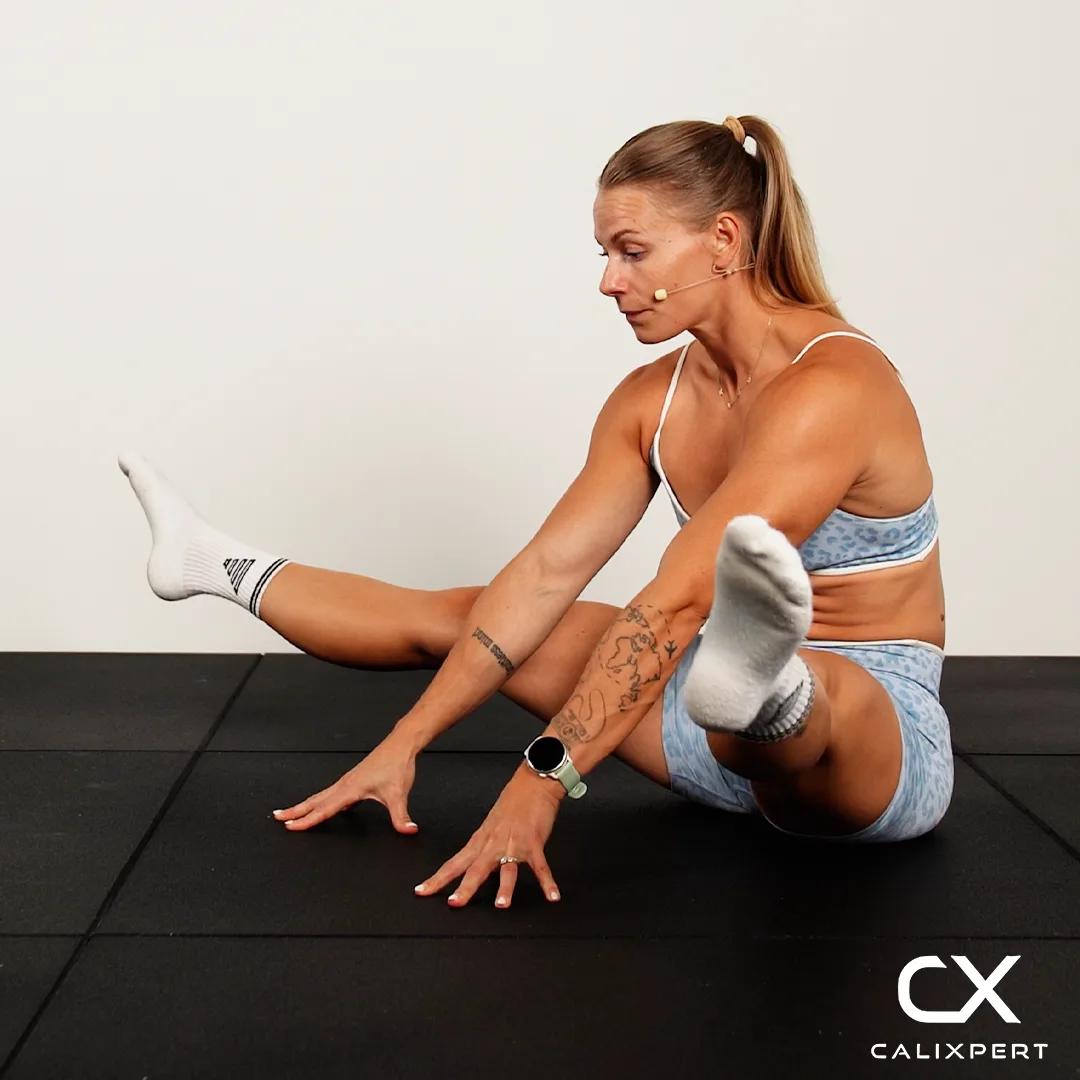
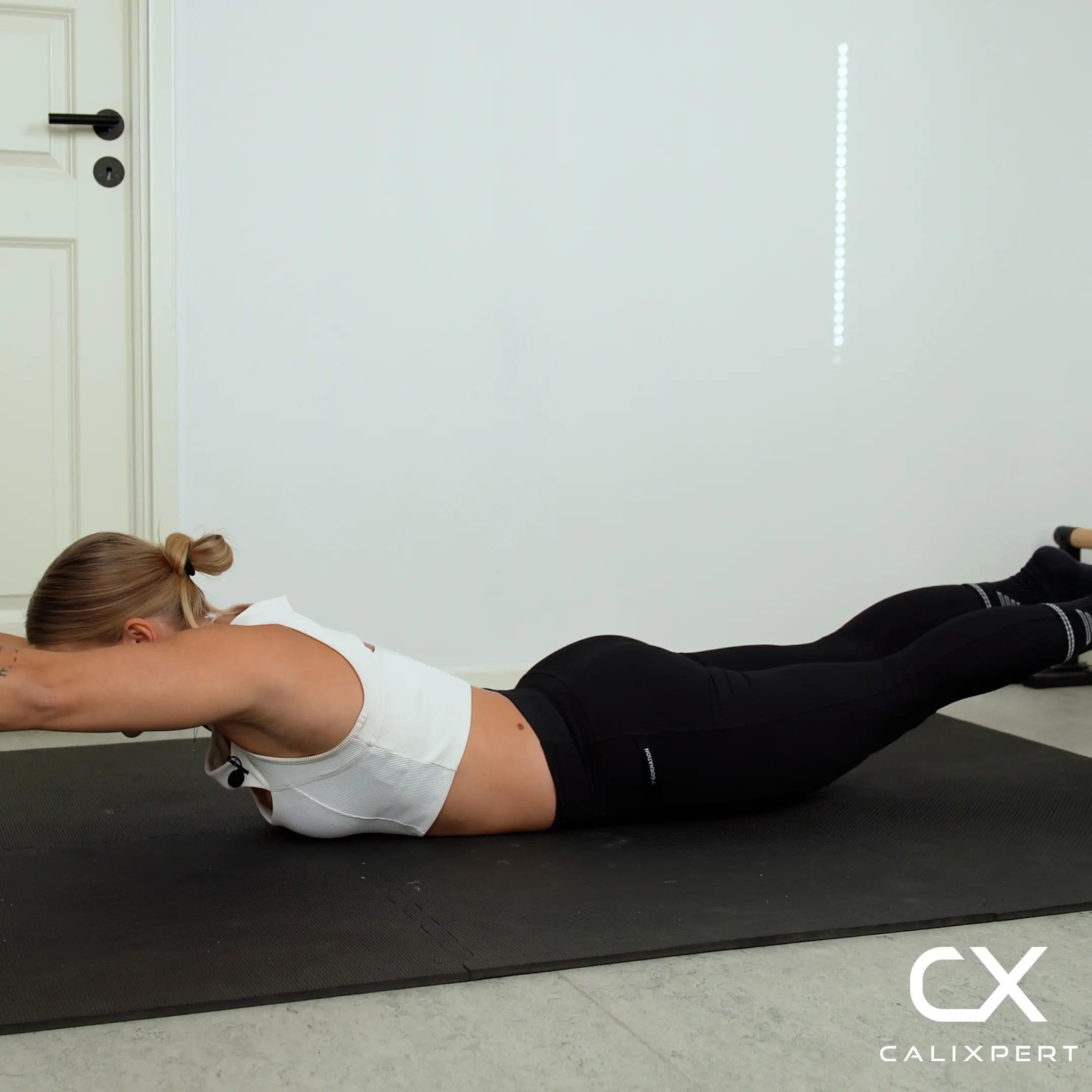
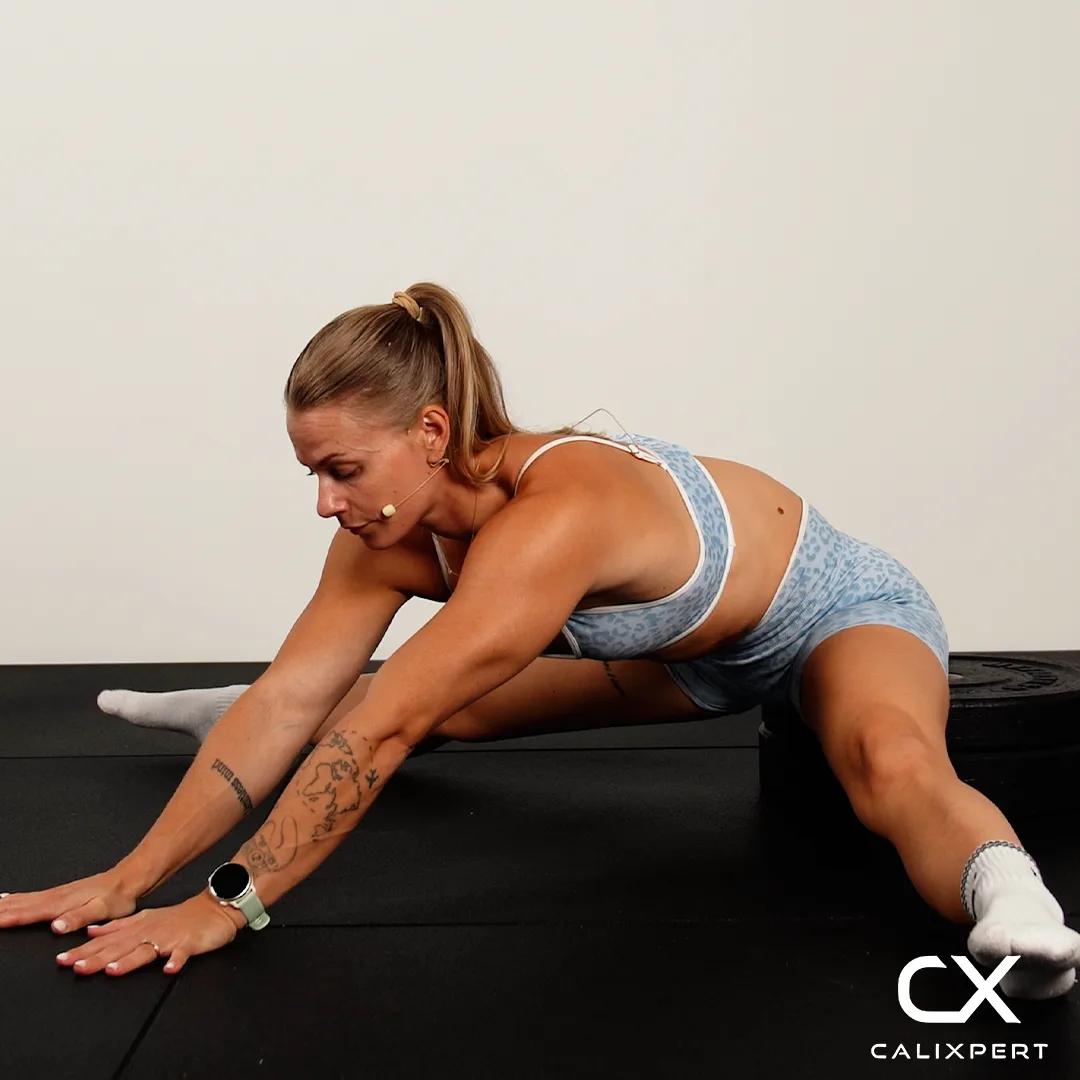
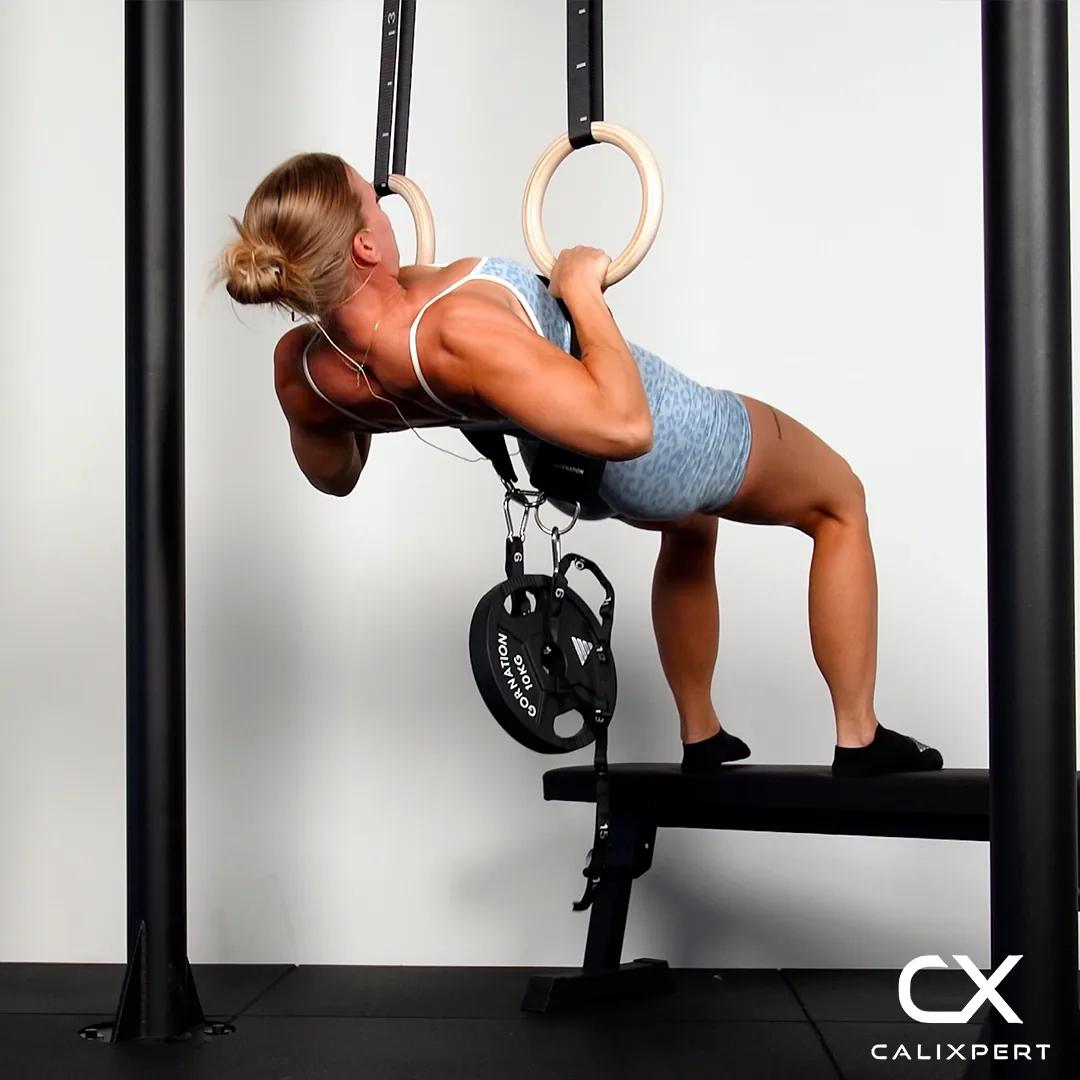
Om Hamstrings
The hamstrings are a group of three muscles on the back of your thigh. They cross both the hip and the knee, performing hip extension and knee flexion simultaneously.
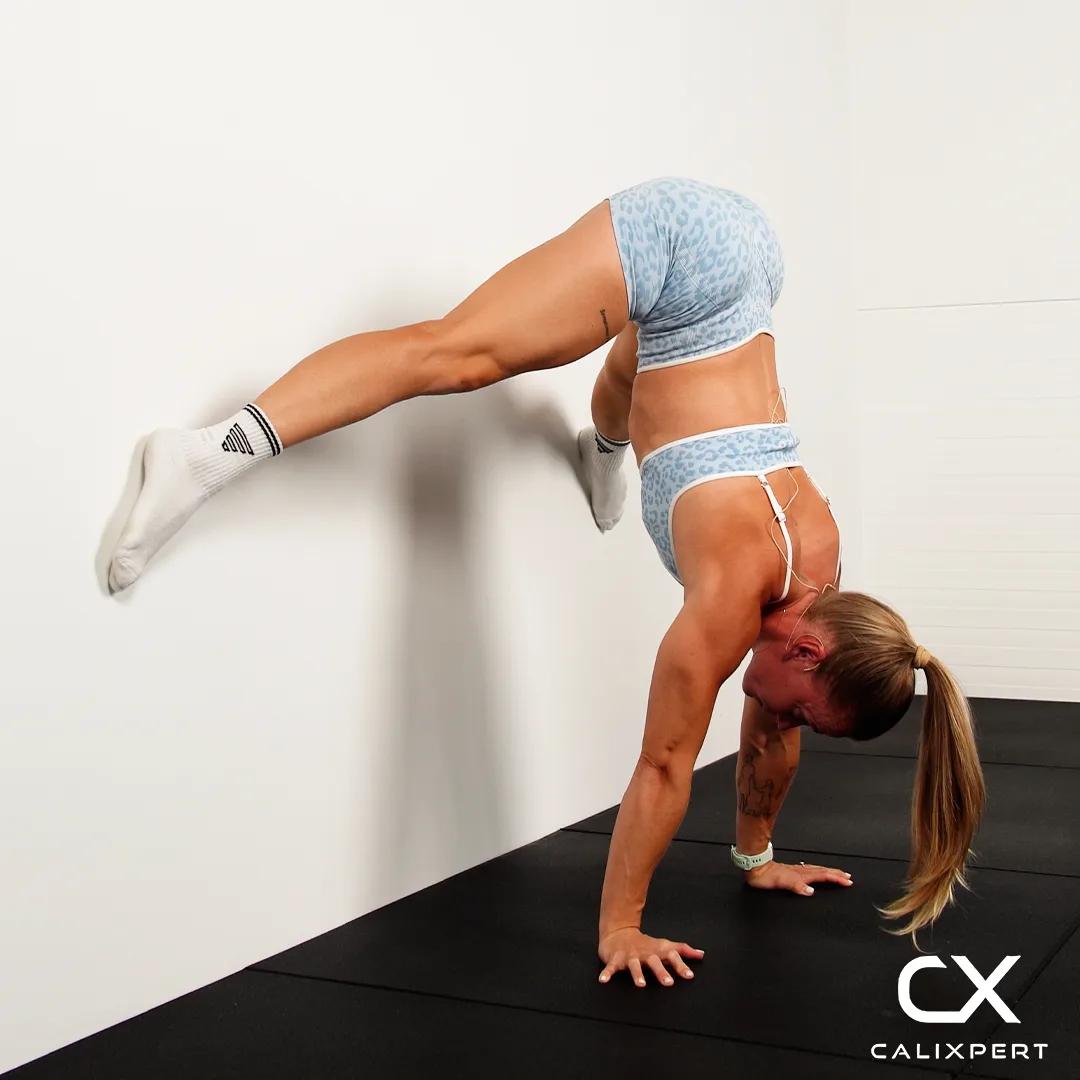
In calisthenics, the hamstrings are most heavily loaded during hip hinge movements and posterior chain skills. Nordic curls, single-leg deadlifts, and back bridge work all require significant hamstring strength and flexibility.
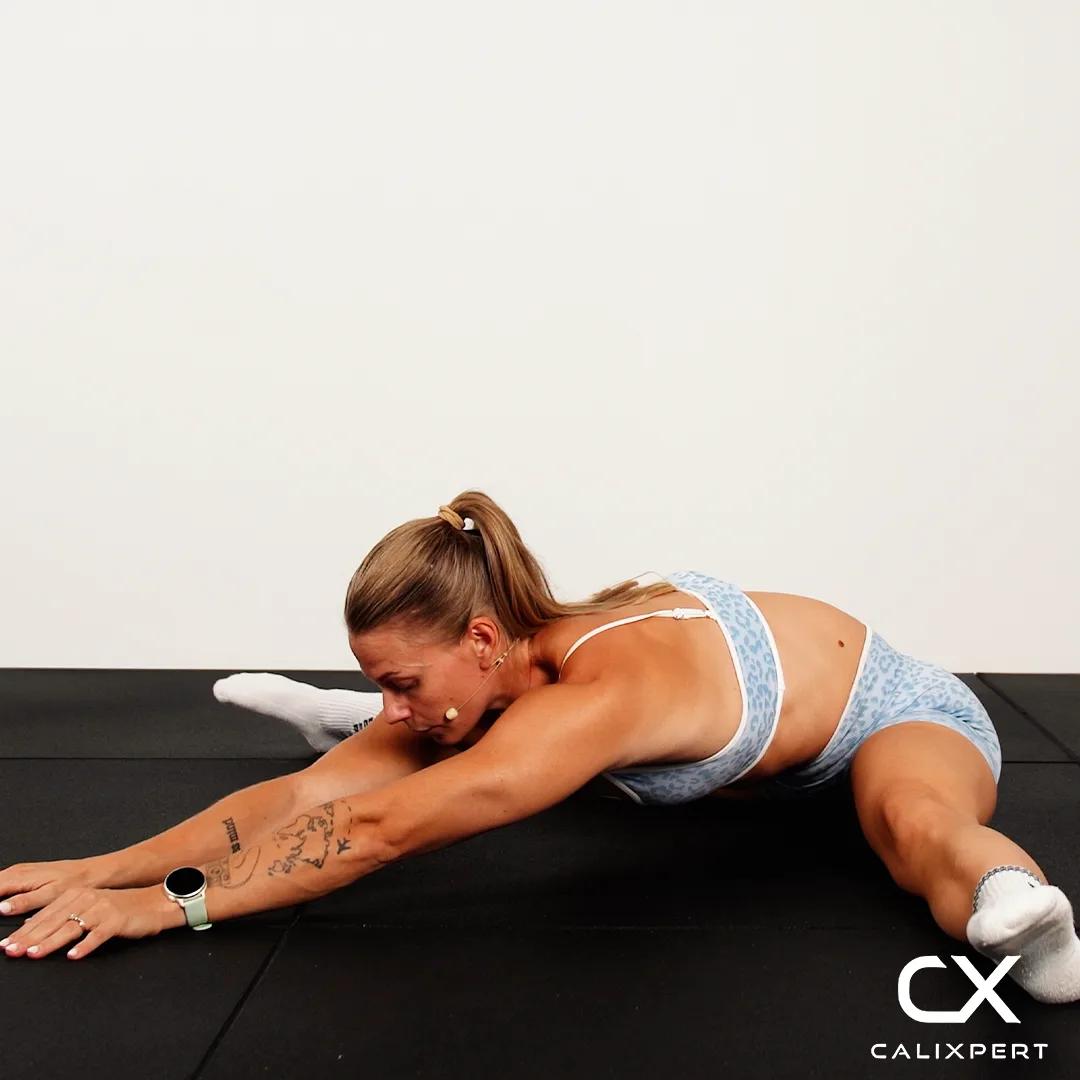
Hamstring tightness is a common mobility limiter for calisthenics athletes. It restricts forward fold depth, L-sit leg height, and the ability to lock the knees fully in advanced skill positions. Strength and flexibility must be developed together.
Hur du tränar Hamstrings
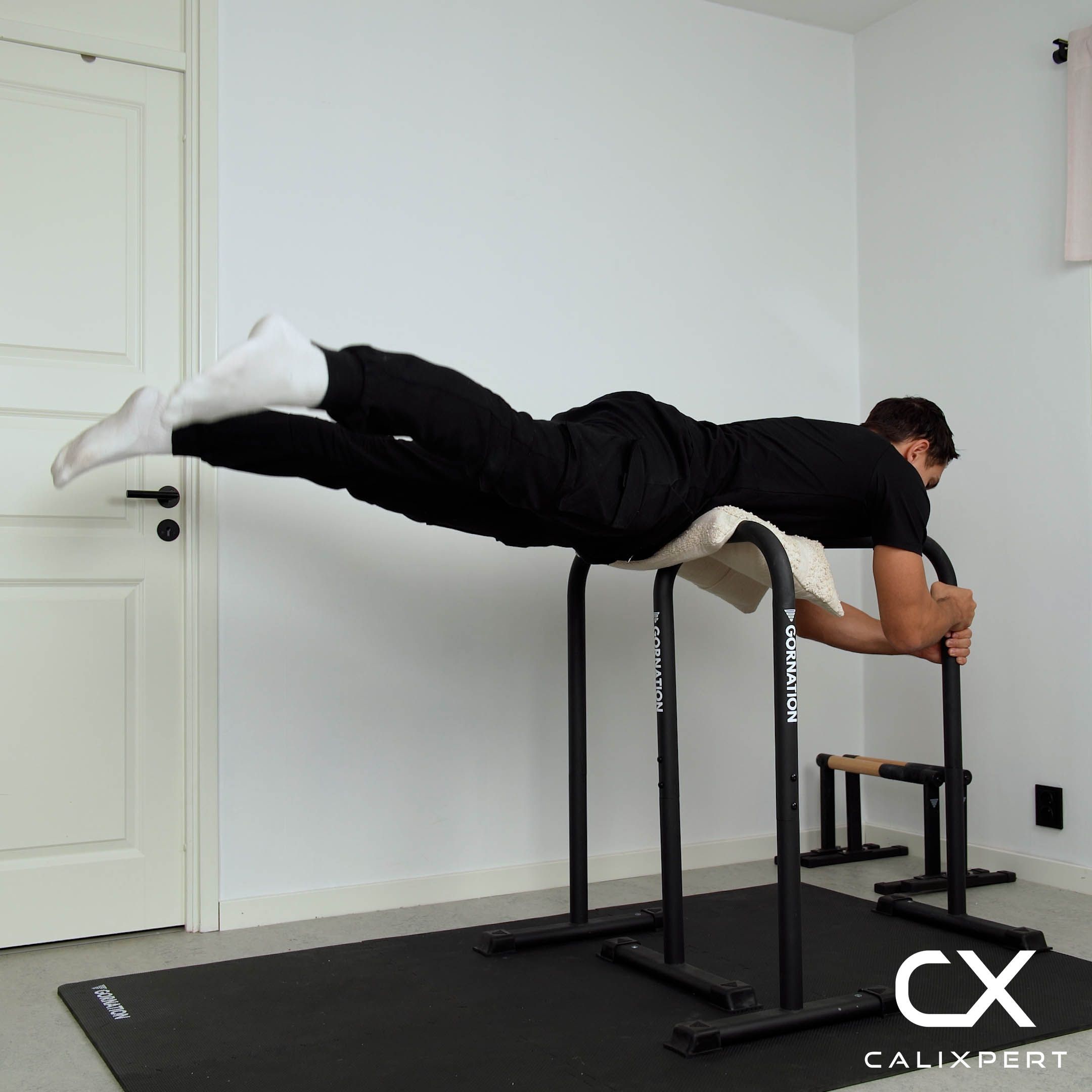
Nordic curls are the most effective hamstring exercise available without equipment. Kneeling with your ankles anchored, lower your body toward the floor under hamstring control. Even the eccentric of a Nordic curl — lowering yourself down and catching with your hands — produces significant hamstring adaptation.
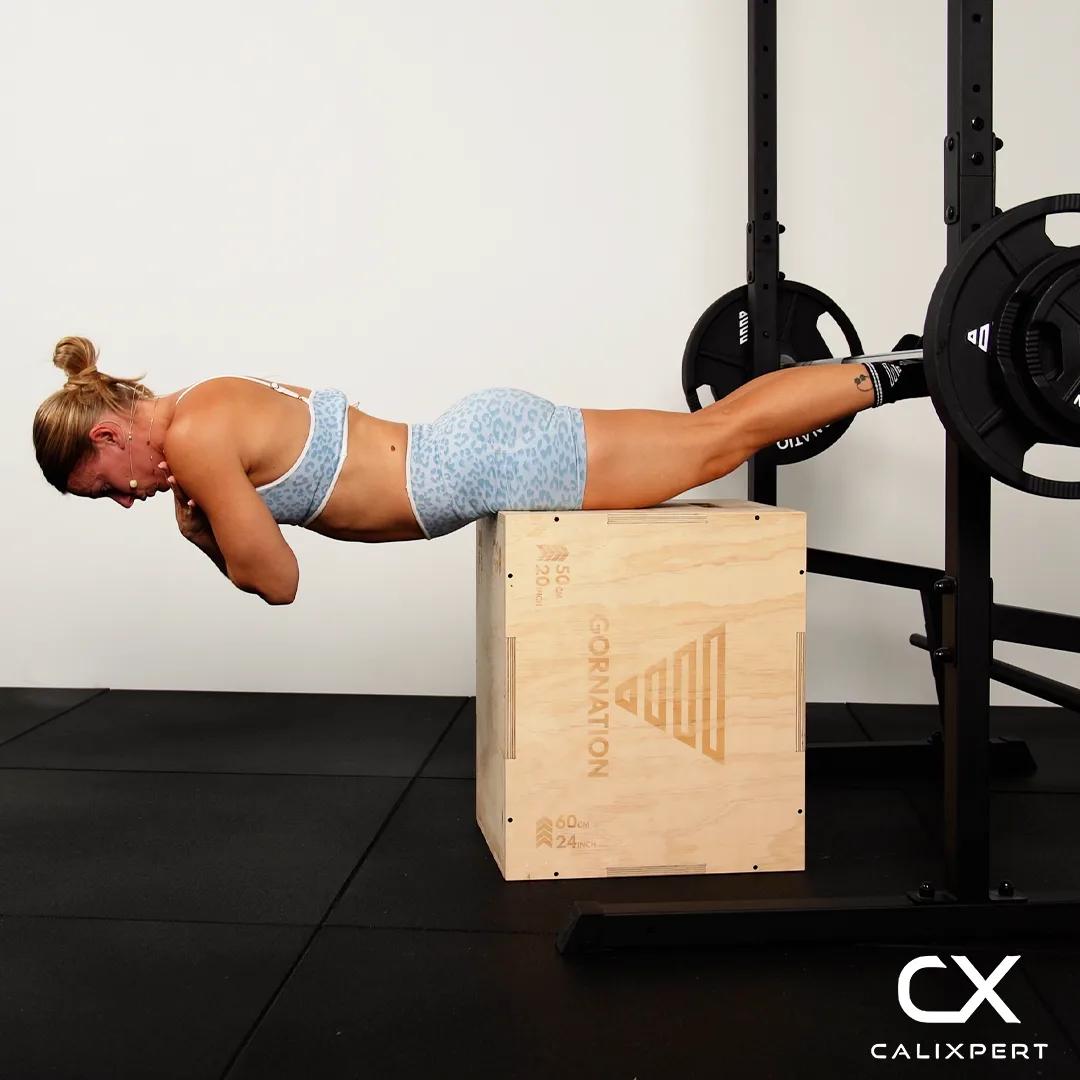
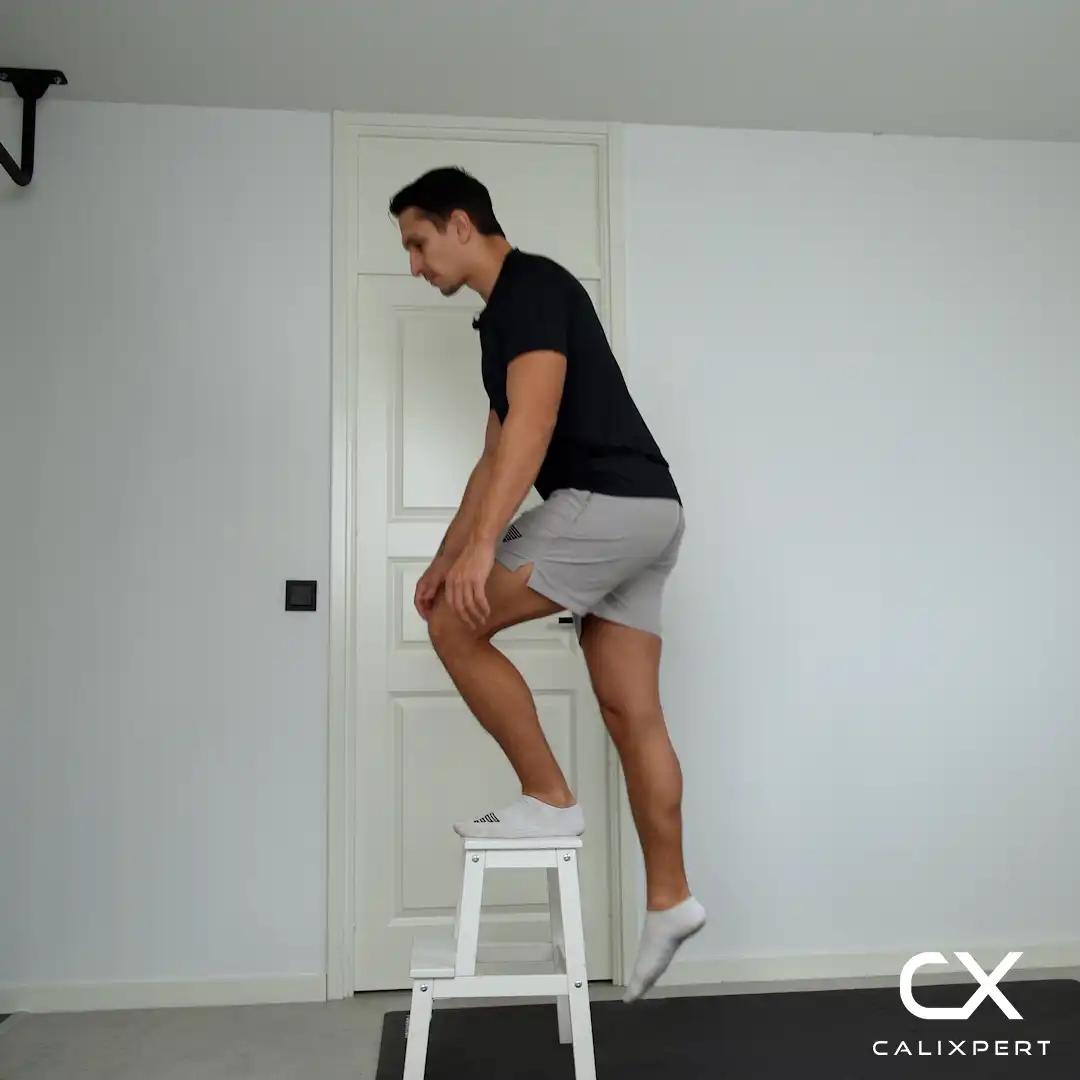
Glute-ham raises and single-leg hip hinges develop hamstring strength through the hip extension function. These complement Nordic curls, which primarily target knee flexion.
Include active hamstring flexibility work. Leg raises from the floor and standing forward folds held for duration increase both flexibility and the hamstring's ability to function at end range. Passive stretching alone does not build the usable flexibility that calisthenics skills require.
Vanliga frågor om Hamstrings
Nordic curls are a heavy eccentric movement that most people have never trained. The hamstrings must decelerate your full body weight through a long range. The difficulty is proportional to their effectiveness.
Yes. Poor hamstring flexibility limits L-sit height, front split progressions, pistol squat depth, and any movement requiring full hip flexion with locked knees. Both strength and flexibility need to be developed.
Combine passive stretching with active range work. Passive holds increase the available range. Active movements like leg raises and Jefferson curls build strength through that range. Both are necessary for lasting change.