

Bakre axelövningar
Posterior Deltoid
Alla bakre axelövningar (74)
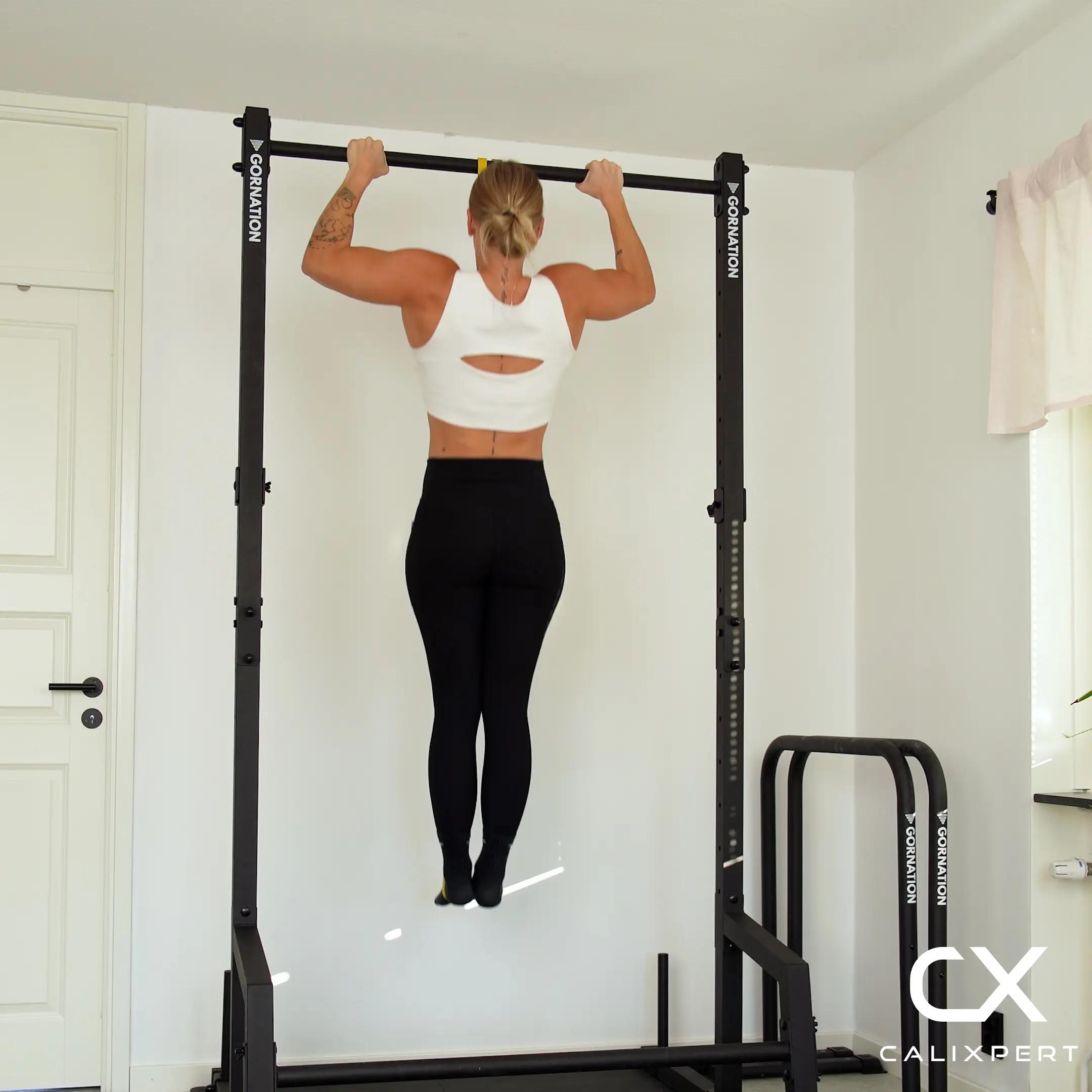
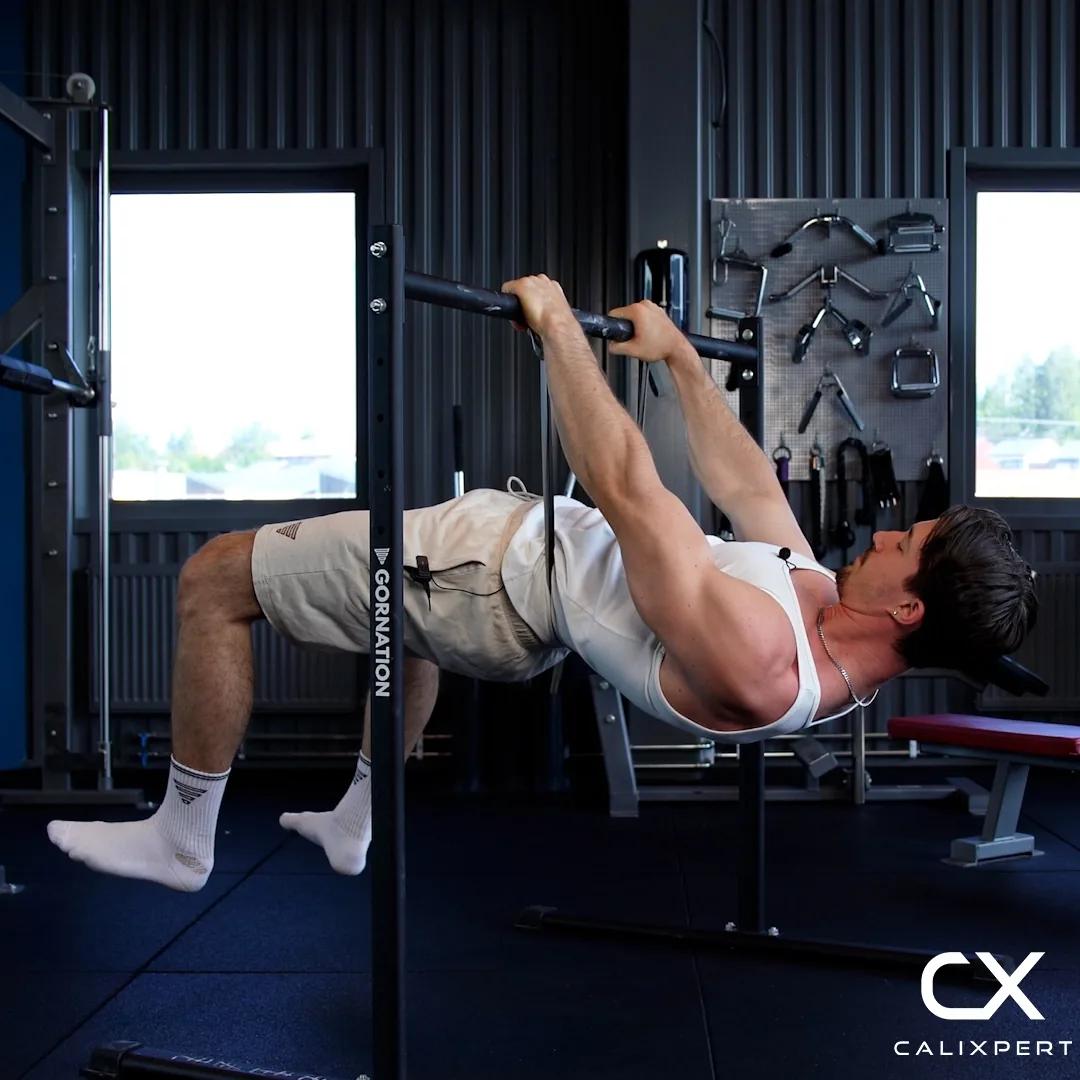
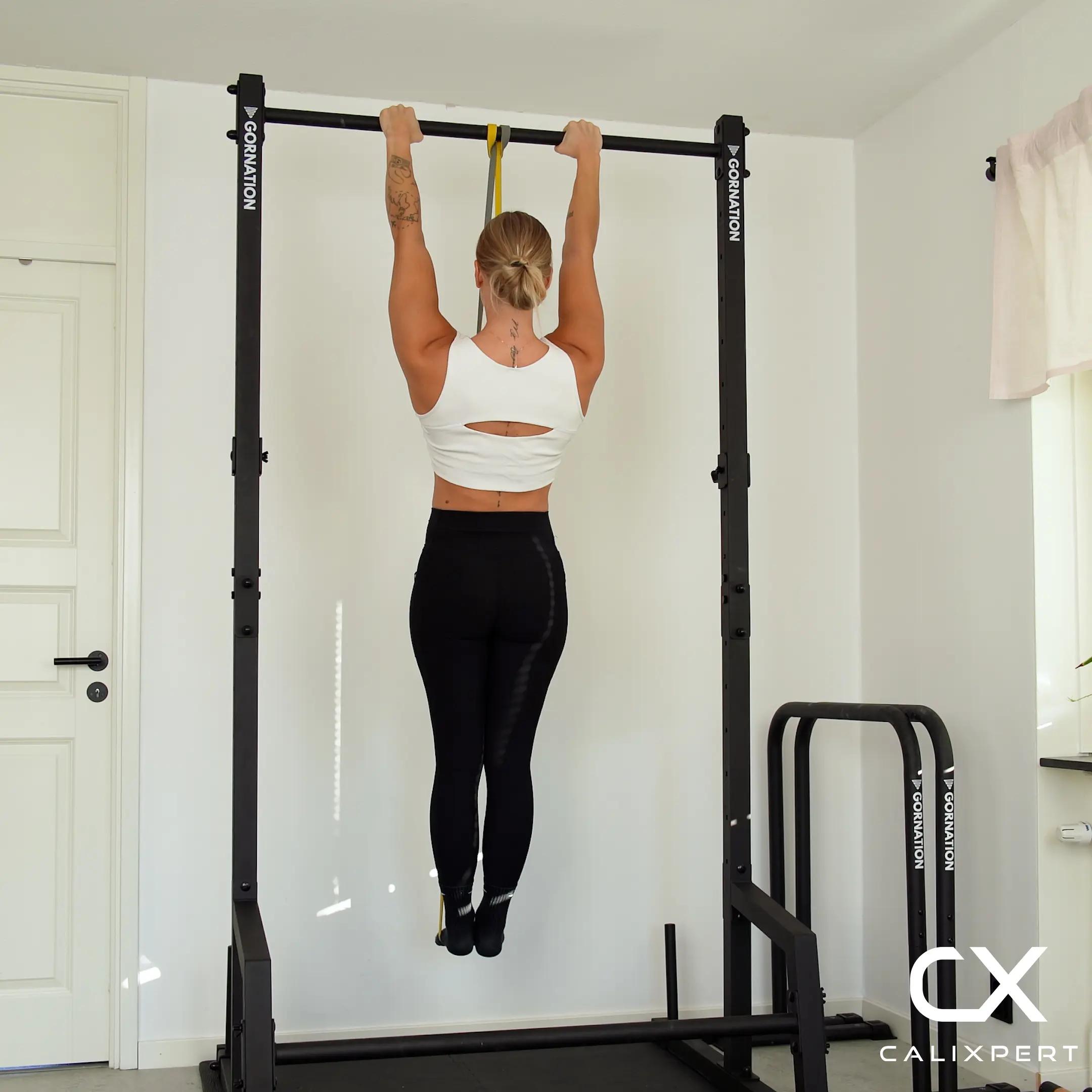
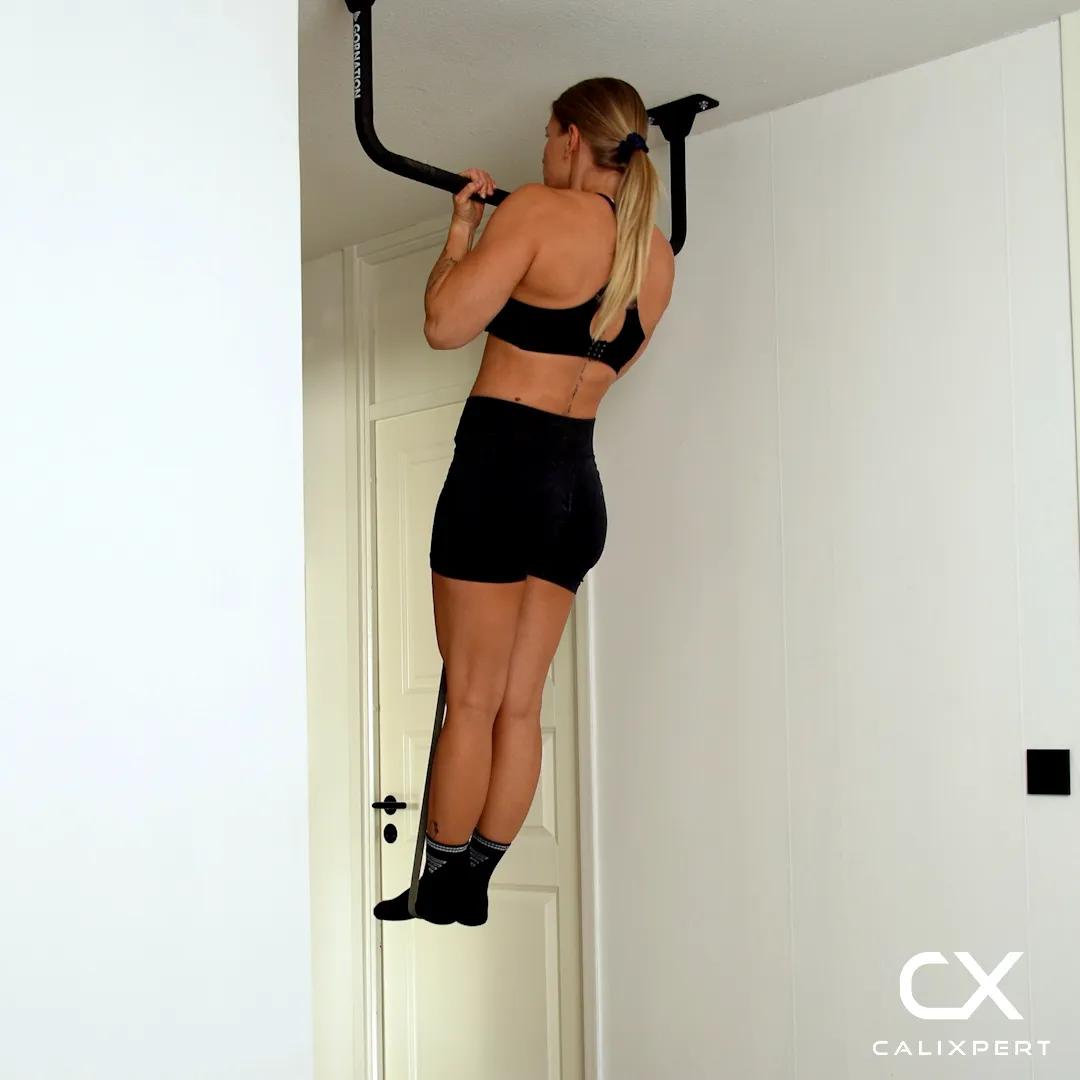
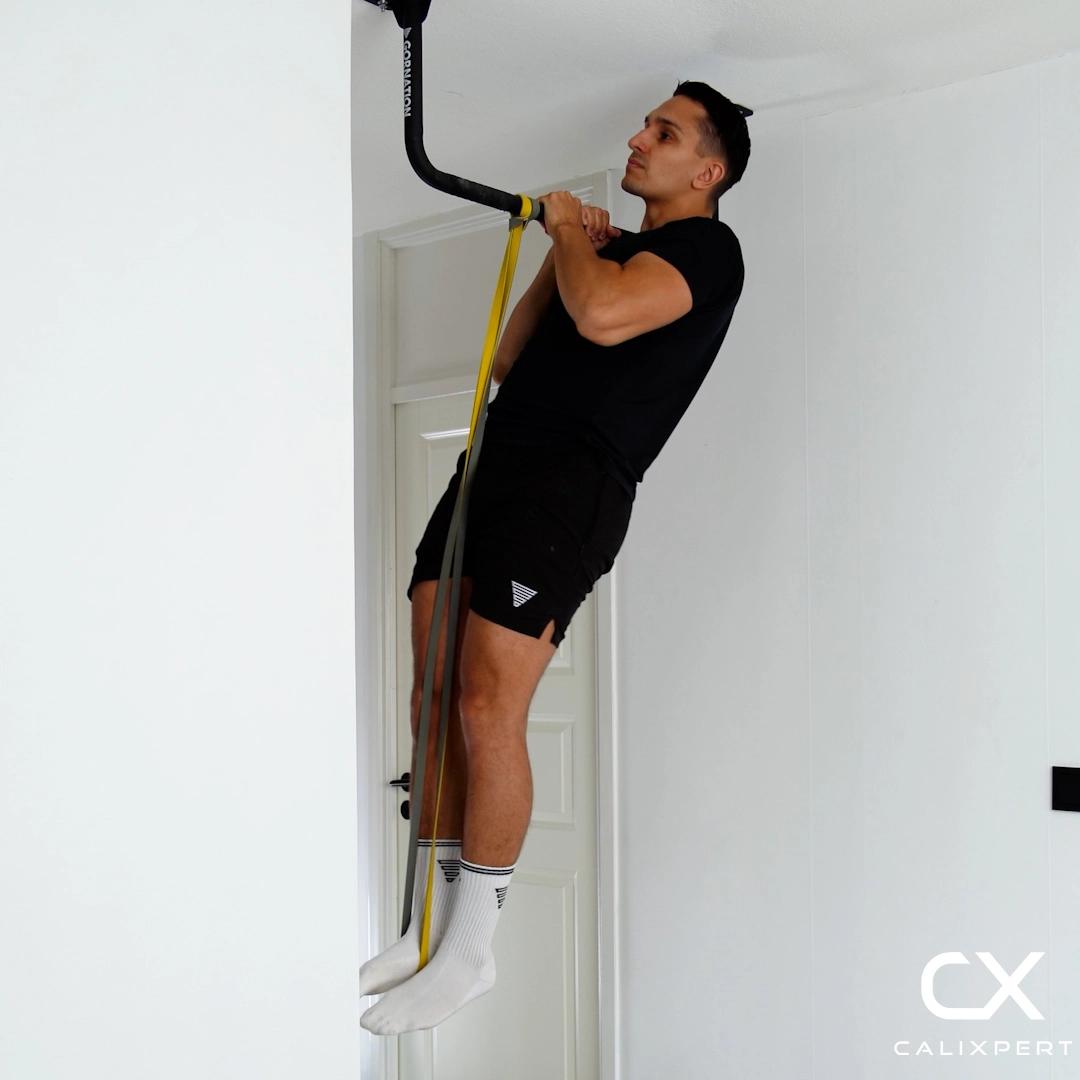
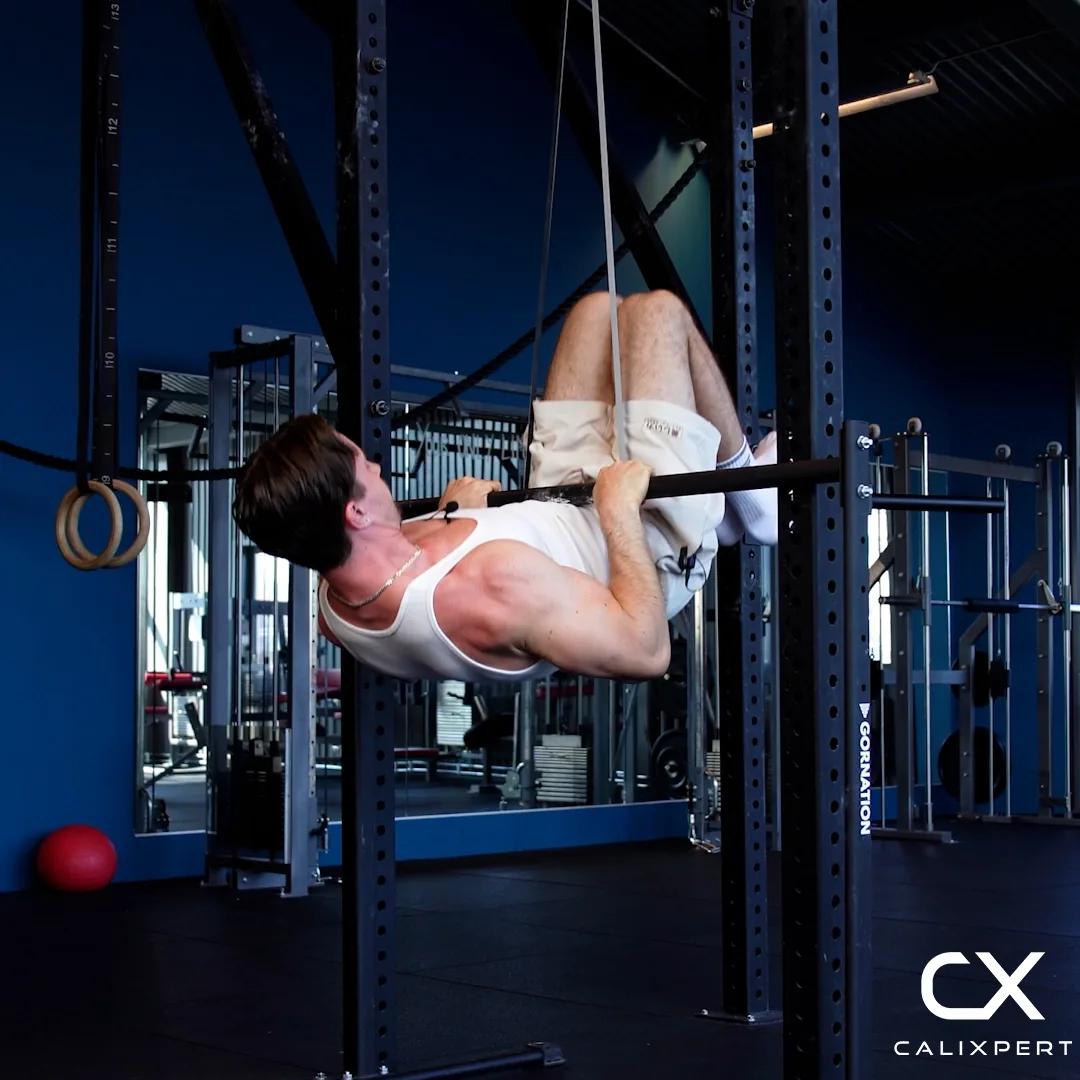
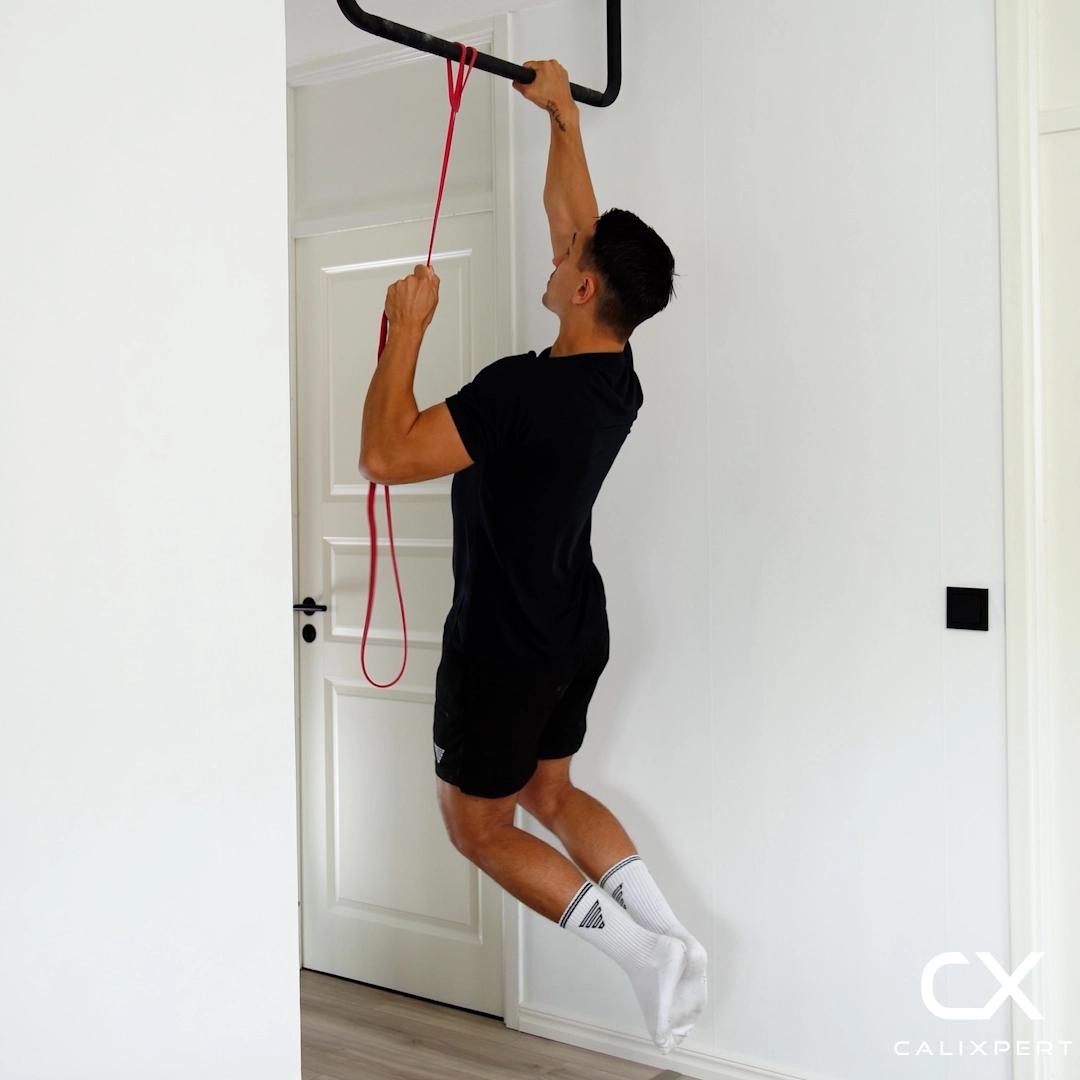
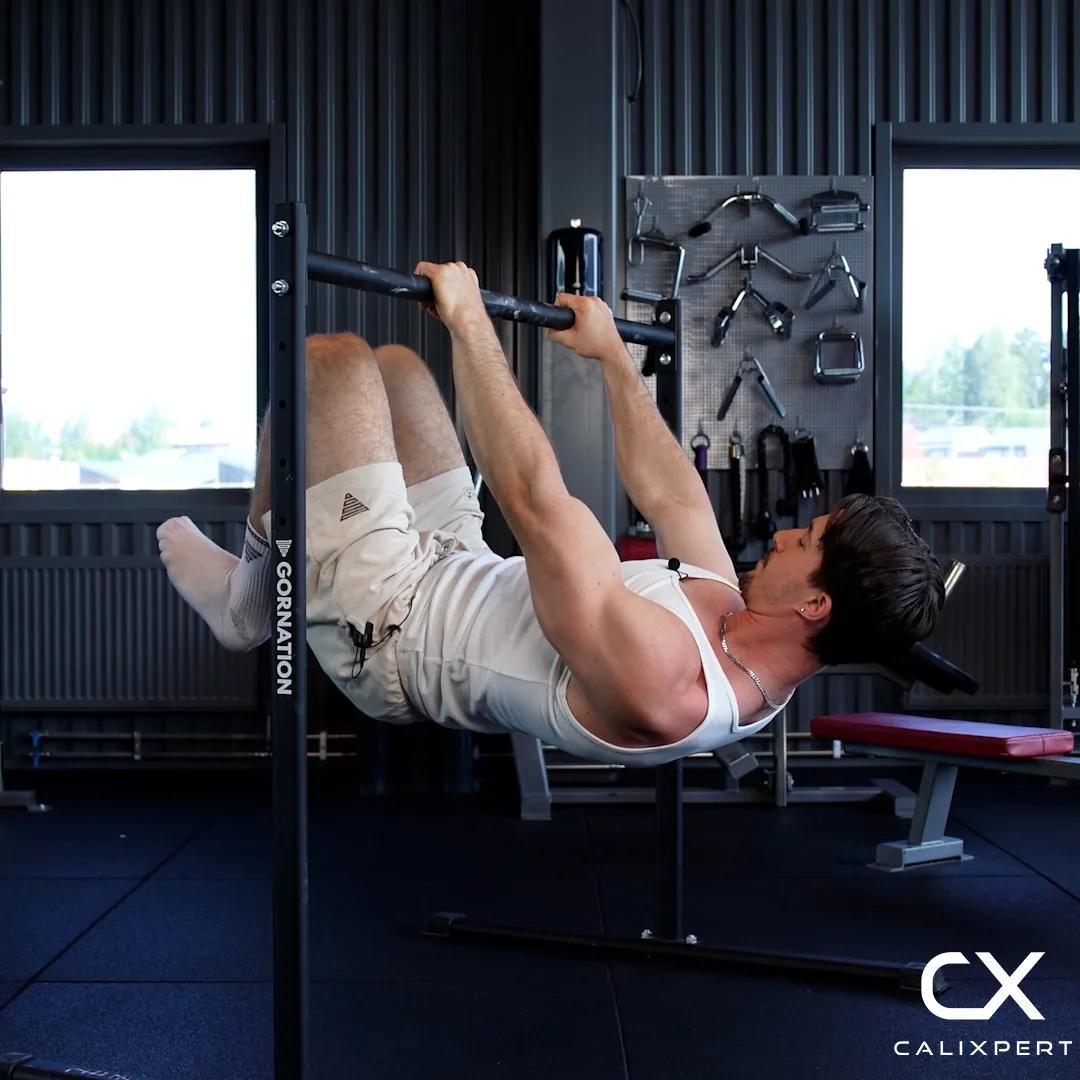
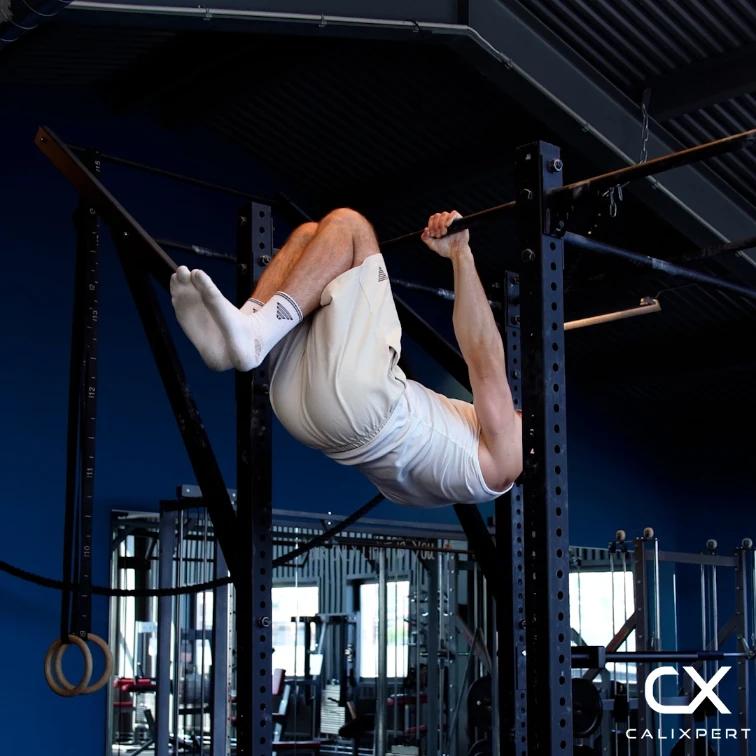
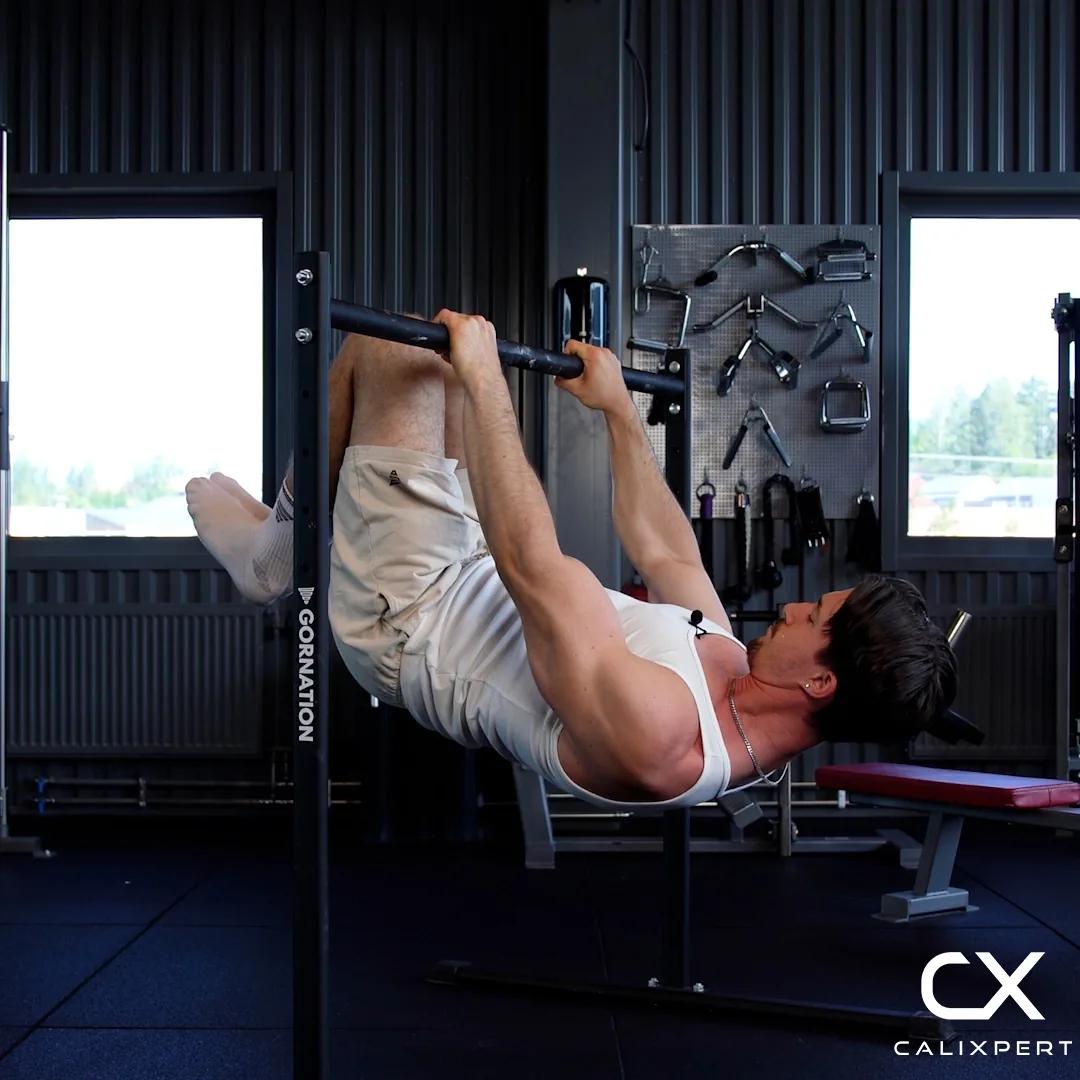
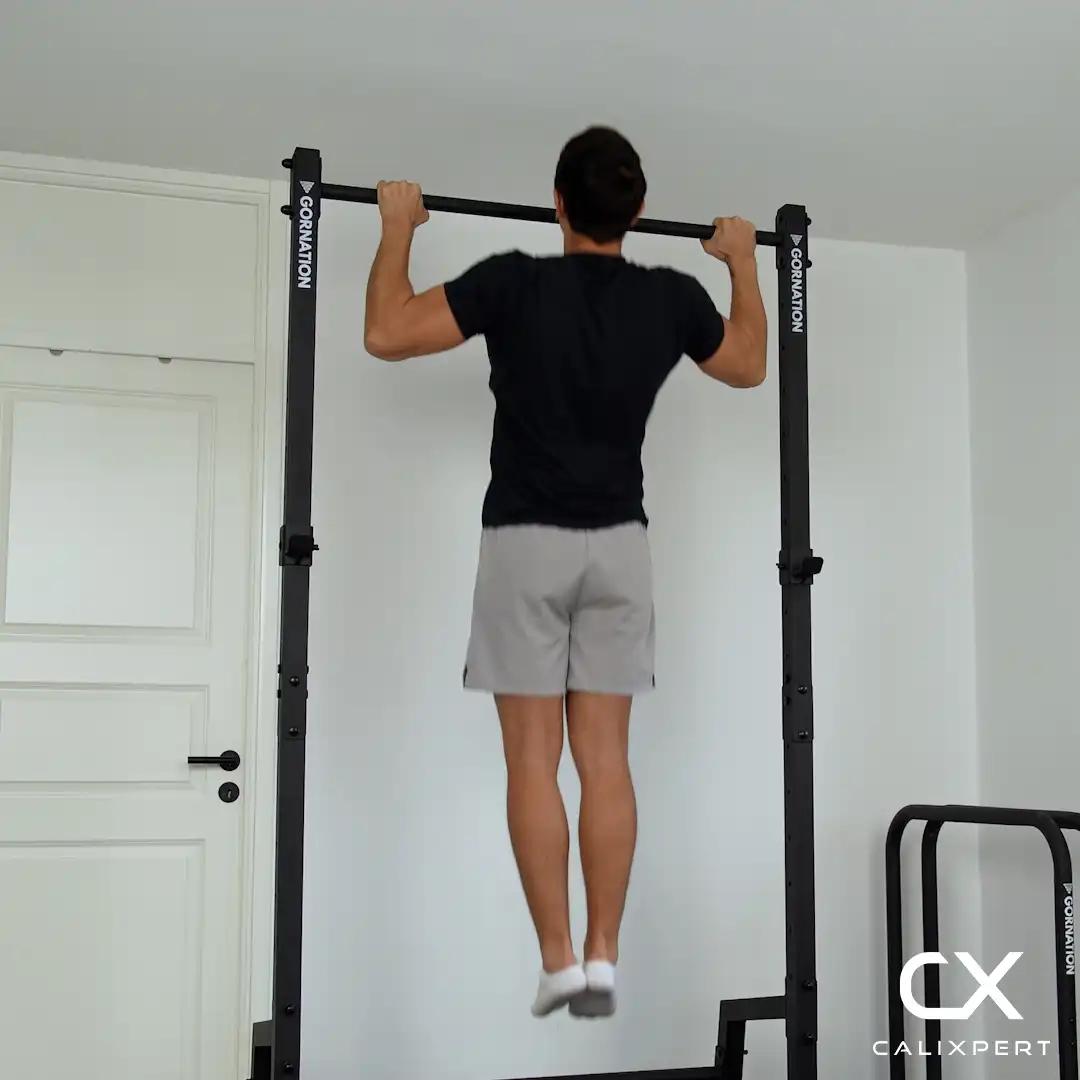
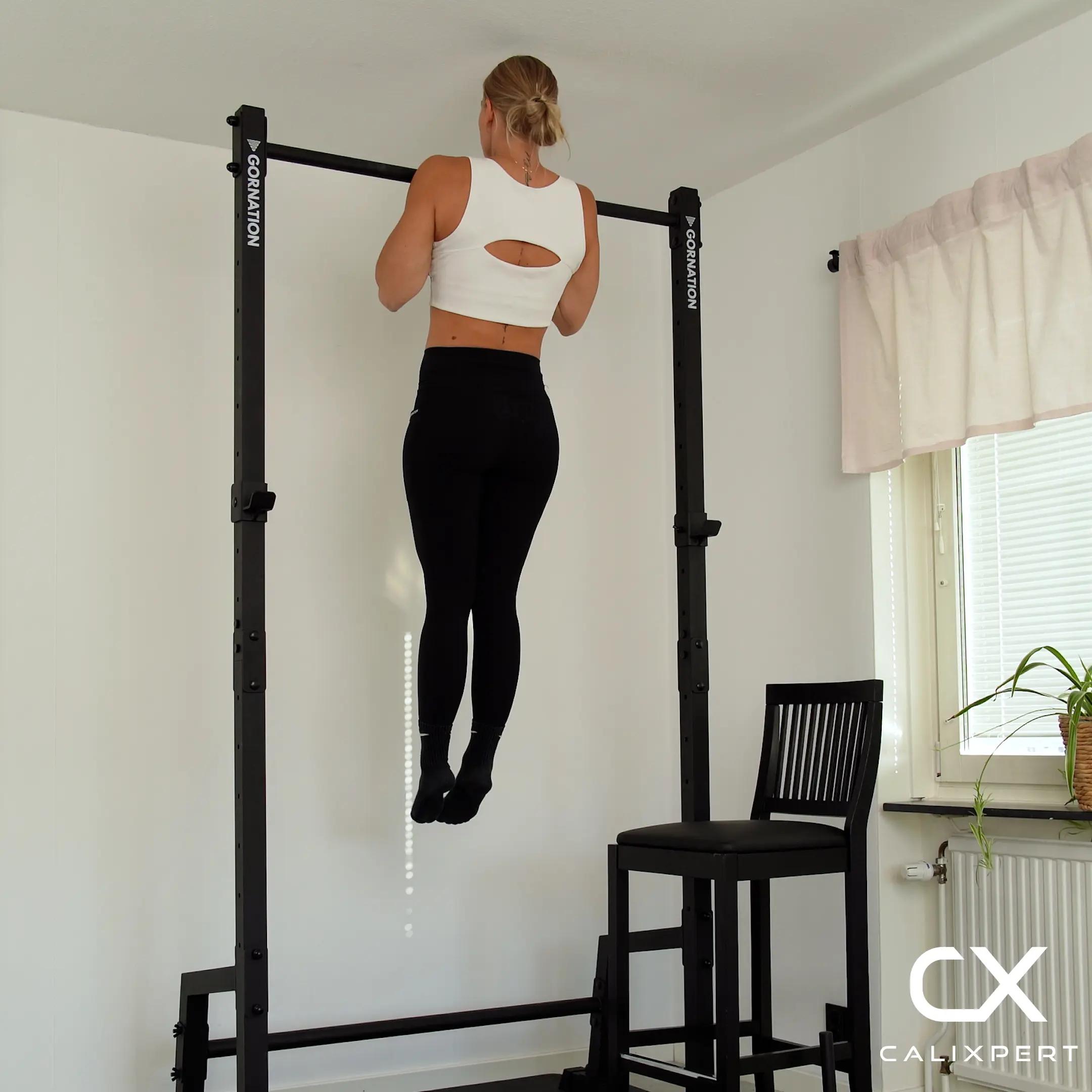
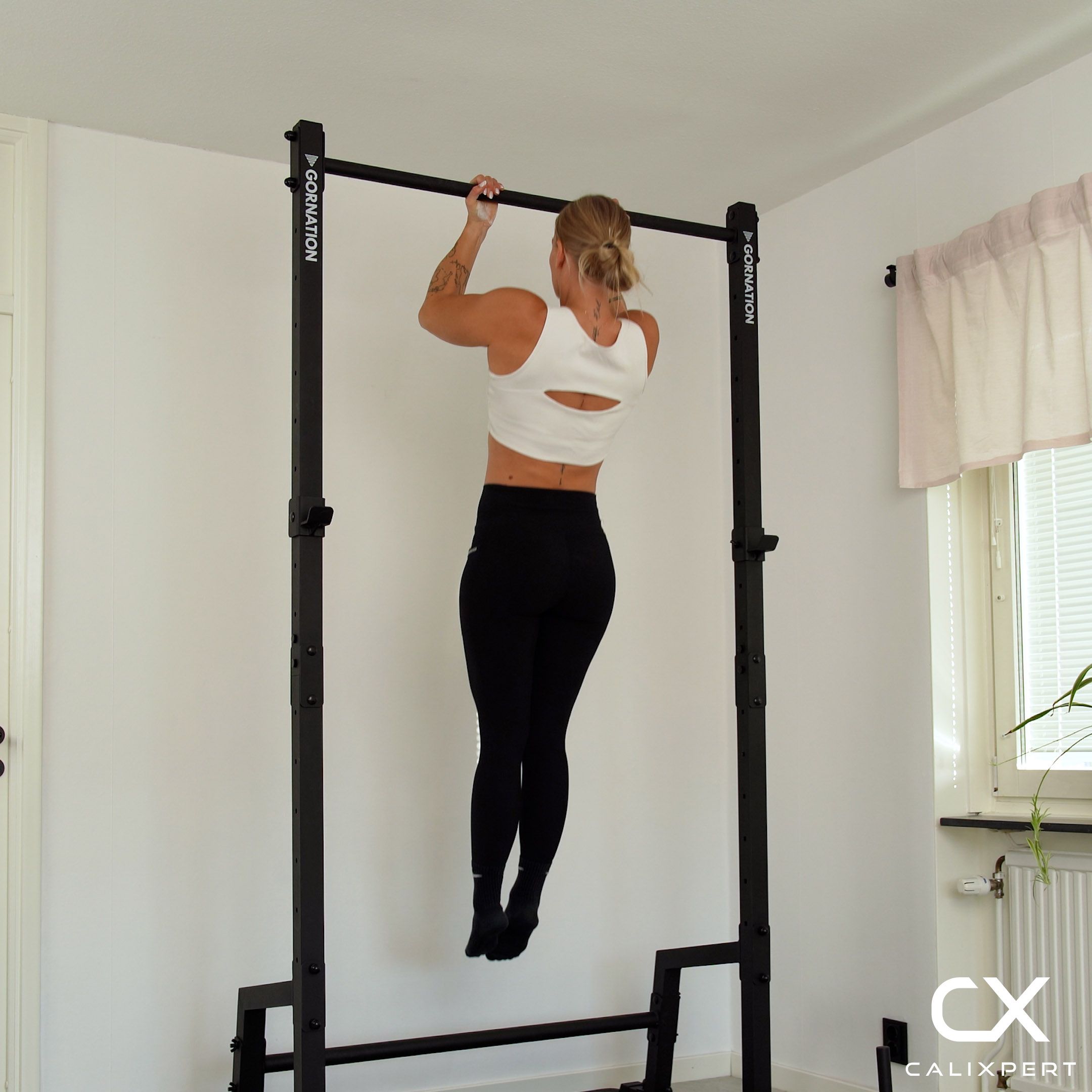
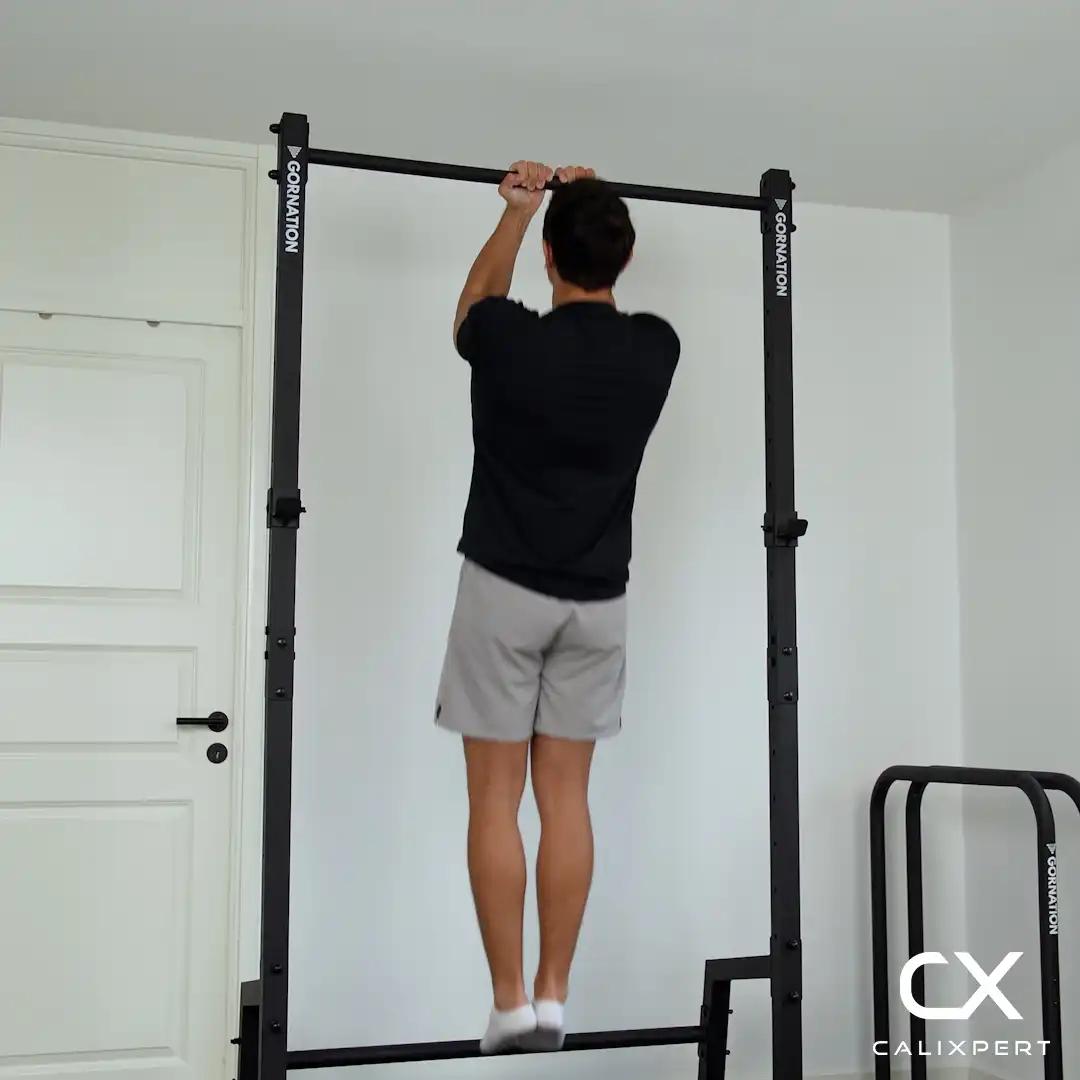
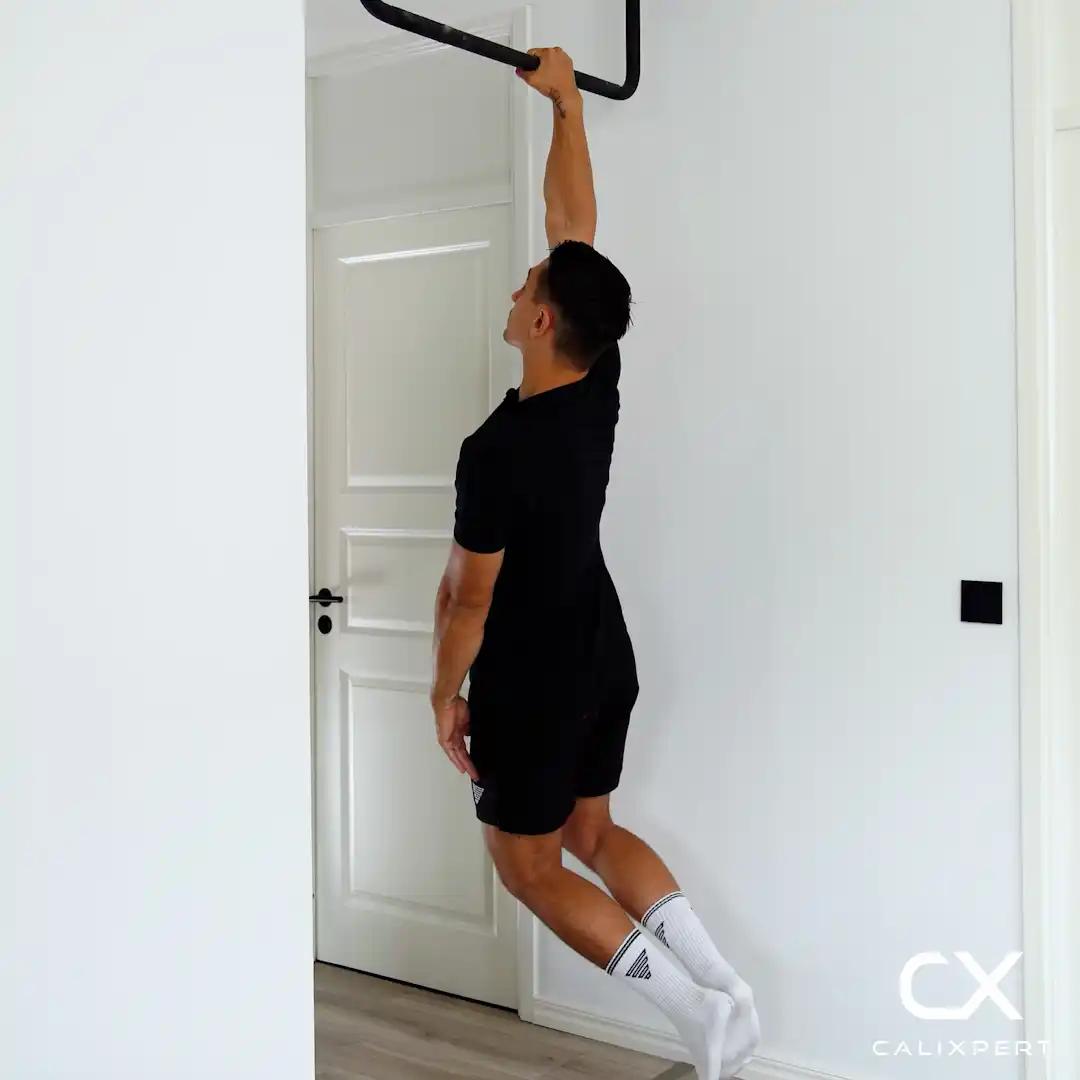
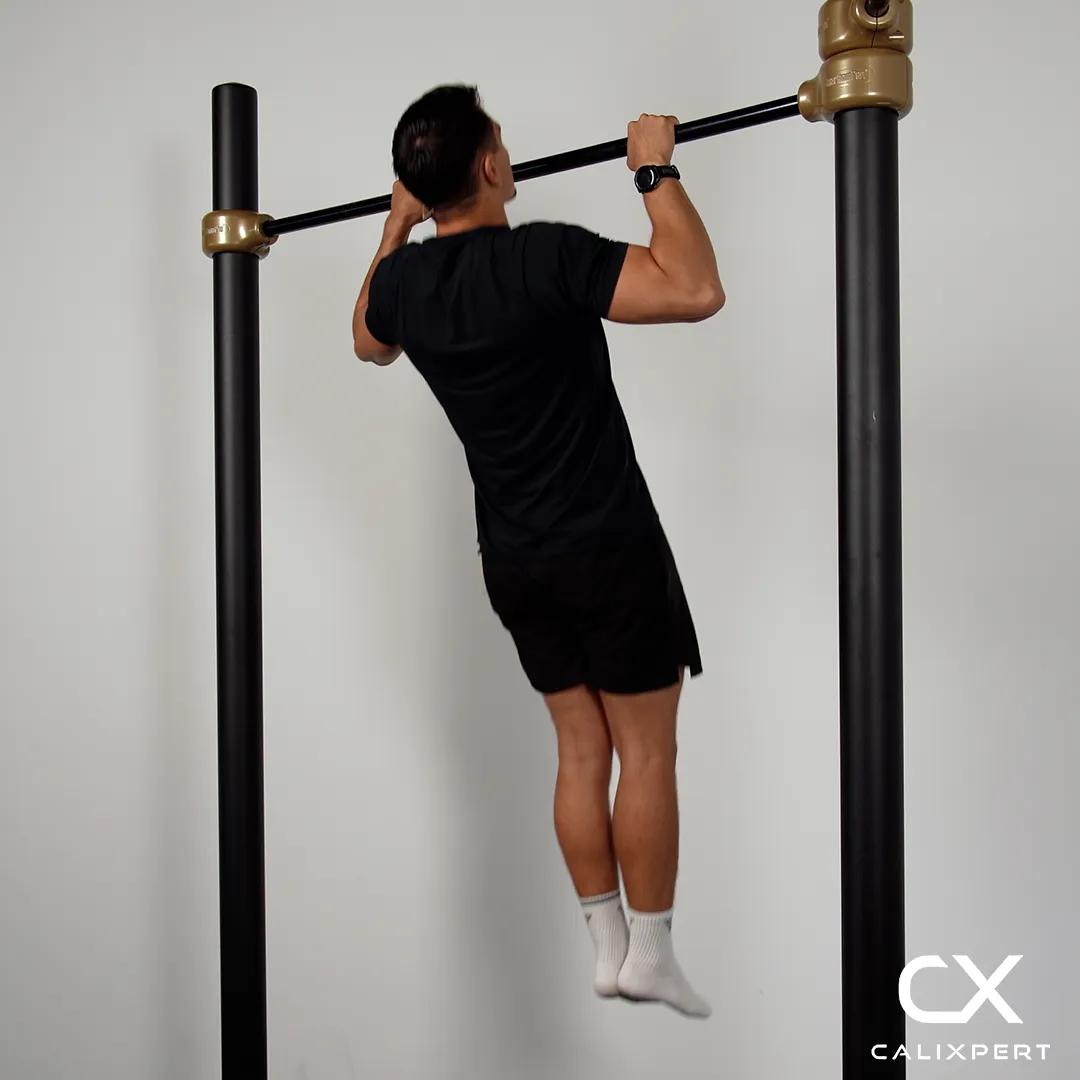
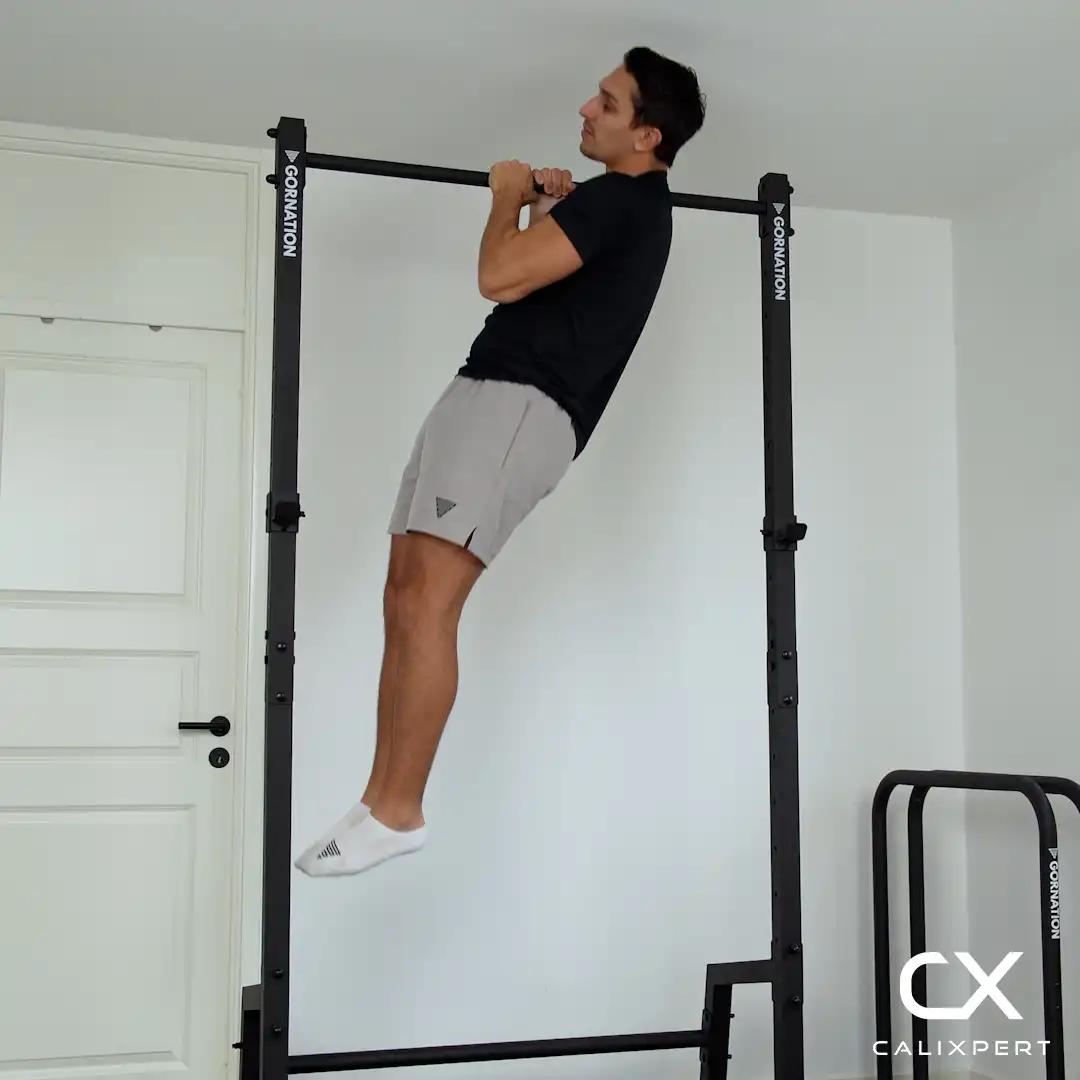
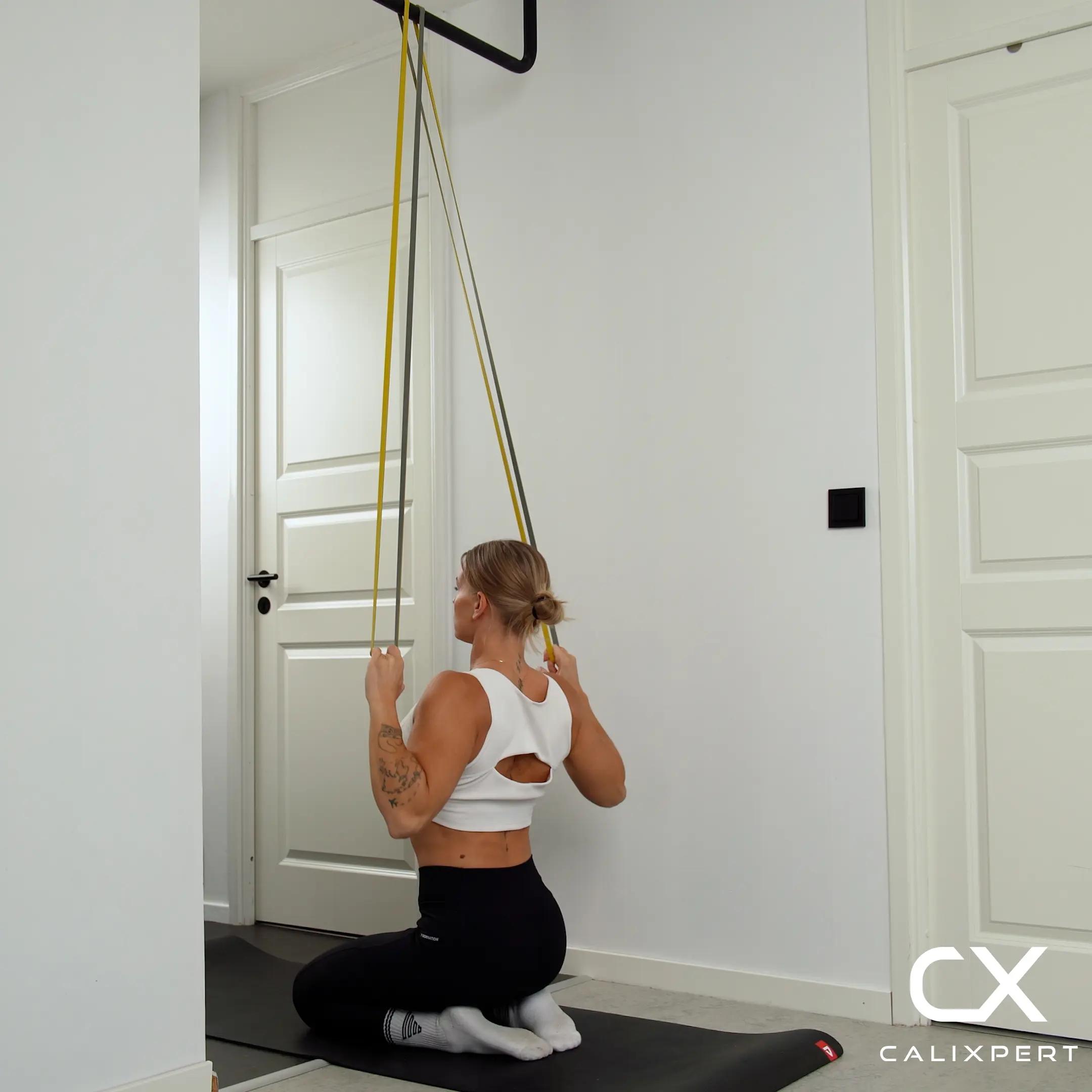
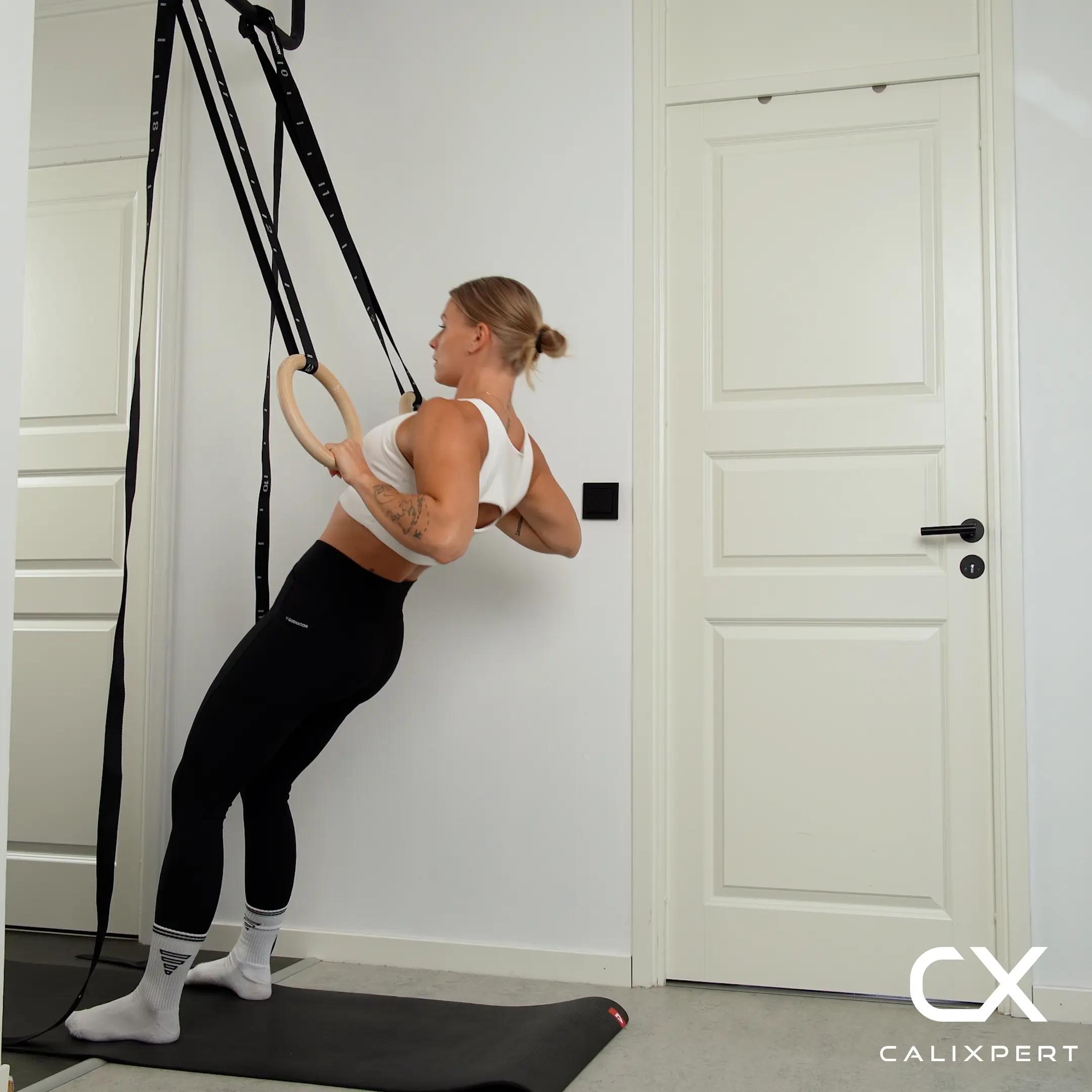
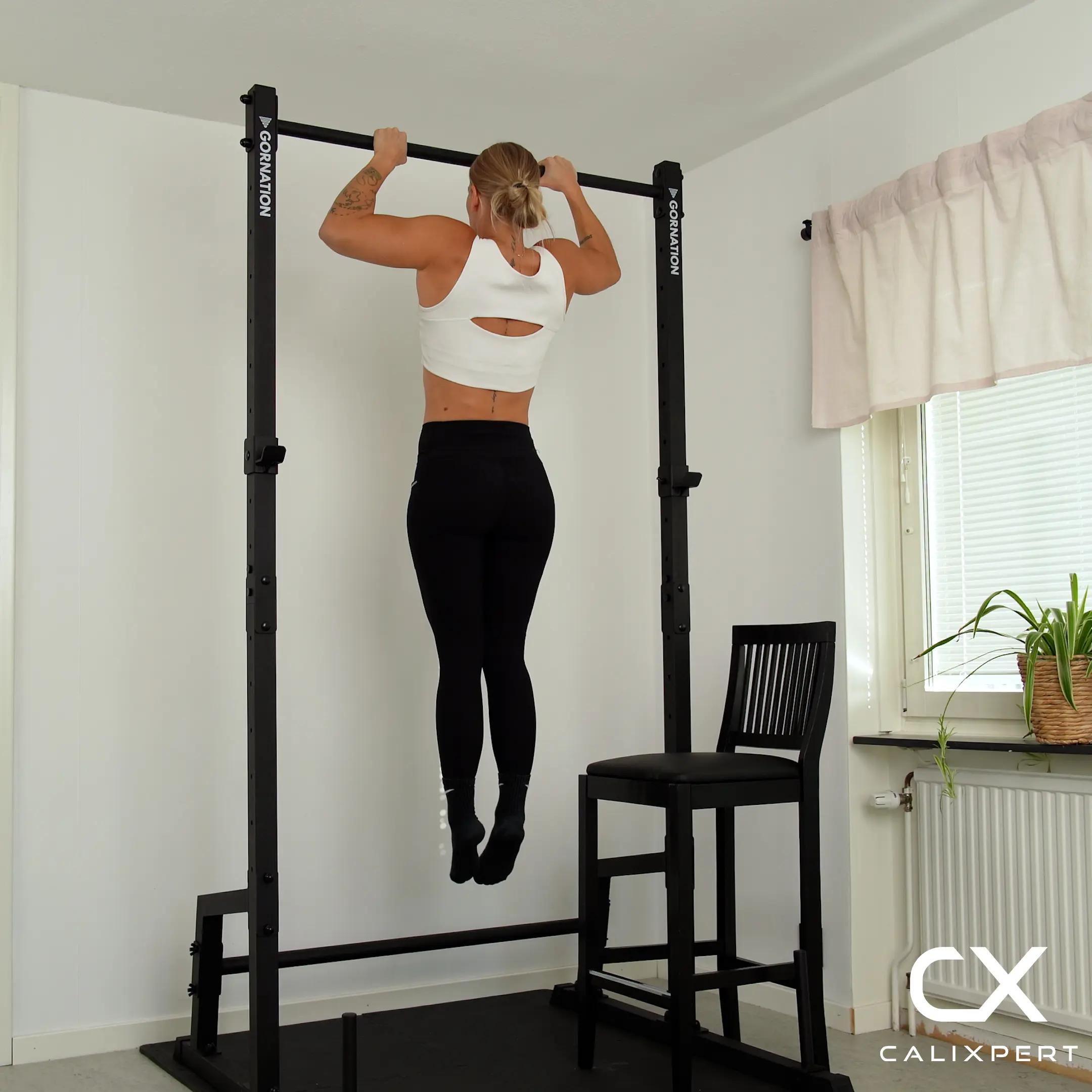
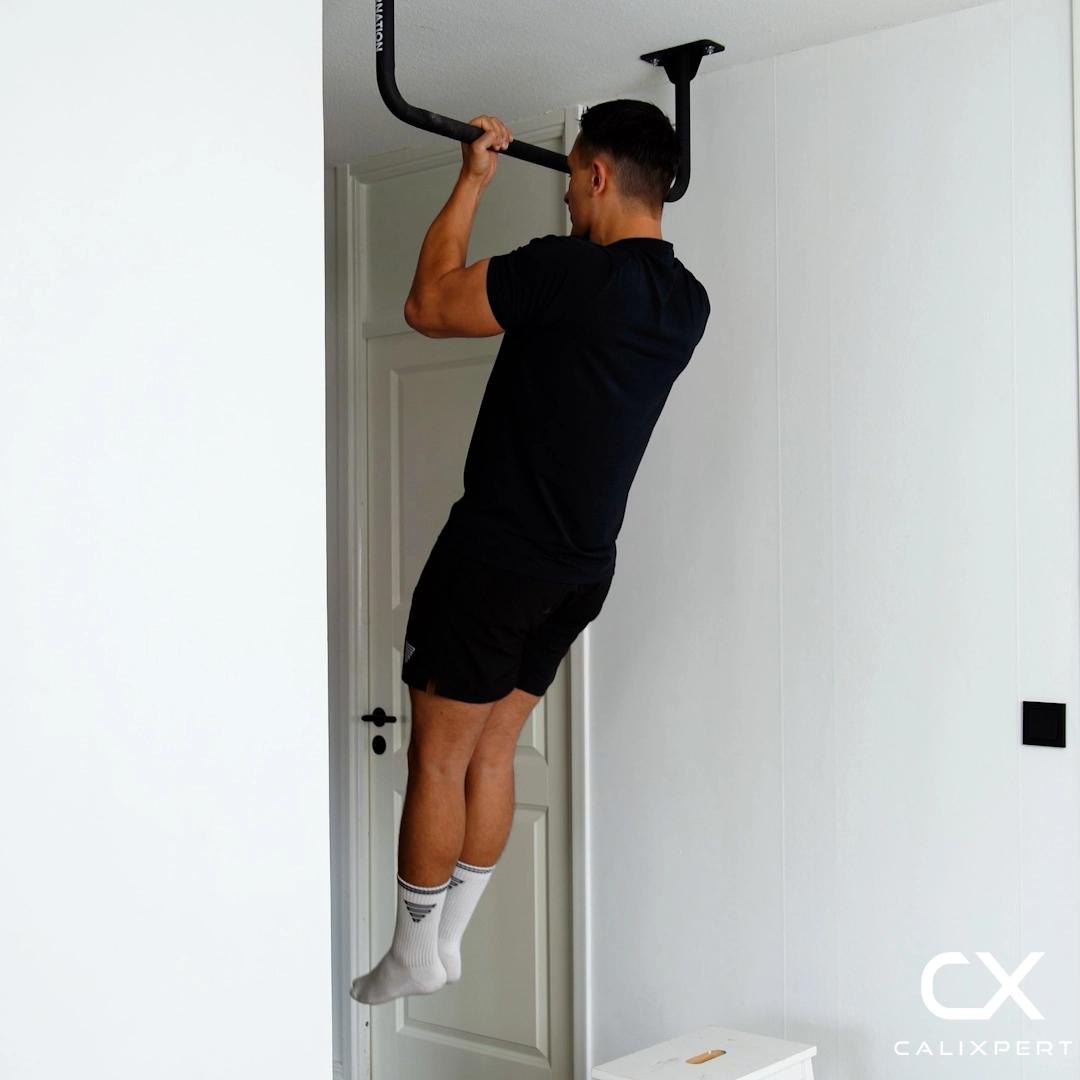
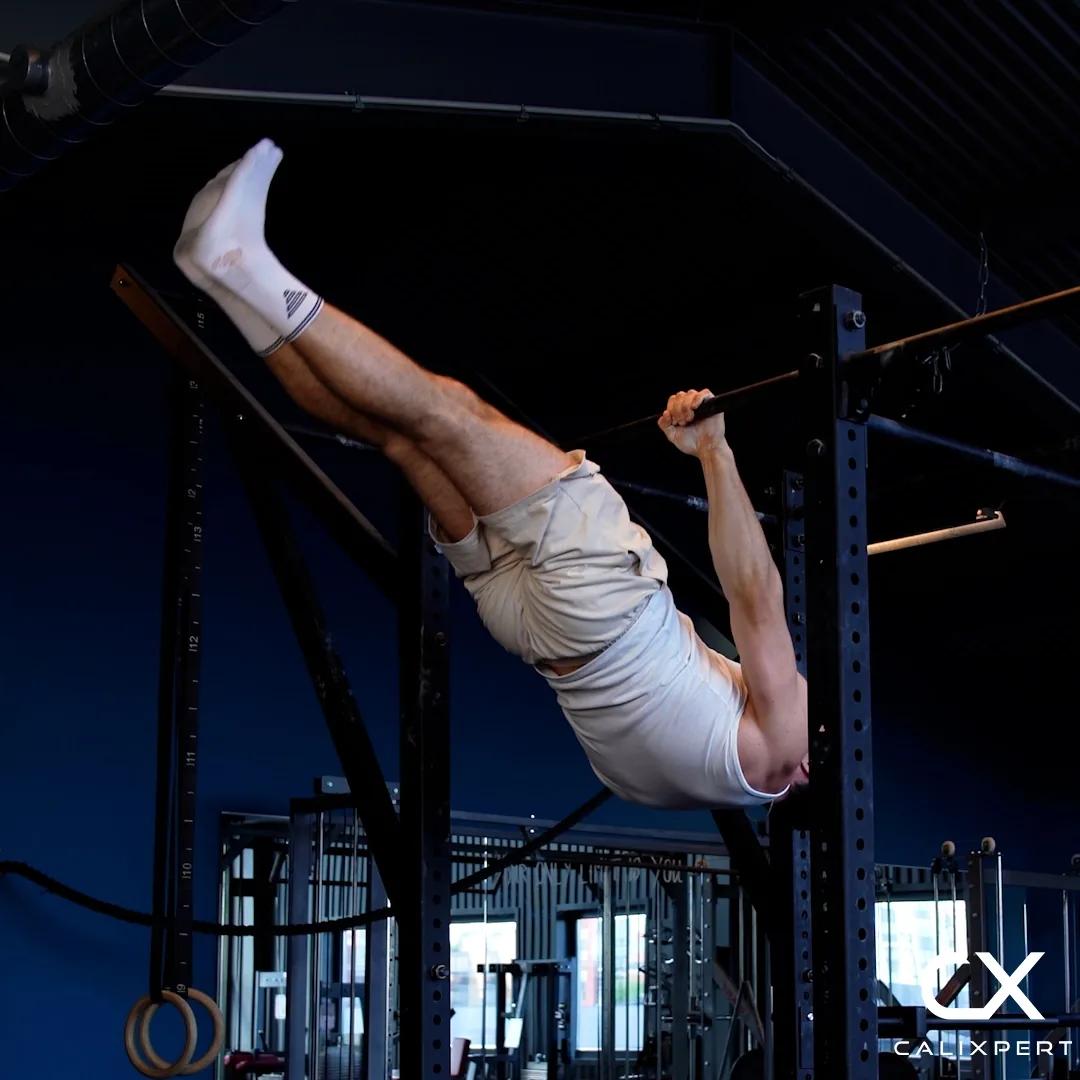
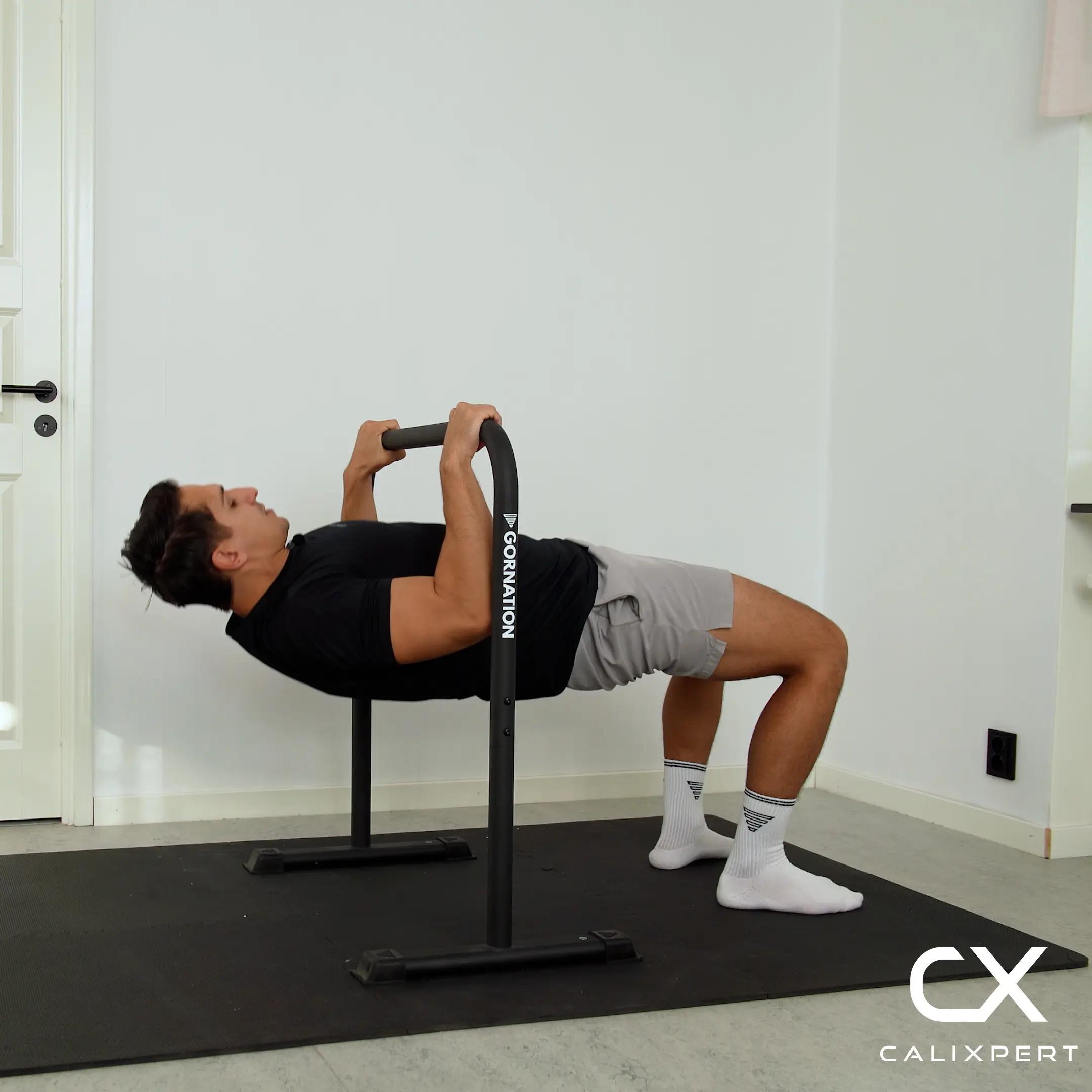
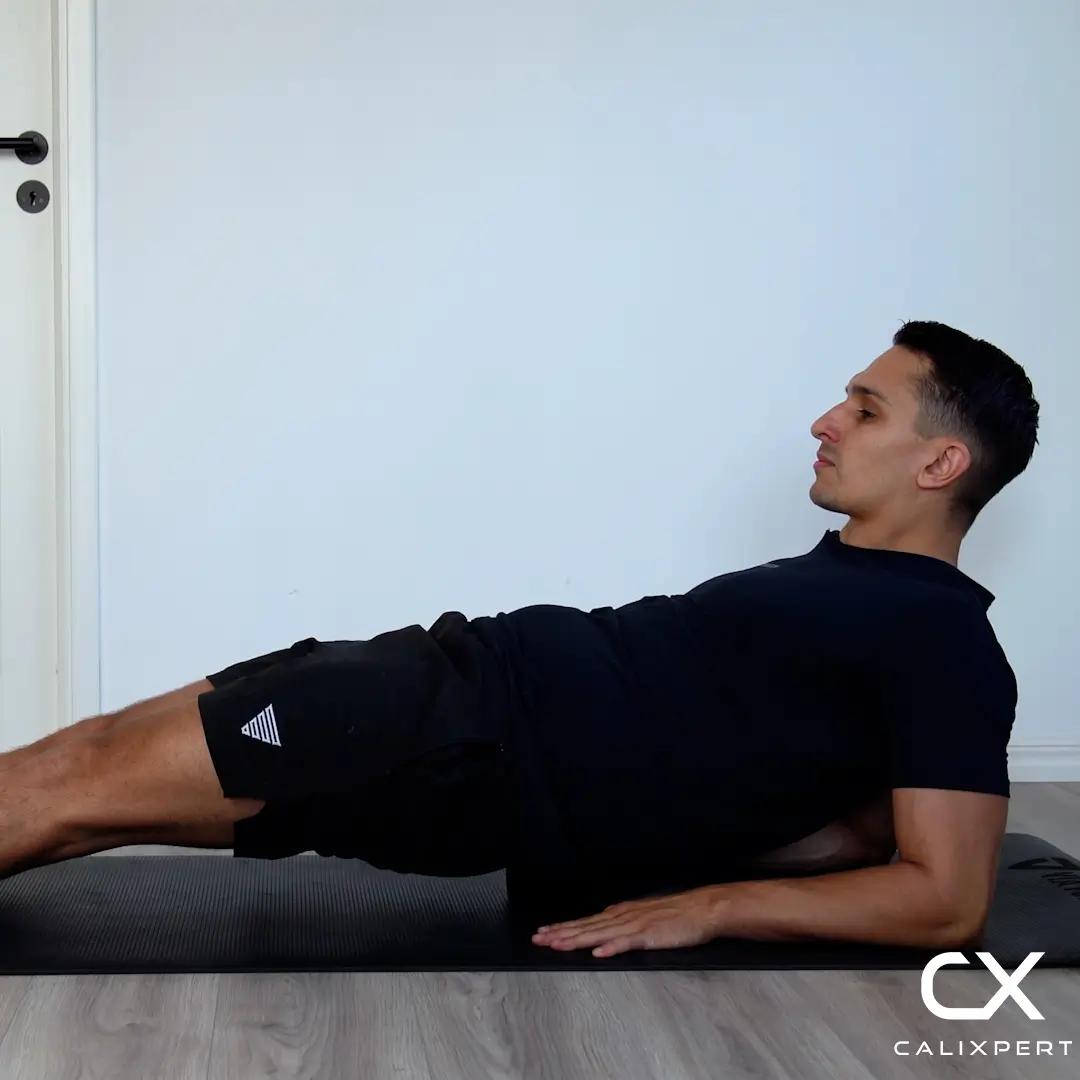
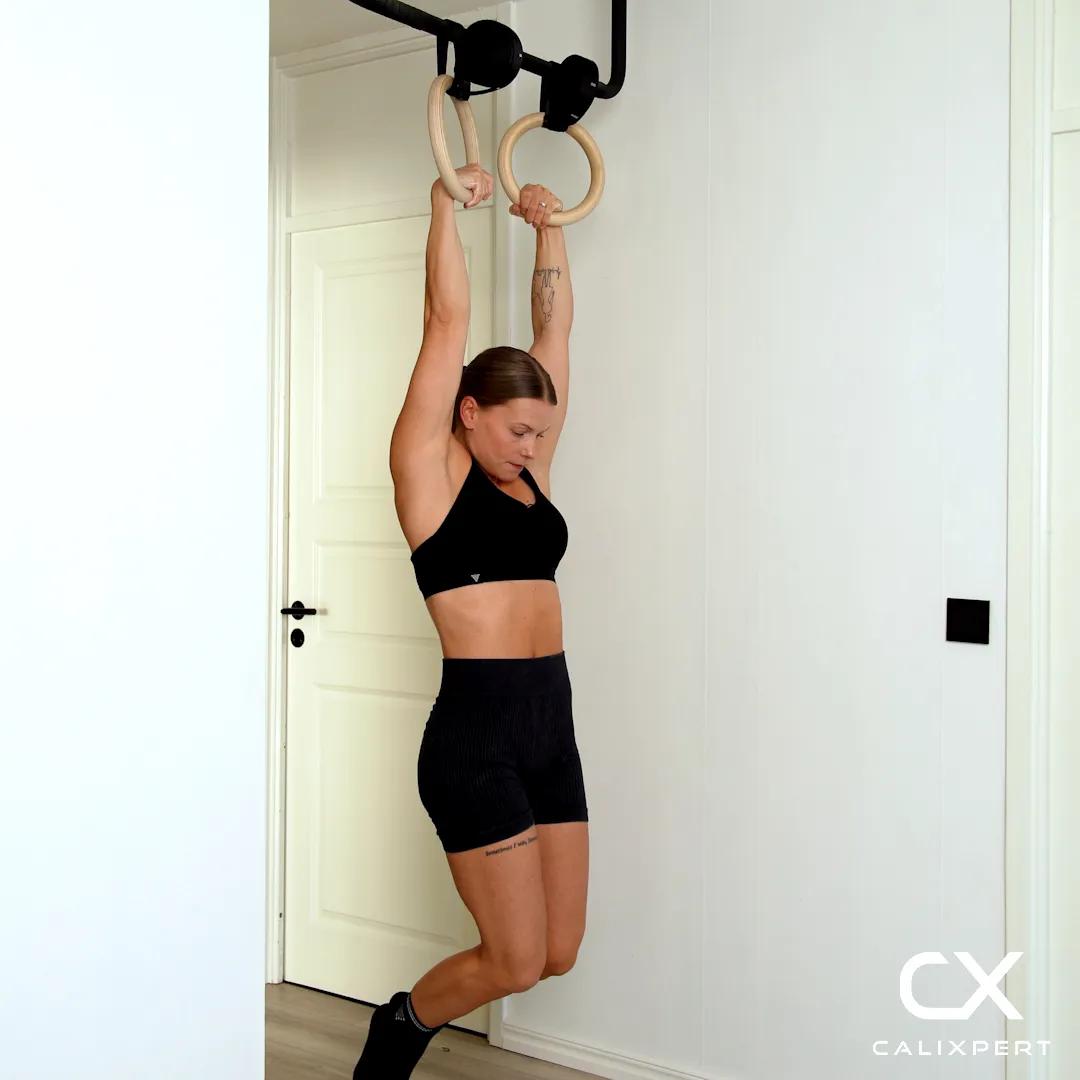
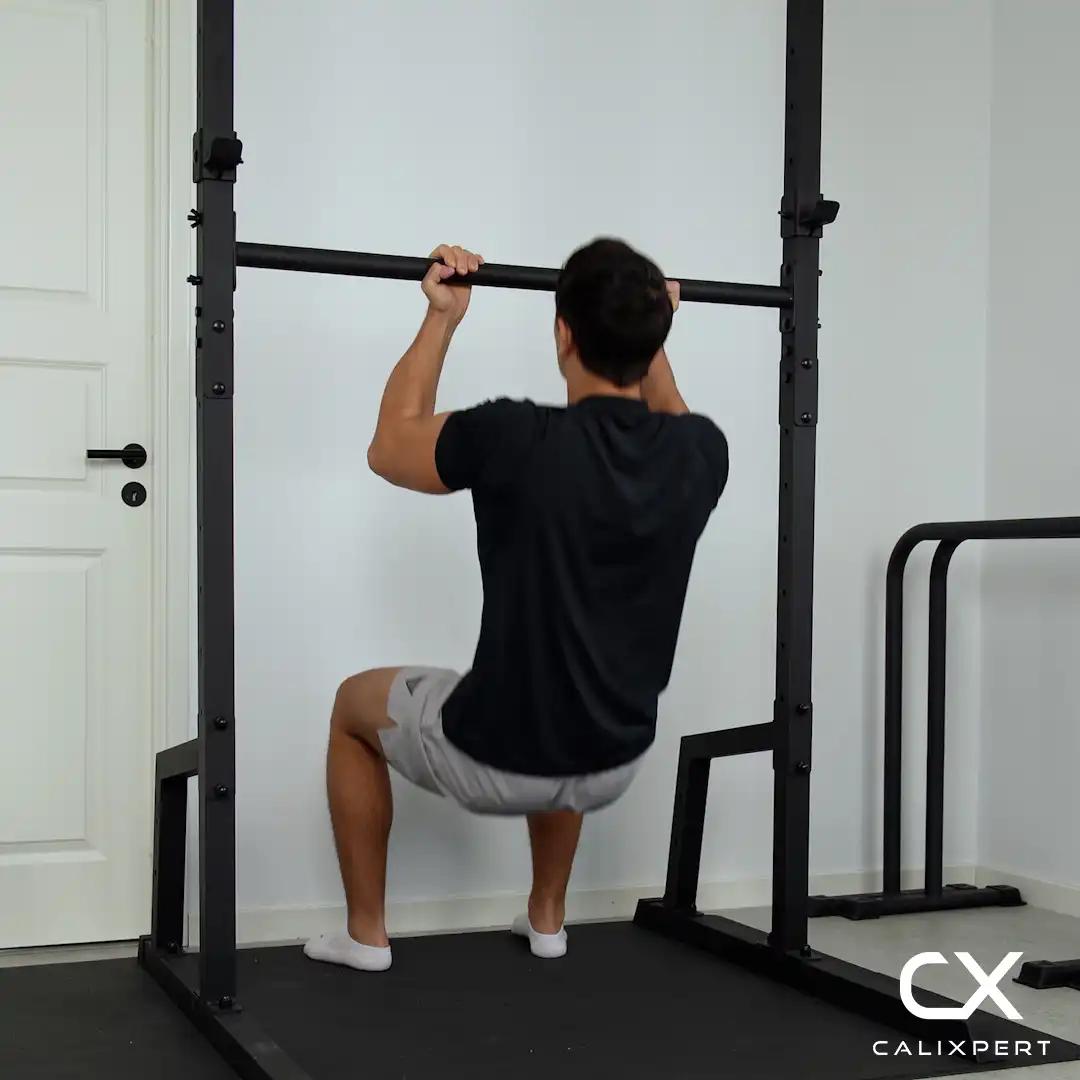
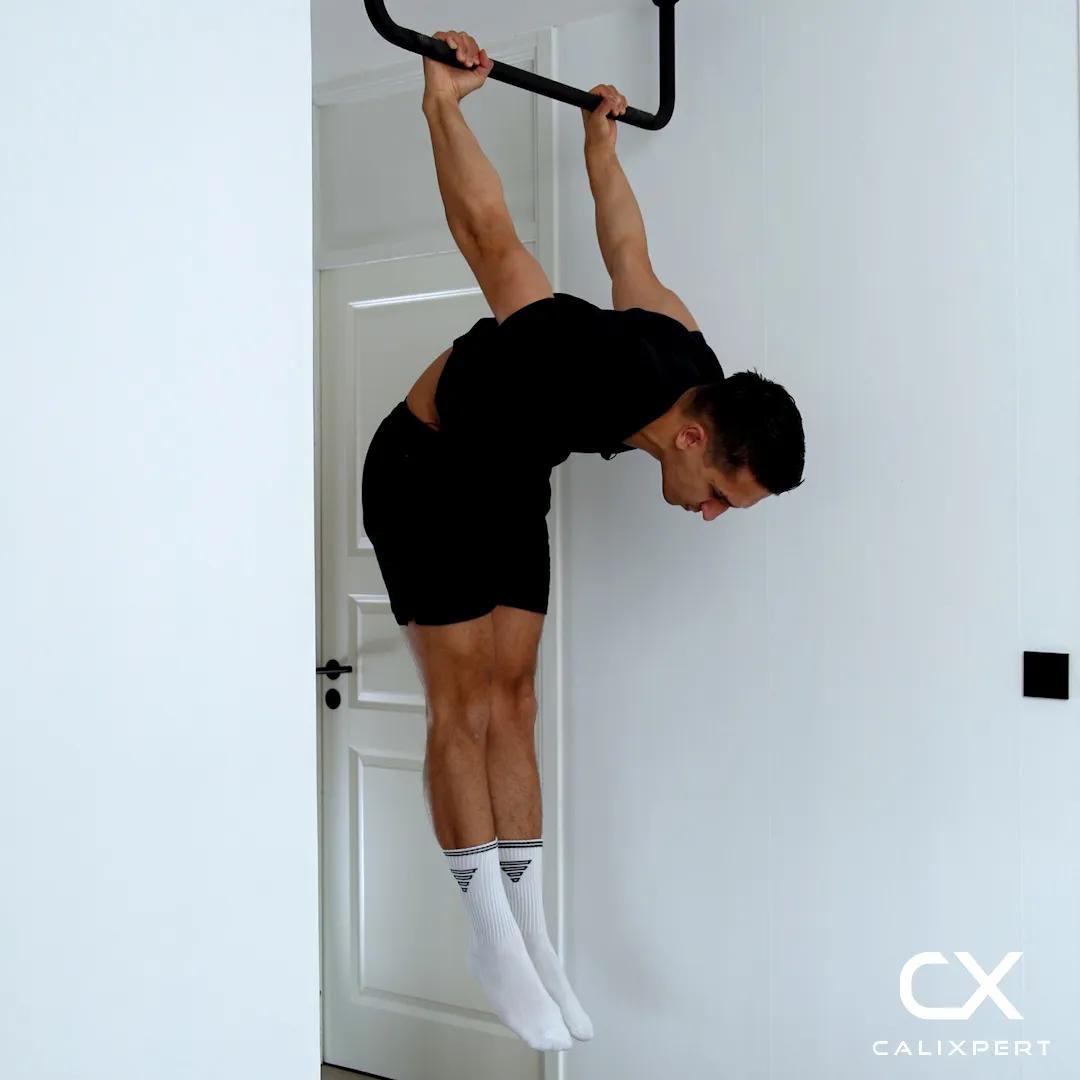
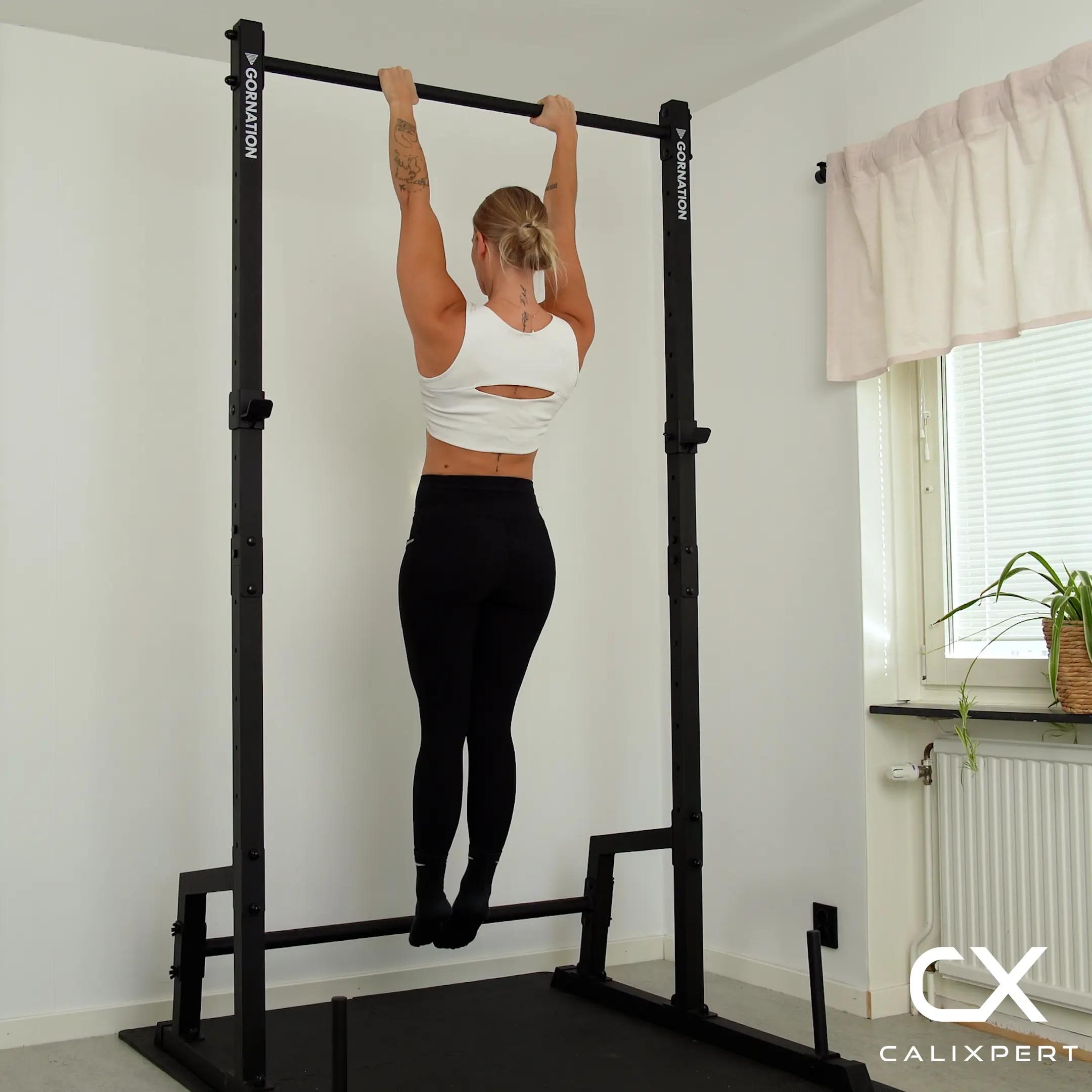
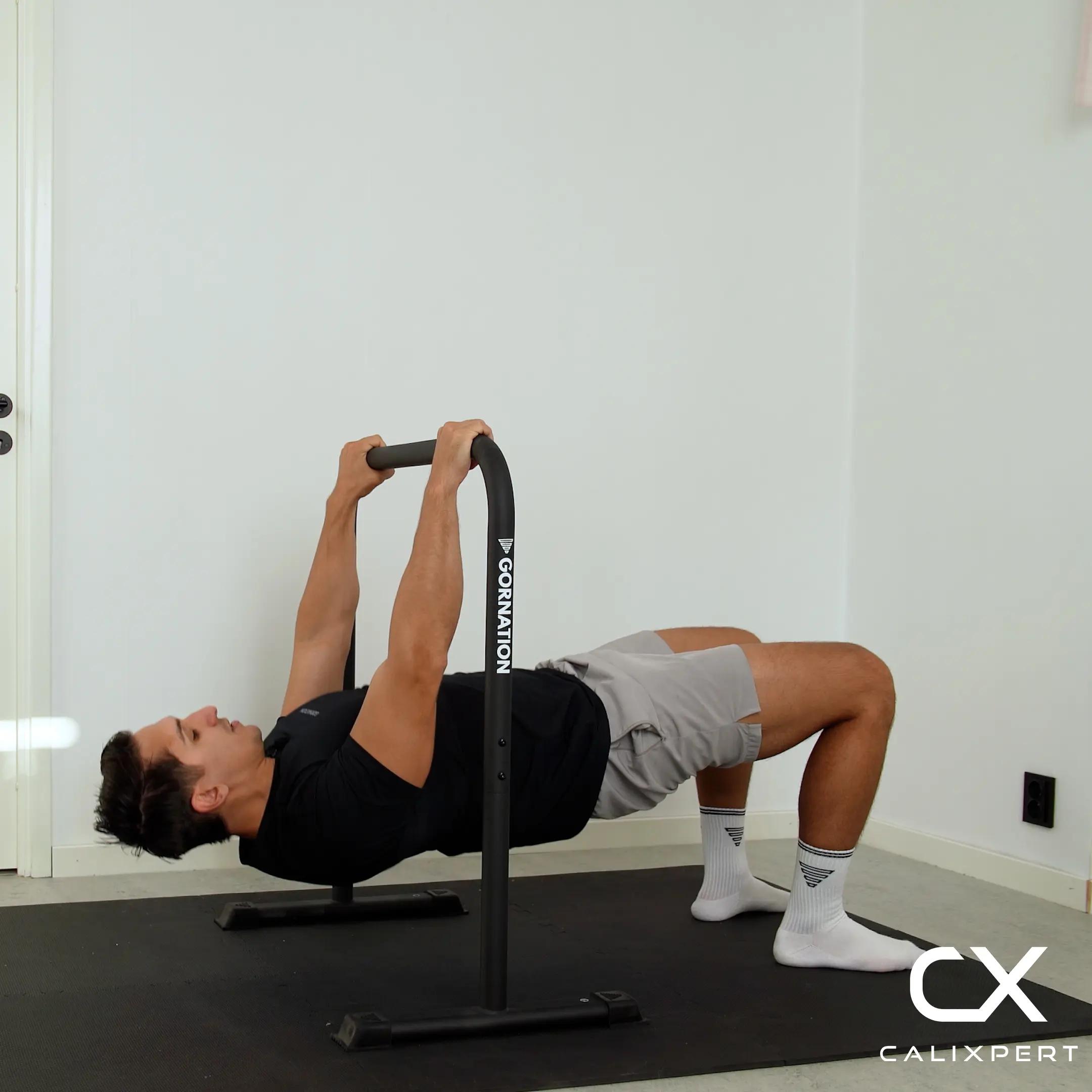
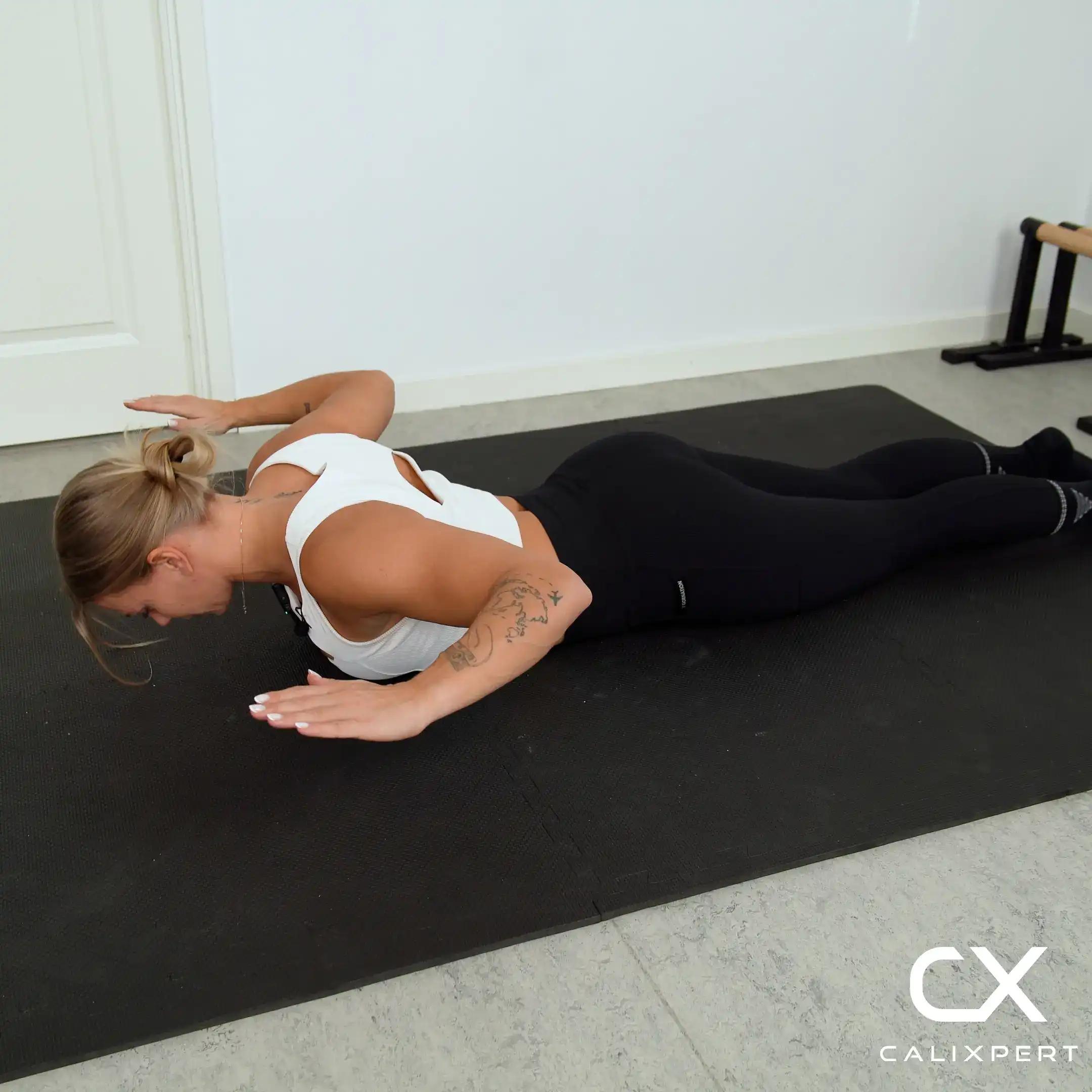
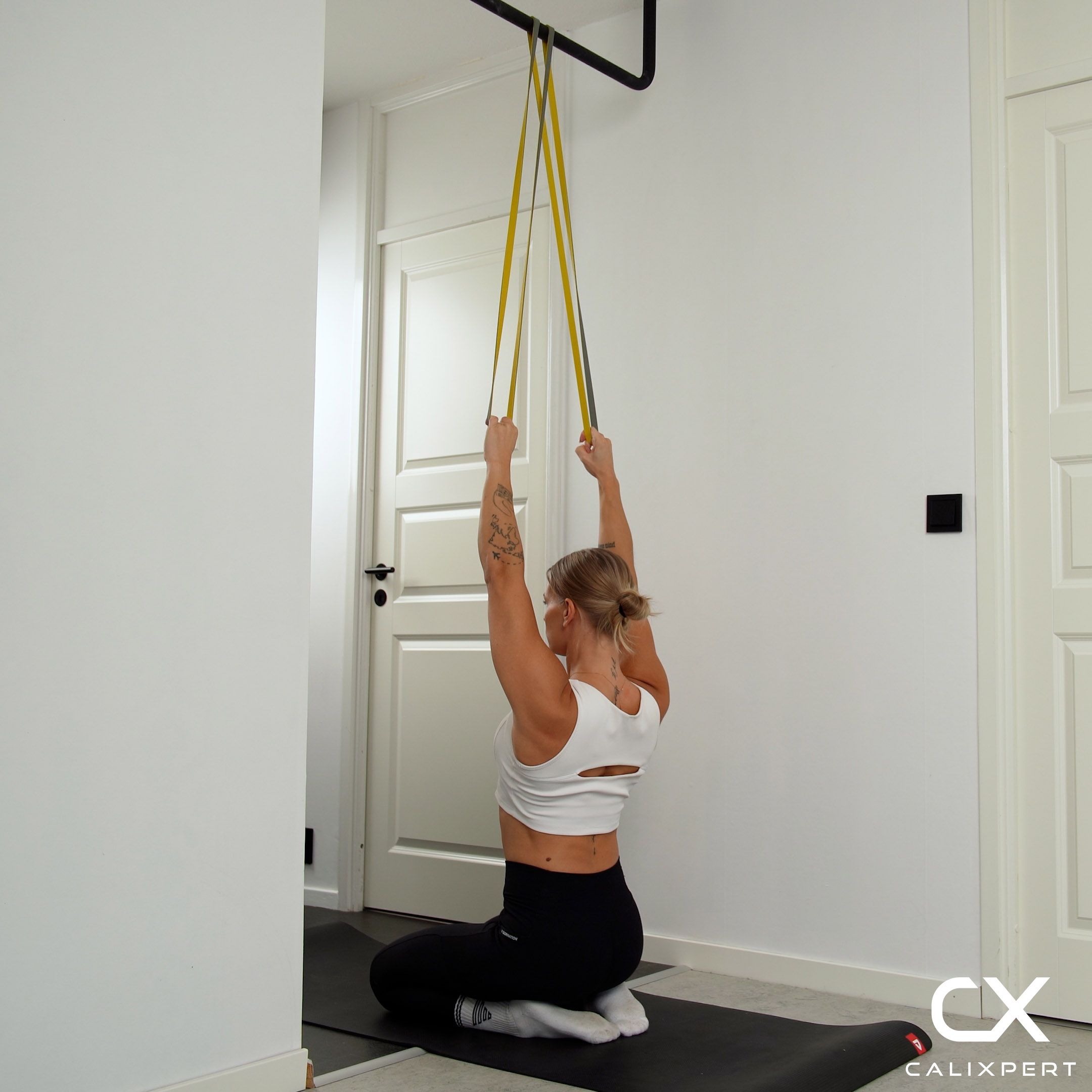
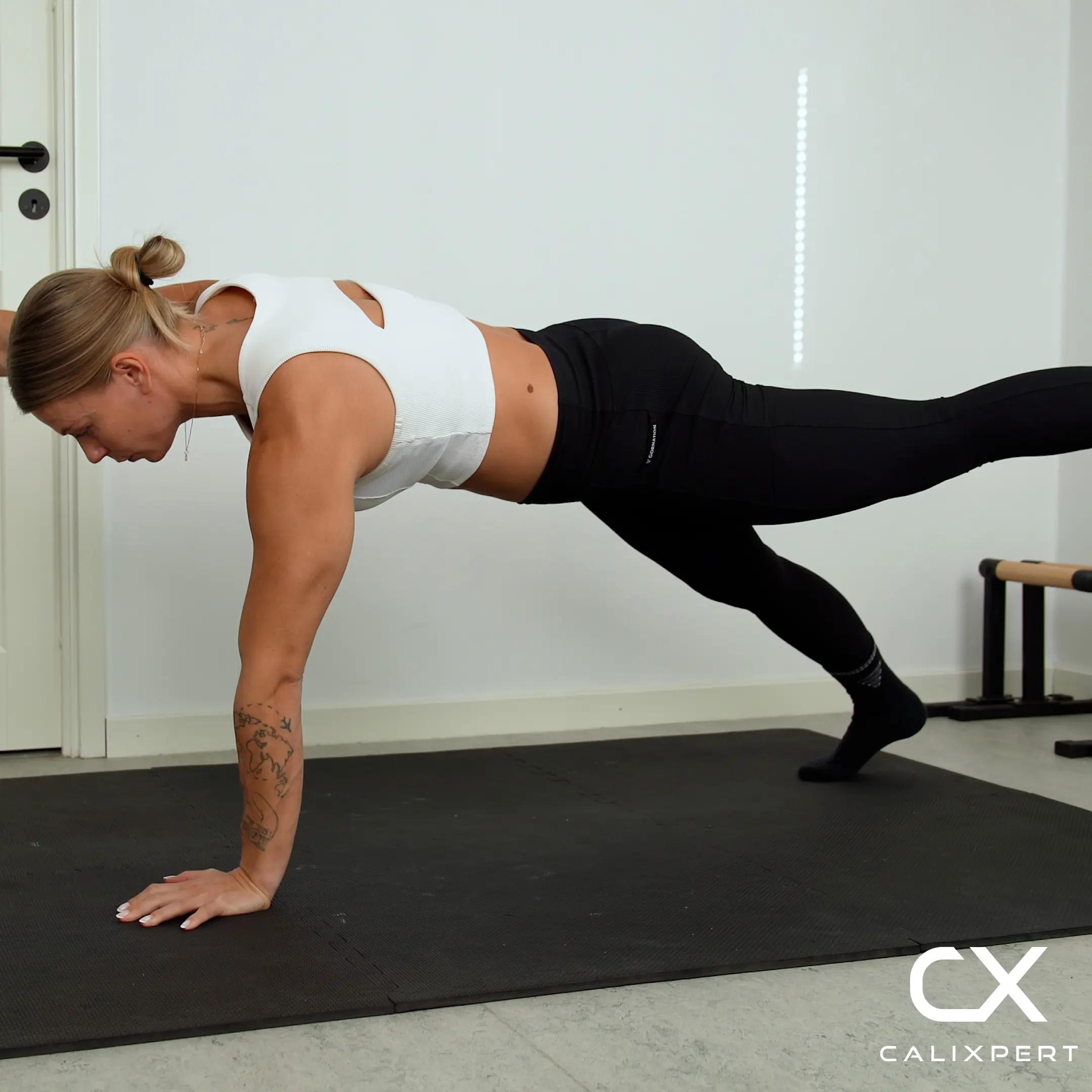
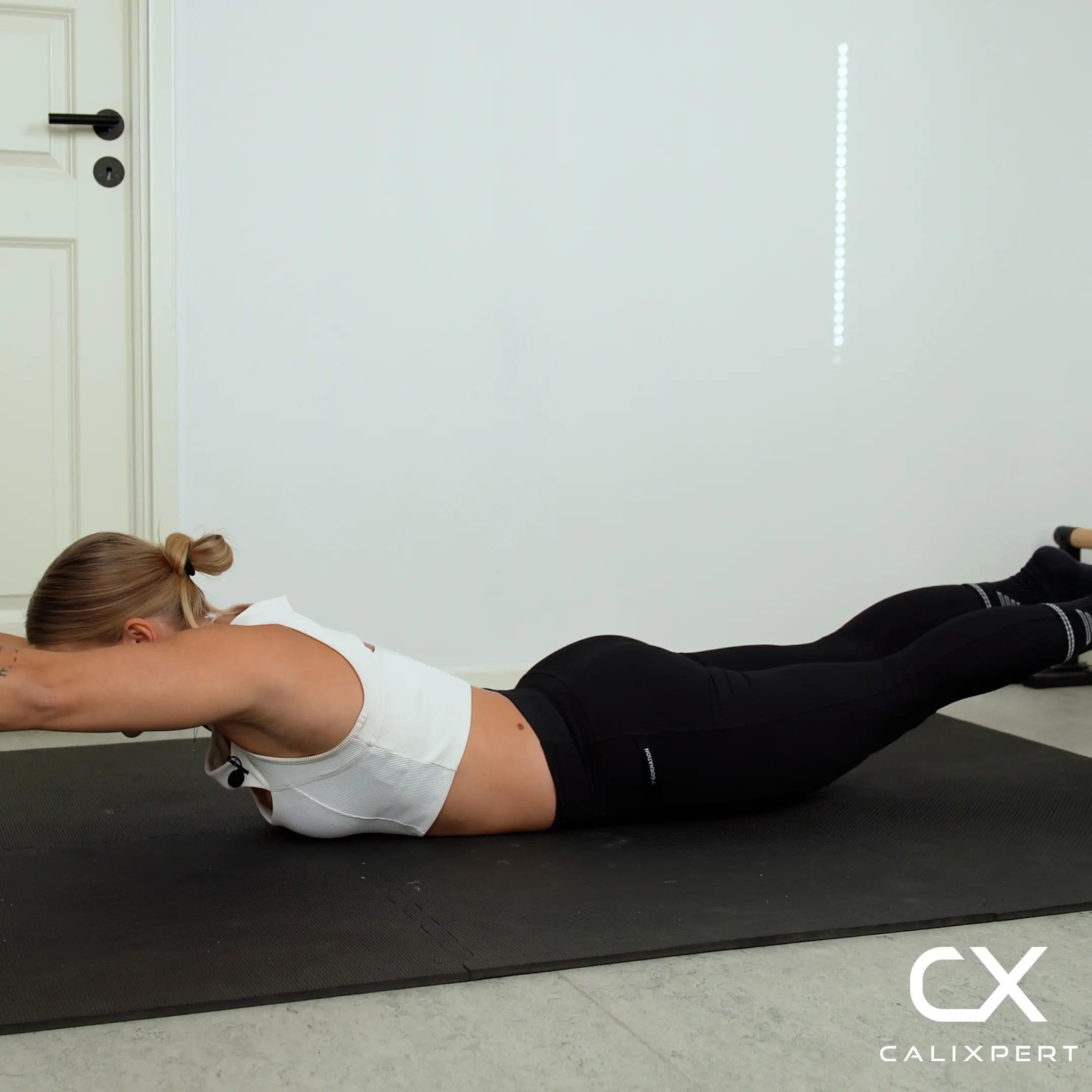
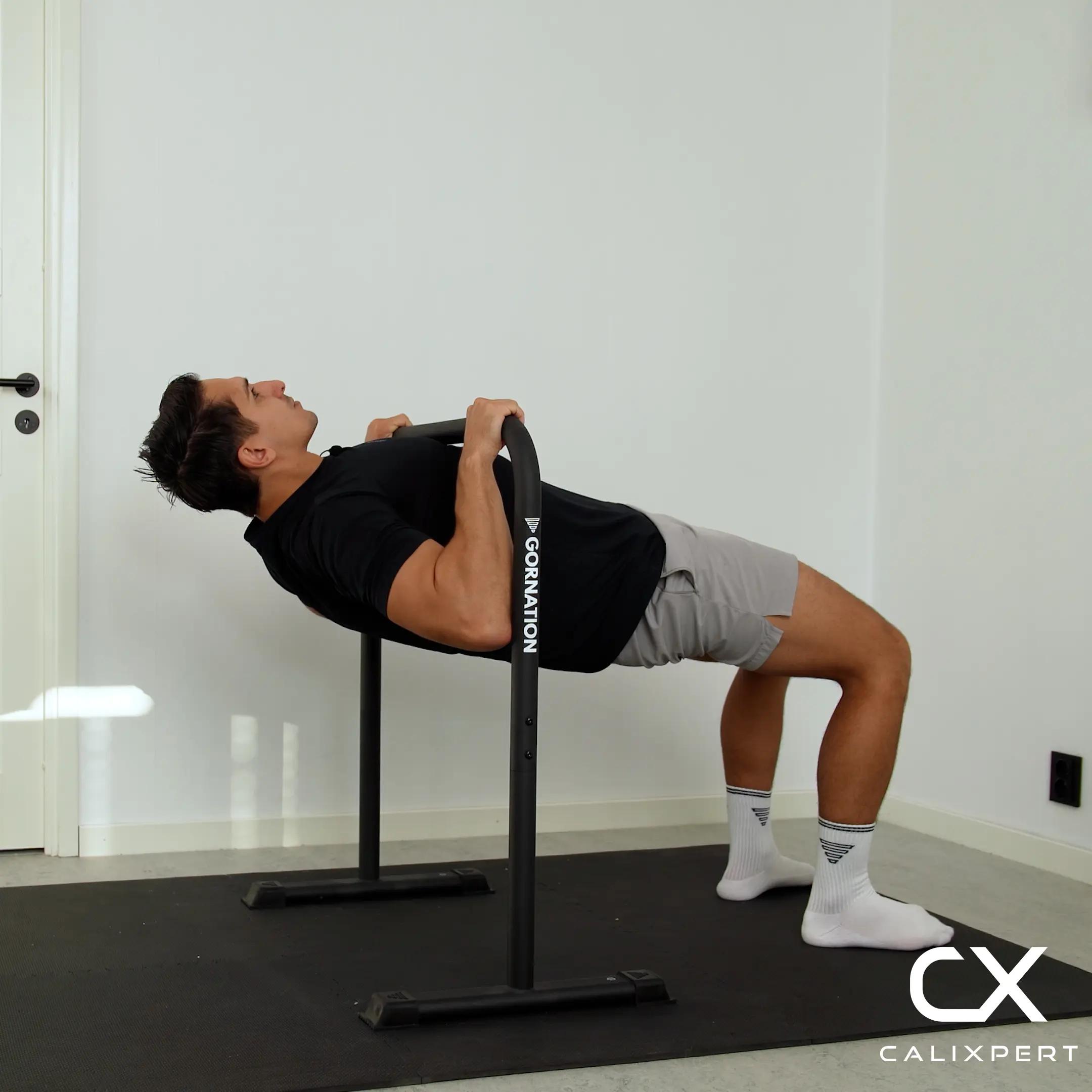
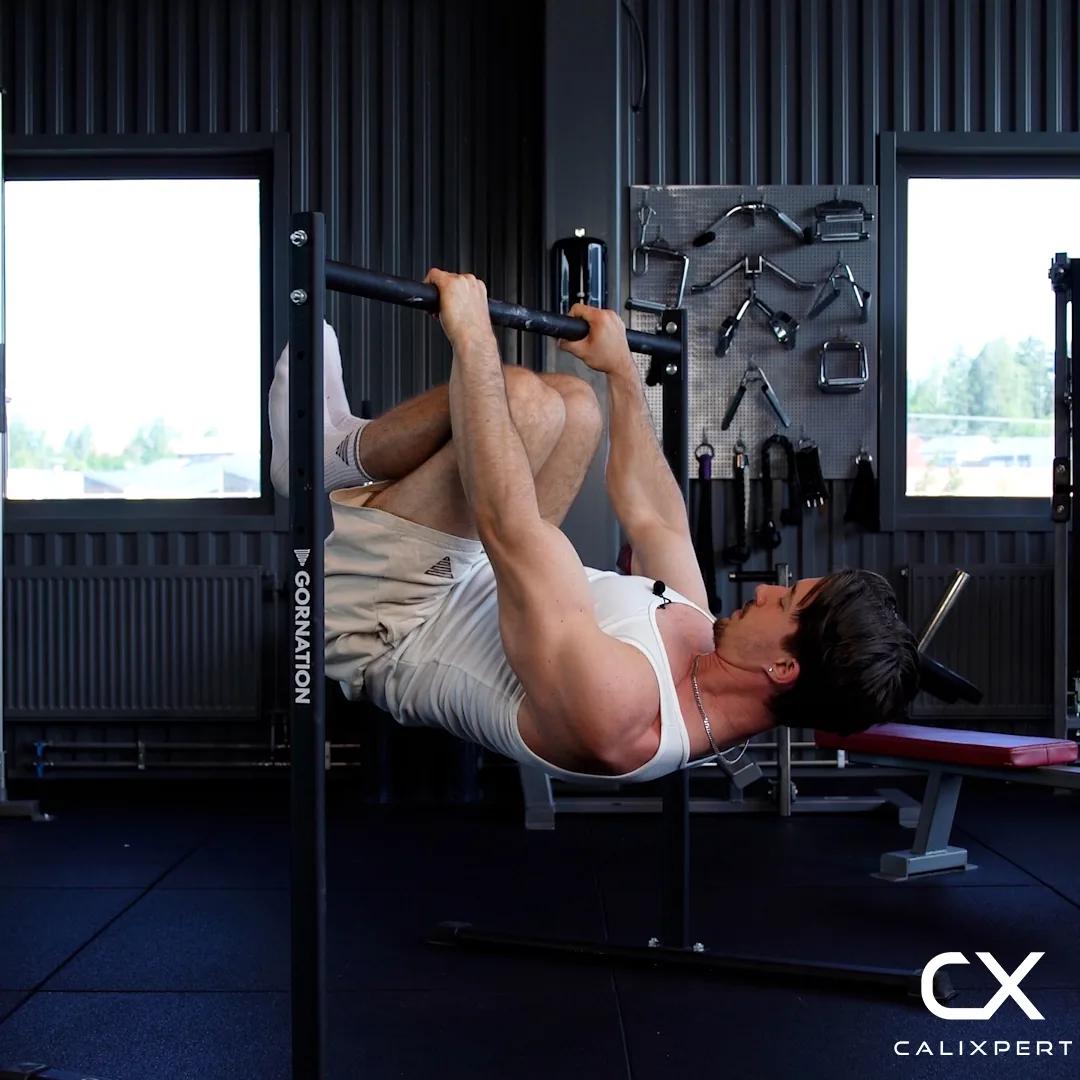
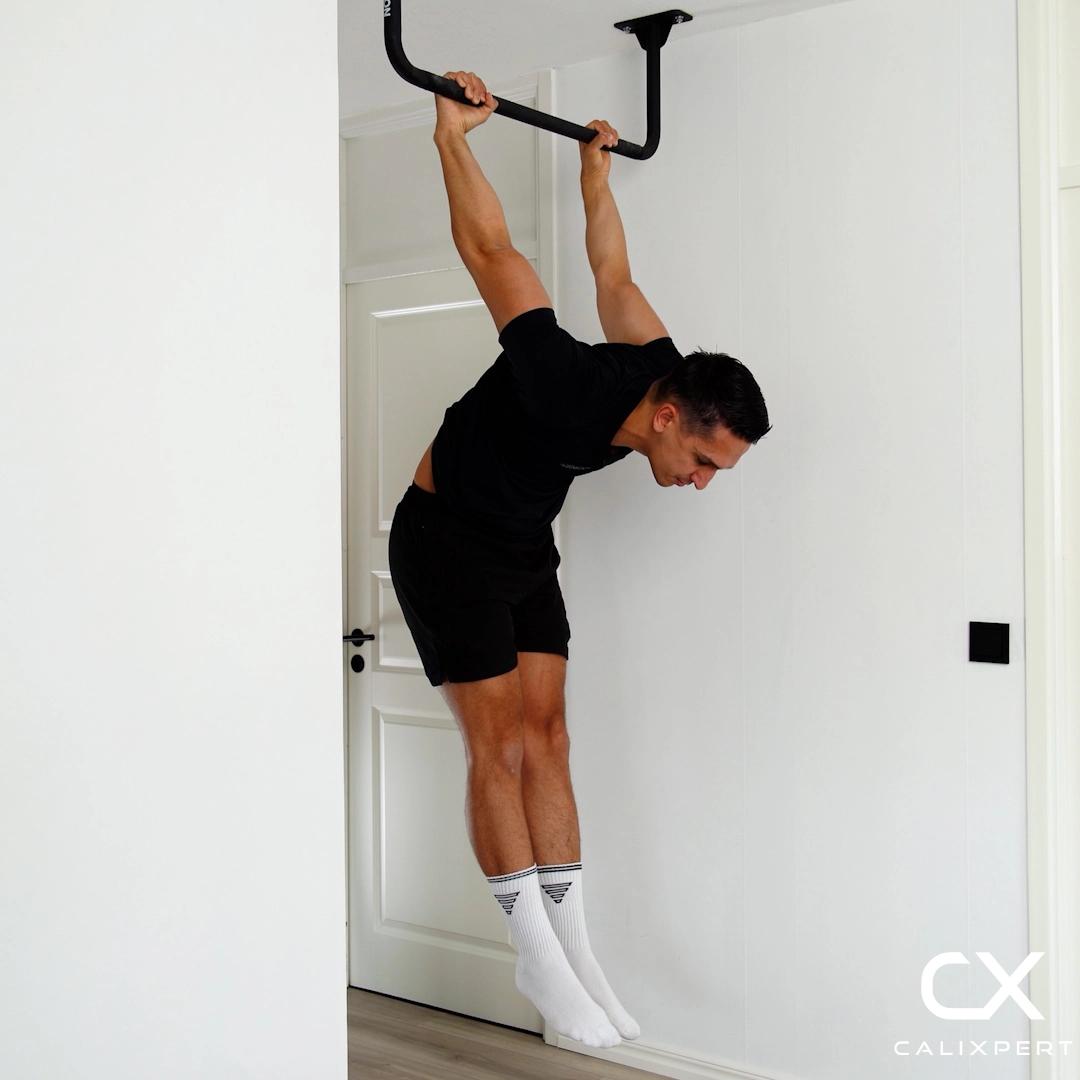
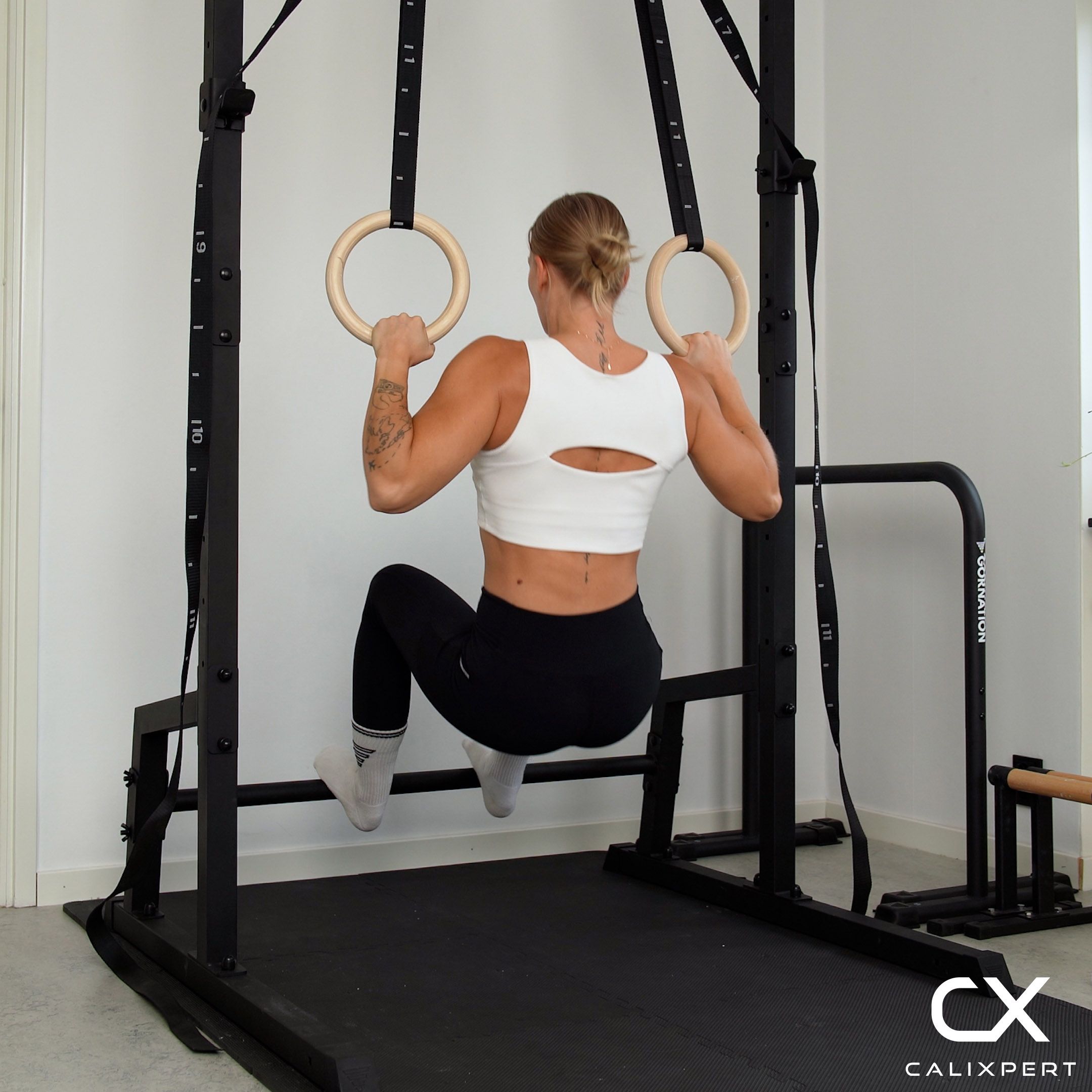
Om Rear Deltoid
The posterior deltoid is the back portion of your shoulder muscle. It sits behind the shoulder joint and is responsible for horizontal abduction and shoulder extension — pulling your arm backward and out to the side.
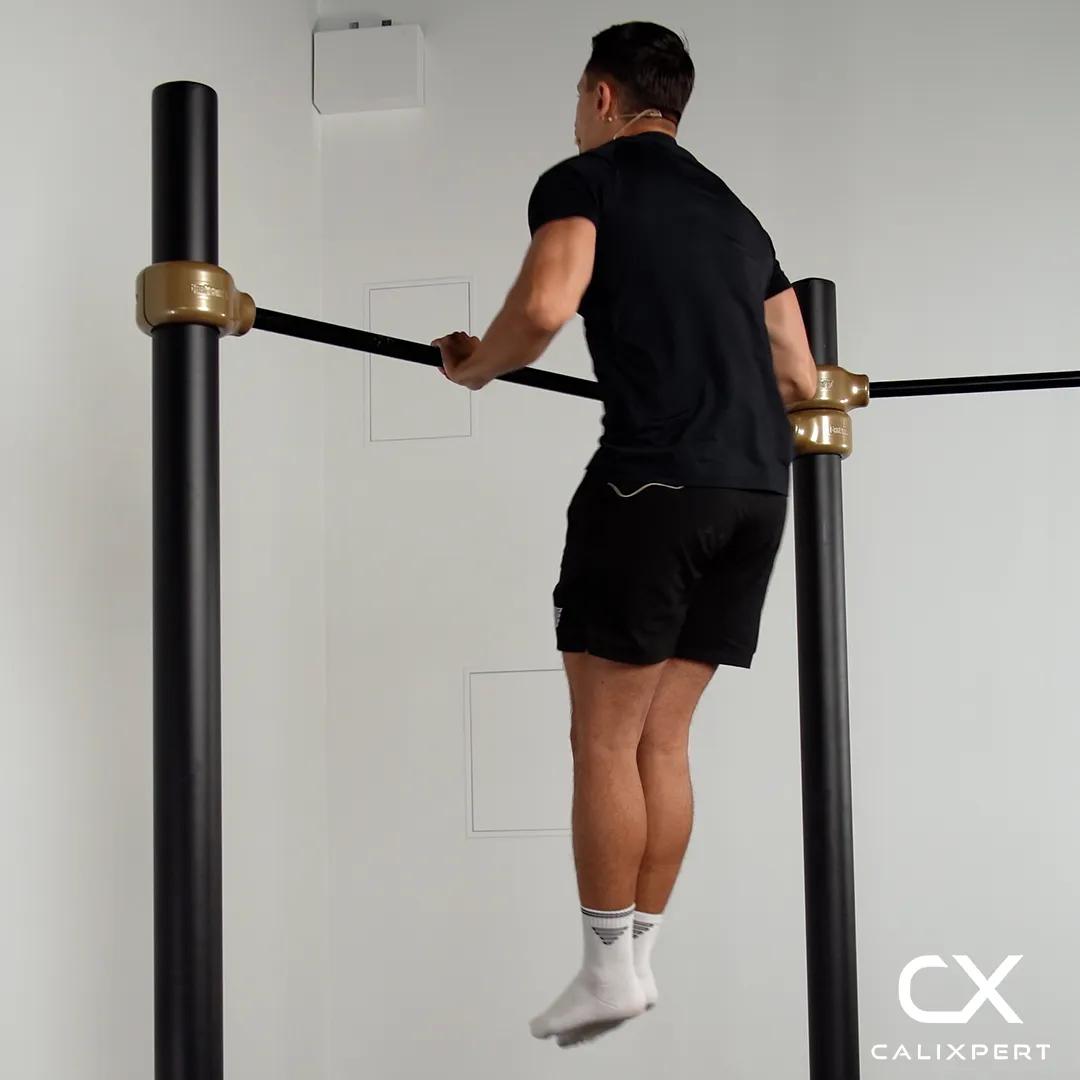
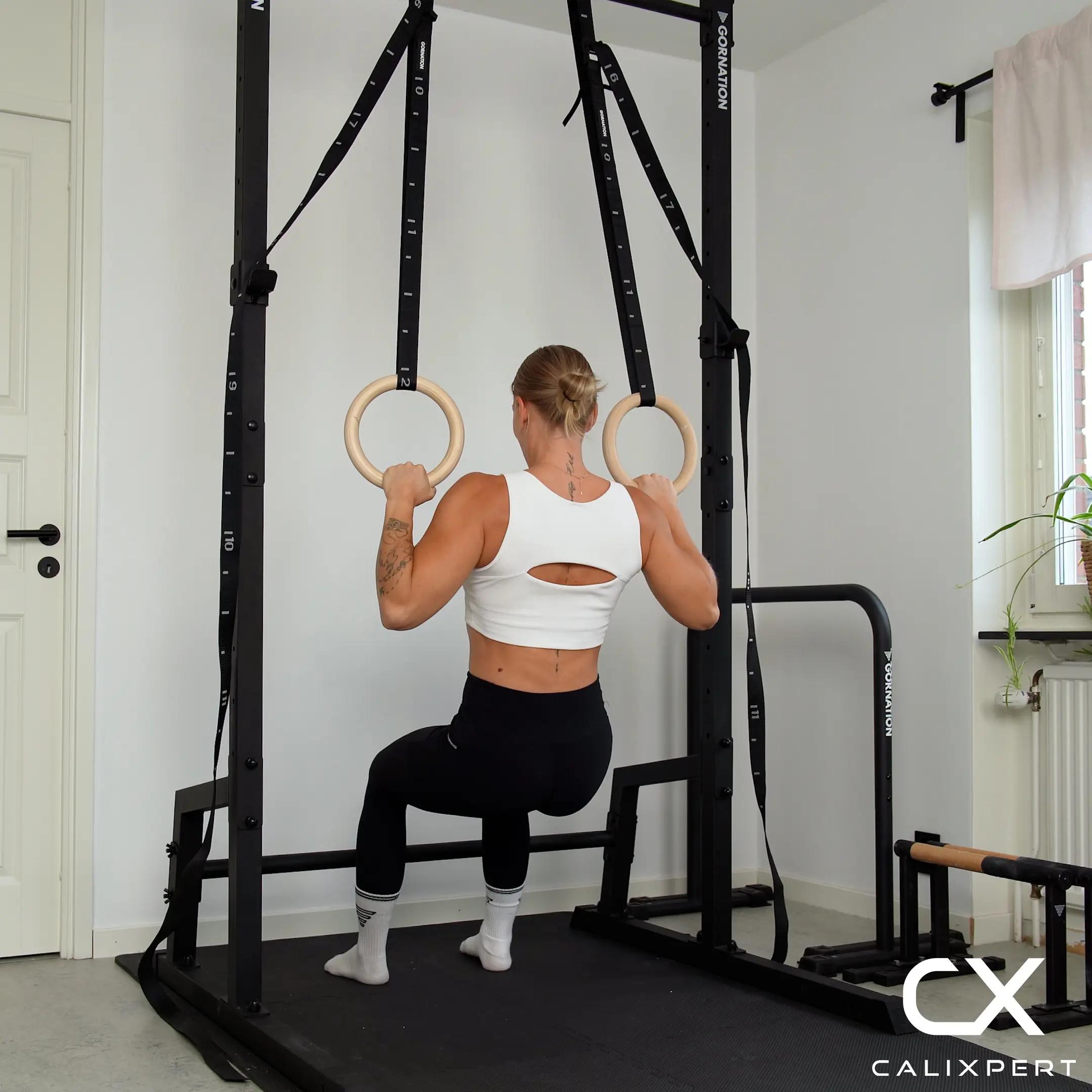
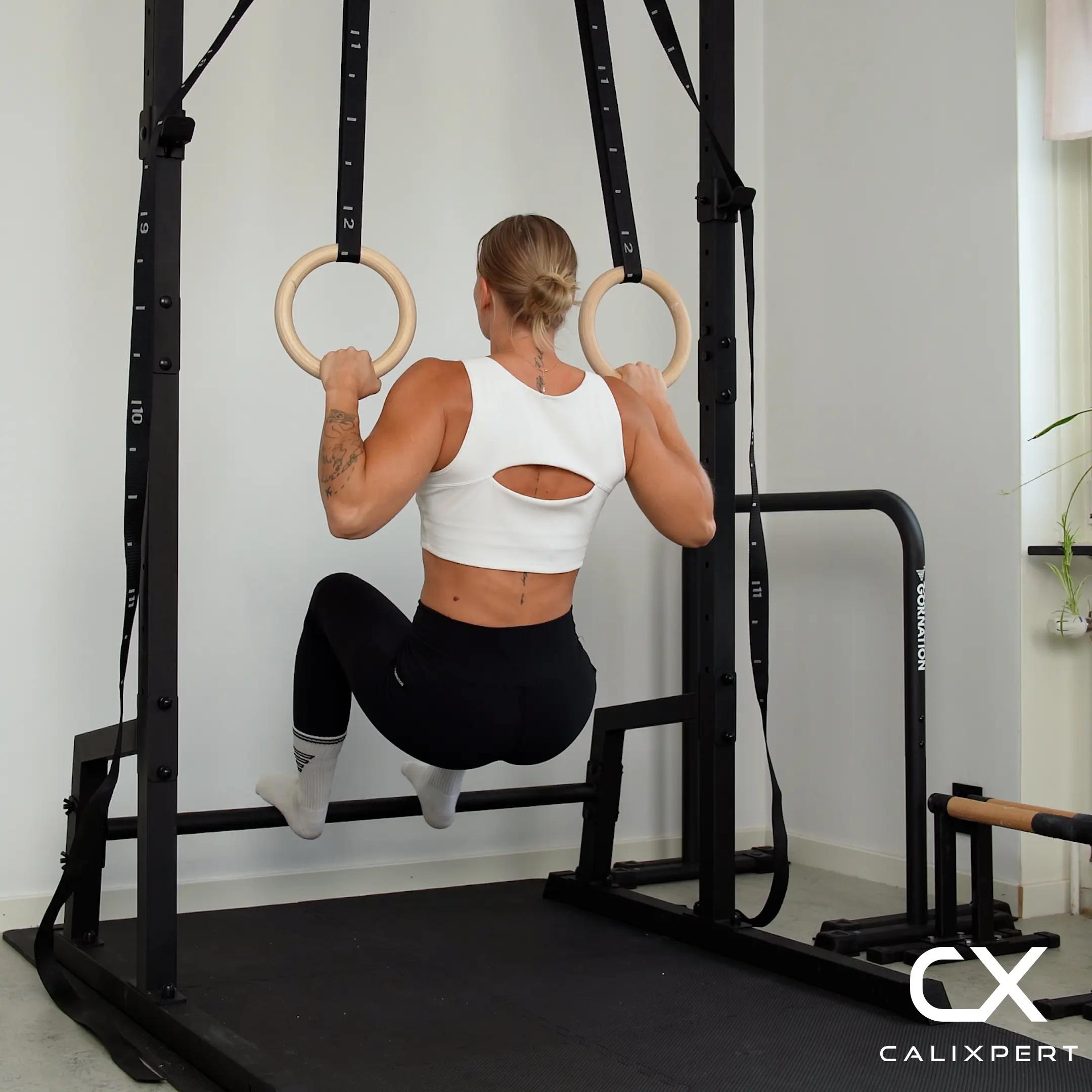
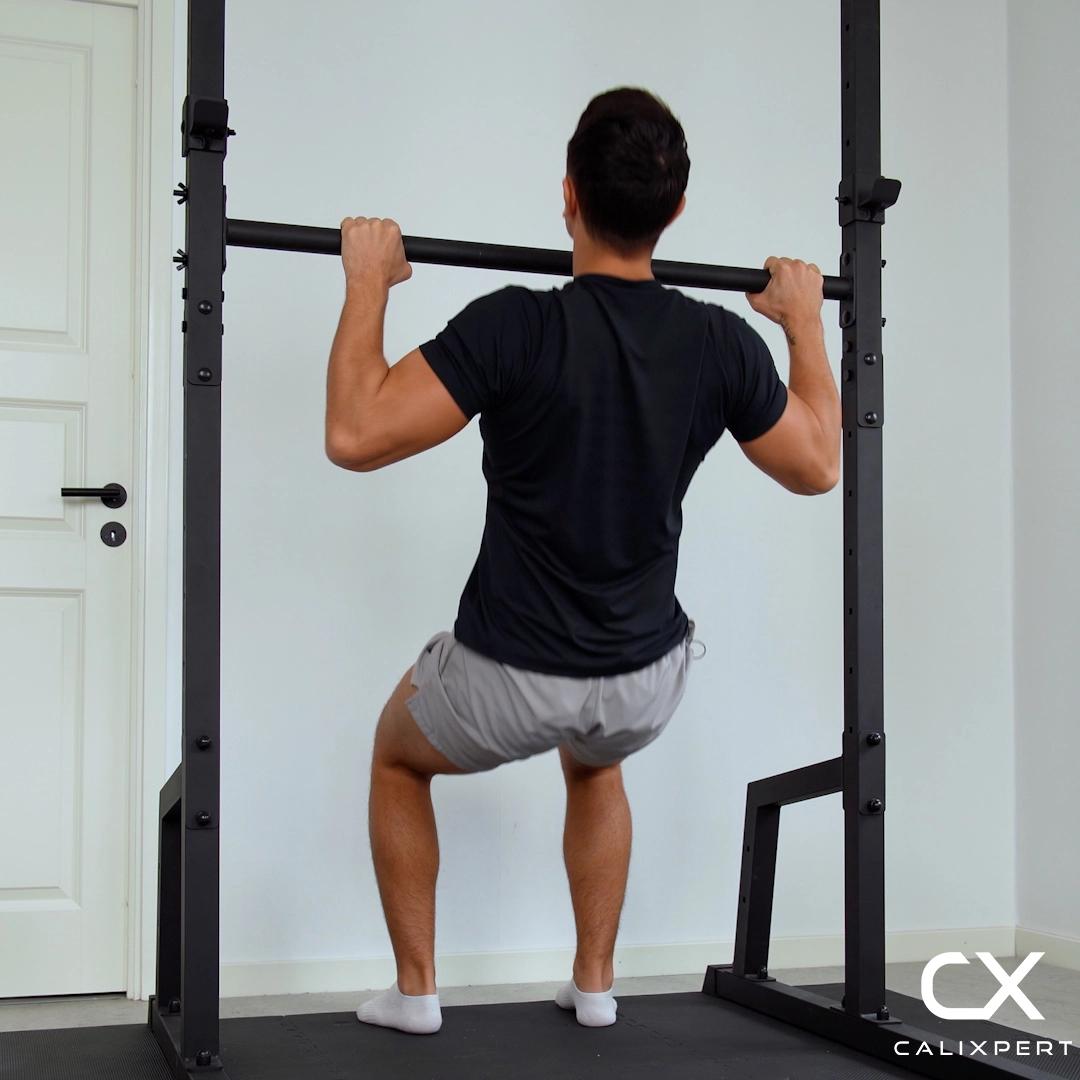
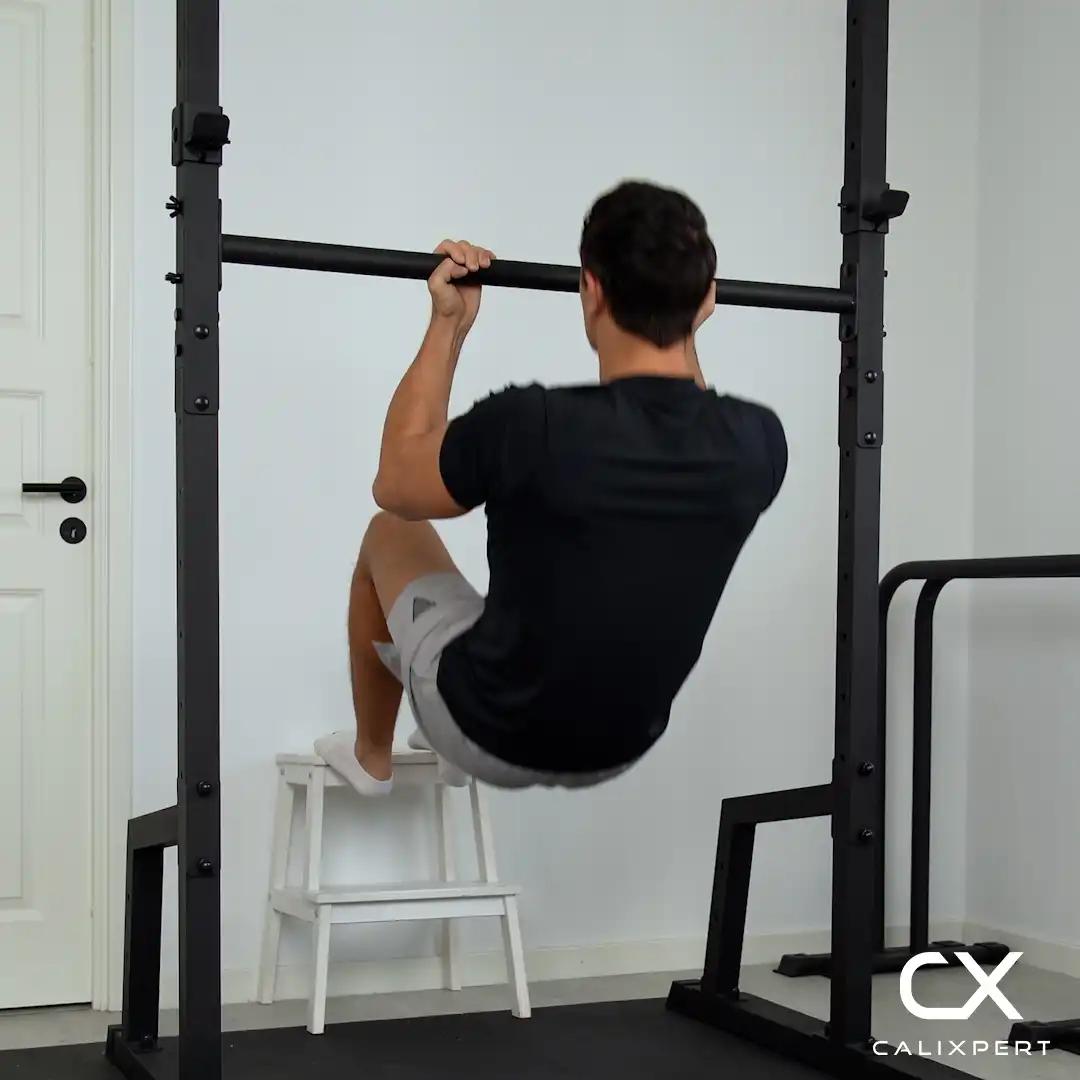
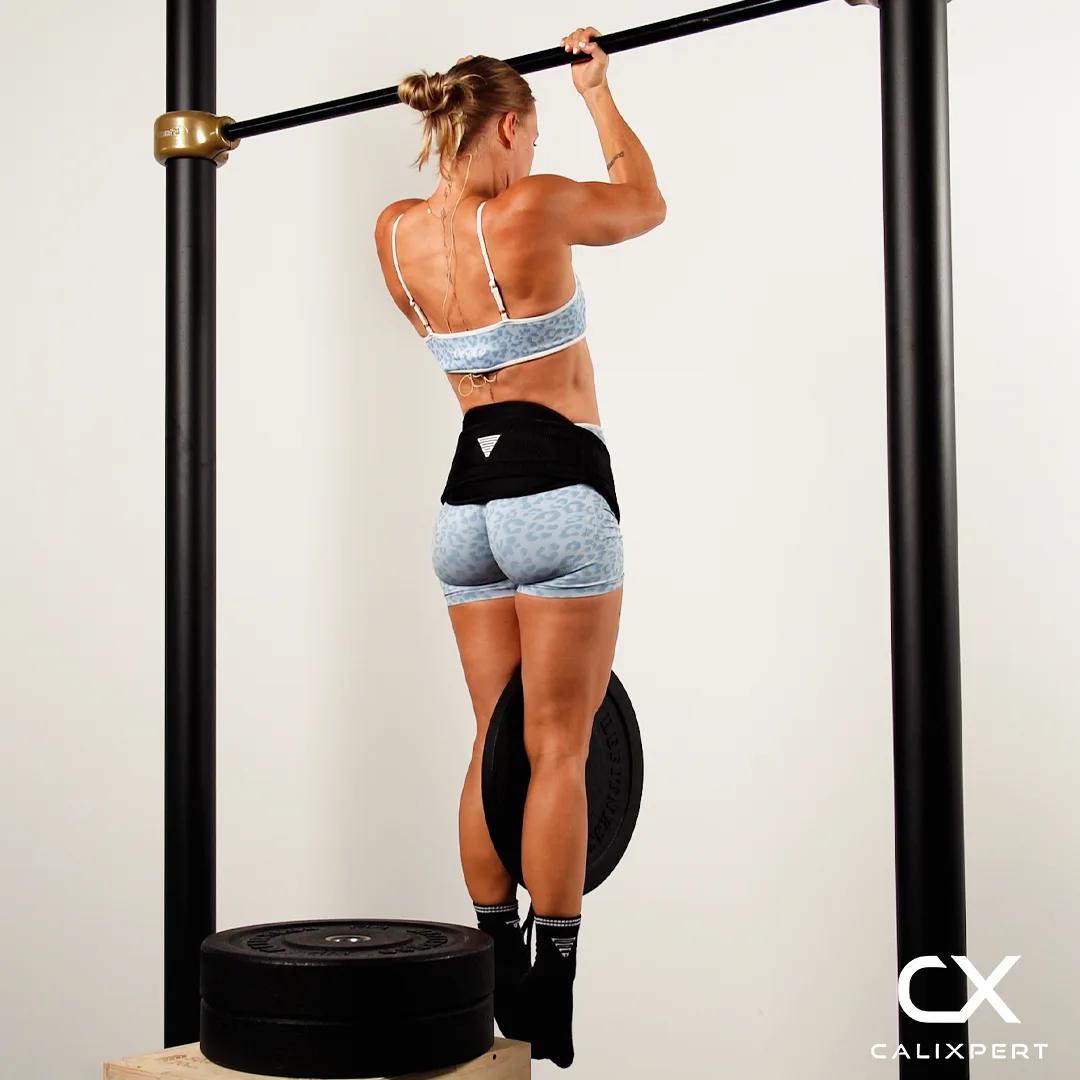
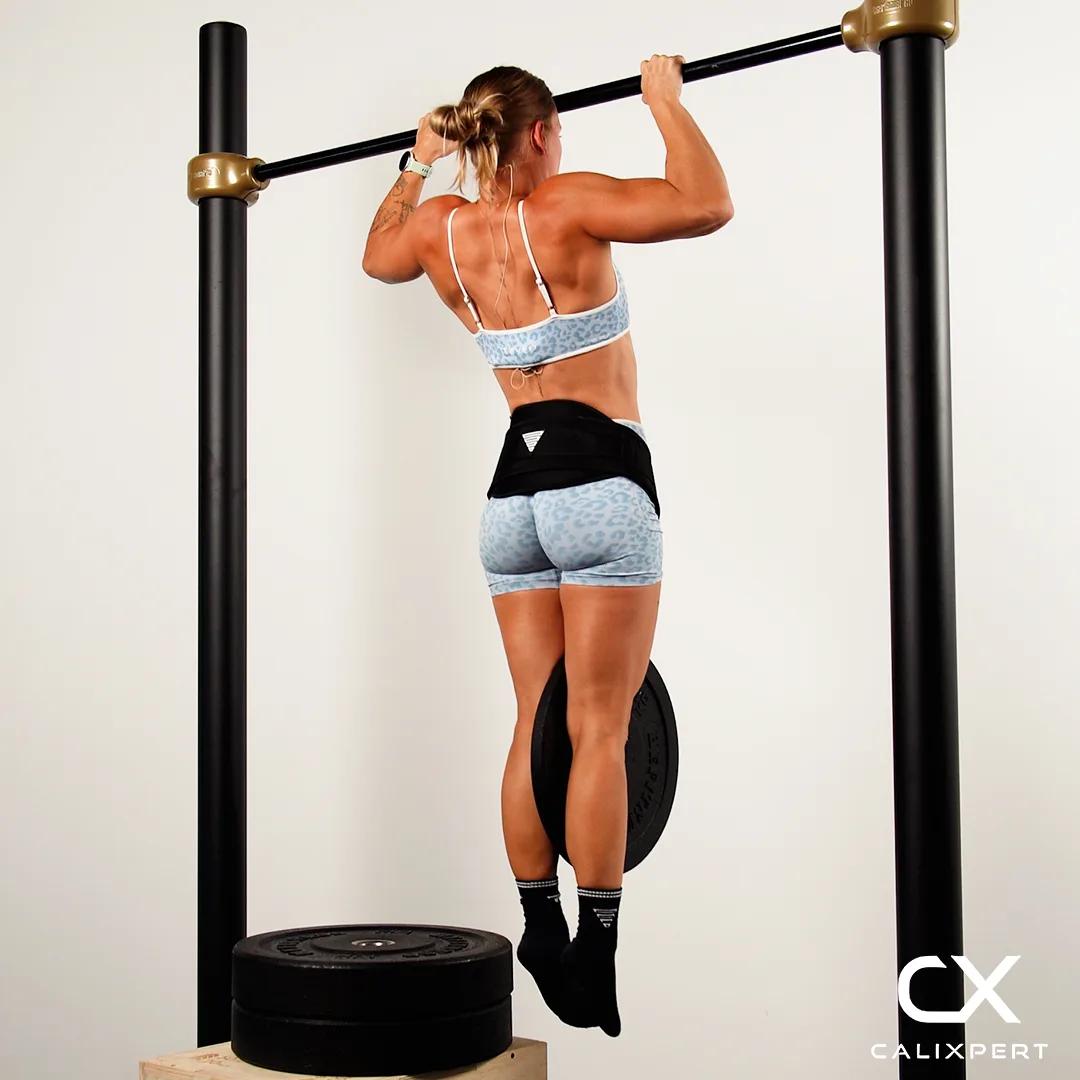
In calisthenics, the rear deltoid is most heavily loaded during rowing movements and ring work. Face pulls, horizontal rows, and inverted rows all require strong posterior deltoid engagement to maintain shoulder health under pulling load.
The rear deltoid is chronically underdeveloped in athletes who prioritize pushing. A weak posterior deltoid combined with a strong anterior deltoid creates forward shoulder rounding, impingement risk, and shoulder instability under load.
Hur du tränar Rear Deltoid
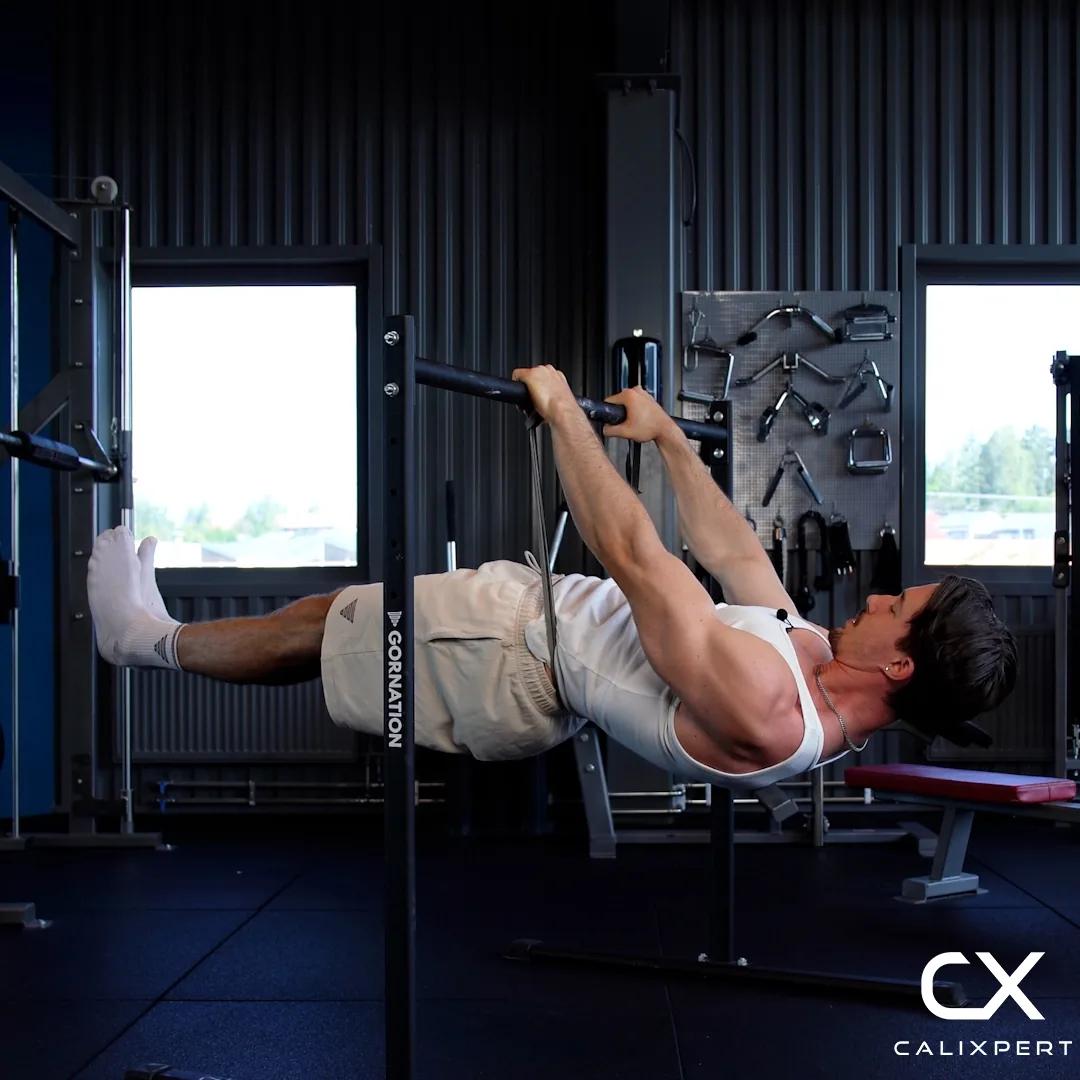
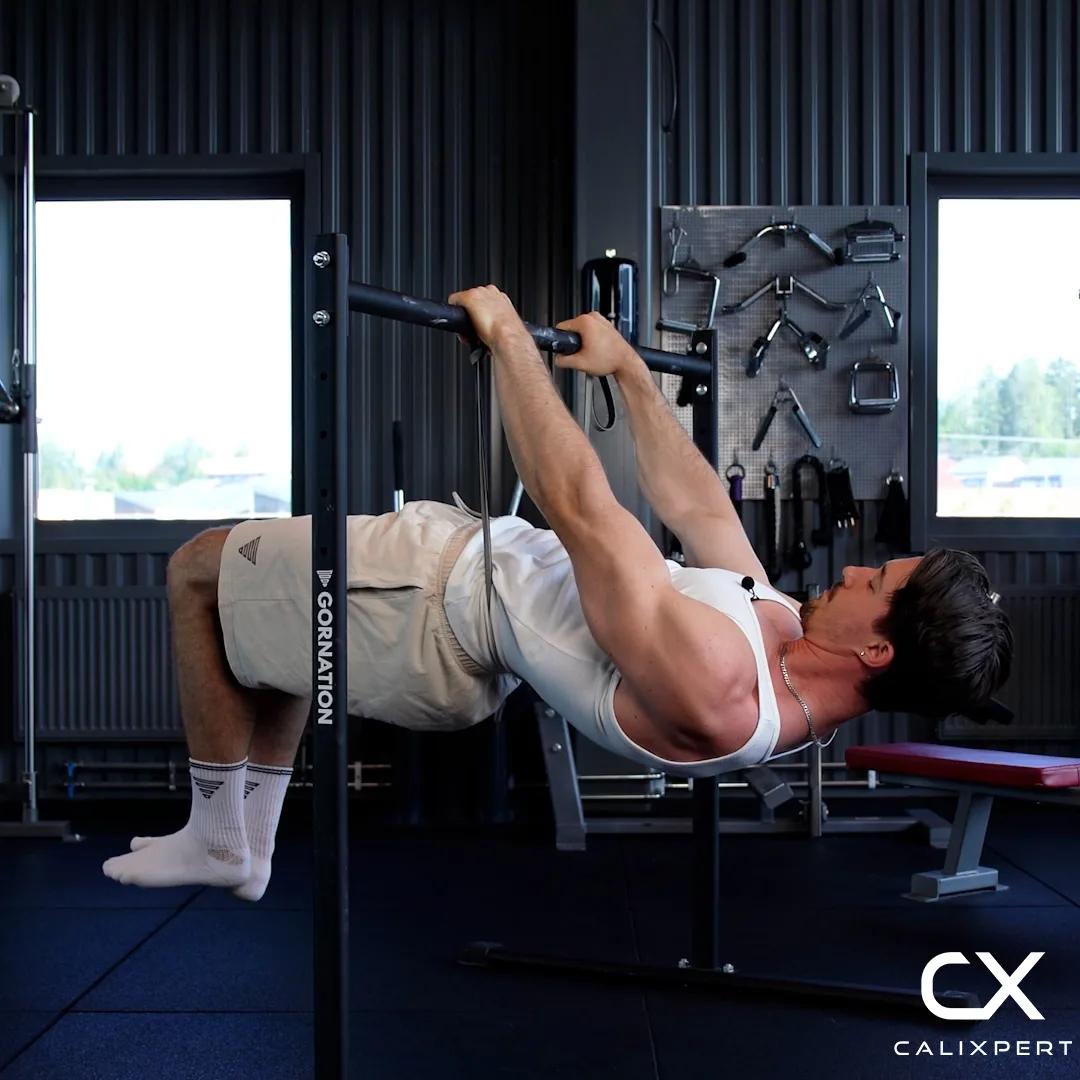
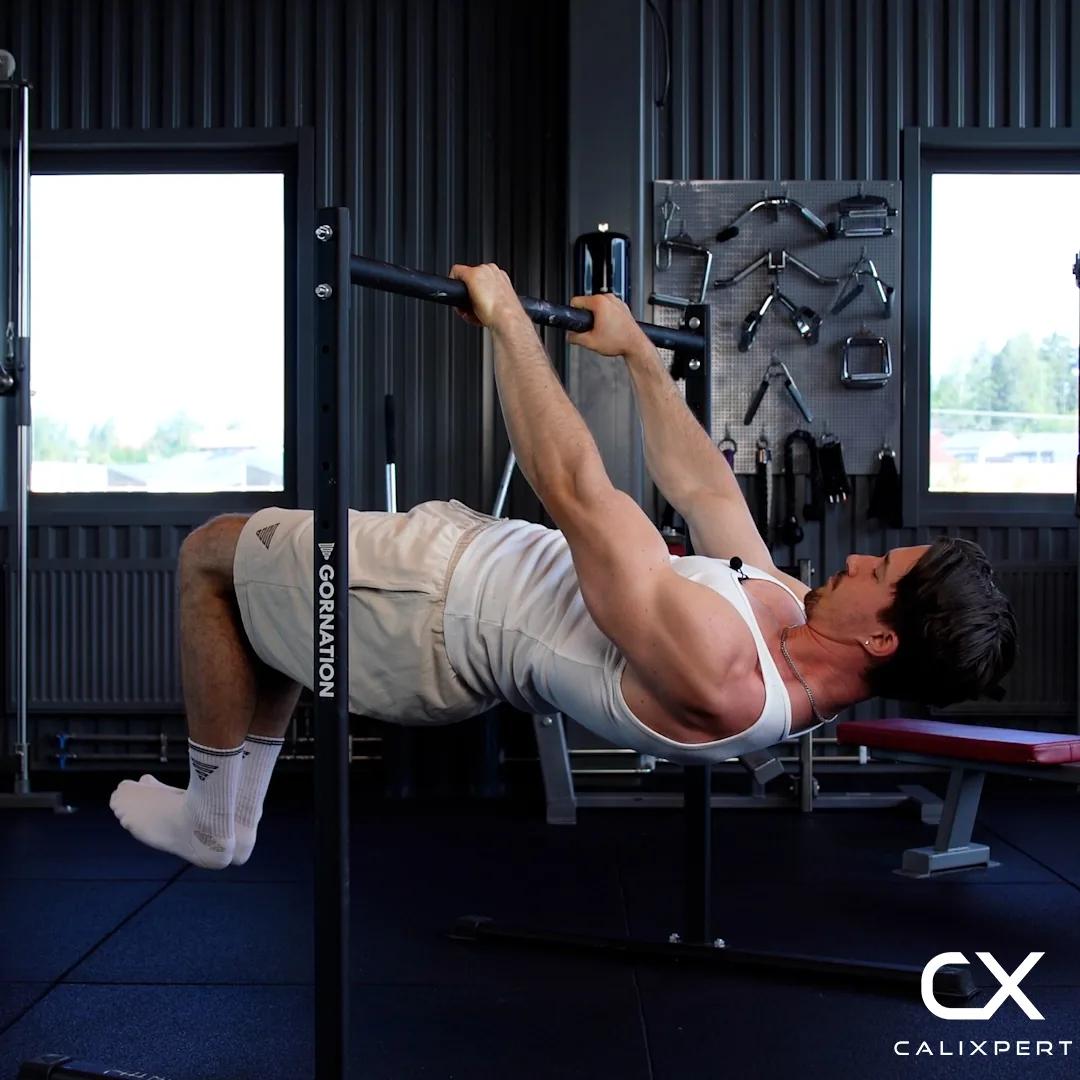
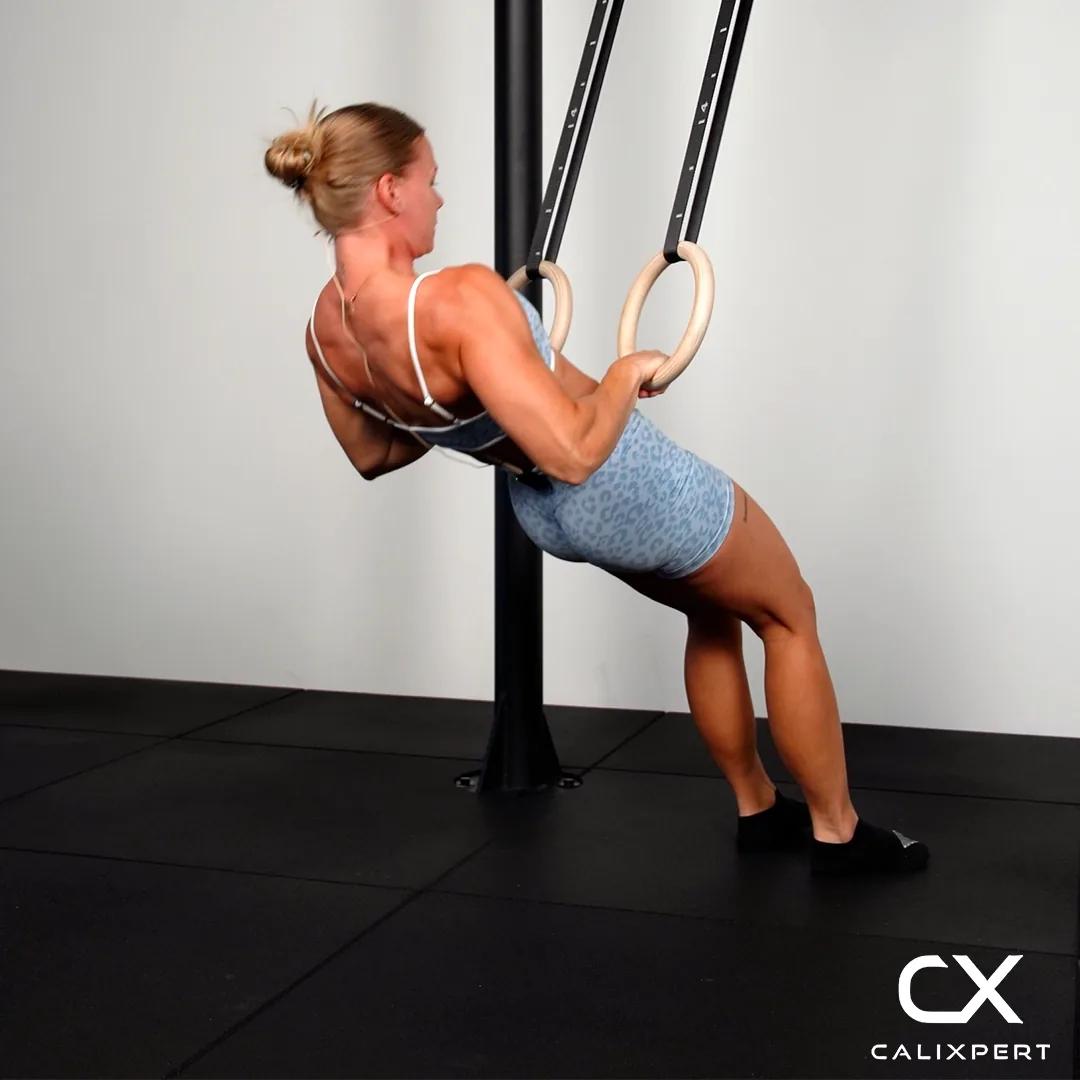
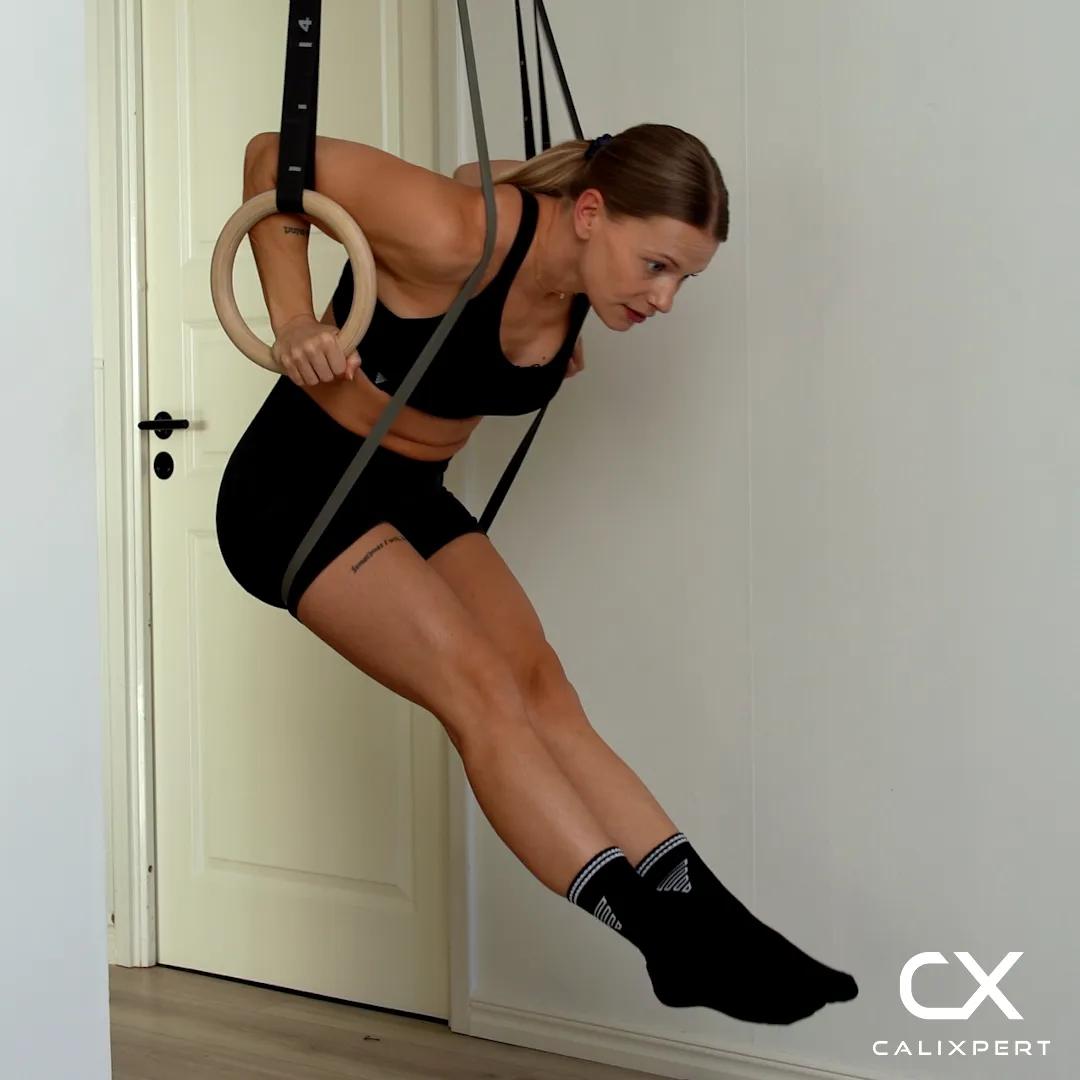
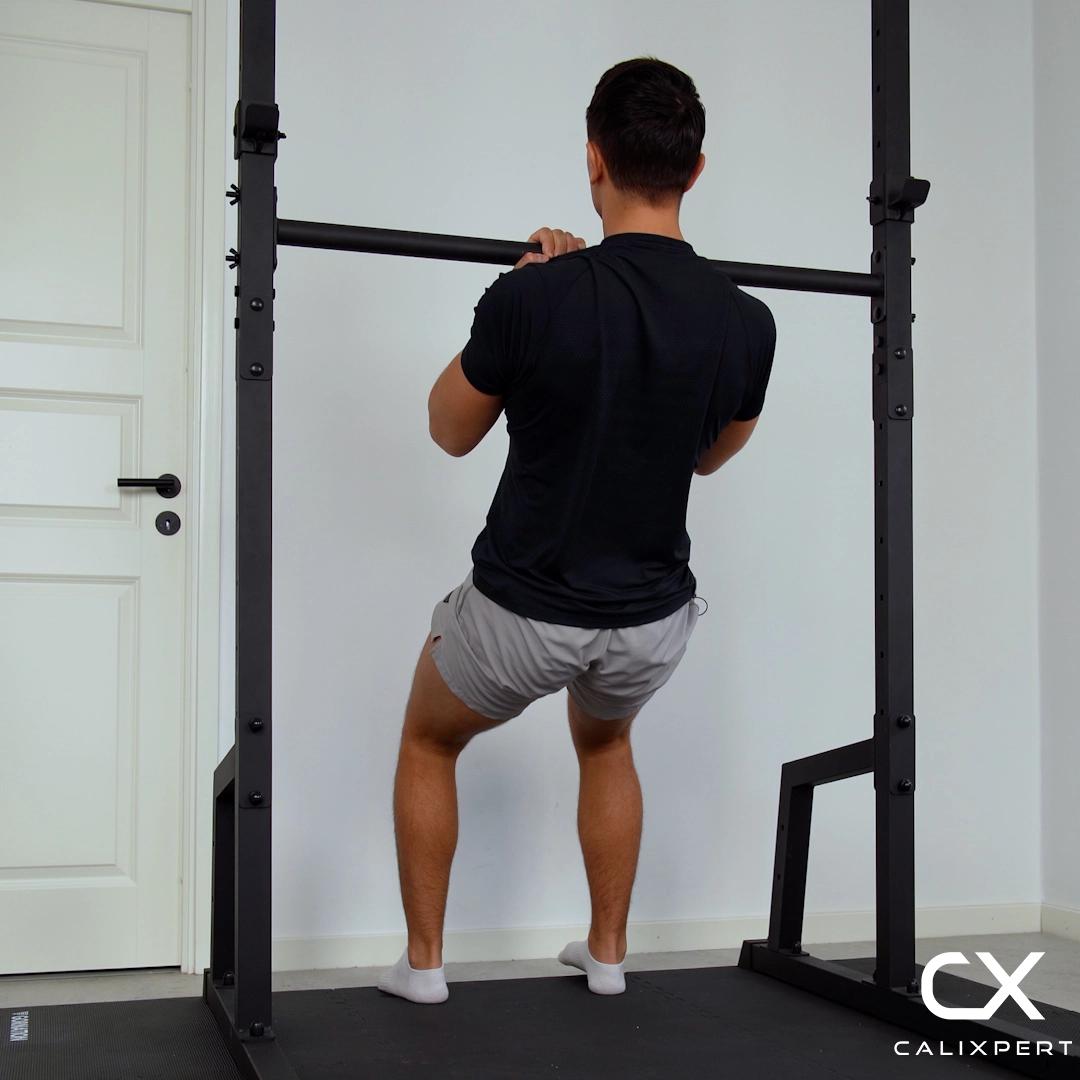
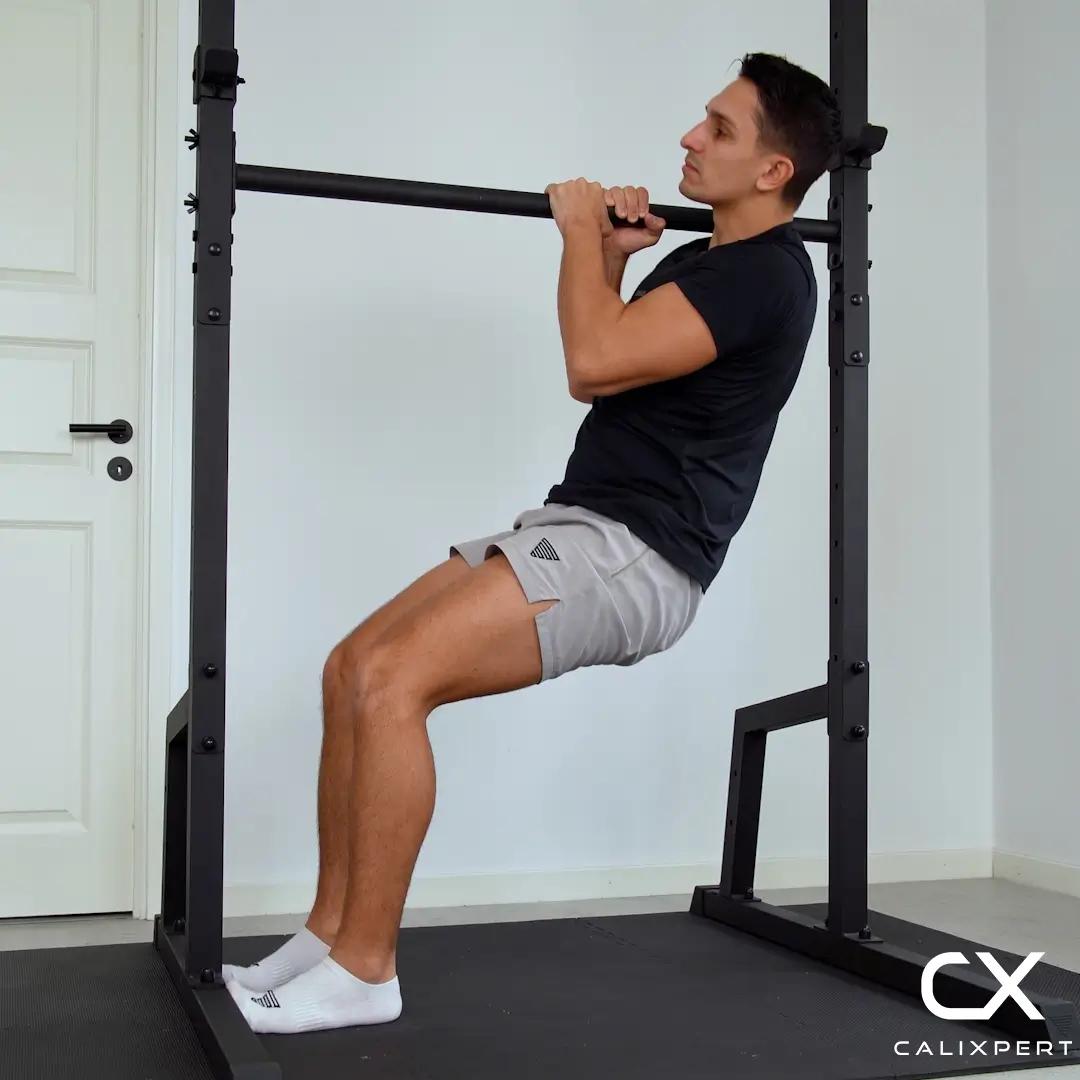
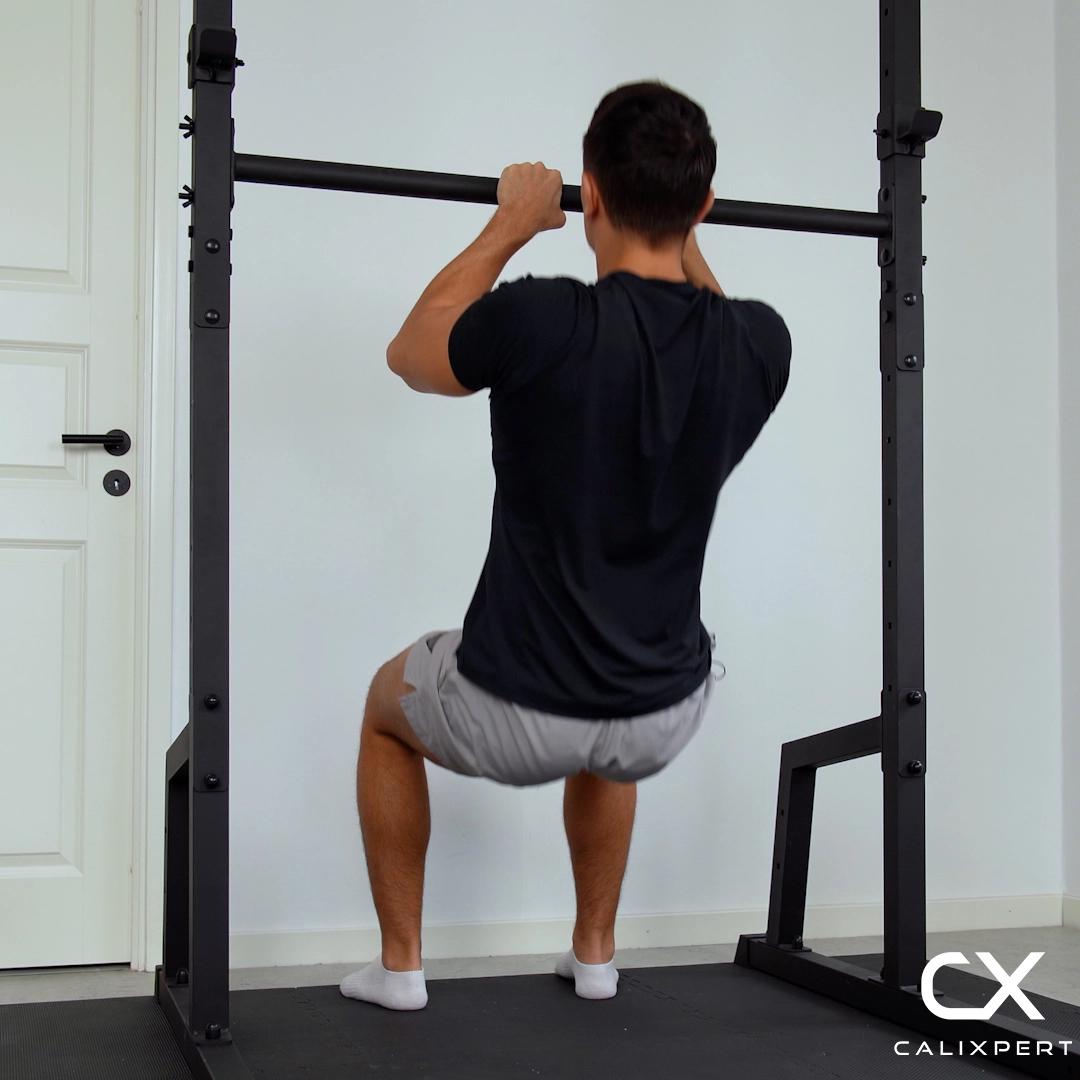
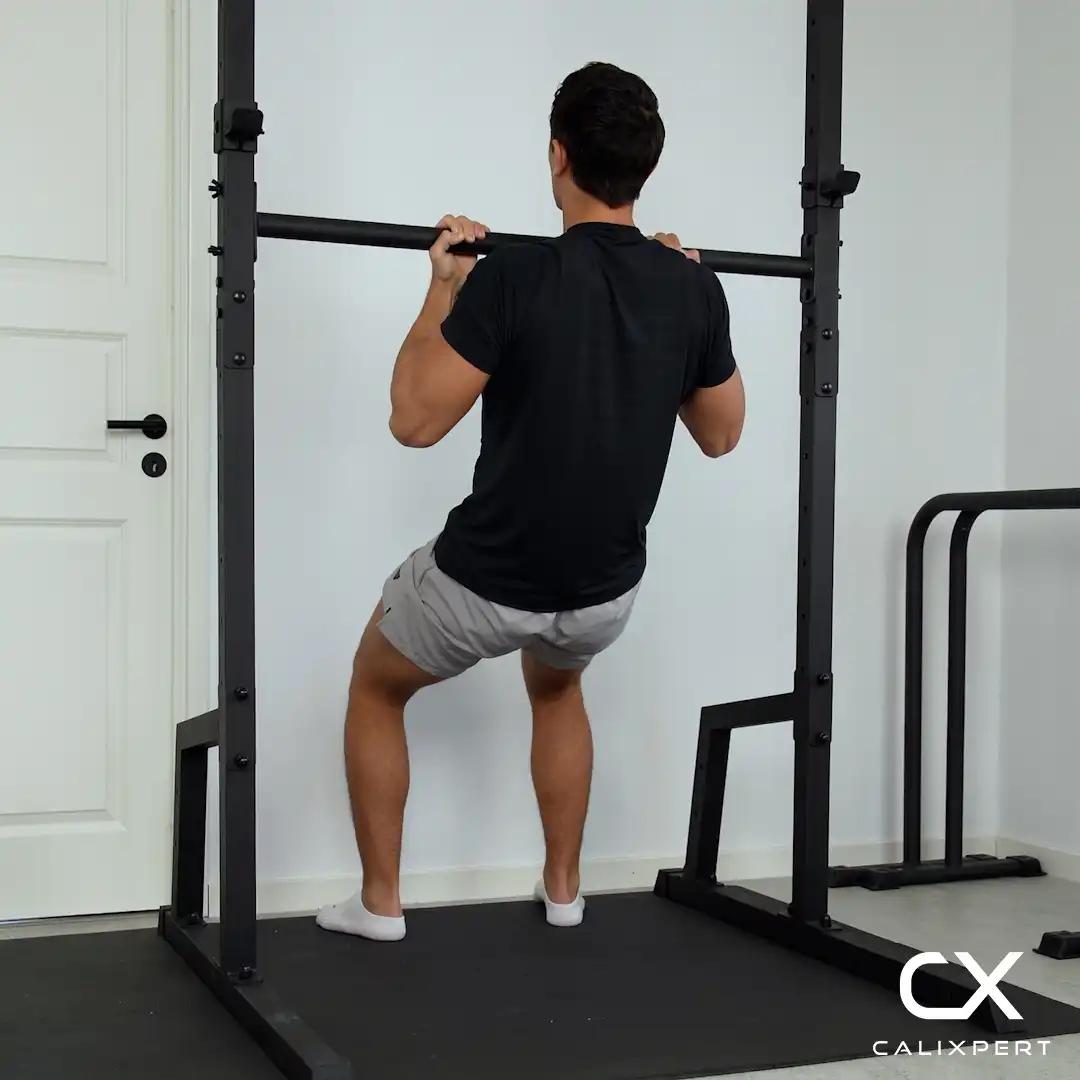
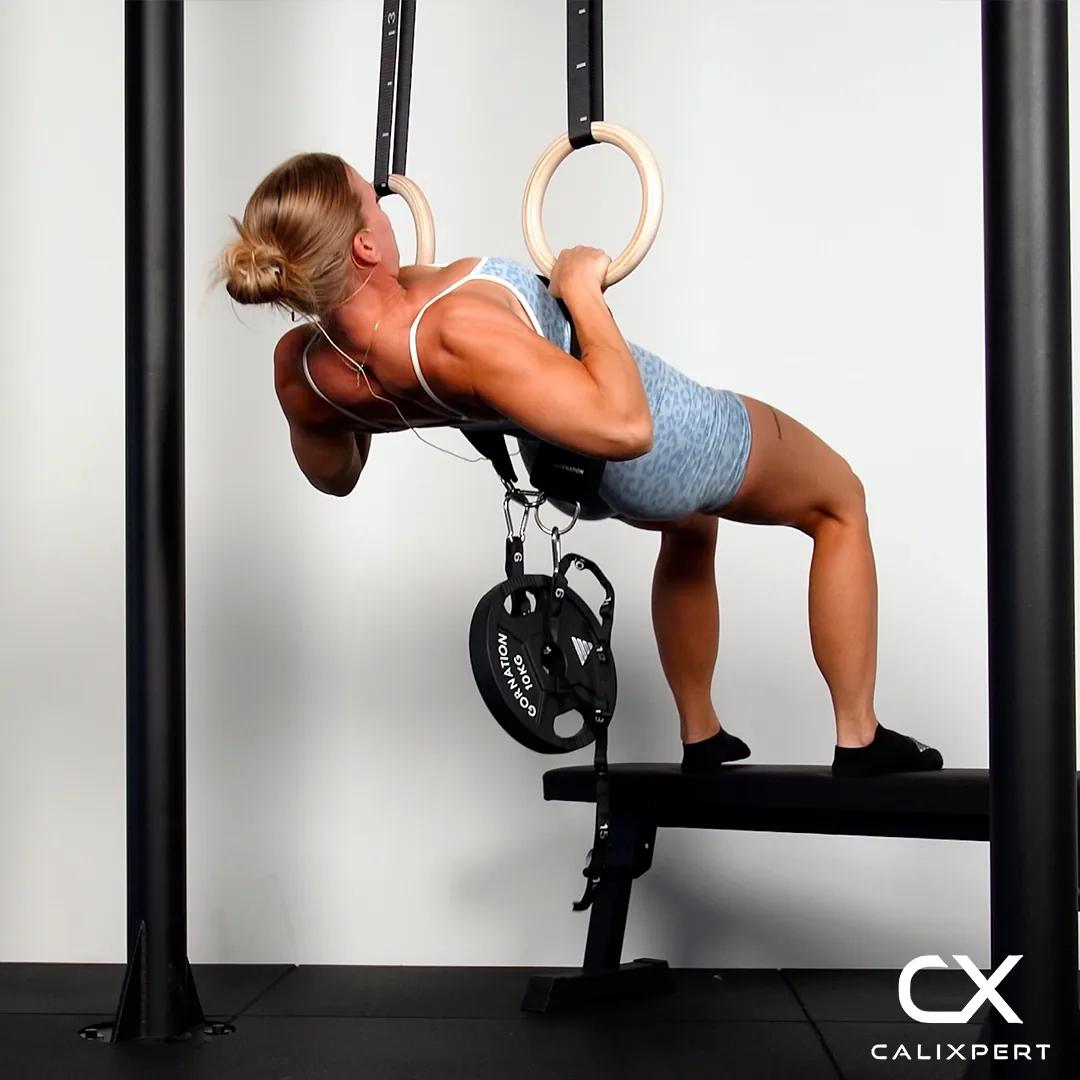
Inverted rows performed with flared elbows and a focus on pulling the elbows back rather than up bias the rear deltoid effectively. The further your body is from vertical, the more horizontal the force vector and the greater rear deltoid involvement.
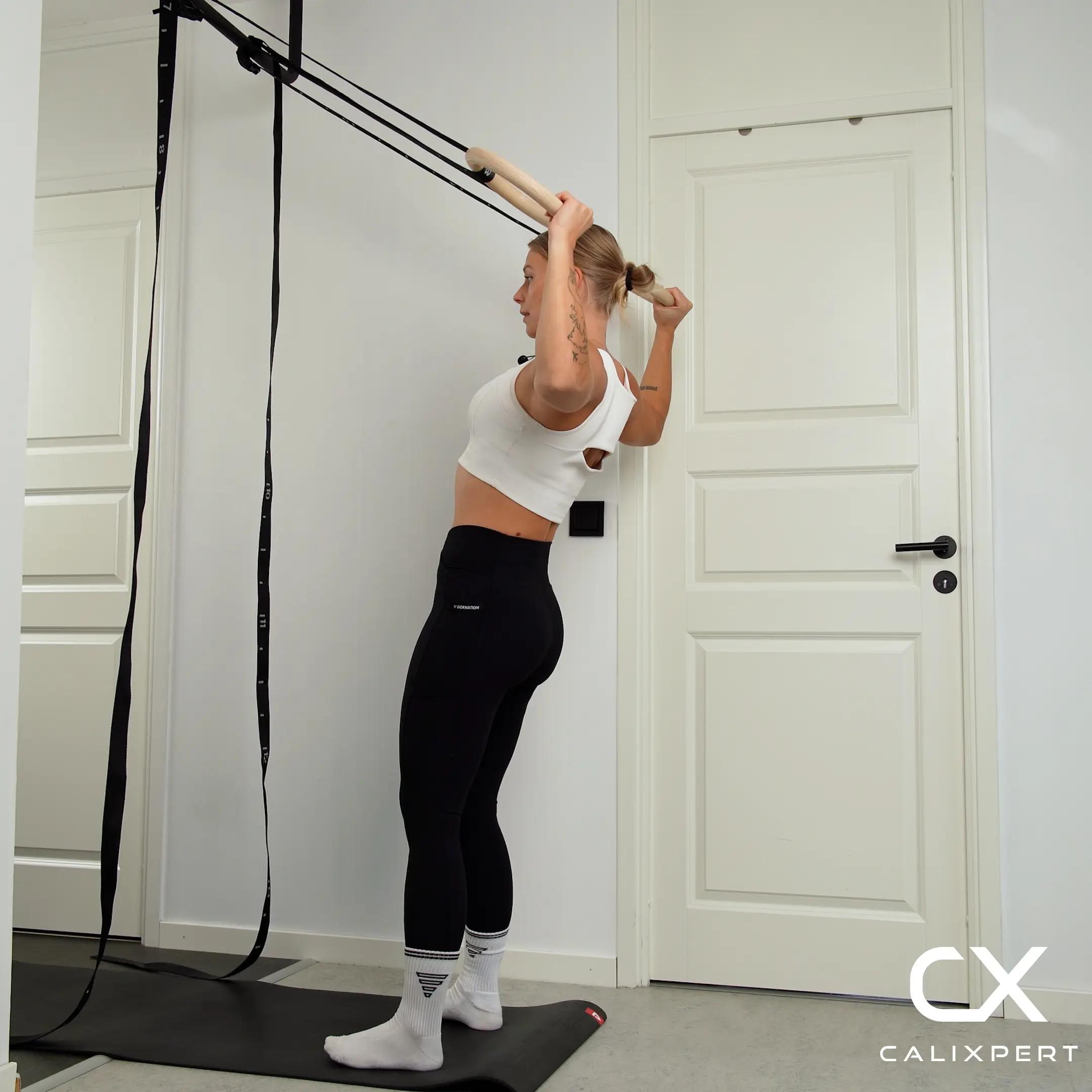
Ring rows at a steep incline allow the rear deltoid to work through its full range. Face pulls using a cable or band are a direct option when equipment is available.
The ratio of pressing to pulling matters. Two pulling sessions for every pushing session is a common recommendation for maintaining shoulder balance. If you are running a pressing-heavy program, add dedicated rear delt work twice per week.
Vanliga frågor om Rear Deltoid
Forward shoulder rounding is almost always caused by a combination of tight anterior deltoid and pectoral muscles with weak posterior deltoids and upper back muscles. It is a pulling deficit relative to pushing volume.
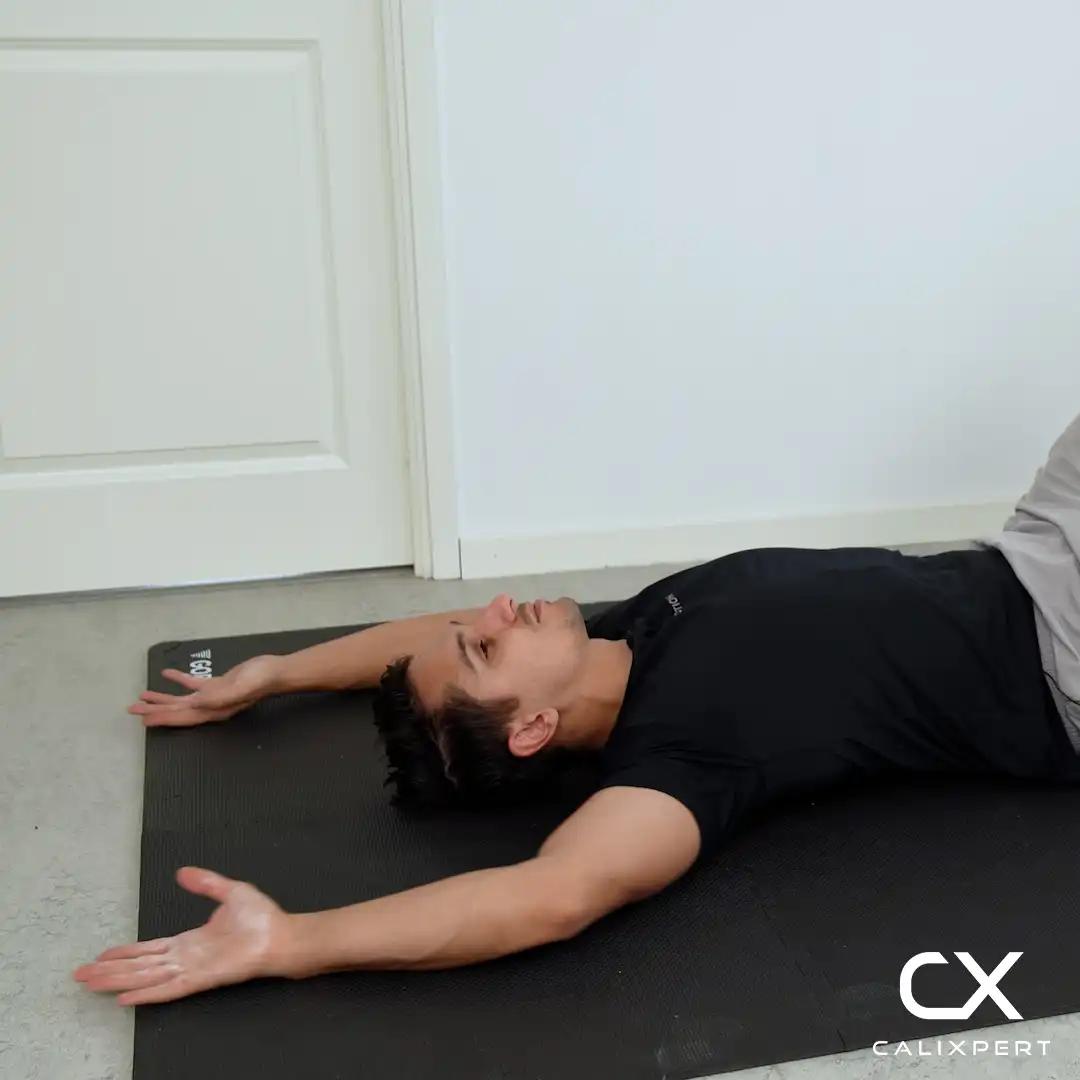
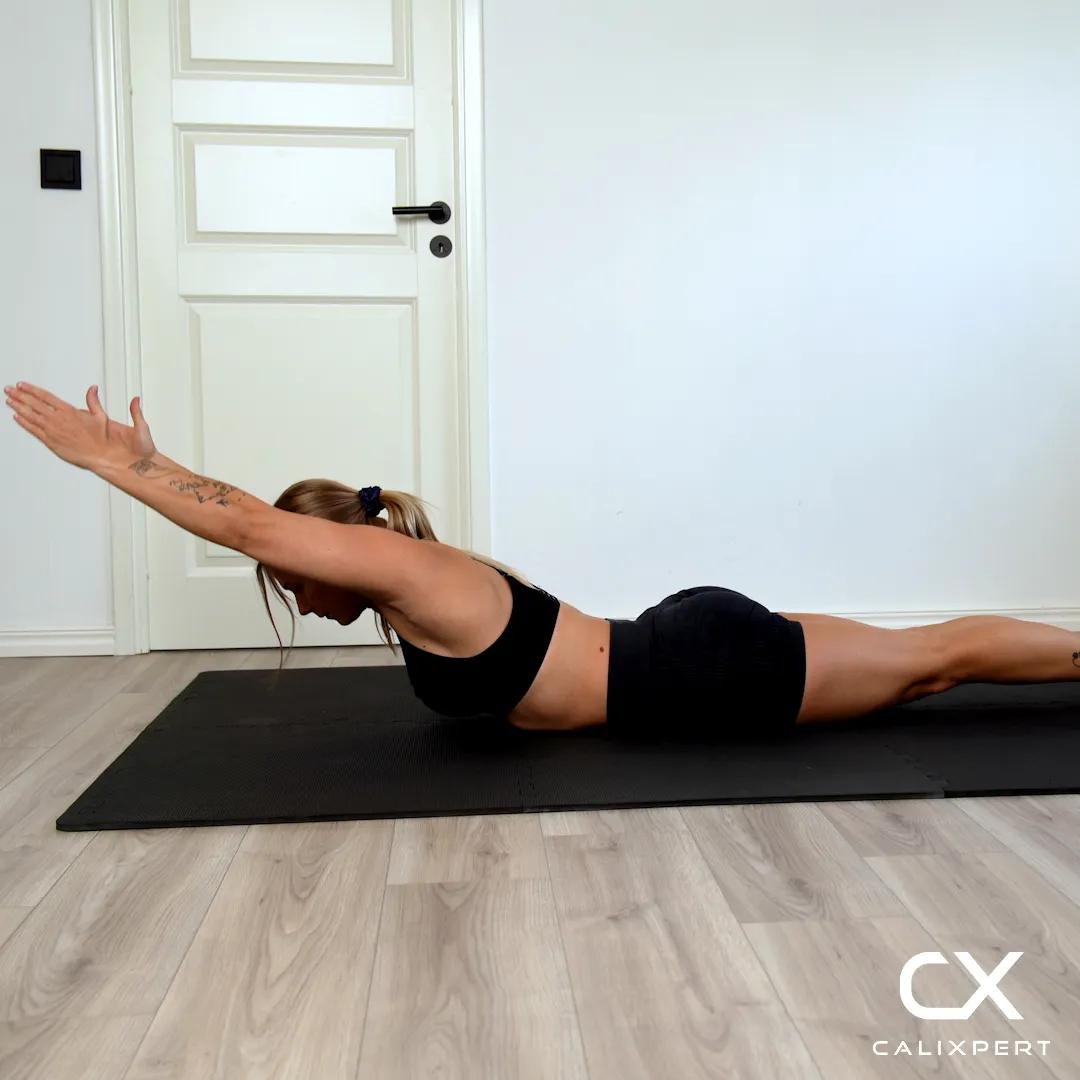
Inverted rows with wide elbows, prone arm raises with external rotation, and ring face pulls all load the rear deltoid effectively. Pike push-up negatives with external rotation also train the posterior shoulder.
Every pulling session. The rear deltoid is a relatively small muscle that recovers quickly. Training it with each pulling workout, rather than once per week, produces faster development and better shoulder balance.