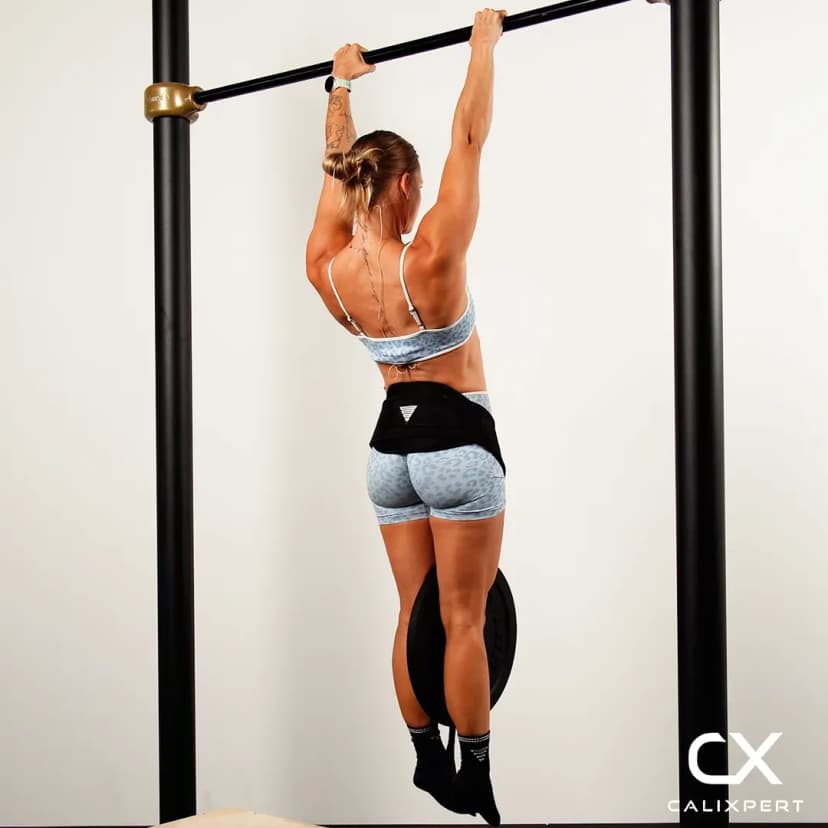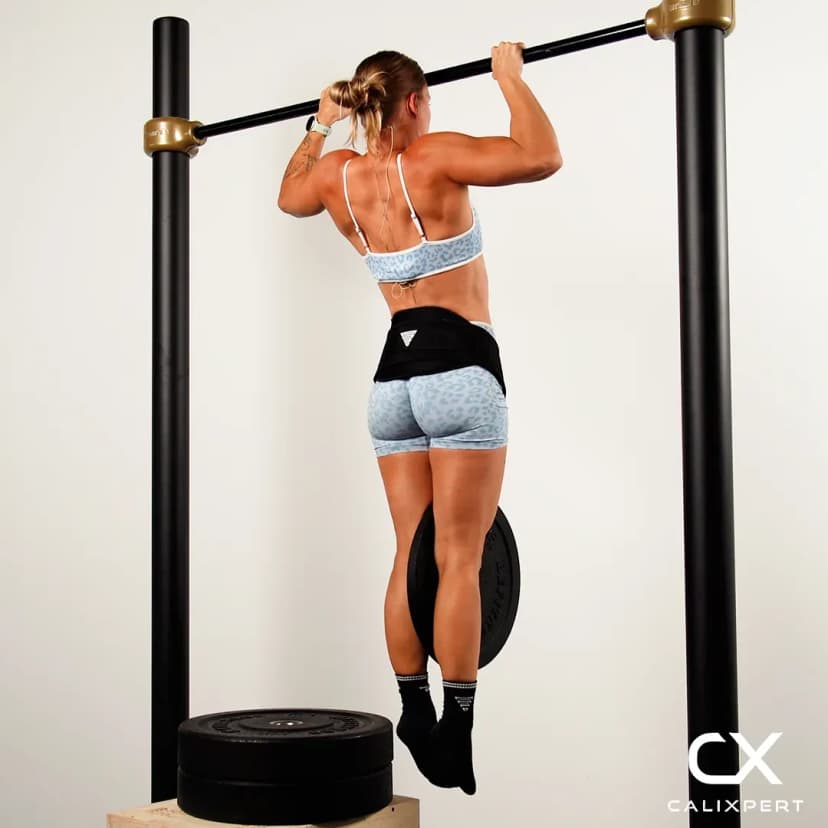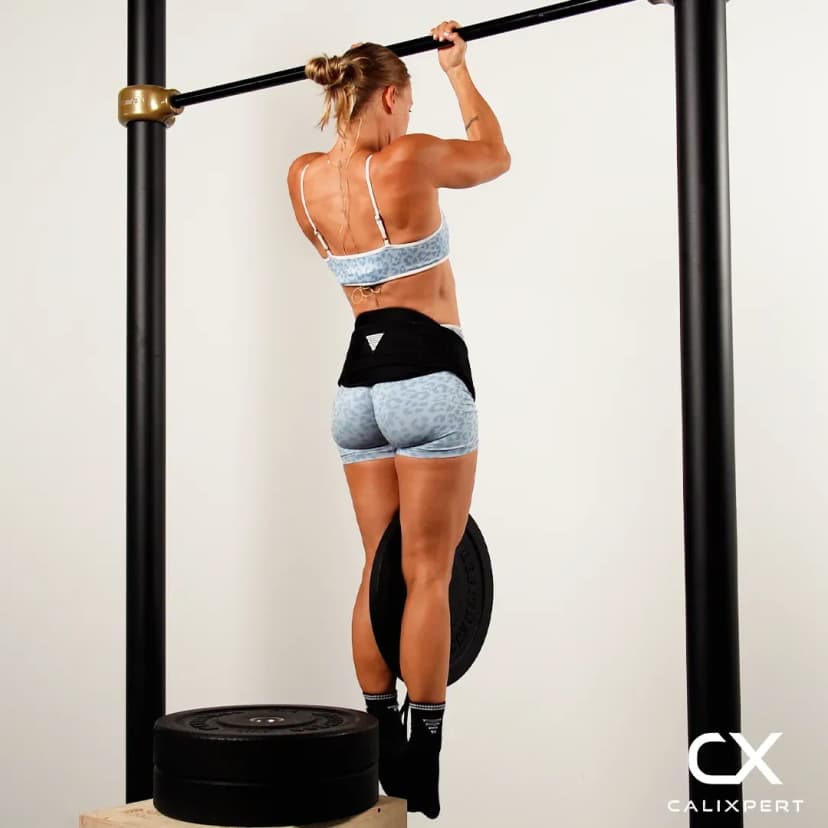
Weighted Ring Rows
A ring row is your horizontal pull, and it is usually the first one you outgrow. Once your feet are up on a bench and the sets are clean, the standard way to progress is to drop the rings lower, which can add a fifth of your body weight in a single step. A dip belt fixes that. You hang a plate under your body and add 1.25 kg at a time, so the row keeps getting harder in jumps you can actually finish.
A ring row is your horizontal pull, and it is usually the first one you outgrow. Once your feet are up on a bench and the sets are clean, the standard way to progress is to drop the rings lower, which can add a fifth of your body weight in a single step. A dip belt fixes that. You hang a plate under your body and add 1.25 kg at a time, so the row keeps getting harder in jumps you can actually finish.
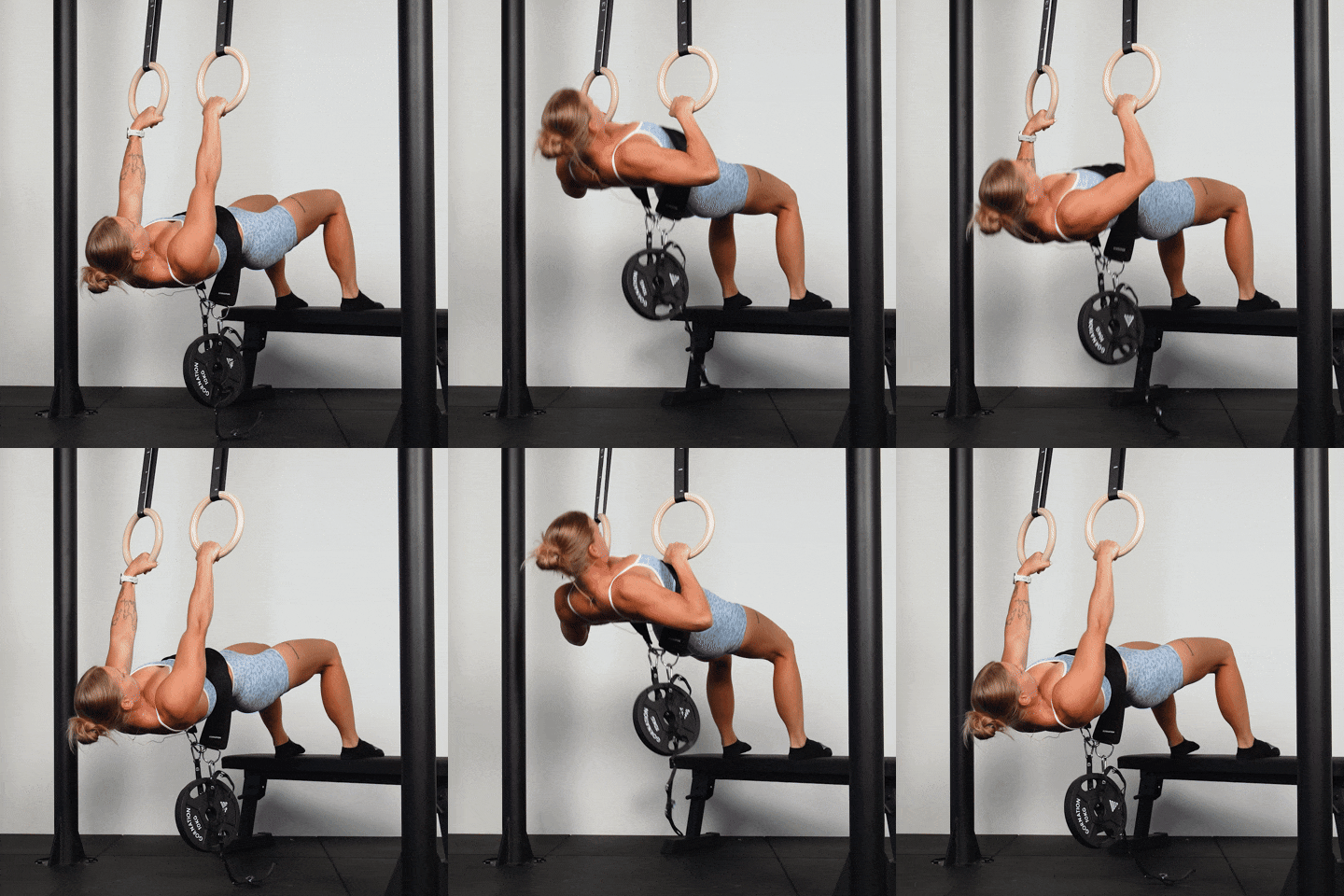
How to Do Weighted Ring Rows
1. Set The Rings High
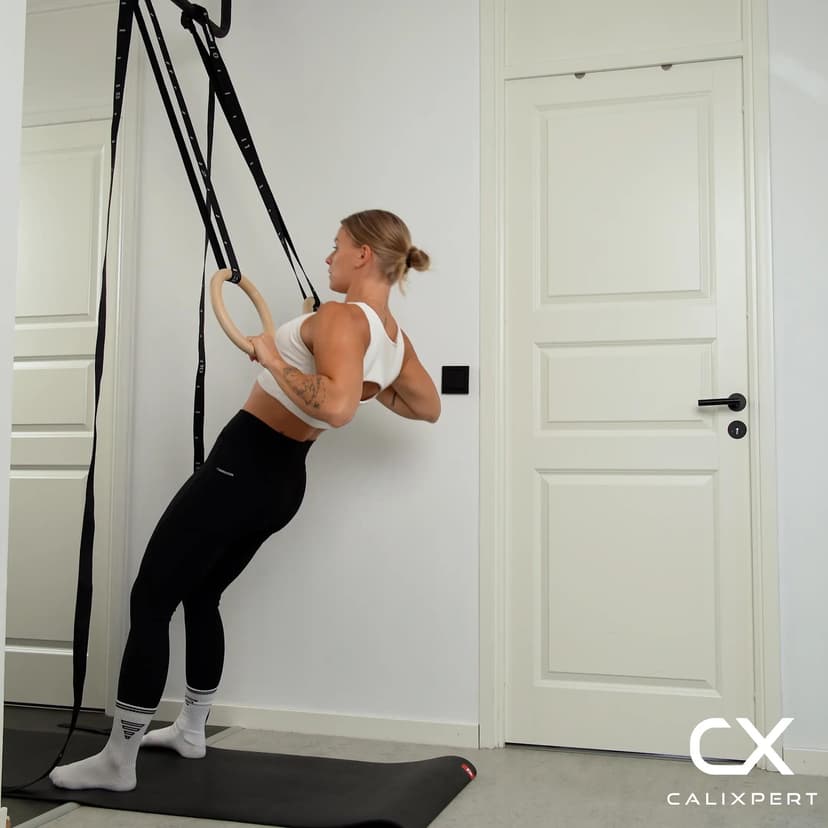
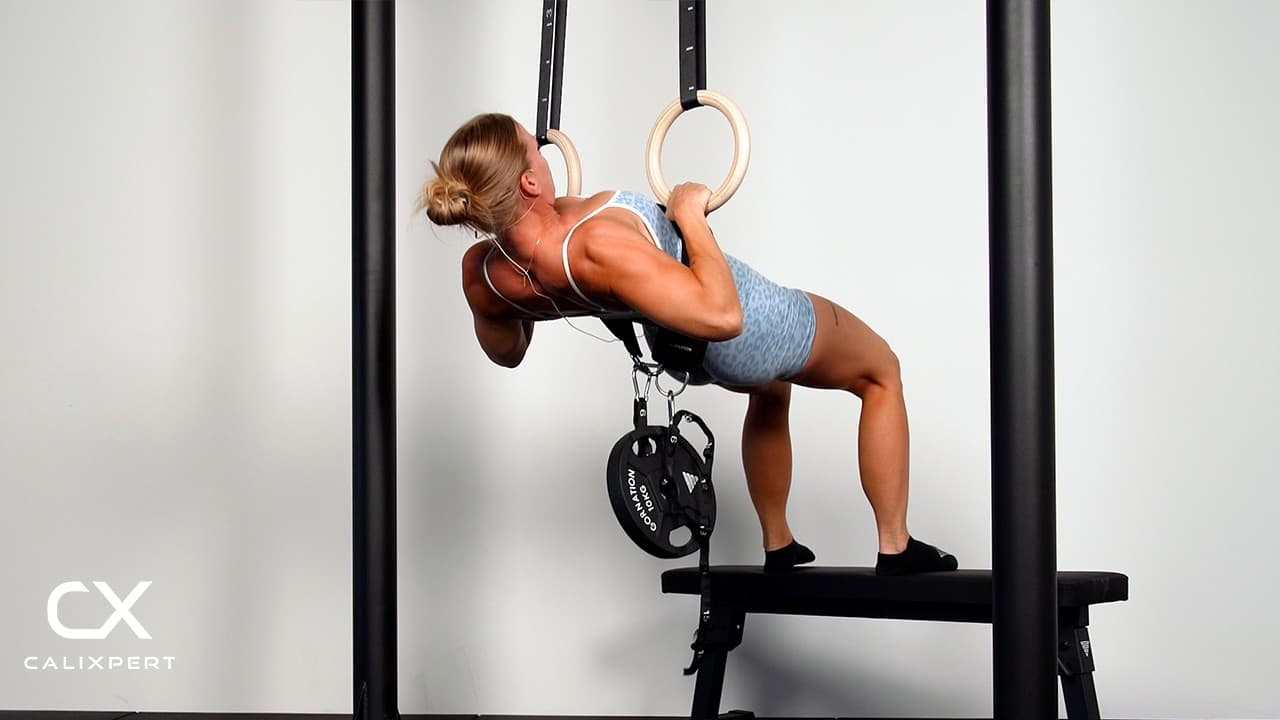
Hang the rings higher than you would for a normal ring row, because the plate hangs below you and it has to clear the floor at the bottom of the rep with your arms straight. Raising the rings on its own does make the row easier, since it lifts your shoulders relative to your feet and tilts you more upright. That is what the bench is for, it brings your feet up to match, so the plate gets its clearance and your body still works close to horizontal.
Leave room for the plate
2. Fit And Lock The Dip Belt
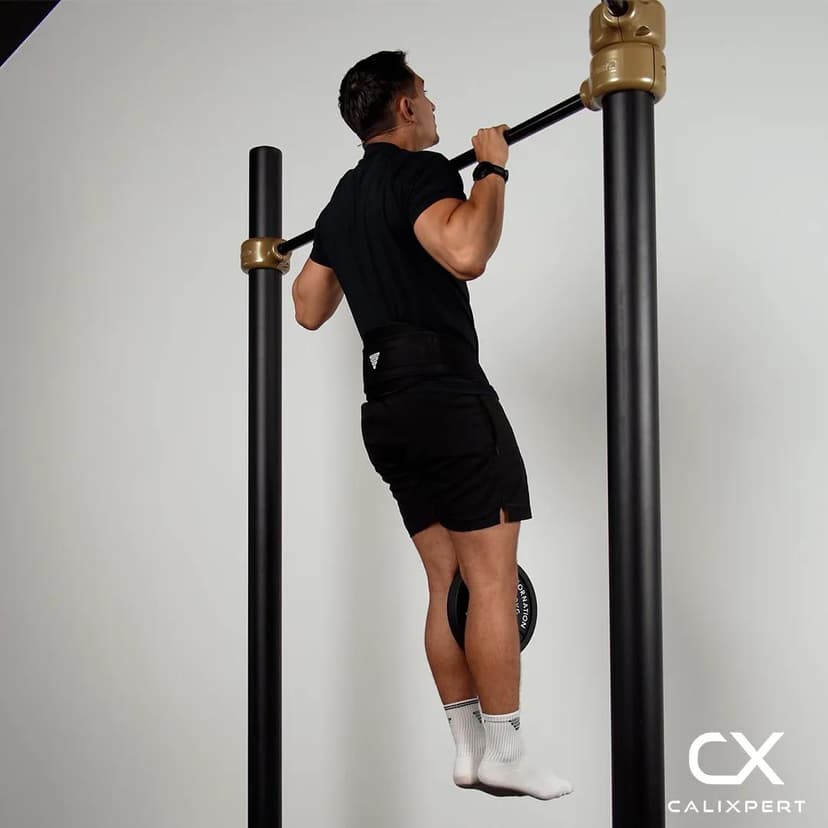
Preferably you want three hooks for this: one on each side of the belt, connected to each other, and a third to lock the weight so it cannot slide off mid set. Fasten the belt at the front where you can see what you are doing, load the plate on, then lock it. Getting in and out is the fiddly part of this exercise, so kneel down for it and take your time.
Preferably three hooks
3. Rotate The Belt Up To Your Chest
With the belt fastened and loaded, rotate it so the weight hangs from your back, then work the whole thing as high up towards your chest as possible. Placed high, more of every kilo travels through the rings into your back instead of pressing down into the bench, and it sits further from your hips so it drags them down less. Keep the belt tight to your body and the plate close to you, because a plate dangling on a long strap swings and pulls at your lower back.
As high as you can get it
4. Lie Back With Your Feet On The Bench
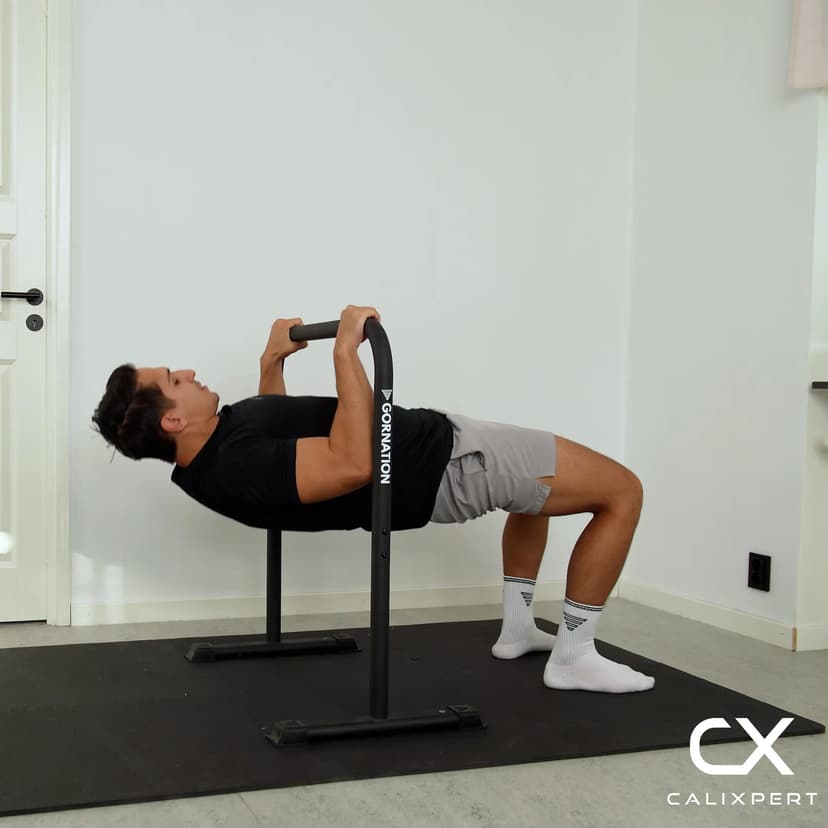
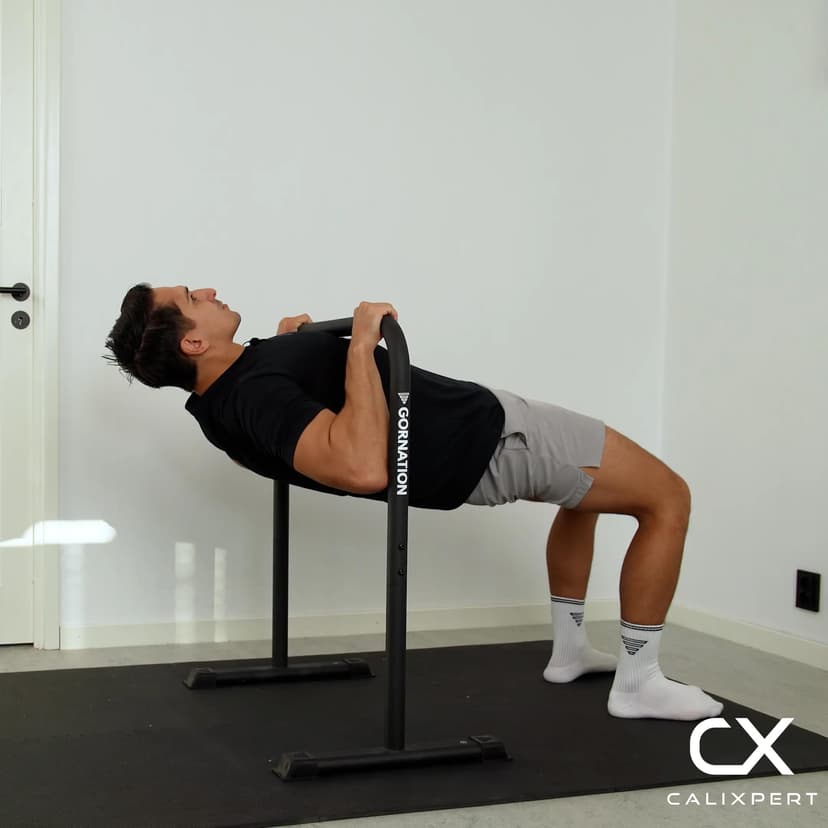
Sit under the rings, take hold of them, and lower yourself back until your feet are up on the bench and your arms are straight. Keep tension in the core and the hip so your body holds one line from shoulders to knees, and lock that in before the first rep. Check that the plate is hanging clear of the floor at full extension.
Core and hip locked in
5. Take A Slight Overhand Grip
Turn your hands so the grip is slightly overhand. It gives you a better connection when pulling, and it shifts a little of the work off the biceps and onto the back. Rings rotate freely, so nothing is locked in place and your wrists can find their own path through the rep.
Better connection when you pull
6. Pull To The Chest
Pull to your chest, or slightly under your chest, and start the movement with the shoulder blades rather than the hands. Keep the elbows about 45 degrees out from your body, not pinned to your ribs and not flared out to the sides. That angle splits the work between the lats, which pull the arm back and down, and the upper back and rear deltoids, which pull it back and out, so you train both instead of picking one.
Elbows 45 degrees from the body
7. Squeeze, Then Lower Under Control
At the top, squeeze the shoulder blades together to connect the lats. Then lower all the way back to straight arms and let the blades travel forward again at the bottom. Do not hold the squeeze for the entire set, the shoulder blades are meant to move, and locking them costs you range at both ends of the rep.
Blades together at the top, straight arms at the bottom
This one is a hustle to get into, but it is a game changer. Take your time with the belt. Kneel down, fasten it at the front, load the plate on, lock it, then rotate it round and push it as high up towards your chest as you can. Keep the belt tight to your body and keep the weight close to you. A vest works, but you can only add so much to a vest. A belt is what lets you keep going.
Muscles Worked During Weighted Ring Rows
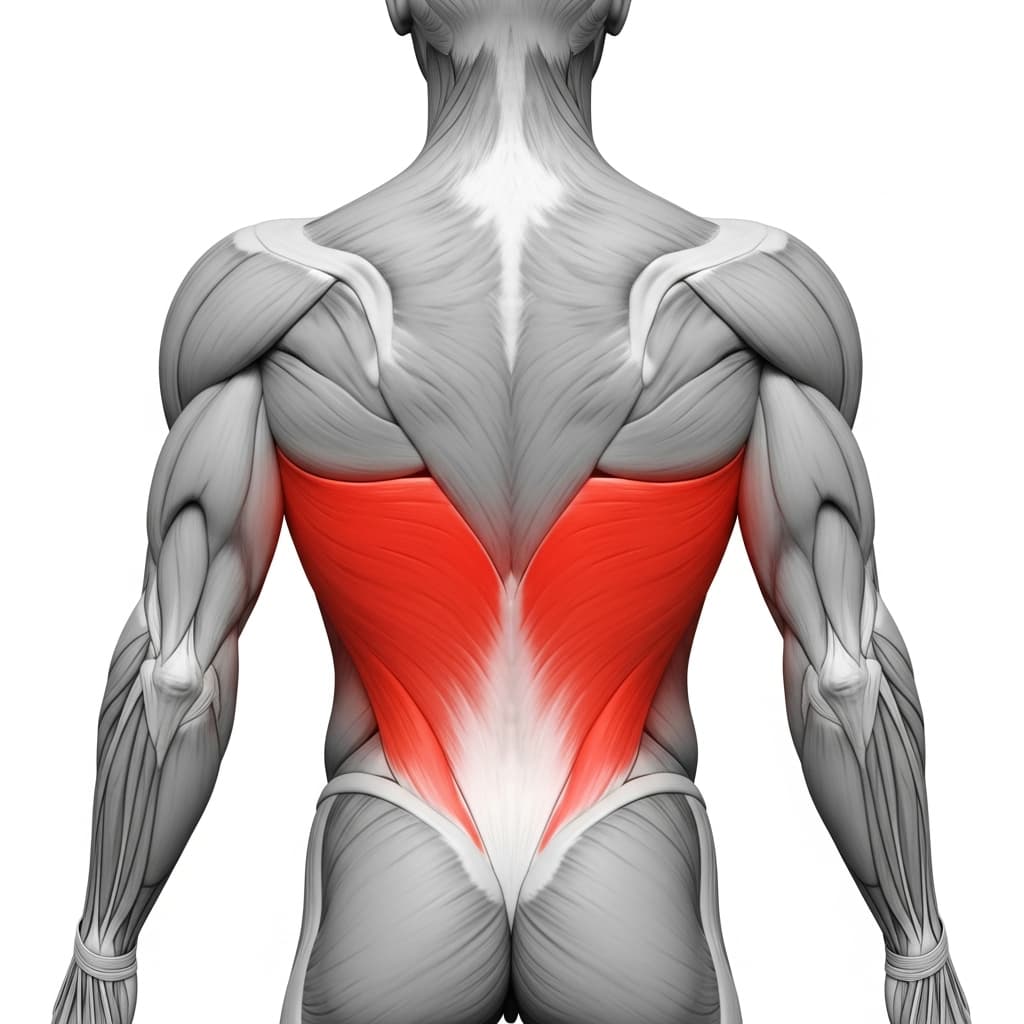
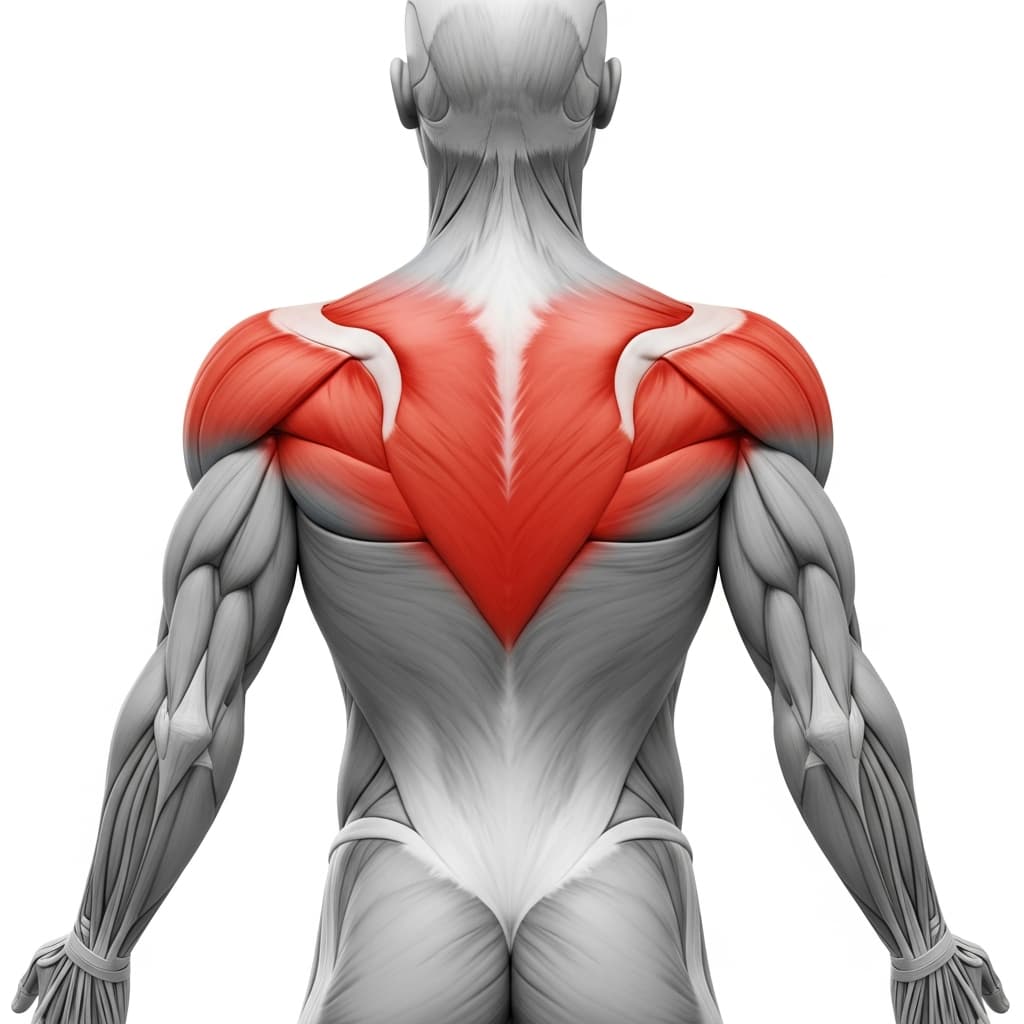
Primary Muscles:
Secondary Muscles:
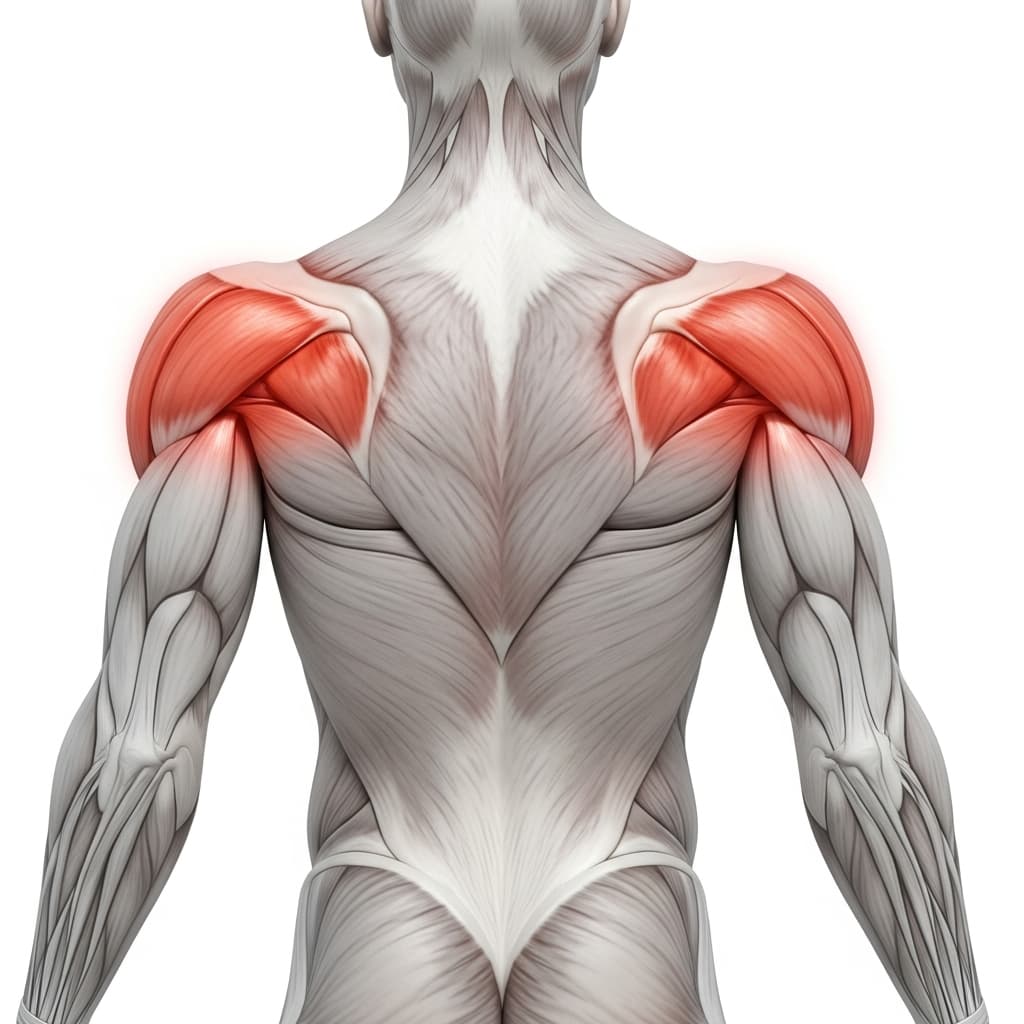
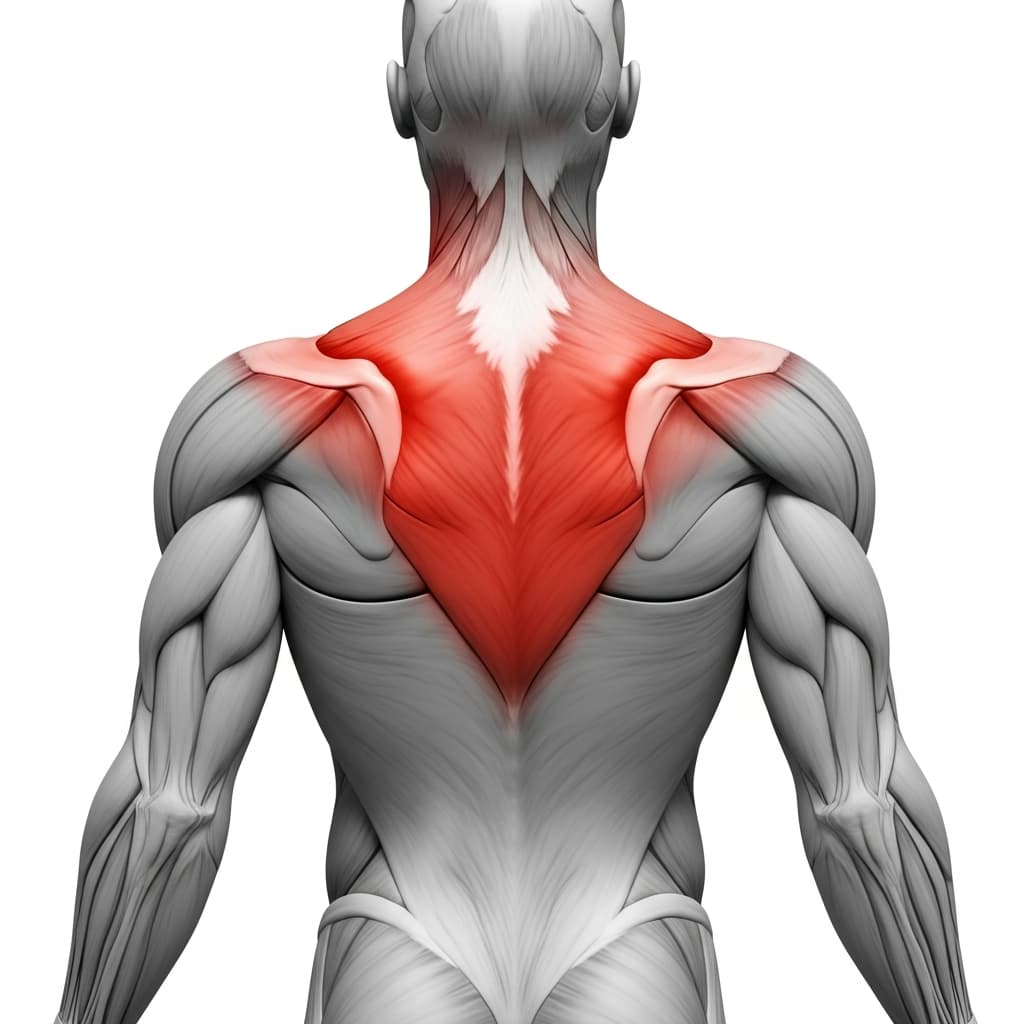
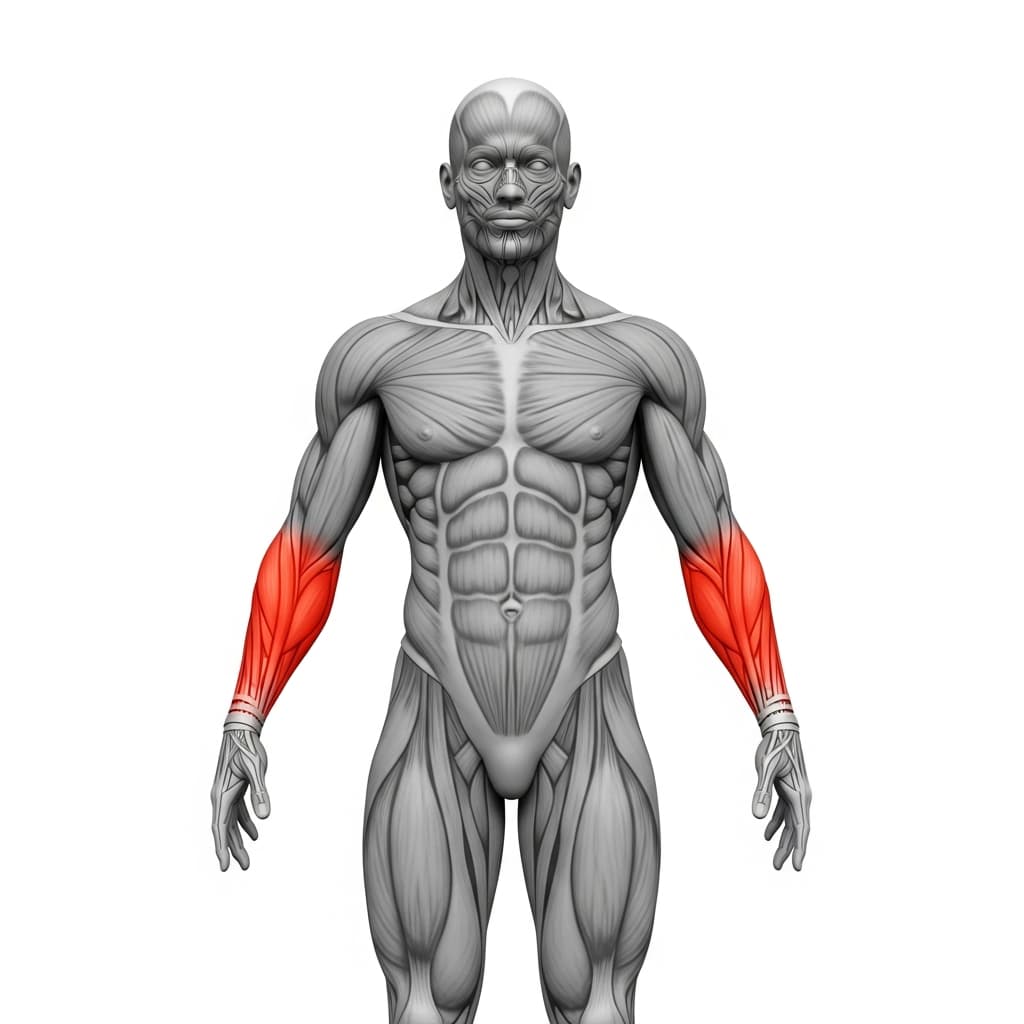
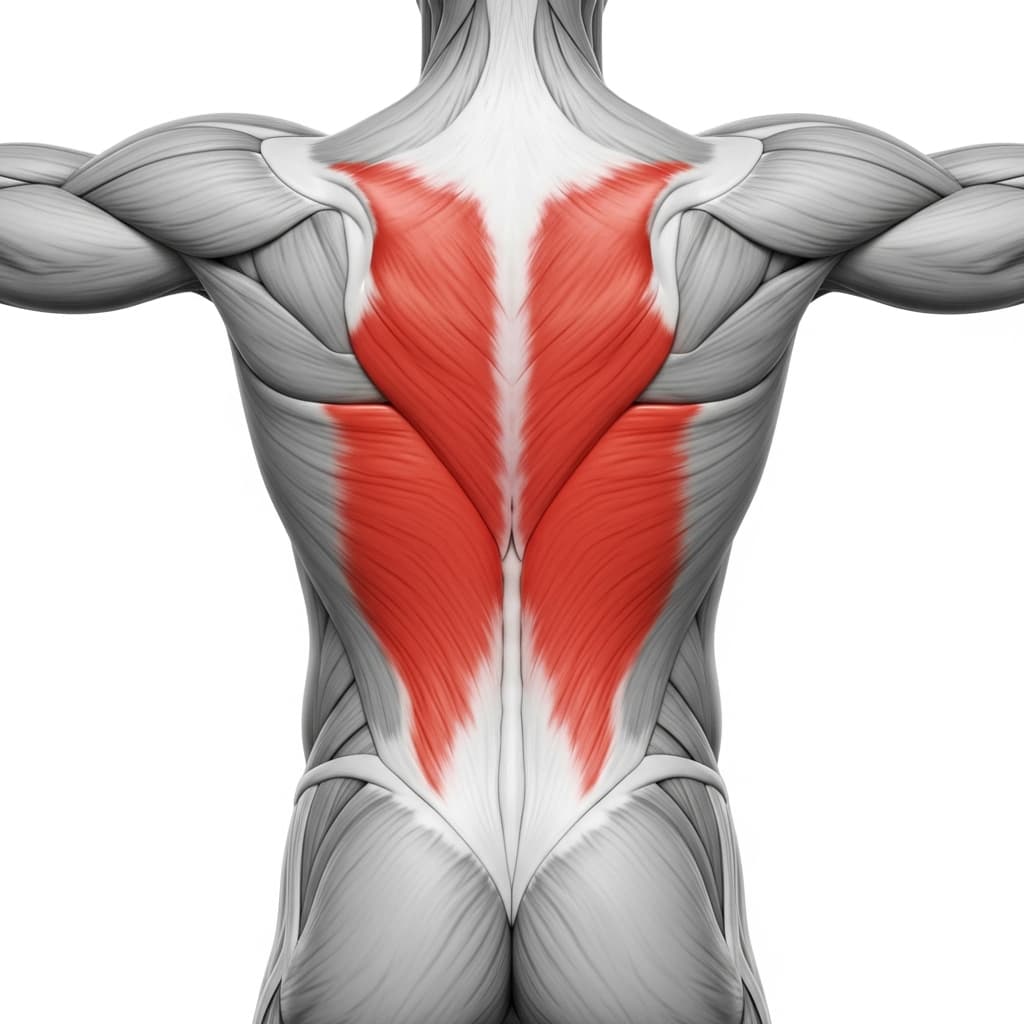
Primary Muscles
Latissimus Dorsi (Lats) - The lats drive the elbow back and down, and they take the biggest share of whatever plate is hanging under you.
Rhomboids & Upper Trapezius (Upper Back) - The mid back pulls the shoulder blades together at the top, which is what puts the load onto your back instead of leaving it on your arms.
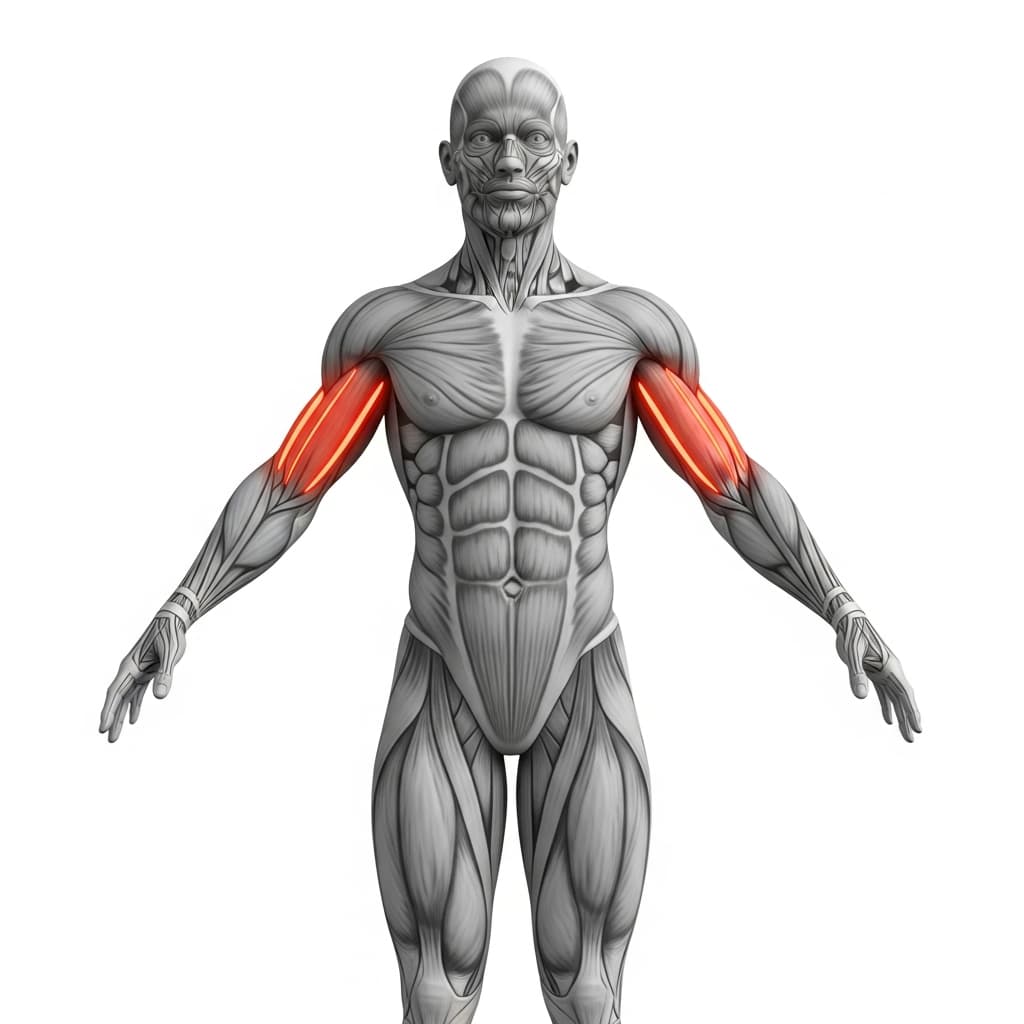
Secondary Muscles
Biceps Brachii (Biceps) - The biceps bend the elbow through the whole pull and work hard in this row, which is normal and not a sign that you are doing it wrong.
Posterior Deltoid (Rear Deltoid) - The rear deltoid drags the upper arm backwards, and the 45 degree elbow angle keeps it sharing the work with the lats rather than taking over.
Trapezius (Trapezius) - The lower and middle traps hold the shoulder blades down and back so they do not creep up towards your ears once the plate is on.
Forearm Flexors & Extensors (Forearms) - The forearms hold your whole loaded body on two moving rings, and grip is often what gives out first as the weight climbs.
Erector Spinae (Spinal Erectors) - The erectors along the upper back keep your chest open and stop the torso folding while you hang between your hands and your feet.
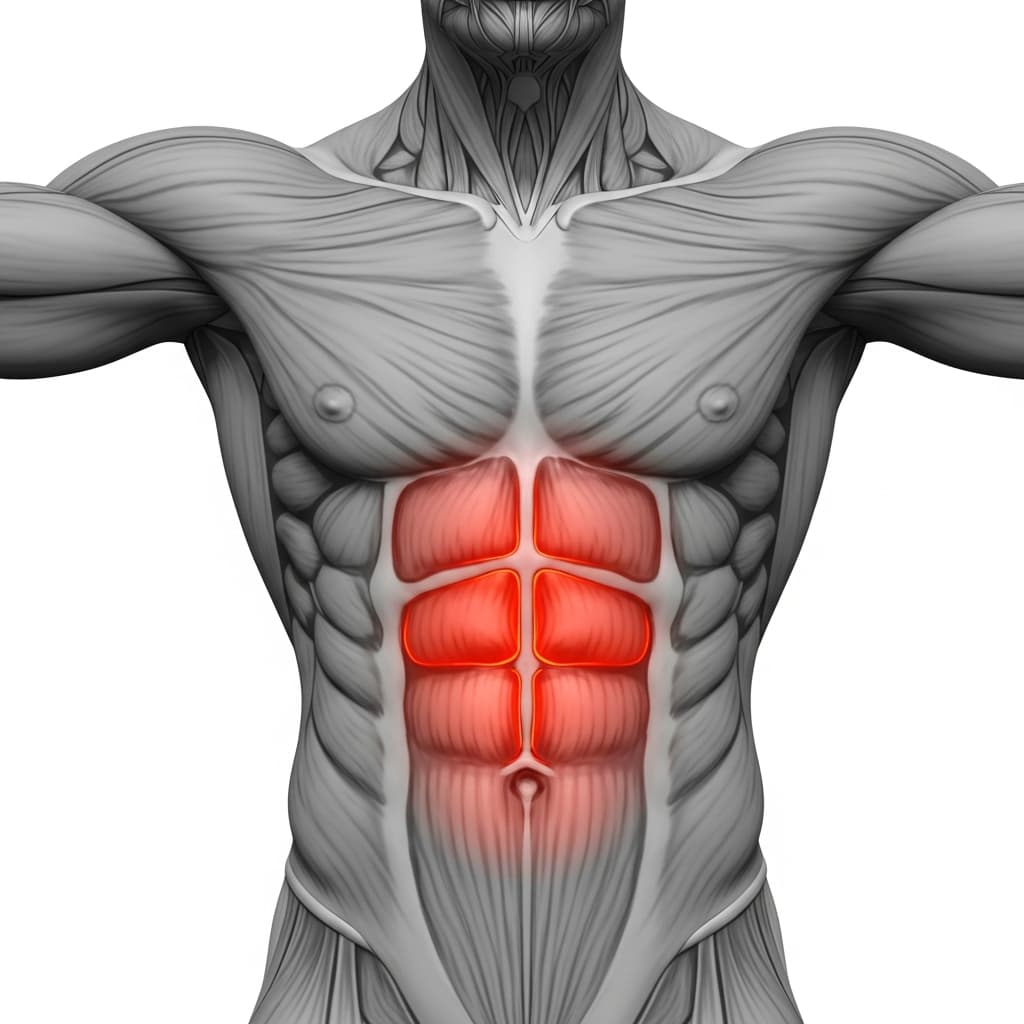
Rectus Abdominis (Abs) - The abs brace the trunk so the ribs and the pelvis stay locked together and the lower back does not arch under the plate hanging off the front of you.
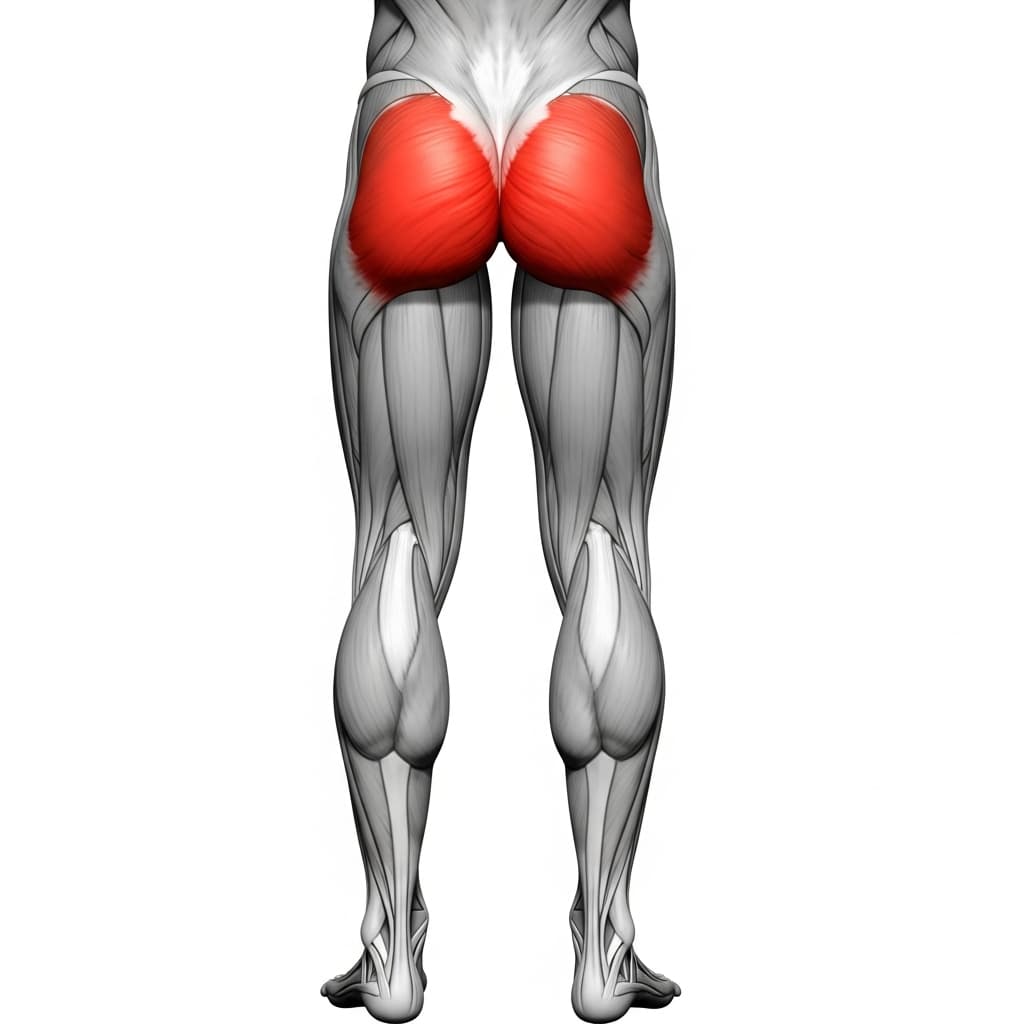
Gluteus Maximus (Glutes) - The glutes hold the hips extended so your body stays in one line from shoulders to knees for the whole set.
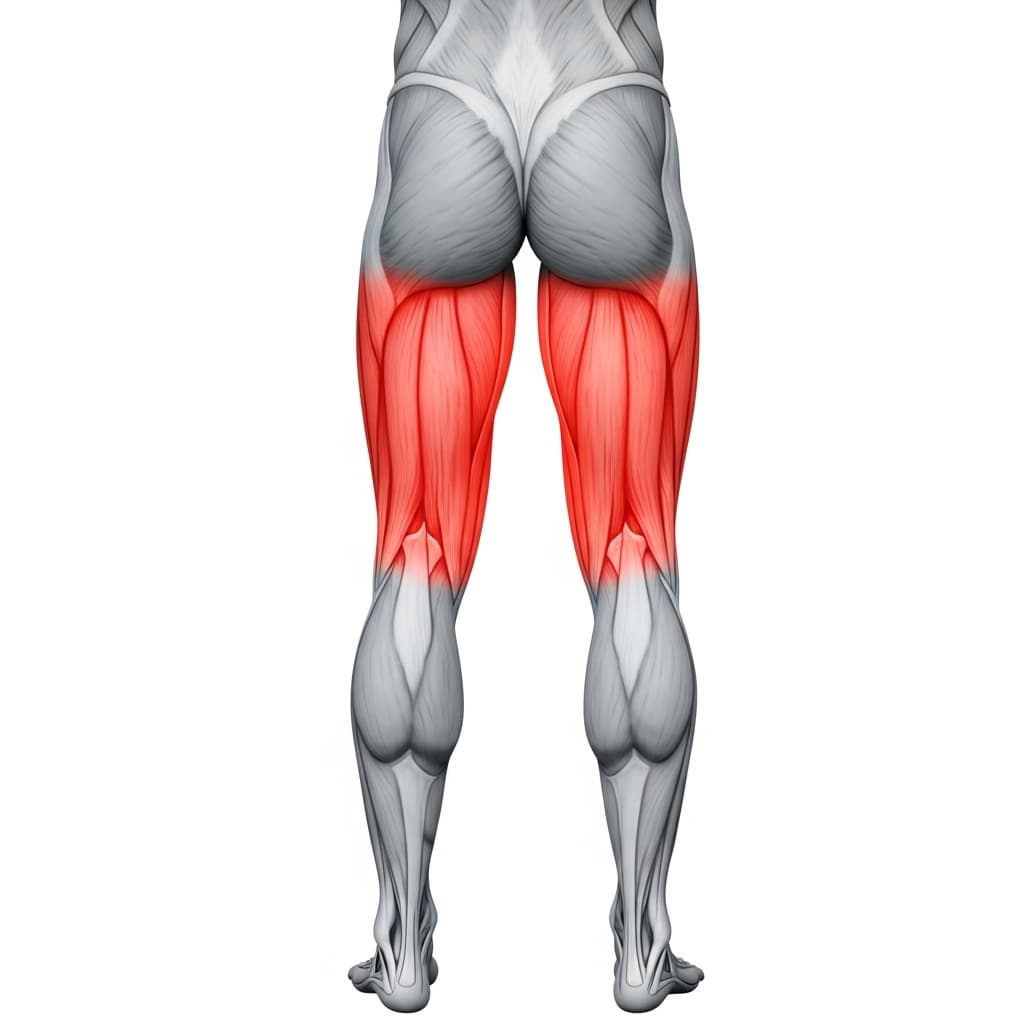
Hamstring Group (Hamstrings) - With the knees bent and the feet on the bench, the hamstrings extend the hip alongside the glutes, and they are usually the first place you notice it when the position starts to get lazy.
Benefits of Weighted Ring Rows
- Progressive overload in 1.25 kg steps, instead of dropping the rings and adding a fifth of your body weight in one go.
- Builds the lats, mid back and rear deltoids with a horizontal pull that stays hard no matter how strong you get.
- Loads the back heavily while your body is held at both ends, by the rings and by the bench, so your lower back takes far less of it than in a bent over row.
- Carries over to pull ups, chin ups and muscle ups by building the pulling strength and shoulder blade control they need.
- Trains grip and forearms under real load, because your body weight plus the plate is held on two rings that move.
Who Is This Exercise For?
Before you hang anything on yourself, get three clean sets of 12 to 15 bodyweight ring rows with your feet up on the bench and your body horizontal. Clean means full range on every rep, chest to the rings at the top and straight arms at the bottom, with the hips level the whole way. If the hips drop or the last few reps turn into a shrug, you are not ready for load yet. Check the rig as well, because your straps and anchor now carry your body weight plus the plate plus the speed of the pull.
Common Mistakes to Avoid
Hips sagging under the plate: This is the number one error in every row, and the plate makes it worse. When the hips drop, less of your body has to be lifted, so the rep quietly gets easier and fatigue pushes you straight into it. A weight hanging near your hips is also sitting at the worst possible point for bending your body in half, which is exactly why the belt goes high towards the chest. Squeeze the glutes, brace the core, and if the line still breaks, take a plate off.
Pulling with the hands instead of the back: This is the complaint you hear most: the forearms and biceps burn and the back feels fresh. It happens when the rep starts at the elbow, because the arms are the shortest link in the chain and they fire first. Start each rep by pulling the shoulder blades together and drive the elbows back, rather than dragging your hands towards your chest. Feeling your biceps in a row is completely normal, so do not chase a sensation where they go quiet, chase blades that actually move.
Cutting the range short once the weight is on: Partial reps feel hard under load, so the set still leaves you out of breath and the lost range goes unnoticed. Every rep starts from properly straight arms and finishes with the rings at your chest or just under it. If you cannot reach your chest at the top or you cannot let the arms straighten at the bottom, the plate is too heavy for now, not the range.
Letting the plate hang low and swing: A long drop turns the plate into a pendulum right under your body. It swings, it wastes energy, it jerks the belt at the bottom of every rep and it tugs at your lower back. Clip the plate up short so it sits close against the belt before you get into position, and check that it still clears the floor with your arms straight, because a plate that touches down unloads the rep and then snatches when it lifts off again.