Tuck Planche Push Ups
Tuck planche push ups take the tuck planche hold and add a press to it. You start locked out with your shoulders protracted and pushed past your hands, bend to at least 90 degrees, then drive back up to straight arms. Because your knees hang under you, the parallettes need to be high enough to give your legs room. This is the exercise that turns a static tuck planche into strength you can move with, and it builds the pressing base the advanced tuck planche asks for next.
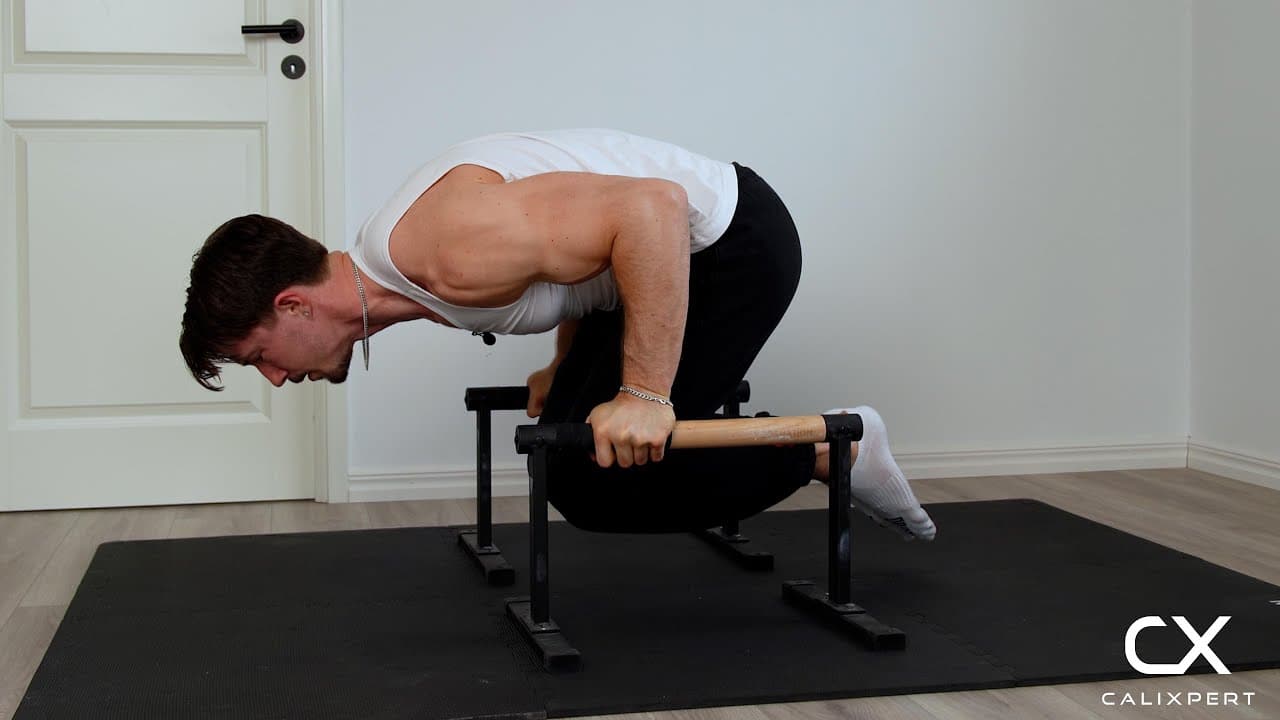
Tuck planche push ups take the tuck planche hold and add a press to it. You start locked out with your shoulders protracted and pushed past your hands, bend to at least 90 degrees, then drive back up to straight arms. Because your knees hang under you, the parallettes need to be high enough to give your legs room. This is the exercise that turns a static tuck planche into strength you can move with, and it builds the pressing base the advanced tuck planche asks for next.
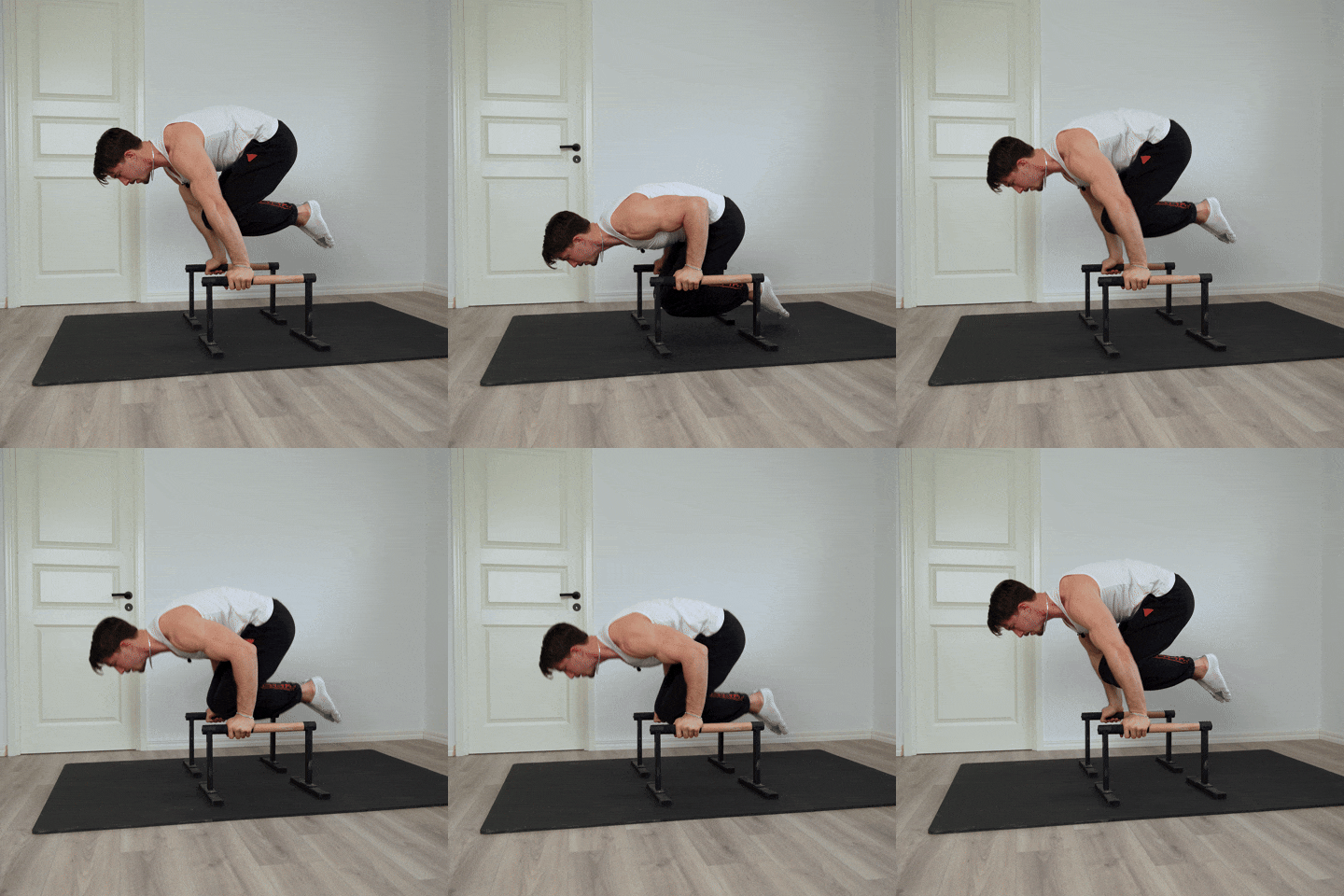
How to Do Tuck Planche Push Ups
1. Set The Parallettes High Enough
This one needs an elevated surface, and a set of high parallettes is the simplest way to get it. Place them at about shoulder width on a flat, non slip surface. They have to be tall enough that your tucked knees and feet stay clear of the ground when your chest drops between the handles.
Give your knees room
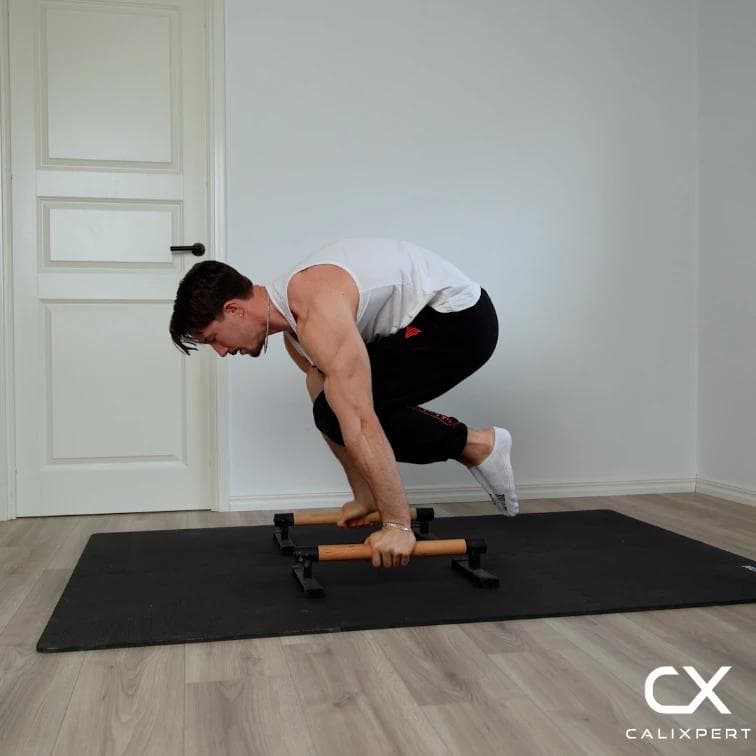
2. Lift Into The Tuck Planche
Grip the handles, lean your shoulders forward past your hands and pull your knees in to your chest until your feet leave the floor. This tuck planche is both the start and the end position of every rep. If you cannot find it, the push up is not ready for you yet.
Start where you finish
3. Lock The Arms And Protract The Shoulders
Straighten the elbows fully and push your shoulders forward and down, away from your spine. That protraction gives the shoulder a stable base to press from. Check both before the first rep, because whatever you start with is what you are trying to return to.
Long arms, shoulders pushed forward
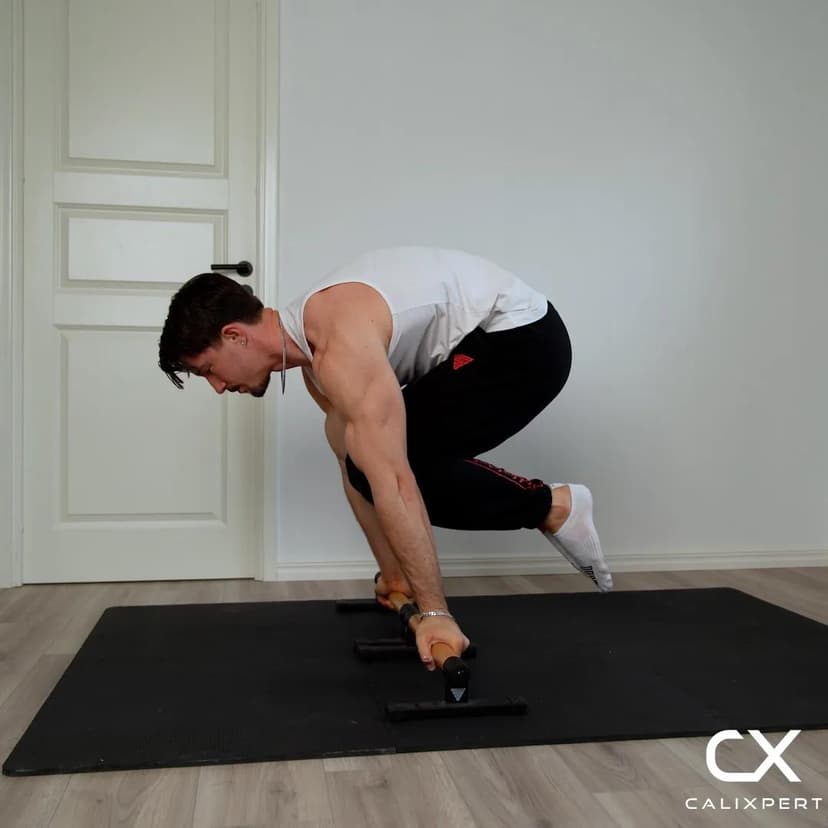
4. Lower To At Least 90 Degrees
Bend your elbows and lower until they reach a minimum of 90 degrees. Keep the lean the whole way down, so your shoulders stay out in front of your hands instead of travelling back over them. Your knees stay tucked and your feet stay off the floor for the entire set.
Minimum 90, under control
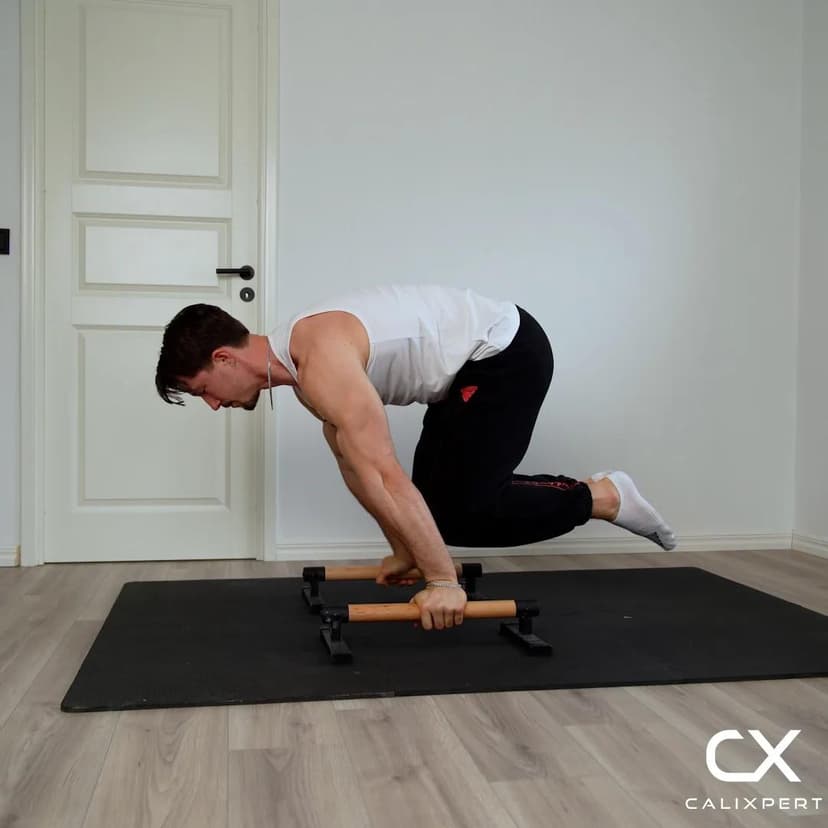
5. Press Back To Locked Arms
Drive back up until the elbows are locked and you are sitting in the tuck planche again. That lockout is the rep. Coming most of the way up is where sets quietly stop counting.
Finish the rep straight
6. End The Set On Form, Not On A Number
The moment your lean shortens, your hips pike up or your elbows stop locking out, the set is over. Sloppy reps here pile load onto the wrists and the elbow tendons without building the position. Two or three clean reps beat six that fall apart.
Stop at the first bad rep
The two things I check on every rep are locked arms and protracted shoulders. That is the position you start in and the position you finish in, so if you cannot get back to it, the rep is not there yet. Go down to at least 90 degrees and push straight back up. And use high parallettes. Without that clearance your knees hit the floor and you end up cutting every rep short at the bottom, which is the half of the rep that actually builds this.
Muscles Worked During Tuck Planche Push Ups
Primary Muscles:
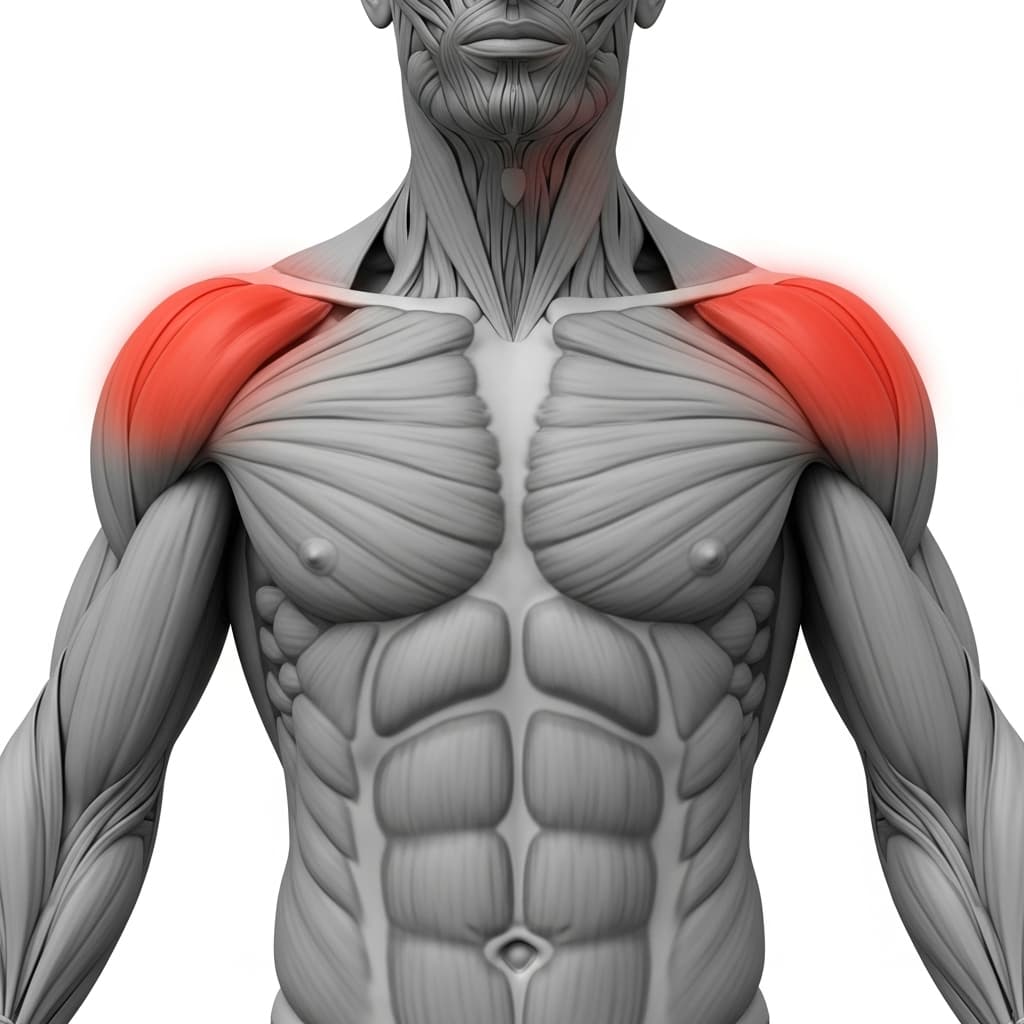
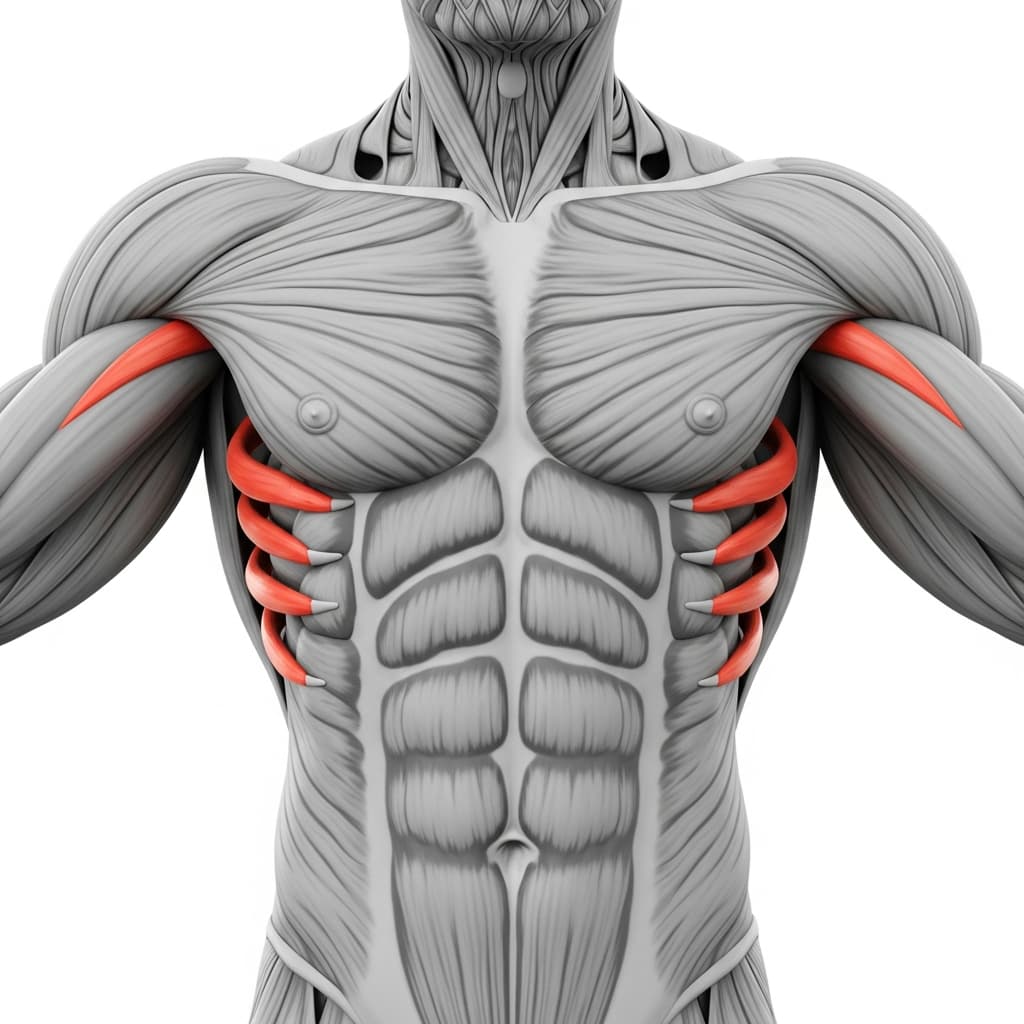
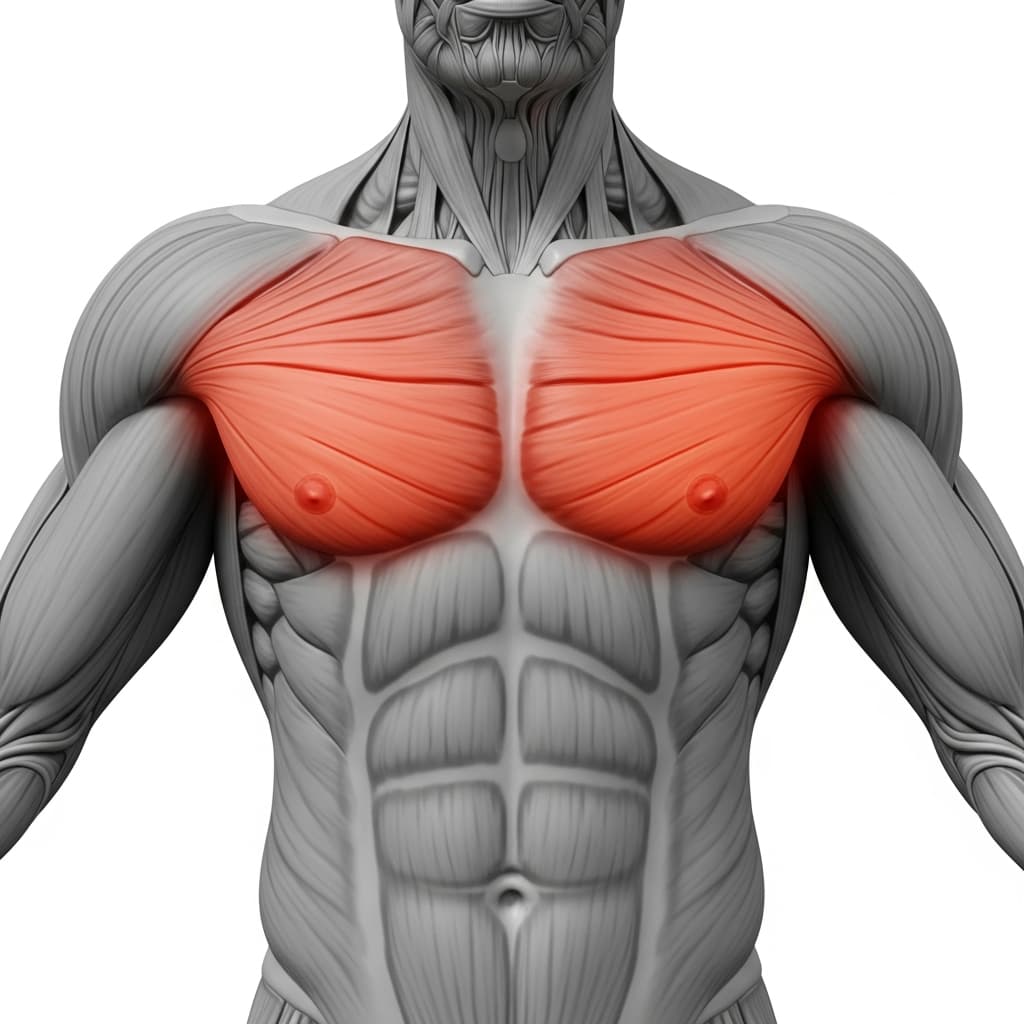
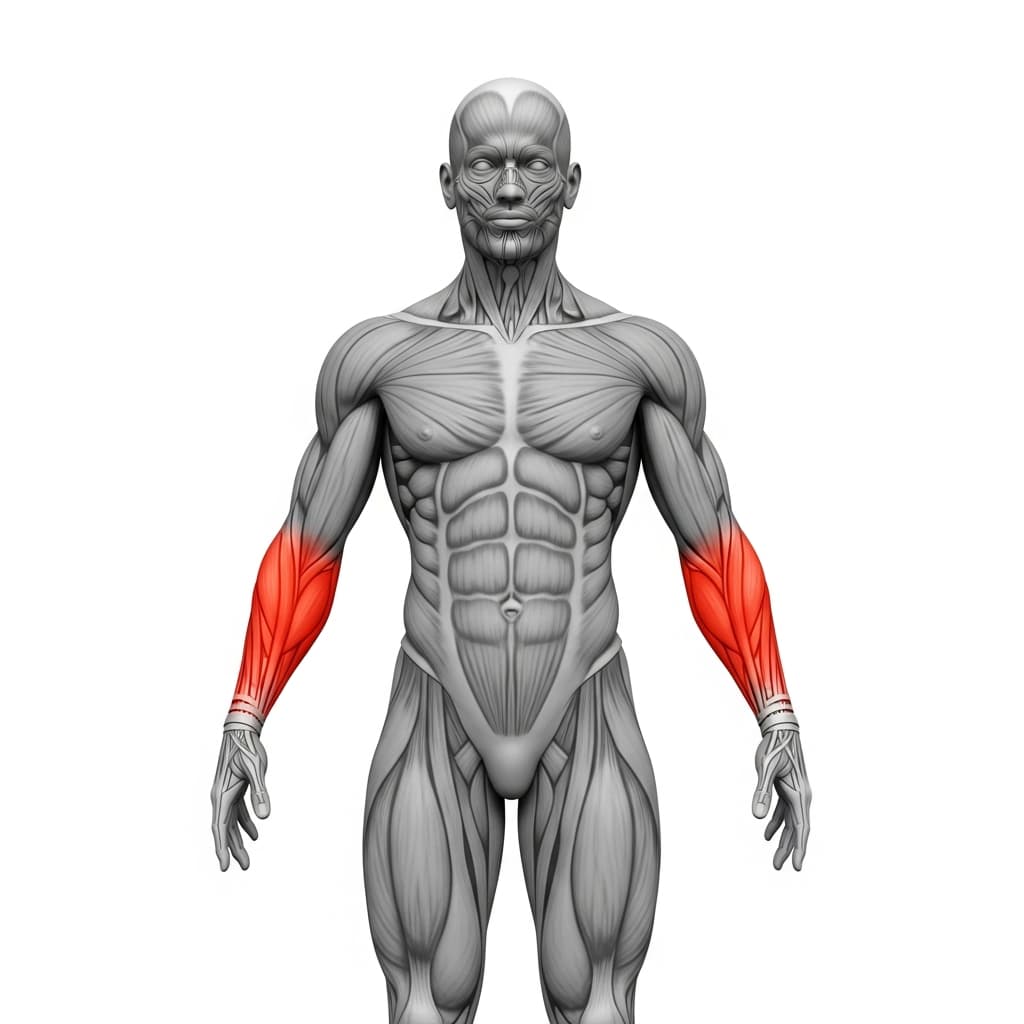
Primary Muscles
Anterior Deltoid (Front Deltoid) - The front deltoids hold your shoulders out in front of your hands and do most of the work driving you back up to locked arms.
Serratus Anterior (Serratus Anterior) - The serratus anterior keeps your shoulder blades protracted while the elbows bend, which is what stops the shoulder collapsing at the bottom of the rep.
Secondary Muscles
Pectoralis Major (Chest) - The chest presses you out of the bottom position, working at a lean angle no ordinary push up reaches.
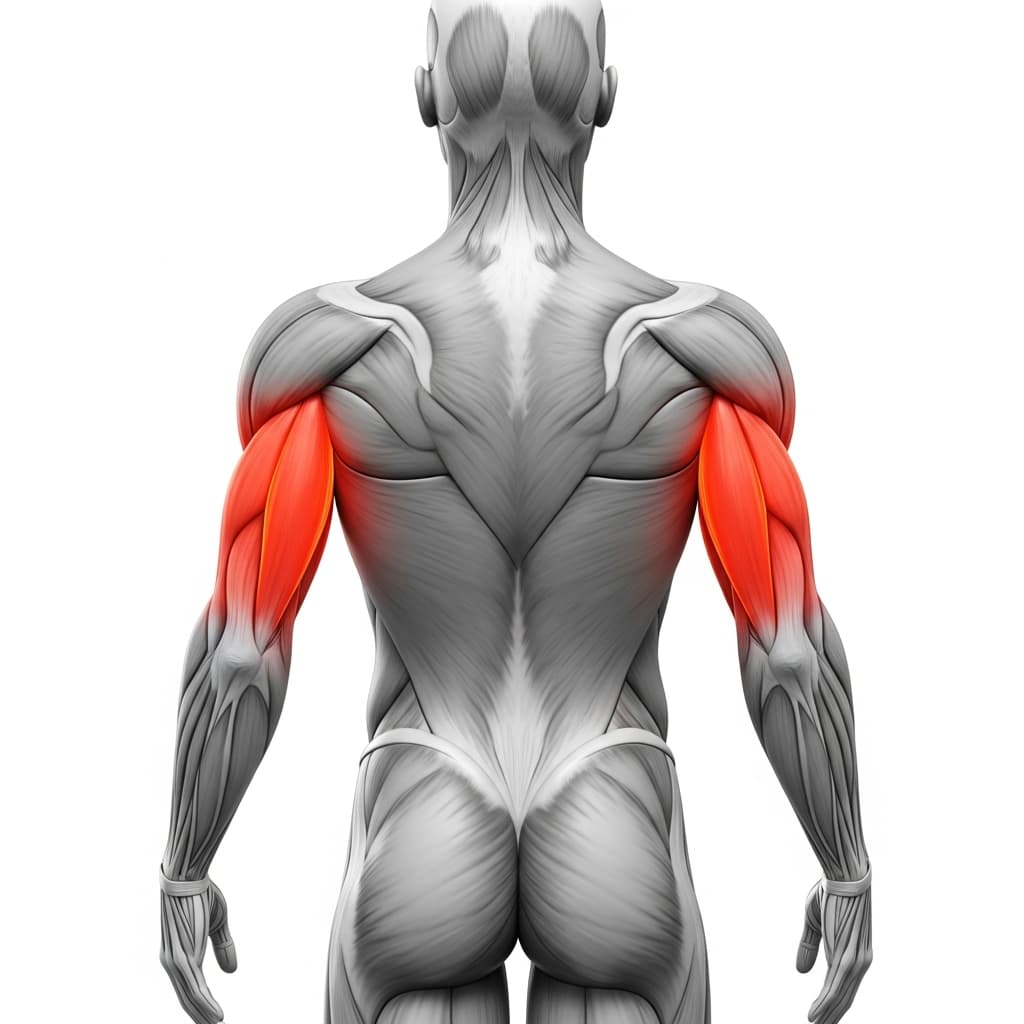
Triceps Brachii (Triceps) - The triceps finish every rep by straightening the elbows back into the locked out tuck planche.
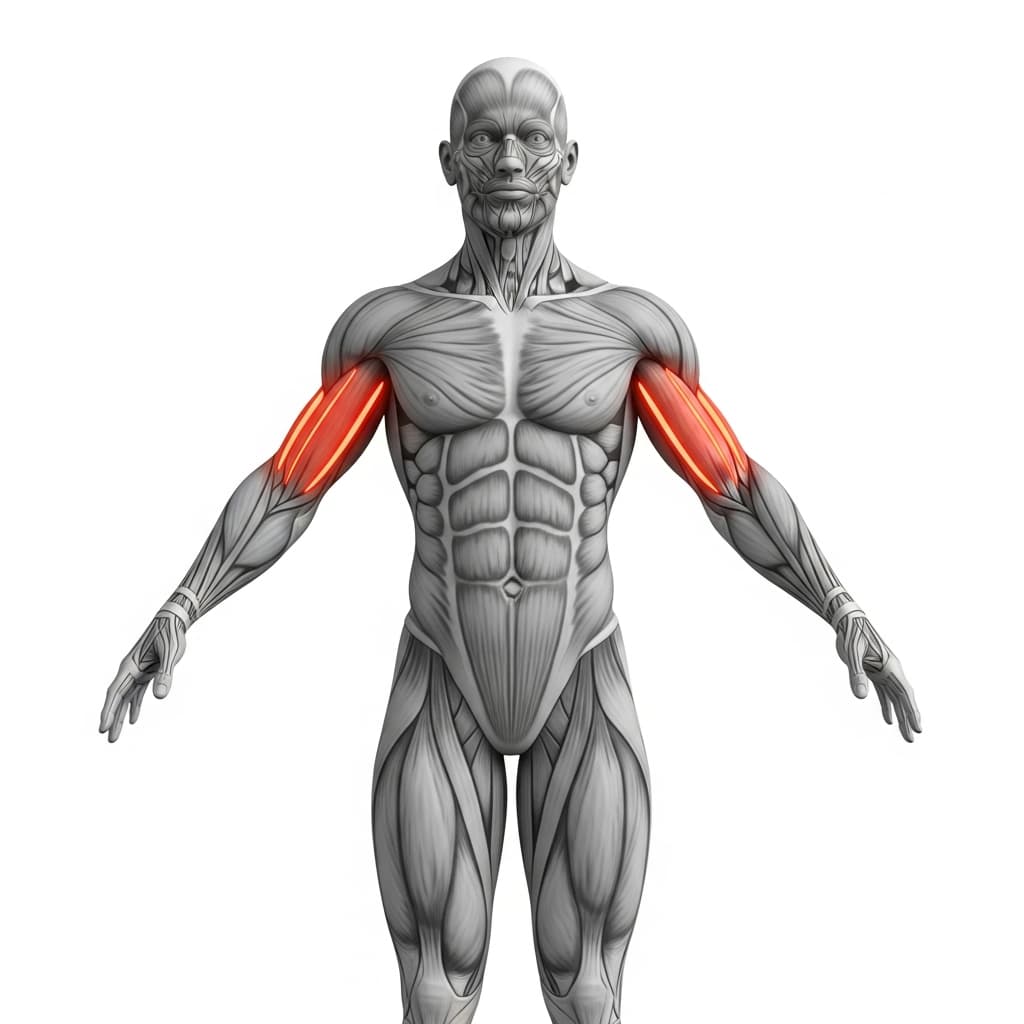
Biceps Brachii (Biceps) - The biceps and the tendon at the elbow take heavy tension in the locked arm portion, which is why the volume here has to be built slowly.
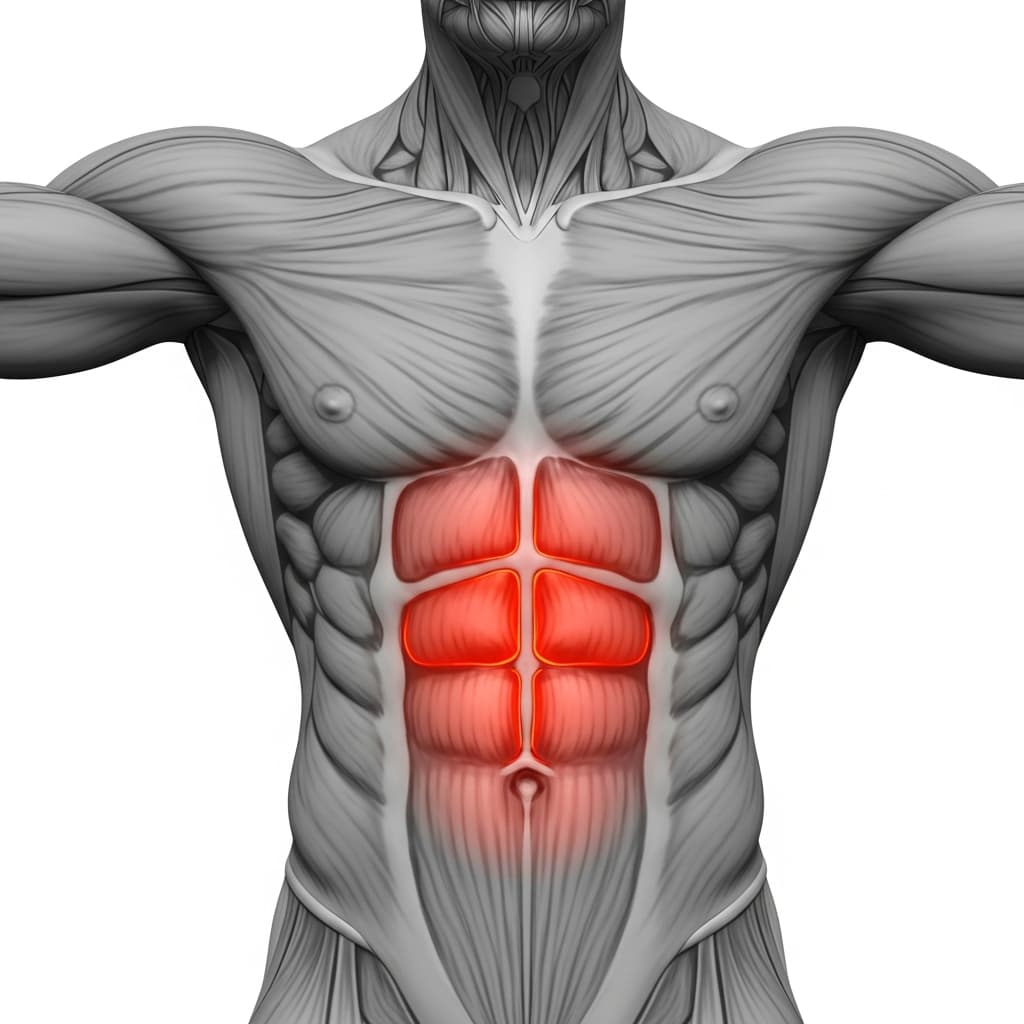
Rectus Abdominis (Abs) - The abs hold the tuck shape and stop the hips dropping while your arms are moving.
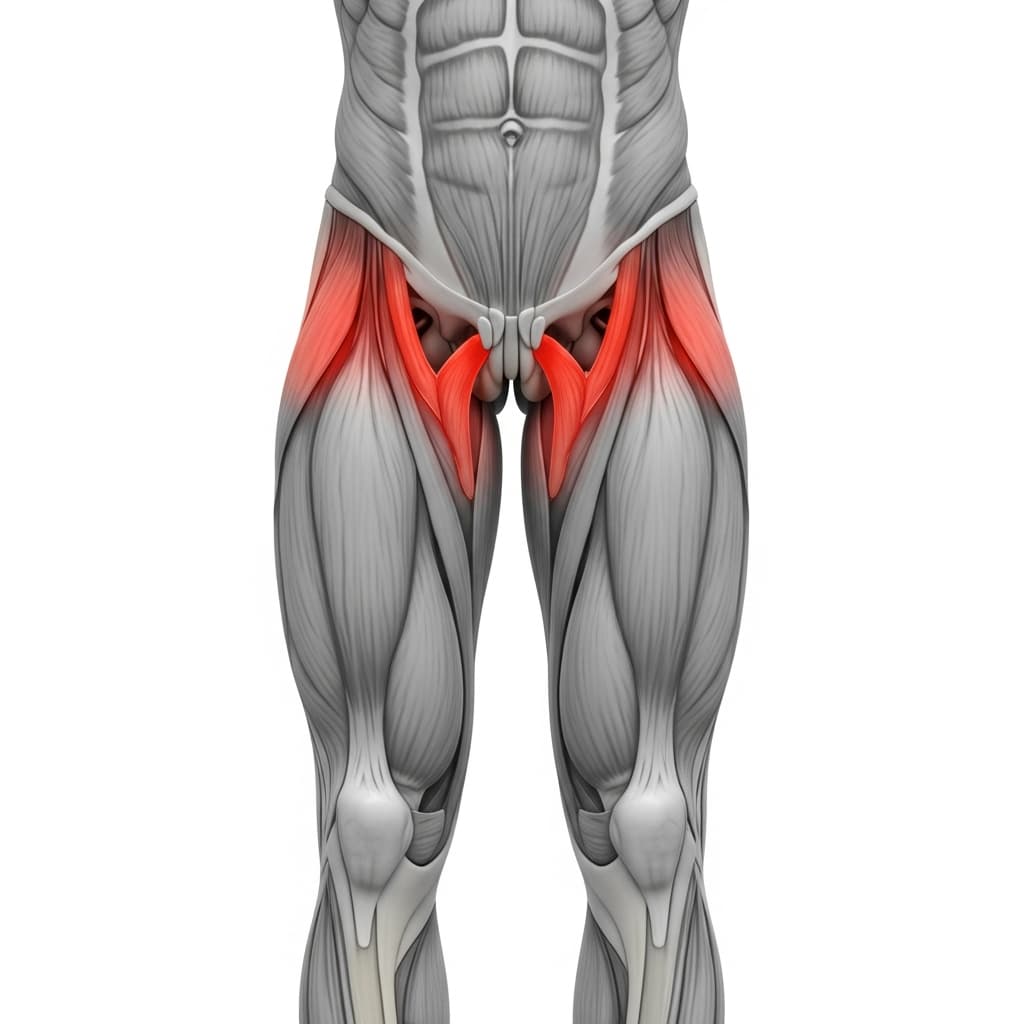
Iliopsoas (Hip Flexors) - The hip flexors keep your knees pulled tight to your chest so your legs stay clear of the floor for the whole set.
Forearm Flexors & Extensors (Forearms) - The forearms grip the handles and stabilise your wrists through an angle that keeps changing as you lower.
Benefits of Tuck Planche Push Ups
- Builds bent arm pressing strength inside the planche lean, which a static hold never trains.
- Gives the tuck stage a clear rep target, since five or more controlled reps is the marker we use before moving on to the advanced tuck planche.
- Teaches the serratus to hold protraction while the shoulder angle changes, which is what keeps load off the elbow and biceps tendons.
- Loads the chest, front deltoids and triceps at a lean angle no ordinary push up reaches.
- Shows you exactly where your position fails, because a rep breaks at the weak point long before a hold does.
Who Is This Exercise For?
Own the tuck planche hold before you add reps to it. Aim for five sets of 10 to 15 second holds, with locked arms, protracted shoulders and no sag in the hips. Pseudo push ups with a genuine forward lean should already feel solid, since that is this same pressing pattern with your feet still on the floor. Your wrists also need months of graded exposure behind them, and any elbow pain from straight arm work should be settled rather than something you are training through.
Common Mistakes to Avoid
Losing the lean on the way down: As the elbows bend it is tempting to let the shoulders drift back over the hands, because that shortens the lever and makes the rep much easier. It also turns the movement into a very hard push up rather than a planche exercise. Keep your shoulders in front of your hands from the first rep to the last, and cut the depth before you cut the lean.
Letting the shoulders retract at the bottom: This usually happens because the serratus tires before the deltoids do, so the shoulder blades pinch back together under load. The shoulder then loses its stable base and the load transfers onto the biceps and elbow tendons. Hold the protraction at lockout on every single rep and keep it as far into the descent as you can.
Hips piking up above the shoulders: Lifting the hips shortens the lever, so it feels like the reps got stronger when they only got shorter. It is usually a reaction to the position getting hard, or a habit carried over from a rounded tuck. Film a set from the side, because your hips should stay level with your shoulders through the whole rep.
Using parallettes that are too low: If your knees or feet touch down at the bottom you never reach the 90 degree bend, so the hardest part of the rep is missing. Raise the parallettes, or press from a pair of blocks that give you real clearance. That height is the difference between a full rep and a partial one.