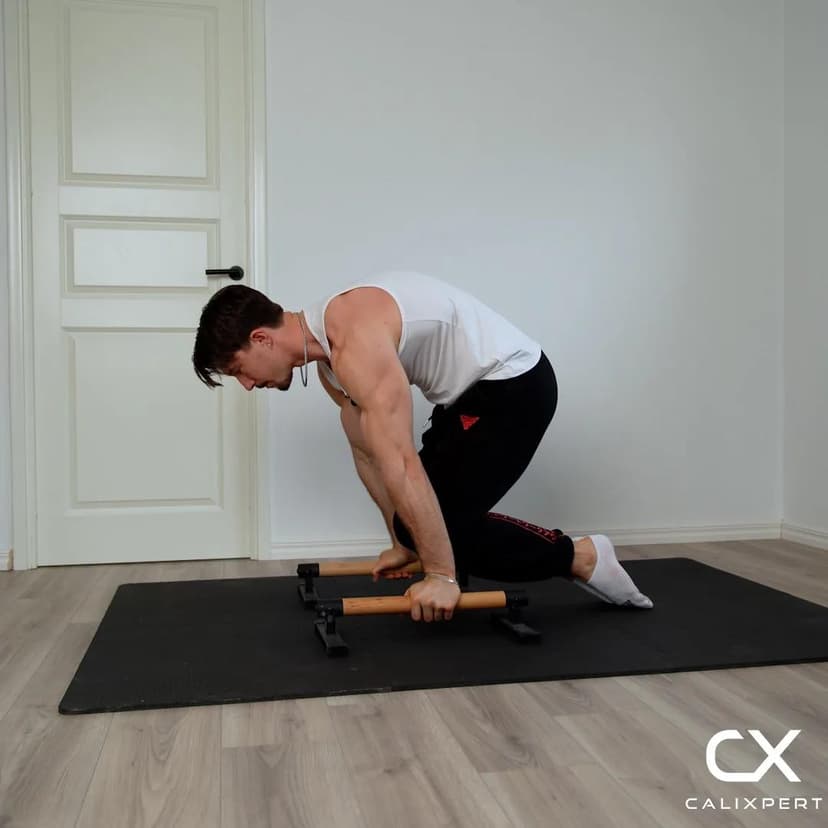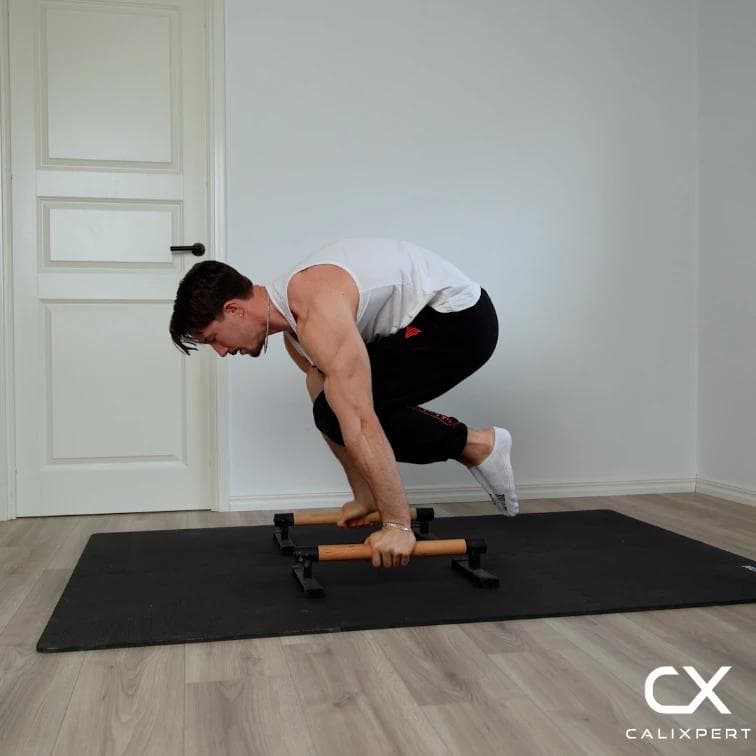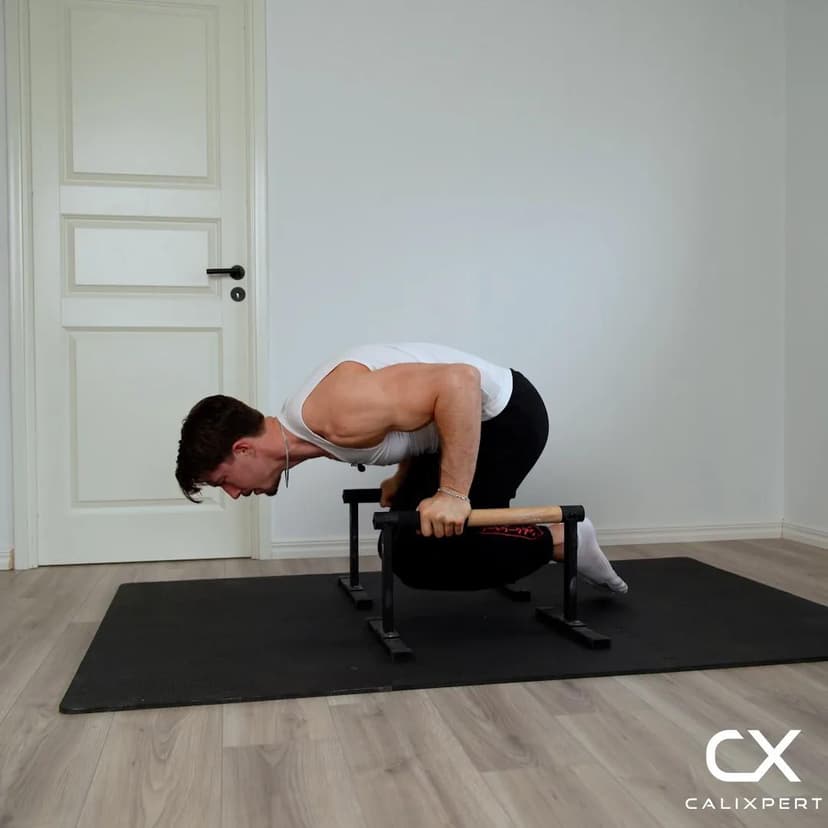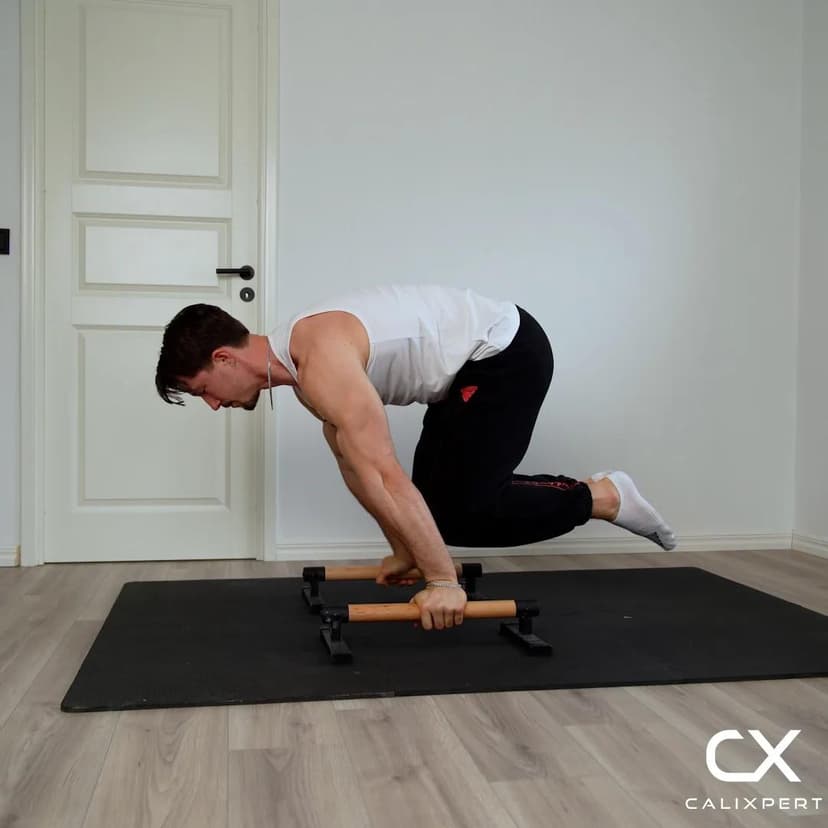
Supinated Tuck Planche
The supinated tuck planche is a tuck planche with your hands turned around. You grip the handles with your palms facing forward, so your fingers point back toward your feet. The lever does not change, so your shoulders work exactly as hard as they do in a normal tuck planche. What changes is where the strain lands. Your wrists get a break, and your elbows and biceps take a lot more of it. It sits beside the tuck planche on the ladder, not above it.
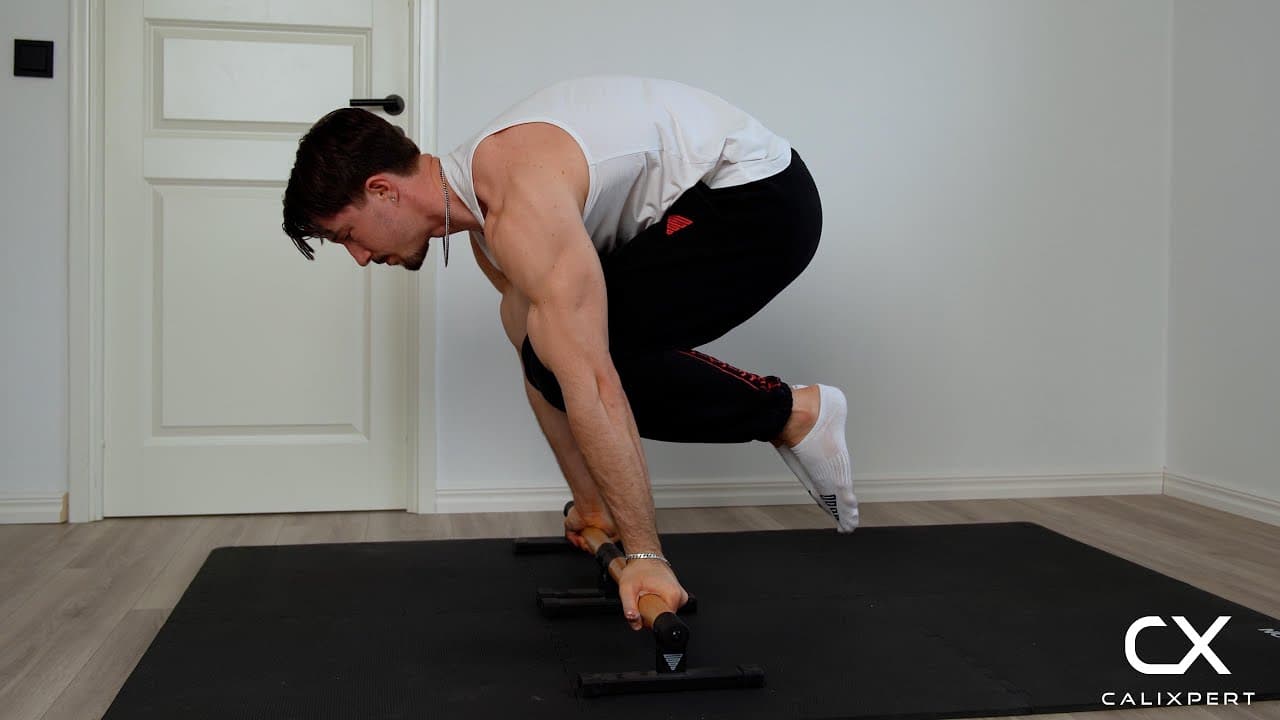
The supinated tuck planche is a tuck planche with your hands turned around. You grip the handles with your palms facing forward, so your fingers point back toward your feet. The lever does not change, so your shoulders work exactly as hard as they do in a normal tuck planche. What changes is where the strain lands. Your wrists get a break, and your elbows and biceps take a lot more of it. It sits beside the tuck planche on the ladder, not above it.
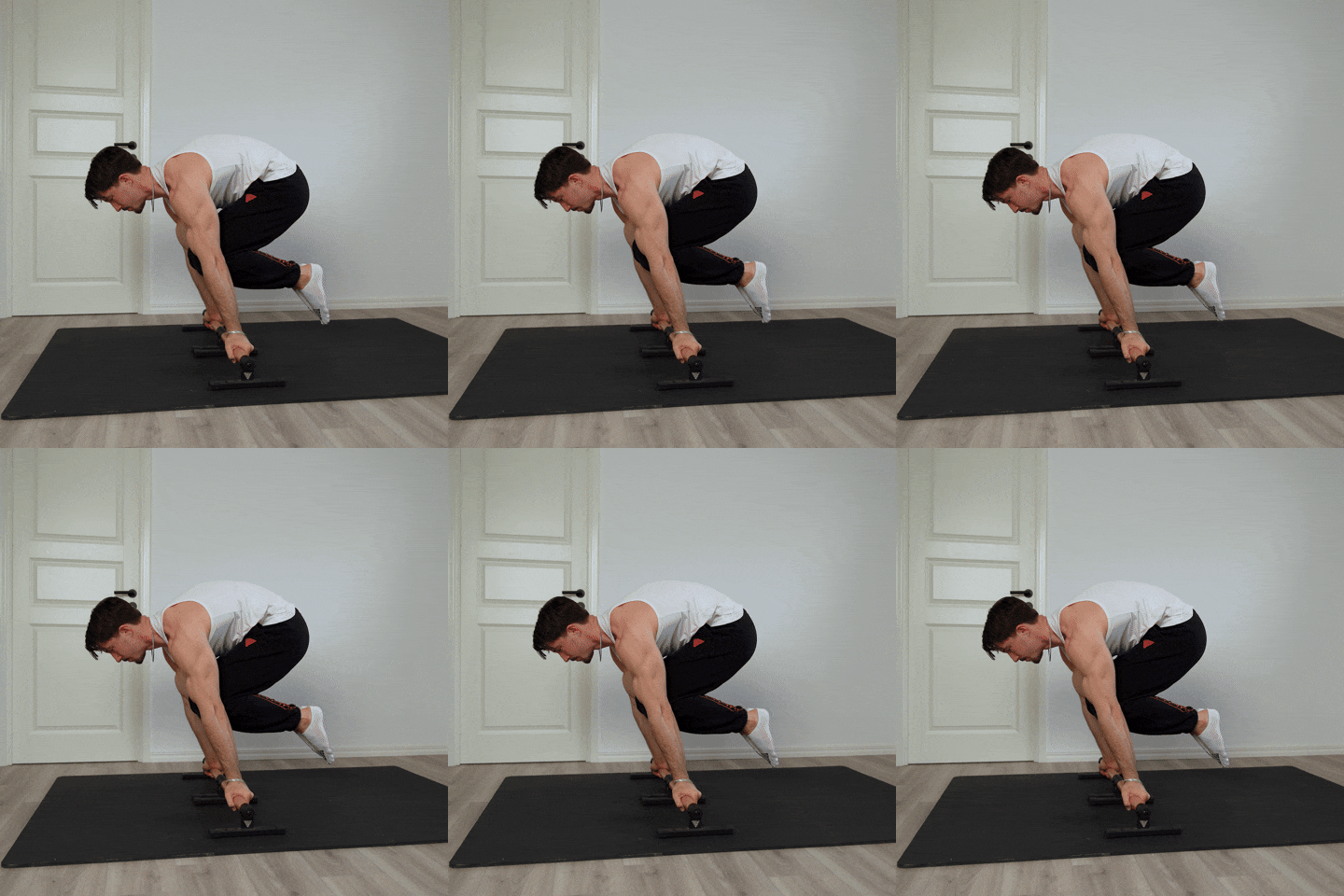
How to Do Supinated Tuck Planche
1. Line The Parallettes Up End To End
Put the two parallettes end to end so the handles sit in a single straight line running across your body, like one short bar, with the gripping points about shoulder width apart. Daniel uses parallettes here and says a straight bar works too. Squat down behind them so you can set your grip before any weight goes onto your arms.
One straight line, handles across your body
2. Take The Supinated Grip
Turn your hands so the palms face forward and the fingers point back toward your feet. That is the supinated grip, and it is the entire point of this variation. Wrap your thumbs around the handles so the hands cannot roll once you start leaning.
Palms forward, fingers pointing back
3. Lock The Arms
Straighten your arms completely and keep them that way for the whole hold. With the palms turned forward, your biceps carries tension the entire time, and a soft elbow hands even more of that load to the tendon. If your elbows will not lock out fully today, train something else instead.
Elbows straight before you lean
4. Protract The Shoulders
Push your shoulders forward and down, away from your spine. Your upper back should feel wide and full, never pinched together. This is the position that lets the shoulder carry the load instead of passing it into your elbows.
Shoulders forward and down
5. Lean Forward Over Your Hands
Shift your weight forward until your shoulders sit out in front of your hands. Your feet get light on their own as you go. The further forward you lean, the more of your body the shoulders have to hold.
Shoulders travel past the hands
6. Bring The Knees To The Chest
Pull your knees in toward your chest and let your feet leave the floor. Keep the arms locked as the weight arrives, because that is the moment elbows tend to soften. Nothing about the grip should change here.
Knees in, feet off
7. Hold With The Bum In Line With The Shoulders
Set the hips so your bum is in line with your shoulders rather than riding above them. Breathe, and hold for as long as the shape stays exactly like that. Come down while it still looks right, not once it has collapsed.
Hips level, not high
The only thing that changes here is your grip, but do not treat it as the same exercise. Turning the palms forward takes the pressure off your wrists and puts it straight into your elbows and biceps, and that tissue takes longer to catch up than your shoulders do. Start with short holds, three or four sets, and stop the set while the arms are still locked. Build the time over weeks, not in one session.
Muscles Worked During Supinated Tuck Planche
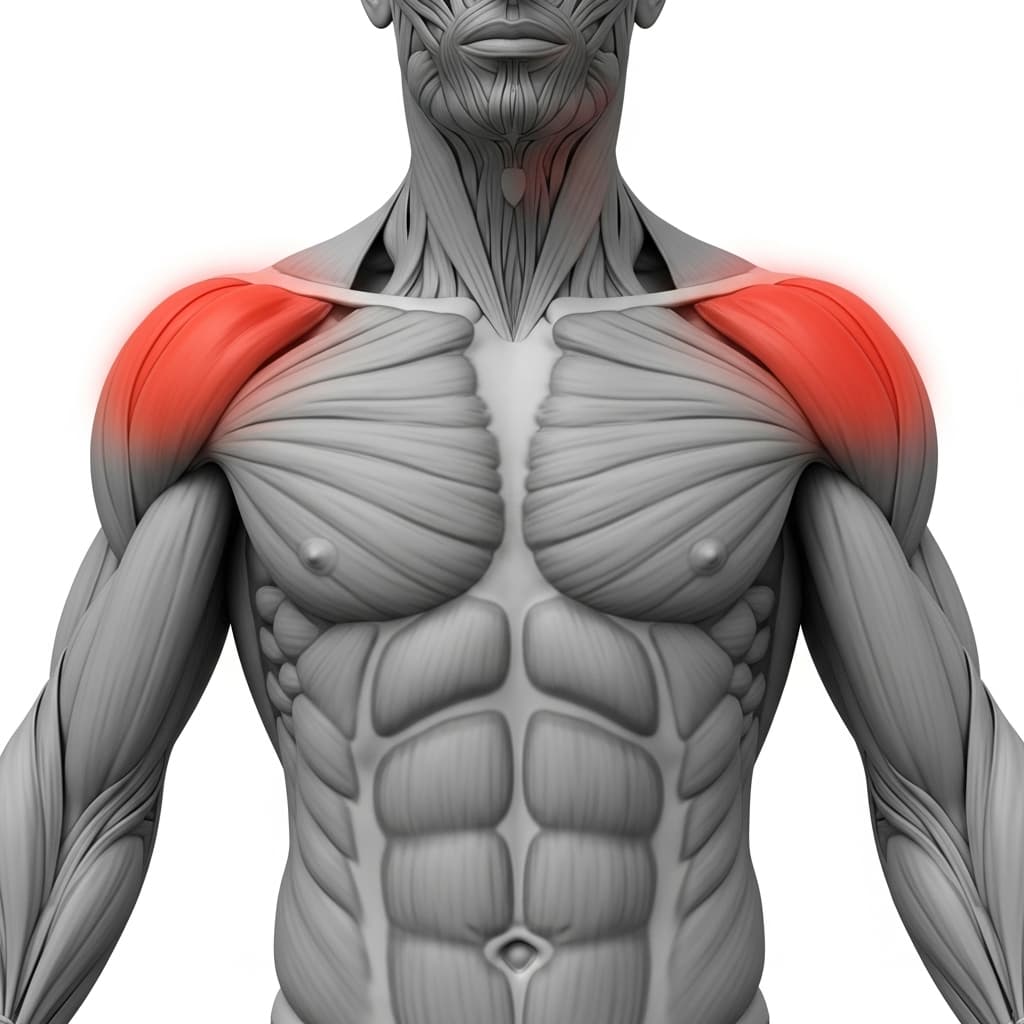
Primary Muscles:
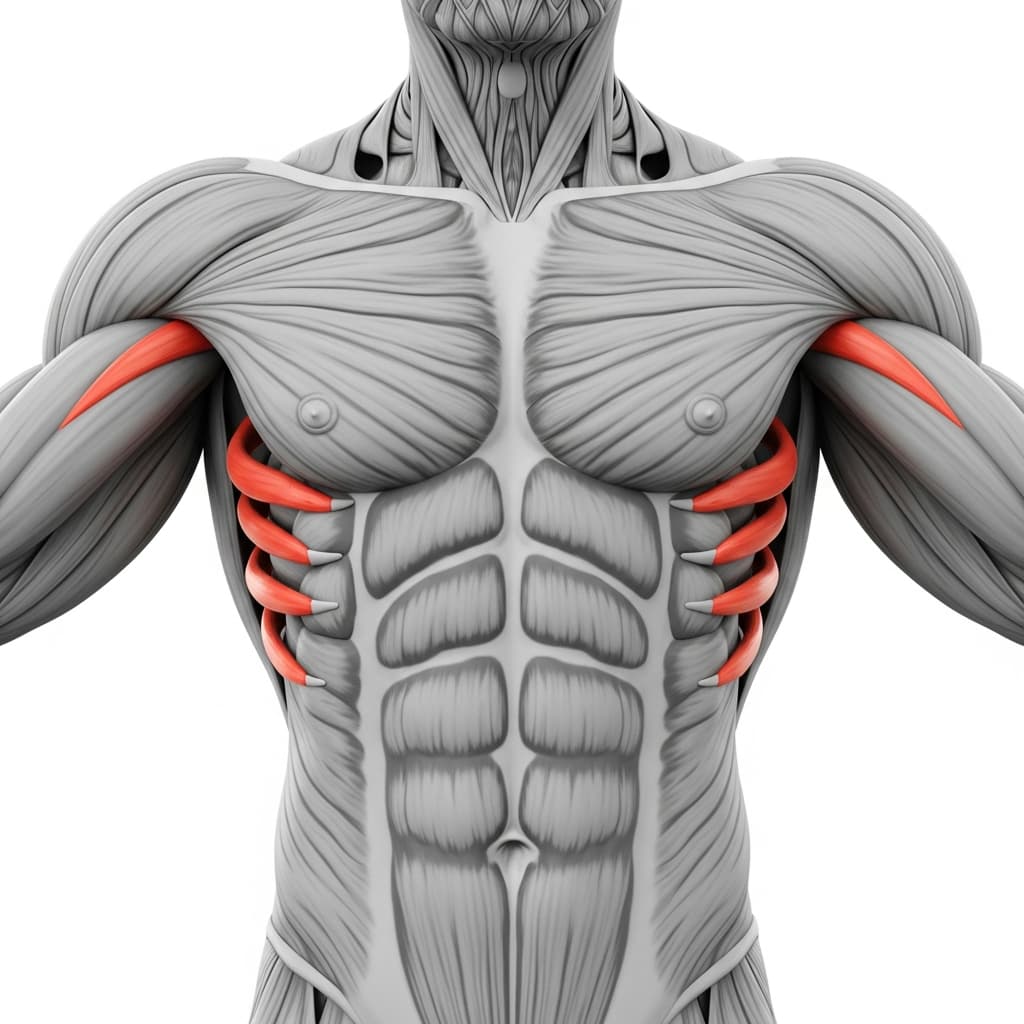
Secondary Muscles:
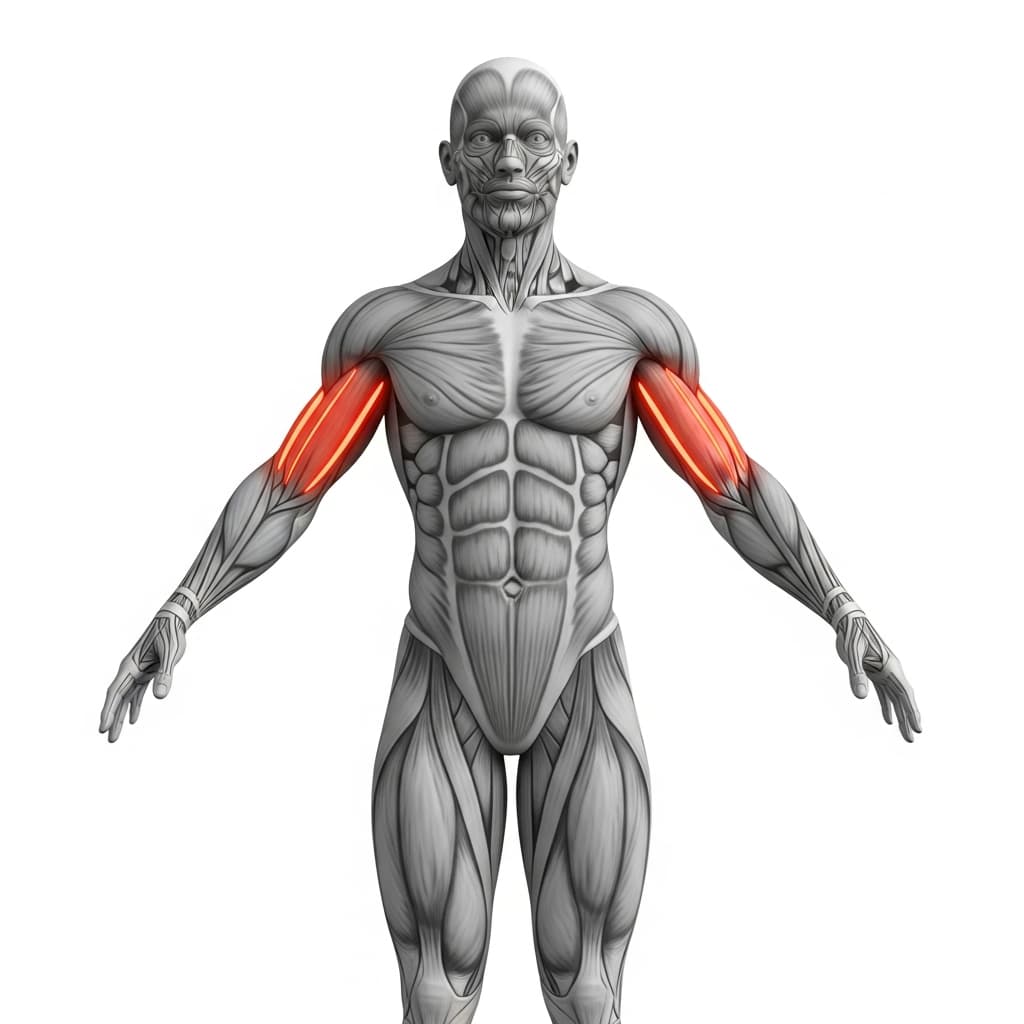
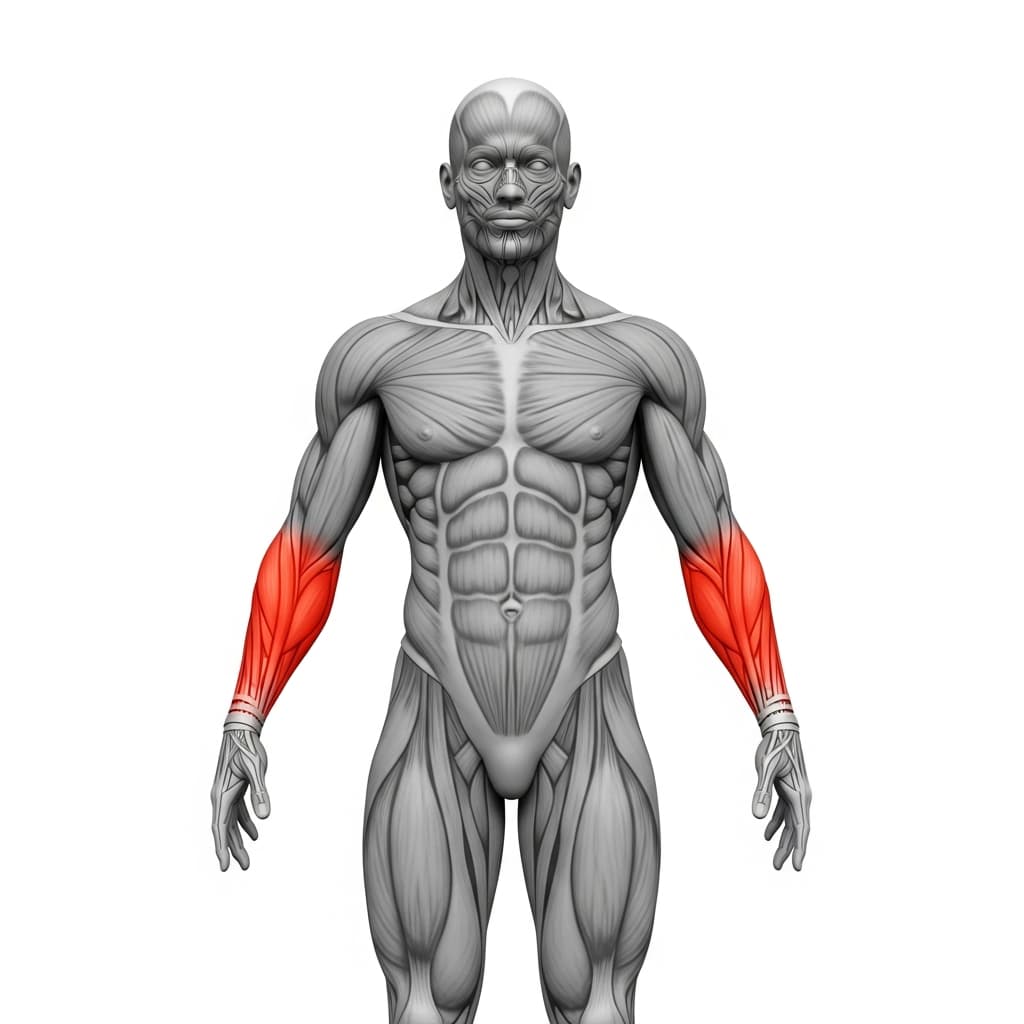
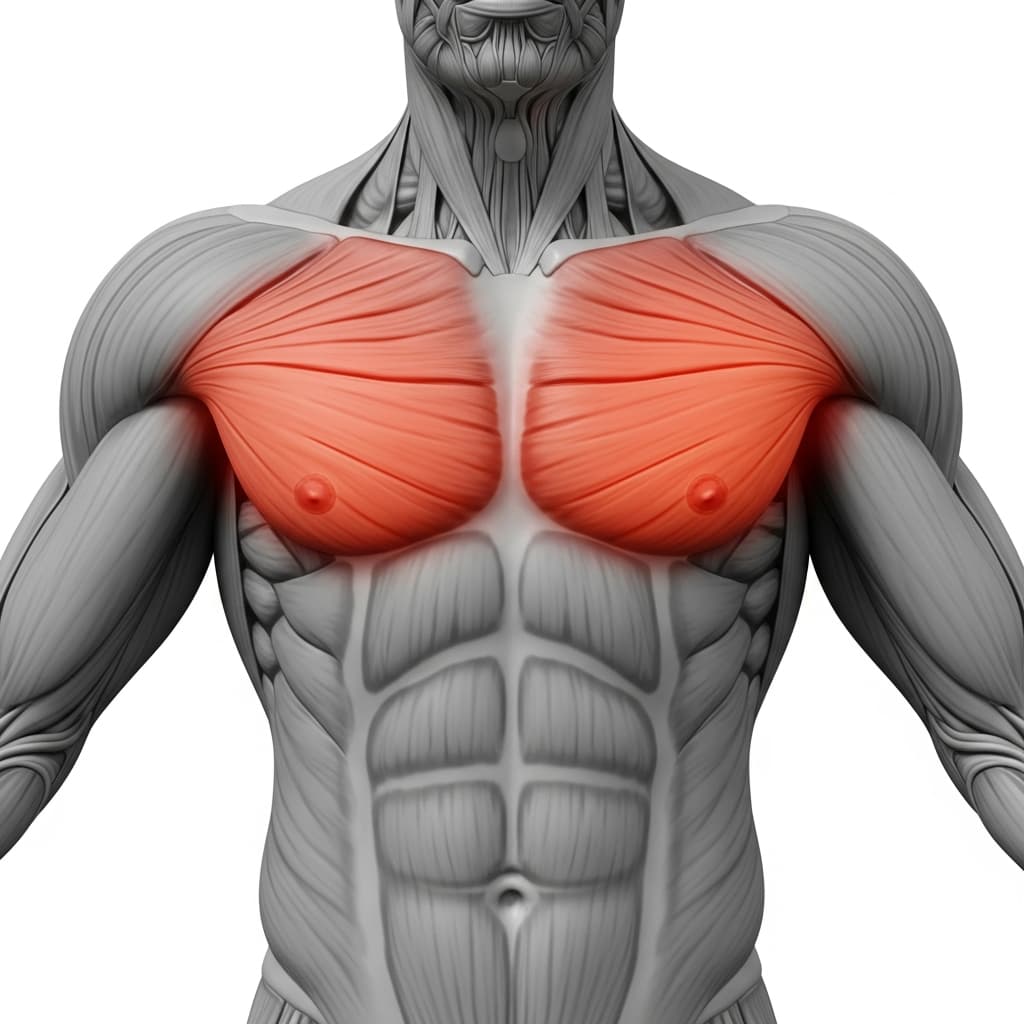
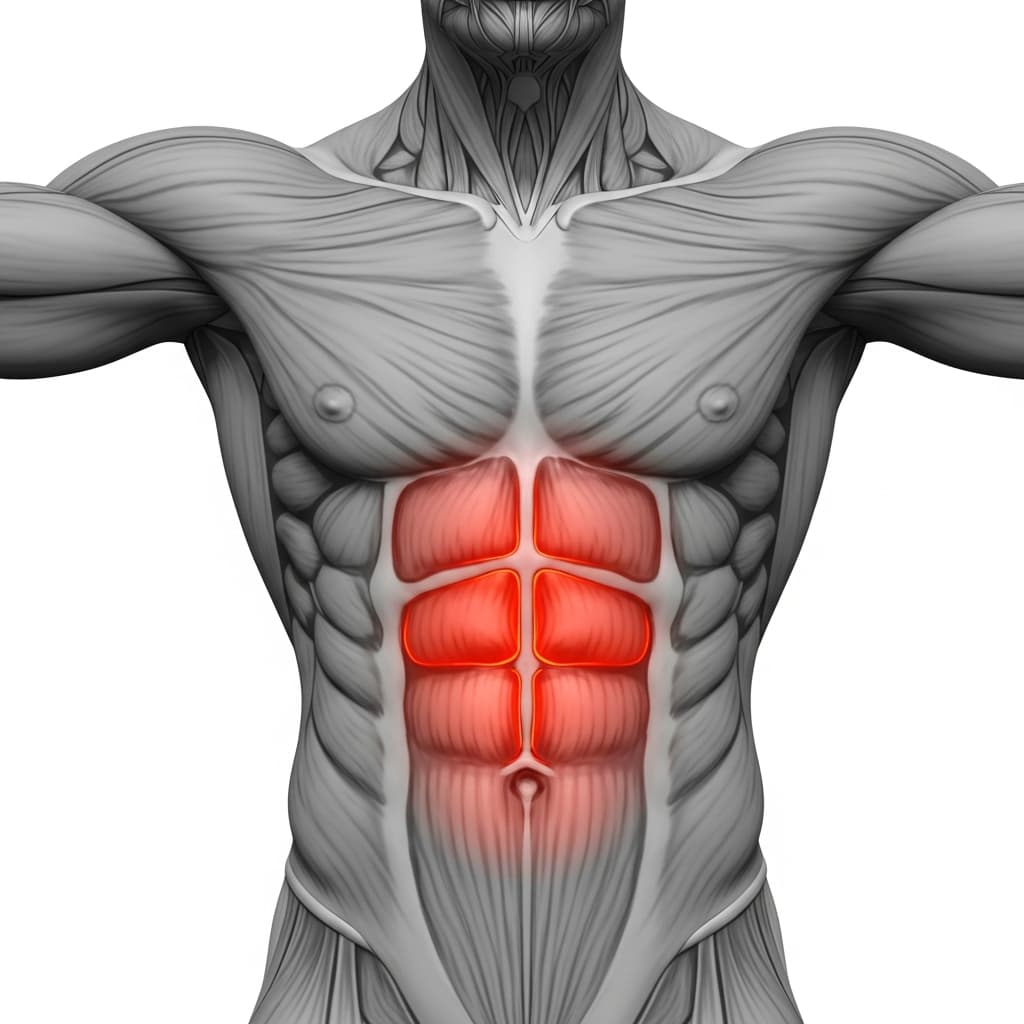
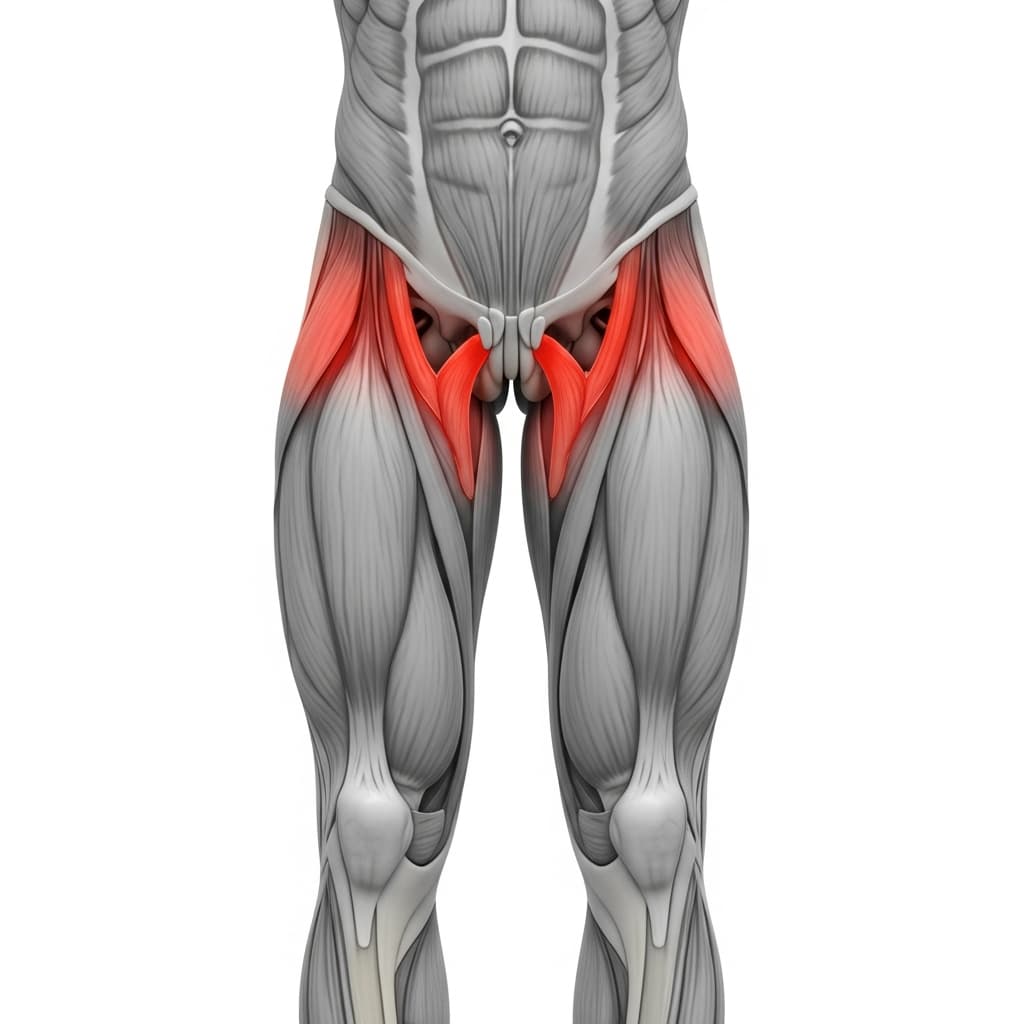
Primary Muscles
Anterior Deltoid (Front Deltoid) - Holds your whole body out in front of your hands, and it is almost always the reason the hold ends.
Serratus Anterior (Serratus Anterior) - Keeps the shoulder blades pushed forward and wide around the ribcage, which is the protraction Daniel cues before you lift the feet.
Secondary Muscles
Biceps Brachii (Biceps) - Sits under high tension for the entire hold because the forearm is turned palm forward with the elbow locked, and this is exactly what makes the supinated version feel different from a normal tuck planche.
Forearm Flexors & Extensors (Forearms) - Grip the handles and stop the hands rolling under you as you lean past them.
Pectoralis Major (Chest) - Works alongside the front deltoid to keep your chest from dropping toward the mat.
Rectus Abdominis (Abs) - Keep the ribs down and the pelvis tucked so the hips stay level instead of sagging below the shoulder line.
Iliopsoas (Hip Flexors) - Hold the knees pulled in tight to the chest for the whole hold, which is why the front of the hips burns in a tuck.
Benefits of Supinated Tuck Planche
- Lets you keep training the tuck planche shape on days when your wrists are sore, because the palms forward grip asks for far less wrist extension than the floor does.
- Builds straight arm strength through the elbow and distal biceps tendon in a supinated position, tissue that ordinary floor planche work barely touches.
- Prepares you for planche on rings, since of all the hand positions you can take on parallettes, the supinated one replicates a ring planche the closest.
- Keeps the shoulder load identical to a normal tuck planche, so your planche progress carries on while your wrists catch up.
- Exposes a lazy protraction fast, since the unfamiliar arm rotation makes a collapsing shoulder position obvious within a few seconds.
Who Is This Exercise For?
Own the tuck planche before you turn your hands around. That means a hold you can repeat for several sets with the same shape every time, arms locked, shoulders protracted and the bum in line with the shoulders, not one shaky attempt that falls apart after a few seconds. Your elbows also need to lock out fully with no pain, and it helps if straight arm work with the palms turned up is already somewhere in your training, so this is not the first time your biceps tendon meets a locked arm under real load. If your elbows are already sore from planche or front lever work, sort that out first.
Common Mistakes to Avoid
Letting the elbows soften: A bent elbow under a supinated grip loads the biceps tendon in the worst possible way, and it usually happens in the last seconds of a set you should have already ended. Keep the arms locked and stop the hold the moment lockout starts to go. If you cannot hold five clean seconds with straight arms, drop back to the tuck planche and build there.
Hips riding above the shoulders: Lifting the hips high shortens the lever, so the hold gets easier while it still looks like progress. Daniel's cue is the fix: bum in line with the shoulders. Film yourself from the side once a week, because this one is almost impossible to feel from the inside.
Losing protraction and letting the shoulder blades pinch together: When the serratus gives up, the shoulder blades slide back together and your shoulder loses its stable base. The load then transfers straight into the biceps and elbow, which is precisely what you do not want in a supinated position. Keep pushing the handles away from you and treat any pinching in the upper back as the end of the set.
Matching your normal tuck planche times on the first session: The shoulder load is identical, so people assume their usual hold time carries over. Your elbows and biceps tendon have almost certainly never been loaded like this, and connective tissue adapts more slowly than muscle does. Start with three or four short sets, keep them well inside what your shoulders could manage, and add seconds across weeks.