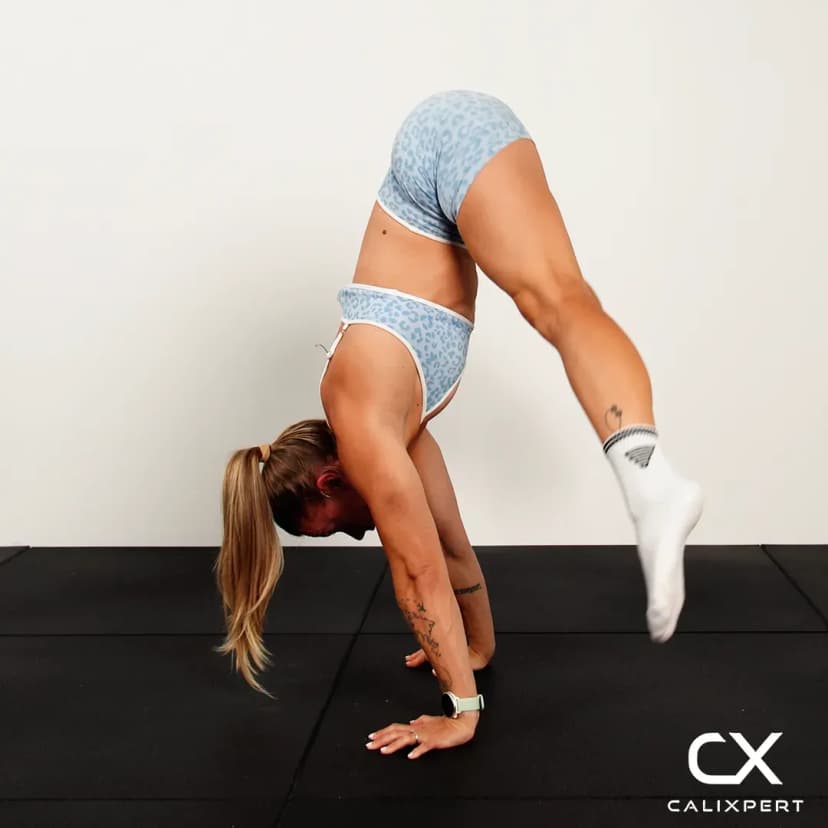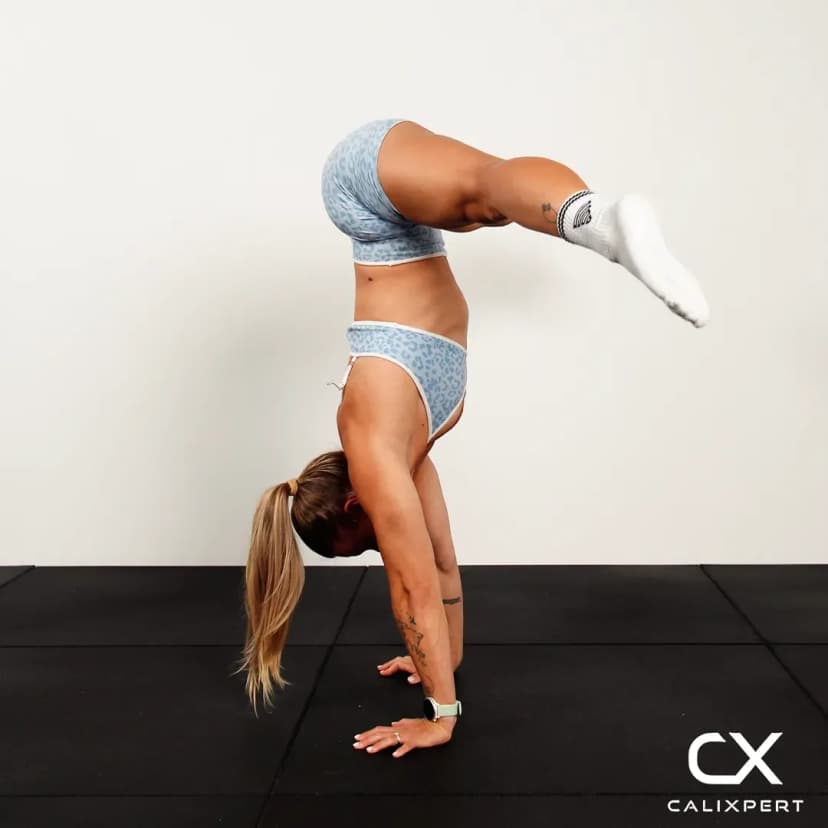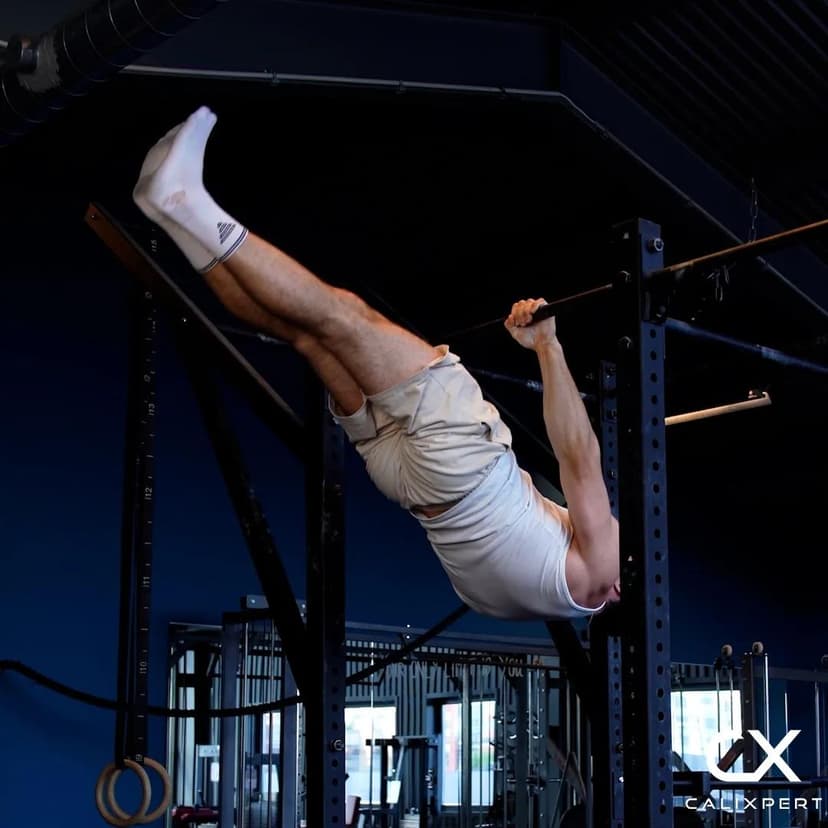
Straddle Planche
The straddle planche is the same shape as a full planche with your legs spread wide, and that width is the whole point. Spreading the legs sideways shortens the lever behind your shoulders, so you can hold a real planche shape at a load your shoulders can actually carry. Narrow the legs and it moves close to a full planche. It sits above the halflay planche and below the one leg planche on the ladder.
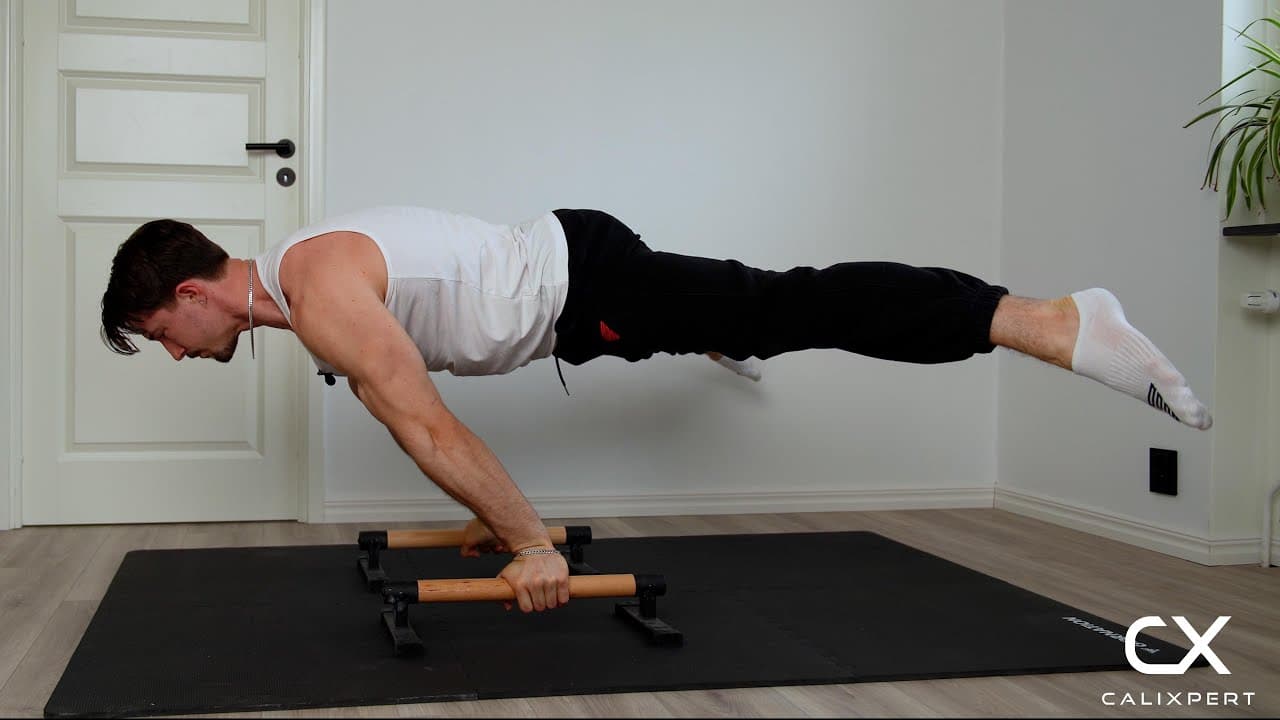
The straddle planche is the same shape as a full planche with your legs spread wide, and that width is the whole point. Spreading the legs sideways shortens the lever behind your shoulders, so you can hold a real planche shape at a load your shoulders can actually carry. Narrow the legs and it moves close to a full planche. It sits above the halflay planche and below the one leg planche on the ladder.
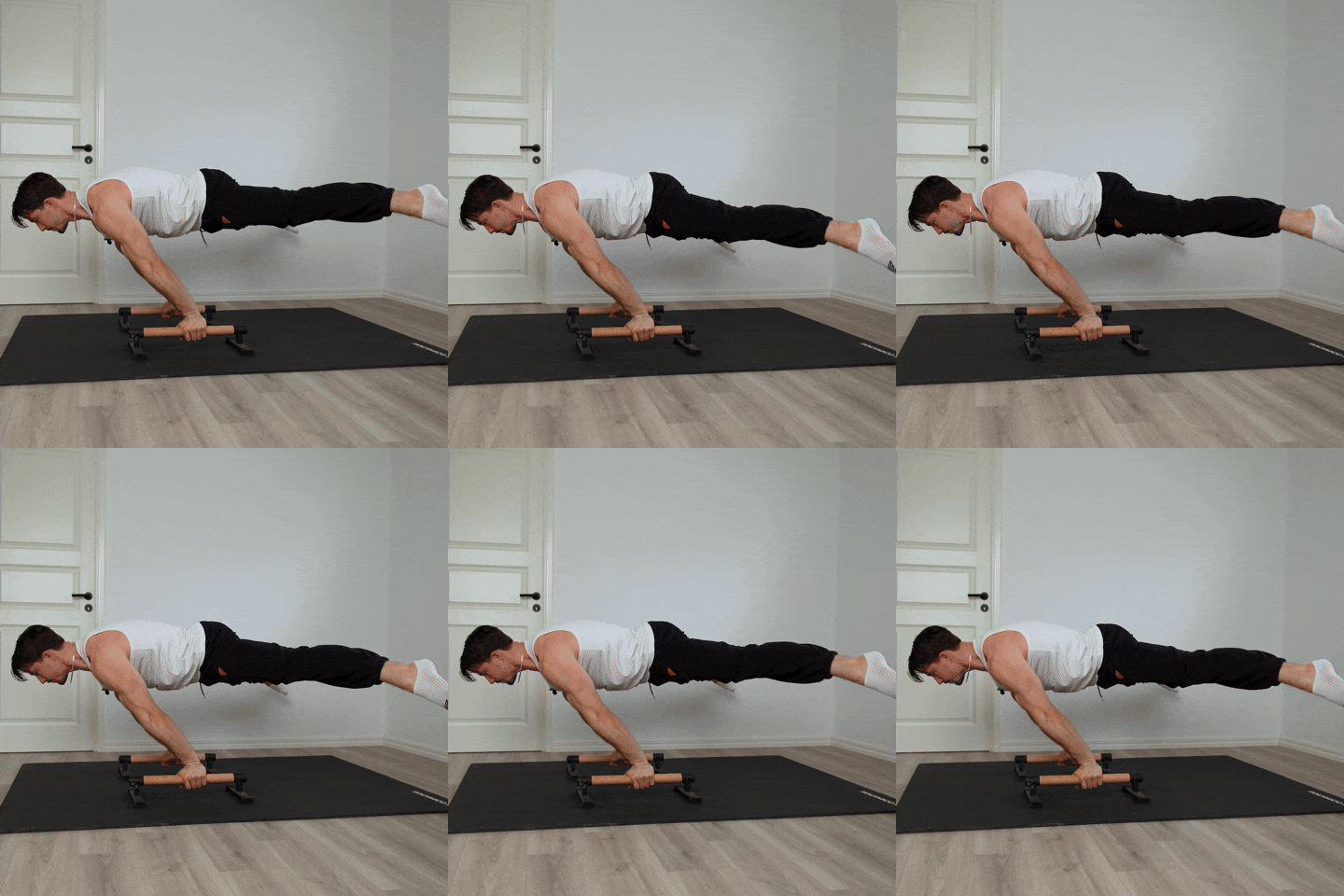
How to Do Straddle Planche
1. Set Up On The Parallettes
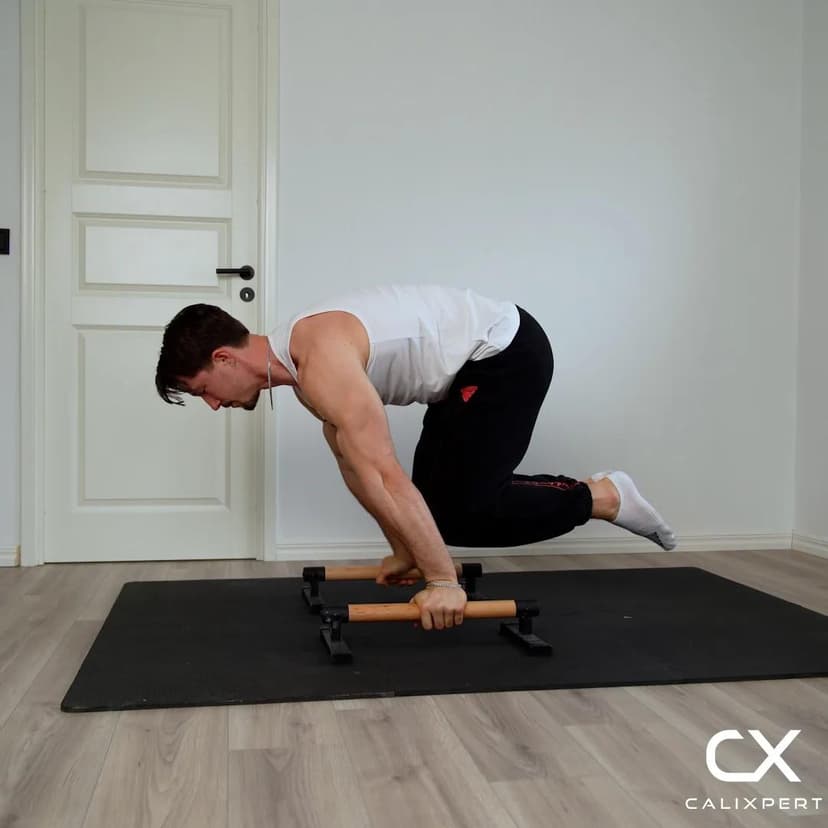
You can perform this on the floor or on a set of parallettes. Parallettes are a bit easier for the wrists, because the hand stays closer to neutral instead of bending back under the lean. Put the bars on a mat, square them up, and take a firm grip in the middle of each one.
Bars square, hands centred
2. Lock The Arms
Straighten your elbows and keep them straight for the whole hold. This is a straight arm skill, so the second an elbow softens the shoulder drops and the load slides onto the biceps tendon. If your elbows do not lock out cold, warm them with light curls before you load them.
Elbows straight before anything else
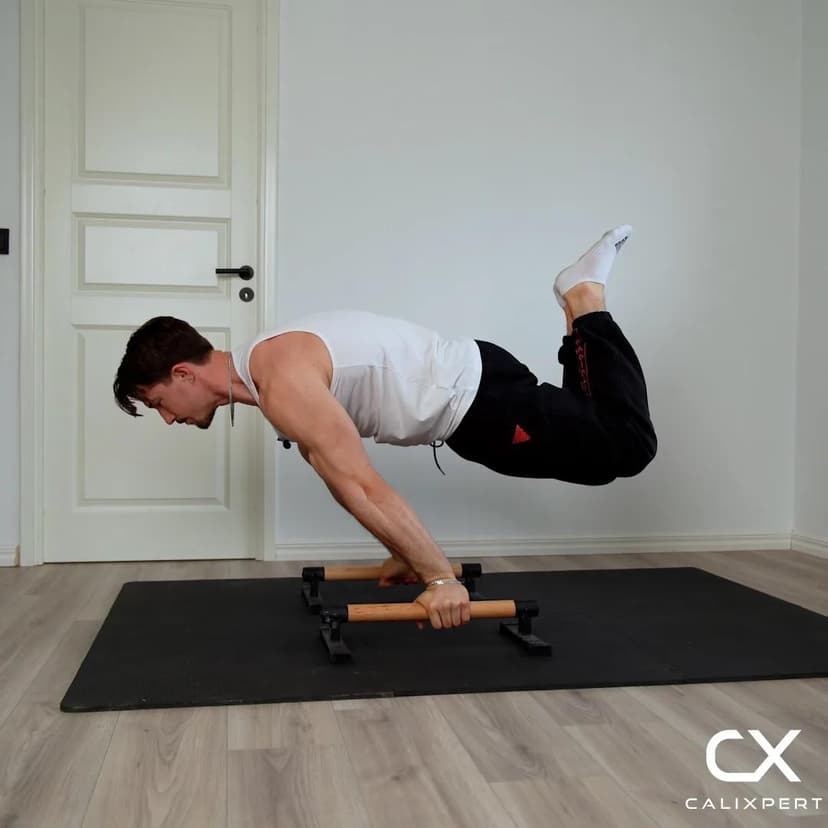
3. Protract The Shoulders
Protraction means pushing the shoulders forward and downwards, away from the spine. That is the planche shoulder position and it gives the shoulder blades a stable base to press from. Set it before you take your feet off the floor, not after you are already up.
Push them forward and downwards
4. Straddle The Legs Wide
Spread your legs. Width is the load dial on this hold: a wide straddle keeps your leg mass out to the sides and shortens the lever behind your shoulders, while a narrow straddle is close to a full planche. Start as wide as your hips allow and bring the legs in later, a few centimetres at a time.
As wide as your hips allow
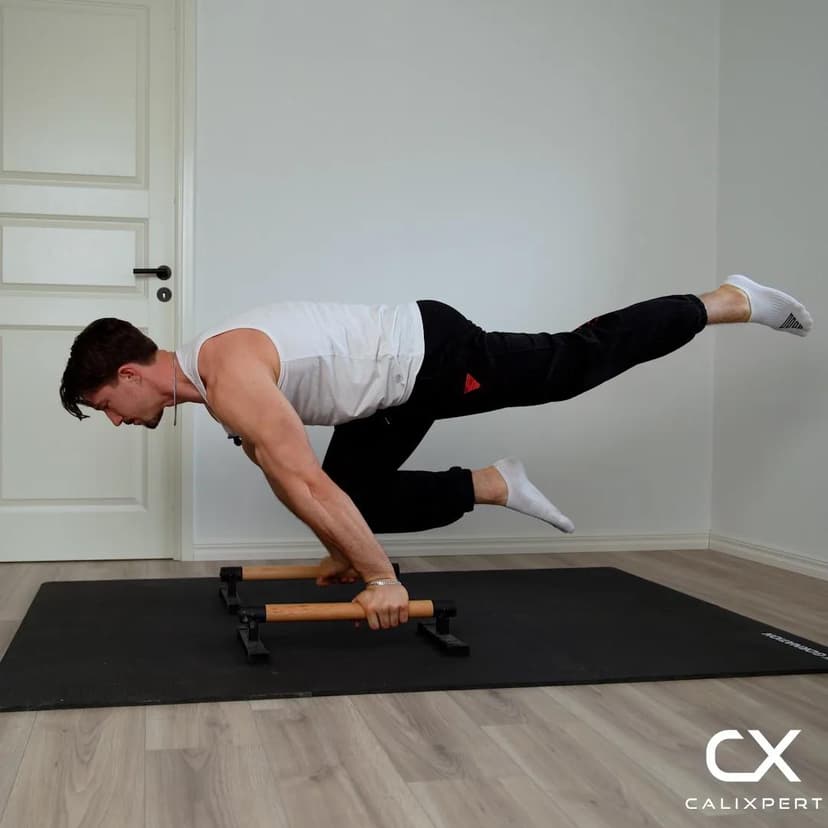
5. Set The Pelvic Tilt
Push the hips forward, activate the core and squeeze the glutes at the same time. That pelvic tilt is what raises the legs up to the line of your body rather than leaving them hanging. This is the third thing to focus on after locked arms and protraction, and it is the one most people leave out.
Hips forward, glutes squeezed
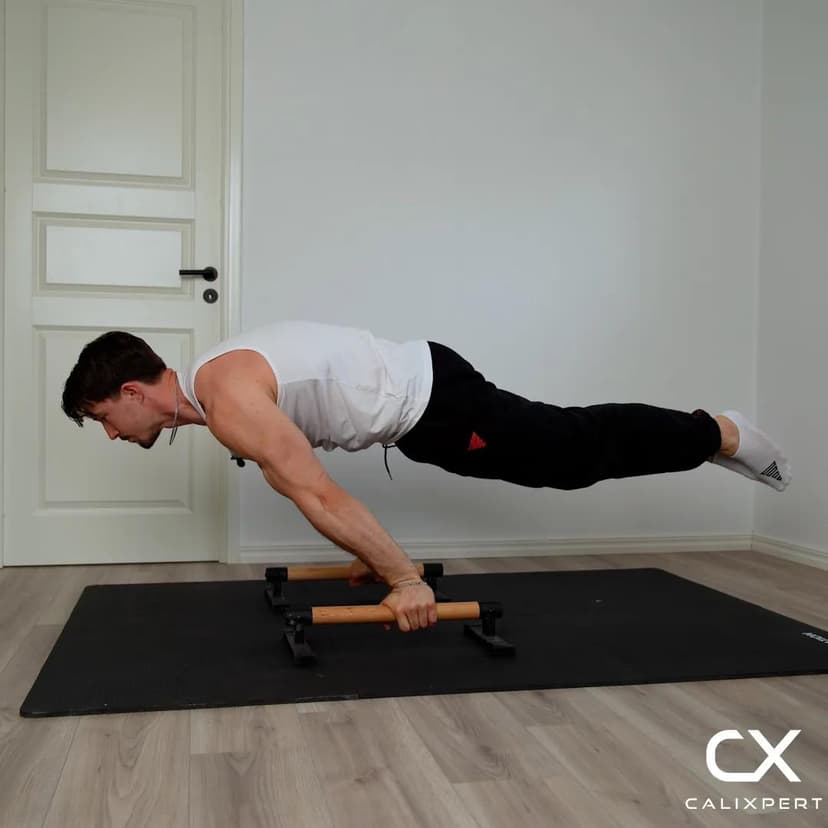
6. Lean Forward And Hold
Lean your shoulders forward past your hands until your feet leave the floor and your body sits level with the ground. Hold 10 to 15 quality seconds, then step down under control instead of dropping out. End the set when the shape breaks, not when you fail.
Shoulders travel past your hands
Start wider than you think you need. The straddle is the one place on this ladder where your legs set the difficulty, so open them as far as your hips allow and narrow them later. Then get the hips involved. Push the hips forward, squeeze the glutes and raise the legs. It is easy to hold a straddle with dead legs and then wonder why the shape keeps dropping. I do mine on parallettes, it is a bit easier for the wrists.
Muscles Worked During Straddle Planche
Primary Muscles:
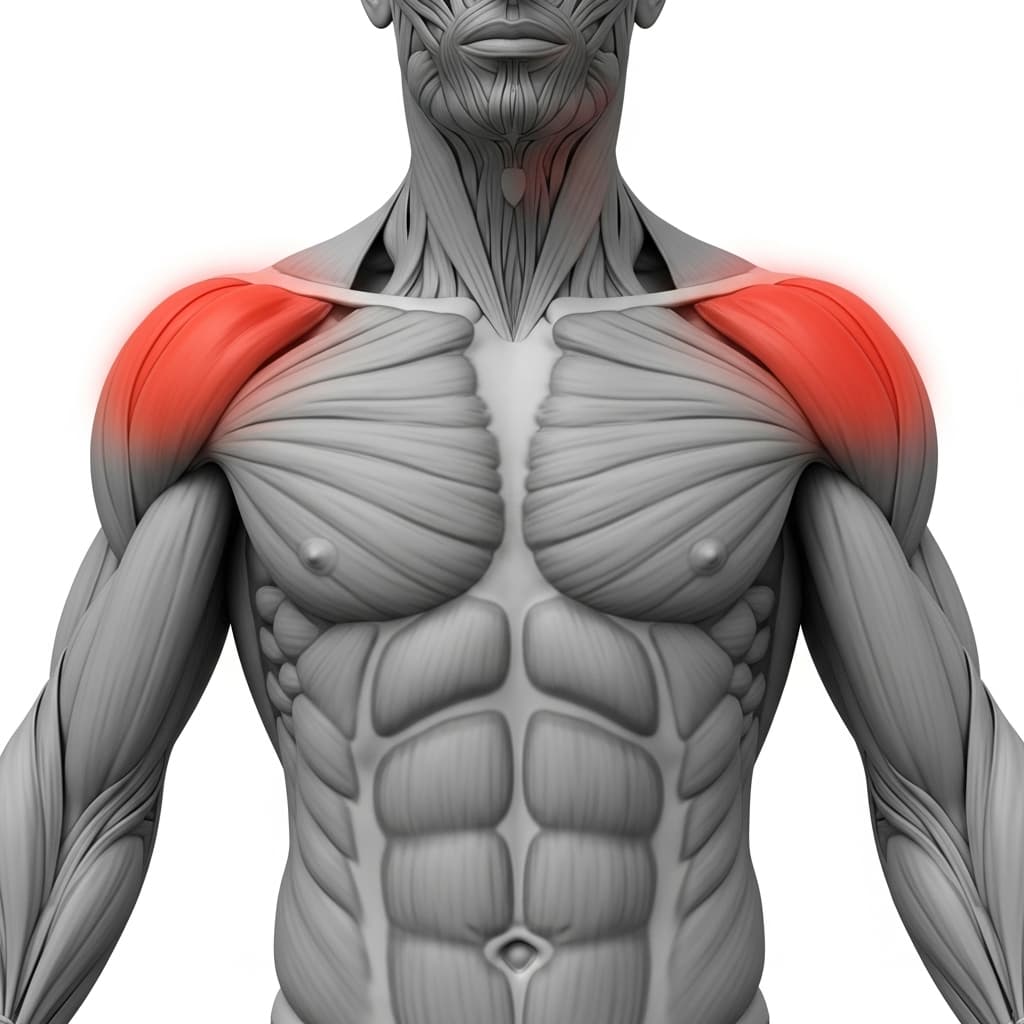
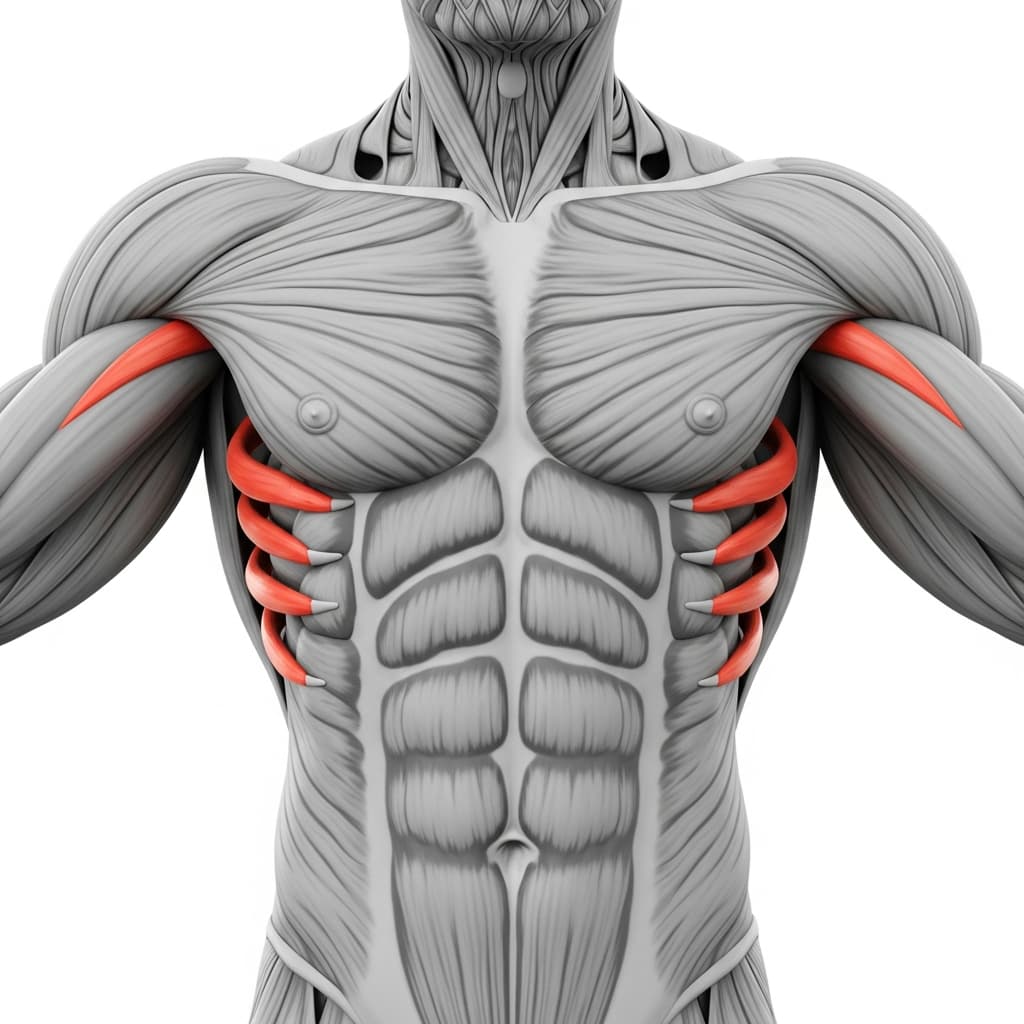
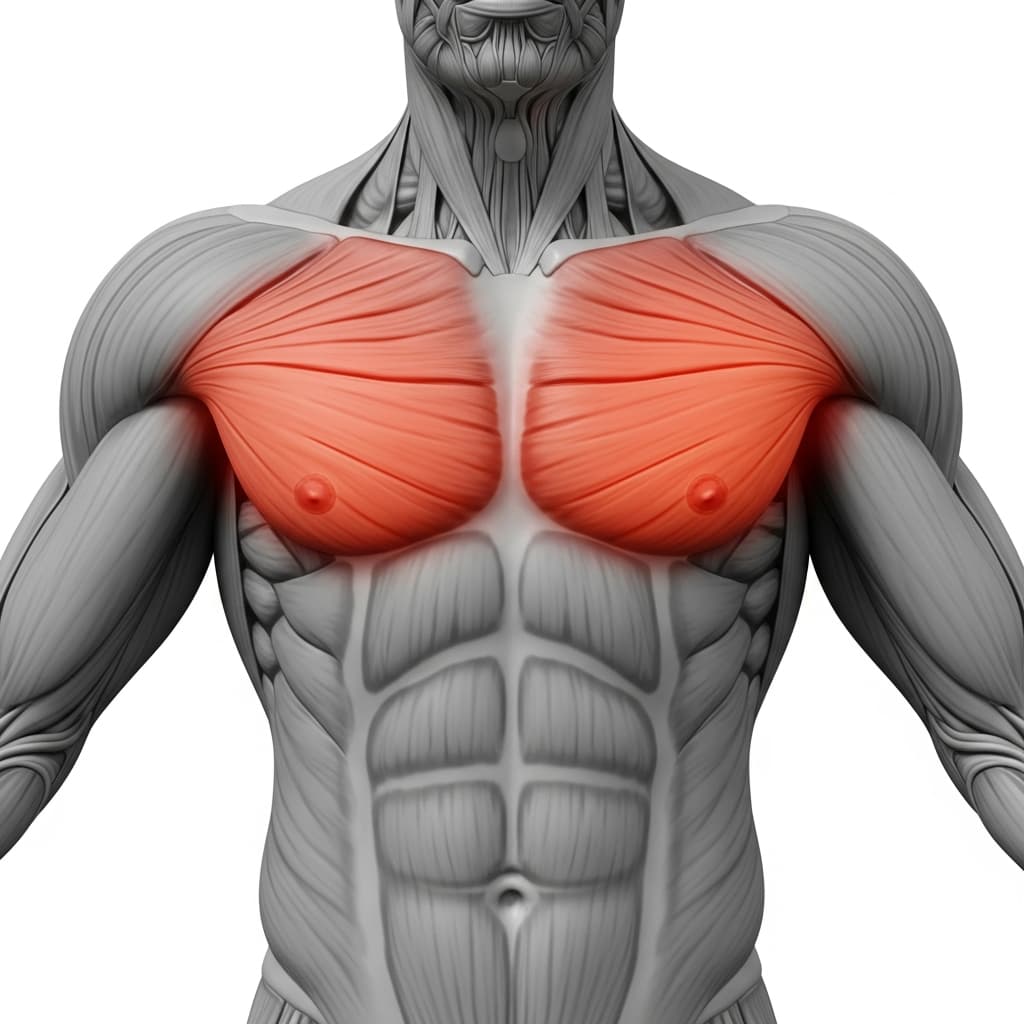
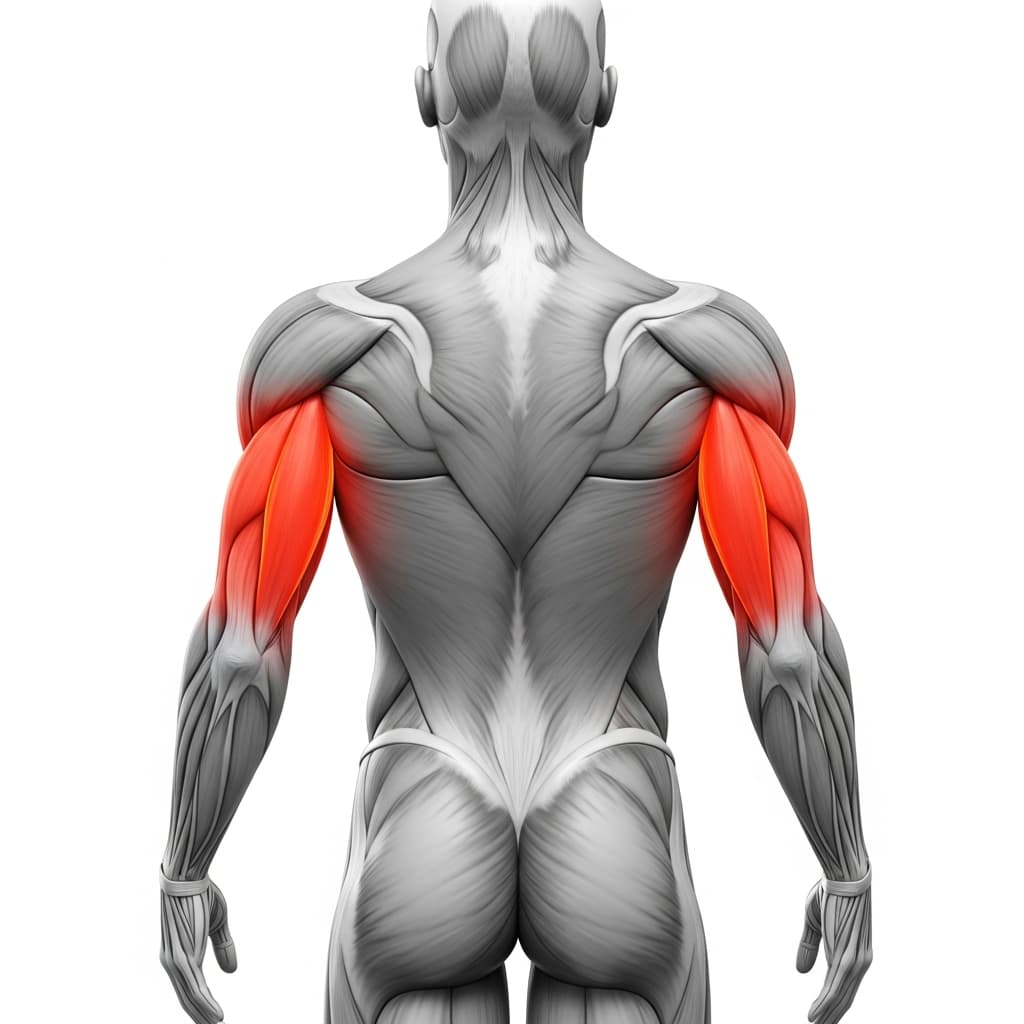
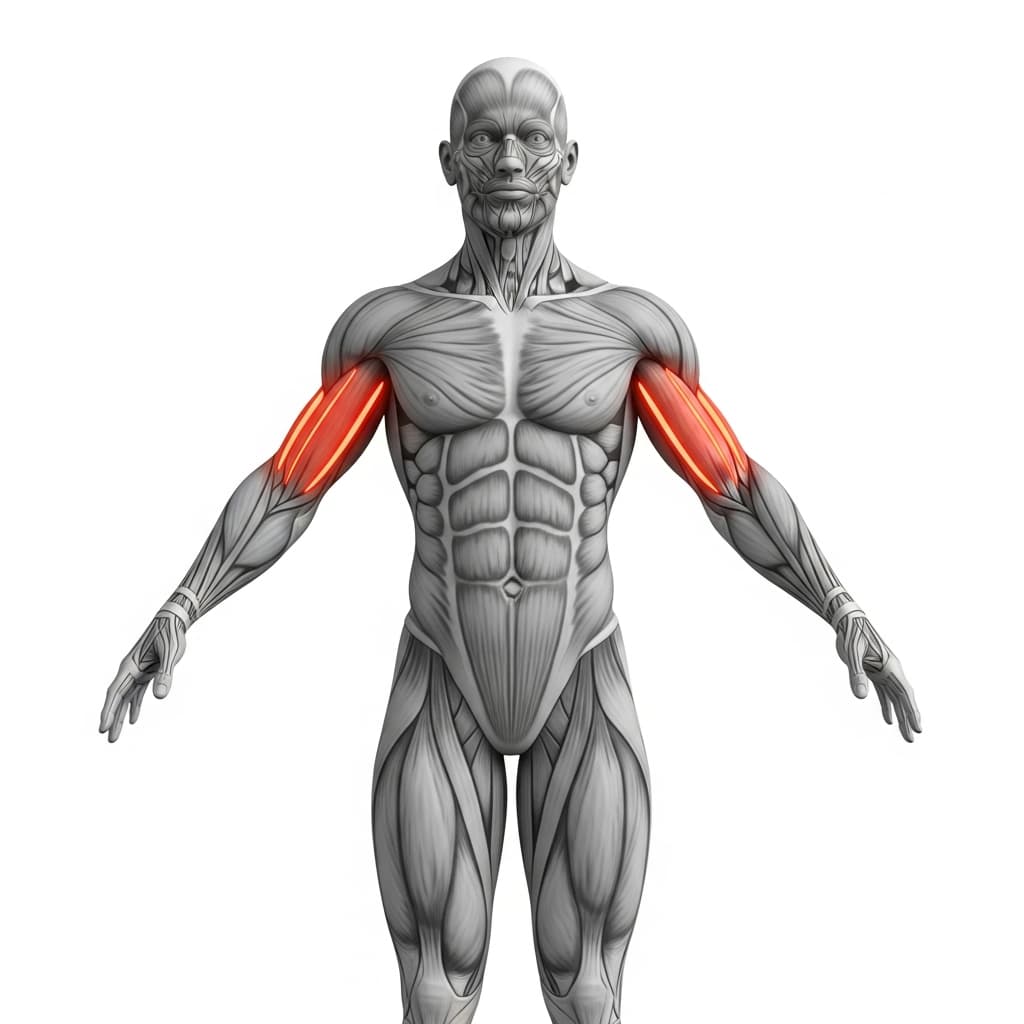
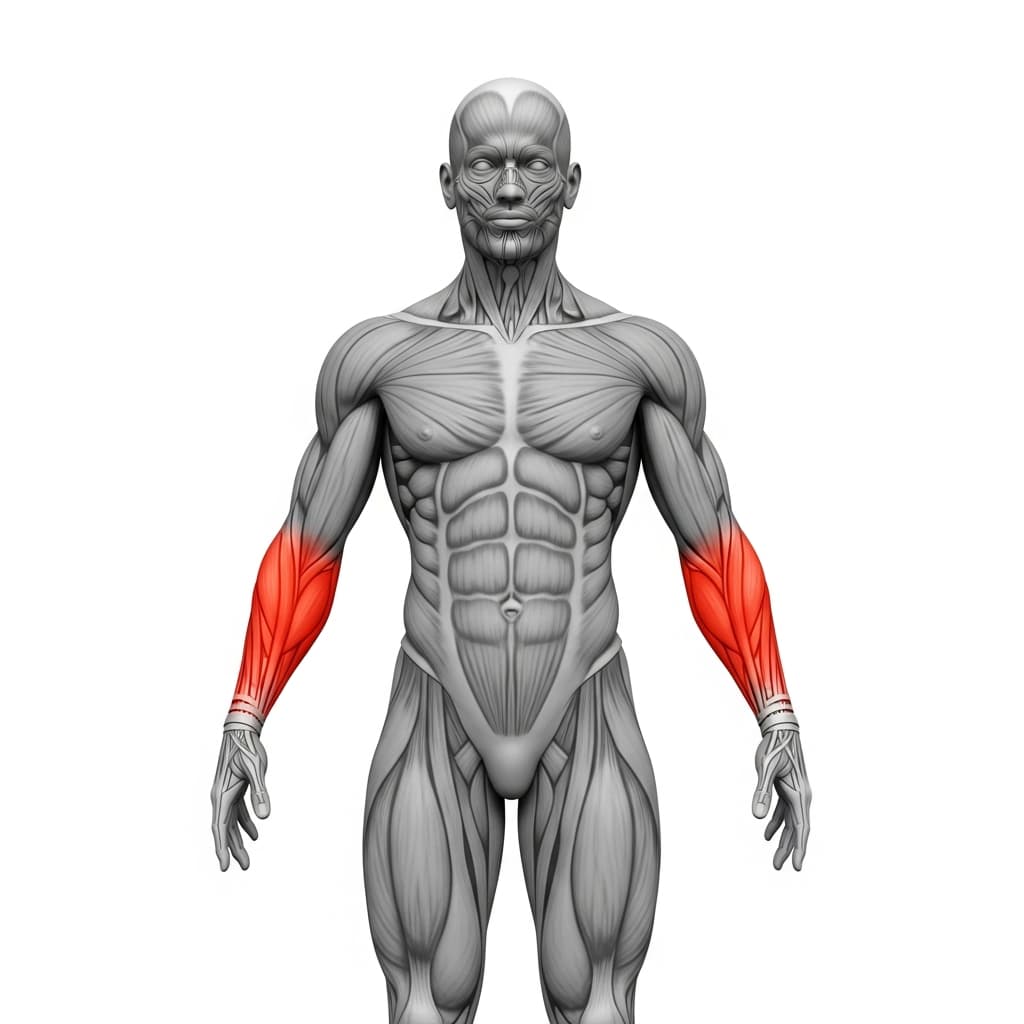
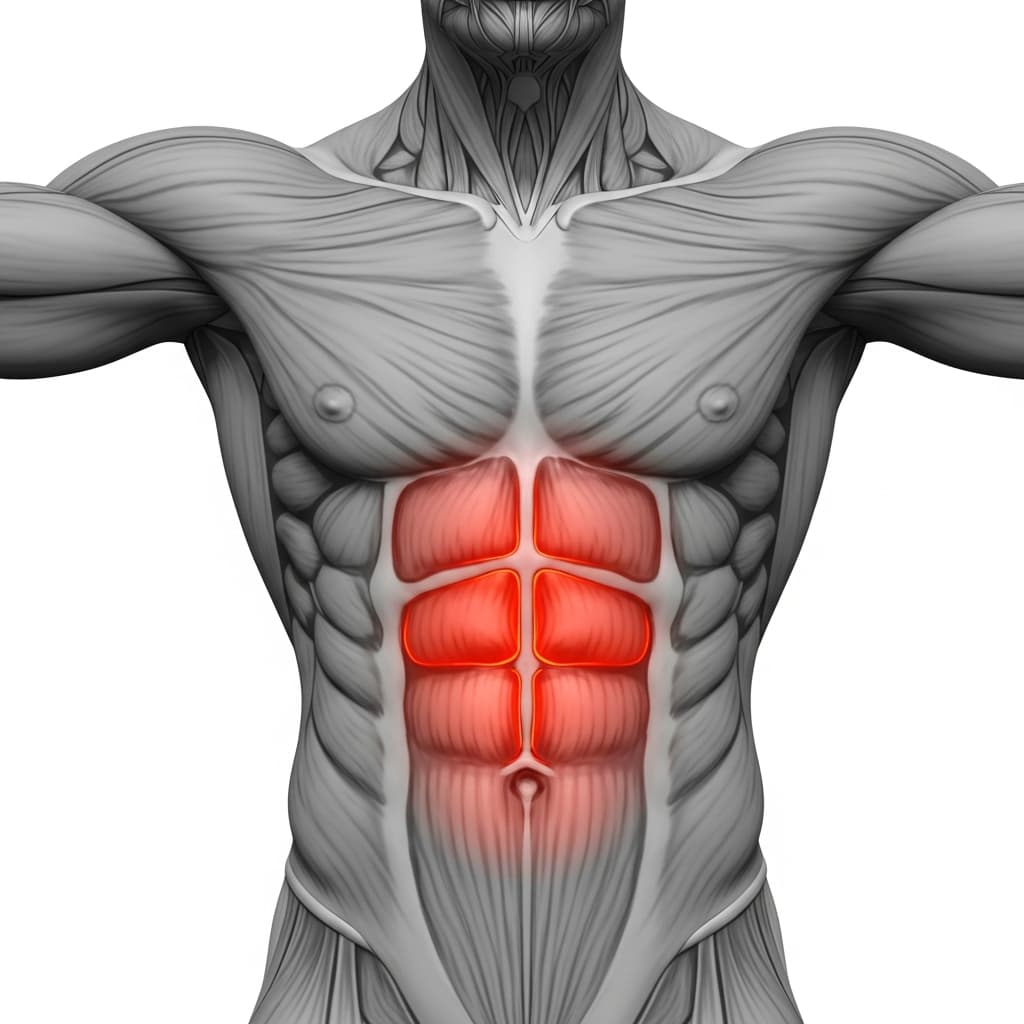
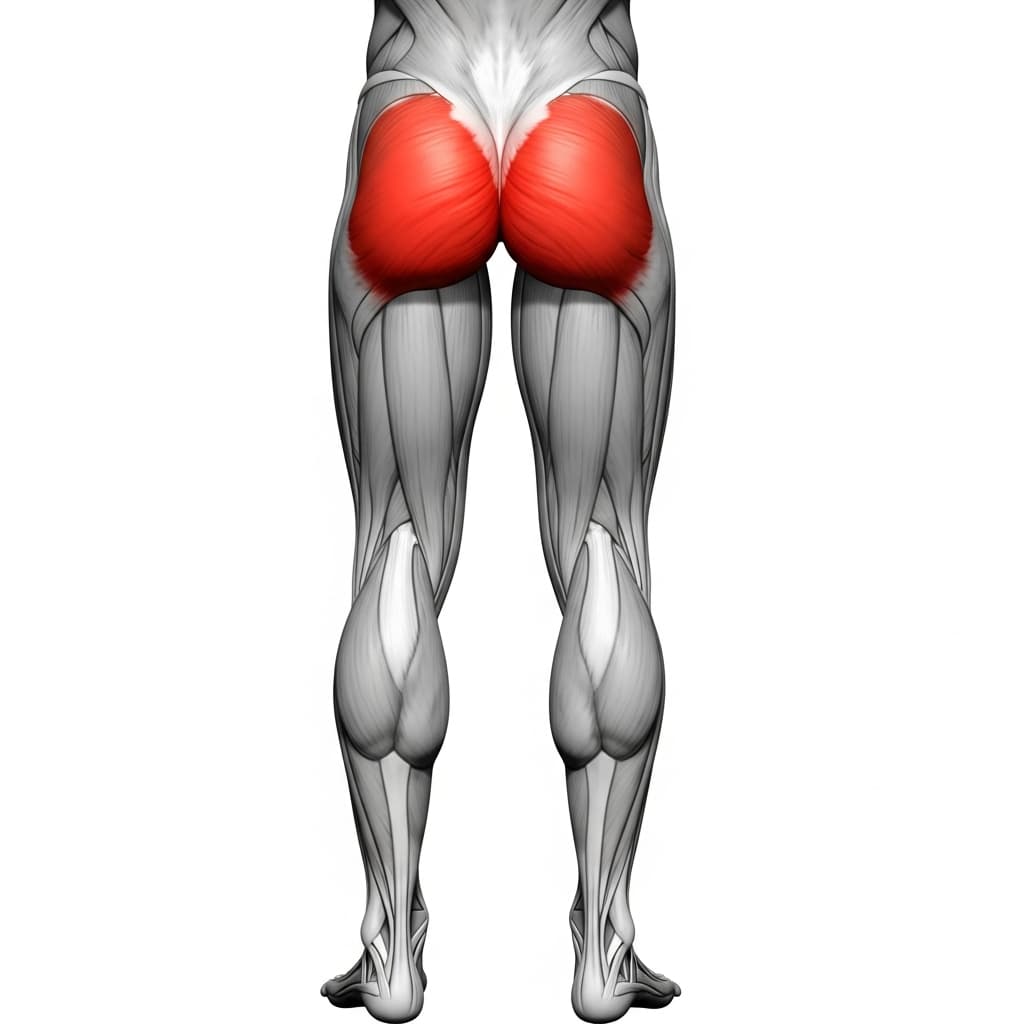
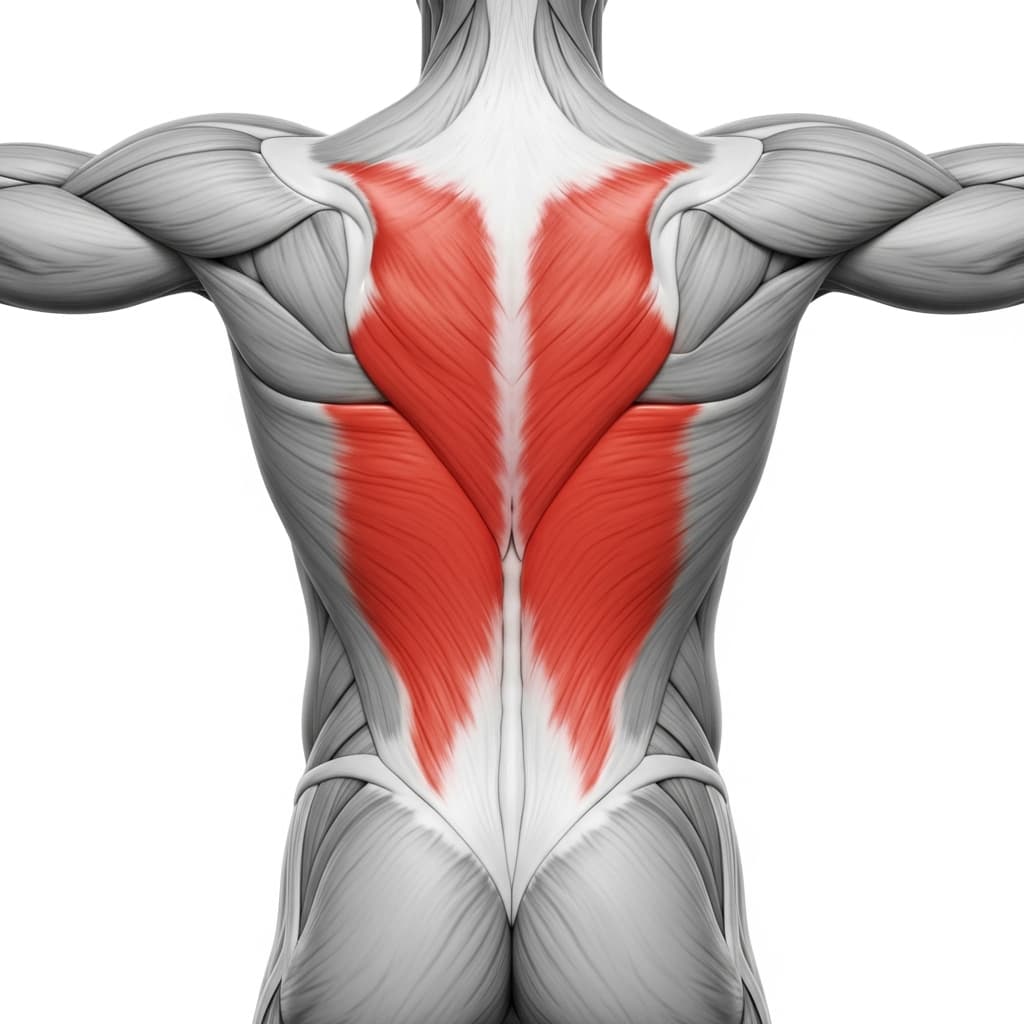
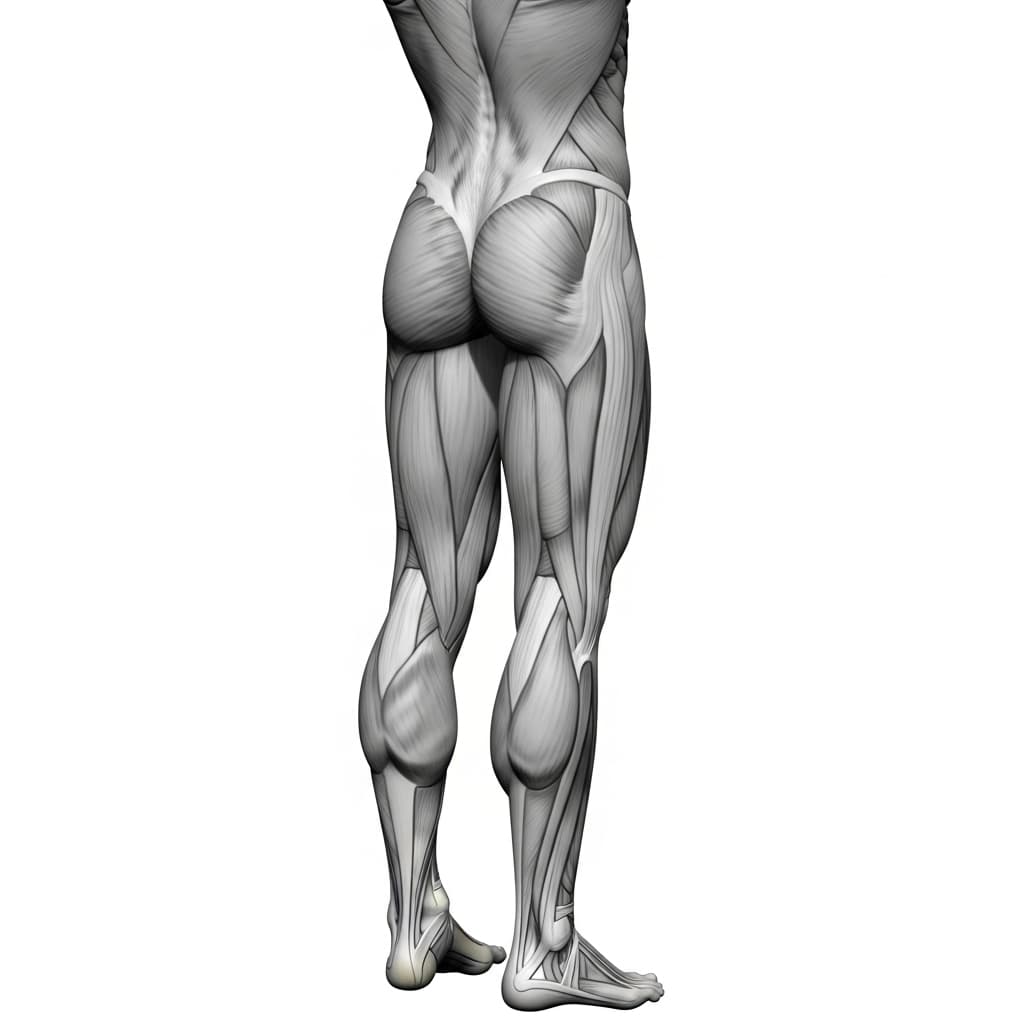
Primary Muscles
Anterior Deltoid (Front Deltoid) - Carries your bodyweight out in front of your hands, which is the main torque the straddle planche asks you to resist.
Serratus Anterior (Serratus Anterior) - Keeps the shoulder blades protracted around the ribs so the shoulders stay pushed forward and downwards for the whole hold.
Secondary Muscles
Pectoralis Major (Chest) - Assists the front deltoids in holding the forward lean and helps keep the shoulder joint stable in that leaned position.
Triceps Brachii (Triceps) - Hold the elbows in full extension for the whole hold, which is what keeps this a straight arm skill.
Biceps Brachii (Biceps) - Takes a heavy stretch across the elbow and shoulder in this position, which is why it needs a warm elbow and a slow build in hold time.
Forearm Flexors & Extensors (Forearms) - Grip the bars and stabilise the wrists against the forward lean.
Rectus Abdominis (Abs) - Brace to hold the pelvic tilt so the hips stay level with your shoulders instead of dropping below them.
Gluteus Maximus (Glutes) - Squeeze to extend the hips and raise the legs up to the line of your body instead of letting them hang.
Erector Spinae (Spinal Erectors) - Hold the trunk in one flat line between the shoulders and the hips.
Gluteus Medius & Hip Abductors (Abductors) - Keep the legs actively spread, which is what shortens the lever and sets the difficulty of the hold.
Benefits of Straddle Planche
- Builds straight arm shoulder strength close to a full planche while the leg width keeps the load something you can actually hold.
- Gives you a load dial you control in centimetres, so you progress in small steps instead of jumping a whole rung.
- Strengthens protraction and the serratus, which carries straight over to planche push ups, pseudo push ups and press work.
- Trains hip extension, glutes and core alongside the shoulders, which is what keeps the body flat as the lever gets longer.
- Conditions the wrists, elbows and biceps tendons to high straight arm load, provided you add hold time slowly.
Who Is This Exercise For?
Do not start here until the positions below it are solid. That means an advanced tuck planche held for 10 to 15 seconds across 3 to 5 sets, a halflay planche you can hold in a flat line rather than a sagging one, and tuck planche push ups for around 5 clean reps. You also want wrists that take a full lean without pain, elbows that lock out cold, a 30 second hollow body hold, and enough hip mobility to open a wide straddle while the glutes are squeezed. Spend a couple of months at the rung below before you load this one, because the tendons adapt slower than the strength that is loading them.
Common Mistakes to Avoid
Straddling too narrow: A narrow straddle is nearly a full planche, so people pick a load they cannot hold and then blame their strength for the 3 second holds. Open the legs as wide as your hips allow, own that version for 10 to 15 seconds across 3 to 5 sets, and only then bring the legs in slightly. The width is your progression, not a detail.
Losing protraction under load: As the hold goes on the shoulder blades slide back together and the shoulders sink behind the hands. Once that happens the shoulder loses its stable base and the load transfers onto the biceps and elbow tendons. Cut the hold the moment you feel the shoulder blades pinch, and put scapula push ups on your lighter days.
Letting the hips and legs hang: Without the pelvic tilt the legs dangle and the hips sit below the line of your shoulders, which is a different position to the one you are training. Push the hips forward, brace the core and squeeze the glutes so the legs come up level. It is the third thing to get right in this hold, after locked arms and protraction.
Bending the elbows: Elbows softening under load means the straight arm strength is not there yet at this lever. Widen the straddle or drop back to the rung below for a few weeks rather than grinding it out. Training through a bent arm planche puts the whole load on connective tissue that adapts far slower than muscle.