Full Planche
The full planche is the last rung on the planche ladder. Your whole body sits straight and horizontal, held up by locked arms alone, with the shoulders pushed forward past your hands to balance the weight of your legs. The front deltoids and serratus do the holding, while the glutes and core keep the hips from dropping. On parallettes it is a bit easier on your hands than on the floor, so that is the version shown here.
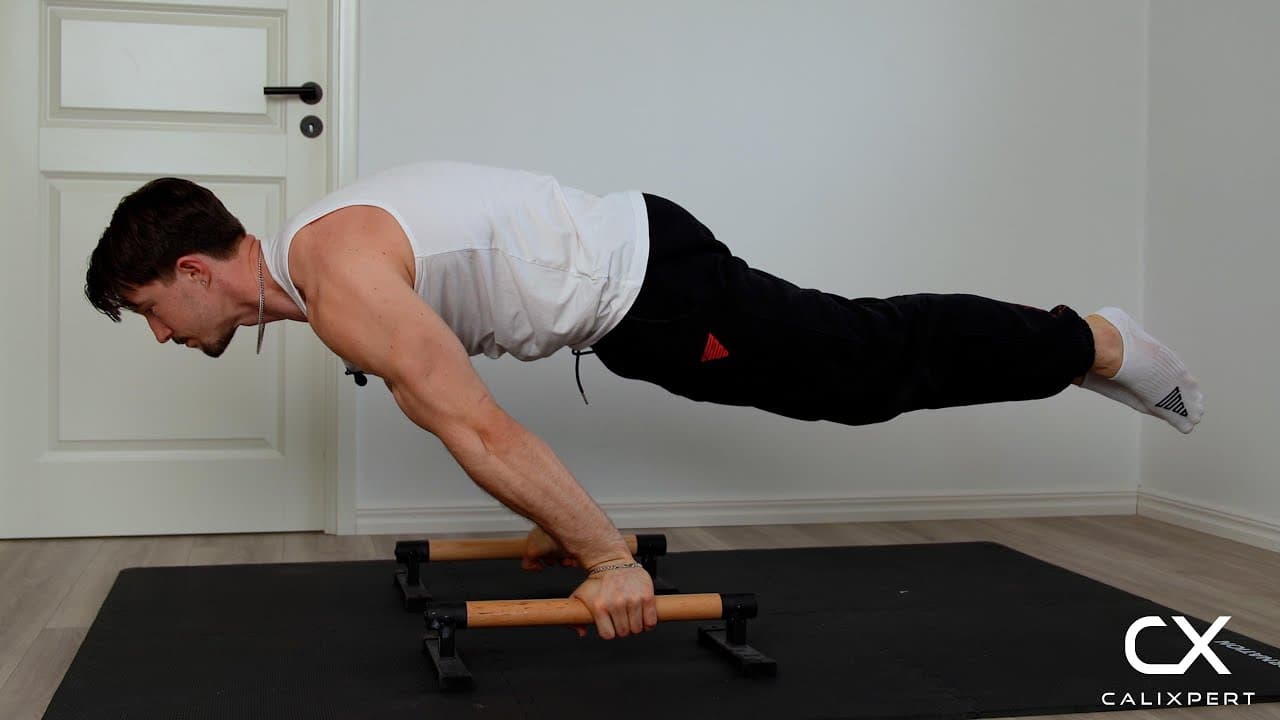
The full planche is the last rung on the planche ladder. Your whole body sits straight and horizontal, held up by locked arms alone, with the shoulders pushed forward past your hands to balance the weight of your legs. The front deltoids and serratus do the holding, while the glutes and core keep the hips from dropping. On parallettes it is a bit easier on your hands than on the floor, so that is the version shown here.
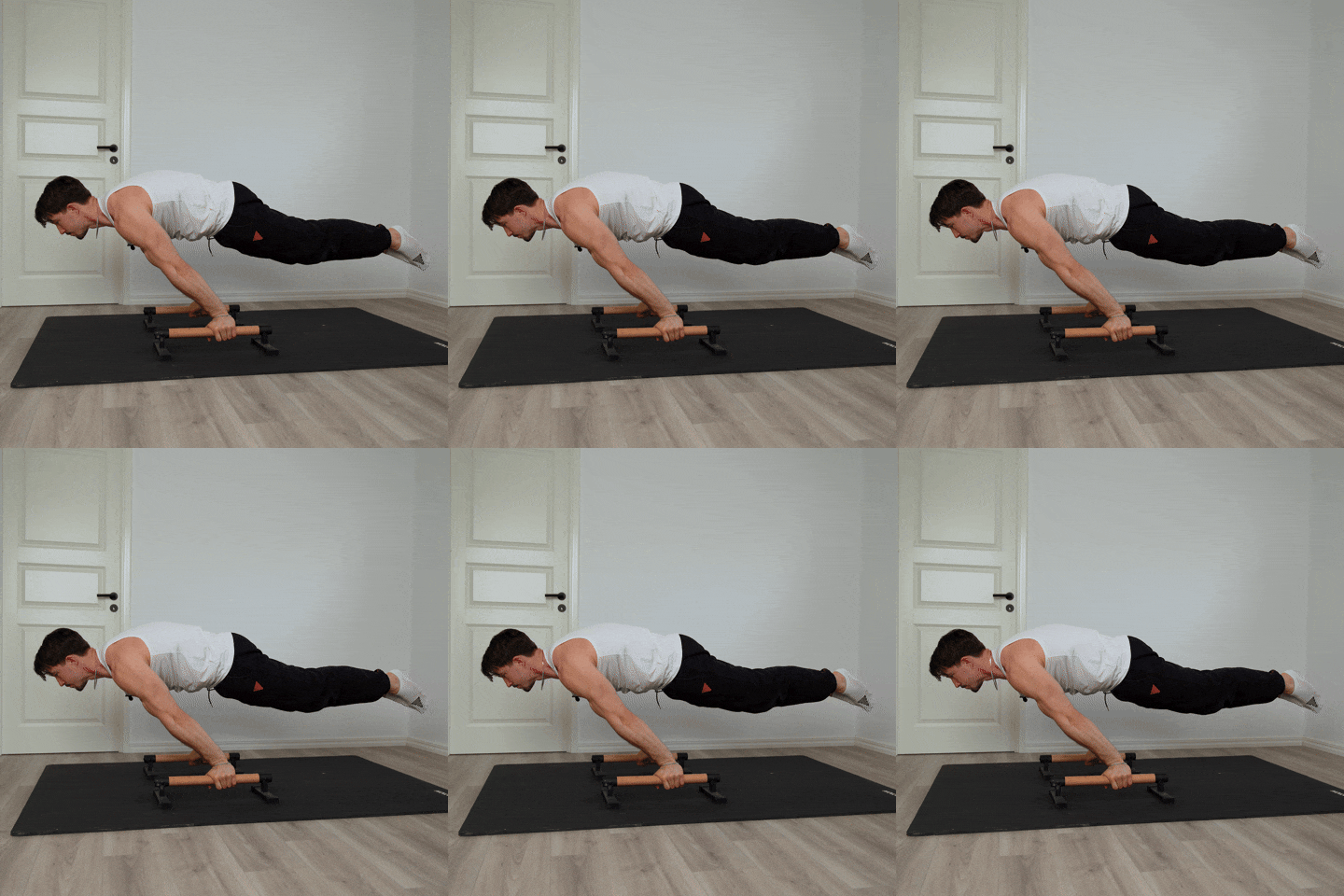
How to Do Full Planche
1. Set Up On The Parallettes
Place the parallettes on the floor and kneel behind them with a hand on each bar. On parallettes the wrist sits at a smaller angle than it does on the floor, so it is a bit easier on your hands. The floor version is the same exercise with a harder wrist position.
One hand on each bar, shoulders over the hands
2. Lock The Arms And Squeeze Inwards
Straighten the elbows completely and keep them that way for the whole hold. It helps to think that you should squeeze the parallettes inwards, towards each other. That squeeze switches the arms and shoulders on together and makes the locked position feel far more solid.
Elbows locked, bars pulled towards each other
3. Protract The Shoulders
Protraction is pushing the shoulders forward and downwards, away from the spine, and that is the position you keep from start to finish. If the shoulder blades slide back together, the shoulder loses its base and the load runs straight into the elbows.
Push the shoulders forward and downwards
4. Tilt The Pelvis
Push the hips forward into a pelvic tilt, then squeeze the glutes and the core. This is what keeps the body in one line instead of sagging in the middle or folding at the hip. Set it before you lift, not once you are already out there.
Hips forward, glutes and core squeezed
5. Lean Until The Feet Leave The Ground
Keeping everything you have just set, lean the shoulders forward past your hands until the feet come off the floor and the legs float up to shoulder height. Legs stay straight and together with the toes pointed. If the feet will not leave the ground, lean further rather than trying to pull the legs up.
The lean lifts you, not the legs
6. Hold, Then Come Down Under Control
Hold the shape only for as long as every part of it stays true, then place the feet back down instead of letting them drop. A handful of short clean holds beats one long ugly one. Rest until the shoulders and elbows feel fresh again before the next attempt, because this is a maximal position and rushed rest shows up in the elbows first.
Quality seconds, not maximum seconds
This exercise can be done on the floor or on parallettes, and parallettes will be a bit easier on your hands, so that is what I use. Three things matter. Keep the arms fully locked, and it helps to think that you squeeze the parallettes inwards. Push the shoulders forward and downwards into protraction, and hold that position. Then tilt the pelvis, push the hips forward and squeeze the glutes and the core. Combine all three and the full planche appears.
Muscles Worked During Full Planche
Primary Muscles:
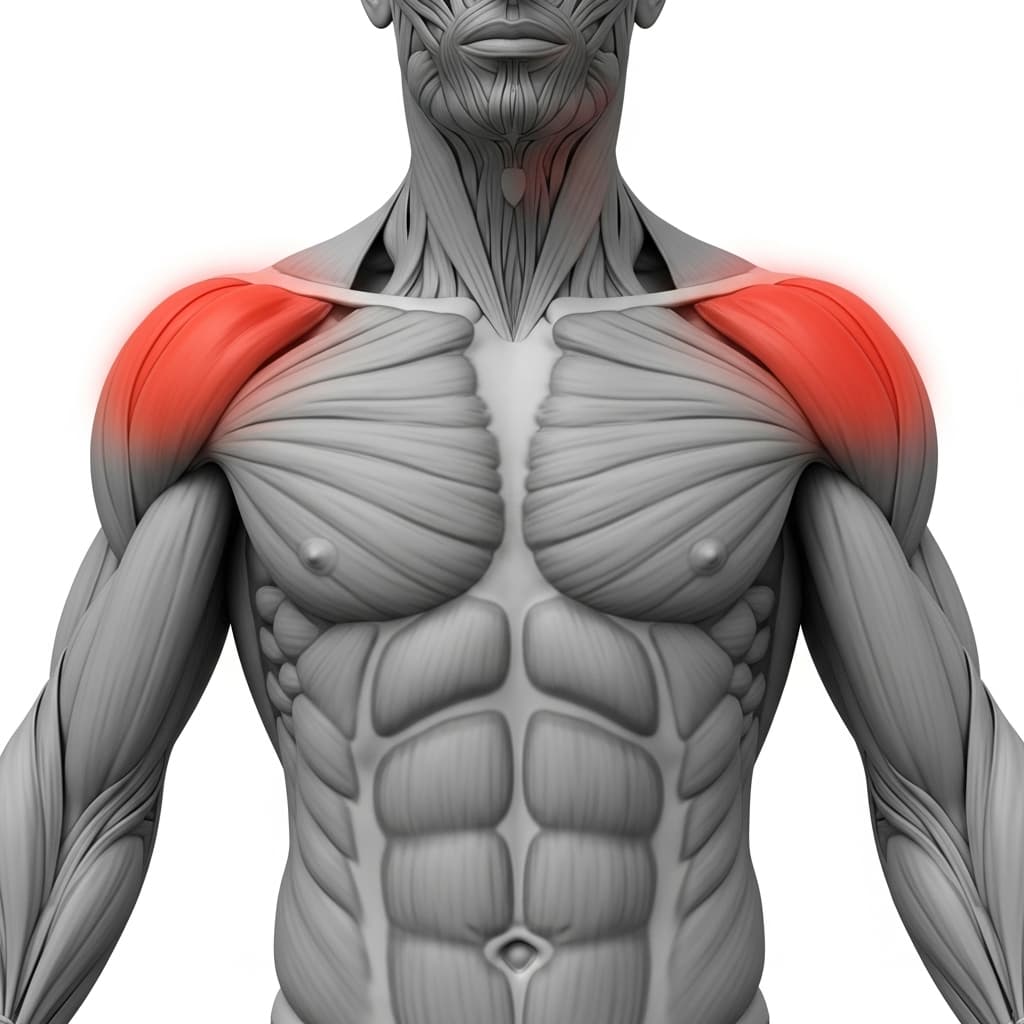
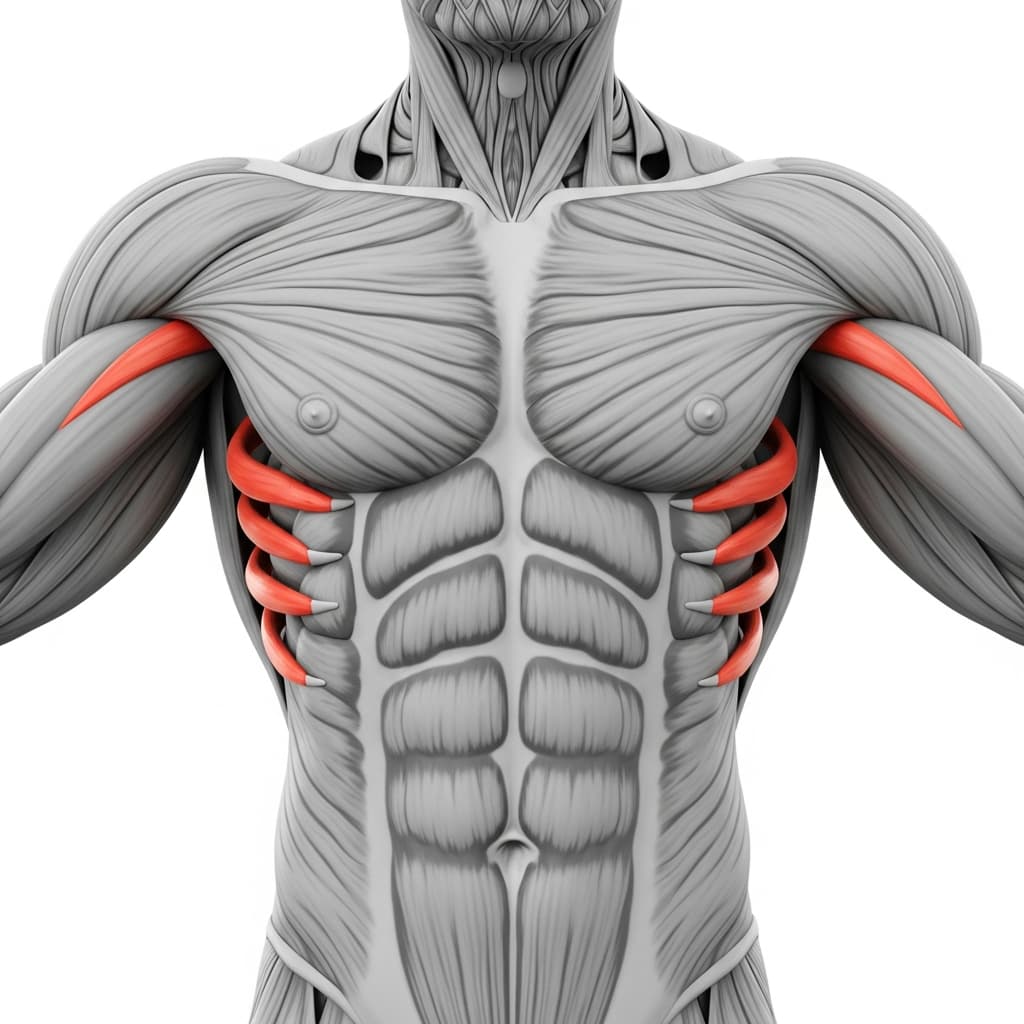
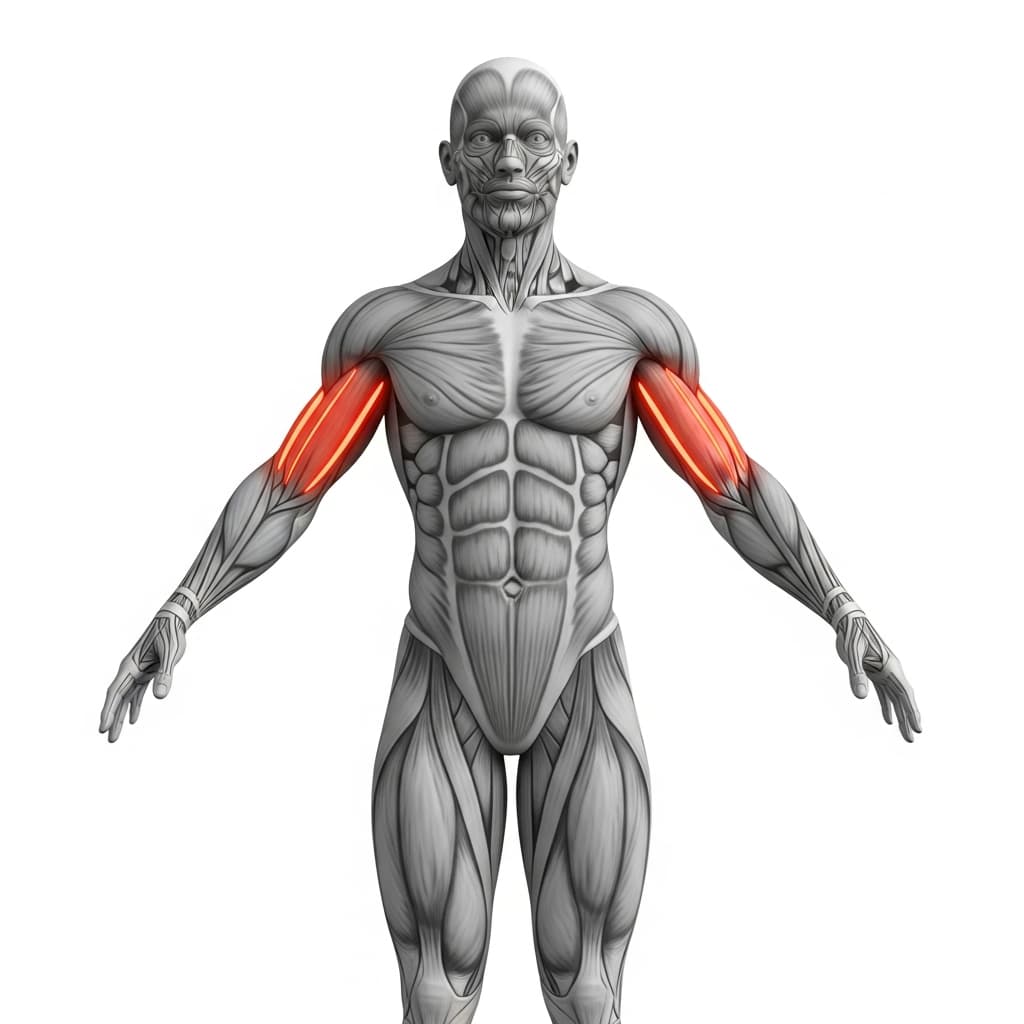
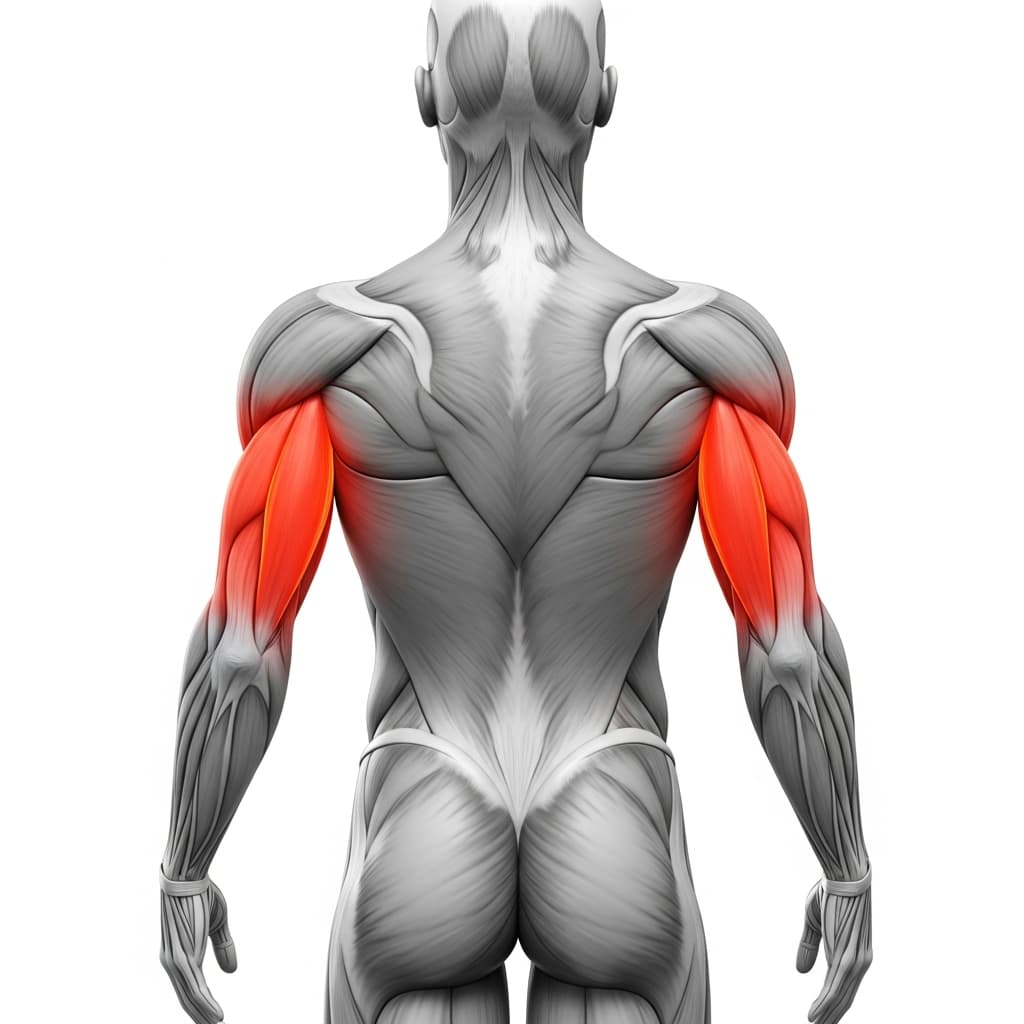
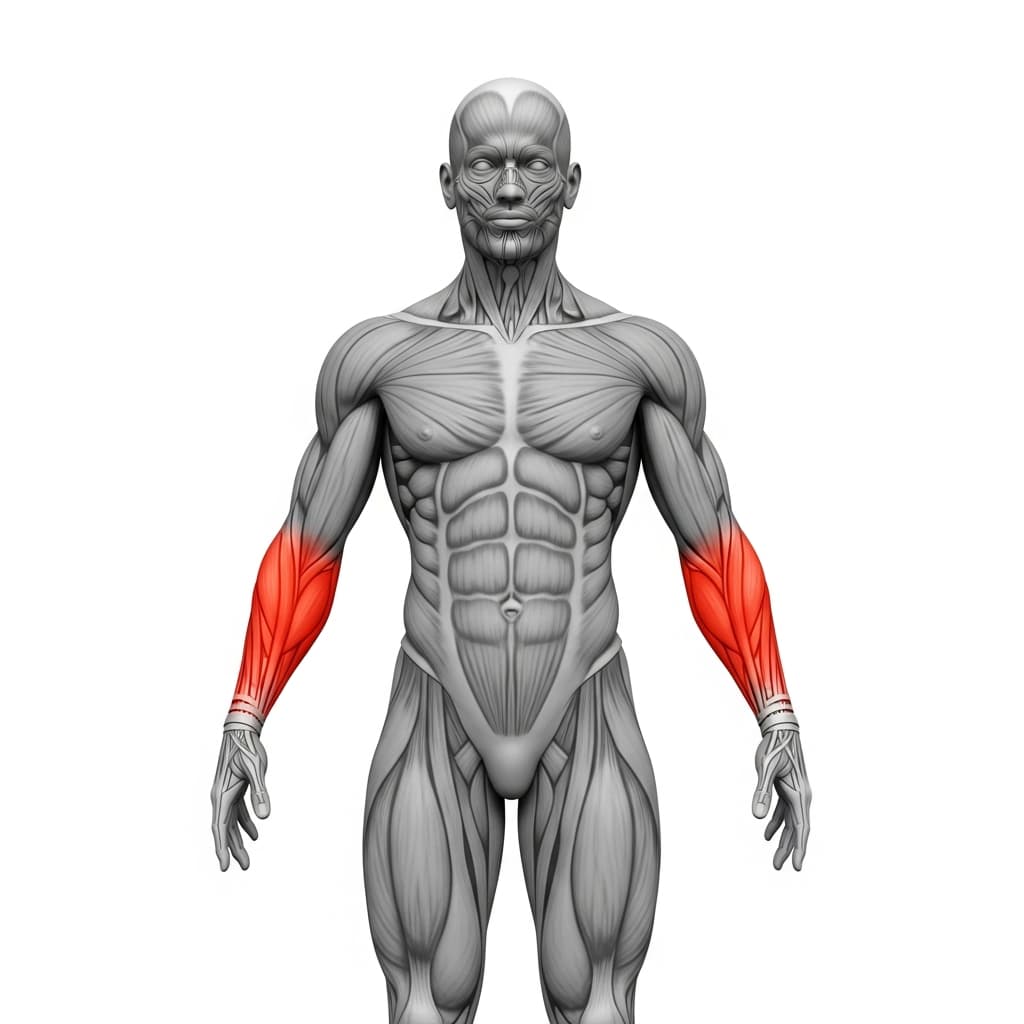
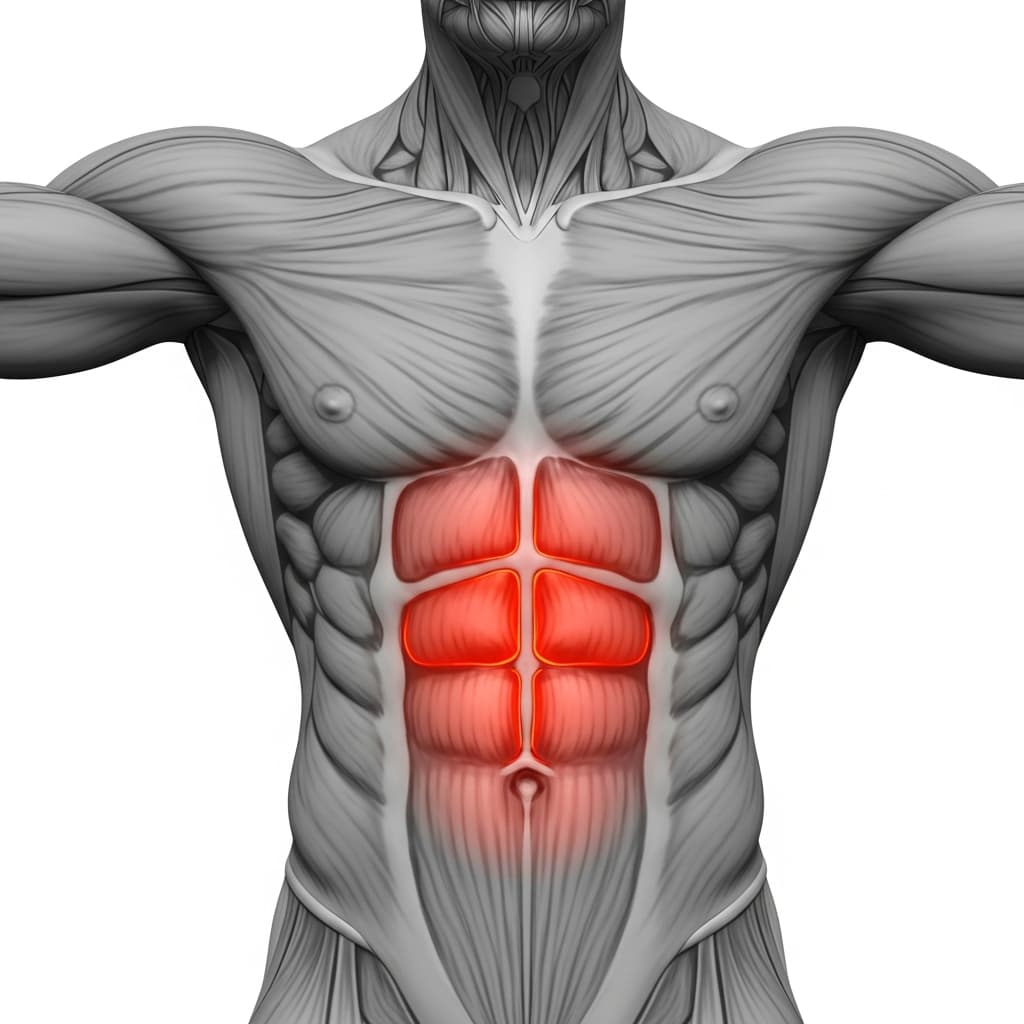
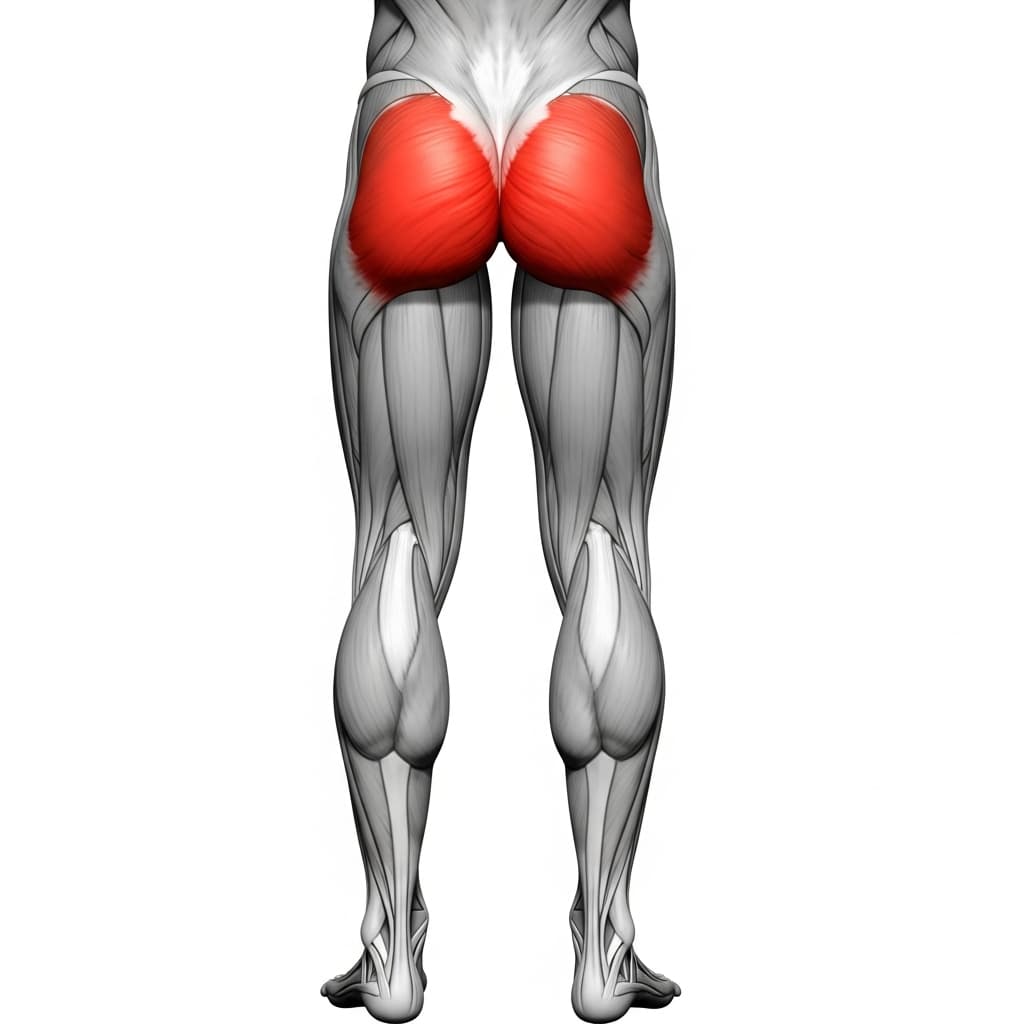
Primary Muscles
Anterior Deltoid (Front Deltoid) - Carries the whole lever, resisting the shoulder folding backwards while your legs sit out behind your hands.
Serratus Anterior (Serratus Anterior) - Holds the shoulder blades pushed forward and around the ribcage, which is the protraction that gives the shoulder a stable base.
Secondary Muscles
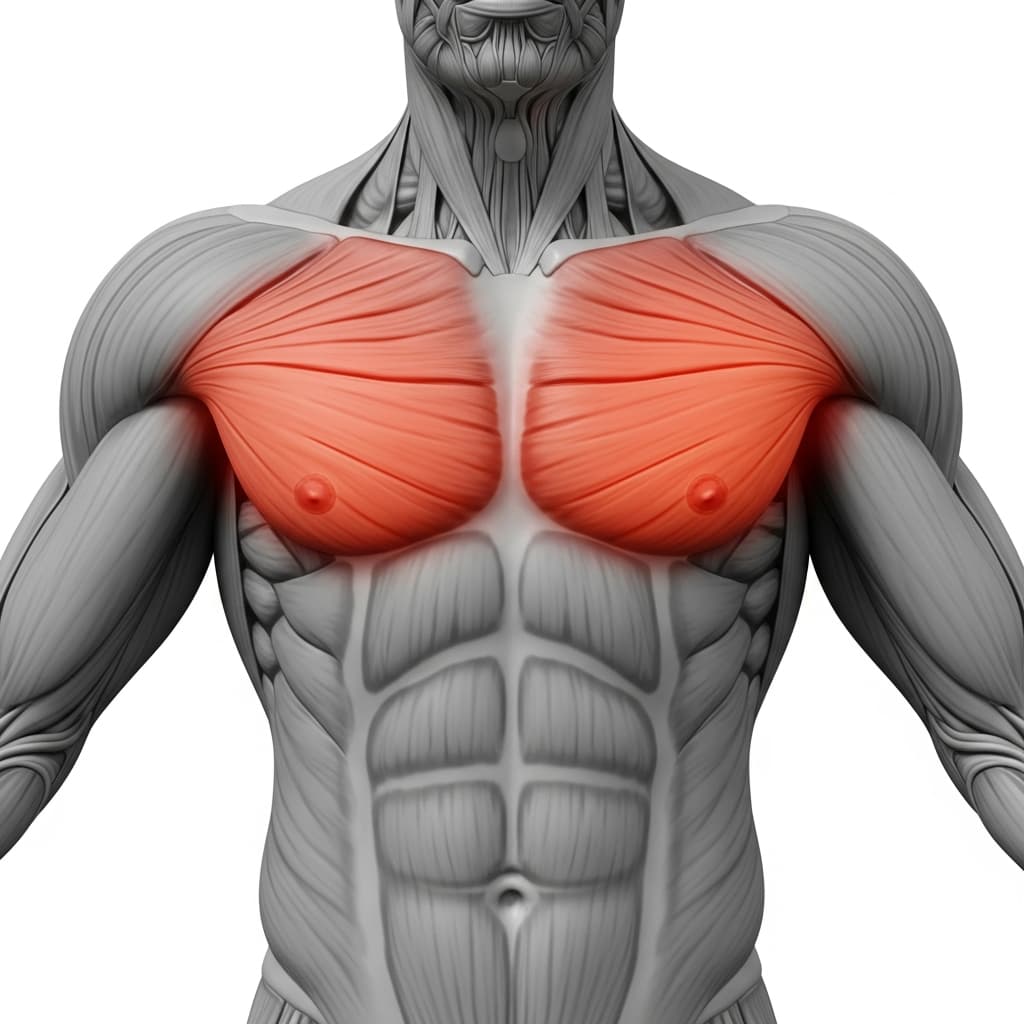
Pectoralis Major (Chest) - Works alongside the front deltoids to press the body up and forward over the hands.
Biceps Brachii (Biceps) - Loaded hard through the tendon at the elbow to stop the arm folding, which is why straight arm work has to be built slowly.
Triceps Brachii (Triceps) - Keeps the elbows locked out for every second of the hold.
Forearm Flexors & Extensors (Forearms) - Grip the parallettes and squeeze them inwards, which steadies the hands and wrists under the lean.
Rectus Abdominis (Abs) - Hold the ribs down and stop the lower back arching so the body stays in one straight line.
Gluteus Maximus (Glutes) - Squeeze to keep the hips fully extended and the legs level with the shoulders.
Benefits of Full Planche
- Builds straight arm pushing strength at the very top of the planche ladder, which carries over to handstand press work and ring skills.
- Trains protraction under maximum load, so the serratus and shoulder blades become a stable base instead of the weak link.
- Forces the glutes and core to hold full hip extension, which is usually the part that fails long before the shoulders do.
- Conditions the wrists, elbows and forearms to heavy straight arm loading, provided you build up to it across months rather than weeks.
- Needs nothing but a pair of parallettes or a patch of floor, so the skill travels anywhere you do.
Who Is This Exercise For?
Do not start here. The full planche sits at the end of a ladder that runs planche lean, tuck planche, advanced tuck planche, halflay planche, straddle planche and one leg planche, and each rung is worth owning for around 10 seconds of clean hold as your working set before you move up. You also want wrists and elbows that have been loaded gradually for months, the 10 second L-sit people are usually told to have before any planche work at all, and no pain that lingers in the elbow after straight arm work. This takes years rather than months for almost everyone, so treat the rung below this one, the one leg planche, as the real training exercise.
Common Mistakes to Avoid
Letting the elbows bend: The elbows soften the moment the shoulders start to give out, and a bent arm planche is a different, easier exercise. Lock the arms before you lean and keep squeezing the parallettes inwards the whole time. If they still bend, the position is simply too heavy, so go back to the one leg or straddle planche and build there.
Losing protraction: Under this much load the shoulder blades want to pinch back together, usually because the serratus tires before the front deltoids do. As soon as that happens the shoulder loses its stable base and the load shifts onto the biceps tendon and the elbow. End the hold when protraction goes, and train protraction directly with planche leans.
Piking the hips above the line: A small pike at the hips shortens the lever and makes the hold easier, so it feels like progress while it is really a different position. It happens when the glutes and core cannot hold full hip extension under the load. Film yourself from the side, and treat any hold where the hips sit above the shoulders as a sign to go back a rung.
Adding lean and volume in the same week: Tendons adapt more slowly than muscle, so the strength that gets you into the position arrives before the elbow is ready for it. Ruptures in this progression have happened to people who were training carefully and felt no warning pain beforehand, sometimes with older tendon trouble in the background, so treat the elbow as the tissue that sets the limit even when nothing hurts. Change one thing at a time, warm the elbows specifically before every session, and back off straight arm work for several days if pain lingers.
Variations & Progressions
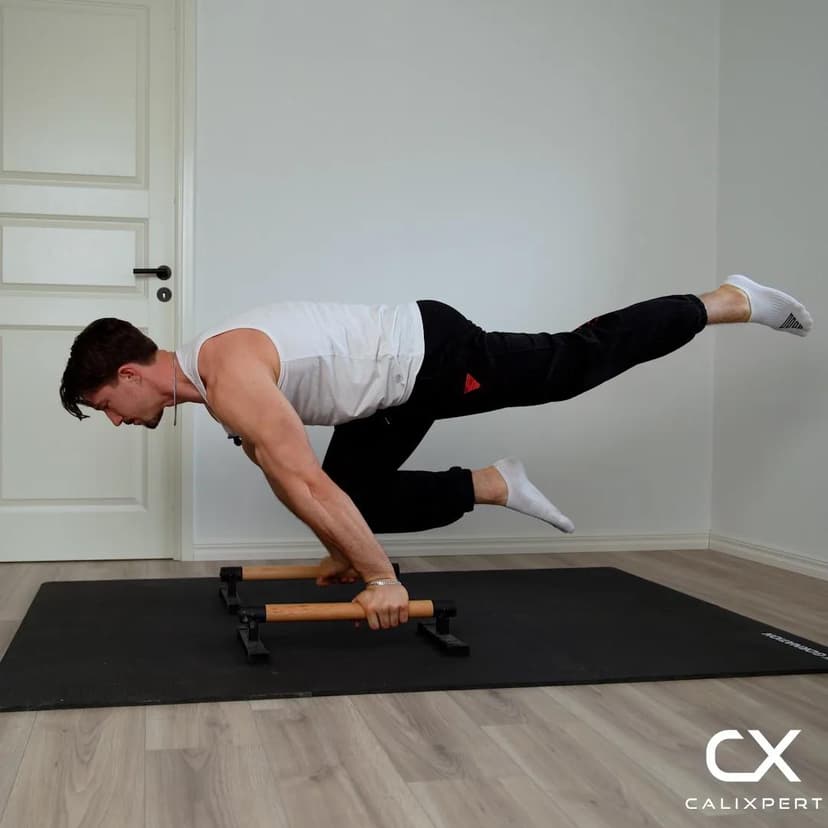
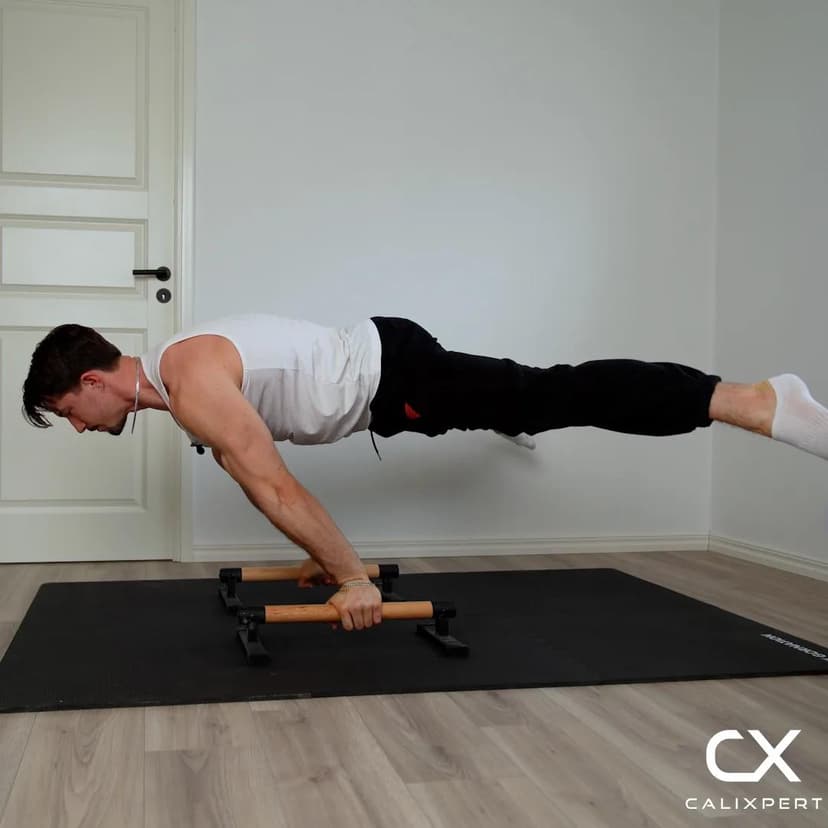
Full Planche On The Floor
The same shape with the hands flat on the ground, which asks more of the wrists and is the version most people find harder.
Planche Push Ups
Adds bent arm work to a position you can already hold still, and it is the obvious next step once the full planche hold is solid.