Weighted Ring Push Ups
Weighted ring push ups add a dip belt and a plate to a movement that is already unstable, which is why the setup matters as much as the reps. Your feet go on a bench and your hands go in the rings, so the plate hangs clear of the floor and every kilo goes through your chest and triceps. A weight vest usually stops around 20 kg. A dip belt is how you keep adding load after that.
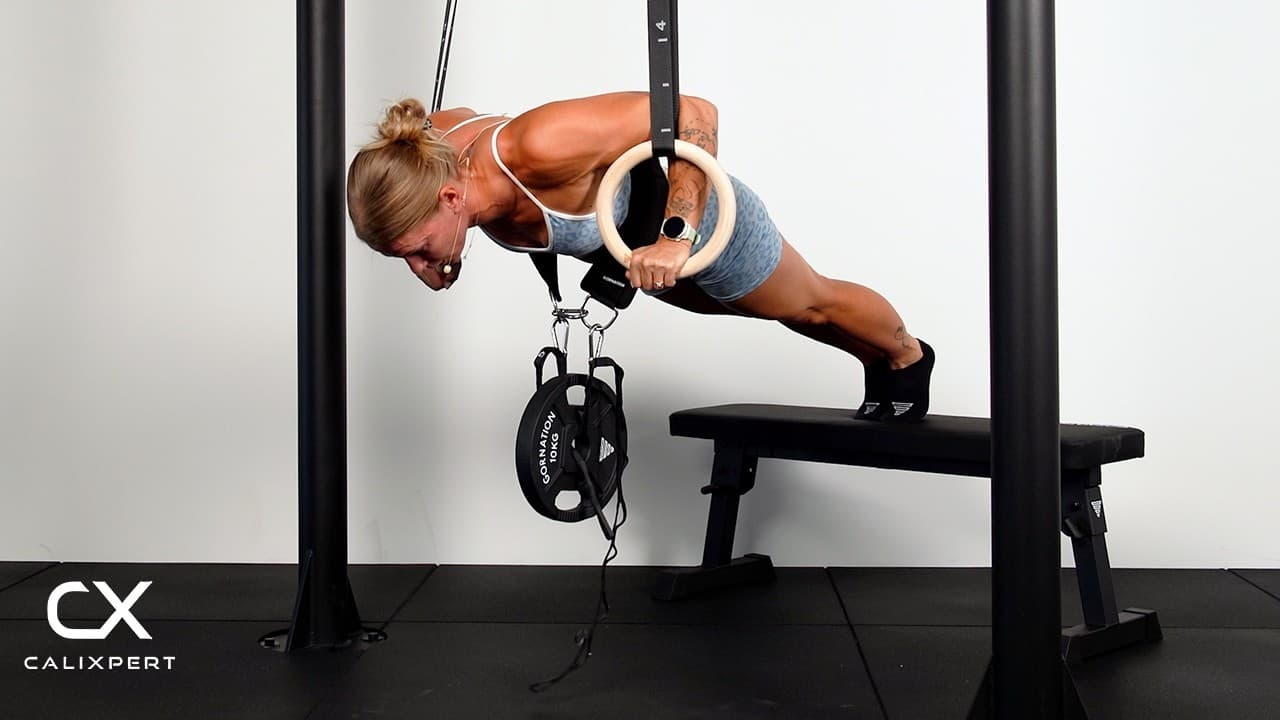
Weighted ring push ups add a dip belt and a plate to a movement that is already unstable, which is why the setup matters as much as the reps. Your feet go on a bench and your hands go in the rings, so the plate hangs clear of the floor and every kilo goes through your chest and triceps. A weight vest usually stops around 20 kg. A dip belt is how you keep adding load after that.
How to Do Weighted Ring Push Ups
1. Set The Rings And The Bench
The plate needs room to hang, so the whole setup has to sit off the floor. Put the rings well above the bench, roughly hip height, which is around twice the height of a flat bench, so your hands end up clearly higher than your feet and the plate swings free with room to spare. Two or three smaller plates sit tighter to the belt than one big one and give you even more clearance at the bottom.
Rings about hip height.
2. Fit The Dip Belt High On Your Belly
The best setup is three hooks, one on each side to connect the belt around you and a third one for attaching the weight. Wrap it as high as possible on the belly, so it sits right under the chest, then pull it as tight as you can. High placement is not just comfort. It means more of each kilo reaches your hands instead of hanging off your lower back.
Right under the chest.
3. Keep The Weight In Front Of You
With the plate attached, hold it in front of you and keep it there the whole time you are getting set. Check the carabiner is properly closed before every set, not just the first one, because a plate that comes loose drops straight to the floor under your chest. Then take the rings and keep everything pulled in tight to your body.
Weight stays ahead, belt stays tight.
4. Step Onto The Bench One Foot At A Time
This is the part that decides whether the belt stays where you put it. Get your hands in the rings and lean forward first, then step one foot up onto the bench, then the other. Try to stay as horizontal as possible throughout, because the second you come upright the belt and the plate slide down toward your hips.
Stay horizontal.
5. Extend Your Arms And Lock The Shape
Push the rings away and straighten your arms with your body in one line from head to heels. Brace your core and squeeze your glutes before the first rep. The plate is already pulling your lower back down at this point, so the shape has to be set before anything starts moving.
Core tight, glutes squeezed.
6. Lower With Your Elbows At 45 Degrees
Bend the elbows and keep them at 45 degrees to your body, not flared out wide and not clamped in against your ribs. Lower under control and let your chest come down between the rings. Controlled reps, no momentum, which matters more here than on the floor because the rings move and the plate swings.
No flaring, no tucking.
7. Press Back Up Under Control
Drive the rings down and away until your arms are straight again. Pull the rings in toward your body as you press so they do not travel outwards. Keep the core braced the whole way up and reset for a beat at the top rather than dropping straight into the next rep.
Push, and keep the line.
The part people get wrong is not the push up, it is getting into it. Keep the weight in front of you and pull the belt as tight as you can, right under the chest. Then stay as horizontal as possible while you step onto the bench, one foot at a time. If you stand up straight, the belt slides down and the plate starts swinging. Once you are in, core tight, glutes squeezed, and no momentum.
Muscles Worked During Weighted Ring Push Ups
Secondary Muscles:
Primary Muscles
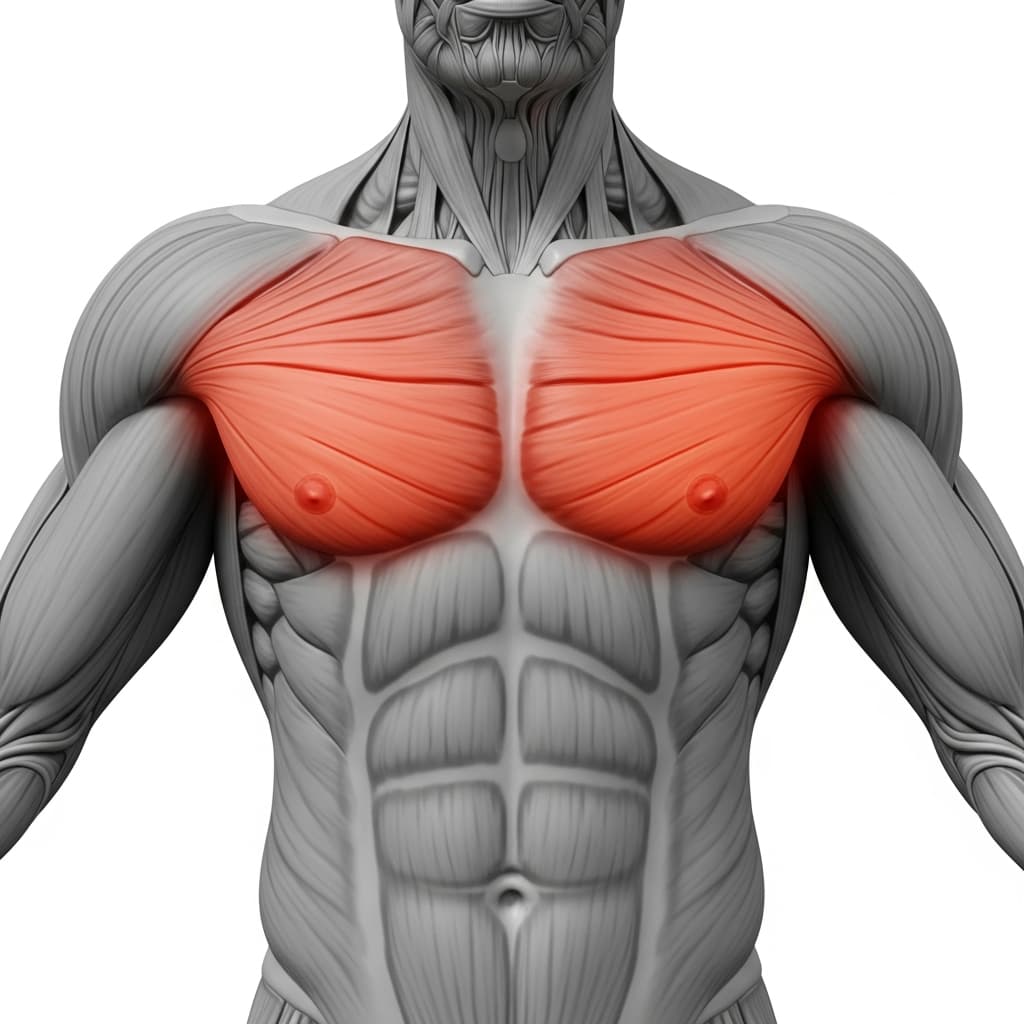
Pectoralis Major (Chest) - The pectorals do most of the pressing, and because the rings let your hands travel toward each other at the top, they also work through bringing your arms together rather than only pushing away.
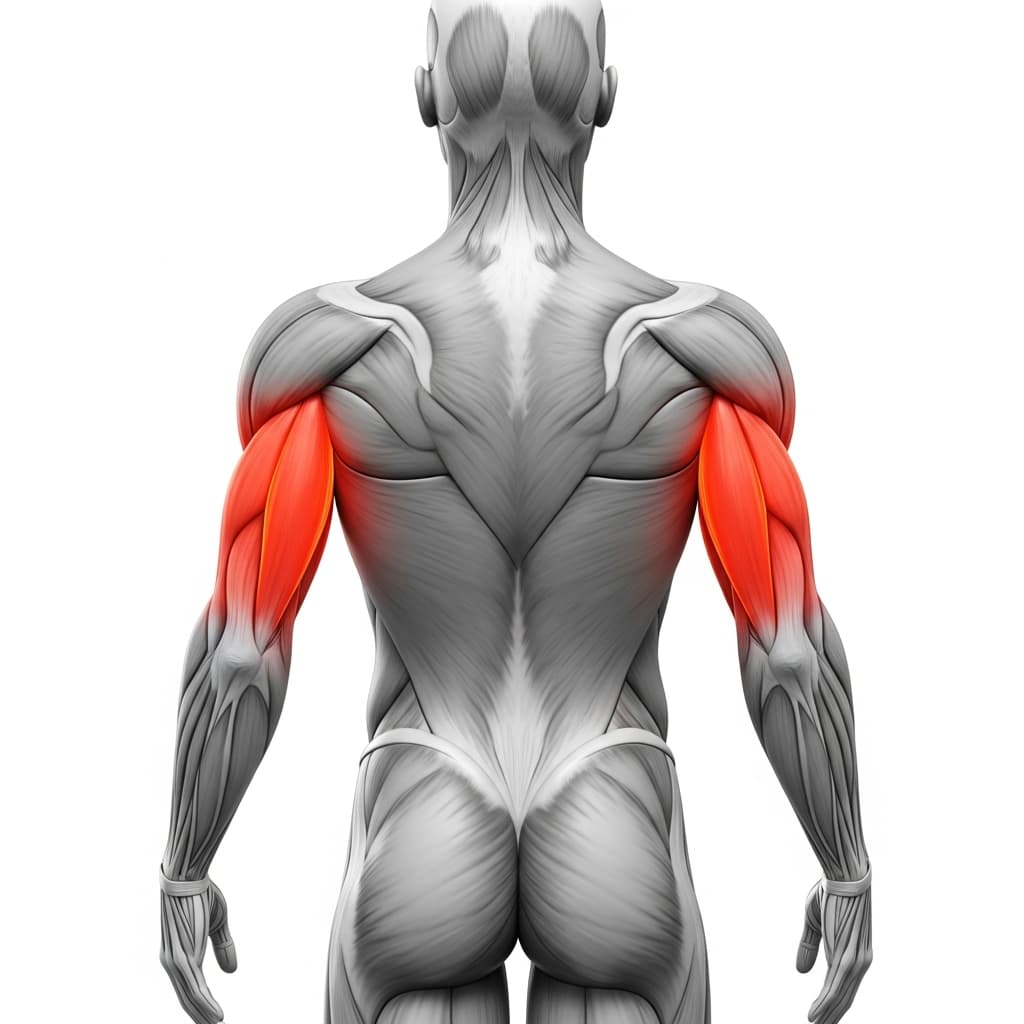
Triceps Brachii (Triceps) - Your triceps extend the elbows out of the bottom and lock the arms out at the top, and the added plate usually makes that lockout the part that fails first.
Secondary Muscles
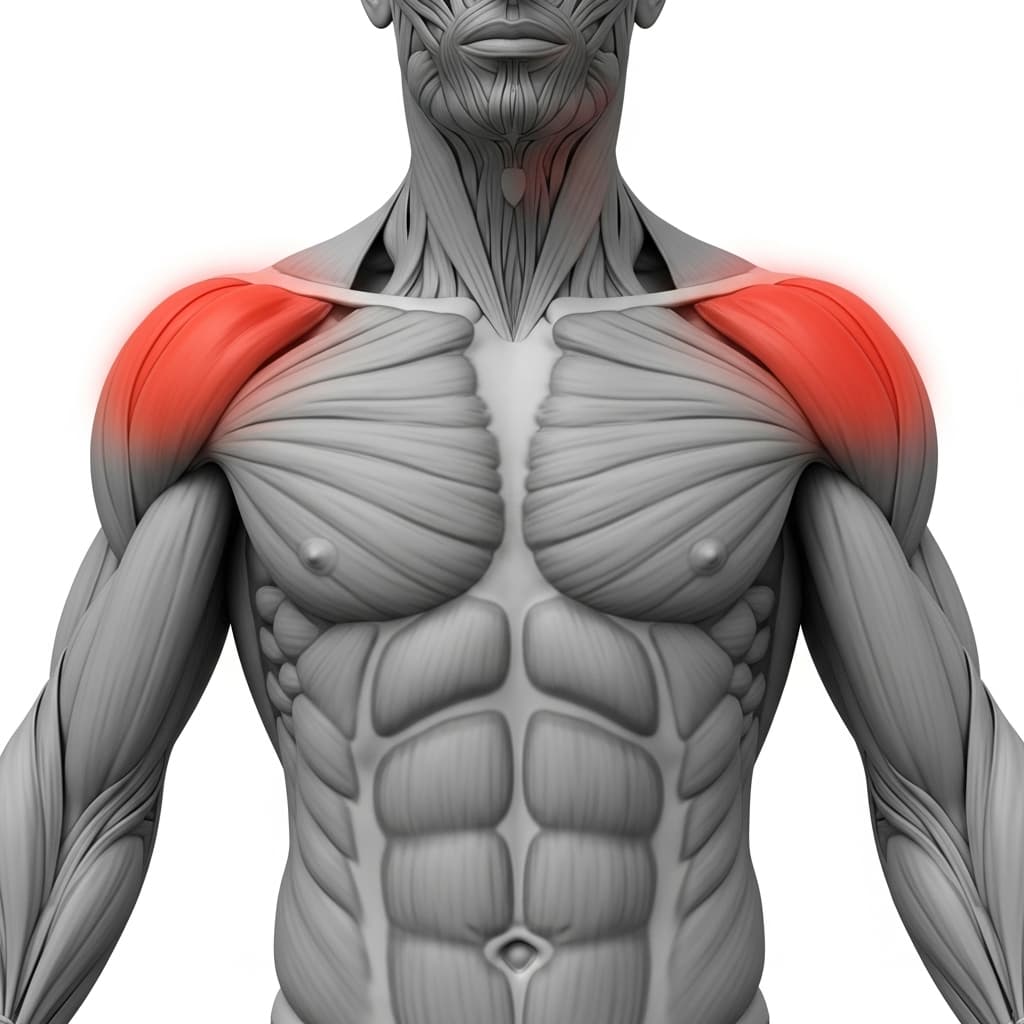
Anterior Deltoid (Front Deltoid) - The front deltoids assist on every press and take a bigger share the deeper you let your chest drop between the rings.
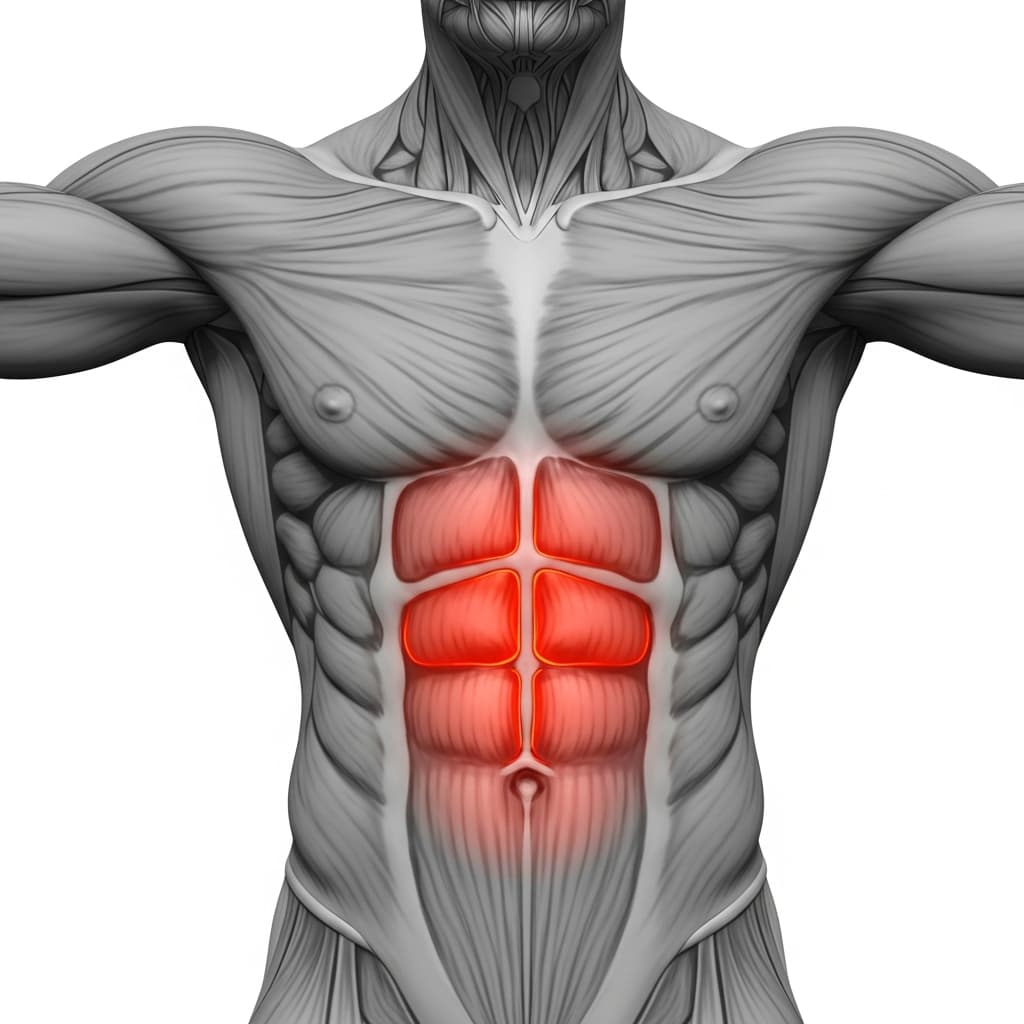
Rectus Abdominis (Abs) - The plate hangs from your belly and pulls your lower back toward an arch for the whole set, so your abs are holding a plank under load the entire time.
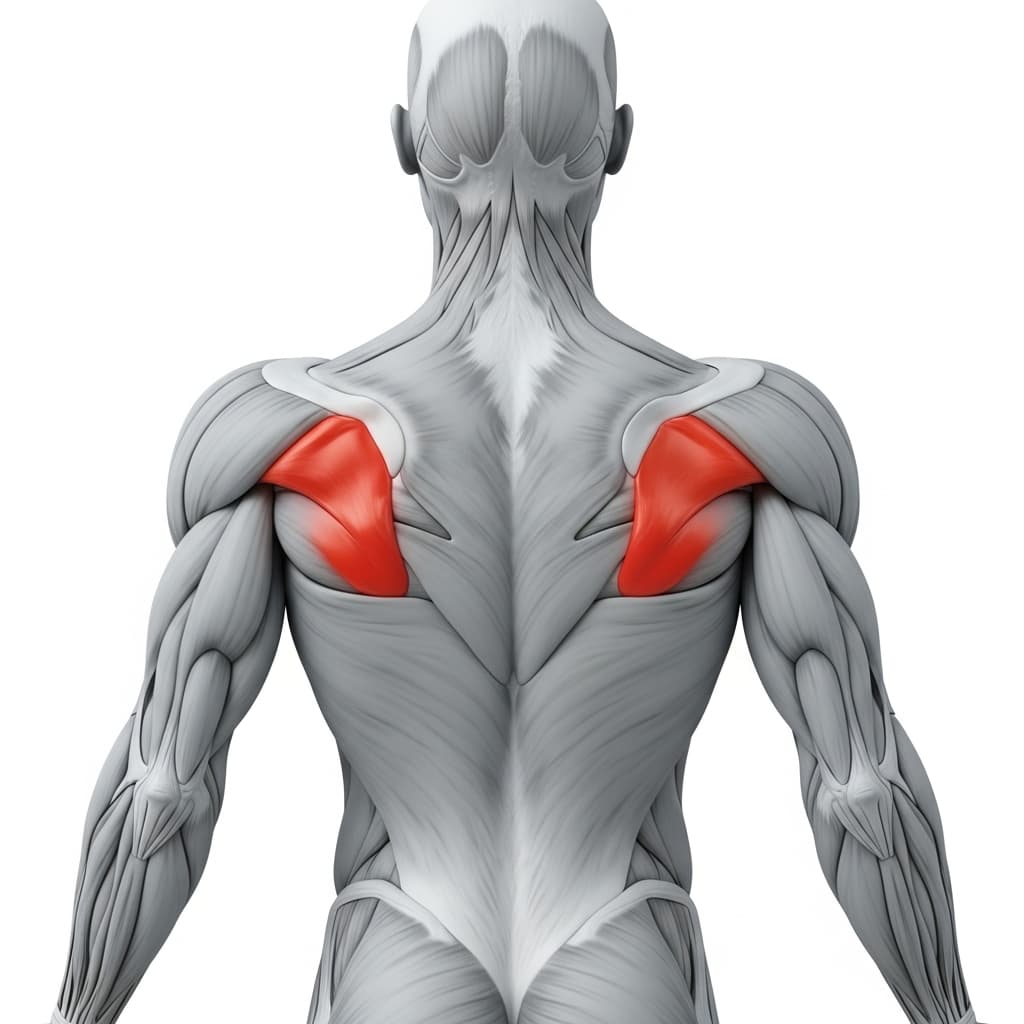
Rotator Cuff (SITS) (Rotator Cuff) - The small muscles around the shoulder joint stop the rings drifting and swinging, which is work a fixed floor or a pair of bars would do for you.
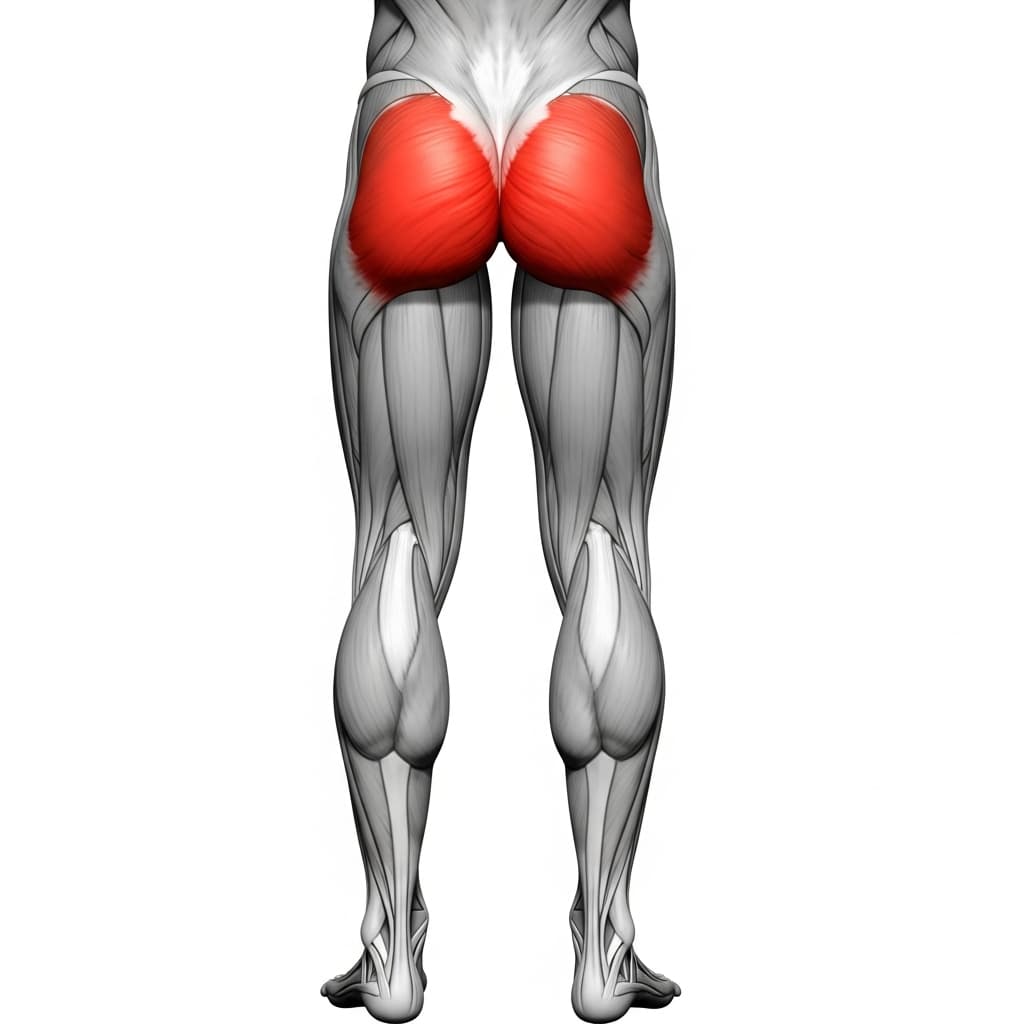
Gluteus Maximus (Glutes) - Squeezing your glutes locks the pelvis in place so the hanging weight cannot tip it forwards and dump the load into your lower back.
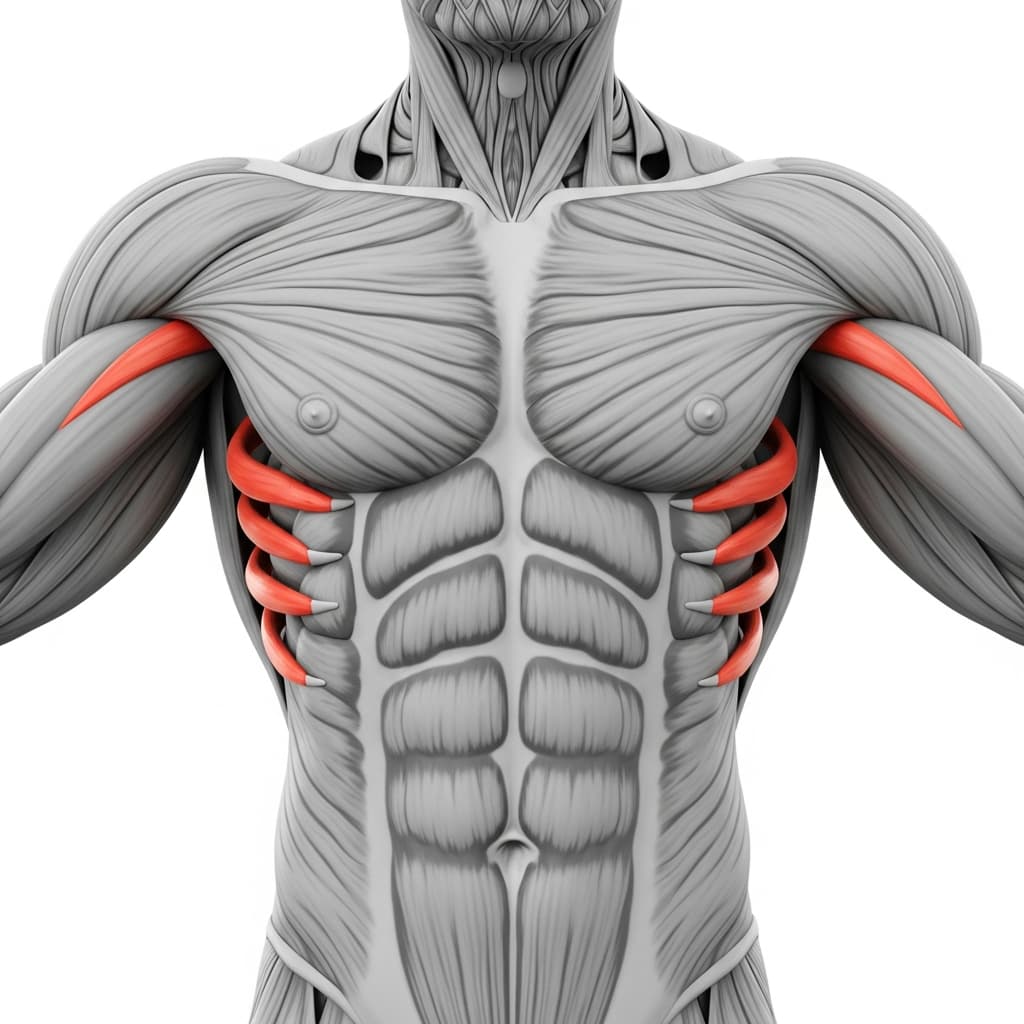
Serratus Anterior (Serratus Anterior) - The serratus anterior keeps your shoulder blades flat against your ribs and pulls them apart at the top of the press as your hands come together.
Benefits of Weighted Ring Push Ups
- You can keep loading a push up long after a weight vest runs out, since vests usually stop around 20 kg and a belt does not.
- The chest works through both of its jobs, pressing away and bringing your arms together, because the rings let your hands travel inwards at the top.
- Your abs and glutes hold a plank under constant load, since the hanging plate is pulling your lower back toward an arch on every single rep.
- The shoulder stabilisers work far harder than they do on the floor or on bars, because nothing under your hands stays still.
- It is kinder on your wrists than a loaded floor push up, as the rings turn with you instead of pinning your hands flat under the weight.
Who Is This Exercise For?
Get strong on each half separately before you put them together. That means clean ring push ups with no weight at all, controlled and to full depth, with the rings steady under your hands and the last rep looking like the first. It also means weighted push ups on a stable surface, so the belt and the plate are already familiar before anything starts moving. You also need a plank you can hold without your hips dropping, because the plate pulls your lower back down from the very first rep.
Common Mistakes to Avoid
Letting the lower back arch under the plate: This is the error that belongs to the weighted version specifically. The plate hangs from your midsection and pulls it toward the floor, so the arch is being created by the load, not just by fatigue. Keep the core tight and the glutes squeezed from before the first rep, and end the set the moment you can no longer hold the straight line from head to heels.
Wearing the belt at your waist like you do for dips: On dips the belt sits on your hips and the plate hangs between your legs, so waist placement is correct there. Face down it is the opposite. The belt wraps your trunk and the plate hangs beneath you, which is why it has to sit as high as possible on the belly, right under the chest. Put it there and cinch it tight before you load it, otherwise the first plate drags it straight down to your hips.
Standing upright while you step onto the bench: The moment you go vertical with the weight on, the belt slides down and the plate starts swinging. Get your hands in the rings, keep the weight in front of you, and stay as horizontal as you can as you step up one foot at a time. Getting in and out is where most of the risk in this exercise actually sits, not in the reps themselves.
Elbows flaring out on the last reps: Flaring cuts the work your chest has to do and lets you grind out a rep that has already gone. On rings it happens on its own, because nothing stops your hands drifting outward the way a floor does. Keep the elbows at 45 degrees to your body, no flaring and no tucking in, and stop the set when they start to travel.
Variations & Progressions
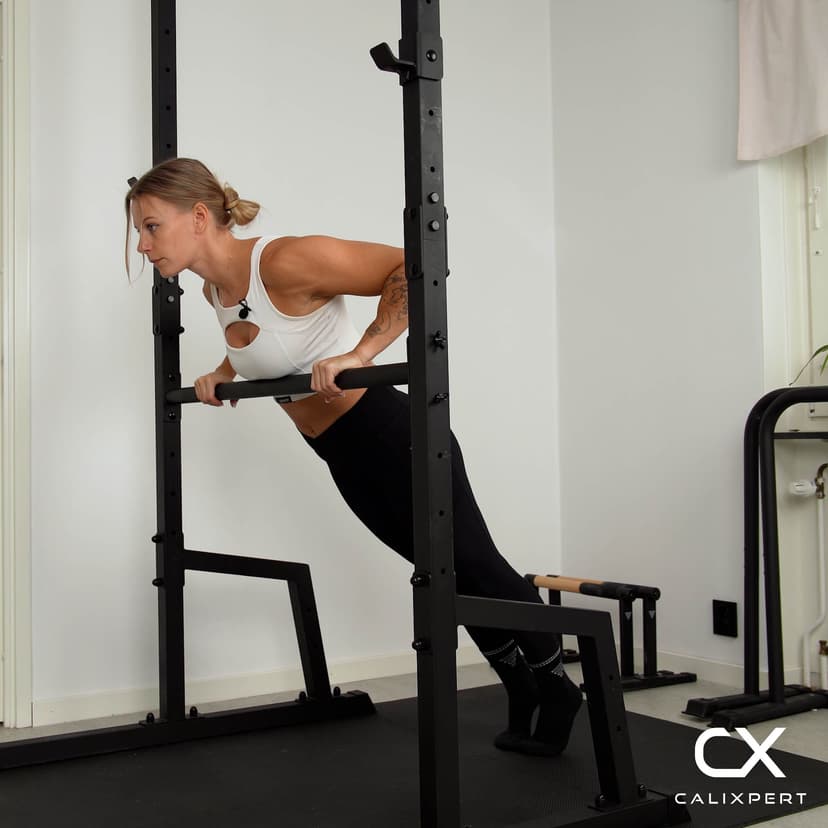
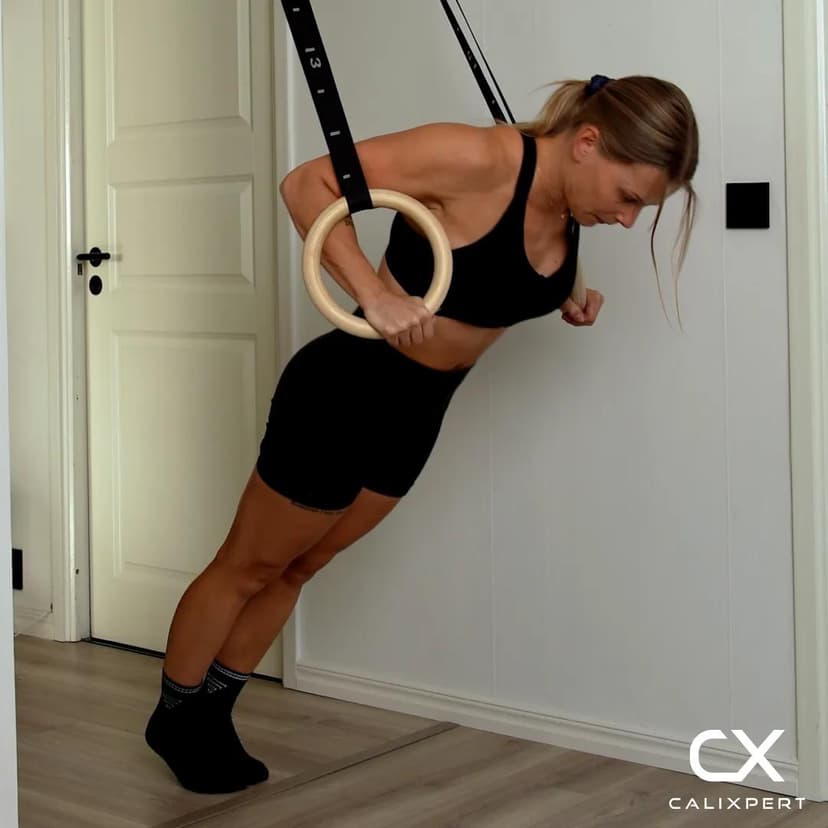
Rings Turned Out Push Ups
The same push up with the rings rotated outwards at the top, which takes the straps off your forearms and makes the position harder to hold.