High Pull Ups
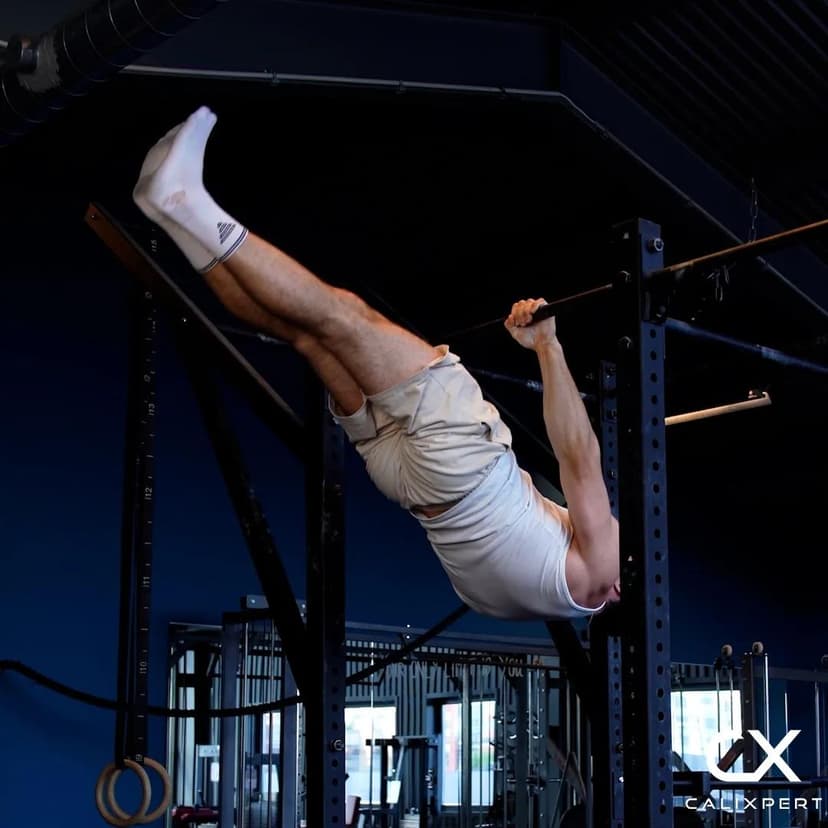
High pull-ups are an explosive pulling exercise where you take a small swing under a high bar and pull as high as you possibly can, aiming far above your chin. The lats and biceps drive the pull while the traps, upper back, forearms, and core control the swing and hold the position at the top. It generates almost the same power as a muscle up without asking you to handle the transition, which makes it one of the most direct ways to build toward that skill.
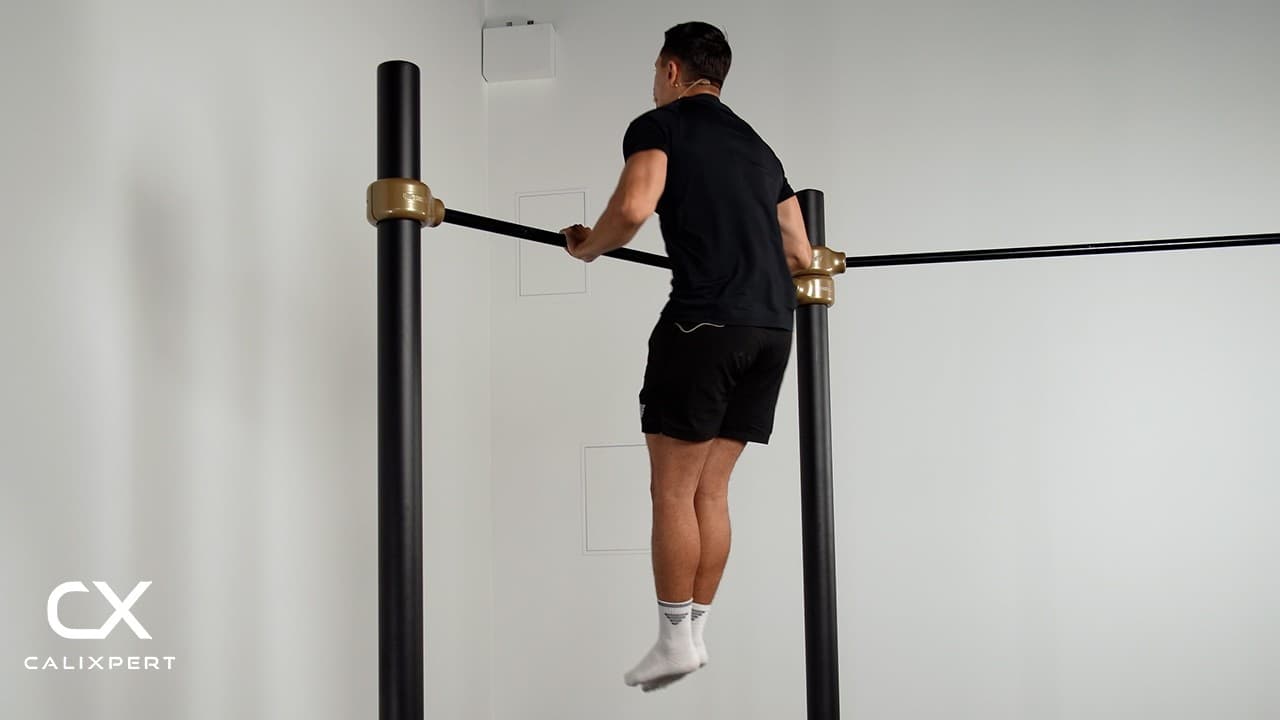
High pull-ups are an explosive pulling exercise where you take a small swing under a high bar and pull as high as you possibly can, aiming far above your chin. The lats and biceps drive the pull while the traps, upper back, forearms, and core control the swing and hold the position at the top. It generates almost the same power as a muscle up without asking you to handle the transition, which makes it one of the most direct ways to build toward that skill.
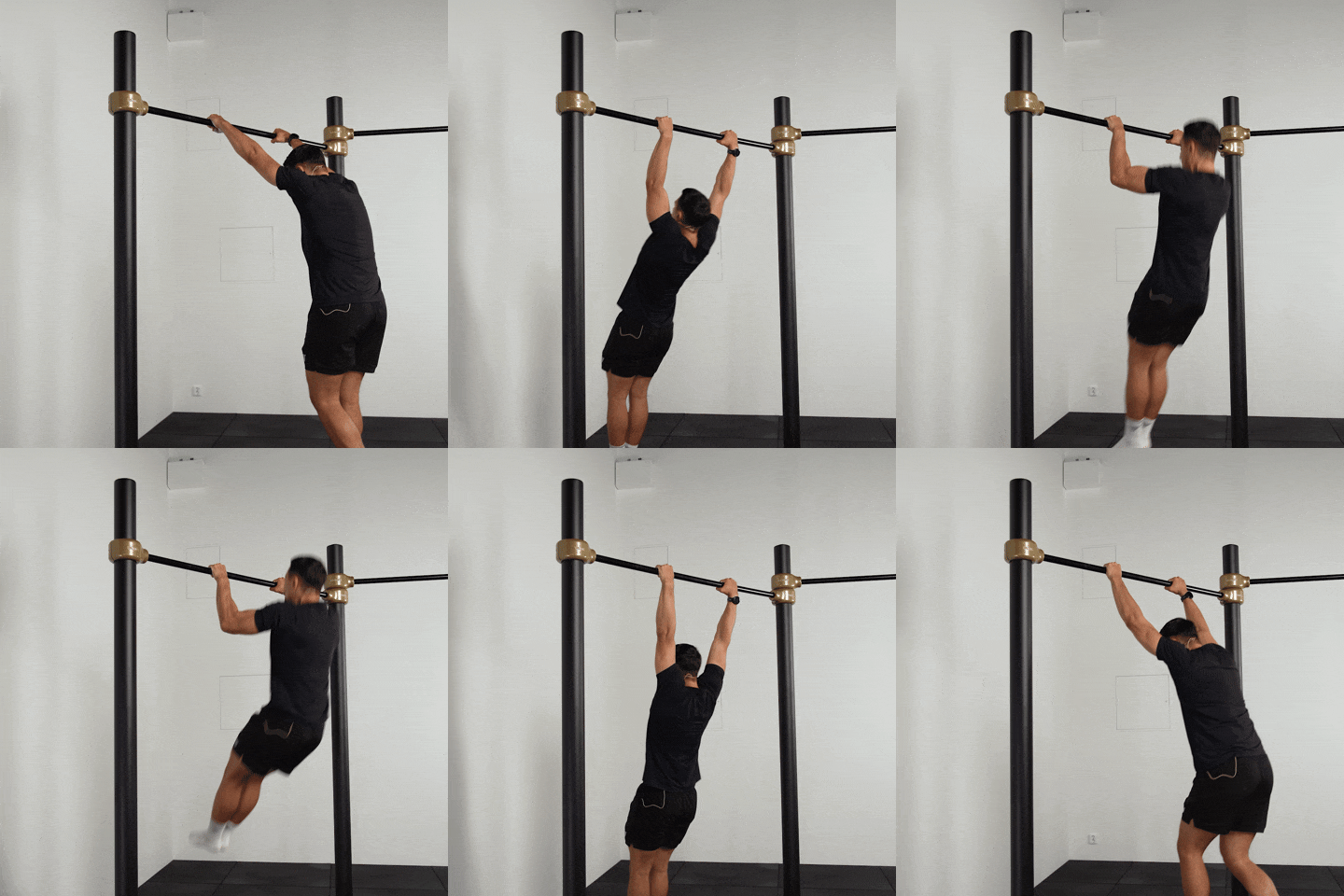
How to Do High Pull Ups
1. Set Up a High Bar and Something to Step From
Use a bar you can hang from completely straight without bending your knees, then set a box, bench, or chair underneath it so you can step up into the hang instead of jumping. At this point the only job of the step is to get you to the bar. A bar that forces you to tuck your legs will cut the movement short before you ever reach full height.
Full hang, legs straight, feet clear of the floor
2. Chalk Up and Set the Grip
Chalk your hands, then grab the bar with your knuckles pointing upward so you sit in a semi-false grip rather than hanging off your fingers. Take a slightly narrower grip than your usual pull-up width, which is far more comfortable when you are pulling high.
Knuckles up, chalk on, slightly narrower grip
3. Move That Same Step Back for a Small Swing
Once you can reach the bar, push the box back a little further away from it before you step off. Starting from further back means stepping off gives you a small swing. You do not want a big swing, only enough that you have something to pull against on the way back.
A small swing, never a big one
4. Hold the Grip Through the Swing
As you swing forward, your grip has to stay exactly where you set it. Squeeze harder instead of letting the bar roll into your fingers, because once you lose that position you would need to be extraordinarily strong to still pull high.
Same grip the whole time, just squeeze harder
5. Pull as You Switch Direction
Do not pull while your body and momentum are still travelling forward. Let the swing reach its end, and at the exact point where you are about to switch back, that is when you apply force.
Pull at the switch, not on the way out
6. Explode with the Elbows Close
Pull as fast and as hard as you can, keeping your elbows tight to your body instead of pointing out to the sides. Aim to pull to your hip, and treat anything above chest height as a good rep in the beginning.
Elbows in, aim for the hip
7. Come Down and Reset
Ride the bar back down under control, let the swing settle back to a small one, and go again from the same grip. The goal is not to pull away from the bar, only to pull as high as possible.
Height, not distance from the bar
You swing forward, and when you are just about to switch back, that is when you pull with as much force as possible. Do not pull while your body and momentum are still moving forward, you throw the rep away. Keep the elbows close to your body so they are not pointing outwards, aim higher than your chest, and try to pull to the hip.
Muscles Worked During High Pull Ups
Secondary Muscles:
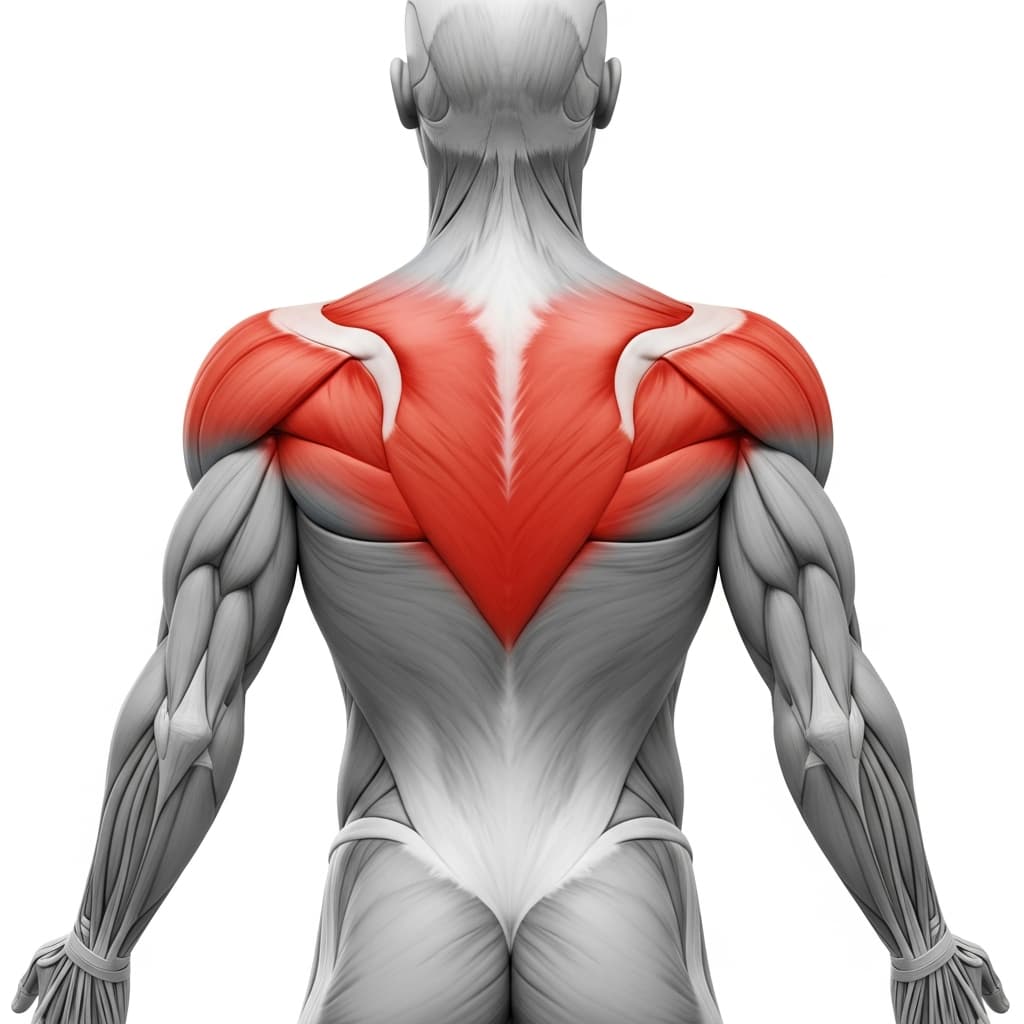
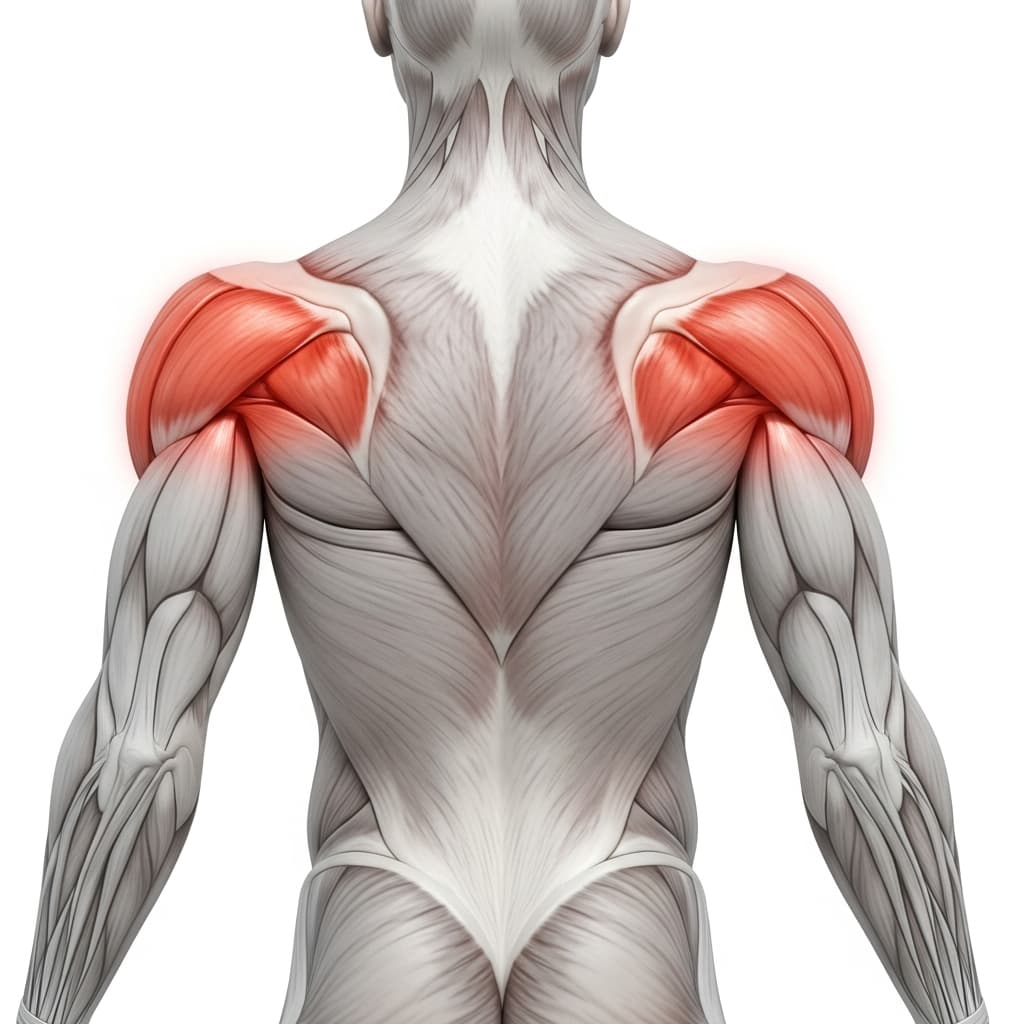
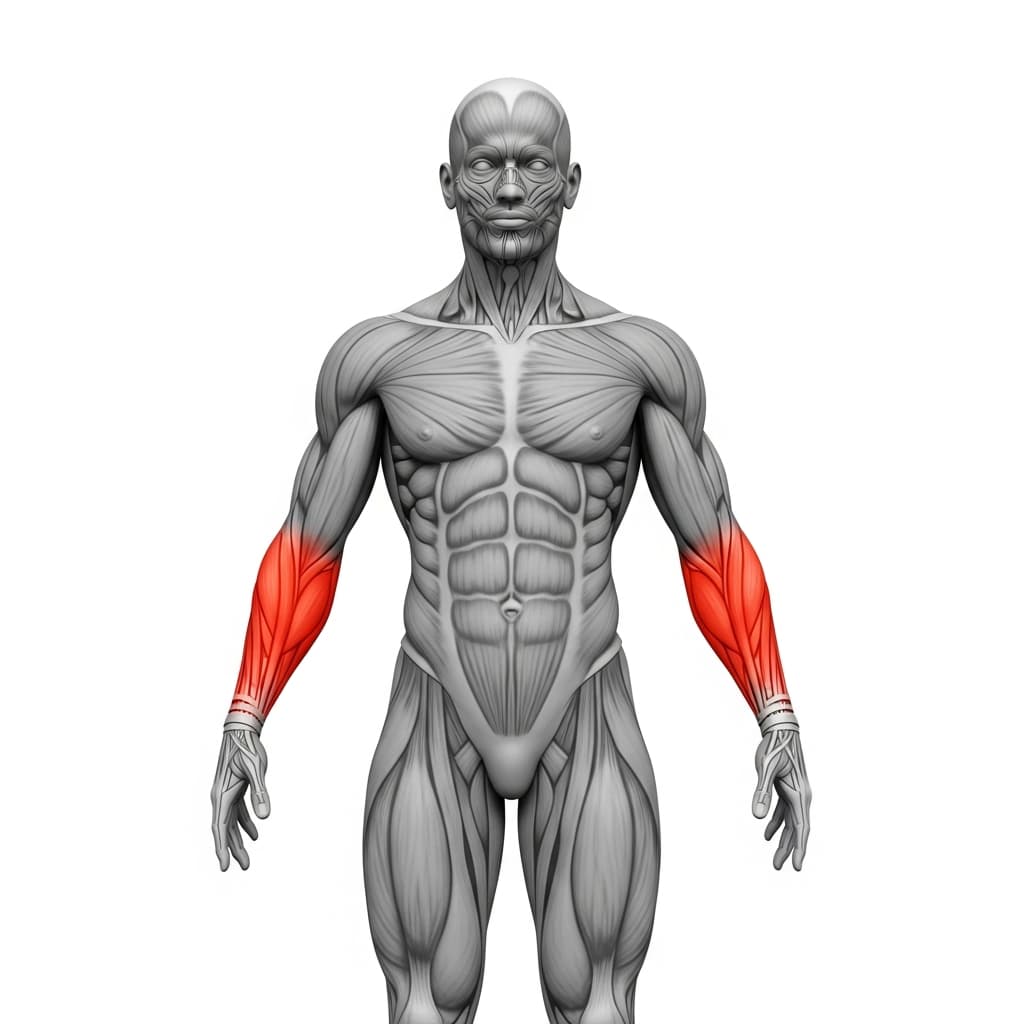
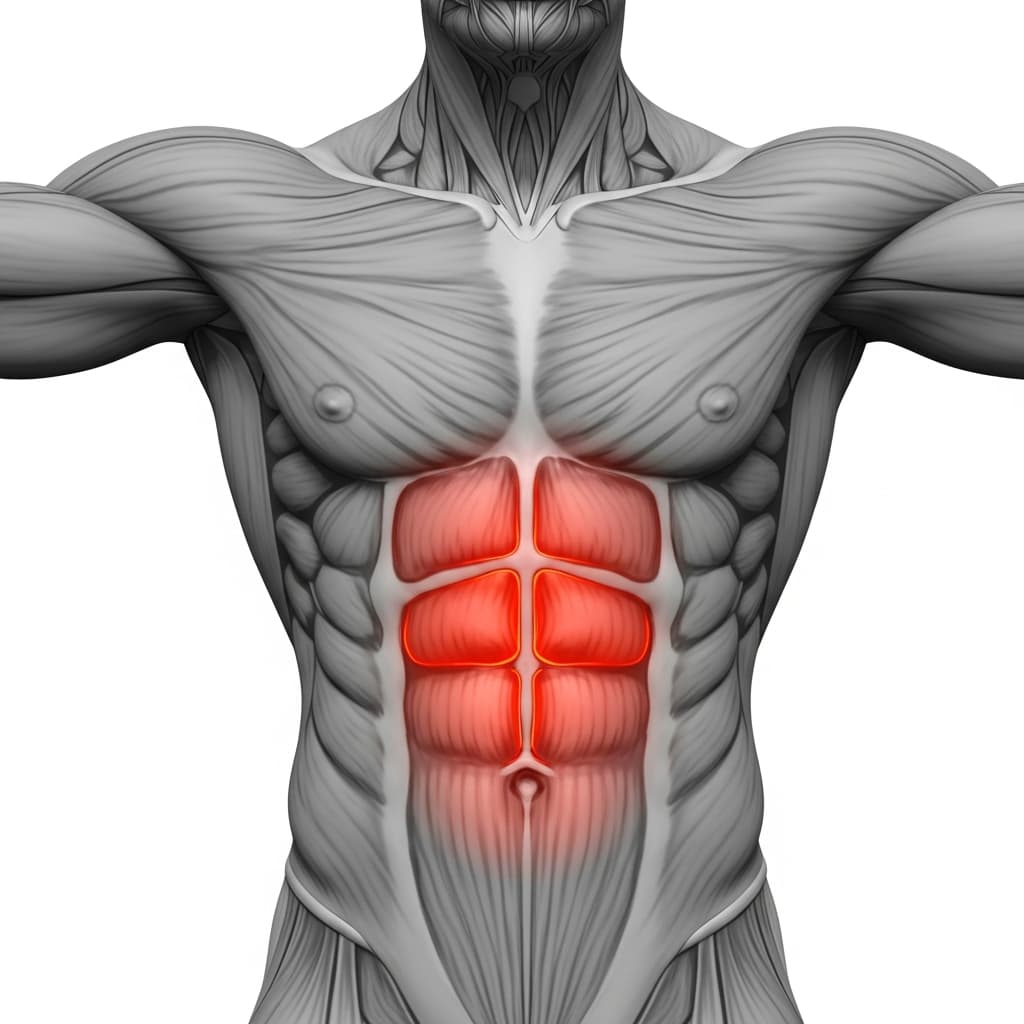
Primary Muscles
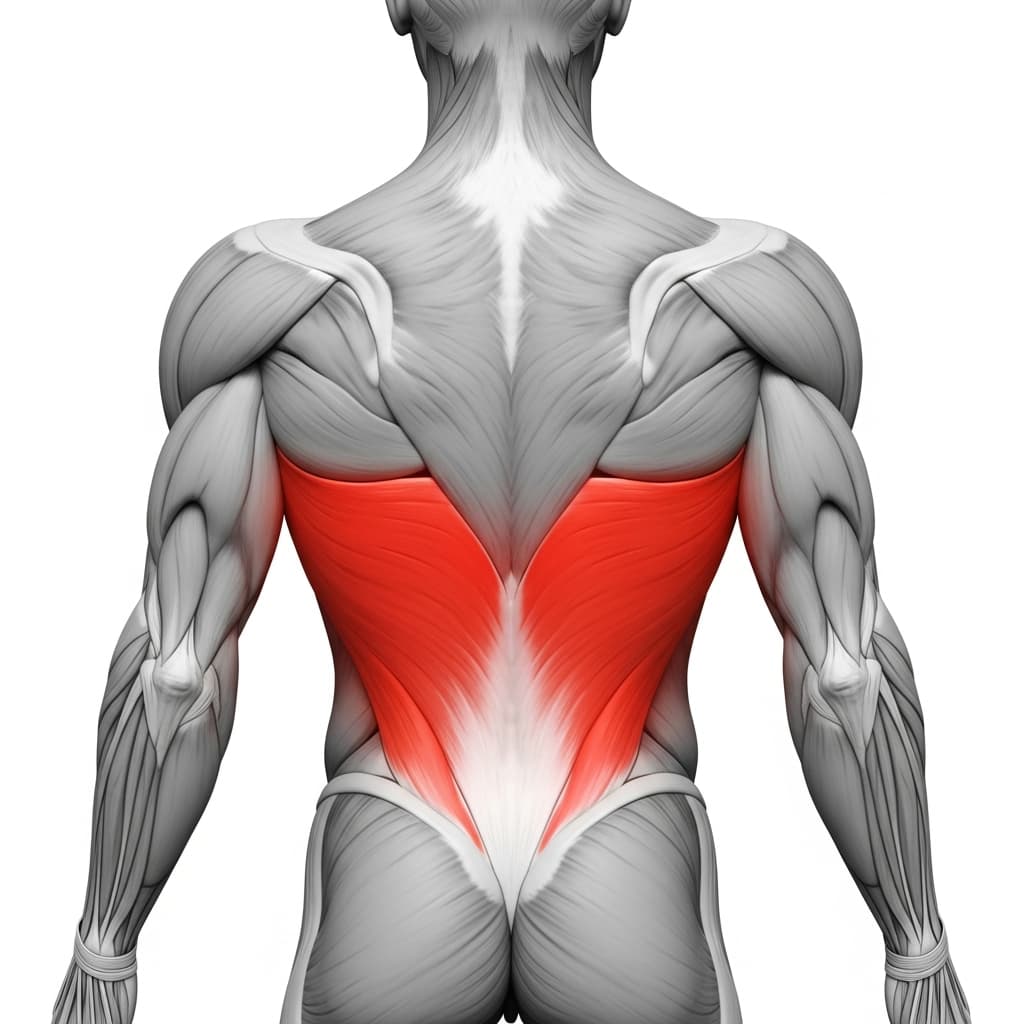
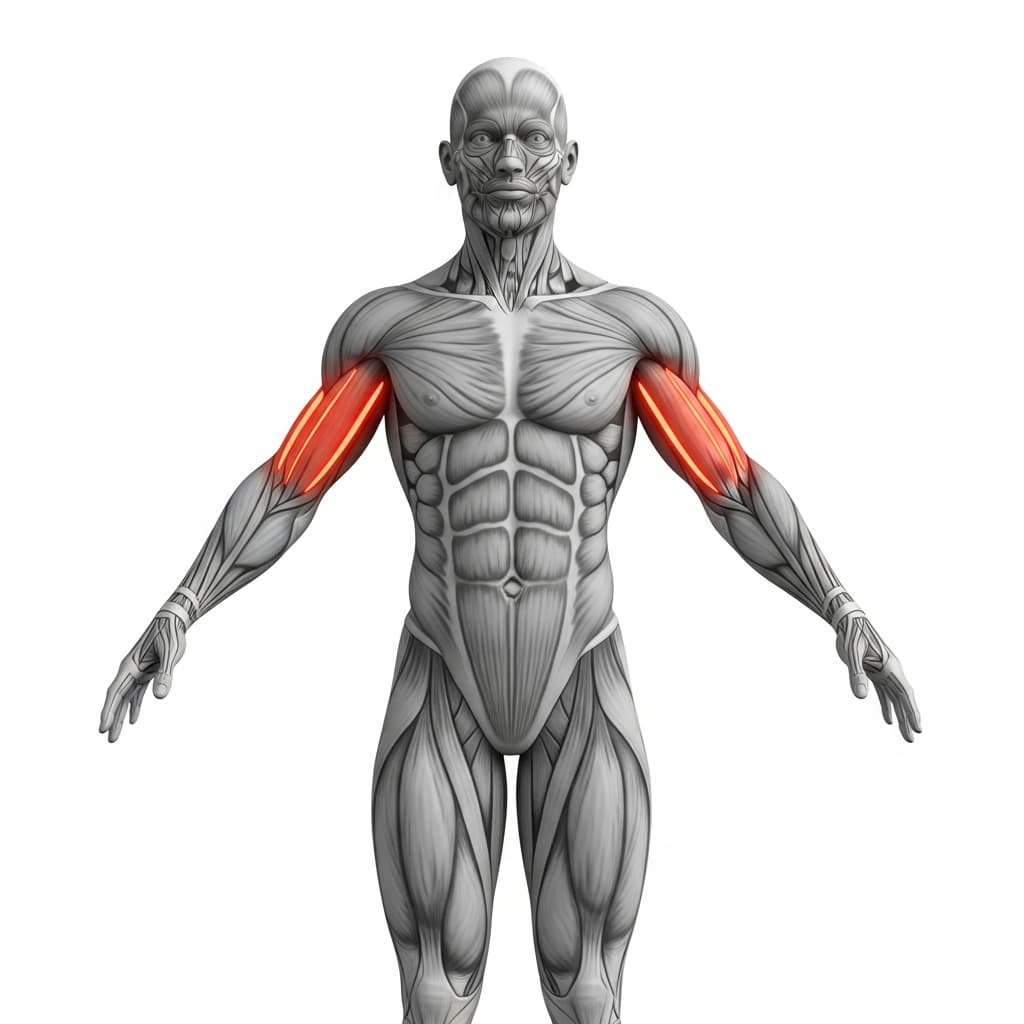
Latissimus Dorsi (Lats) - The lats are the prime mover, driving the upper arms down and back to throw your body as high above the bar as possible.
Biceps Brachii (Biceps) - The biceps flex the elbows through the pull and work hard in the top range where a normal pull-up would already have finished.
Secondary Muscles
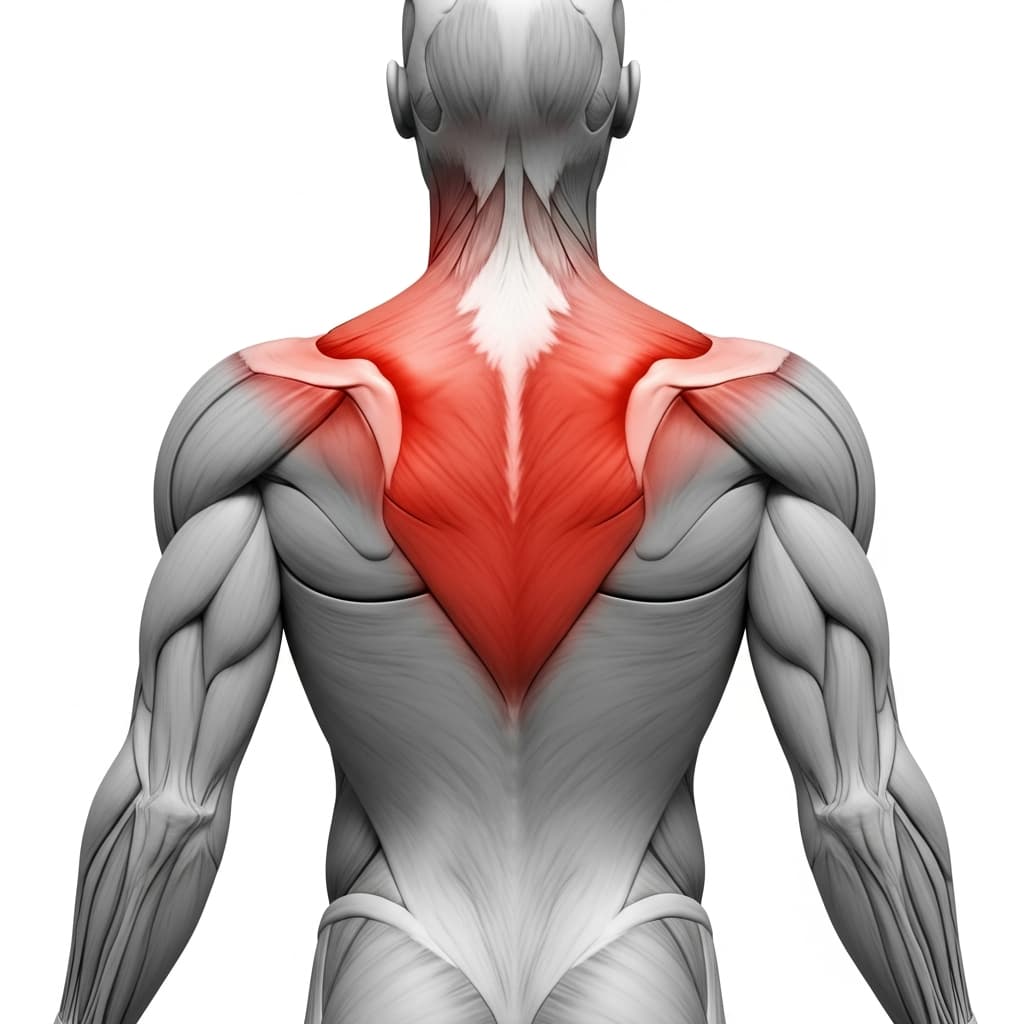
Trapezius (Trapezius) - The traps depress and retract the shoulder blades at the start of the pull, which is what lets the lats fire at full force.
Rhomboids & Upper Trapezius (Upper Back) - The rhomboids and mid-back squeeze the shoulder blades together at the very end of the range, the part that decides how high you actually get.
Posterior Deltoid (Rear Deltoid) - The rear deltoids assist the lats in driving the elbows down and back so they stay tucked instead of flaring out.
Forearm Flexors & Extensors (Forearms) - The forearms hold the semi-false grip through the swing and the explosion, and they are usually what limits your first sets.
Rectus Abdominis (Abs) - The abs control the swing and keep the body connected, so the force you generate goes into height rather than into flailing legs.
Benefits of High Pull Ups
- Builds the explosive pulling power a muscle up needs without asking you to handle the transition yet
- Trains fast force production in the back and arms, something strict slow pull-ups never develop on their own
- Raises your pull ceiling from chin height toward chest and hip height, which is the range where most muscle up attempts fail
- Strengthens grip and forearms in a semi-false grip under swing and impact, carrying straight over to false grip work
- Teaches the timing and body control to combine a swing with a pull instead of fighting against it
Who Is This Exercise For?
You need a bar high enough that you can hang from it fully straight without bending your knees, plus a box, bench, or chair to step from. Build to around 10 clean, full-range strict pull-ups and the ability to pull to chest height for a few reps before you train high pull-ups seriously, because a low pull ceiling is exactly what this exercise is meant to raise. Expect the first sessions to feel very hard and to fall well short of hip height. That is normal, and the height comes with practice.
Common Mistakes to Avoid
Pulling slowly instead of exploding: This is a power exercise, not a strength grind. If the rep is not fast off the bottom it is just a pull-up, so reduce the reps per set and treat every single one as a maximum-effort attempt.
Letting the elbows flare out to the sides: Elbows pointing outward is a normal pull-up position and it makes it far harder to generate power through your back. Keep them close to your body and drive them down and back.
Pulling on the way forward: Pulling while your momentum is still travelling away from the bar wastes the swing entirely. Wait for the moment your body is about to switch direction, then pull.
Skipping chalk and losing the grip: A slipping hand at the front of the swing ends the rep before it starts. Chalk up every set and keep your knuckles turned over the bar so the semi-false grip holds through the whole movement.
Variations & Progressions
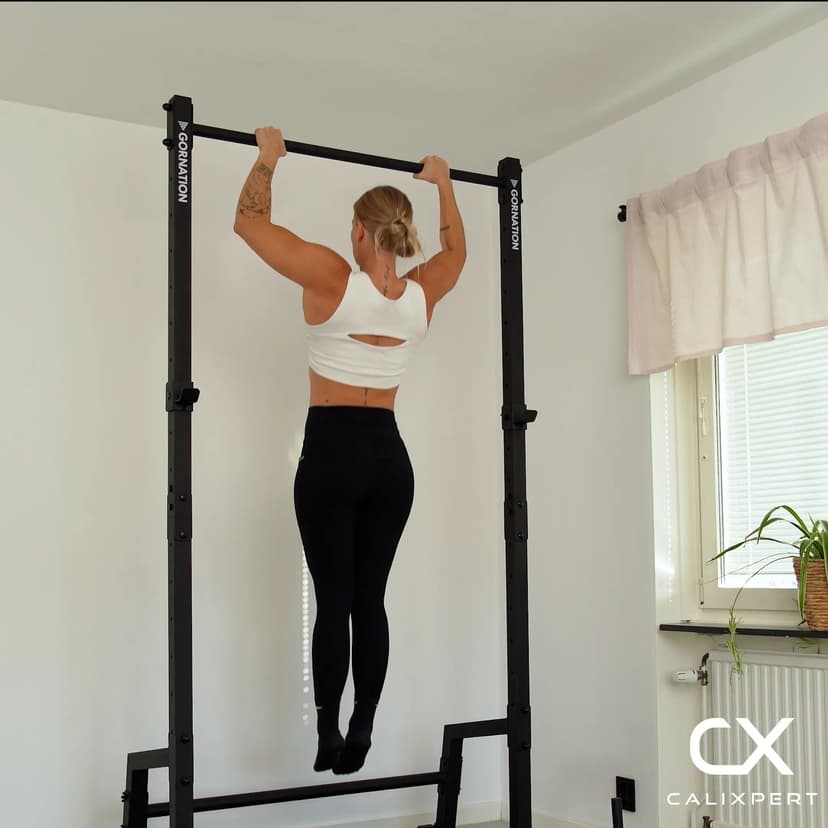
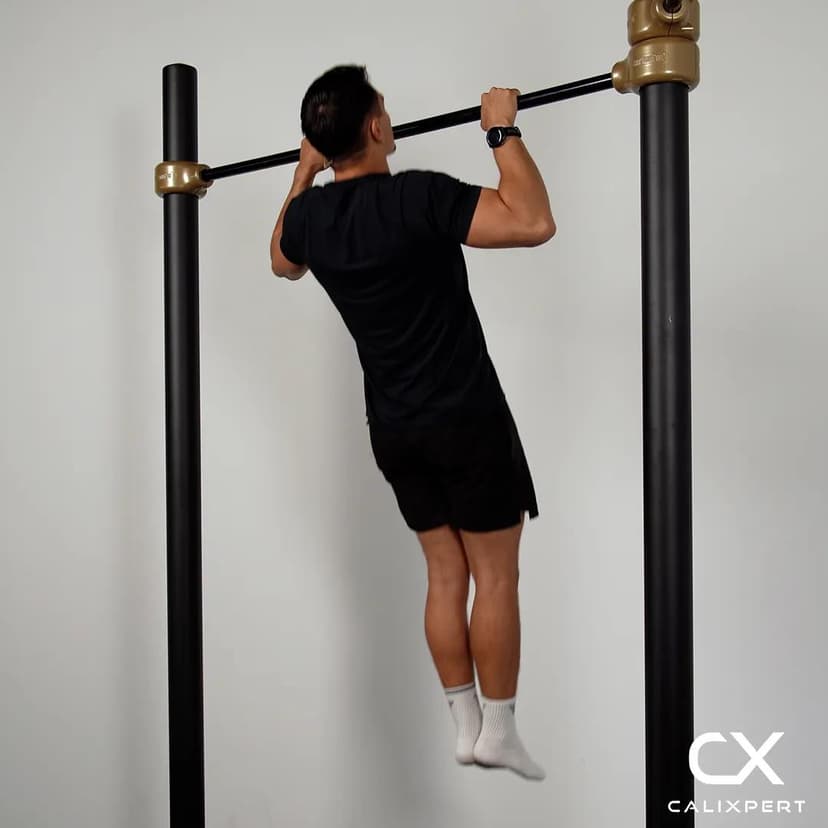
Muscle Up
The same high pull with the transition added on top, which is exactly why high pull-ups are used to build toward it.